

 English


































































































































































































































































































Sweat Scores and Smart Bottles: The Rise of Hydration Tech

LONDON — Hydration technology has moved from elite sport into everyday life, with a growing range of consumer devices now promising to track, score, and improve how much water people drink. Sweat-analysis patches from companies like Epicore Biosystems measure sodium levels and sweat rate. Smart water bottles from WaterH glow to remind users to drink. Toilet-bowl sensors from Vivoo analyze urine density and deliver a daily hydration score to an app. The technology arrives as climate change intensifies heatwaves and public health campaigns encourage greater fluid intake—but researchers question both the accuracy of some devices and the psychological burden of turning a basic bodily function into a stream of performance metrics.
The 2026 World Cup has brought the hydration conversation into sharp focus. For the first time, two hydration breaks occur during every match. Some fans call them ad breaks in disguise. Others point to rising stadium temperatures. Either way, the market has noticed: hydration is now a commercial product as much as a health concern.
What Hydration Tech Actually Measures
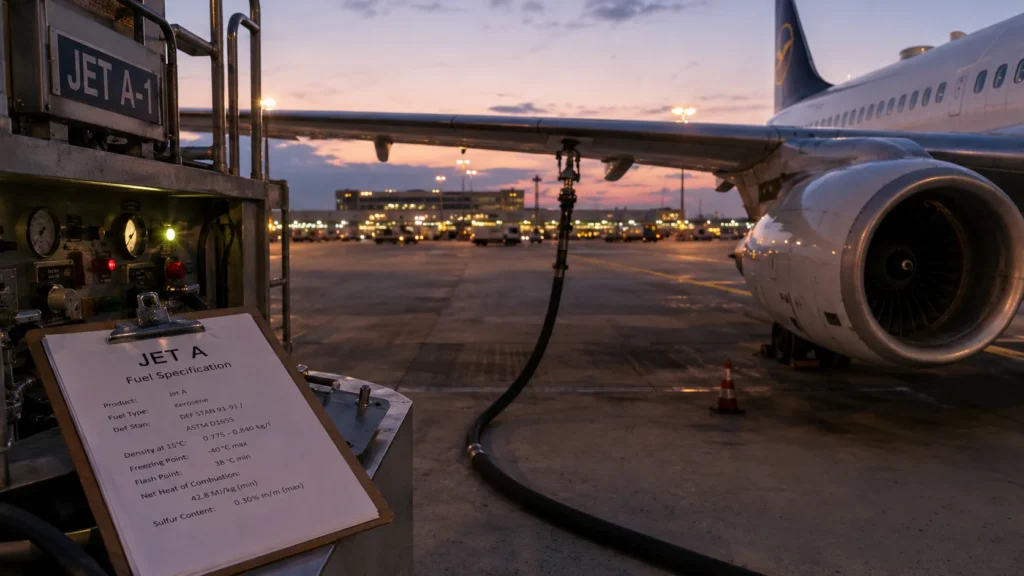
The devices fall into three categories. Sweat sensors, typically worn as patches or armbands, track the flow rate of sweat as it leaves the skin, along with sodium concentration and skin temperature. Epicore Biosystems’ devices vibrate when the wearer should drink. The company says its products appear on construction sites, airport tarmacs, and oil and gas facilities as well as on athletes.
Smart water bottles estimate consumption through weight sensors or, in WaterH’s case, by detecting the angle of the bottle and the flow rate of liquid leaving it. A glowing ring blinks when the user has fallen behind their hydration target. “We try to make it fun,” said Cem Bakiş, head of business development at WaterH. “You can add friends, you can earn points.”
Toilet-bowl sensors like Vivoo’s use optical sensors to measure urine specific gravity—how dense urine is compared to clean water. Denser urine indicates dehydration. The company’s app delivers a score. Small print on Vivoo’s website notes the product is “not intended to provide medical diagnoses.”
According to Epicore Biosystems product specifications and published research, the company’s wearable devices are designed for use during workouts of 30 minutes or longer. CEO Roozbeh Ghaffari acknowledged that measuring sweat loss over shorter intervals “can be challenging.”
As our coverage of wearable health technology and the quantified self movement has tracked, the market for body-monitoring devices has expanded well beyond fitness enthusiasts to include older adults, outdoor workers, and people managing chronic health conditions.
What the Science Says About Accuracy
Andreas Flouris, a researcher at the University of Thessaly in Greece who studies hydration, has tested various sweat sensors in his laboratory. His assessment is cautious.
“Most of these products that we’ve tested do not show the level of accuracy that you would expect,” Flouris said. His results are as-yet unpublished. He noted that sweat sensors work best during long, steady exertion—a marathon, a long shift in a hot warehouse—but struggle with intermittent activity. A footballer walking, then sprinting, then walking again produces sweat responses that lag and surge in ways current sensors cannot always track.
Ghaffari responded that Epicore Biosystems has published peer-reviewed papers supporting the accuracy of its devices. He said the company’s products appear effective for workouts of 30 minutes or longer.
Urine-based measurements carry a different limitation. Flouris noted there can be a delay between when a person becomes dehydrated and when that dehydration becomes detectable in urine. By the time a toilet sensor flags a problem, the user may have been dehydrated for hours.
The body’s own thirst mechanism, meanwhile, has been refined by millions of years of evolution. Tamara Hew-Butler, a researcher at Wayne State University who studies fluid regulation, said the body has “a little bit more of a range of safety” than hydration technology often implies. Over-hydration—hyponatremia, where sodium levels drop dangerously low—is also a risk, particularly for endurance athletes who drink too much water without replacing electrolytes. A gadget that only tells users to drink more does not distinguish between the two risks.
According to a 2018 study by Flouris and colleagues published in the journal Nutrients, 70% of 139 workers assessed across Europe showed dehydration levels that could impair cognitive function and motor control. A separate 2023 study found that one in four UK adults aged 65 or older were dehydrated due to insufficient fluid intake. The problem the devices address is real. The question is whether the technology solves it better than listening to thirst.
The Anxiety Question
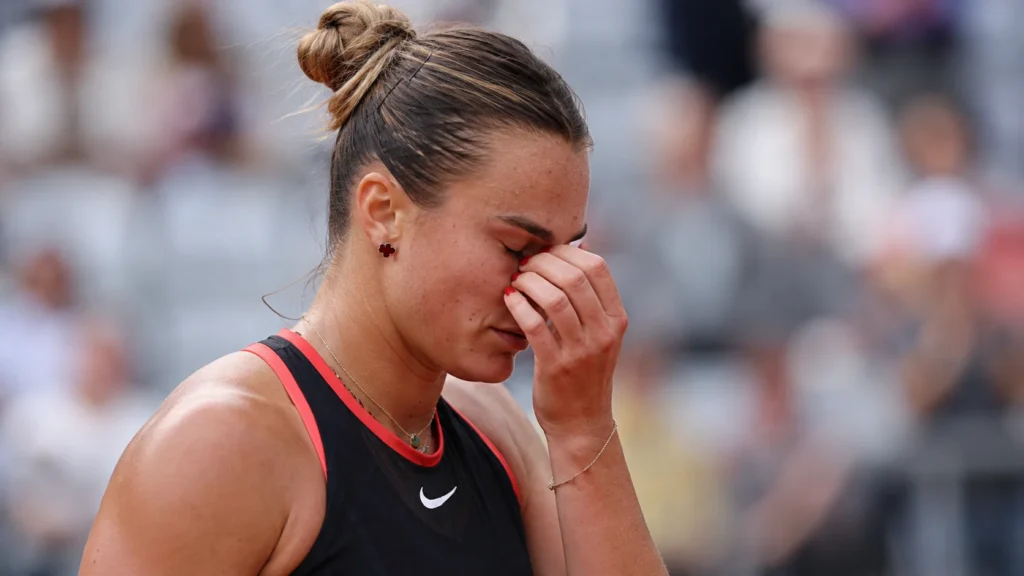
Hew-Butler raised a concern that extends beyond hydration technology to the broader category of health-monitoring wearables. “It’s added some information—but it’s also, I think, added a bit of an emotional burden,” she said.
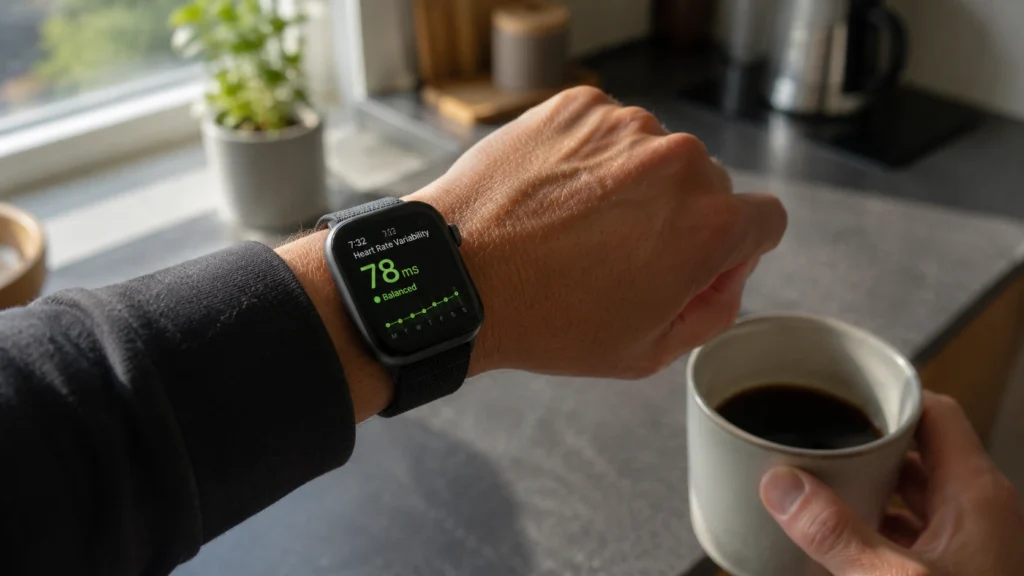
The burden accumulates across devices. A sleep score. A step count. A heart rate variability reading. A hydration score. Each metric promises insight. Each also introduces a subtle form of dependence—users start trusting the number more than the bodily sensation it claims to measure.
A Vivoo spokeswoman acknowledged the concern about health-tracking anxiety. “Vivoo’s smart toilet technology is designed around passive, routine-based testing,” she said. “Users do not need to take additional steps or repeatedly check an app throughout the day.”
Bakiş said the WaterH bottle is intended to help people “build a habit” rather than create stress. But habits, once formed, do not require technology to sustain them. The business model for hydration devices depends on continued use—a tension that applies across the wearable technology industry.
As our analysis of health anxiety and the quantified self movement explored, the line between empowerment and dependency in consumer health tech remains contested.

Where Hydration Tech Is Heading
Hydration technology appears likely to spread along two paths. The workplace track—construction, airports, oil and gas facilities—will grow as employers adopt sensors to monitor heat-exposed workers. Liability and productivity concerns drive adoption in these settings.
The consumer track will follow the trajectory of sleep trackers and continuous glucose monitors: early adopters, lifestyle optimization enthusiasts, and people managing specific health conditions. Mass adoption will depend on whether accuracy improves faster than the anxiety the devices generate.
The 2026 World Cup’s twice-per-match hydration breaks—controversial among some fans who view them as advertising opportunities—reflect the broader cultural moment. Hydration is simultaneously a genuine health concern driven by rising global temperatures and a commercial opportunity that the technology industry has moved to capture.
FAQ
What is hydration technology?
Hydration technology includes wearable sweat sensors, smart water bottles, and toilet-bowl sensors that measure how hydrated you are. Devices track metrics like sweat rate, sodium levels, fluid intake, and urine density, then deliver scores or reminders through connected apps.
Do sweat sensors actually work?
Research suggests sweat sensors work best during long, steady exercise of 30 minutes or more. They can struggle with intermittent activity where exertion levels change rapidly. Academic testing of some devices has raised questions about accuracy, though manufacturers point to published research supporting their products.
Can a smart water bottle improve hydration?
Smart water bottles can help users build a drinking habit by tracking intake and sending reminders. Reviews are mixed—some users find the accountability helpful, while others report measurement drift that requires recalibration.
Is over-hydration a risk with hydration tech?
Yes. Most hydration devices only tell users to drink more. They do not typically warn against drinking too much, which can cause hyponatremia—dangerously low sodium levels. This is a particular risk for endurance athletes.
Why are there hydration breaks at the 2026 World Cup?
The 2026 World Cup introduced two hydration breaks per match for the first time. Organizers cite player safety amid rising temperatures. Some critics argue that the breaks are unnecessary in air-conditioned stadiums and serve primarily as advertising slots for broadcasters.