

 English




































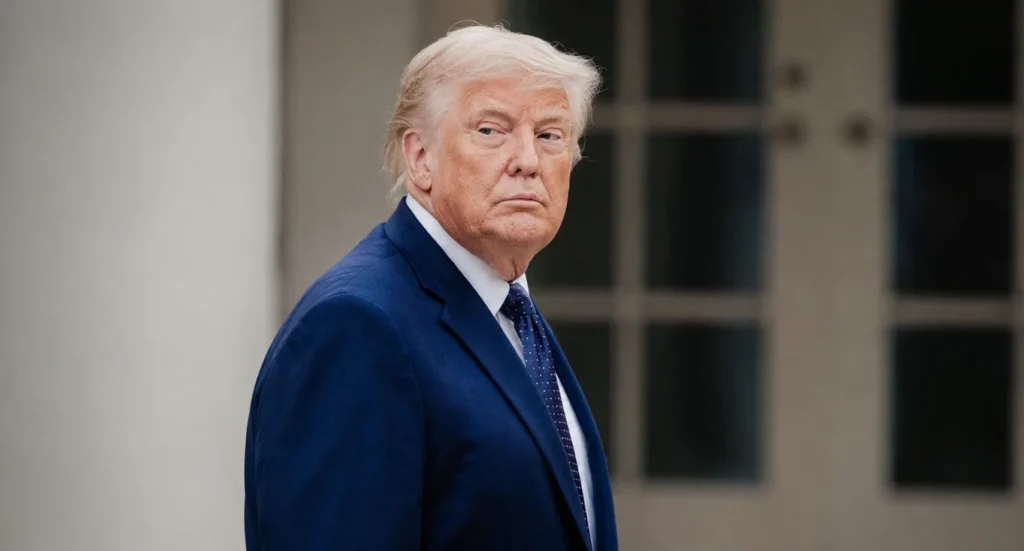
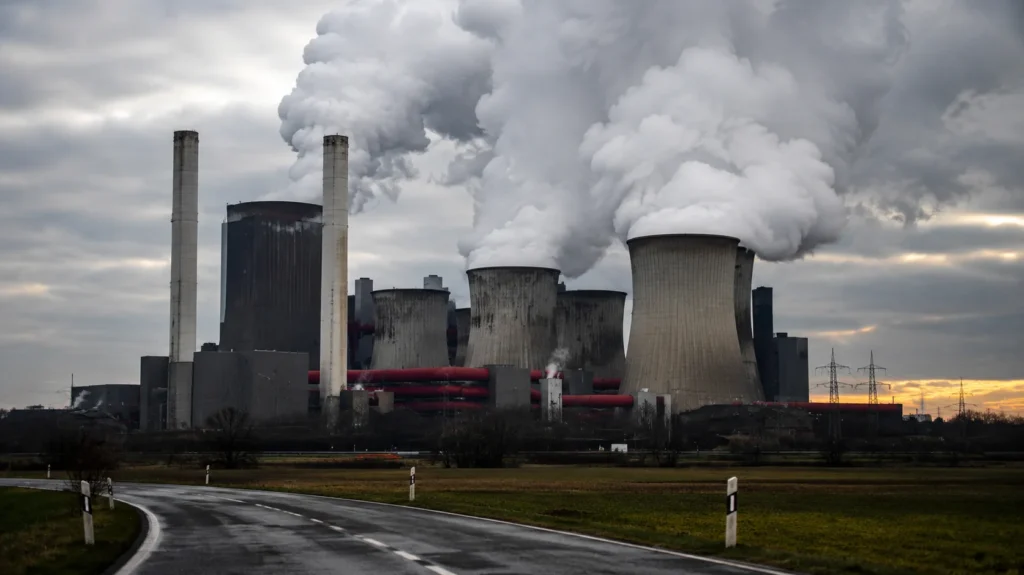
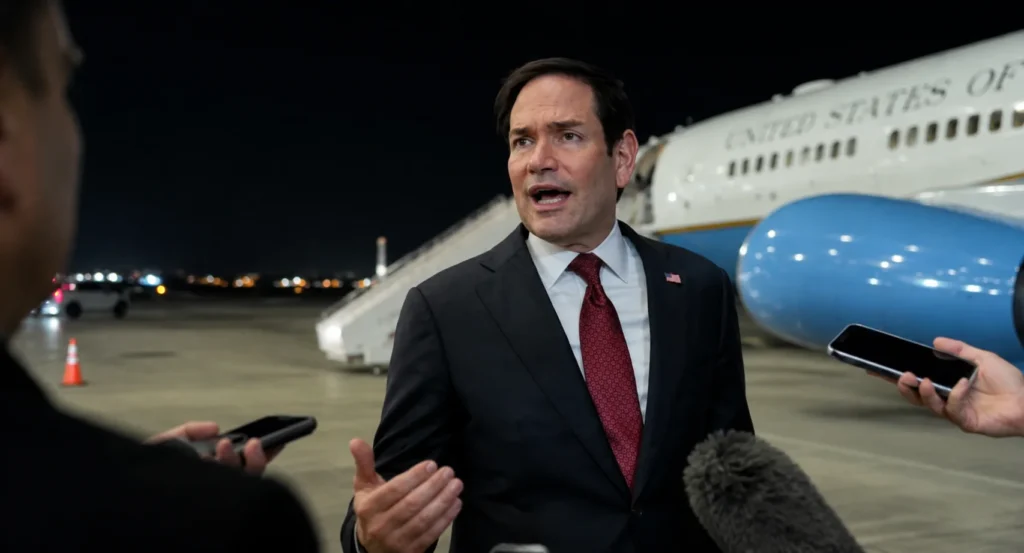





















































































































































































Oil Prices Rise as Trump Warns Clock Ticking on Iran Talks
Published: 18 May 2026 | Source: Truth Social, Axios, UAE Defence Ministry
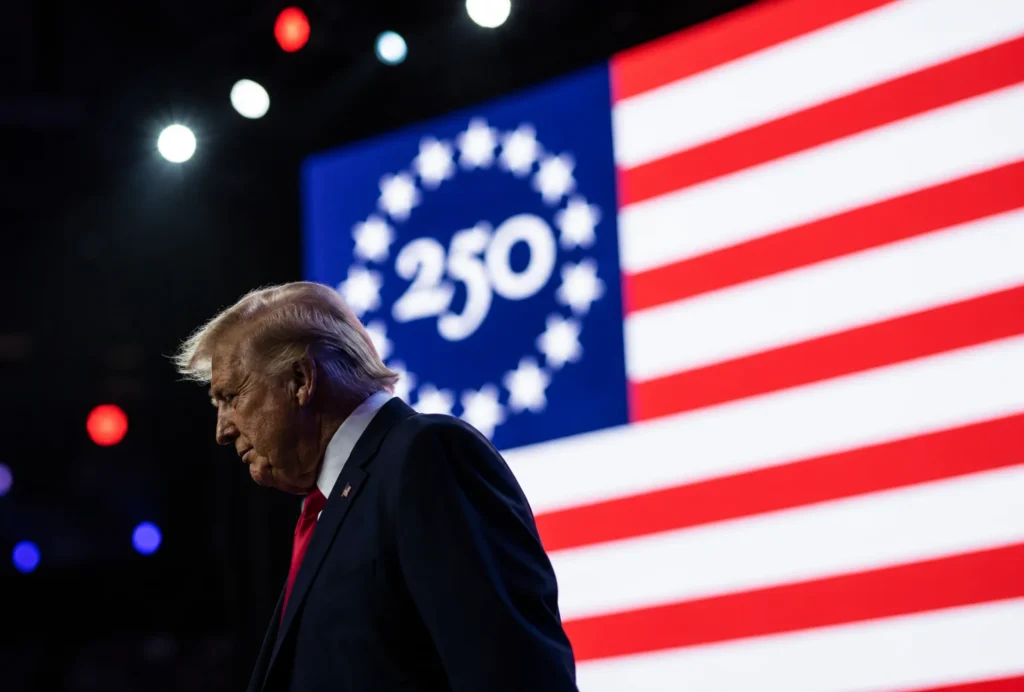
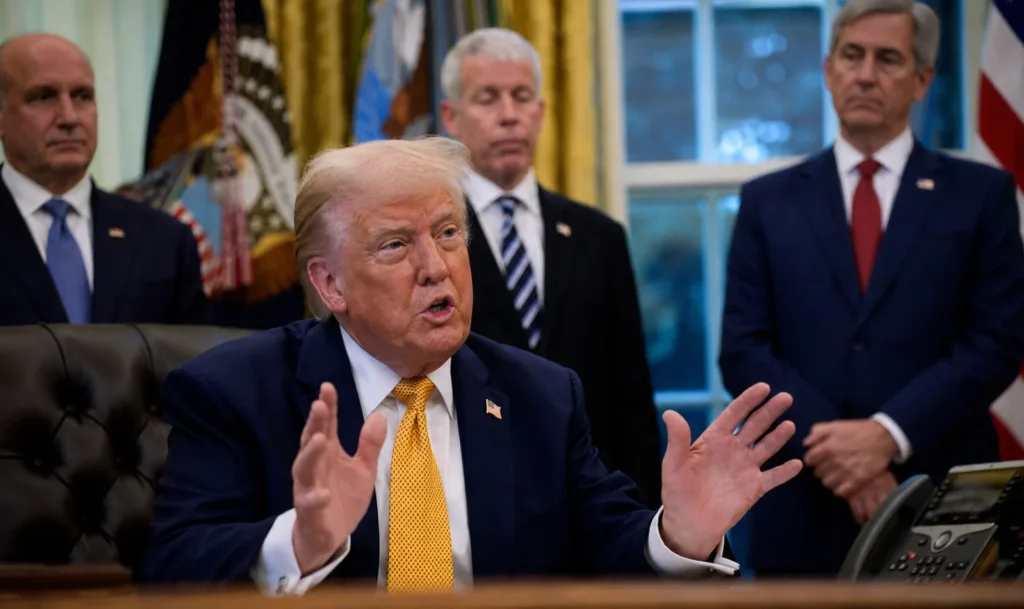
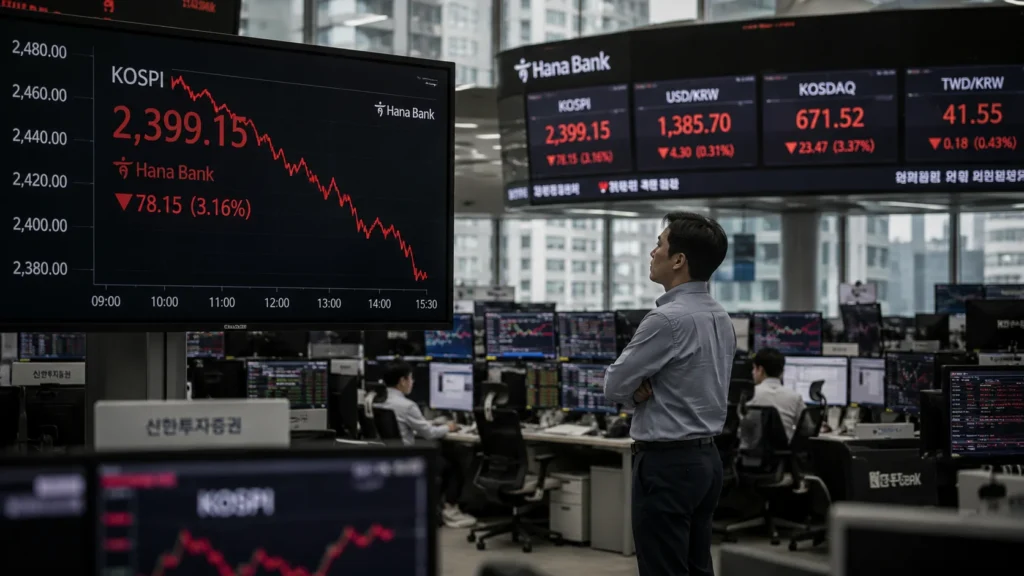
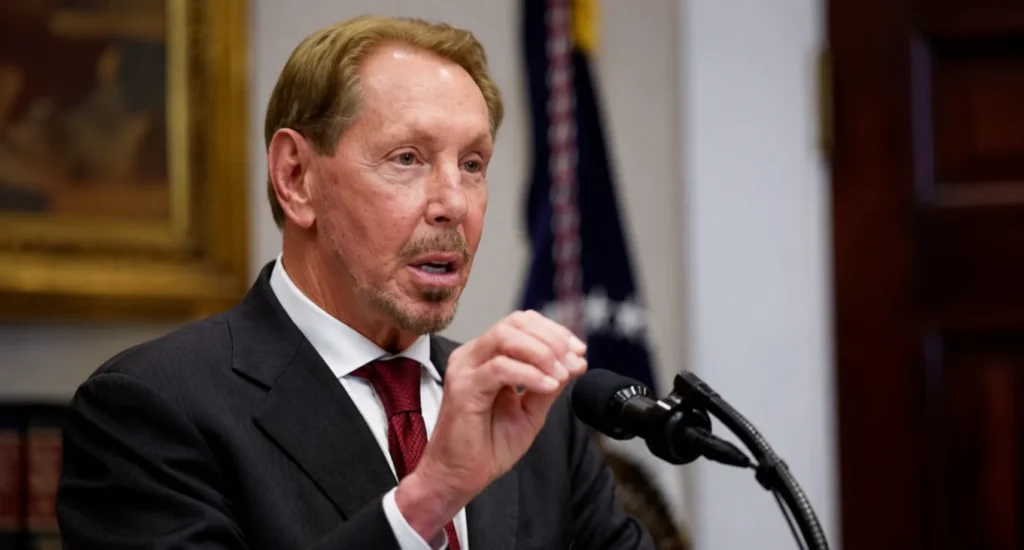
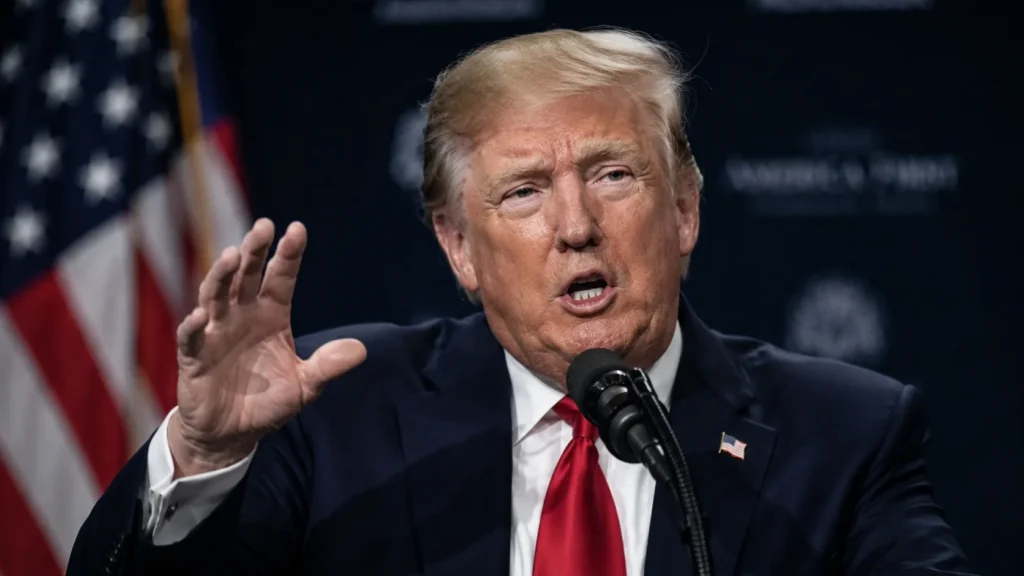
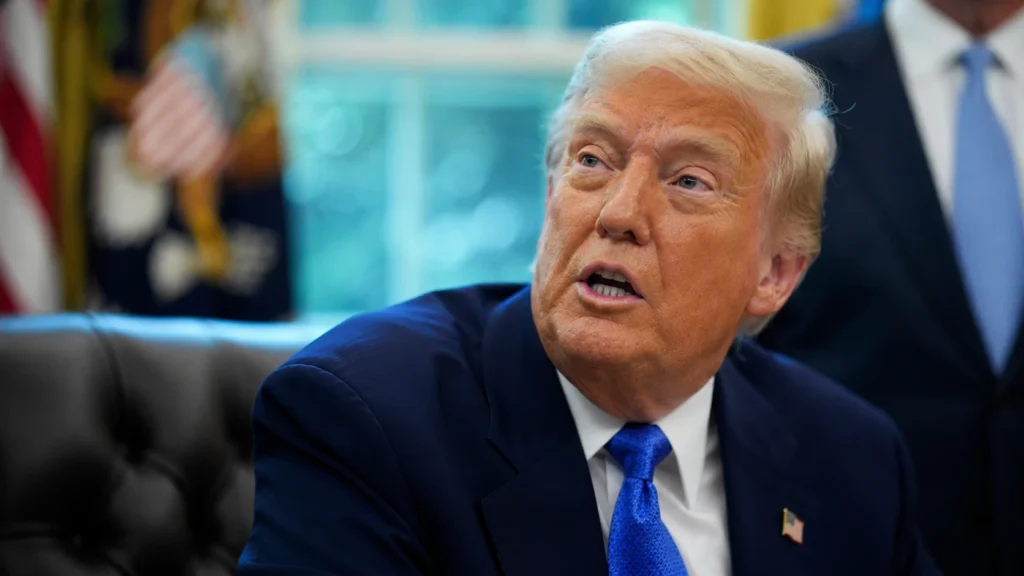
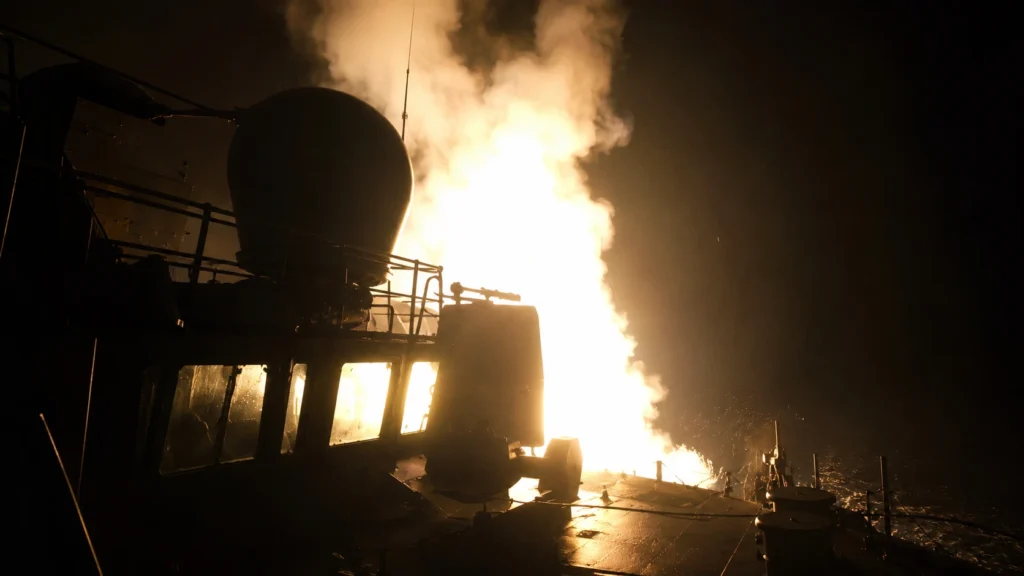
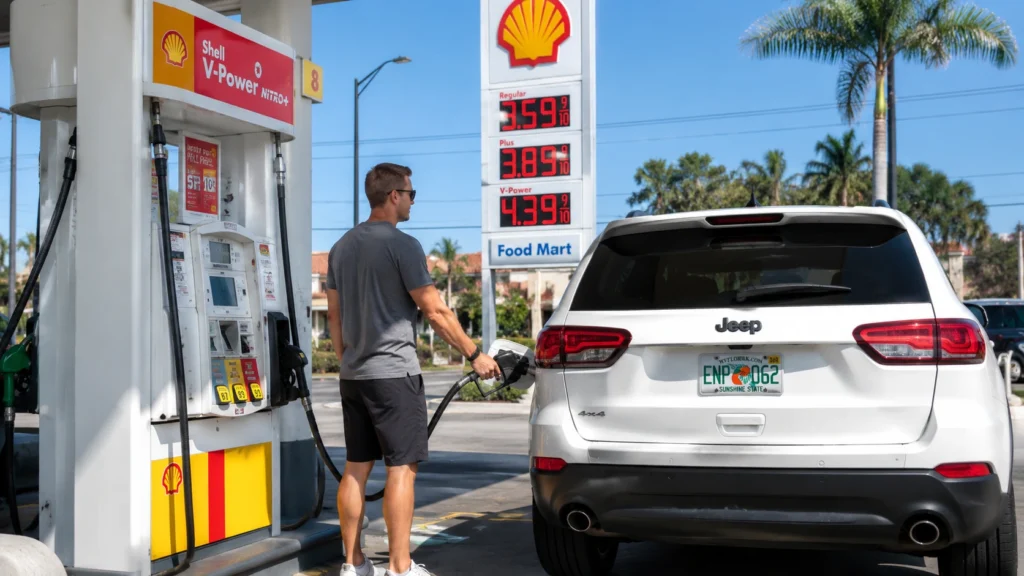
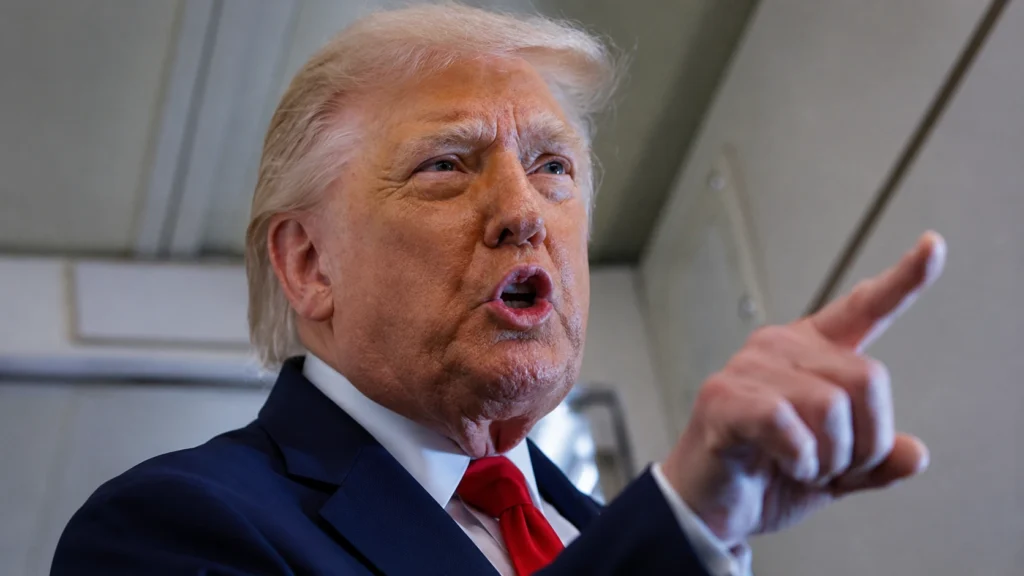
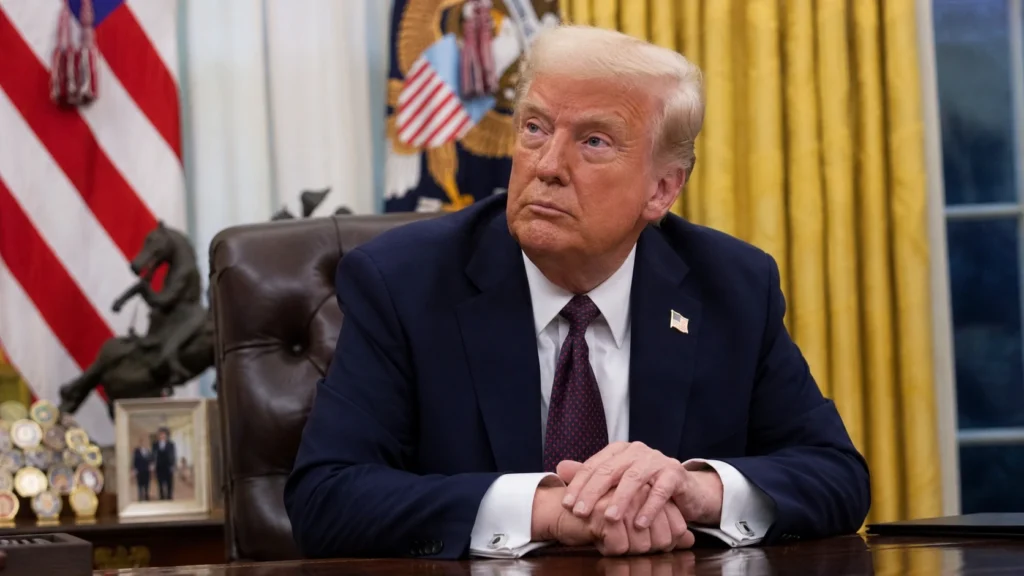
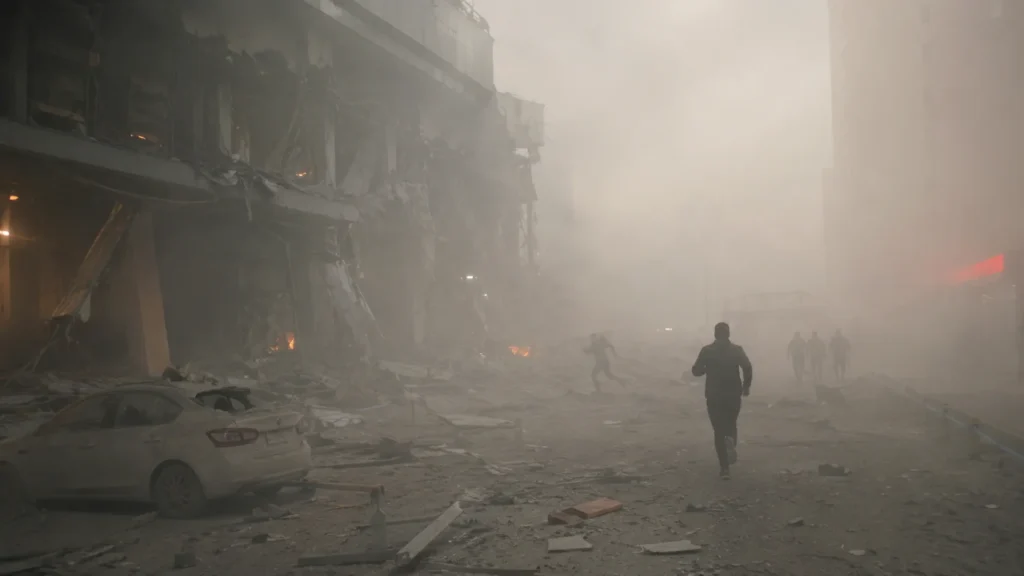
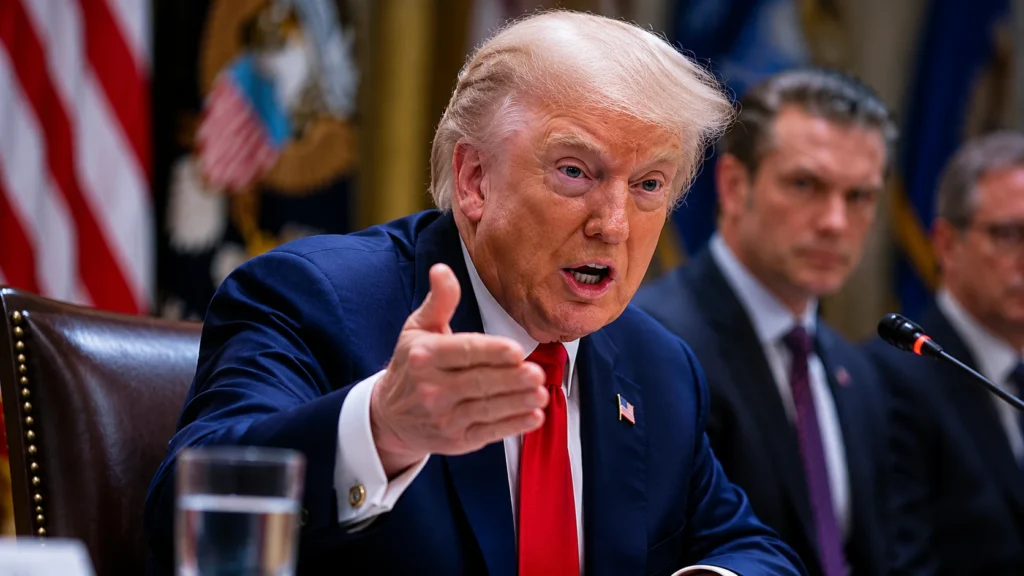
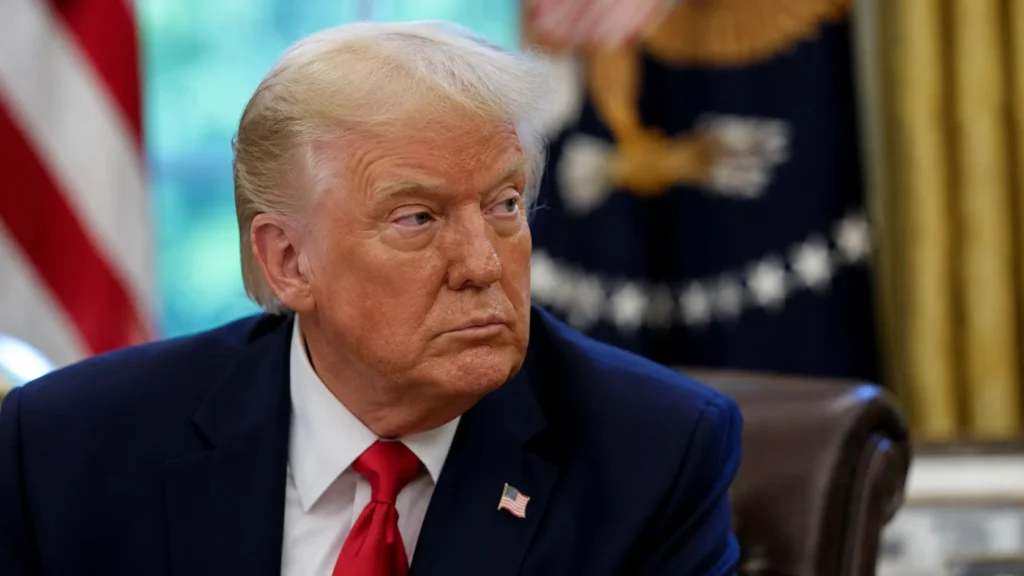
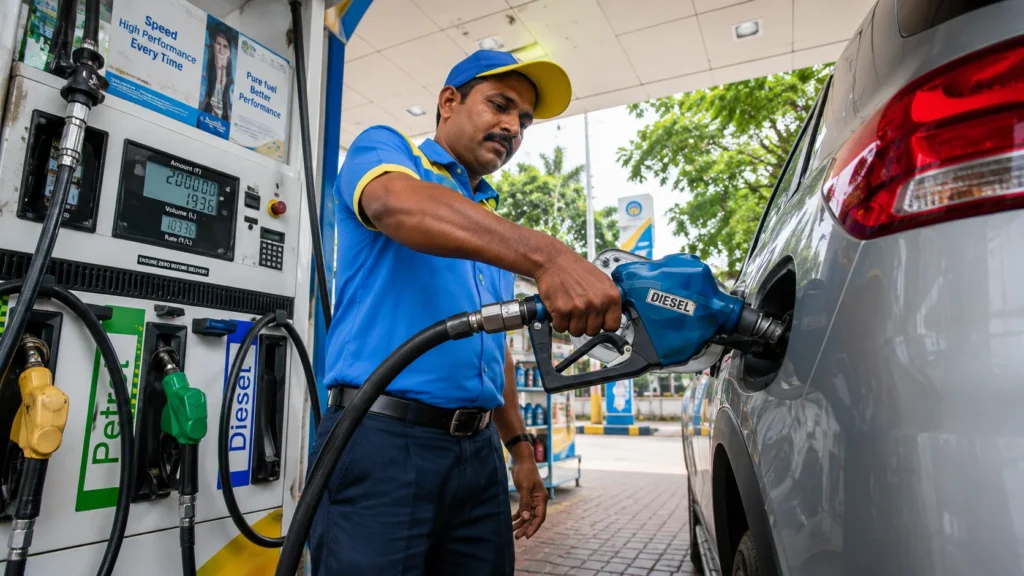
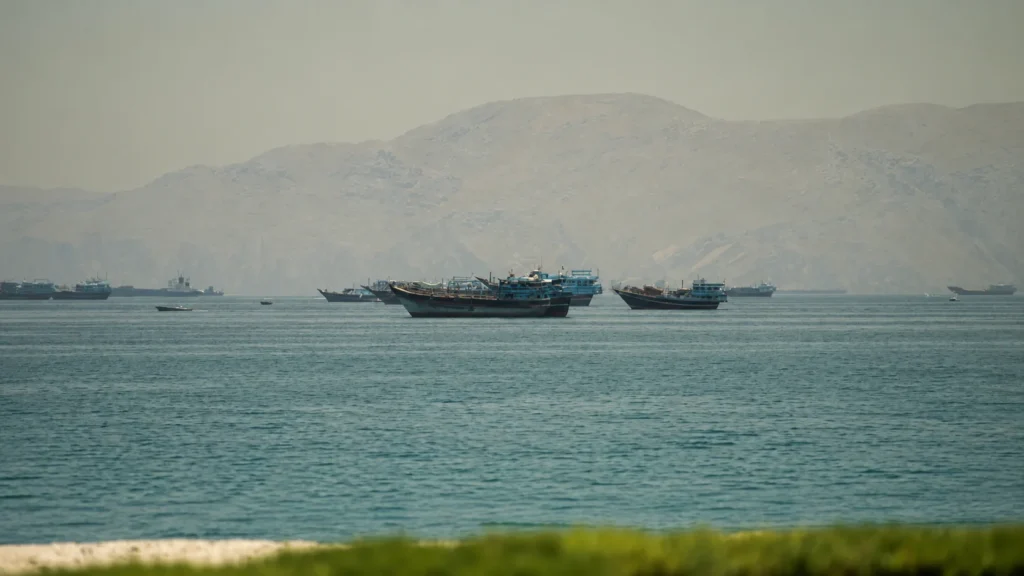
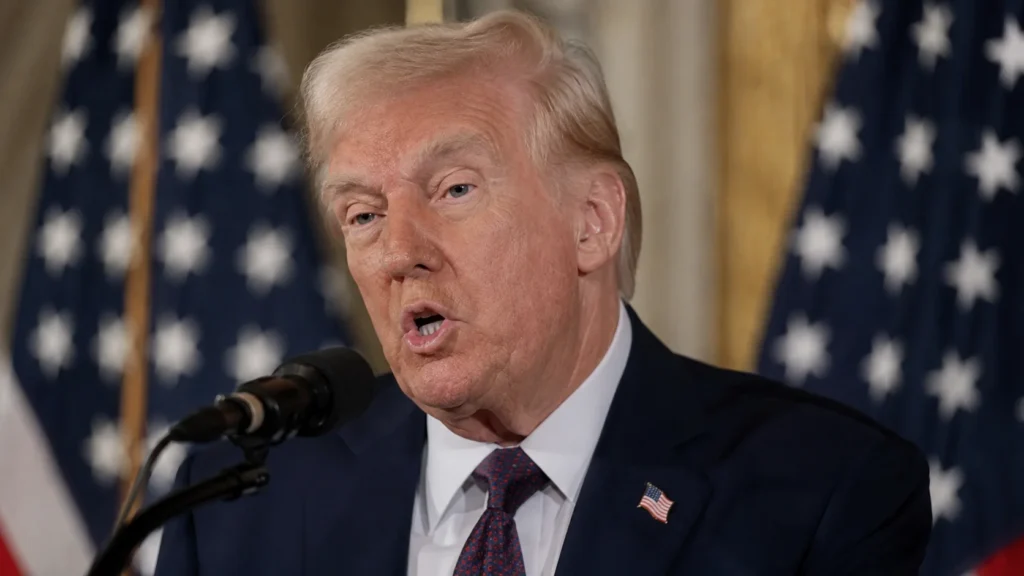
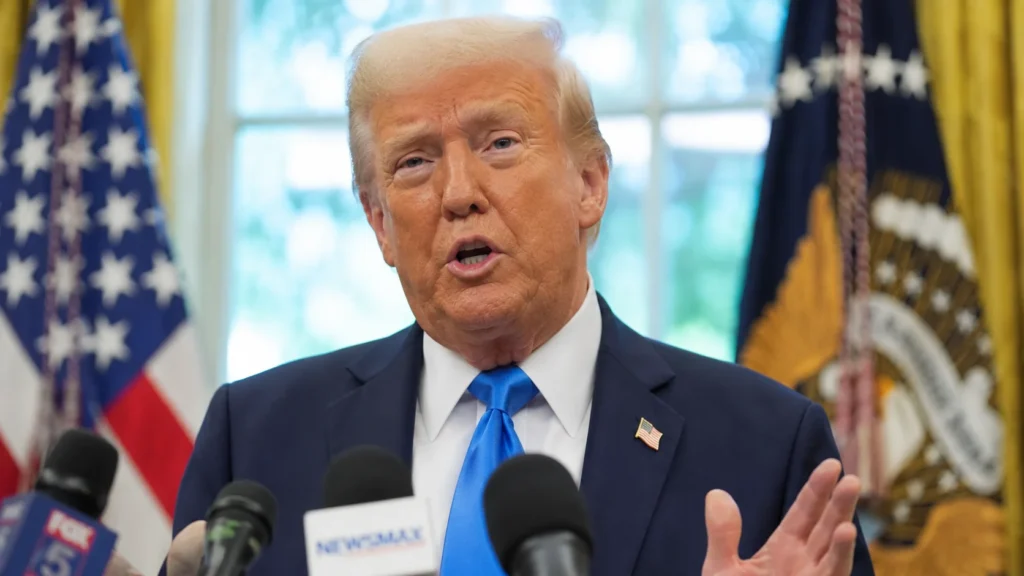
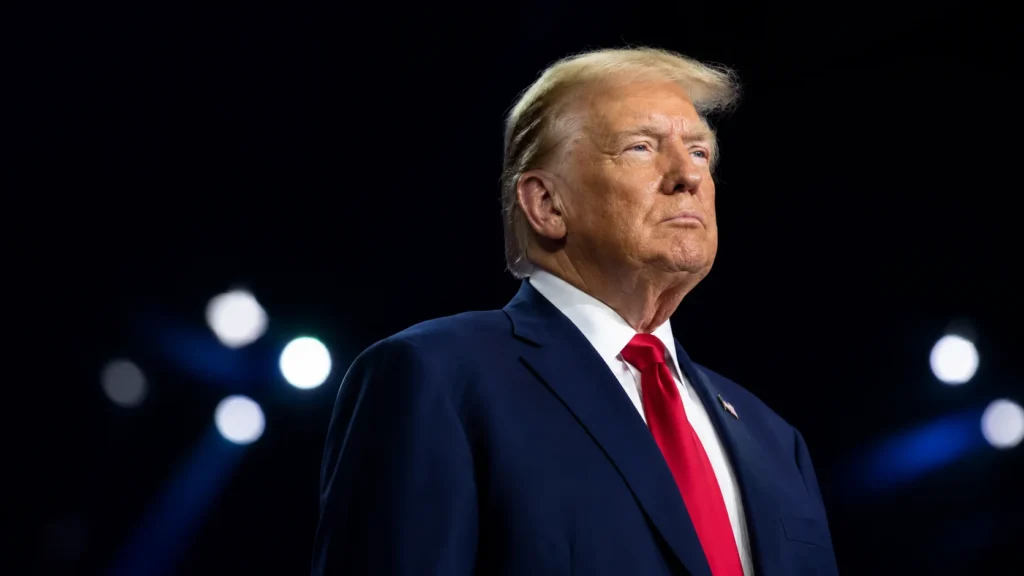
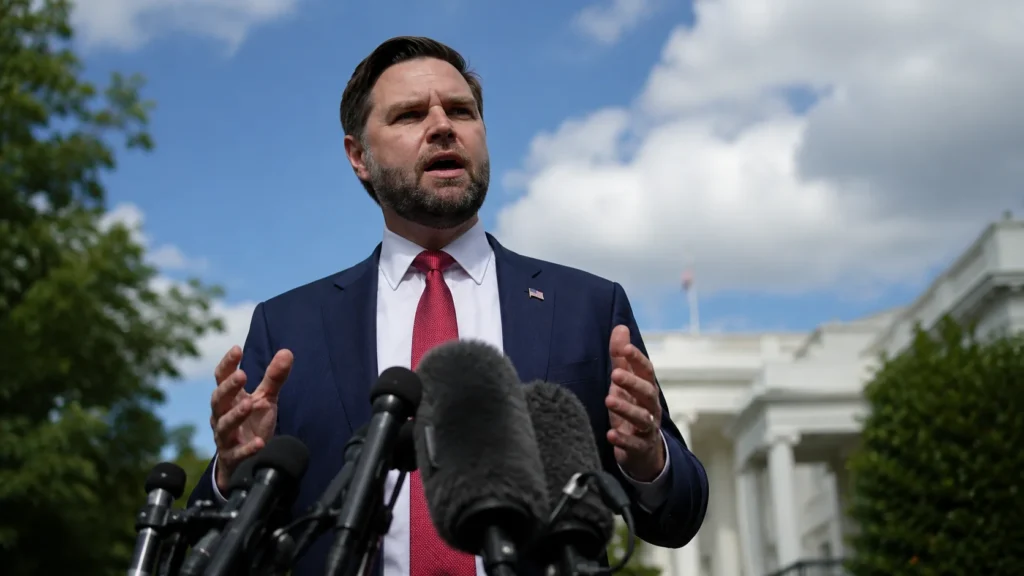
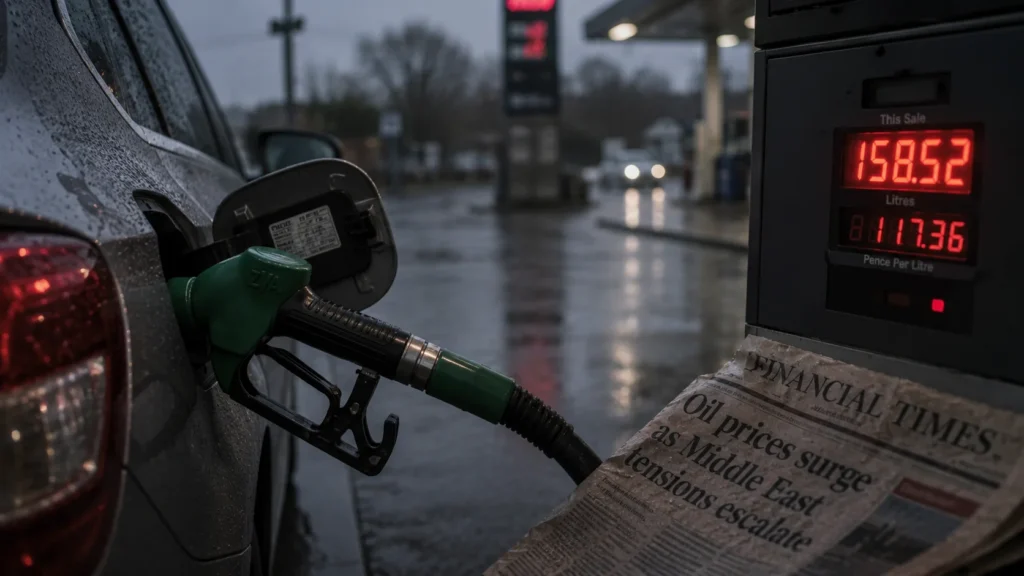
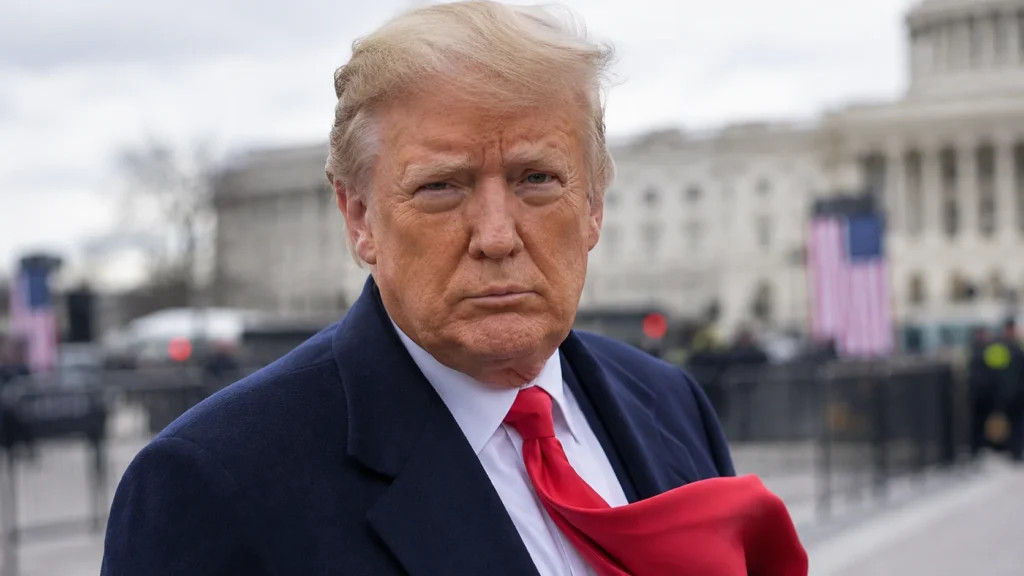
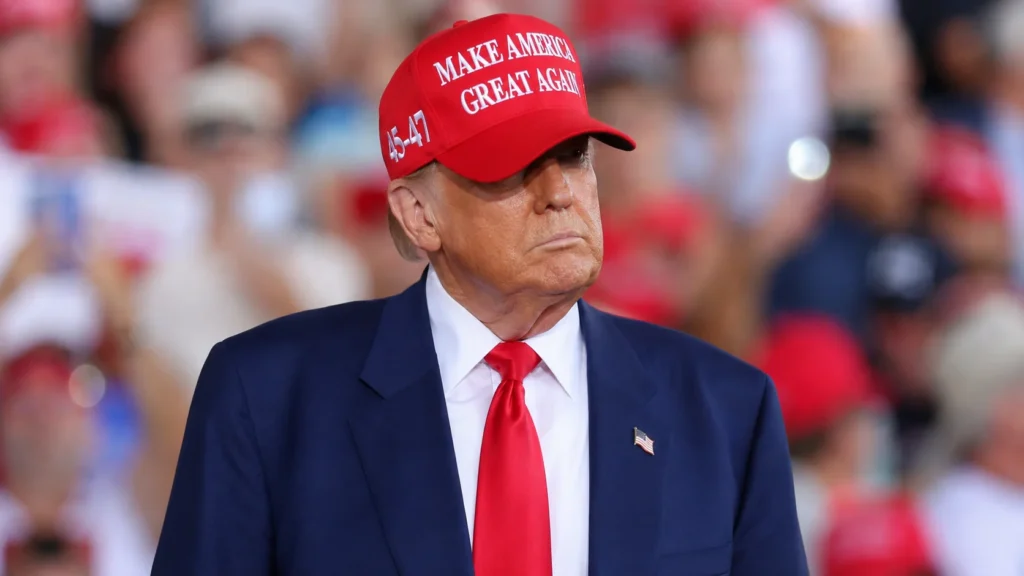
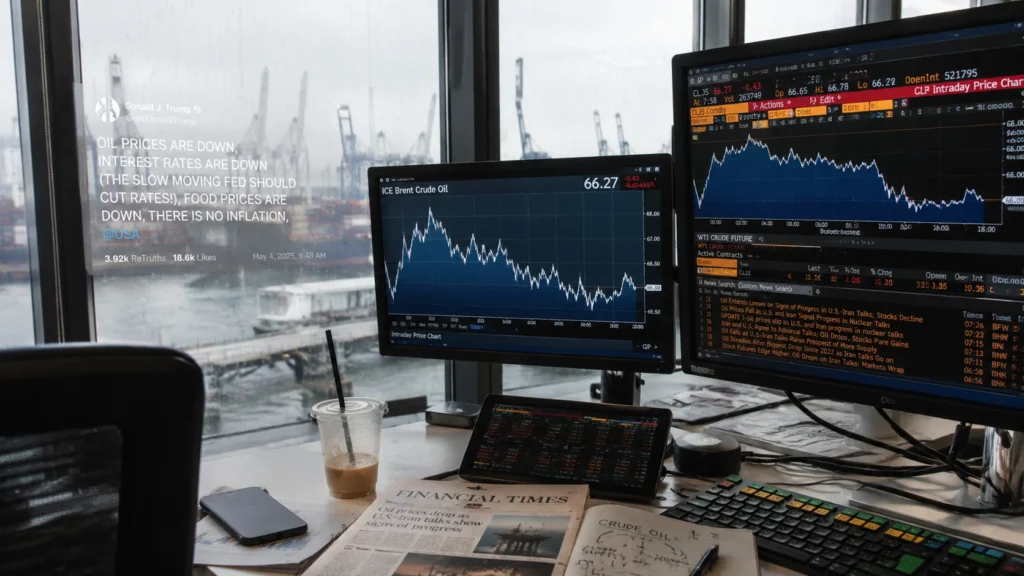
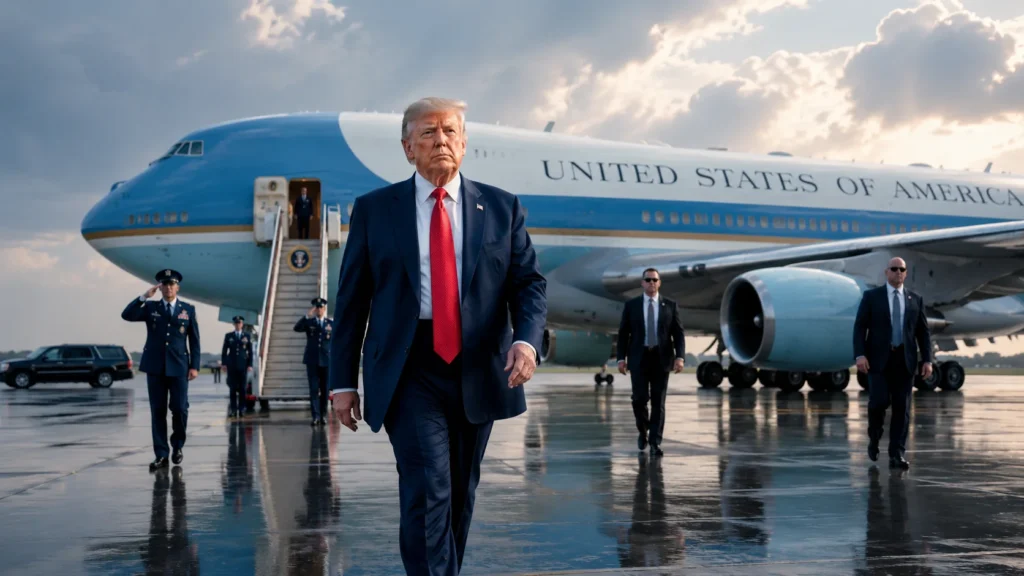
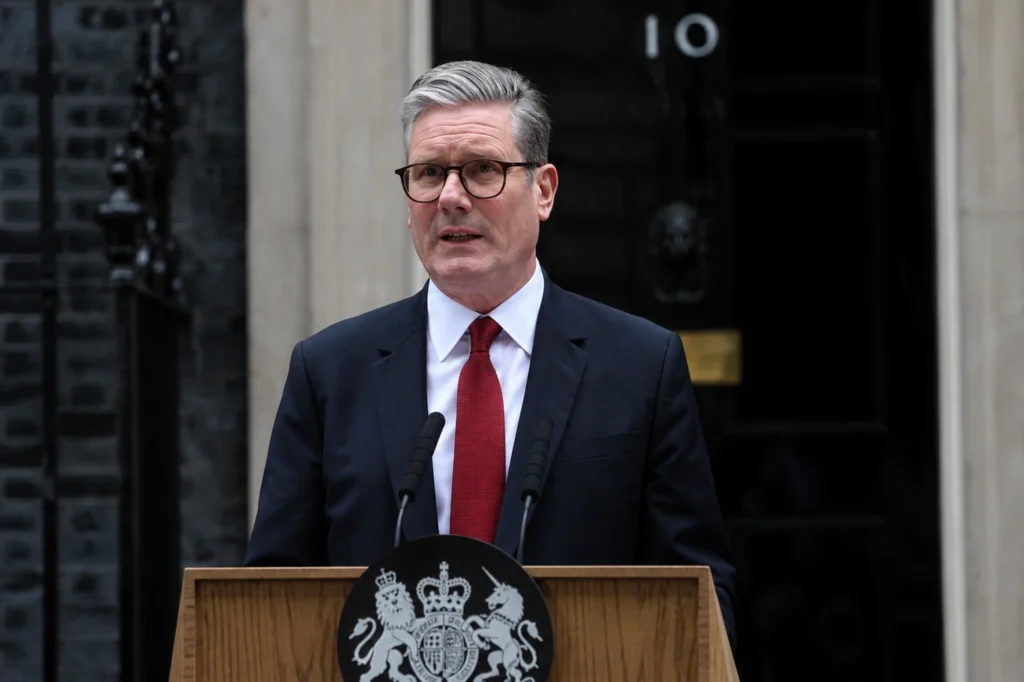
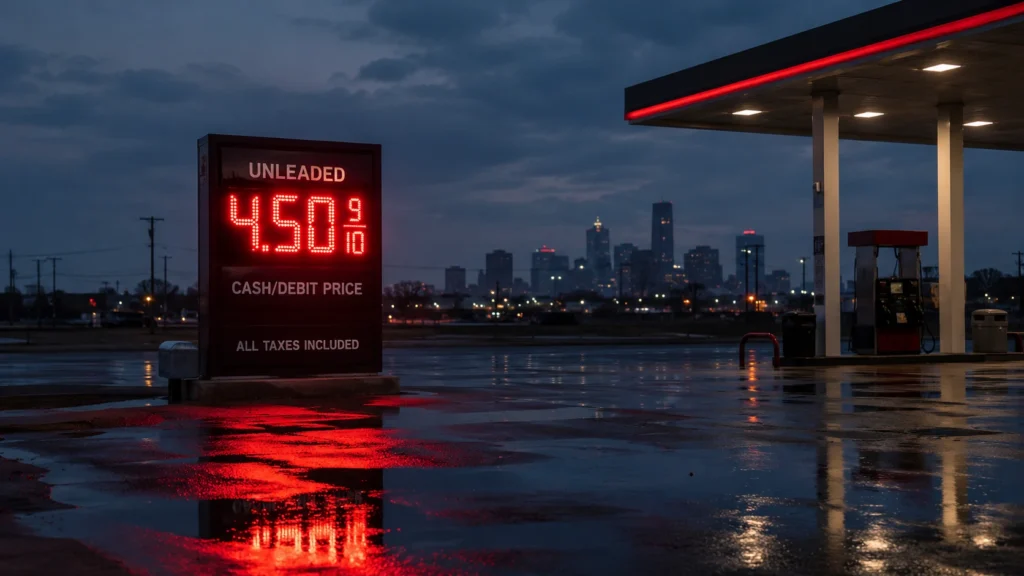
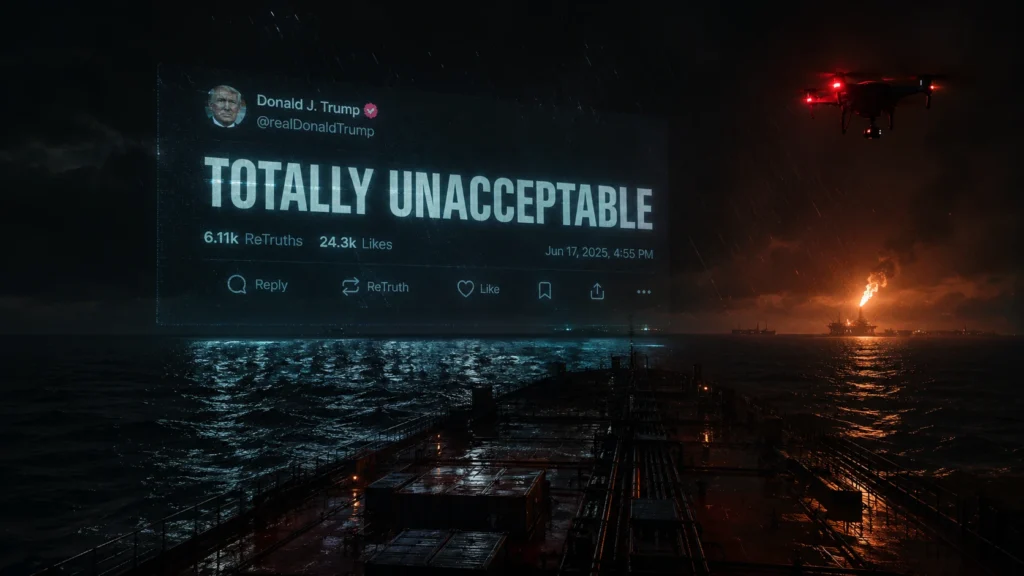
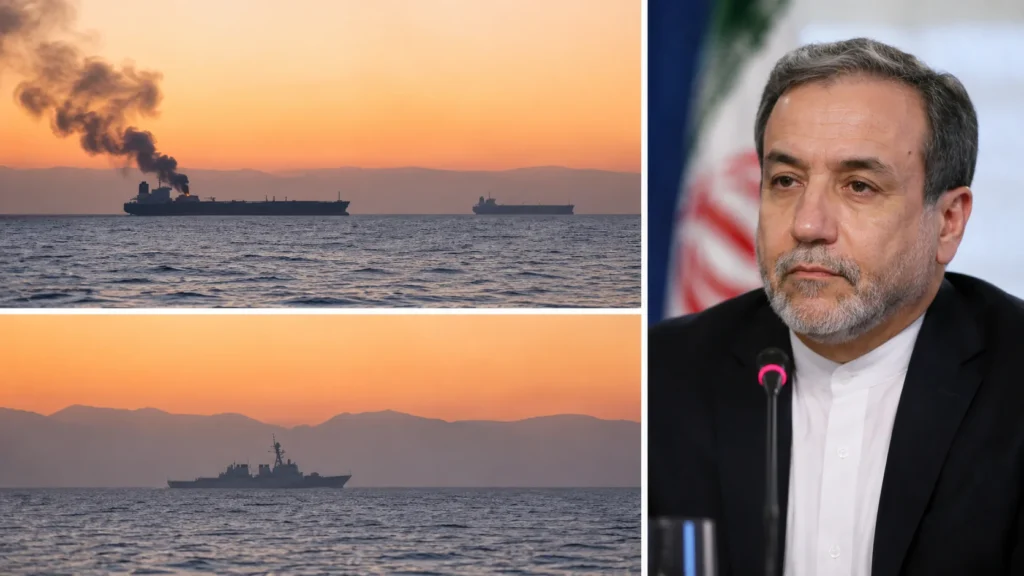
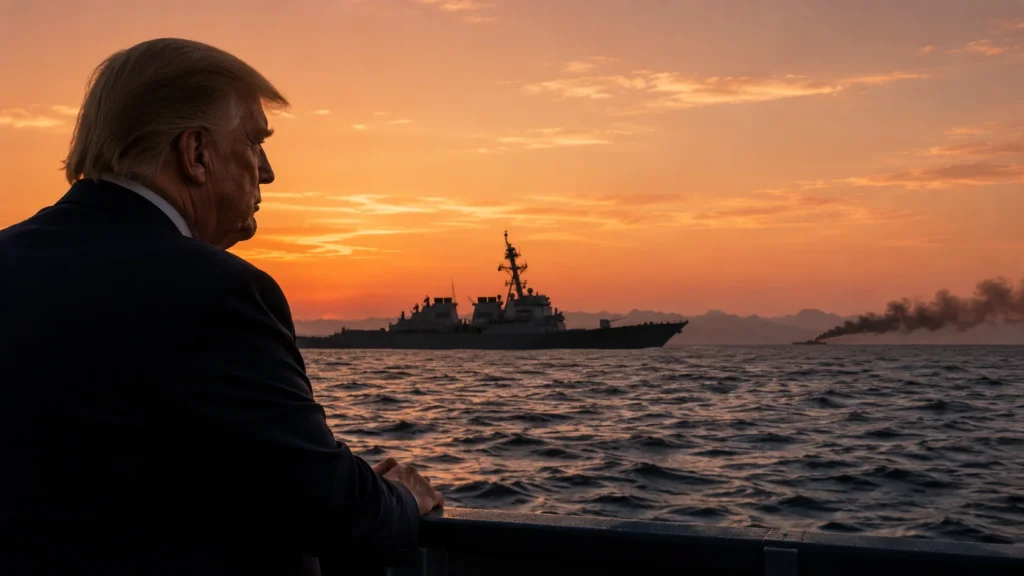
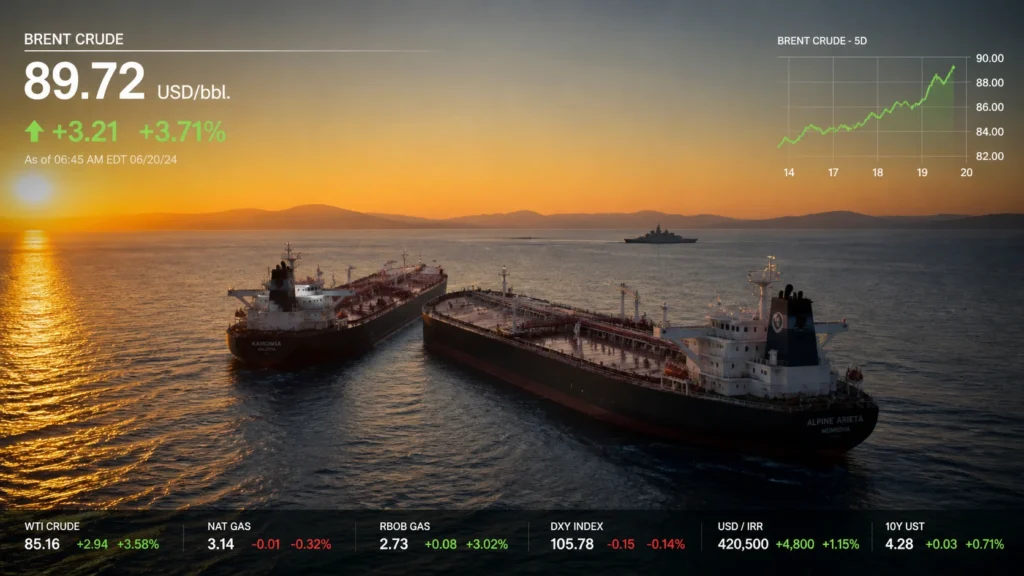
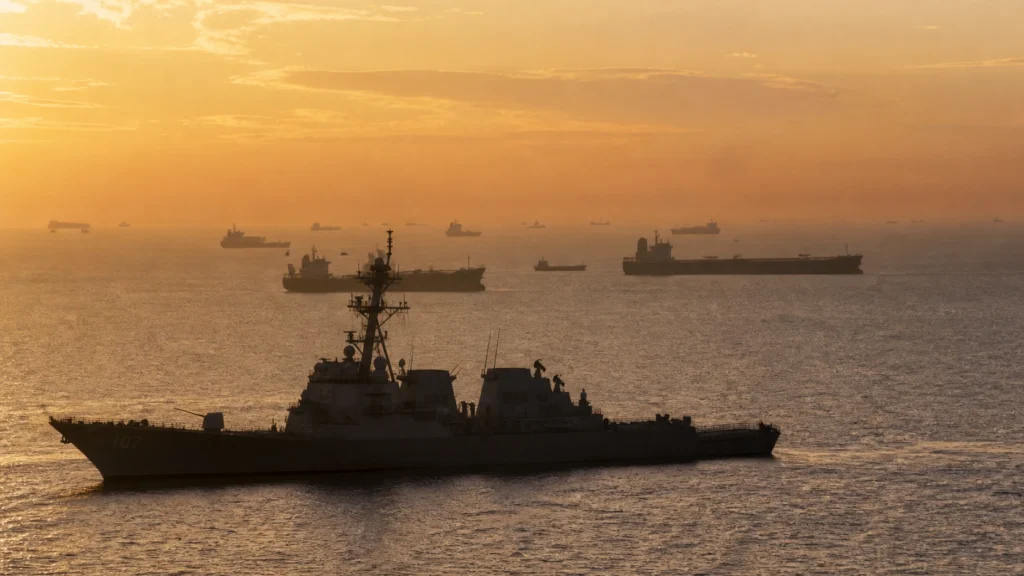
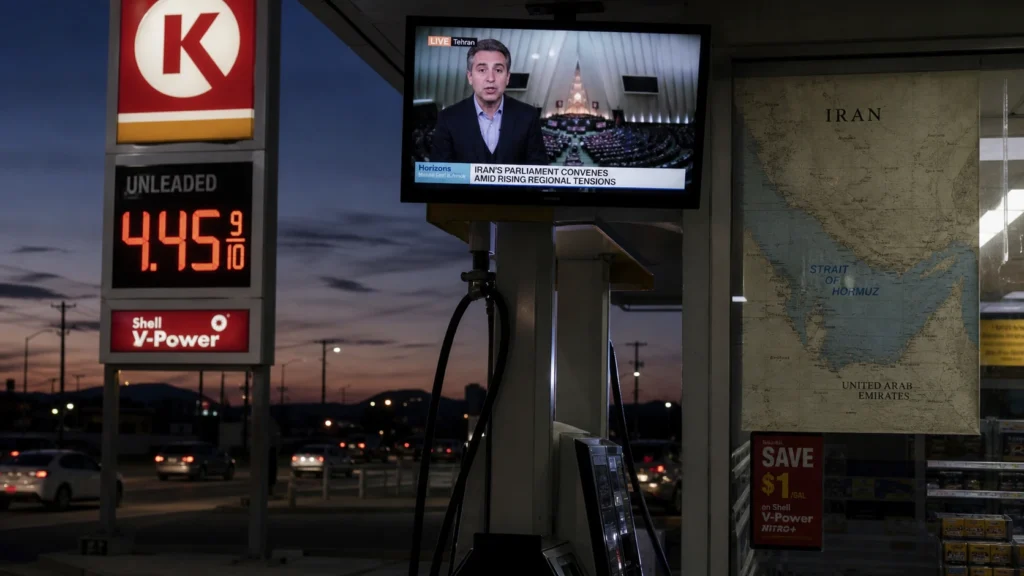
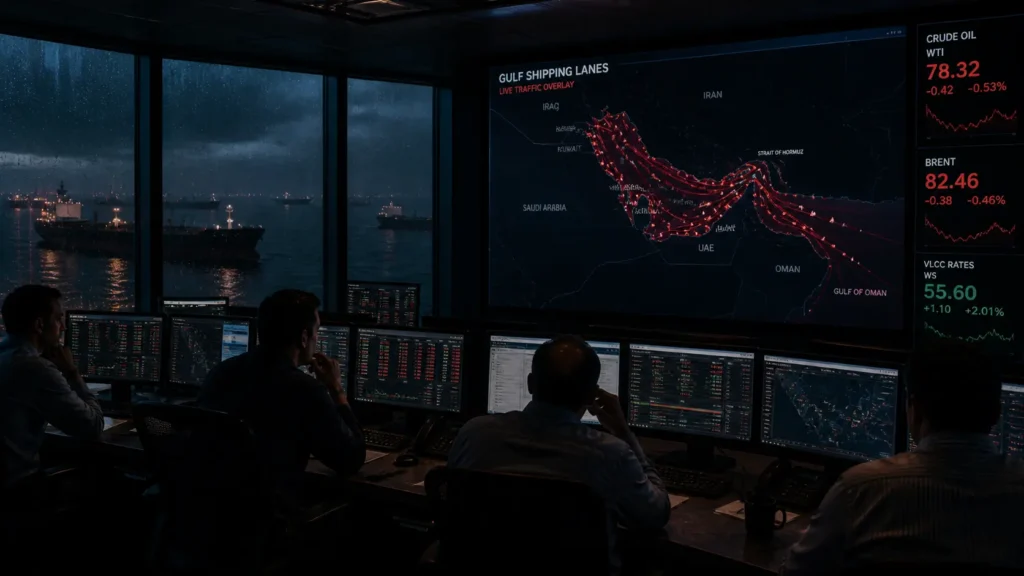
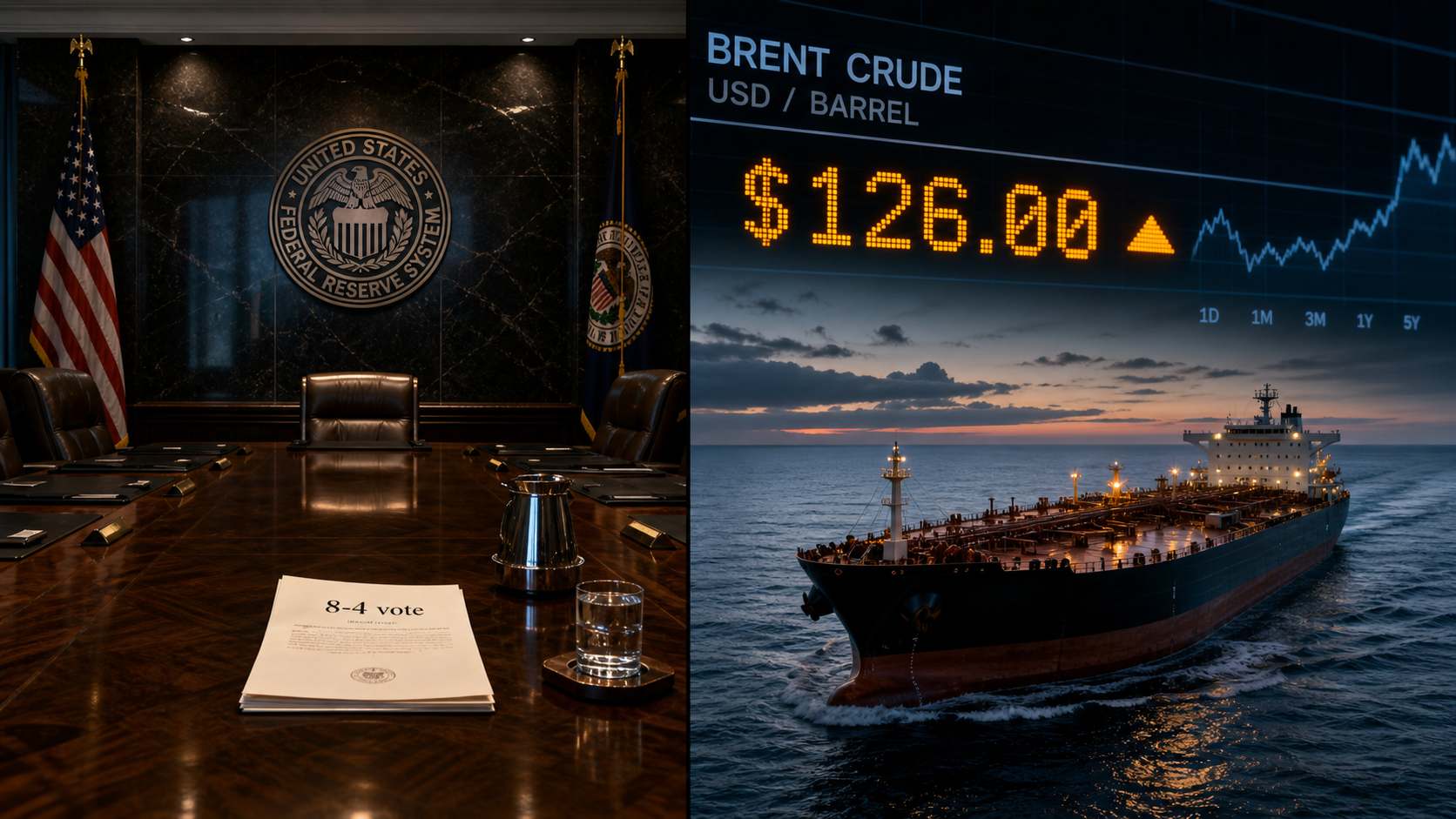
SINGAPORE — Oil prices rise as Trump warns clock ticking on Iran peace talks, with Brent crude climbing 1.85% to 111.28andUS−tradedoiljumping2.32111.28andUS−tradedoiljumping2.32107.87 during Monday’s Asian trading session. The spike followed President Donald Trump’s caps-lock Truth Social post demanding Iran “get moving, FAST, or there won’t be anything left of them,” and a drone strike on the UAE’s Barakah Nuclear Power Plant that Emirati officials called a “dangerous escalation.” The Strait of Hormuz remains effectively closed nearly three months after US-Israeli strikes on Iran began on 28 February.
Why Oil Prices Are Rising Now
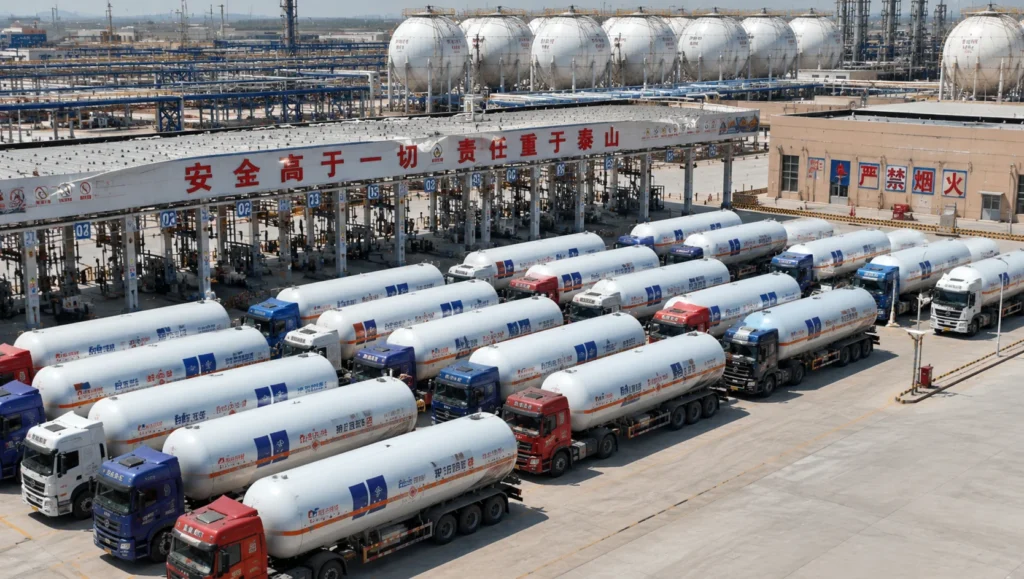
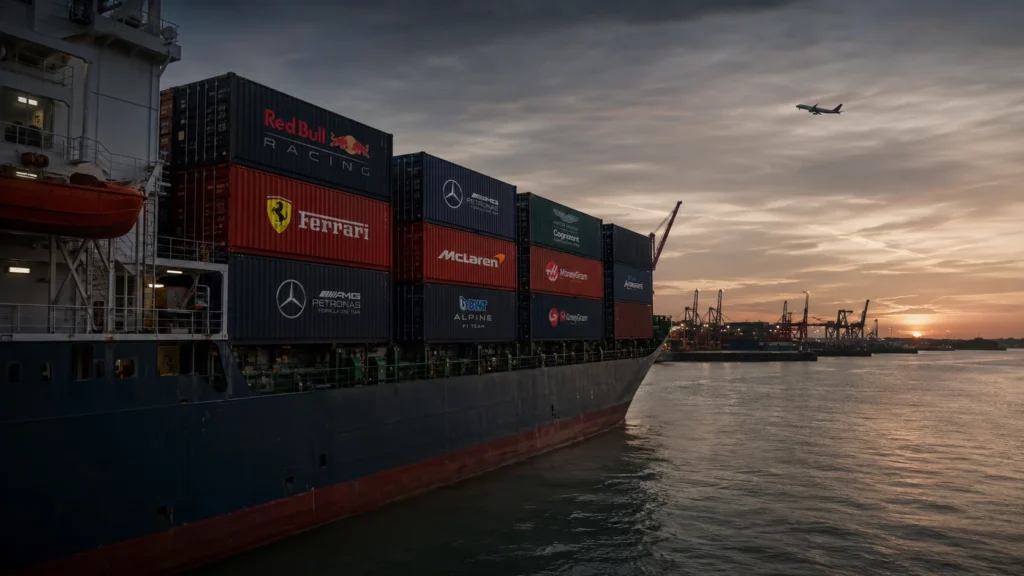
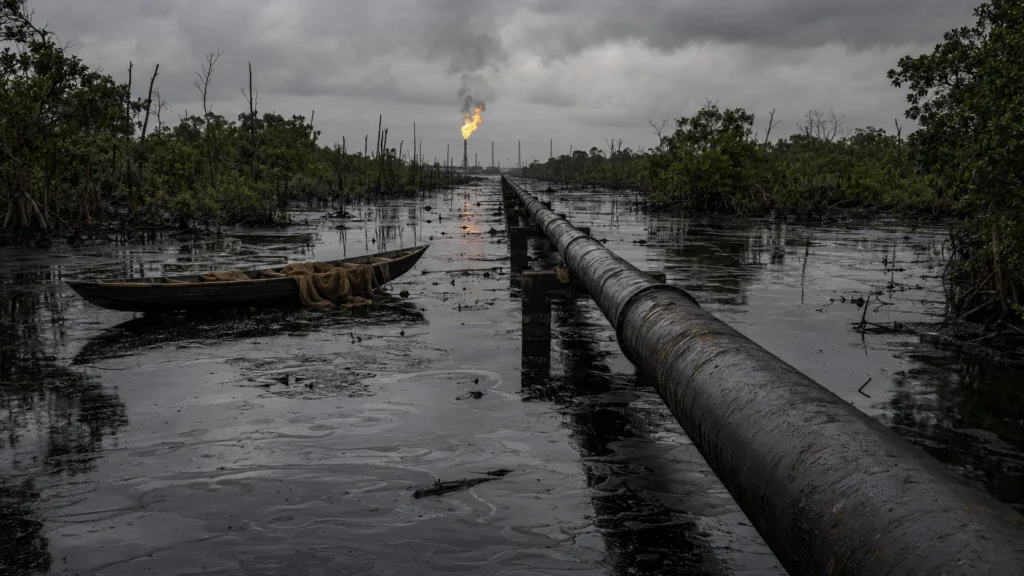
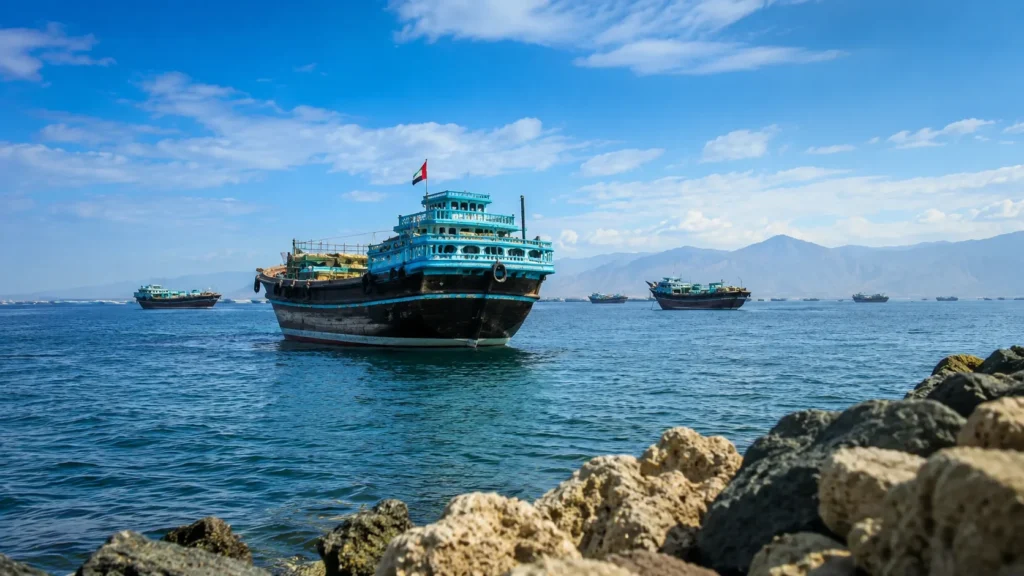
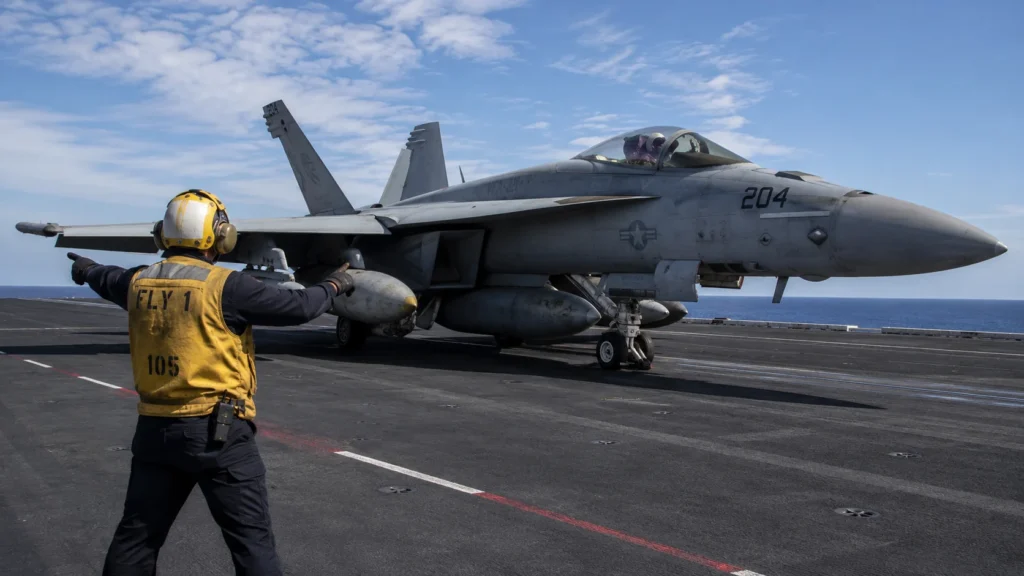
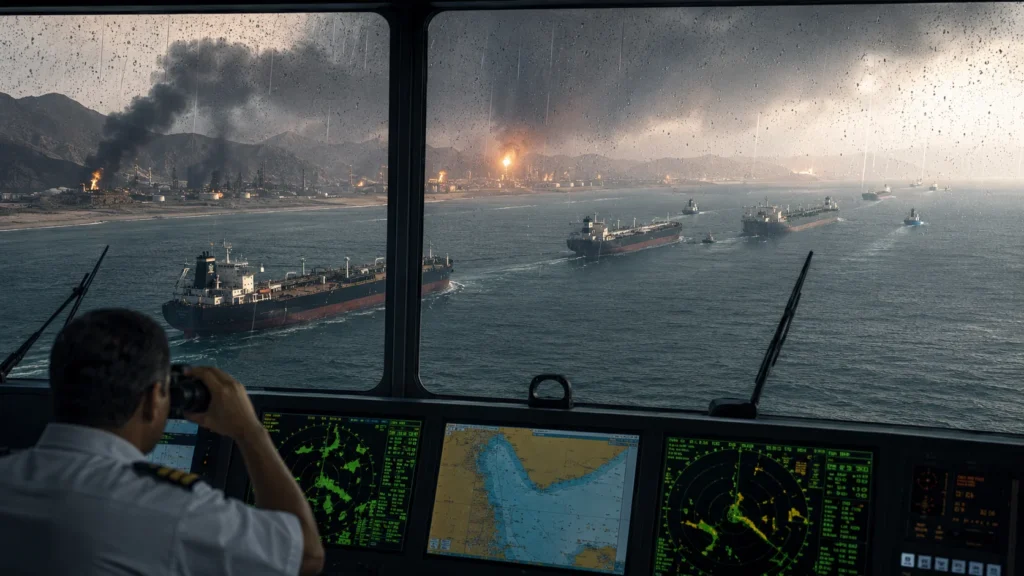
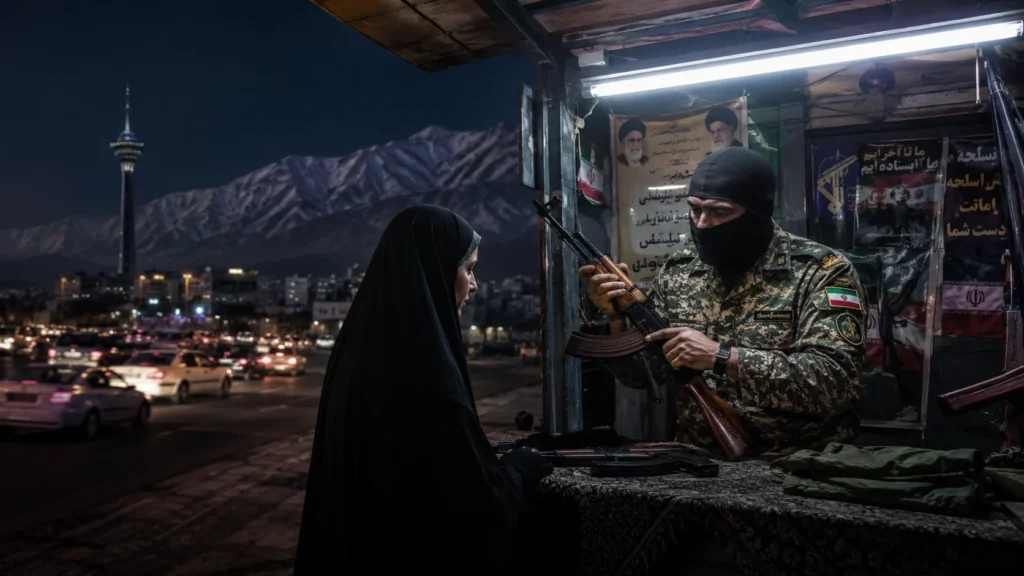
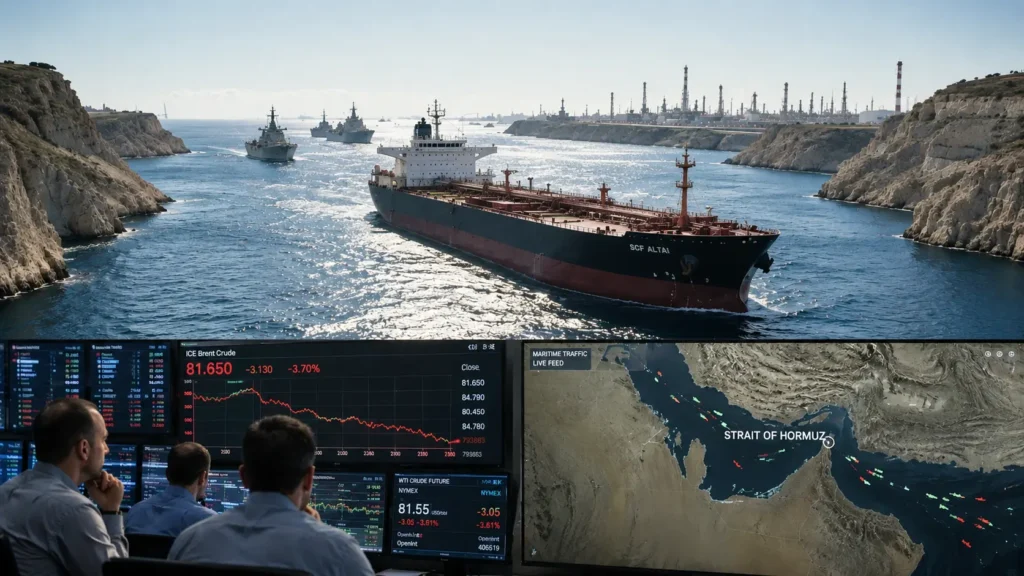
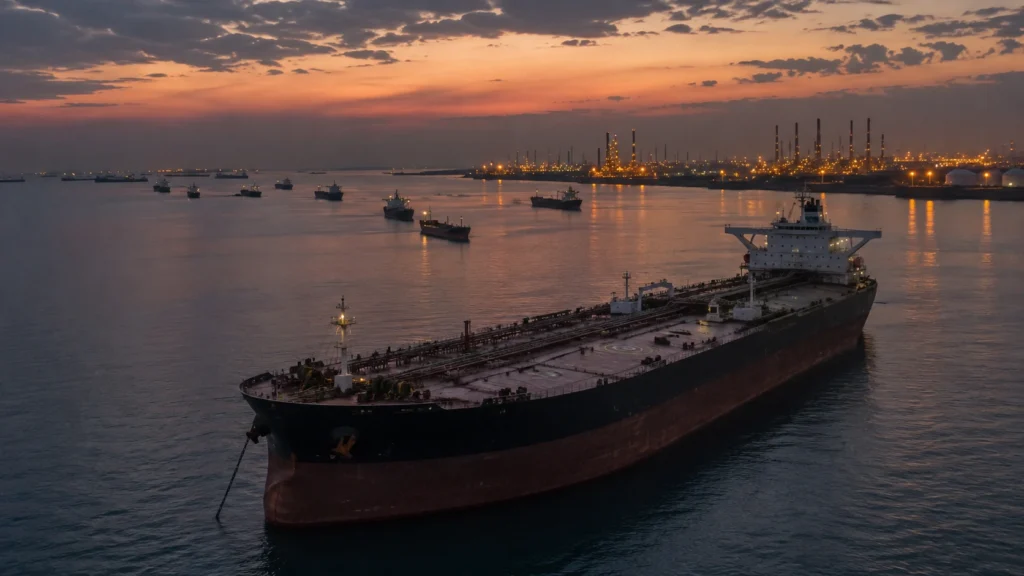
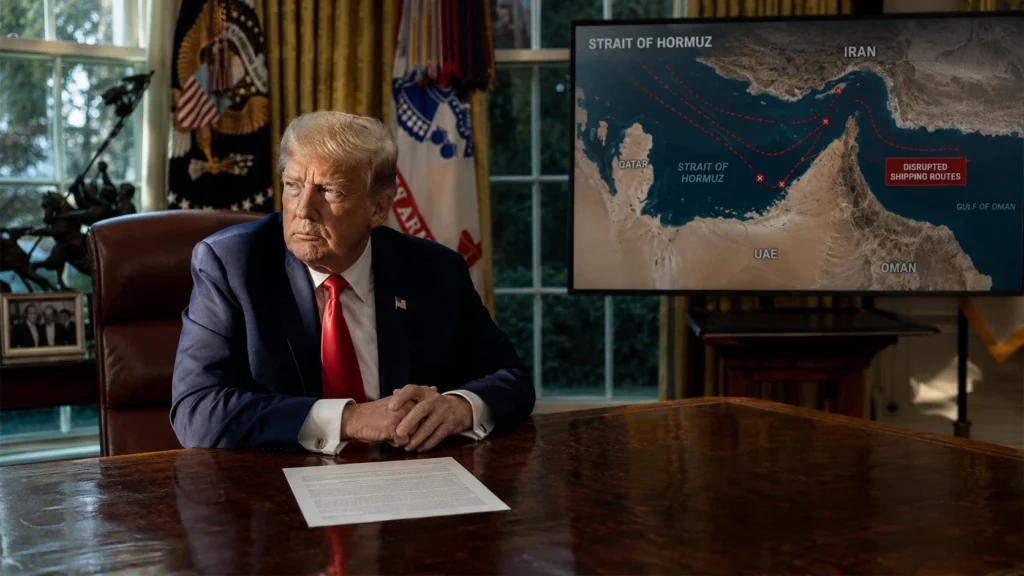
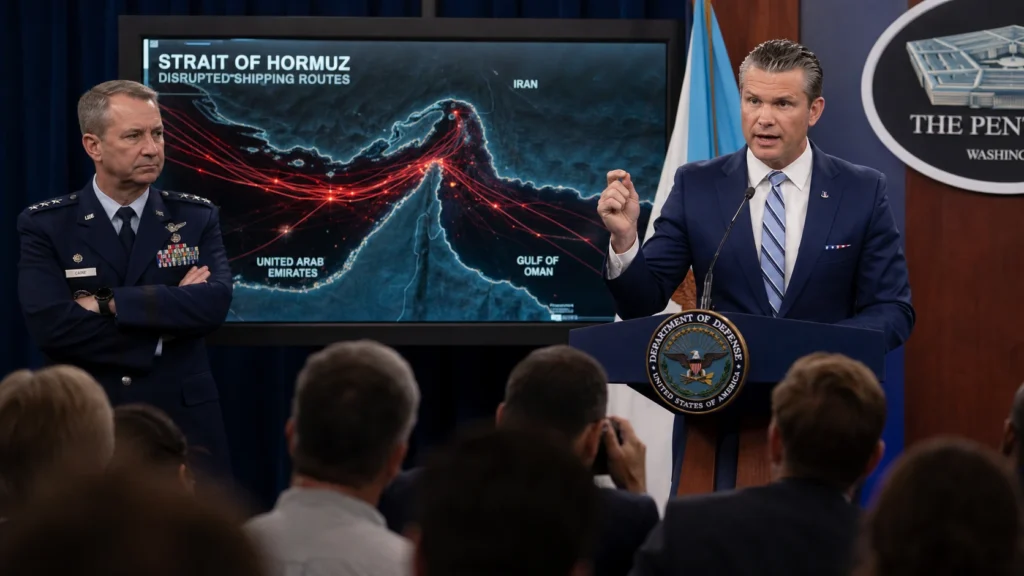
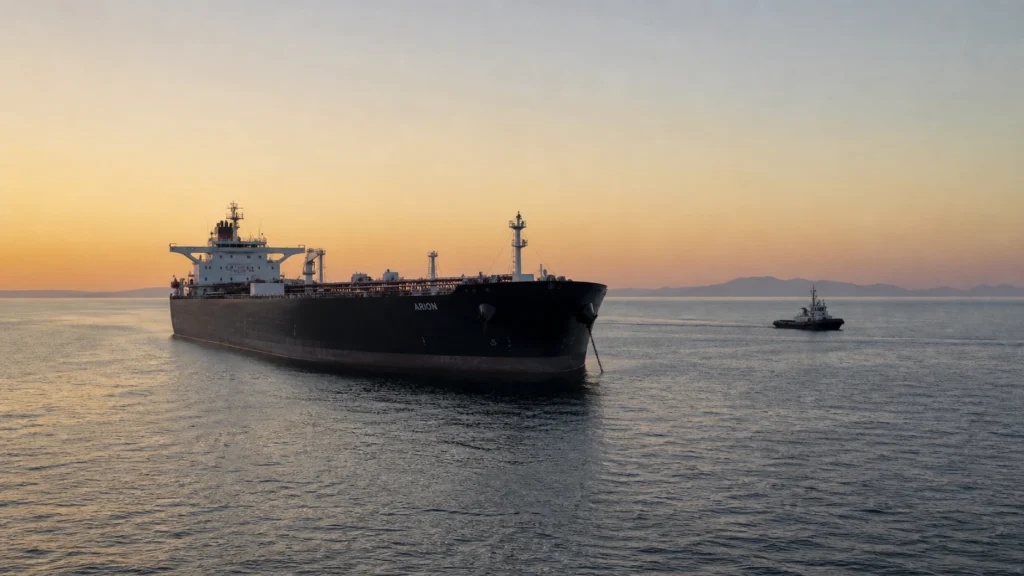
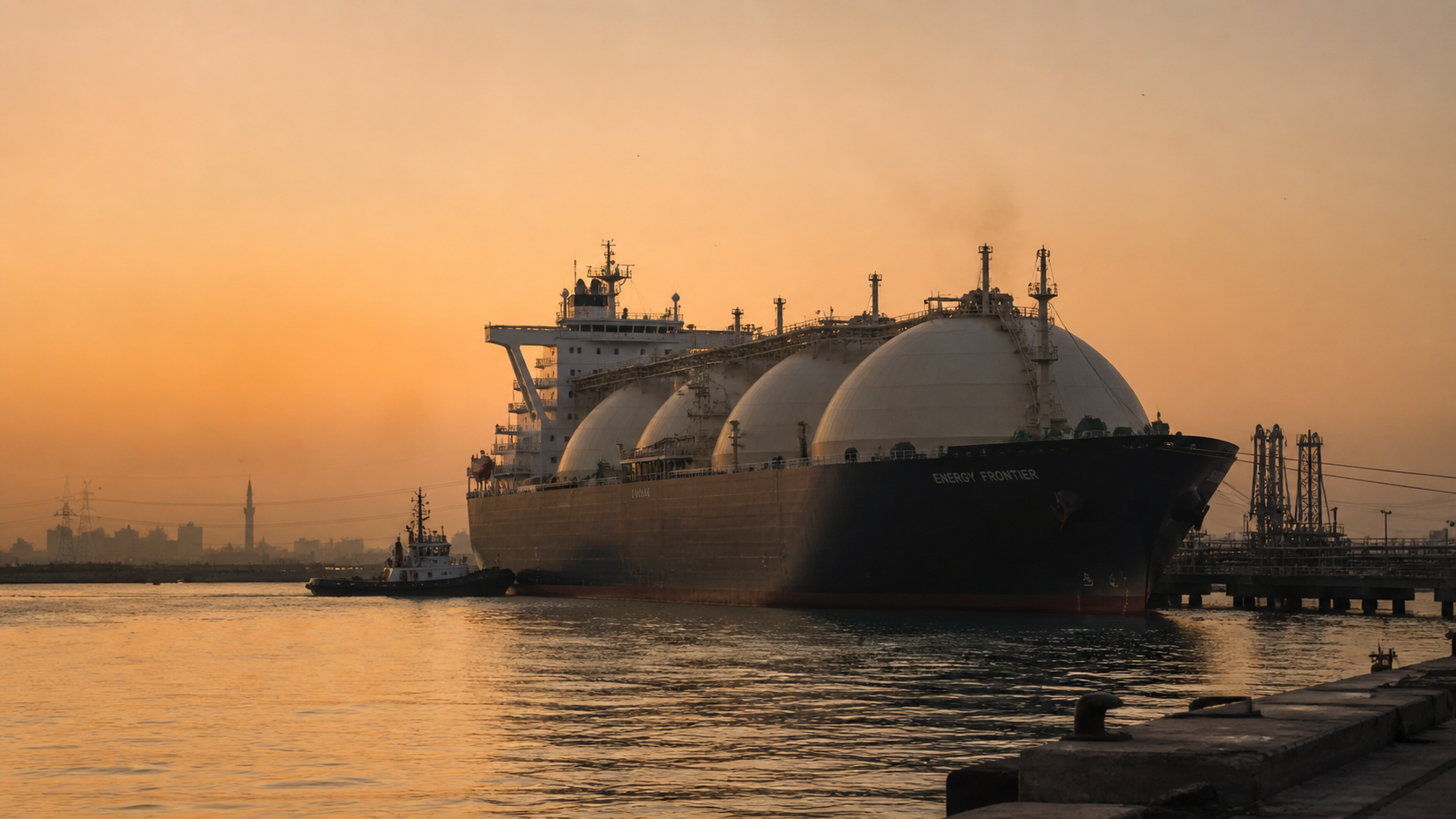
The immediate trigger was Trump’s Sunday morning post. But the structural driver is duration. The Strait of Hormuz — through which roughly one-fifth of global oil and LNG normally transits — has operated under Iranian conditional access since late February. Three months of semi-closure have rewired physical supply chains.
According to International Energy Agency oil market report, May 2026, refineries that normally process Gulf crude now source alternatives from Angola, the North Sea, and US shale basins. Shipping routes have lengthened. Freight costs have compounded. The efficiency of just-in-time energy delivery has given way to the expensive redundancy of just-in-case procurement.
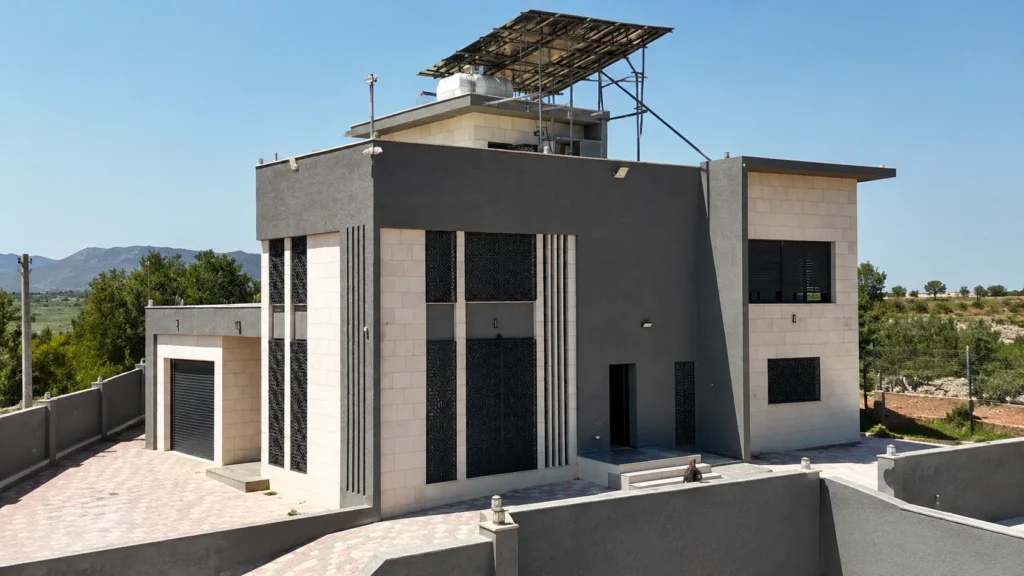
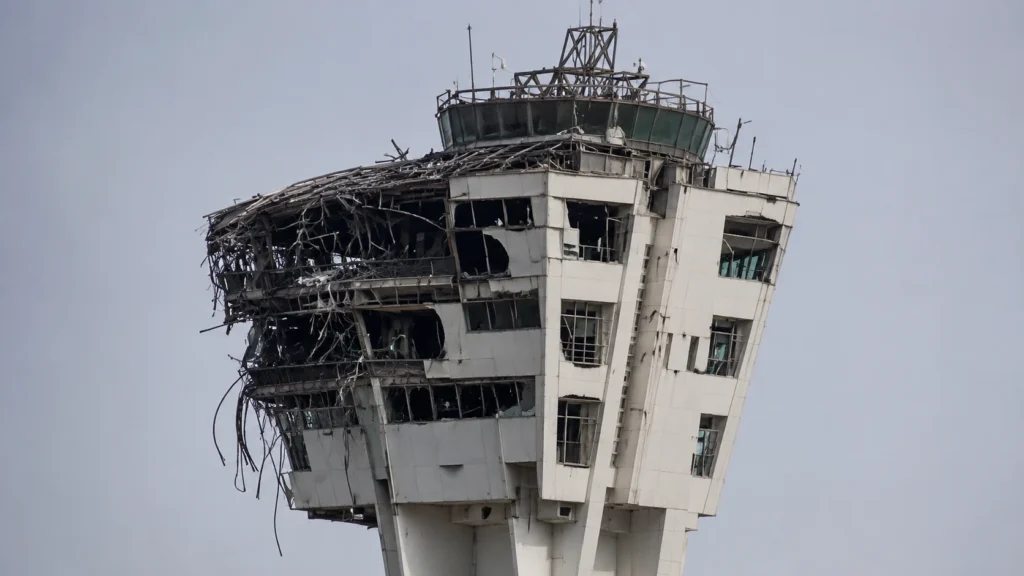
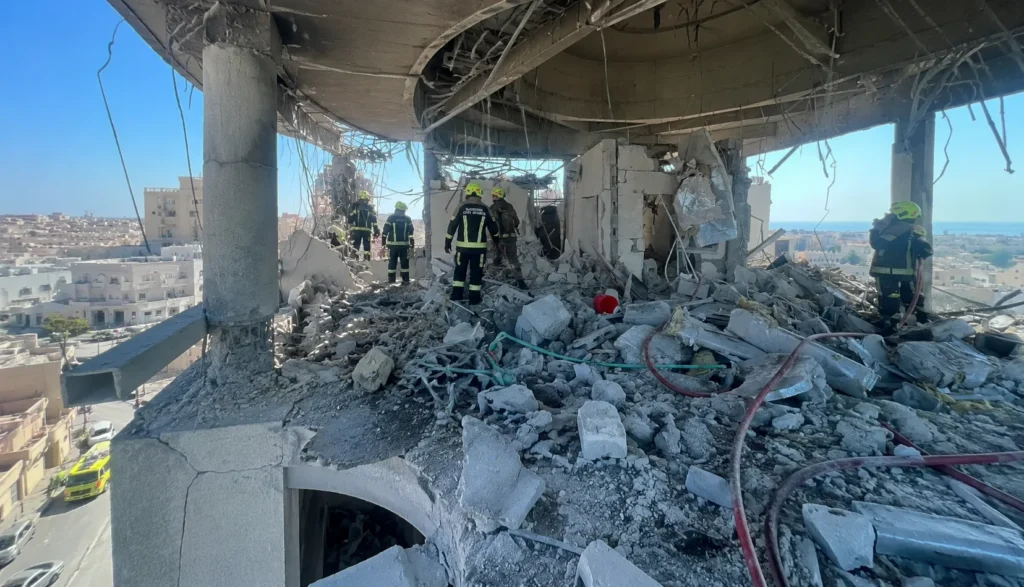
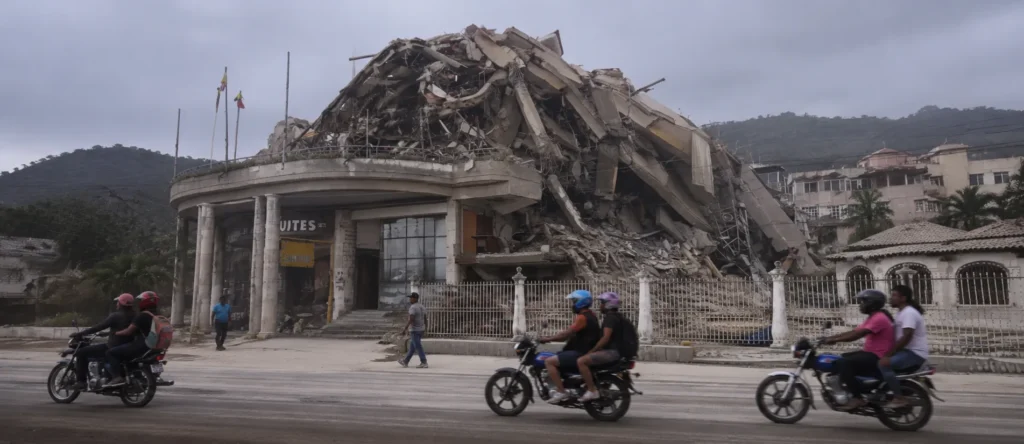
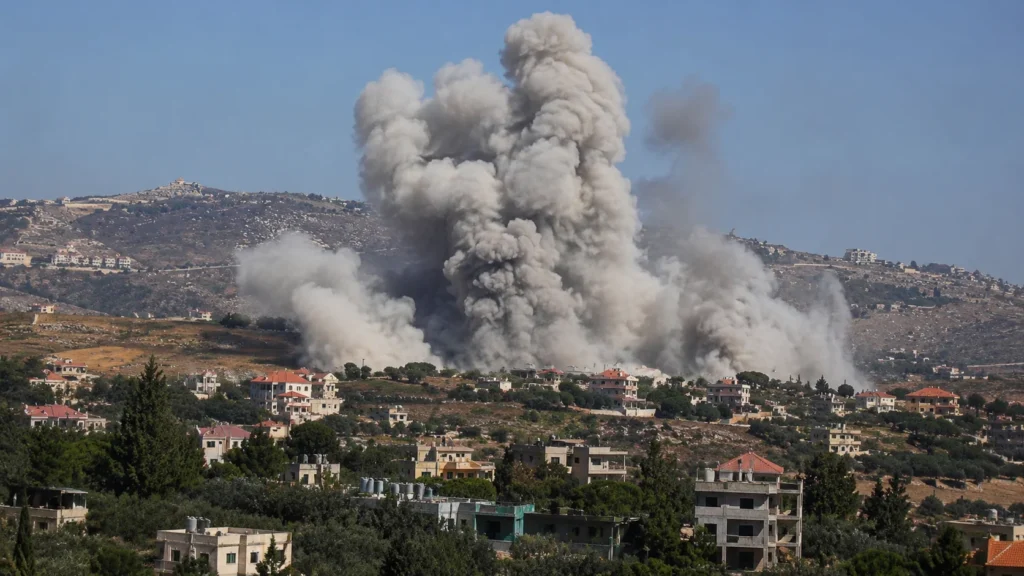
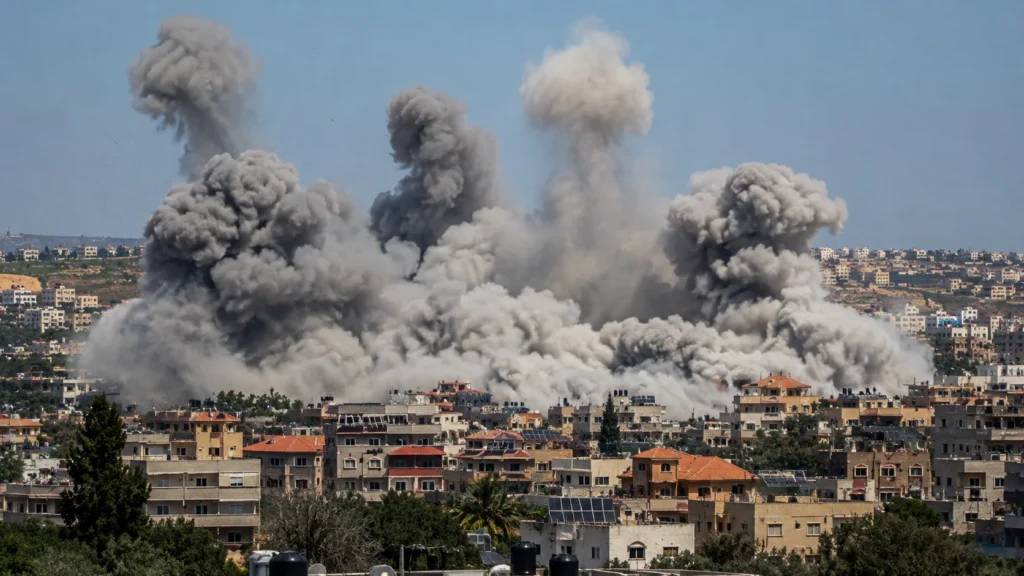
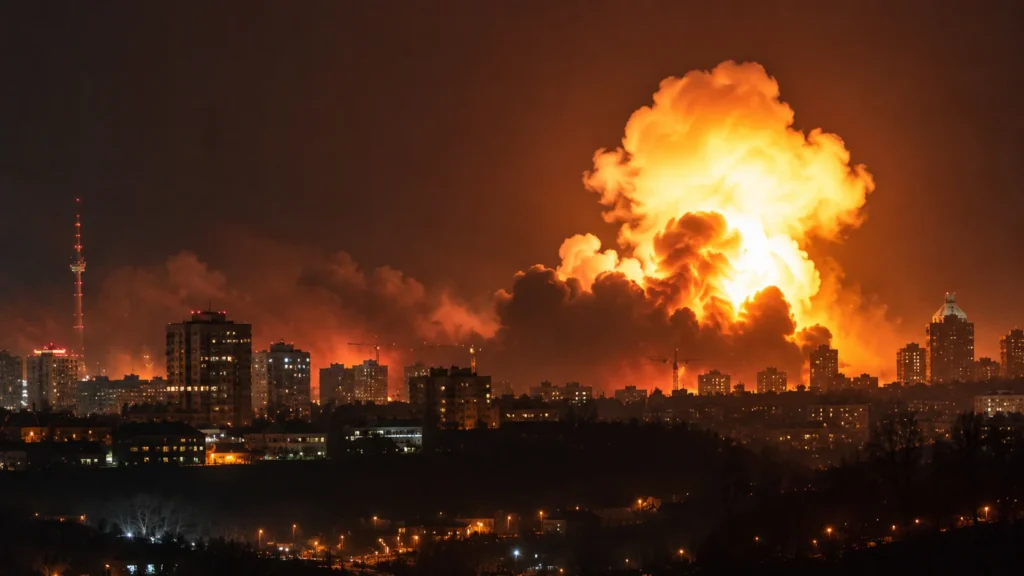
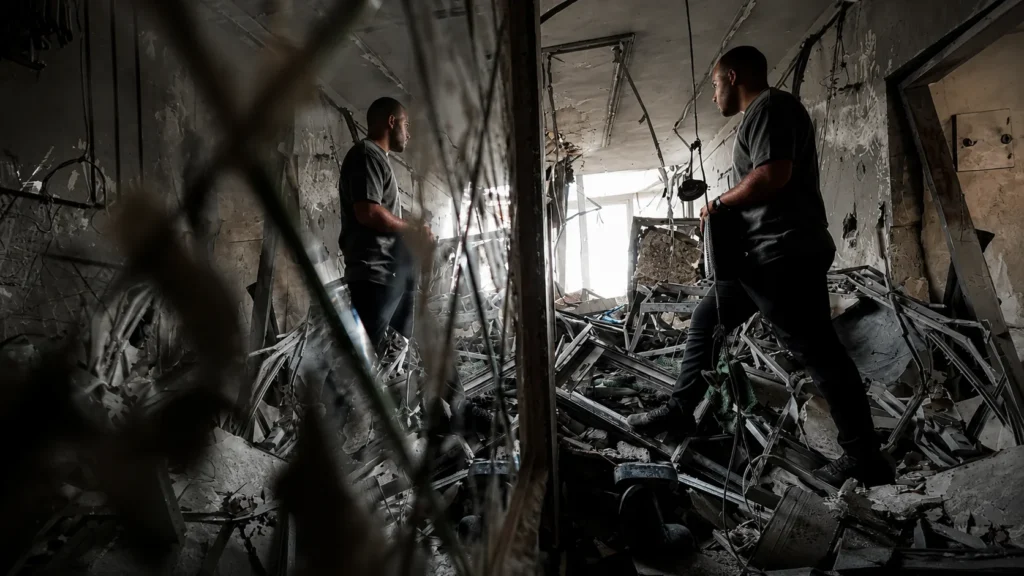
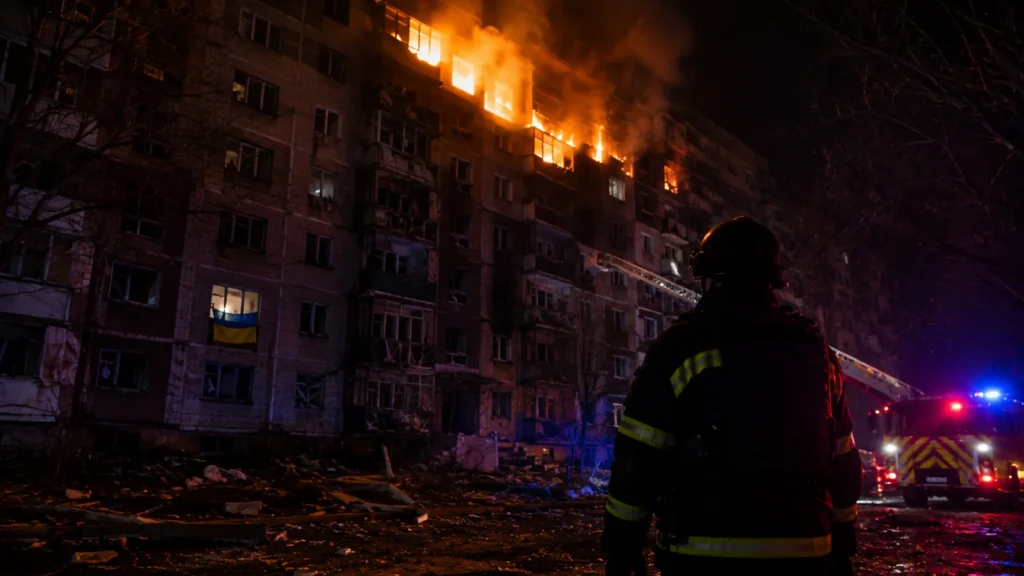
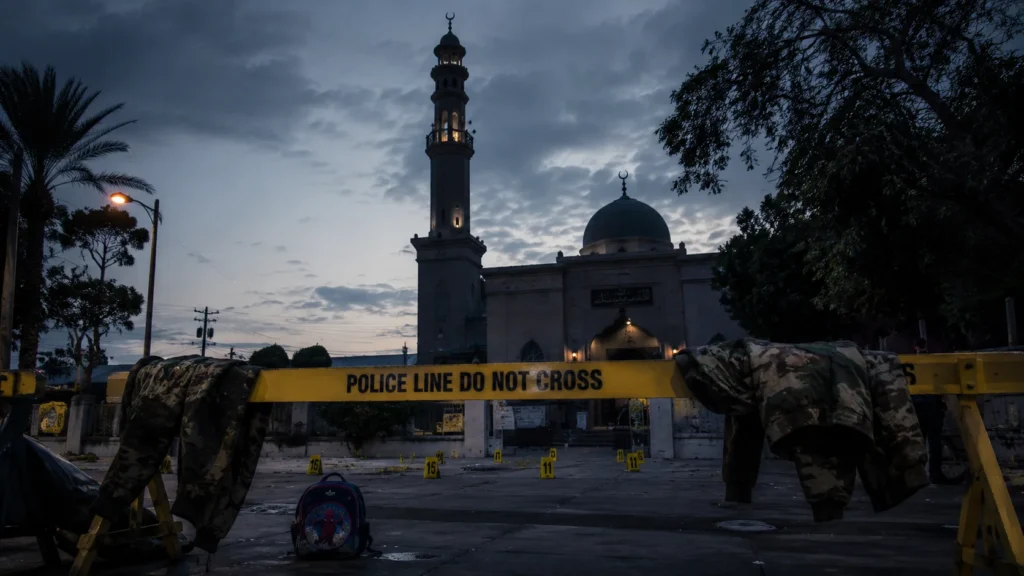
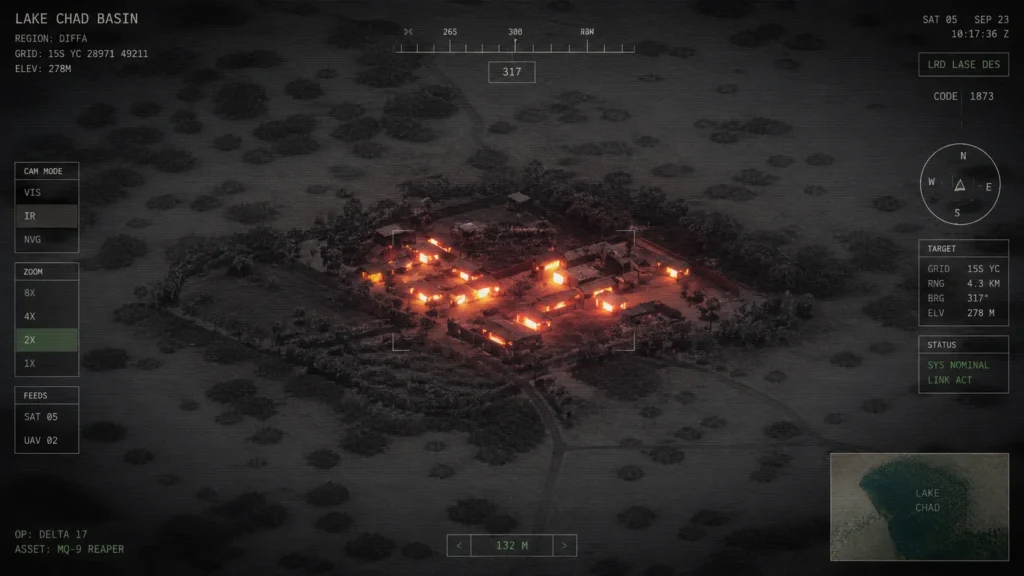
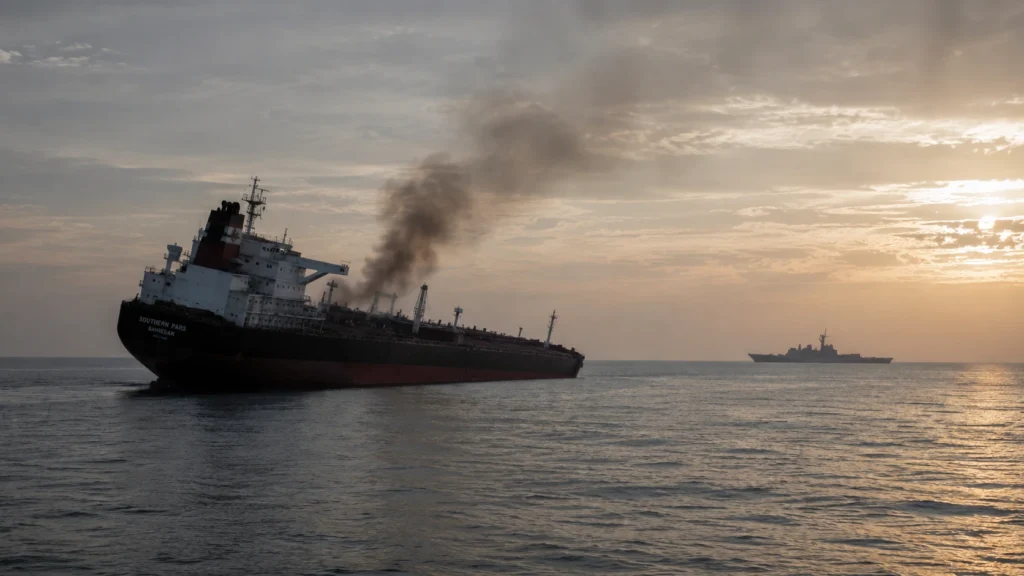
The Monday price action also absorbed a second shock. The UAE’s defence ministry confirmed three drones entered the country from the “western border direction” on Sunday UAE Ministry of Defence official statement, 17 May 2026. Two were intercepted. The third struck an electrical generator outside the inner perimeter of the Barakah Nuclear Power Plant in Abu Dhabi, sparking a fire. No radiological release occurred. No injuries were reported. But the target category changed the risk calculus for every insurer and reinsurer exposed to Gulf energy infrastructure.
Our earlier analysis of the Strait of Hormuz crisis and the 850 ships trapped inside the Gulf
The Spread Tells the Real Story
Brent crude at 111.28andUS−tradedWestTexasIntermediateat111.28andUS−tradedWestTexasIntermediateat107.87 produces a spread of $3.41. That differential reflects geography. Asian and European buyers absorb Strait disruption risk directly. US shale provides a partial buffer to domestic consumers. Partial.
Oil remains a globally fungible commodity. A supply shock anywhere reprices the marginal barrel everywhere. The Brent-WTI spread has not yet widened beyond $5 — the level that historically signals acute physical shortages in Atlantic Basin and Asian markets. But the direction of travel points there.
What the Brent-WTI spread reveals about geopolitical risk pricing
The Nuclear Dimension and the White House Meeting
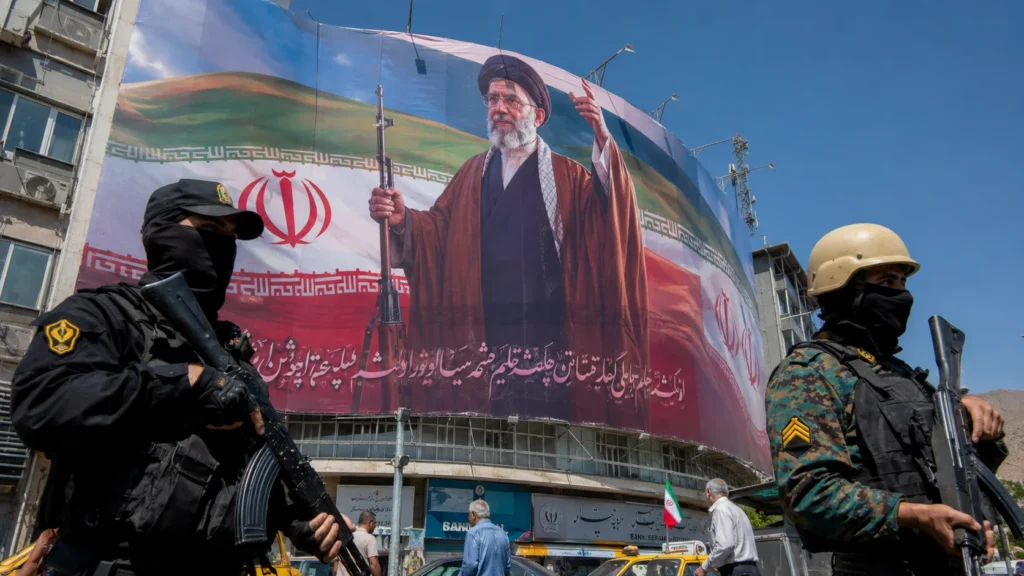
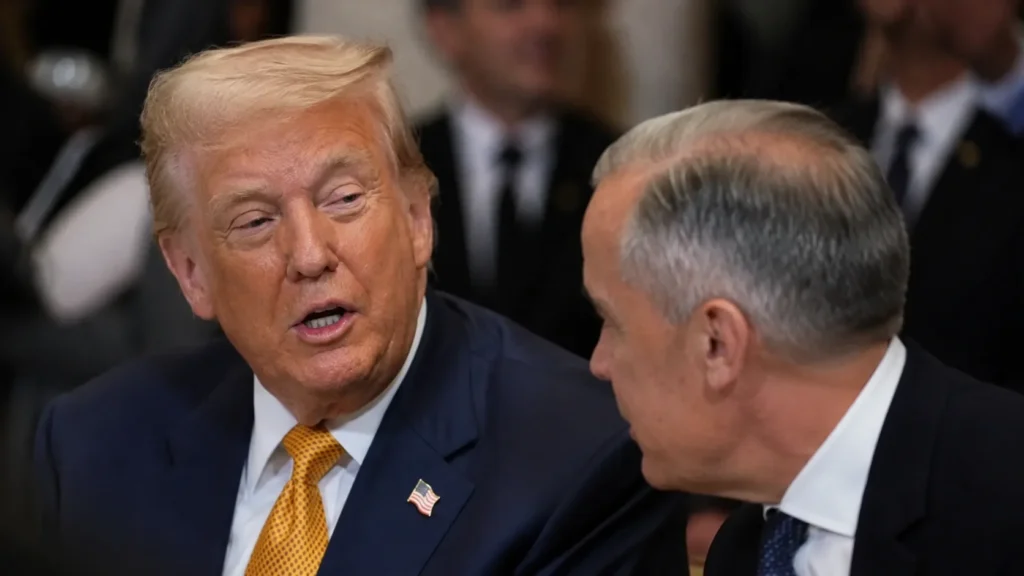
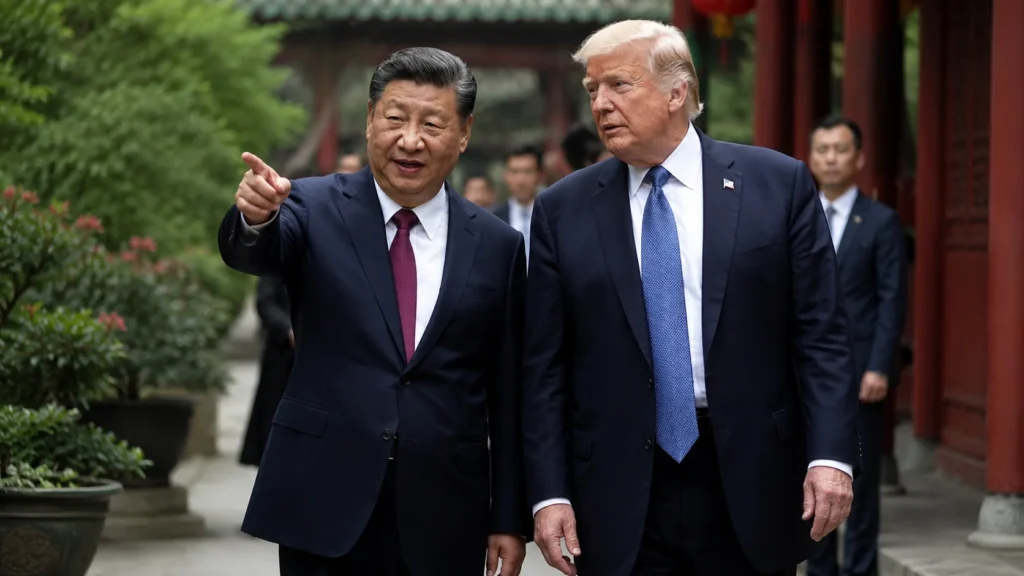
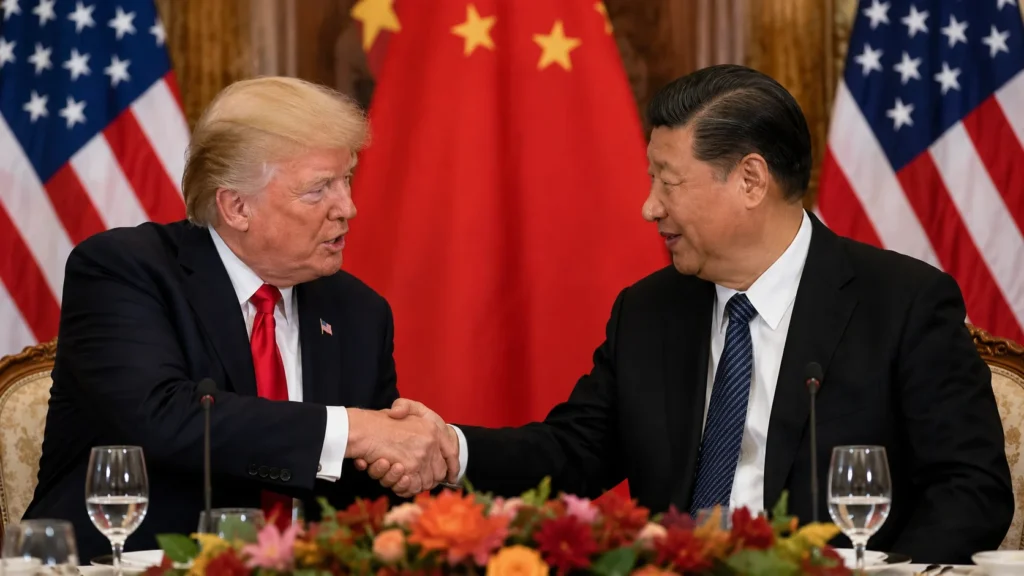
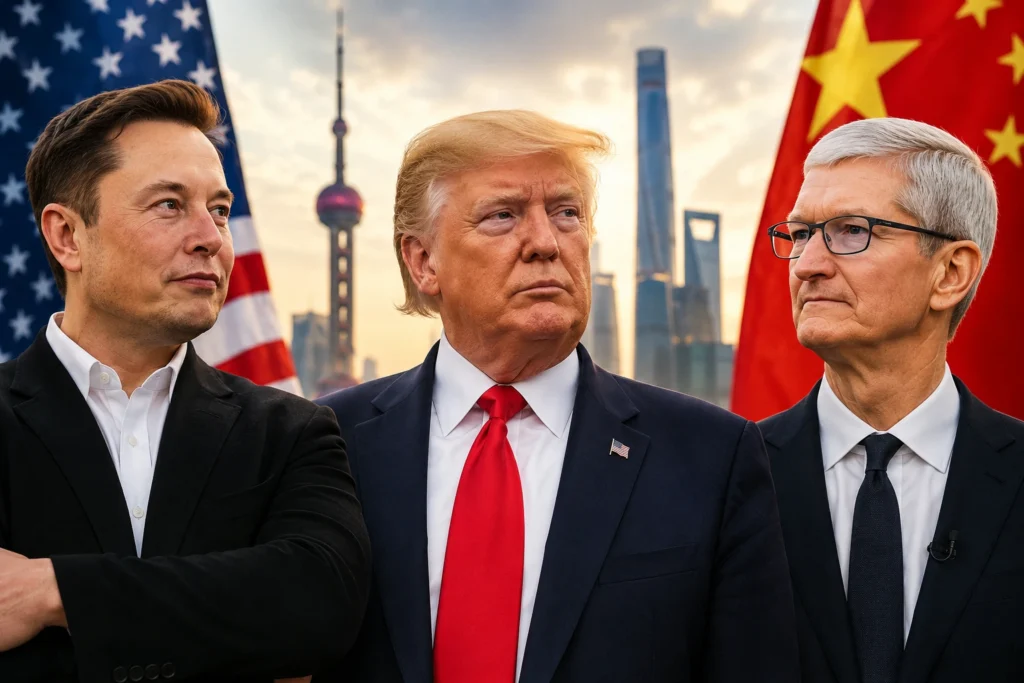
Trump signalled on Friday that he would accept a 20-year suspension of Iran’s nuclear programme rather than total dismantlement. The concession signalled Washington understood the economic clock was ticking. But Tehran read movable red lines as an invitation to press further demands, including formal sovereignty over the Strait of Hormuz, compensation for war damage, and an end to the US naval blockade.
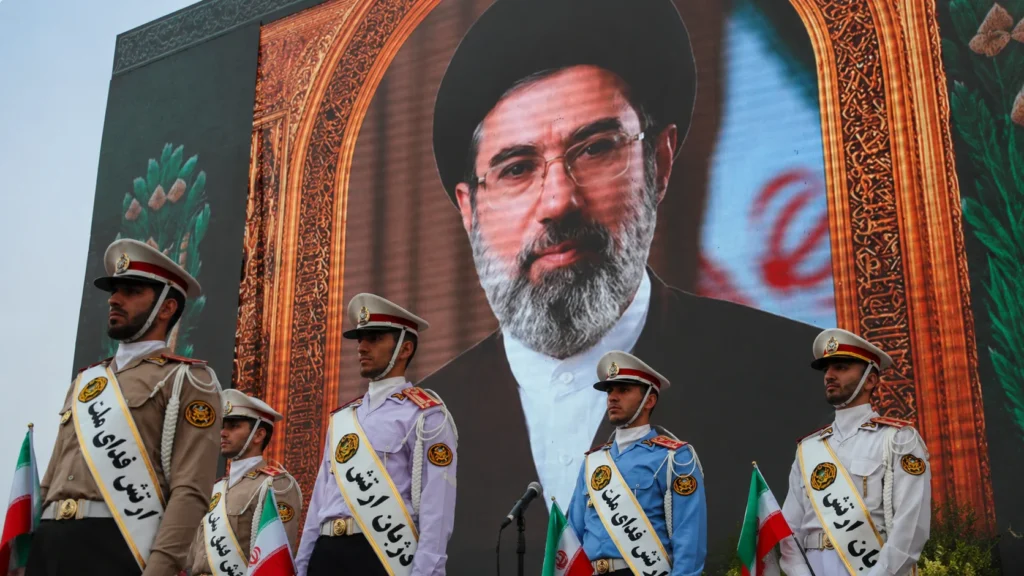
Mehr News Agency, a semi-official Iranian outlet, warned Sunday that a lack of US concessions would produce an “impasse in the negotiations” Mehr News Agency report, 17 May 2026.
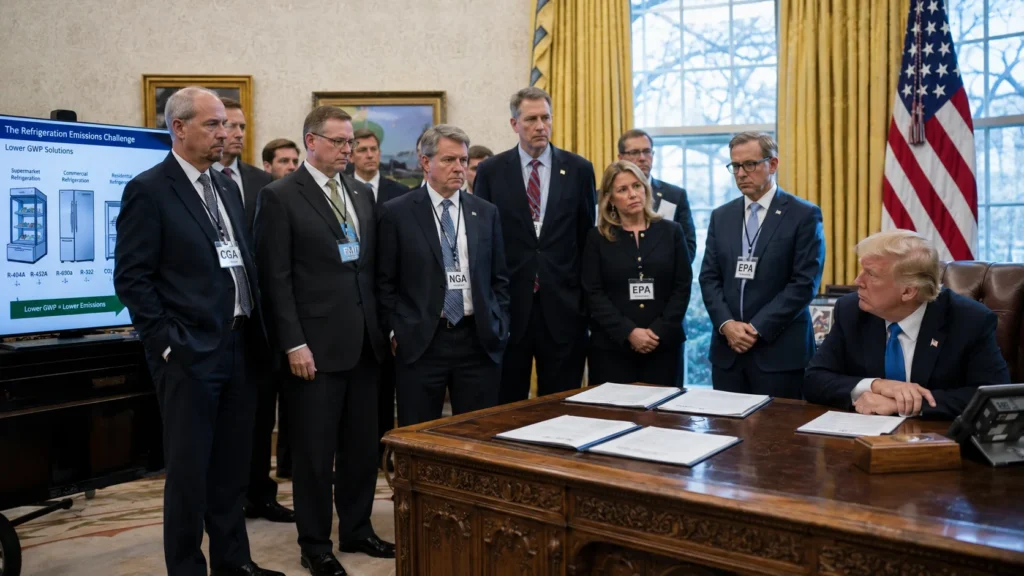
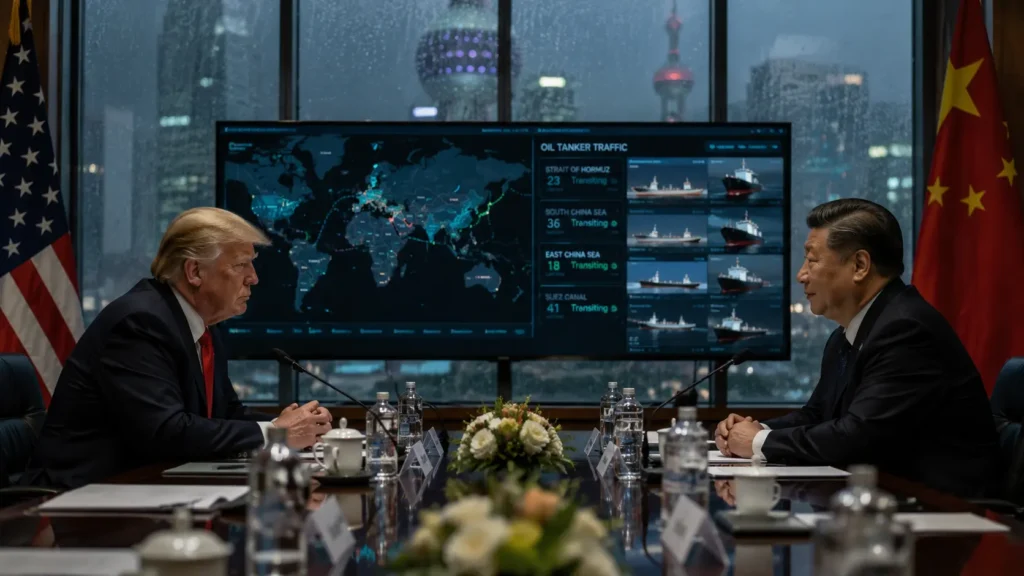
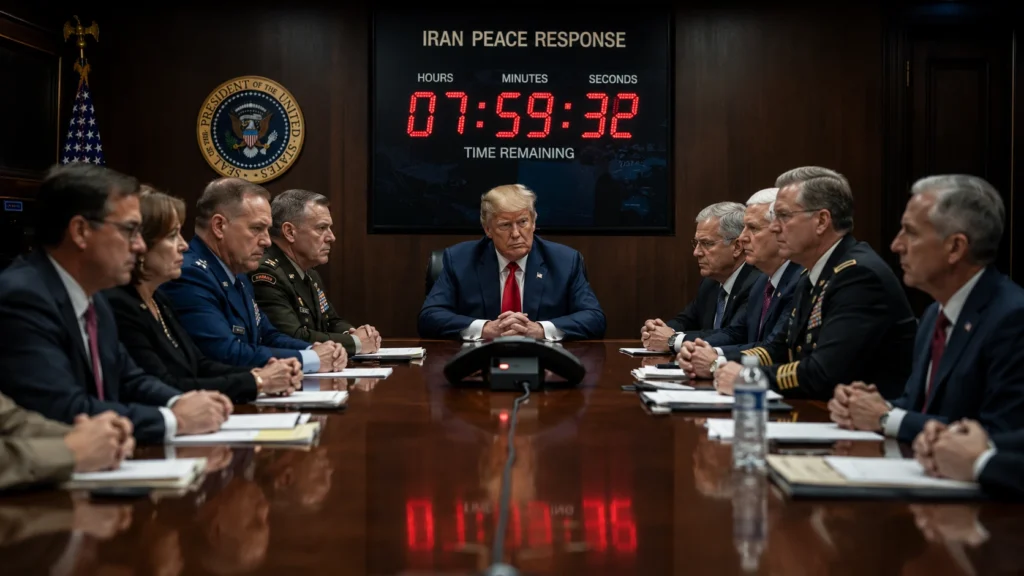
Then came the Axios report. Trump will meet his top national security advisers on Tuesday to discuss military options regarding Iran, according to the news platform Axios report on White House meeting, 17 May 2026. Markets interpret this not as a scheduling note but as a signal: the administration is preparing to present military action as the alternative to diplomatic failure. The last time the US and Israel launched coordinated strikes on Iran — 28 February — the Strait closed within days.
The Barakah Strike Expands the Risk Map
The drone attack on Barakah matters because it demonstrates reach and precision. A nuclear facility represents a category of target that changes risk assessment models, even when the physical damage is limited to an external generator.
The UAE’s defence ministry said two of three drones were intercepted. The third was not. The gap between interception capability and consequence is narrowing. For the global energy complex, the lesson is blunt: the conflict no longer confines itself to the Strait. It now spans the entire Gulf littoral. Physical supply risk has diversified geographically. That should reduce concentration risk. It multiplies it.
Written by the Commodities Desk, drawing on Brent and WTI pricing data from the 18 May 2026 Asian trading session, UAE Defence Ministry statements, Axios White House reporting, and Mehr News Agency coverage. The desk has covered global energy markets and Gulf geopolitics for over 20 years.