

 English





































































































































































































Serena Williams Wins at Queen’s After 1,375 Days Away
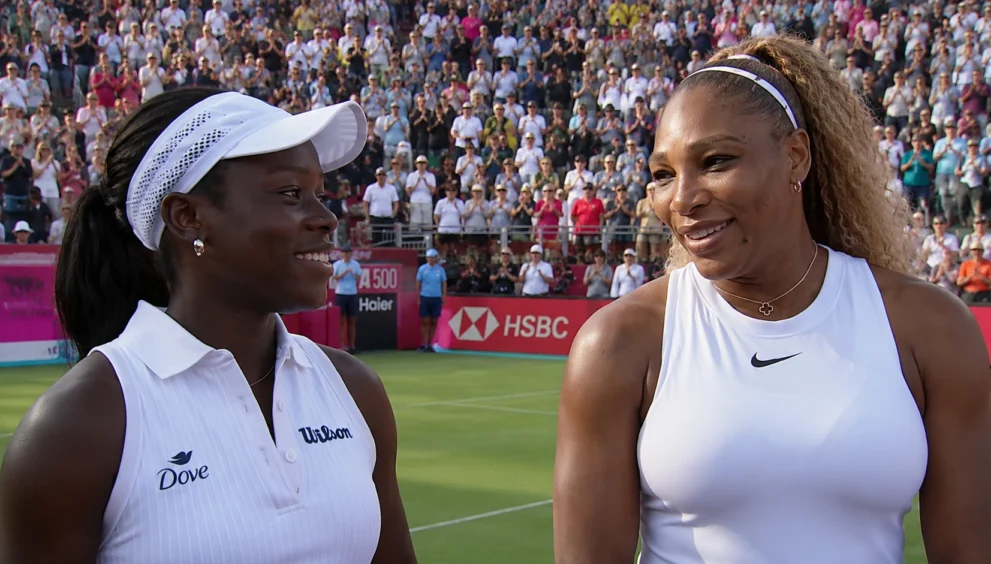
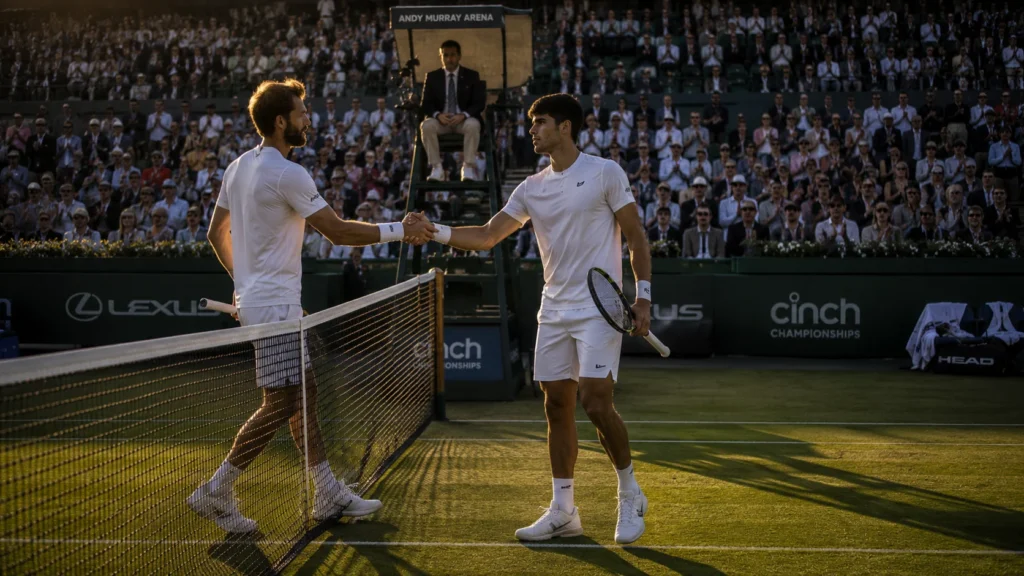
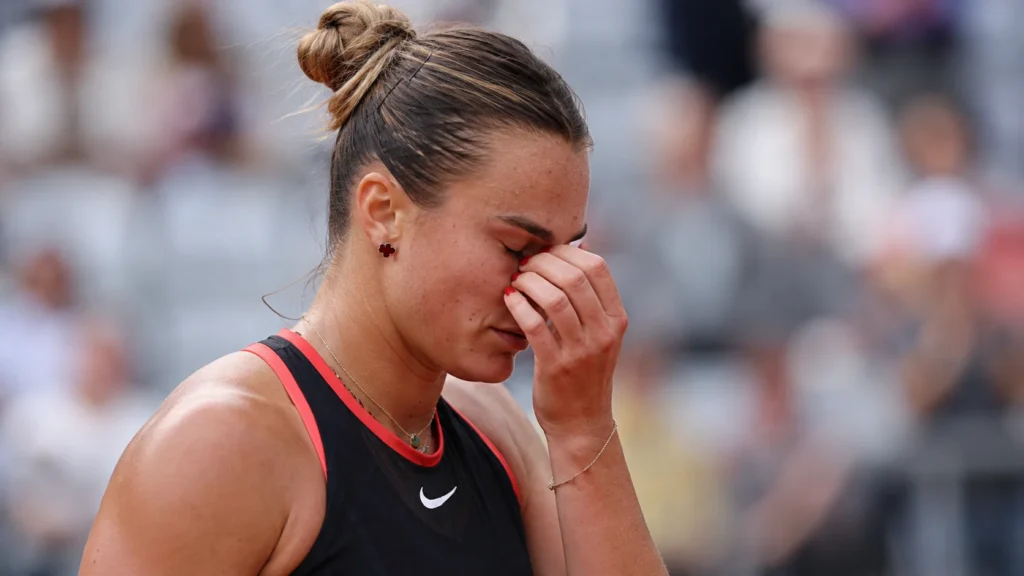
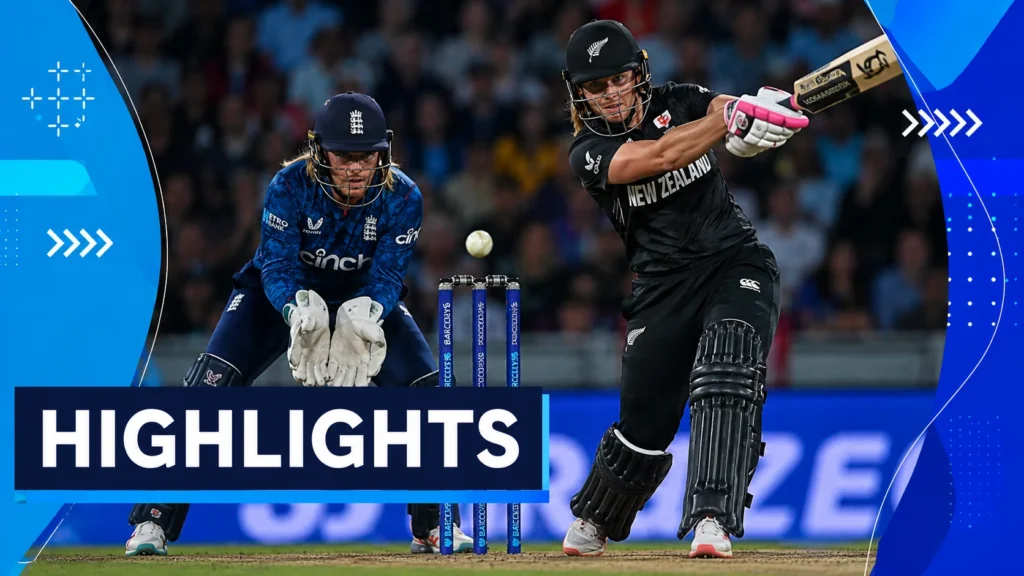
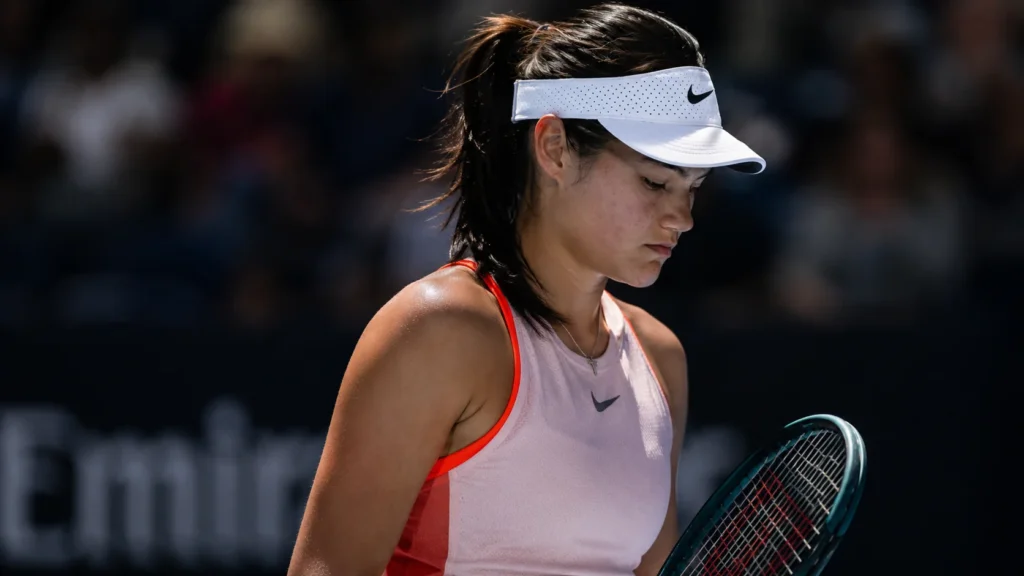
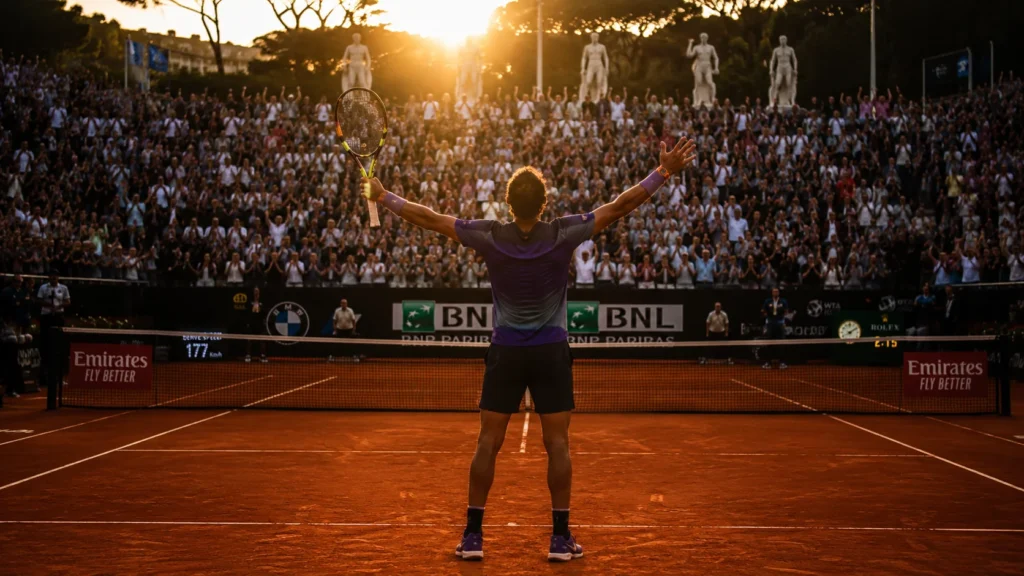
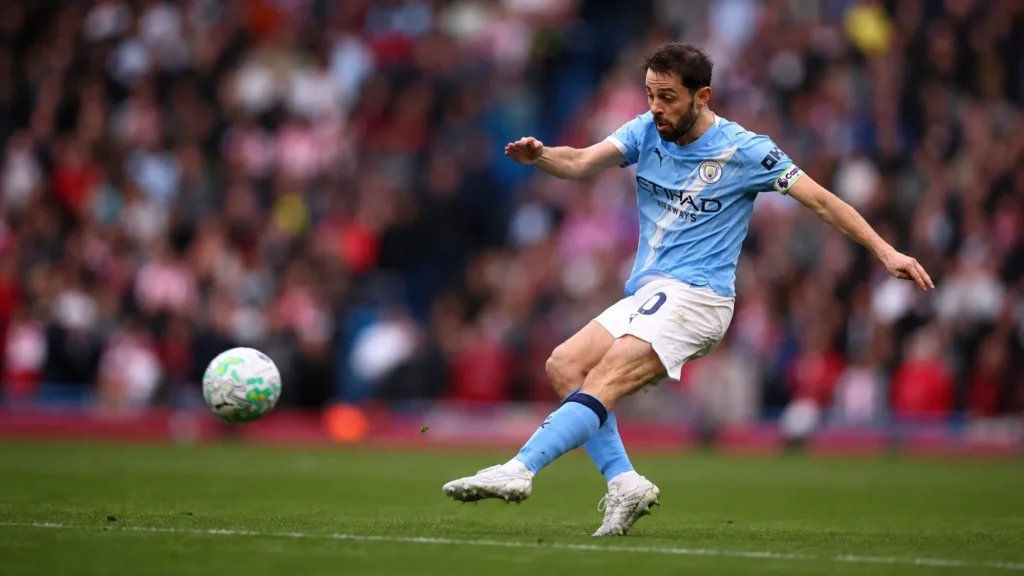
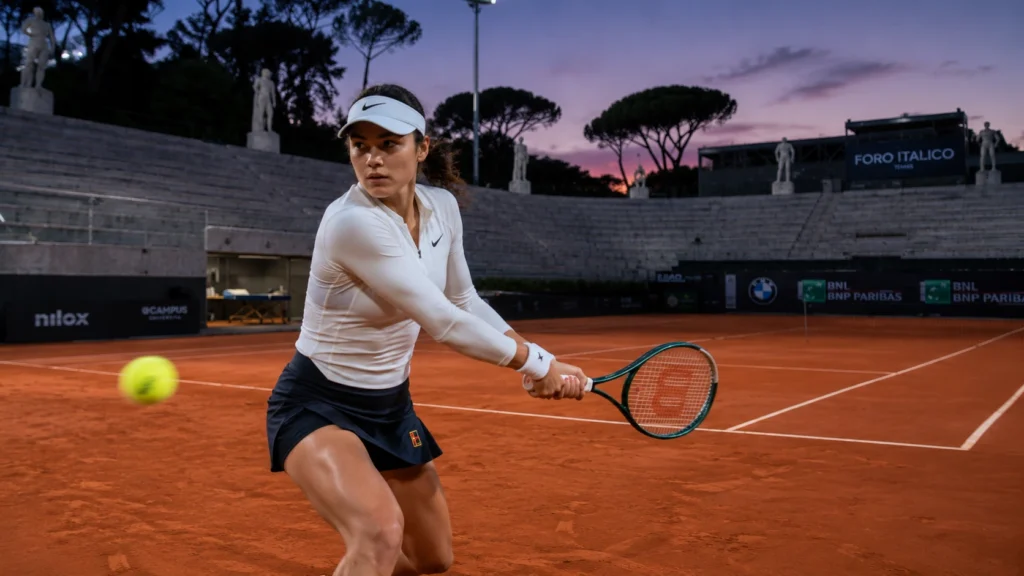
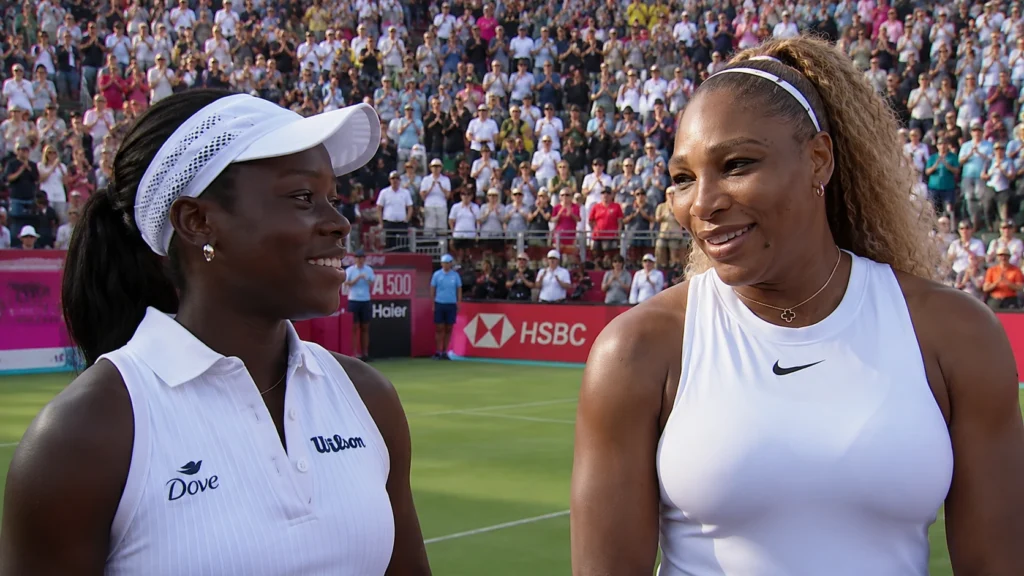
Serena Williams returned to competitive tennis on Tuesday evening at London’s Queen’s Club after 1,375 days away from the sport. The 44-year-old American partnered with Canadian teenager Victoria Mboko, 19, to upset third seeds Erin Routliffe and Nicole Melichar-Martinez 7-6 (7-2) 6-2 in the first round of the women’s doubles draw. Williams last played at the 2022 US Open before announcing she was “evolving away” from tennis. The Queen’s Club appearance marked her first competitive match since that farewell, drawing a capacity crowd to the Andy Murray Arena.
The Road Back
September 2022: Williams plays what appears to be her final match at the US Open, losing in the third round to Ajla Tomljanovic. She writes in a Vogue essay that she is “evolving away” from tennis after a 27-year career that produced 23 Grand Slam singles titles.
Late 2024: Speculation about a return begins when Williams’ name appears on the United States Anti-Doping Agency athlete testing pool list, a requirement for athletes planning to compete. The appearance does not confirm a return but removes a procedural barrier.
February 2025: The International Tennis Integrity Agency reinstatements list includes Williams’ name, another administrative step required before competition. The move signals intent without making it official.
June 2025: Tournament organizers confirm Williams will partner with 19-year-old Mboko for the women’s doubles event at Queen’s Club. The announcement comes just nine days before their first match. Williams tells reporters she “had nothing to prove” and cited her daughters seeing her play as motivation.
Tuesday, Queen’s Club: Williams and Mboko win in straight sets. Williams’ serve hits 120mph. The pair takes the first-set tiebreak 7-2 and the second set 6-2. Afterward, Williams grades her own performance a “C-minus.” Mboko disagrees: “I thought she was moving great.”
What the Win Actually Means
The scoreline tells one story. The context tells another.
A ceremonial appearance does not upset seeded opponents. A nostalgia act does not win tiebreaks by five points. Williams walked onto the grass having not struck a competitive ball in nearly four years, planted her first volley into the net, and then recalibrated. The competitive machinery had not rusted. It had been idling.
Williams said afterward she “had nothing better to do” and got “tired of sitting at home.” The line is a misdirect. No athlete of her caliber enters a WTA tournament out of boredom. analysis of athlete comebacks and the psychology of return documented how elite competitors often frame returns as casual precisely because the stakes feel too personal to name directly.
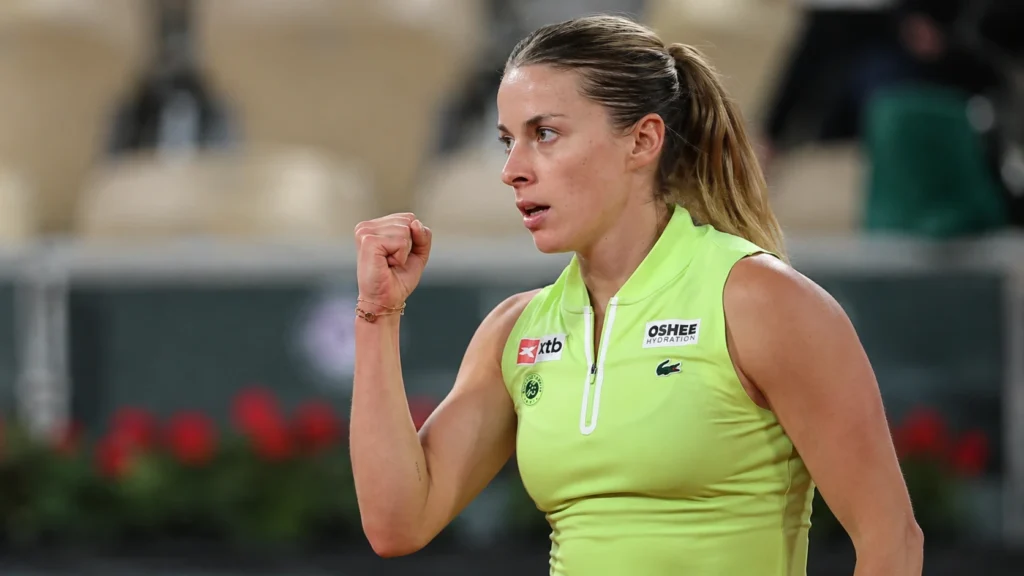
The partnership with Mboko worked because Williams did not try to dominate it. She deferred on baseline coverage. She talked tactics between points. She celebrated the teenager’s winners with genuine release. The fist pumps were not performative. They were the tell—the same competitive physiology that sustained 27 years at the top reactivating in real time.
What She Said Afterward
The post-match press conference provided the quotes that will frame whatever comes next.
“It was so fun,” Williams said. “I had so much fun playing with Victoria. She was really able to hold up the team and play big on the big points. I could rely on her. We have never played together, but it felt so natural.”
On her motivation: “I had nothing better to do, I got tired of sitting at home. My kids are out of school for the summer, so why not? I never got to play here; it was always just the men. It feels really special to play somewhere so iconic.”
On what her daughters thought: “Adira wanted to go to the toy store, and Olympia wanted to know what was for dinner.”
On the possibility of extending the return to Wimbledon or singles: “It’s just a day at a time. I still have a little time to decide, and they have been great about giving me that space and time to decide.”
On age and comebacks, referencing friends Lindsey Vonn and Allyson Felix: “You can do anything at any age. It doesn’t matter as long as you’re healthy and you take care of yourself, and you’re happy, and you’re doing your best—it’s really all that matters.”
The Wimbledon Question
Williams declined to commit to Wimbledon, which begins next month. The All England Club has a history of granting wild cards to returning champions. Williams won seven Wimbledon singles titles. That history plus a competitive win at Queen’s creates a plausible case.
The doubles format reduces physical load. Two matches per week instead of seven singles matches across a Grand Slam fortnight. The body holds up differently. Venus Williams’ longevity and playing past 40 has already established the template. Venus still competes at 45. The Williams sisters playing doubles together at Wimbledon remains a persistent rumor that neither has dismissed.
Williams’ next match at Queen’s comes later this week against Leylah Fernandez and Laura Siegemund. Another win would strengthen the argument for extending the comeback. A loss would not necessarily close the door.
Frequently Asked Questions
Why did Serena Williams retire from tennis in 2022?
Williams announced in a Vogue essay in August 2022 that she was “evolving away” from tennis. She cited a desire to grow her family—her daughter Adira was born in 2023—and a reluctance to keep choosing tennis over other priorities. She won 23 Grand Slam singles titles, one short of Margaret Court’s all-time record.
Who is Victoria Mboko, Serena Williams’ doubles partner?
Victoria Mboko is a 19-year-old Canadian tennis player currently competing on the ITF circuit. She had never played alongside Williams before Queen’s Club. Williams praised her ability to “hold up the team and play big on the big points.”
Will Serena Williams play at Wimbledon this year?
She has not committed. Williams said she is taking it “a day at a time” and that tournament organizers have given her “space and time to decide.” Her performance at Queen’s—a straight-sets win over seeded opponents—makes a Wimbledon wild card application plausible.
How fast was Serena Williams’ serve at Queen’s Club?
Williams hit one serve clocked at 120mph during the match. The speed drew an audible reaction from the crowd and confirmed that her serve, long considered her most dominant weapon, remains functional at an elite level.
What happens next in the Queen’s Club draw?
Williams and Mboko face Canada’s Leylah Fernandez and Germany’s Laura Siegemund in the second round. The match is scheduled for later this week. A win would advance them to the quarterfinals.