

 English





































































































































94-Year-Old Raul Castro Indictment Reshapes US Reach
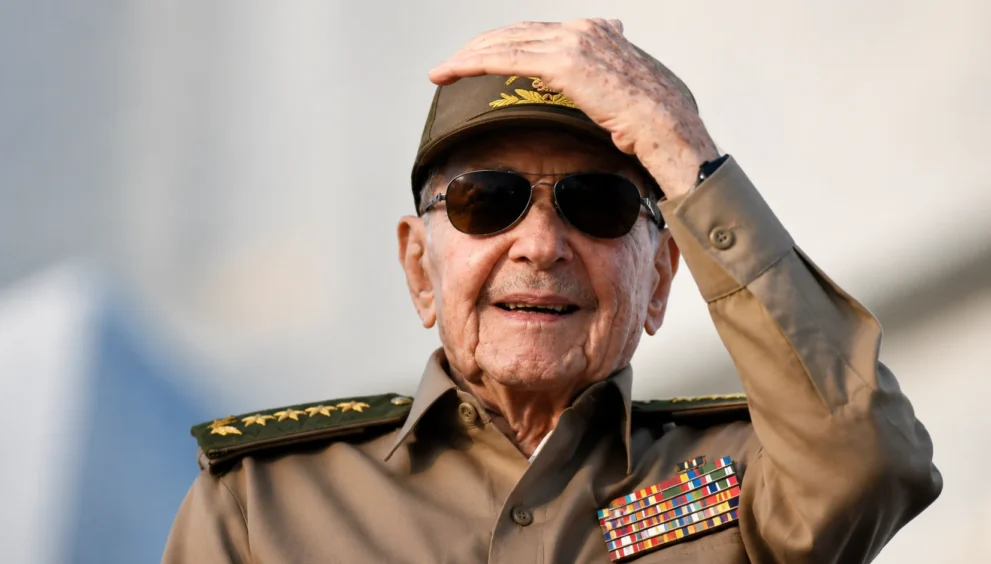
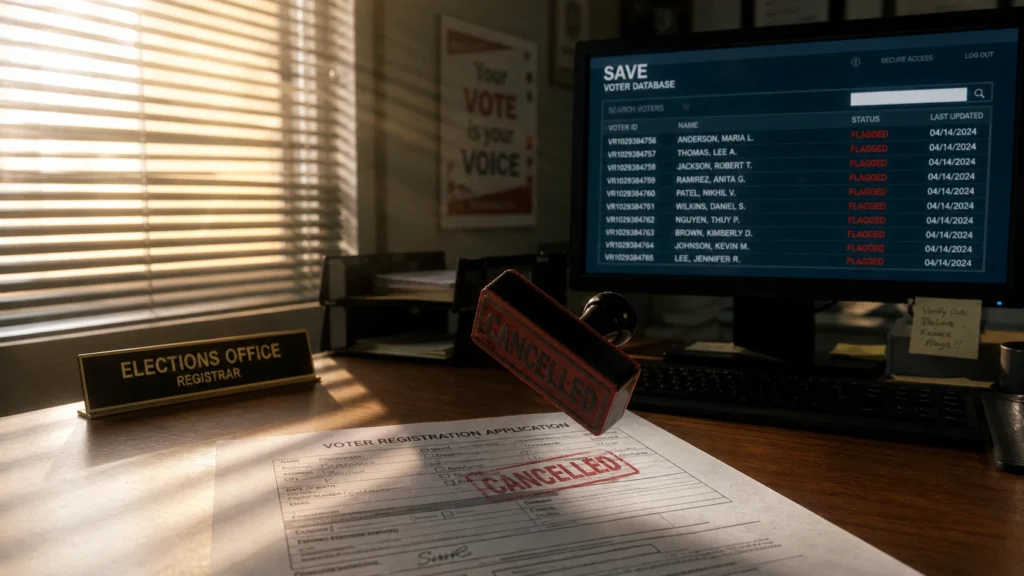
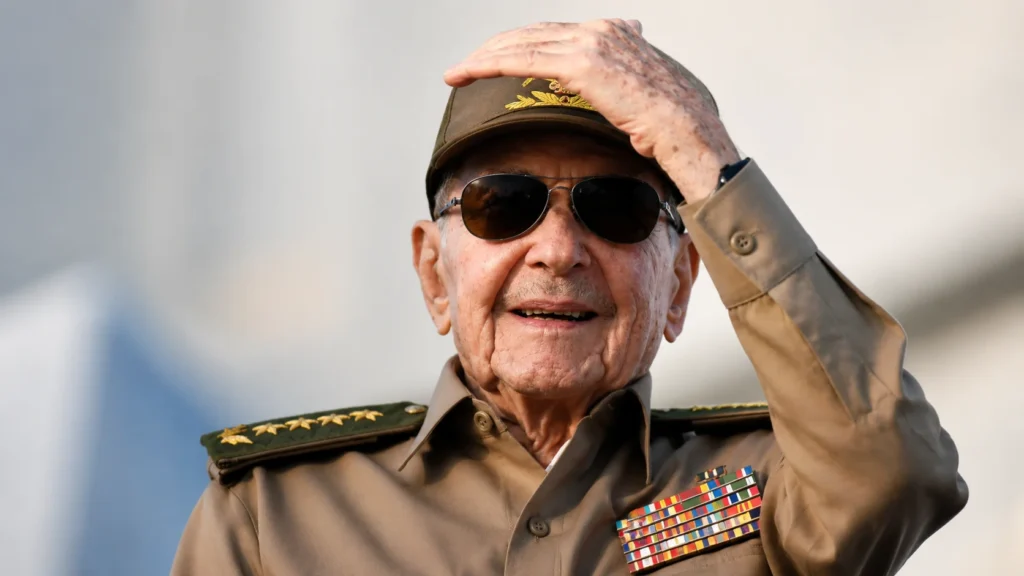
MIAMI — The 94-year-old Raul Castro indictment reshapes US reach in ways that extend far beyond a Miami courtroom. On May 20, 2026, the US Justice Department unsealed charges against the former Cuban leader for conspiracy to murder US nationals and destruction of aircraft, stemming from the 1996 downing of two Brothers to the Rescue planes that killed four men, three of them American citizens. Castro will almost certainly never stand trial. The charges carry potential death sentences. The warrant is real. The point is pressure, not prosecution.
This is the second time in five months the US has transformed a domestic criminal indictment into a geopolitical instrument. In January, US forces seized Venezuelan President Nicolás Maduro following his own indictment. The pattern now has a name.
What Exactly Happened on May 20?
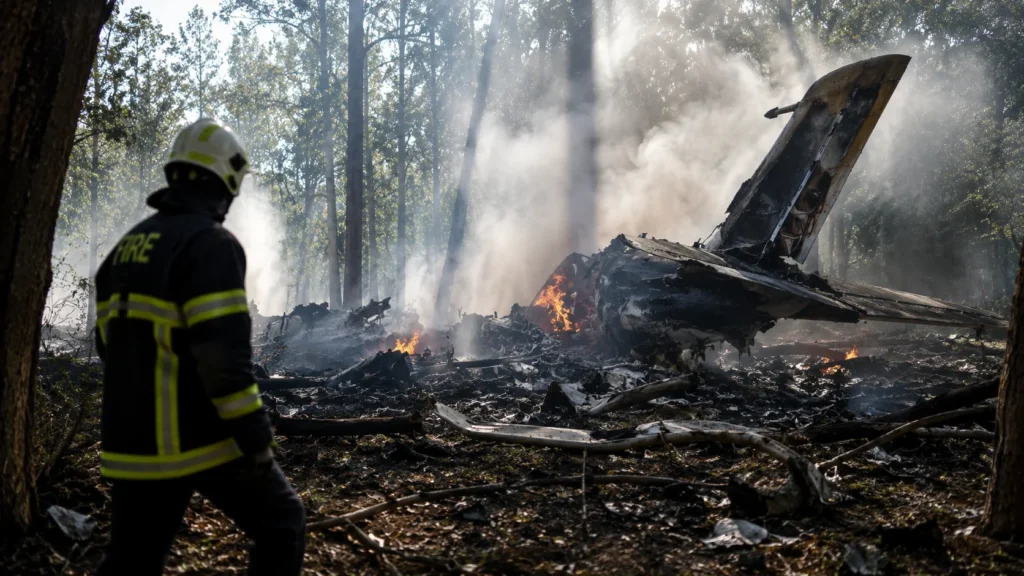
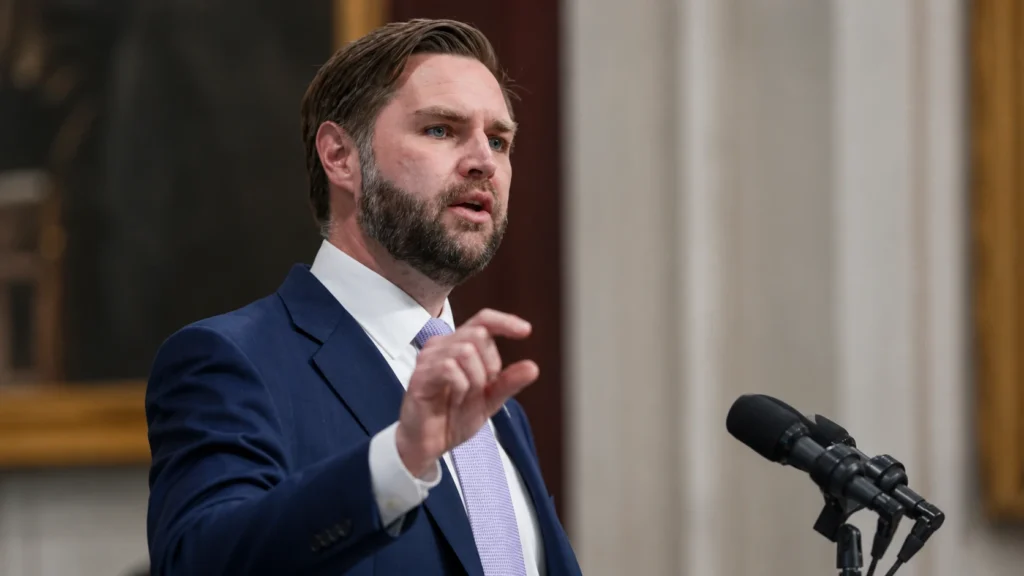
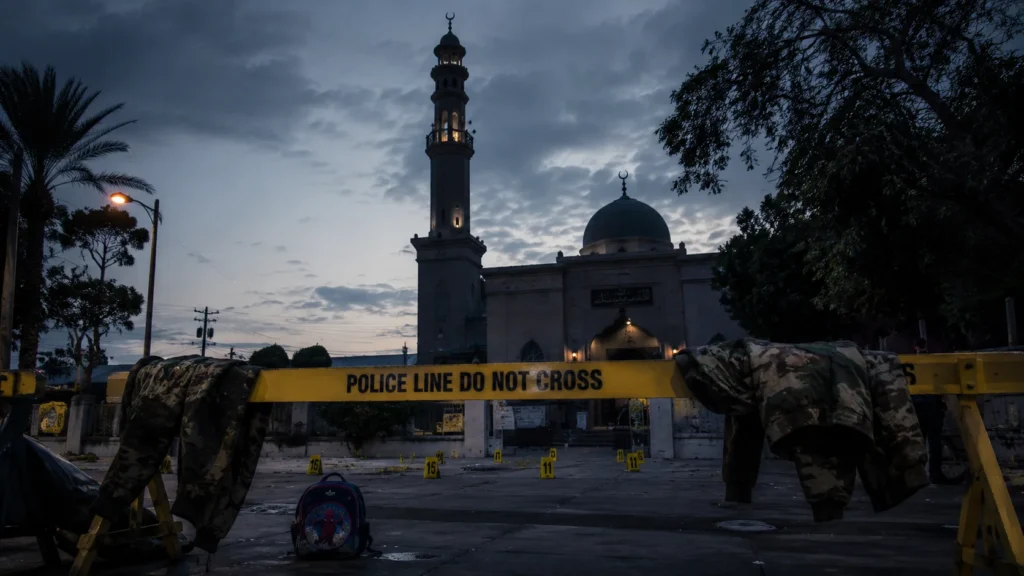
Acting Attorney General Todd Blanche stood at Miami’s Freedom Tower, a site saturated with Cuban exile symbolism, and announced four counts of murder, conspiracy to kill US nationals, and destruction of aircraft against Castro and five co-defendants. The charges trace back to February 24, 1996, when Cuban MiG fighters shot down two Cessna aircraft operated by Brothers to the Rescue, a Cuban-American group searching for rafters fleeing the island. The International Civil Aviation Organization concluded in its 1996 ICAO investigation report that the planes were destroyed in international airspace. Cuba has always maintained they violated its sovereign territory.
Blanche confirmed a warrant exists for Castro’s arrest. Asked about extraction, he replied: “We expect he will show up here, by his own will or another way.”
That sentence. It does more work than the entire indictment.
Why Now? The Maduro Template
The timing pivots on operational precedent, not new evidence.
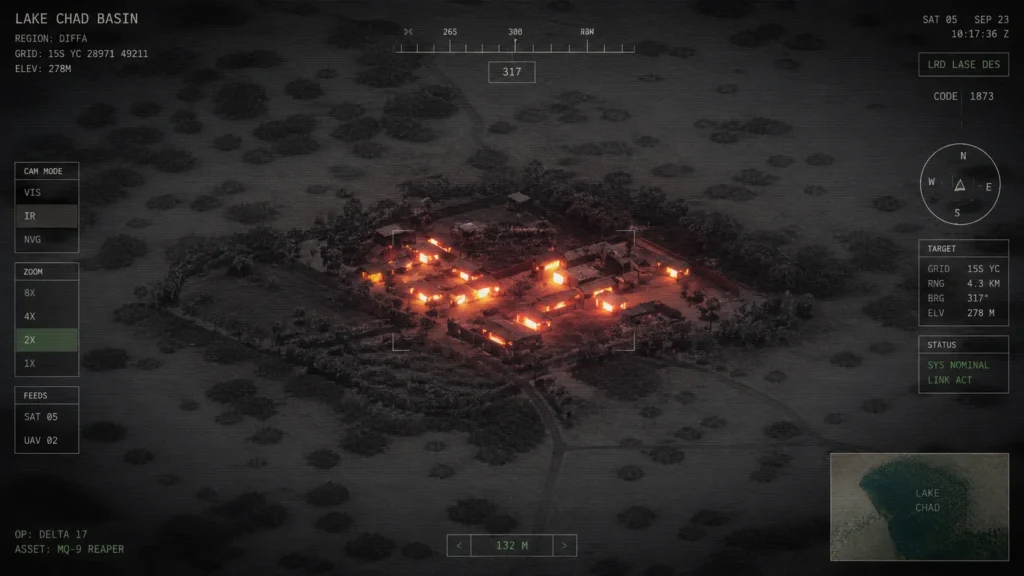
In January 2026, the US executed a military operation to capture Maduro after a sealed indictment. That operation, as our January analysis of the Maduro extraction’s regional fallout]documented, rewired Washington’s leverage over Caracas instantly. It also proved that an indictment could function as legal scaffolding for regime-change operations.
The Castro indictment tests whether the model travels. Cuba’s security apparatus remains more cohesive than Venezuela’s. The Castro family retains institutional command even in retirement. But the architecture is identical: criminal charges, arrest warrant, deliberate ambiguity about enforcement, and parallel economic strangulation.
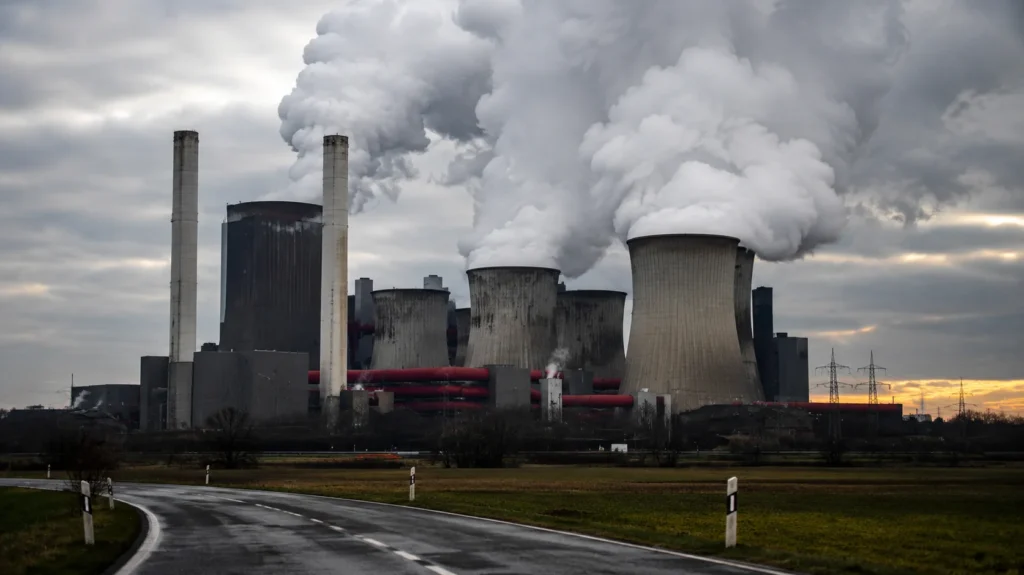
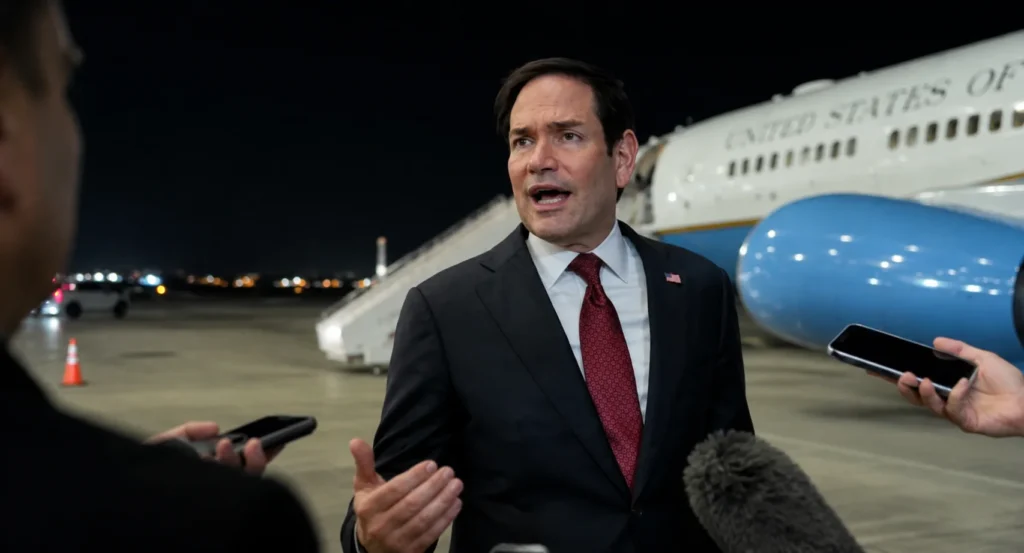
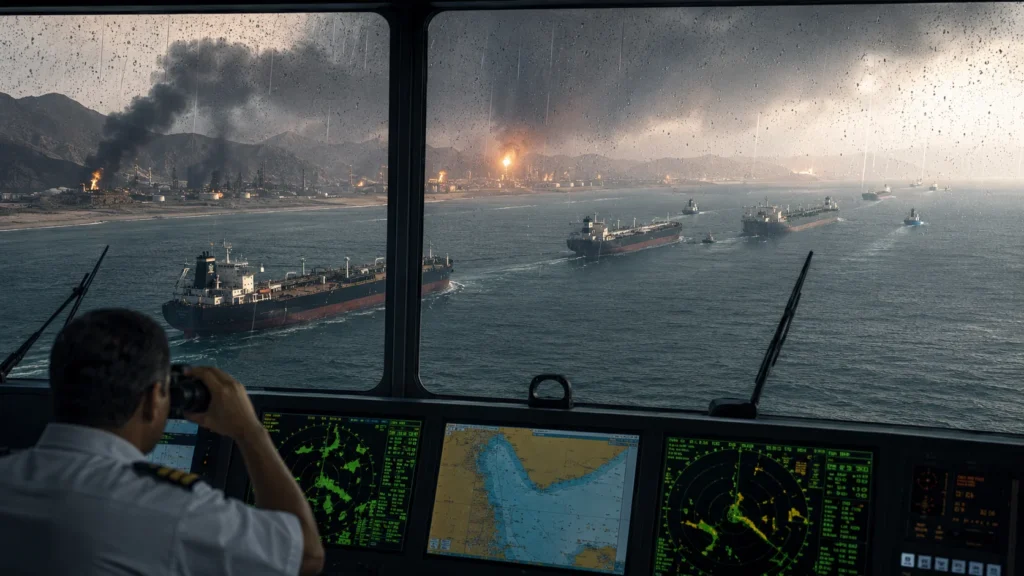
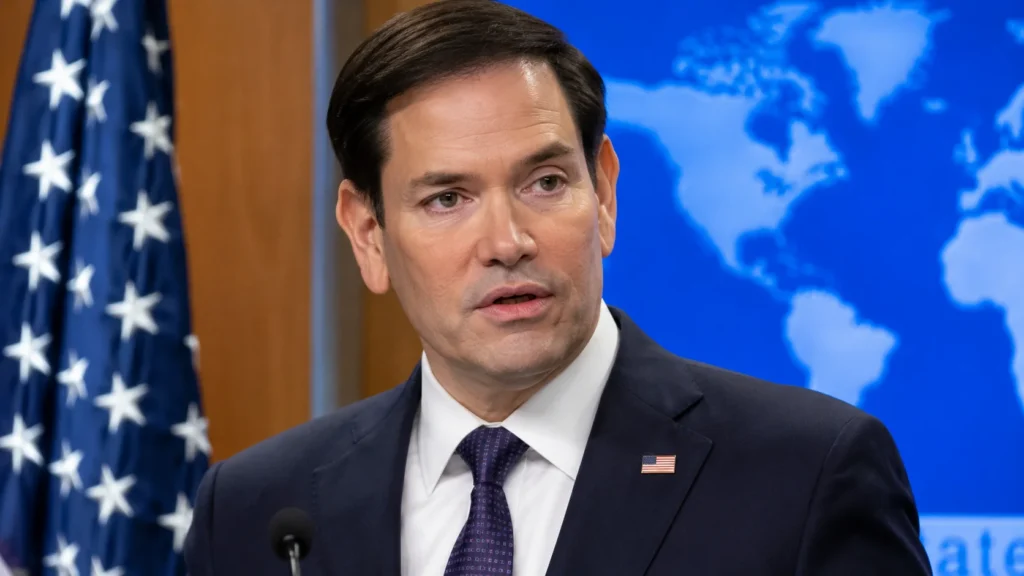
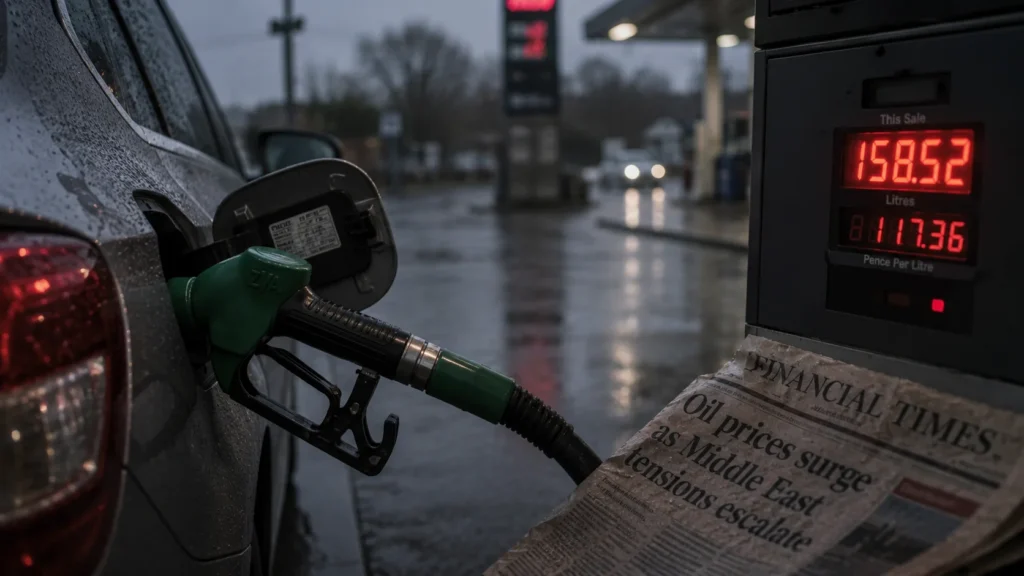
The squeeze is tangible. As our March coverage of Cuba’s energy collapse tracked, the tightened US oil blockade has triggered the worst blackouts since the Special Period. Secretary of State Marco Rubio timed a Cuba independence day message, blaming GAESA, the military conglomerate controlling the island’s ports, fuel, and hotels, for the suffering.
What Has Changed Since 1996?
The Brothers to the Rescue shootdown remained a frozen conflict for decades. Here’s what moved:
June 1996: ICAO concludes Cuba shot down the aircraft outside its airspace. The UN Security Council debates sanctions. China blocks action.
July 1996: Helms-Burton Act codifies the US embargo into law, directly hardening the legislative architecture of sanctions.
1999-2001: A US federal court awards $187 million in damages to victims’ families. Cuba never pays. The judgment gathers dust.
2014-2016: Obama normalizes relations, reopens embassies, and removes Cuba from the state sponsors of terrorism list. The shootdown goes diplomatically unmentioned.
2021: Trump redesignates Cuba as a state sponsor of terrorism.
January 2026: US forces seize Maduro. The indictment-to-extraction pipeline becomes real.
May 20, 2026: The Castro indictment lands.
The pattern reveals a structural shift: US-Cuba policy no longer oscillates between engagement and isolation. It now moves between legal pressure and military options. There is no third setting.
Who Gains, Who Loses
The United States acquired a pressure instrument that costs nothing to maintain. Every foreign ministry weighing deeper Havana ties must now factor in the optics of engaging a government whose former leader stands accused of murder by American courts.
Hardline Cuban exile organizations secured a symbolic victory decades in the making. The Freedom Tower event was packed with exile groups who have led opposition from Miami since the 1960s. But as Council on Foreign Relations analysis of Cuba sanctions effectiveness notes, measures that rally the diaspora often entrench the regime they target.
Cuba’s government lost diplomatic space. President Miguel Díaz-Canel immediately labeled the charges “a political manoeuvre, devoid of any legal foundation” and warned they “justify the folly of a military aggression.” That’s not conciliatory language. That’s a government digging in.
The Castro family absorbed a direct hit. Raúl Castro’s grandson, Raúl Guillermo Rodriguez Castro, has reportedly participated in recent US-Cuba backchannel conversations. That channel now operates under a criminal shadow.
Ordinary Cubans feel this through their daily deprivation. The blackouts persist. The lines persist. The regime will weaponize the indictment to reinforce its siege narrative. The gap between official rhetoric and lived reality widens.
FAQ: What You Need to Know
Can the US actually arrest Raúl Castro?
Not without a military operation. Cuba has no extradition treaty with the US, and its government controls its territory and security forces. The Maduro extraction worked under specific conditions — a fractured state, compromised security structures, and regional acquiescence. Cuba presents a harder target. The warrant exists. The logistics of serving it are something else entirely.
Why charge a 94-year-old retired leader?
Because age and retirement offer no legal protection under US criminal statutes, and because the strategic purpose transcends prosecution. The indictment functions as a permanent constraint on Cuban diplomacy and a signal to adversaries globally that time and succession offer no shelter. This is deterrence architecture, not criminal justice.
Did Cuba actually violate international law in 1996?
The ICAO investigation concluded in its June 1996 report that the aircraft were destroyed outside Cuban airspace. Cuba disputes this, maintaining that the planes entered its sovereign territory. The factual dispute remains unresolved after three decades. The US indictment treats the ICAO finding as settled.
How does this connect to the oil blockade?
Directly. The indictment is one track of a dual-track strategy. The economic track — tightened oil sanctions, shipping restrictions, and financial pressure creates material hardship. The legal track criminalizes the leadership. Together, they aim to make the cost of non-negotiation unbearable. As our analysis of US sanctions architecture examined, the tracks are designed to converge.
Has anything like this happened before?
Yes and no. The US indicted Manuel Noriega in 1988 and has charged various foreign officials on cyber and espionage grounds. What changed in January 2026 is the operationalization of indictments as direct leverage instruments paired with economic coercion and military optionality. The Maduro case was the first direct indictment-to-extraction sequence. The Castro case tests whether the model becomes doctrine.
Written by a senior geopolitical correspondent who has covered US-Latin America relations and sanctions policy for over 15 years, filing from Miami, Havana, and Washington.