

 English































































































































































































































Trump 279-Foot Arch Near Reagan Airport Clears FAA Hurdle

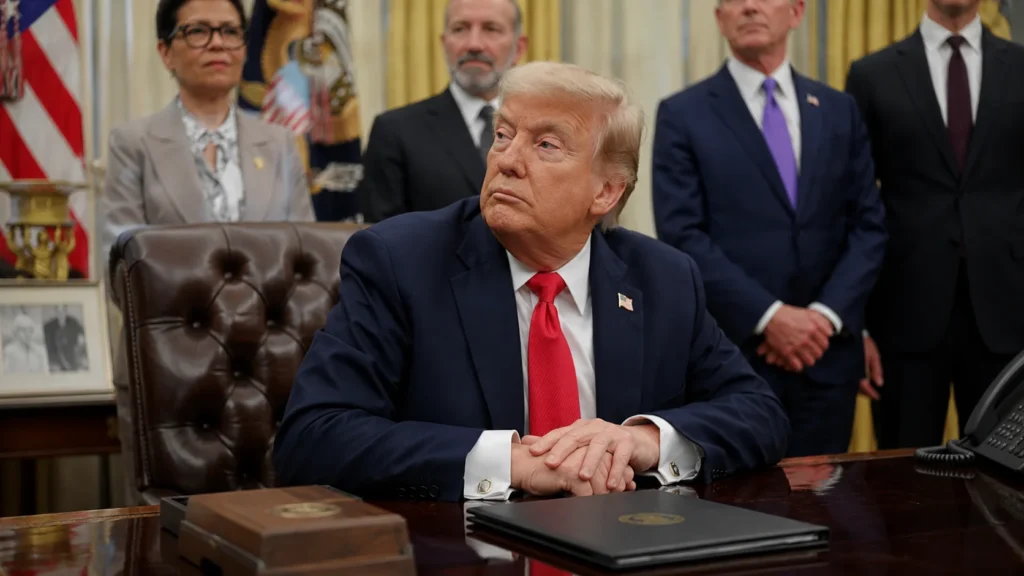
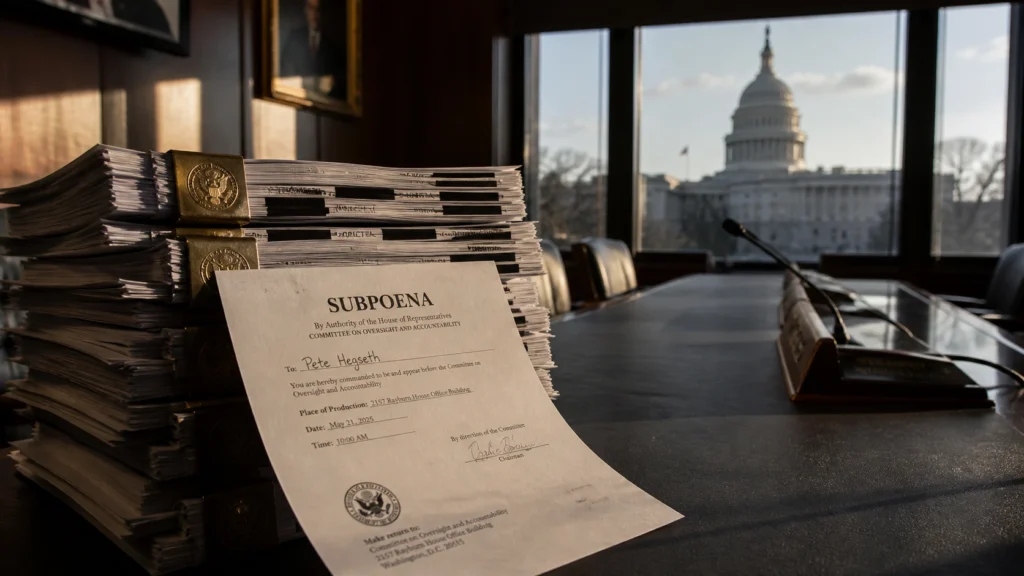
The Federal Aviation Administration released a feasibility study Friday concluding President Donald Trump’s proposed 250-foot triumphal arch—rising to 279 feet from its base elevation—would pose “no significant adverse effect on airspace” at Ronald Reagan Washington National Airport. The structure would sit at the end of Memorial Bridge, directly across from the Lincoln Memorial and less than two miles from one of the nation’s busiest airports. The FAA recommended adding red obstruction lights and noted the review was “limited,” with a full aeronautical study required before construction. The National Capital Planning Commission voted Thursday to advance the project without granting final approval. The Commission of Fine Arts must still weigh in. The approvals process, involving bodies Trump has populated with loyalists, now moves forward on a political timeline that outpaces the regulatory one.
The Question Everyone Is Asking
Can a president build a 279-foot personal monument on the National Mall without meaningful independent review?
The answer emerging from Friday’s FAA feasibility study and Thursday’s commission vote is that meaningful review can exist on paper while the outcomes align with the White House’s preferences in practice. The formal steps remain. The informal fix is in.
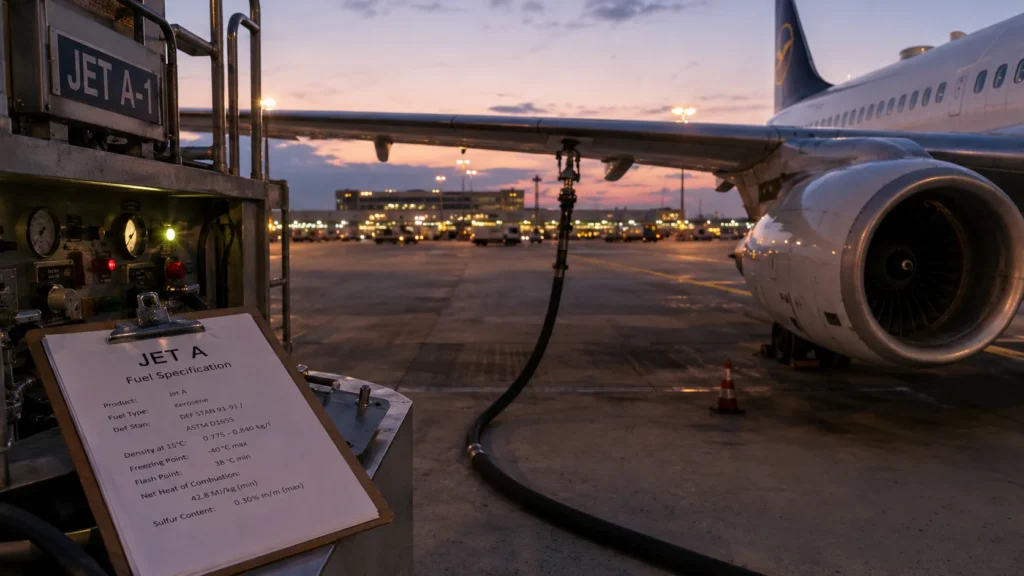
The FAA conducted what it called a “limited review”—a preliminary assessment, not the full aeronautical study that federal regulations require for structures exceeding 200 feet near flight paths. The agency aims to complete full studies within 45 to 90 days. They typically take up to nine months. The feasibility study allows the project to advance politically while the technical analysis remains incomplete. The FAA obstruction evaluation and aeronautical study regulations under 14 CFR Part 77 specify the requirements. A feasibility study is not a substitute for an aeronautical study. The Trump administration has not claimed it is. It has simply proceeded as though the distinction doesn’t matter.
What the FAA Actually Said
The FAA’s Friday determination contained several qualifiers that narrow its scope significantly.
The agency concluded the arch would have “no significant adverse effect on airspace and visual/instrument procedures” at Reagan National. It recommended red obstruction lights because of the structure’s height. It stated explicitly that its work constituted a “limited review” and that “a full aeronautical study would be required prior to construction.”
The distinction between a feasibility assessment and an aeronautical clearance is bureaucratically real. It is also politically invisible. The headline—”FAA says arch poses no risk”—travels further than the caveats. The limited review provides political cover while the full study remains pending.
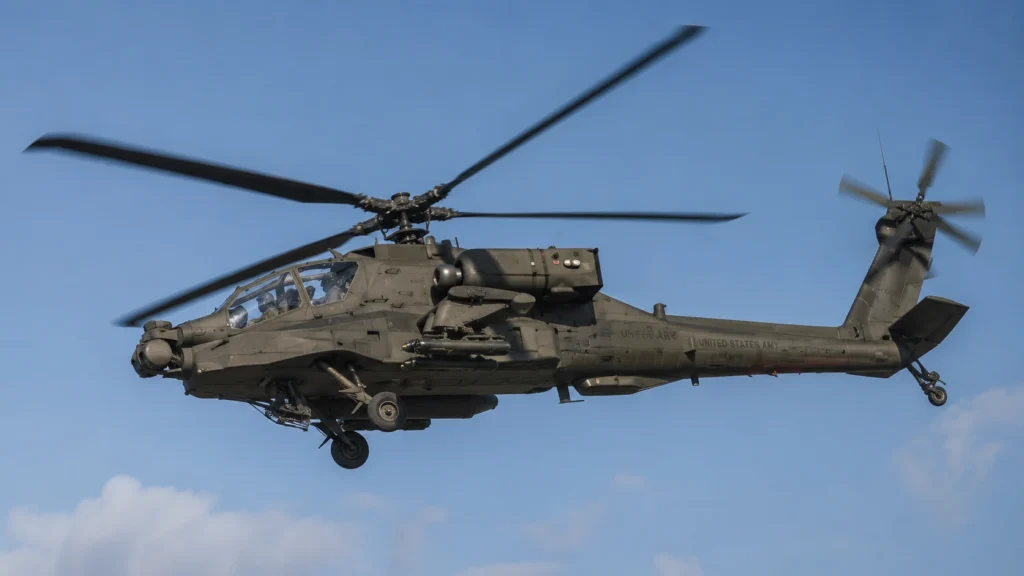
A full aeronautical study would examine the arch’s effects on instrument approaches, visual flight procedures, obstacle clearance surfaces, and the cumulative impact of adding a 279-foot structure to the north approach corridor. That corridor already requires pilots to navigate around the Pentagon, the Washington Monument, and other obstacles. Last year’s midair collision between an American Airlines jet and a Black Hawk helicopter occurred in the same airspace. The NTSB investigation report on the January 2025 midair collision near Reagan National documented the complexity of the approach environment.
The Approval Bodies
Two federal commissions must approve the arch before construction proceeds.
The National Capital Planning Commission voted Thursday to advance the project but withheld final approval. The Commission of Fine Arts has yet to act. Both bodies oversee the federal building in Washington. Both now contain Trump appointees placed since the start of his second term.
Insiders, according to the reporting, fear the panels will approve the arch “with little regard for risks.” The concern reflects a structural dynamic: when a president populates oversight bodies with loyalists, the statutory authority remains intact, but the credibility frays. Votes still occur. Deliberations still appear on the record. The outcomes align with predetermined White House preferences.
The arch joins a list of Trump-proposed projects—a new White House ballroom, the renaming of the Kennedy Center—that follow the same pattern. Identify a federal asset. Propose a Trump-directed transformation. Route the approval through captured oversight bodies. Present the result as a fait accompli.
As our analysis of Trump’s second-term institutional appointments and the remaking of federal oversight bodies documented, the staffing of independent commissions with loyalists has proceeded systematically across multiple agencies since January 2025.

FAQ
How tall would Trump’s proposed arch be?
The arch itself would stand 250 feet tall. With the site elevation beneath it included, the total height reaches 279 feet. FAA regulations mandate aeronautical review for any structure exceeding 200 feet near flight paths. The arch clears that threshold by 79 feet.
Where would the arch be built?
The proposed site sits at the end of Memorial Bridge, directly across the Potomac River from the Lincoln Memorial. The location places it less than two miles from Ronald Reagan Washington National Airport in the north approach corridor—one of the most scrutinized airspaces in the country.
Did the FAA fully approve the arch?
No. The FAA conducted a “limited review” and issued a feasibility study, not a full aeronautical clearance. The agency recommended red obstruction lights and stated a full aeronautical study would be required before construction. The feasibility study found the arch would likely pose no significant risk, but did not perform the complete analysis required under 14 CFR Part 77.
What other agencies must approve the arch?
The National Capital Planning Commission and the Commission of Fine Arts must both approve the project. The National Capital Planning Commission voted Thursday to advance the project without final approval. The Commission of Fine Arts has not yet acted. Both bodies contain Trump appointees placed since the start of his second term.
Has Trump proposed other Washington building projects?
Yes. Trump has proposed constructing a new ballroom at the White House and renaming the Kennedy Center. Each project follows a pattern of routing approvals through oversight bodies now populated with administration loyalists. The arch is the most architecturally permanent of the proposals.
Why does the airspace near Reagan National matter?
The north approach corridor to Reagan National is among the most complex in the United States. Pilots must navigate around the Pentagon, the Washington Monument, and other obstacles. A midair collision between an American Airlines plane and a Black Hawk helicopter occurred in the corridor in January 2025. The 1982 crash into the 14th Street Bridge occurred on takeoff from the same airport.
What to Watch Over Six Months
Three indicators will determine whether the arch moves from proposal to construction.
First, the full aeronautical study. The FAA must complete one before construction begins. If the full study reaches conclusions different from the limited review—identifying cumulative airspace impacts that the feasibility assessment didn’t examine—the project faces a technical obstacle that political momentum may not override. If the full study confirms the preliminary findings, the regulatory path will clear substantially.
Second, the Commission of Fine Arts voted. The commission has not yet scheduled its review. As our tracking of Commission of Fine Arts decisions under Trump’s second term has reported, the body has moved efficiently on administration priorities since new appointees took their seats. Whether “efficiently” means “with substantive deliberation” or “with procedural rubber-stamping” will become clear when the arch reaches the agenda.
Third, airline and pilot association responses. No major carrier or union has filed formal comments on the proposed structure. The Air Line Pilots Association airspace safety advocacy and obstruction evaluation submissions provide a mechanism for operational stakeholders to raise concerns during the full aeronautical study period. If pilots’ associations object, the FAA must address those objections in its final determination. Silence from operational stakeholders would remove the most credible source of independent safety scrutiny.
Written by the Institutions & Governance Desk, which has covered federal regulatory processes, presidential appointments to oversight bodies, and Washington’s architectural and planning governance since 2018.