

 English













































































































































































































































US-Iran Strikes Hit 3 Gulf States as Diplomacy Breaks Down
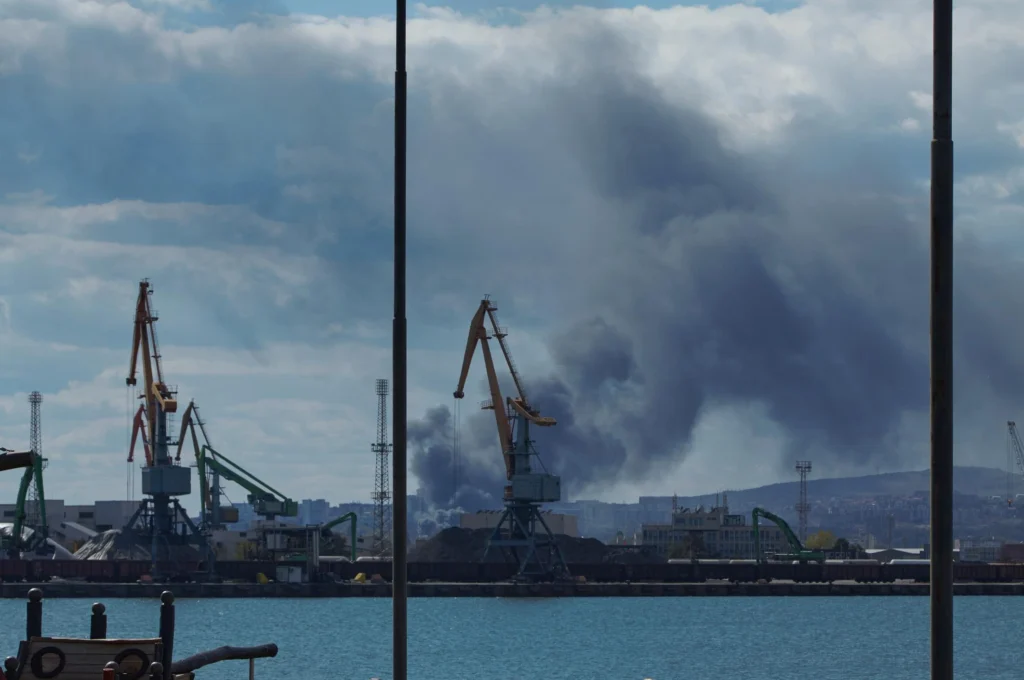
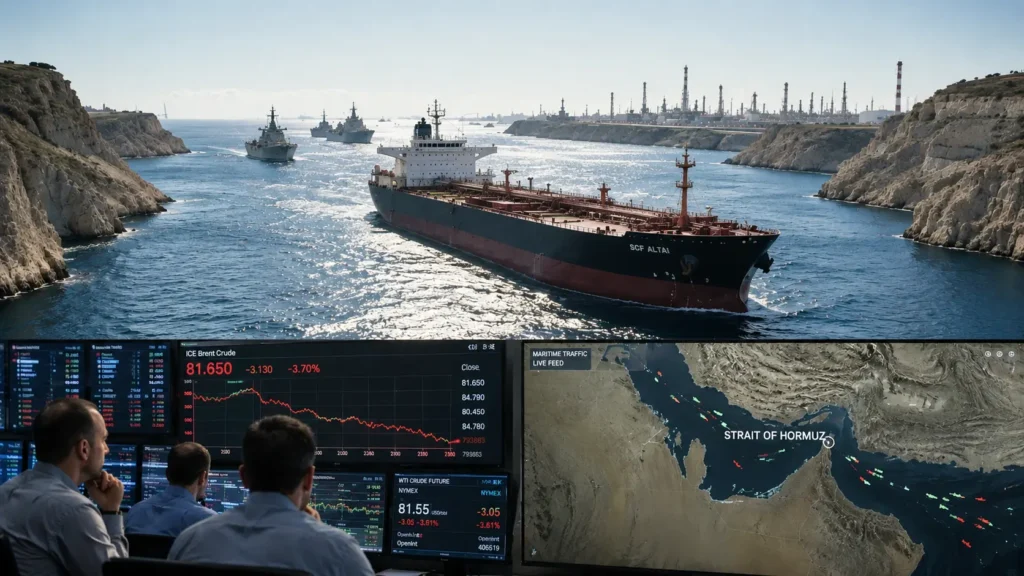
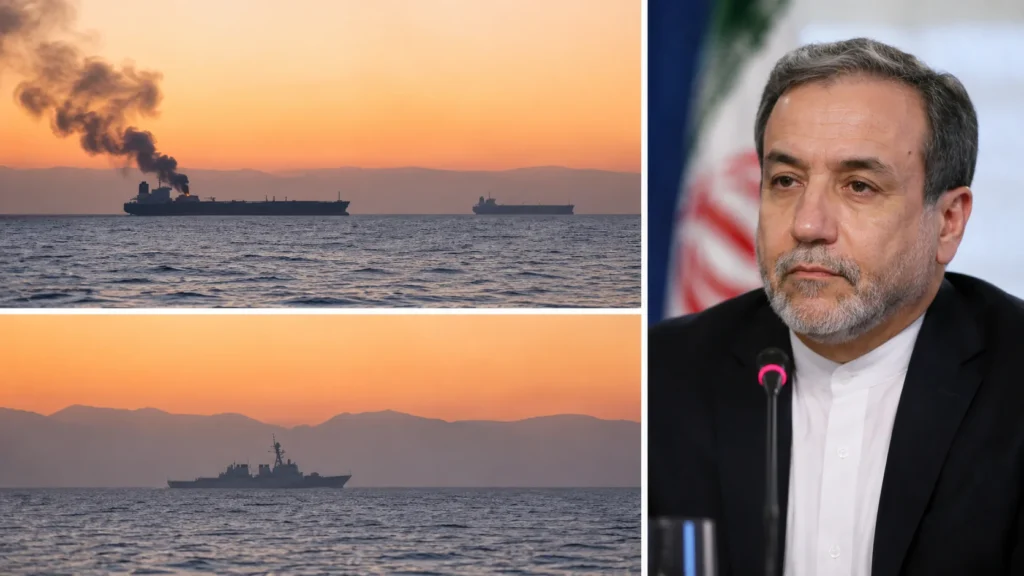
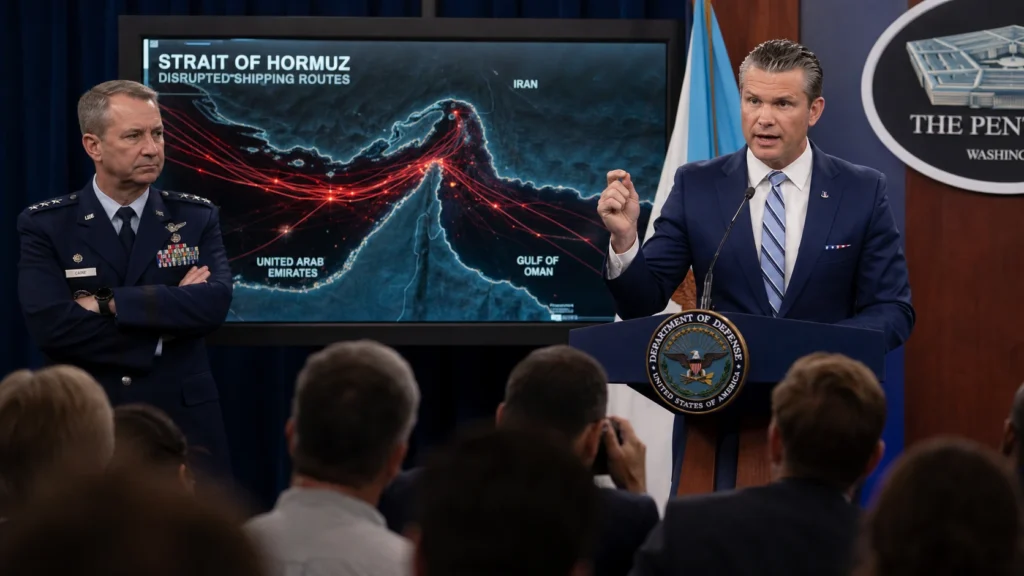
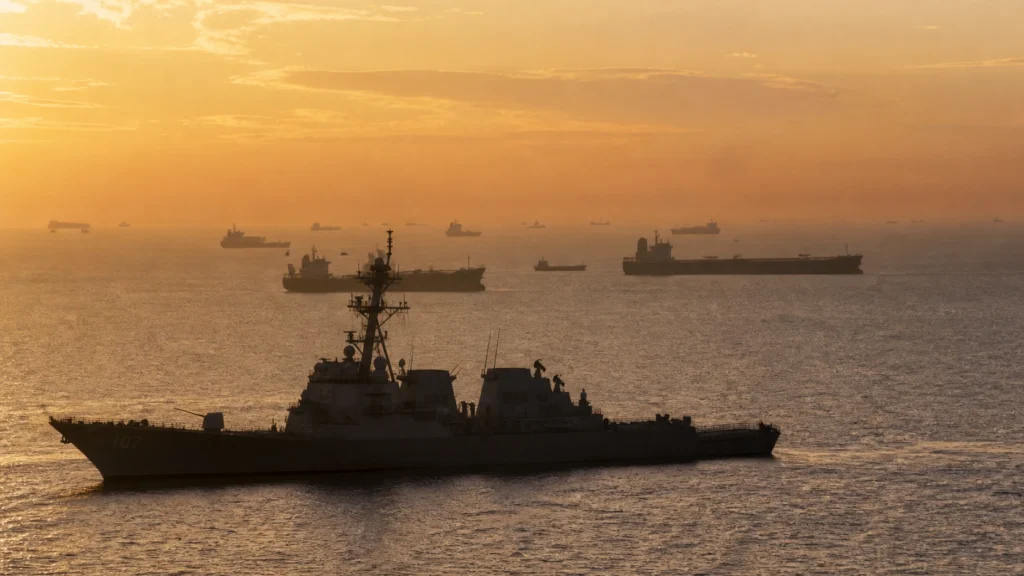
The United States and Iran exchanged military strikes across three Gulf states this week, escalating a conflict that has kept the Strait of Hormuz effectively closed since late February and triggering warnings from Tehran that it would now “re-assess” the diplomatic process.
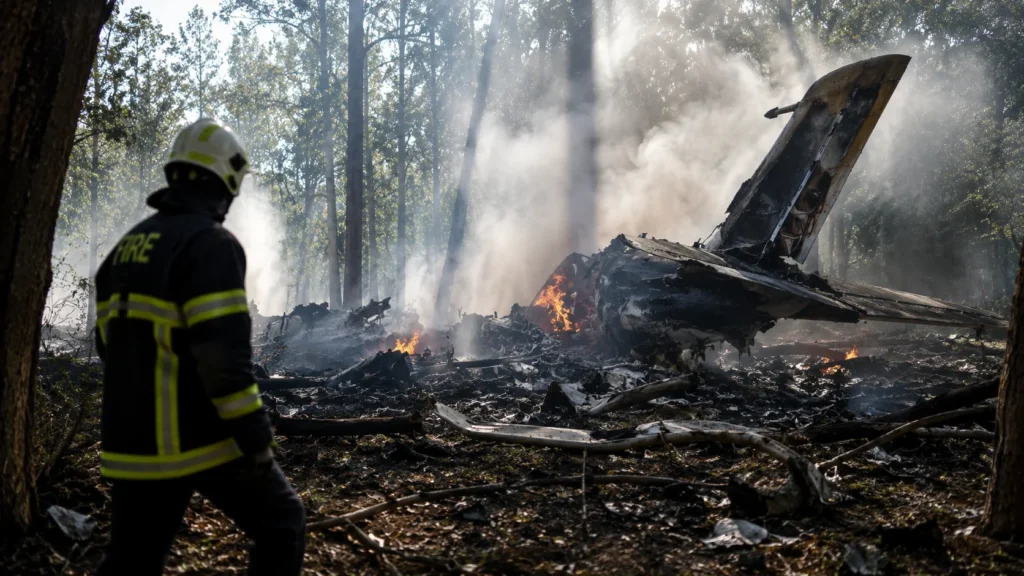
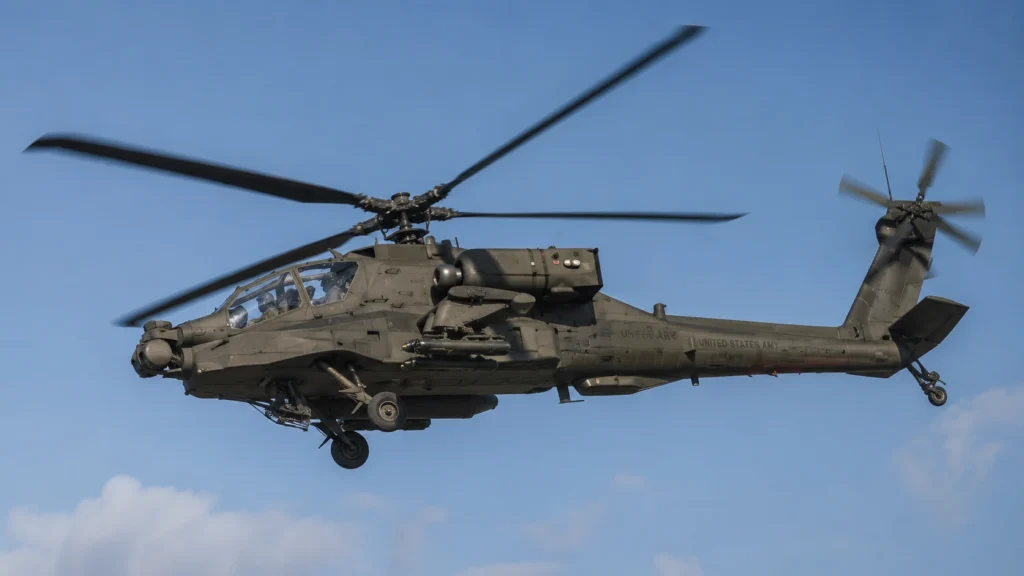
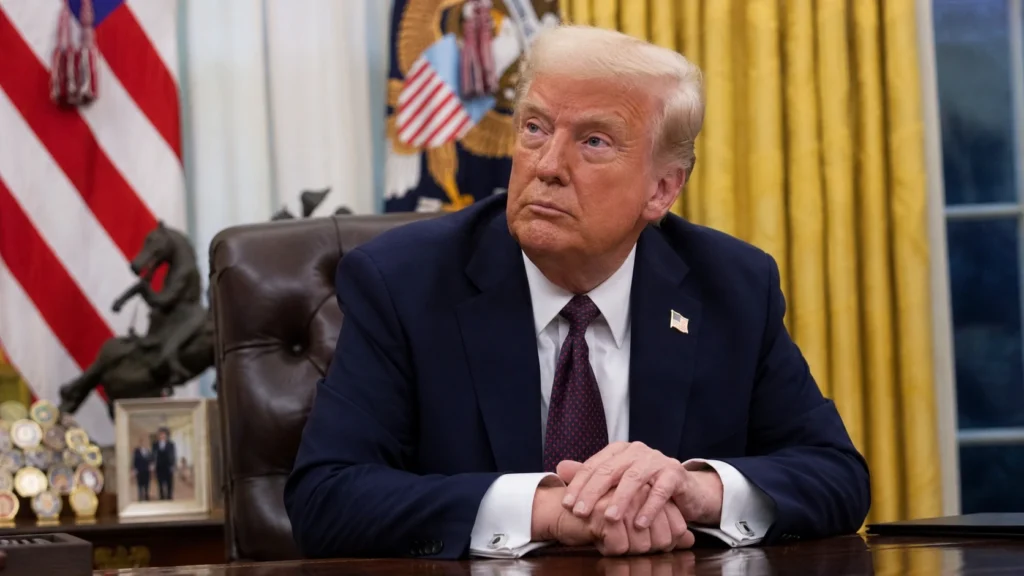
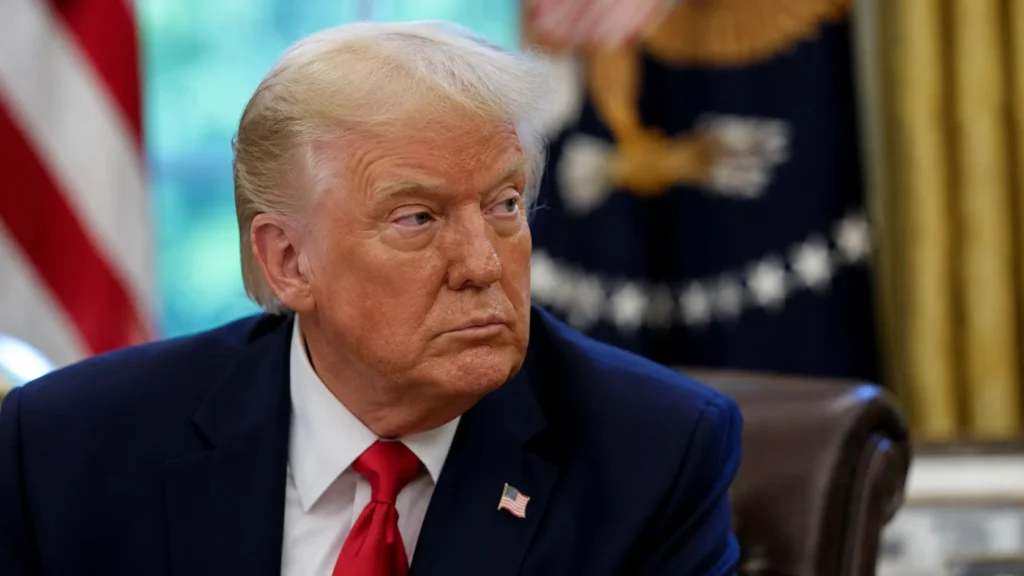
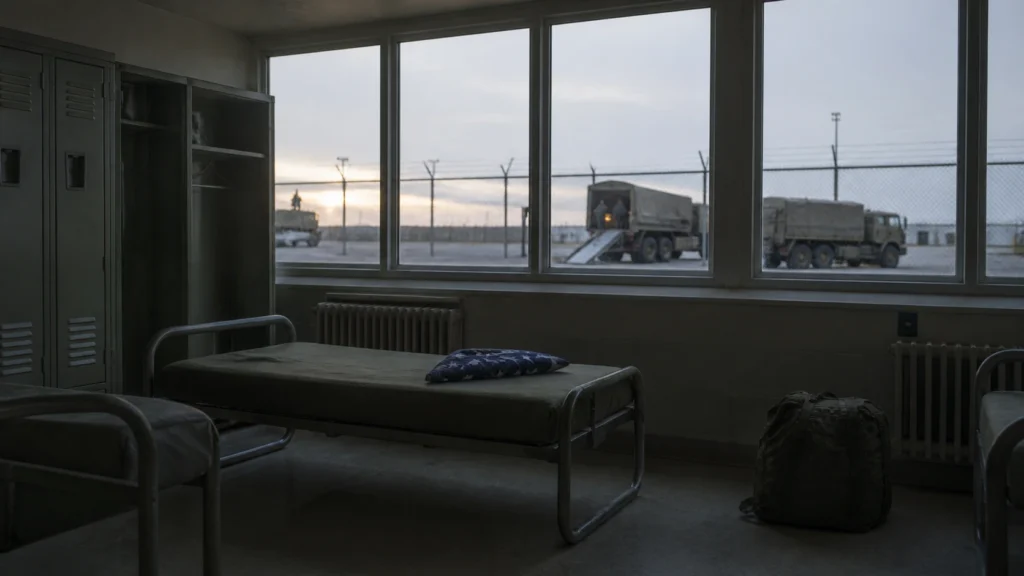
The escalation began Monday when a US Army Apache helicopter went down during a patrol near the Strait of Hormuz. The two crew members survived, and an American sea drone rescued them. President Donald Trump told Fox News on Wednesday that an Iranian drone struck the helicopter without exploding while it flew “very low.” CBS News cited an unnamed US official saying it remained unclear whether the drone attack was deliberate. Iran’s semi-official Mehr News Agency reported Tehran had not claimed responsibility for the downed aircraft.
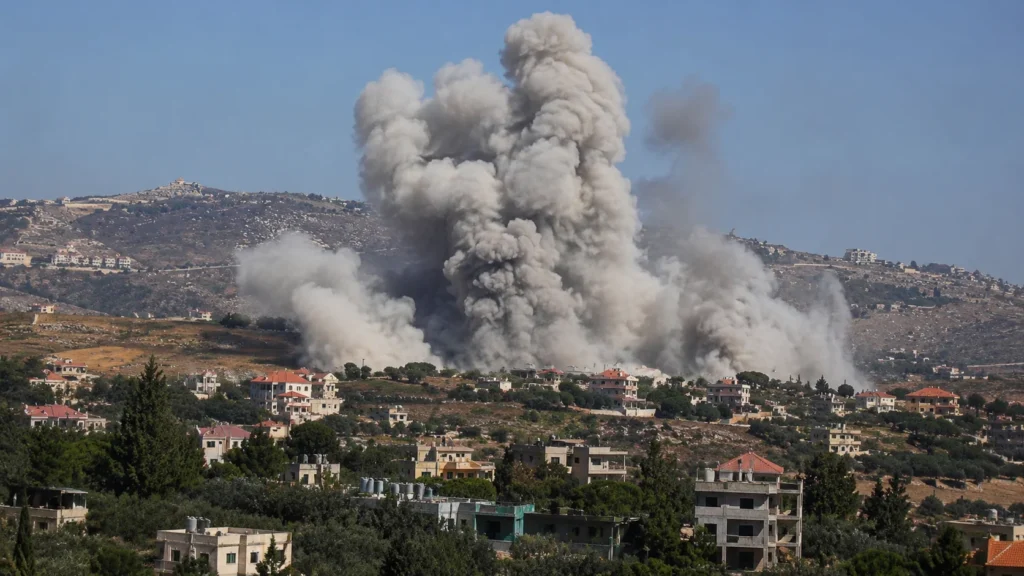
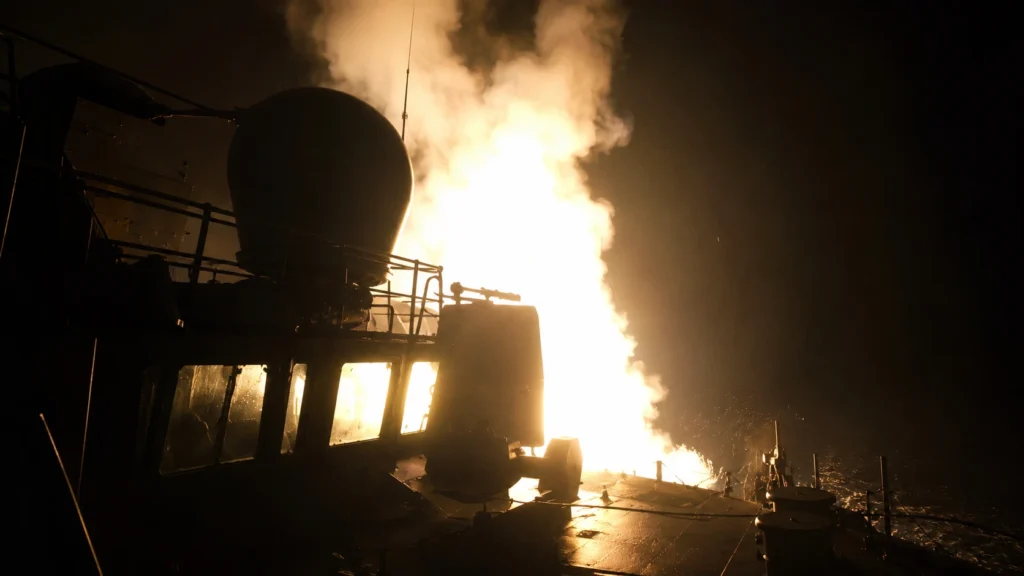
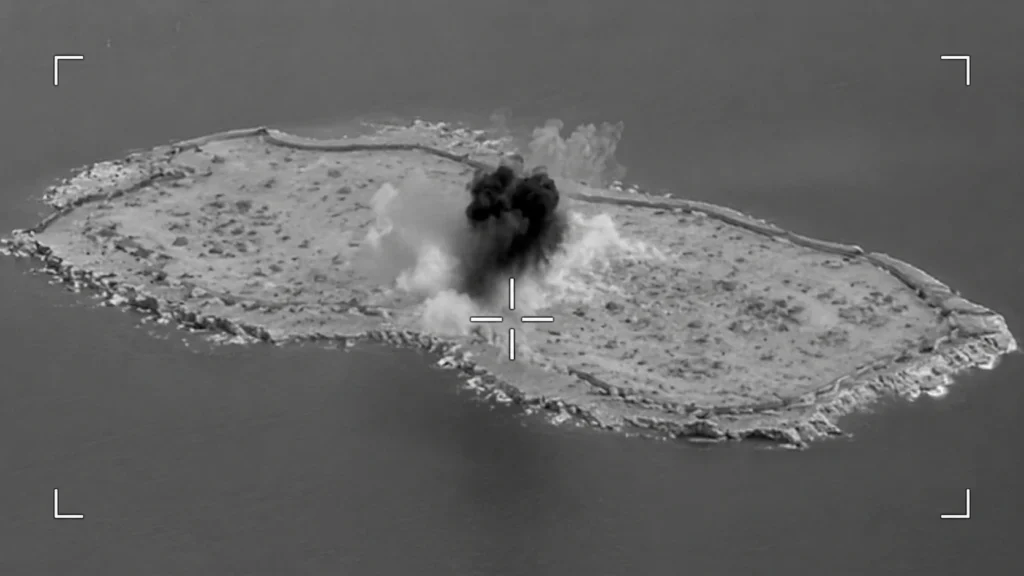
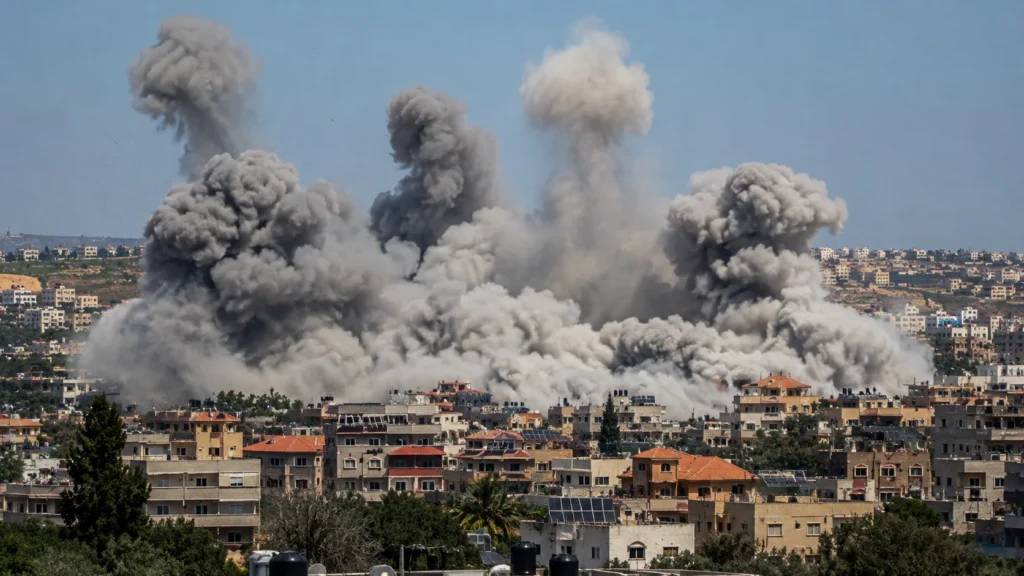
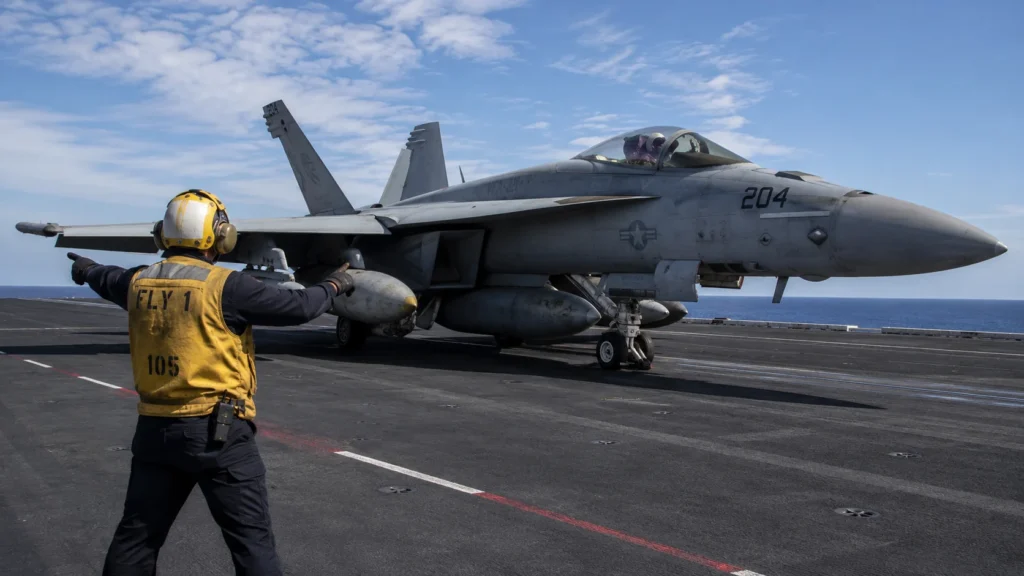
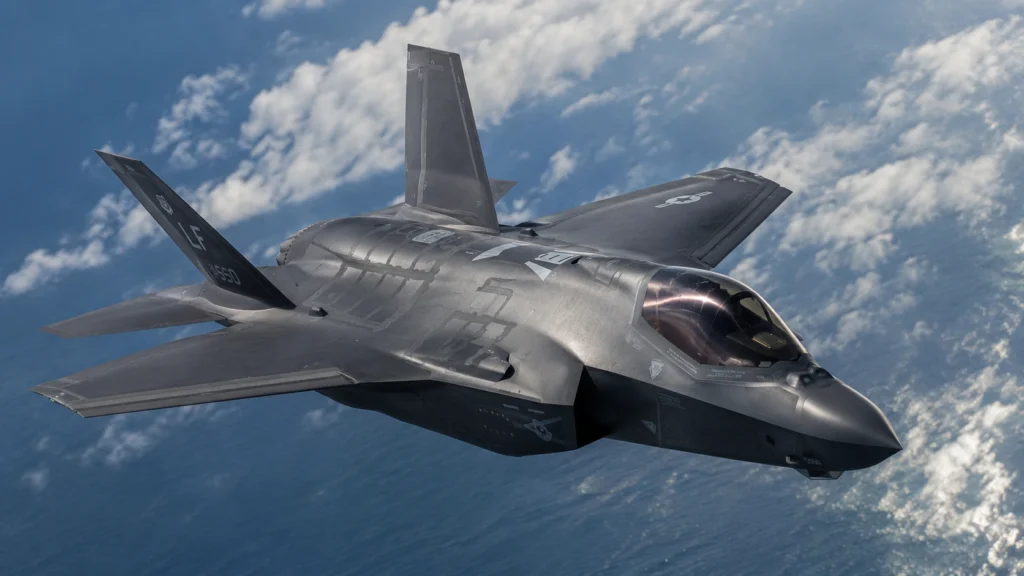
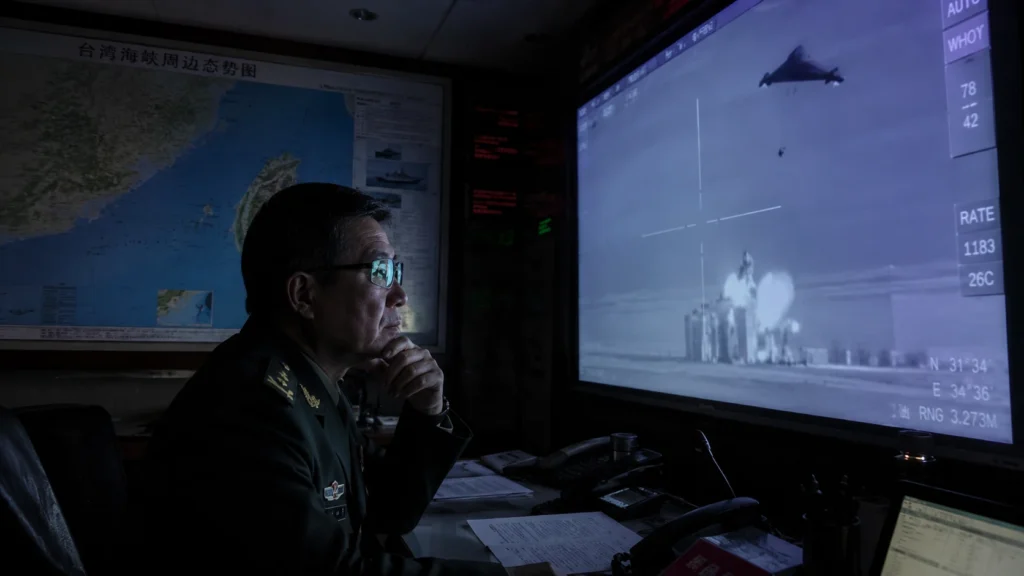
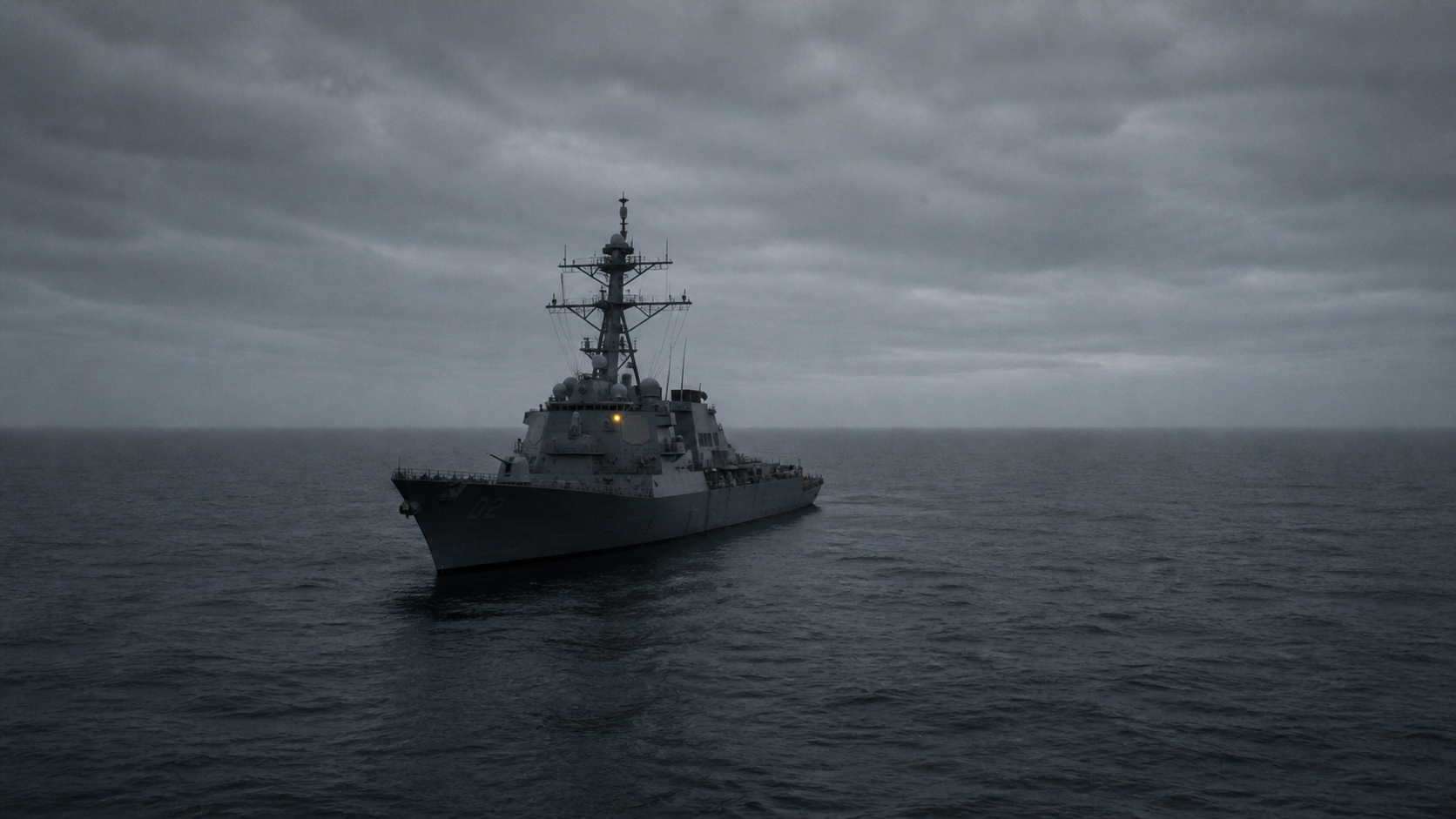
On Tuesday, the US military’s Central Command (Centcom) launched strikes on Iranian air defense systems, ground control stations, and radar sites near the Strait of Hormuz, describing the operation as “a proportional response” to the helicopter incident. Iran’s Islamic Revolutionary Guard Corps (IRGC) called the strikes “vicious.”
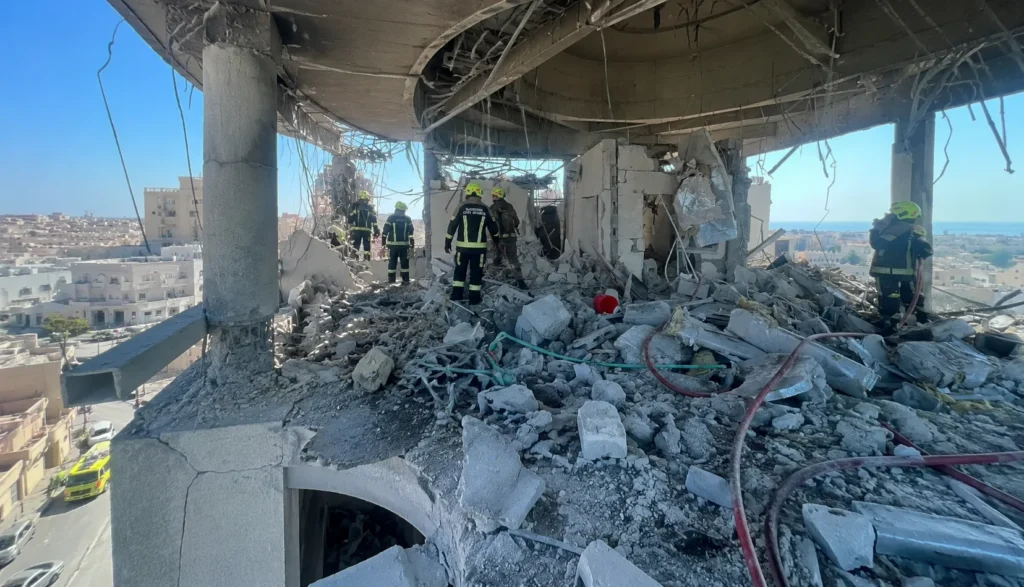
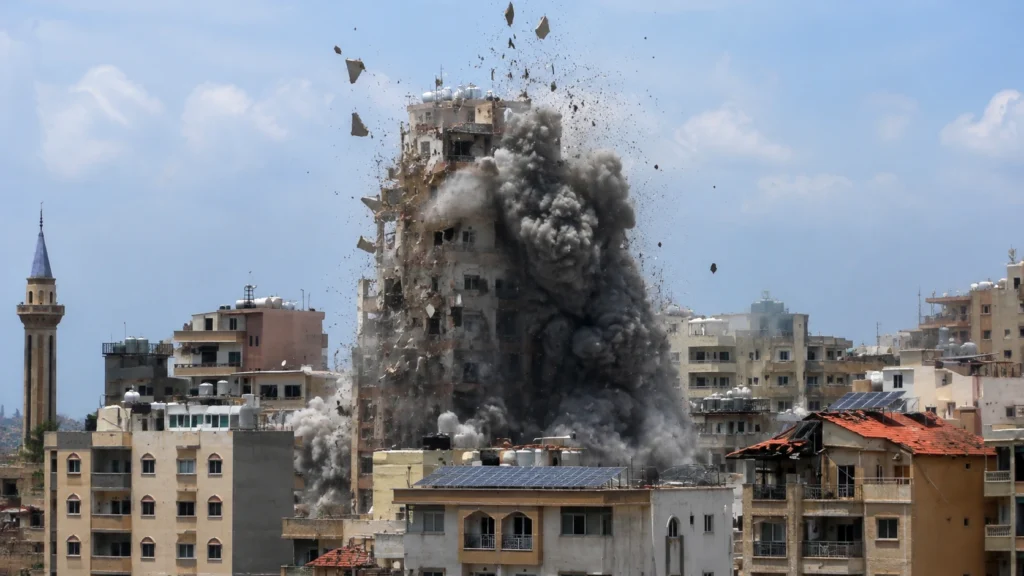
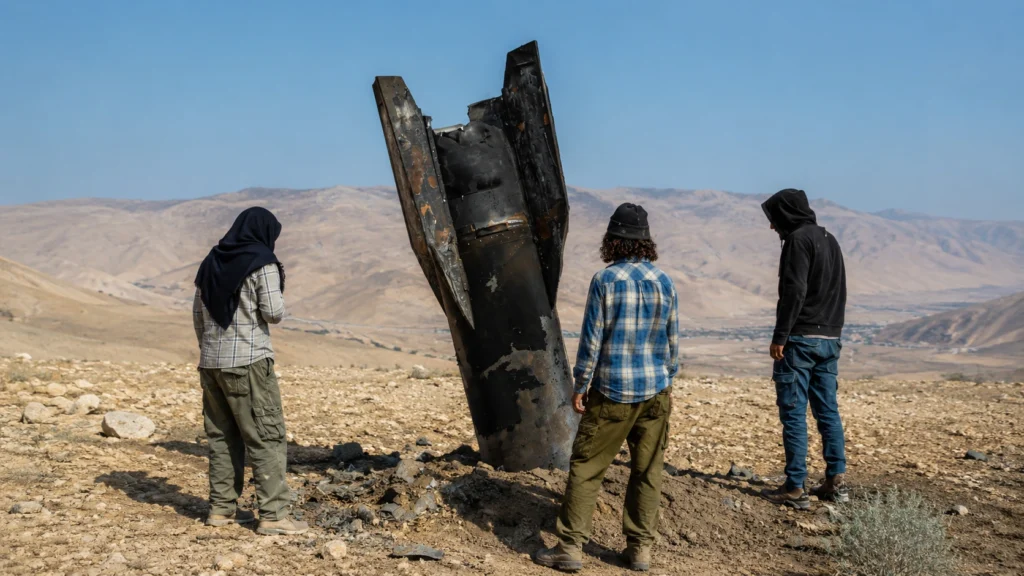
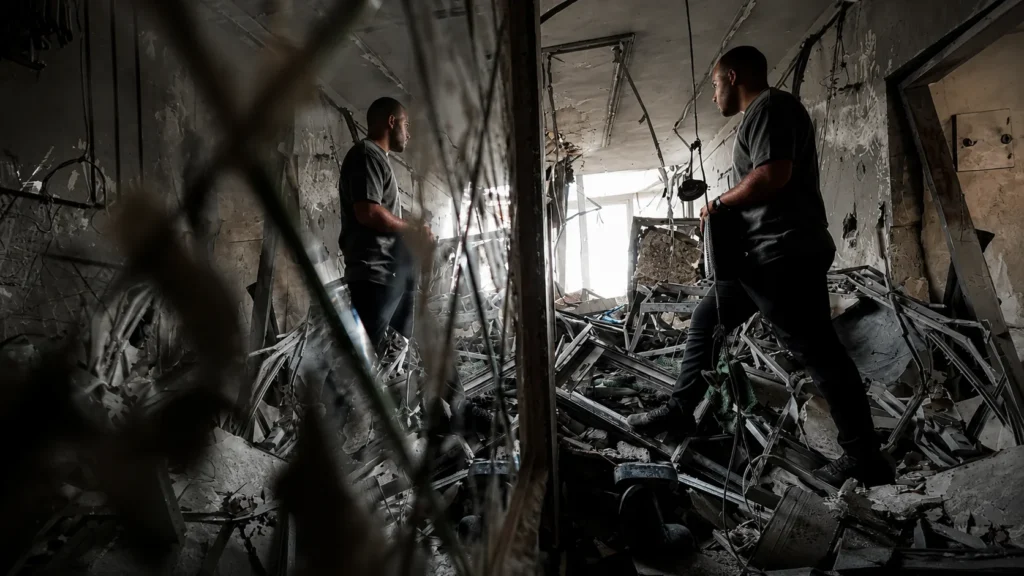
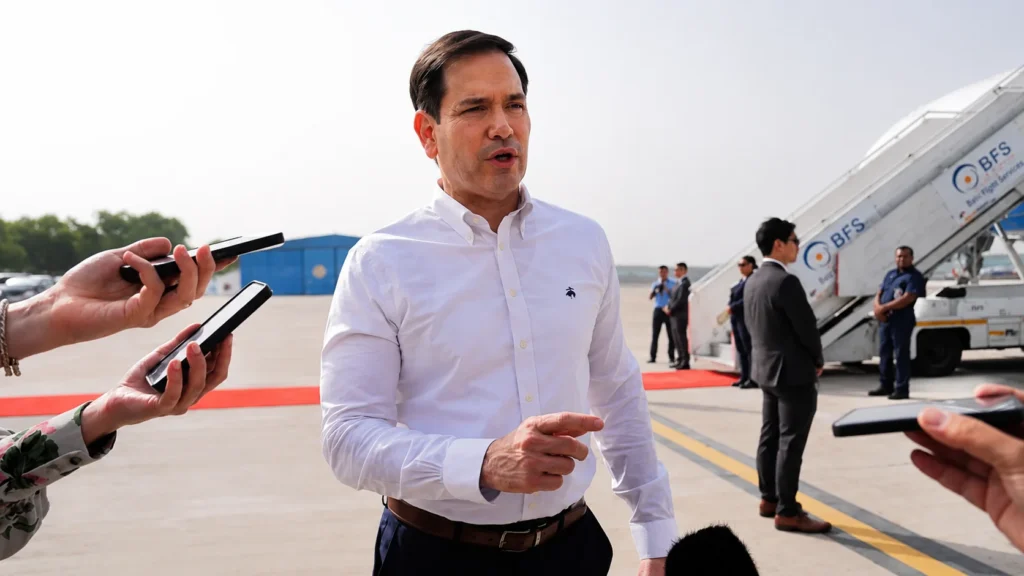
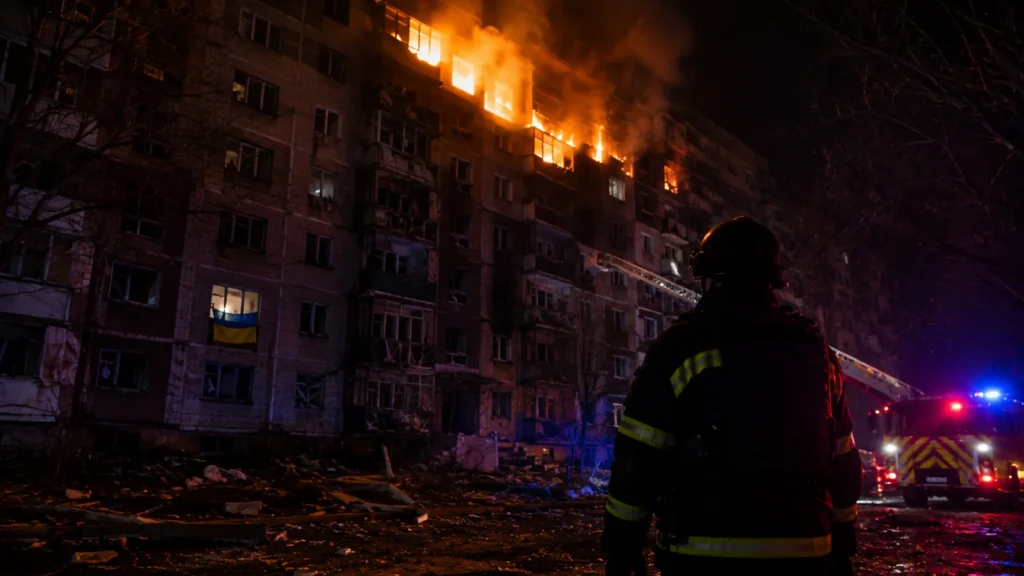
By Wednesday, the IRGC said it had launched strikes on 21 targets at US bases in the region—one in Bahrain, which hosts the US Navy’s Fifth Fleet, and another in Jordan. Kuwait’s army said it was intercepting attacks mid-flight, bringing the conflict into the airspace of a third neighboring state.
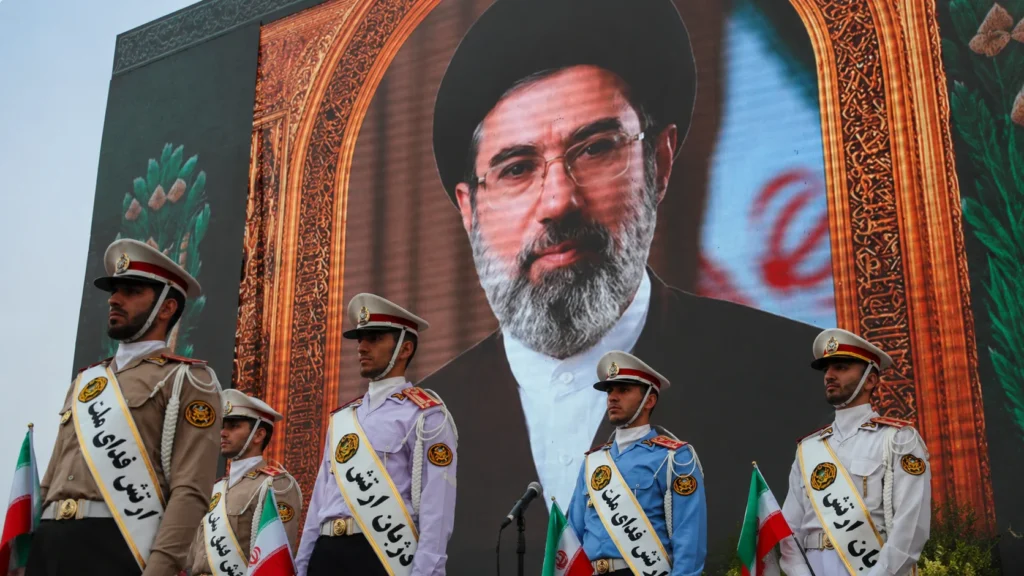
Foreign Minister Abbas Araghchi had warned earlier that Iran would “leave no attack or threat unanswered.” After the exchanges, foreign ministry spokesman Esmaeil Baqai accused Washington of “damaging this diplomatic process through the contradictory messages it sends, its repeated shifts in positions and demands, and, worst of all, through repeated violations of the ceasefire.” He said Iran needed to reassess the situation, adding that any diplomatic process required “a minimum of stability.”
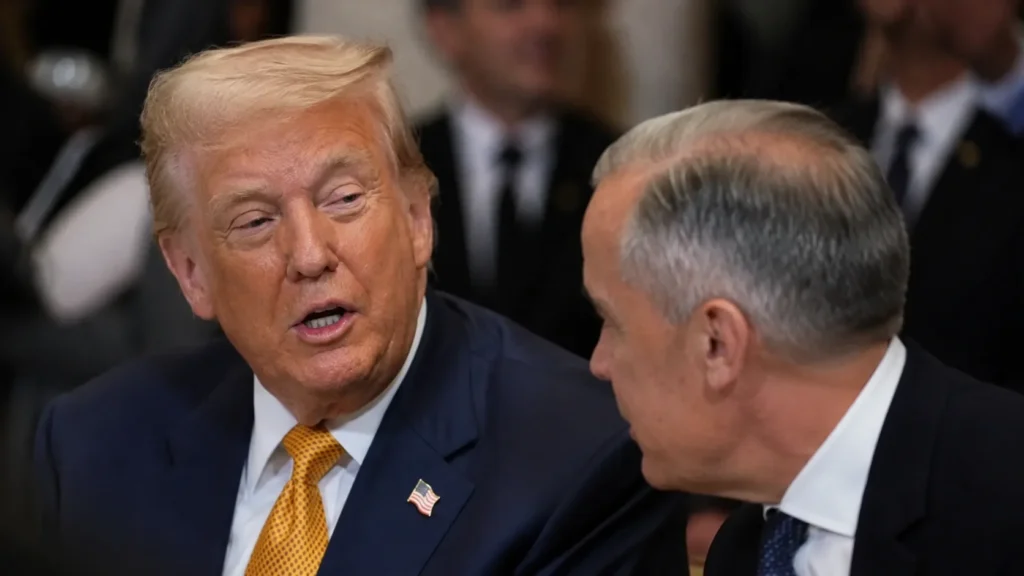
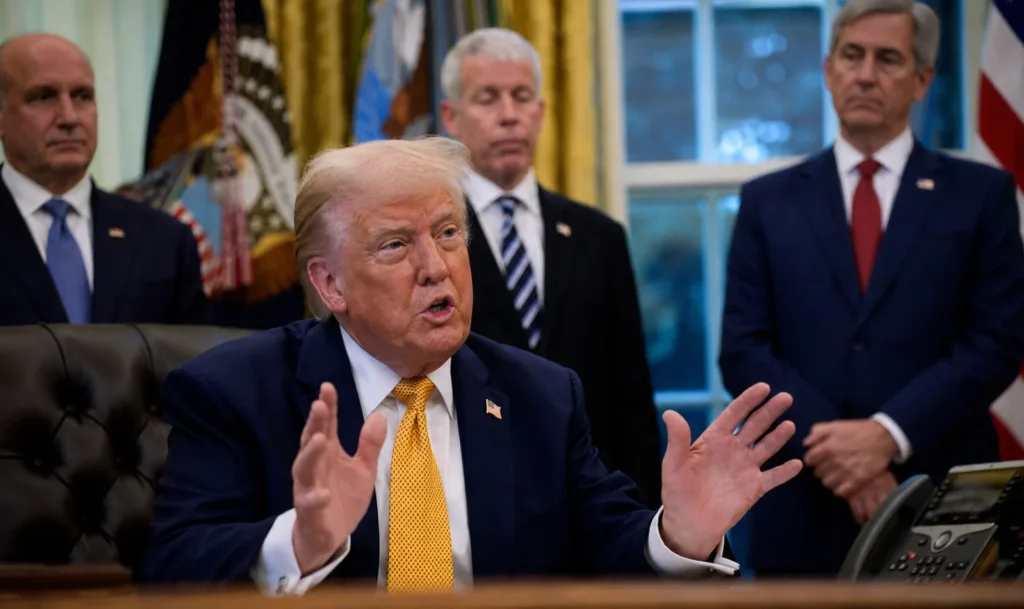
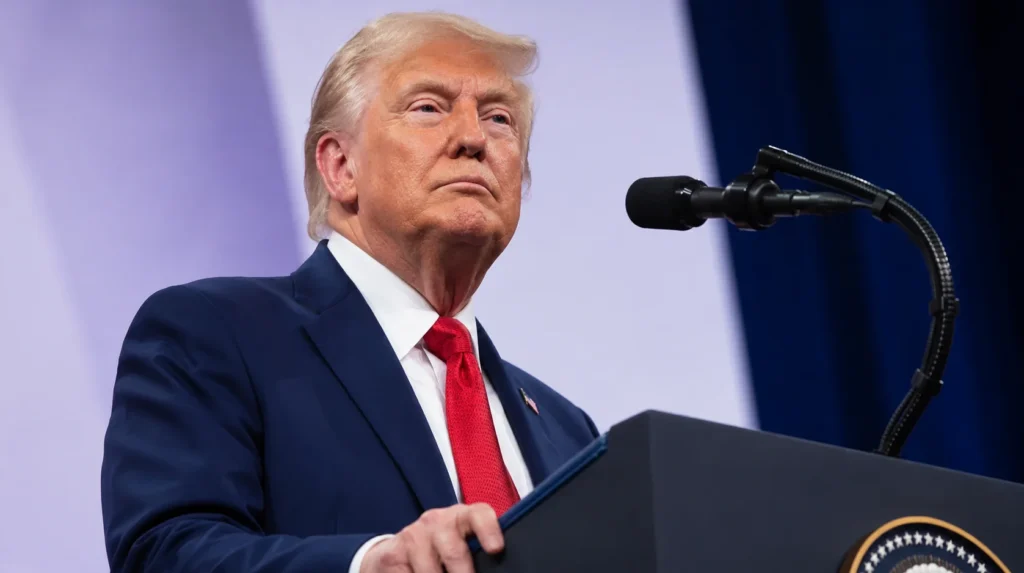
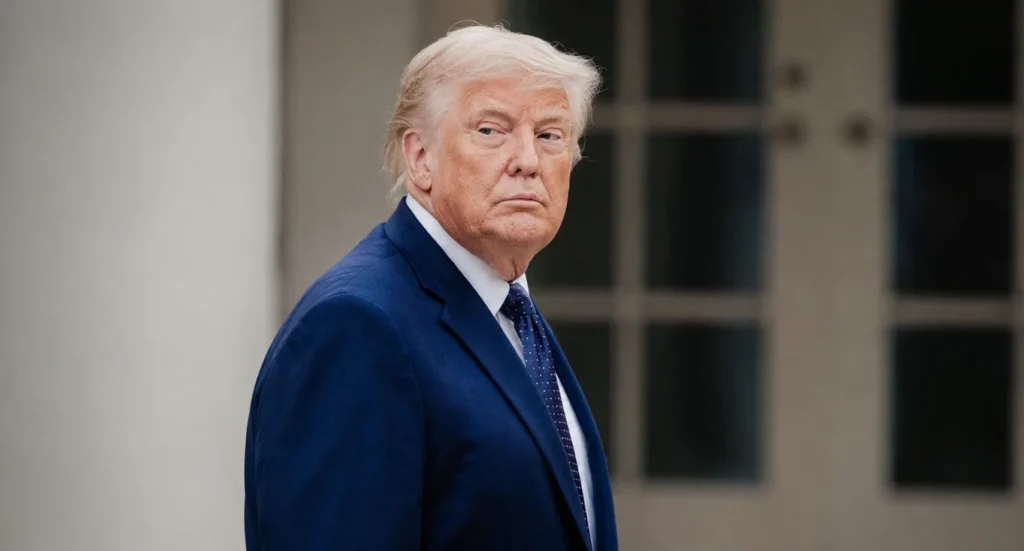
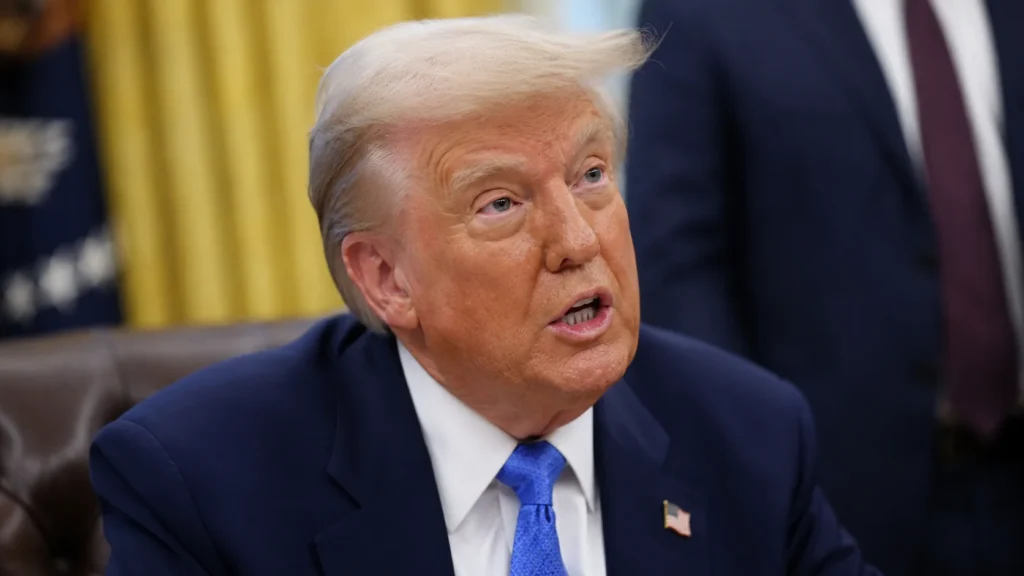
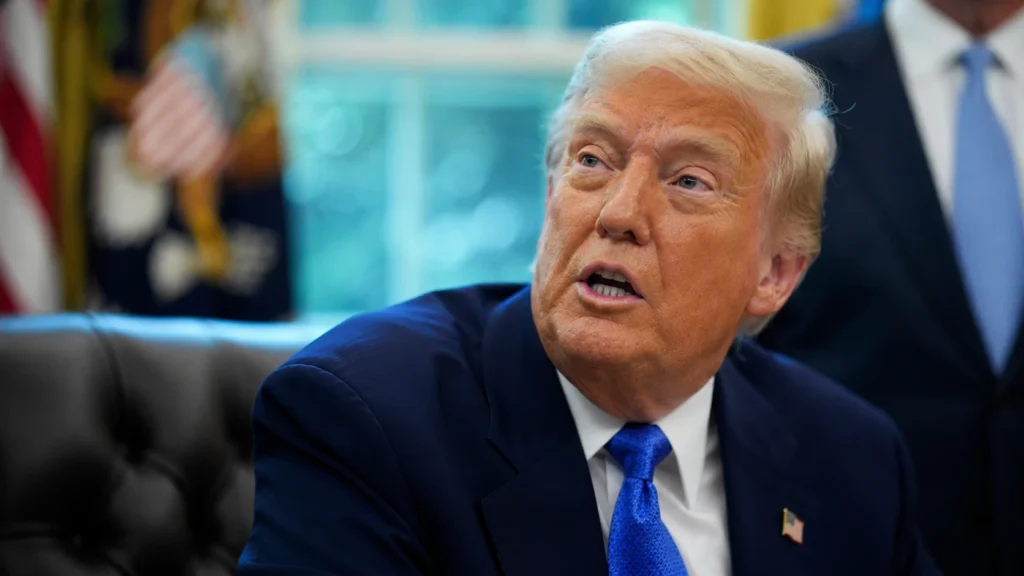
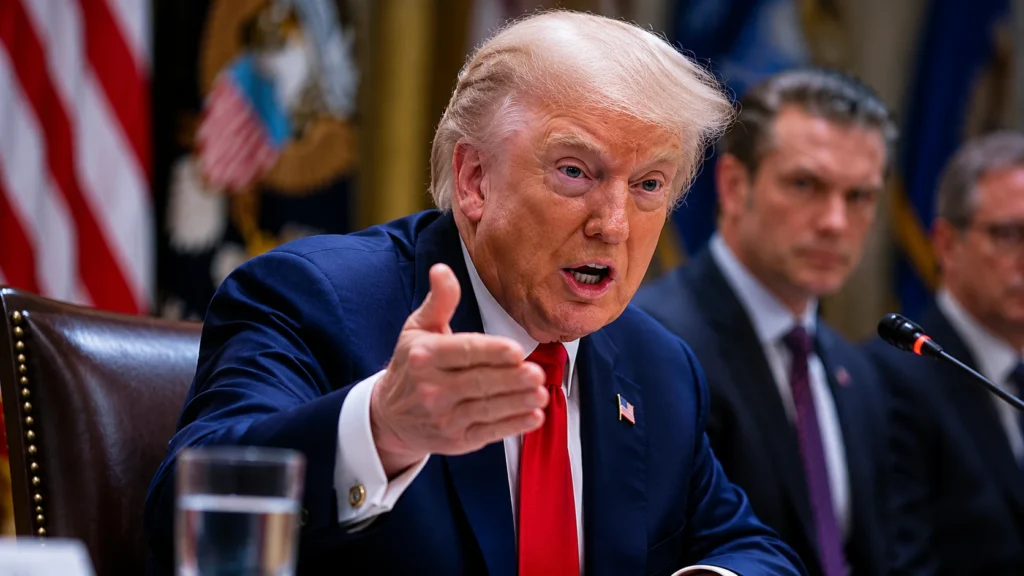
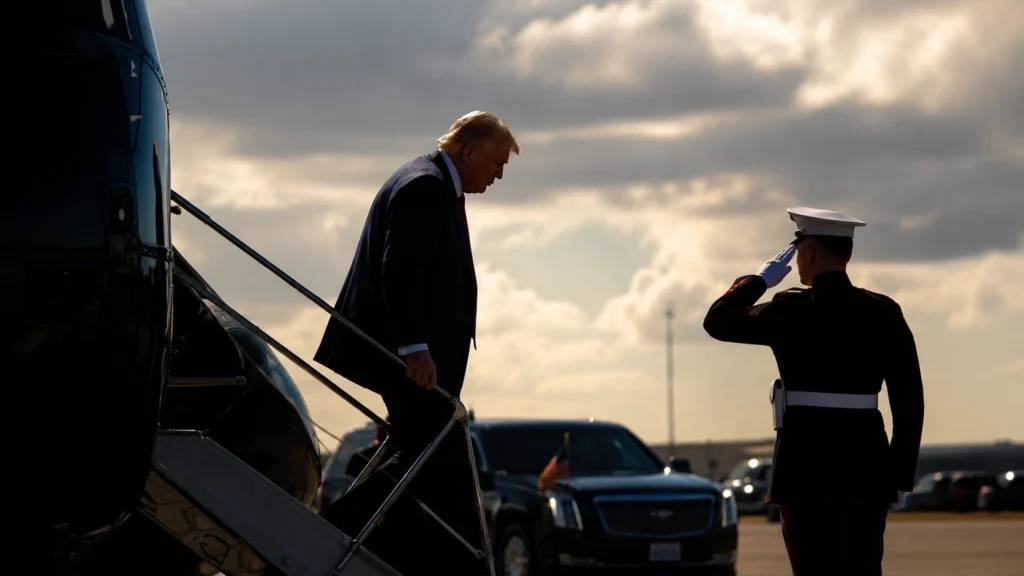
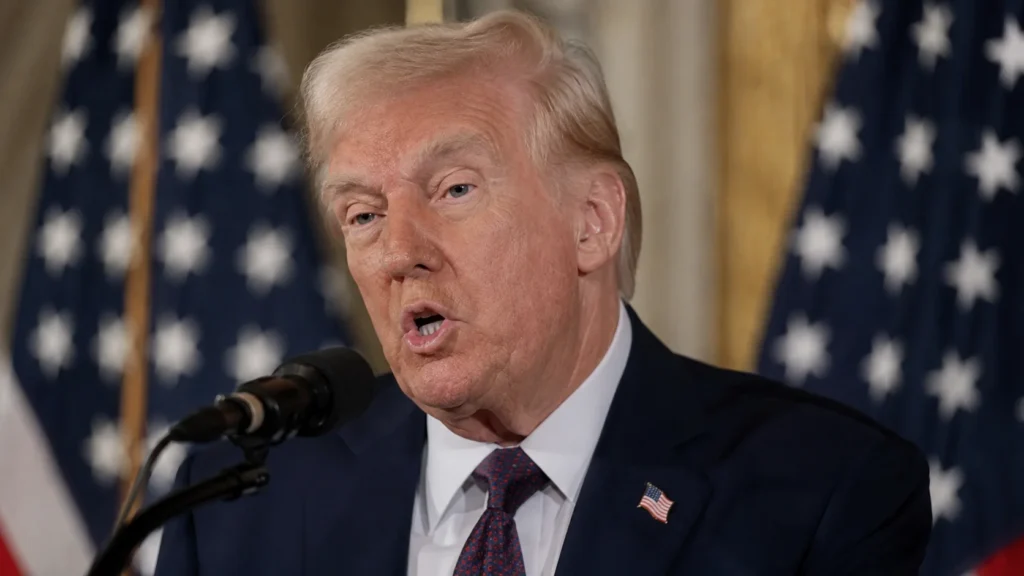
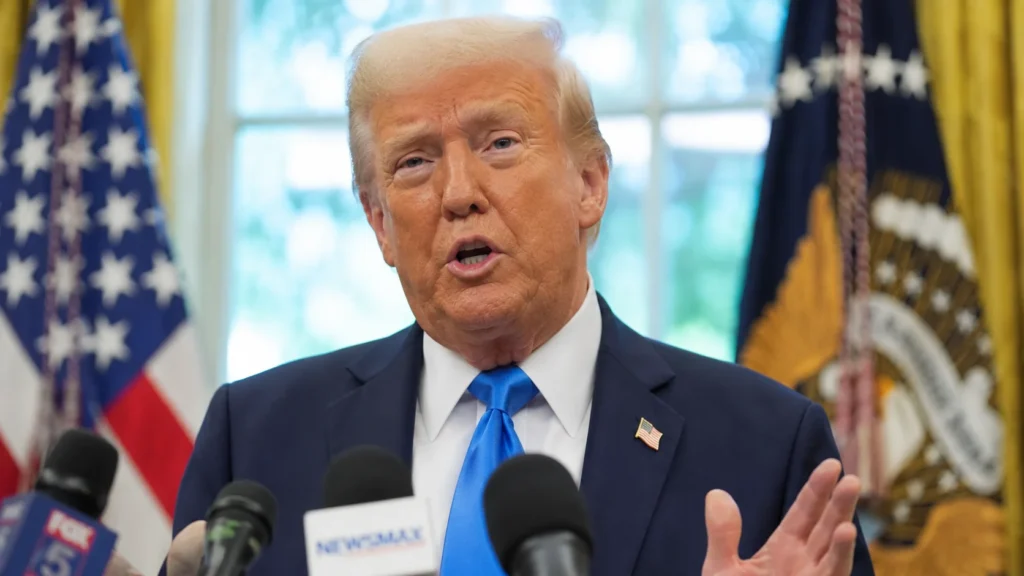
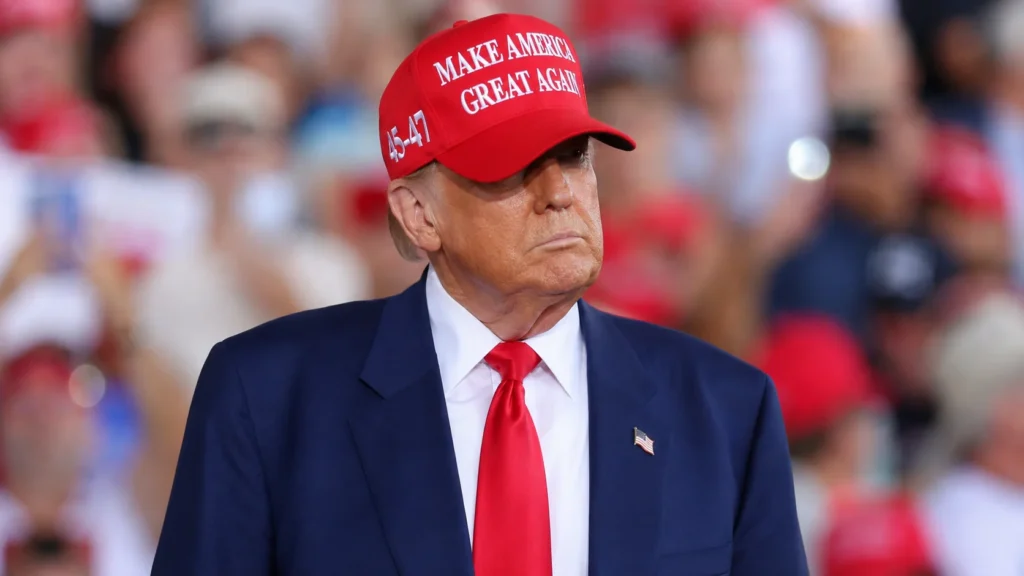
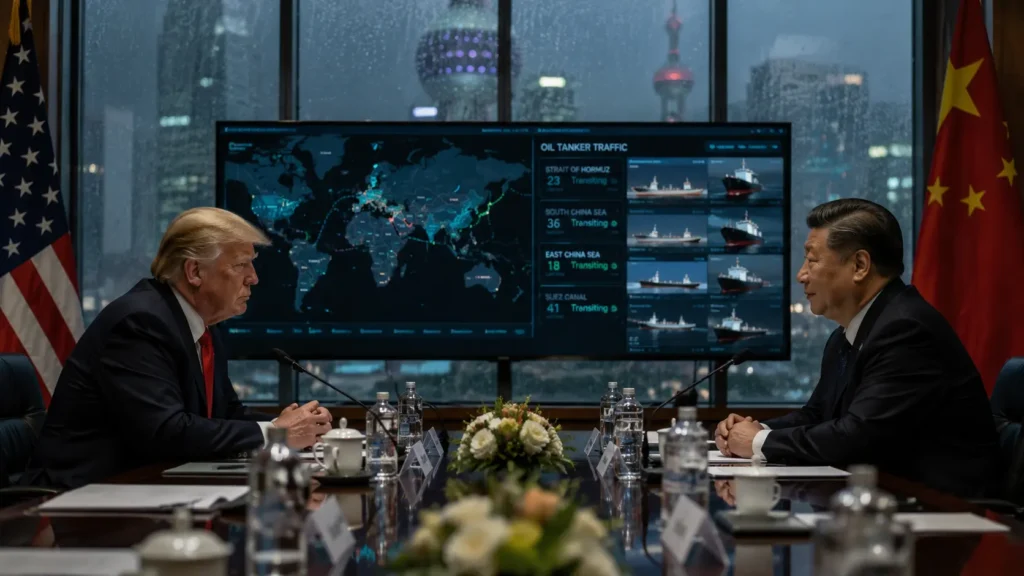
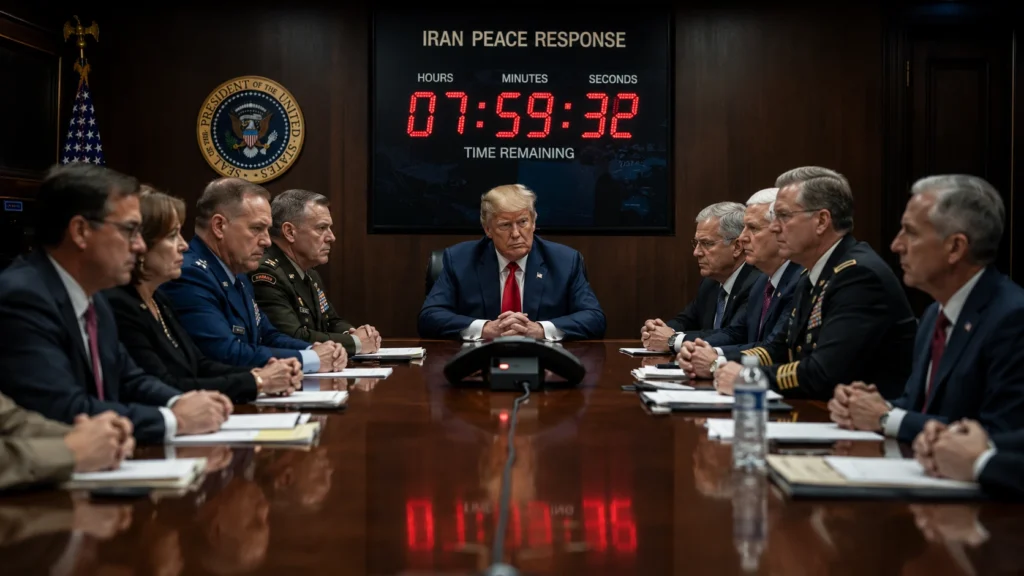
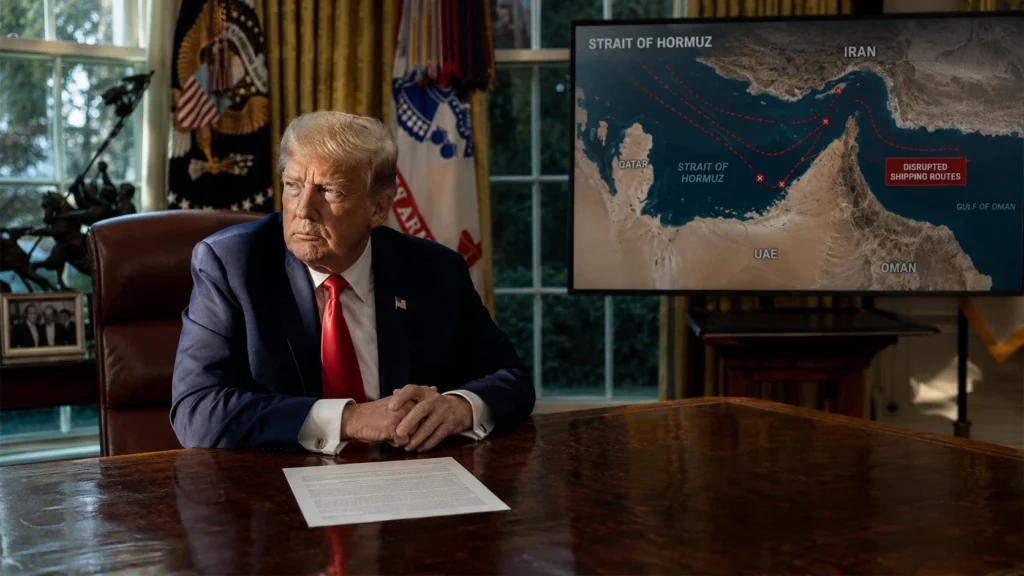
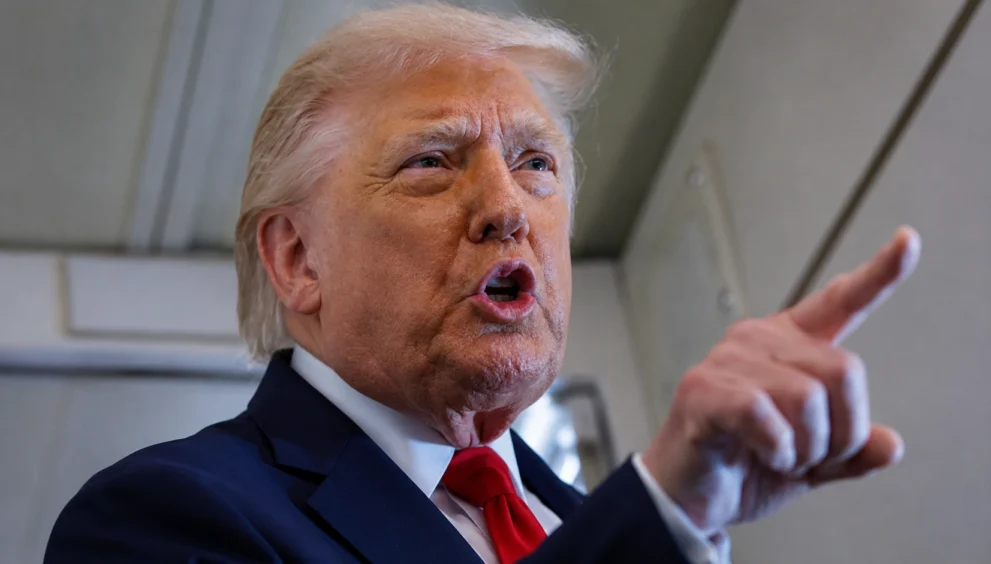
The diplomatic contradictions Baqai cited were on full display within 24 hours. On Tuesday, Trump told journalists the US and Iran were “in the final throes of what will be a very, very good deal.” On Wednesday, he posted on Truth Social that Iran’s military was “a complete and total mess” and that Tehran had taken “too long to negotiate a deal” and would now “have to pay the price.”
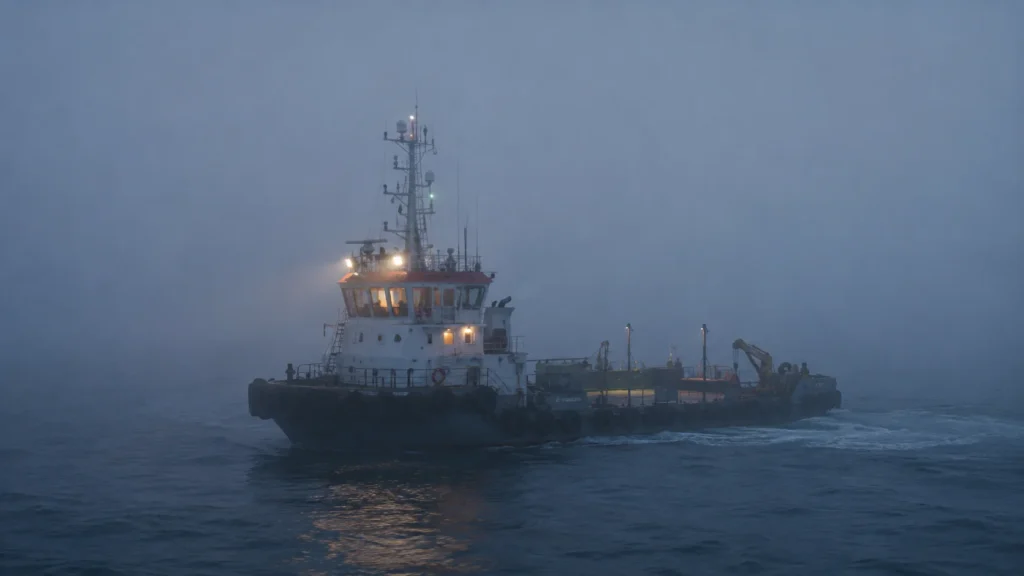
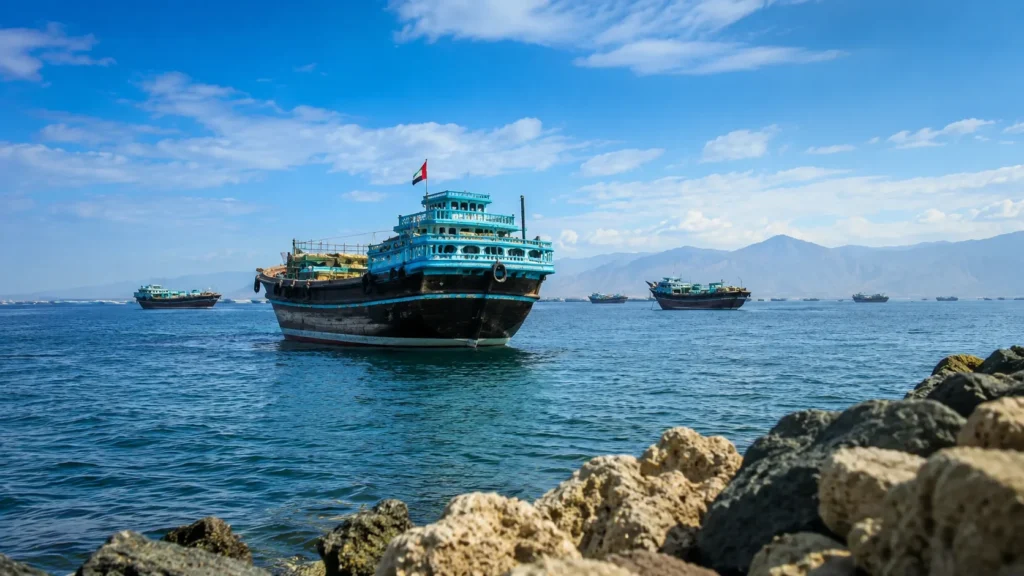
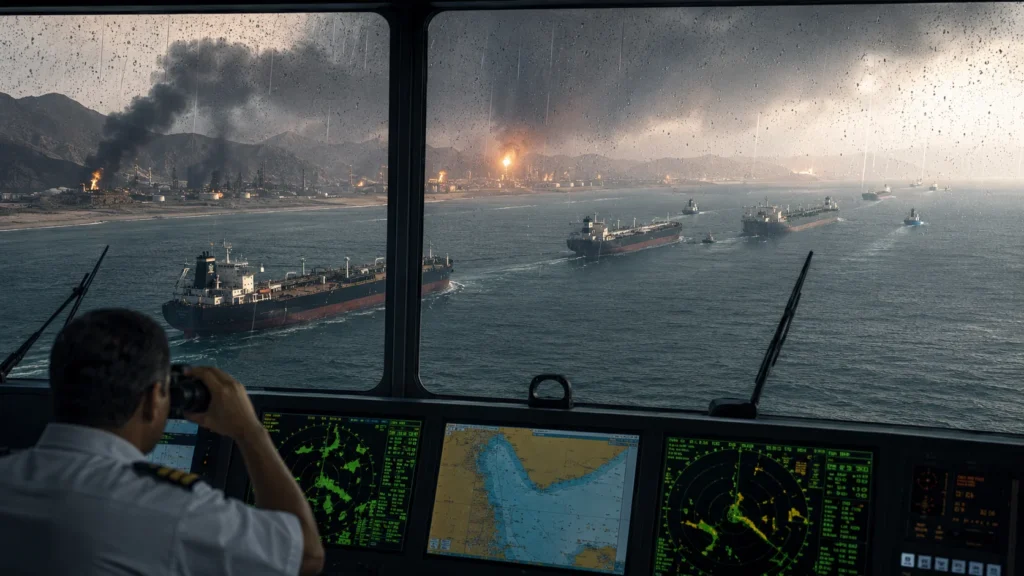
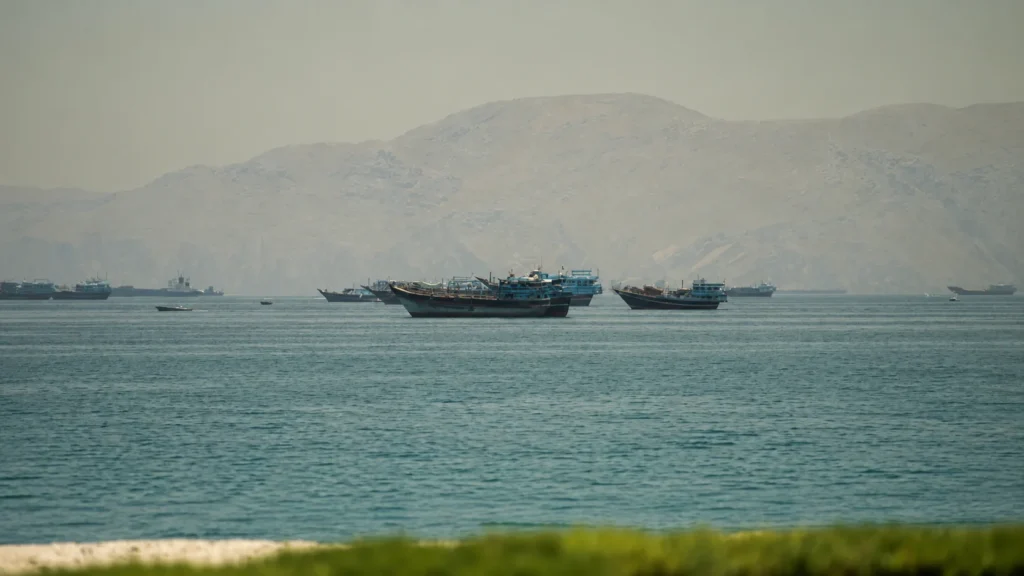
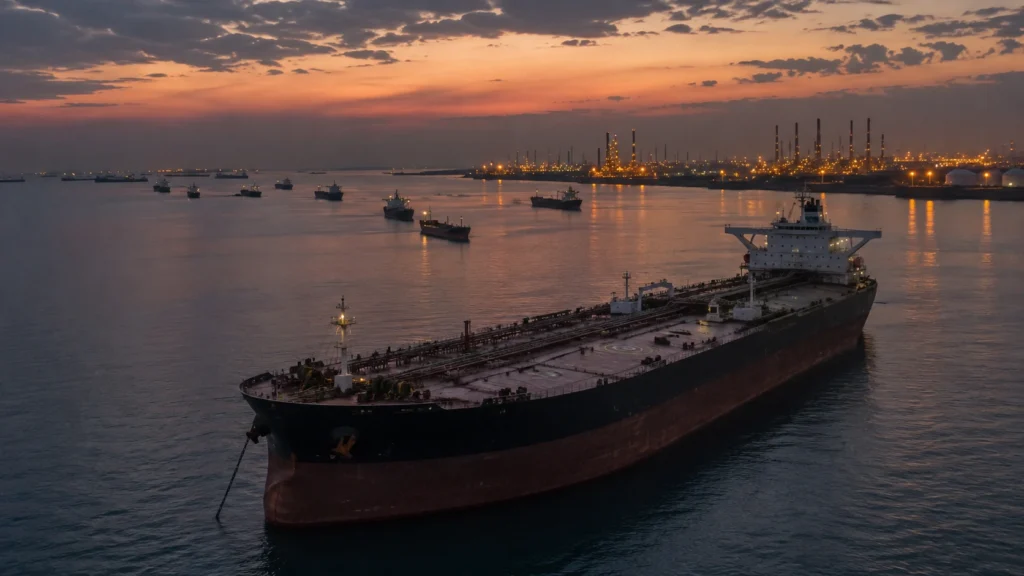
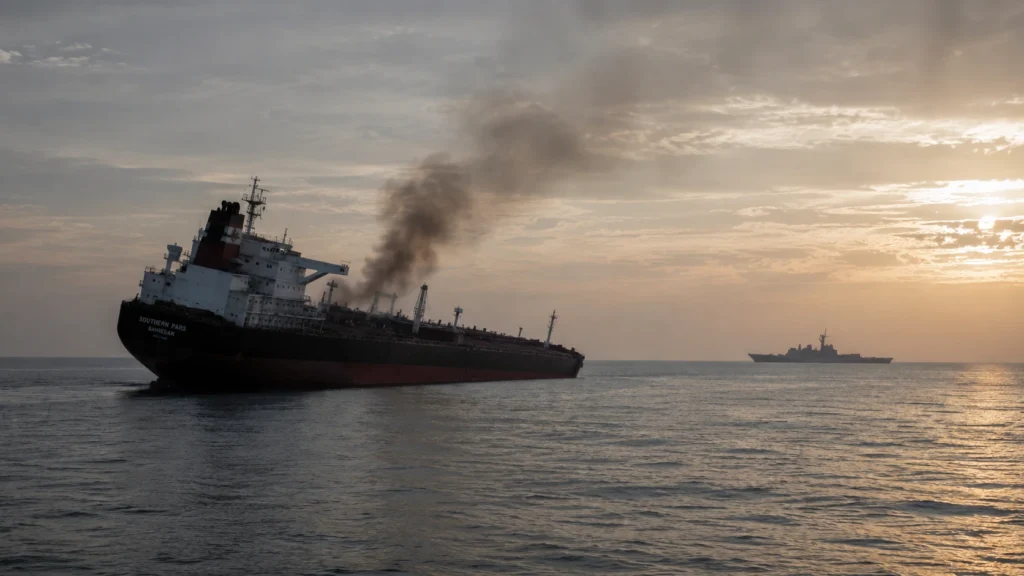
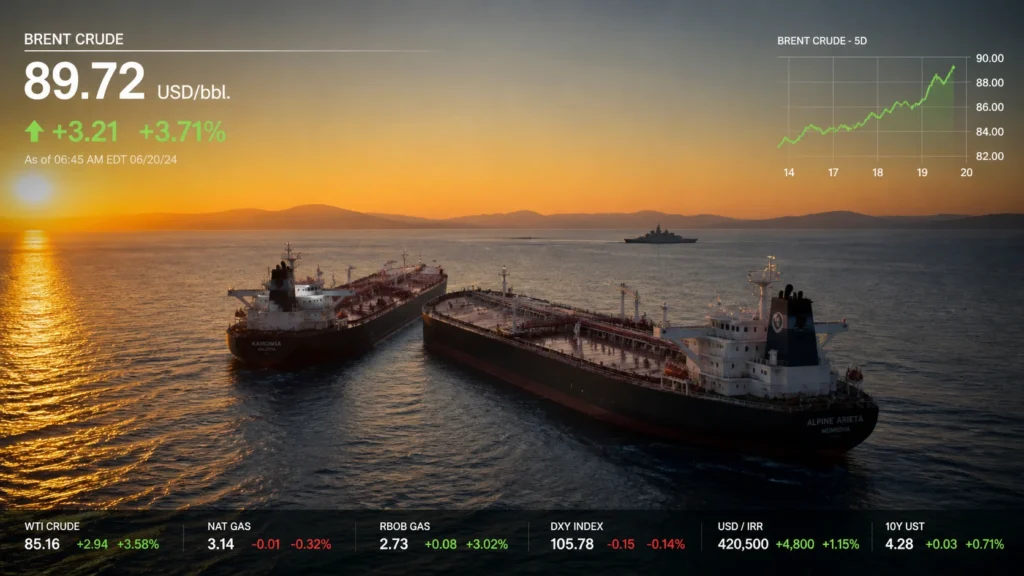
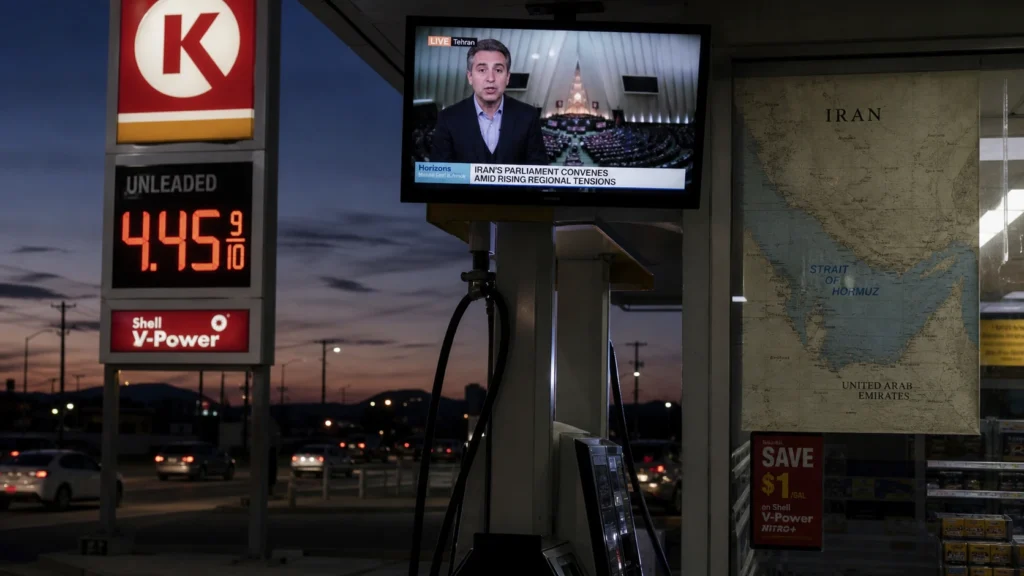
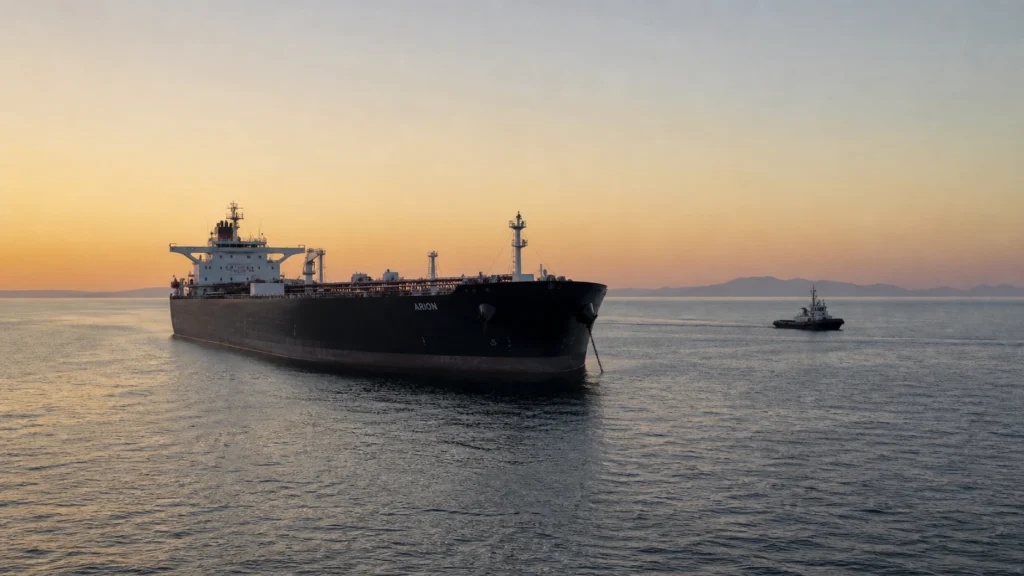
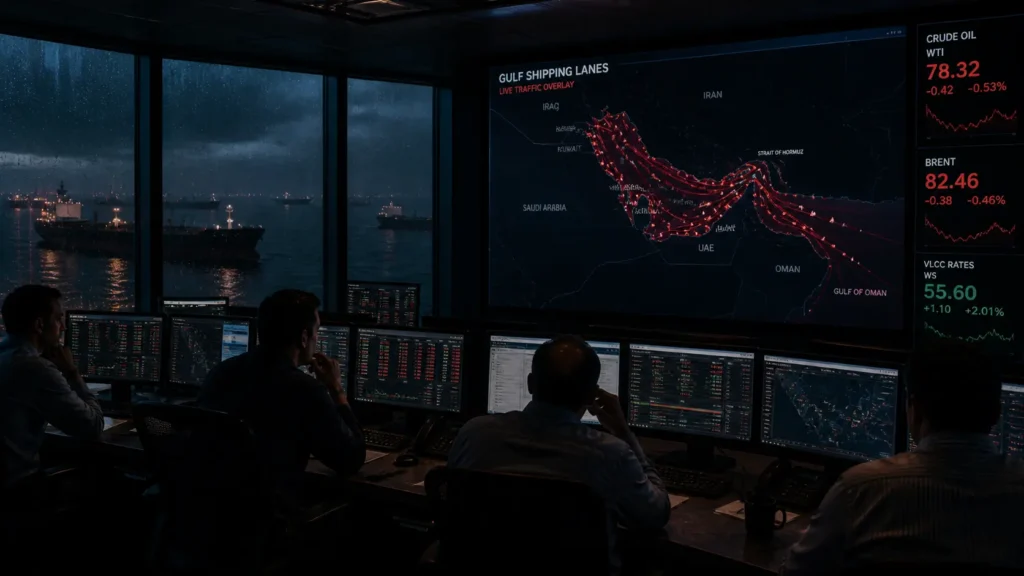
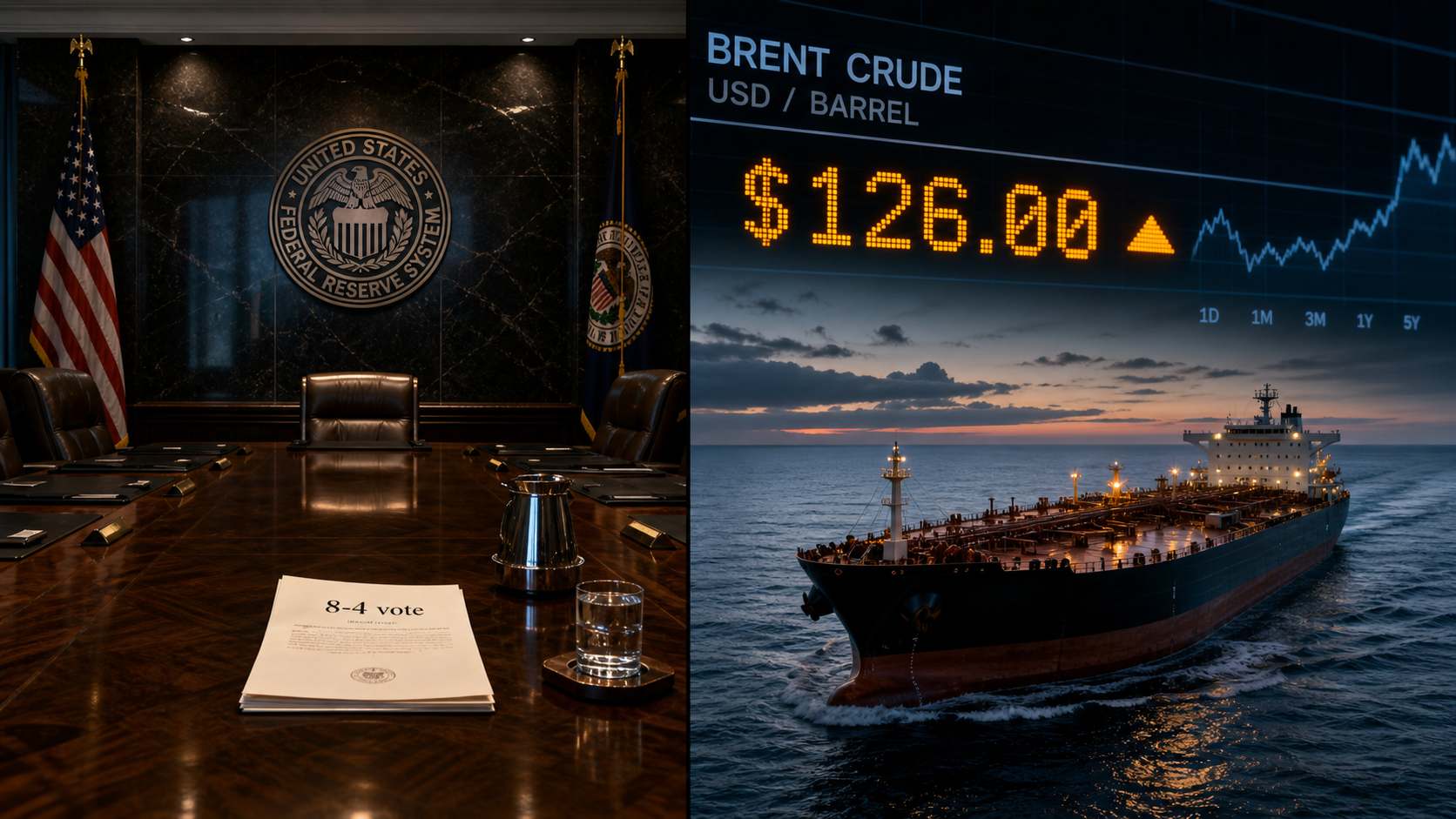
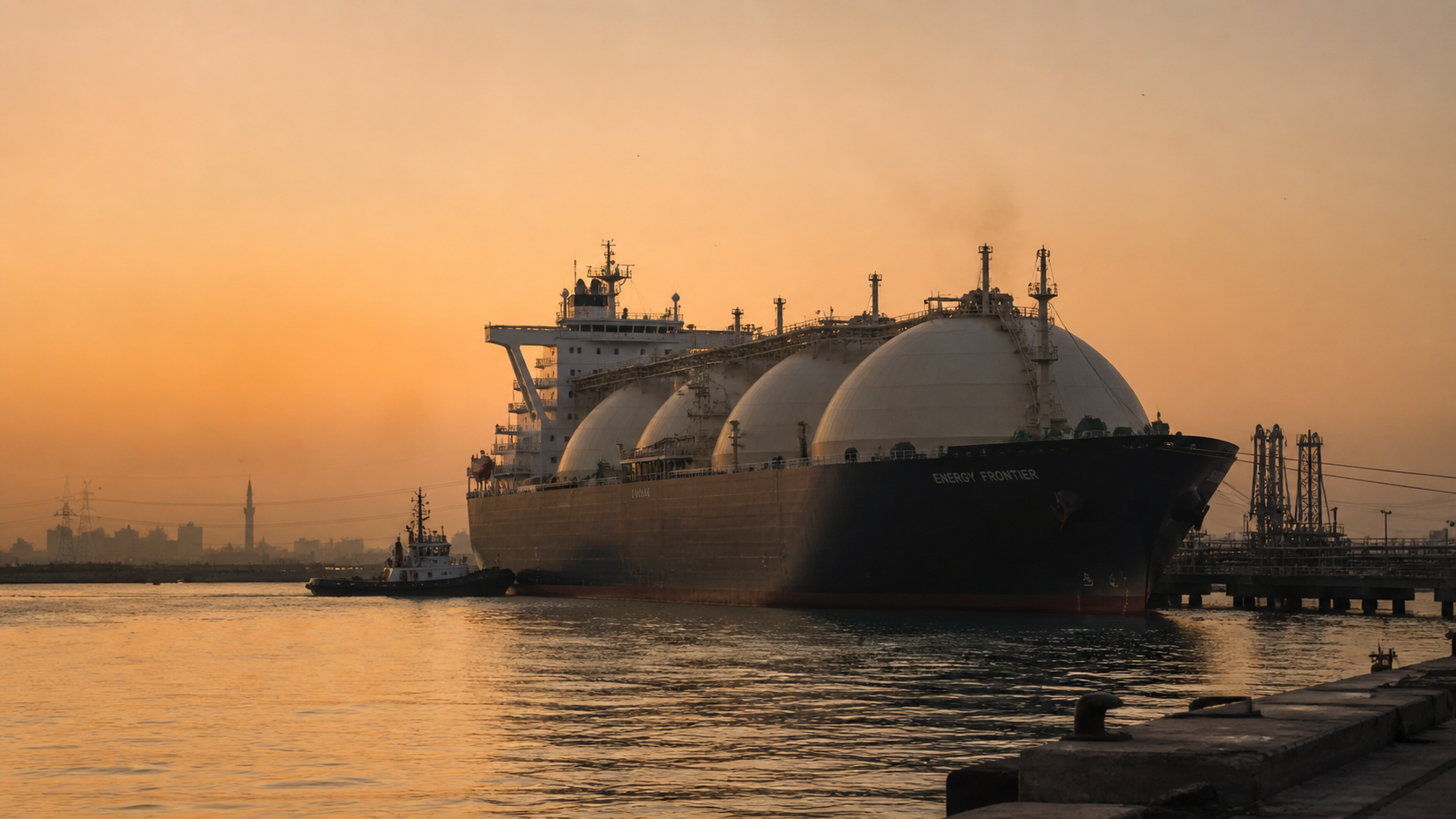
The Strait of Hormuz, through which an estimated 21 million barrels of oil passed daily before the conflict, has been effectively closed since hostilities began in late February, according to US Energy Information Administration shipping data. Energy markets have priced in the disruption as a sustained condition. Insurance costs for vessels operating near the Gulf have risen sharply.
Reuters cited a US official on Wednesday saying nearly all Iranian missiles and drones launched at US bases in response to Tuesday’s strikes were intercepted, with no reported casualties.
The expansion of strikes into Bahrain, Jordan, and Kuwait marks a regionalization of the conflict that analysts had warned about since the Strait’s closure. None of the three states chose direct involvement. Their geography and hosting of American military assets made the choice for them.
Frequently Asked Questions
Why is the Strait of Hormuz important?
The Strait of Hormuz is a narrow waterway connecting the Persian Gulf to the Gulf of Oman and the Arabian Sea. Before the current conflict, roughly 21 million barrels of oil passed through it daily, representing about 20% of global oil consumption. Its effective closure since February has forced energy markets to reprice supply risk.
What triggered this week’s US-Iran strikes?
The immediate trigger was the downing of a US Army Apache helicopter near the Strait on Monday. The US launched what it called “proportional” strikes on Iranian military sites on Tuesday. Iran retaliated on Wednesday with strikes on US bases in Bahrain and Jordan. Kuwait also intercepted attacks.
Has Iran claimed responsibility for the helicopter downing?
No. Iran’s semi-official Mehr News Agency reported that Tehran had not claimed responsibility. CBS News cited a US official saying it was unclear whether the drone that struck the helicopter did so deliberately.
Is the US-Iran diplomatic process still active?
Iran’s foreign ministry spokesman said on Wednesday that Tehran would “re-assess” the situation, citing contradictory US messaging and ceasefire violations. Trump’s statements shifted from describing an imminent deal on Tuesday to declaring Iran “completely defeated” on Wednesday. The status of negotiations remains uncertain.
Which countries have been drawn into the conflict?
The US and Iran have directly exchanged strikes. Bahrain and Jordan were struck because they host American military bases. Kuwait intercepted attacks in its airspace. The conflict has expanded from a bilateral US-Iran exchange to a regional confrontation involving multiple Gulf states.