

 English







































































































































































































































Is Germany Reconsidering Coal? The Kohleausstieg Under Pressure
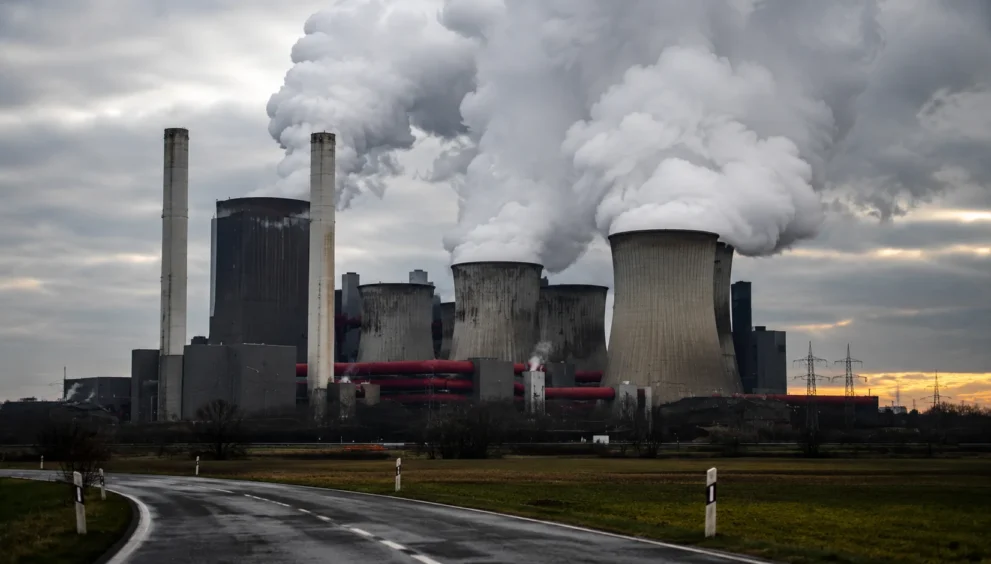
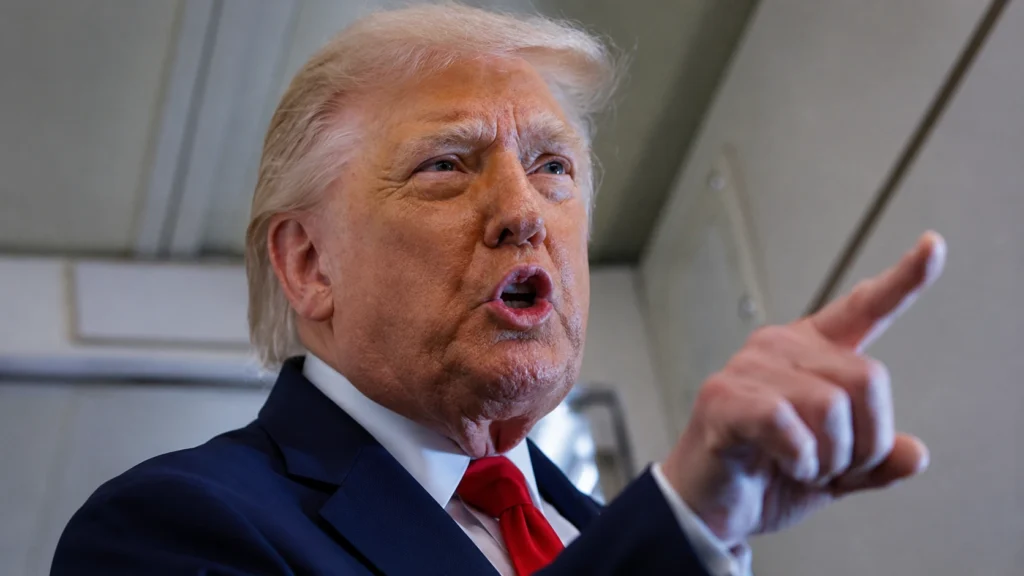
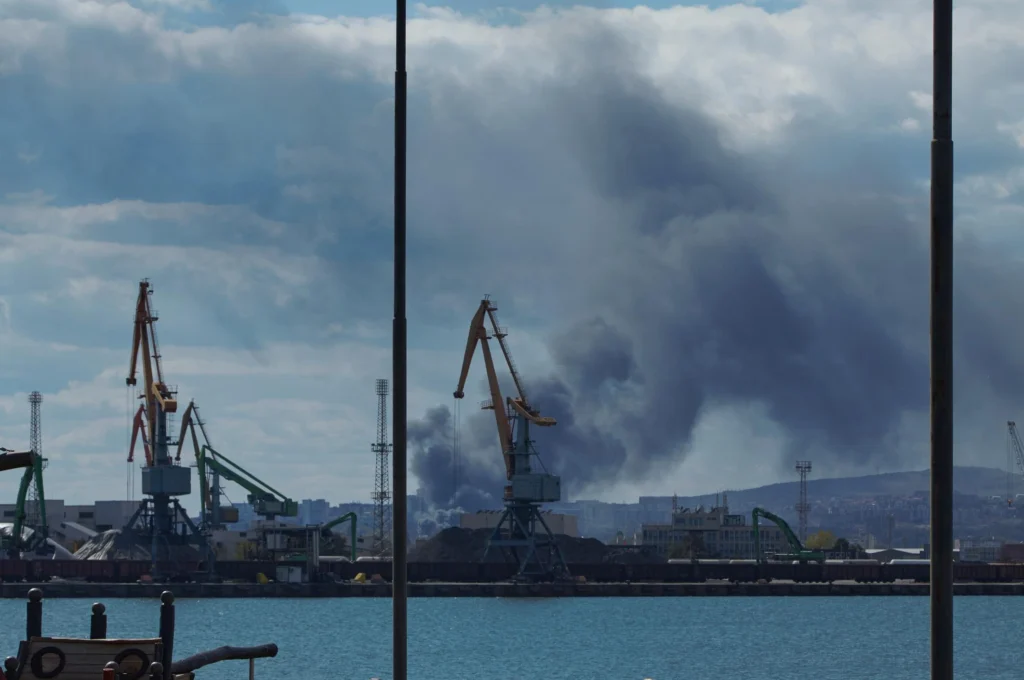
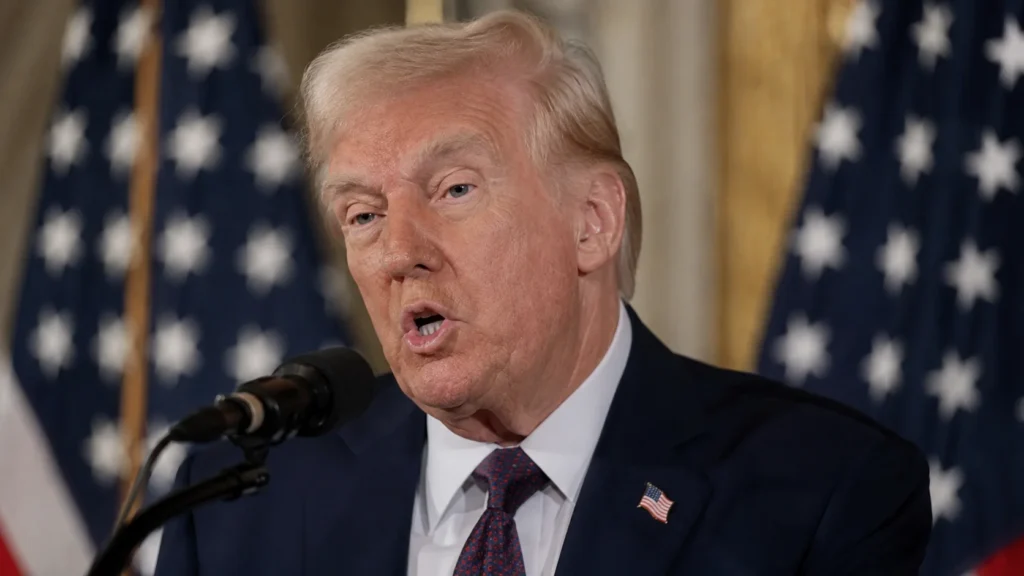
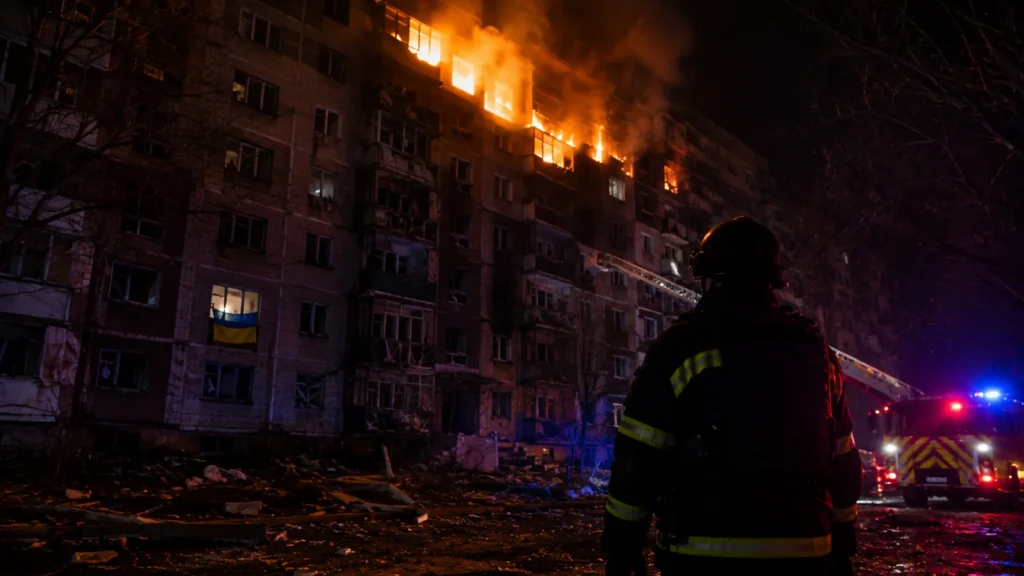
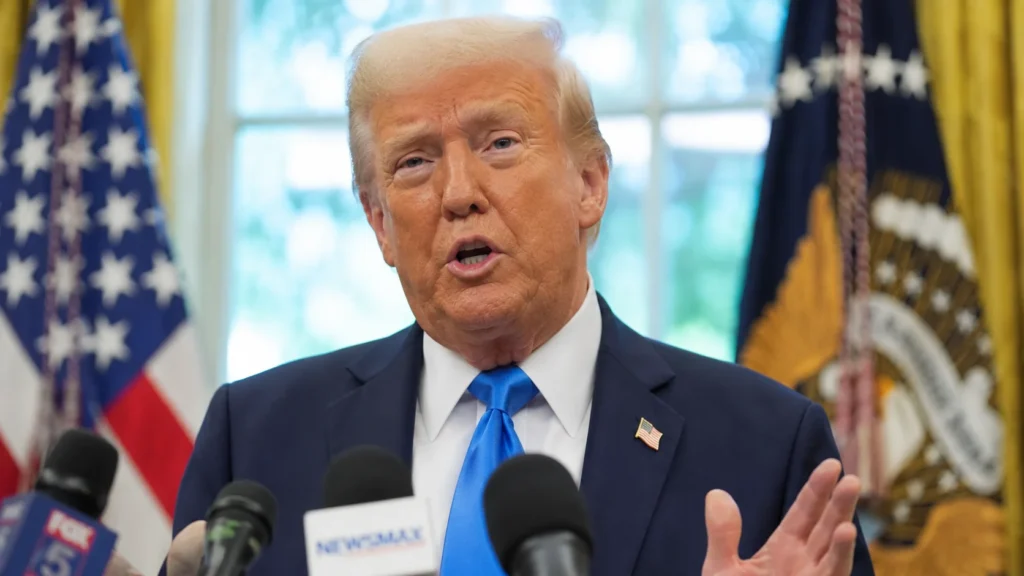
Germany’s commitment to ending coal power by 2030 is facing its most serious test since the phase-out law was passed, as soaring global gas prices following the US-Iran conflict have made the country’s abundant domestic lignite reserves economically irresistible. Chancellor Friedrich Merz said in March that he was “not prepared to jeopardise the core of our industry simply because we have adopted phase-out plans that have become unrealistic.” A parliamentary committee is now studying whether six hard coal power stations currently used only as backup should be allowed to run continuously. In August, the government will publish a statutory review of the coal phase-out that was originally intended to accelerate the timeline—but may now be used to slow it down.
Germany gets 59% of its electricity from renewables, but still relies on coal for 20% and natural gas for 13%. The country imports 95% of its gas but sits on the largest lignite reserves in Europe and the third-largest globally. The price gap between the two fuels has widened dramatically, forcing a debate that Germany’s grand coalition had hoped to avoid.
Why Coal Is Back on the Table
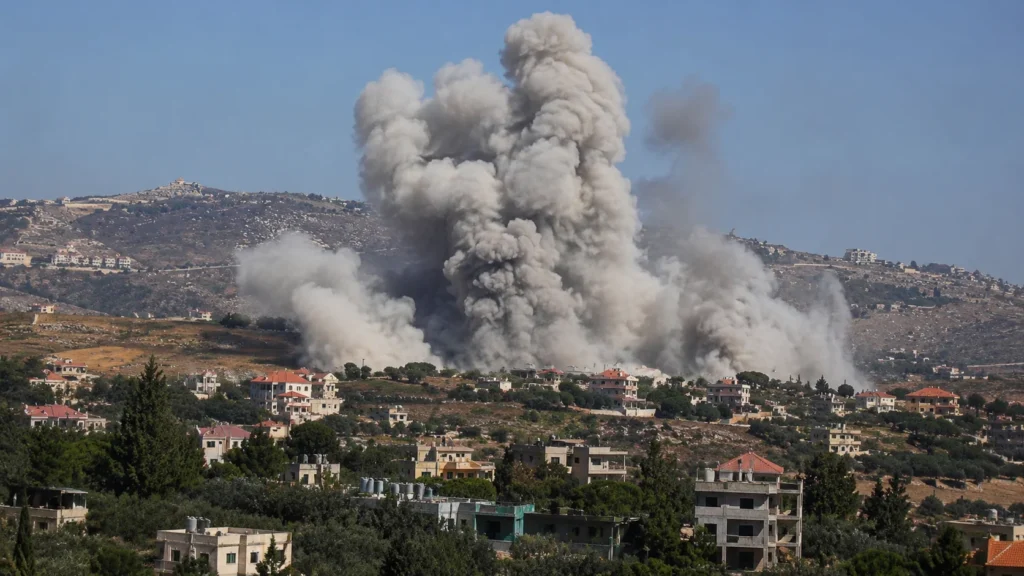
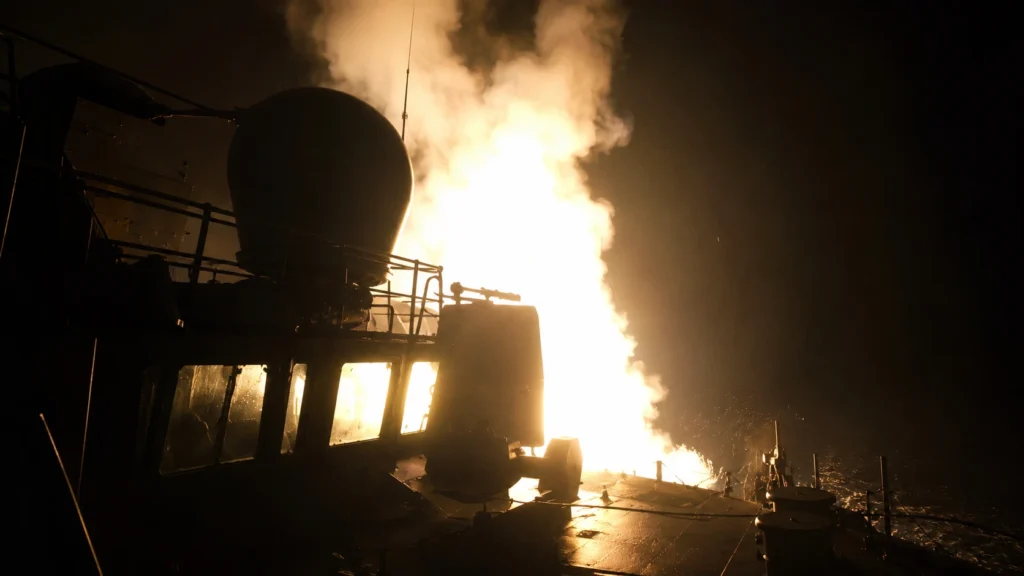
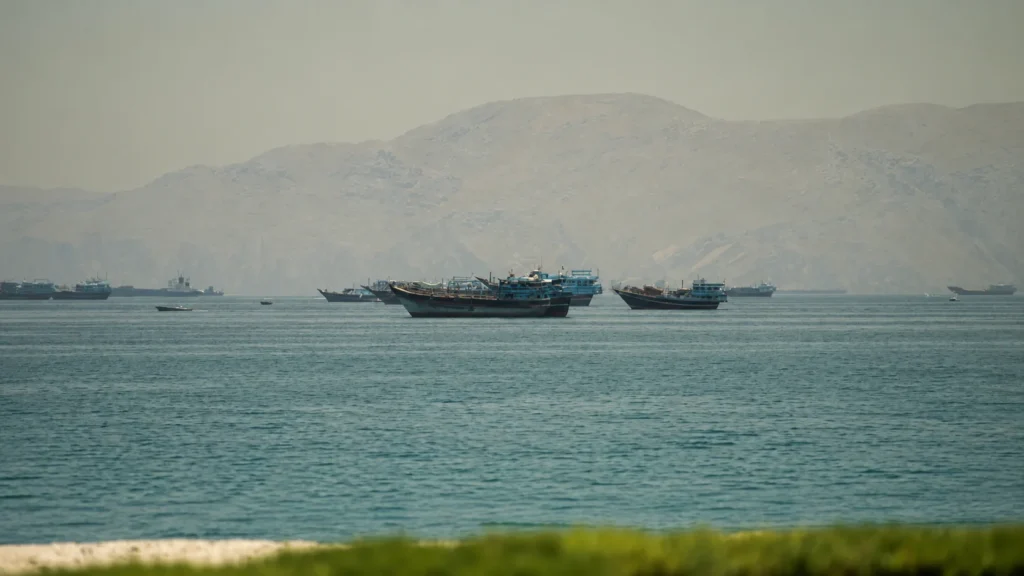
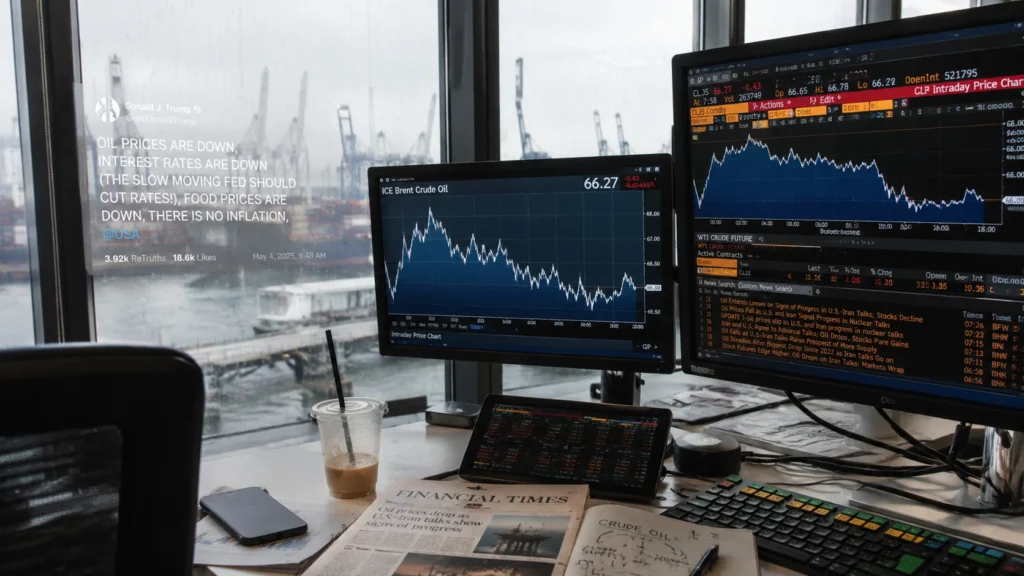
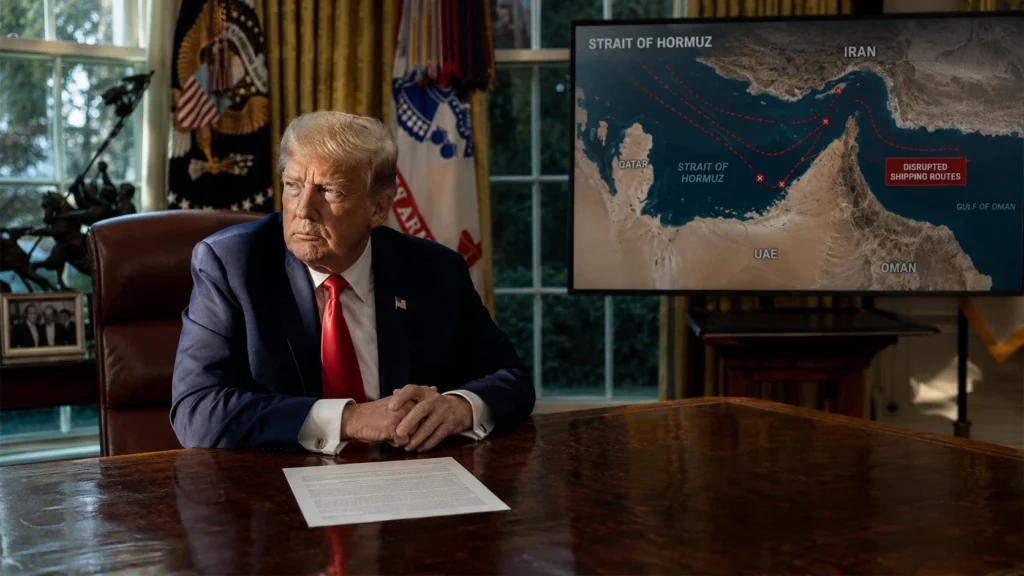
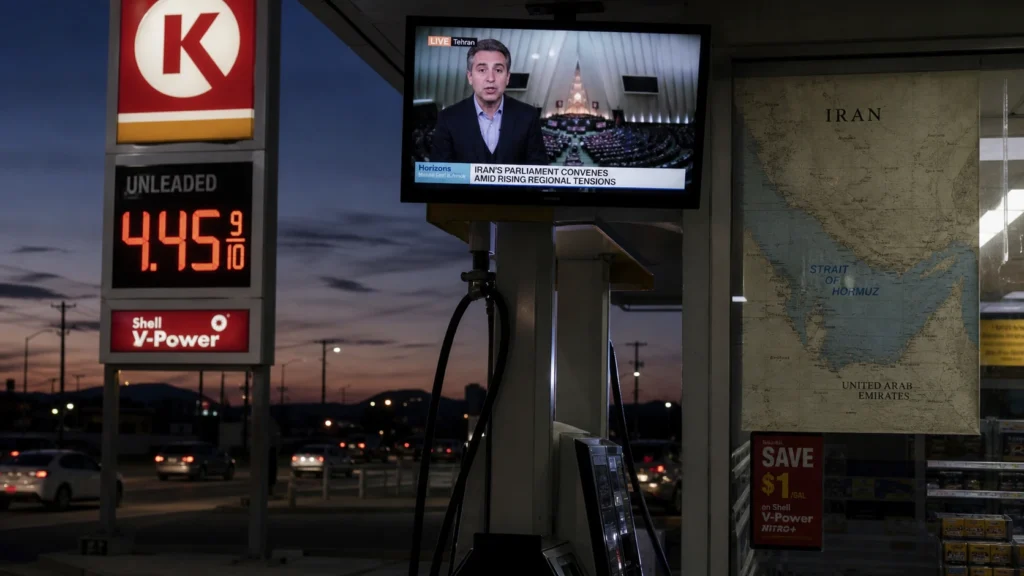
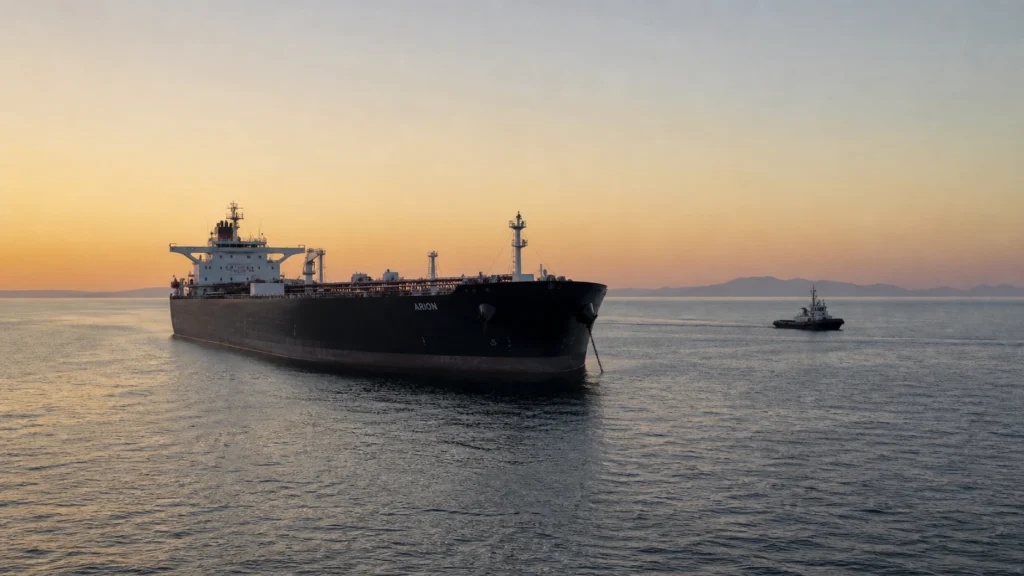
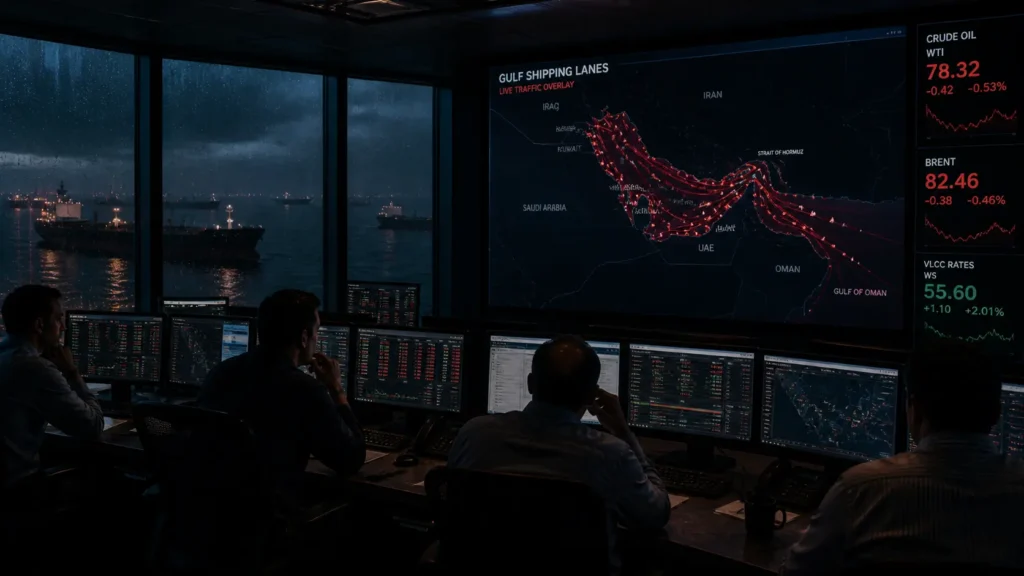
The immediate trigger was the Strait of Hormuz closure, which followed the US-Israel attacks on Iran on 28 February. Global gas markets, already tight after the disruption of Russian supplies in 2022, lurched higher. Germany, almost entirely dependent on gas imports, faced a brutal choice: pay elevated global market rates for fuel it cannot control, or burn lignite it owns in abundance.
Lignite is the most polluting form of coal. Germany has committed to phase it out by 2030—an accelerated deadline compared to the 2038 target for hard coal. But the fuel is domestically sourced, cheap to extract, and entirely insulated from global supply disruptions. The environmental cost is enormous. The financial appeal in the middle of an energy price crisis is undeniable.
LEAG, Germany’s second-biggest lignite miner, stated that it “very much welcomes the fact that the German federal government is placing not only medium, but also long-term, security of supply at the heart of its energy policy considerations.” The company noted it had “already demonstrated our ability to quickly draw on reserves to return to the market when the situation demands it,” referring to increased lignite supplies after Russia cut gas exports following the 2022 invasion of Ukraine.
According to German government energy policy statements and the statutory coal phase-out review framework, the August review will assess the phase-out’s impact on energy supply, security, and prices. It was originally designed to explore whether the timeline could be brought forward. It is now expected to examine whether it should be extended.
As our analysis of Germany’s energy transition and industrial competitiveness challenges documented, the Energiewende has always depended on affordable gas as a bridge fuel between coal and renewables. That bridge has now become significantly more expensive.
The Political Divide
Germany’s grand coalition splits the question along ideological lines. The centre-right CDU/CSU, Chancellor Merz’s political home, is more open to extending coal operations. The left-wing SPD is opposed.
Nina Scheer, the SPD’s energy spokeswoman, warned that relaxing the rules for coal would be “counterproductive for the energy transition and mean new fossil lock-in effects.” The term “lock-in effects” captures the core environmental concern: once coal is extended, even temporarily, the infrastructure, contracts, and political expectations make it harder to phase out again.
Michael Kretschmer, the CDU deputy leader and Minister-President of Saxony—a lignite mining region—countered: “Germany, as a major industrial nation, must do everything in its power to ensure that energy remains affordable. The energy transition must be completely recalculated. It should not be a matter of cost, but rather a matter of realistically considering security of supply and affordability.”
The phrase “completely recalculated” goes beyond a temporary extension. It implies reopening the entire settlement: the 2030 lignite deadline, the 2038 hard coal deadline, and the balance between renewables, gas, and coal.
According to German coalition energy policy positions and parliamentary committee findings on coal phase-out, a compromise is under active consideration. Six hard coal power stations—which burn imported coal that is less polluting than domestic lignite—currently operate only as backup during cold snaps or supply crunches. Steag Iqony Group, which owns several of these plants, wants them to run continuously.
“If they were temporarily allowed to resume regular production, they could deliver electricity to several million homes,” a company spokesman said. “We think these plants should be used in order to strengthen security and affordability of supply.”
What Industry Demands
For Germany’s energy-intensive industries, the source of electricity matters less than its price and reliability.
“Our industry needs reliable energy,” said Wolfgang Große Entrup, director general of the German Chemical Industry Association (VCI). “Renewable energy alone cannot yet guarantee this. Companies will only invest billions if they can trust that energy will remain reliably available at competitive prices in the future.”
The chemical sector, which underpins much of Germany’s manufacturing economy, does not differentiate between electrons from wind, gas, or coal. It differentiates between price points that sustain margins and price points that destroy them.
Hauke Hermann, a senior researcher with the Öko environmental research institute, countered that “more coal is not the answer” and called for accelerated renewable deployment. But renewables, at 59% and growing, still leave a baseload gap—particularly in winter—that storage and transmission infrastructure has not yet closed.
As our coverage of European industrial energy demand and the baseload challenge for renewables has tracked, the gap between renewable output and industrial requirements is the central tension of the energy transition across the EU. Germany’s decision will set a precedent.
What Happens Next
The statutory review in August is the immediate decision point. The government must rule on whether the 2030 lignite deadline holds or whether some capacity is maintained as a strategic reserve. The six hard coal plants are the test case. If they receive approval for continuous operation, the lignite question opens next. If they do not, the coalition’s internal tensions over energy policy will intensify.
The global gas market will shape the outcome more than any parliamentary debate. If the Strait of Hormuz stabilizes and gas prices retreat, the economic case for coal weakens. If prices remain elevated, the case strengthens.
Japan has already loosened rules to allow increased use of coal-fired power plants. Italy has delayed the closure of its remaining stations until 2038. India has postponed maintenance shutdowns. Germany is not alone in recalibrating. It is simply the most symbolically significant.
FAQ
Is Germany going back to coal?
Germany has not formally reversed its coal phase-out. But Chancellor Merz has signalled openness to extending coal operations, a parliamentary committee is studying whether to restart six hard coal plants, and an August statutory review may recommend slowing the phase-out timeline.
What is the Kohleausstieg?
The Kohleausstieg—literally “coal phase-out”—is Germany’s legally mandated plan to stop using coal for power generation. Lignite (soft coal) must be phased out by 2030. Hard coal must be phased out by 2038.
Why is Germany reconsidering coal?
Global gas prices spiked after the US-Iran conflict closed the Strait of Hormuz. Germany imports 95% of its gas but has abundant domestic lignite reserves. The price gap between imported gas and domestic coal has made lignite economically attractive despite its environmental cost.
How much of Germany’s electricity comes from coal?
Coal provides approximately 20% of Germany’s electricity. Renewables provide 59%, and natural gas provides 13%. Nuclear power has been entirely phased out since 2023.
What happens in August?
The German government will publish a statutory review of the coal phase-out that assesses its impact on energy supply, security, and prices. The review was originally designed to explore accelerating the phase-out, but may now be used to justify slowing it down.