

 English









































































































































































































































The World Cup’s Oldest Players Are All Goalkeepers. That’s Changing.
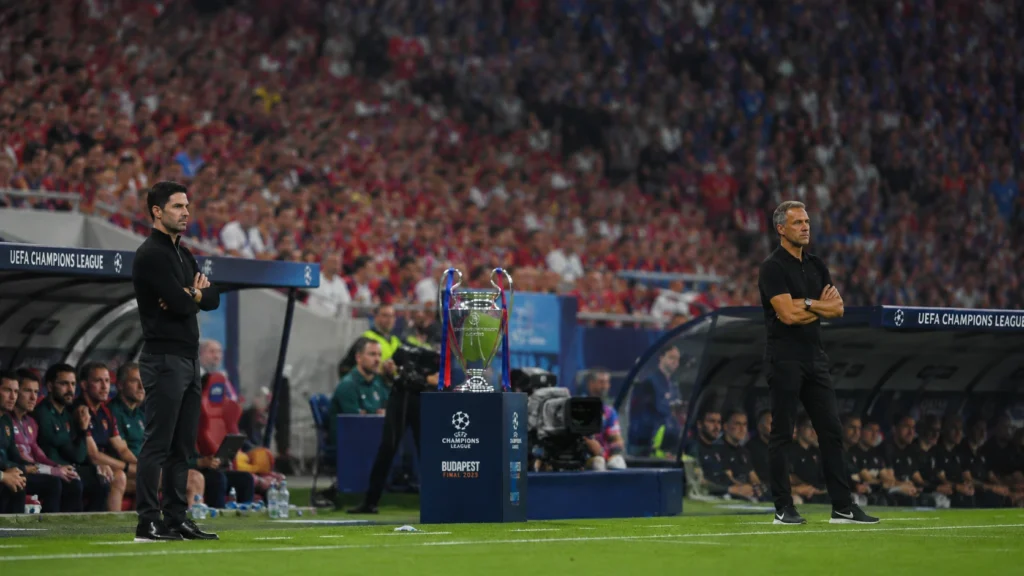
The list is short. Only nine players aged 40 and over have ever featured in a men’s World Cup match across 96 years of the tournament. Two of them have already appeared at this one. By the time the group stage ends, that number may double.
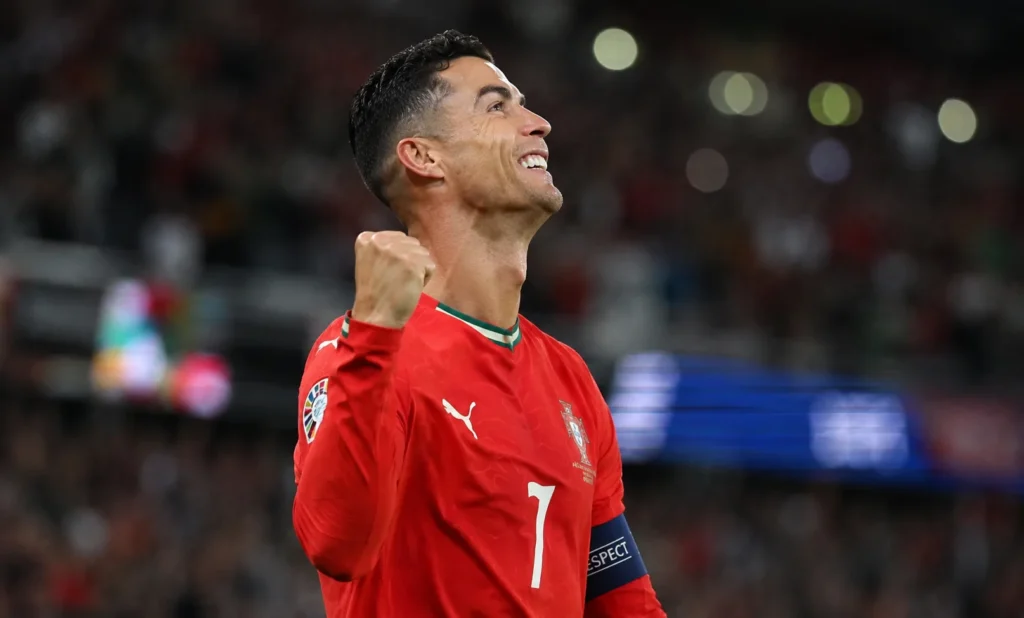
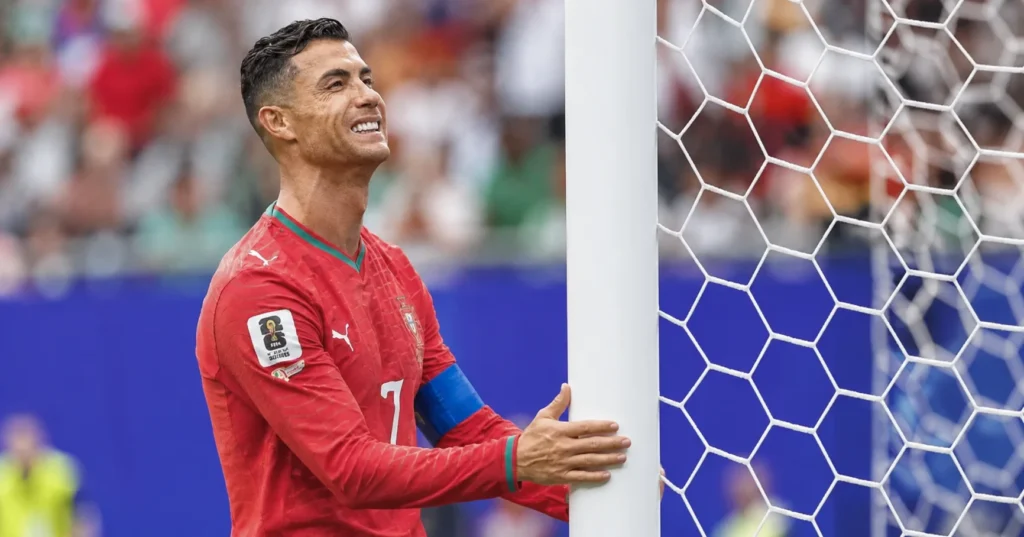
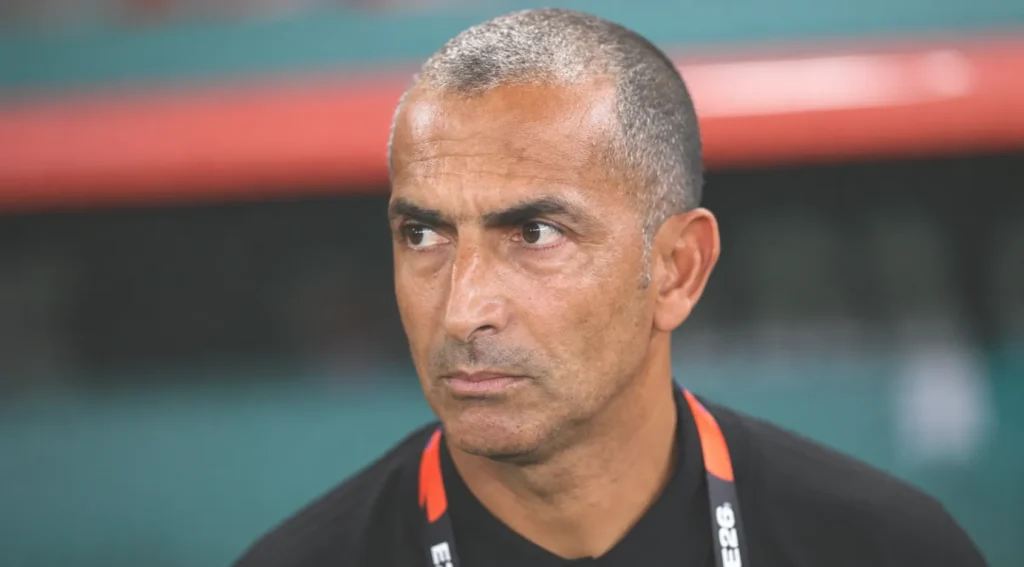
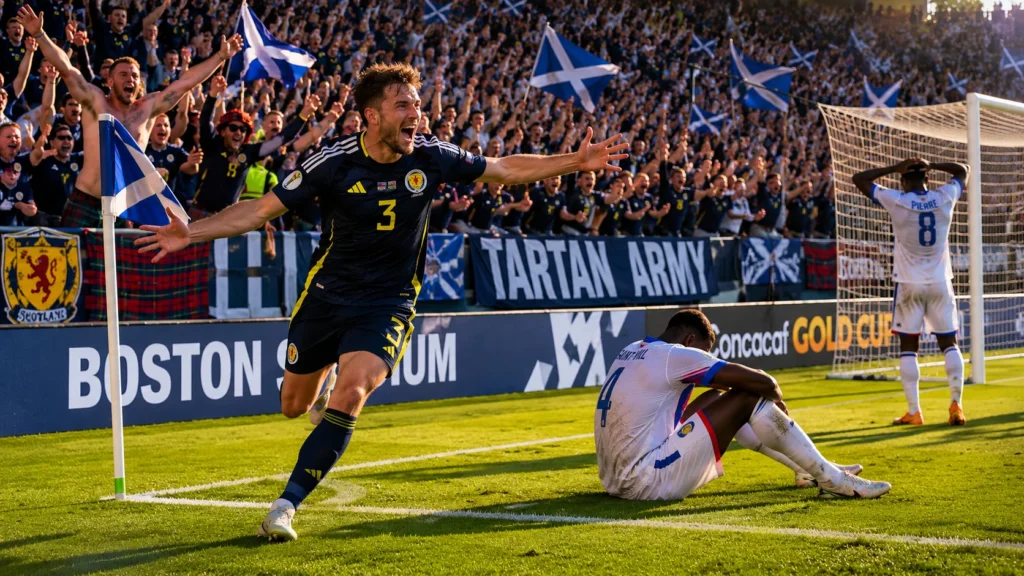
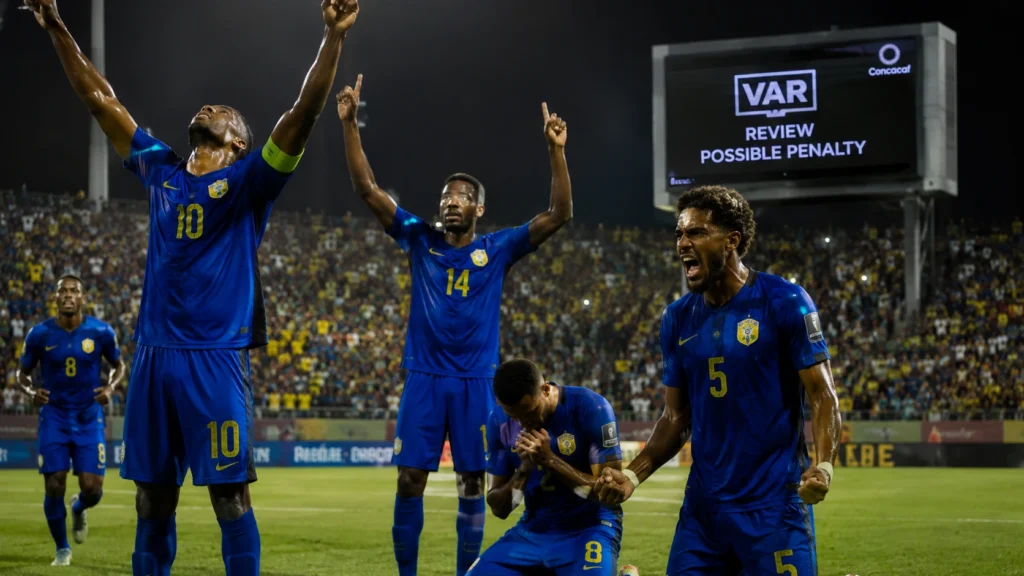
Manuel Neuer started for Germany against Curaçao on 14 June and became the seventh-oldest player in World Cup history at 40 years and 79 days. Less than 24 hours later, Cape Verde goalkeeper Vozinha started against Spain, 12 days after his 40th birthday. Fernando Muslera played for Uruguay against Saudi Arabia on 15 June, one day before turning 40. He enters the top 10 whether or not he plays again. Guillermo Ochoa of Mexico and Uruguay’s Muslera are in the squads. Edin Dzeko of Bosnia and Herzegovina and Croatia’s Luka Modric have passed the 40 mark and are expected to feature. Scotland’s Craig Gordon, at 43, would become the second-oldest player in tournament history if he takes the field—behind only Egypt’s Essam El Hadary, who holds the record at 45 years and 161 days, set in 2018. Cristiano Ronaldo, at 41, could join the club of players who have appeared beyond that age if he features in his record sixth World Cup.
The names are different. The positions are similar. Eight of the top 10 oldest players in World Cup history are goalkeepers. Roger Milla, the Cameroon striker who celebrated his goals with a corner-flag dance in 1994, and Peter Shilton, the England goalkeeper who reached the 1990 semi-final, are the exceptions who prove the rule. The tournament has always made room for older goalkeepers. It has rarely made room for anyone else.
But this wasn’t about the ages. This was about Legacy vs Decline—and what happens when athletes who have spent their entire careers defying time arrive at a tournament that has never been kind to those who stay too long.
The Goalkeeper’s Privilege
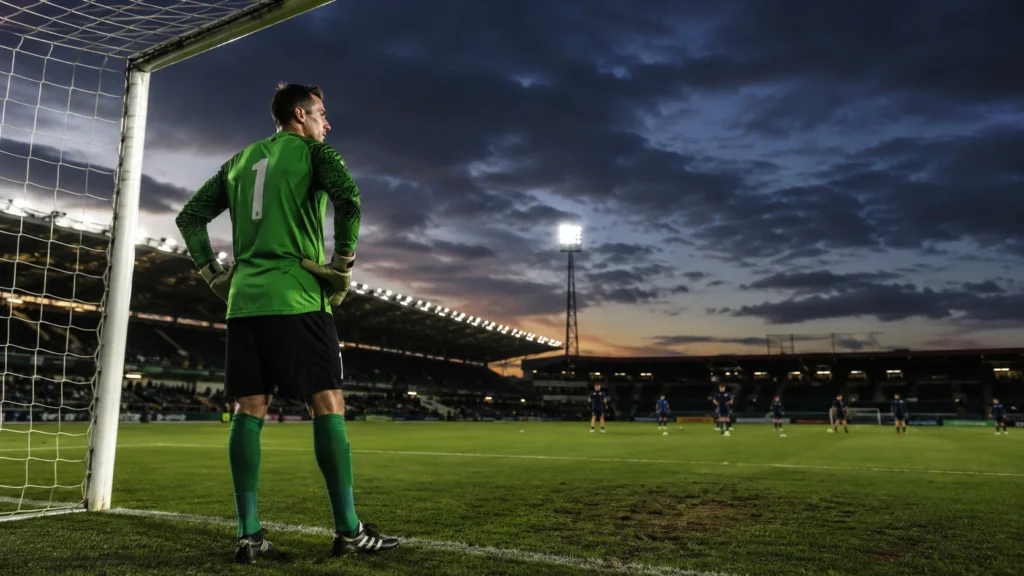
The list of the oldest players in World Cup history tells a positional truth. Goalkeepers age differently. Their value is not primarily physical. It is positional, organisational, and psychological. A 40-year-old goalkeeper who has lost a step of explosiveness can compensate with anticipation. A 40-year-old outfield player who has lost a step of pace cannot compensate with anything—the game simply moves past them.
El Hadary’s record is secure partly because he was a goalkeeper and partly because he was an exception even among goalkeepers. He played his 159th and final international match in that 2018 group-stage defeat to Saudi Arabia, saving a penalty before the match ended 2-1. He was 45. The record has stood for eight years. Gordon, at 43, is the only player in this tournament with a plausible chance of approaching it. He would need Scotland to progress beyond the group stage, something they have never done. He would need to play. He would need to play well enough to keep his place. The conditions are specific. The possibility is real.
Neuer’s appearance against Curaçao was less historic but more telling. He is 40. He has won a World Cup, a Champions League, and every domestic honour available. He could have retired. He chose to keep playing. The decision was not about records. It was about the same thing that drives every athlete who refuses to stop: the belief that one more tournament, one more match, one more save, is still within reach.
The Outfield Exception
Roger Milla remains the outlier. He was 42 when he scored against Russia at the 1994 World Cup, becoming the oldest goalscorer in tournament history. He celebrated at the corner flag, hips swaying, the image now inseparable from the idea of ageing as joy rather than decline. Milla was not a goalkeeper. He was a striker. He played in a position that punishes age more ruthlessly than any other. He scored anyway.
The players who join him on the list are overwhelmingly the men who stand between the posts. Faryd Mondragon, Colombia’s goalkeeper, was 43 when he played against Japan in 2014. Pat Jennings was 41 when he kept goal for Northern Ireland against Brazil in 1986. Peter Shilton was 40 years and 292 days when England lost to Italy in the 1990 third-place match. Dino Zoff was 40 when he captained Italy to the 1982 World Cup title, lifting the trophy as the oldest champion in history. Ali Boumnijel was 40 when he played for Tunisia against Ukraine in 2006. The list is a roll call of goalkeepers. The exception, Milla, proves how exceptional you have to be to break the pattern.
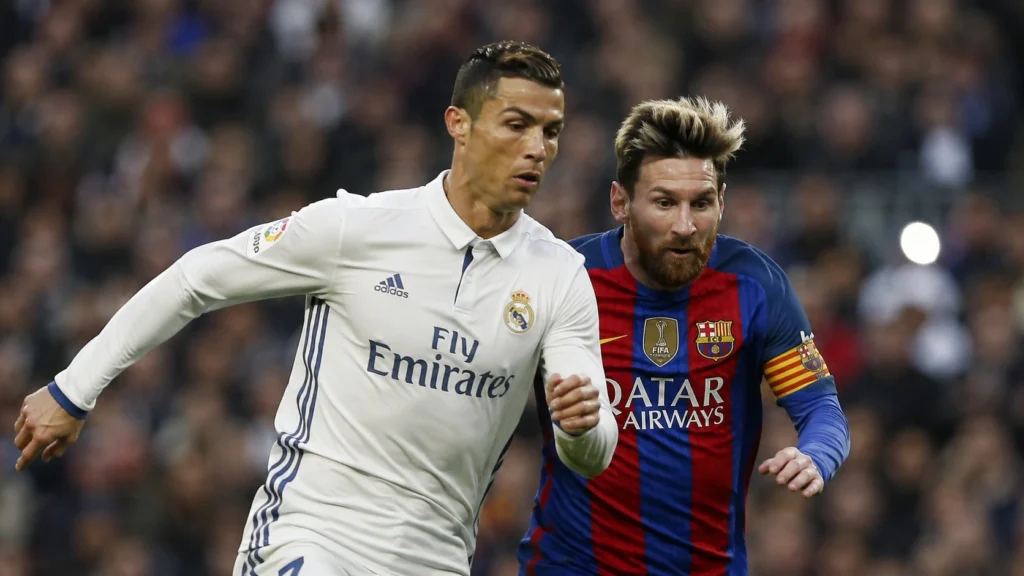
Modric, Dzeko, and Ronaldo are the outfield players attempting to join him at this tournament. Modric is 40. He controls games from midfield, where pace matters less than vision. Dzeko is 40. He plays as a target striker, where physicality can compensate for lost speed. Ronaldo is 41. He has reinvented himself as a penalty-box predator, conserving energy for the moments that matter. Each has adapted to age in a different way. Each is chasing the same thing: one more match, one more goal, one more chance to prove that the rules of decline apply to everyone except them.
The Psychology of the Last Tournament
Athletes who play past 40 at a World Cup are not doing it for the records. The records are incidental. They are doing it because the tournament is the pinnacle, and they are not ready to leave it. The psychology is specific. Most players know their last World Cup has passed. They watch the next one on television. The ones who keep playing into their fifth or sixth tournament have made a different calculation. They have decided that they are still good enough. They have decided that their teams still need them. They have decided that the end can wait.
The risk is that the end arrives during the tournament, in public, with the world watching. Milla scored and danced. El Hadary saved a penalty. Zoff lifted the trophy. But for every ageing player whose final tournament becomes a celebration, there is one whose final tournament becomes an elegy. The body fails. The pace drops. The opposition is younger, faster, and better prepared. The player who stayed too long becomes the story. The story is not kind.
Gordon, Modric, Dzeko, Ronaldo, Neuer, Vozinha, Muslera, Ochoa—each of them has accepted this risk. Each has decided that the possibility of one more moment outweighs the possibility of public decline. The decision is not rational. It is athletic. The rational choice, for most, would be to retire before the tournament, preserve the legacy, and avoid the risk. The athletes on this list did not make a rational choice. They made the competitor’s choice. The tournament will reveal whether it was the right one.