

 English


























































































































































































































Trump Pressures Iran Policy as Executive Power Expands
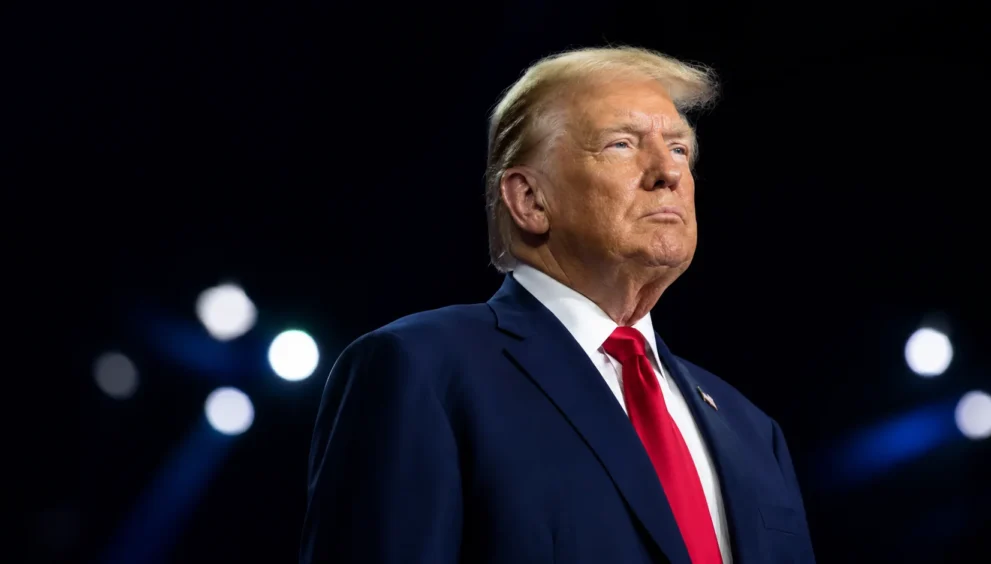
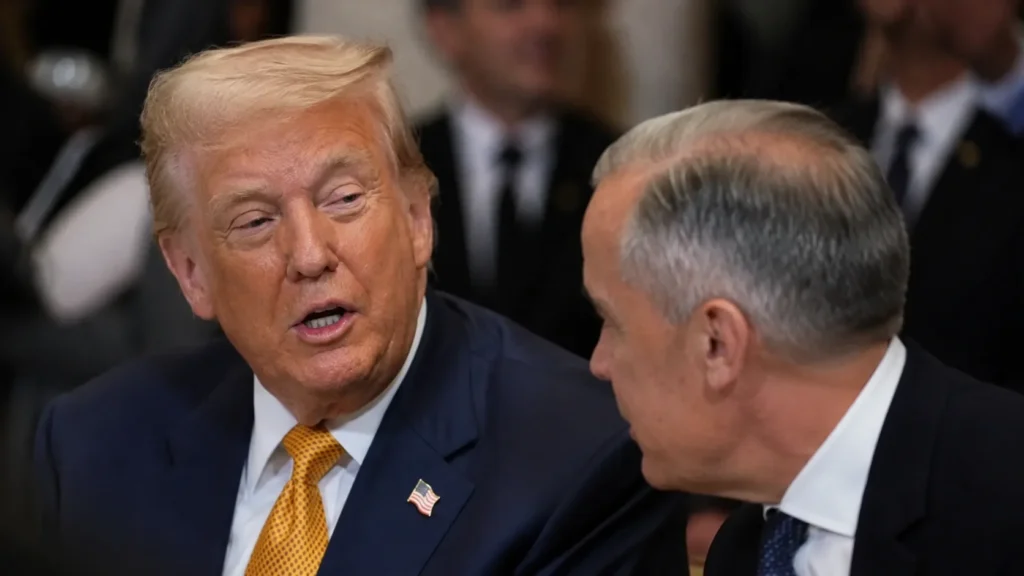
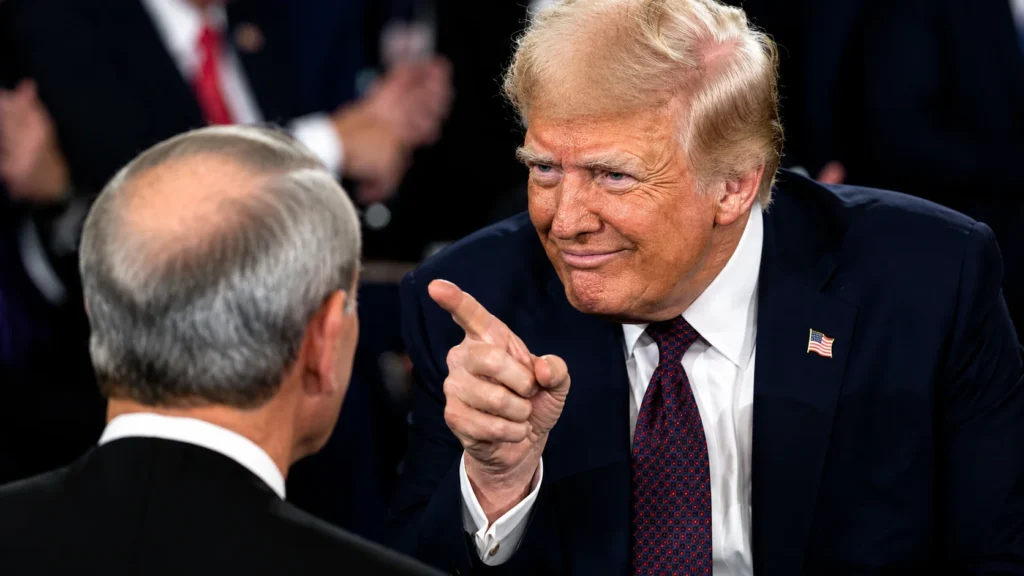
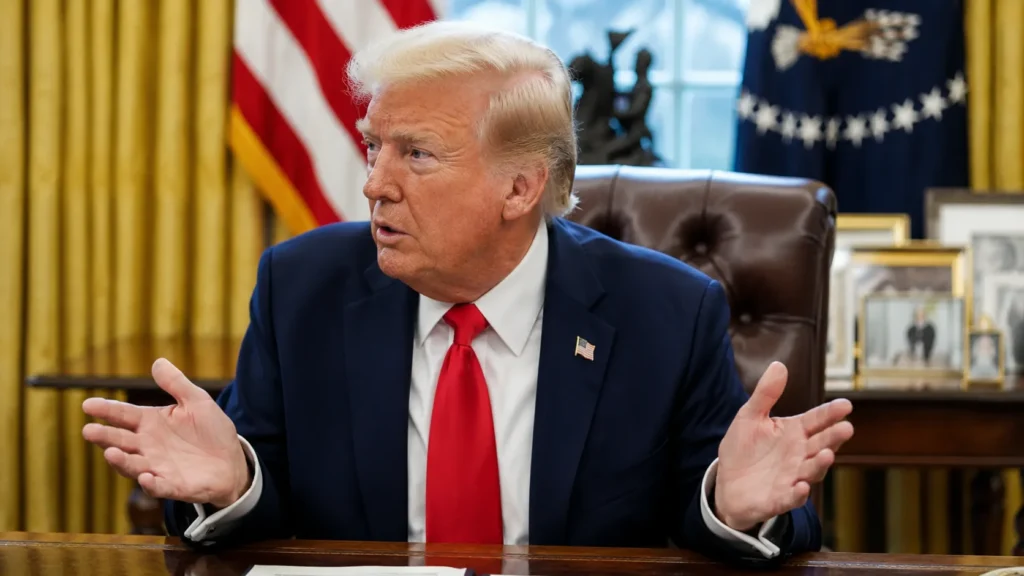
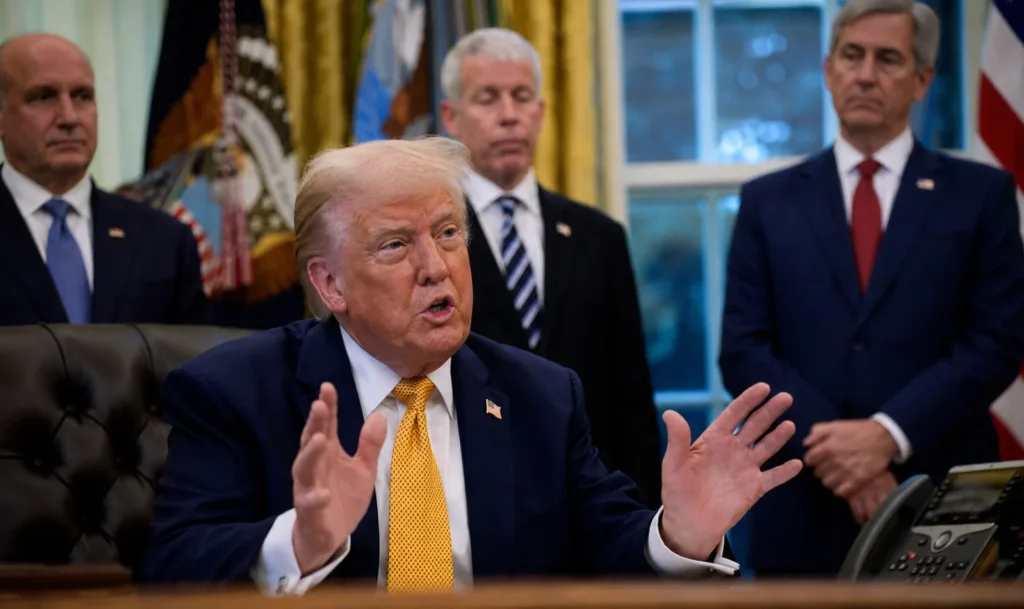
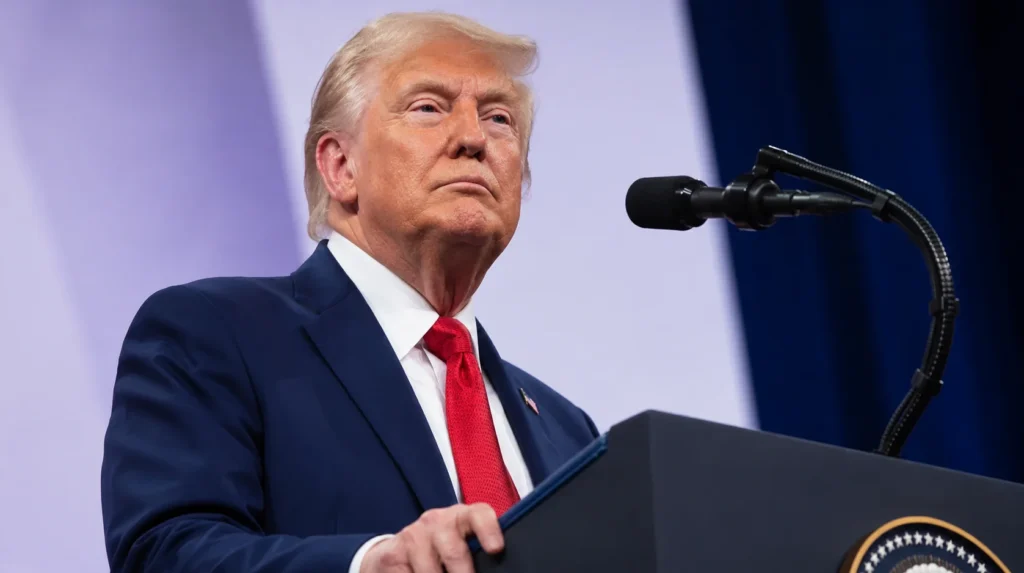
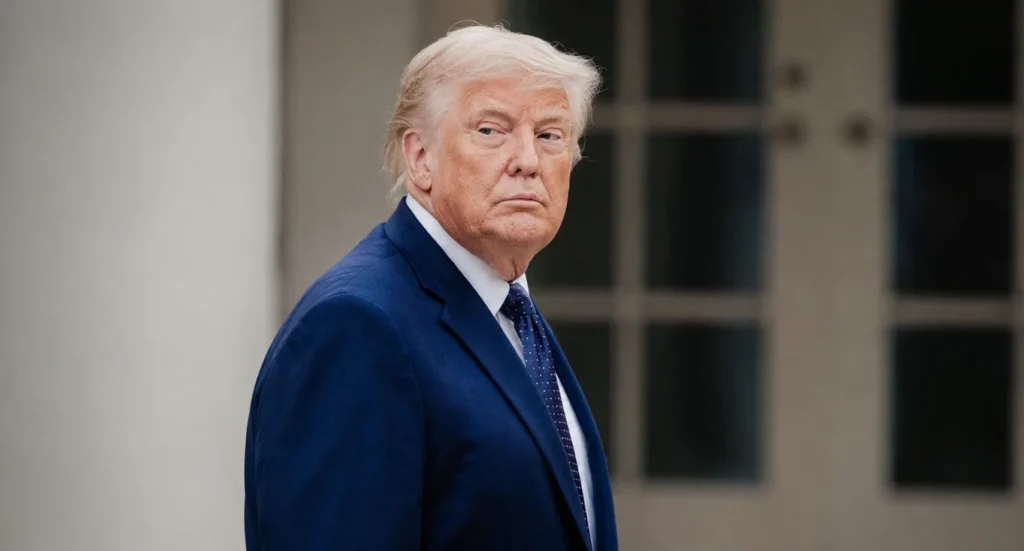
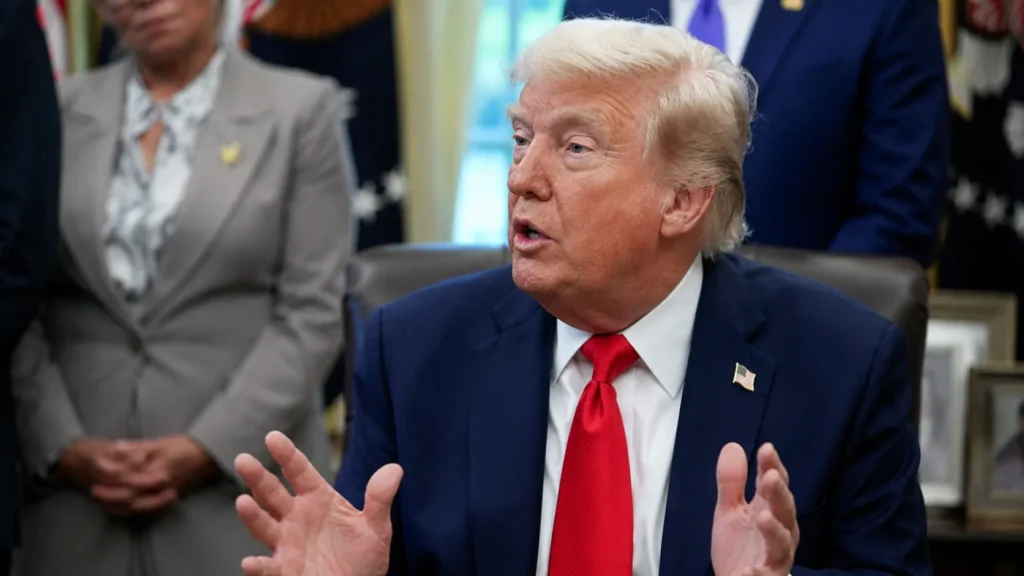
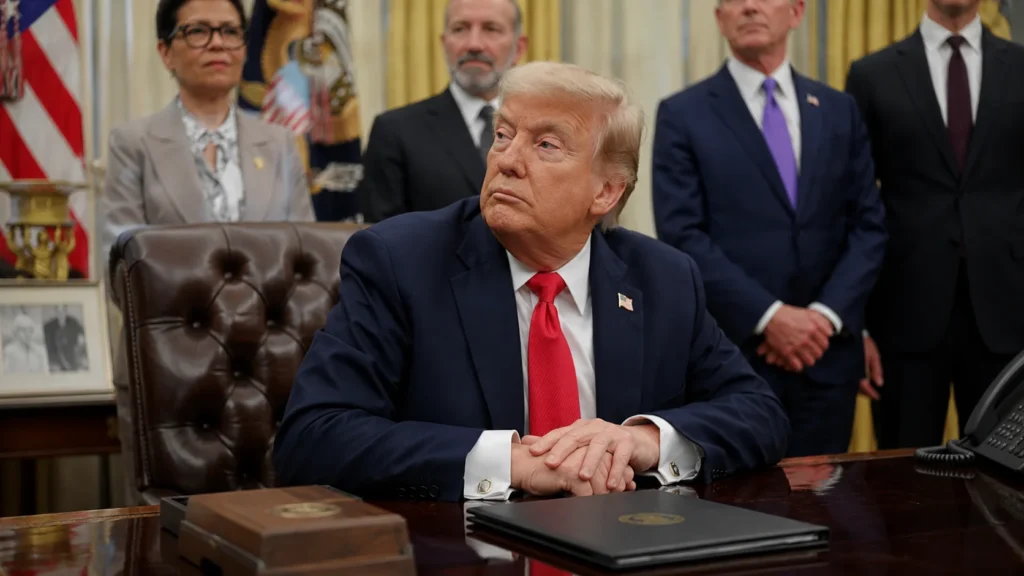
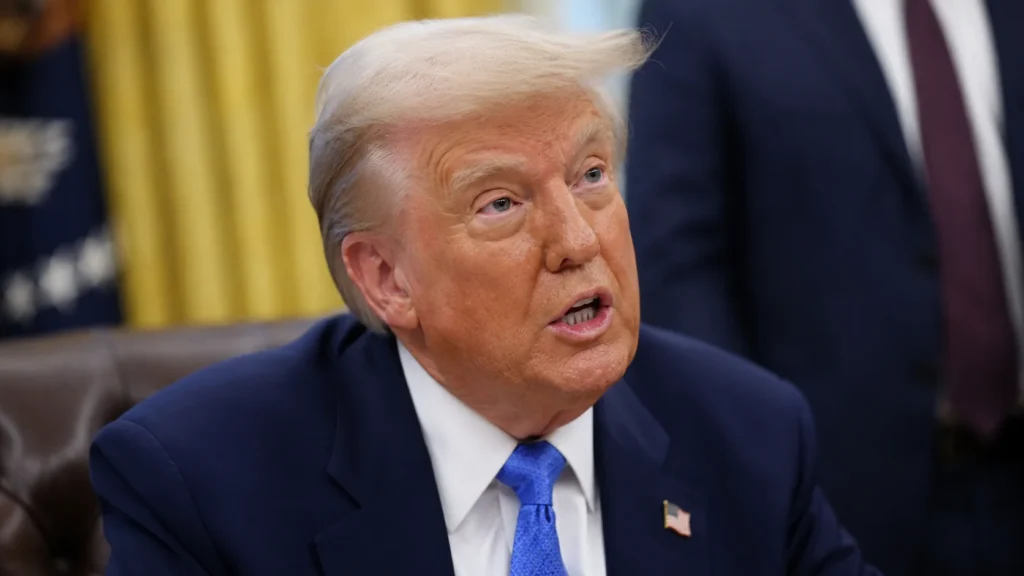
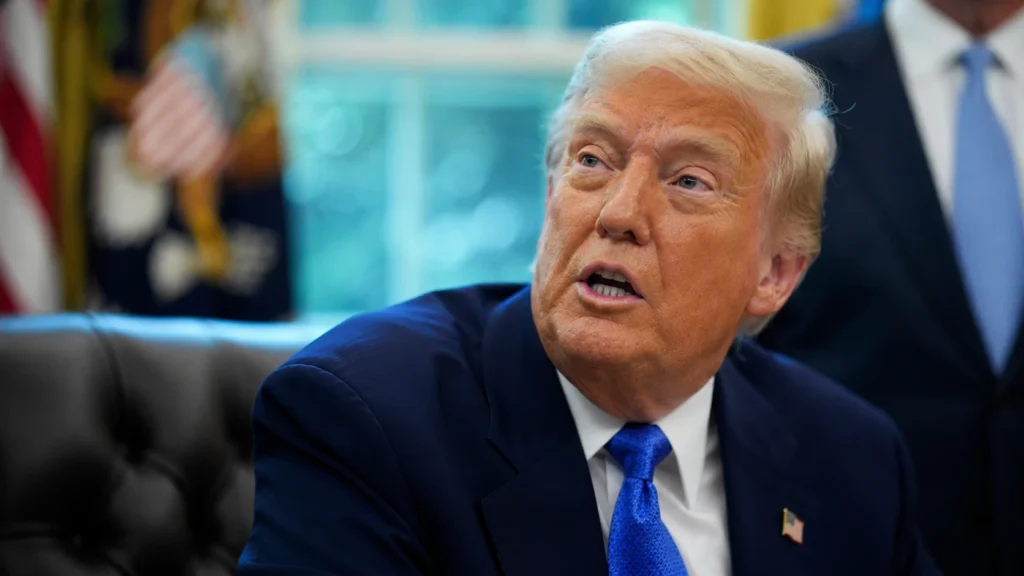
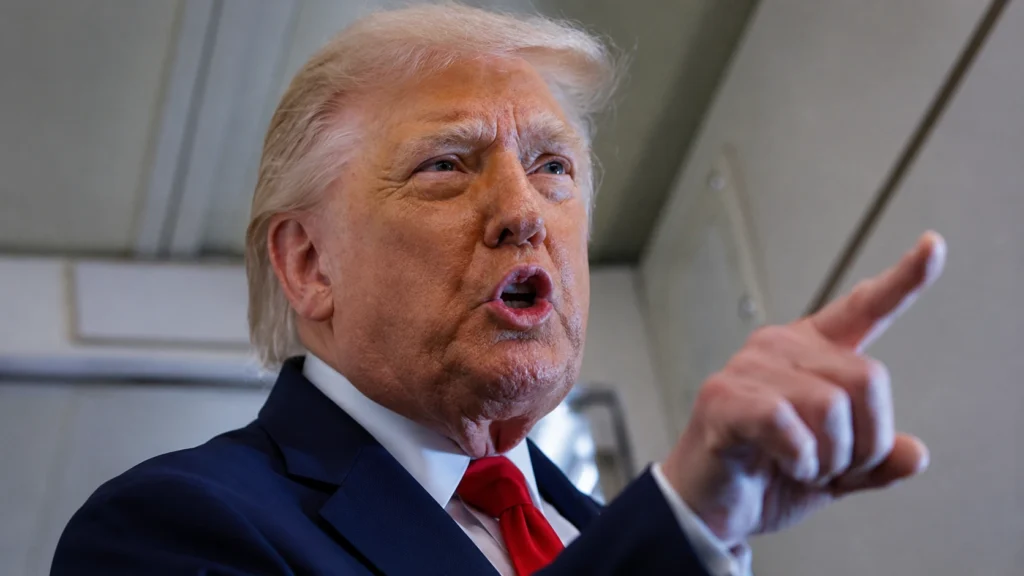
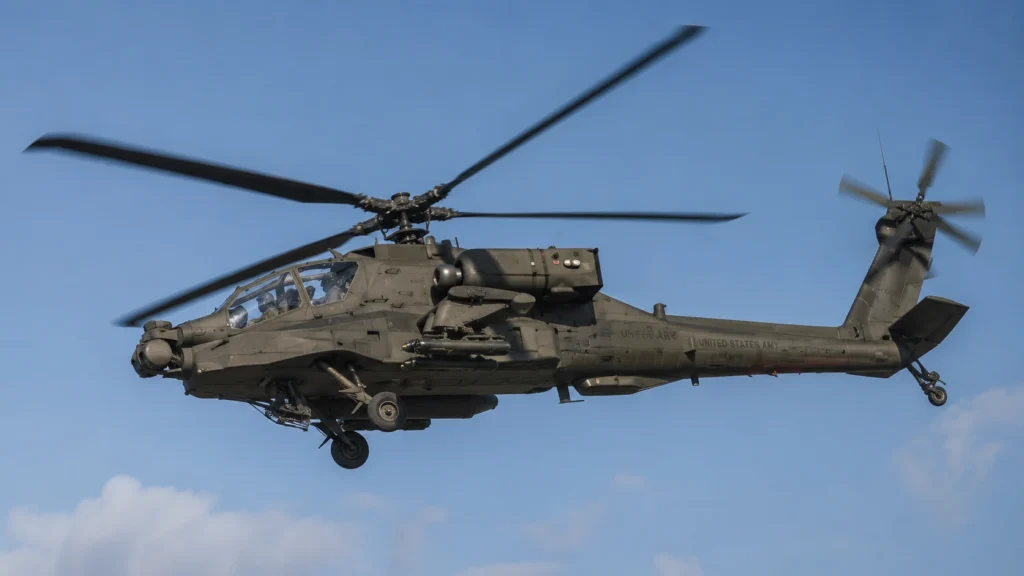
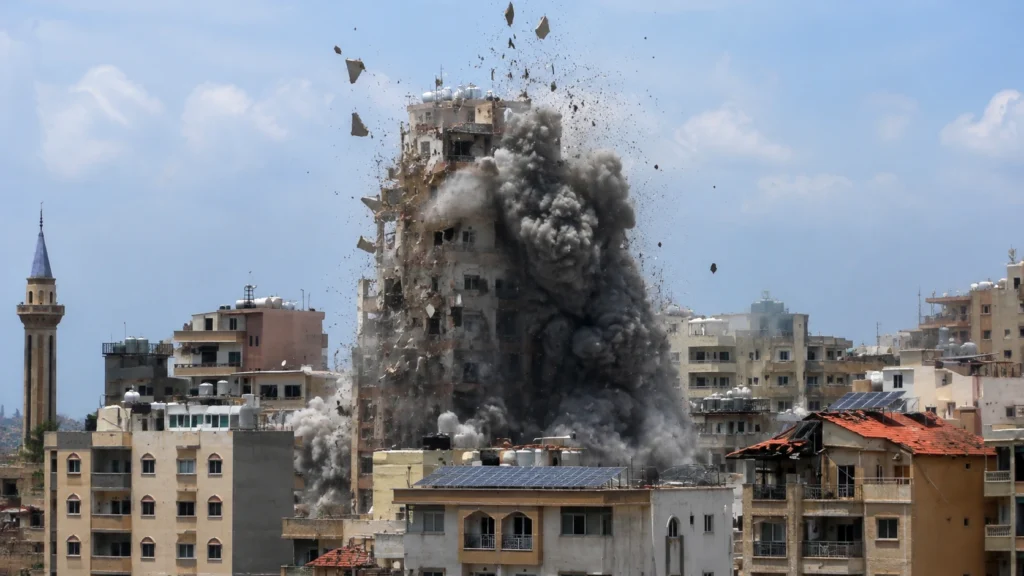
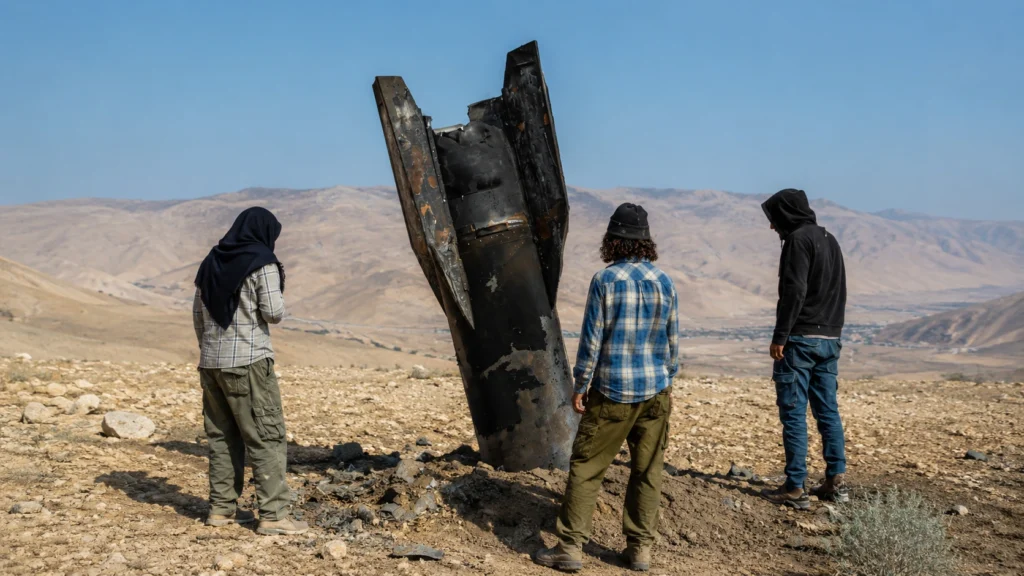
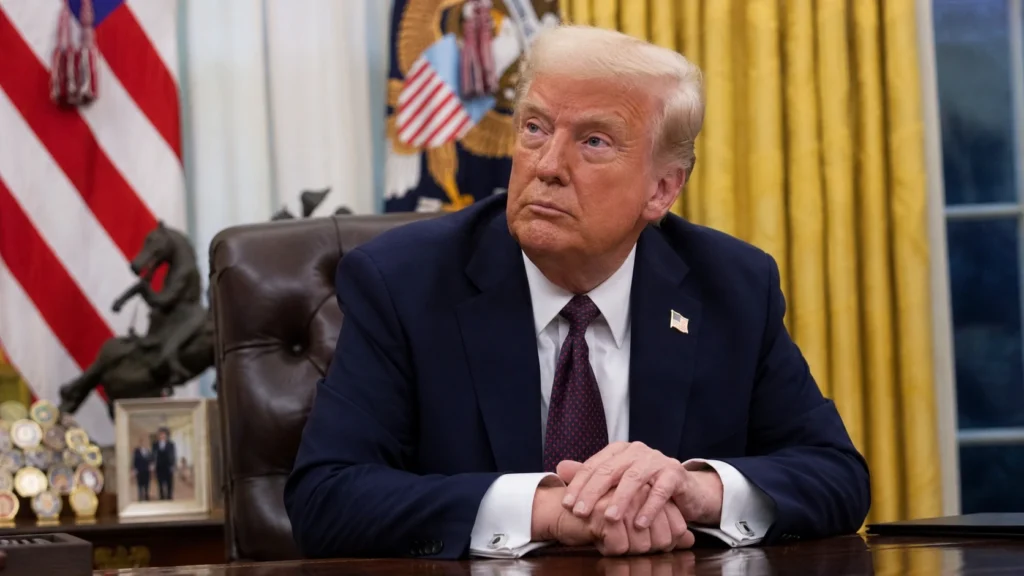
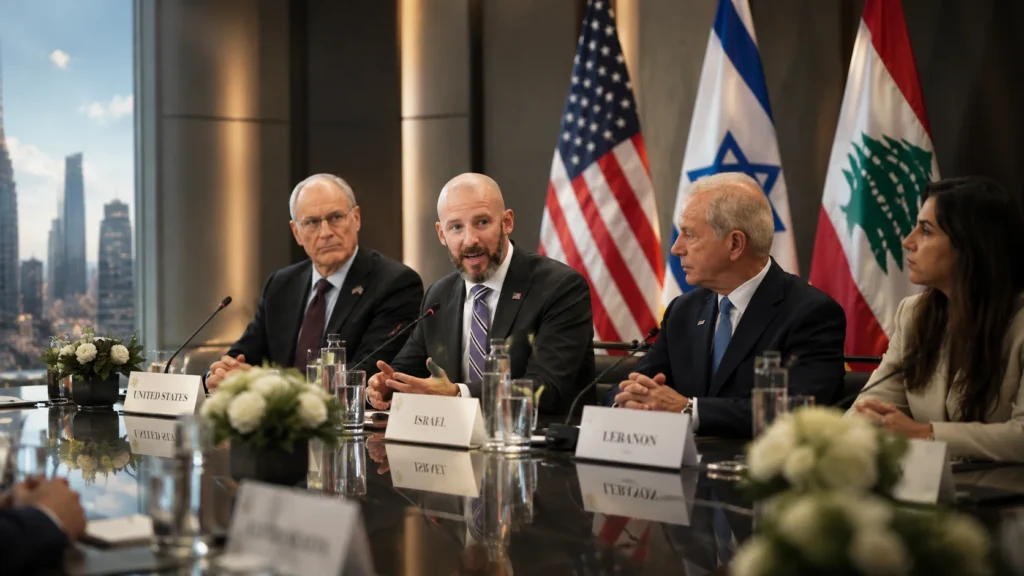
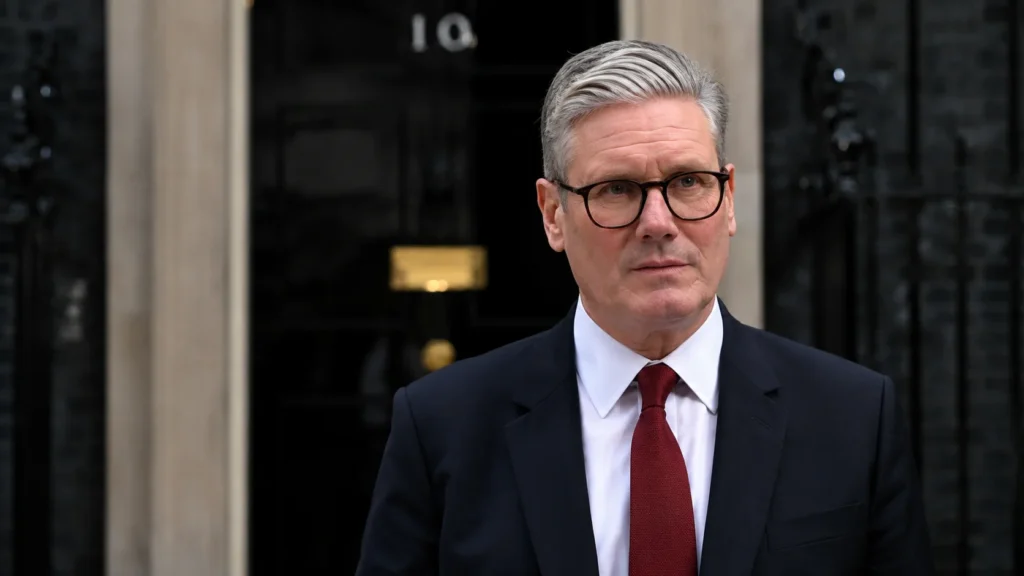
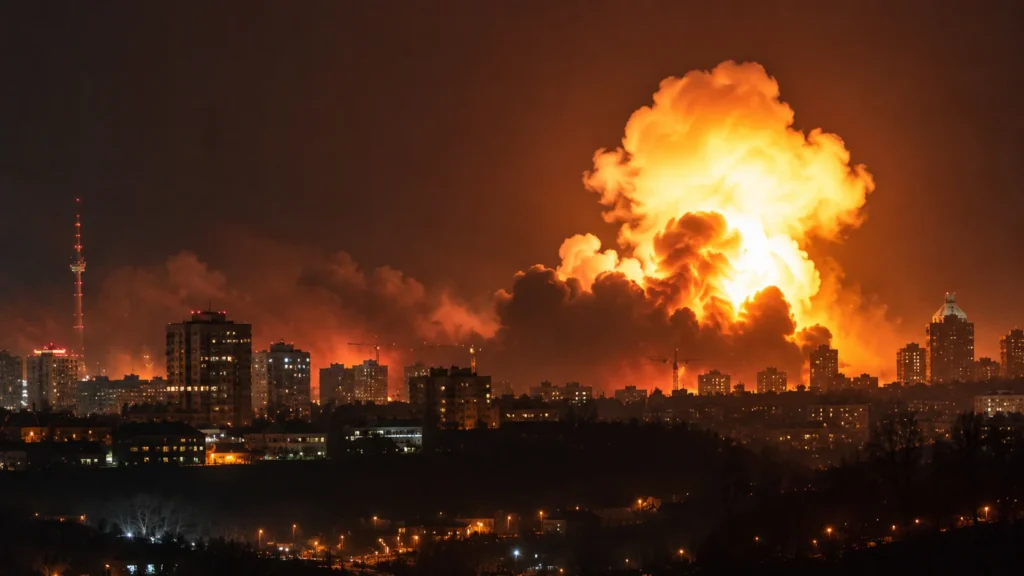
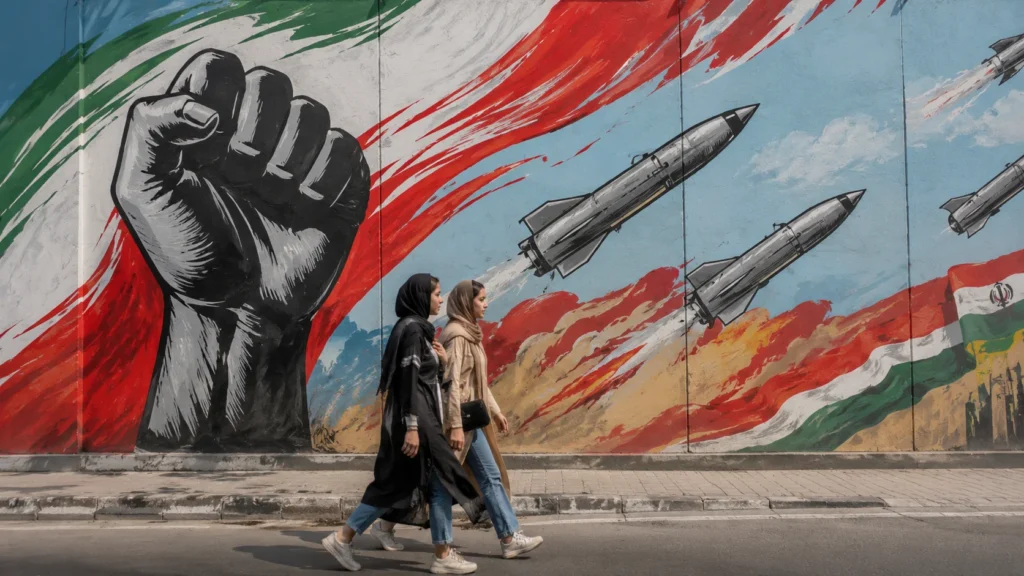
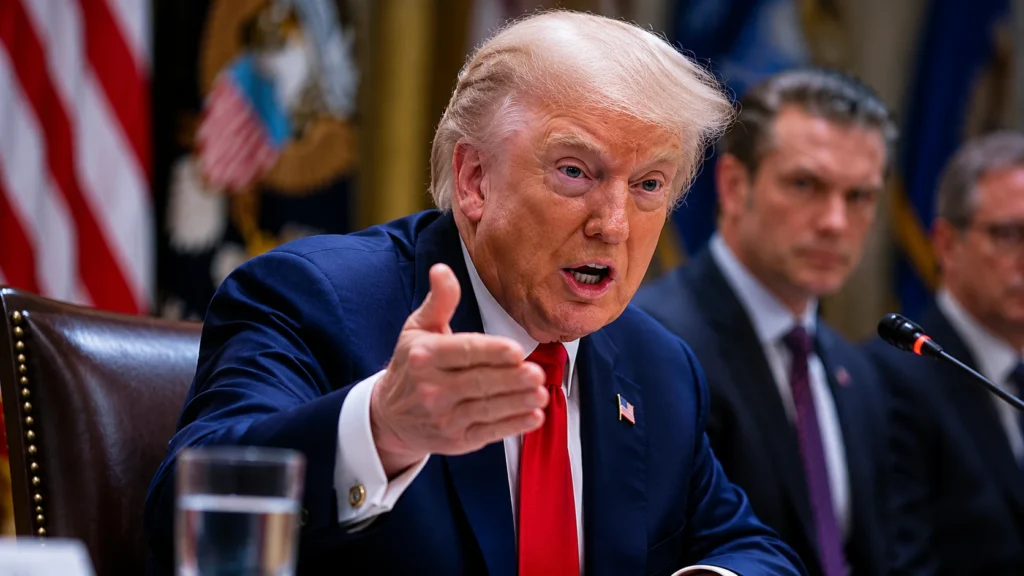
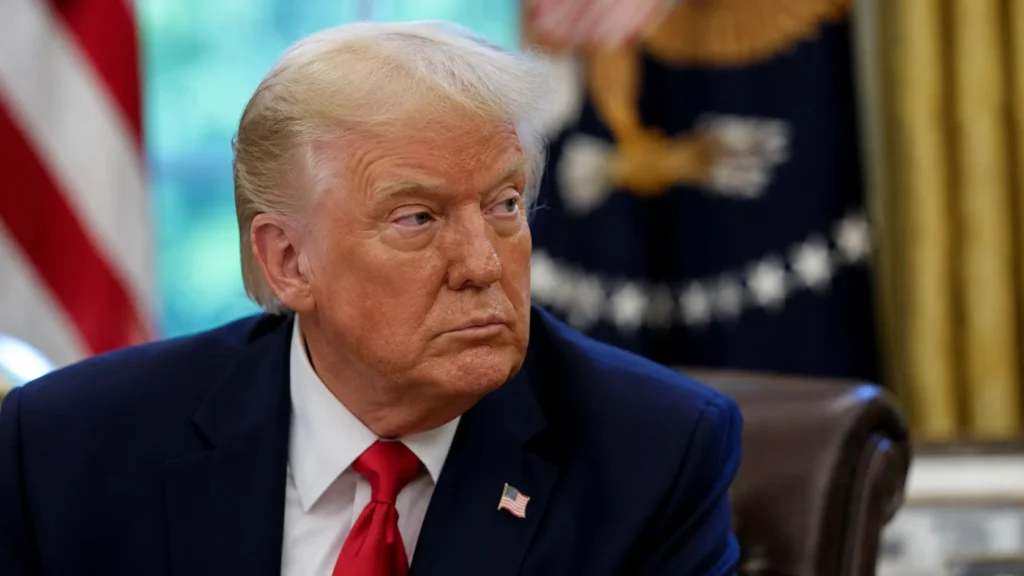
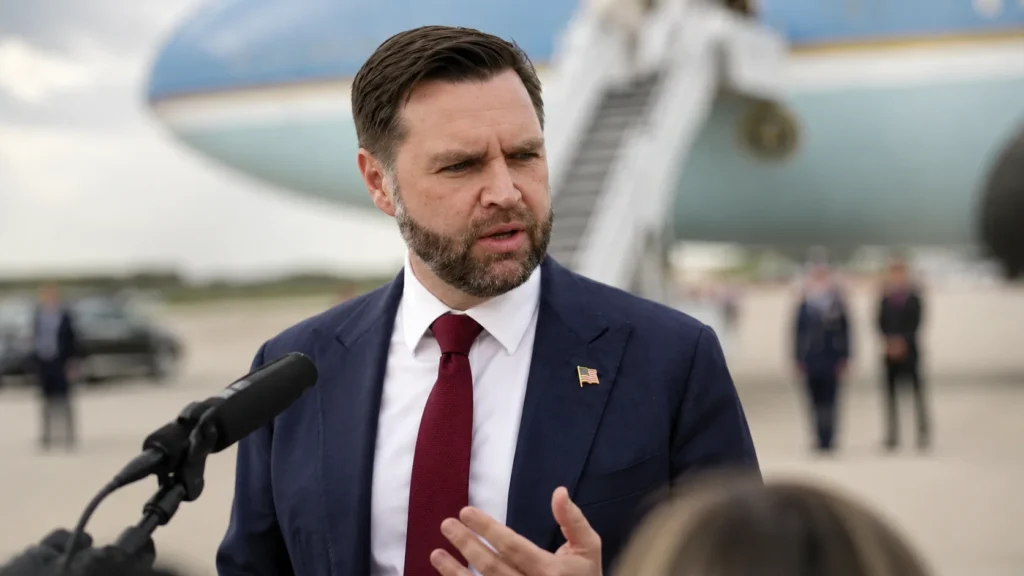
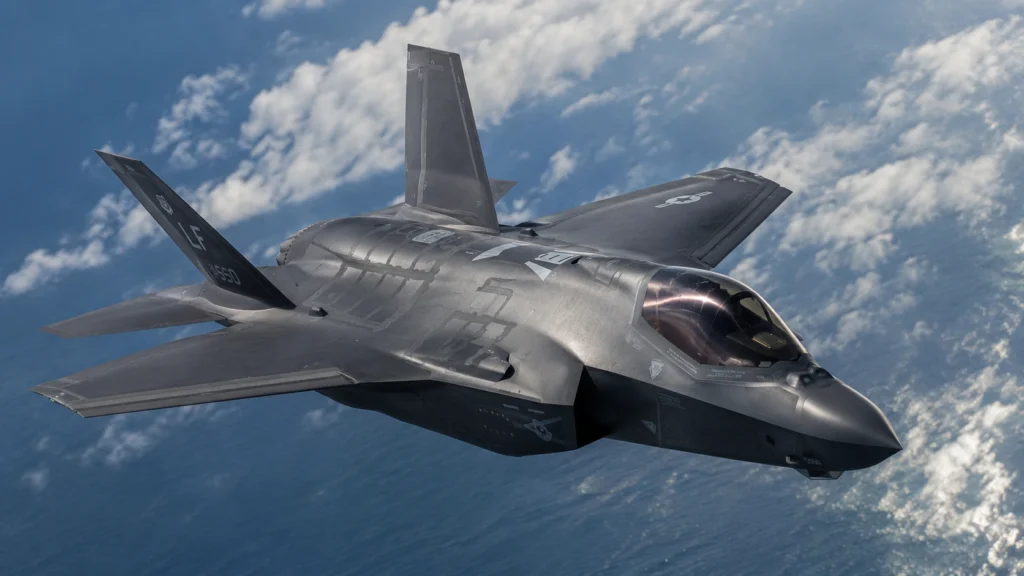
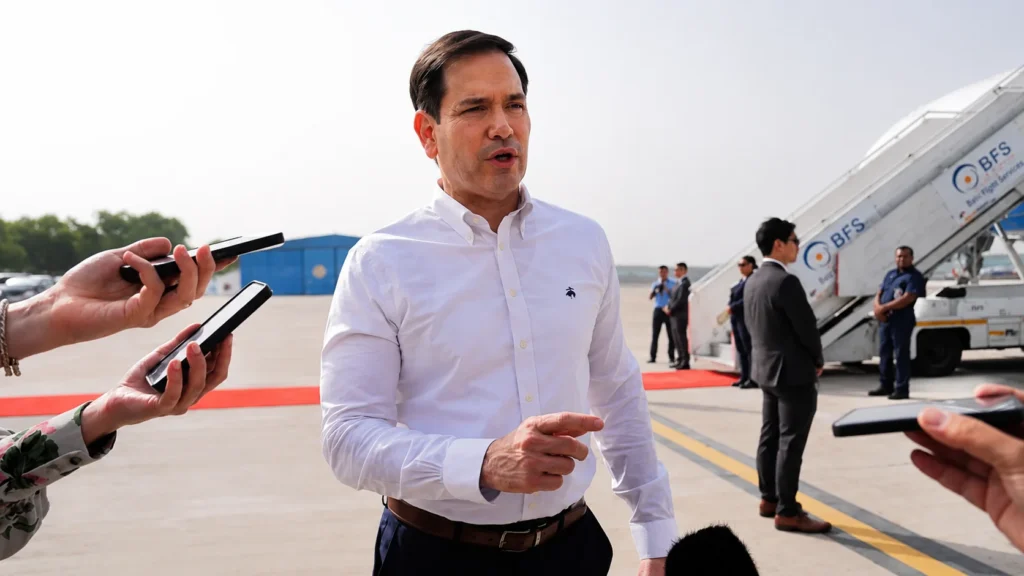
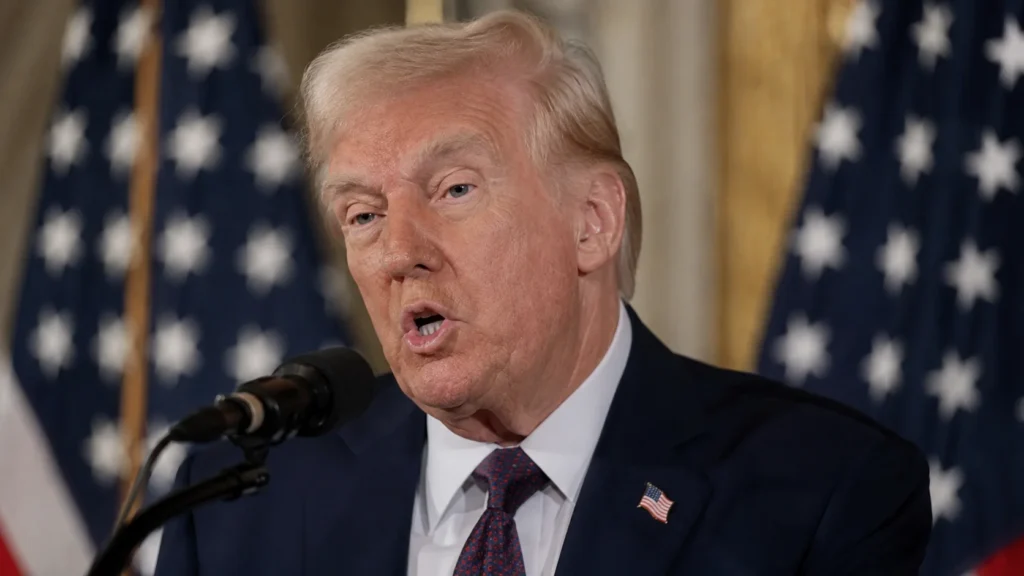
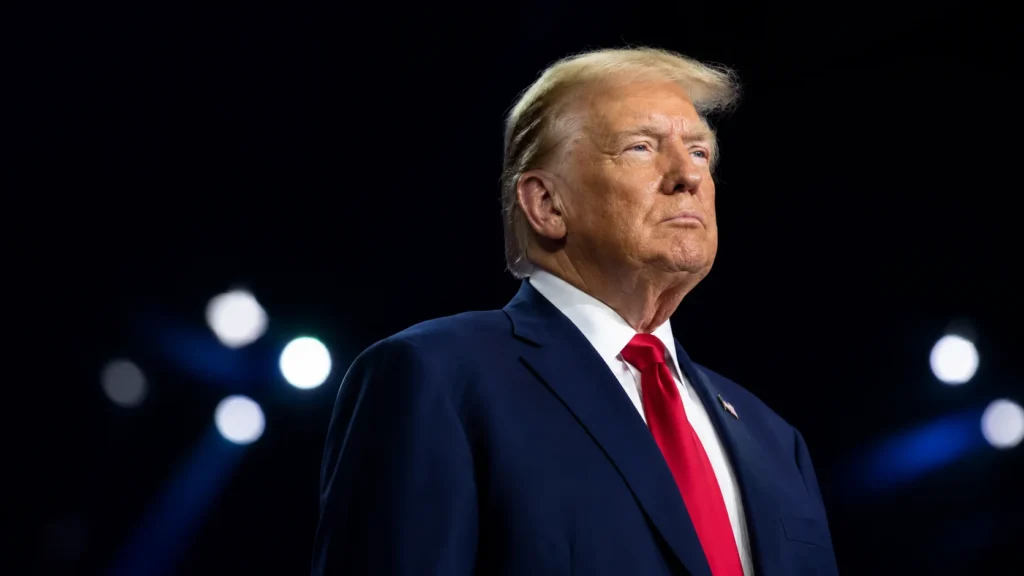
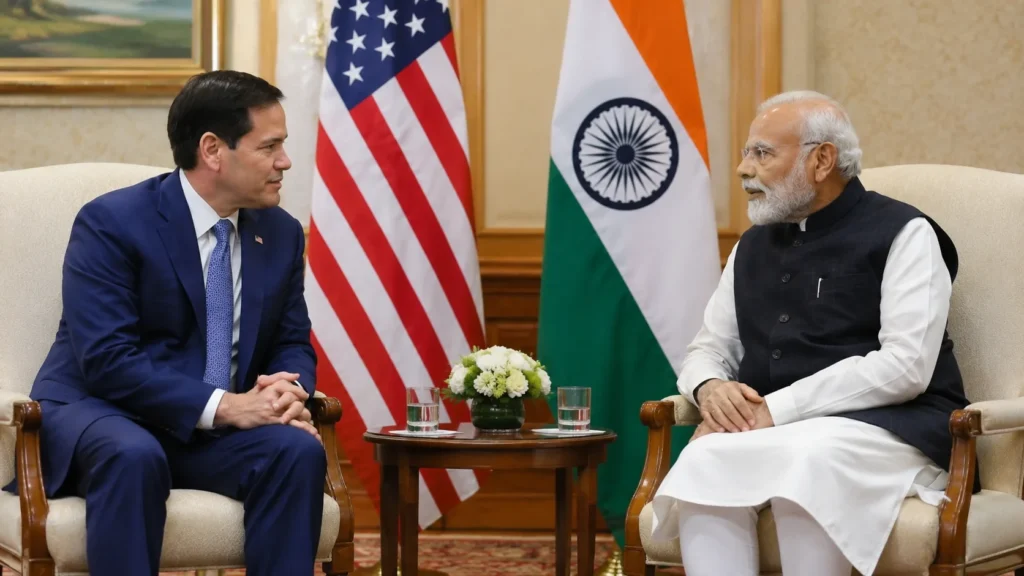
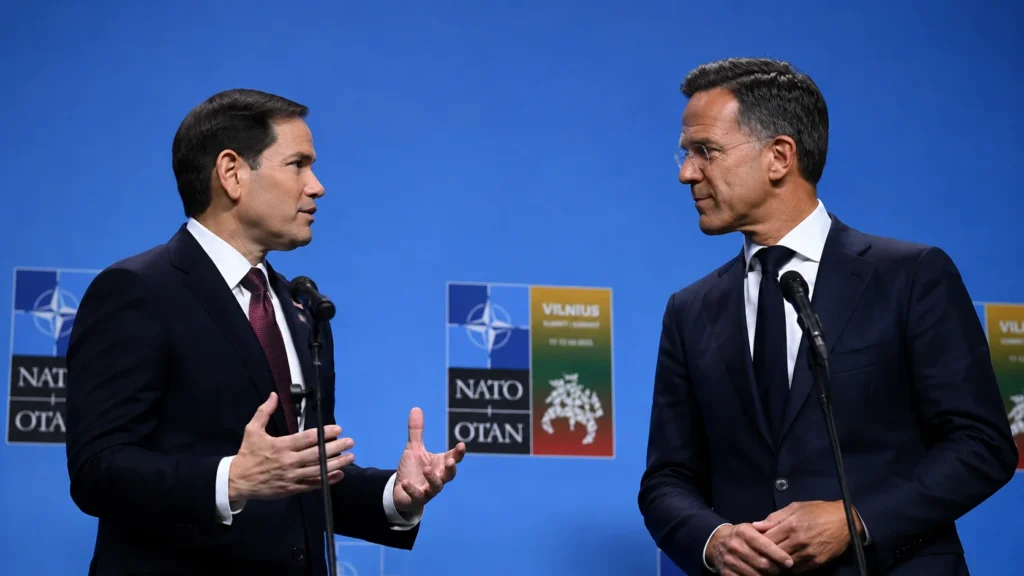
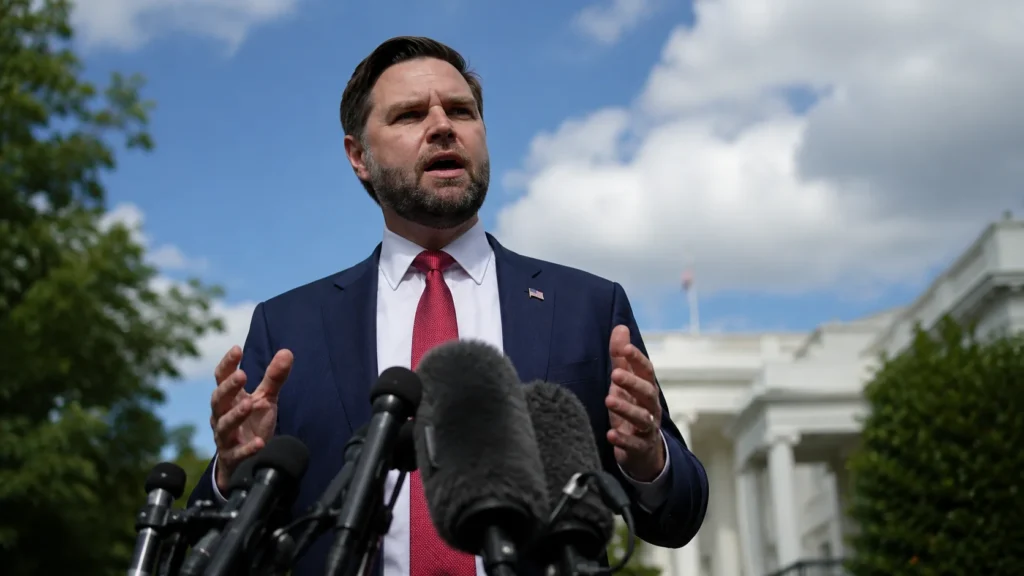
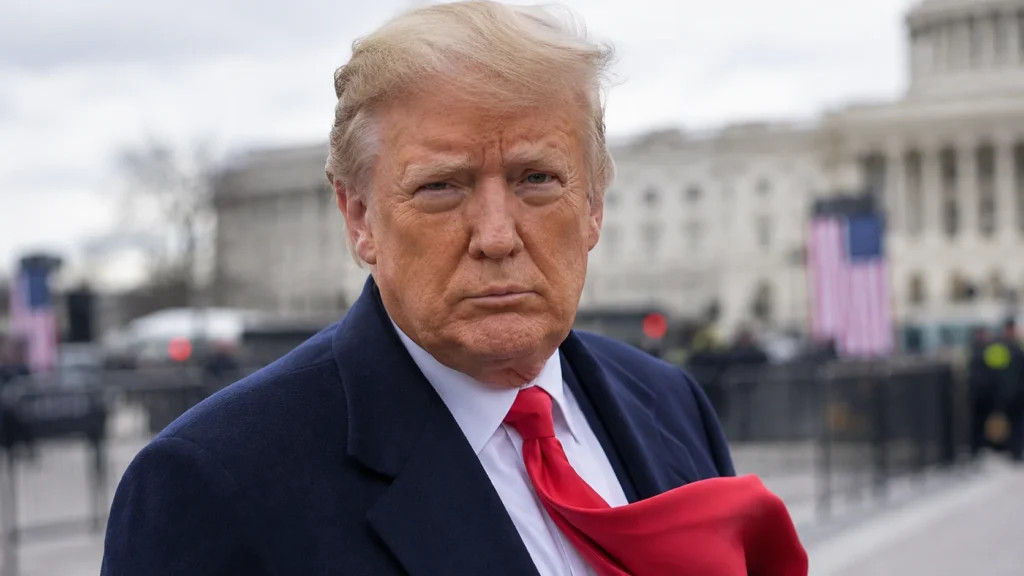
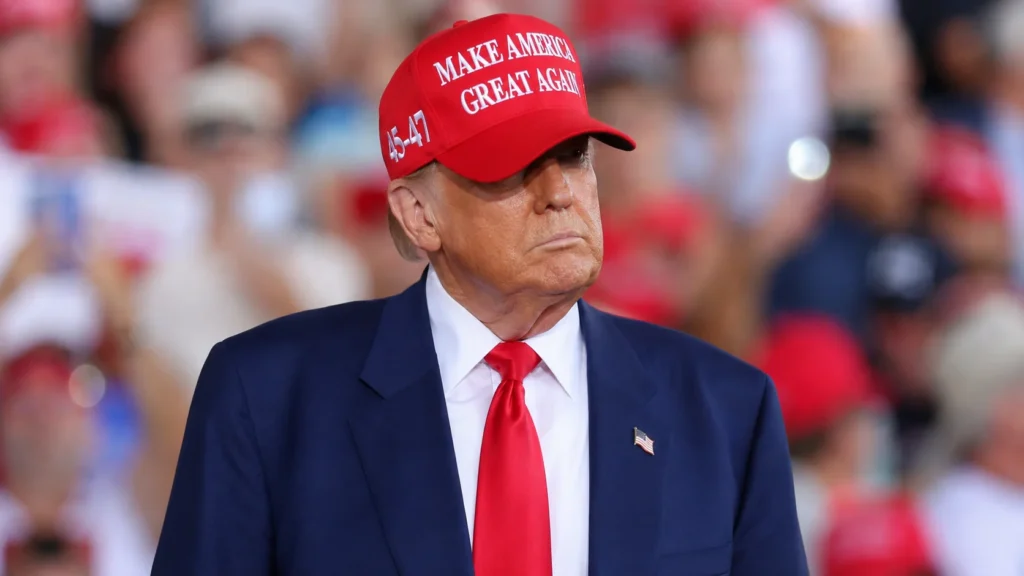
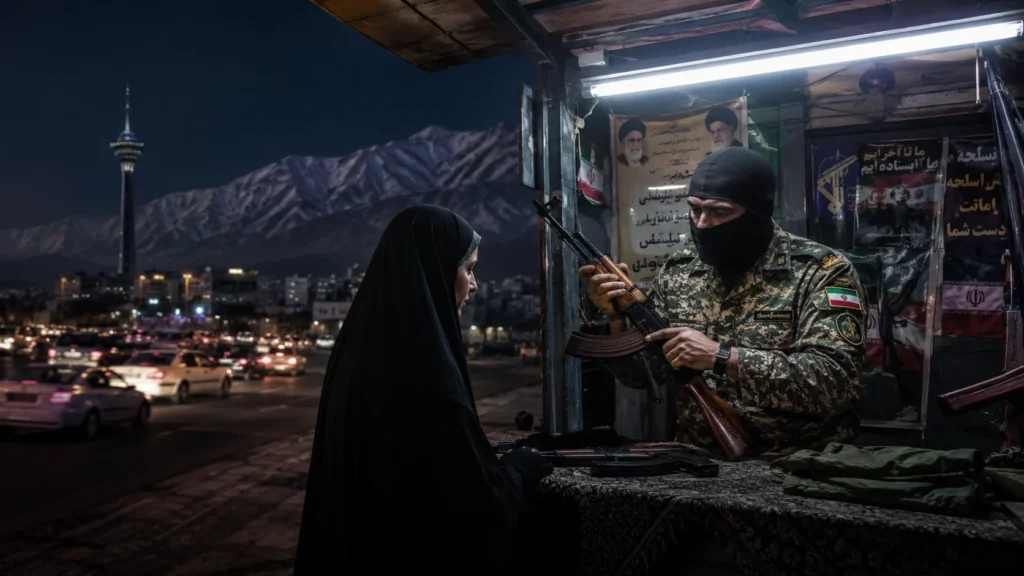
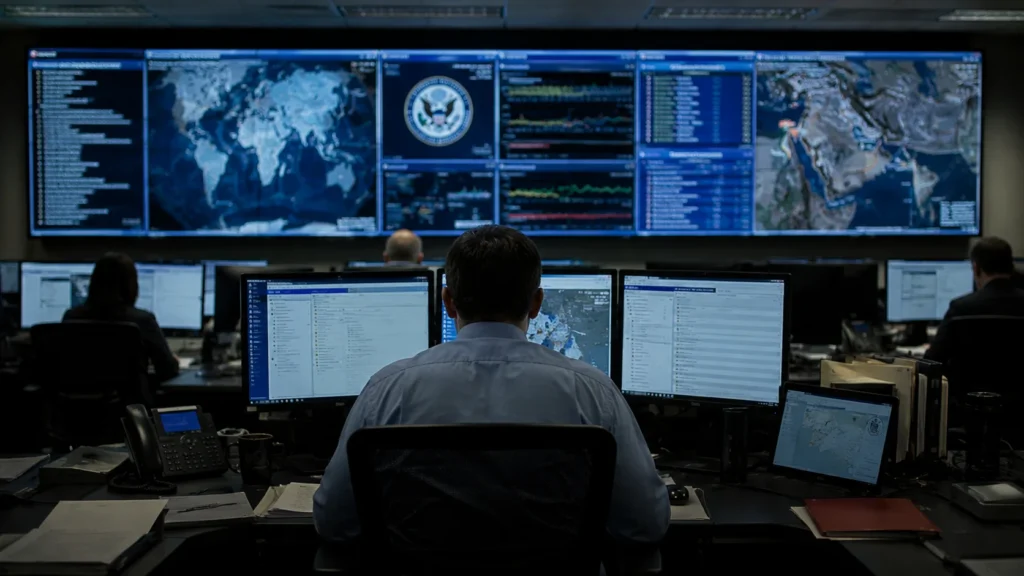
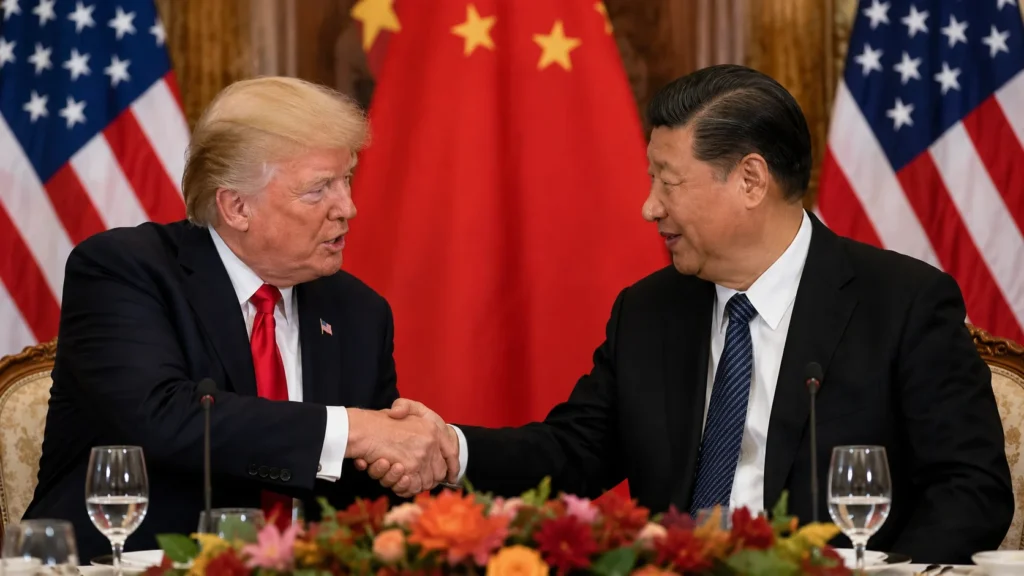
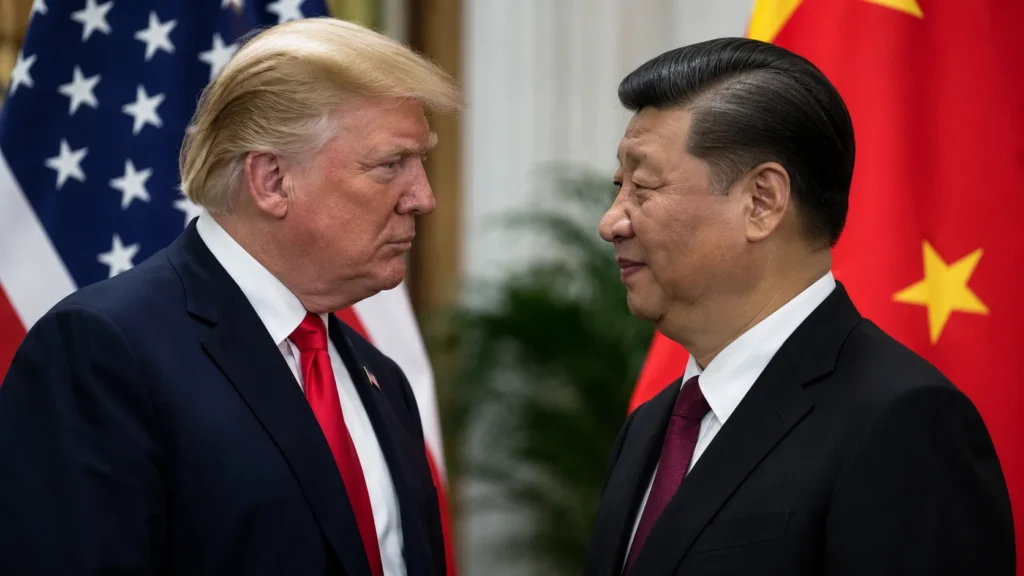
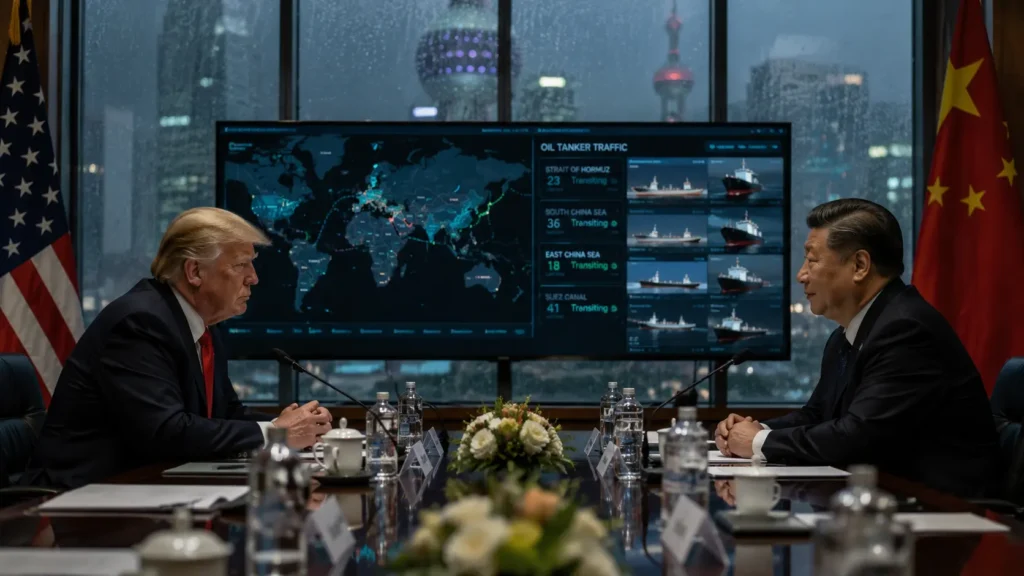
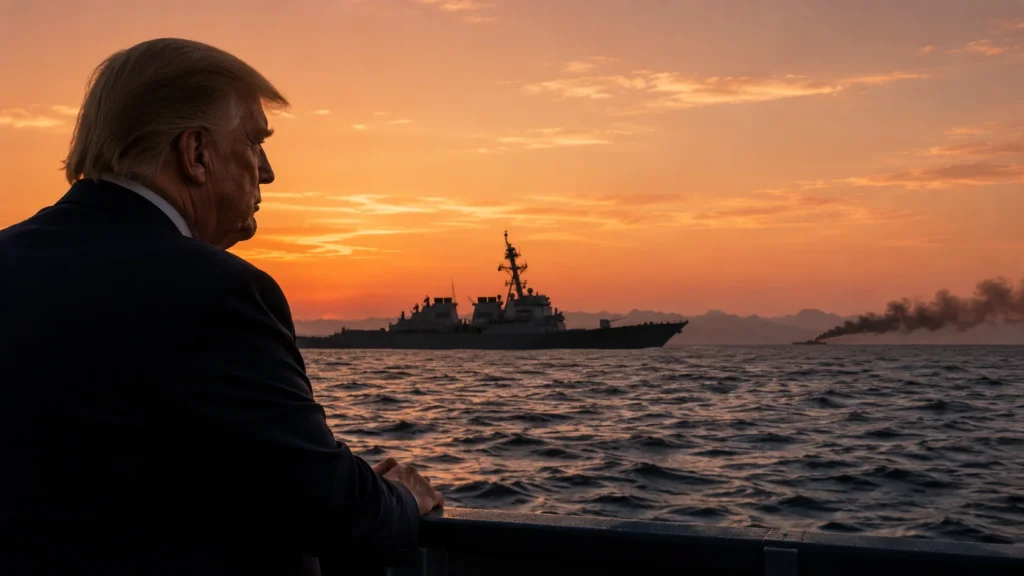
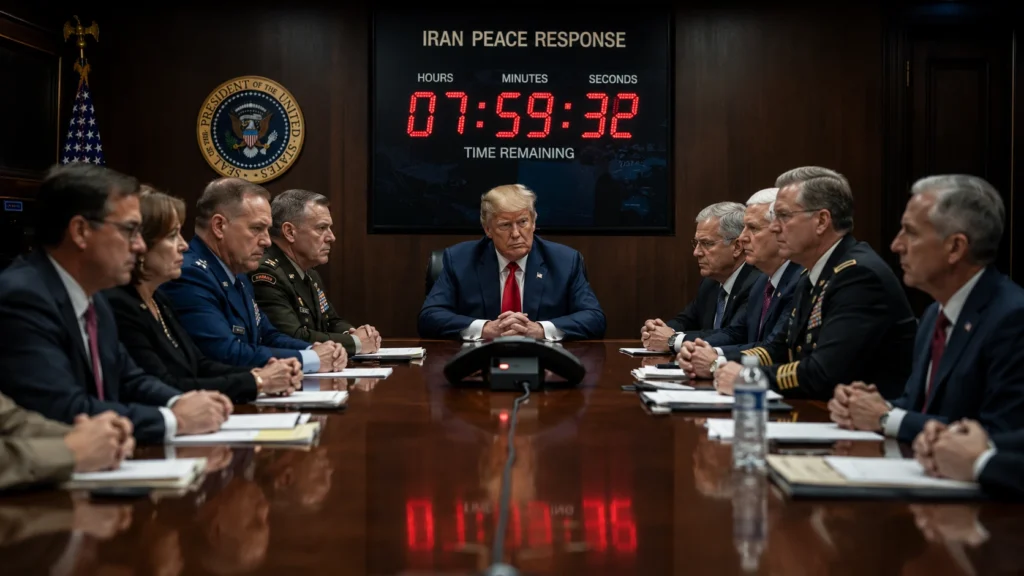
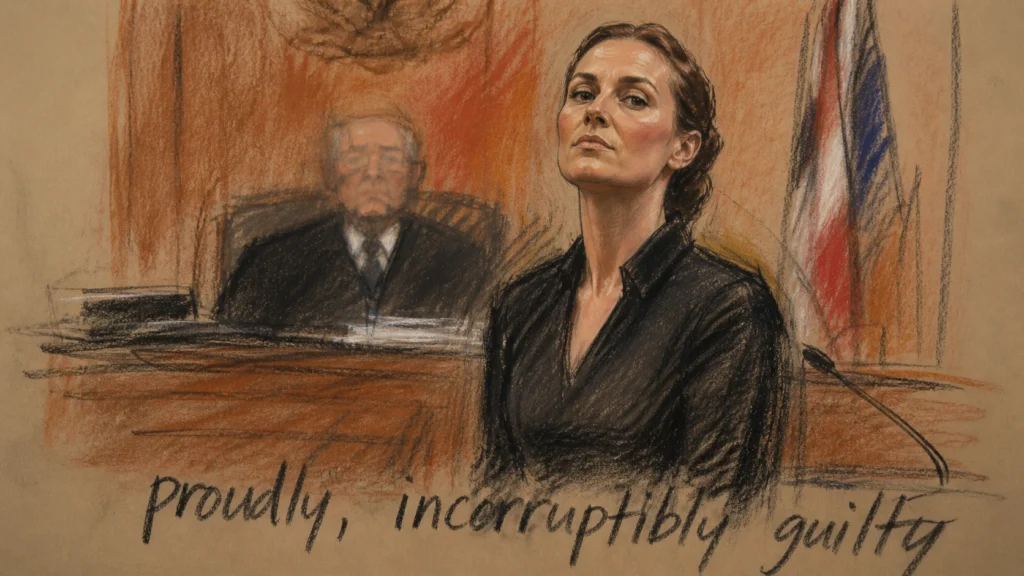
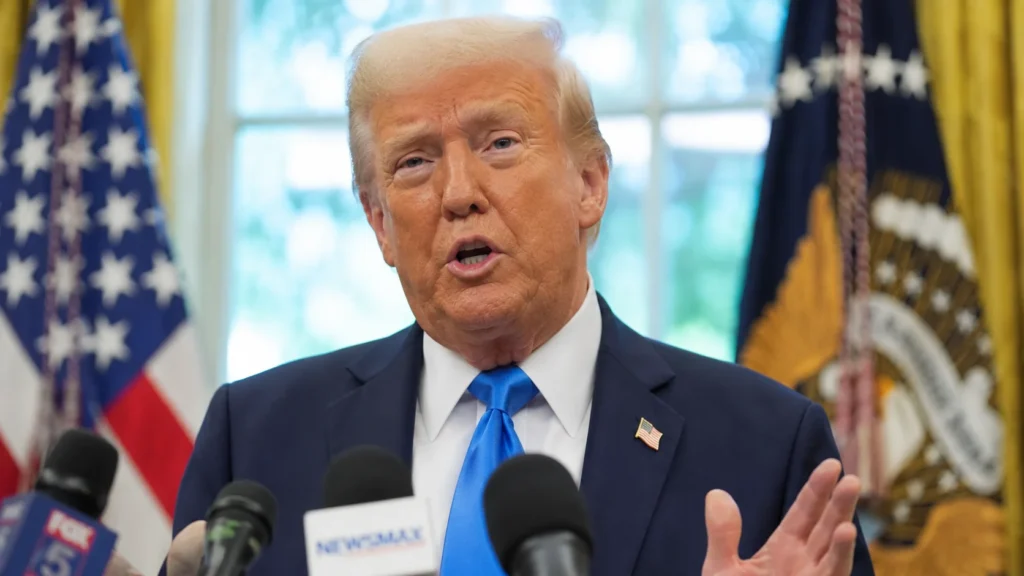
The White House meeting on Iran ended without a decision, but the signal inside Washington was unmistakable. Donald Trump pressed senior national security officials on escalation and diplomatic options as negotiations with Tehran stalled and regional mediators expanded their role. At the same time, Trump pressures Iran policy as executive power expands, showing how foreign policy now concentrates inside the executive branch while Congress and traditional diplomacy lag behind.
Ground-Level Signal
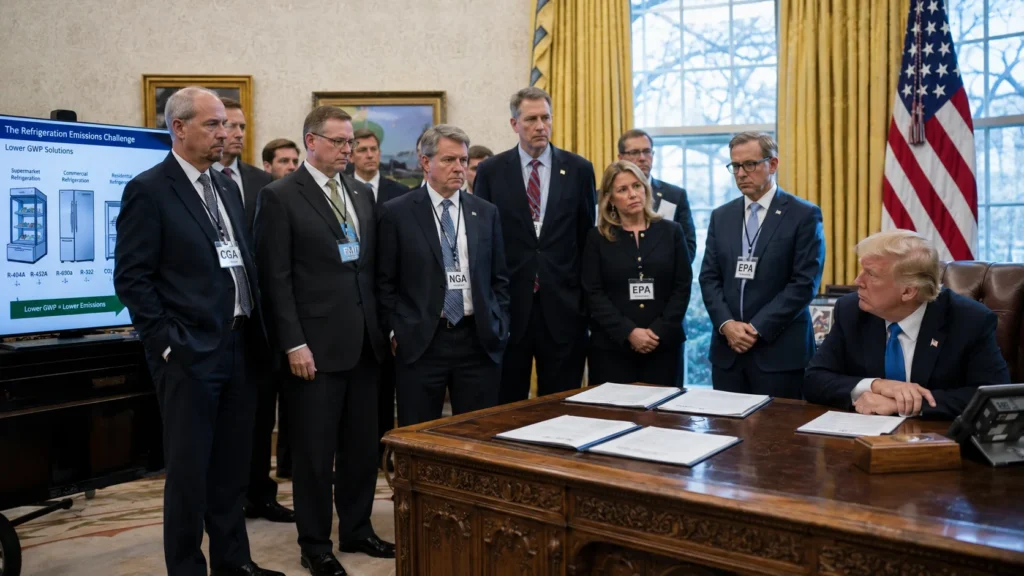
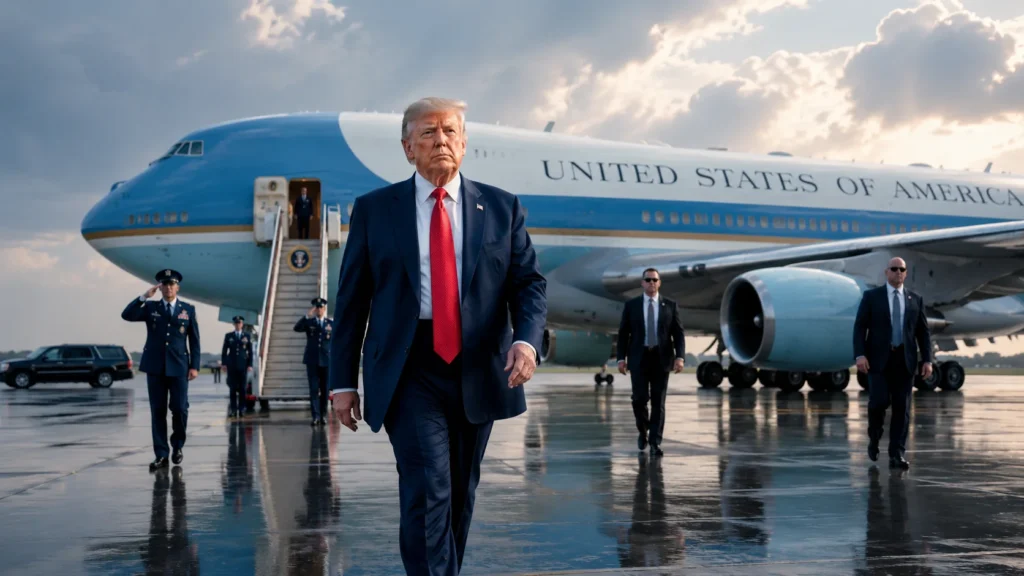
The Oval Office stayed closed long after briefing schedules ended.
No readout. No statement. No clarity.
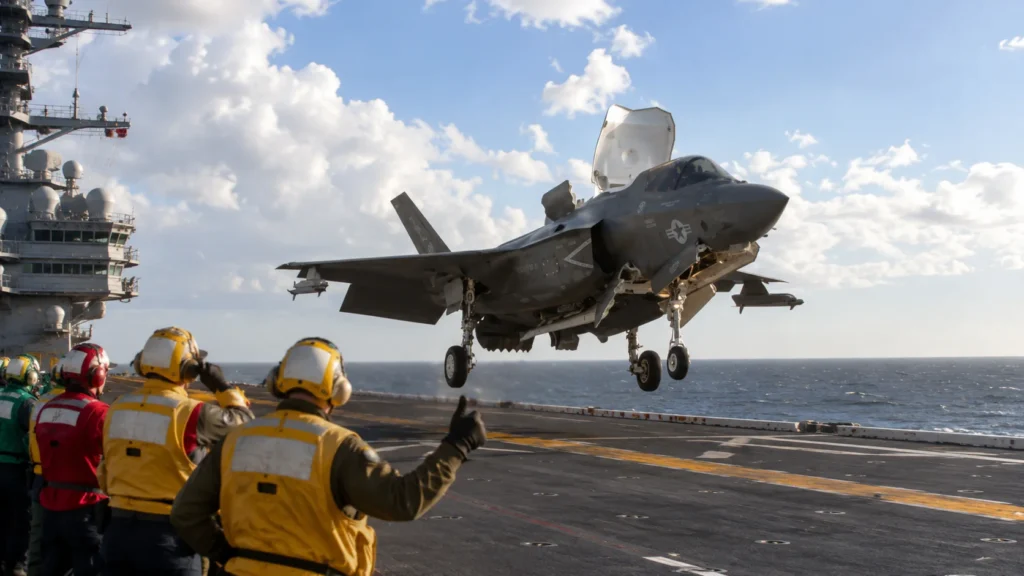
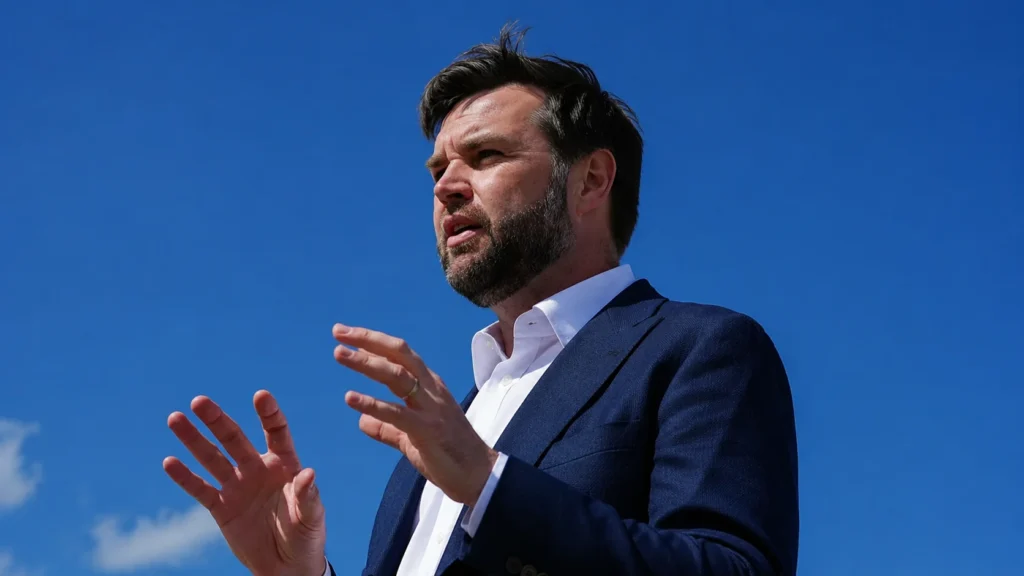
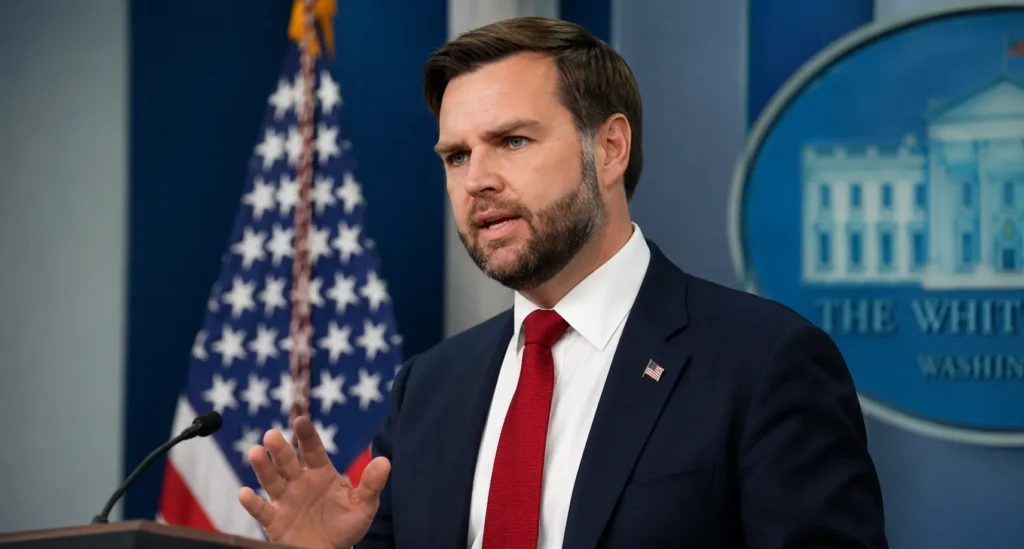
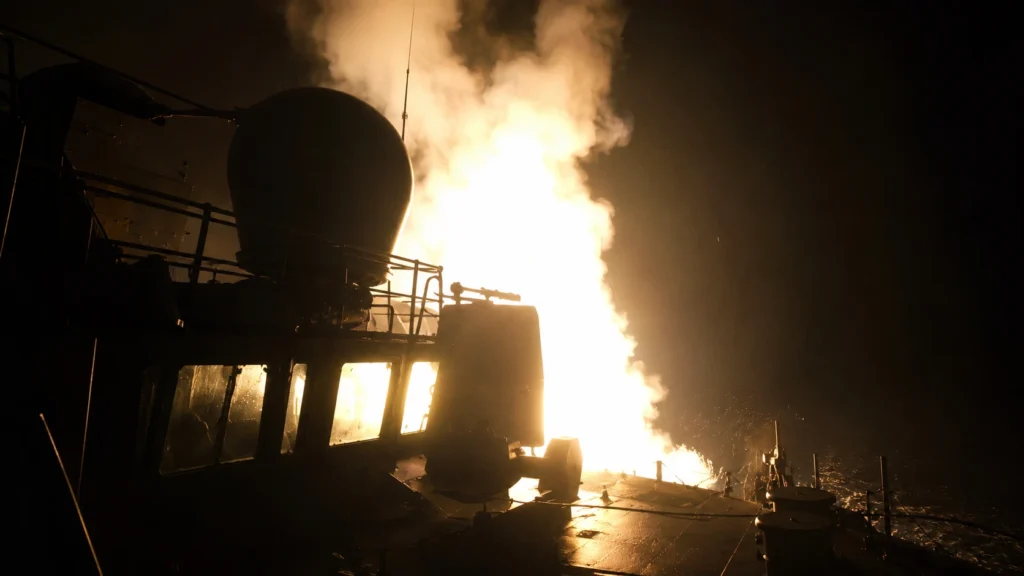
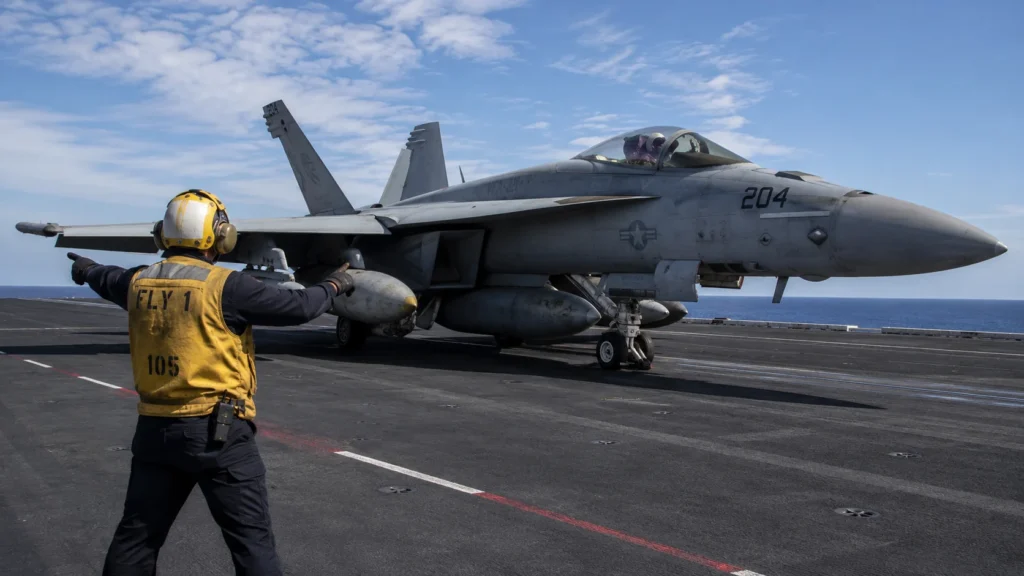
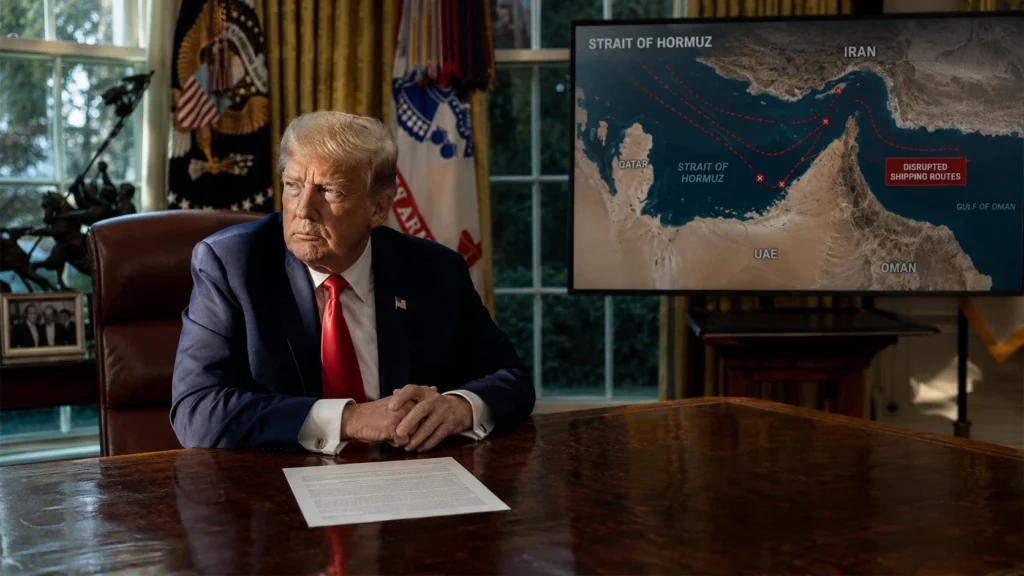
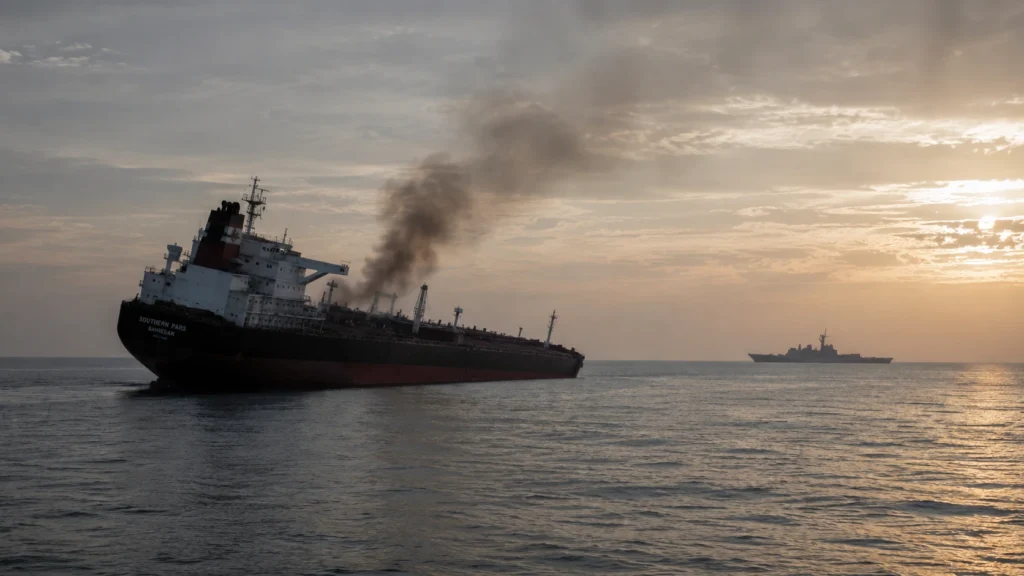
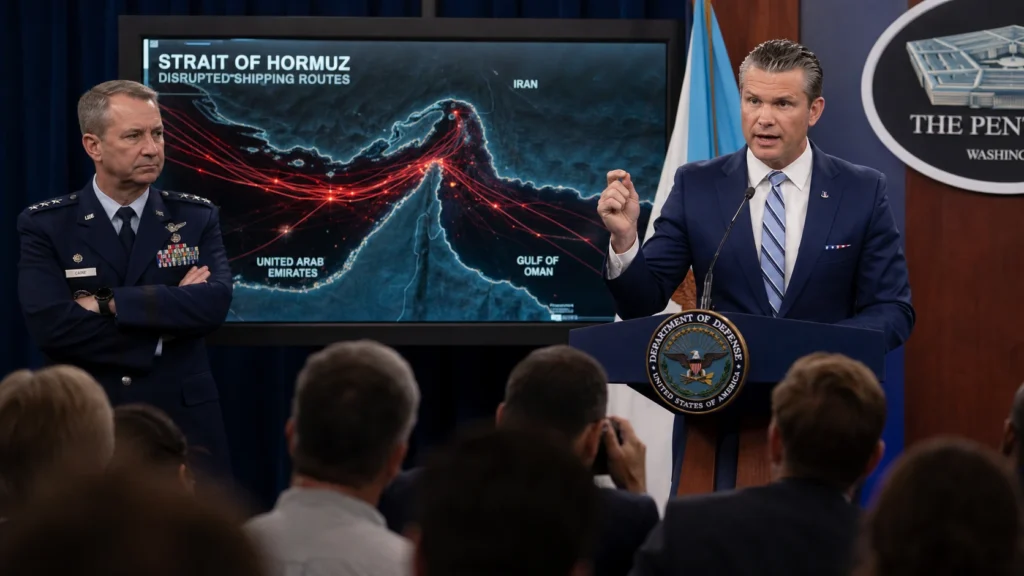
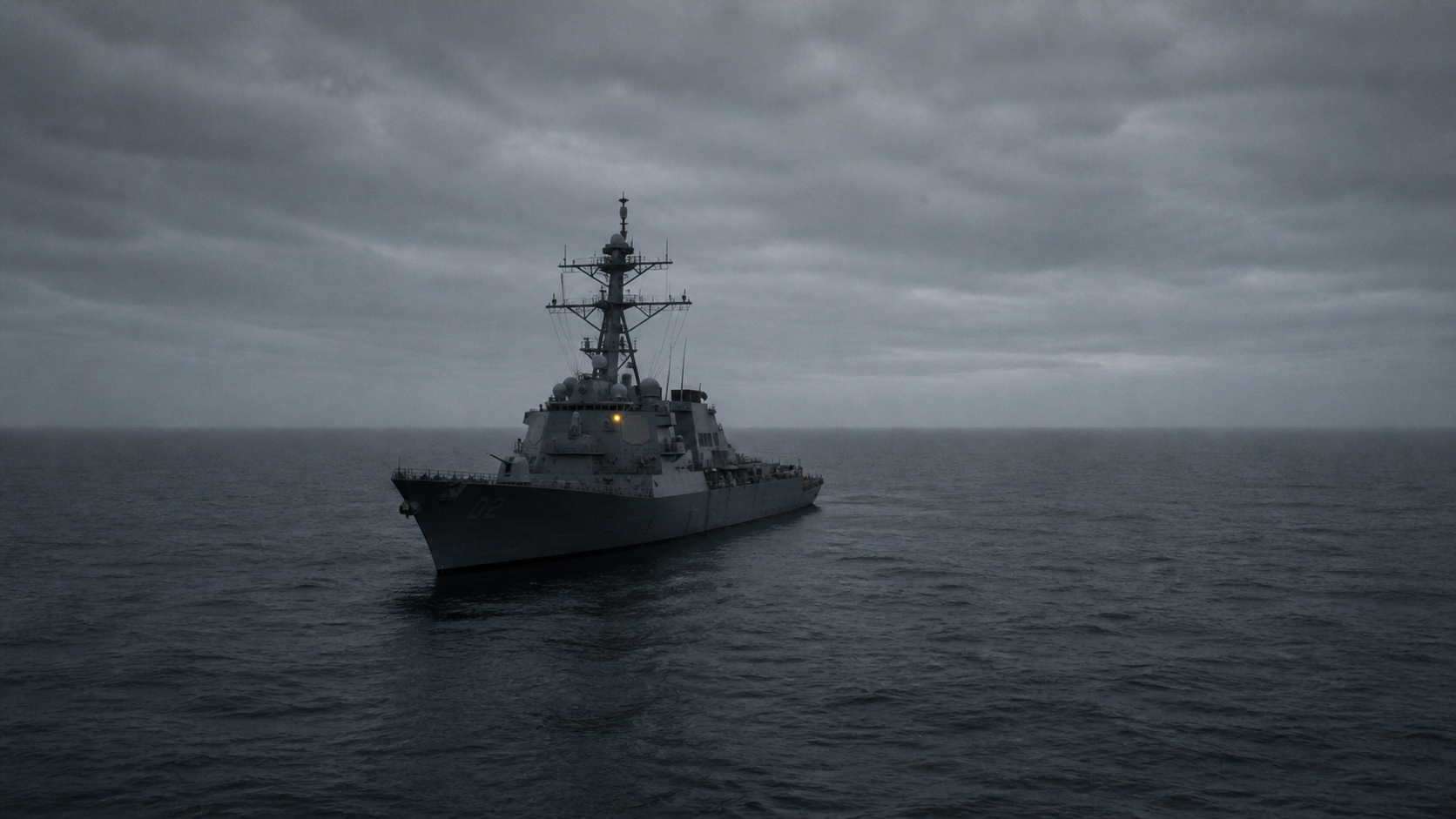
Inside, JD Vance and Defense Secretary Pete Hegseth reviewed military escalation pathways tied to Iran’s nuclear program and Strait of Hormuz instability. Outside, aides avoided confirming direction or timing.
A decision hovered in the room. Not taken. Not shared.
Quiet tension. Then silence.
This is not a procedural footnote. This is a power shift.
Trump Pressures Iran Policy as Executive Power Expands
The core friction sits between executive authority and institutional constraint, and Iran has become the latest stress test of that balance.
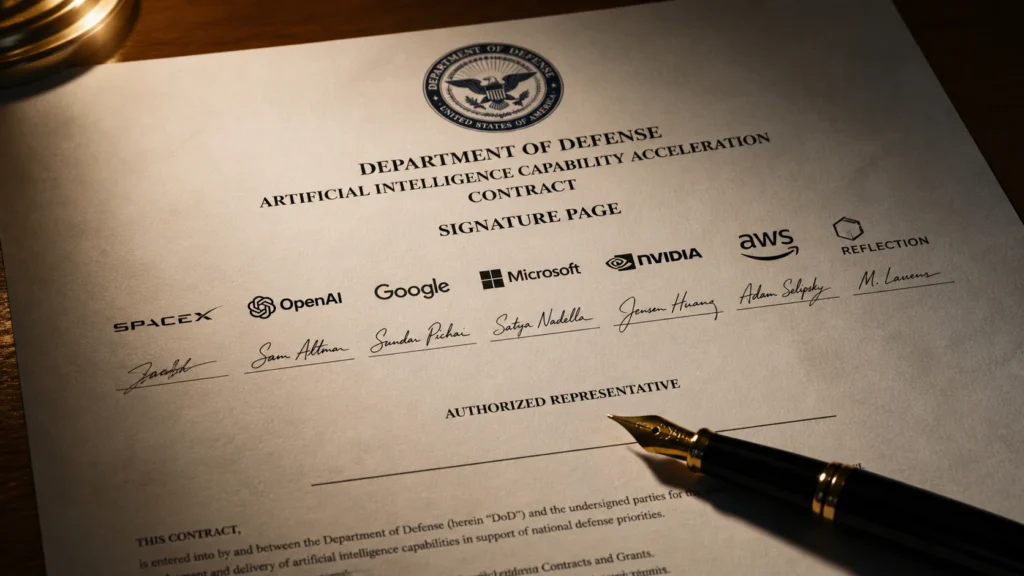
Trump pressures Iran policy as executive power expands, compressing diplomatic channels, military planning, and energy leverage into a single executive decision loop inside the White House.
Recent reporting from Axios (May 2026) confirmed that Trump convened senior security officials, including JD Vance and Pentagon leadership, to assess military and diplomatic next steps after weeks of stalled Iran negotiations .
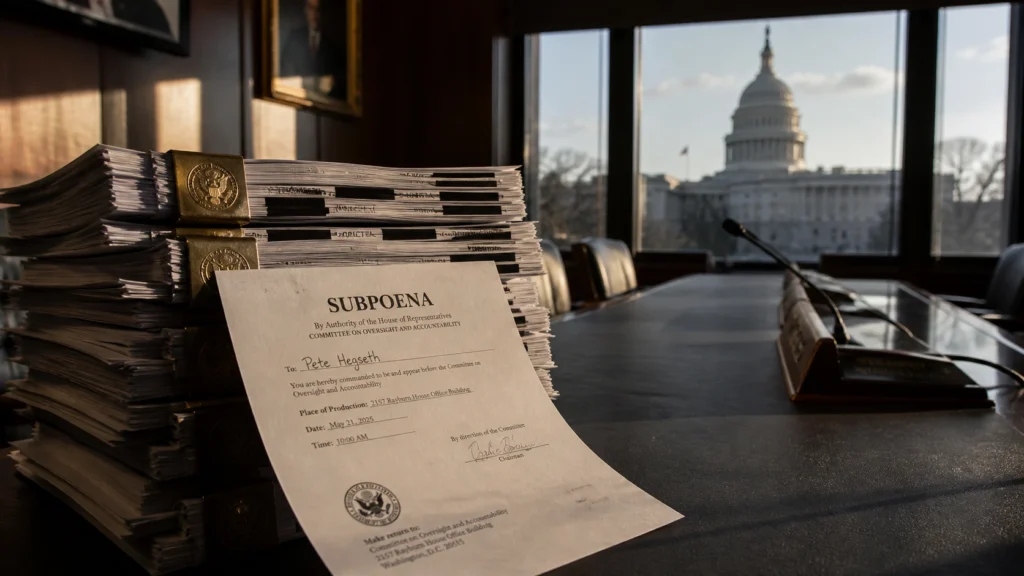
No vote. No congressional consultation. Just internal calibration.
So.
Power sits in fewer hands.
Why Iran Became an Executive Decision Problem
Three forces pushed Iran’s policy deeper into executive control:
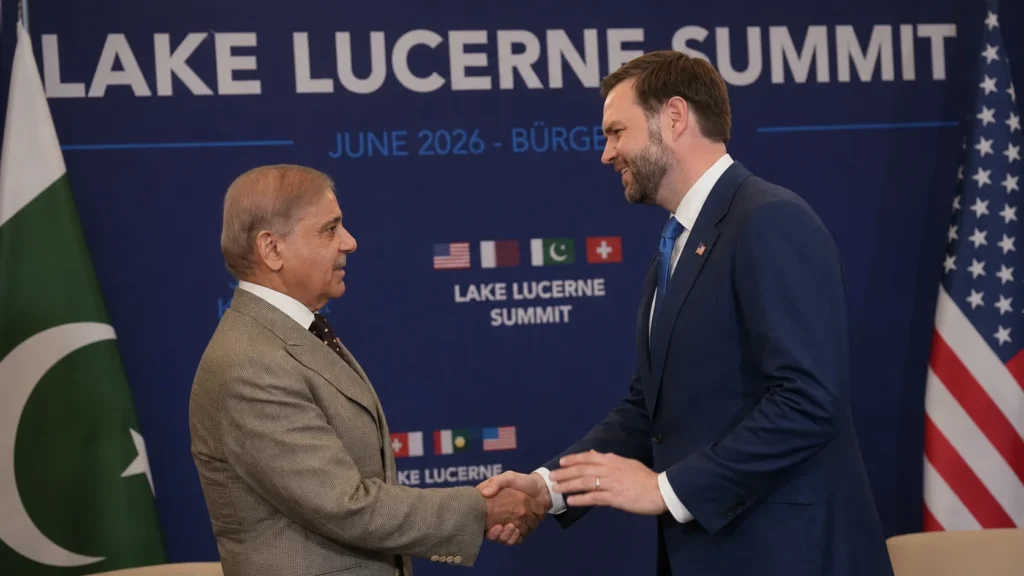
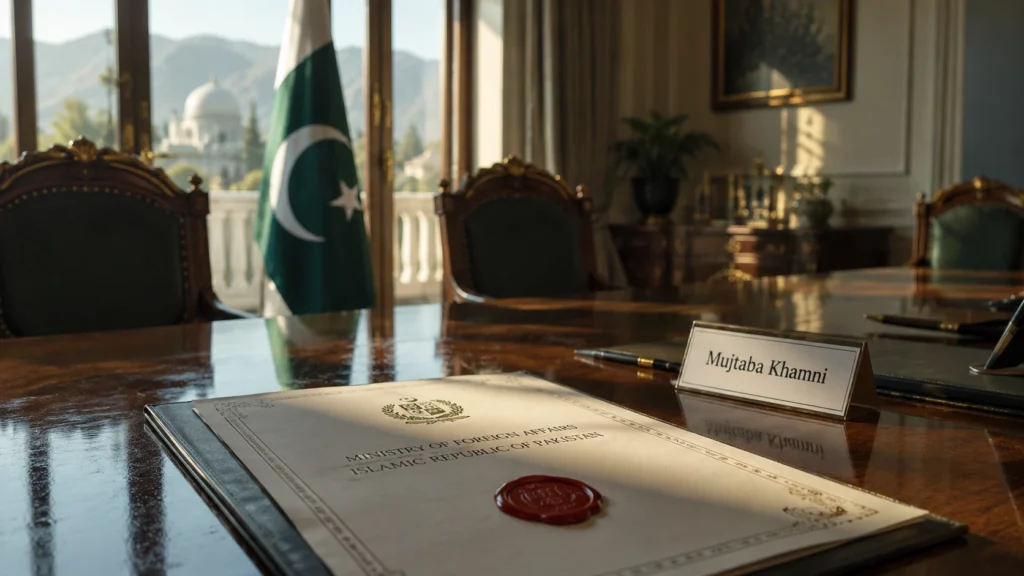
First, mediation shifted outside traditional US channels. Qatar and Pakistan now operate as active intermediaries with Tehran, diluting US-led sequencing.
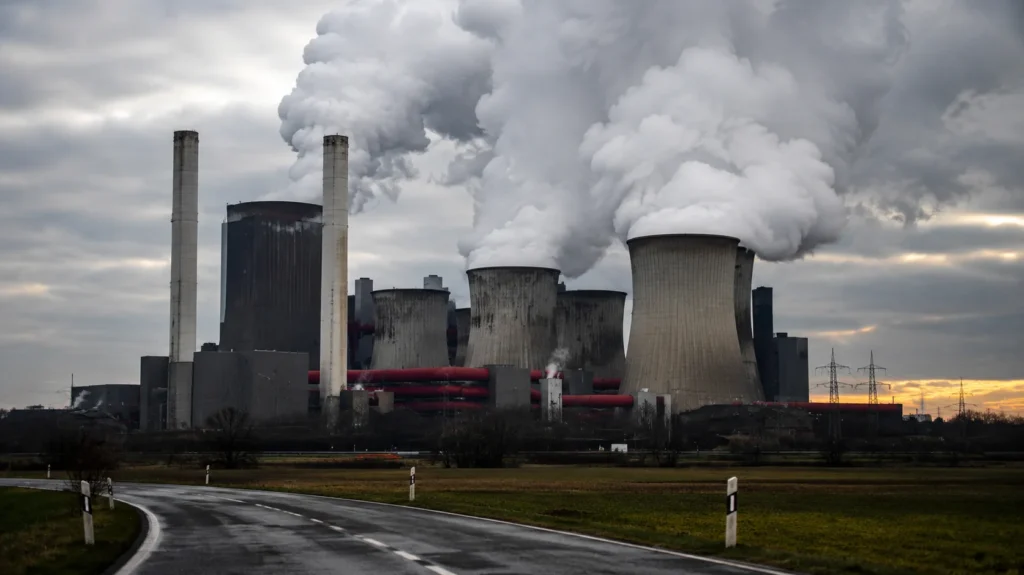
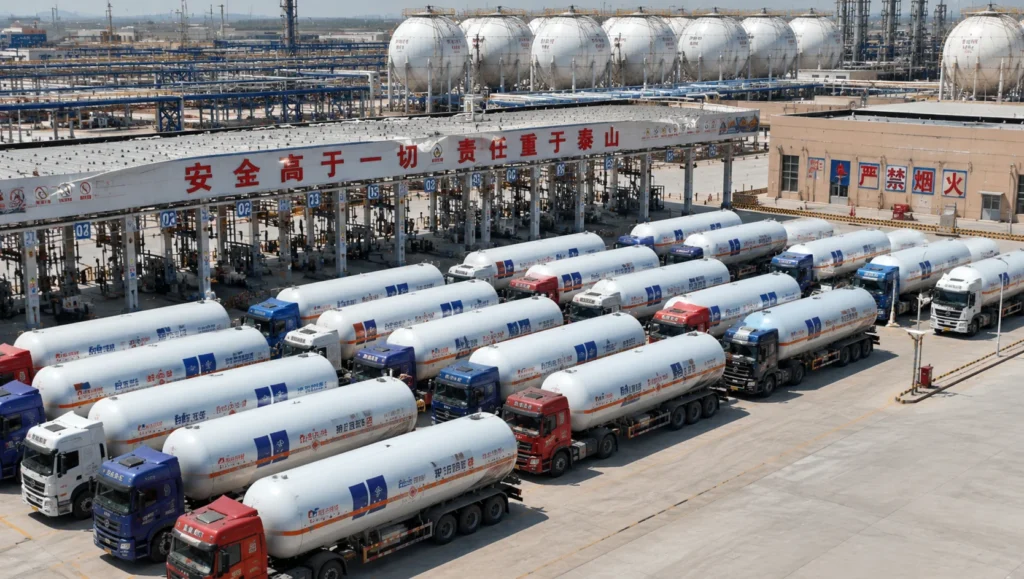
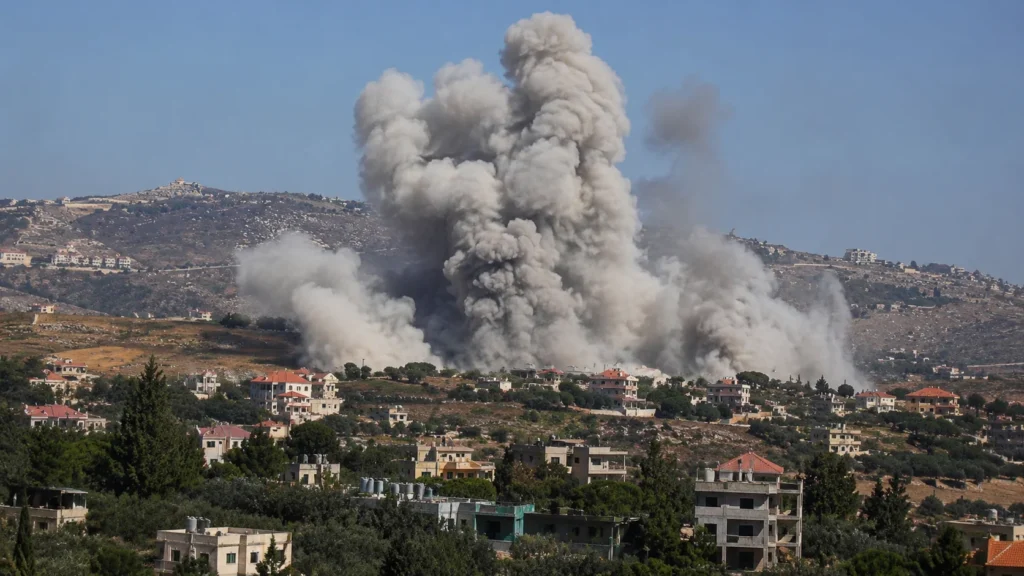
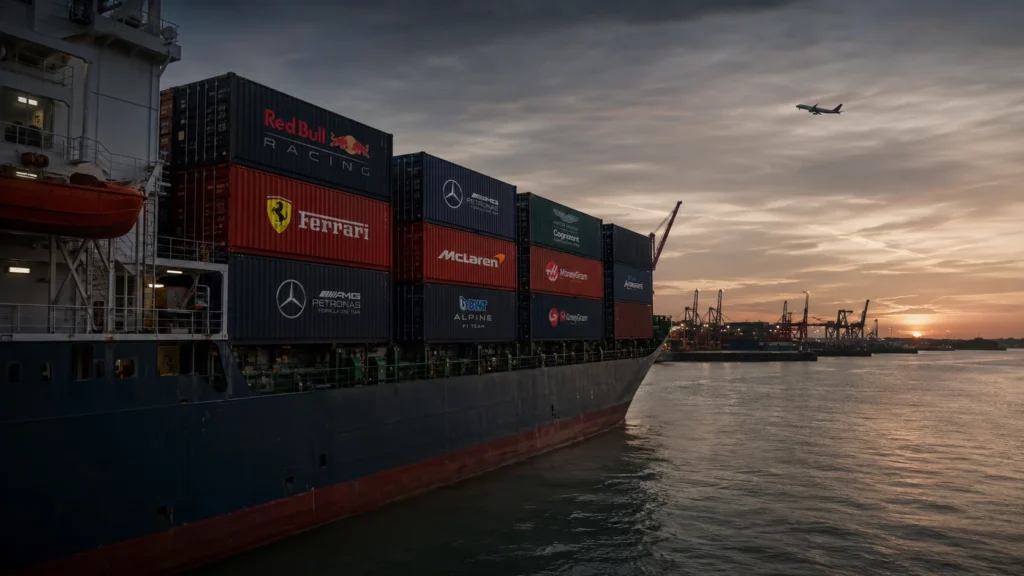
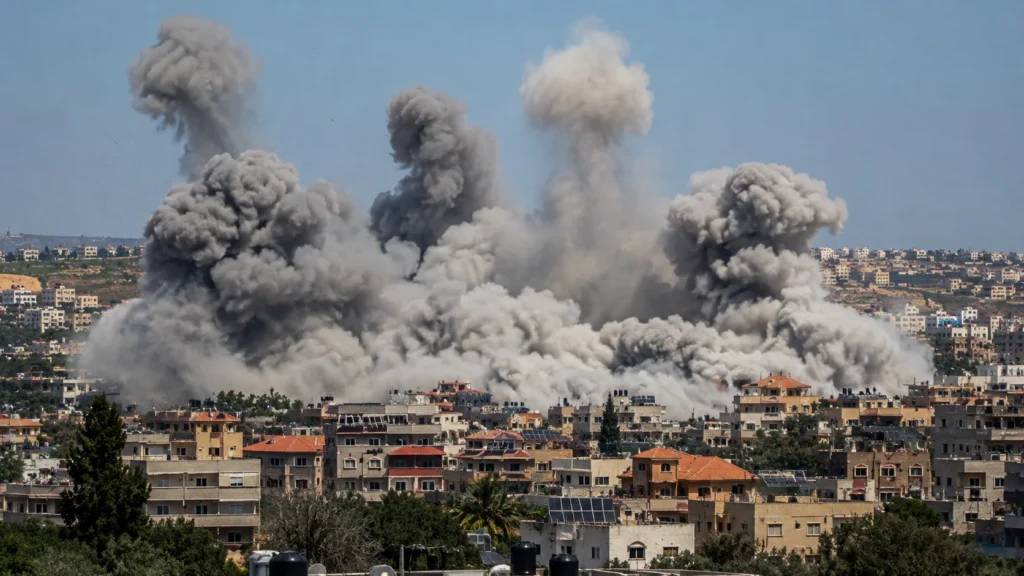
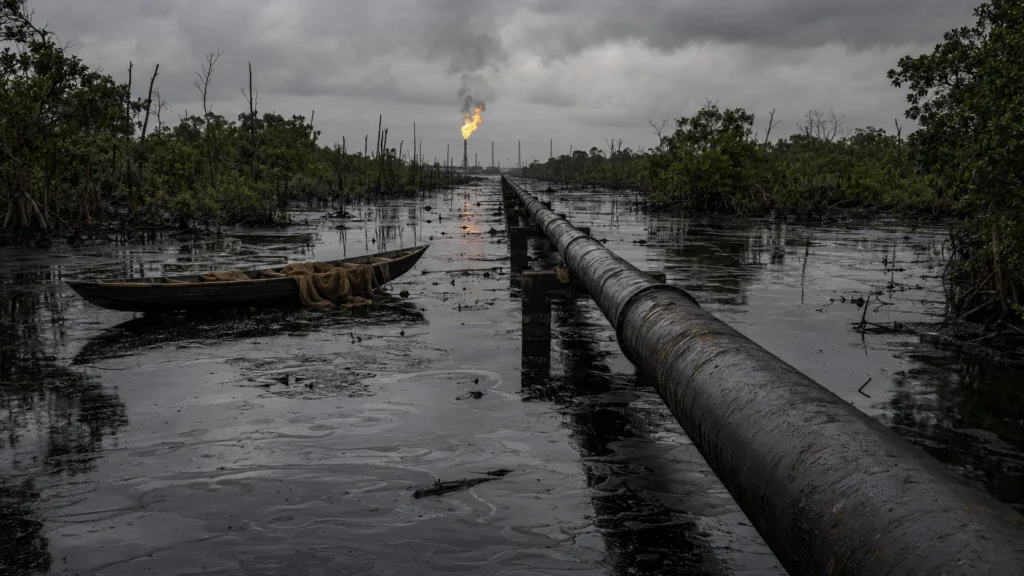
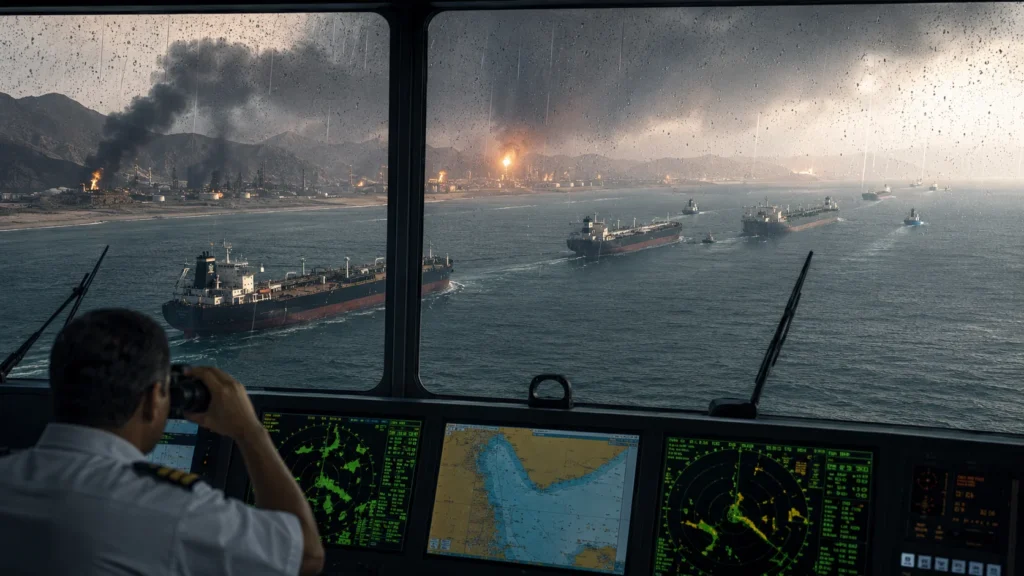
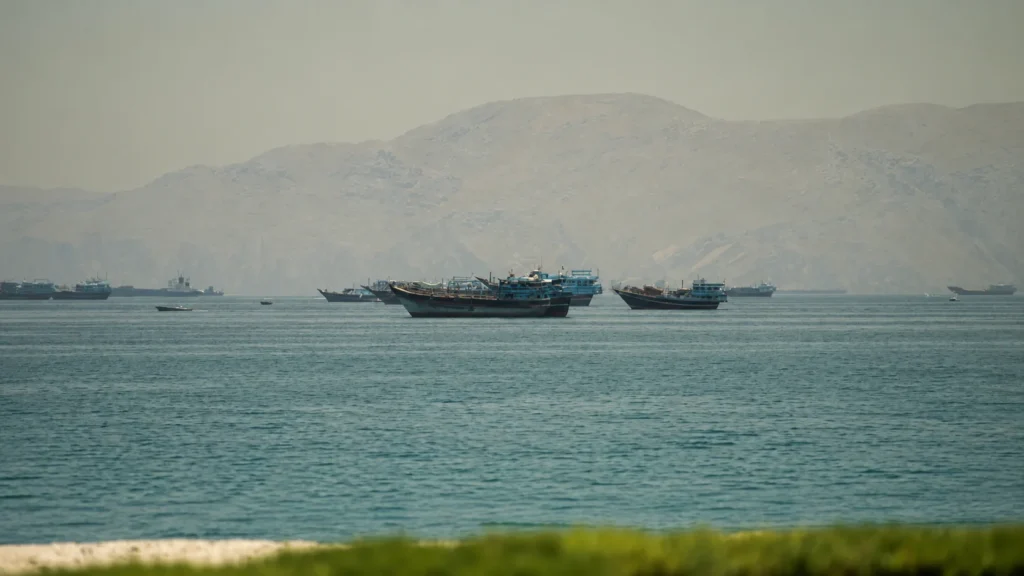
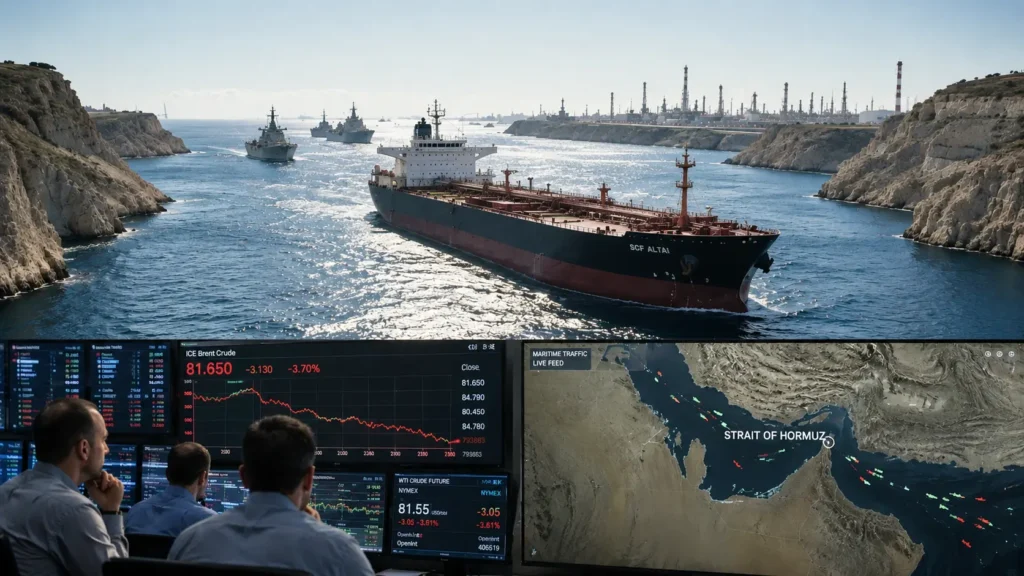
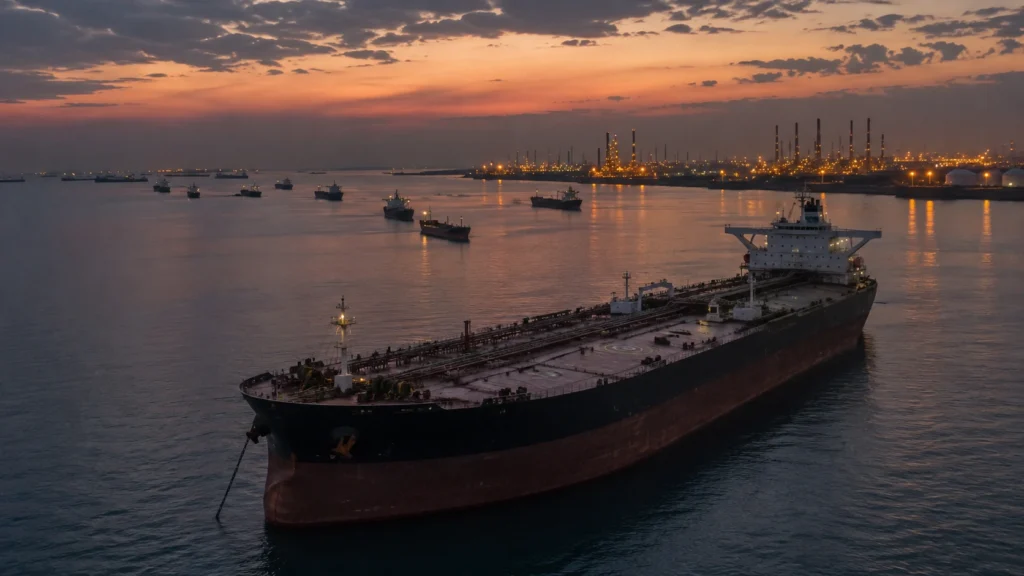
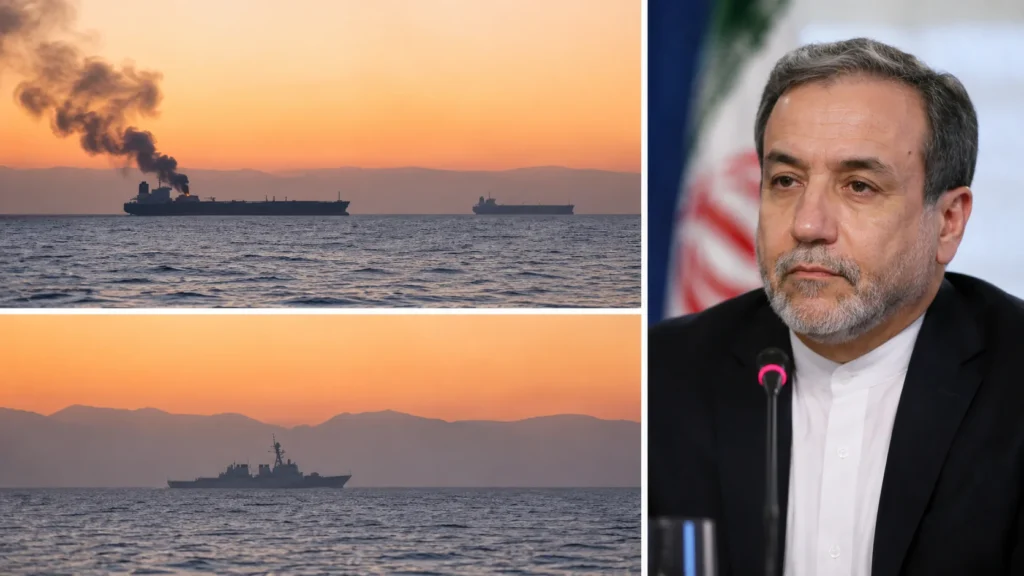
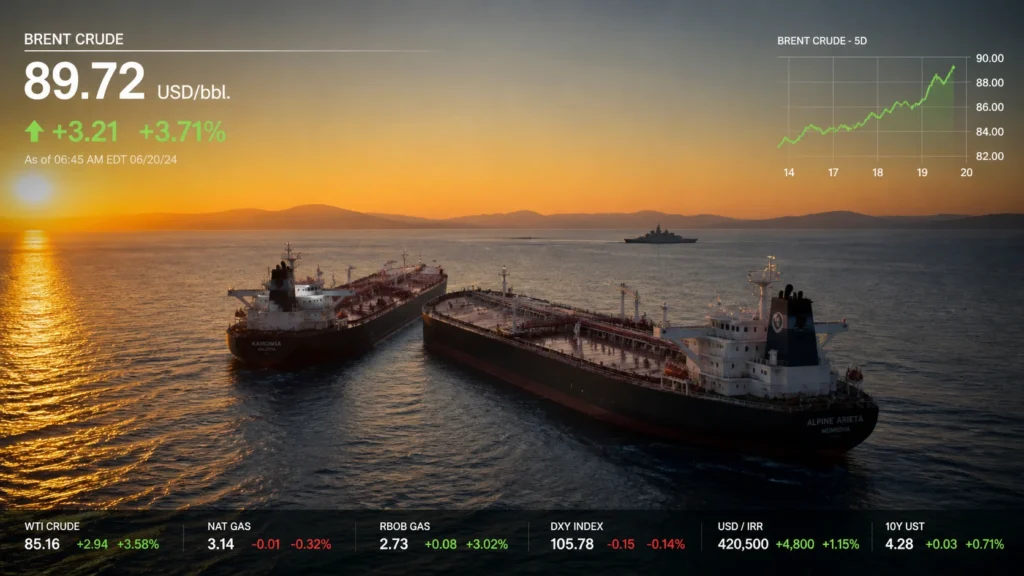
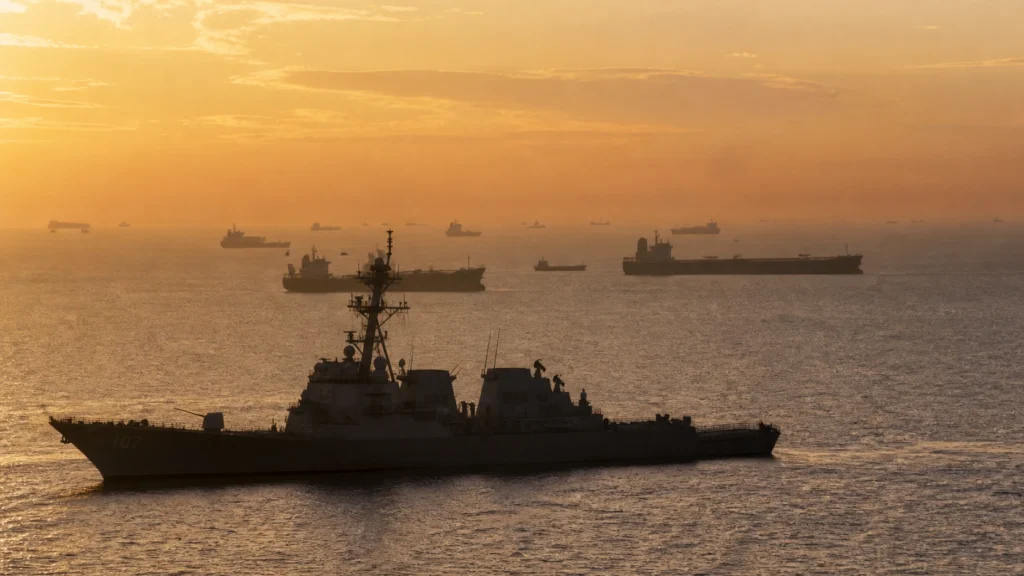
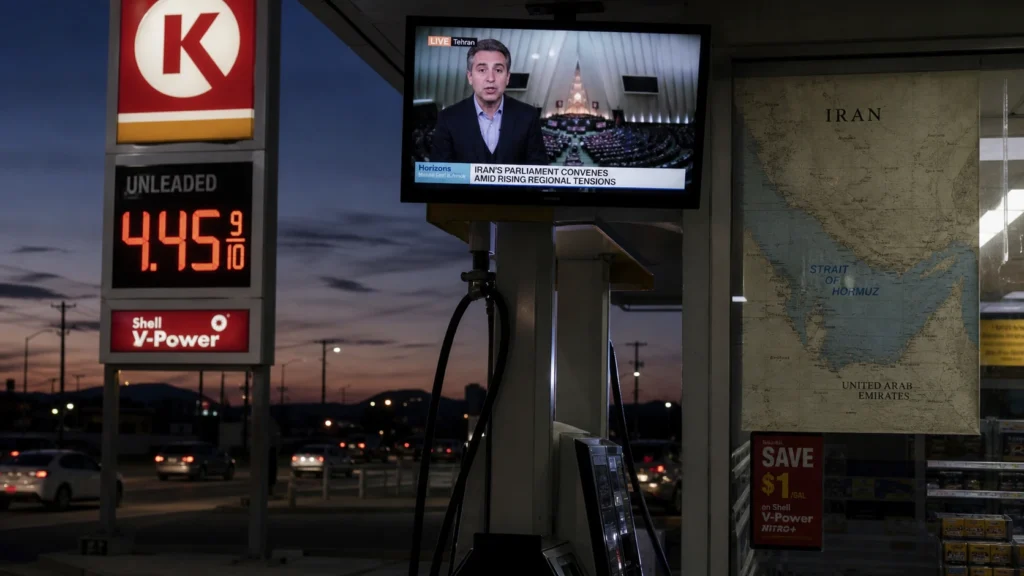
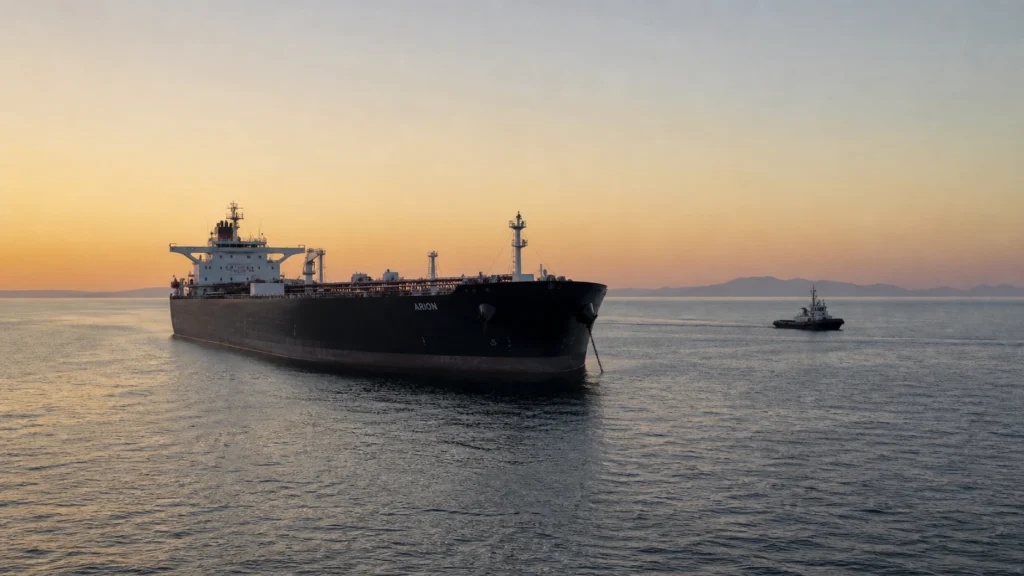
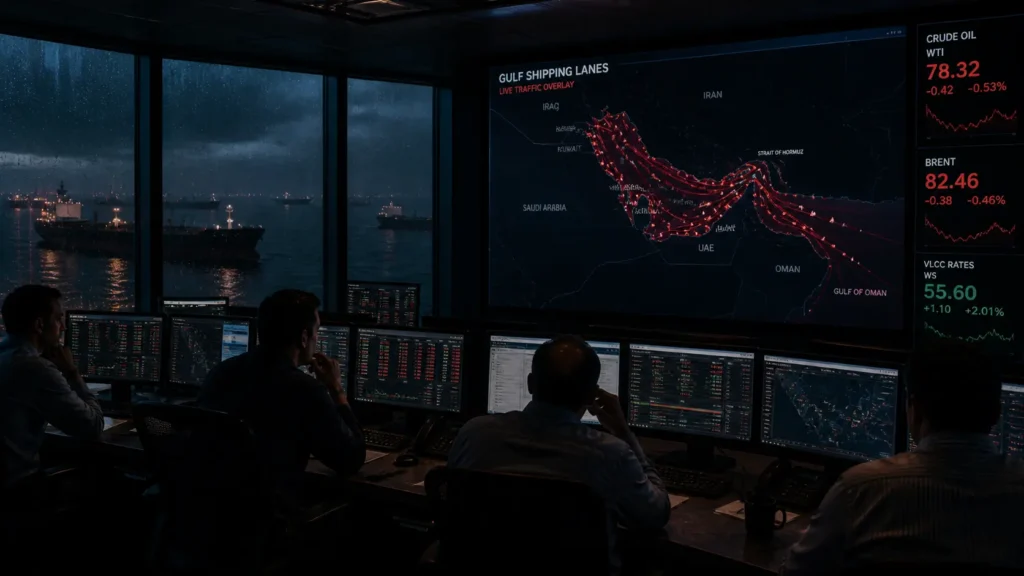
Second, the Strait of Hormuz crisis introduced an immediate energy risk. According to the International Energy Agency (IEA, 2025), nearly 20% of global oil flows pass through Hormuz, making every escalation a market shock trigger.
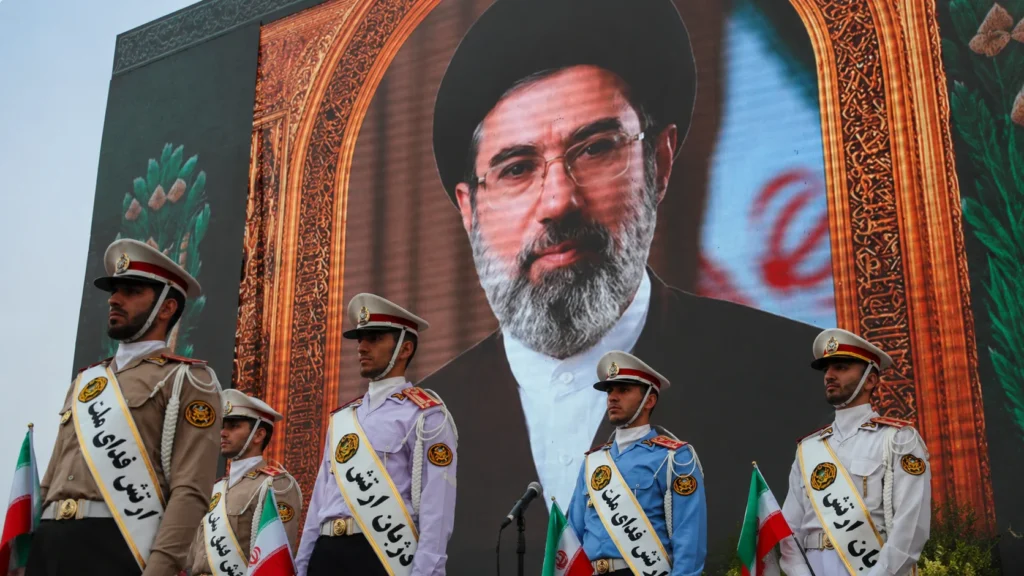
Third, Iran’s negotiating posture hardened. Tehran’s parliament speaker, Mohammad Bagher Qalibaf, reiterated in May 2026 talks that Iran would “not compromise on core national rights,” signaling limited diplomatic elasticity .
That combination removes slow diplomacy.
It forces speed.
Institutional Impact Layer
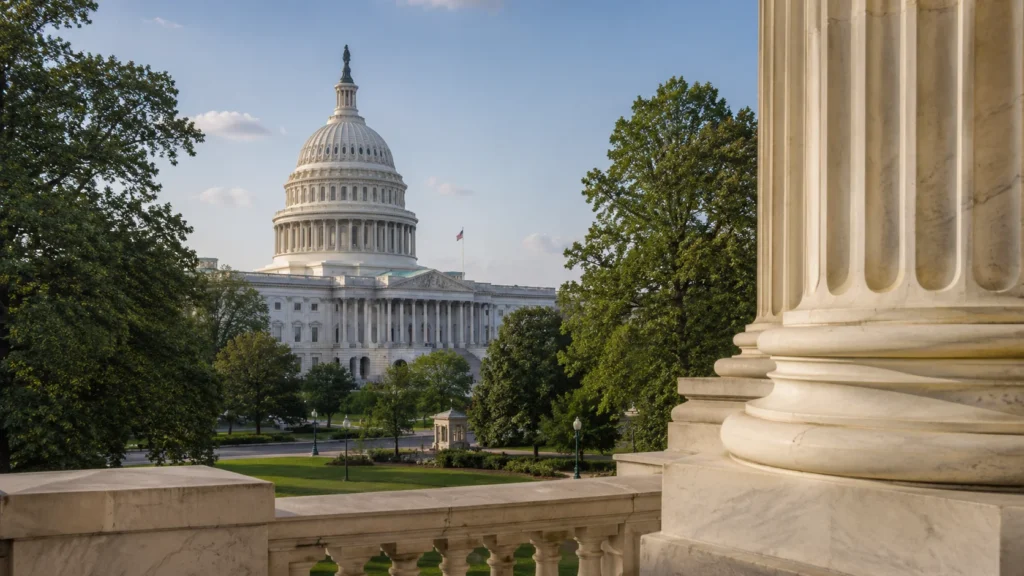
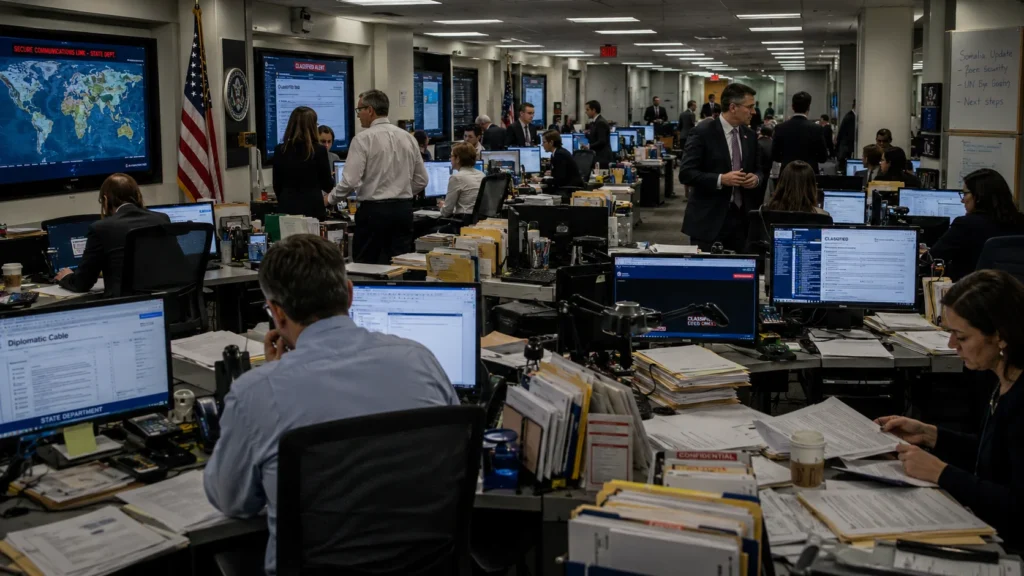
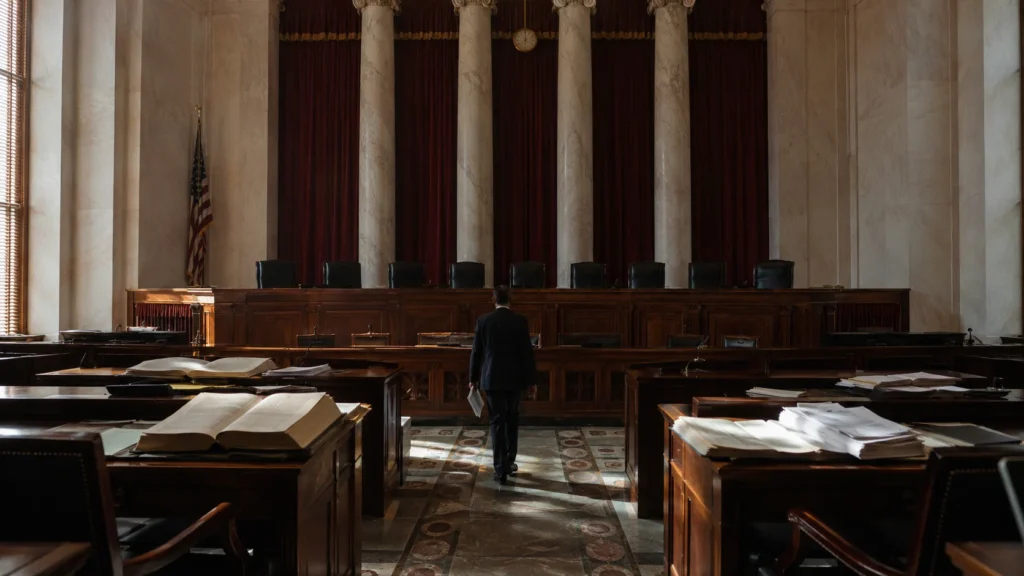
The executive branch now absorbs decisions that once moved through layered coordination between Congress, State Department diplomacy, and allied consultation.
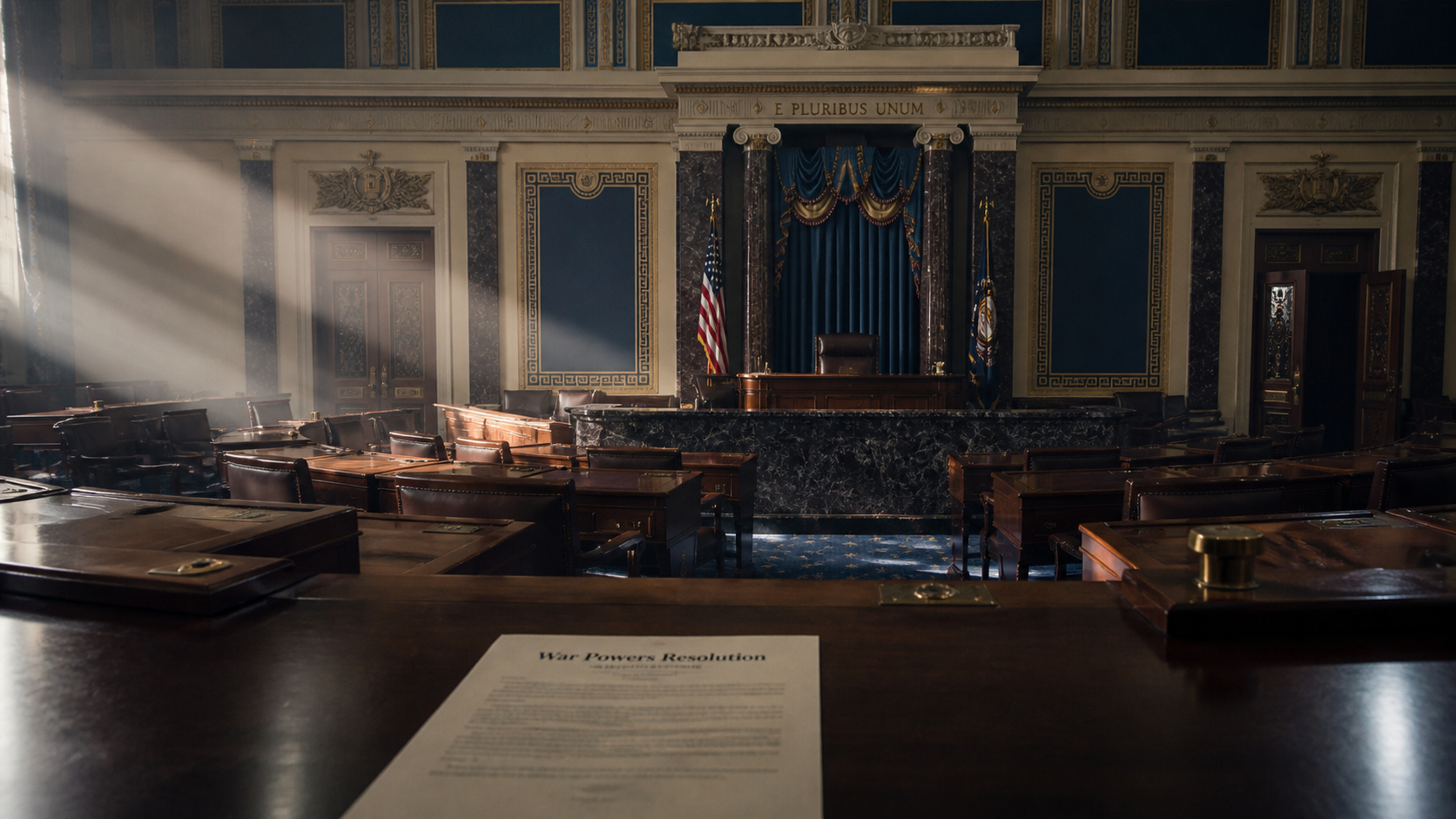
The War Powers framework still exists, but crisis execution bypasses it in practice.
A Congressional Research Service (CRS, 2025) analysis already warned that modern US military decision-making increasingly concentrates in the executive during fast-moving conflicts, reducing legislative input windows.
Iran now sits inside that structural gap.
Not debated. Managed.
Power Recalibration Inside Washington
National security officials gained influence because they control scenario framing. Whoever defines options defines outcomes.
JD Vance and Pentagon leadership now shape the operational menu before political review occurs.
Congress lost sequencing power entirely in the Iran file.
Externally, intermediaries Pakistan and Qatar gained leverage by controlling communication flow with Tehran.
New fault line: inside the executive branch, not between branches.
Market and Electoral Signal Layer
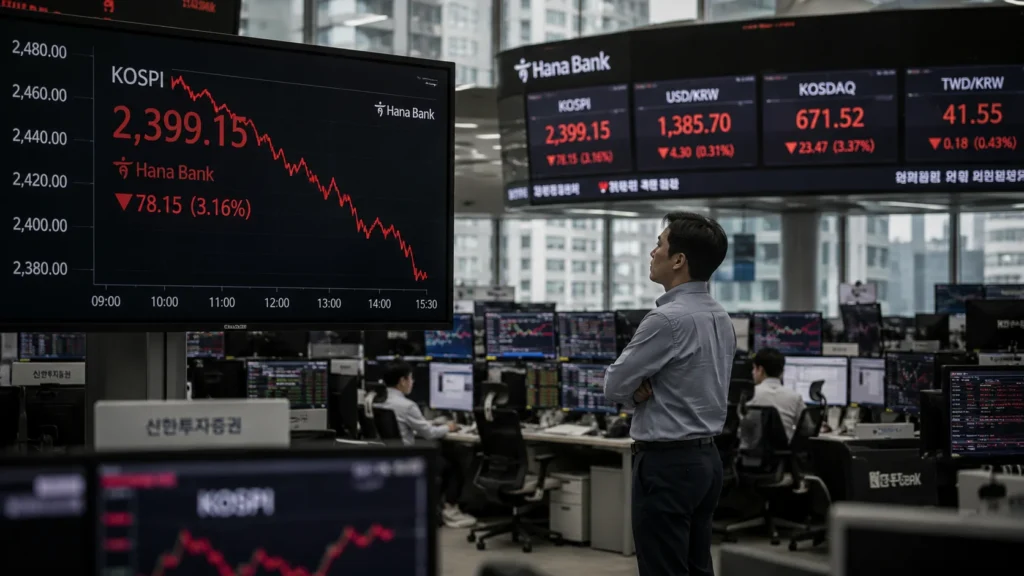
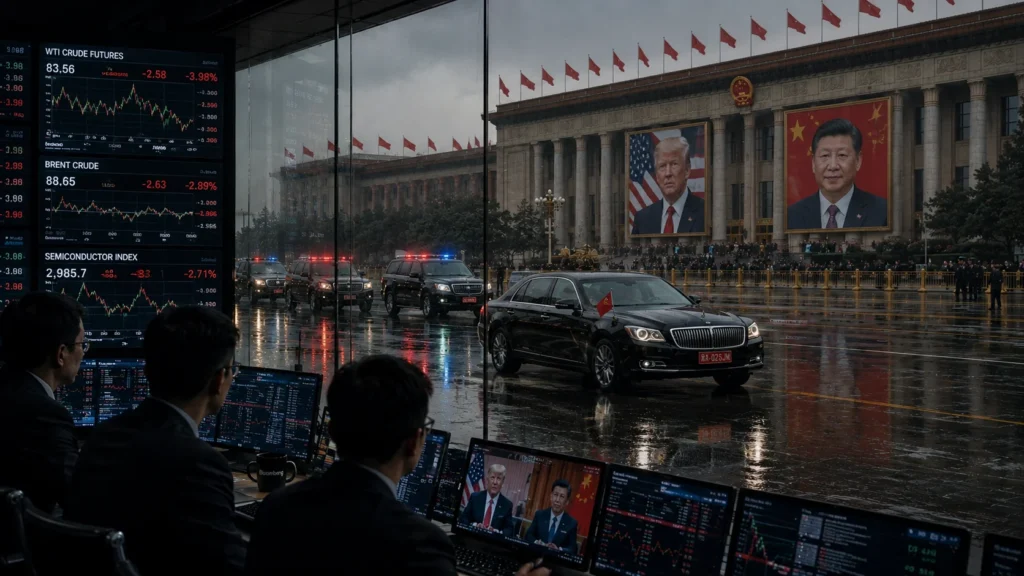
Energy markets react faster than political institutions.
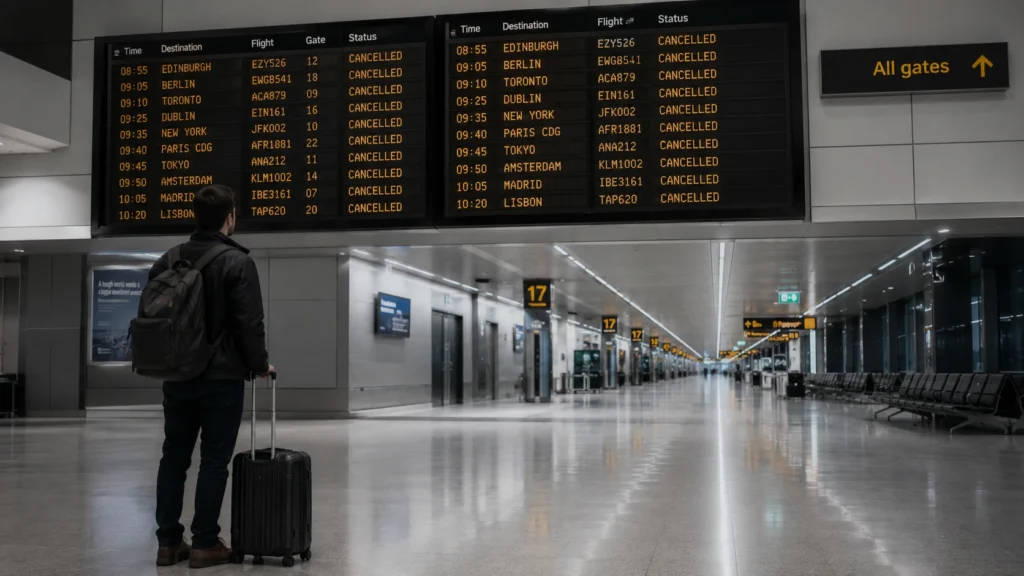
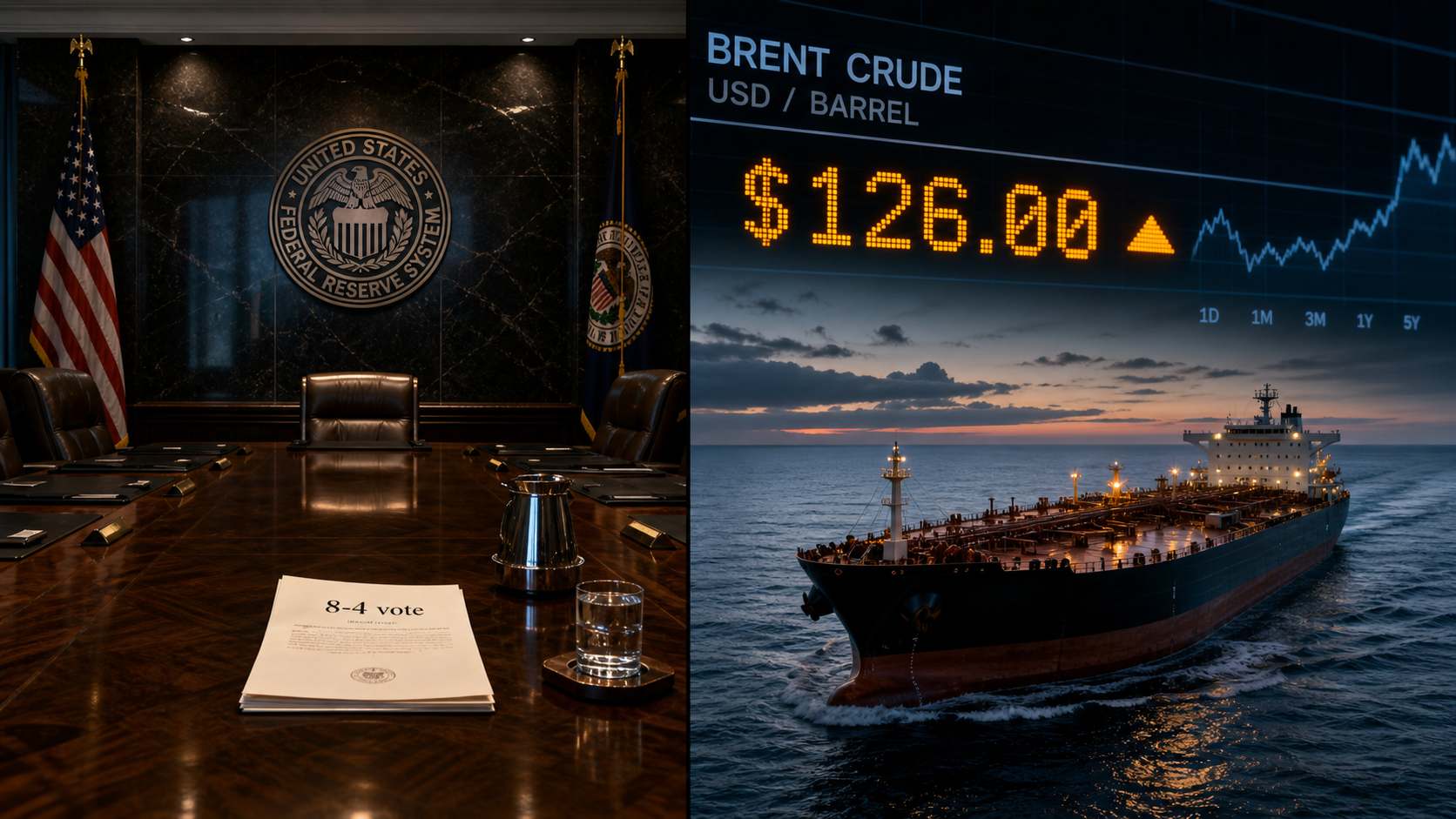
The U.S. Energy Information Administration (EIA, 2026) notes that disruptions or escalation signals in the Middle East routinely trigger sharp short-term oil volatility, often in the 3–8% range depending on perceived shipping risk.
That volatility feeds directly into domestic inflation narratives.
Foreign policy is no longer external. It is priced in real time at the pump.
Trump pressures Iran policy as executive power expands, but that expansion carries domestic cost transmission through energy markets.
Immediate feedback loop. No delay.
What Happens Next
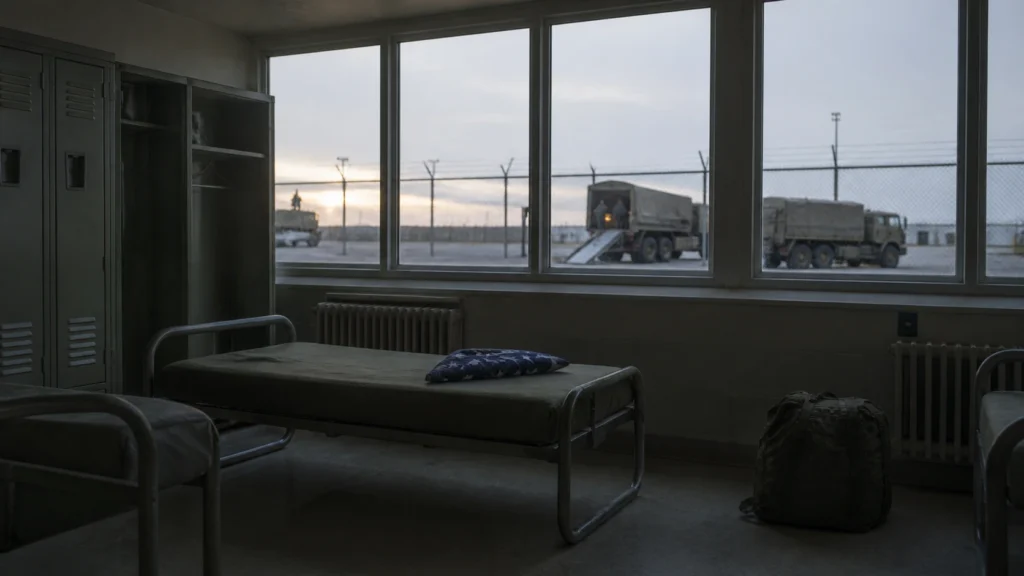
The White House will likely expand contingency military planning while keeping diplomatic ambiguity intact.
Iran negotiations will continue through Pakistan and Gulf intermediaries rather than direct US–Iran channels.
Three pressure zones define the next phase:
- Hormuz shipping stability
- Iran nuclear negotiation deadlines
- US–Gulf coordination on escalation thresholds
Success means controlled pressure without full escalation.
Failure means fragmented diplomacy and energy shock transmission.
Still unresolved.
Strategic Summary
- Trump pressures Iran policy as executive power expands, centralizing foreign policy inside the White House
- Energy security and Hormuz risk now drive diplomatic timing and escalation limits.
- Intermediaries like Qatar and Pakistan are reshaping the US–Iran negotiation structure.
Author Bio
Written by Daniel Reeves, a geopolitical analyst specializing in US foreign policy, executive power dynamics, and Middle East security systems, with over 10 years of editorial experience.