

 English




















































































Andy Burnham’s Rise: The Questions He Hasn’t Answered Yet
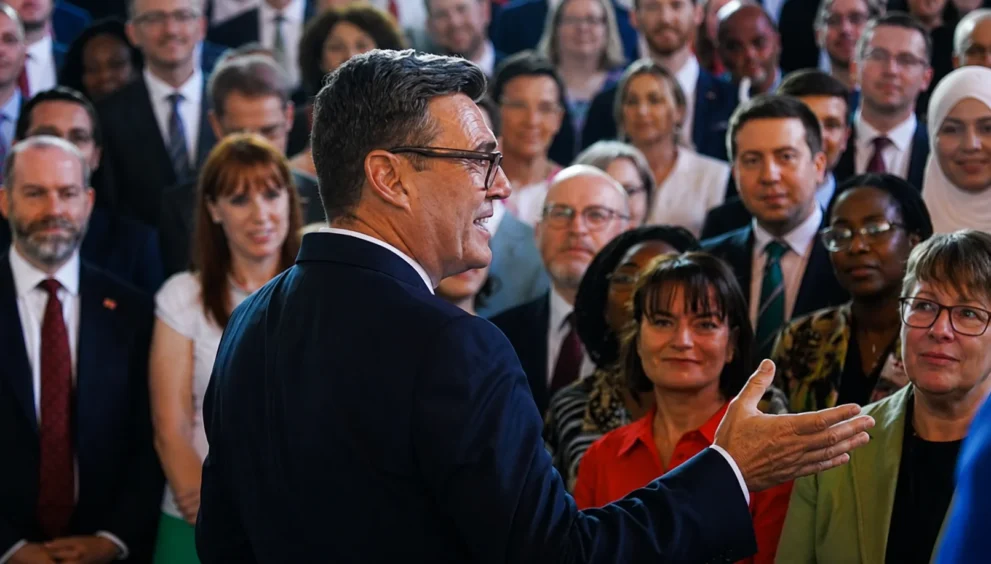
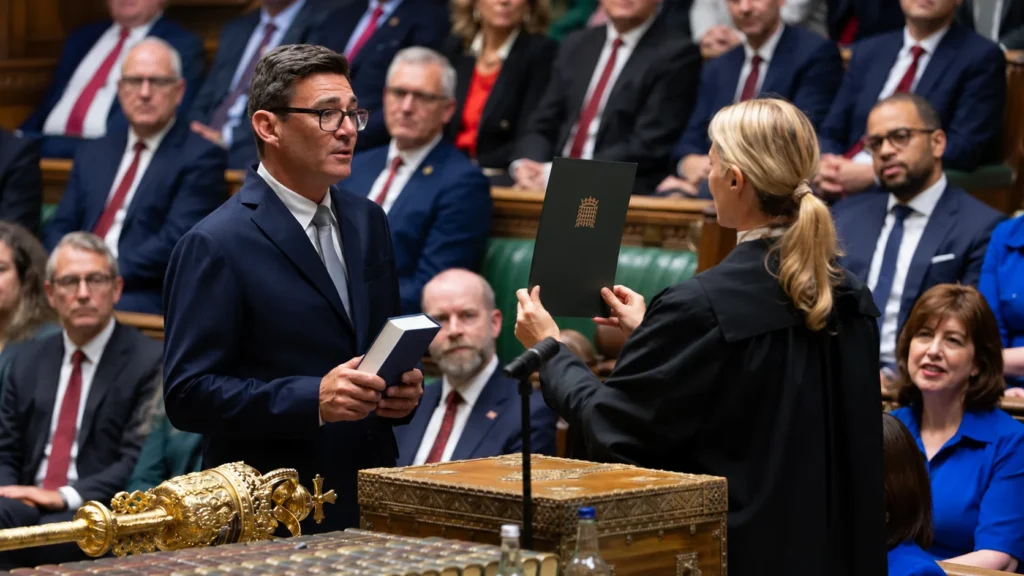
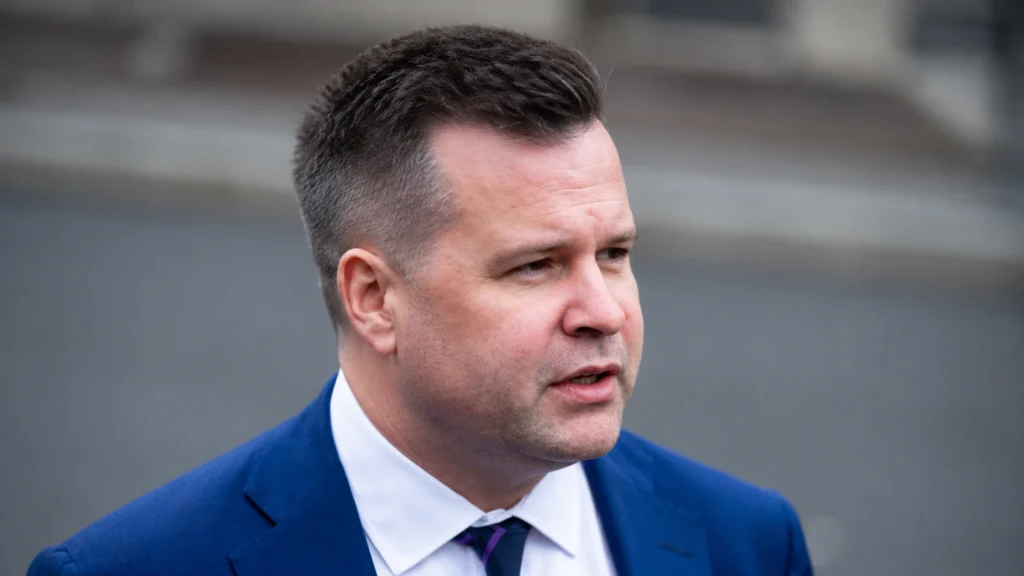
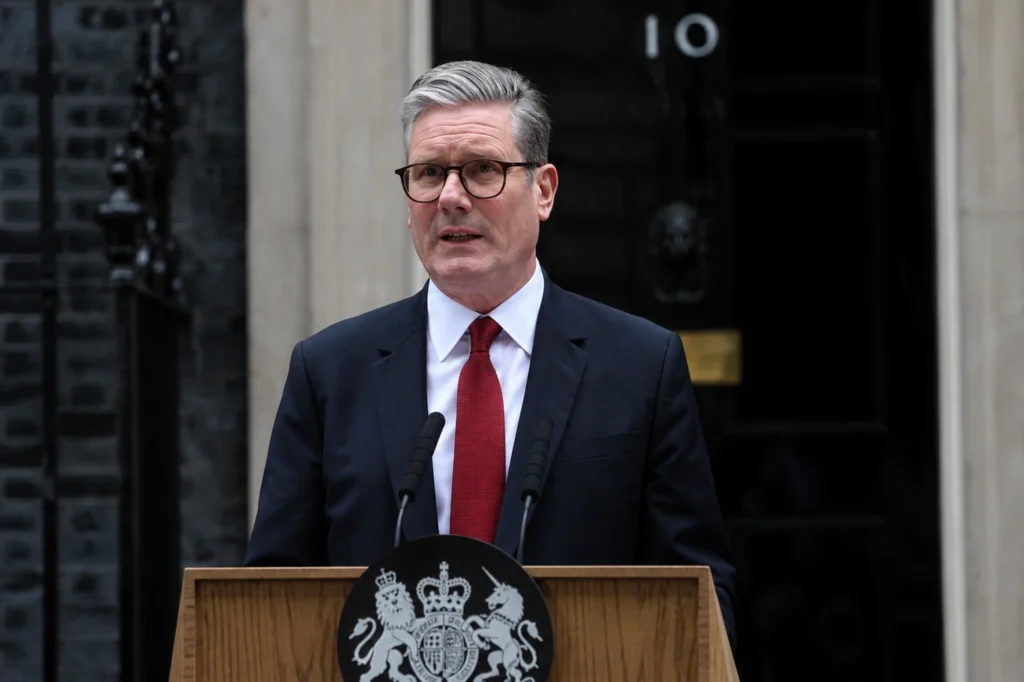
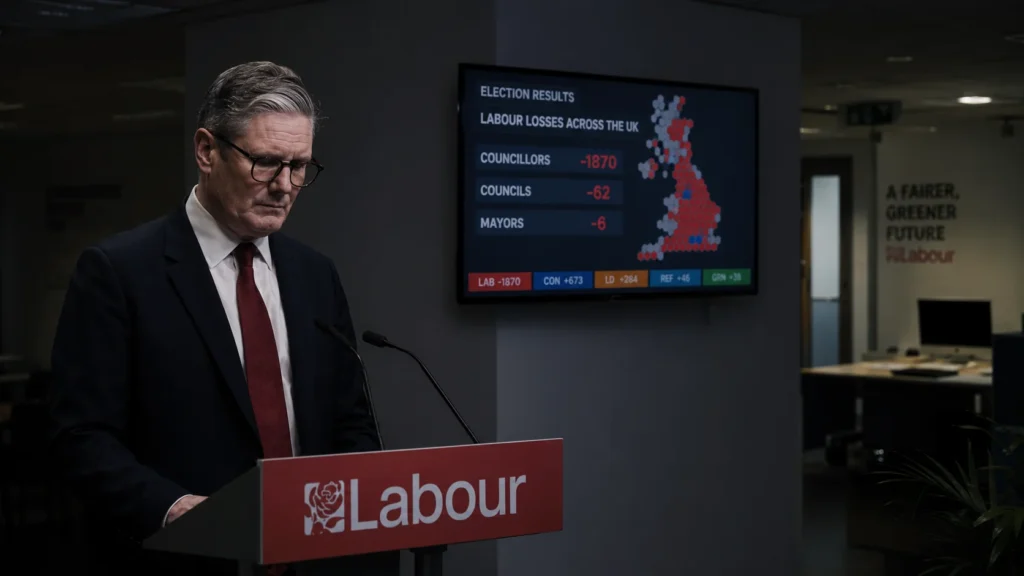
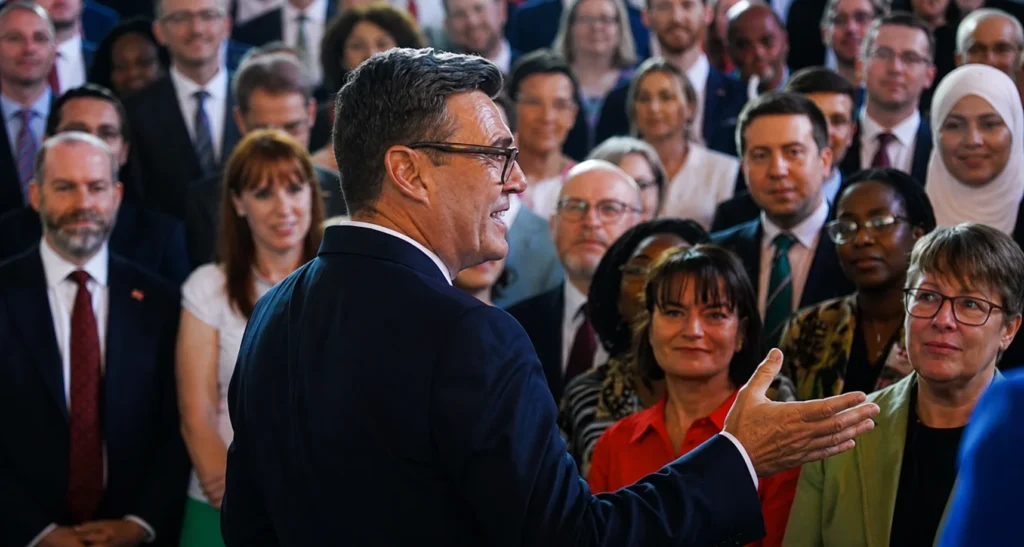
LONDON — Andy Burnham consolidated his position as the near-certain next prime minister within hours of Keir Starmer’s resignation on Monday, as potential rival Wes Streeting endorsed him and around 200 Labour MPs gathered for a victory photograph in Westminster Hall. But the speed of Burnham’s ascent—from mayor of Greater Manchester to MP to likely prime minister within weeks—means he arrives at the threshold of Downing Street without a publicly tested policy platform, no foreign policy track record, and a party that has embraced him as an electoral winner without interrogating what he would do with power. Labour MPs are now asking whether the man they are rushing to crown has the answers to the questions that will define his premiership.
The former mayor has articulated broad themes—economic growth, cost of living, public services, housing, opportunities for the next generation—but these are aspirations shared across the political spectrum. The governing challenges live in the details, and the details remain largely unexamined.
What Burnham Hasn’t Had to Say Yet
Burnham’s trajectory is unprecedented in modern British politics. A man who was not even a parliamentary candidate at the last general election, and not an MP this time last week, could be prime minister by this time next month. He has had no transition period, no leadership campaign to test his ideas against rivals, no shadow cabinet tenure to build a governing record.
“He’s run for the Labour leadership twice before and lost,” one minister told BBC political editor Chris Mason. “And not only that. He lost to two losers—Ed Miliband and Jeremy Corbyn.” Miliband lost the 2015 general election. Corbyn lost in 2017 and 2019.
The barb reflects a deeper unease. “It feels like lots of Labour MPs are dashing for a train that’s about to leave the station,” one figure told Mason, “but they haven’t any idea where it’s going.”
According to BBC political editor Chris Mason’s analysis of the questions facing Burnham, the areas where Burnham has yet to set out detailed positions include foreign policy, defence spending, cabinet appointments, and how to fund his stated ambitions within tight fiscal constraints.
A man who was, until the early hours of Friday, a mayor has not had much reason to expound in public on foreign affairs. He will spend a huge amount of his premiership, should it materialize, on exactly that. His approach to Donald Trump, the UK-EU reset negotiated by Starmer, and the Defence Investment Plan remain unknown.
As our analysis of the policy vacuum facing the incoming Burnham government documented, the absence of a leadership contest has deprived both the party and the public of the scrutiny process that normally accompanies a transition of power.
The Trump Question and the Fiscal Trap
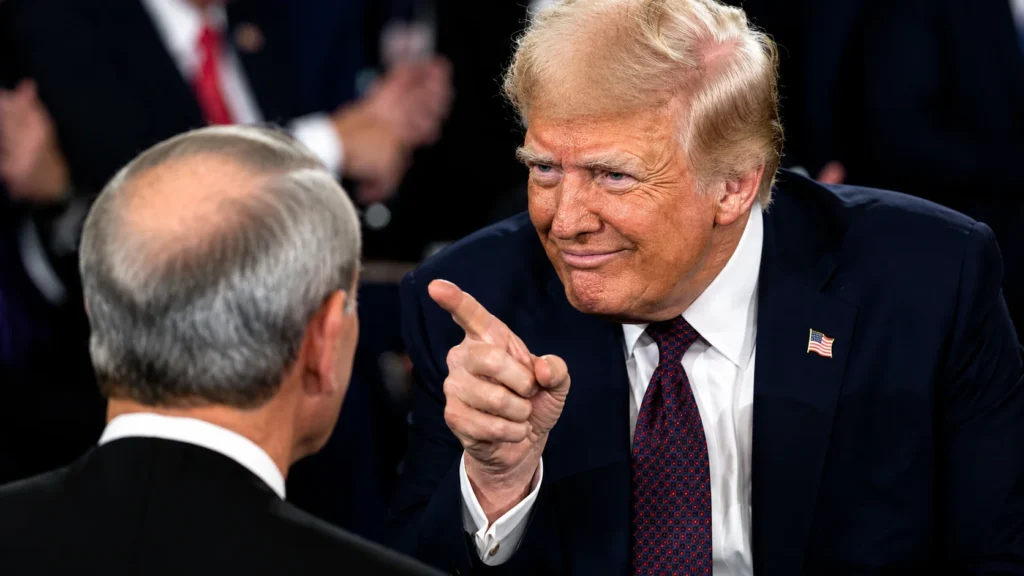
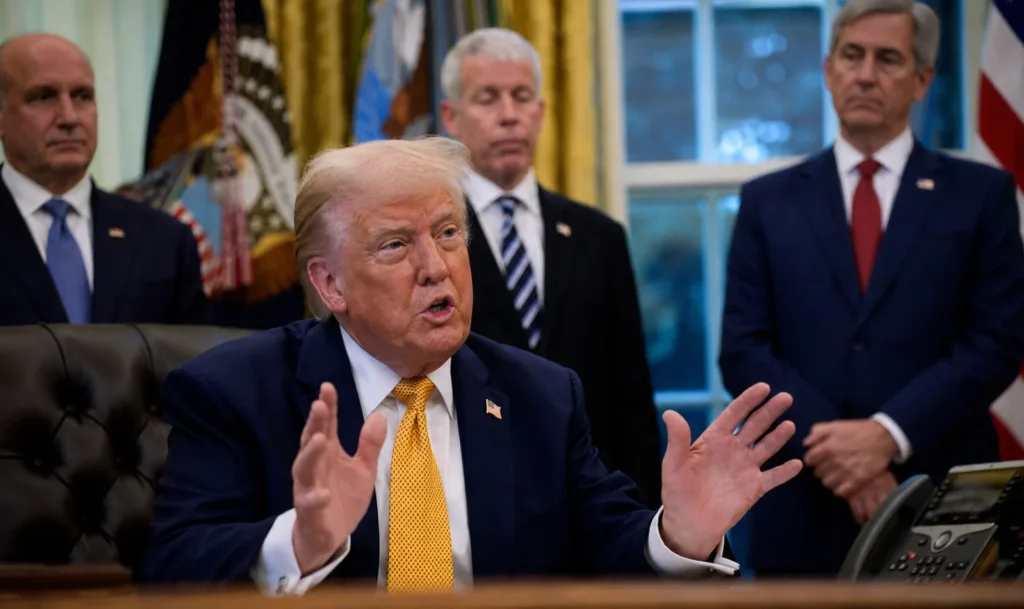
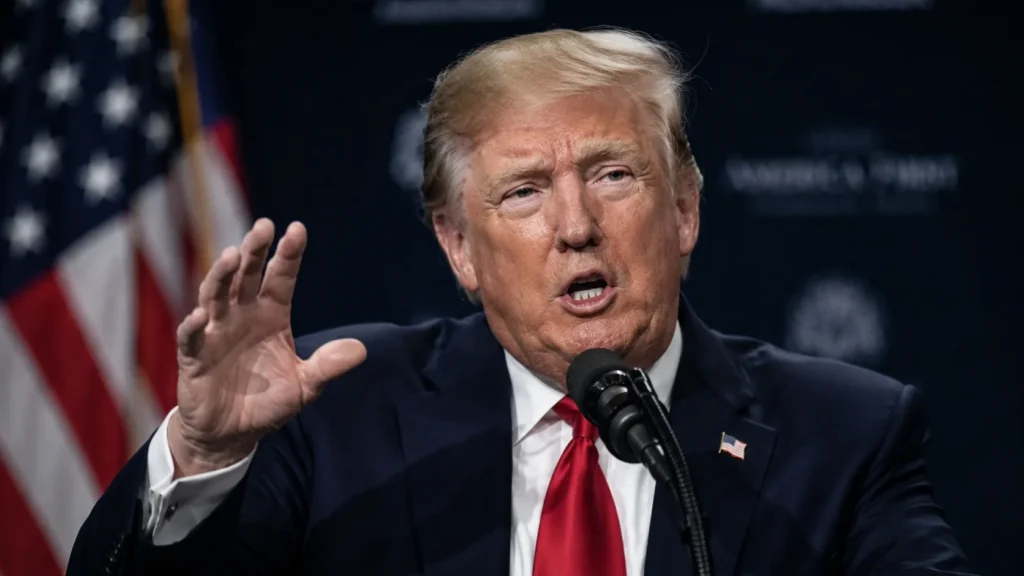
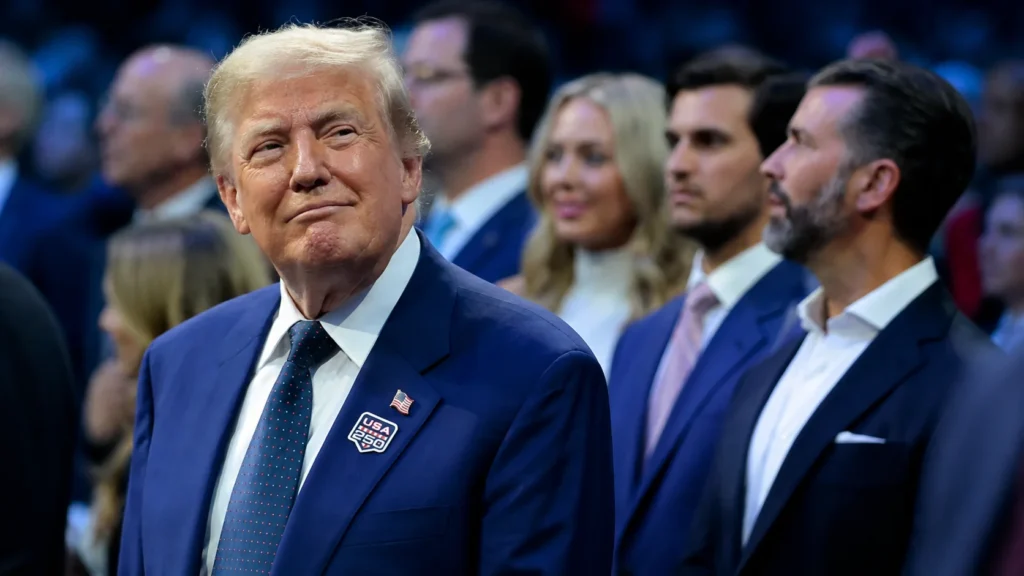
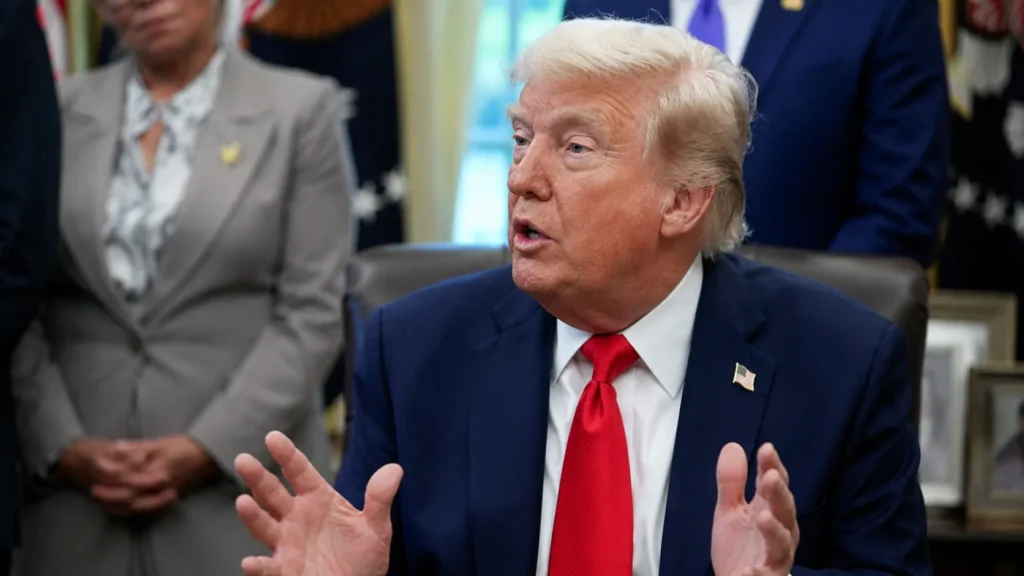
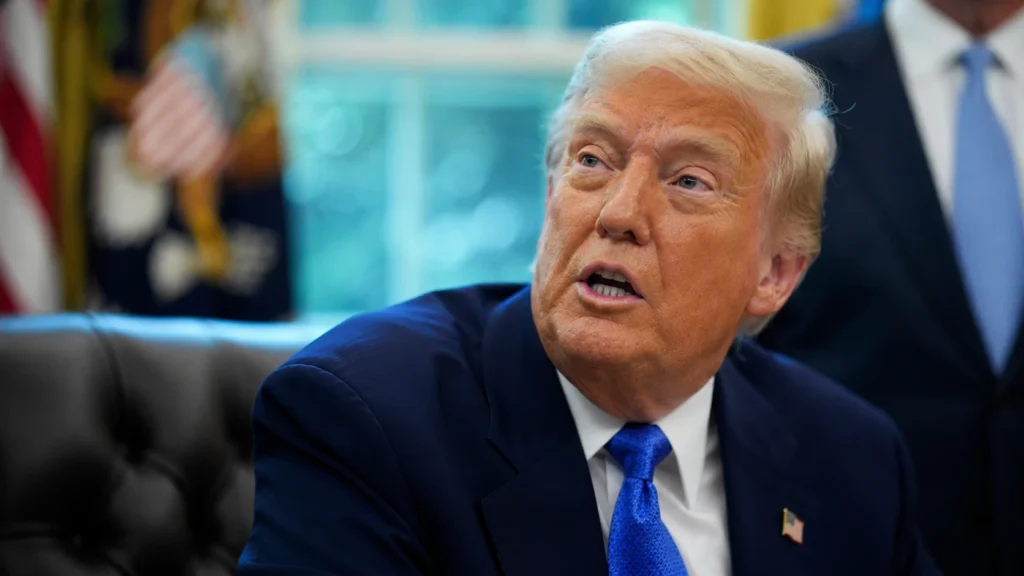
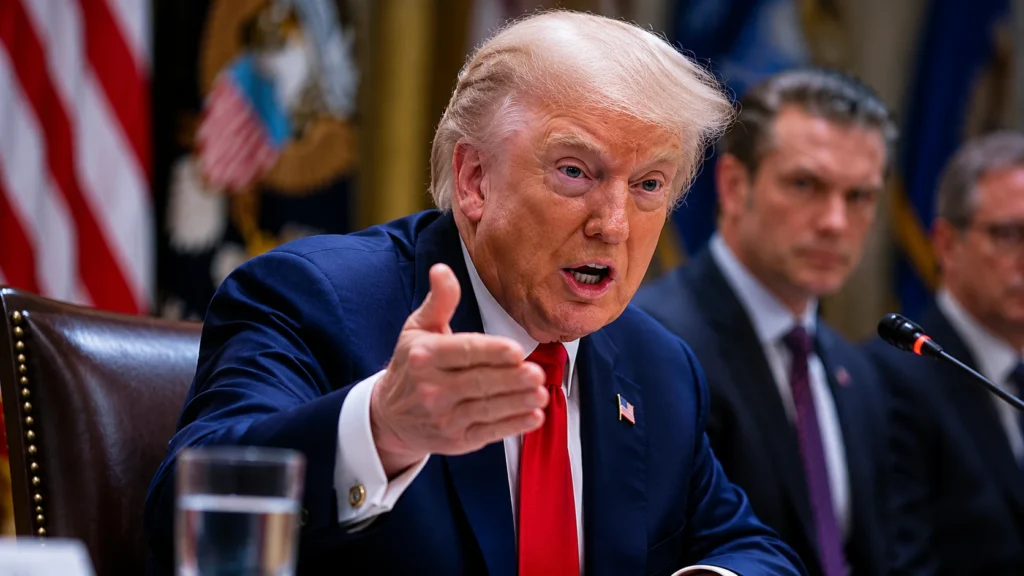
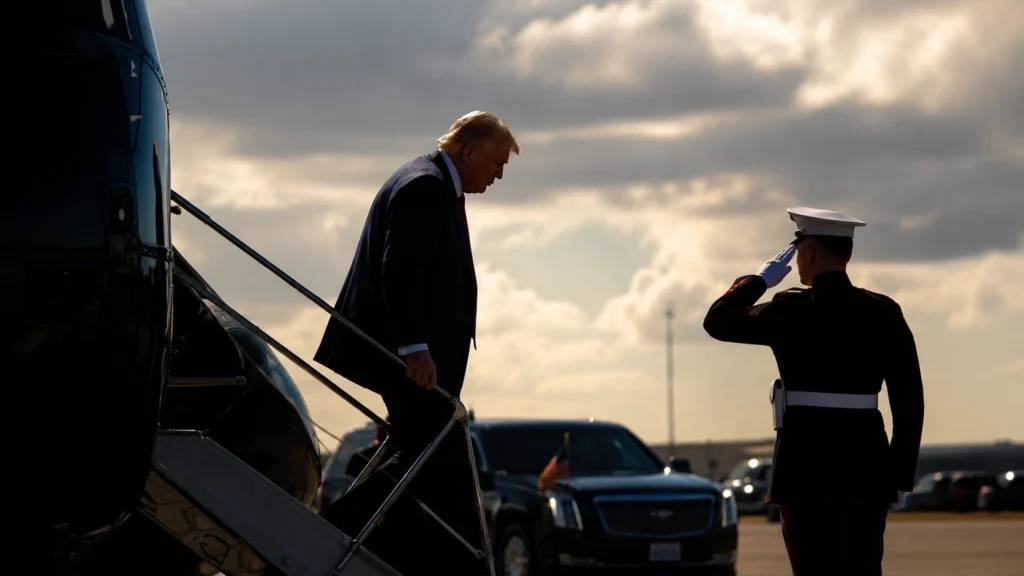
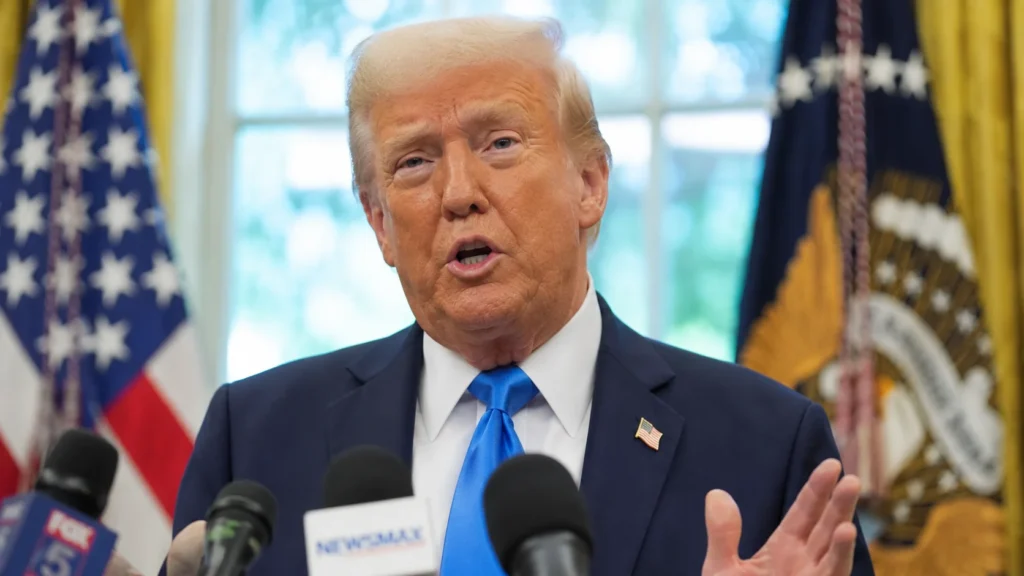
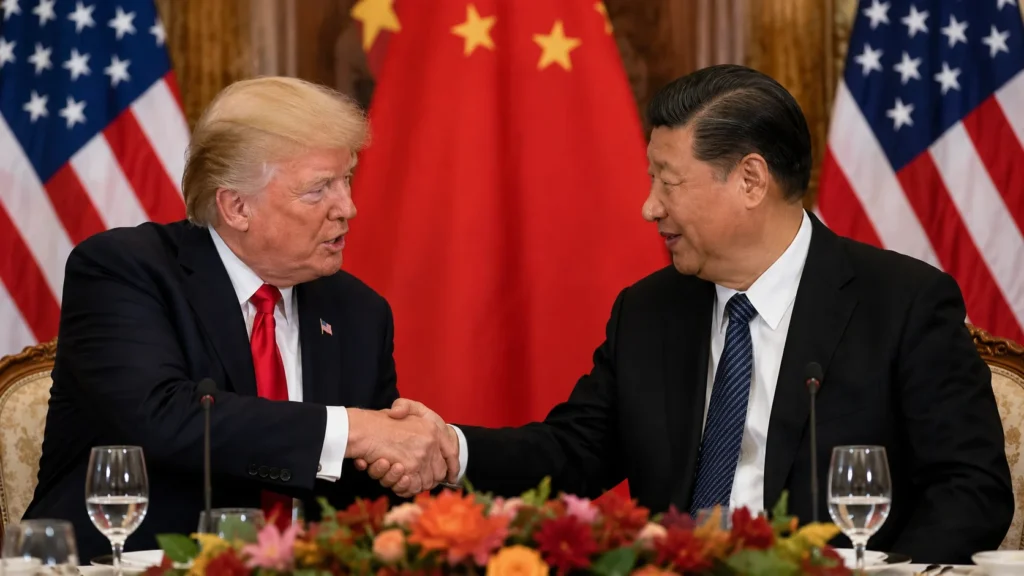
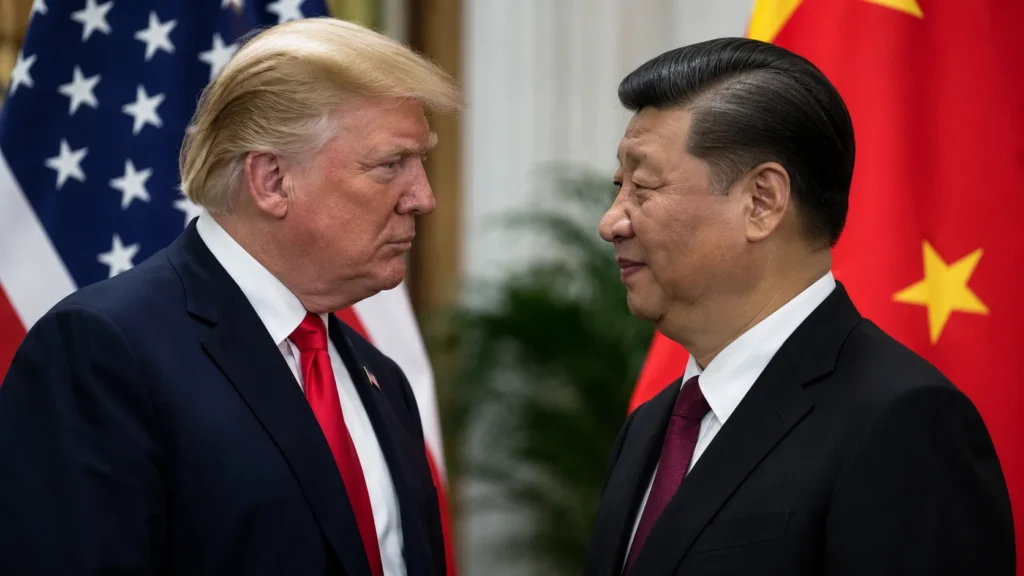
The international dimension is already pressing. Trump posted on Truth Social, predicting Starmer’s resignation hours before it was announced, blaming “failure” on immigration and energy policies. The US president told the BBC in April that if Starmer opened the North Sea to oil and gas extraction and strengthened immigration controls, he “can recover.”
The implication was clear: British prime ministers’ relationships with Washington depend on delivering what Trump wants. Burnham’s position on the US relationship has not been tested in public.
Would he fund the military at the level defence chiefs argue is necessary? Where would the money come from? Public debt is heading toward £3 trillion. Burnham’s stated ambitions—more state control of utilities, expanded social housing, a larger defence budget—collide with the debt rules he has pledged to maintain.
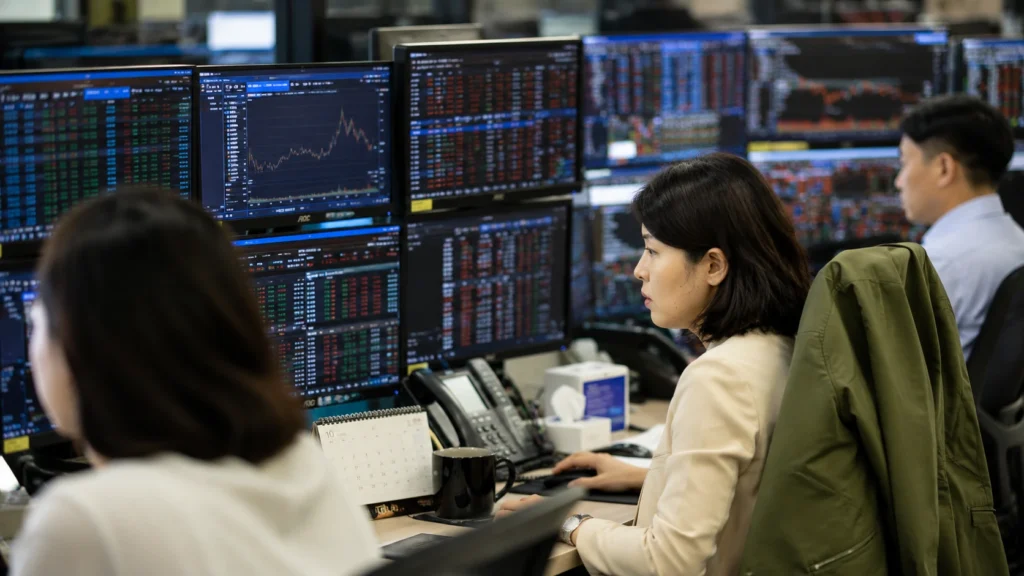
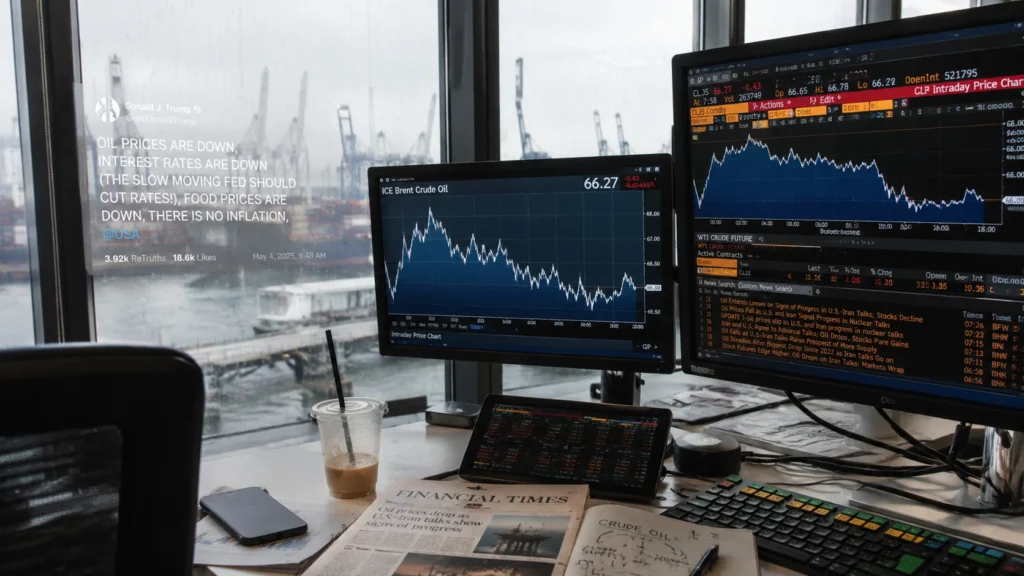
The bond markets were calm on Monday. Calm, as the BBC’s deputy economics editor Dharshini David noted, is conditional. The markets will watch not just who resides at No 10 but who occupies No 11 as chancellor.
The Cabinet Question
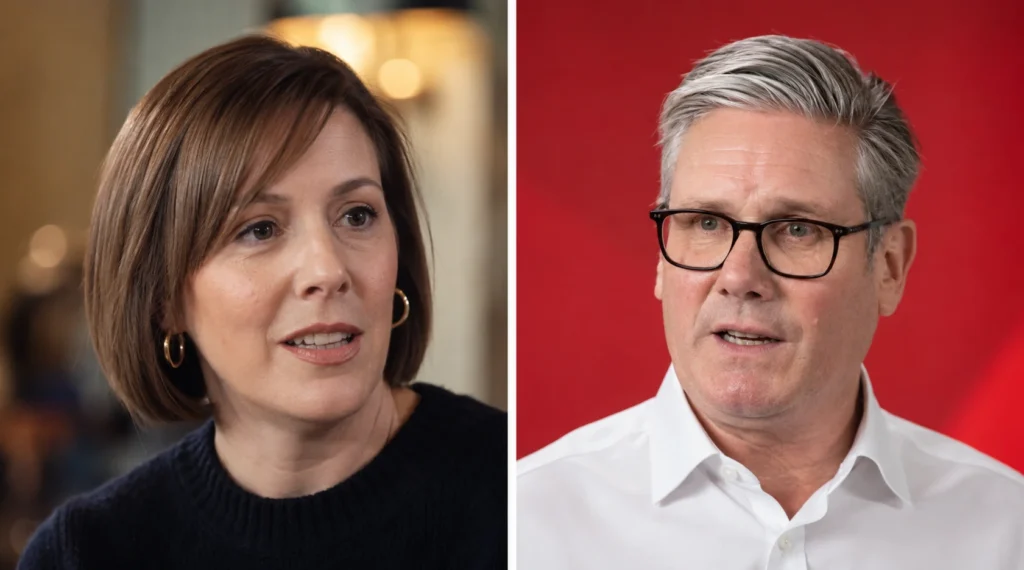
Rachel Reeves appeared prominently at Burnham’s Westminster Hall photocall. Some argue she should stay—she has maintained market confidence, and keeping her might help Burnham do the same. Others told Mason it is highly unlikely he would retain her, given how closely she is associated with Starmer’s administration.
Streeting denied being offered the Treasury. “He has not offered me any jobs,” he told the BBC. “That’s not what our conversations have been about. This has been about ideas.”
A new leader brings a new team. The team has not been chosen. The policies have not been written. The clock is ticking.
Some Labour MPs are discussing whether to persuade Darren Jones, the chief secretary to the Treasury, to stand in a leadership contest against Burnham. His friends suggest it is unlikely. He is not ruling it out. The significance is not whether Jones runs. It is that anyone is discussing a contest at all—a coronation that looked inevitable on Monday is being quietly questioned on Tuesday.
As our coverage of the Labour leadership transition and cabinet formation challenges tracked, the absence of a contested election means Burnham has faced no structured scrutiny of his policy positions from within his own party.
The Mandate Problem
Britain has changed prime ministers five times in four years if Burnham takes office. None of those changes resulted from a general election. Each was an internal party decision, ratified by parliamentary arithmetic.
Burnham won Makerfield with roughly 77,000 votes. He will govern a country of 68 million. Reform UK leader Nigel Farage has already demanded a general election. BBC Verify has already unearthed Burnham’s 2022 tweets demanding the same during the Conservative leadership contest that produced Liz Truss.
“We need to start demanding a general election at the end of this Tory leadership election,” Burnham posted on 13 July 2022. On 17 July: “Only one possible response to #itvdebate… We need a general election.” On 20 October 2022, as Truss’s premiership collapsed: “#GeneralElectionNow.”
According to BBC Verify’s archive of Andy Burnham’s 2022 social media posts calling for a general election, the contradiction between his previous demands and his current position as an unelected prime minister-in-waiting will surface the moment he attempts anything controversial.
FAQ
Who is Andy Burnham?
Andy Burnham is the former mayor of Greater Manchester who won the Makerfield by-election last week and is now the near-certain next prime minister. He previously served as an MP from 2001 to 2017 and was a minister under Tony Blair and Gordon Brown. He ran for Labour leader in 2010 and 2015, losing both times.
Why is Burnham becoming prime minister without an election?
In the UK, prime ministers are not directly elected. The leader of the largest party in the House of Commons forms a government. After Starmer resigned, Labour MPs coalesced around Burnham so quickly that a leadership contest may not occur—a process known as a “coronation.”
What are Burnham’s policies?
He has set out broad themes—economic growth, cost of living, public services, housing, and opportunities for the next generation—but has not yet published a detailed policy platform. His foreign policy positions, defence spending plans, and specific fiscal proposals remain largely unarticulated.
When will Burnham become prime minister?
If no challenger emerges, he could enter Downing Street within weeks. Starmer has agreed to remain until a successor is in place, with 1 September set as the latest possible date.
Has Burnham called for general elections before?
Yes. During the 2022 Conservative leadership contest, Burnham posted multiple tweets demanding a general election, including “#GeneralElectionNow” on 20 October 2022 as Liz Truss’s premiership ended. He has not yet addressed whether his previous position applies to his own unelected ascent.