

 English
















































































































































































Taylor Swift’s Wedding Is Secret. The Fandom Isn’t Invited.
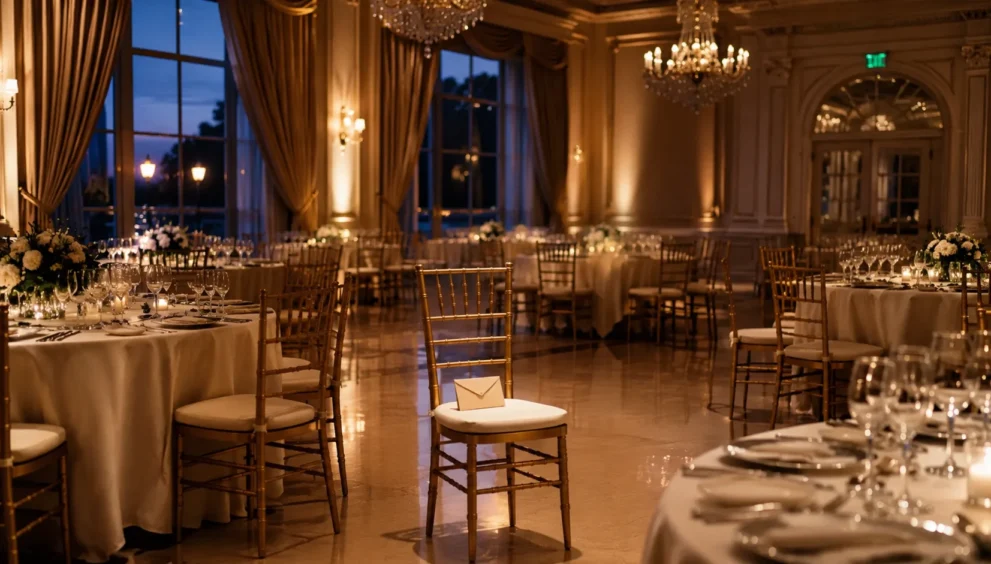
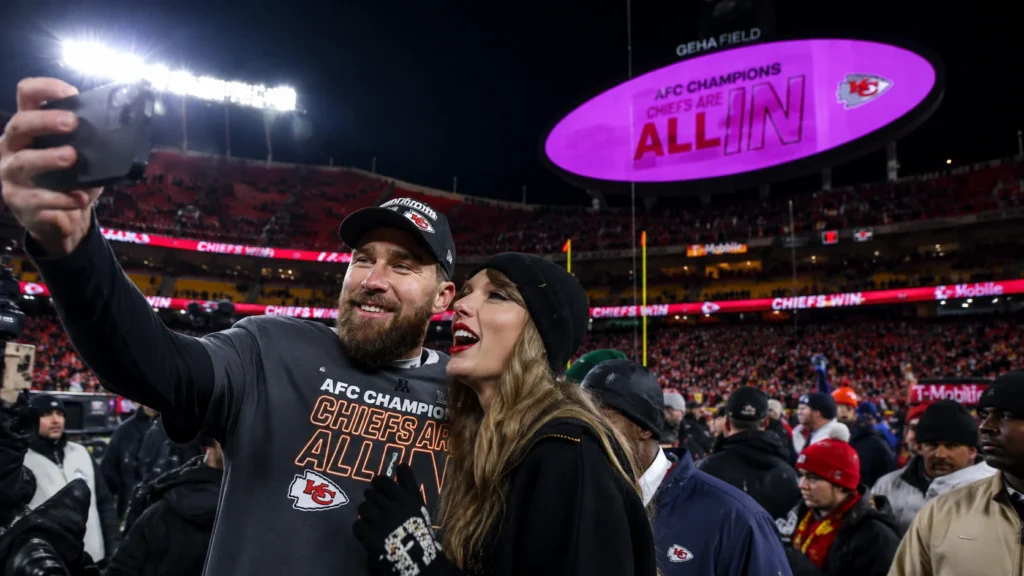
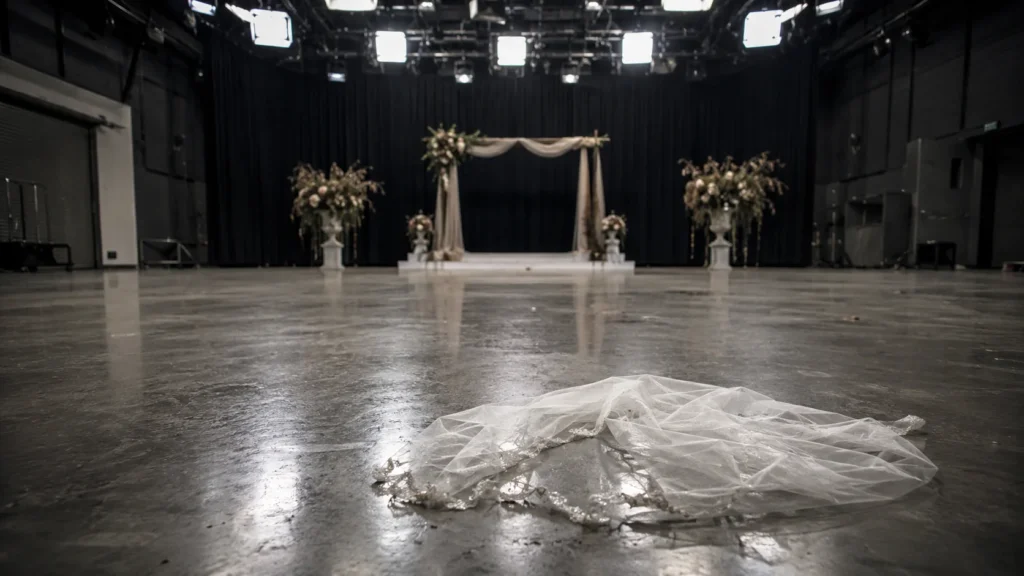
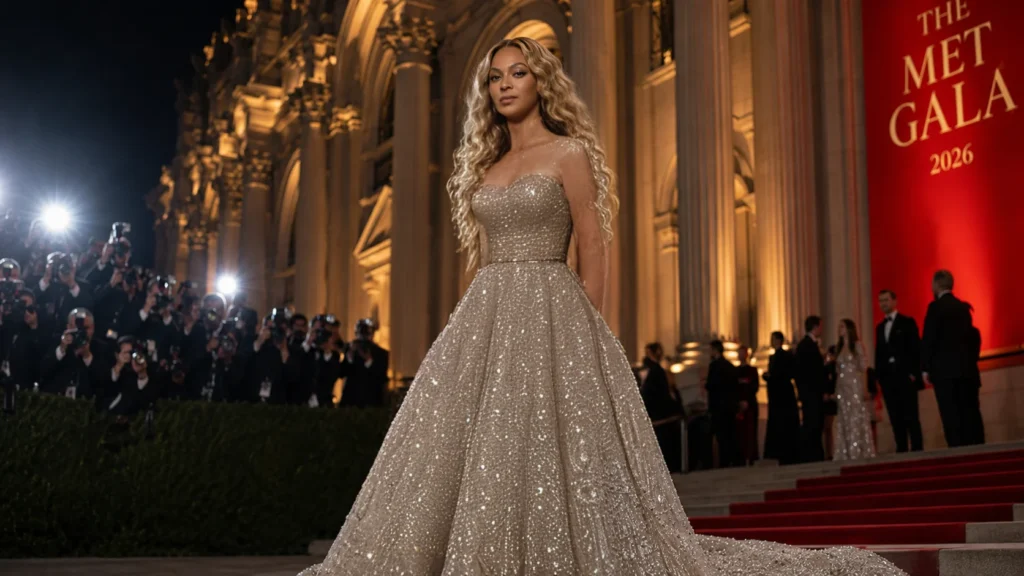
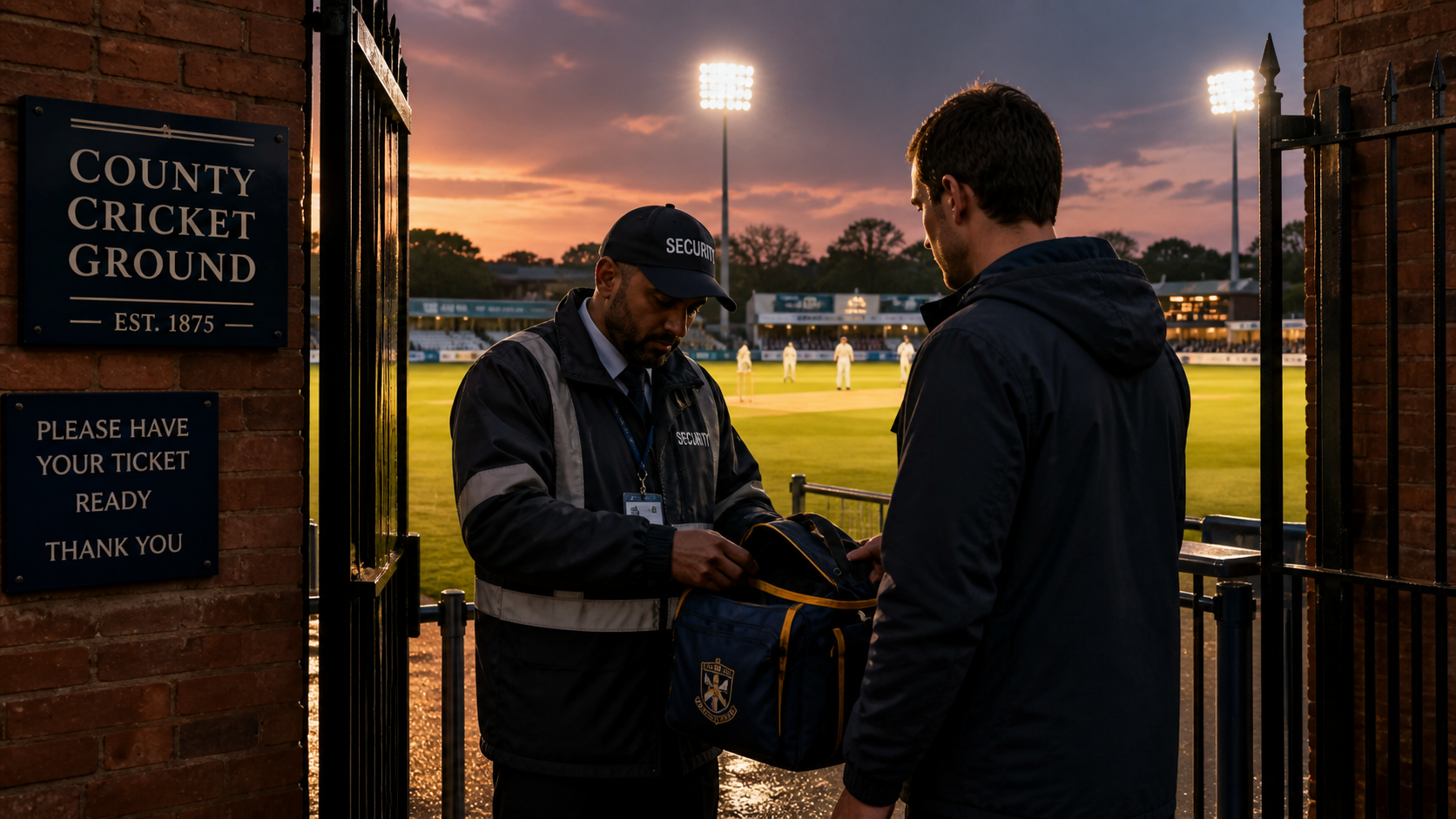
The location is unknown. The date is unknown. The guest list is a state secret guarded with the intensity of a nuclear launch code. Taylor Swift and Travis Kelce are getting married—that much the public knows. Everything else sits behind a wall of decoy locations, code names, iron-clad NDAs, and what luxury wedding planner Colin Cowie calls a “cloak and dagger” operation.
Cowie would know. He planned Jennifer Lopez and Ben Affleck’s wedding. He is not involved in this one. Almost nobody is. That is the point.
Fans who spent years decoding Swift’s lyric booklets and Kelce’s podcast appearances now confront a narrative they cannot access. The Easter eggs stopped. The hints dried up. The parasocial pipeline that fed one of the most intense celebrity-fan relationships in modern pop culture has gone dark.
The silence is not an oversight. It is the product.
But beneath the surface, something else was happening. The secrecy was not just about privacy. It was about power—who gets to know, who gets to see, and what happens when a fanbase built on access discovers the limits of its invitation.
The Parasocial Pipeline and Its Shutoff Valve
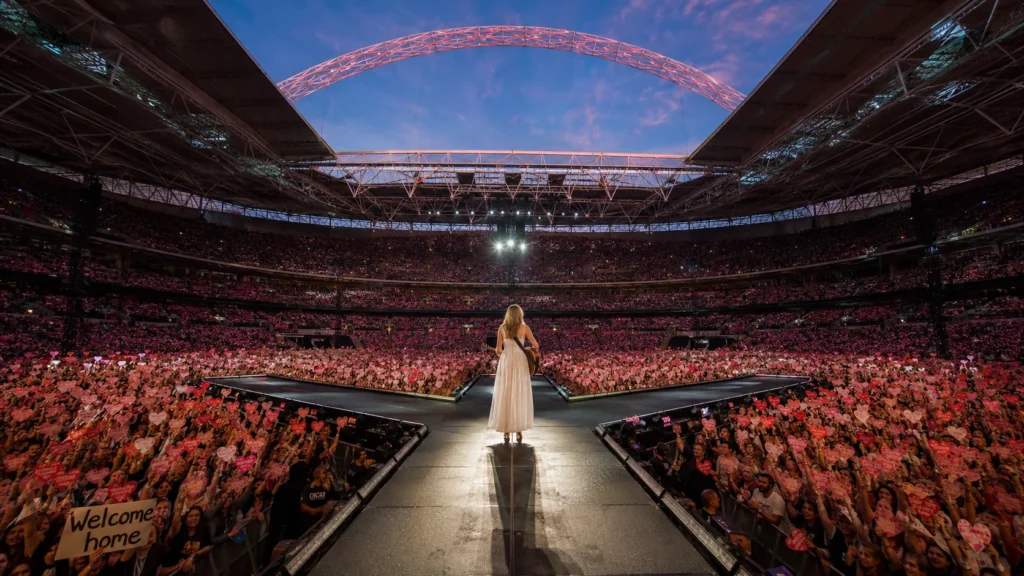
Pop culture psychologist Rachel Kowert locates the emotional architecture precisely. Swift’s fans “feel like she’s an old friend.” The affinity runs deeper than typical celebrity attachment. Swift spent two decades building it: biographical songwriting that reads as confession, promotional Easter egg hunts that reward obsessive attention, a public relationship with Kelce that played out across NFL broadcasts, Eras Tour stages, and Instagram announcement posts designed for maximum emotional resonance.
Kowert calls this a parasocial relationship—the sense of connection to a media personality who does not know you exist. Swift’s version of it “magnified” the bond beyond typical fan-idol dynamics. The biographical lyrics became shared secrets. The Easter eggs became collaborative puzzles. The Super Bowl kiss became a collective victory.
Then the wedding planning went dark.
The shutoff creates a specific emotional response: exclusion from something that felt inclusive. The same fans who analyzed “invisible string” references and Chiefs game attendance patterns cannot find the venue. The asymmetry is the point. Not all access is permanent. Some doors close.
The Security Theater and Its Predecessors
The operational details that have leaked—decoy tents, code names, guests driven to undisclosed locations, strict no plus-one policies, NDAs that function as legal force fields—are not unique to Swift and Kelce. They belong to a lineage.
Sean Penn and Madonna married in Malibu in 1985. Helicopters hovered. Madonna later admitted she “couldn’t hear the vows.” The images got out. The wedding did not survive the noise intact.
Beyoncé and Jay-Z married inside Jay-Z’s Manhattan apartment in 2008. No helicopters. No leaked photos. The details emerged years later through curated snippets the couple released themselves. The secrecy worked because the venue could not be surveilled from above.
Kim Kardashian and Kanye West married in a literal fortress—the Belvedere Fort in Florence, Italy, in 2014, a venue designed for wartime evasion. Photographers still captured clear images. The fortress held. The long lenses did not care.
Selena Gomez and Benny Blanco posted their wedding photos last year. The strategy inverted the traditional playbook: eliminate the market for unauthorized images by saturating it with authorized ones. Speed replaced secrecy.
Cowie describes the incentive structure bluntly: “There’s a massive amount of money payable to anyone who provides the first images.” The prize determines the perimeter. The perimeter determines the planning.
What the Obsession Reveals
The public appetite for this wedding details functions as more than celebrity curiosity. Kowert identifies a psychological need that predates Swift and Kelce: “It gives us all something to rally behind and be excited about and talk about that is a subject of joy and happiness.” The alternative, she notes, can feel like “constant despair.”
Beyoncé and Jay-Z married during the 2008 financial crisis. The wedding offered distraction at a moment when distraction functioned as relief. Swift and Kelce are marrying during a period of active military conflict, elevated inflation, and a news cycle that does not pause. The cultural hunger for a spectacle of joy is not frivolous. It is situational.
The secrecy complicates that hunger. It creates an information vacuum. The vacuum fills with speculation, rumor, and the kind of digital detective work Swift herself once encouraged through Easter egg promotion. The tools remain. The target shifted.
The Power Shift
The wedding planning redistributes control over the narrative.
Swift and Kelce gain something celebrities of previous eras could not secure: the ability to stage a private event at scale. The decoy operations, the NDAs, the coordination with local police departments that Cowie describes as essential—all of it serves a single objective. Control the images. Control the story. Release what you want, when you want, on your terms.
The public loses something it had come to expect: access. The parasocial contract that governed Swift’s relationship with her fanbase did not explicitly promise wedding details. But it implied a level of transparency that the wedding planning has revoked. The revocation is intentional. The boundary is the point.
The media loses the guaranteed payday that unauthorized wedding photos once provided. If the security holds, there will be no helicopter shots, no telephoto lens exclusives, no images sold to the highest bidder. The economic incentive that drove paparazzi to hover over Malibu in 1985 runs into a wall of operational planning that did not exist then.
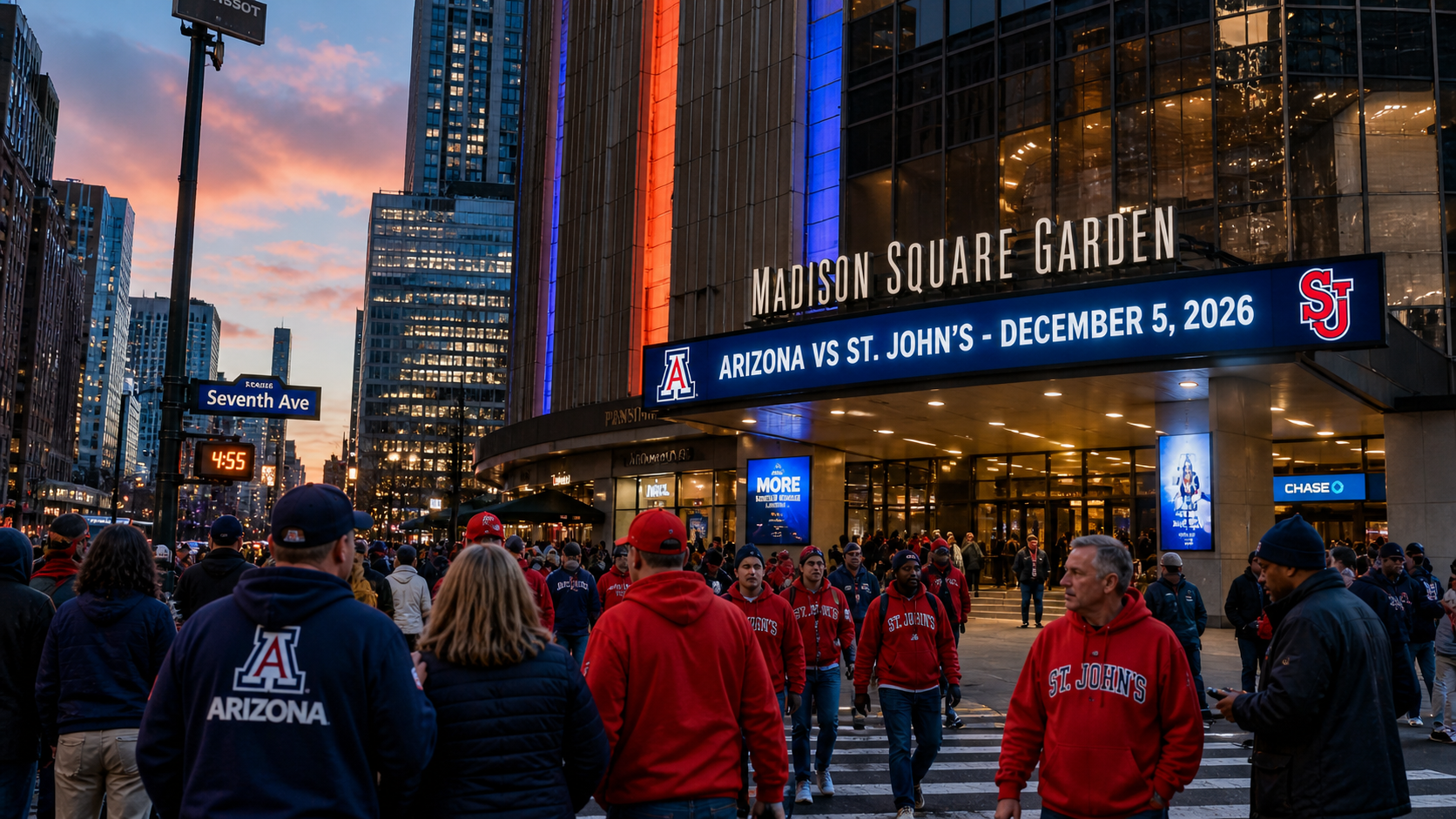
Madison Square Garden declined to comment on whether it would host the wedding. Swift’s representatives did not respond to requests for comment. The silence is consistent. The silence is the strategy.
What Changes Now
The wedding will happen. Details will emerge—on Swift and Kelce’s timeline, through channels they control, in formats they approve. The unauthorized image market will test the perimeter. The security apparatus will either hold or it will not.
But the larger shift has already occurred. The relationship between a pop star and her audience has a new boundary. The fans who grew up alongside Swift, who decoded her lyrics and tracked her relationships and celebrated her engagement, now encounter the limit of that intimacy. They are invited to the album. They are invited to the tour. They are not invited to the wedding.
That distinction is not cruel. It is clarifying. The parasocial pipeline delivered years of connection. It does not deliver everything. Some doors are closed. Some rooms remain private. The cloak-and-dagger operation is not about hiding. It is about defining where the relationship ends.
Culture Reality Check
“Taylor’s getting married and nobody knows where. Like, literally no one. The same fans who decoded her lyrics for years can’t find the venue. NDAs, decoy locations, the whole thing. Honestly? Respect. But also, the silence is so loud.”