

 English










































































































































































































































































































Trump-China Talks Expose Limits of Economic Decoupling
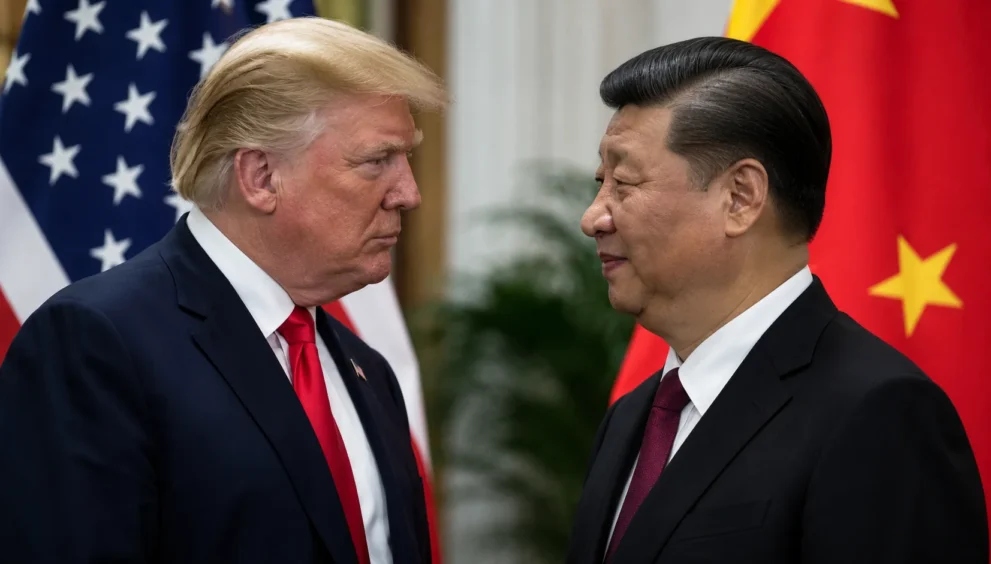
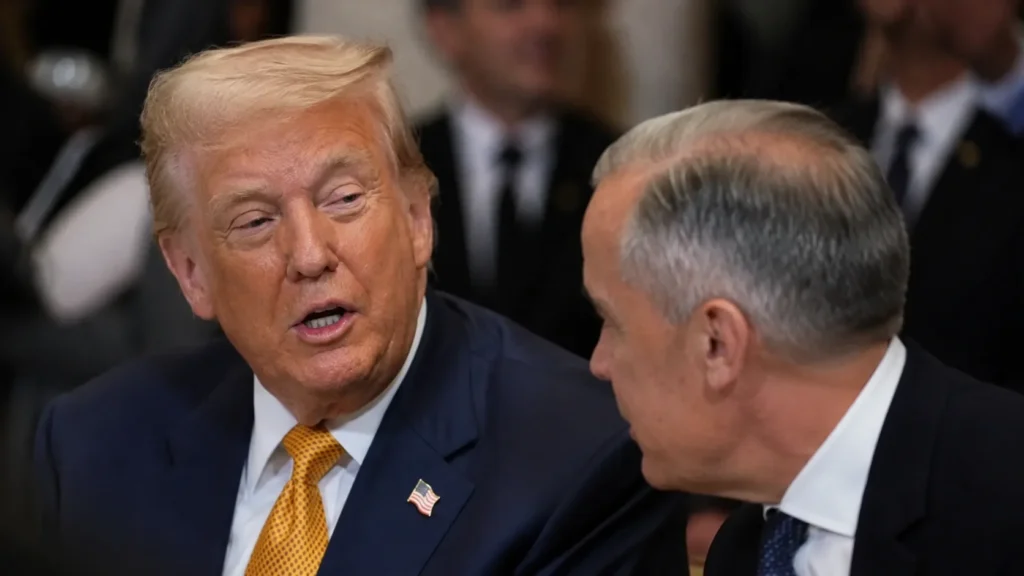
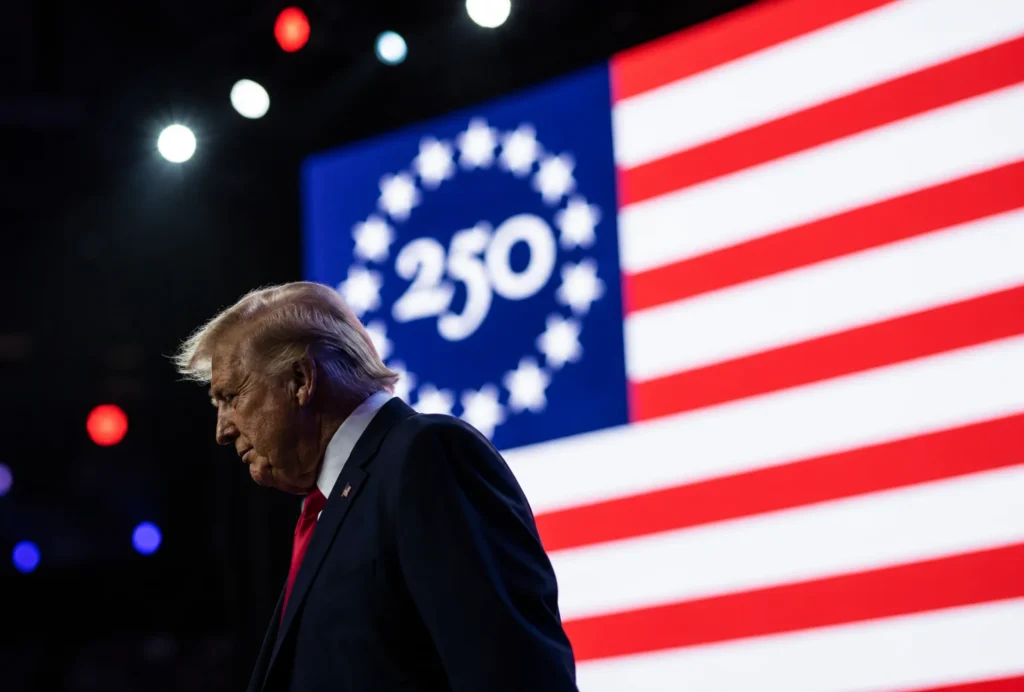
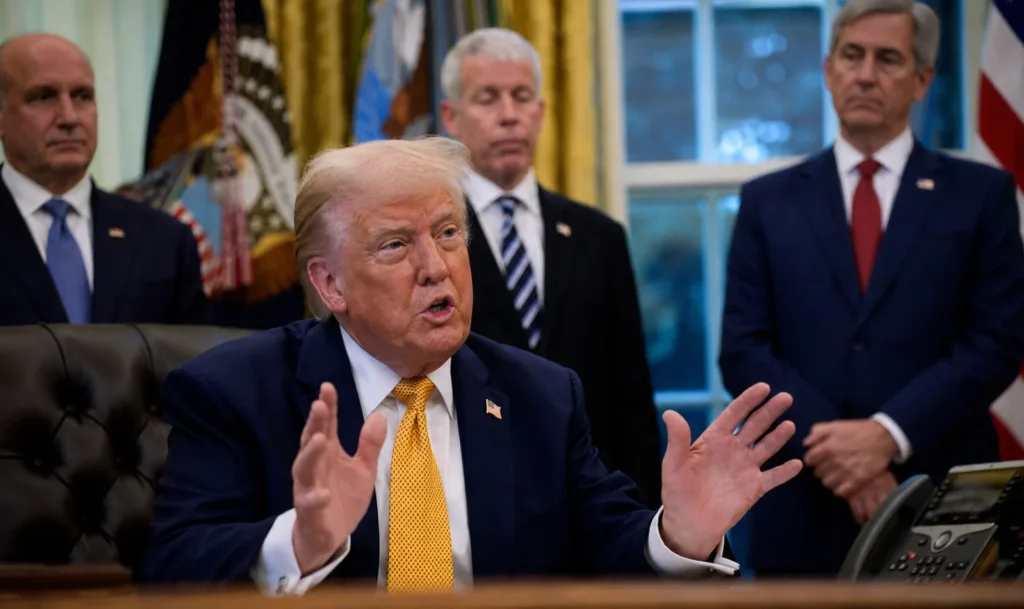
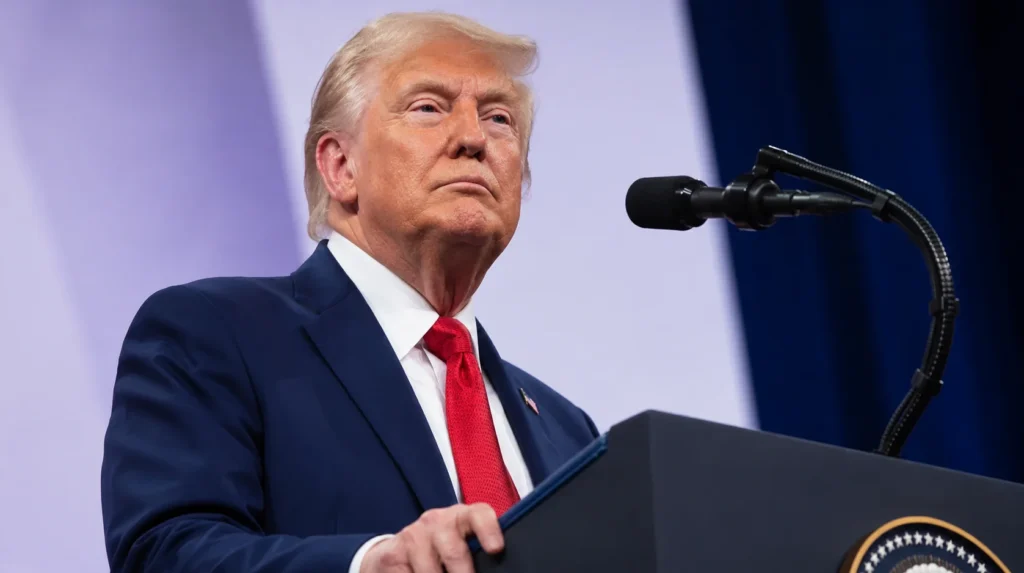
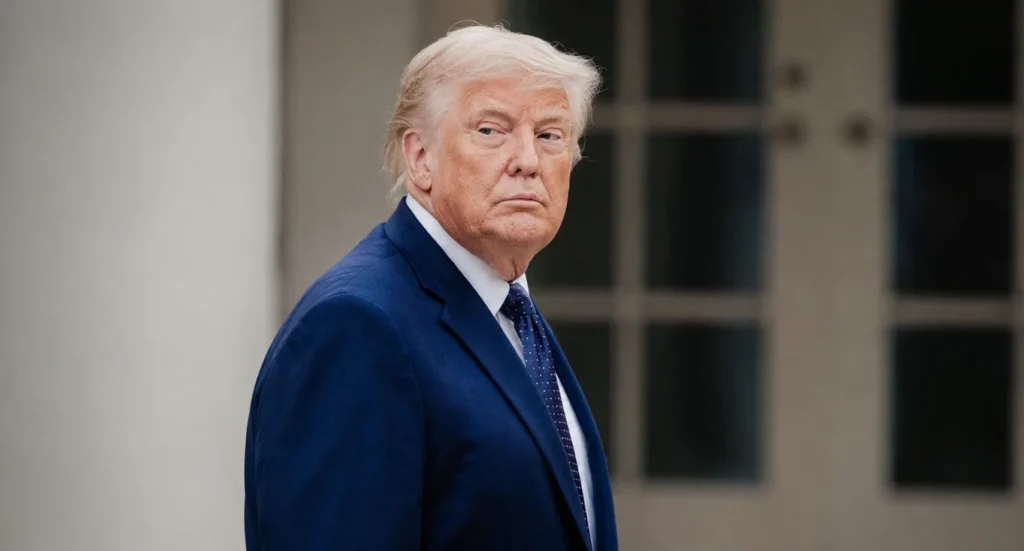
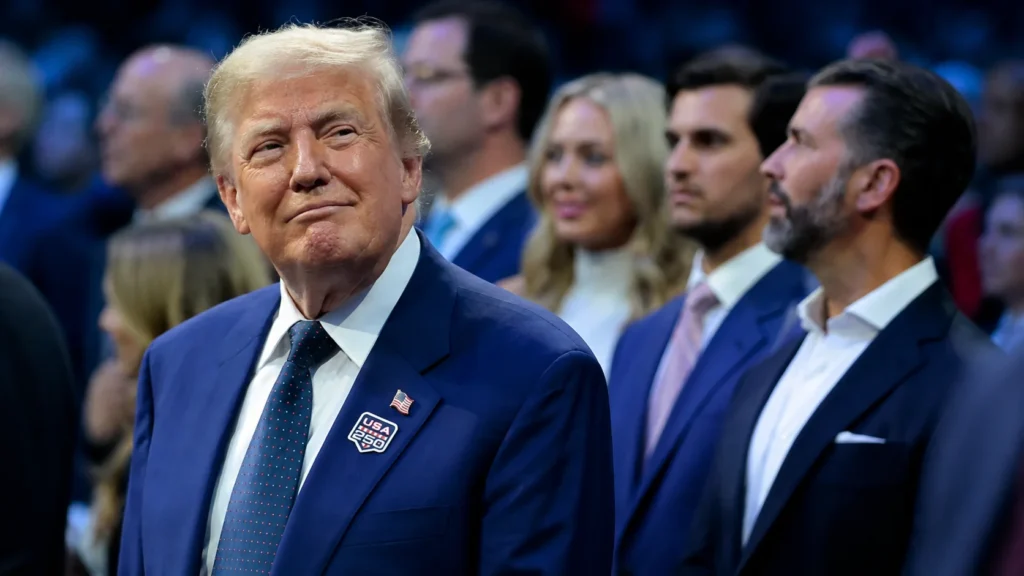
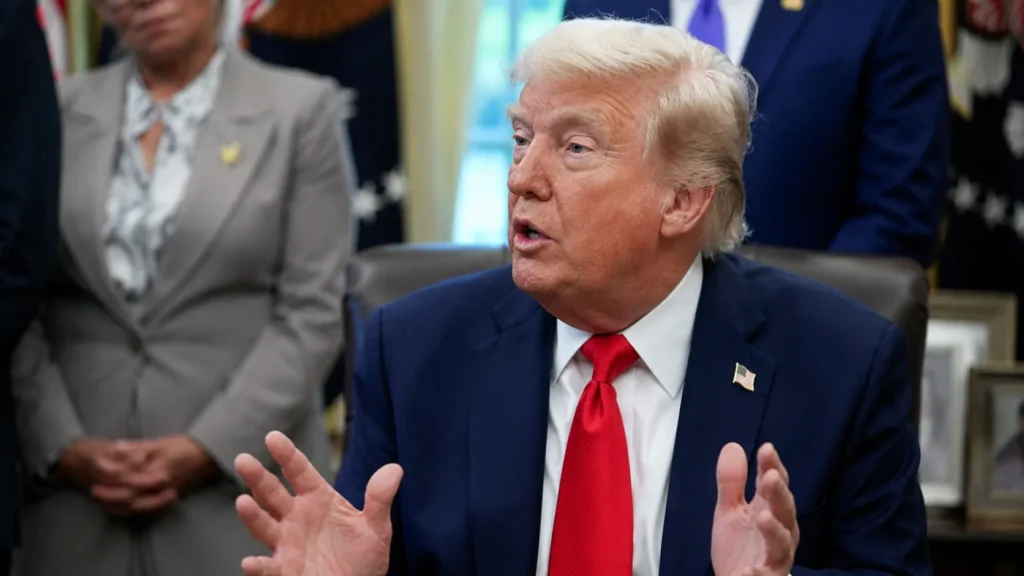
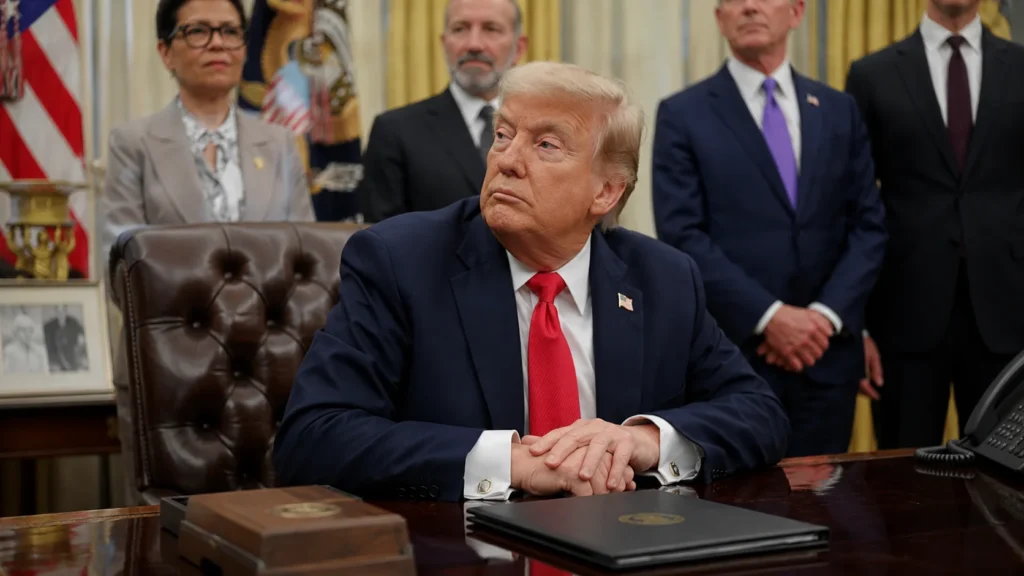
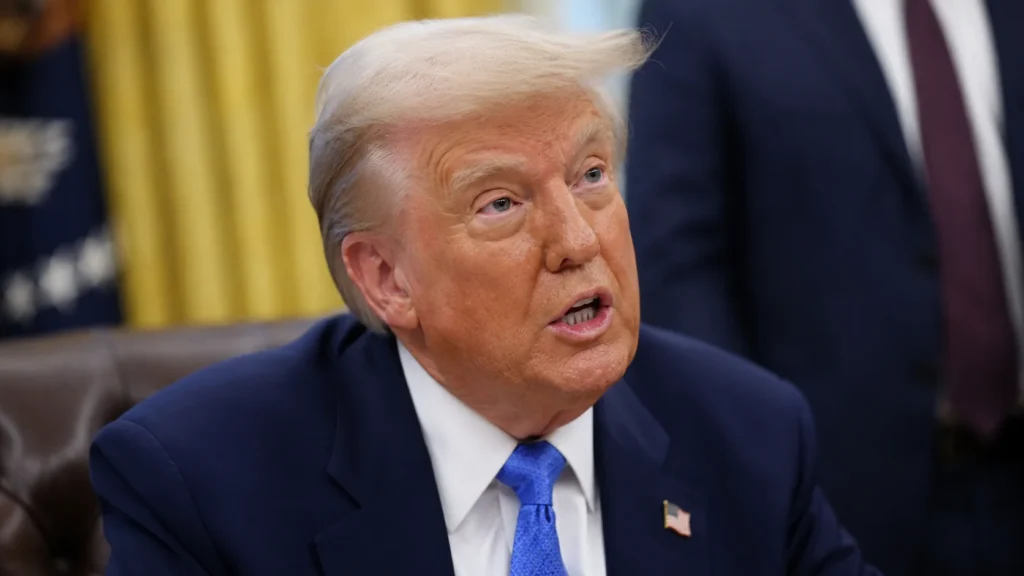
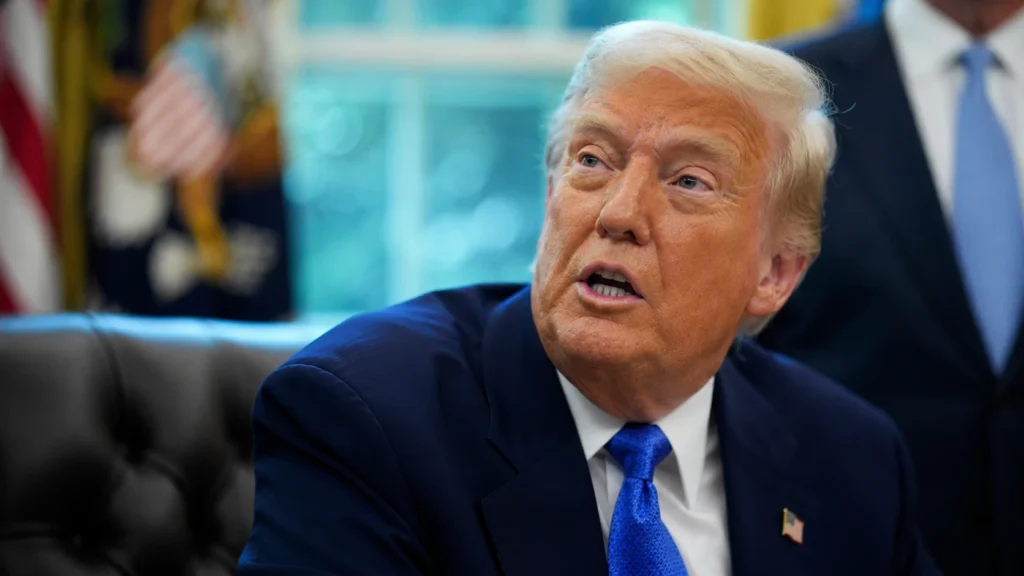
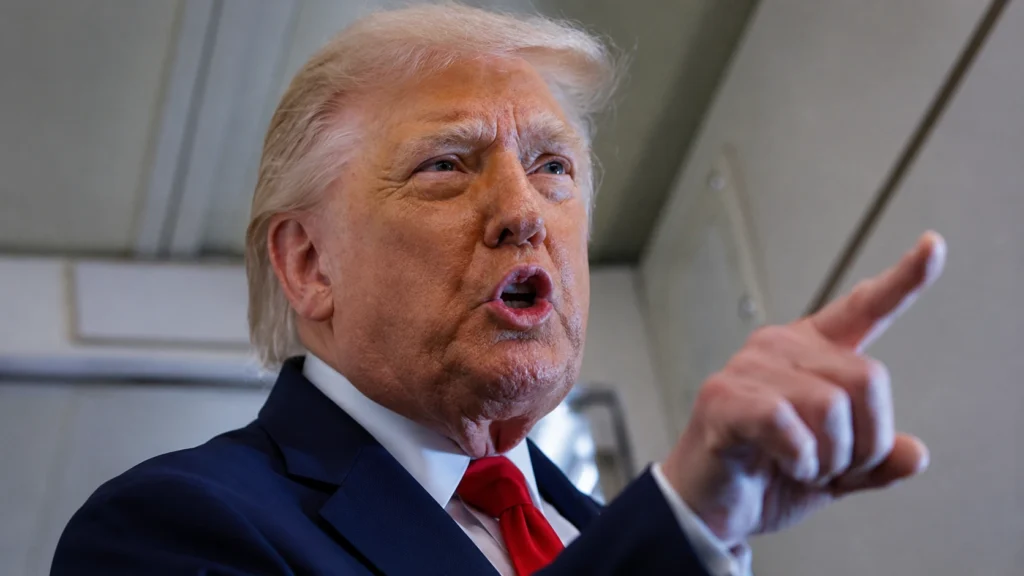
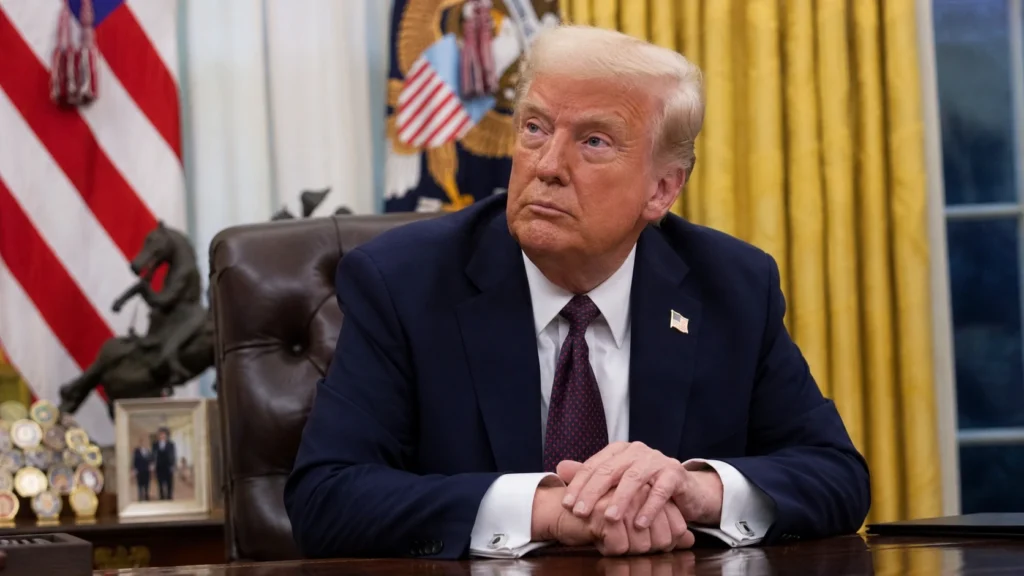
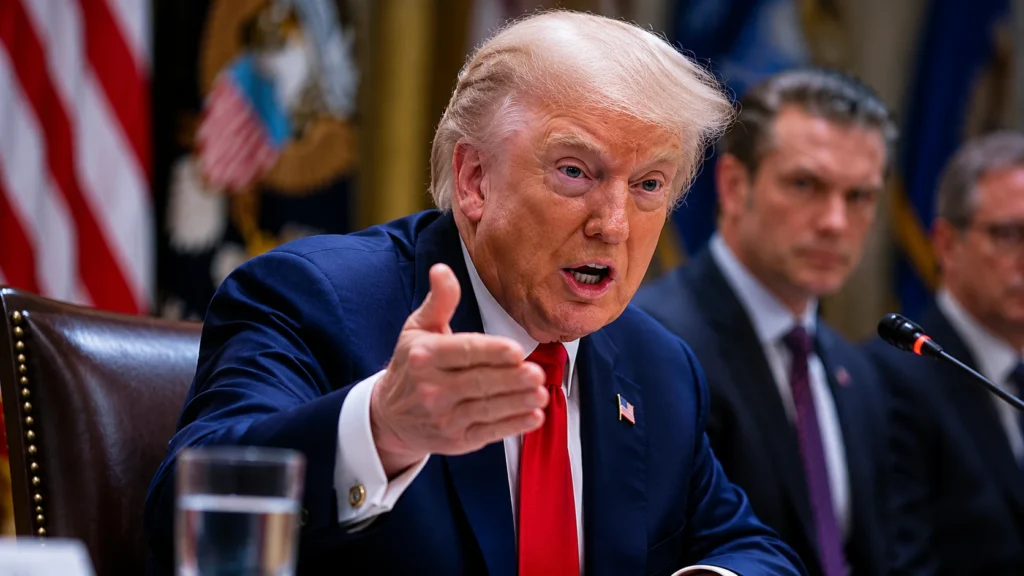
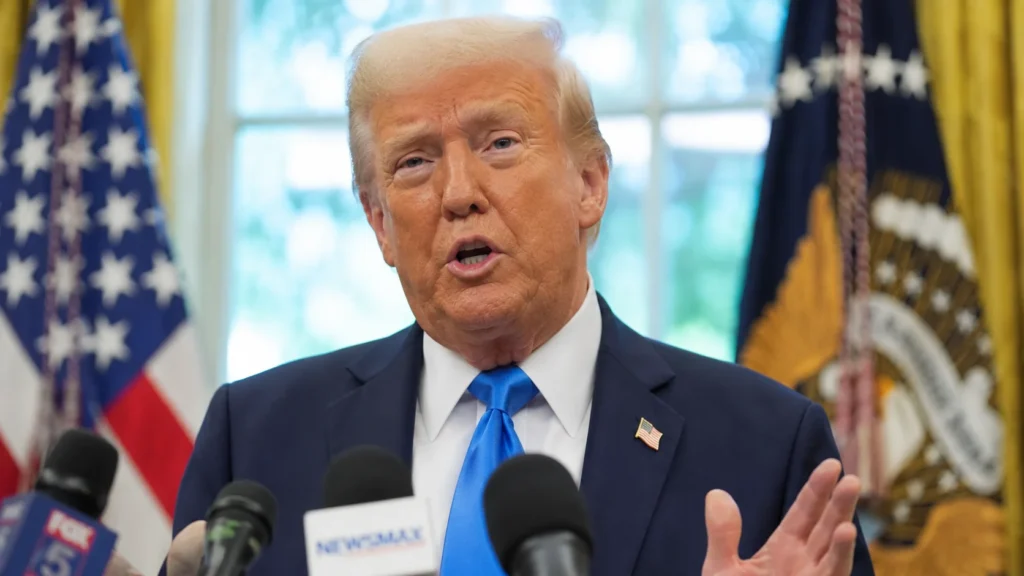
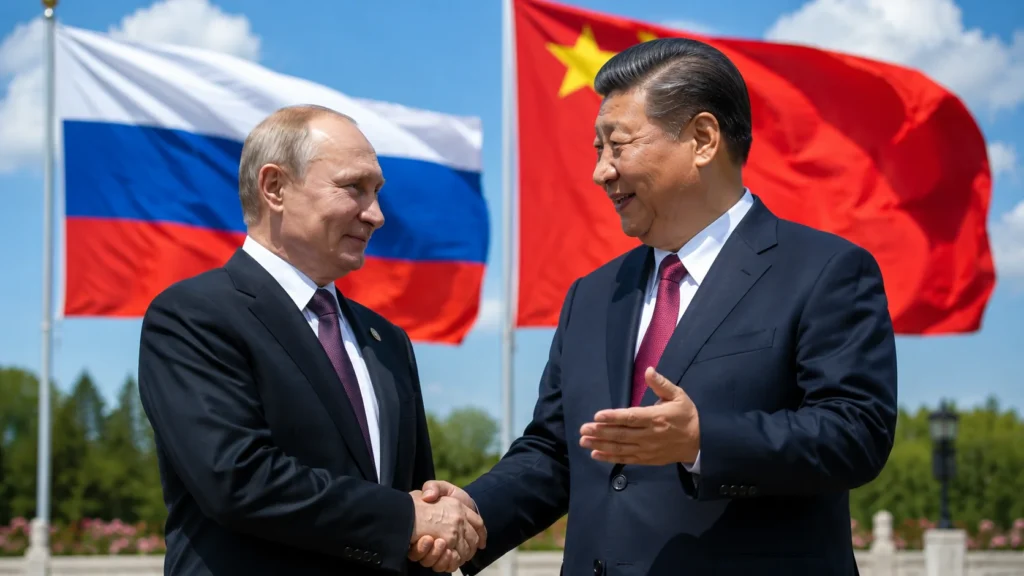
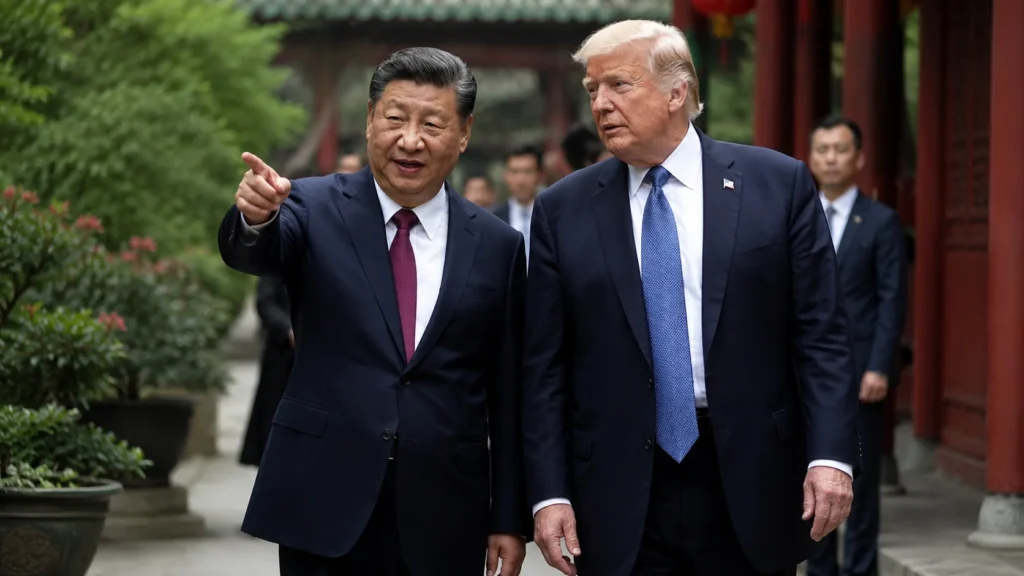
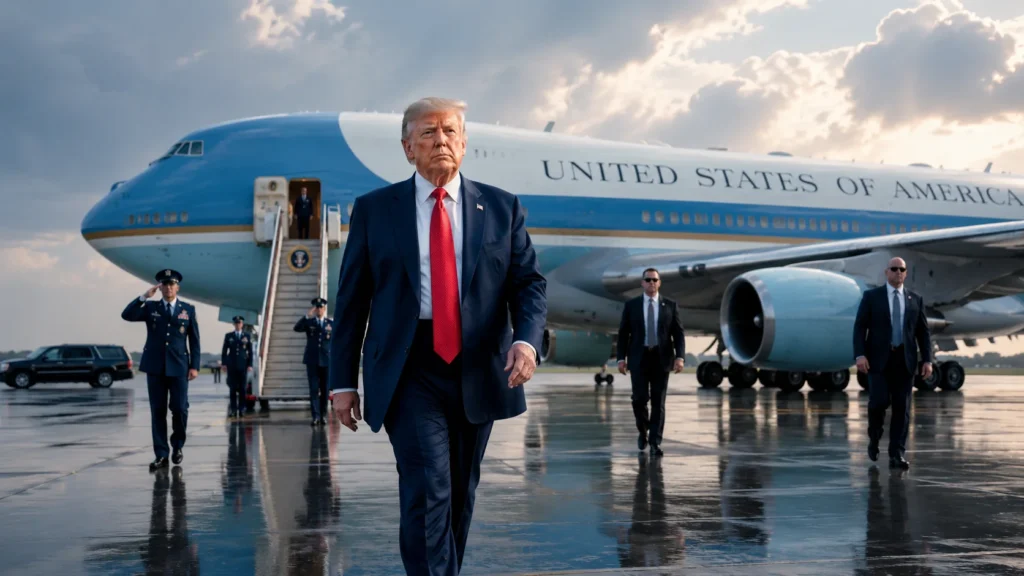
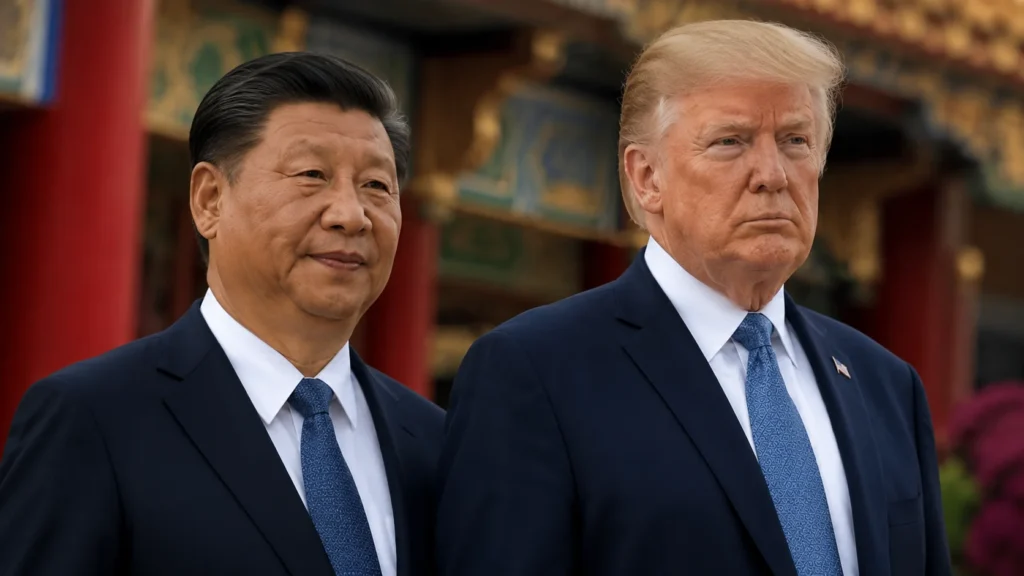
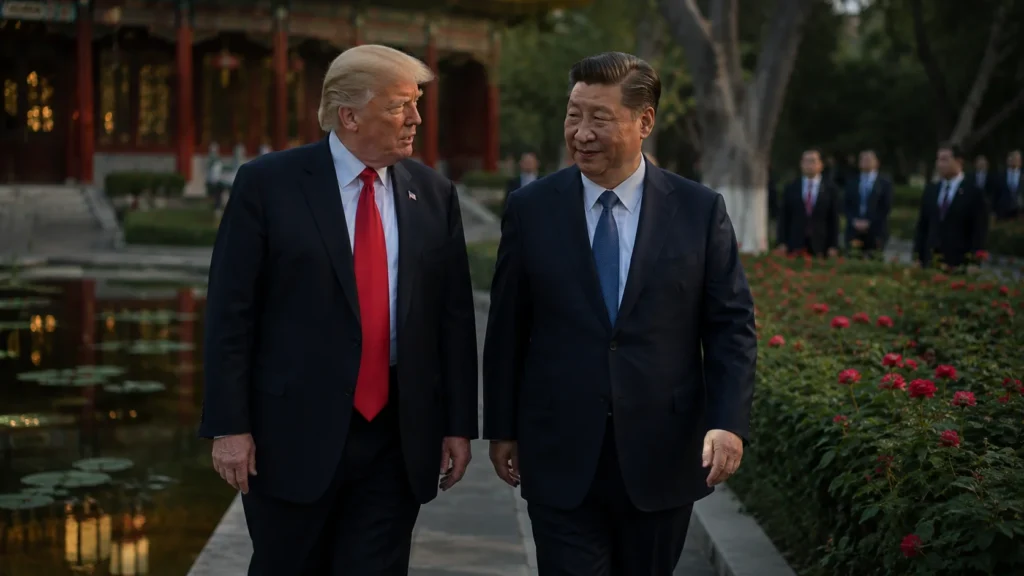
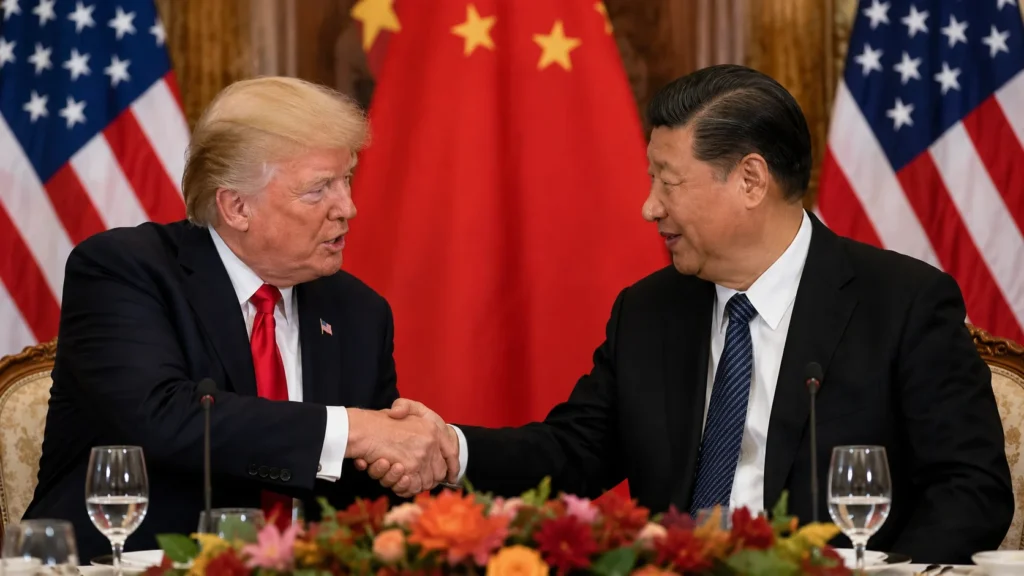
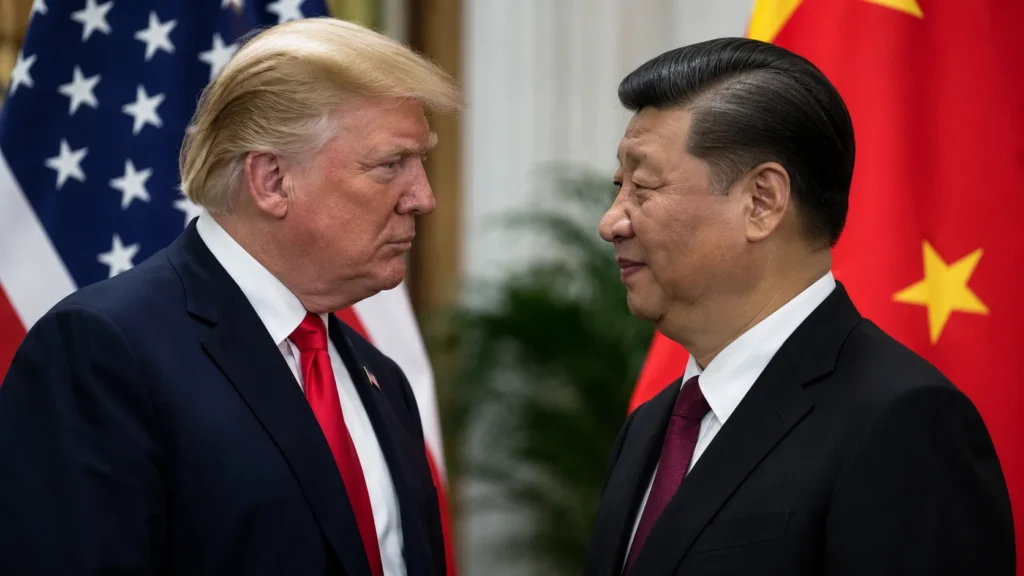
Donald Trump’s return to Beijing this week placed trade, Iran, and Taiwan inside a single diplomatic framework, forcing both Washington and Beijing to confront the reality that economic separation remains incomplete despite years of political friction. The two-day summit between Trump and Chinese President Xi Jinping focused on tariffs, semiconductor restrictions, energy security, and rising military tensions around Taiwan, while global markets closely monitored every development.
Deep Economic Interdependence Between the US and China
The meeting highlighted a structural contradiction: while both nations publicly pursue strategic decoupling, their economies remain tightly interconnected. The United States still relies on Chinese manufacturing, consumer demand, and critical minerals, while China depends on American technology, financial systems, and export markets. Despite years of tariffs and restrictions, trade between the two countries remained above $400 billion in 2025, showing a partial slowdown rather than real separation.
Corporate Presence and Economic Symbolism in the Summit
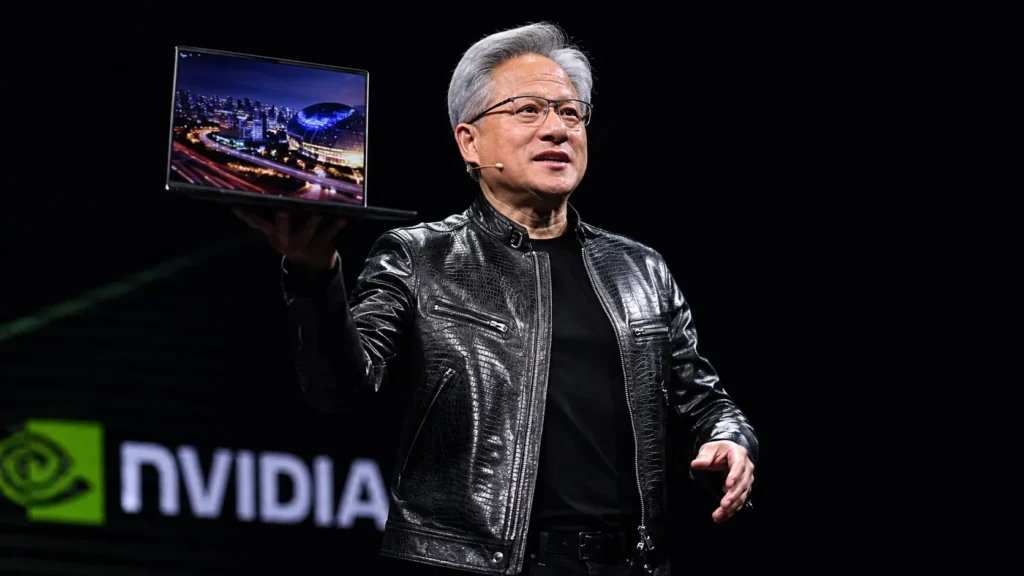
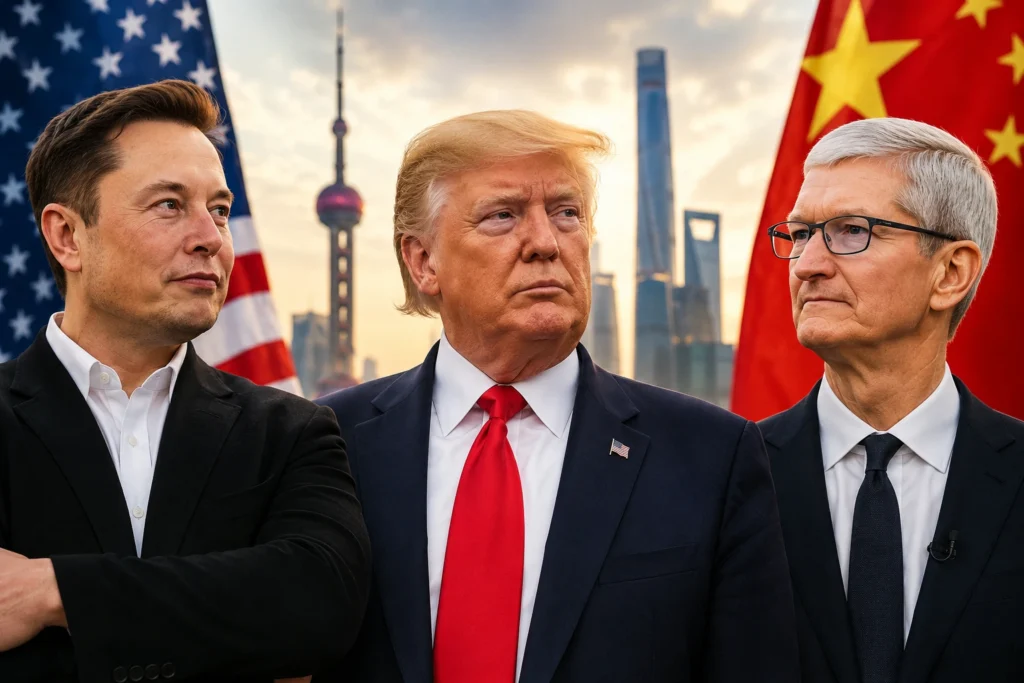
Trump’s delegation included executives linked to major US corporations such as Apple, Nvidia, Tesla, Boeing, and BlackRock. Their presence underscored how deeply American corporate supply chains and investment structures remain tied to China. For Beijing, the visit symbolized that complete economic decoupling is still far from reality, despite increasing political rhetoric on both sides.
Trade Data and the Reality of Partial Decoupling
According to US trade data, total goods exchange between the United States and China continued to exceed $400 billion in 2025, even after multiple rounds of tariffs and export controls introduced since Trump’s earlier administration. While trade volumes have declined from peak levels, the figures reflect adjustment rather than independence, reinforcing the limits of economic decoupling.
Iran, Energy Security, and the Strait of Hormuz Pressure Point
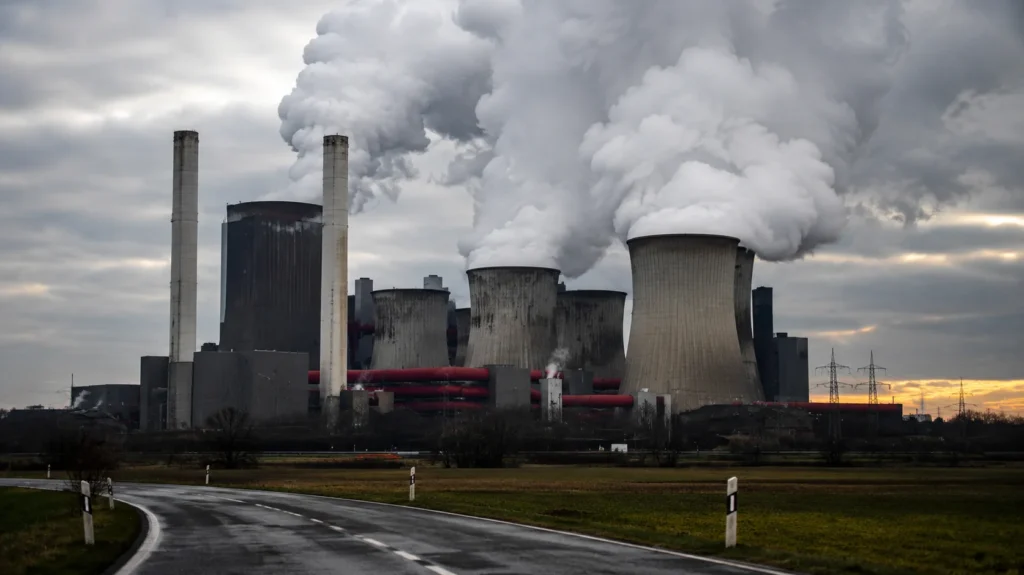
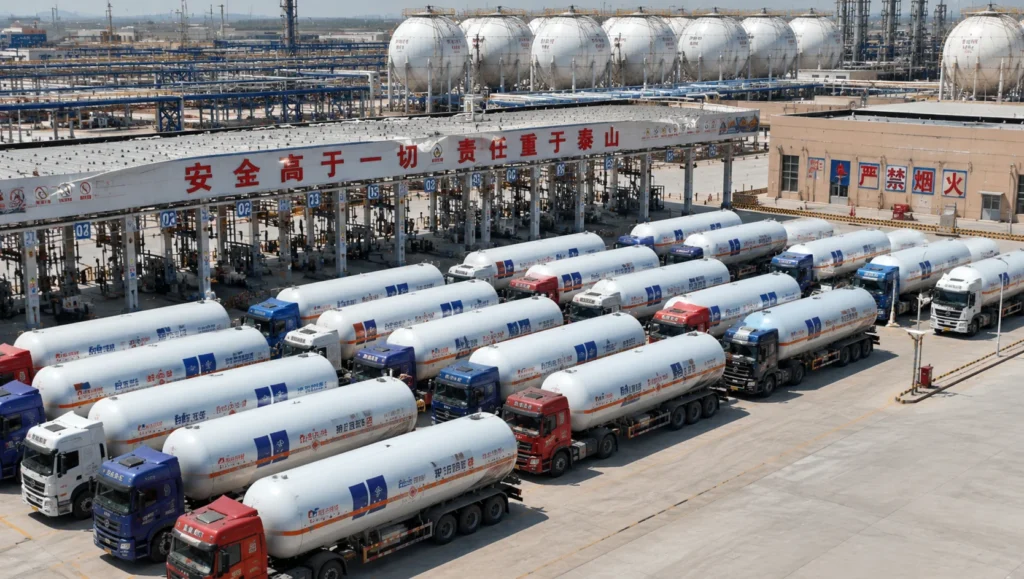
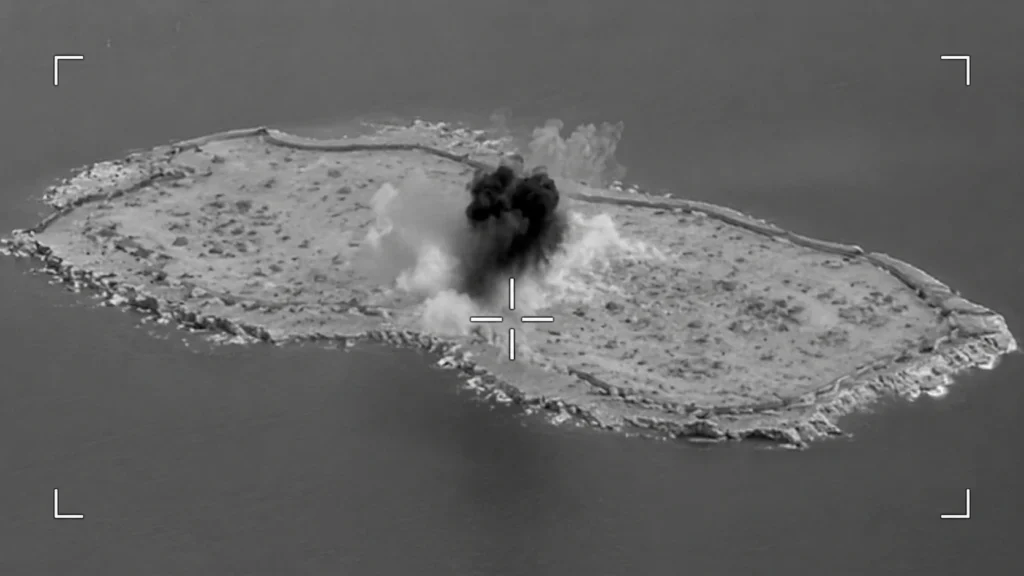
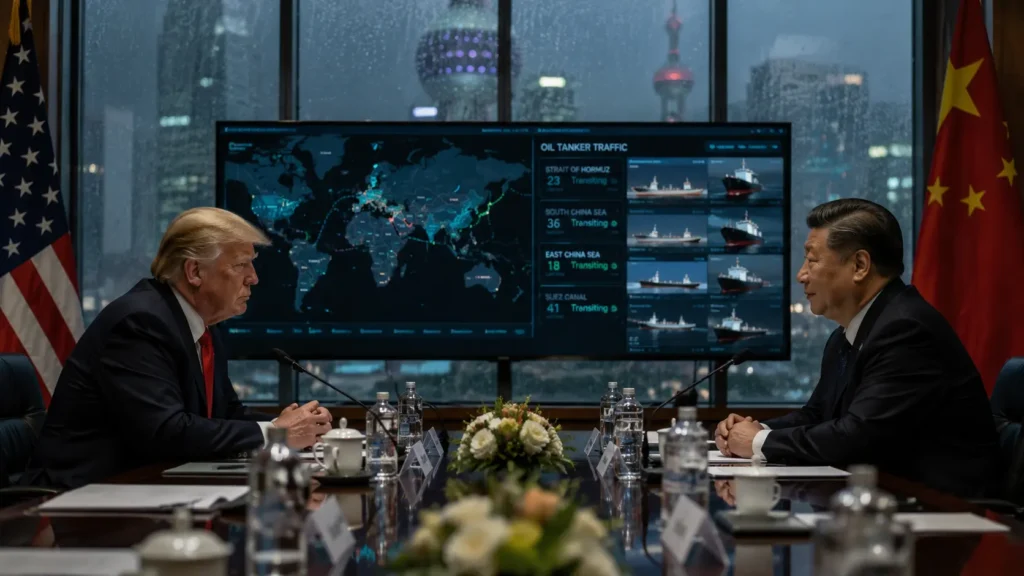
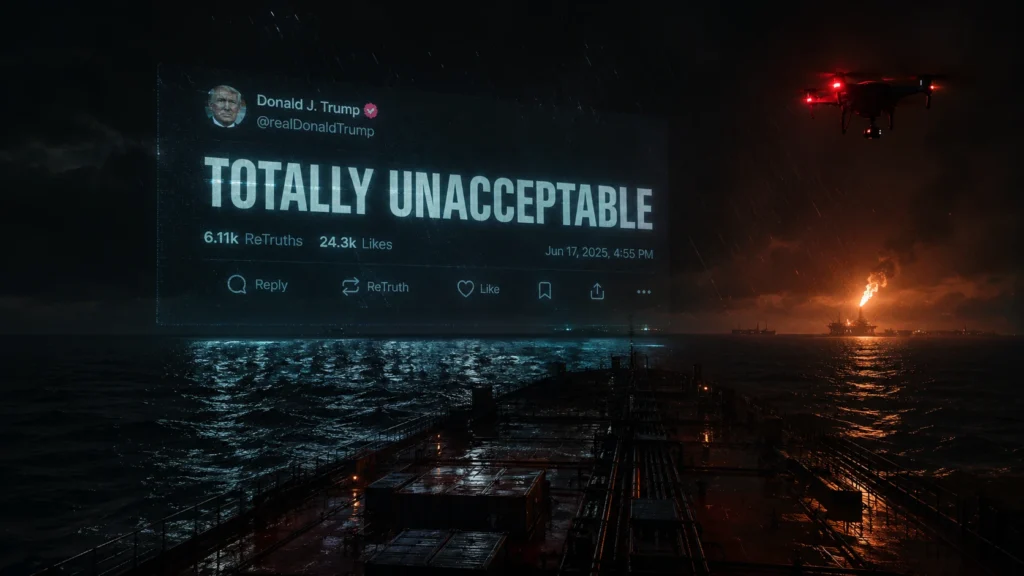
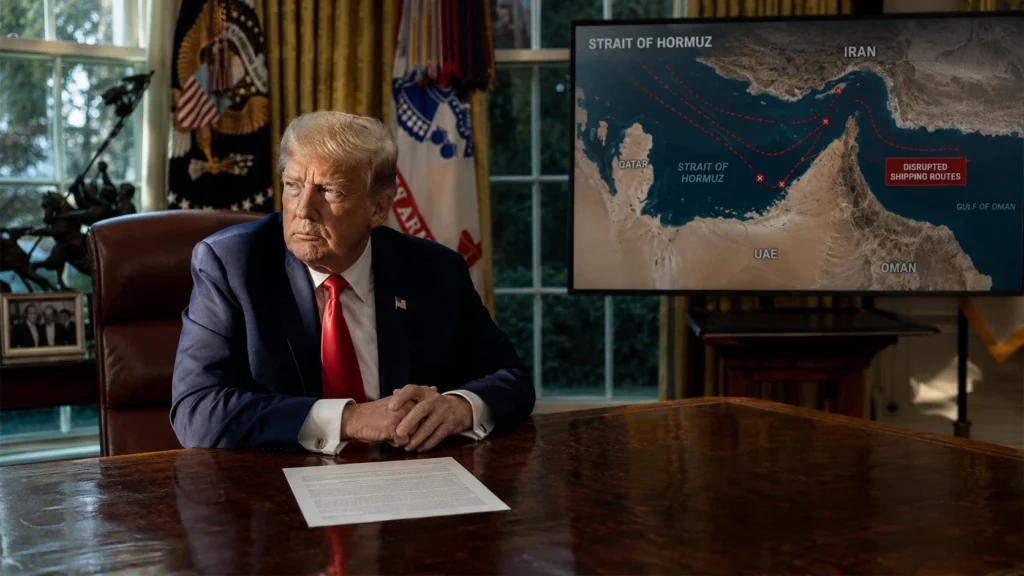
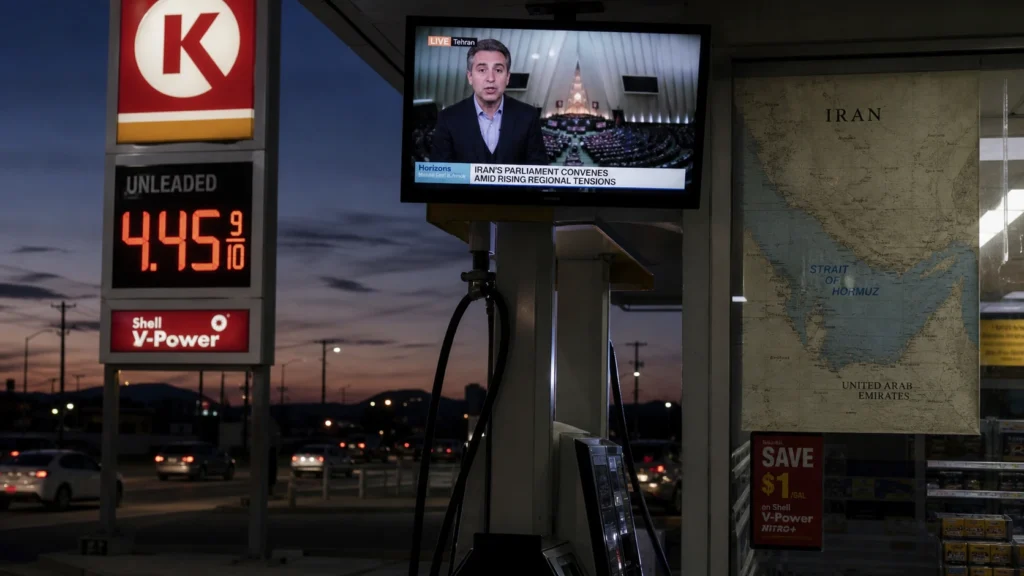
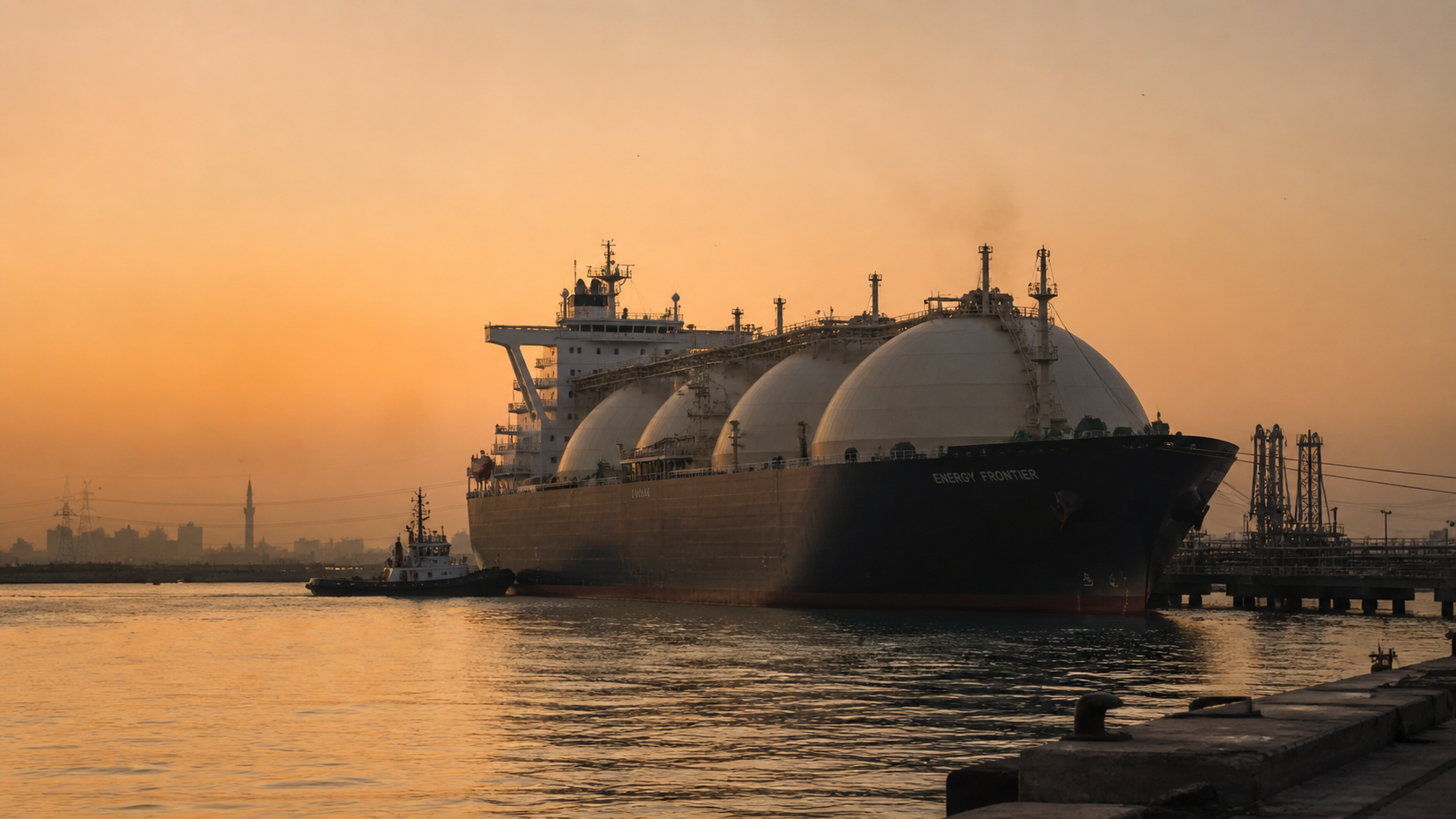
The negotiations expanded beyond trade into energy security and the Iran issue. China’s continued import of Iranian oil and Washington’s concern over stability in the Strait of Hormuz added urgency to the talks. Nearly 20% of global petroleum flows through this narrow waterway, making it one of the most sensitive pressure points in global energy markets and inflation trends.
Taiwan and the Semiconductor Supply Chain Risk
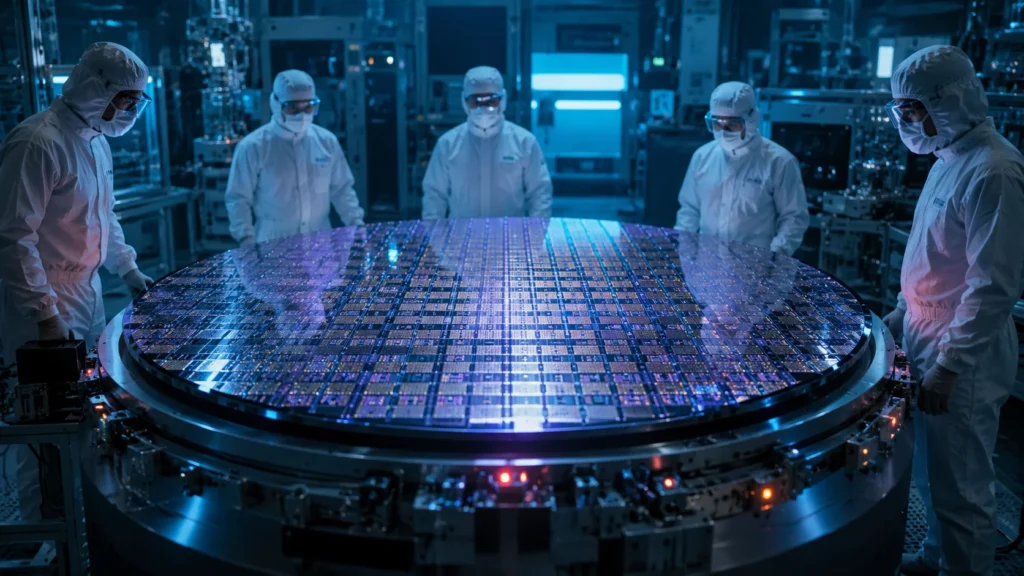
Taiwan remained the most strategically sensitive issue in the discussions. The island plays a central role in global semiconductor production, particularly through Taiwan Semiconductor Manufacturing Company (TSMC), which supplies advanced chips used in AI systems, defense technologies, and consumer electronics. Any instability in the region would immediately disrupt global supply chains and financial markets.
Rare Earth Minerals and China’s Strategic Leverage
China’s dominance in rare earth processing continues to give it significant leverage over global industries, including electric vehicles, defense systems, and advanced electronics. This resource dependency adds another layer of complexity to US-China competition, particularly as both countries attempt to secure supply chain resilience.
Market Impact and Global Economic Sensitivity
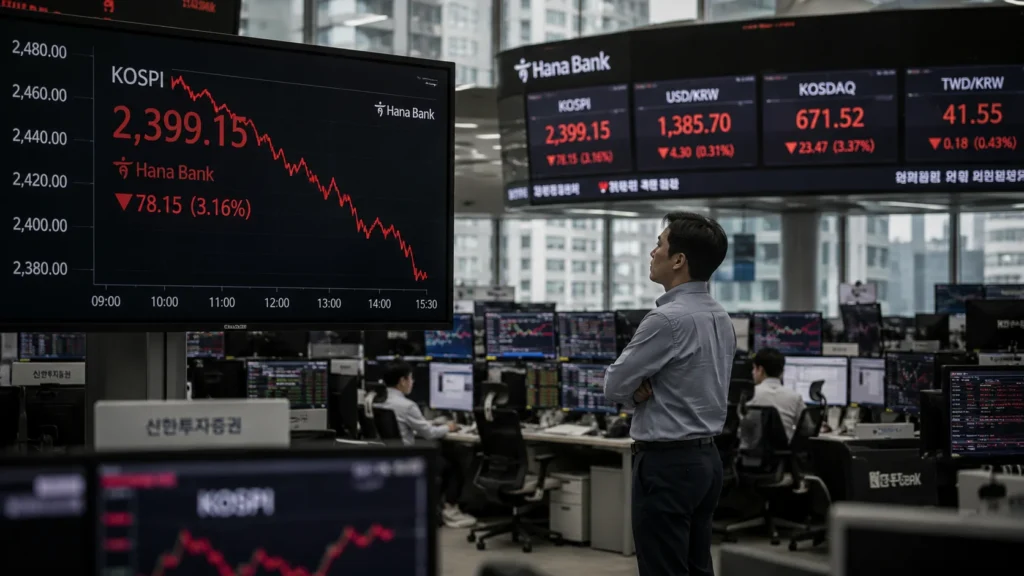
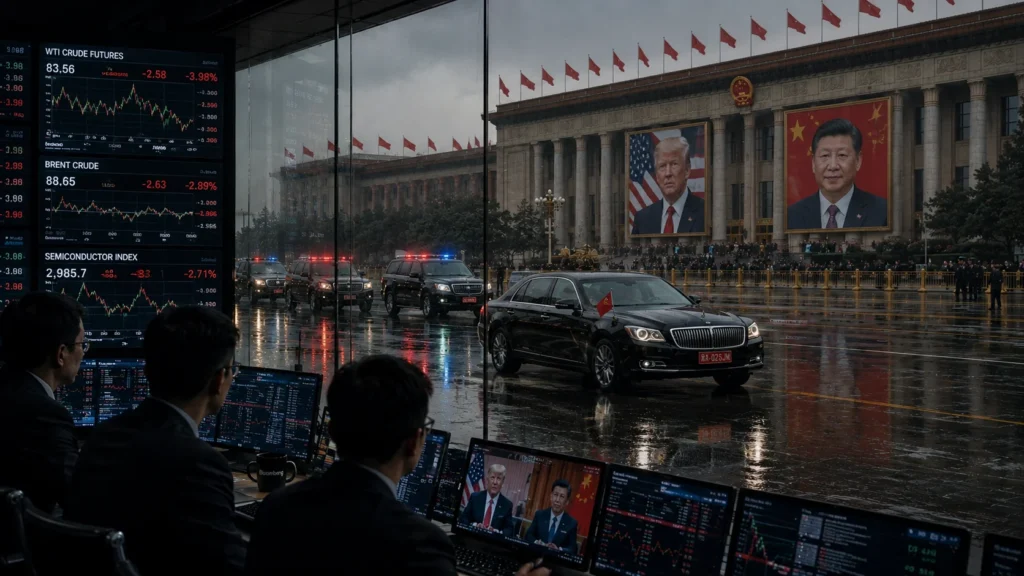
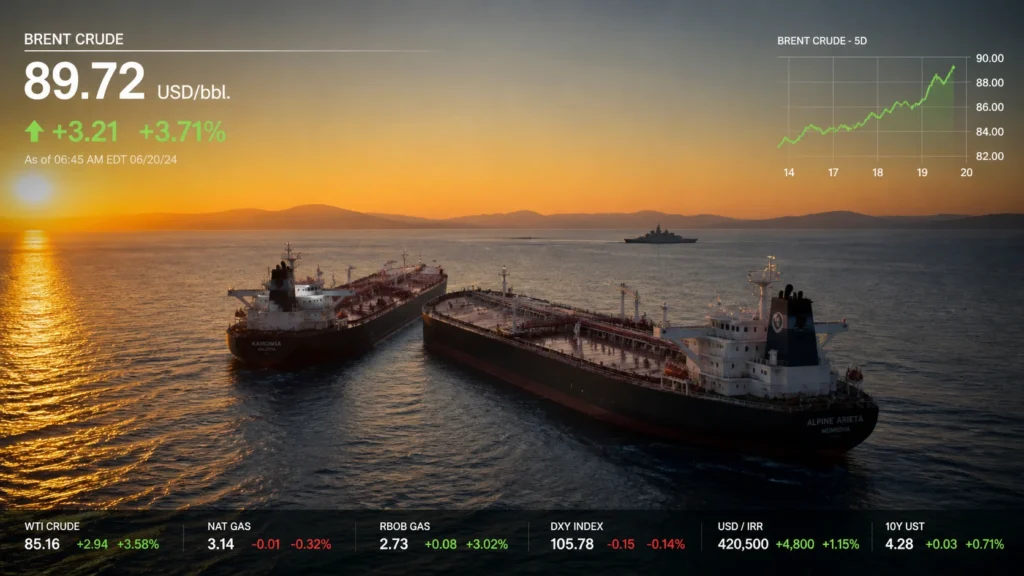
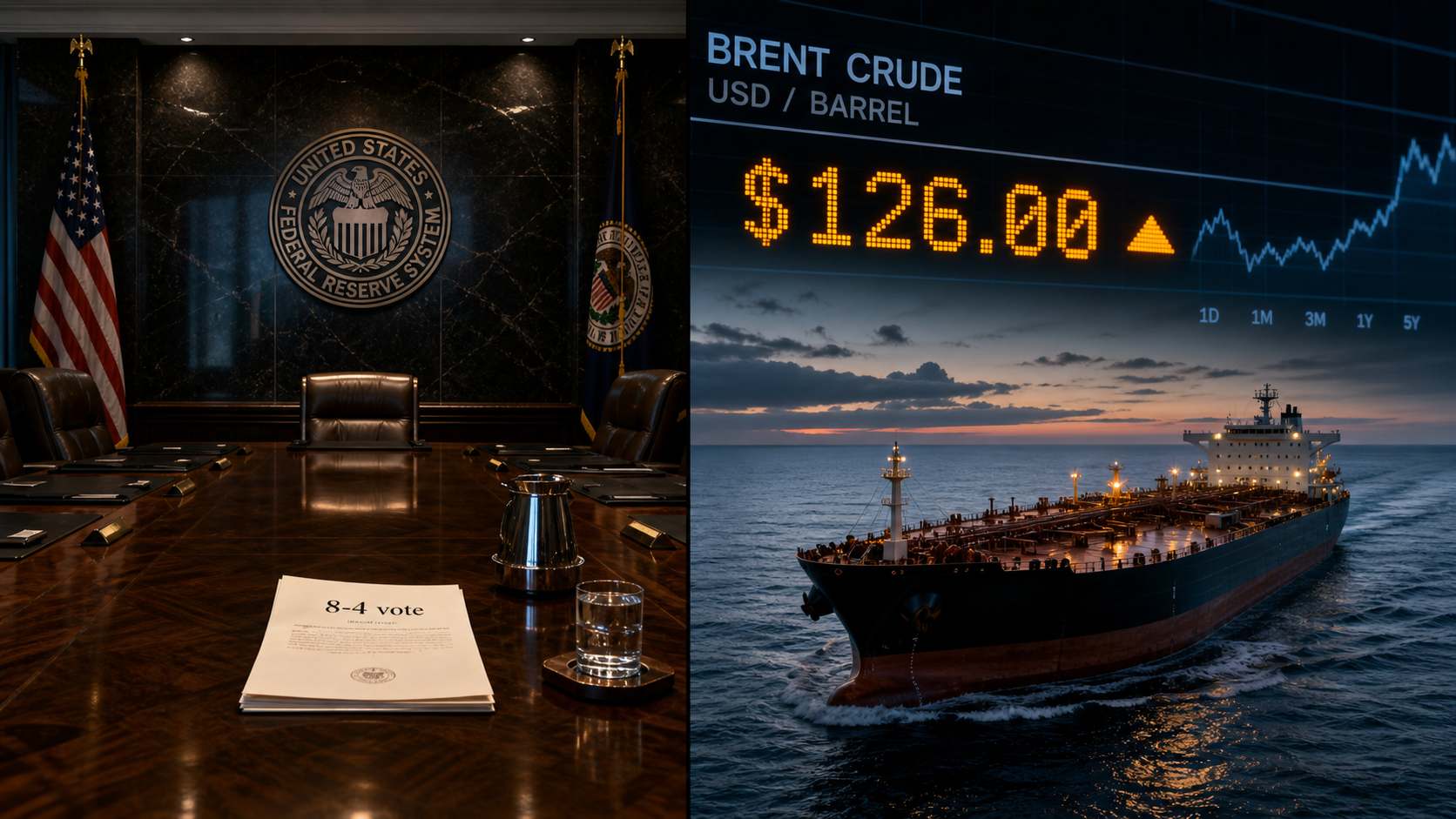
Markets reacted quickly to signals from the summit. Oil traders monitored the Strait of Hormuz, shipping insurers adjusted risk pricing, and technology firms assessed potential changes in export controls. The speed of financial reaction highlights how geopolitical developments between the US and China now translate almost instantly into global economic shifts.
Conclusion: Interdependence vs Strategic Rivalry
The Trump-Xi summit ultimately exposed a central contradiction in global geopolitics: while both nations aim to reduce dependency, the structure of the global economy still binds them together. Whether this interdependence continues to prevent escalation or simply delays deeper fragmentation remains the defining question shaping US-China relations going forward.
Author Bio:
Written by Daniel Mercer, a geopolitical analyst covering US-China relations, international trade systems, and strategic economic risk for more than 12 years.