

 English


















































































































































































Starmer Cabinet Revolt Tests Britain’s Governability Again
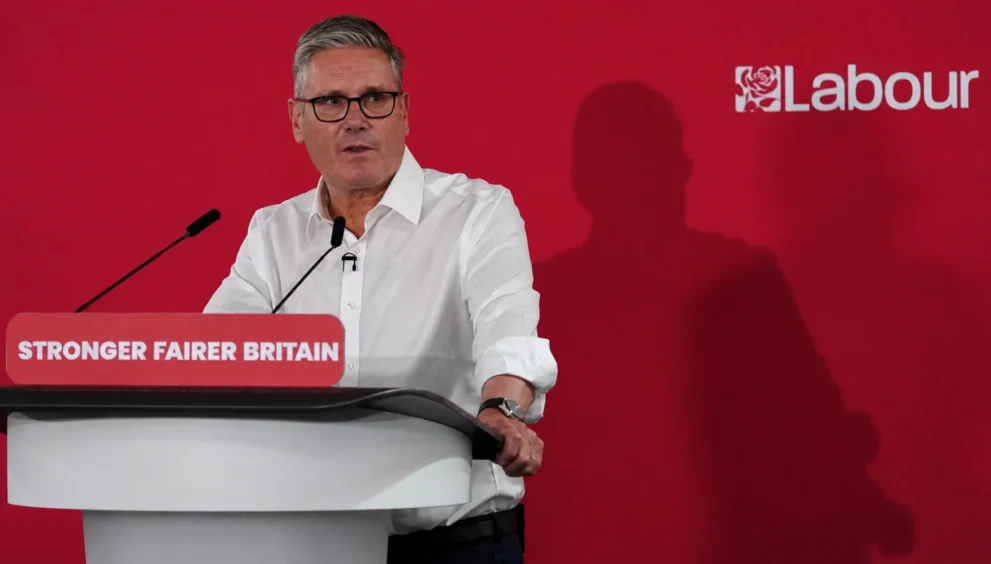
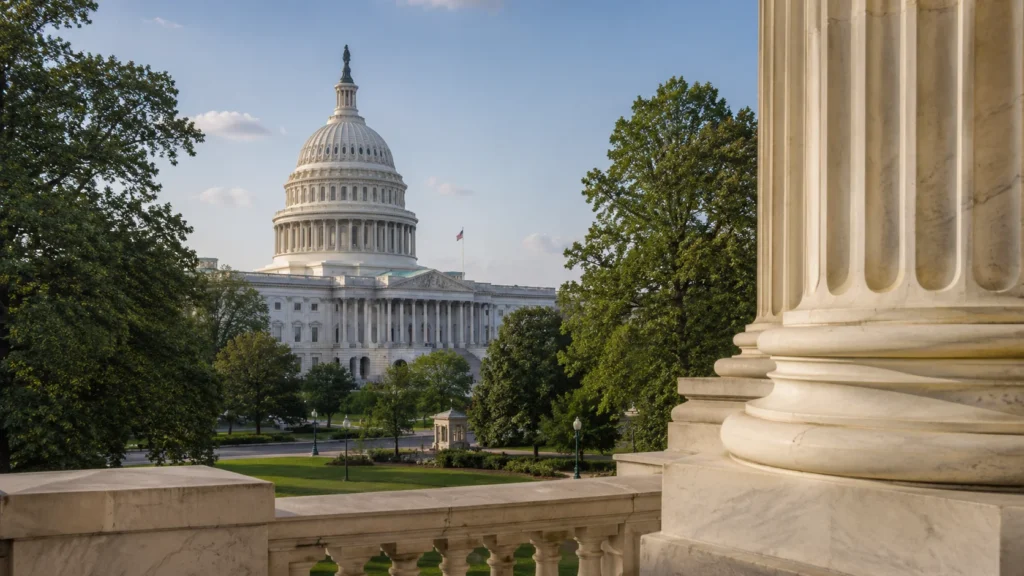
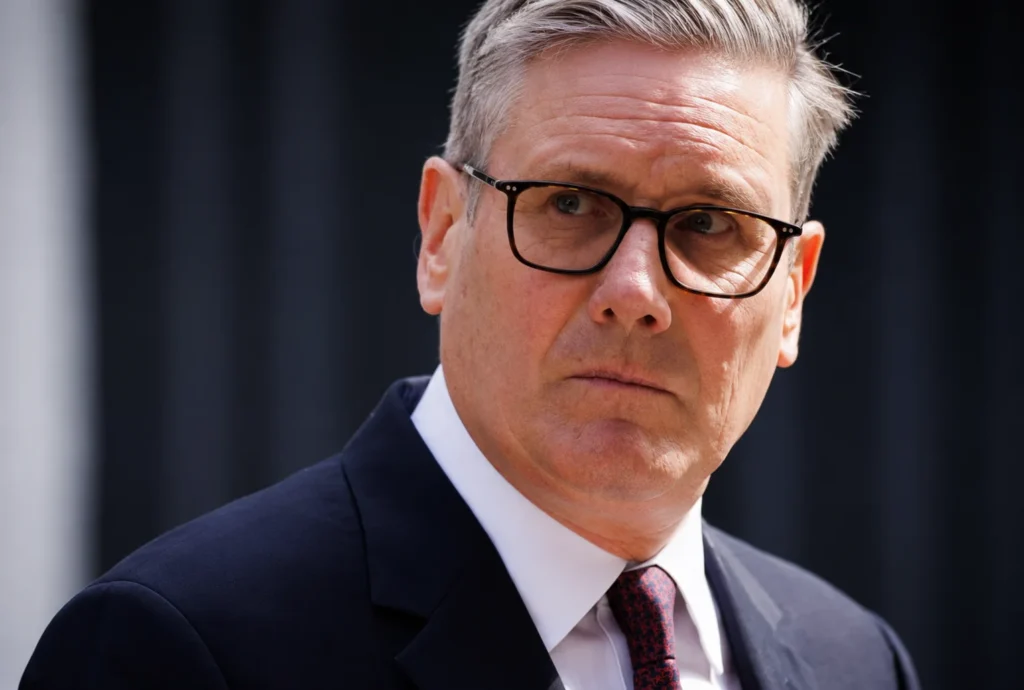
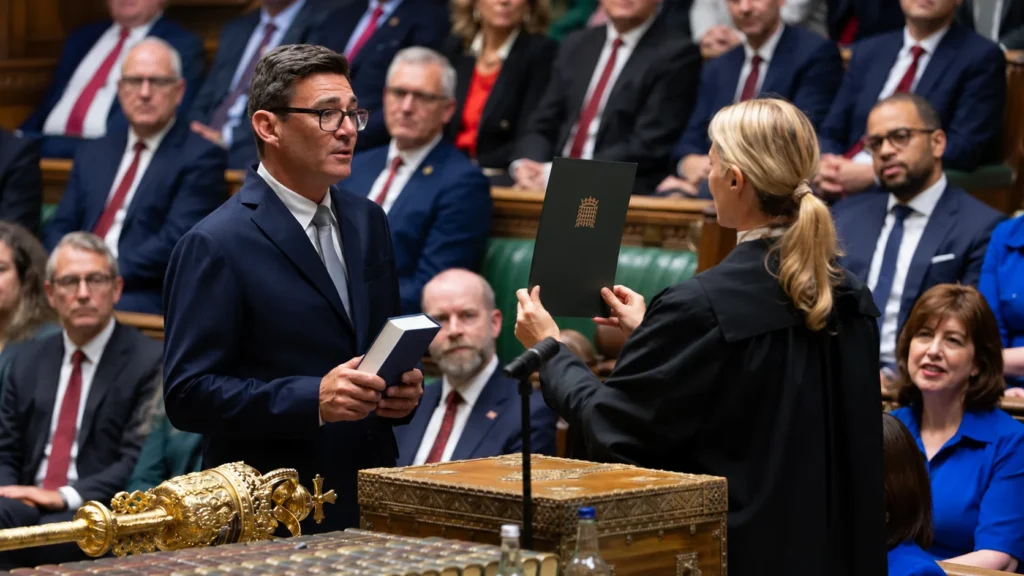
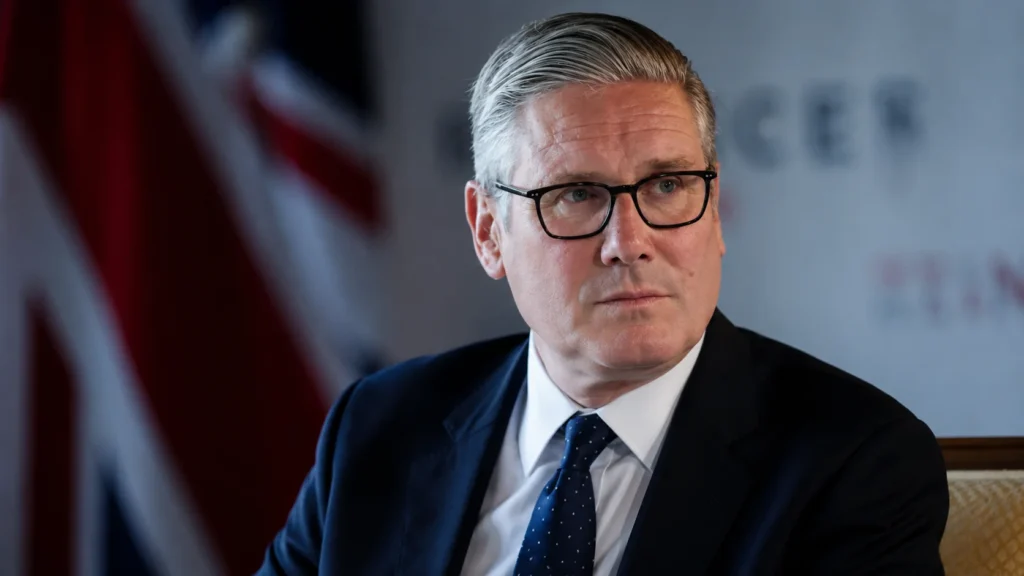
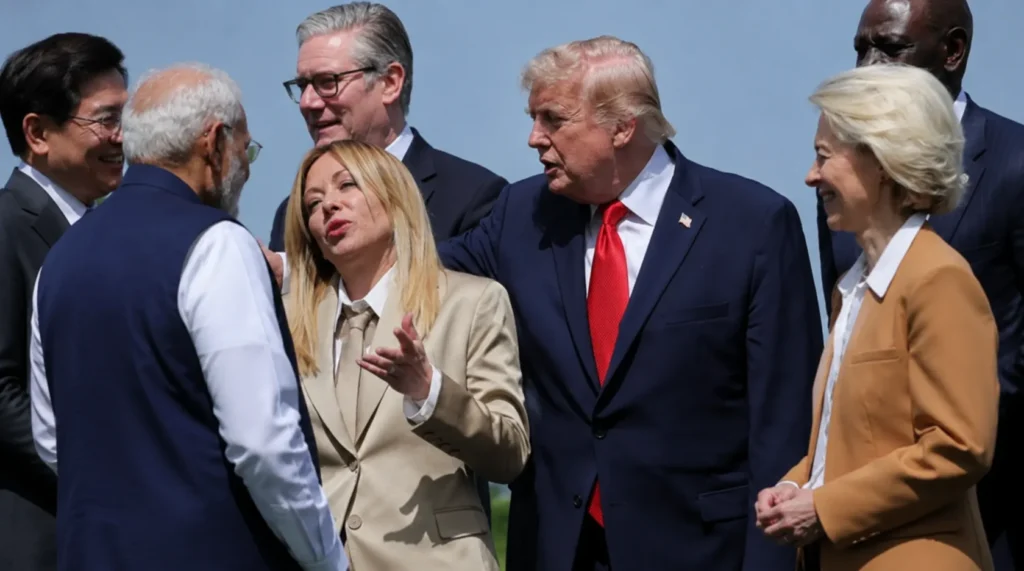
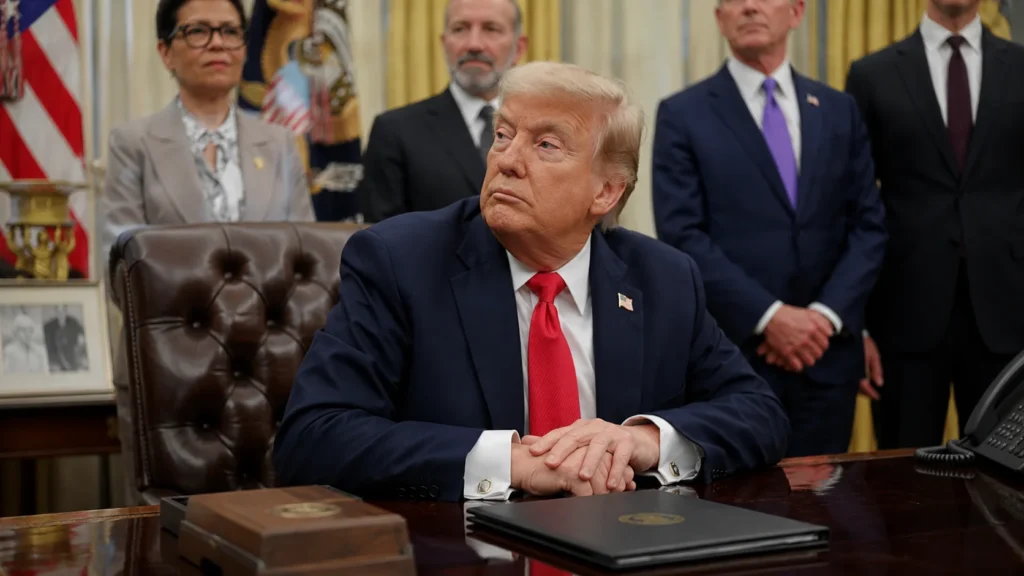
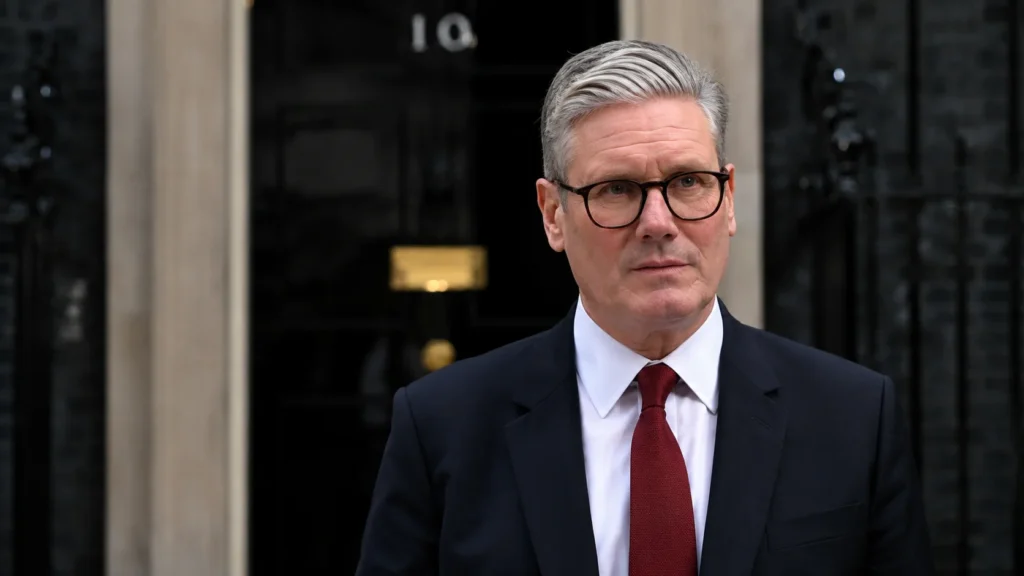
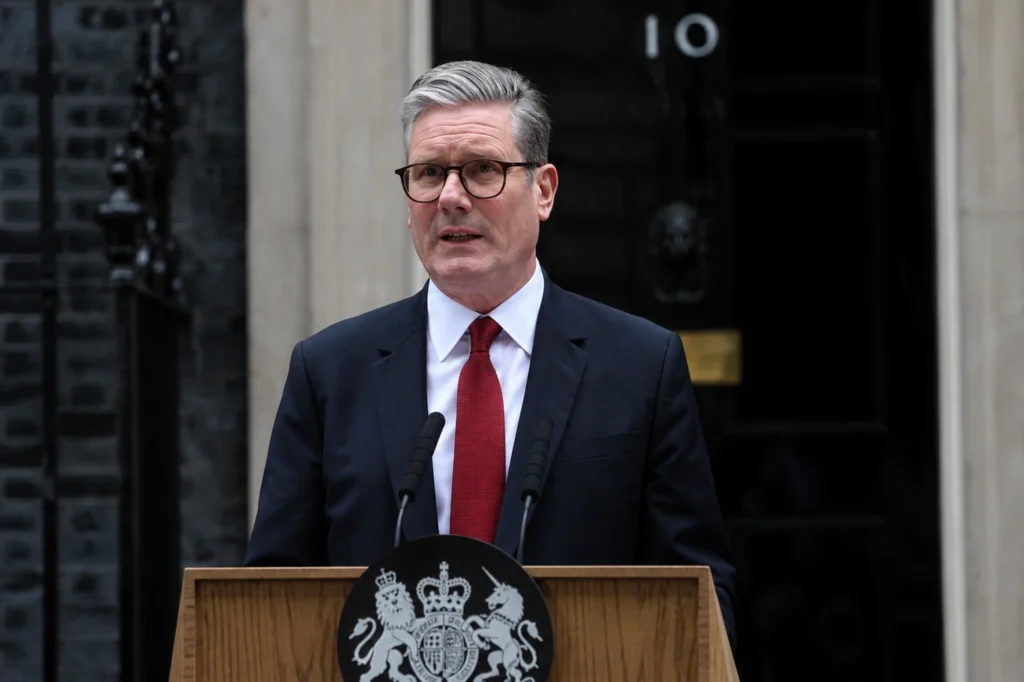
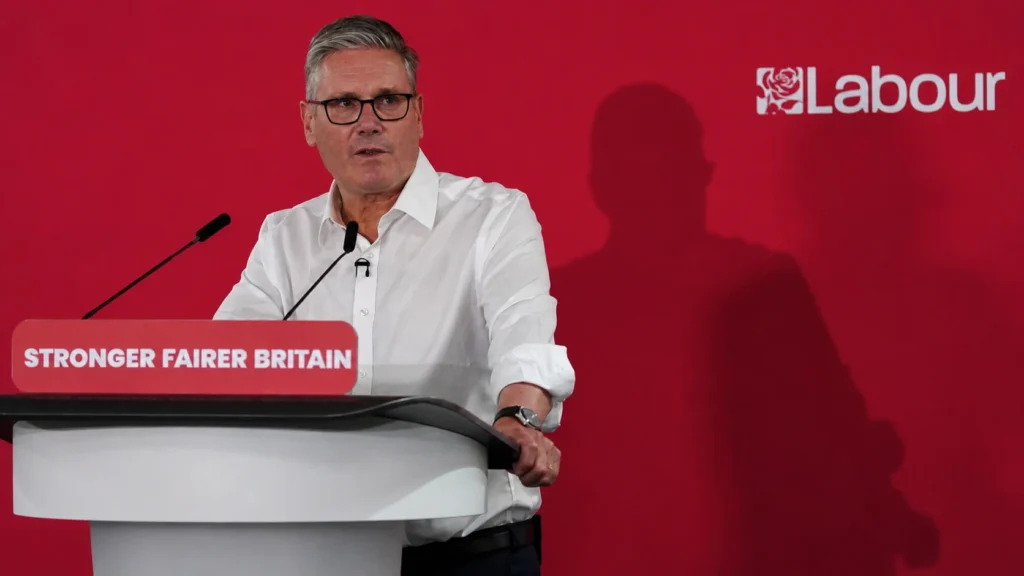
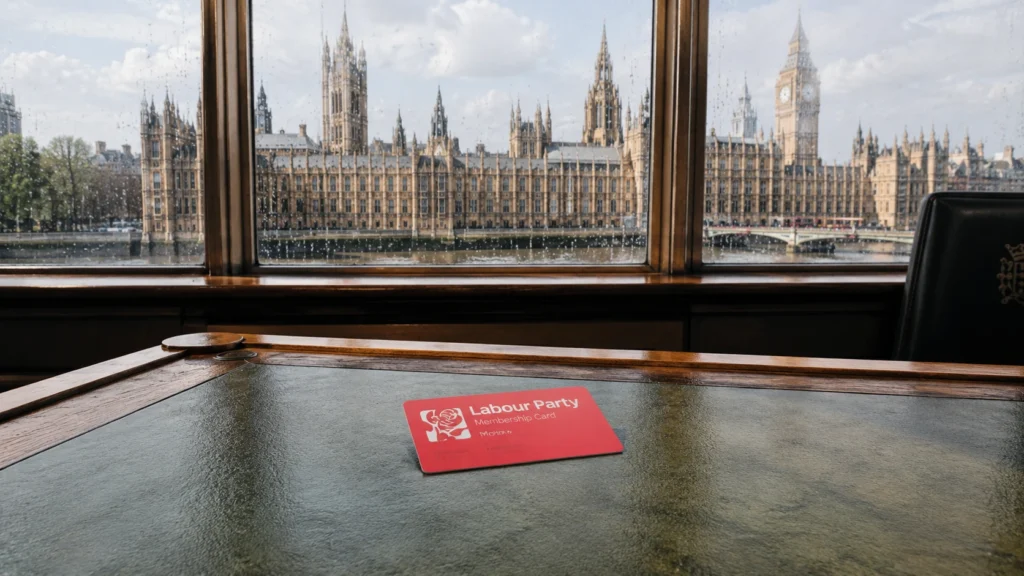
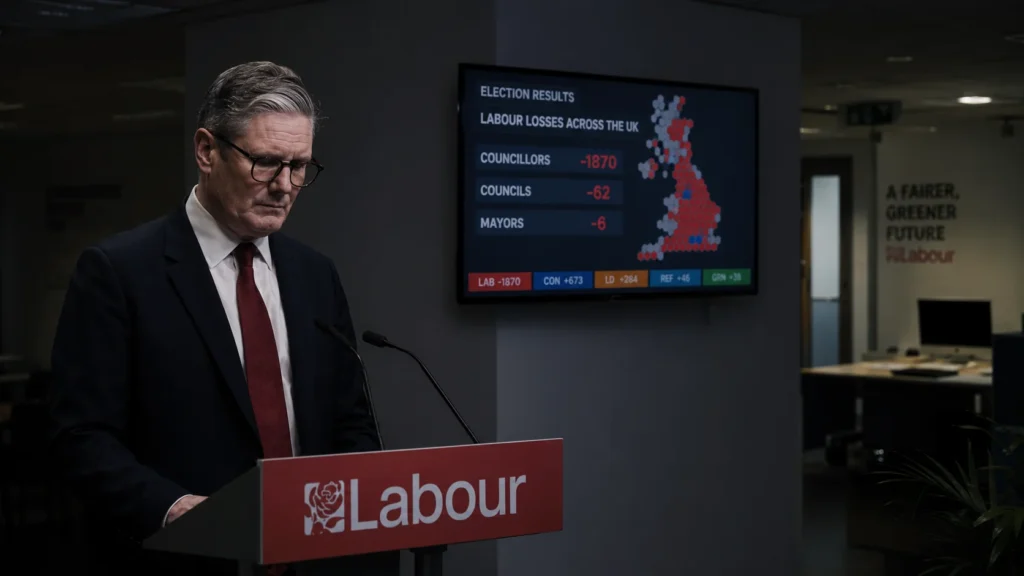
On Tuesday morning, Prime Minister Keir Starmer walked into a cabinet meeting with his premiership hanging in the balance, as four more Labour MPs demanded his resignation. At least 72 have already done so. Home Secretary Shabana Mahmood joined ministers calling for a timetable for Starmer to stand down. Chief Secretary Darren Jones refused, four times in broadcast interviews, to confirm that the prime minister would fight the next election. Tomorrow, King Charles III reads the government’s legislative agenda at the State Opening of Parliament. The Starmer cabinet revolt tests Britain’s governability again because the ceremony will proceed regardless. The authority behind it may not survive the day.
The Numbers That Define the Crisis
The mathematics of Labour’s leadership rules create the narrowest possible margin. A contest requires 20% of Labour MPs, 81 signatures from a parliamentary party of 403. As of Tuesday morning, the BBC counted at least 72 MPs who have publicly urged Starmer either to resign immediately or set out a departure timetable. The gap between survival and collapse is four MPs. Four people.
Those 72 include backbenchers from constituencies Labour gained from the Conservatives in the 2024 landslide. Tonia Antoniazzi, MP for Gower, told BBC Radio 4’s Today programme that Starmer “is just not cutting through” on doorsteps. Jonathan Hinder, who won Pendle and Clitheroe in 2024, told Newsnight the prime minister “has never been an electoral asset.” Yuan Yang, MP for Earley and Woodley, called for an “orderly timetable” for resignation.
These are not ideological rebels. They are MPs who won marginal seats on a promise of competent government and now calculate that Reform UK threatens their reelection more than a leadership vacuum does.
As our analysis of Reform UK’s local election surge documented, last week’s votes in Scotland, Wales, and England exposed the fragility of Labour’s borrowed electoral coalition. Voters who lent Starmer their support in 2024 to defeat the Conservatives are now reassessing. Reform UK did not cause the collapse. It created the conditions that made Labour MPs recalculate survival odds.
The Cabinet Split and What It Means
The cabinet meeting agenda listed the Middle East as the first item. No one inside the room believed that the agenda would hold.
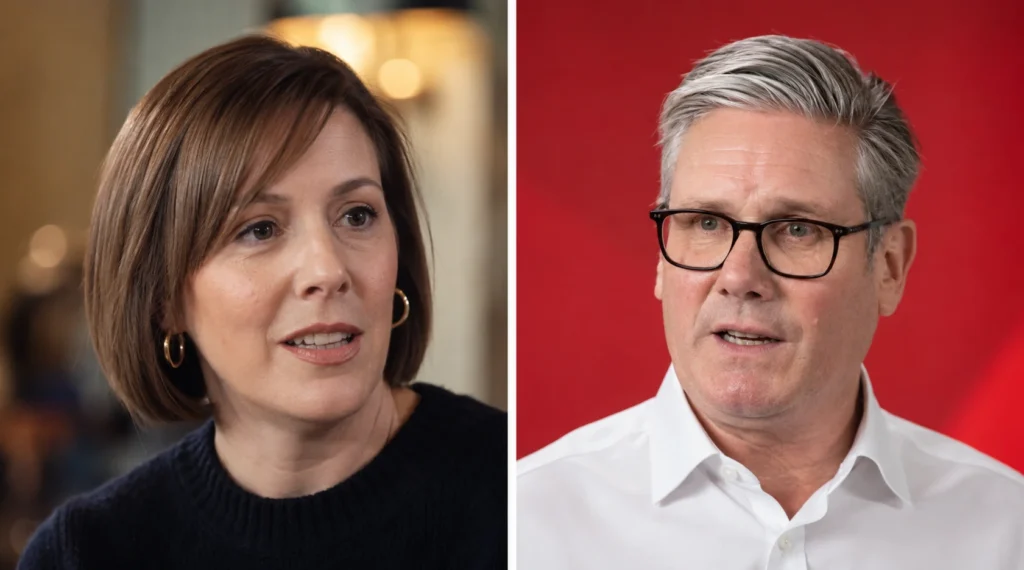
Home Secretary Shabana Mahmood joined the call for a timetable. According to Times reporting on cabinet divisions, May 12, 2026, Foreign Secretary Yvette Cooper urged the same. Health Secretary Wes Streeting’s allies briefed for a swift departure, a move that would block any route back for Greater Manchester Mayor Andy Burnham, who would need a by-election to return to Parliament before contesting the leadership.
Chancellor Rachel Reeves walked into Downing Street on Tuesday morning and ignored shouted questions from reporters about the prime minister’s future. She entered Number 11 without a word. Her silence was the clearest signal of the morning.
Darren Jones, sent to defend the prime minister on BBC Breakfast and Radio 4, chose language that did not actually defend him. He refused to “get ahead of any decision the PM may or may not take.” He dismissed talk of Burnham returning as “fantasy politics.” He said conversations about Labour’s future should happen “internally, as opposed to in public.” Not one sentence confirmed Starmer would lead Labour into the next election.
Why This Differs From Previous Leadership Crises
Britain had four prime ministers in four years. The pattern is now structural, not exceptional.
The current crisis differs from the Conservative implosions of 2022 in one critical respect. The Conservatives removed Boris Johnson and Liz Truss because internal party mechanisms functioned. The 1922 Committee received letters. Thresholds triggered. Successions followed.
Labour’s rules require 20% of MPs to trigger a contest. That threshold, 81 MPs, creates a strange limbo where a prime minister can lose the confidence of 18% of his parliamentary party and continue governing while the King reads his legislative program. The constitutional machinery continues. The political authority behind it dissolves.
According to Labour Party rule book, Chapter 4, leadership election procedures, the process requires nominations, vetting, and a ballot of party members. The timeline stretches months. The King’s Speech cannot wait that long. Parliament cannot pause while Labour selects a leader. The gap between constitutional procedure and political reality is where Britain’s governability problem lives.
The Succession Proxy War Already Underway
The timetable debate is not about process. It is about who succeeds Starmer.
Wes Streeting’s supporters want a swift transition. Speed excludes Burnham, who needs a by-election and a path back to Westminster. Delay benefits Burnham, who would have time to secure a seat, organize endorsements, and position himself as the unity candidate against the right of the party.
When Jones called Burnham’s potential return “fantasy politics,” he was not dismissing the scenario. He was signaling that the frontrunners already understand what is at stake. Fantasy politics is what happens before it becomes real politics. The transition from fantasy to reality is now measured in the number of MPs who break ranks publicly.
Labour backbencher Catherine West had threatened over the weekend to trigger a leadership contest herself if a cabinet minister did not challenge the prime minister. She backed down from the ultimatum. But her parallel effort to collect names of MPs urging Starmer to depart by September continues. The organizing is happening in plain sight.
As our coverage of Labour’s post-election coalition management noted, the party’s 2024 majority always contained a structural tension between urban progressives and rural converts from Conservative constituencies. The current crisis exposes that tension. The MPs abandoning Starmer come disproportionately from the second group.
FAQ: Starmer’s Leadership Crisis
How many Labour MPs have called for Starmer to resign?
The BBC counted at least 72 Labour MPs who have publicly urged Starmer to resign immediately or set out a timetable for his departure. A formal leadership contest requires 81 MPs, 20% of the parliamentary party.
What triggered the cabinet revolt?
Last week’s local election losses in Scotland, Wales, and England triggered the open revolt. Reform UK’s surge demonstrated anti-incumbent energy now targets Labour as it previously targeted the Conservatives. MPs in marginal constituencies concluded Starmer could not lead the party to victory in the next general election, due by 2029.
Who could replace Starmer as Labour leader?
Health Secretary Wes Streeting leads the right wing of the party and favors a swift transition. Greater Manchester Mayor Andy Burnham has more electoral appeal but needs a by-election to return to Parliament, which takes time. Chancellor Rachel Reeves has remained silent publicly. Home Secretary Shabana Mahmood joined calls for a resignation timetable. The succession battle is underway.
What happens to the King’s Speech?
King Charles III is scheduled to read the government’s legislative agenda at the State Opening of Parliament on Wednesday. The speech proceeds regardless of the leadership crisis. The question is whether the prime minister who commissioned the speech remains in office when the monarch delivers it.
Has anything like this happened before in British politics?
The UK has had four prime ministers in four years: Boris Johnson, Liz Truss, Rishi Sunak, and Keir Starmer. A fifth transition would be unprecedented in speed. The pattern indicates structural governability issues rather than isolated leadership failures, as Institute for Government analysis of executive stability has documented.
What Happens Next
Three scenarios emerge by the end of the week.
Starmer loses the party. The four additional MPs needed to reach 81 have declared publicly. The leadership contest triggers. A caretaker prime minister, likely Reeves, holds office while the party selects a successor. The process takes months. The King’s Speech becomes orphaned.
Starmer sets a timetable. Departure by party conference in September. The succession becomes organized. Burnham finds a seat. Streeting builds his case. The government functions in a diminished but operational caretaker mode.
Starmer fights on and wins the cabinet meeting. Ministers demanding his resignation are sacked or resign. The party fractures openly. The government limps forward with a depleted mandate and Reform UK gaining in every poll.
Watch the public declarations closely. The jump from 72 to 81 is the only number that matters today. Watch whether Reeves speaks. Her silence is a position. Breaking it is a decision. Watch Burnham’s camp. If by-election constituencies start surfacing in conversation, the timetable is already being negotiated privately.
The King will read the speech tomorrow. The ceremony will be flawless. The question Britain cannot answer this morning is whether the person who commissioned it still holds the pen, or whether the governability crisis has claimed another prime minister before the ink dries.
Written by a Senior Political Correspondent who has covered Westminster leadership transitions, electoral realignment, and British constitutional politics for over a decade, including the 2022 Conservative leadership crises and the 2024 general election.