

 English









































































































































































































Jess Phillips Resignation Exposes Starmer’s Authority Collapse
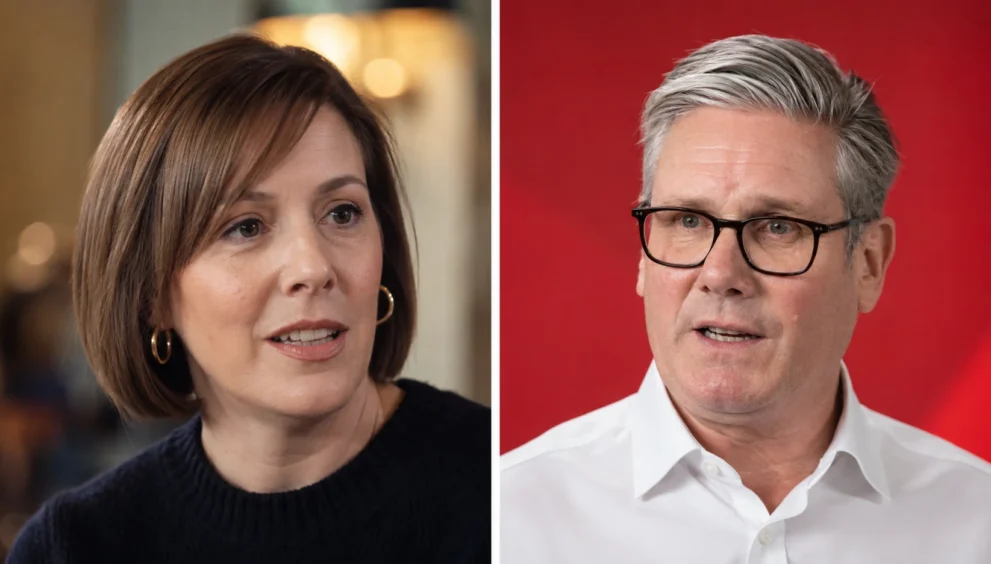
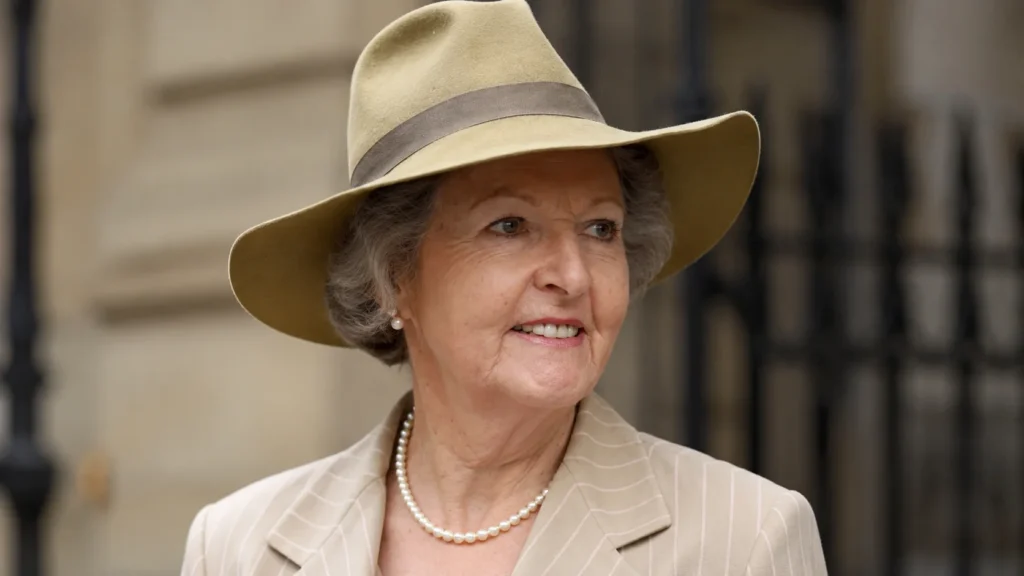
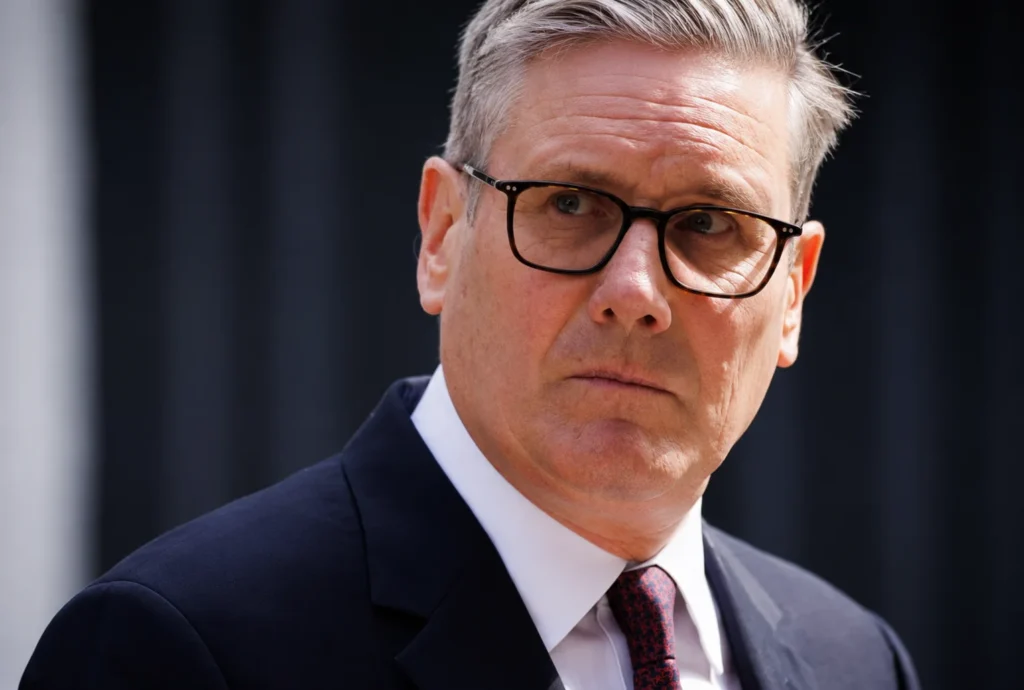
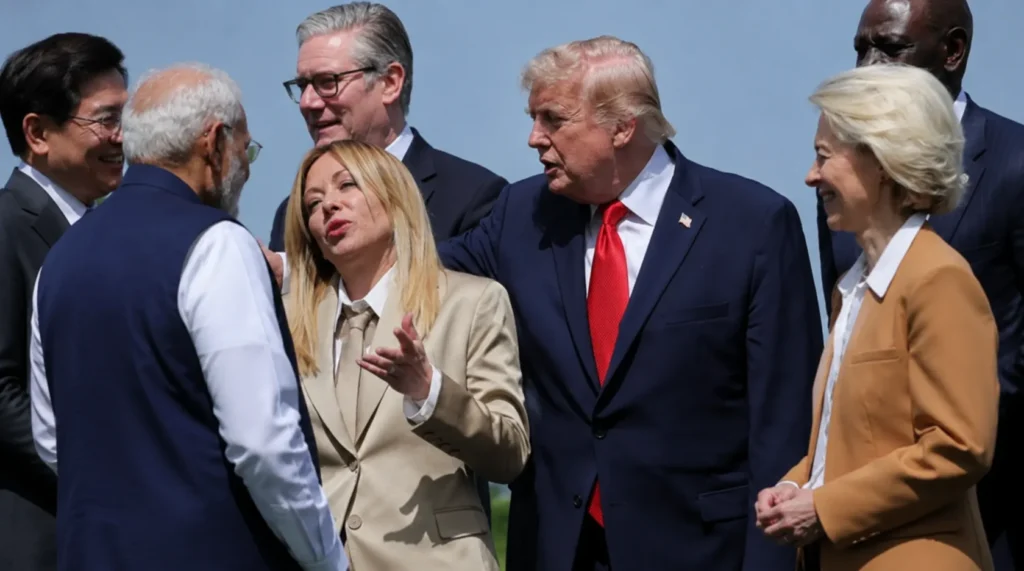
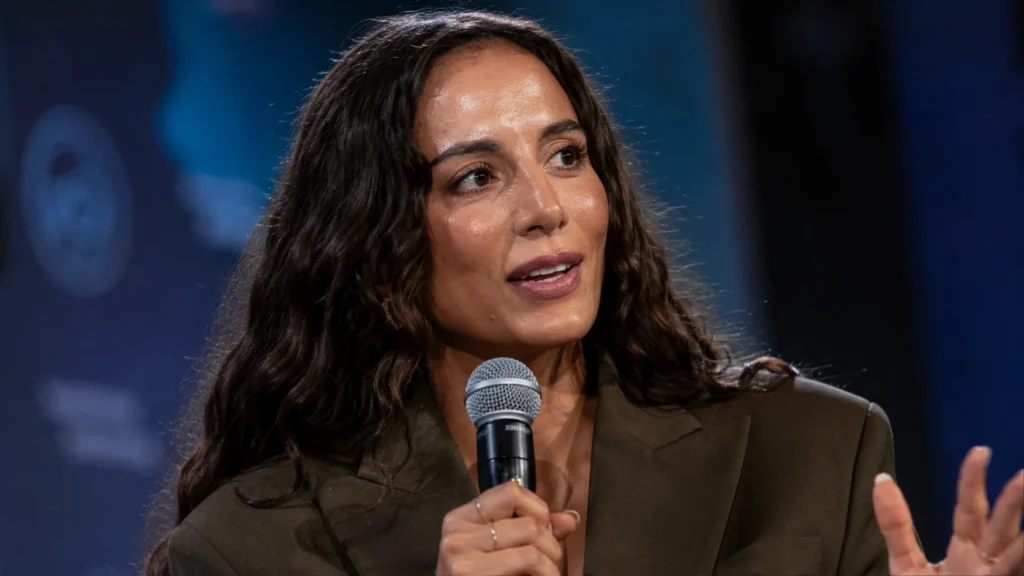
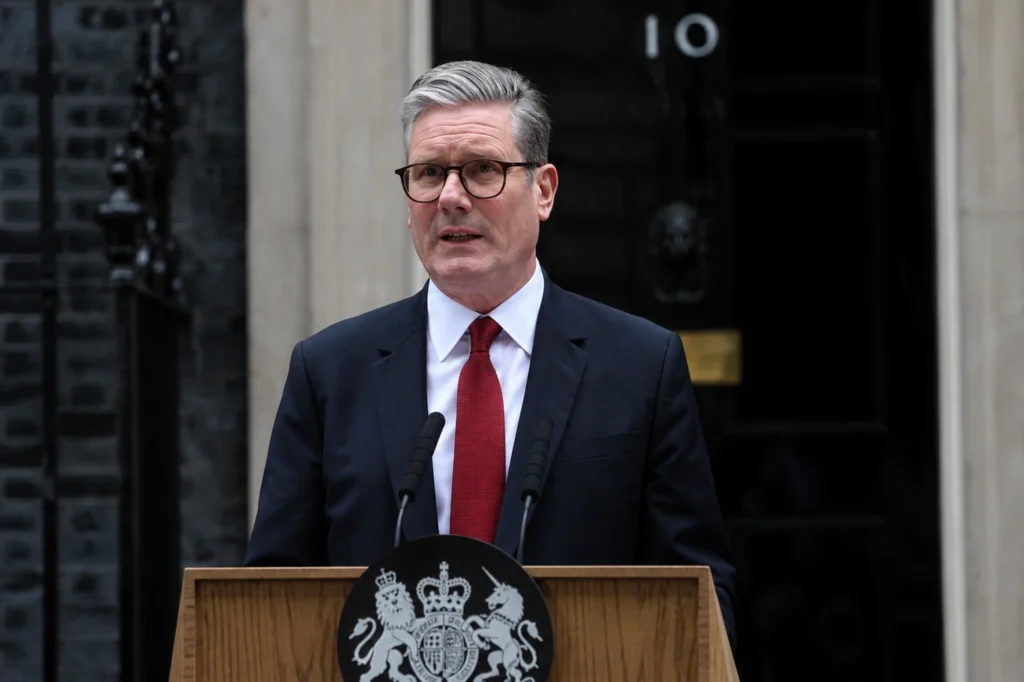
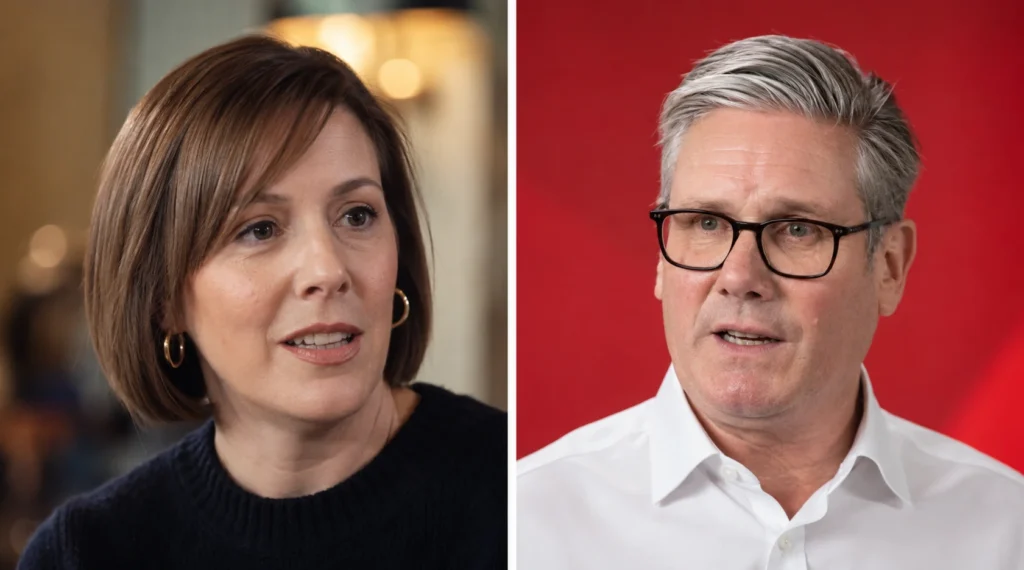
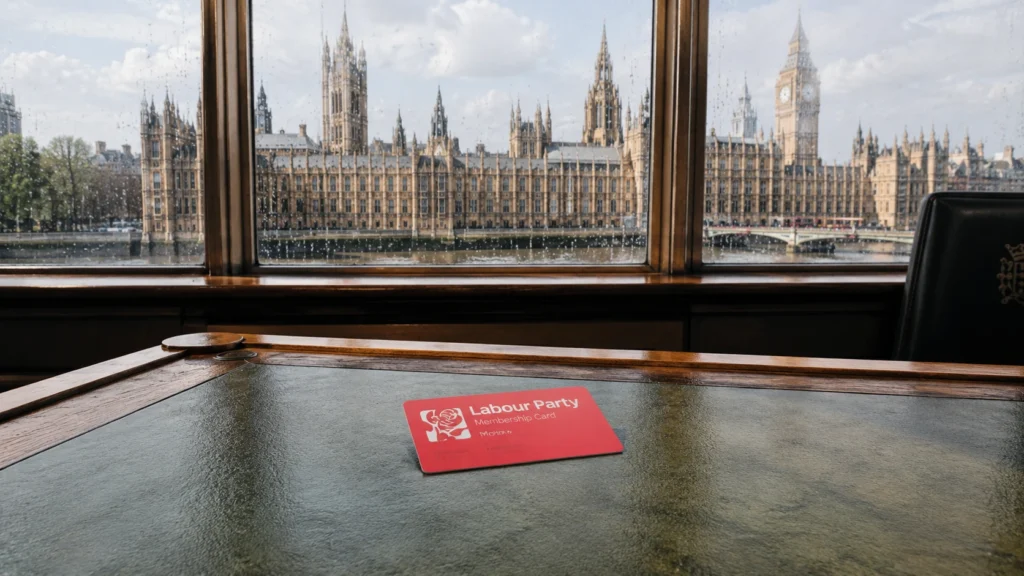
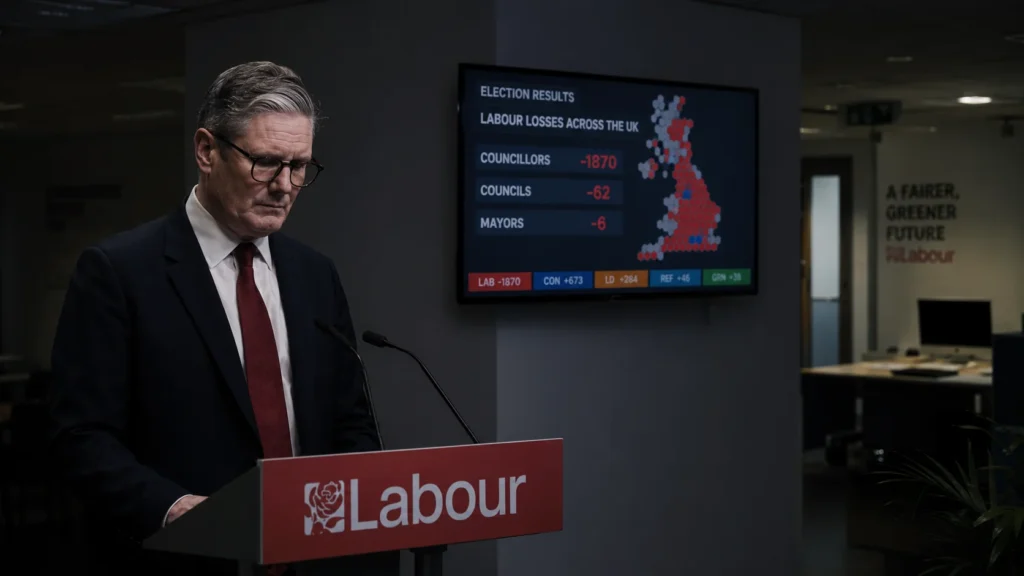
ess Phillips resigned as safeguarding minister on Tuesday, publishing a letter that told Prime Minister Keir Starmer “deeds, not words, matter” and that she could “no longer continue to serve as a minister under the current leadership.” Victims minister Alex Davies-Jones followed 40 minutes later with her own resignation. Communities minister Miatta Fahnbulleh had already departed. Multiple government sources told the BBC that more resignations are expected on Tuesday afternoon. Over 80 Labour MPs have now publicly called for Starmer to set out a timetable for his departure. The Jess Phillips resignation exposes Starmer’s authority collapse at the moment the prime minister can no longer secure meetings with his own cabinet.
What the Letters Revealed
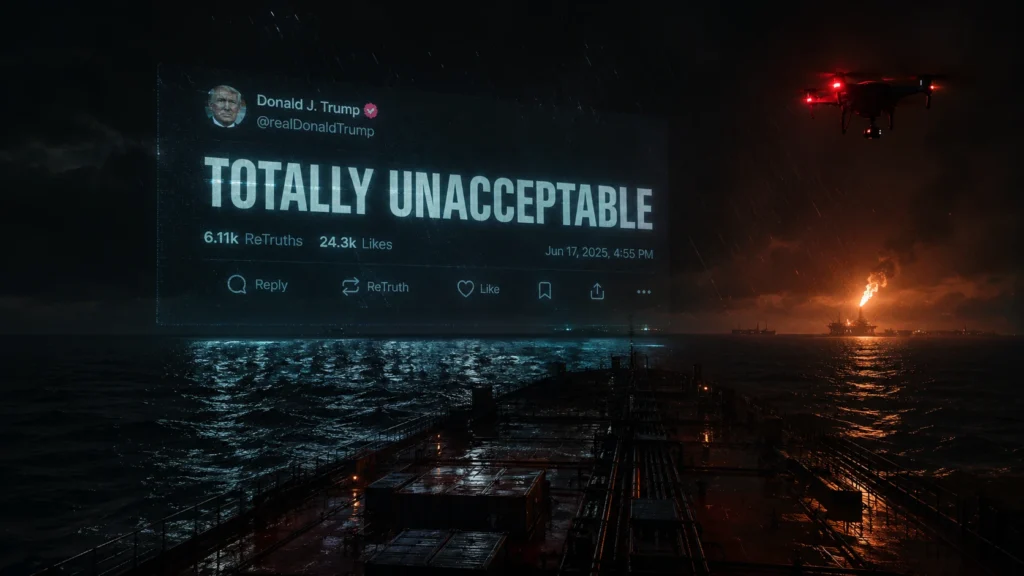
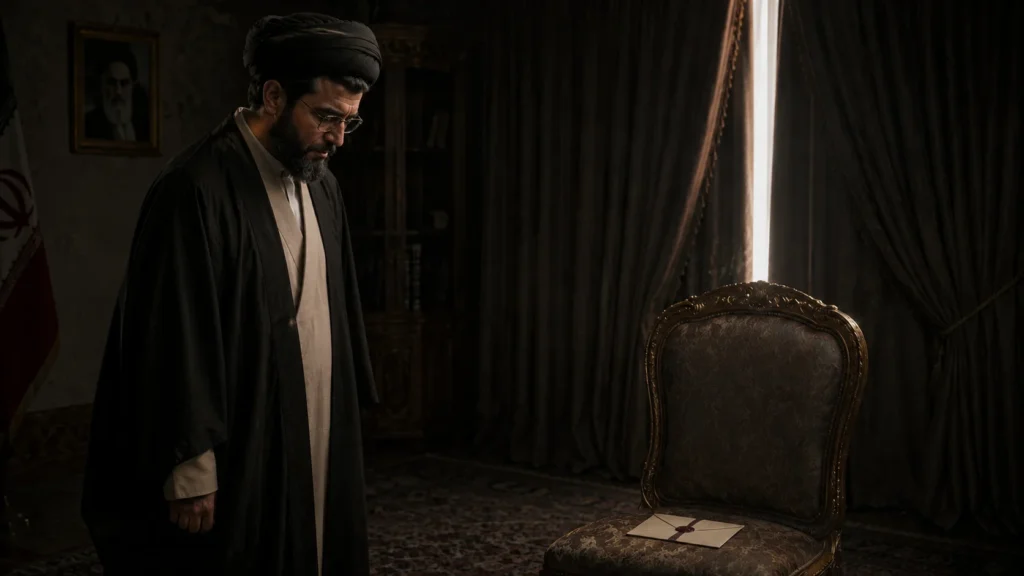
Phillips published her resignation letter directly to the public domain at 17:05 BST. She did not leak it. She did not wait for the news cycle to find it. She placed it where it could not be spun, briefed against, or buried.
The letter described Starmer as “a good man fundamentally, who cares about the right things.” It then explained why that was not enough. “The desire not to have an argument means we rarely make an argument, leaving opportunities for progress stalled and delayed.” Phillips added, “Standing up and being counted can’t always be workshopped. Politics is as much about feelings as policy, especially at the moment.”
She included a specific institutional critique of how Number 10 operated on violence against women and girls. “The Mandelson saga, whenever it bubbled up, made Number 10 kick into gear on the subject in order to prove our credentials. I will never waste a crisis to make advancements for women and girls, and so demands were made, and some were met.” The government, in her account, only acted on her policy area when an external scandal generated internal urgency. Crisis produced motion. Calm produced stasis.
Davies-Jones, the victims minister, struck the same structural note. “The scale of the electoral defeats at the Senedd Cymru and across the United Kingdom has been catastrophic. The country has spoken, and we must listen. We waited fourteen years to get into power and change the lives of those we represent. The time now is for bold, radical action.” She ended her letter: “I implore you to act in the country’s interest and set out a timetable for your departure.”
The letters did not critique policy direction. They critiqued the absence of direction. The full text of Phillips’s letter is available via BBC News: Jess Phillips resignation letter in full, May 12, 2026.
The Cabinet Meeting That Failed to Hold
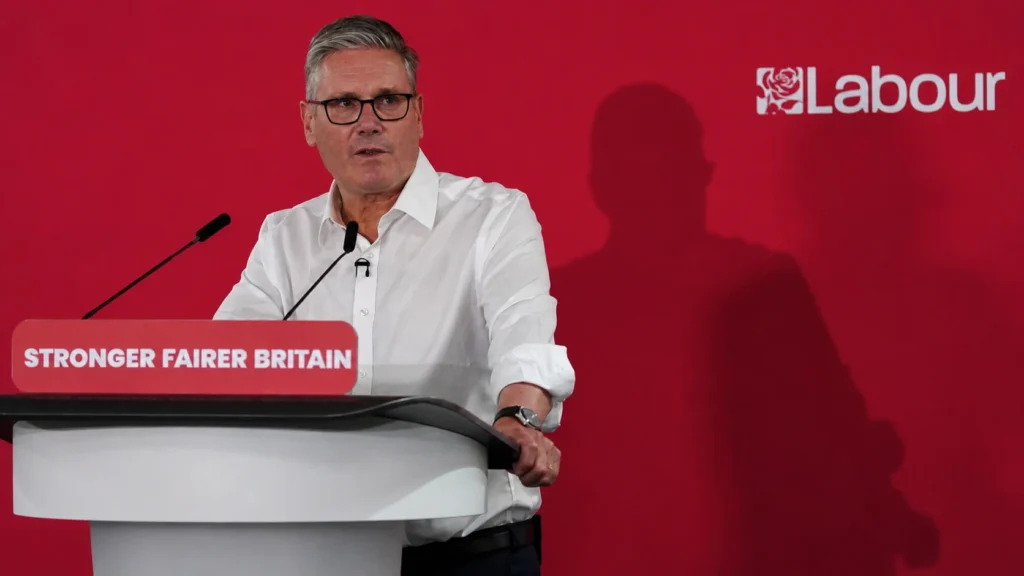
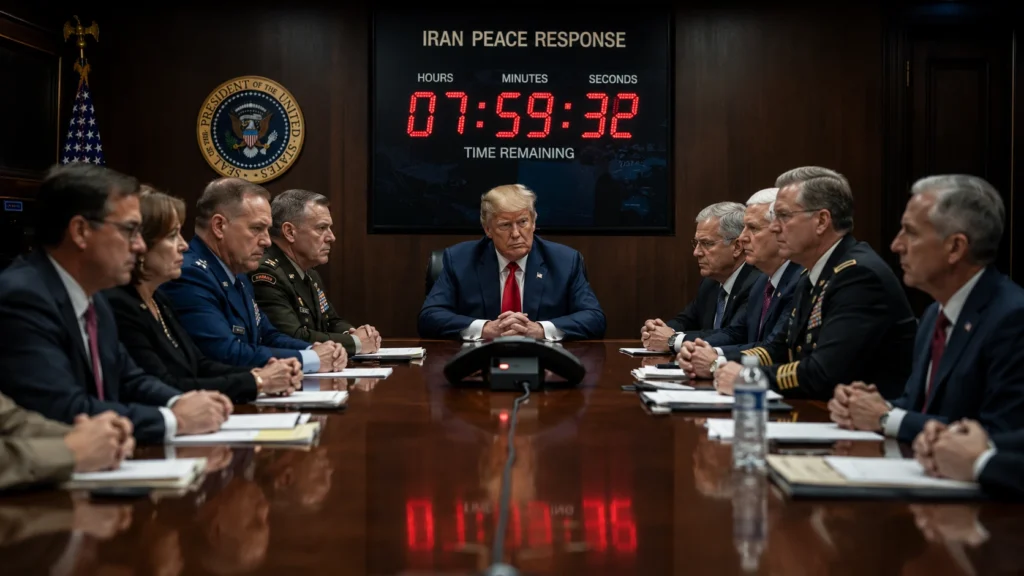
Starmer convened his weekly cabinet meeting on Tuesday morning while the number of Labour MPs publicly opposing his leadership continued to rise. He told ministers the threshold for a leadership challenge “has not been triggered” and that “the country expects us to get on with governing.”
Chancellor of the Duchy of Lancaster Pat McFadden told reporters afterward there were “many statements of support” for the prime minister around the table. Science Secretary Peter Kyle praised his “steadfast leadership.” Work and Pensions Secretary Liz Kendall and Environment Secretary Steve Reed both said Starmer had their “full support.”
Health Secretary Wes Streeting walked out of Downing Street in silence, ignored every question shouted by journalists, and did not stop walking.
The BBC reported on Tuesday afternoon that Starmer told cabinet ministers he would discuss the election and his leadership “individually” with them, then “refused to see cabinet ministers individually” when the meeting concluded. A government source confirmed the prime minister declined to hold the conversations his own cabinet requested.
According to BBC News: live coverage of ministerial resignations, May 12, 2026, multiple sources confirmed further resignations were expected before the end of the day. The total number of Labour MPs publicly demanding a departure timetable or immediate resignation passed 80. The threshold for triggering a formal leadership contest is 81 MPs, 20% of the parliamentary party, backing a named challenger. No challenger has formally declared.
The Institutional Breakdown
Labour’s backbench parliamentary committee requested a meeting with the prime minister to represent the views of backbench MPs. Number 10 refused. The committee was later told that a time in the prime minister’s diary “has not been found yet.”
The committee, elected by the Parliamentary Labour Party, normally meets weekly with the prime minister when he is in Westminster. The institutional channel connecting the parliamentary party to the leadership has been severed. Scheduling is the mechanism. Isolation is the outcome.
The King’s Speech, the State Opening of Parliament, where King Charles III reads the government’s legislative agenda, is scheduled for Wednesday. The speech proceeds regardless of the leadership crisis. The monarch will deliver a program commissioned by a prime minister whose own cabinet ministers cannot secure individual meetings with him.
Chancellor Rachel Reeves has maintained complete public silence on the leadership question since the crisis began. Her position remains the single most consequential variable in British politics. If she breaks her silence to call for a timetable, the prime minister falls. If she does not, he limps forward while his party fractures around him.