

 English

































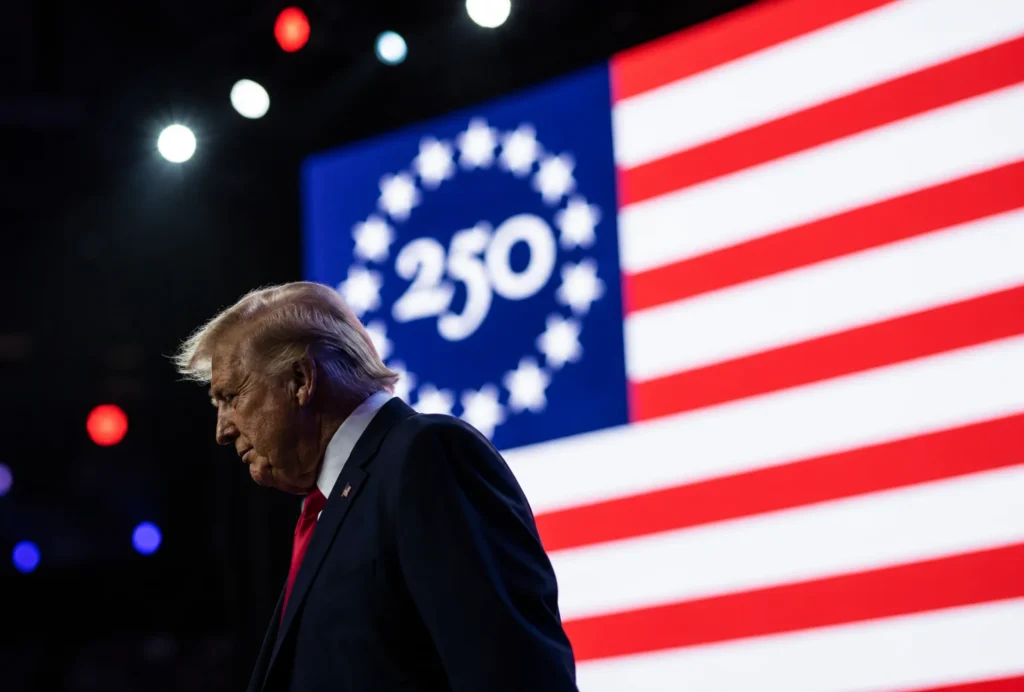

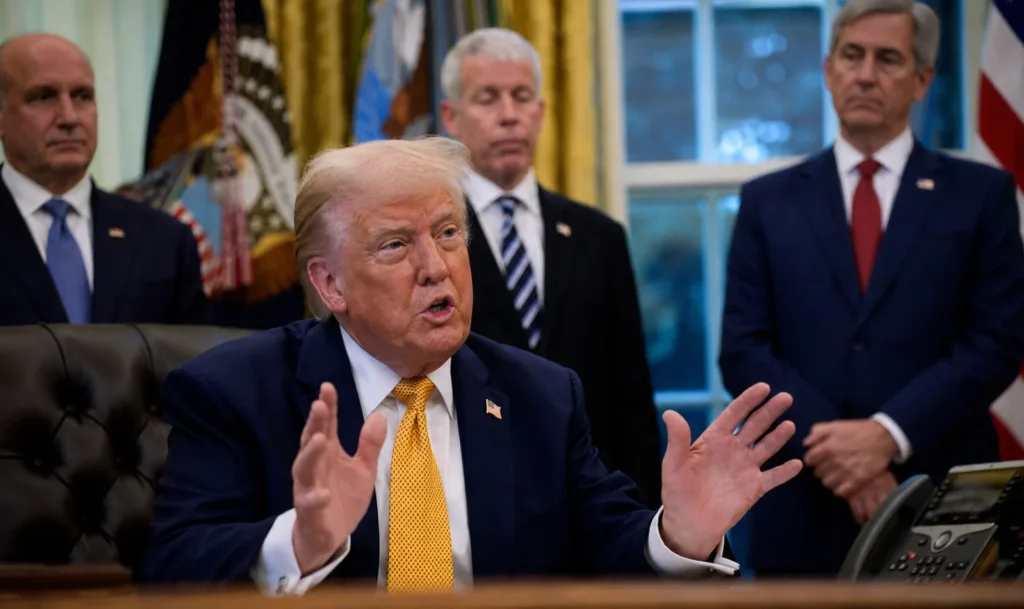


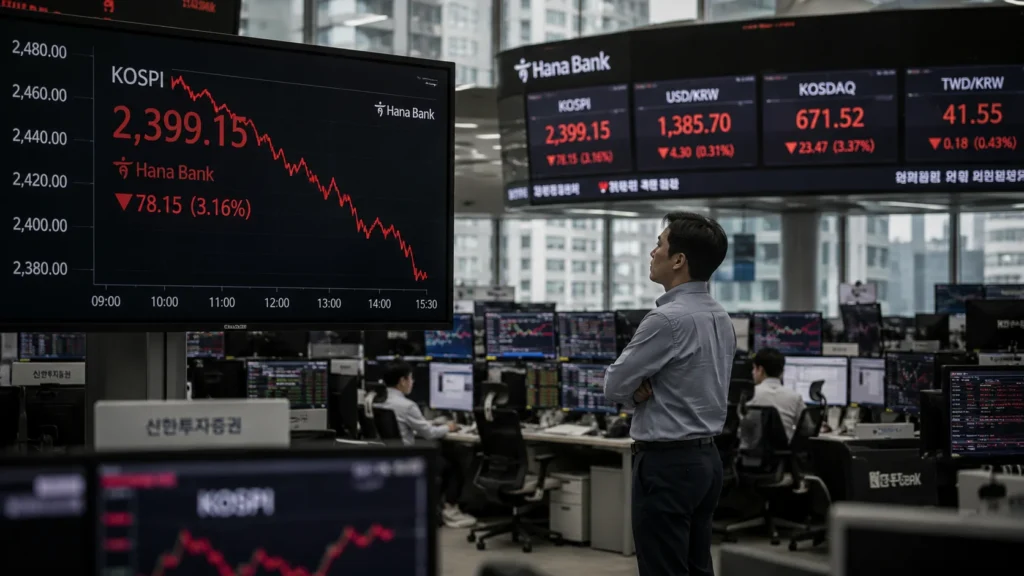




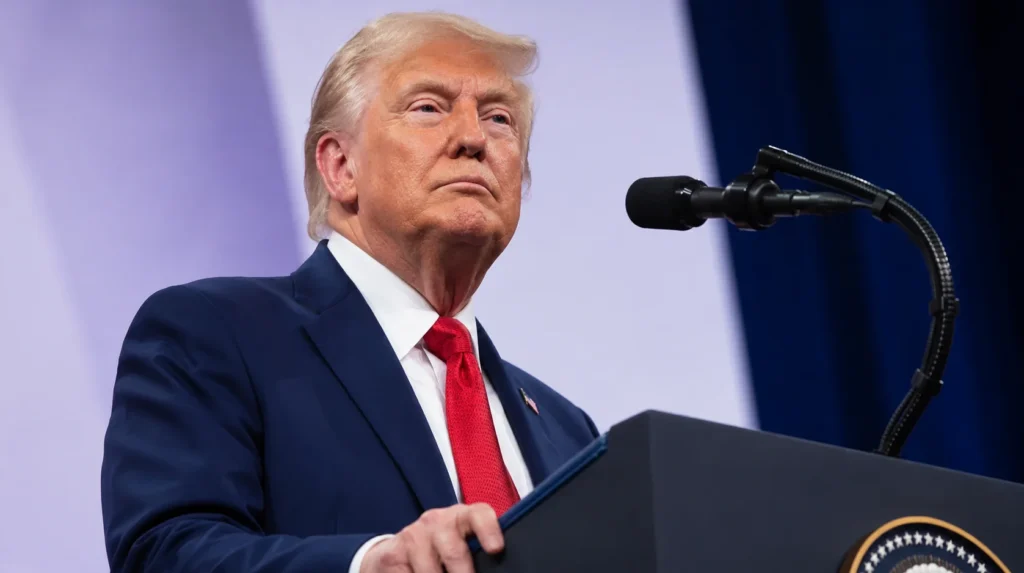



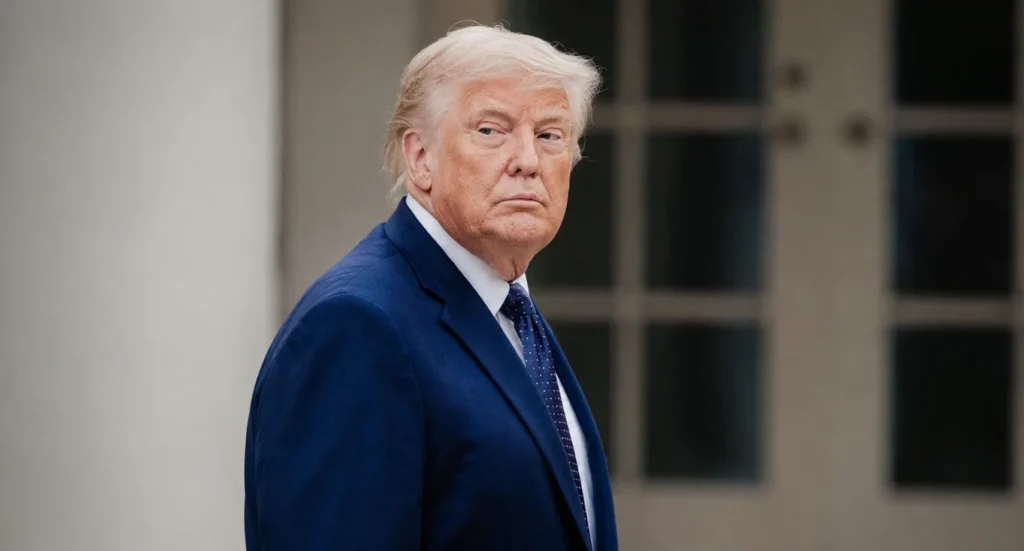
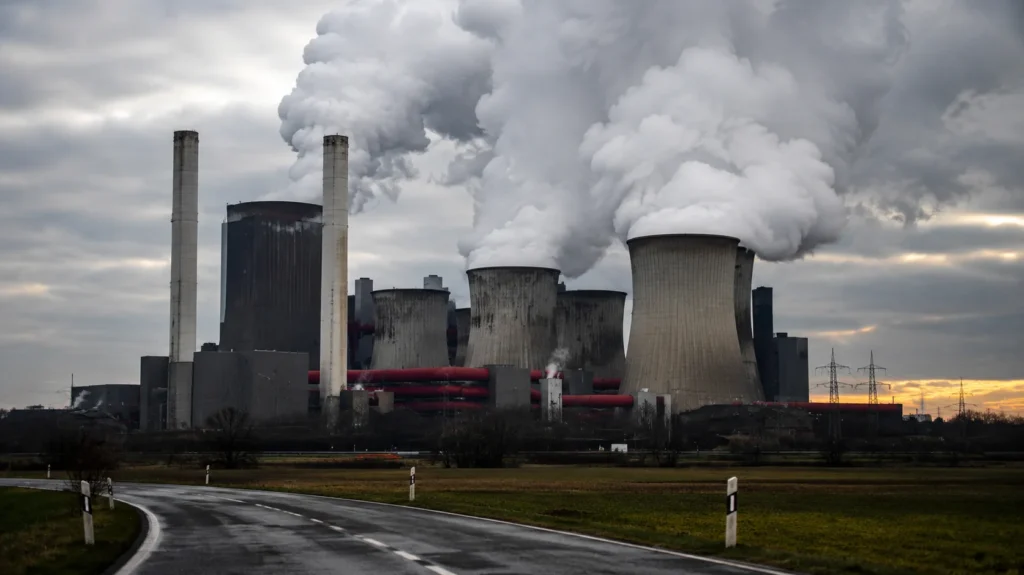
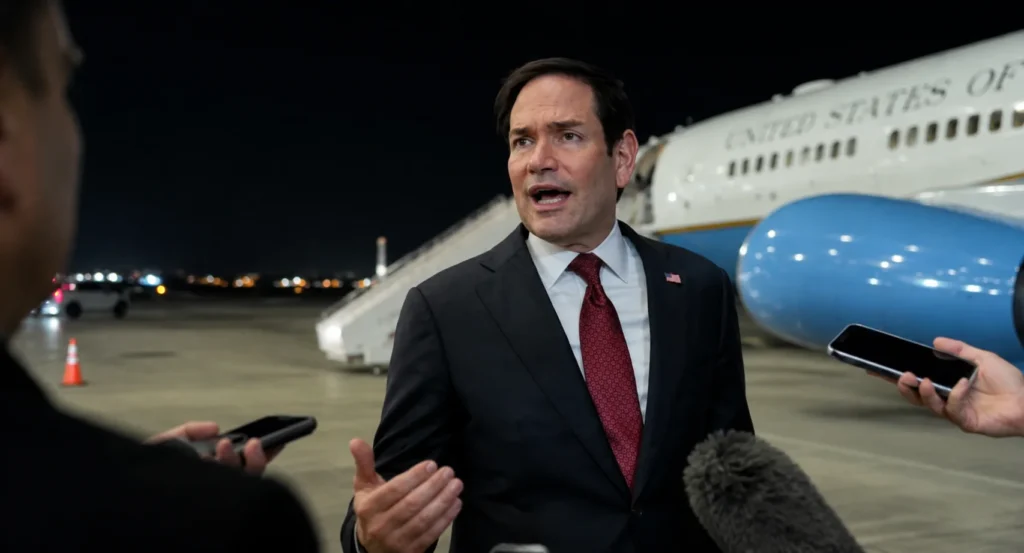










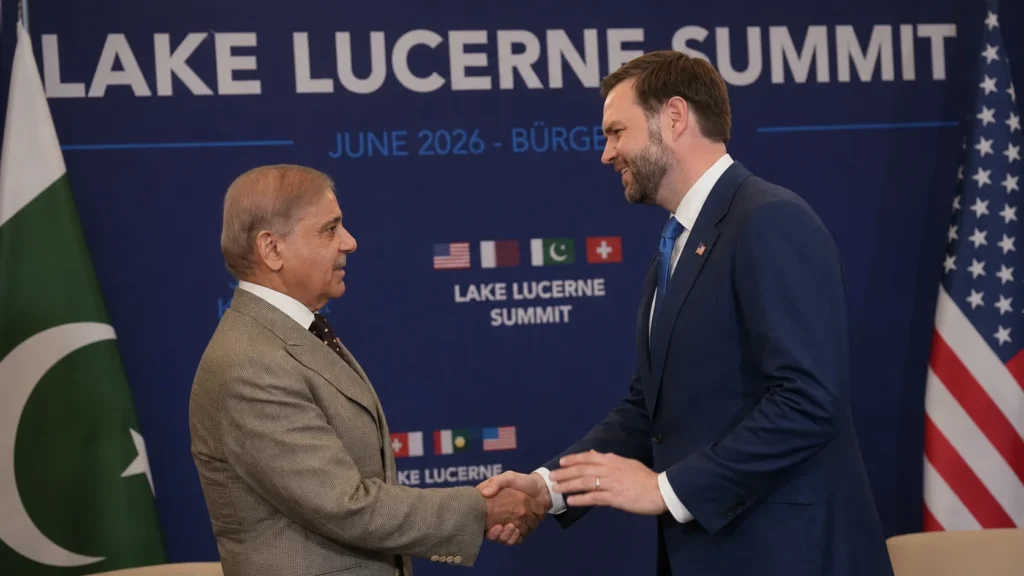
























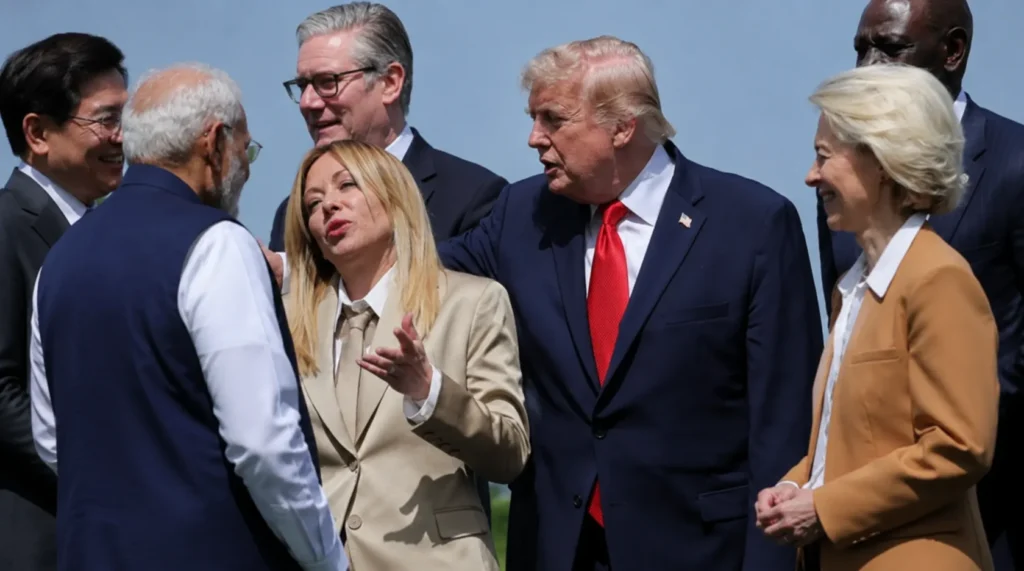





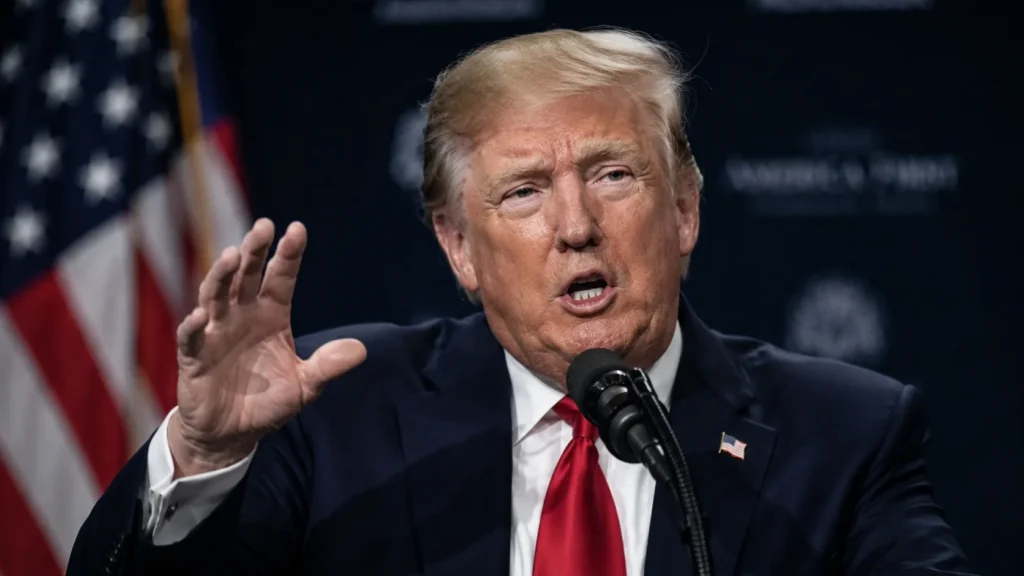







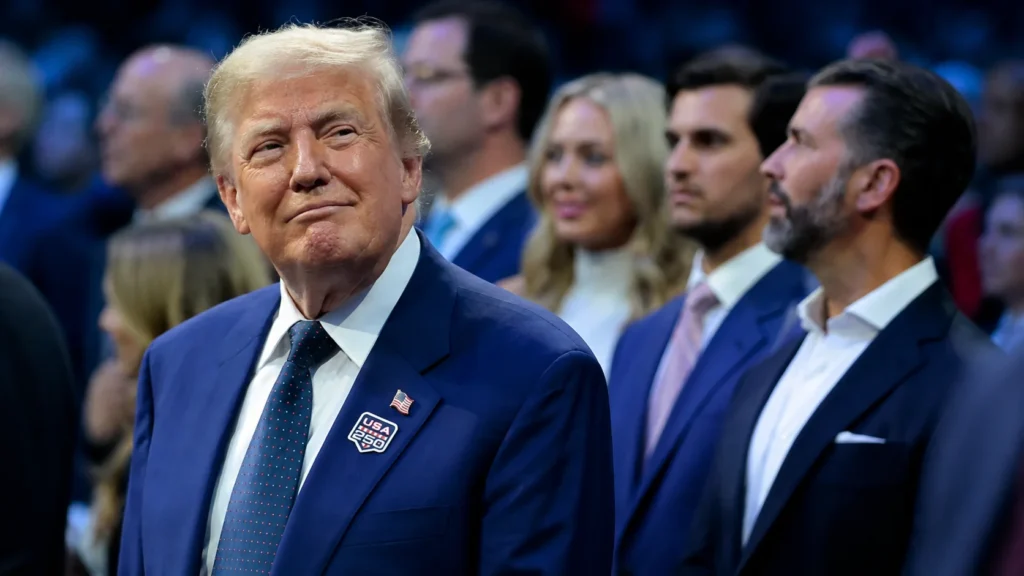




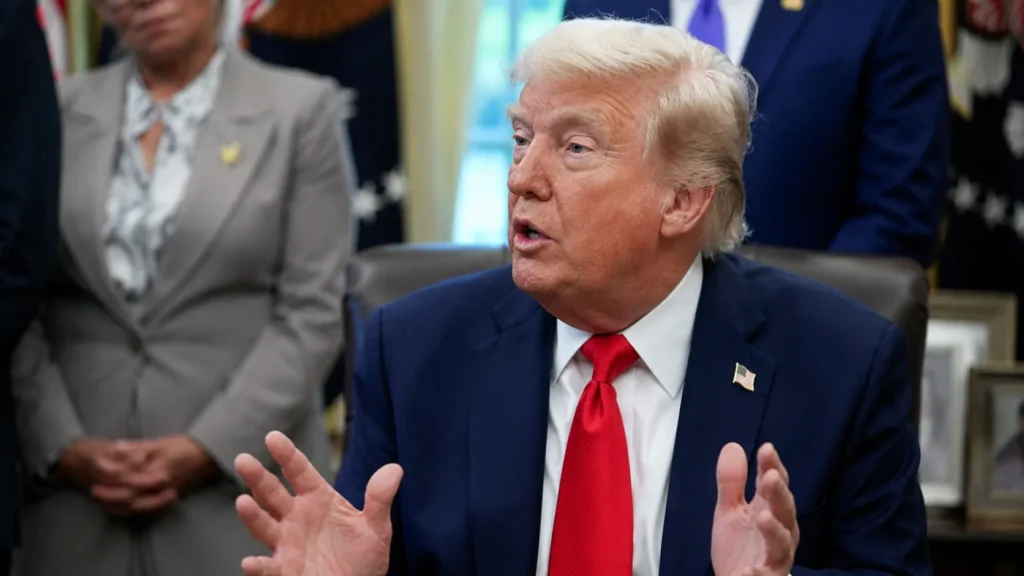











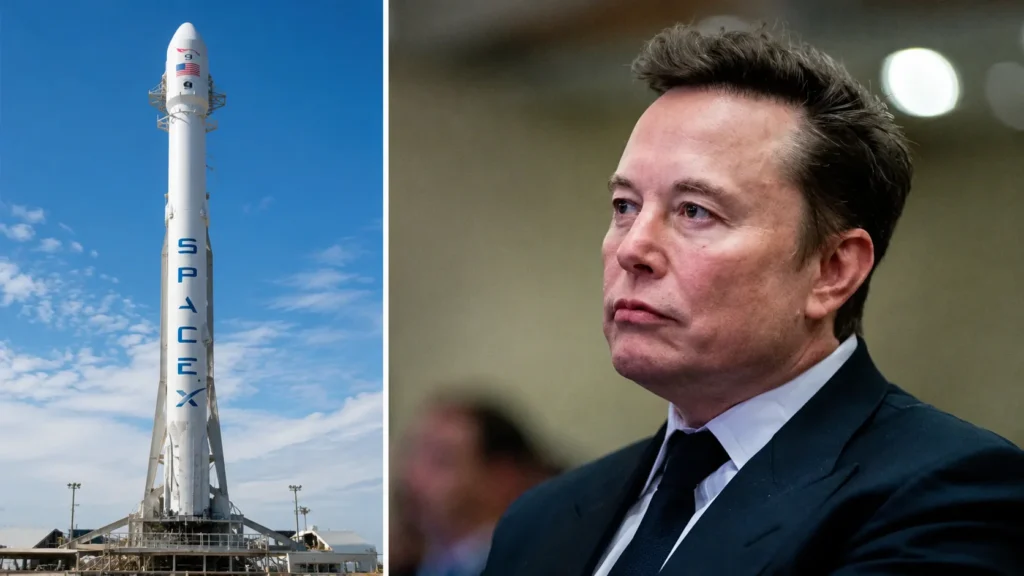





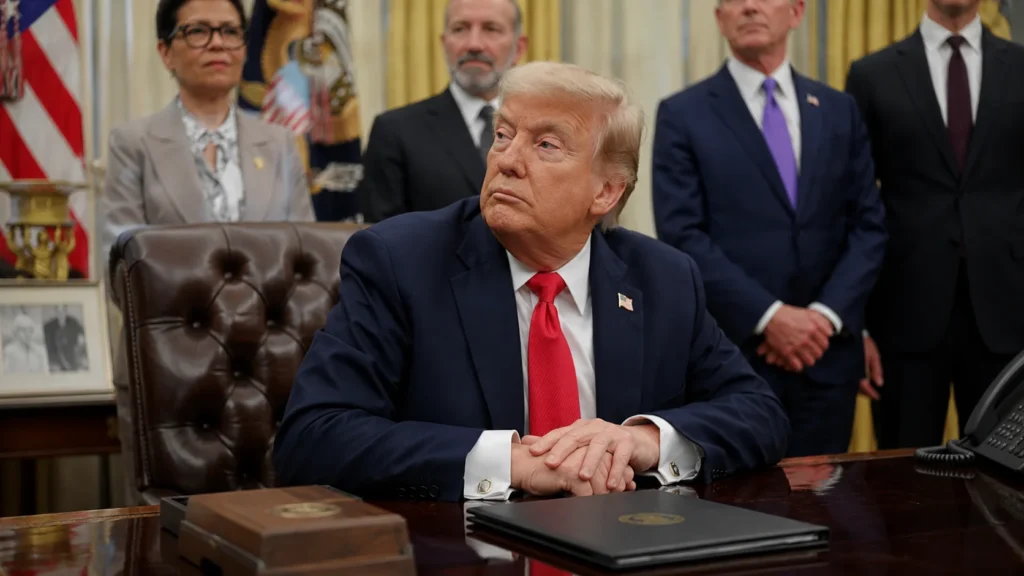






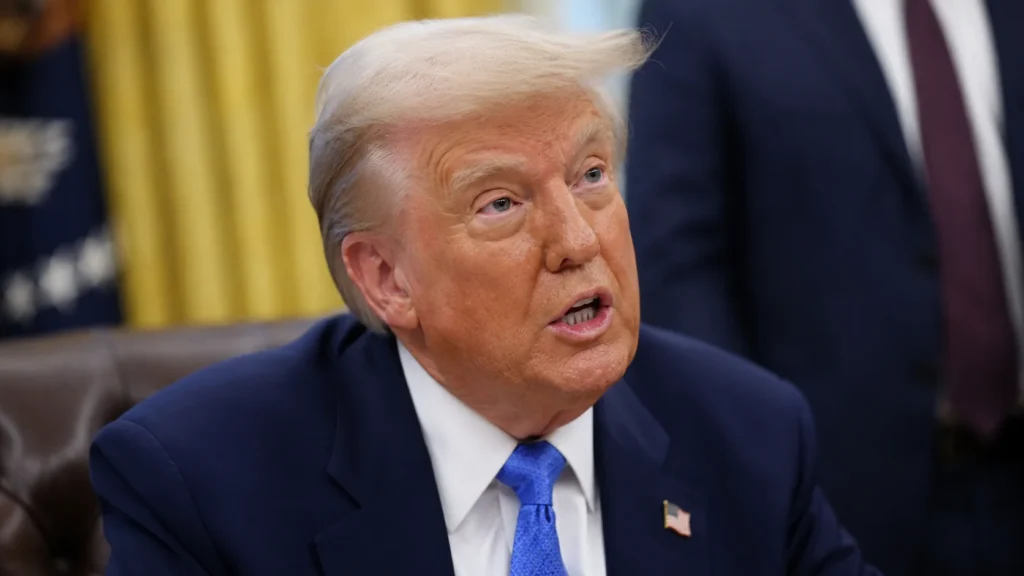






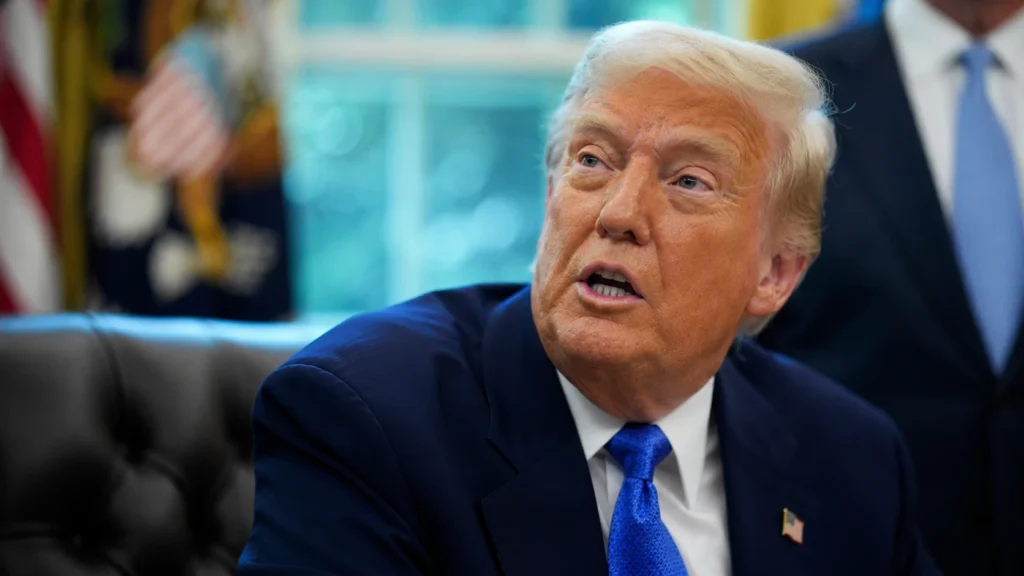


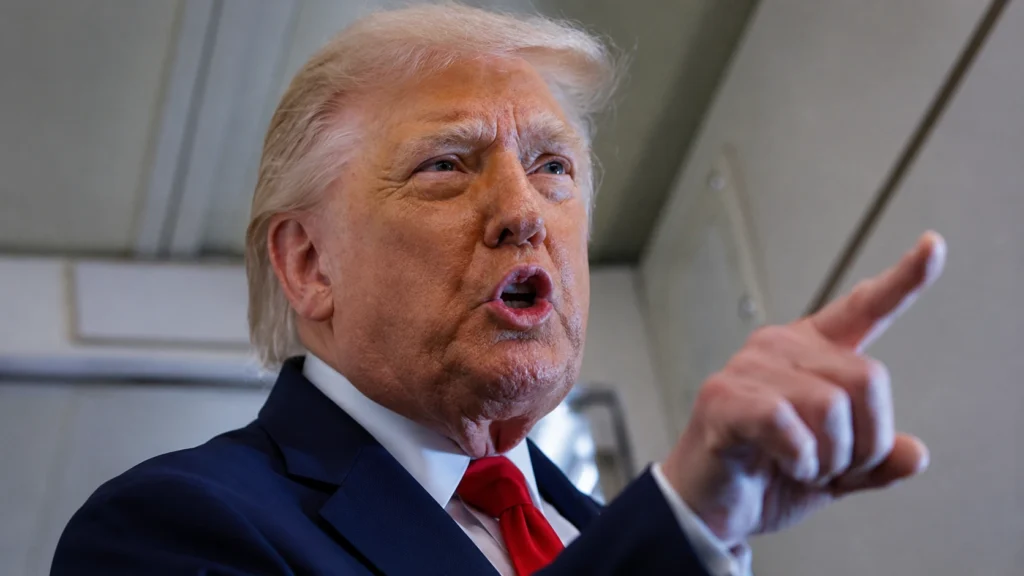










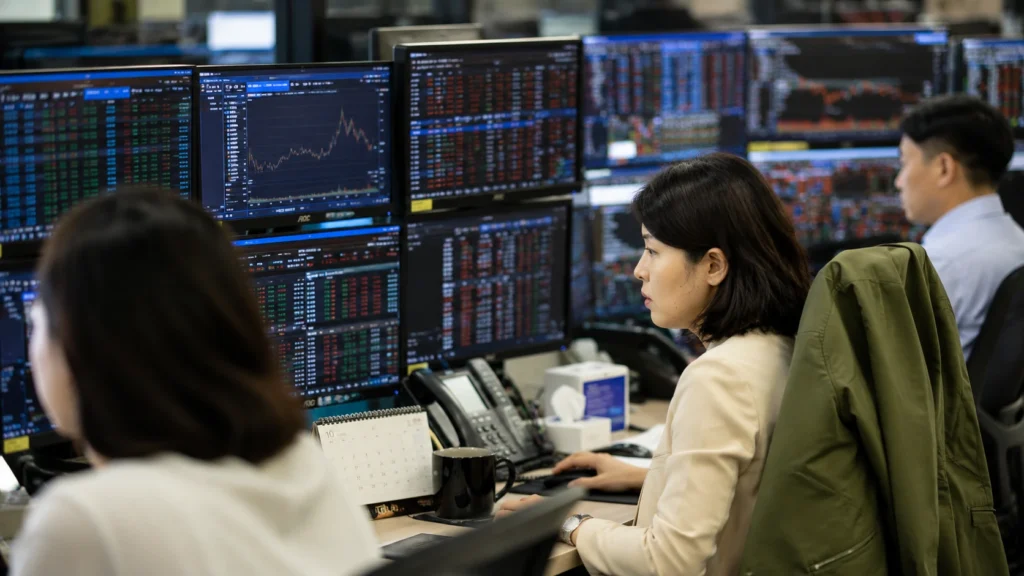











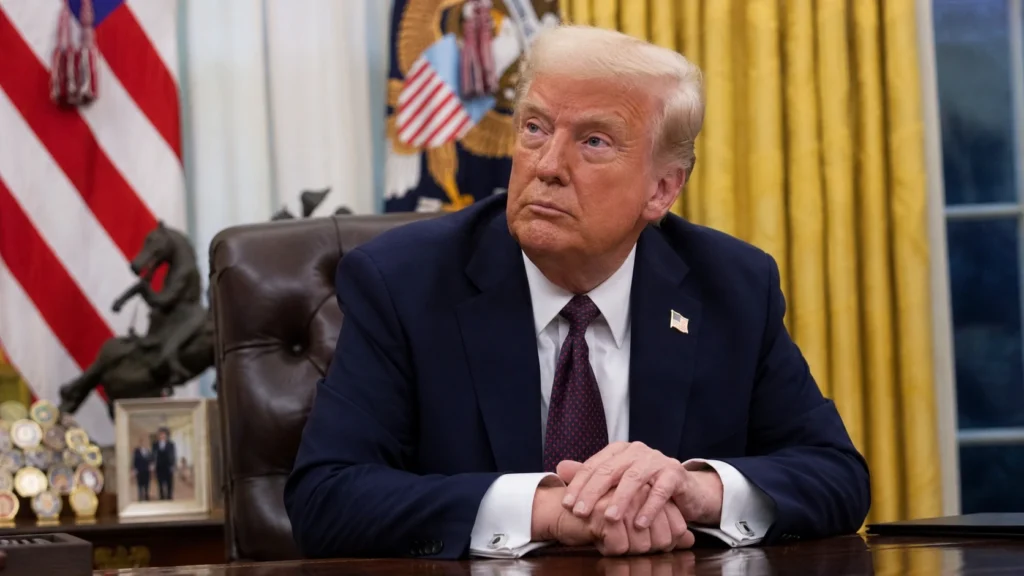












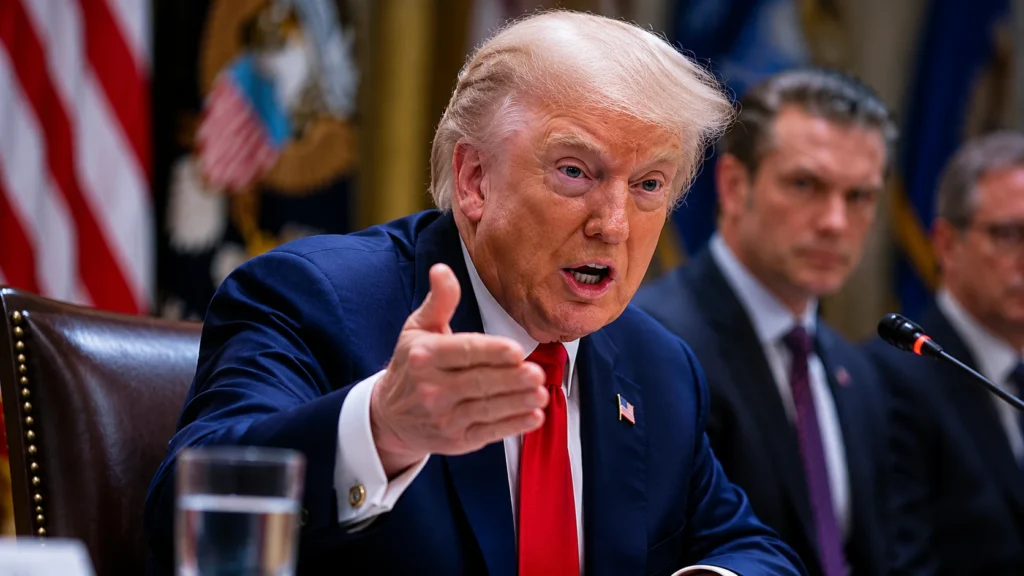



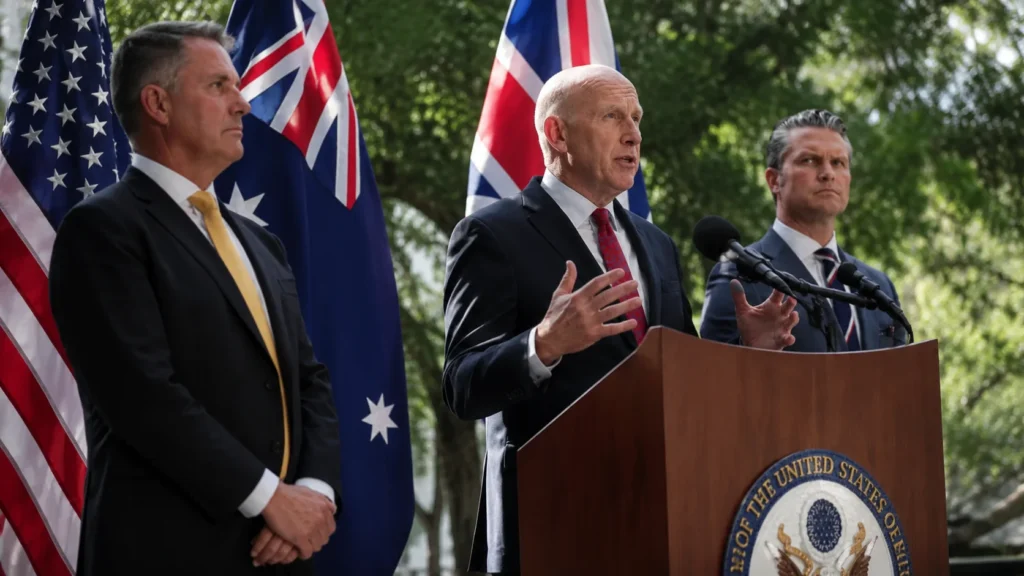

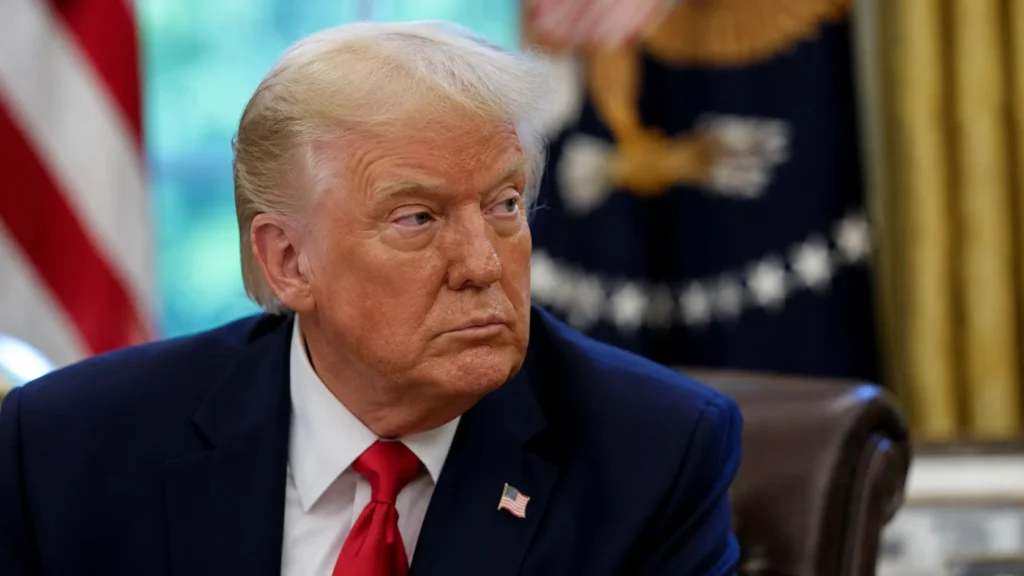

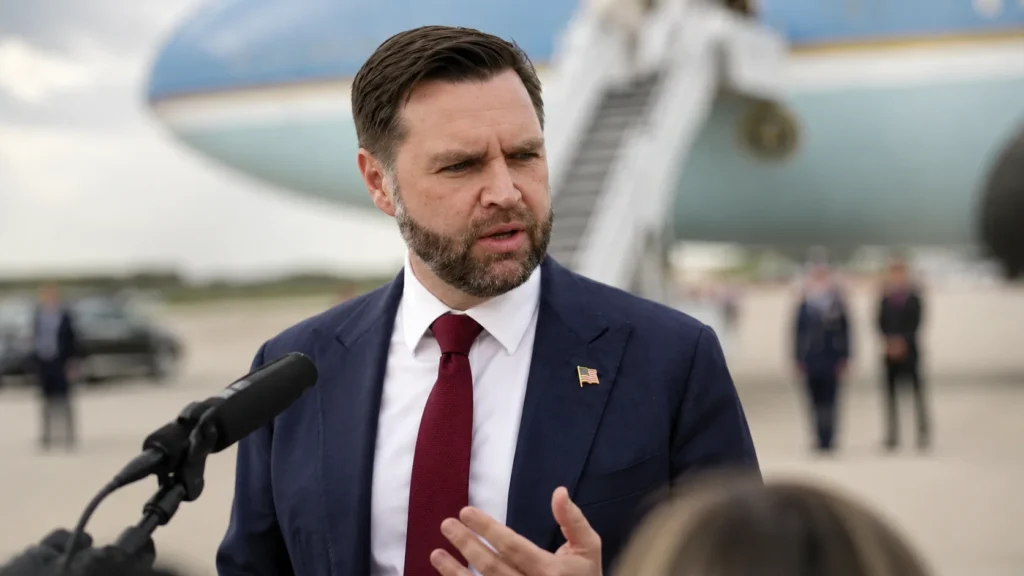

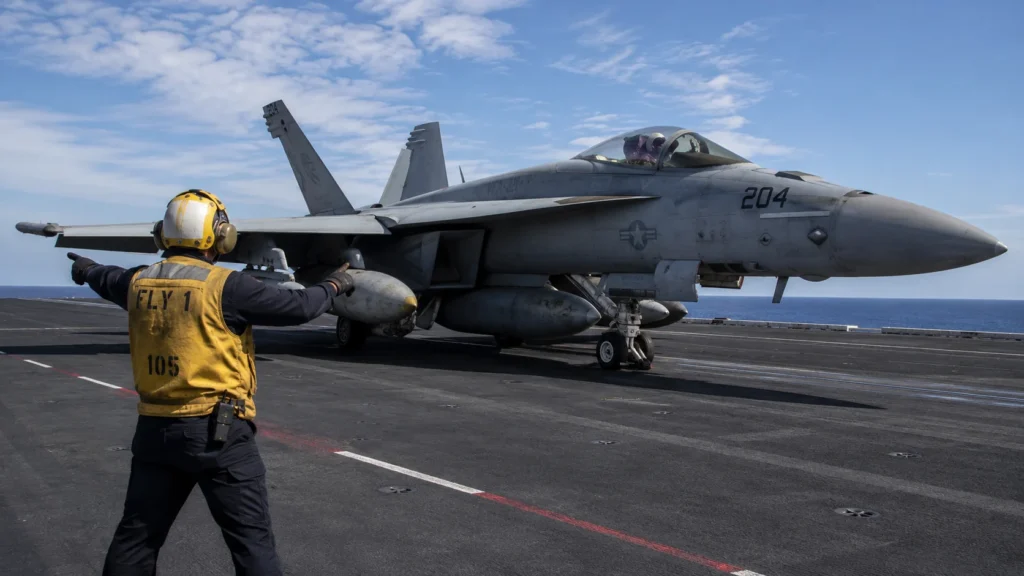
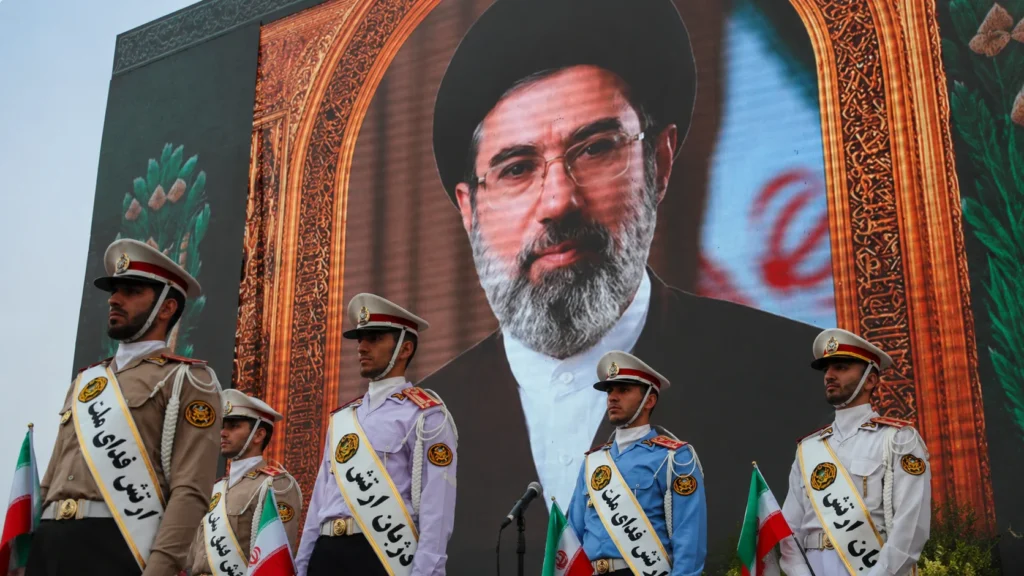







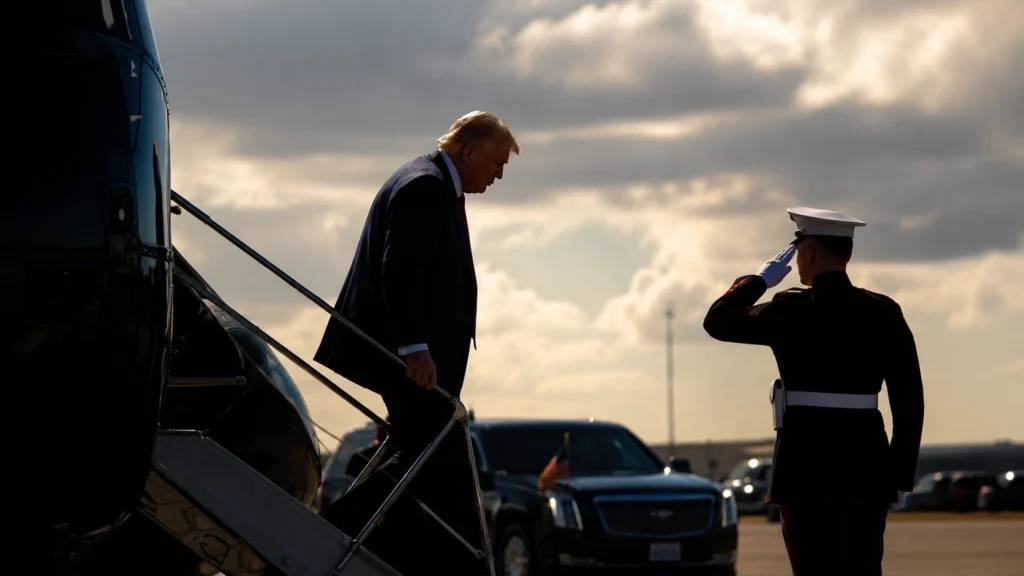




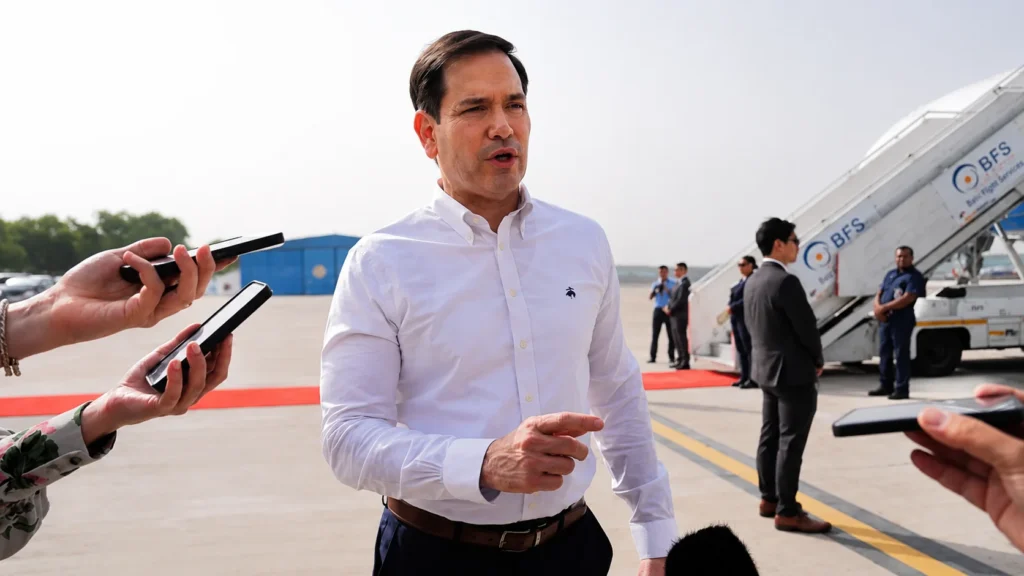
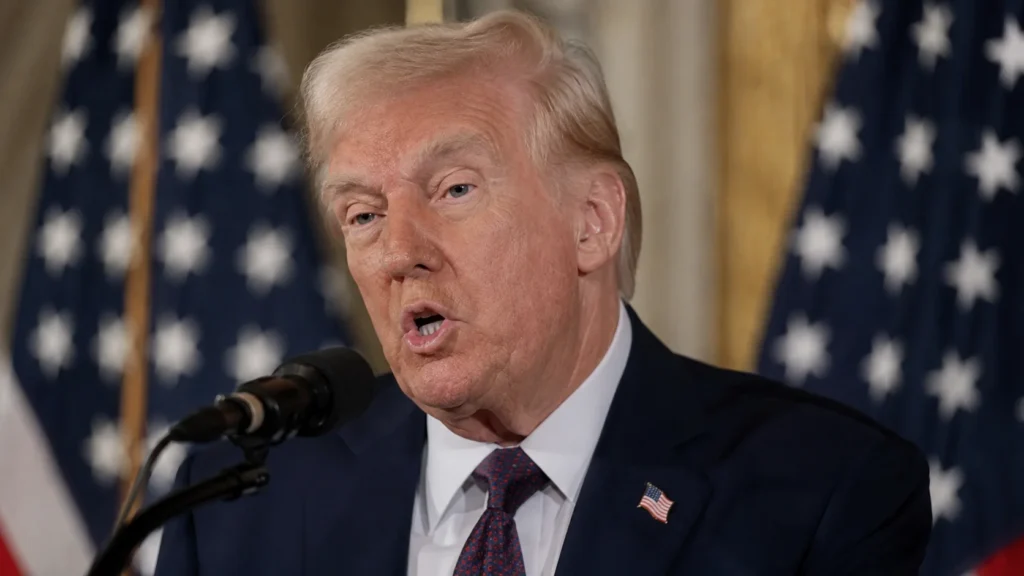


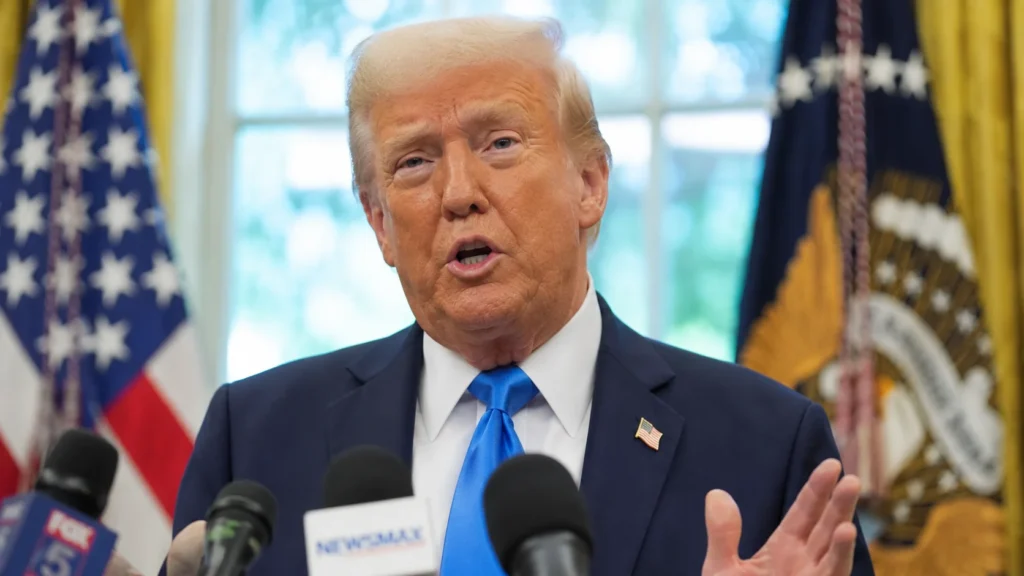

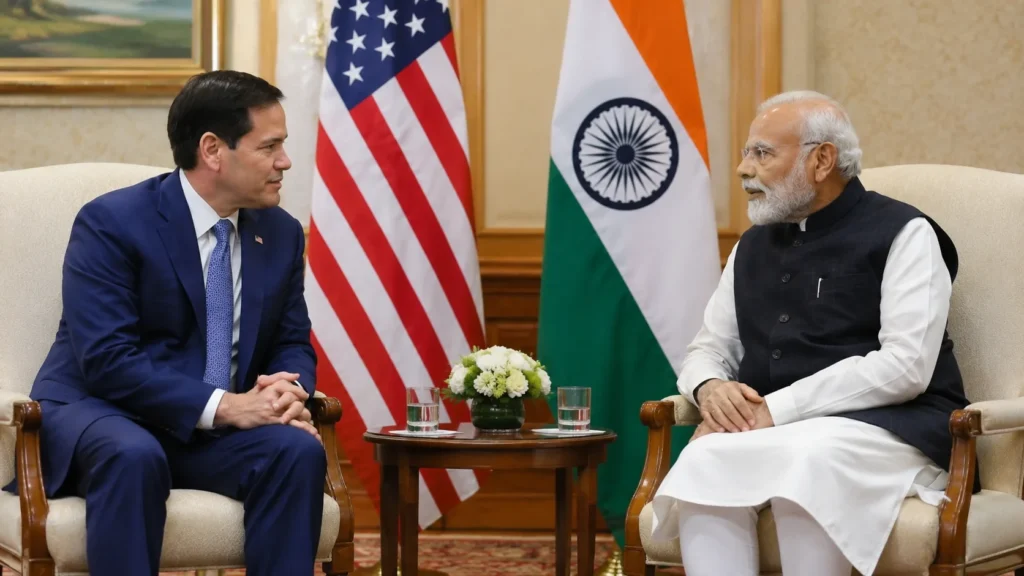
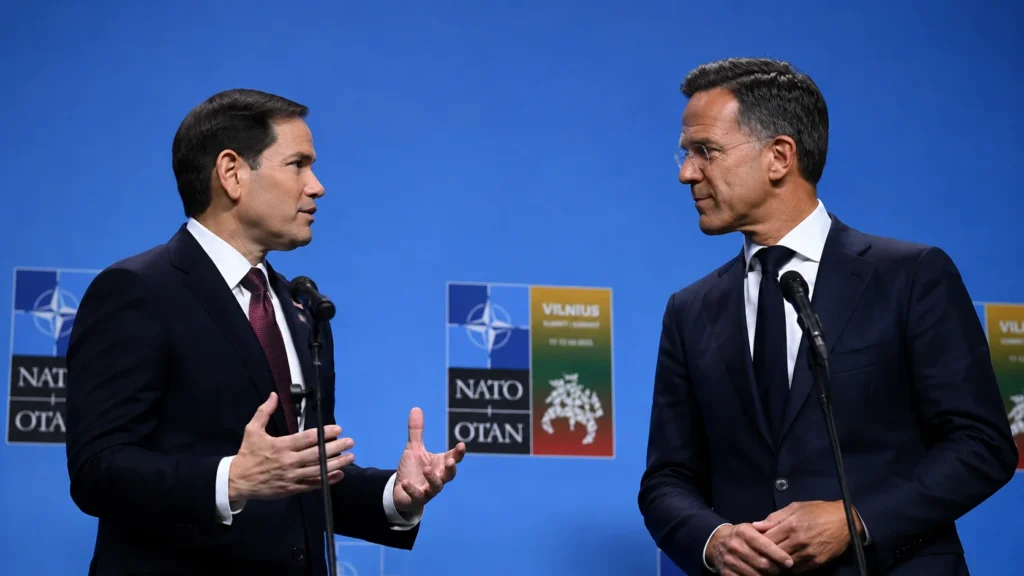



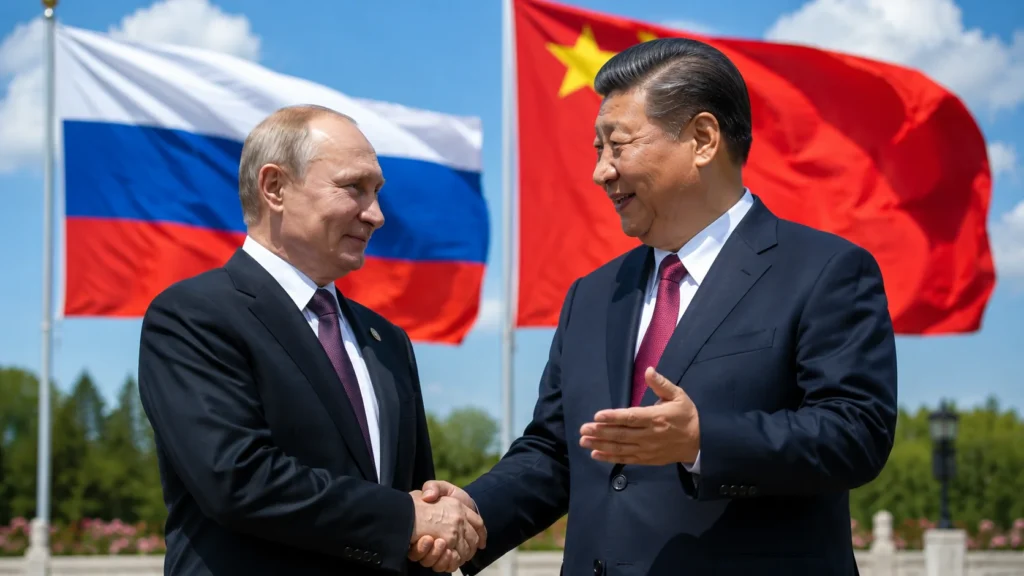



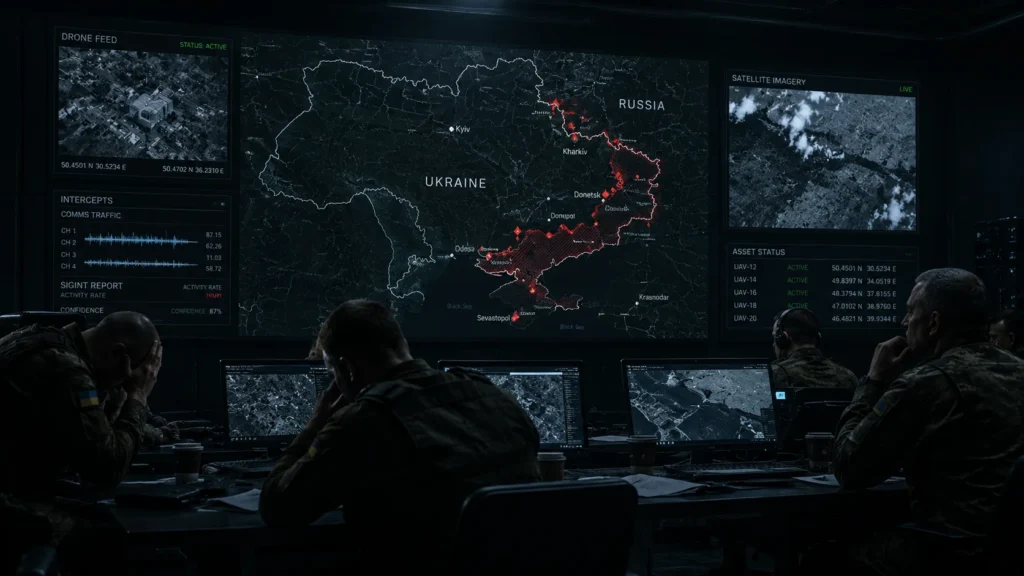
















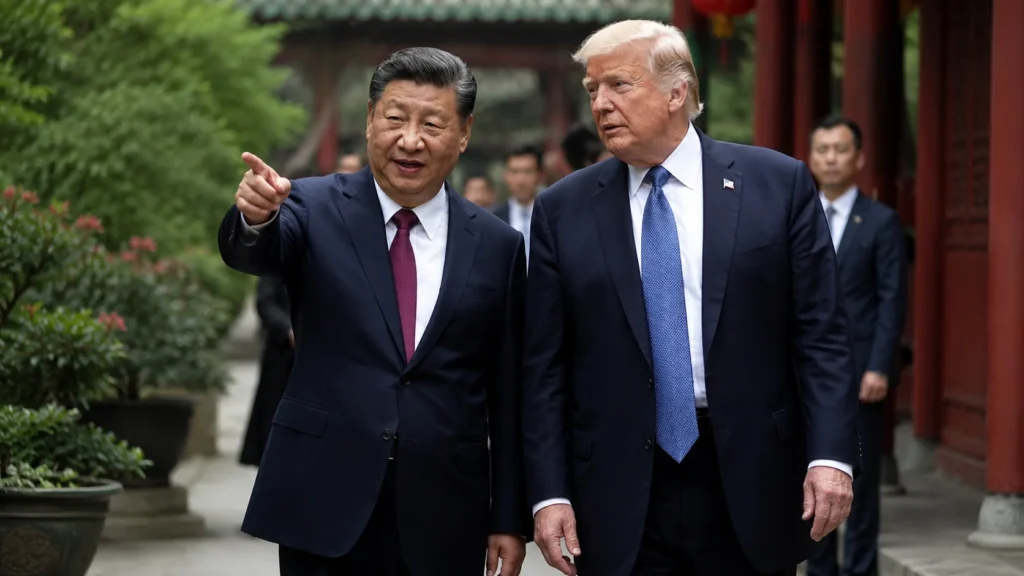


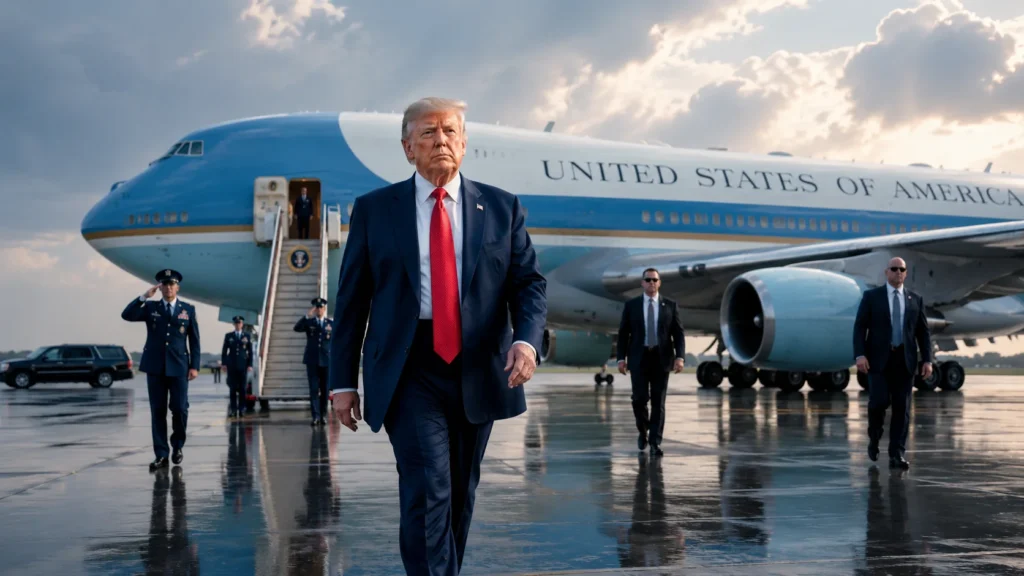
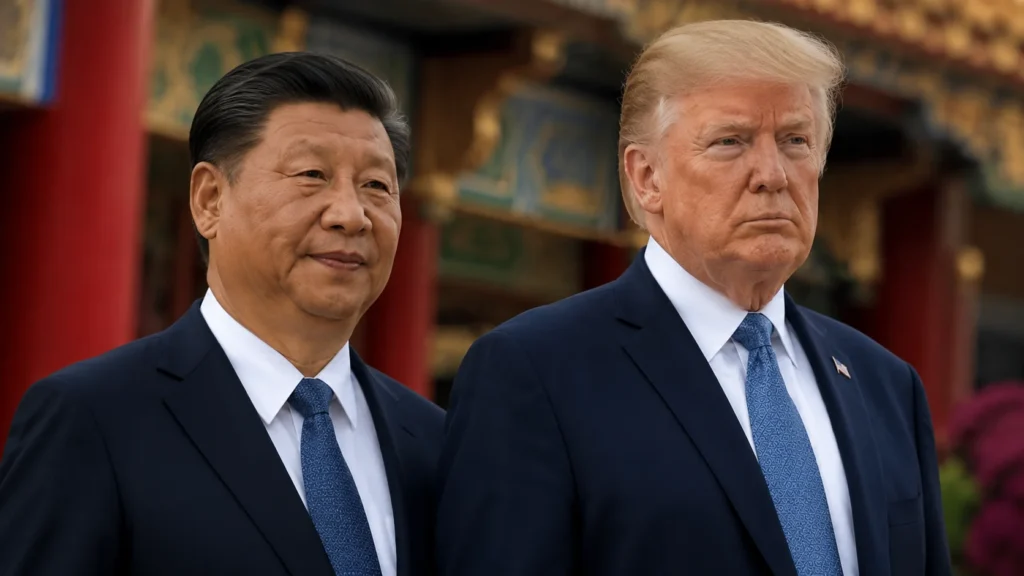
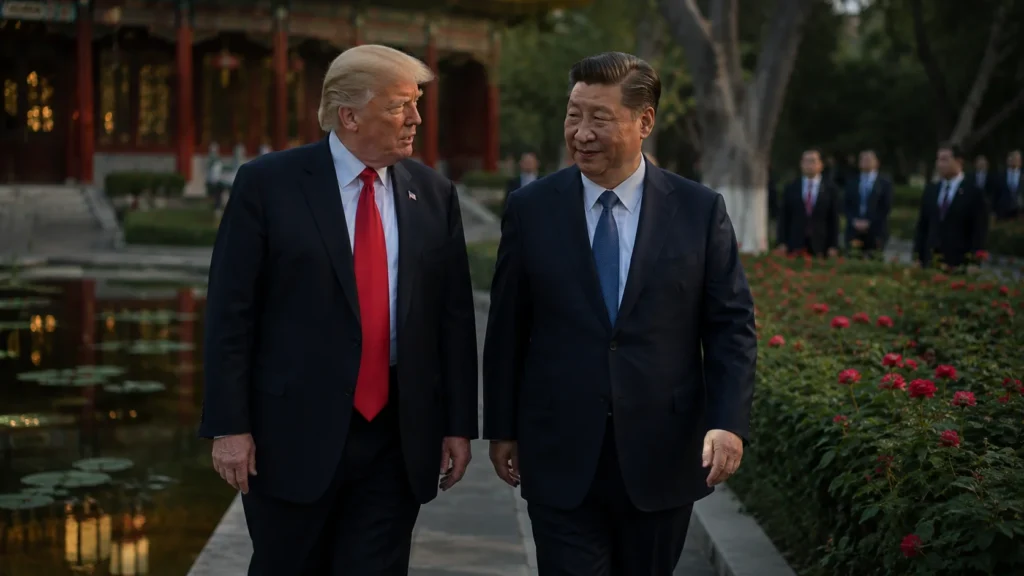





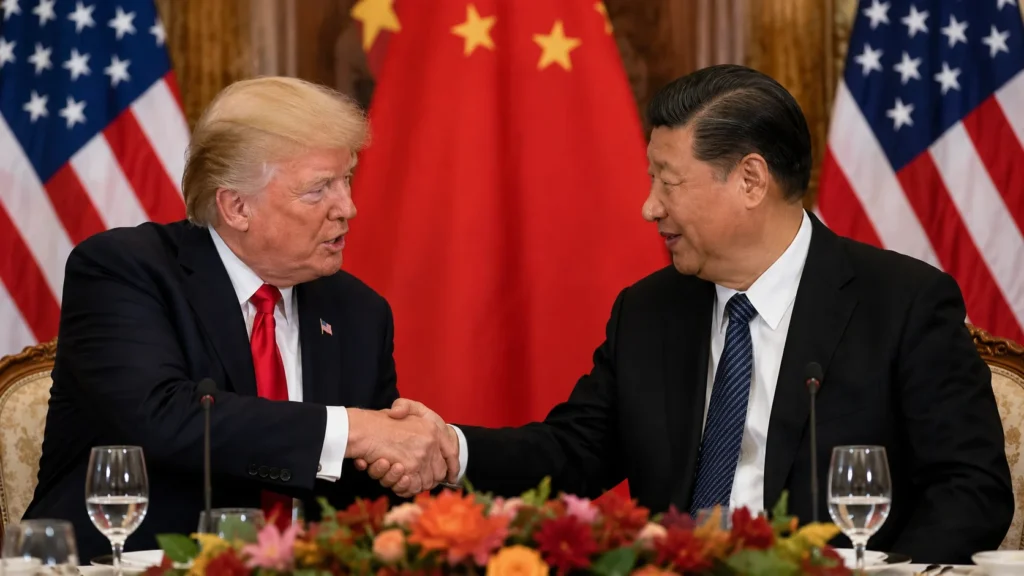
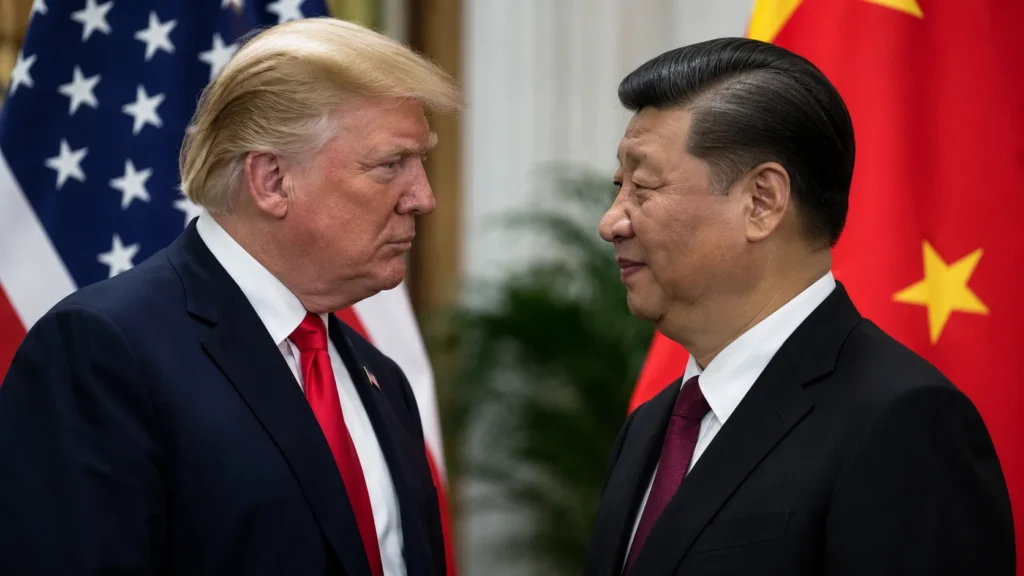


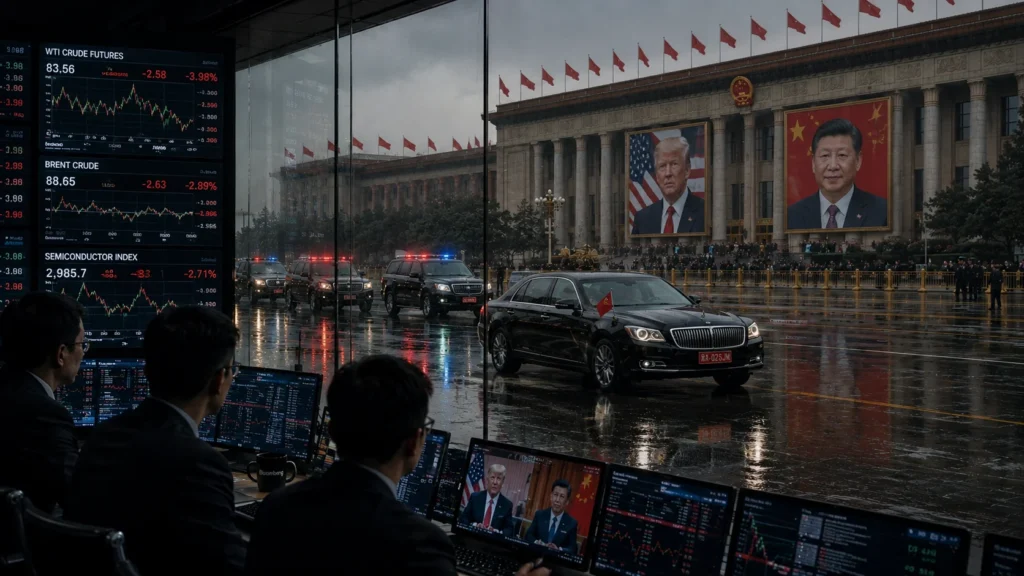

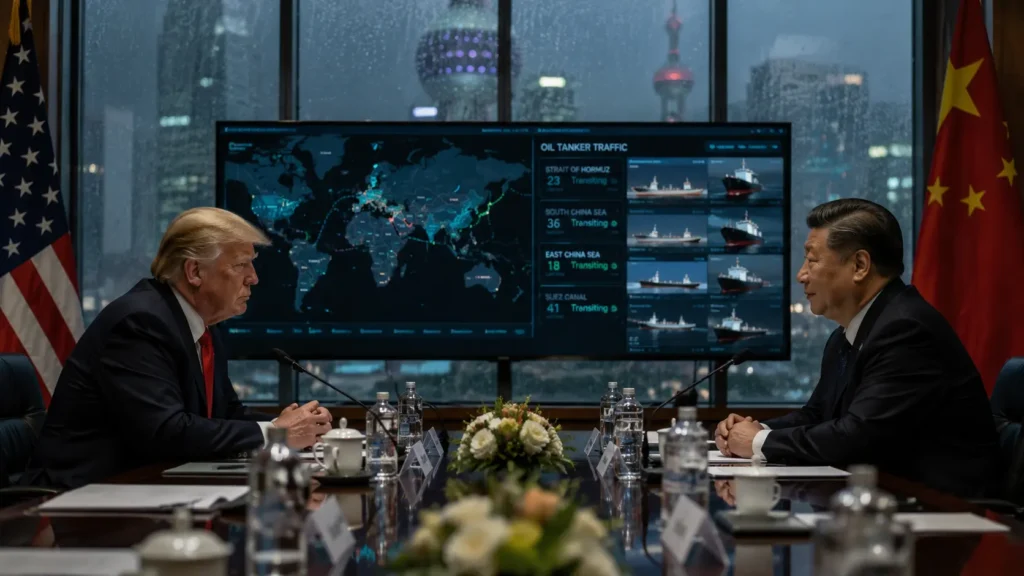



































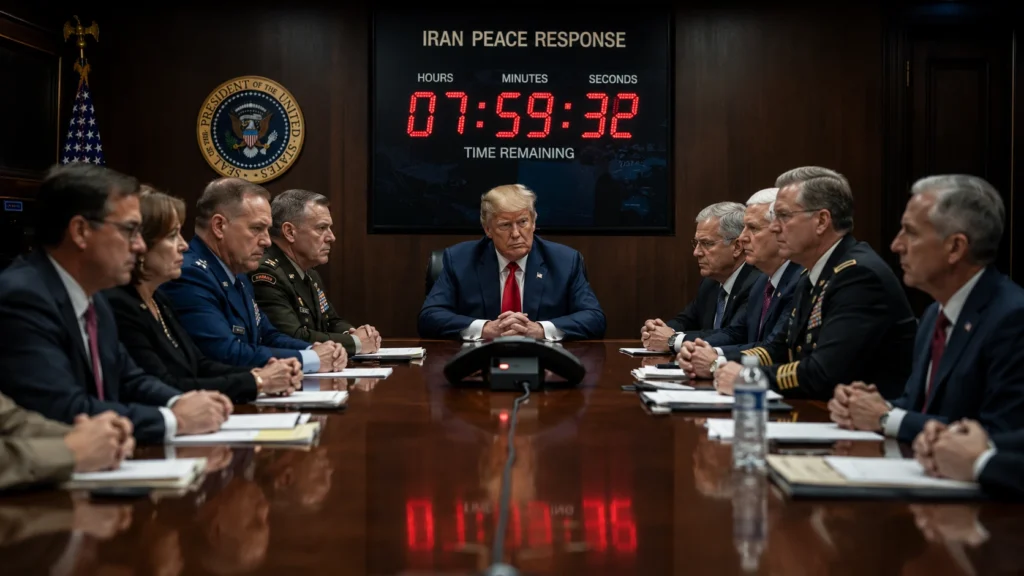

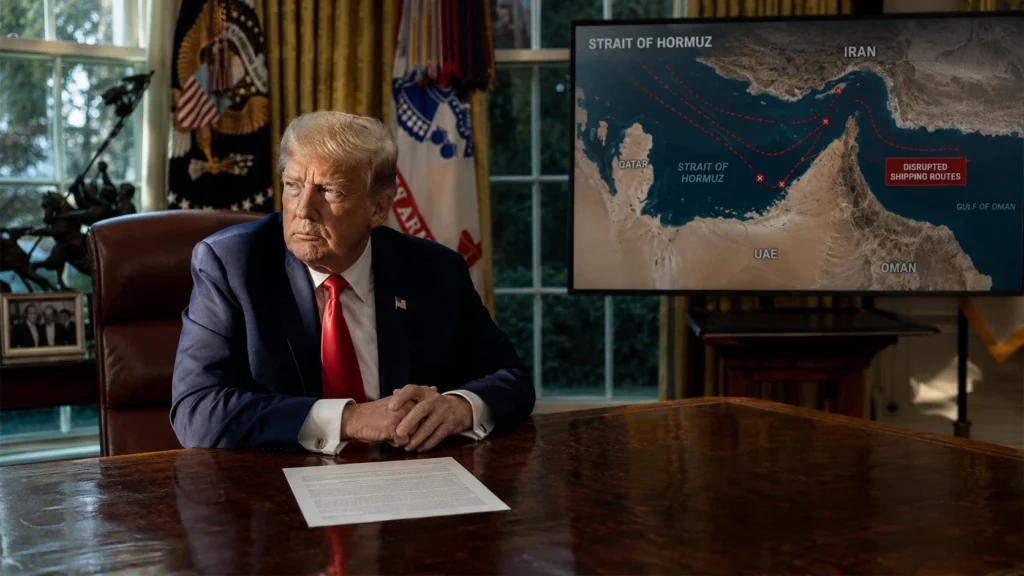




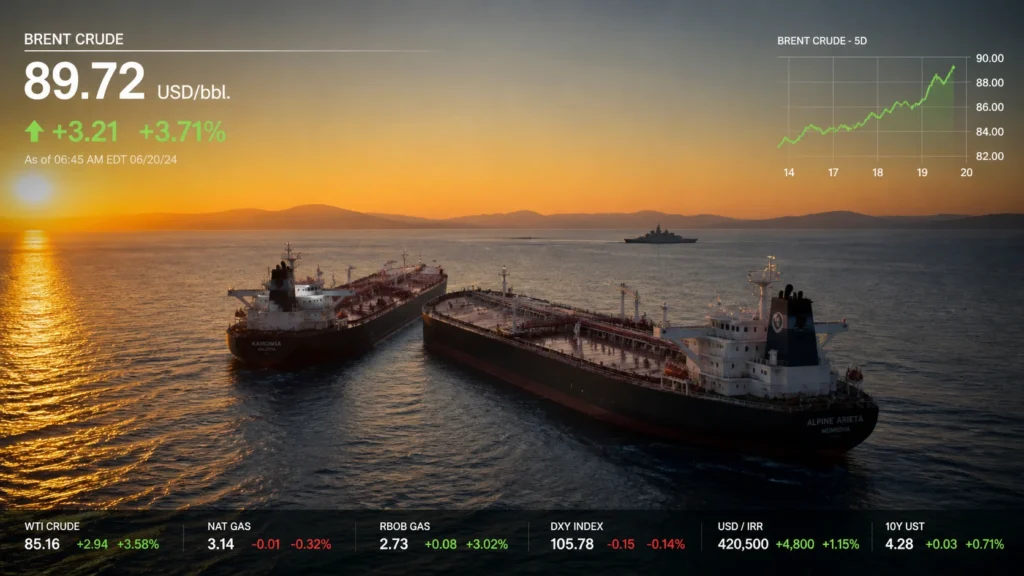



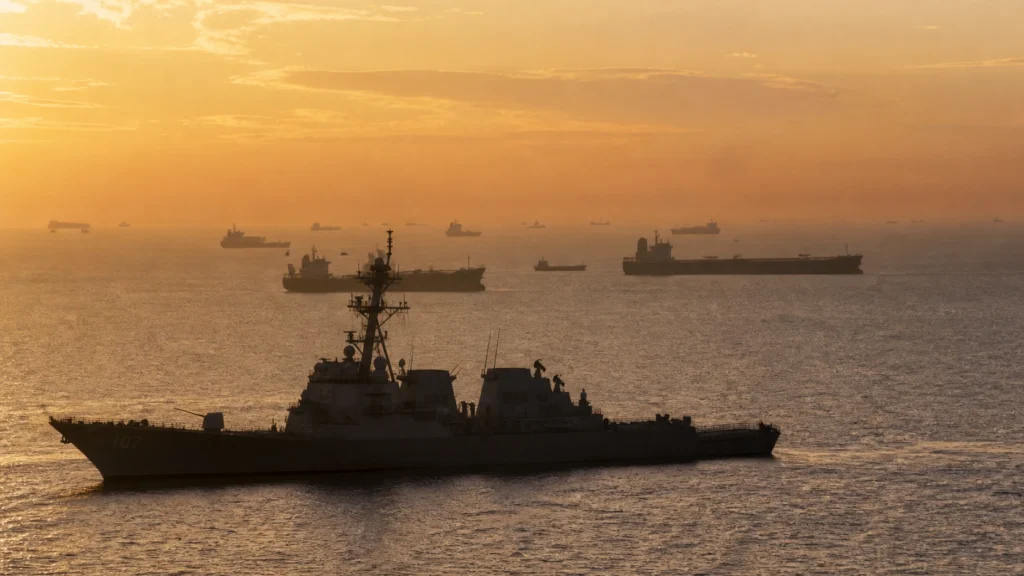


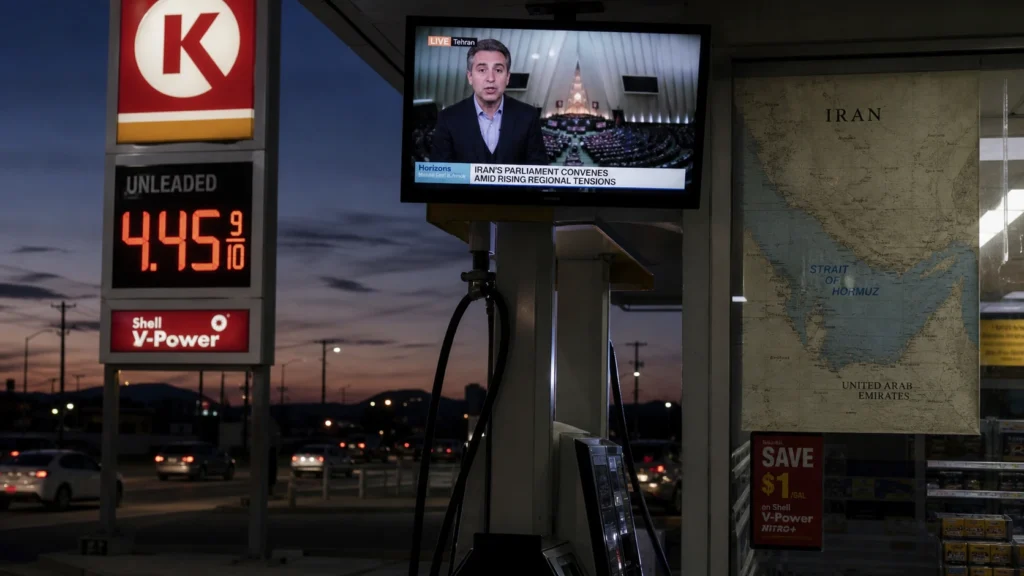










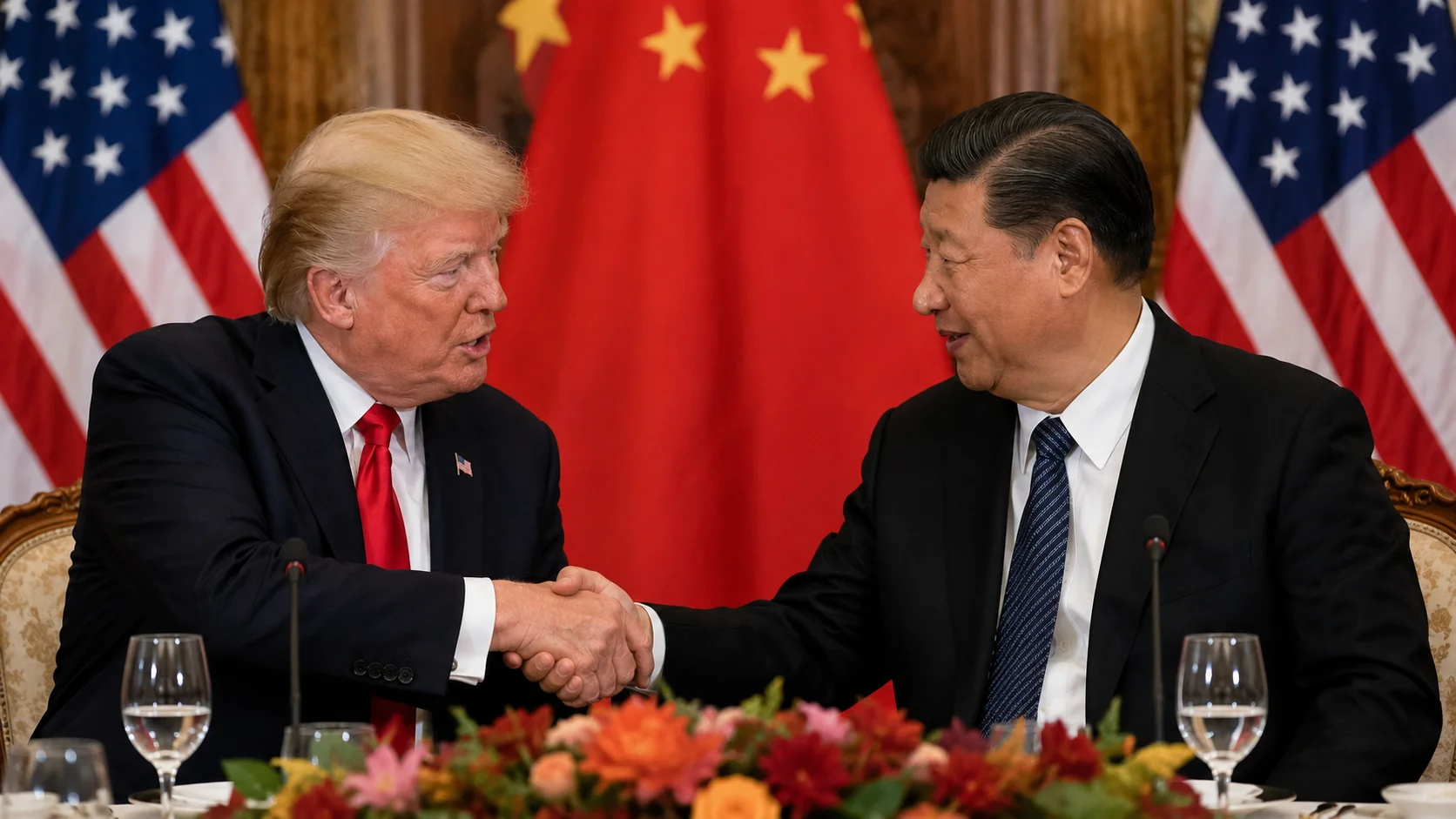
Oil prices reacted before the state banquet in Beijing began. On May 14, 2026, US President Donald Trump and Chinese President Xi Jinping spent hours discussing Taiwan, trade, and the Strait of Hormuz while global markets tracked every signal coming from the summit. The talks mattered because the world’s two largest economies no longer compete only through tariffs. They now compete through supply chains, shipping lanes, semiconductors, and military positioning across Asia.
The Question Hanging Over Beijing: Can Rivals Stay Economically Connected?
Washington and Beijing arrived at the summit with opposite security instincts but shared economic fears. China wants stable export demand as manufacturing pressure builds at home. The United States wants lower energy volatility and steadier supply chains before inflation pressures return to American consumers.
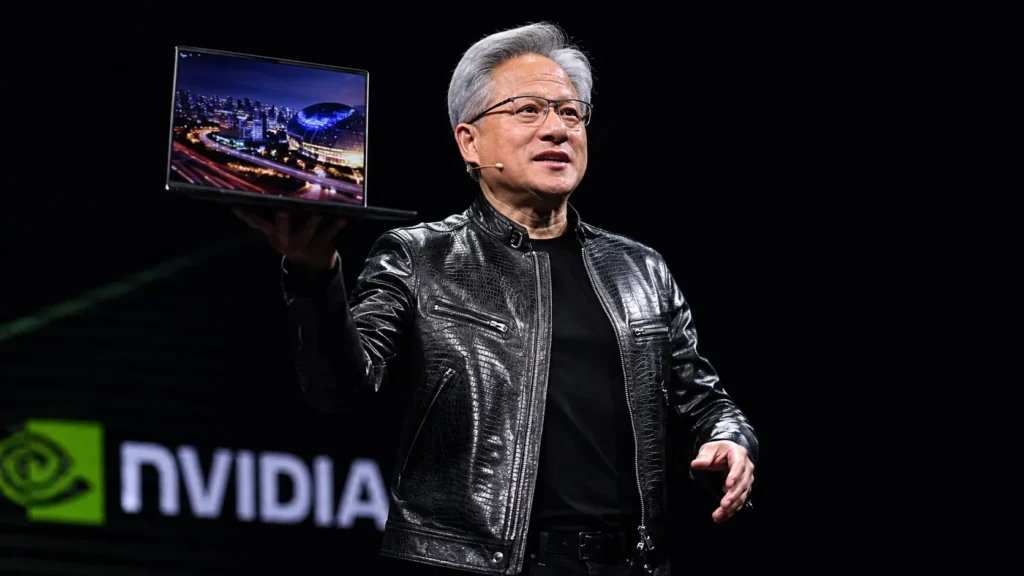
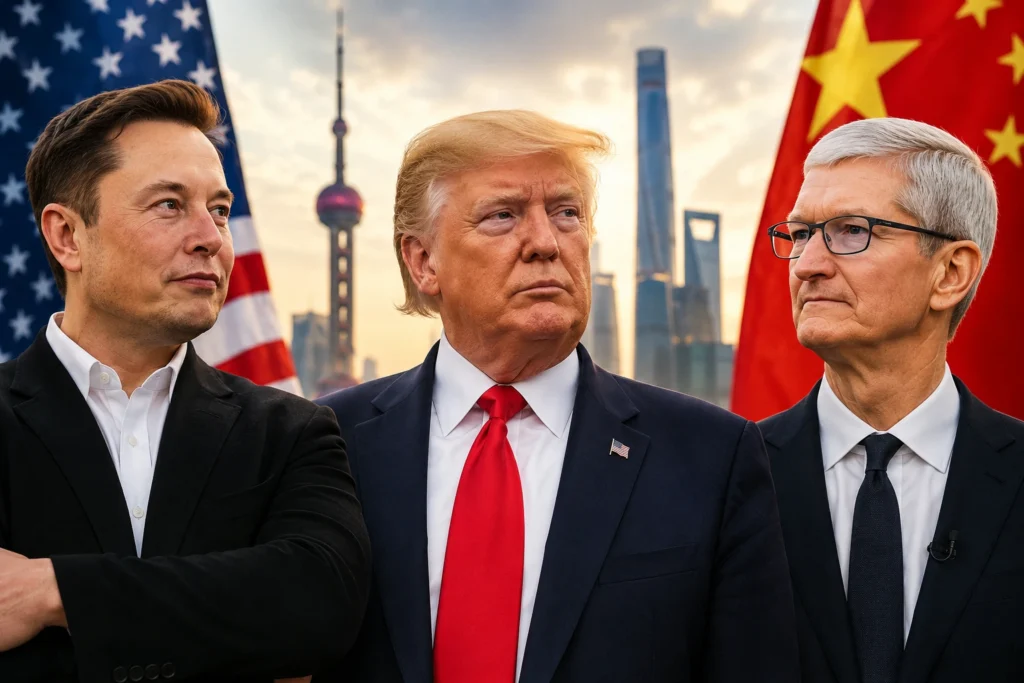
That overlap explains why Trump traveled with executives from Apple, Tesla, and Nvidia. Beijing still anchors huge sections of global manufacturing despite years of “de-risking” policies. According to the World Bank, China accounted for nearly 31% of global manufacturing output in 2025, far ahead of any other economy. That scale still shapes corporate decisions worldwide.
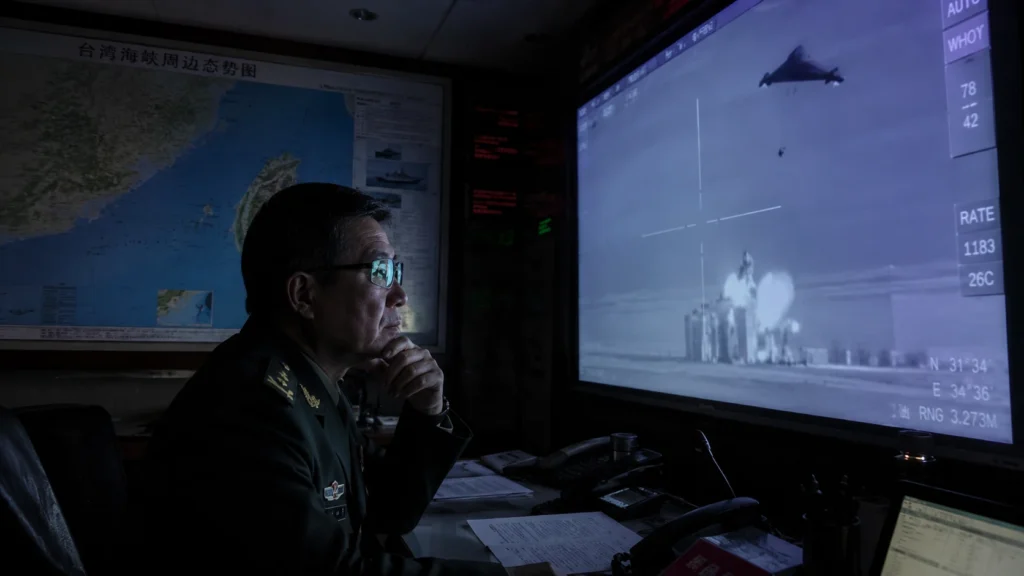
But Taiwan changed the tone of the summit.
Xi warned Trump that mishandling Taiwan could push US-China relations into “a highly dangerous situation,” according to China’s Foreign Ministry. The White House avoided detailed public comment afterward, signaling that both governments still prefer strategic ambiguity over direct confrontation.
Short sentence. Big message.
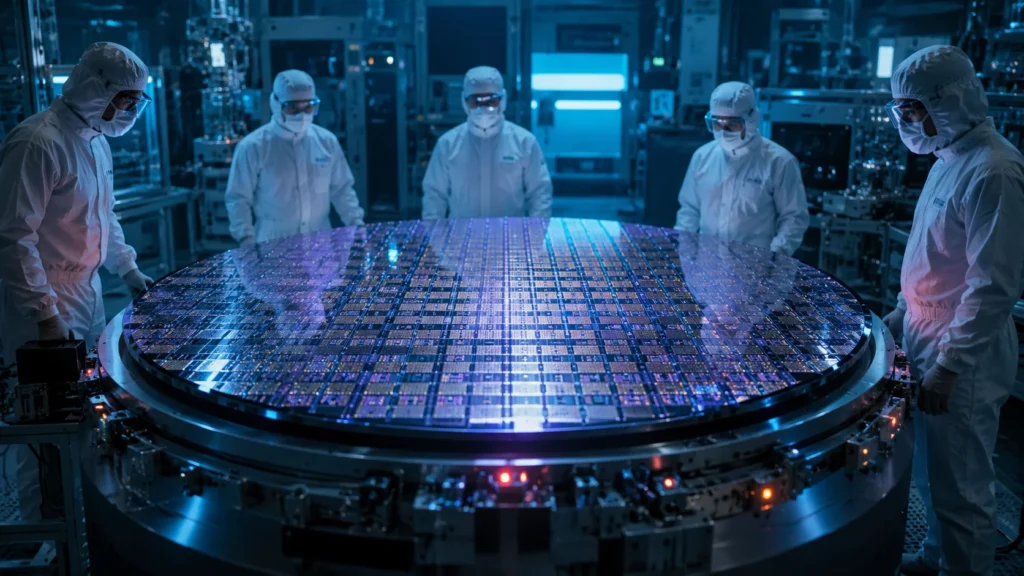
As previous analysis on Taiwan Strait tensions explained earlier this year, Taiwan now sits at the center of semiconductor security, military deterrence, and regional alliance politics across the Indo-Pacific.
Why the Strait of Hormuz Entered the Conversation
The summit did not focus only on East Asia.
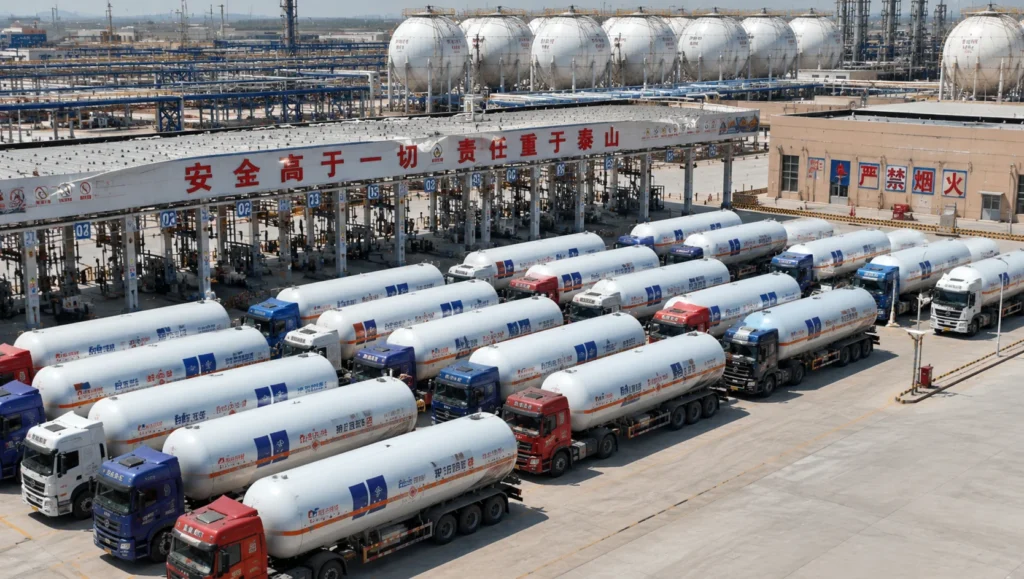
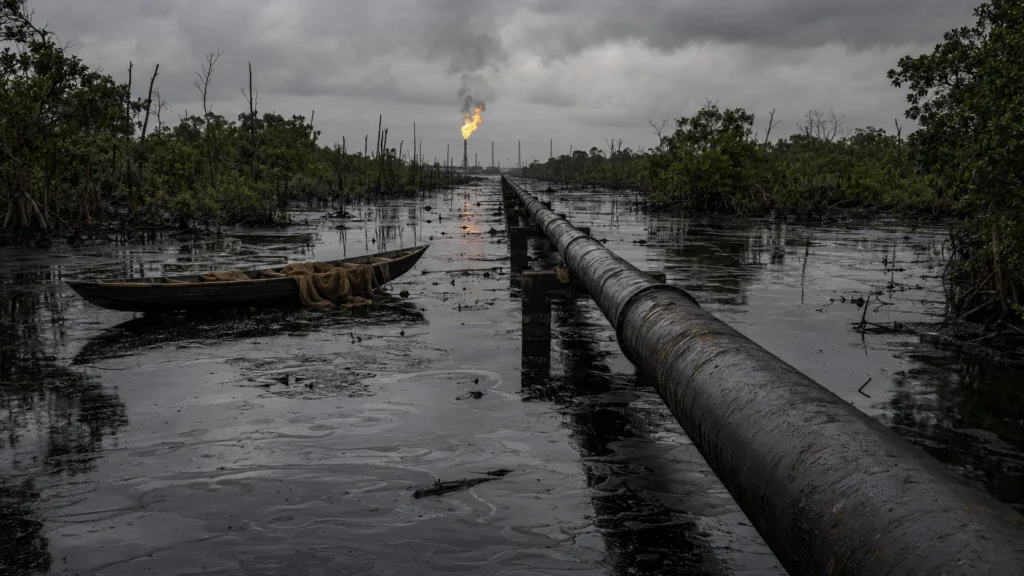
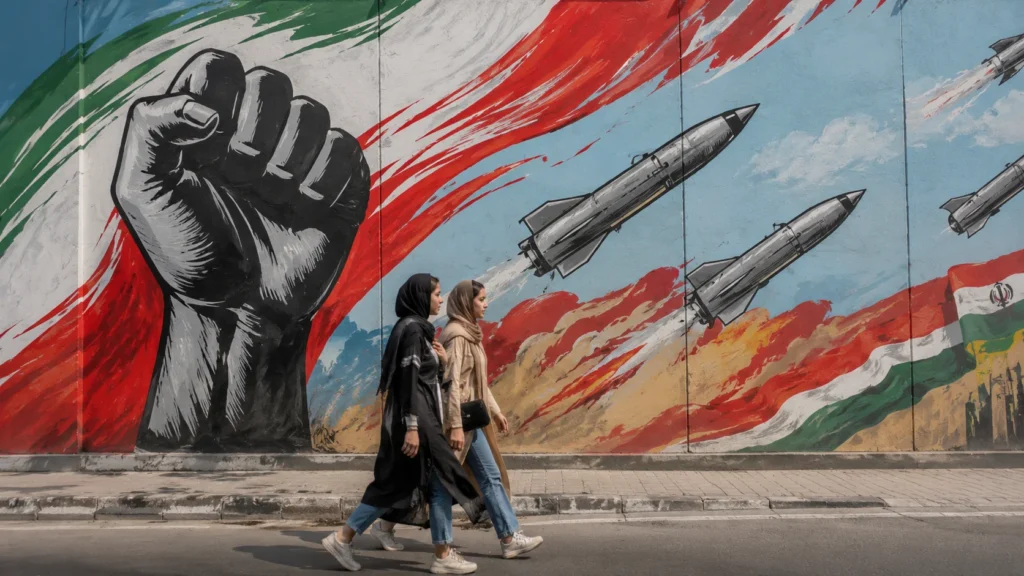
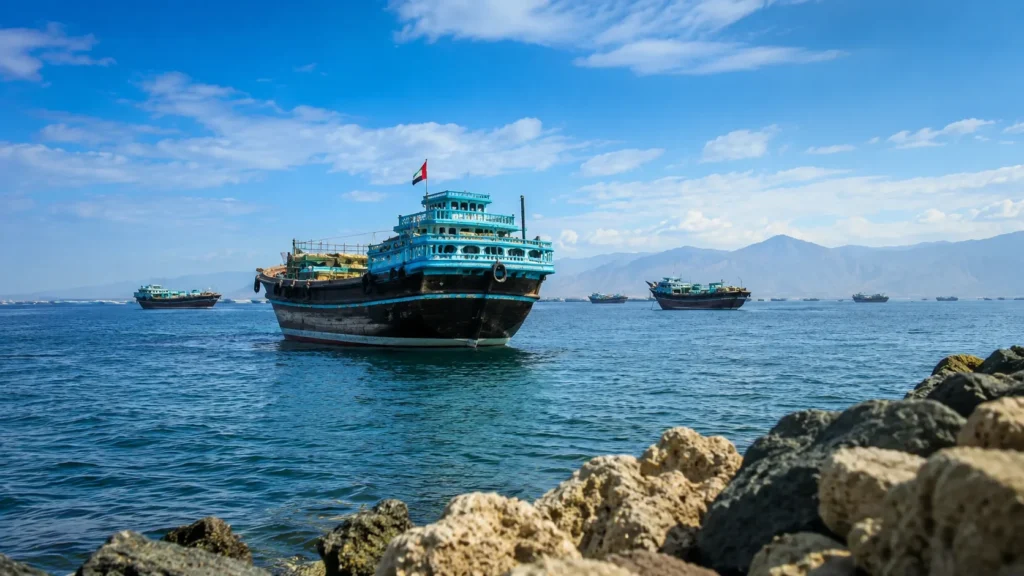
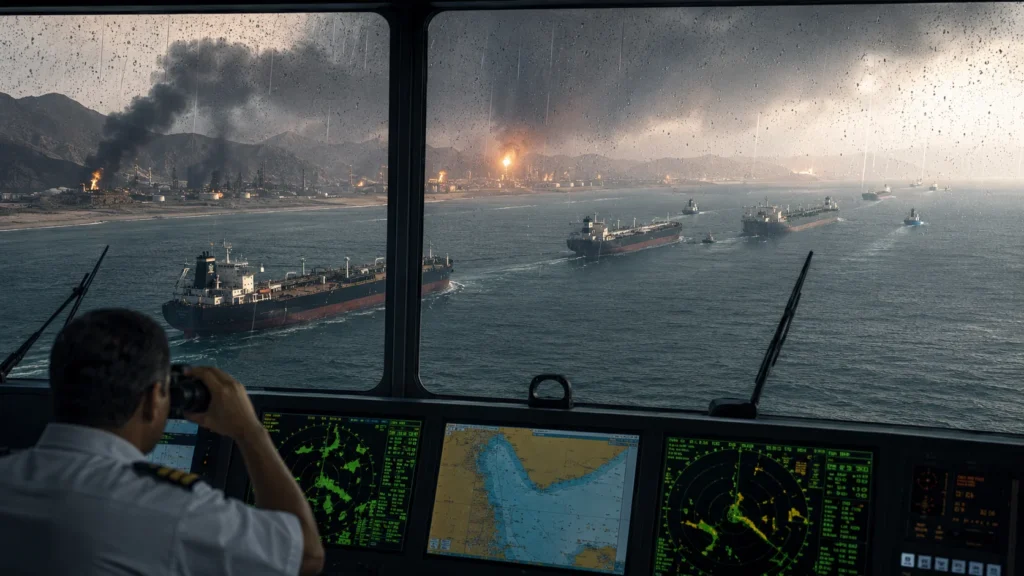
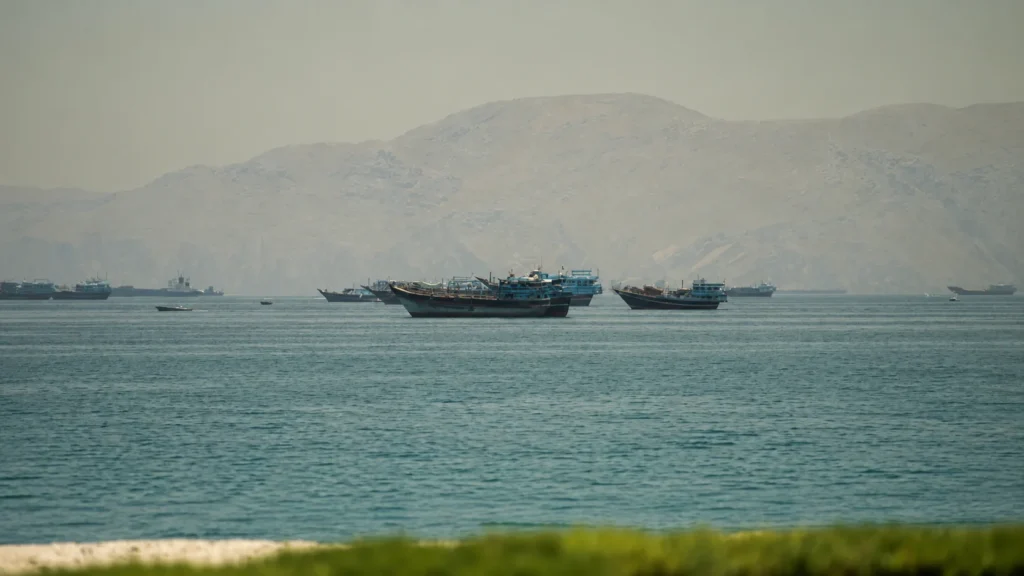
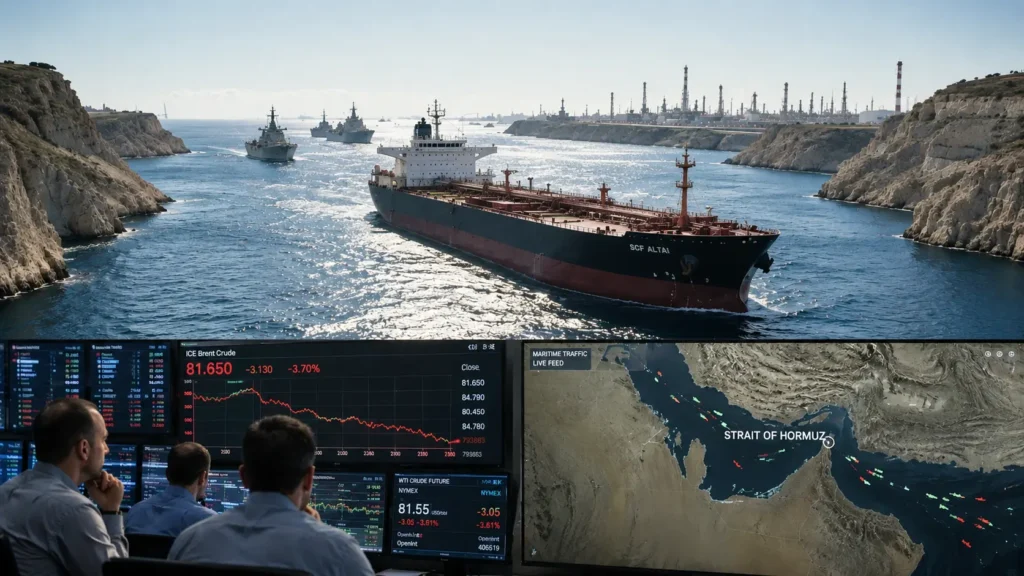
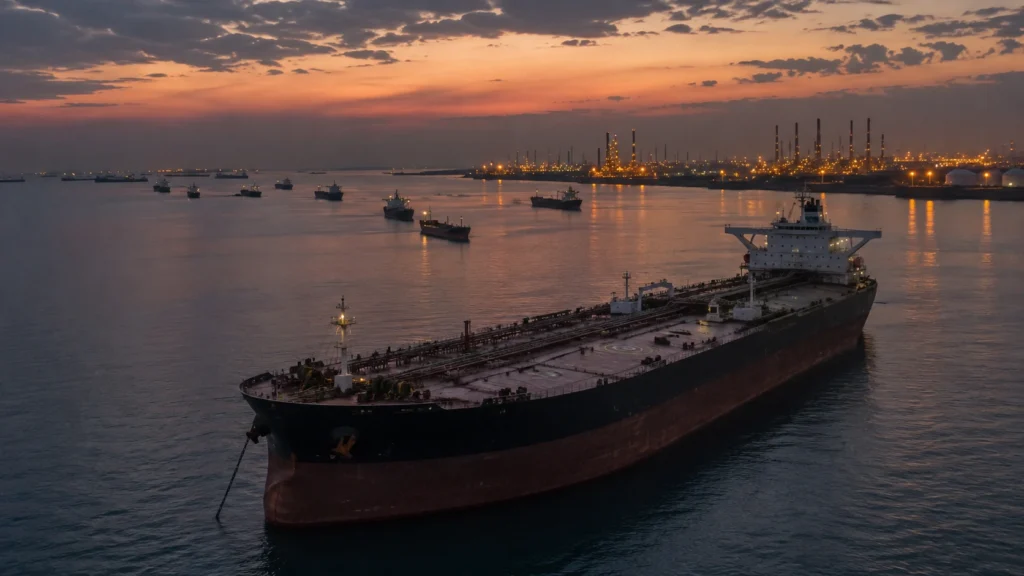
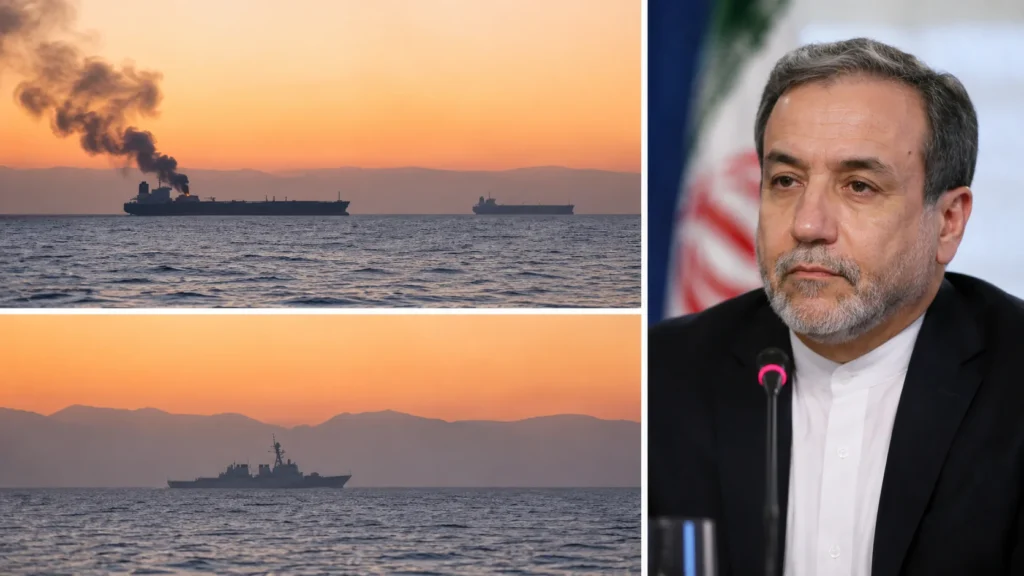
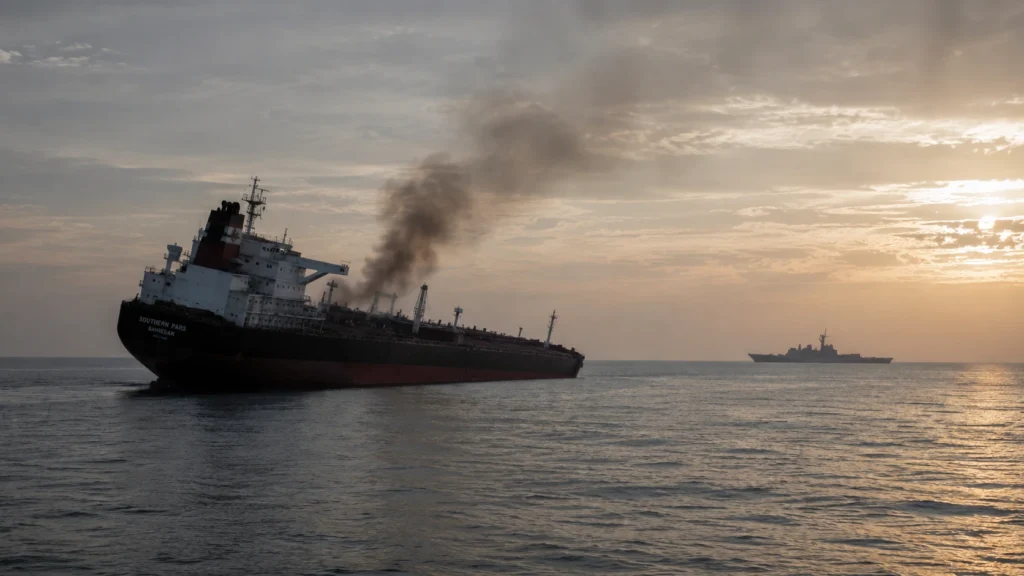
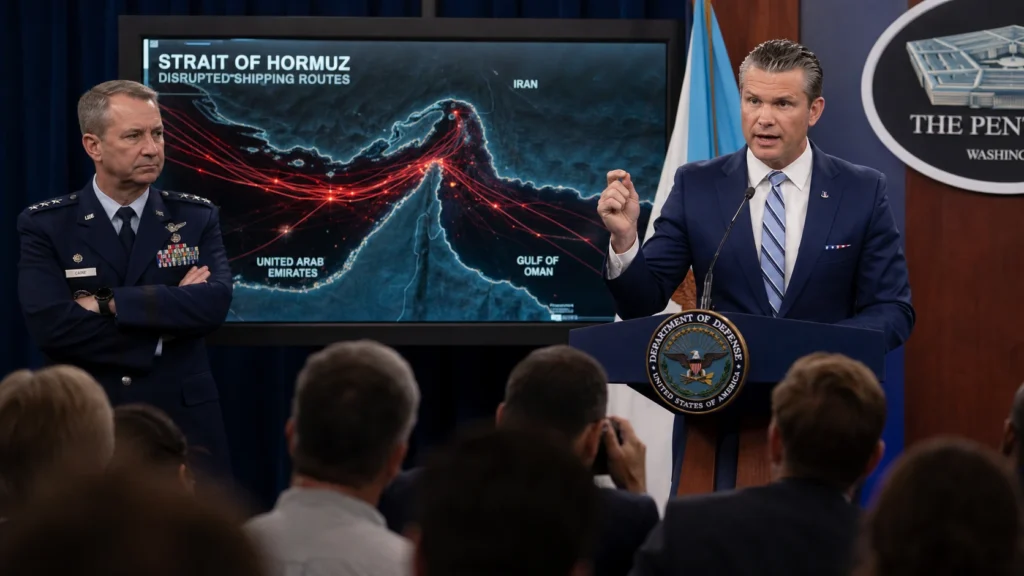
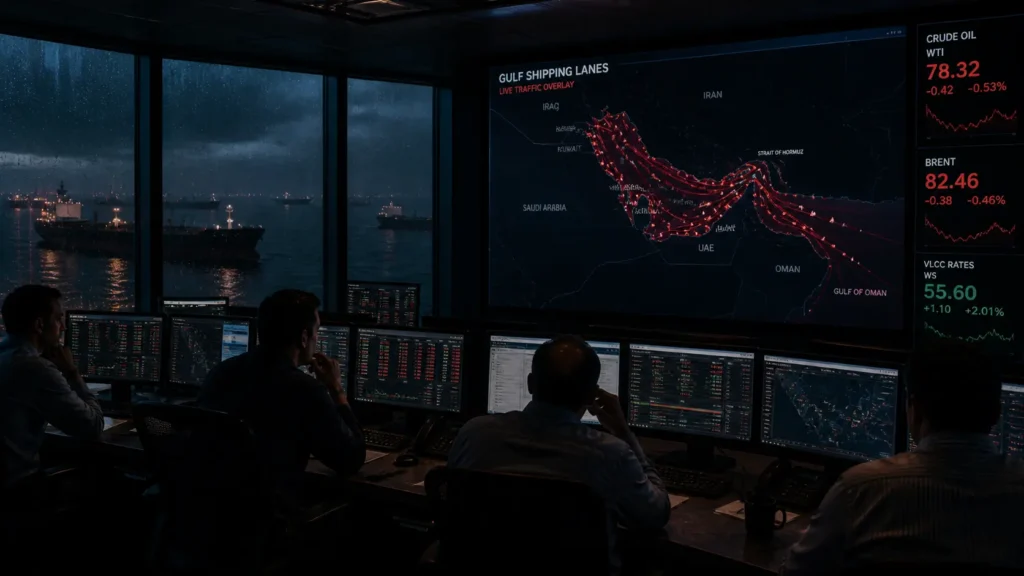
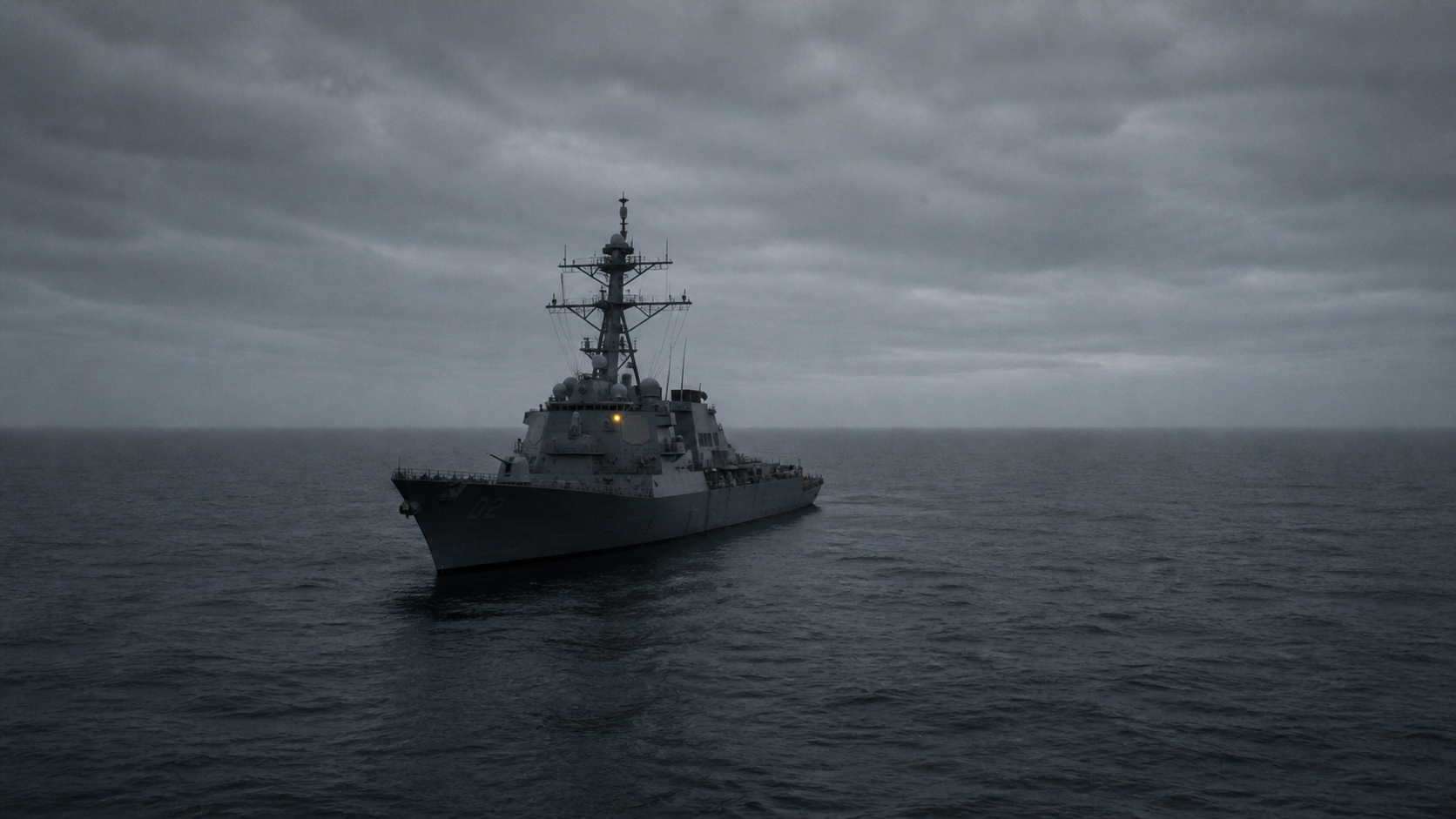
Iran’s growing regional conflict pushed energy security directly into US-China diplomacy because both economies still depend on uninterrupted oil flows through the Strait of Hormuz. Roughly 20% of global petroleum liquids pass through the waterway daily, according to the US Energy Information Administration.
That pressure forced temporary alignment.
Trump wanted assurances that China would support keeping the strait open. Xi opposed militarization and toll systems on the route because Beijing depends heavily on Gulf energy imports. China imported more than 11 million barrels of crude oil per day in 2025, according to International Energy Agency oil market data.
So the summit revealed something larger than bilateral diplomacy: economic interdependence still limits how aggressively either power can escalate geopolitical rivalry.
Not fully. Not yet.
The New Shape of Competition
The US-China relationship now operates on two tracks at once.
One track promotes trade cooperation, investment flows, and market stability. The other accelerates military positioning, export restrictions, and technology controls. Both governments understand that full economic separation would damage global growth, yet both continue building systems designed to reduce dependence on each other.
That contradiction already reshapes global business strategy.
Companies continue moving portions of manufacturing into Vietnam, India, and Mexico while keeping core operations connected to Chinese industrial networks. Apple expanded production capacity in India during 2025, while Mexico’s exports to the United States hit record levels as firms diversified supply chains closer to North America.
As coverage of global semiconductor supply chain shifts showed after the 2024 chip export restrictions, governments increasingly treat technology infrastructure as national security policy rather than simple commerce.
Then there’s Europe.
European governments now face growing pressure to balance economic ties with China against security alignment with Washington. That balancing act could define NATO and EU trade discussions through 2027, especially if Taiwan tensions rise further.
What Investors and Consumers Should Watch Next
Three indicators now matter more than summit symbolism.
First, watch US military coordination with Taiwan and regional allies such as Japan and the Philippines. Second, monitor Chinese naval activity near strategic shipping lanes in the South China Sea. Third, track energy prices tied to the Strait of Hormuz.
Those signals will shape inflation, shipping costs, and investment confidence faster than official speeches.
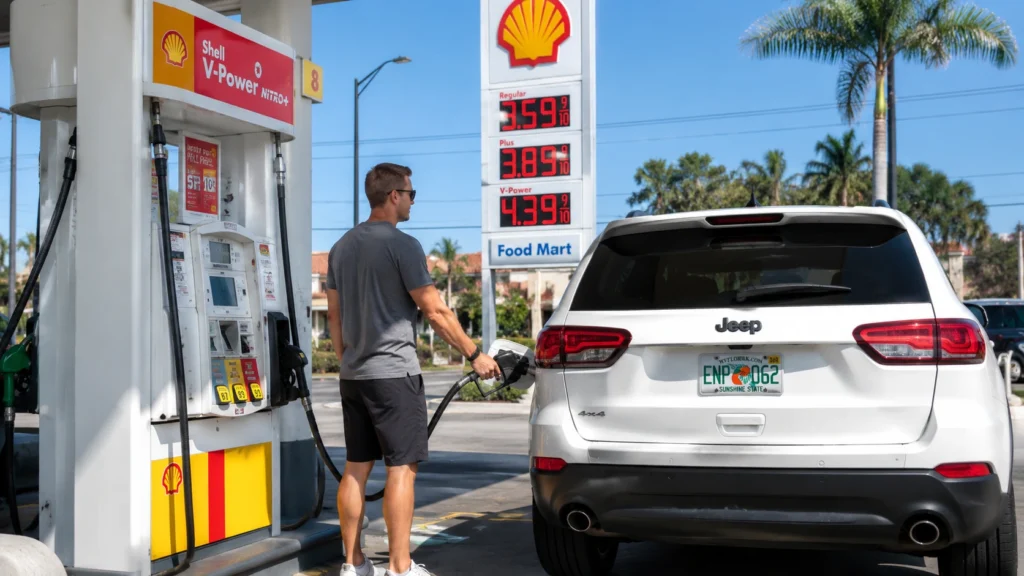
According to US Energy Information Administration Strait of Hormuz analysis, even a temporary disruption in the route can spike crude prices sharply within days. That fallout reaches consumers quickly through fuel prices, transportation costs, and imported goods.
And that is the real pressure point beneath the summit diplomacy: globalization still exists, but governments increasingly weaponize the systems that once connected markets freely.
Quietly.
FAQ
Why did Taiwan dominate the Trump-Xi summit?
Taiwan dominates US-China relations because Beijing views the island as a core sovereignty issue while Washington treats Taiwan as strategically important for regional security and semiconductor supply chains.
Why is the Strait of Hormuz important to US-China talks?
The Strait of Hormuz handles a major share of global oil shipments. Both the United States and China depend on stable energy flows to avoid inflation and economic disruption.
How could US-China tensions affect consumers?
Rising tensions could increase electronics prices, shipping costs, fuel prices, and supply chain disruptions worldwide.
Why are companies moving factories outside China?
Many firms want to reduce geopolitical risk by diversifying manufacturing into countries such as Vietnam, India, and Mexico while still maintaining access to Chinese supply chains.
What happens next in US-China relations?
Both governments will likely continue limited economic cooperation while competing more aggressively in technology, military strategy, and regional influence.
Author Bio:
Written by a senior geopolitical analyst covering US-China relations, global trade systems, and energy security trends for more than a decade, with reporting focused on Indo-Pacific strategy and global market risk.