

 English






















































































Russia Scales Back Victory Day Parade Amid Security Pressure
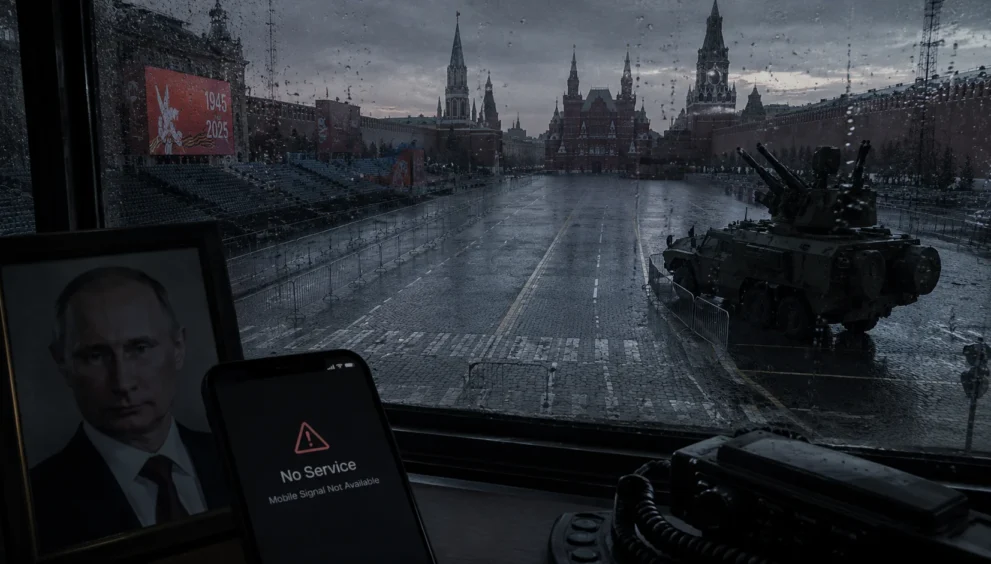
Moscow Turns Victory Day Into a Security Operation
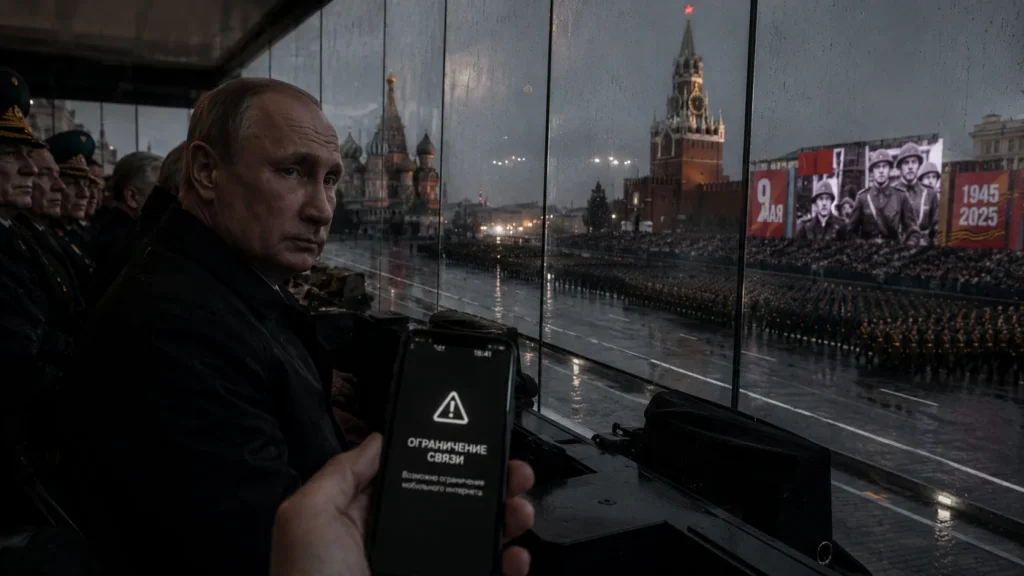
Flags still lined the streets of Moscow. Air defense systems still guarded key government areas. But one thing stood out immediately on Victory Day: the absence of the massive military spectacle that usually defines Russia’s most symbolic national celebration.
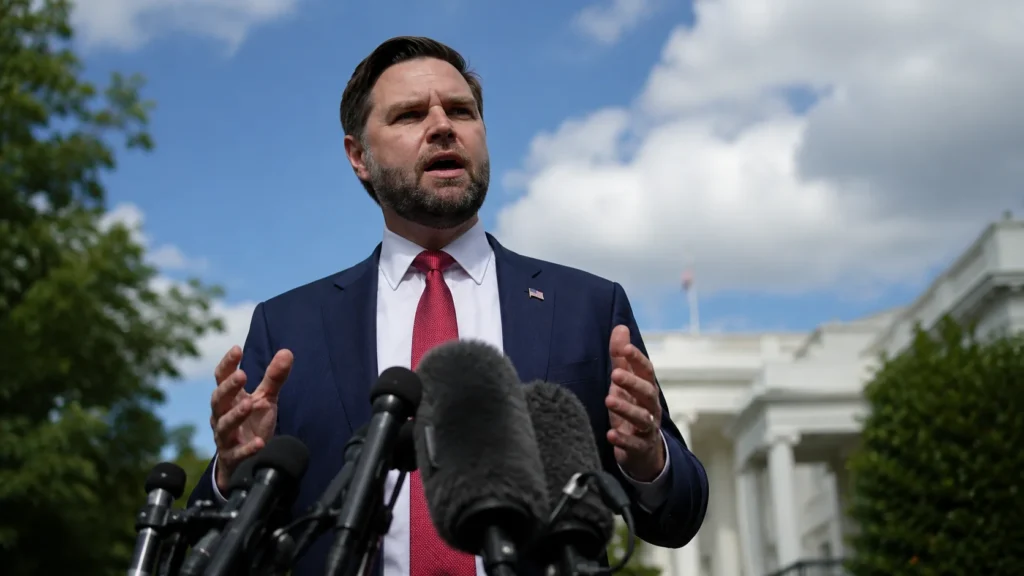
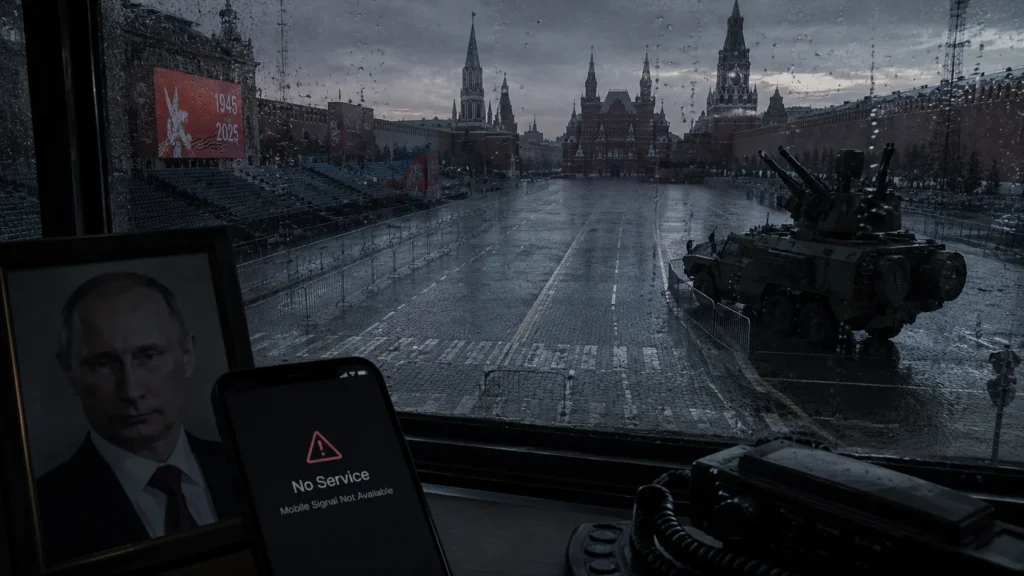
The Kremlin reduced the scale of this year’s Victory Day parade as Ukraine’s expanding drone campaign pushed security concerns closer to the center of Russian political life. Russian authorities limited public access, tightened communications controls, and reduced visible military hardware in Red Square. The changes reflected more than caution. They revealed how the war increasingly shapes domestic security decisions inside Russia itself.
For years, Russian President Vladimir Putin used Victory Day celebrations to project military strength and national unity. Heavy armored vehicles, foreign leaders, and carefully managed media coverage formed part of a political message designed to show stability and control. This year, however, security priorities appeared to outweigh symbolic display.
Ukraine Drone Threats Reshape Kremlin Calculations
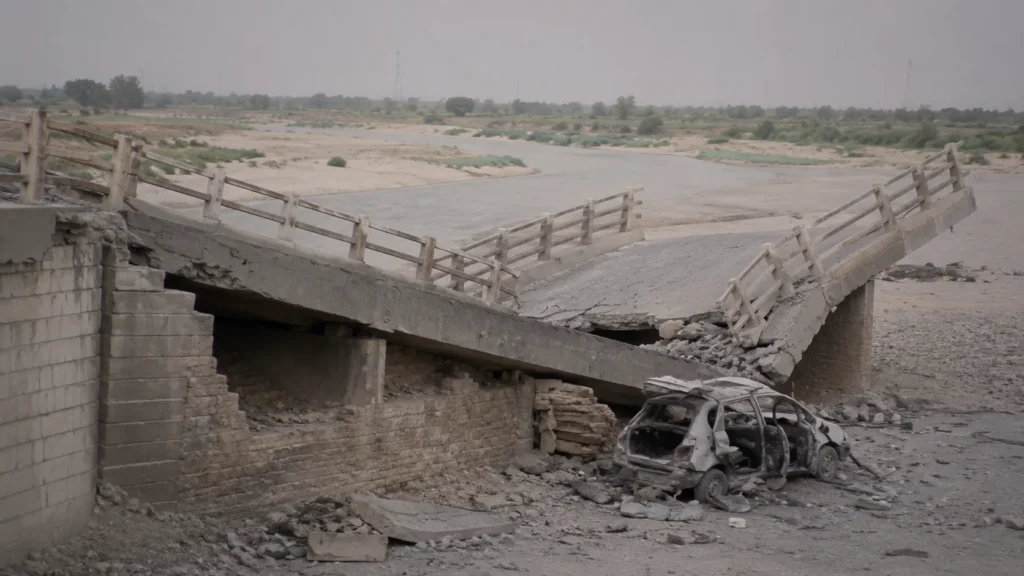
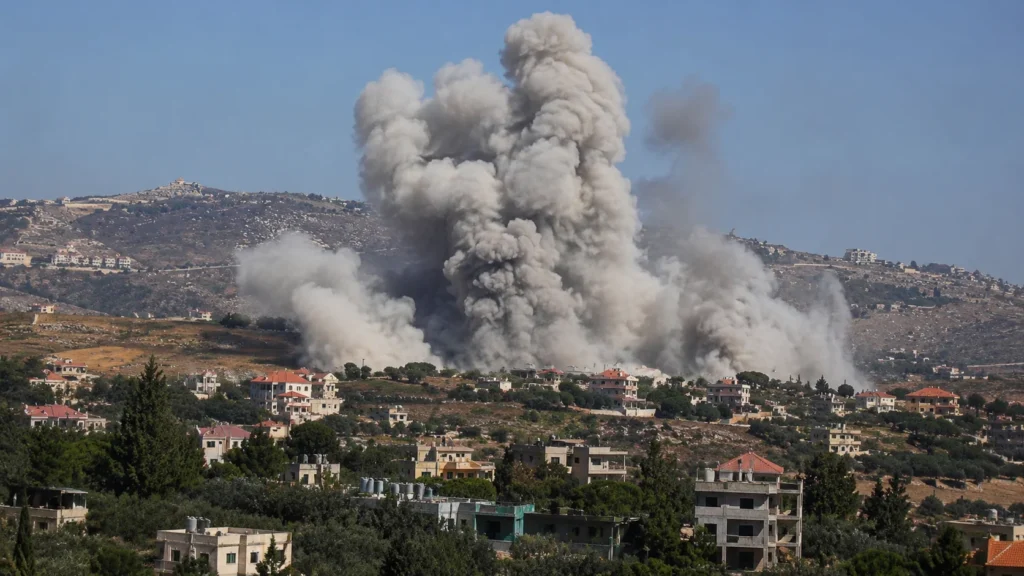
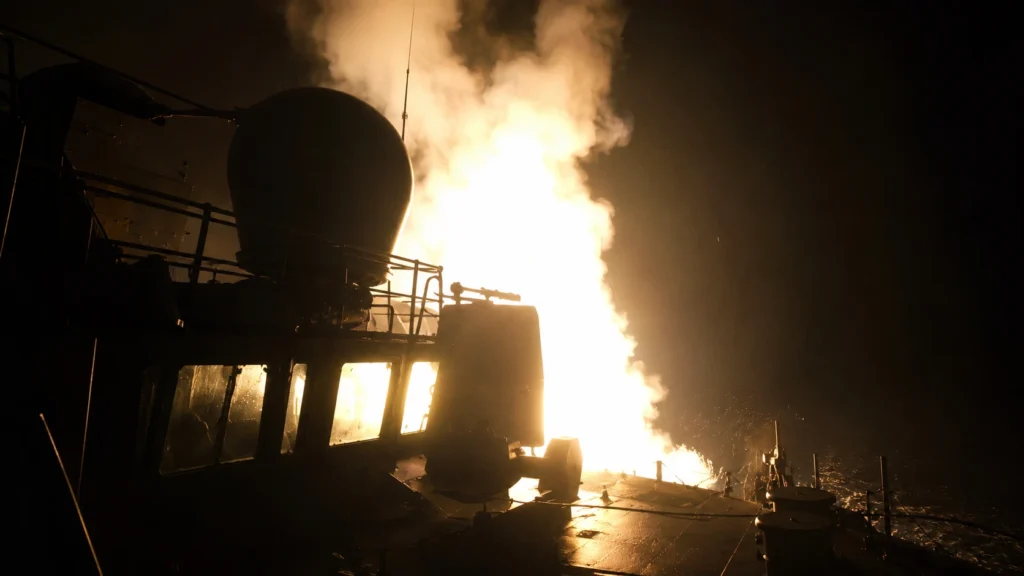
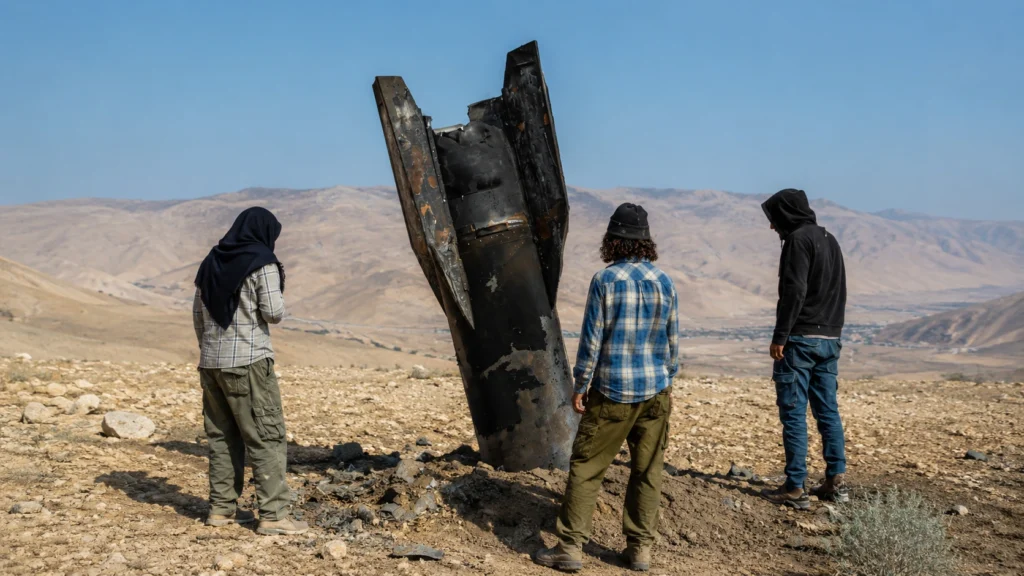
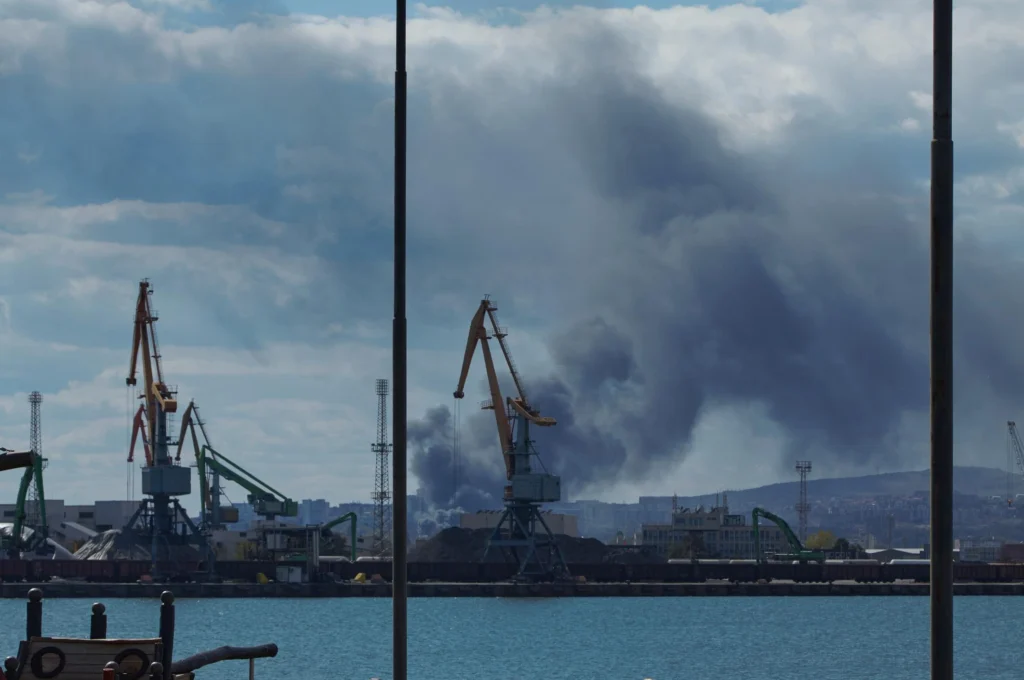
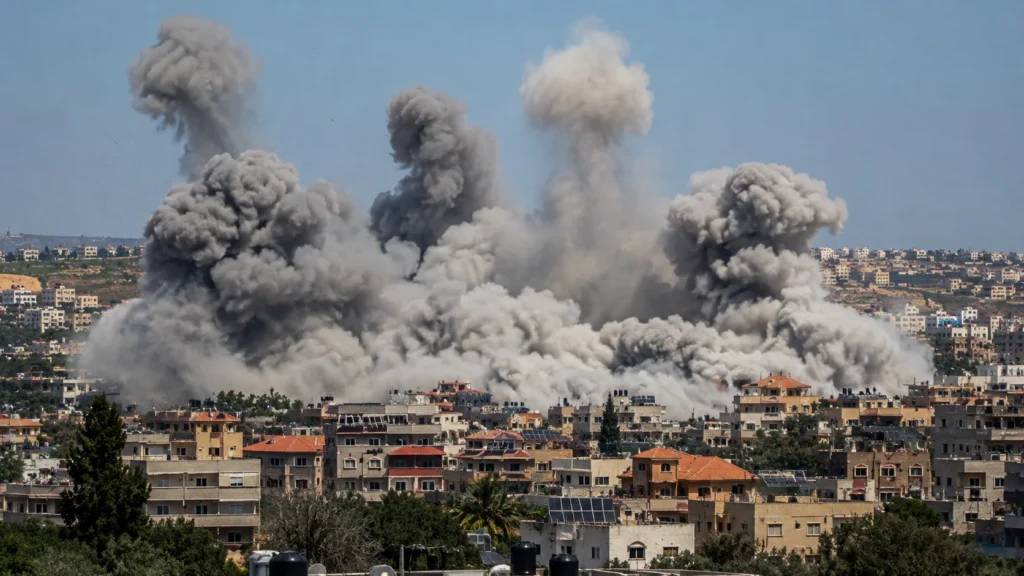
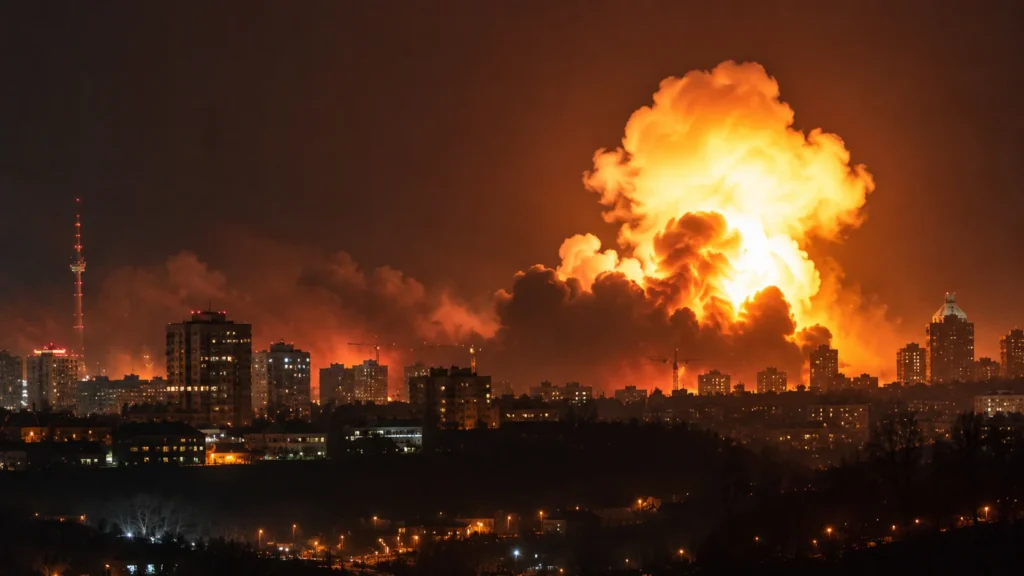
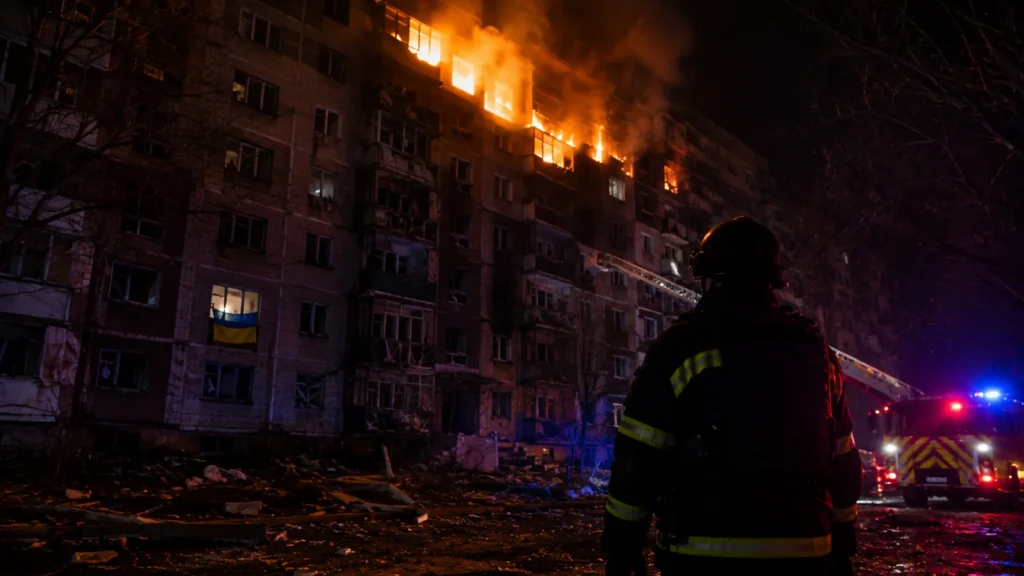
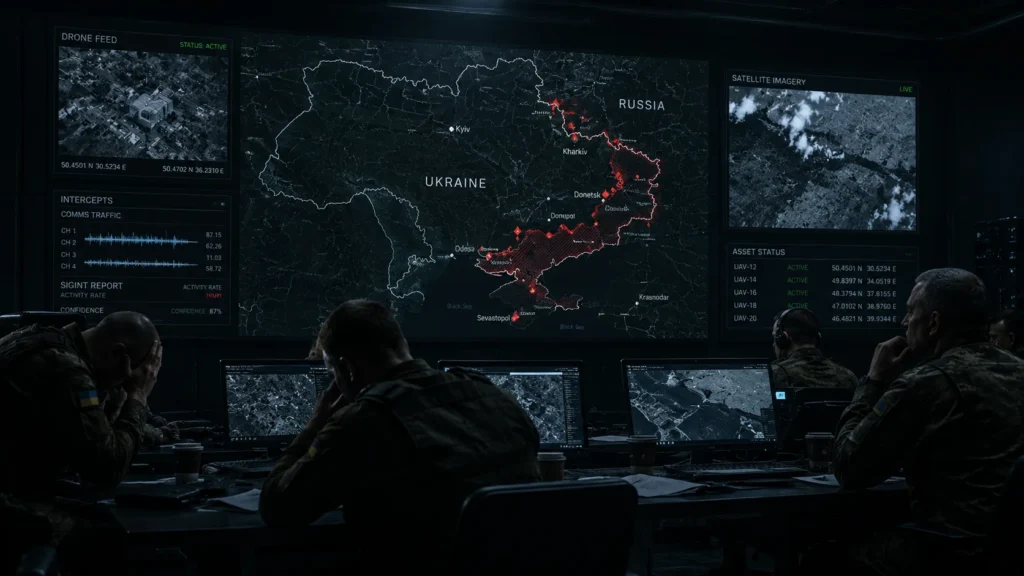
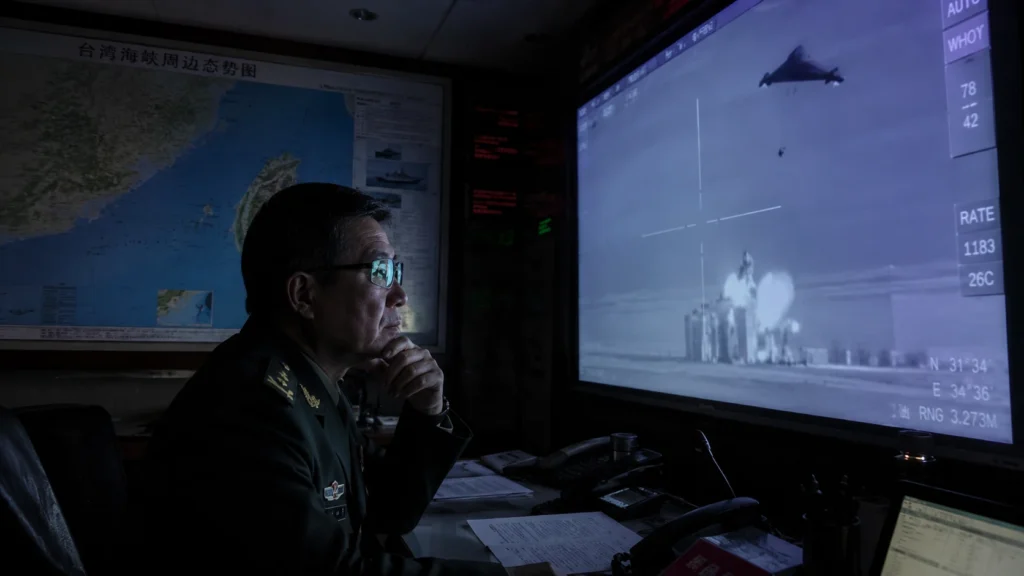
The Kremlin’s decision to scale back the parade came as Ukrainian drone strikes reached deeper into Russian territory, including areas close to Moscow and critical energy infrastructure. Those attacks forced Russian authorities to rethink how large public events operate during wartime conditions.
Large military parades require concentrated infrastructure, communications systems, political leadership, and media presence. Ukrainian drone operations transformed those gatherings into potential security risks. Anti-aircraft systems positioned across Moscow reinforced the perception that Russian authorities no longer view the capital as fully insulated from the conflict.
That shift carries political consequences.
Russian leadership depends heavily on projecting stability and confidence during wartime. Visible security restrictions, internet slowdowns, and expanded surveillance measures risk creating the opposite impression among ordinary citizens. The state still controls the overall political environment, but increased defensive measures make the war feel closer to everyday life inside Russia’s largest cities.
Domestic Pressure Grows Beneath Official Messaging
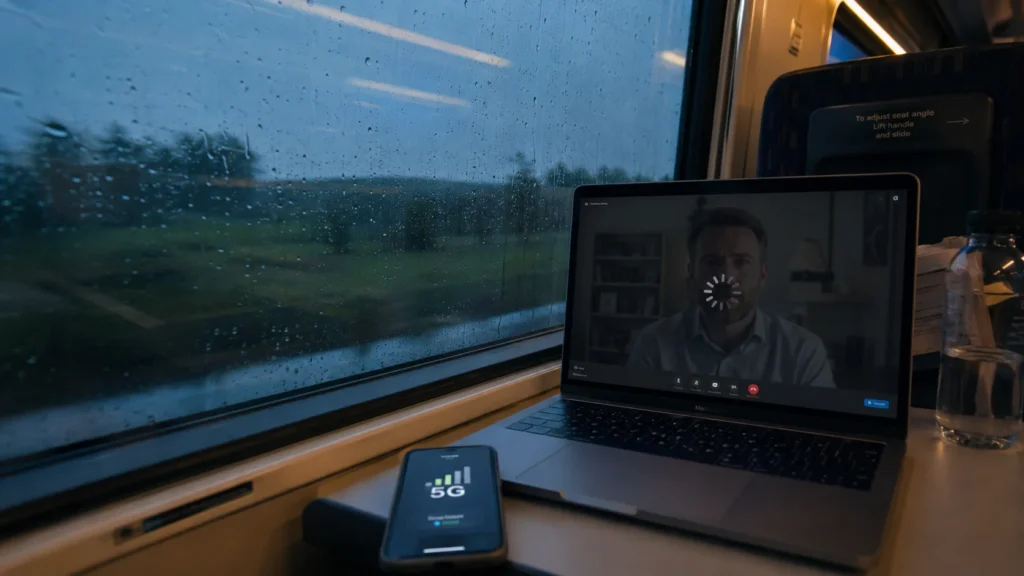
The scaled-down parade also highlighted growing domestic strain beneath the Kremlin’s official narrative of resilience. Russian telecom companies warned residents about mobile internet disruptions around Victory Day events. Increased security checkpoints and communications controls affected daily routines across Moscow.
Russia’s economy continues operating under wartime conditions, supported heavily by defense production and energy exports. However, sanctions, labor shortages, inflation pressure, and tighter state controls continue reshaping the broader economy. Analysts increasingly point to a widening gap between official messaging and public fatigue after more than two years of conflict.
Many Russians still support national security policies, but frustrations linked to restrictions, uncertainty, and economic pressure continue to build quietly. The Kremlin appears focused on preventing those pressures from translating into visible political instability.
Russia’s Diplomatic Position Faces New Questions
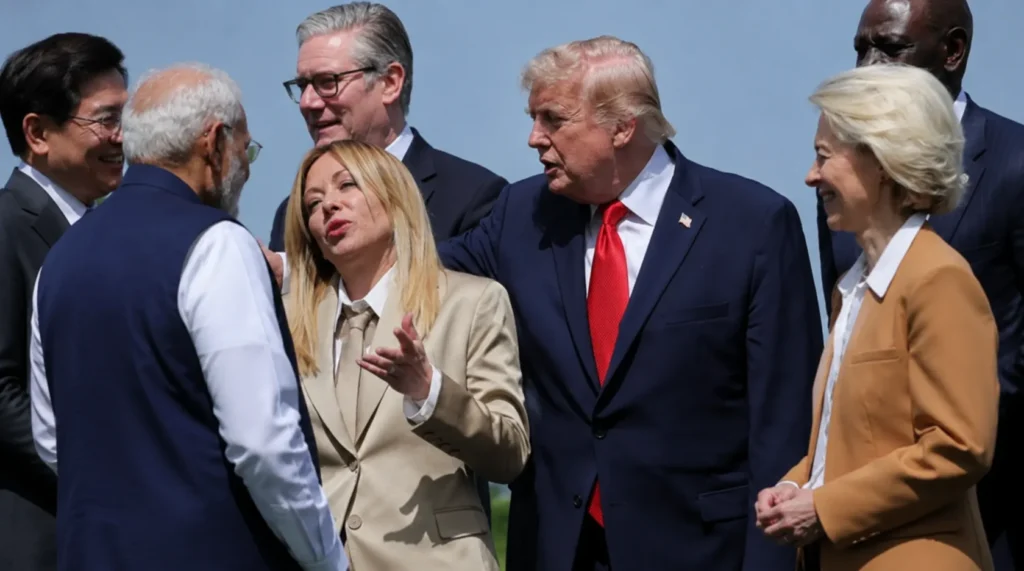
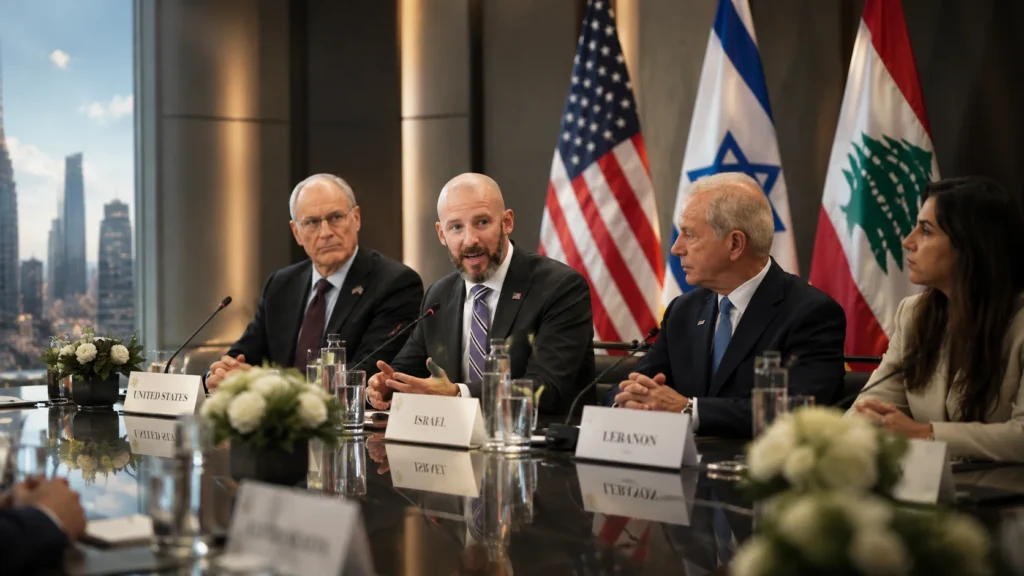
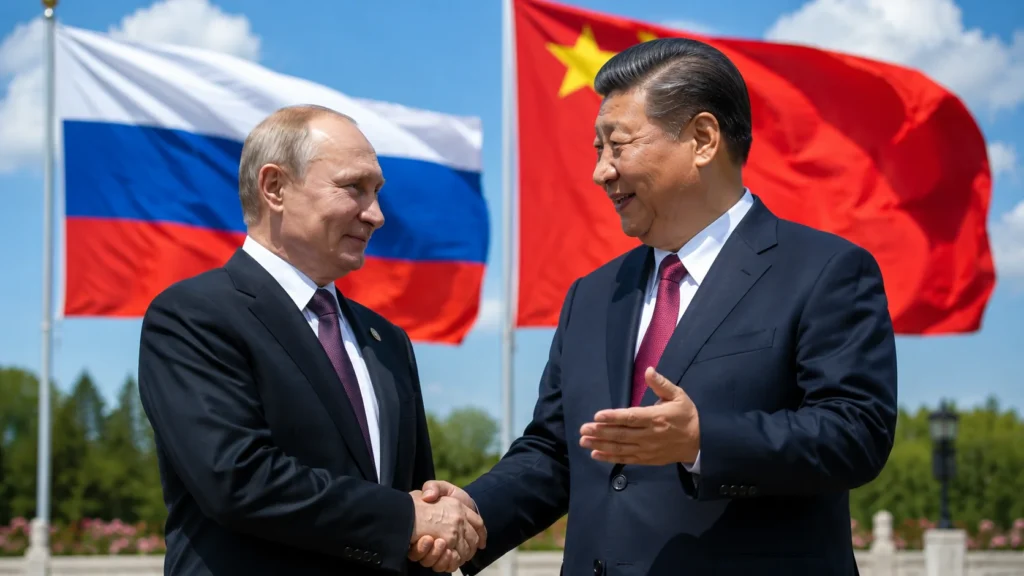
This year’s Victory Day celebrations also reflected a narrower diplomatic environment for Moscow. Several major international leaders avoided public participation in the parade, while Russia relied more heavily on longstanding allies and transactional partnerships.
Countries across Asia, Africa, and the Middle East continue engaging with Russia for energy cooperation, military equipment, and strategic leverage against Western influence. At the same time, many governments appear increasingly cautious about highly visible public alignment with Moscow while the war in Ukraine continues.
That diplomatic balancing act matters because Victory Day has long served not only as a domestic political event, but also as a showcase of Russia’s international standing.
What to Watch Next
Over the next year, Russia will likely continue strengthening domestic security measures around major national events and critical infrastructure. More communications restrictions, expanded surveillance operations, and tighter information controls may become common during periods of heightened military tension.
The most important indicators now sit inside Russia itself: the scale of future security restrictions, the frequency of Ukrainian drone operations inside Russian territory, and the willingness of foreign leaders to appear publicly alongside the Kremlin.
Victory Day once symbolized confidence and military reach. This year, it highlighted caution, defense, and growing pressure around the Russian state’s internal security environment.