

 English































































































































































































































































Hantavirus Cruise Ship Tests Global Health Order Again
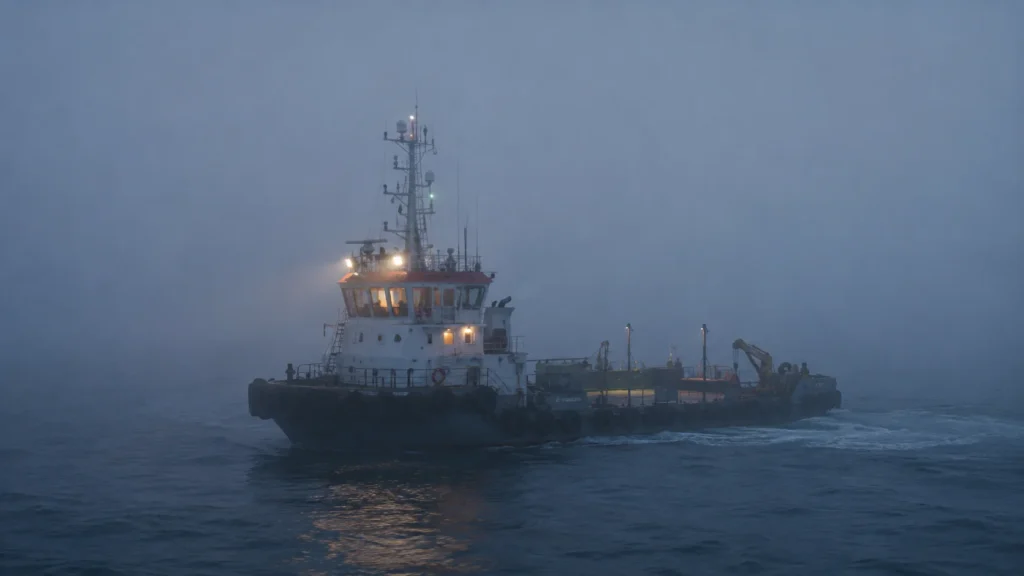
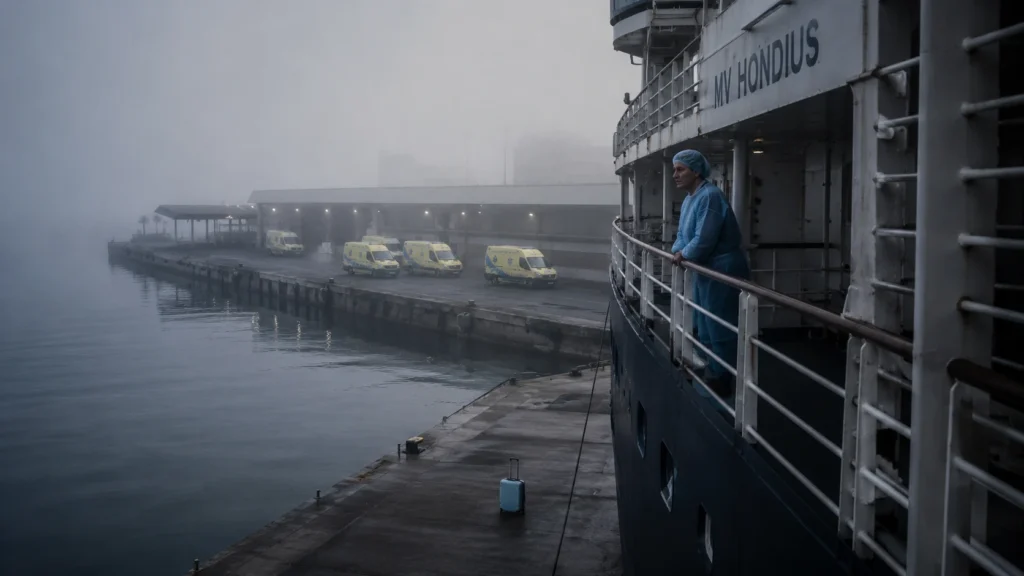
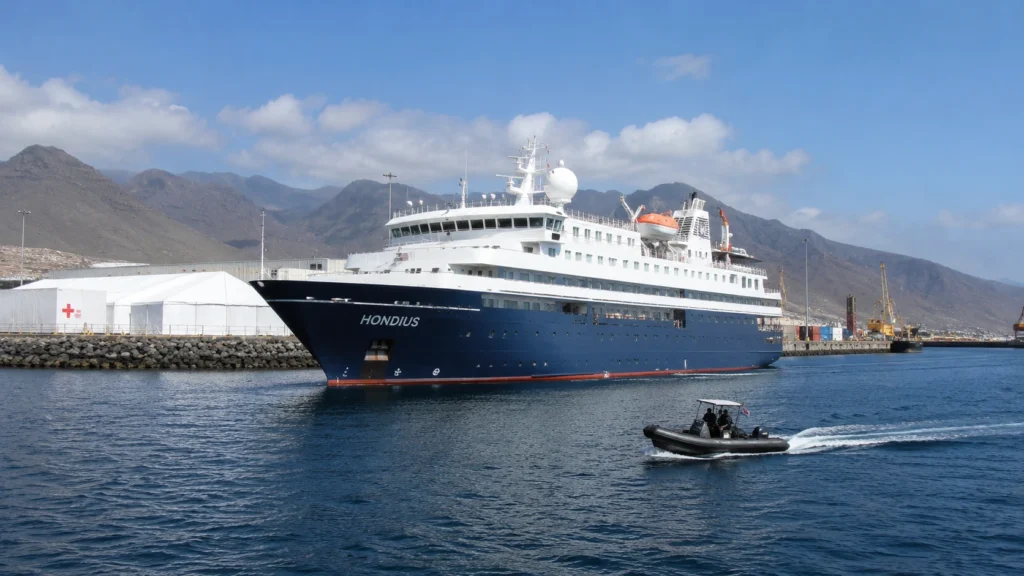
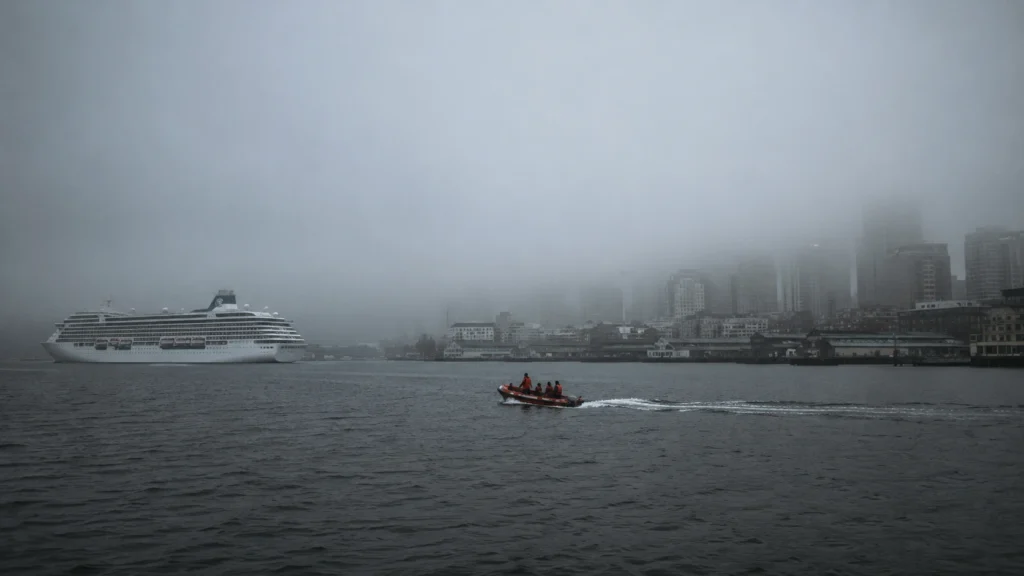
A cruise ship docked in Spain’s Canary Islands became the unexpected stress test for global health coordination when US and French nationals tested positive for hantavirus after returning home from the MV Hondius. Three passengers had already died. The World Health Organization called for 42 days of quarantine. The acting head of the US Centers for Disease Control publicly refused, calling the risk of human transmission rare. By Monday, repatriated passengers were scattered across medical facilities on three continents, each nation applying its own rules to the same pathogen. The hantavirus cruise ship tests global health order again, not because the virus is catastrophic, but because the fractured response reveals something structural about what Covid broke and nobody fixed.
What Happened On The MV Hondius
The timeline matters. The MV Hondius carried passengers through South America, where health authorities believe some contracted the Andes strain of hantavirus, a rare variant capable of human-to-human transmission. By the time the ship reached Tenerife, three passengers were dead: a Dutch couple and a German woman. Two of those deaths were confirmed as hantavirus.
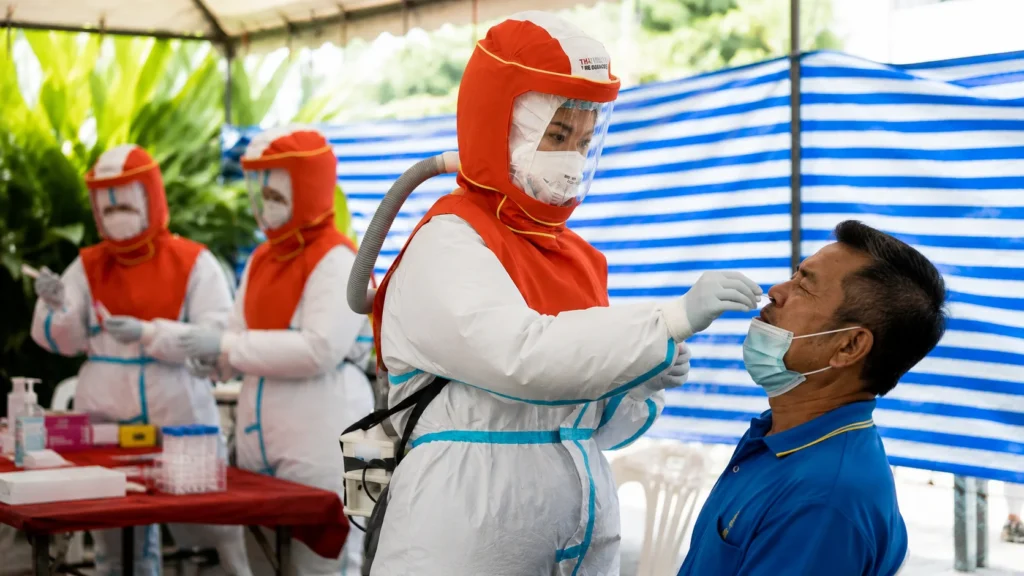
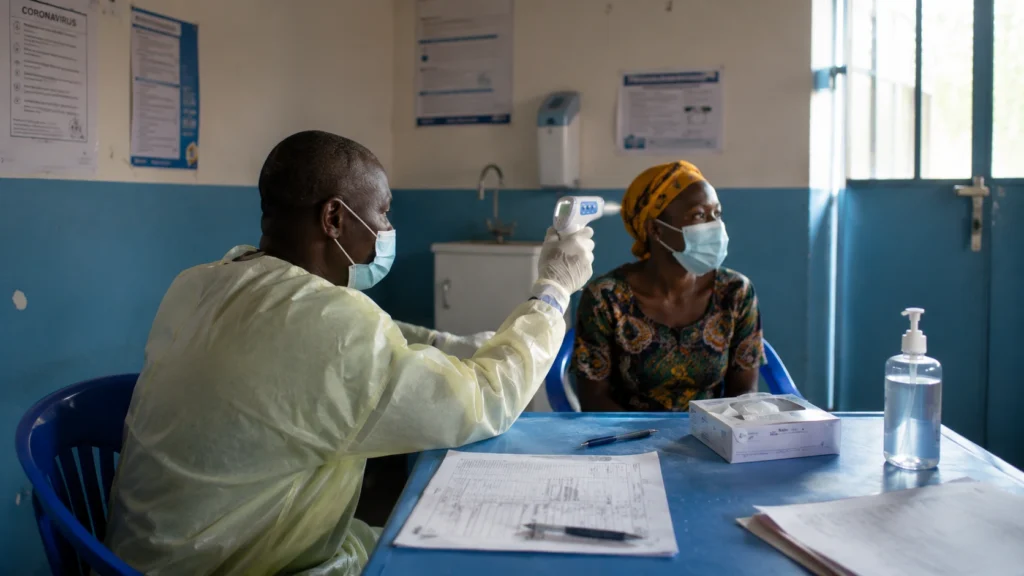
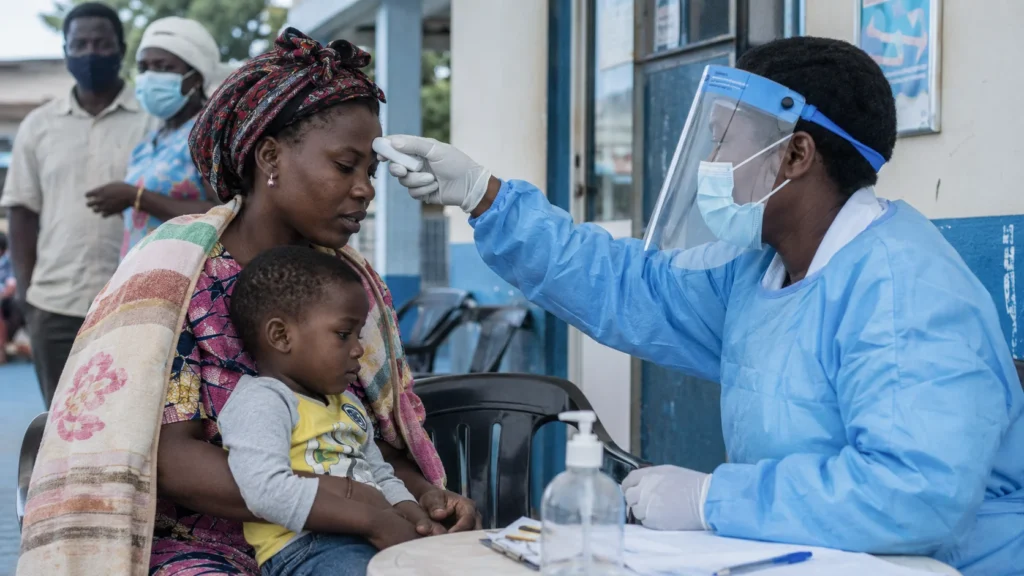
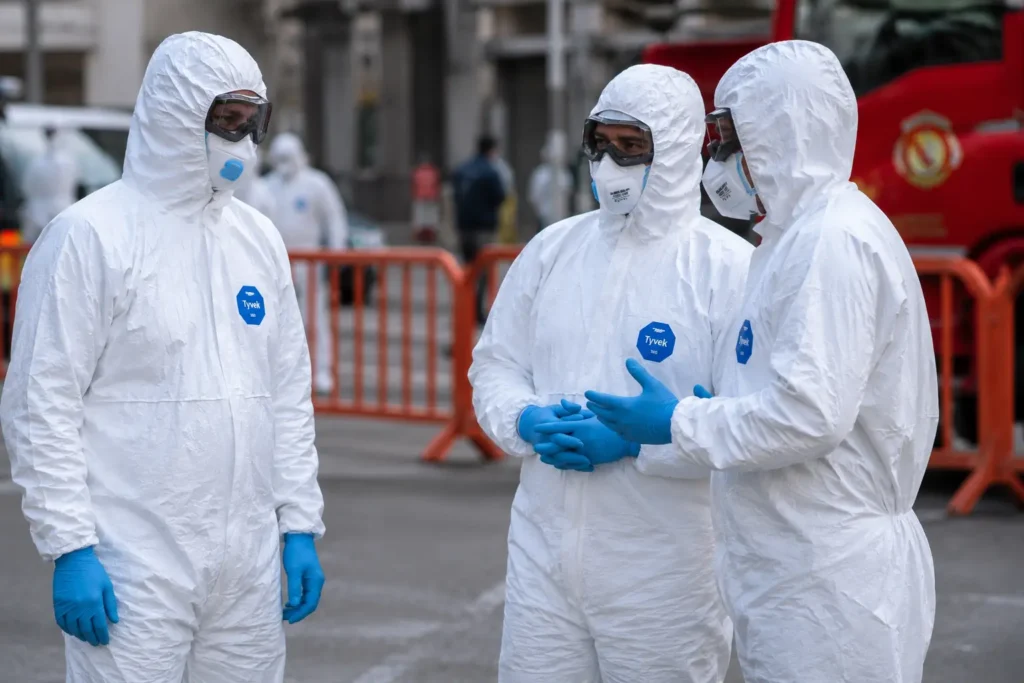
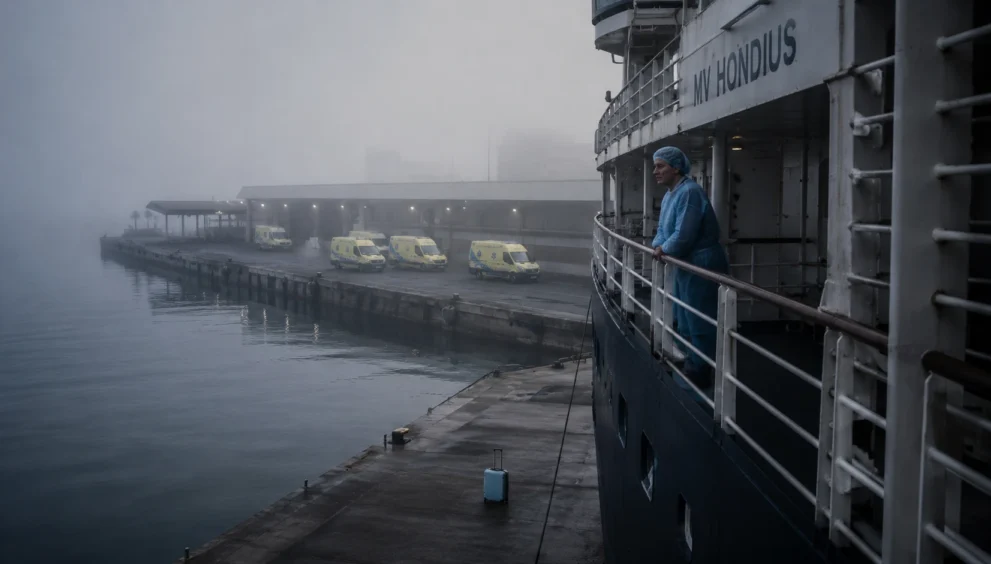
Then the repatriation scramble began. Passengers in blue gowns and bouffant caps disembarked while nations argued about what came next.
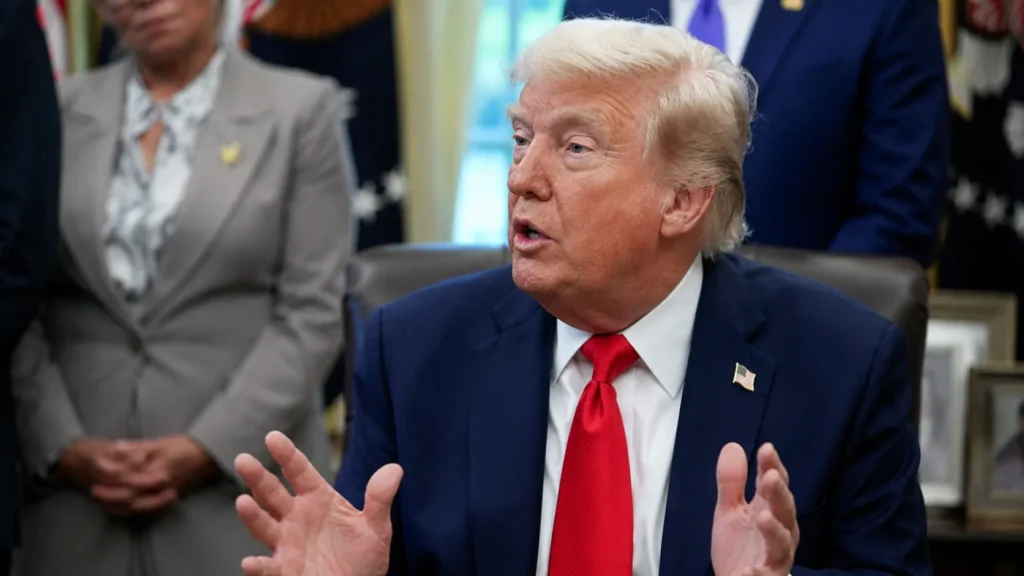
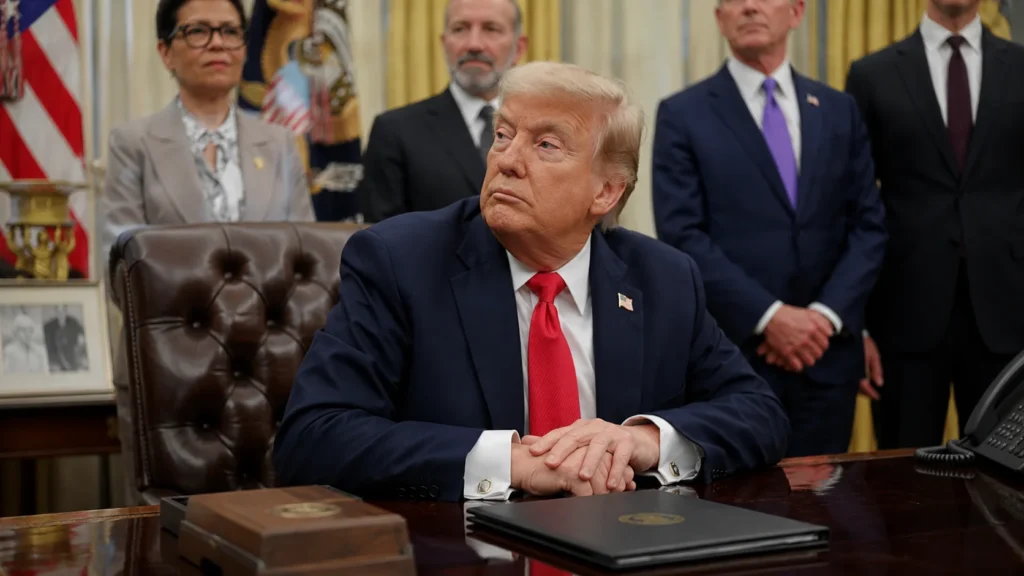
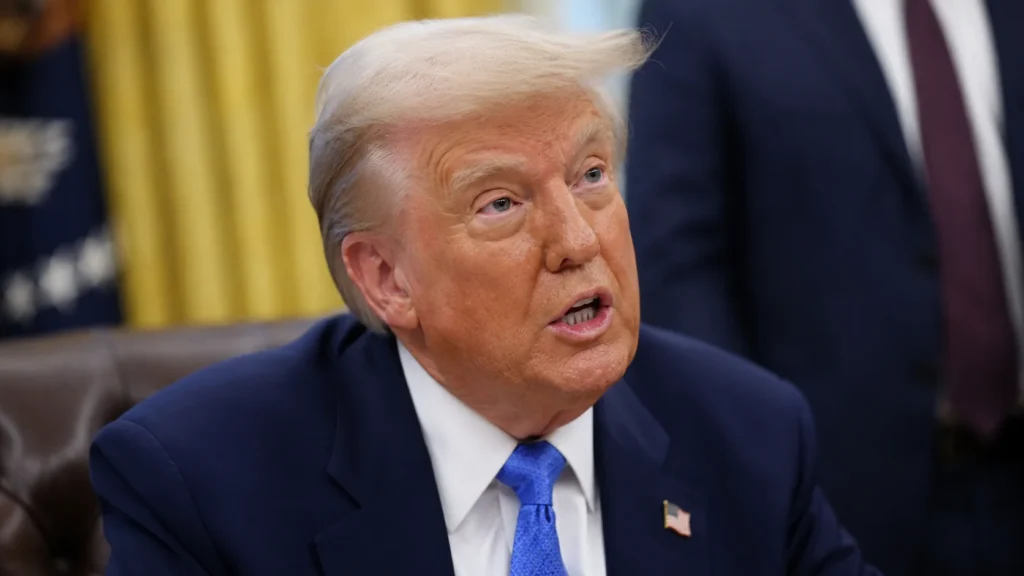
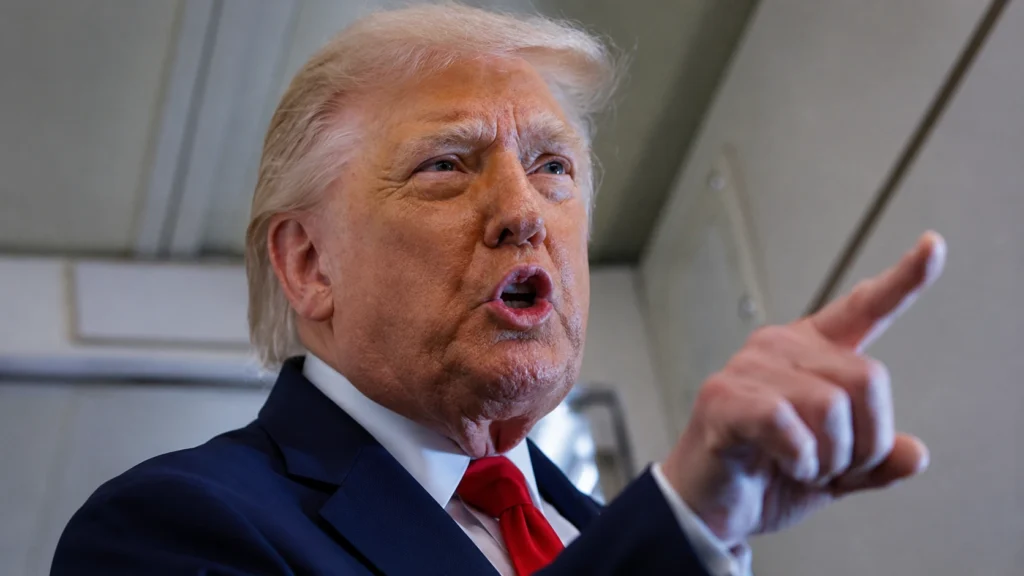
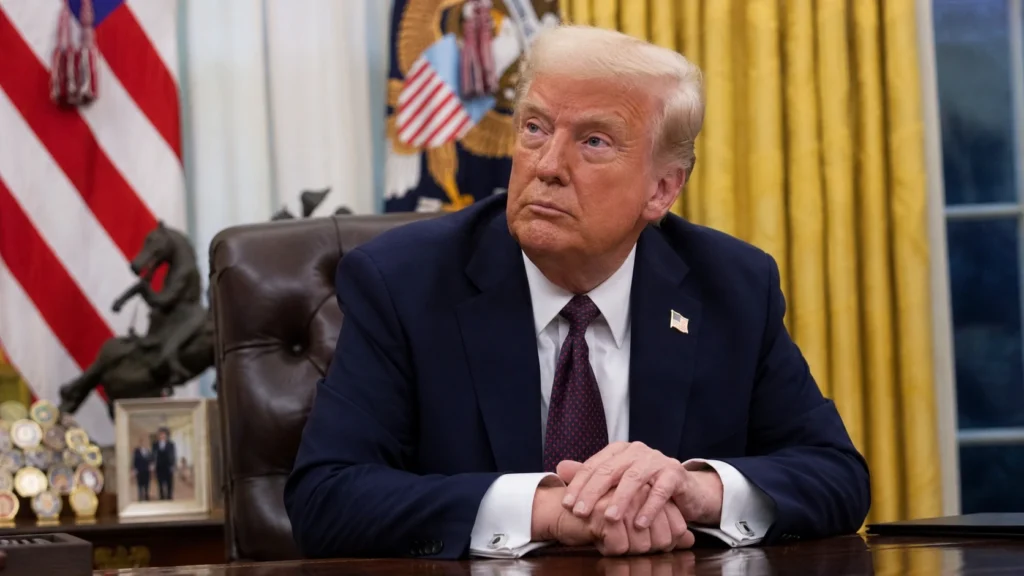
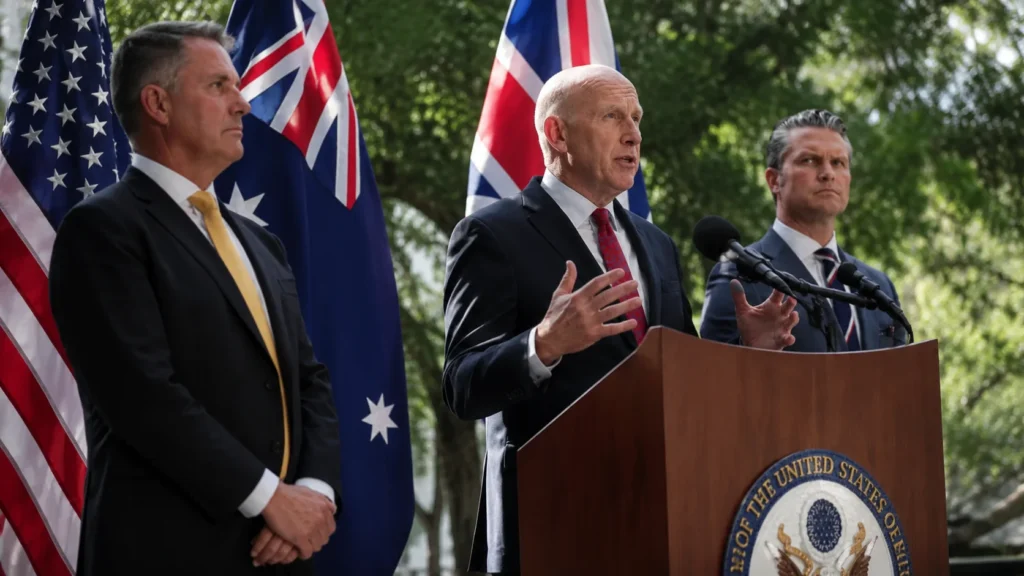
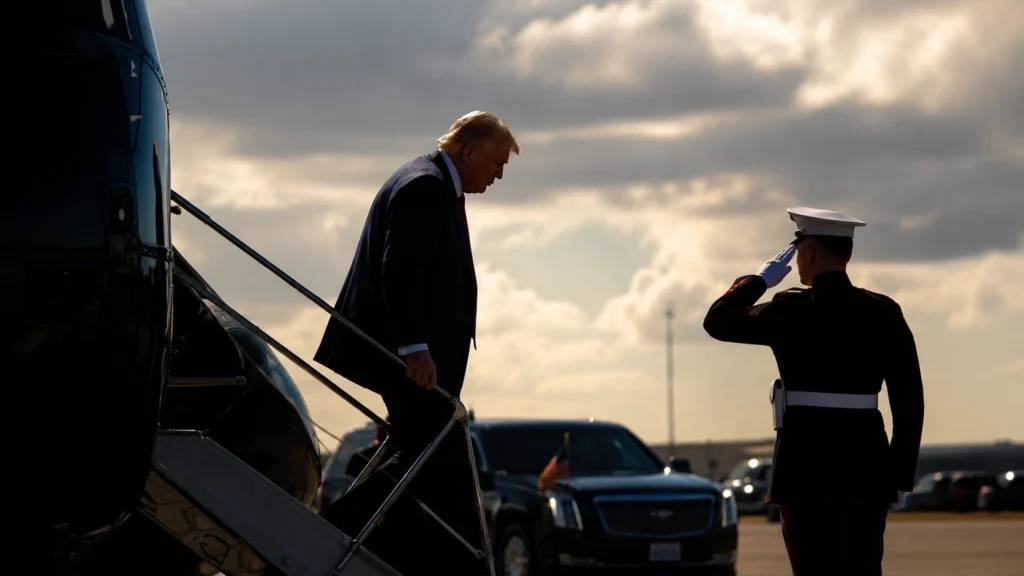
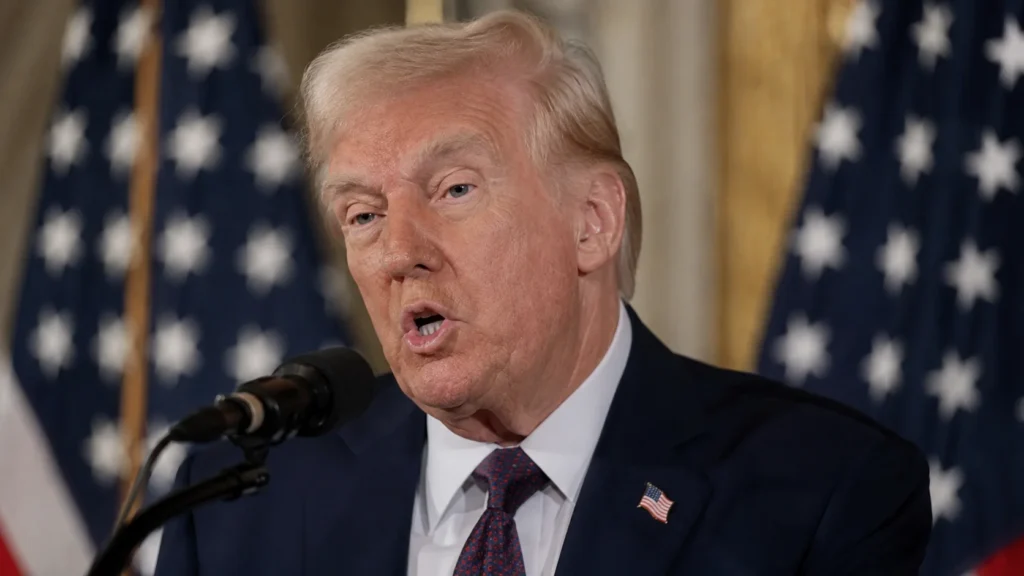
The WHO, citing World Health Organization hantavirus guidelines, recommended 42 days of isolation for anyone leaving the vessel. Dr. Jay Bhattacharya, acting head of the CDC, told reporters the agency did not want to cause public panic. He said human-to-human transmission was rare. He said the virus should not be treated like Covid. He did not say the US would follow WHO protocol.
The US flew 17 citizens to a medical facility in Nebraska for assessment. Not quarantine. Assessment. A second American on the flight showed mild symptoms. Both traveled in biocontainment units, a precautionary measure that looked like compliance while functioning as autonomy.
The UK flew 20 nationals to Manchester, placed them at Arrowe Park Hospital for 72 hours of observation. Spain sent 14 citizens to a military hospital for mandatory quarantine. France isolated one woman in Paris whose condition was deteriorating while authorities traced 22 contacts. The Netherlands took eight Dutch nationals along with 26 total passengers and crew. Australia waited for six citizens on a flight still scheduled.
Six nations. Six different protocols. One pathogen.
Why The Fracture Matters Beyond This Ship
Hantavirus is not a global pandemic threat. The Andes strain can transmit between humans but not with the efficiency of a respiratory virus. The outbreak will almost certainly remain small.
The institutional damage is what spreads.
As our analysis of post-Covid global health governance documented, the pandemic left the WHO with moral authority and no enforcement power. The International Health Regulations, last revised after the 2009 H1N1 pandemic, depend on member state compliance. Compliance requires trust. Trust dissolved during Covid when nations blamed each other for lockdowns, border closures, and vaccine nationalism.
The MV Hondius just revealed nothing has been rebuilt.
WHO Director-General Tedros Adhanom Ghebreyesus warned that US noncompliance “may have risks.” The phrasing was diplomatic. The meaning was structural. A major member state publicly told the global health body its protocols were optional. Again. The US withdrew from the WHO in 2020 before rejoining. In 2026, it isn’t withdrawing. It’s simply ignoring guidance when politically inconvenient. Both paths reach the same destination.
According to CDC official statement on hantavirus repatriation, the agency determined assessment protocols were sufficient given the low transmission risk. The WHO determination was different. Neither institution is necessarily wrong on the medicine. The problem is that when institutions disagree, no mechanism exists to decide who decides.
FAQ: Hantavirus, The MV Hondius, And Global Health Rules
What is hantavirus and how does it spread?
Hantaviruses are rodent-borne viruses. The Andes strain, identified in South America, is one of the few variants capable of human-to-human transmission through close contact with infected individuals. Symptoms include fever, extreme fatigue, muscle aches, stomach pain, vomiting, diarrhea, and shortness of breath. The CDC maintains CDC hantavirus information page with detailed transmission and symptom guidance.
Why did the WHO and CDC disagree on quarantine?
The WHO recommended 42 days of isolation based on the Andes strain’s incubation period and human transmission potential. The CDC, under acting head Dr. Jay Bhattacharya, assessed human-to-human transmission as rare and opted for shorter clinical assessment to avoid what Bhattacharya called unnecessary public panic. The disagreement reflects different institutional mandates. The WHO advises globally. The CDC answers to domestic political pressures.
How many passengers were on the MV Hondius?
More than 90 passengers were aboard the MV Hondius when it docked in Spain’s Canary Islands. Repatriation flights carried nationals from the United States, United Kingdom, France, Spain, the Netherlands, Australia, and several smaller European states. Three passengers died: a Dutch couple and a German woman. Two of those deaths were confirmed as hantavirus.
Is there a vaccine for hantavirus?
No. There is no approved vaccine for hantavirus. Treatment focuses on supportive care, including oxygen therapy and managing respiratory distress. Early medical attention significantly improves outcomes, which is why post-exposure monitoring and isolation protocols matter for containment.
What happens next with global health coordination?
The MV Hondius incident created a precedent. A major power publicly disregarded WHO guidance without consequence. When the next outbreak arrives, whether a novel influenza strain or another zoonotic spillover, compliance will be harder to demand because it was already refused. As our coverage of WHO reform negotiations noted, the organization’s authority exists on sufferance. The sufferance is wearing thinner.
The virus on the MV Hondius will likely be contained. The passengers in Nebraska, Manchester, Paris, and elsewhere will finish their observation periods and most will go home. Three families will not get that outcome.
What travels further than the virus is the precedent. Global health coordination is now demonstrably voluntary. The WHO can warn. It cannot compel. The next outbreak will arrive in a world that just watched a major power say no to Geneva and suffer no consequence for doing so. The MV Hondius won’t be remembered for the infections. It will be remembered as the moment the post-Covid order stopped pretending it was still intact.