 English























































































































































































































Pentagon AI Deals: Seven Tech Giants Signed, Anthropic Excluded Over Guardrails
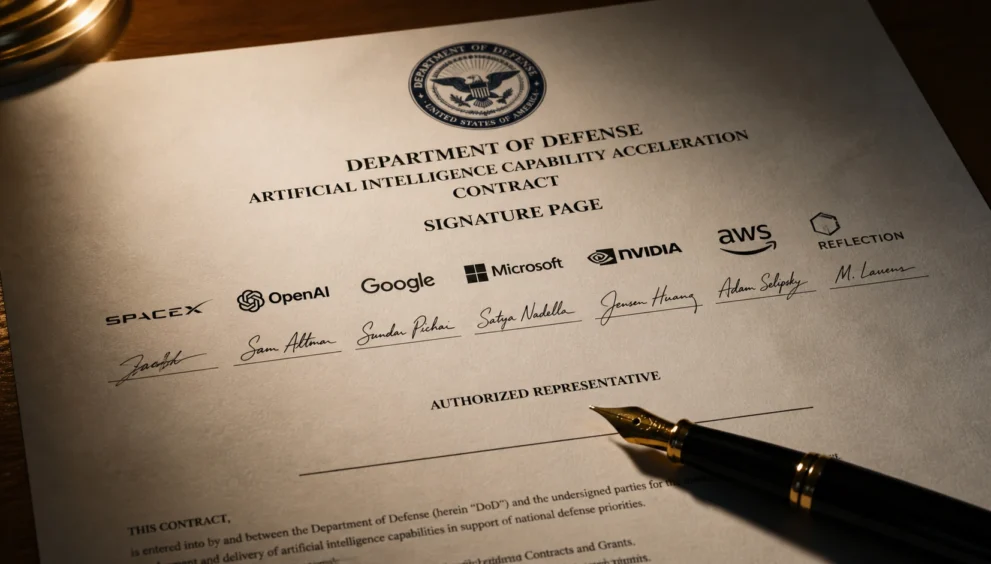
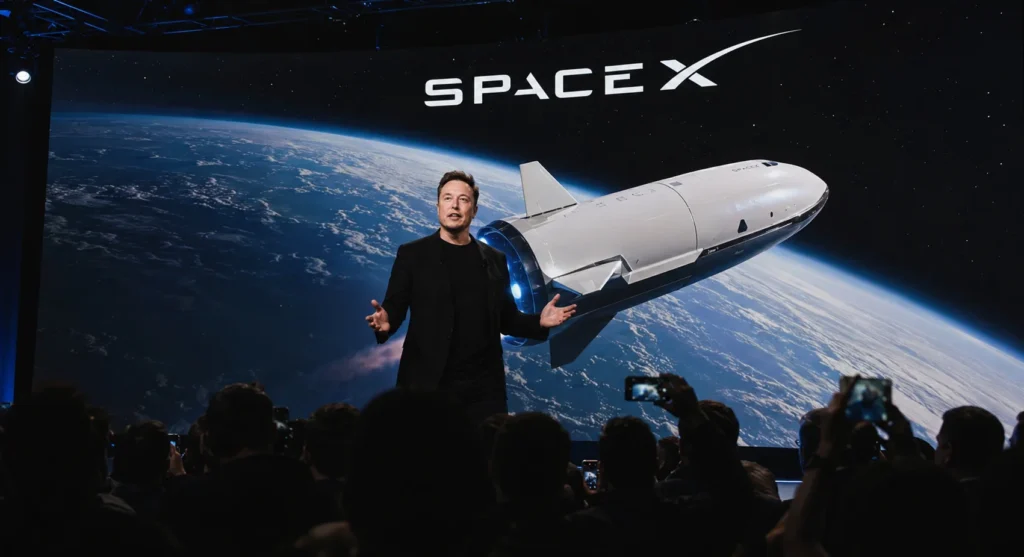
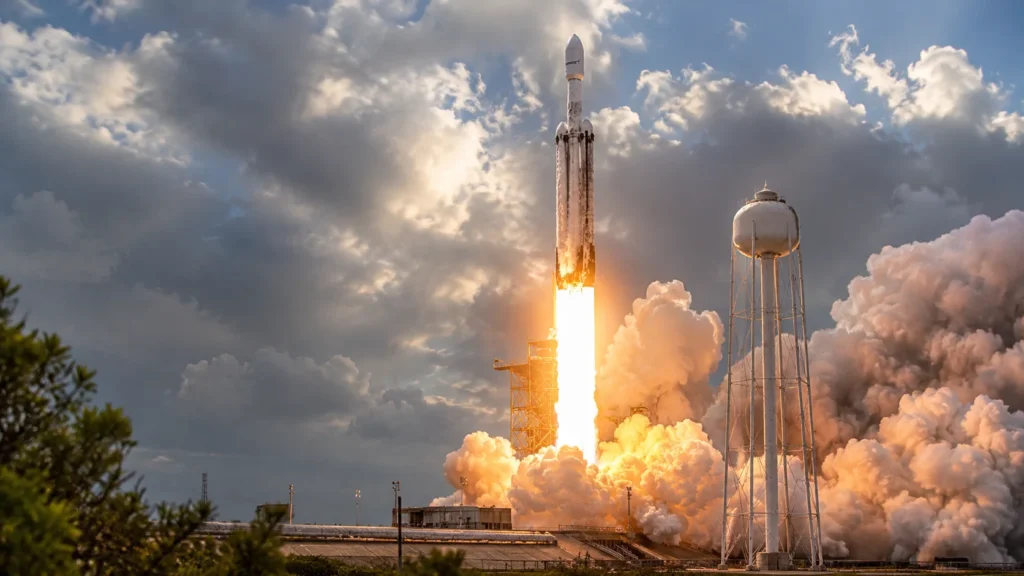
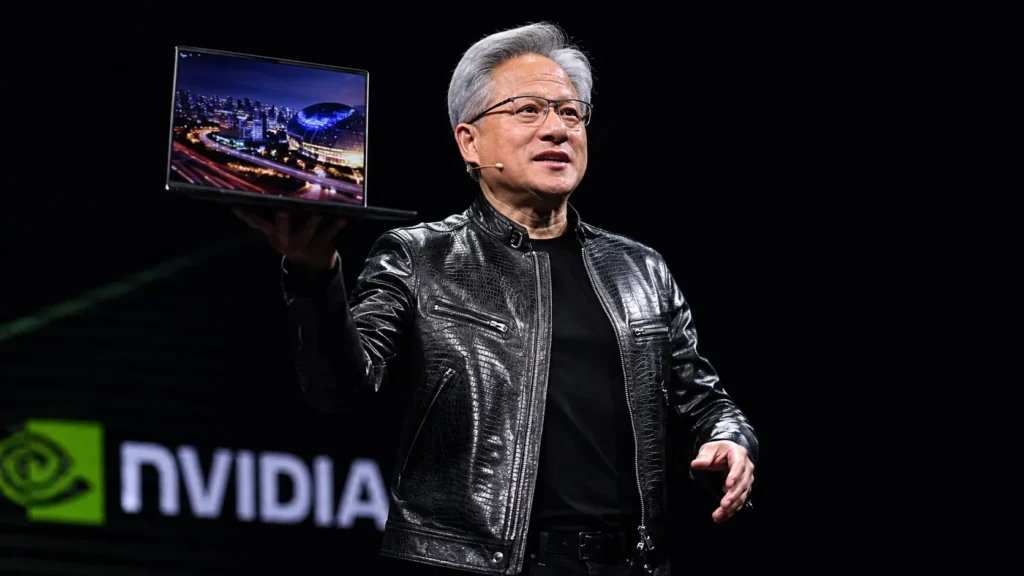
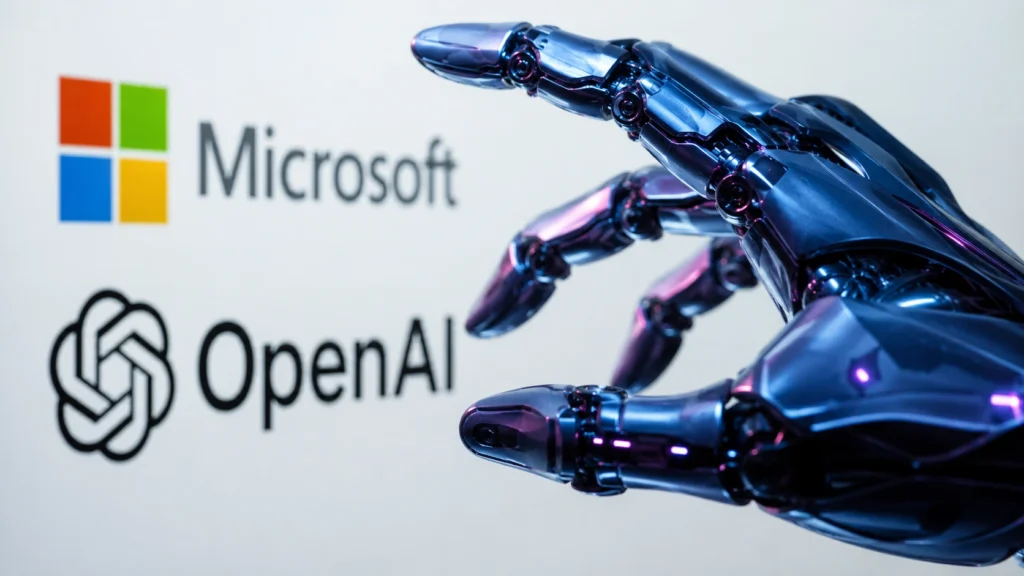
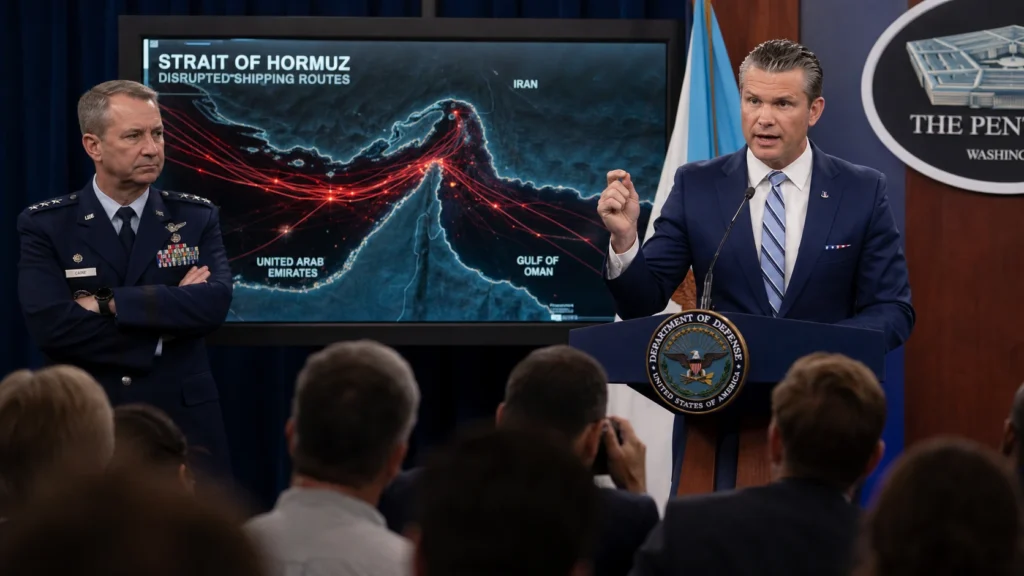
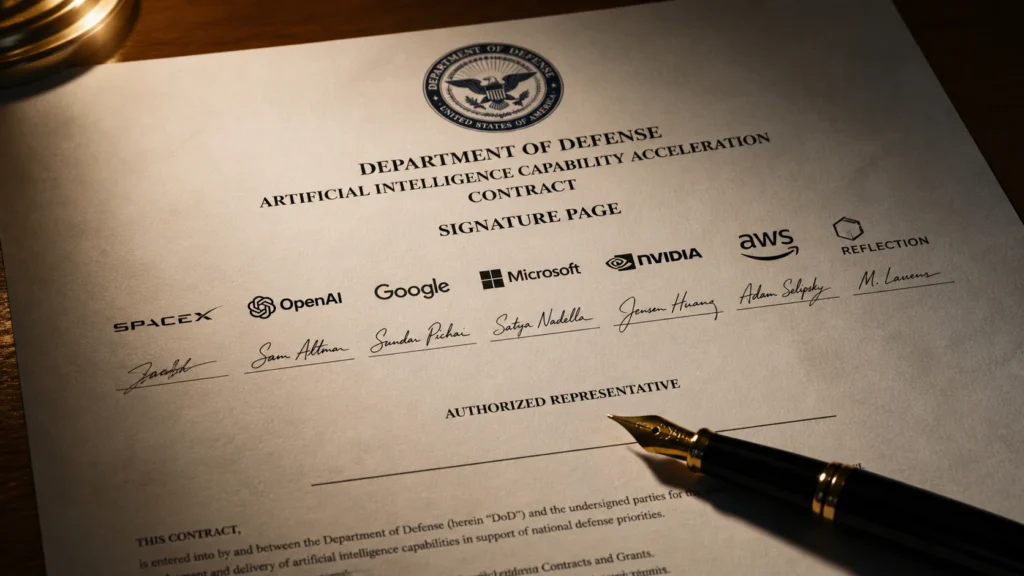
The US Department of Defense announced Pentagon AI deals with seven major technology companies on Friday, granting SpaceX, OpenAI, Google, Microsoft, Nvidia, Amazon Web Services, and Reflection contracts to deploy artificial intelligence tools across classified military networks. Conspicuously absent from the Pentagon AI deals was Anthropic, whose Claude model had previously been the only AI system available on the Pentagon’s classified GenAI.mil platform.
Which Companies Signed the Pentagon AI Deals
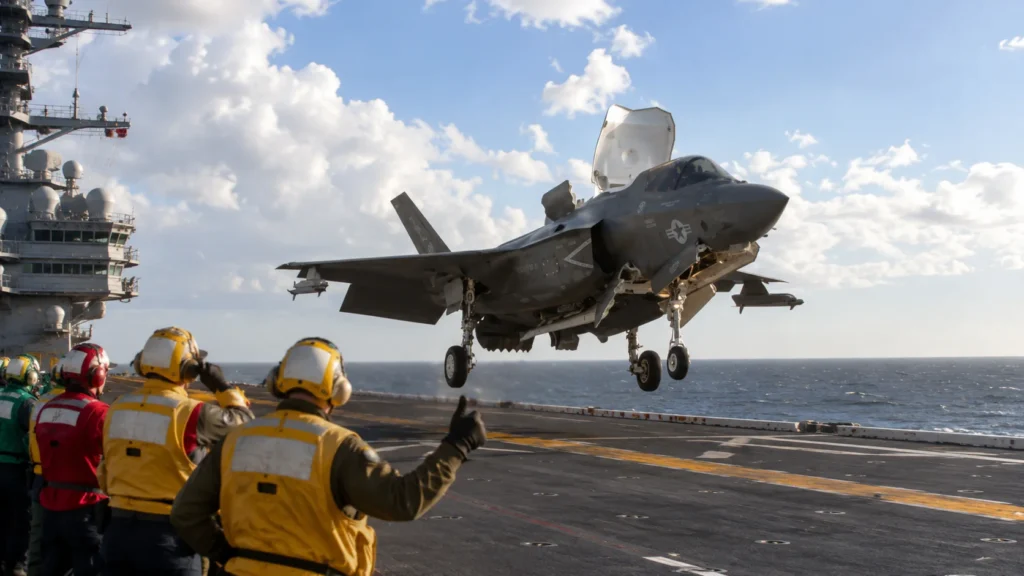
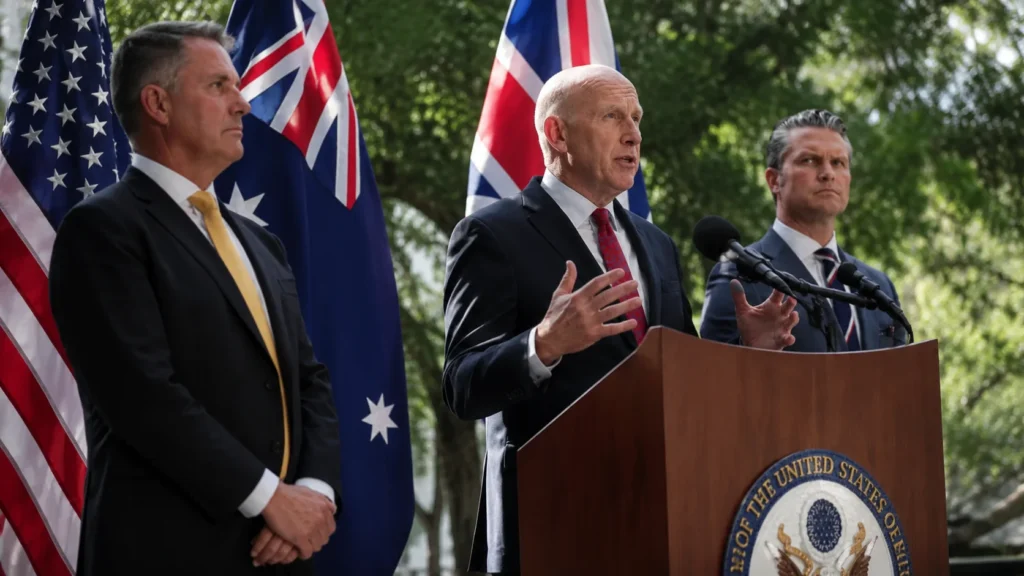
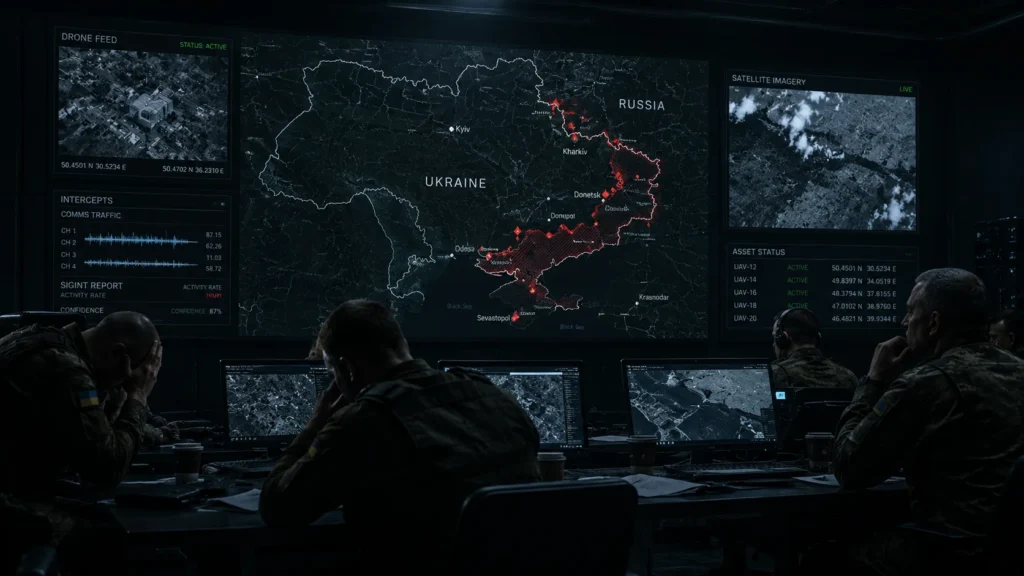
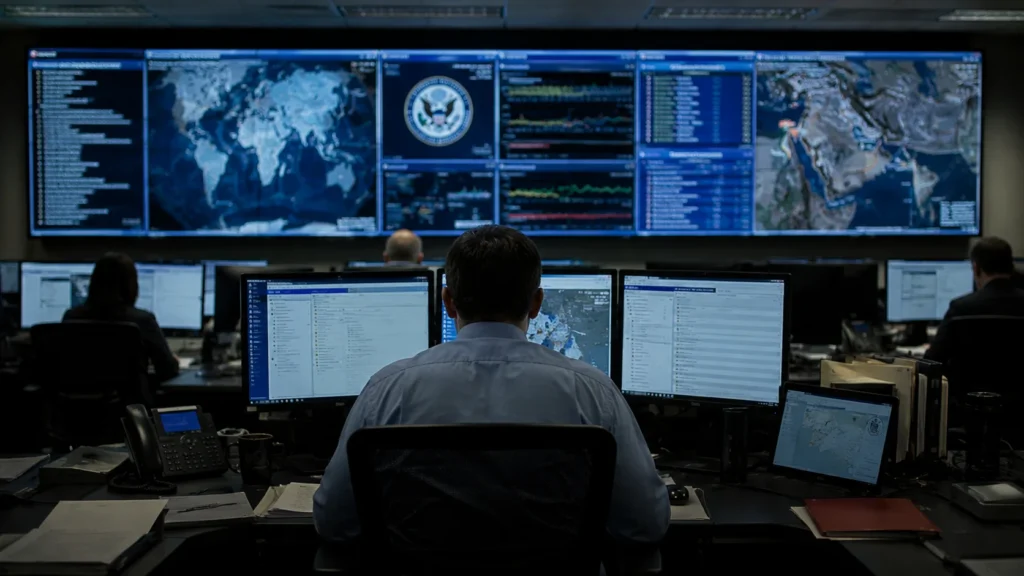
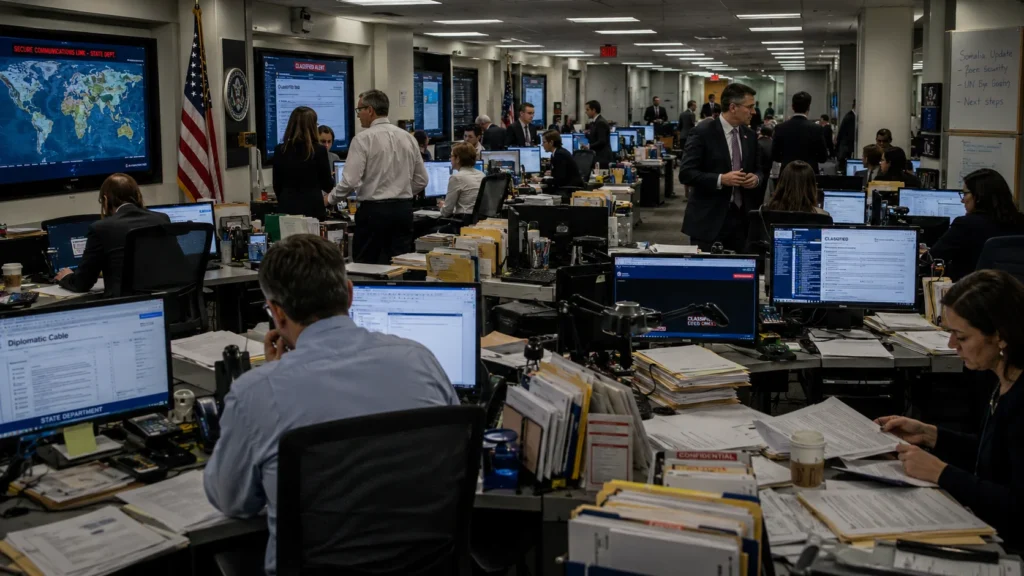
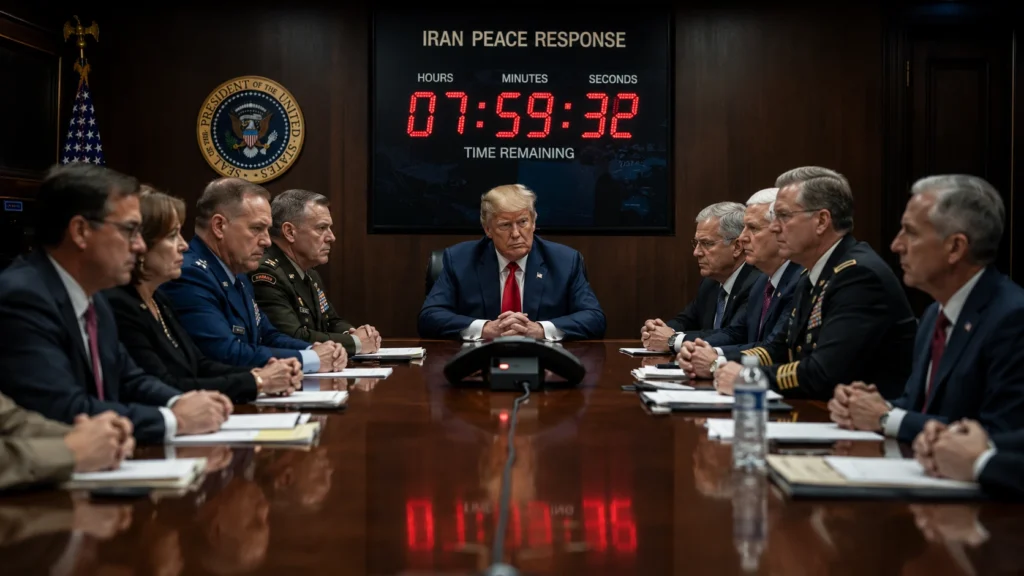
The Pentagon AI deals cover “lawful operational use” of artificial intelligence and support the military’s stated goal of becoming an “AI-first fighting force” capable of maintaining “decision superiority across all domains of warfare,” according to the Defense Department.
The GenAI.mil platform currently serves approximately 1.3 million Department of Defense personnel. Until recently, Anthropic’s Claude model was the only AI system available on that classified network. The new Pentagon AI deals effectively replace Anthropic’s exclusive position with multiple competing providers.
The One Big Beautiful Bill Act, passed last year, allocated substantial funding for Defense Department spending on artificial intelligence and offensive cyber operations, creating the budget pool from which the Pentagon’s AI deals are being funded.
Why Anthropic Was Excluded from the Pentagon AI Deals
Anthropic had provided its Claude model to the Pentagon but refused to accept contract terms that would allow the military to use the technology for “all lawful purposes”language that encompasses autonomous weapons systems and mass surveillance applications. The company insisted on safety guardrails that would restrict certain categories of military use.
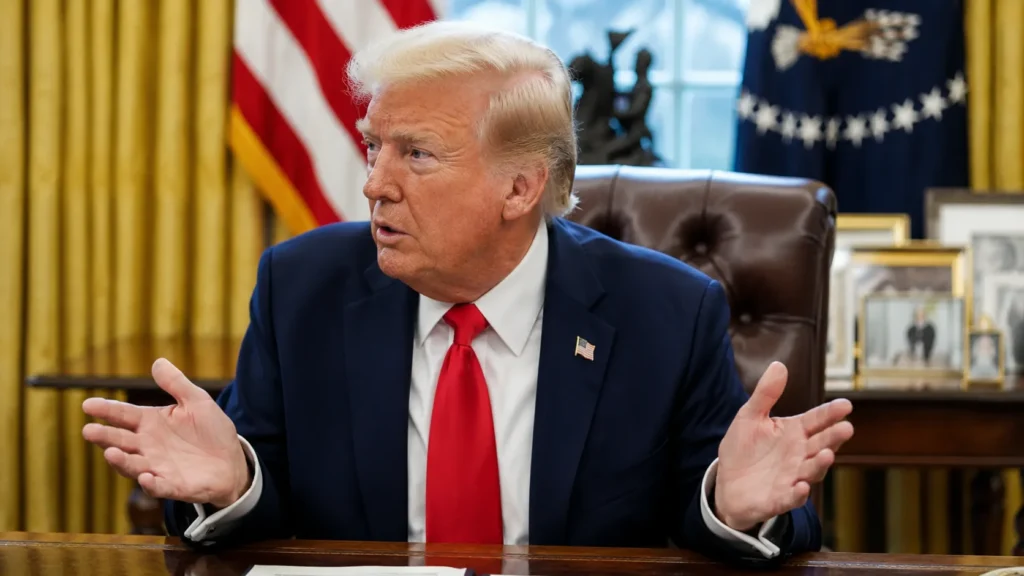
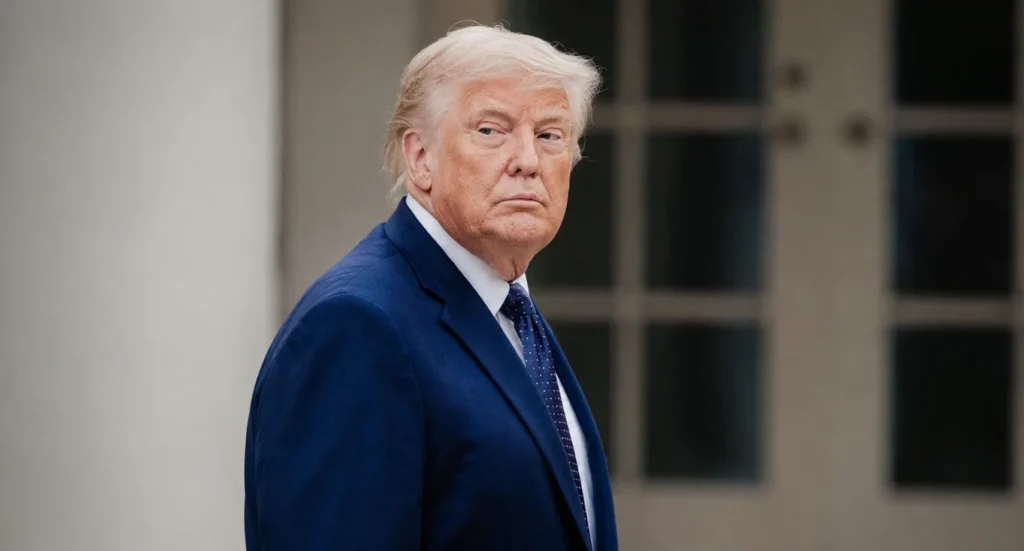
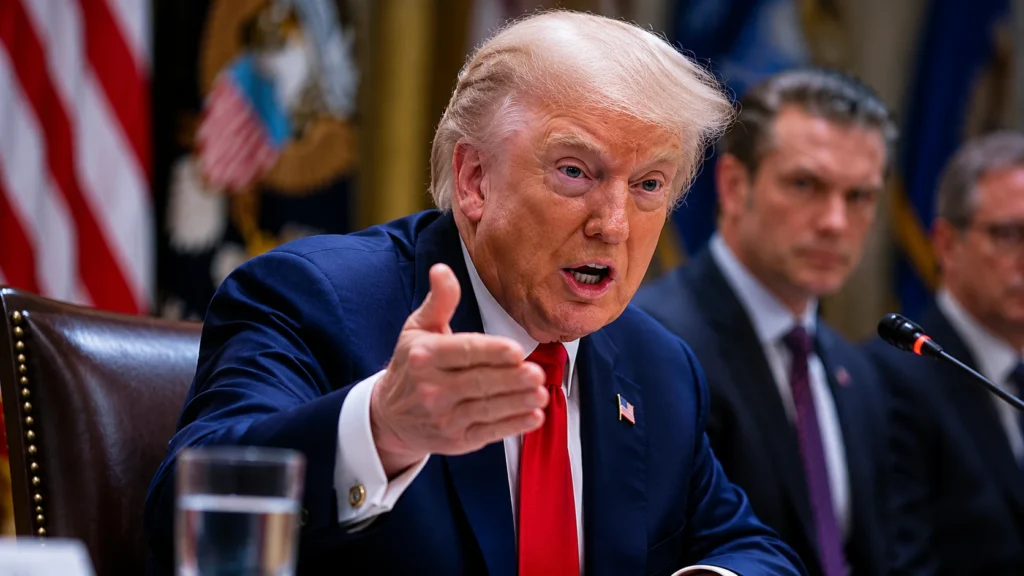
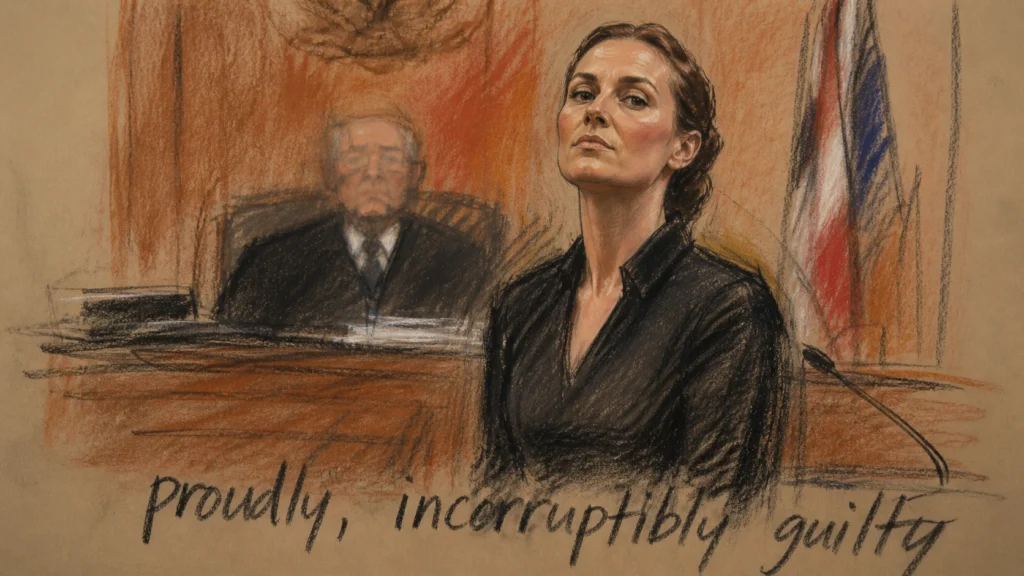
The Trump administration responded by designating Anthropic a “supply chain risk,” a classification typically applied to companies associated with foreign adversaries. The label effectively excluded Anthropic from the Pentagon AI deals and other government contracts.
Anthropic sued the administration in response. A federal judge in California blocked the government’s effort to enforce the blacklist last month. The legal dispute remains ongoing while the Pentagon AI deals with Anthropic’s competitors proceed.
The Guardrail Dispute Behind the Pentagon AI Deals
The conflict centers on whether AI companies can restrict how their technology is used in military contexts after deployment on classified networks. Anthropic insisted its Claude model should not be available for autonomous weapons targeting or mass surveillance. The Pentagon sought unrestricted access for any lawful military purpose.
The exclusion of Anthropic means the seven companies now building AI tools under the Pentagon AI deals are operating without the safety restrictions Anthropic had demanded. The guardrails that triggered the dispute are absent from the current contracts.
The Mythos Technology and White House Meeting
Anthropic subsequently unveiled Mythos, a cybersecurity tool capable of identifying vulnerabilities in software systems with potential applications for both defensive and offensive cyber operations.
Shortly after the Mythos announcement, Anthropic CEO Dario Amodei visited the White House for a meeting with Chief of Staff Susie Wiles. The meeting represented the administration’s first direct engagement with Anthropic leadership since the exclusion from the Pentagon AI deals.
The sequence, refusing to compromise on safety, facing exclusion, then unveiling technology with significant national security implications, has shifted the negotiating dynamic between the company and the administration.
What the Pentagon AI Deals Mean Going Forward
The seven companies in the Pentagon AI deals gain access to classified military networks, substantial government revenue, and reduced competition from one of the leading AI safety-focused companies.
Anthropic retains legal standing from the court ruling that blocked the government’s blacklist enforcement. The precedent that the government cannot arbitrarily exclude companies from markets based on policy disagreement extends beyond artificial intelligence.
The legal fight over whether safety restrictions can be contractually required in military AI procurement is expected to continue. If Anthropic prevails, future Pentagon AI deals may require guardrails regardless of administration preferences.
The Mythos technology may further shift the balance. If Anthropic’s cybersecurity capabilities prove essential to national defense, the exclusion policy becomes increasingly difficult to sustain, potentially opening the door for Anthropic’s return to future Pentagon AI deals.