

 English




























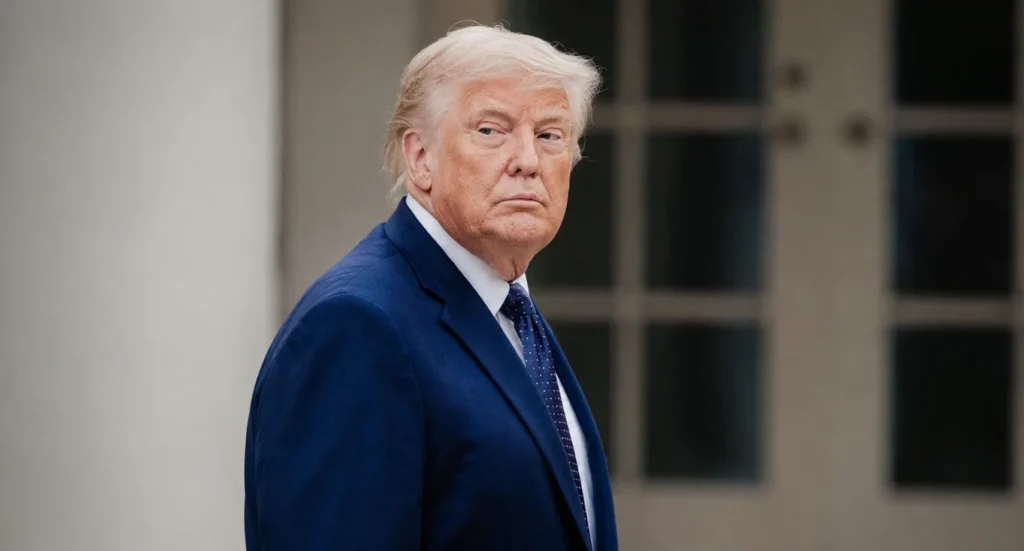








































































































































































Trump Says Iran Talks Constructive but Tehran Must Understand No Nuclear Weapon
Published: 24 May 2026 | Source: Truth Social, Axios, CNN, CBS News, Tasnim News Agency, IRNA, BBC
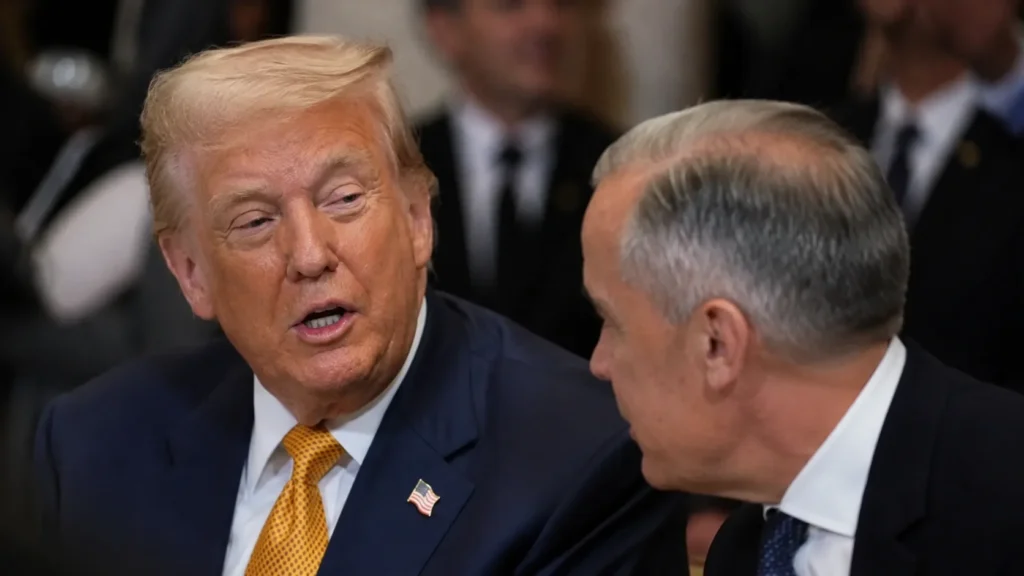
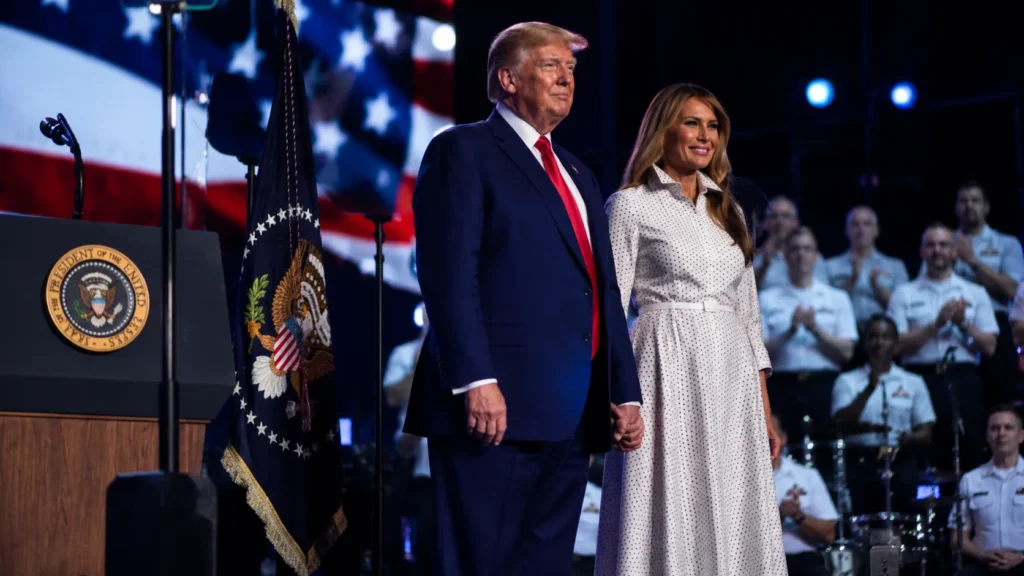
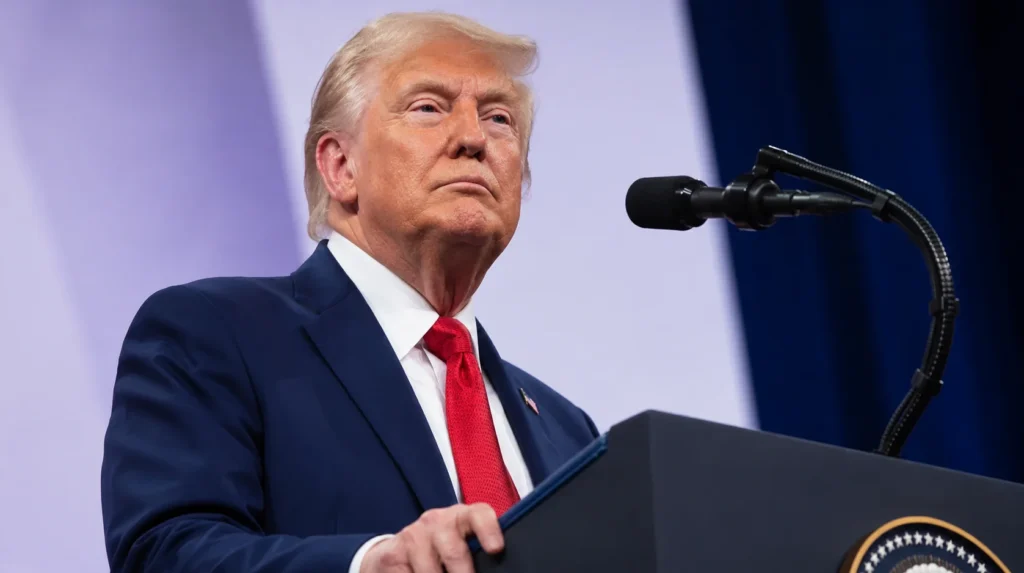
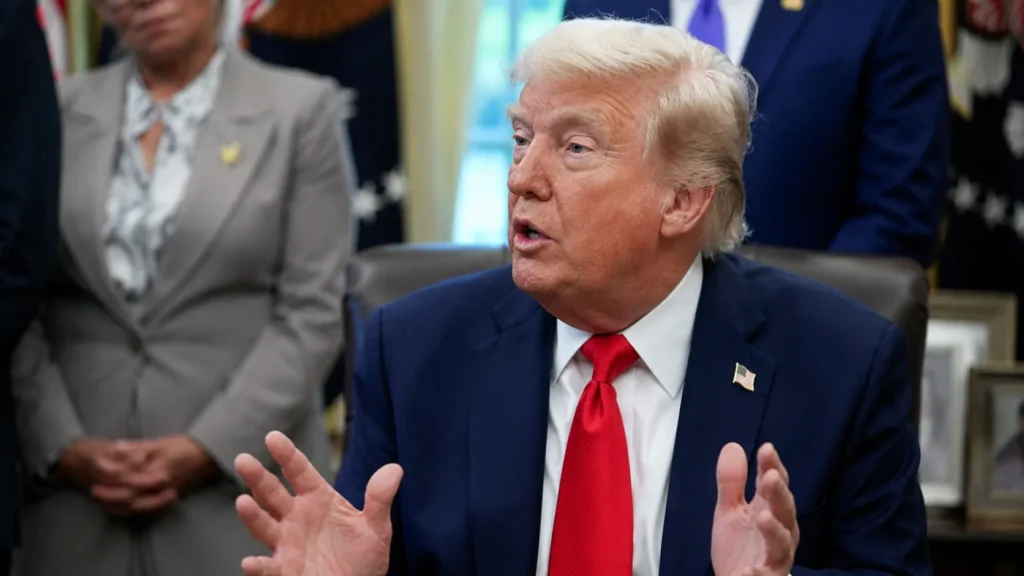
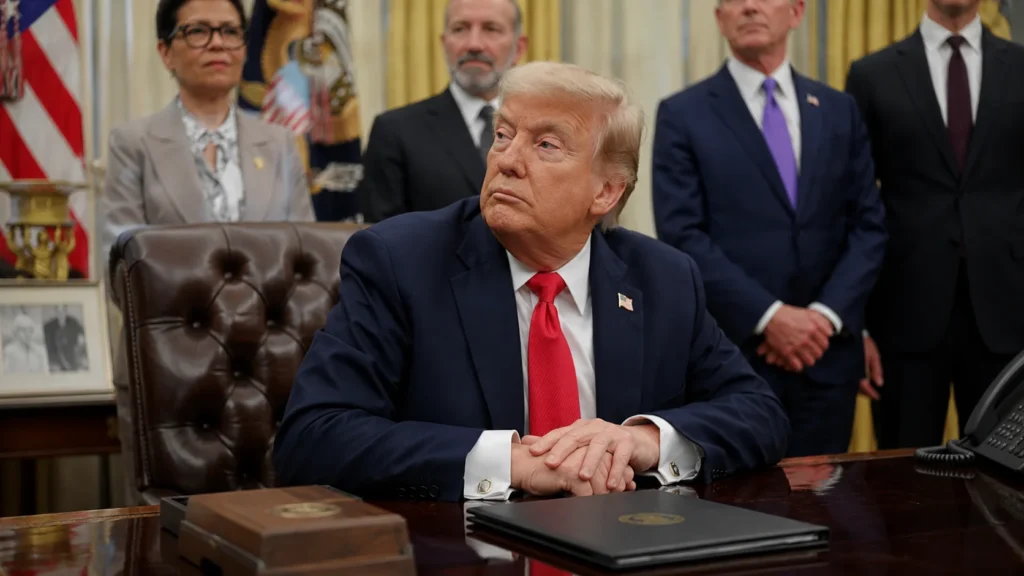
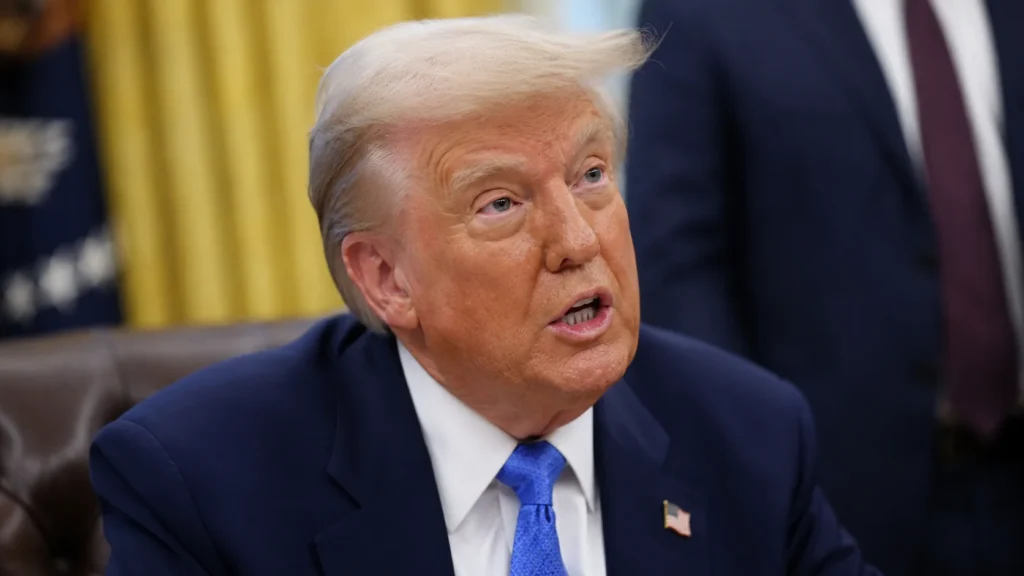
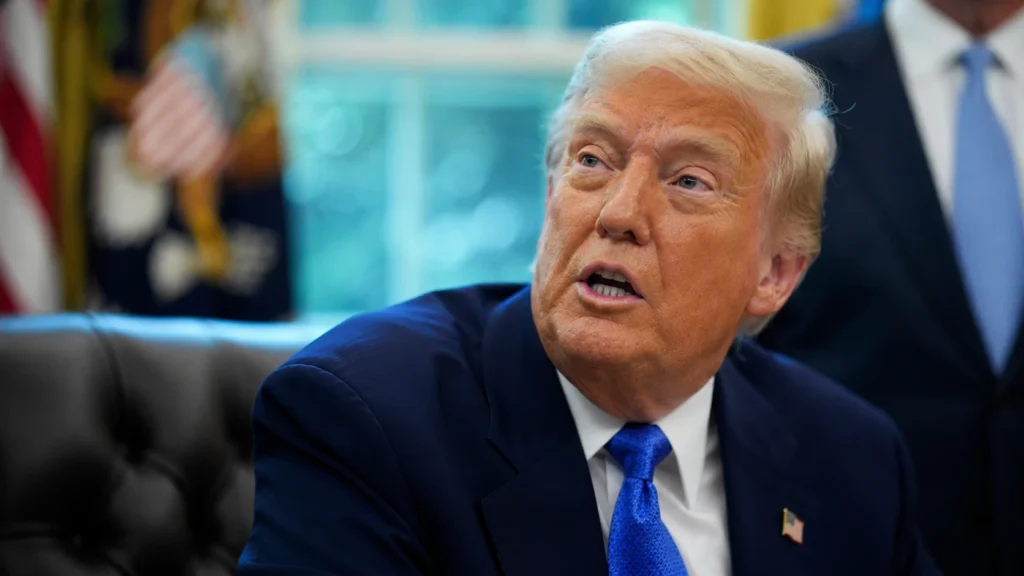
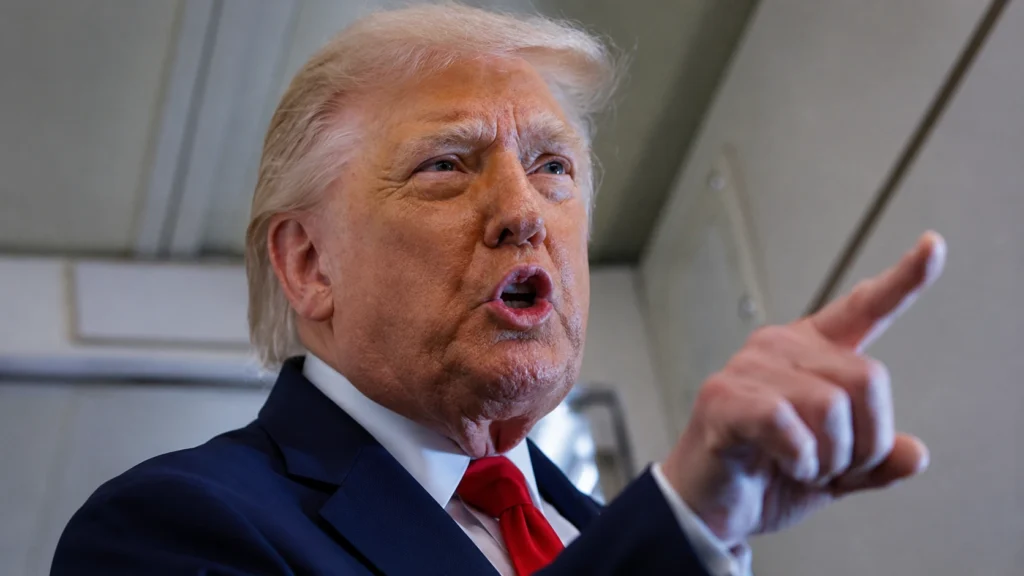
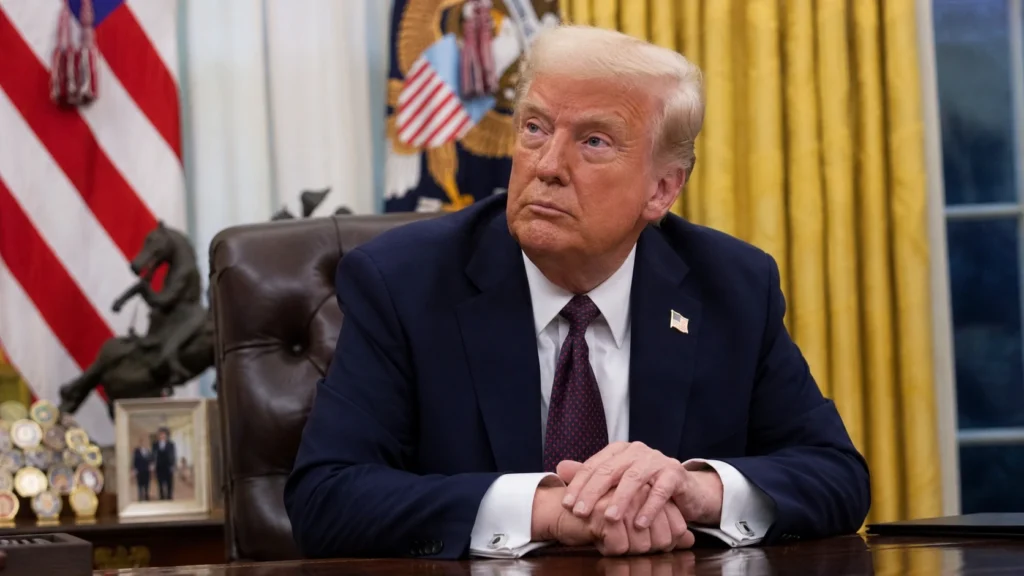
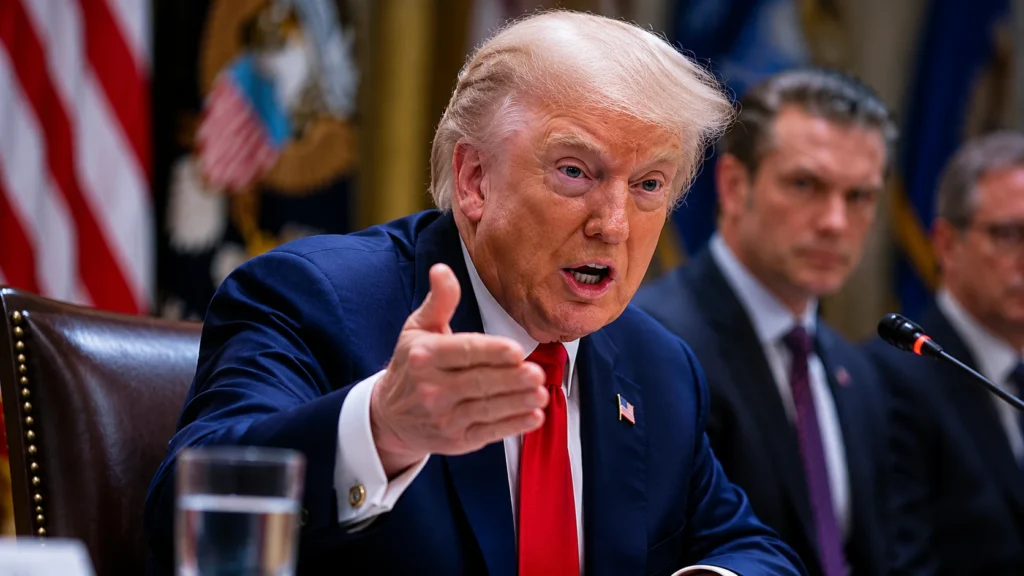
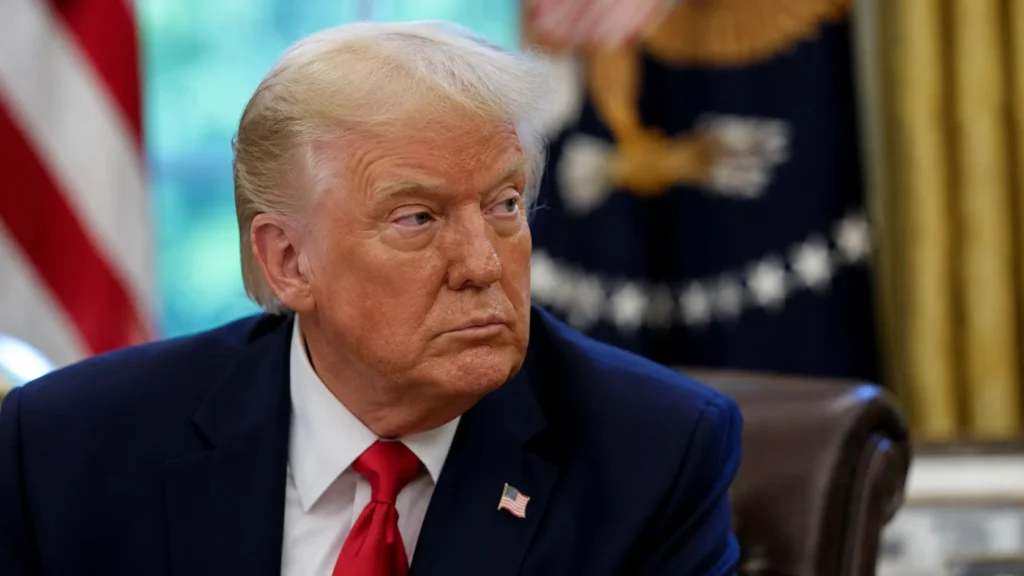
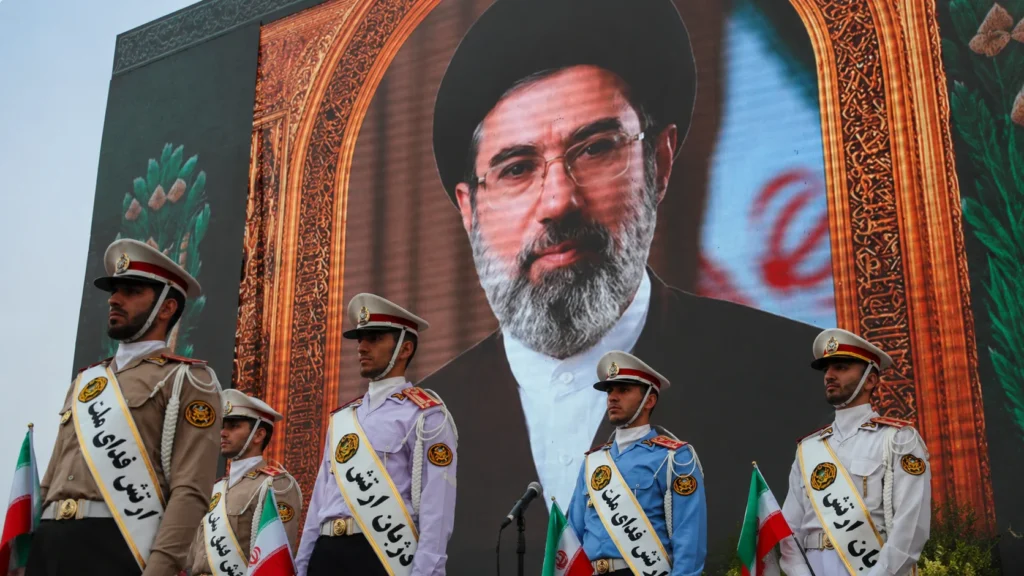
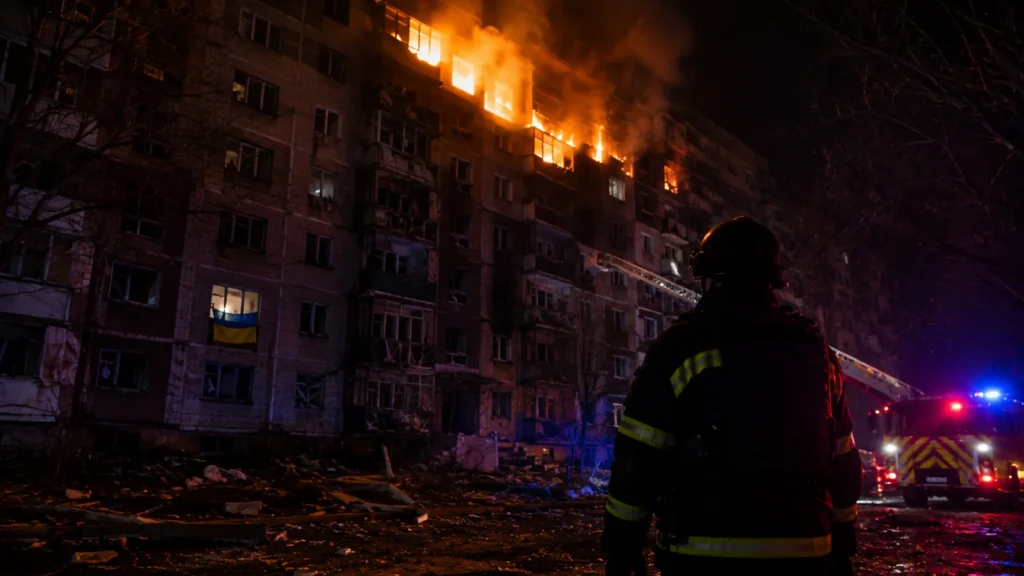
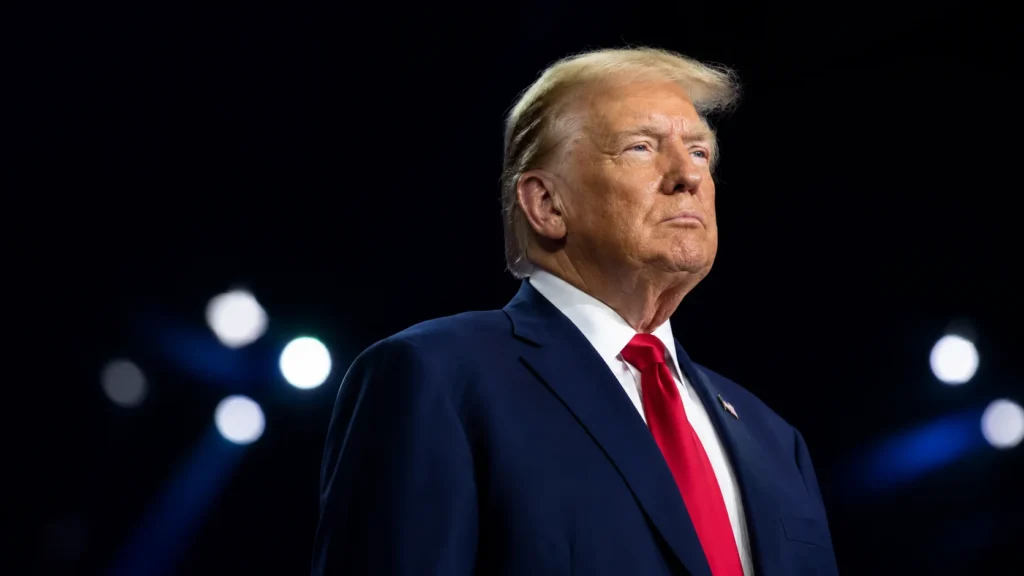
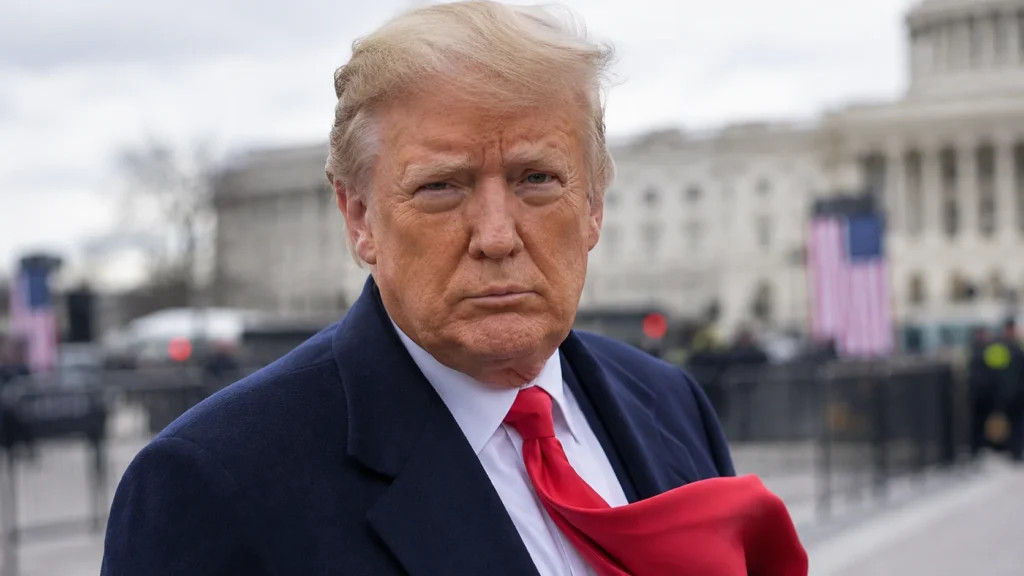
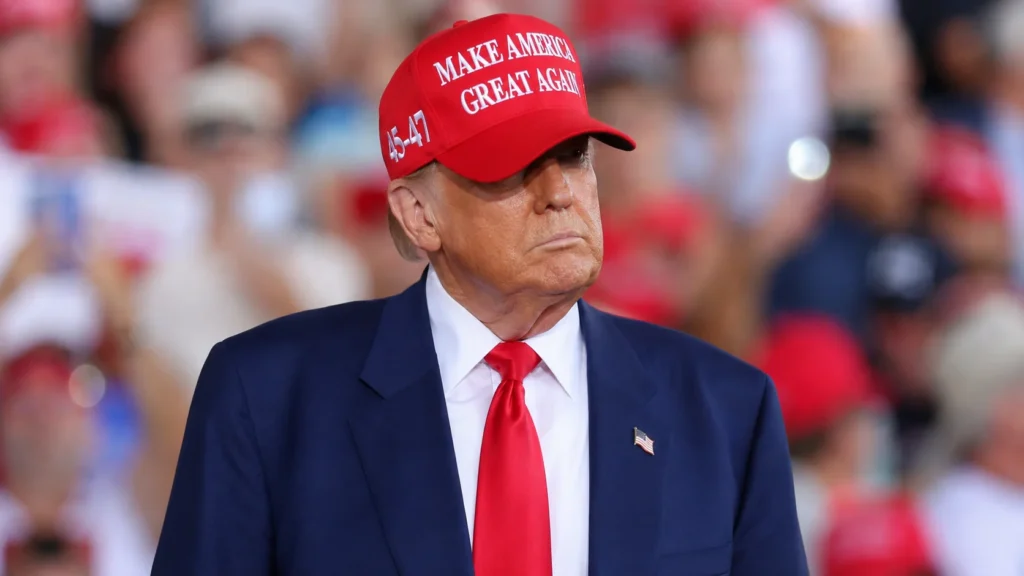
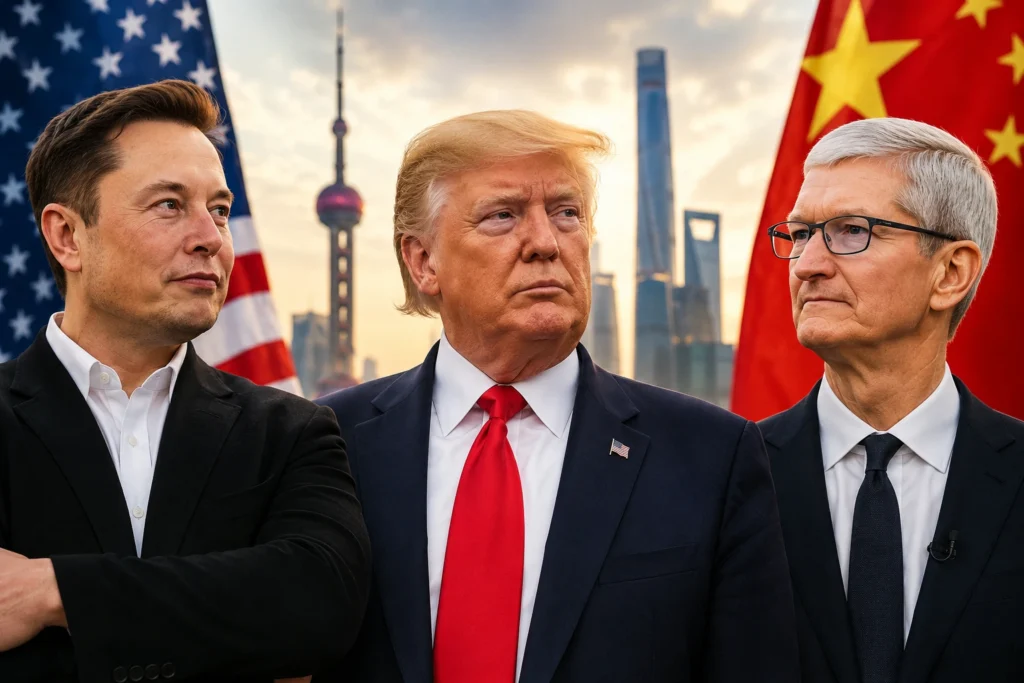
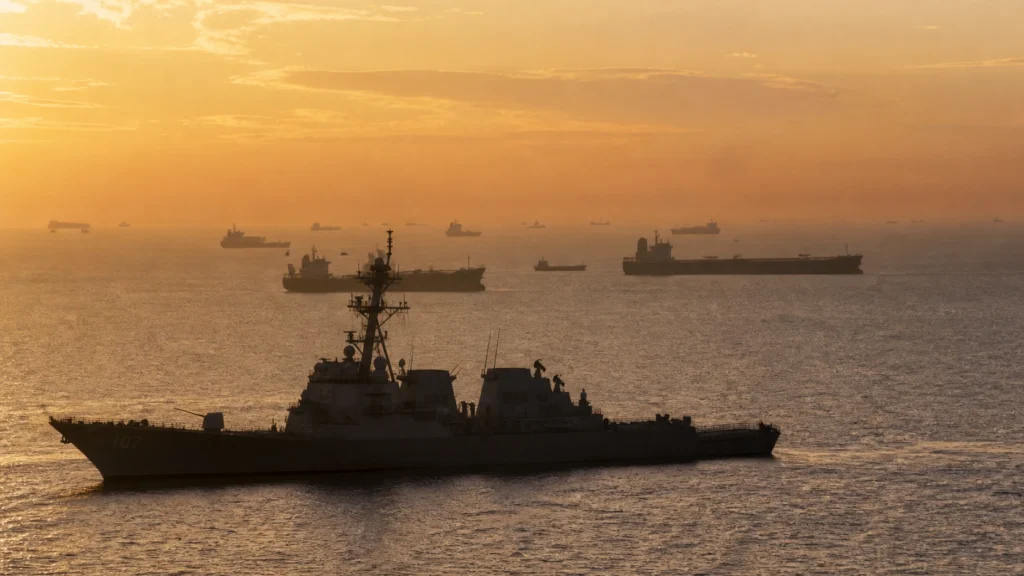
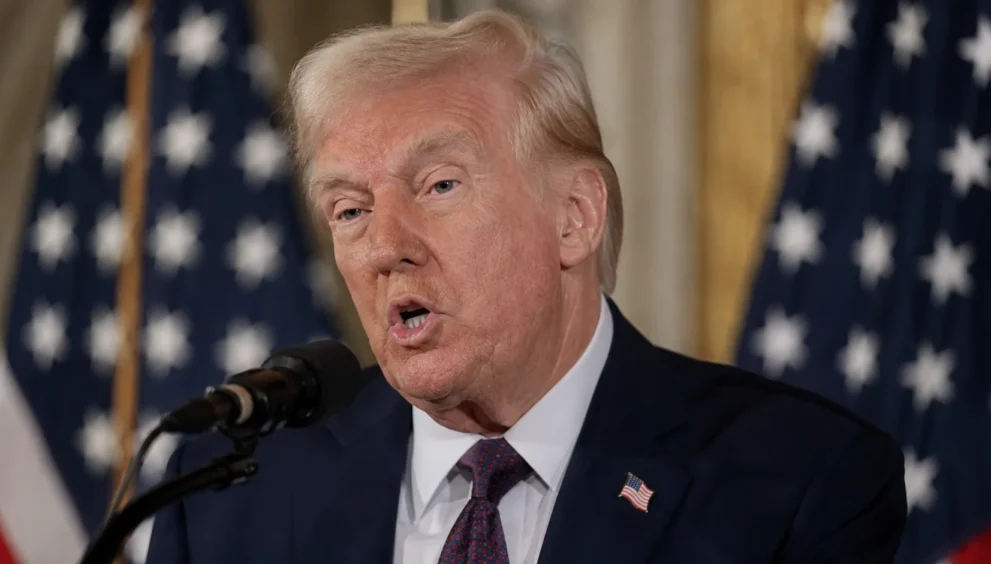
WASHINGTON — President Donald Trump said Sunday that negotiations with Iran are “constructive” but that Tehran “must understand” it cannot develop or procure a nuclear weapon, as the US blockade on Iranian ports remains in place and a potential 60-day ceasefire extension framework awaits finalisation. Trump says Iran talks constructive but Tehran must understand no nuclear weapon in a Truth Social post that also instructed US negotiators “not to rush into a deal” because “time is on our side.” The statement came as Israeli Prime Minister Benjamin Netanyahu demanded any final agreement “must remove the nuclear threat” through dismantlement of enrichment facilities, and Iran’s semi-official Tasnim news agency denied reports that Tehran had agreed to dispose of its enriched uranium stockpile.
What Trump Said
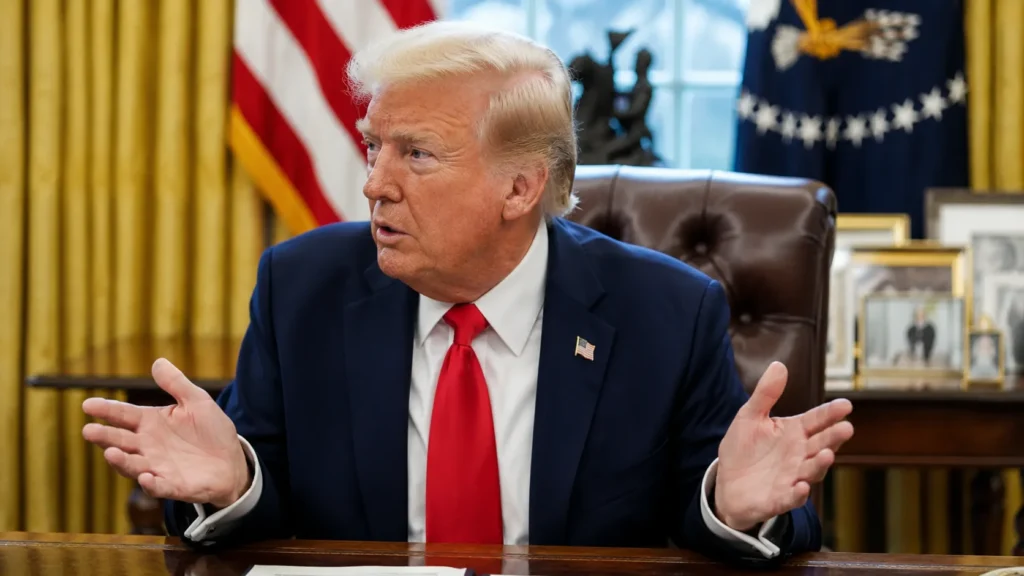
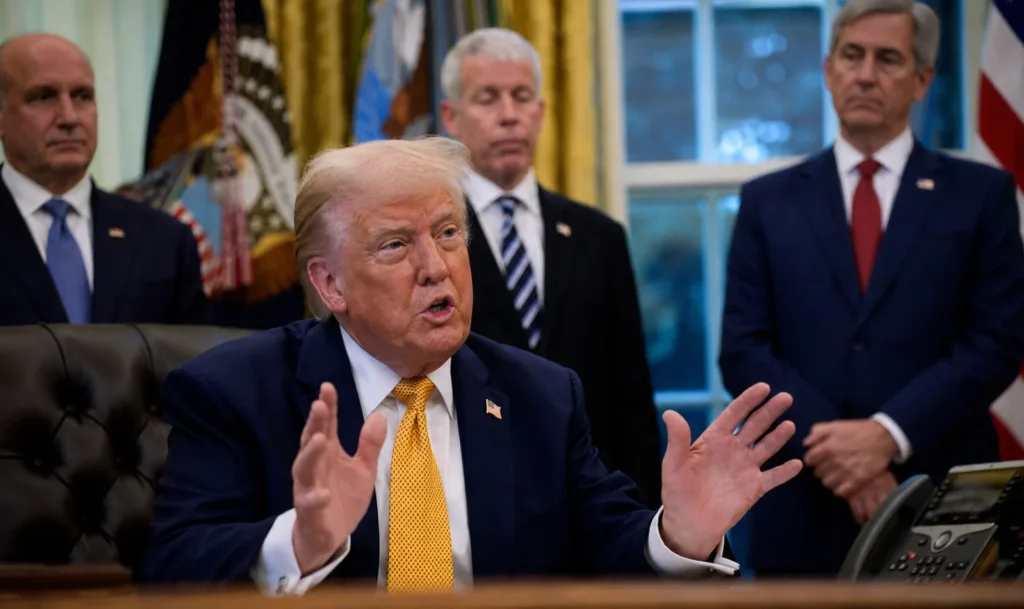
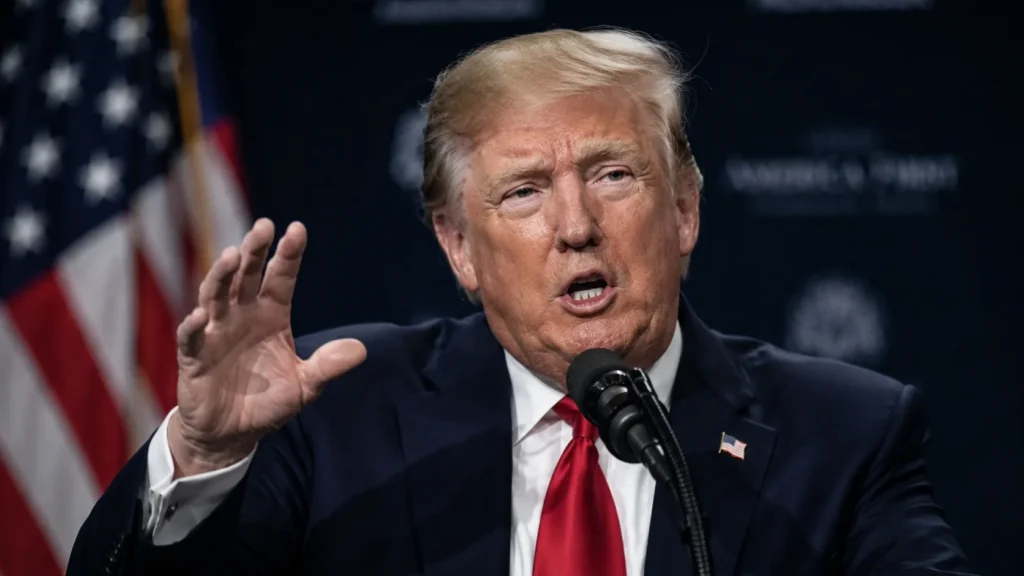
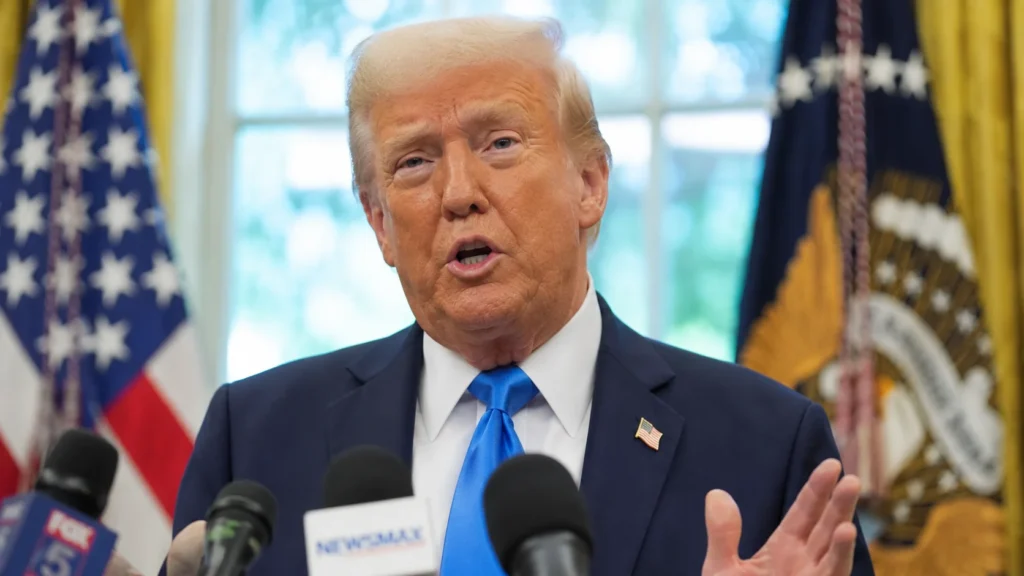
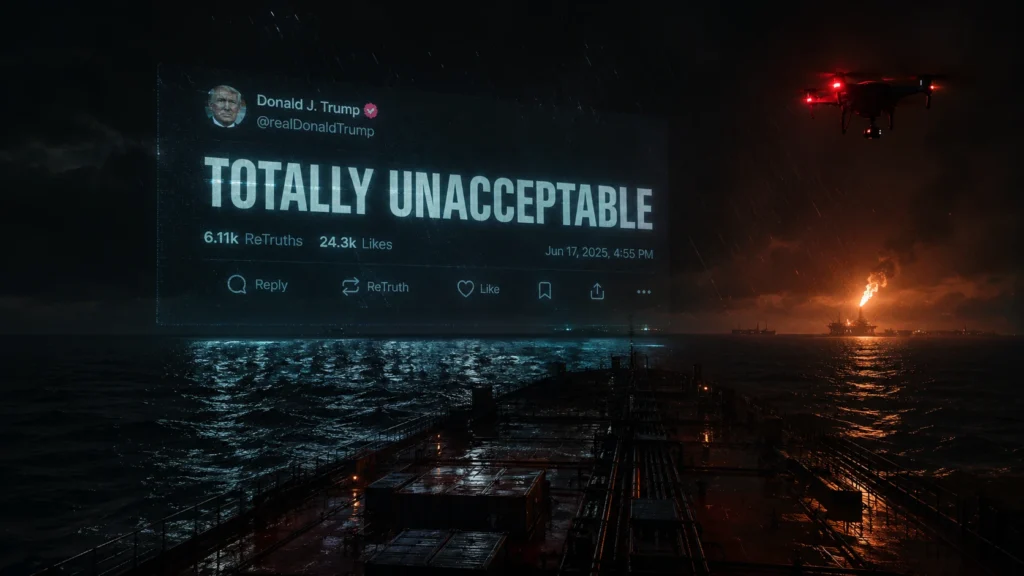
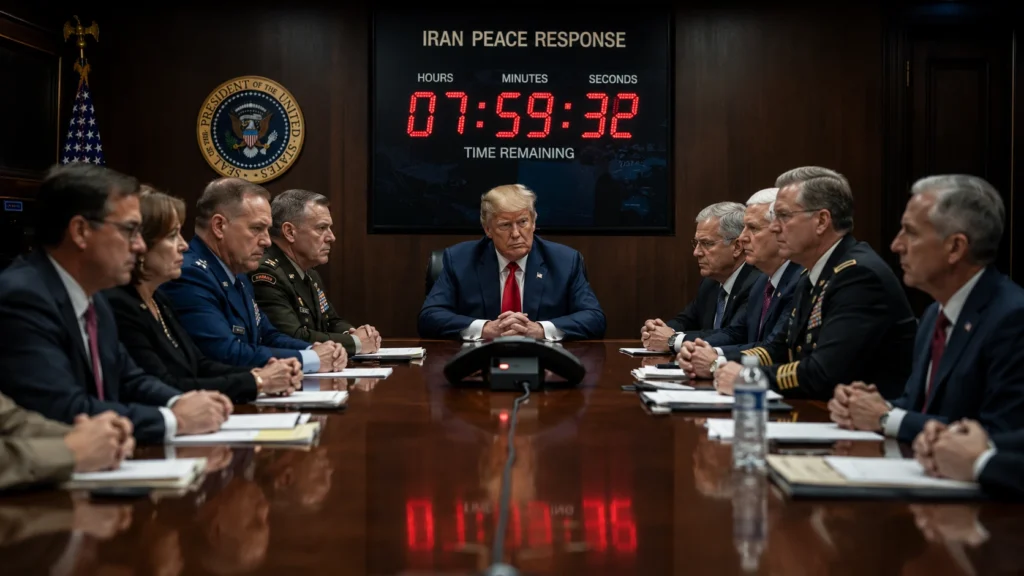
Trump’s midday Truth Social post described negotiations as “proceeding in an orderly and constructive manner” and confirmed the blockade on Iranian ports would remain “in full force and effect until an agreement is reached, certified, and signed.”
“Both sides must take their time and get it right,” Trump wrote. “There can be no mistakes!” He added that US-Iran relations are becoming “much more professional and productive” and floated the possibility that Iran might join the Abraham Accords Donald Trump Truth Social post, 24 May 2026.
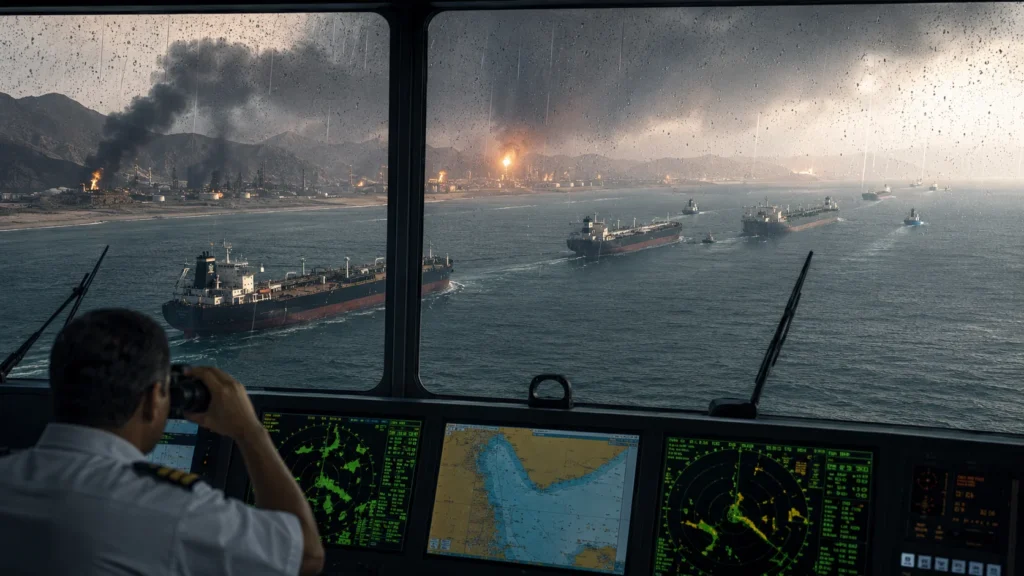
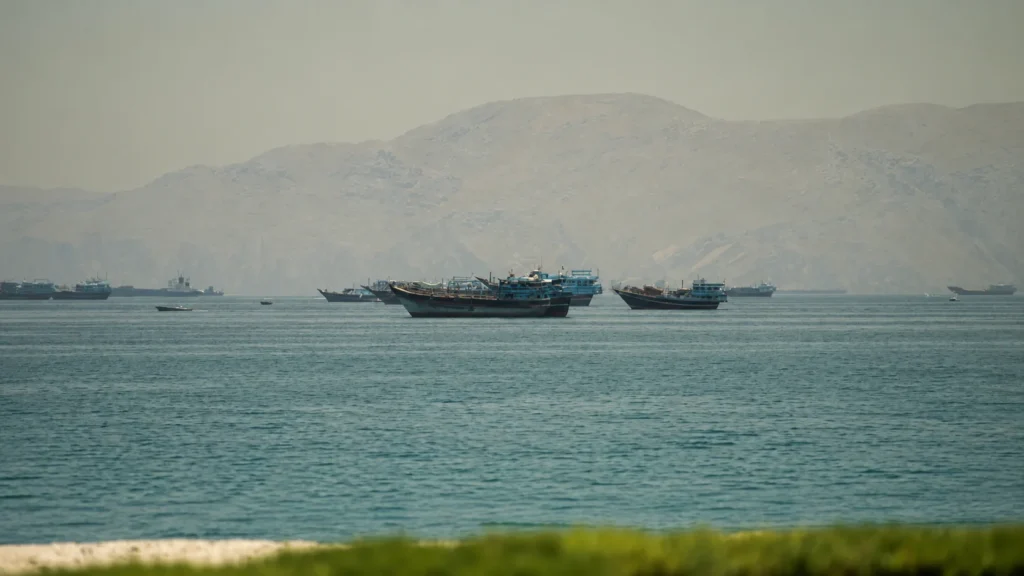
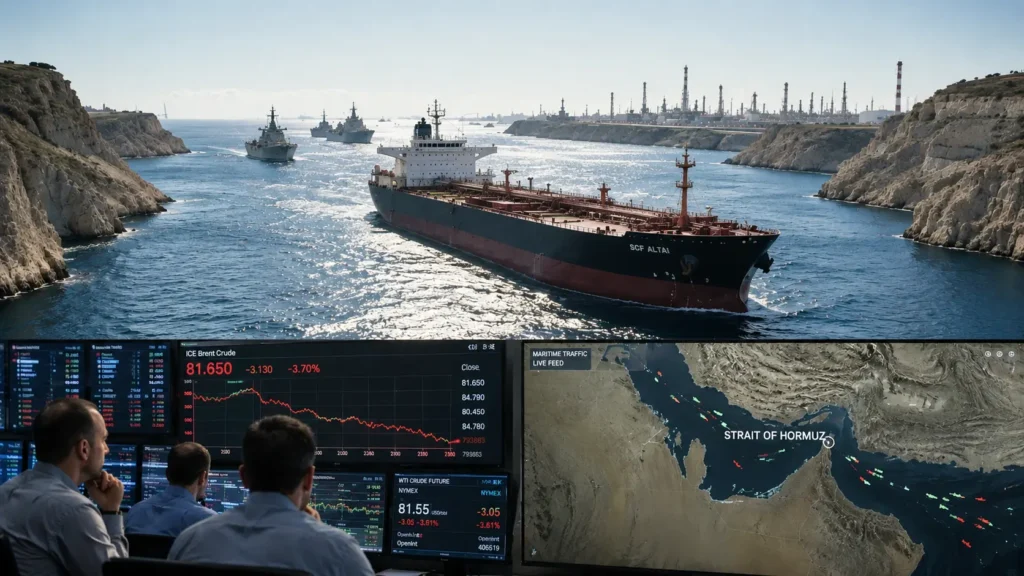
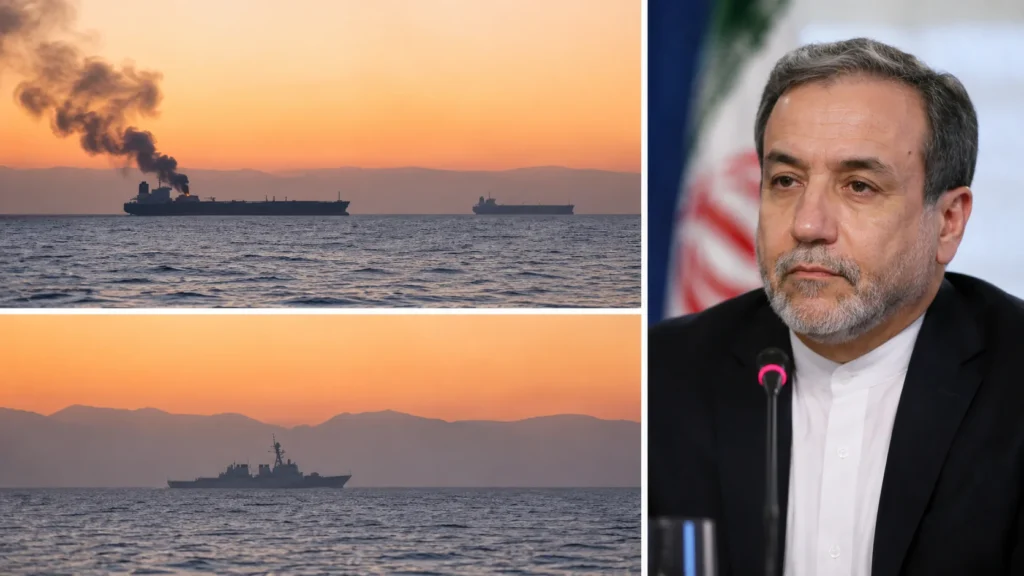
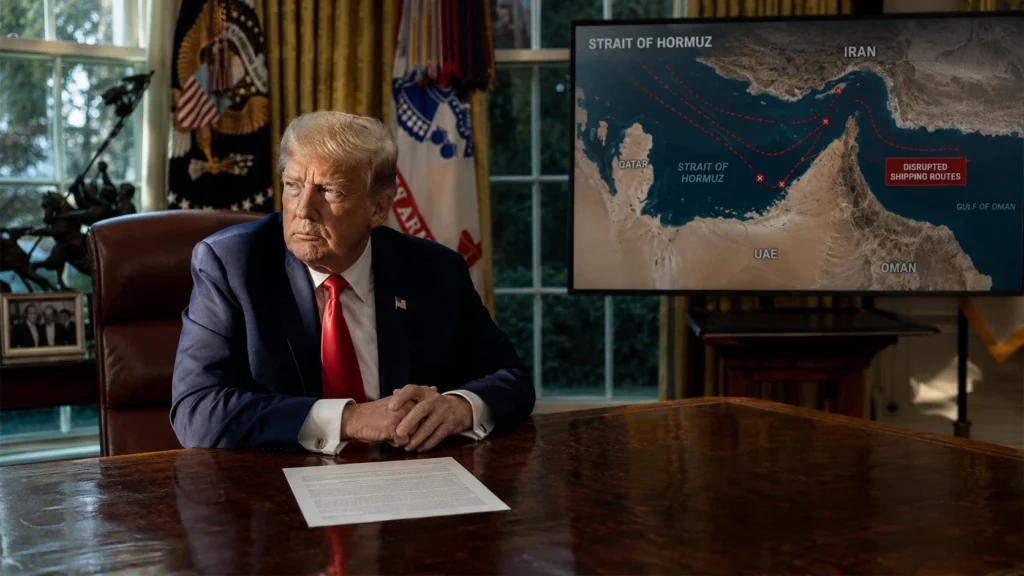
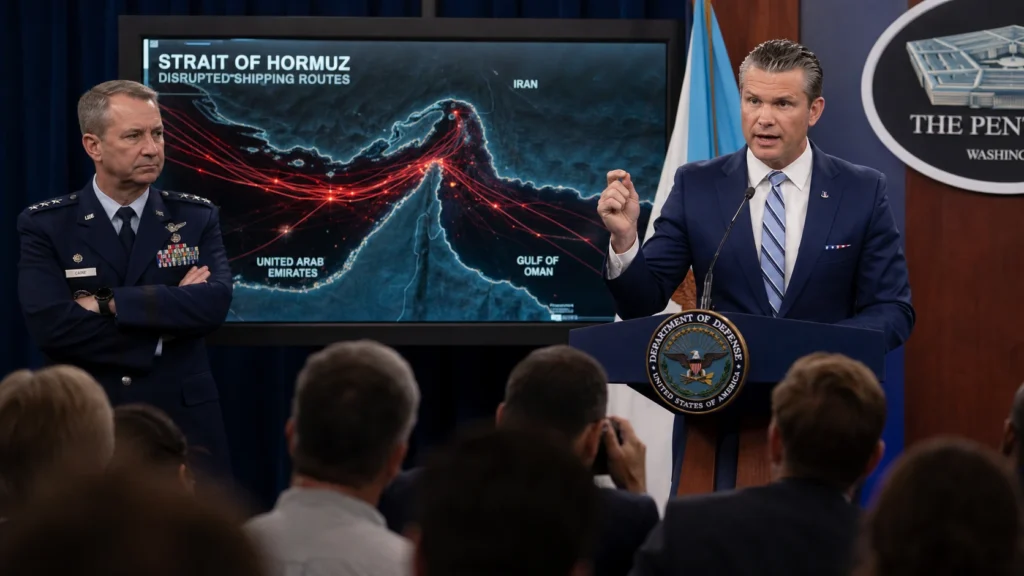
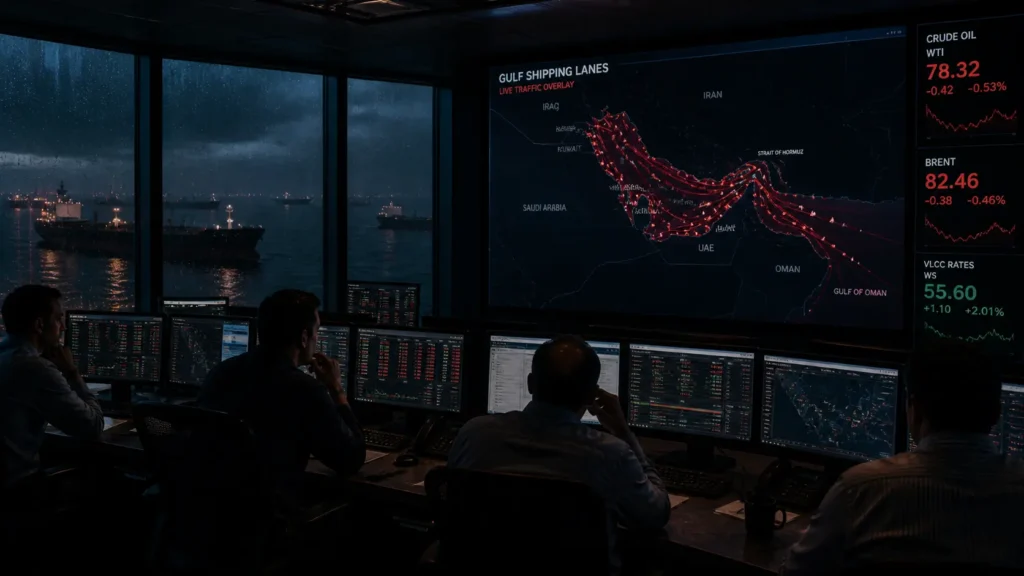
The president’s statement marked a shift in tone from earlier threats of military action. Last week, Trump said a deal had been “largely negotiated” and would include the reopening of the Strait of Hormuz. No agreement has yet been signed, and US media, including CNN and CBS News, reported Sunday that no deal was expected to be finalised imminently.
Trump says Iran deal largely negotiated, including Strait of Hormuz reopening — our earlier analysis
The Reported Framework
According to Axios, citing a senior Trump administration official, the draft framework includes a 60-day ceasefire extension, US forces remaining in the region during that period, a lifting of the naval blockade, some sanctions waivers on Iranian oil, and negotiations on unfreezing Iranian assets Axios report on Iran deal framework, 24 May 2026.
House Speaker Mike Johnson told Fox News the proposal would “allow 60 days to get all the details done” and said Trump’s “number one condition is Iran can’t have a nuclear weapon.”
CNN and CBS News reported that Iran has agreed in principle to dispose of its stockpile of highly enriched uranium, citing senior US officials. Iran’s semi-official Tasnim news agency denied this, stating Iran has made no commitments to hand over nuclear material and that talks on the issue are “postponed until after the possible end of the war” Tasnim News Agency report, 24 May 2026.
Iran’s state-run IRNA quoted President Masoud Pezeshkian saying Iran is “ready to assure the world” it does not seek nuclear weapons.
The nuclear file and the enrichment gap what the 60-day framework postpones
Netanyahu’s Response and the Israeli Position
Netanyahu released a statement shortly after Trump’s post, declaring that “any final agreement with Iran must remove the nuclear threat.” He demanded the removal of “enriched nuclear material” from Iran and the dismantling of Tehran’s nuclear enrichment facilities.
“My policy, like President Trump’s, remains unchanged: Iran will not have nuclear weapons,” Netanyahu wrote on X Benjamin Netanyahu statement on X, 24 May 2026.
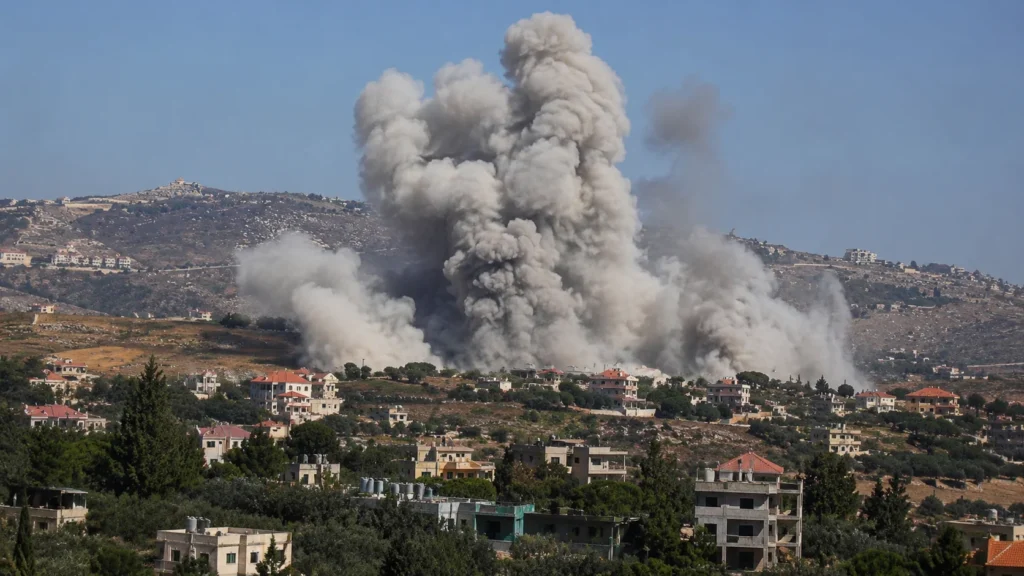
A senior Israeli official told the BBC that Netanyahu also insisted Israel will “maintain freedom of action against threats in all arenas,” including Lebanon. The Israeli position is effectively a veto threat — signalling that Israel will not consider itself bound by an agreement it deems insufficient.
The US-Iran-Israel triangle how alliance loyalty and self-interest shape the negotiations
Congressional Pressure
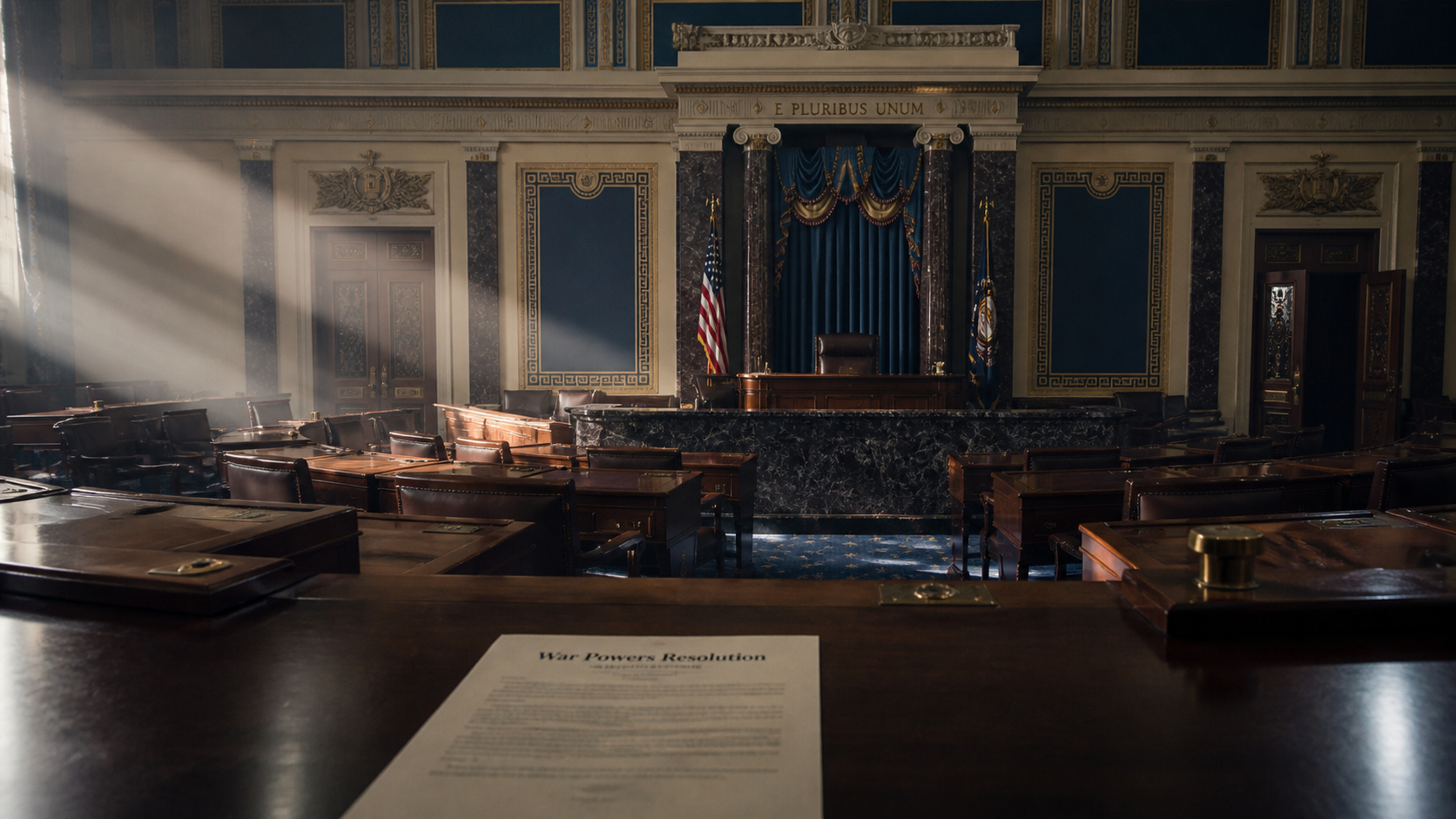
Democratic Congressman Ro Khanna told NBC’s Meet the Press that there are now enough votes in Congress to pass a war powers resolution that would force Trump to withdraw US forces from the Iran conflict. Republican House leadership cancelled a vote on such a resolution on Thursday after it became clear they might lack the votes to defeat it.
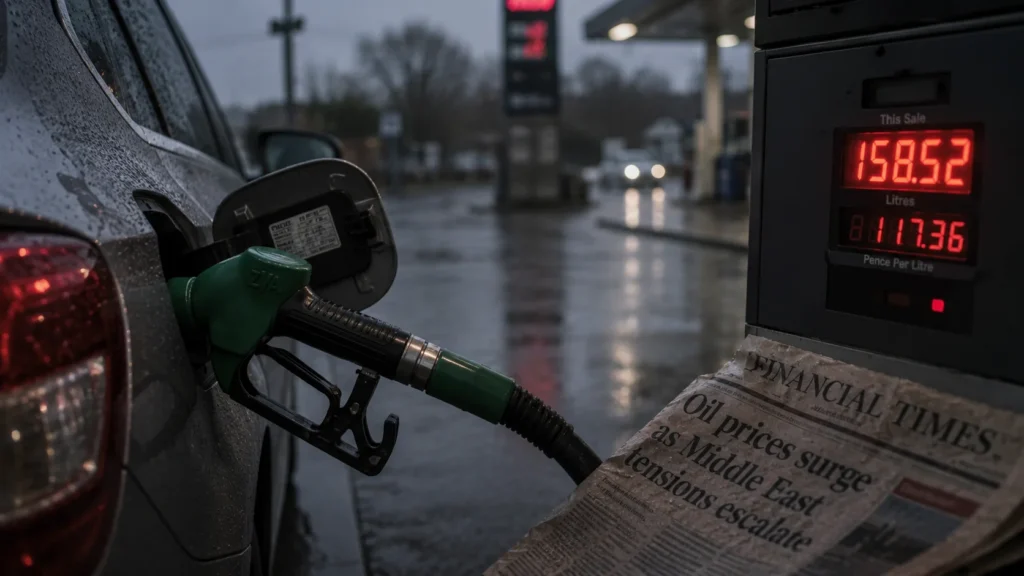
“There are a lot of Republicans who believe the war should end,” Khanna said. “They’ve talked to farmers who say the price of nitrogen, ammonia, and urea is through the roof because of the blockades and control of the Strait of Hormuz” NBC Meet the Press interview with Ro Khanna, 24 May 2026.
Within the Republican Party, the deal has exposed divisions. Senator Ted Cruz said he was “deeply concerned” about the reported contents. Congressman Thomas Massie countered that if Cruz and Lindsey Graham were “crashing out on it,” the deal was “probably pretty good.” Senate Majority Whip John Barrasso praised Trump for forcing “Iran to the table through a position of American strength.”
FAQ: Trump Iran Negotiations 2026
What did Trump say about the Iran talks?
Trump said negotiations are “constructive” and instructed his team not to rush. He insisted Iran “must understand” it cannot develop a nuclear weapon and said the blockade on Iranian ports will remain until a deal is signed.
Is there a deal between the US and Iran?
No final deal has been signed. A 60-day ceasefire extension framework has been reported but not confirmed. US media reports no agreement is expected imminently.
What does the reported framework include?
According to Axios, the draft includes a 60-day ceasefire, US forces remaining in the region, a lifting of the naval blockade, sanctions waivers on Iranian oil, and negotiations on unfreezing Iranian assets.
Has Iran agreed to dispose of its enriched uranium?
US media report Iran has agreed in principle, but Iran’s Tasnim news agency denies this. Iran says talks on the nuclear file are “postponed until after the possible end of the war.”
What is Israel’s position?
Netanyahu says any deal must remove the nuclear threat through the dismantlement of enrichment facilities and the removal of enriched uranium. A senior Israeli official said Israel will “maintain freedom of action” regardless of any agreement.
Written by the Foreign Desk, drawing on Trump’s Truth Social posts, Axios and CNN sourcing, Iranian state and semi-official media, Israeli government statements, and congressional interviews. The desk has covered every phase of the US-Iran conflict since the 28 February airstrikes.