

 English

























































































































































































































Strait of Hormuz Closure Tests US-Iran Deal Before Talks Begin

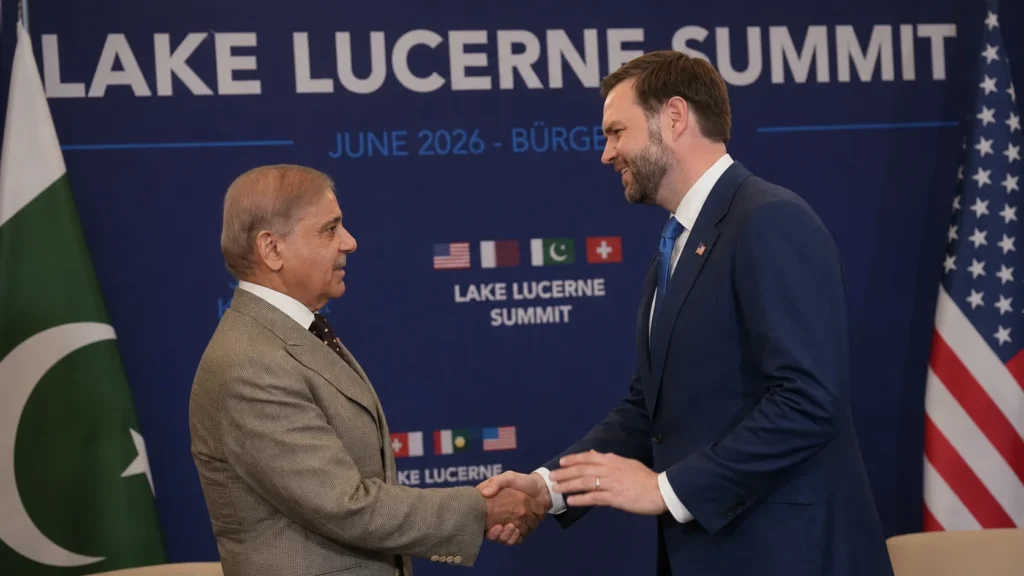
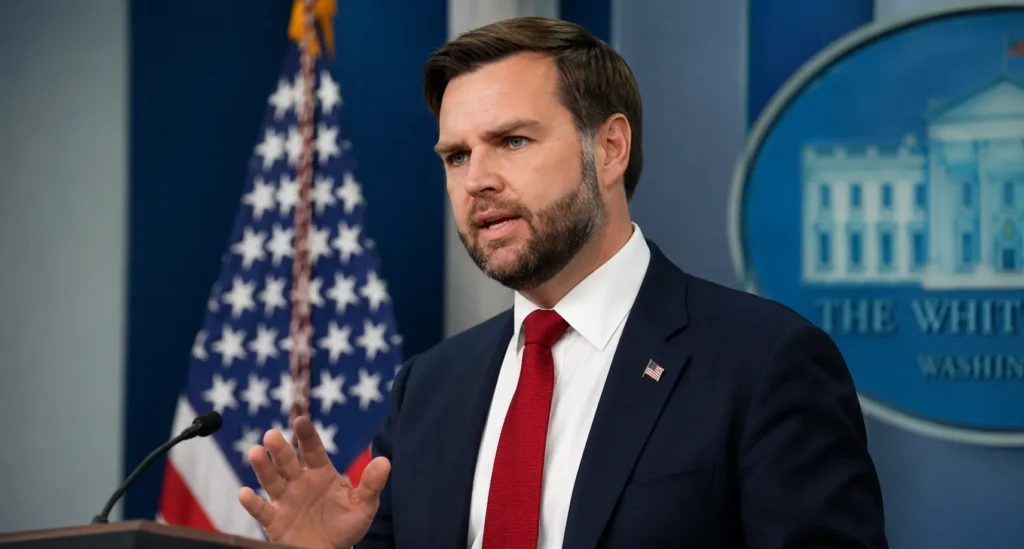
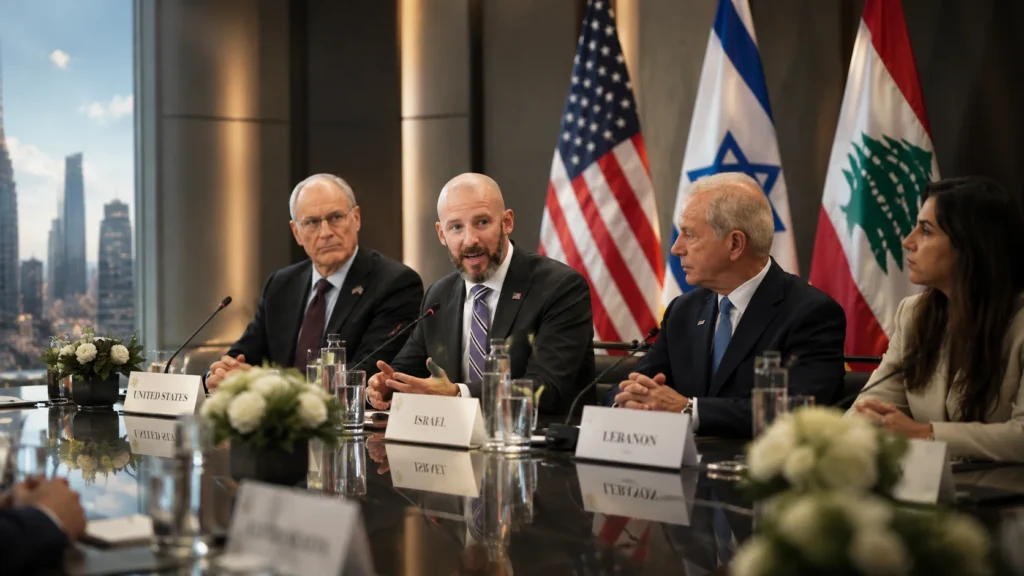
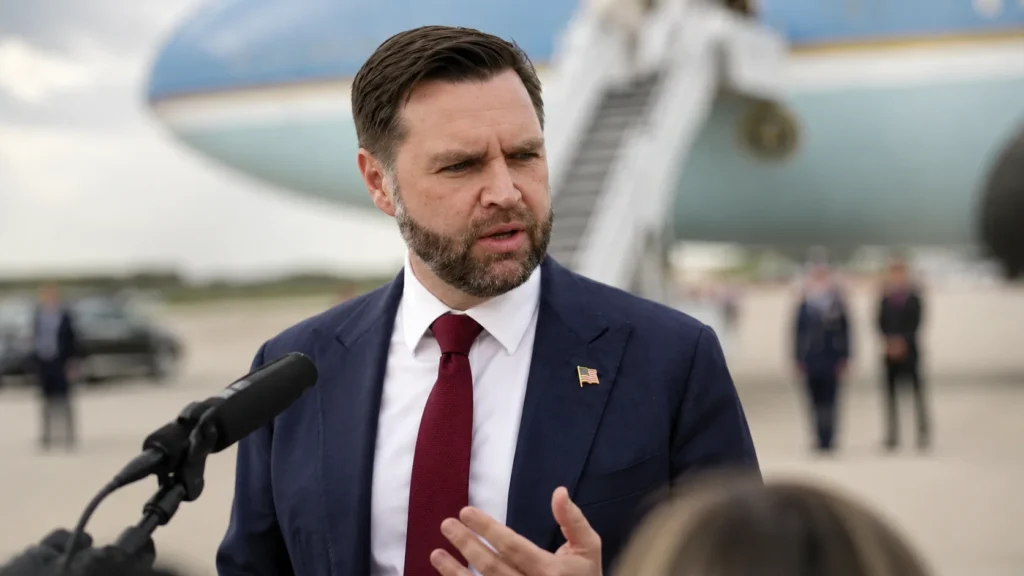
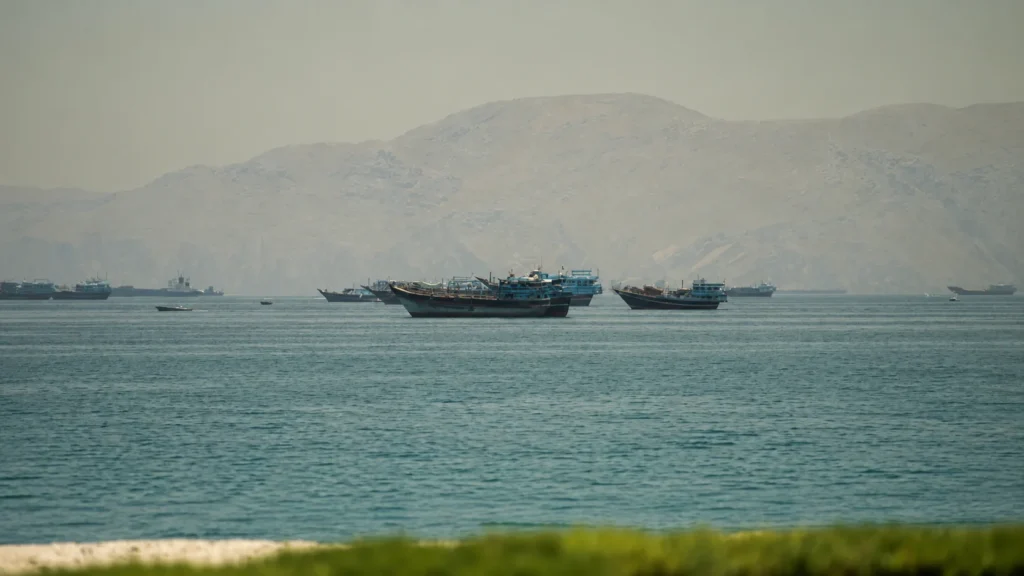
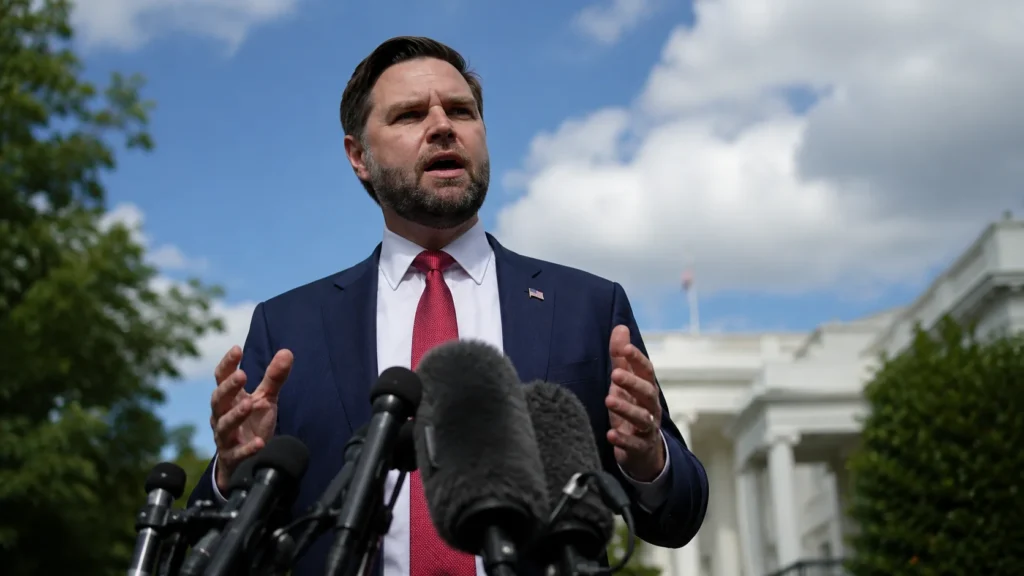
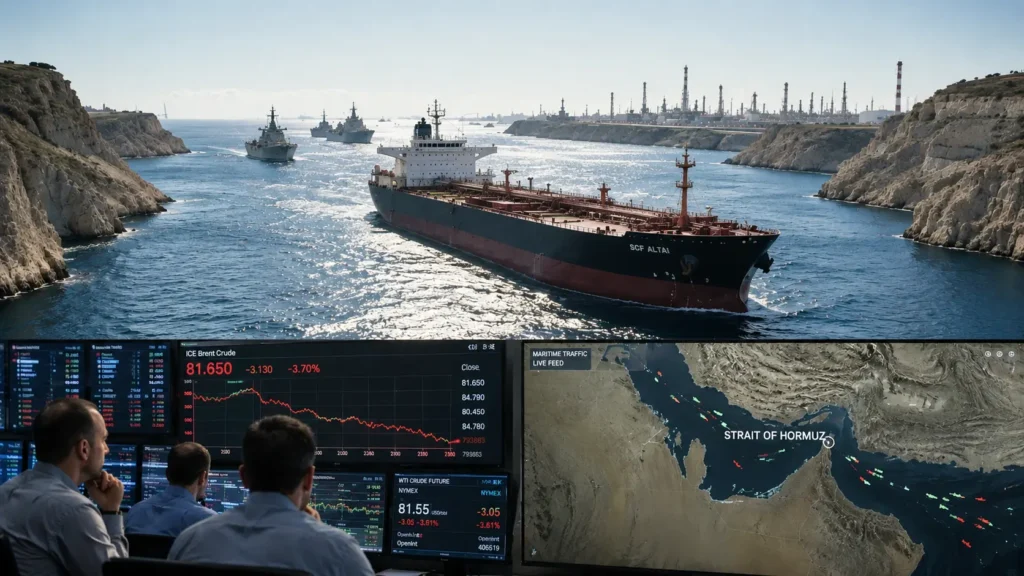
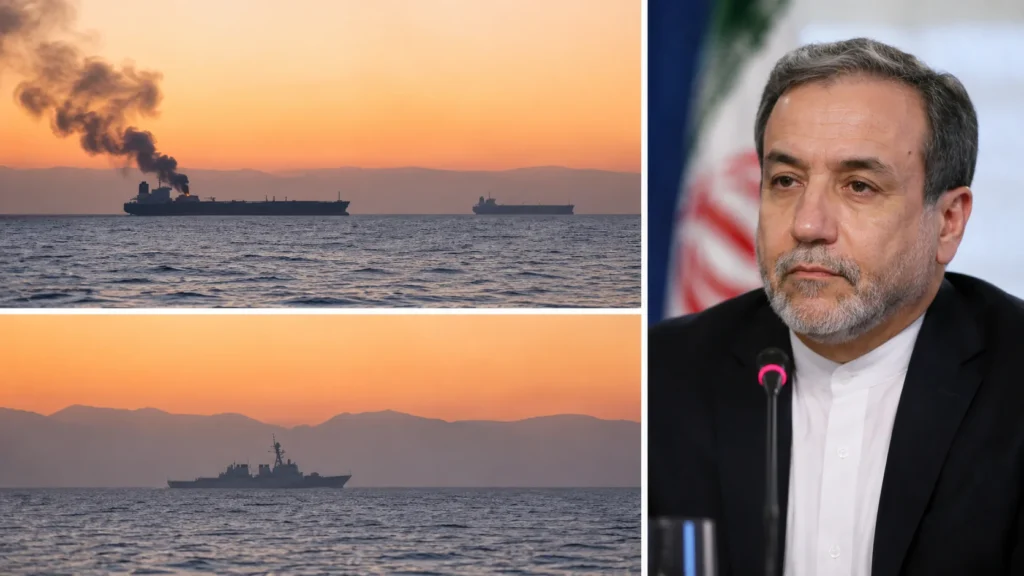
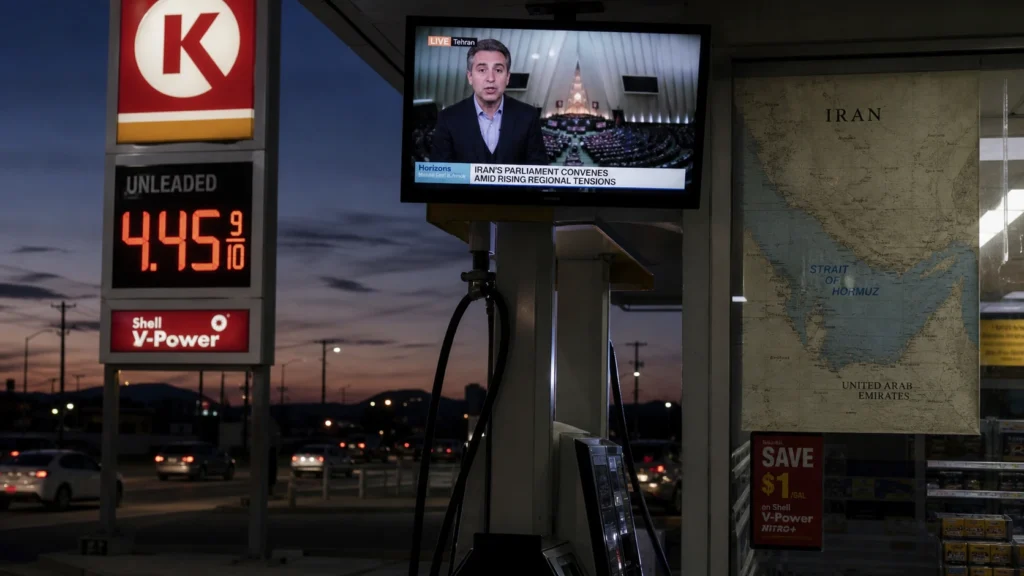
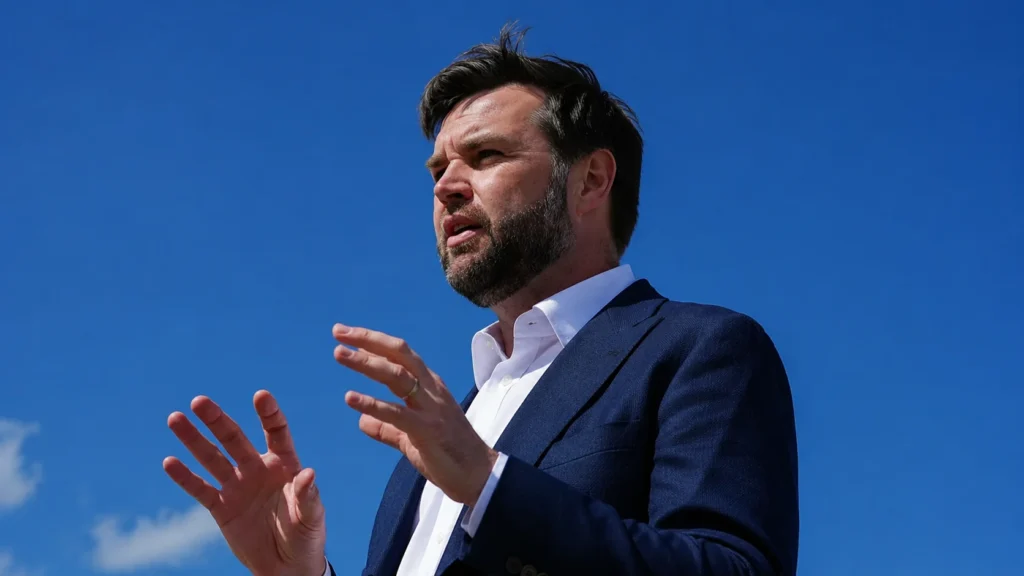
GENEVA — US Vice-President JD Vance landed in Switzerland early Sunday for direct talks with Iran, hours after Tehran announced it had closed the Strait of Hormuz in response to Israeli strikes on southern Lebanon. The US military disputed the claim, with Centcom saying 55 merchant ships transited the waterway on Saturday, carrying over 17 million barrels of oil. Iranian officials, led by parliamentary speaker Mohammad Bagher Ghalibaf and Foreign Minister Abbas Araghchi, arrived late Saturday. Pakistan’s prime minister and army chief joined as mediators.
The talks were supposed to build on a US-Iran agreement signed earlier this week. Instead, they open with the deal’s first clause already in dispute.
What the Two Sides Are Actually Saying
The gap between Washington and Tehran is wider than the diplomatic language suggests.
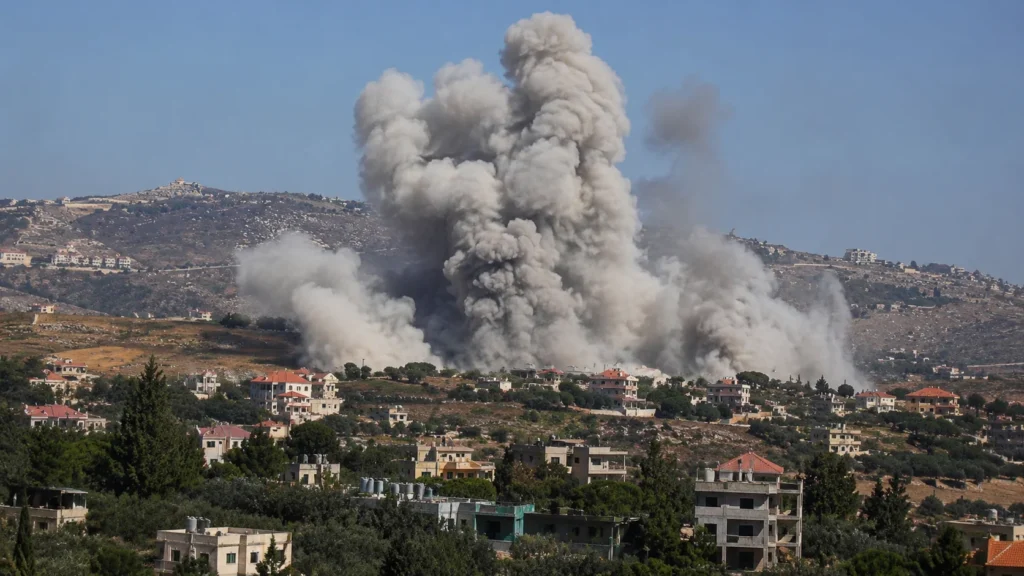
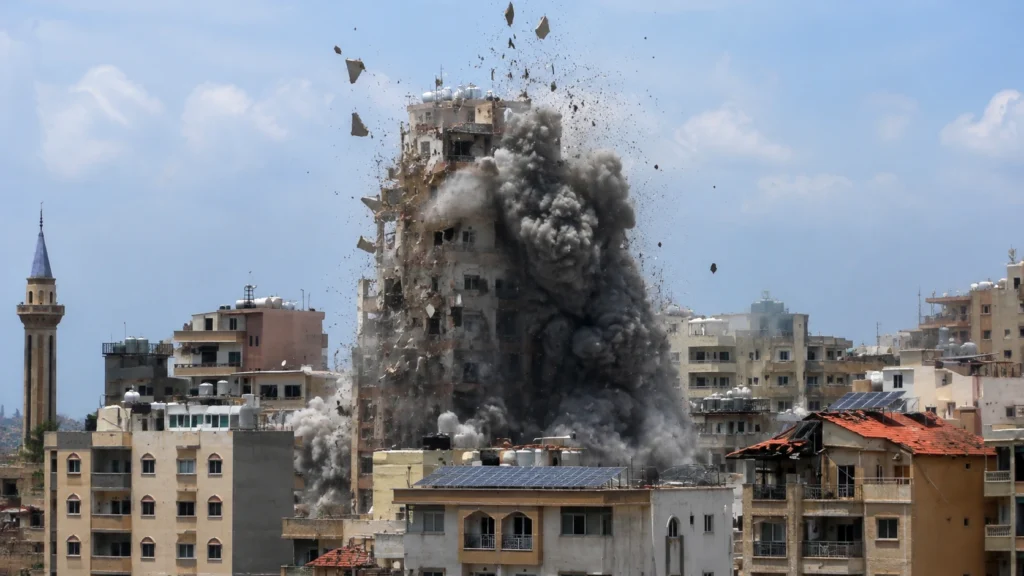
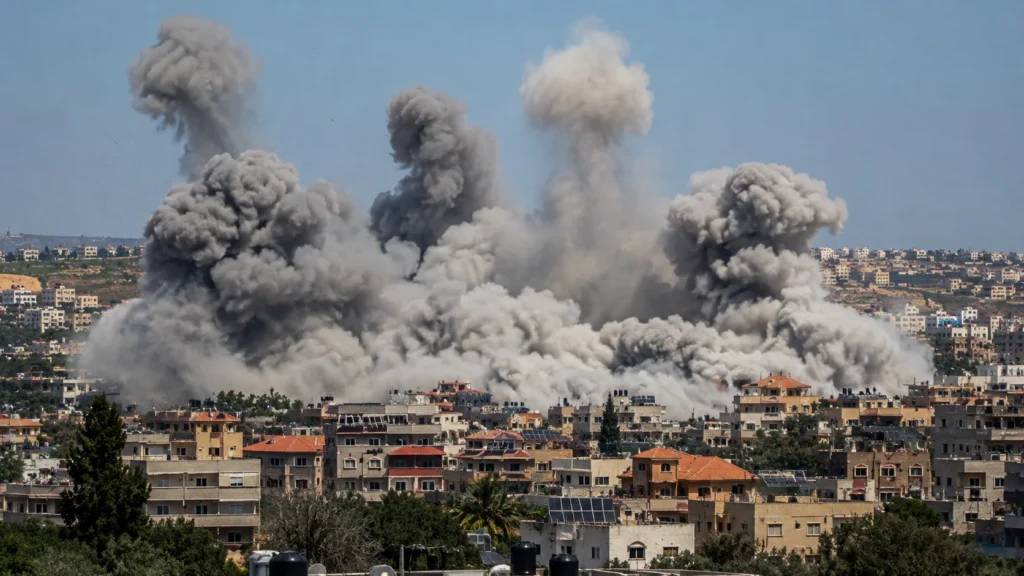
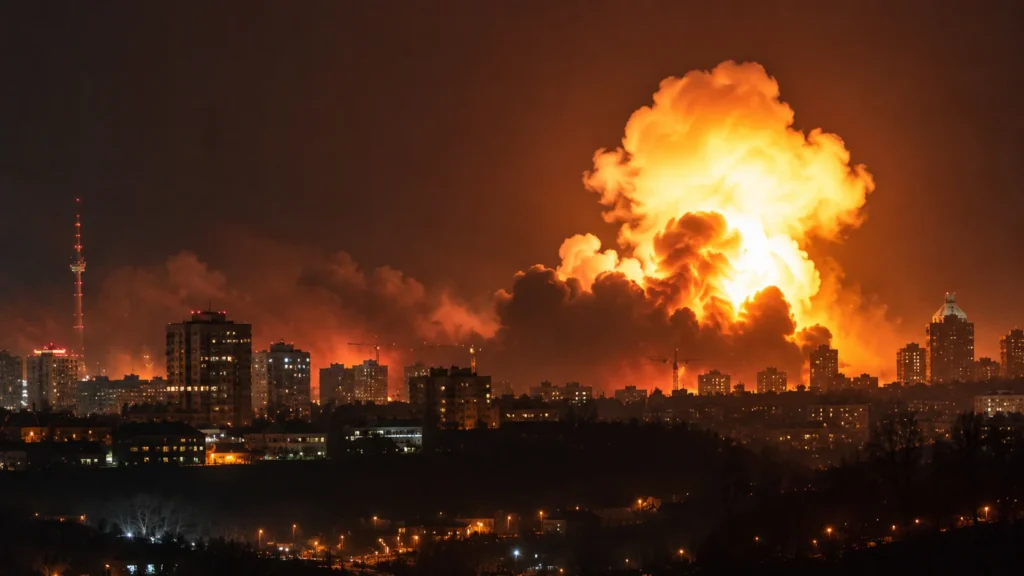
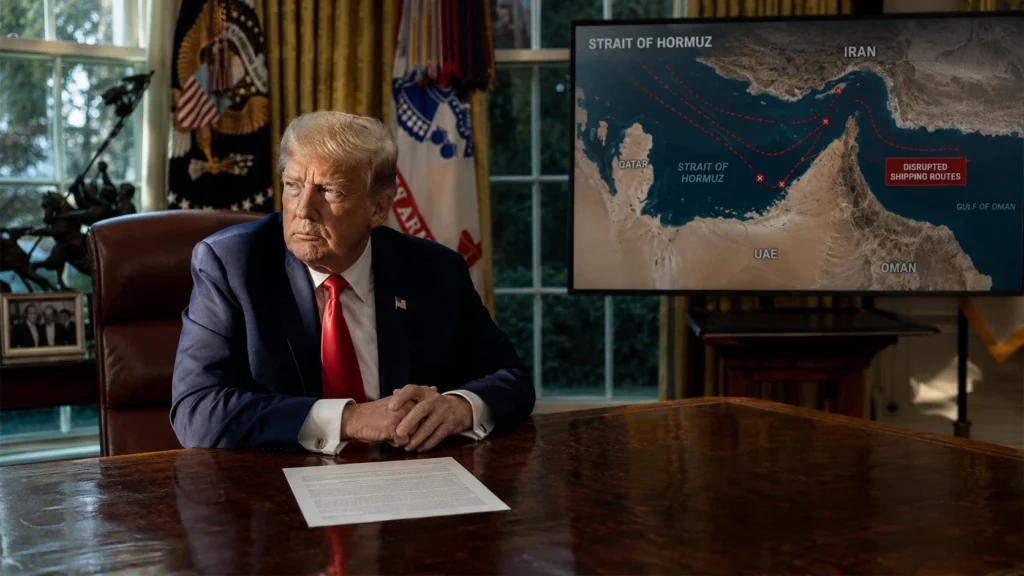
Iran’s IRGC cited the memorandum’s first clause—”the immediate and permanent termination of military operations on all fronts, including in Lebanon”—as justification for closing the strait. Israeli strikes killed 47 people in southern Lebanon on Saturday. The IDF struck 80 Hezbollah-linked targets. From Tehran’s perspective, that’s a breach. The Strait closure is enforced.
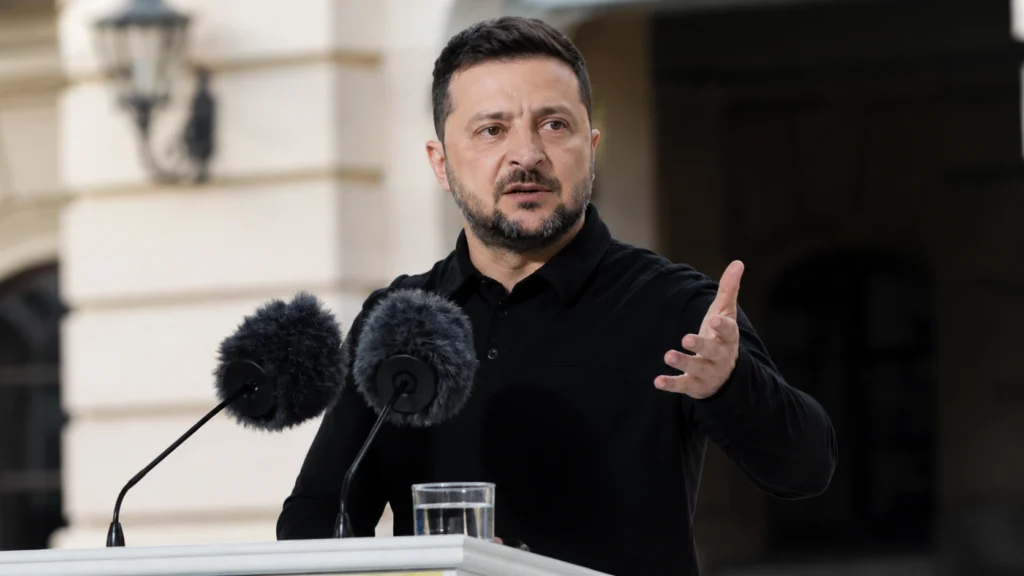
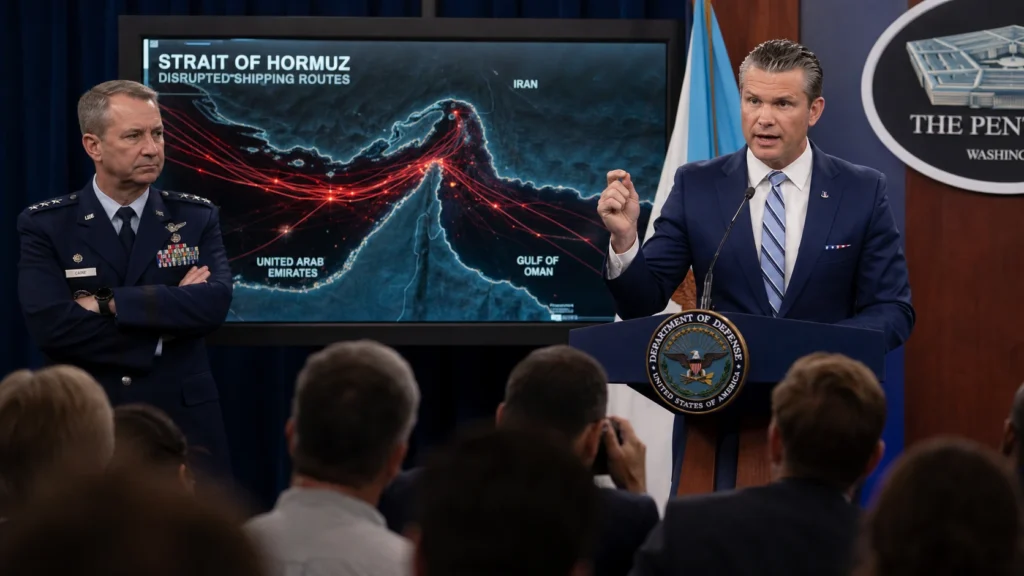
Centcom spokesperson Tim Hawkins offered a flat contradiction: “Traffic continues to flow. Iran does not control the Strait of Hormuz.”
Two claims. Opposite meanings. Same negotiating table.
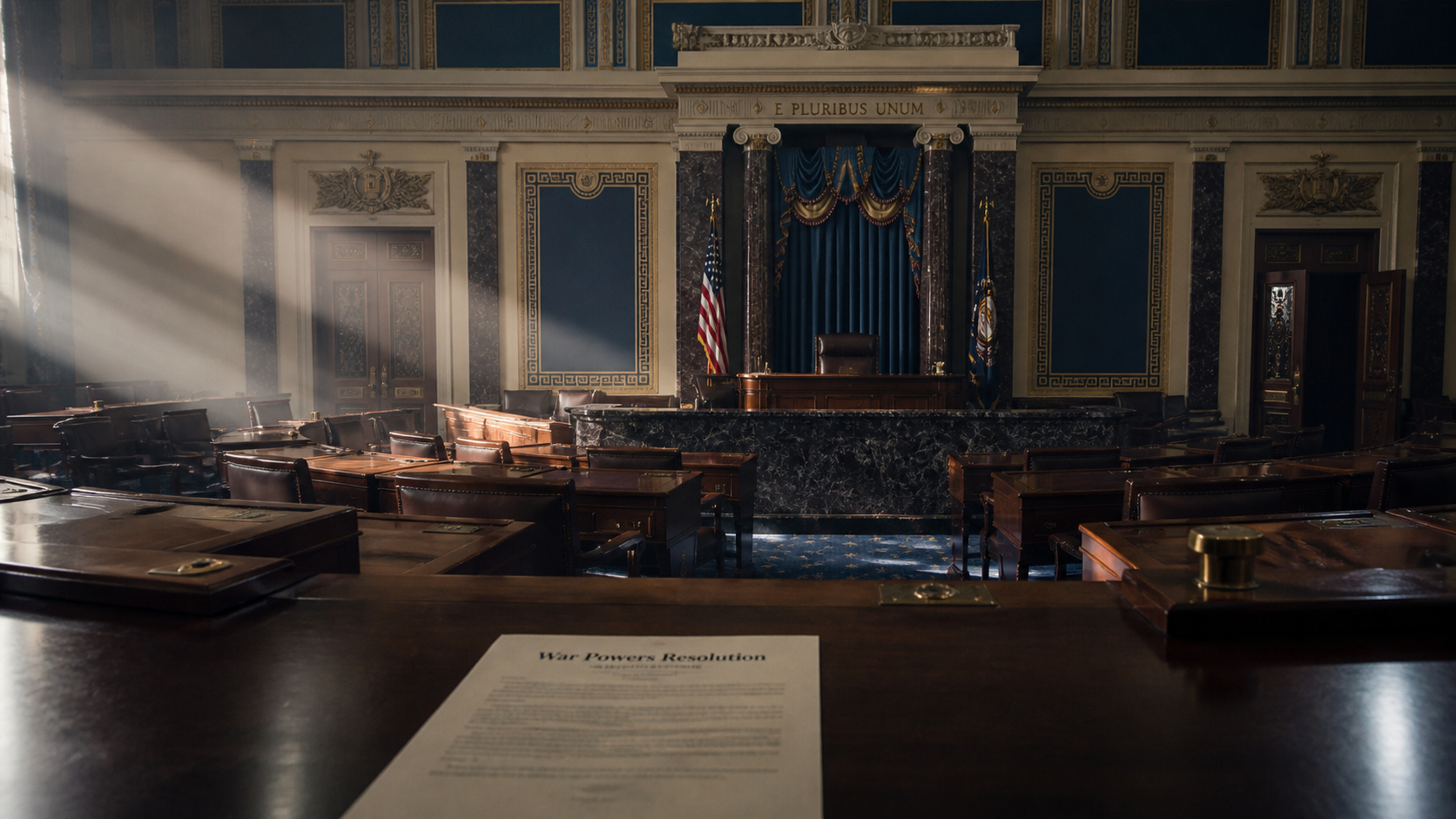
As our analysis of the US-Iran memorandum’s enforcement gaps detailed, the agreement contains no mechanism to adjudicate violations. Each side interprets breaches unilaterally. Iran sees Israeli strikes as American non-compliance. Washington sees the Strait claim as an Iranian escalation. There’s no referee.
The Lebanon Ceasefire: A Paper Agreement, Not an Operational One
The broader US-Iran deal hinges on the ceasefire in Lebanon holding. It isn’t.
Israeli military spokesperson Effie Defrin confirmed the ceasefire exists on Friday. Then he added that forces would “continue to remove immediate threats.” Hezbollah has not formally accepted the truce and claimed an ambush that killed four Israeli soldiers, including a battalion commander.
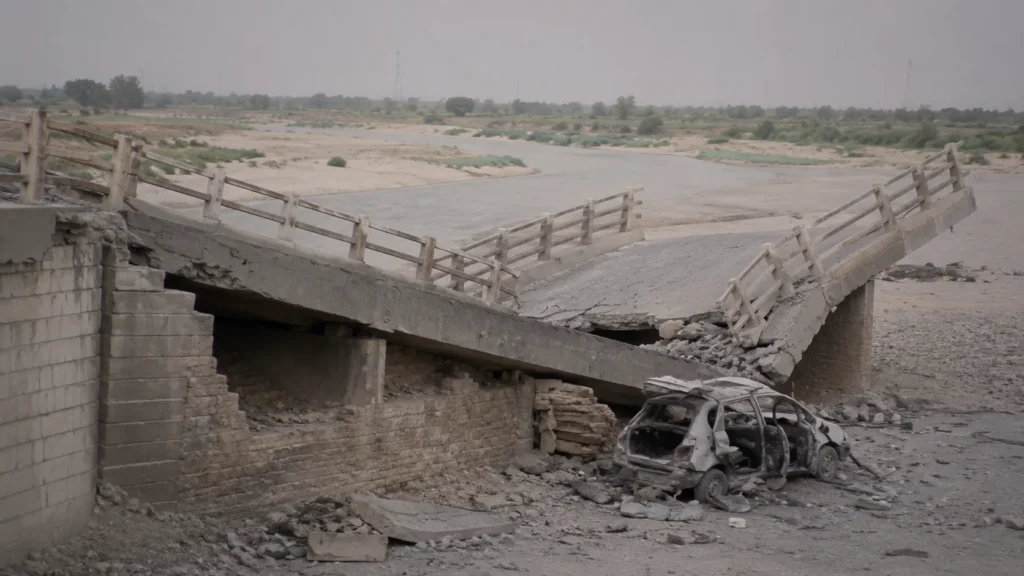
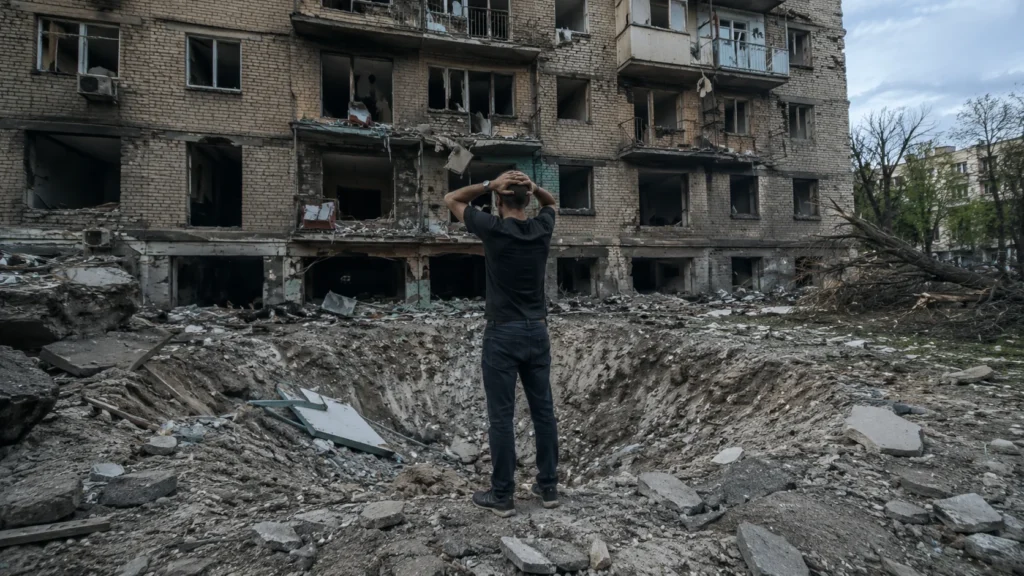
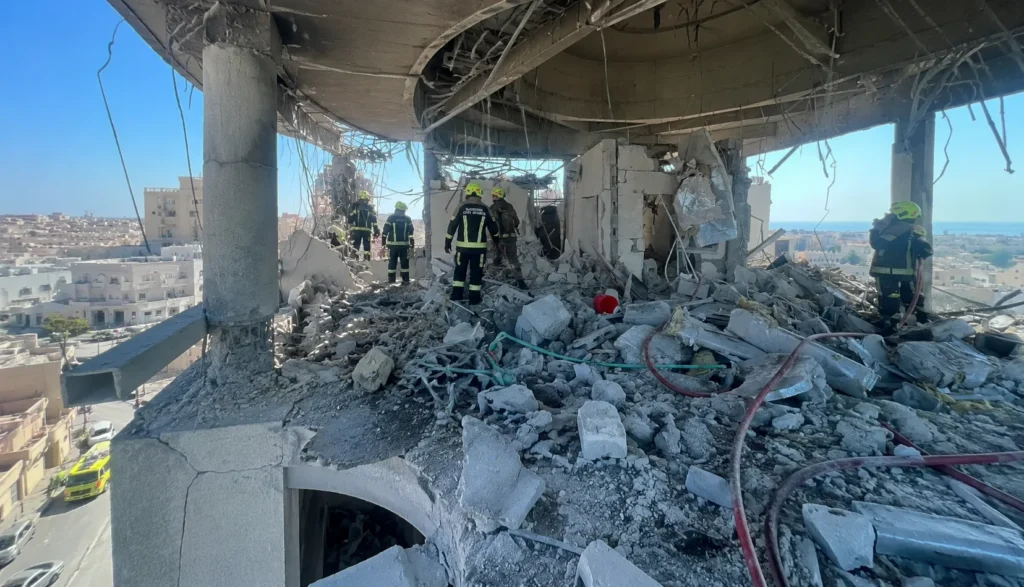
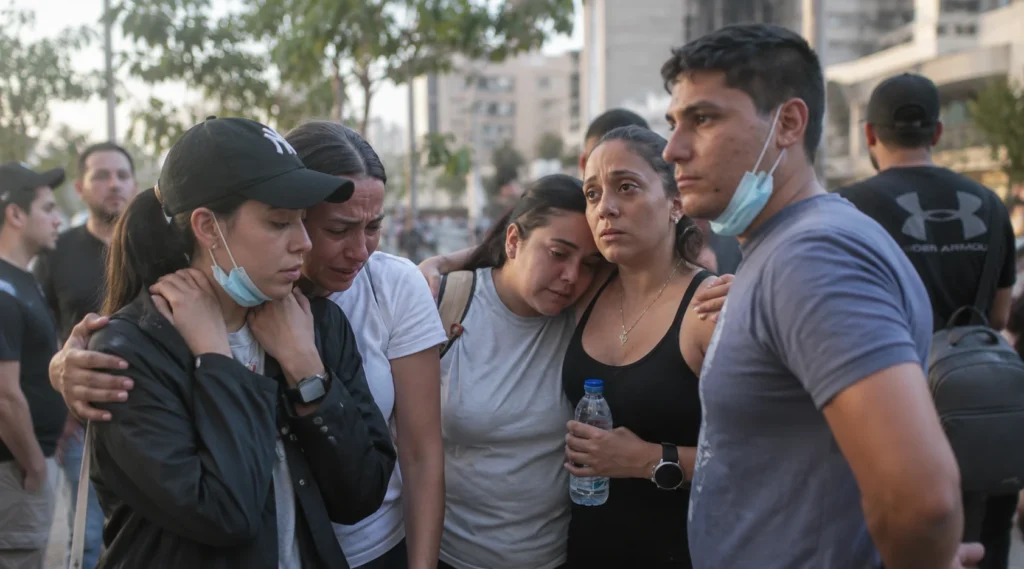
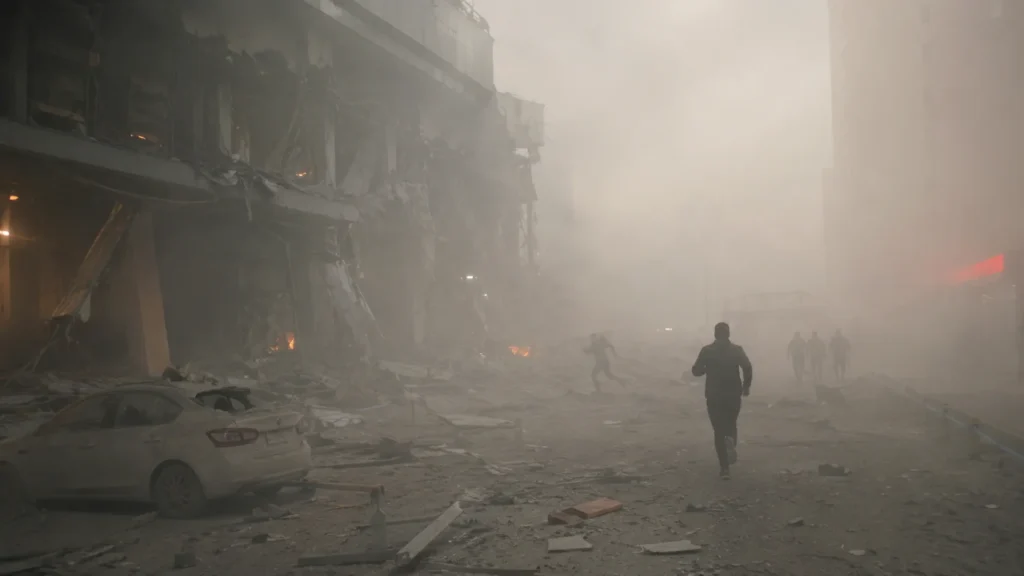
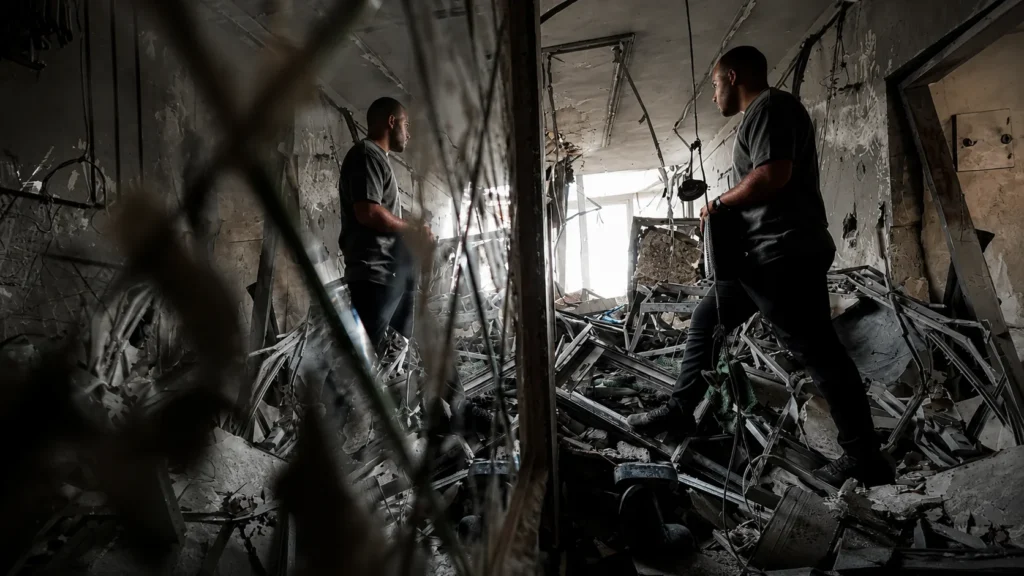
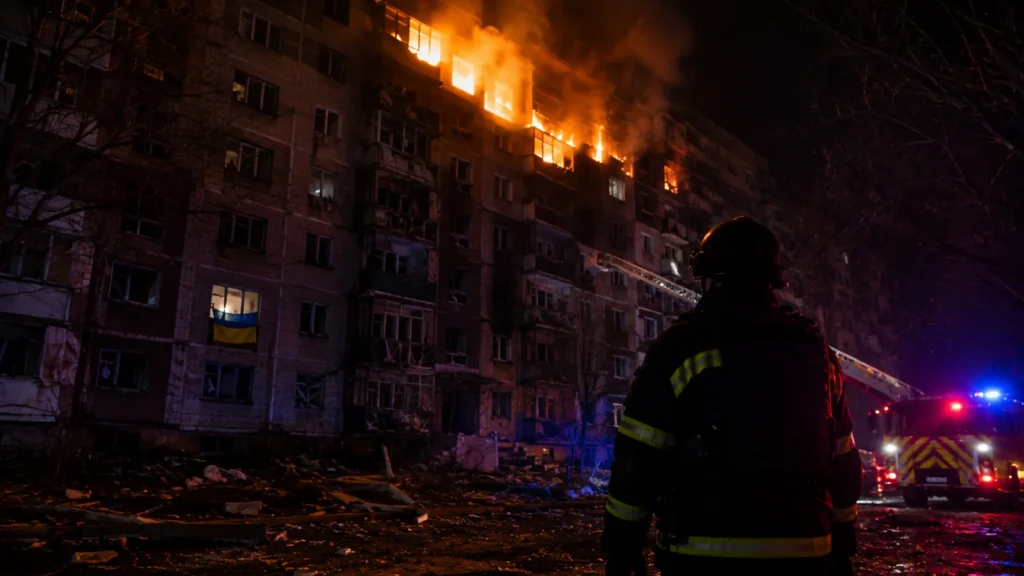
Lebanon’s health ministry reports 4,057 killed since the conflict restarted on 2 March. Dozens of southern villages were destroyed. Around a million displaced.
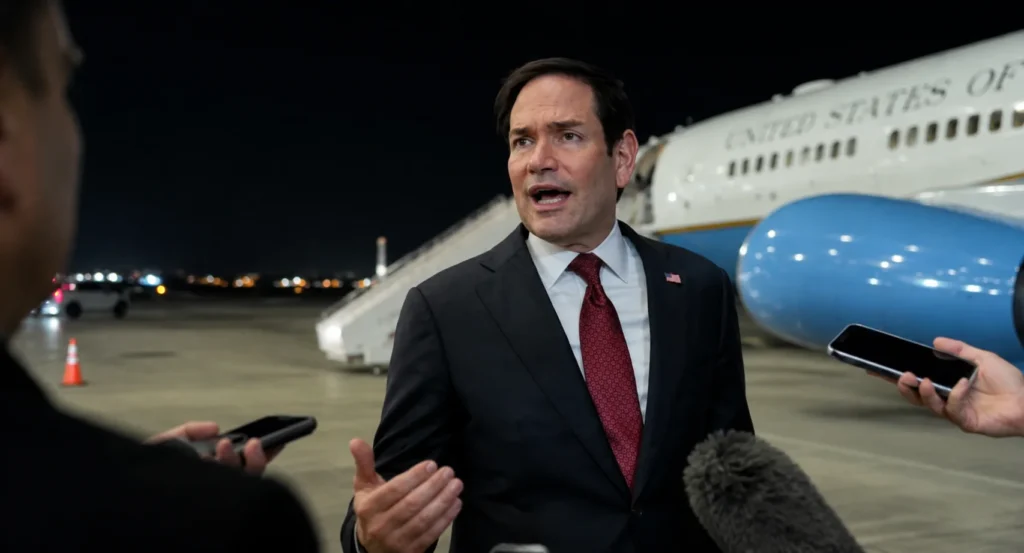
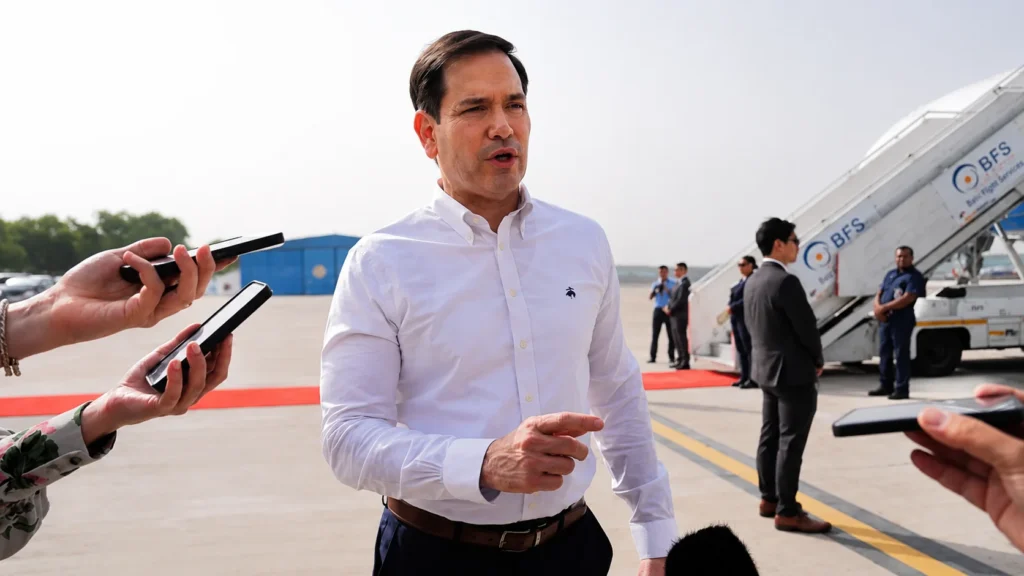
Vance told reporters before boarding his flight: “Things are actually getting better there, and things are slowing down a little bit.”
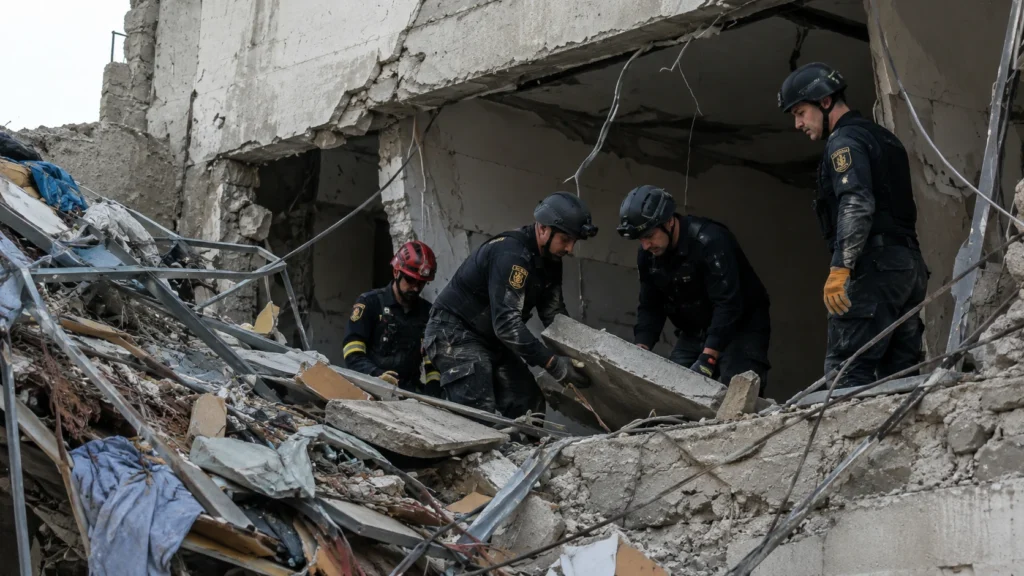
The health ministry figures tell a different story. According to Lebanese health ministry official casualty report from Saturday, 47 people died in the latest strikes, including women and children. Another 97 wounded.
Why the Strait of Hormuz Is the Real Leverage
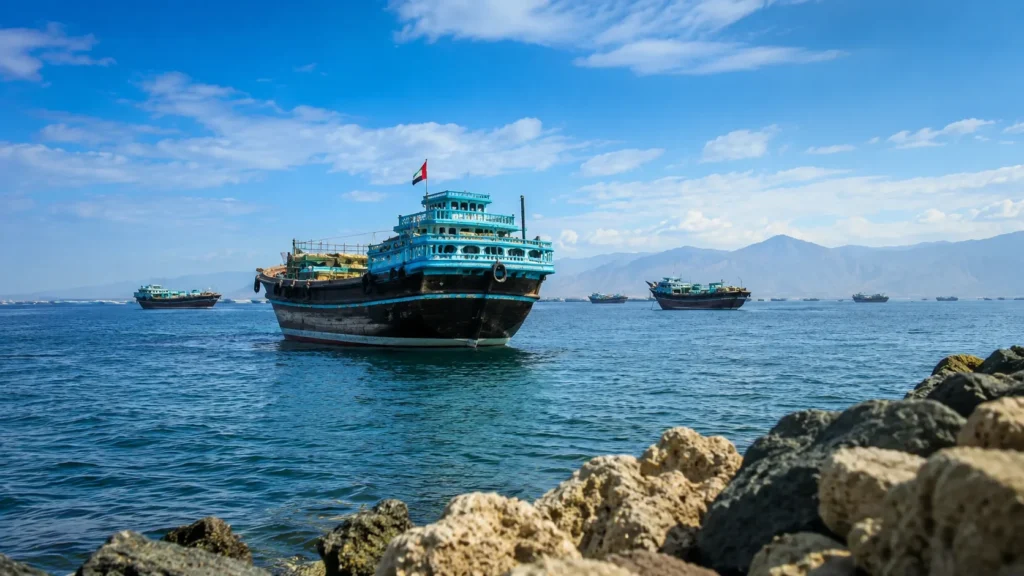
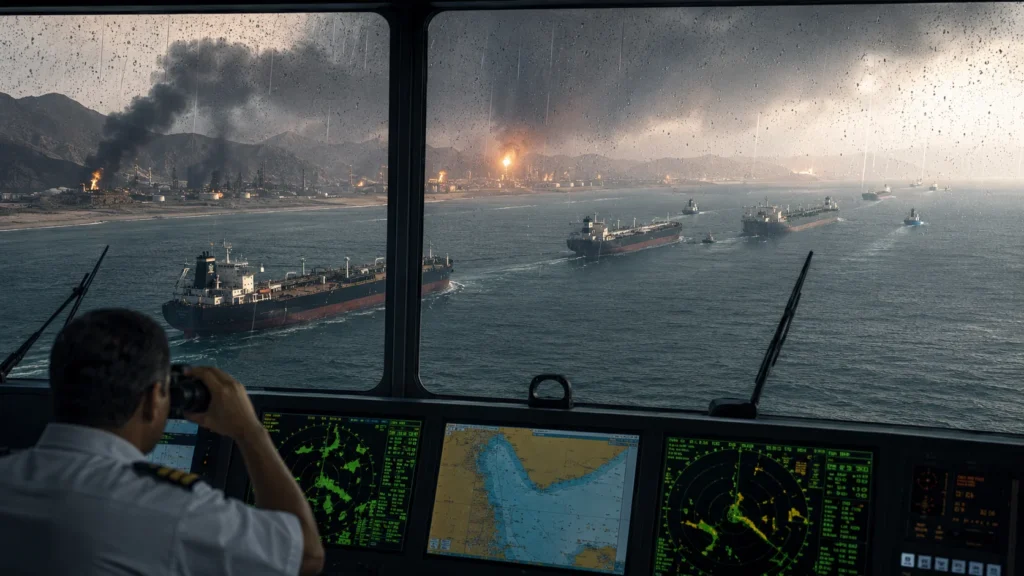
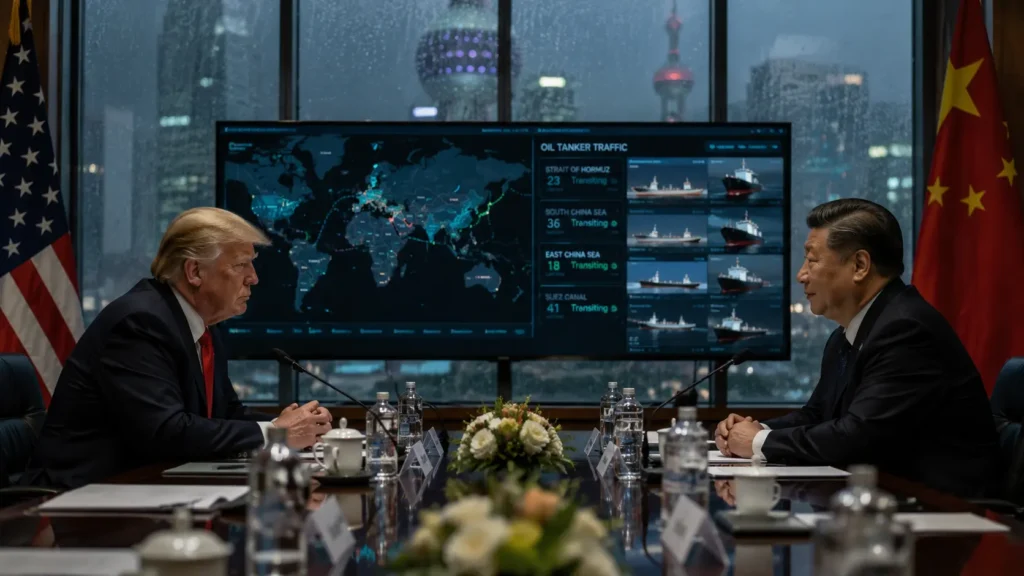
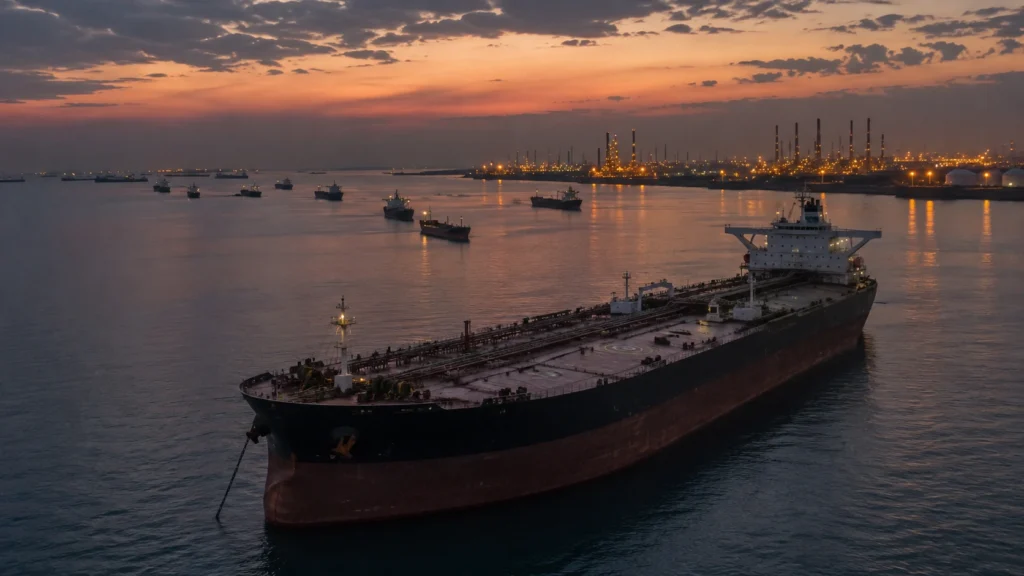
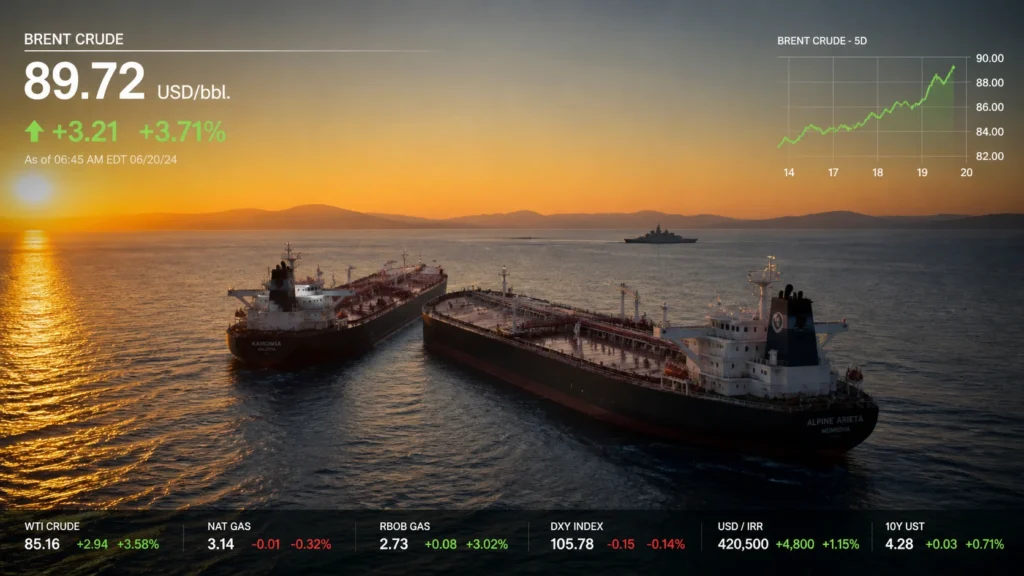
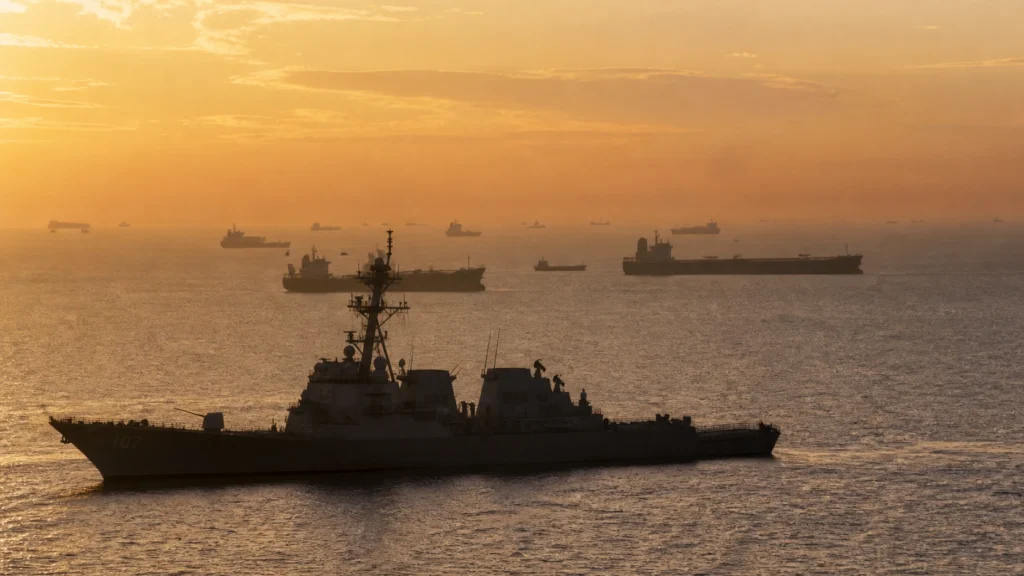
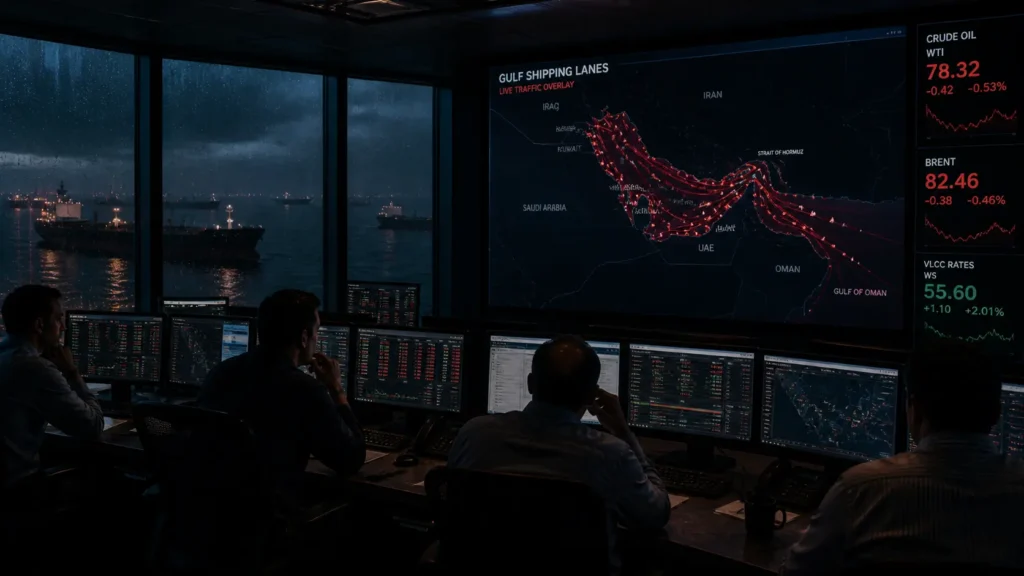
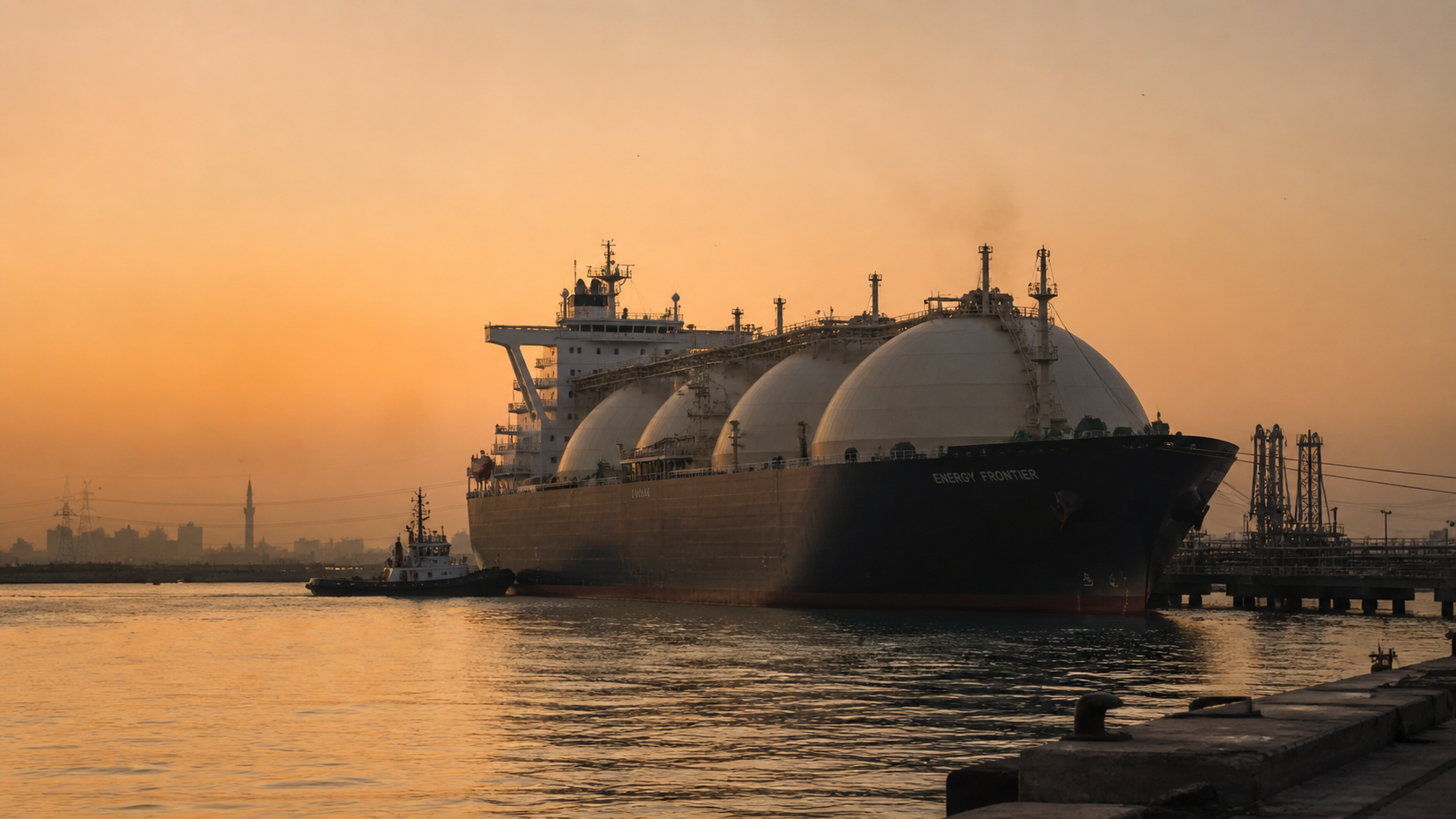
The waterway carries roughly 20 million barrels of oil and oil products daily—nearly $600 billion in annual energy trade, per US Energy Information Administration estimates for 2025. Iran demonstrated in February, after US-Israeli strikes killed the supreme leader, that it can effectively disrupt those flows.
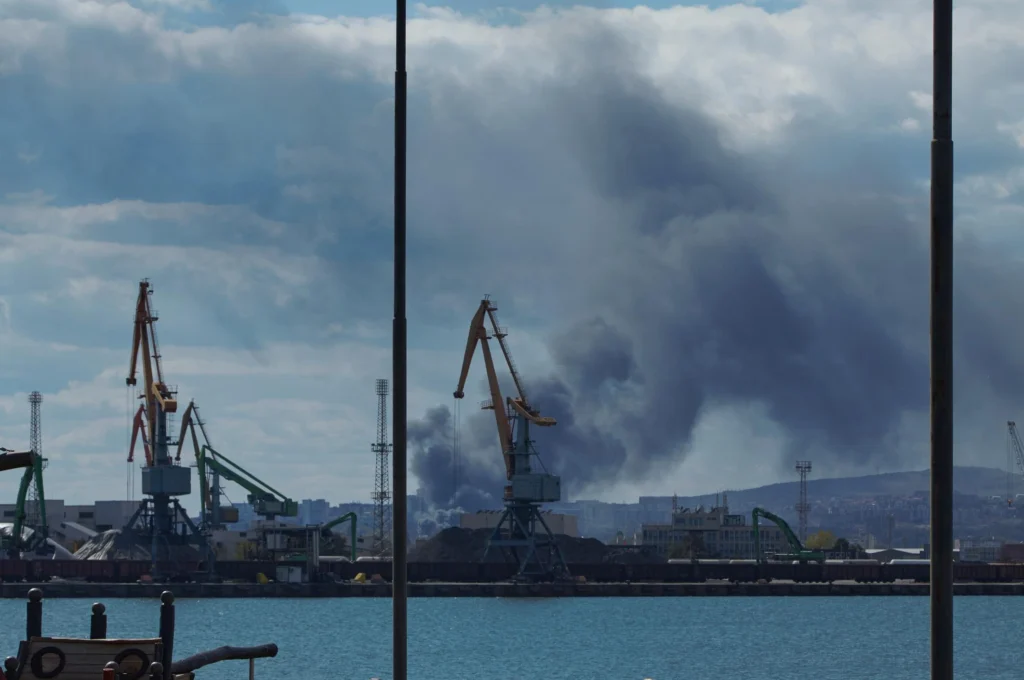
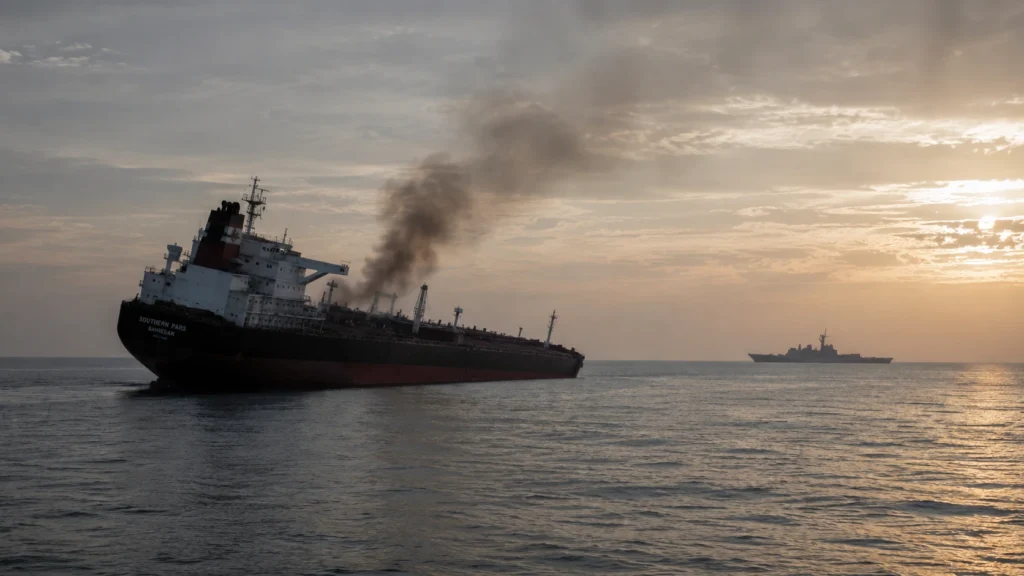
This time, the closure is partial and contested. BBC Verify tracking data showed at least five tankers transited on Saturday. Several others made U-turns. The pattern is the weapon: enough disruption to spike insurance rates and rattle markets, not enough to trigger military confrontation.
That’s a calibrated signal. Tehran enters negotiations having shown it can impose costs without full escalation. The US enters, having to deny the disruption while markets react to it anyway.
Pakistan’s role as mediator—Shehbaz Sharif and Field Marshal Asim Munir both attending—adds another layer. Islamabad brokered the previous US-Iran dialogue. Its foreign ministry said it would “support the implementation of the understandings.” Do not negotiate. Implement. The shift from facilitator to guarantor-adjacent raises the stakes for Pakistan if the deal collapses, as our earlier coverage of Pakistan’s mediation strategy explored.
Timeline: How the Weekend Unfolded
Saturday afternoon: Israeli air strikes kill 47 across southern Lebanon. IDF confirms 80 targets struck, “dozens” of Hezbollah members killed.
Saturday evening: Iran’s IRGC announces Strait of Hormuz closure, citing Lebanon strikes as breach of US-Iran memorandum.
Saturday night: Centcom disputes the claim. Fifty-five merchant ships transit. Tracking data shows some vessels making U-turns.
Late Saturday: Iranian delegation, including Ghalibaf and Araghchi, arrives in Switzerland. Pakistan’s Sharif and Munir follow.
Sunday morning: JD Vance lands. Talks are expected to begin later in the day.
Sunday morning: Vance tells the press, “Things are getting better” in Lebanon. Iran’s foreign ministry spokesman Esmail Baghaei says Tehran will demand “the other side fulfil its commitments.”
What to Watch as Talks Begin
The 60-day framework for a final deal faces immediate pressure.
The nuclear issue: Vance mentioned progress on “the nuclear issue” as a goal. Iran’s program advanced during the conflict. Verification mechanisms—dismantled during the war—need rebuilding from scratch. The International Atomic Energy Agency has had limited access, as IAEA director general’s most recent safeguards report indicated. Trust doesn’t exist.
The Lebanon file: If Israeli strikes continue—and Hezbollah ambushes persist—Iran’s incentive to honor the broader agreement weakens. Every civilian death becomes an argument in Tehran for why the deal was a trap.
The enforcement gap: The memorandum has no referee. The Strait dispute previews how the next 60 days will function: competing claims, no adjudication, each side using the violations it perceives to justify the violations it commits.
The Pakistan factor: Islamabad’s credibility as broker faces its hardest test. If the deal holds, Pakistan gains diplomatic stature. If it collapses, the mediation channel loses value for both sides.
FAQ
Is the Strait of Hormuz actually closed?
Partially. Centcom says 55 ships transited on Saturday. BBC Verify tracking data showed at least five tankers passing through. But several vessels made U-turns, suggesting shipping companies are reassessing risk. Iran’s claim creates uncertainty that raises insurance costs and disrupts energy markets even without a physical blockade.
Why did Iran close the Strait now?
Iran’s IRGC cited Israeli strikes on Lebanon that killed 47 people Saturday, calling them a violation of the US-Iran agreement’s first clause requiring termination of military operations. The closure is framed as retaliation and leverage ahead of the Switzerland talks.
What does the US-Iran agreement actually require?
The 14-point memorandum signed earlier this week calls for the immediate cessation of hostilities on all fronts, including Lebanon, and commits both sides to negotiate a final deal within 60 days. It lacks an enforcement mechanism, leaving each side to interpret violations.
What is Pakistan’s role in the talks?
Pakistan hosted the previous US-Iran negotiations and acts as a mediator. Prime Minister Shehbaz Sharif and army chief Field Marshal Asim Munir are attending the Switzerland talks. Pakistan’s foreign ministry said it will “support the implementation” of US-Iran understandings.
Can the Lebanon ceasefire hold?
Uncertain. Israel confirmed the ceasefire but continues operations against “immediate threats.” Hezbollah hasn’t formally accepted the truce and conducted an ambush killing four Israeli soldiers Saturday. The ceasefire exists on paper. Ground reality differs.