

 English
















































































































































































Trump Calls Off New Iran Attack at Request of Gulf States
Published: 19 May 2026 | Source: Truth Social, New York Times/Siena Poll, Tasnim News Agency, Fars News Agency
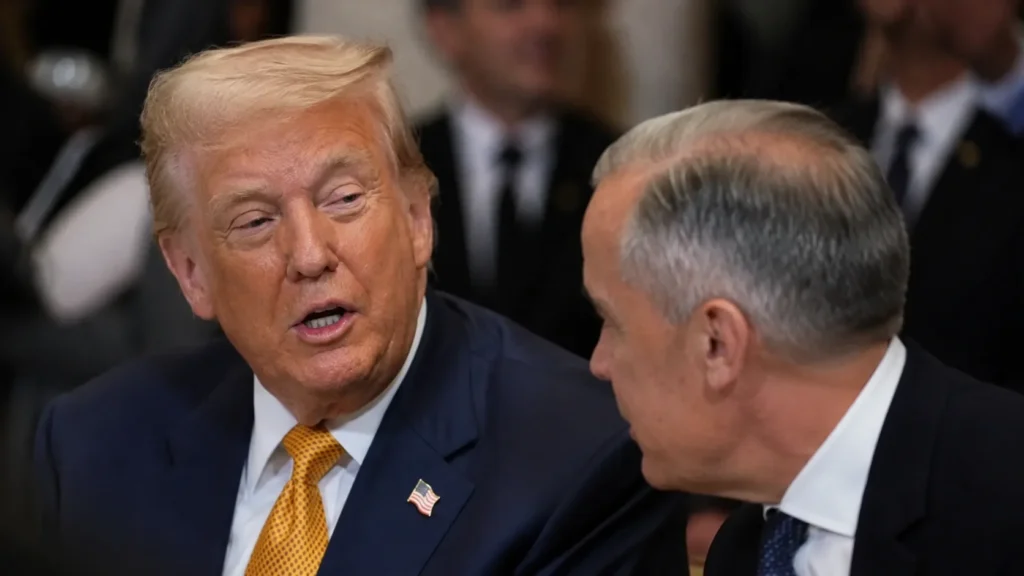
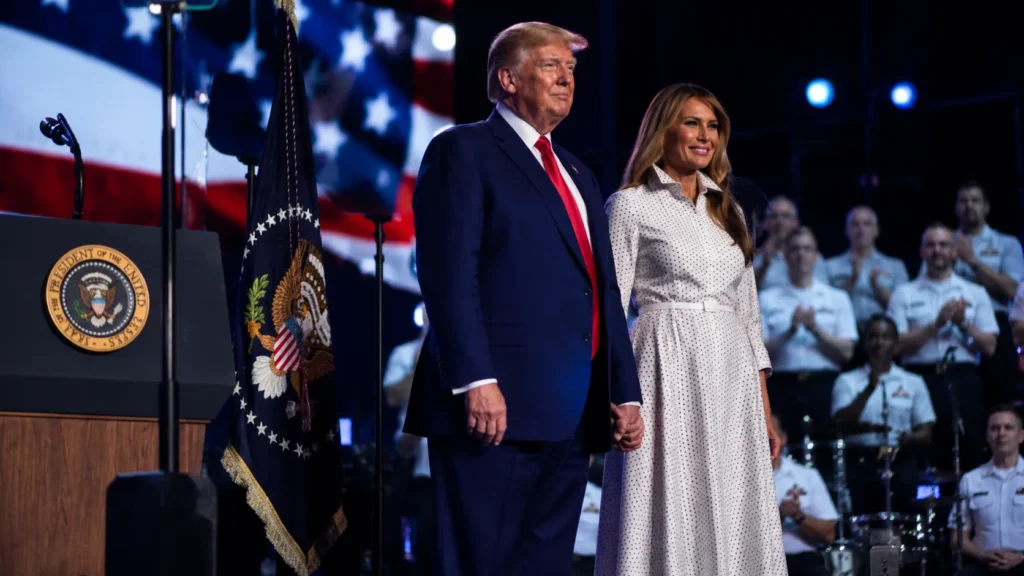
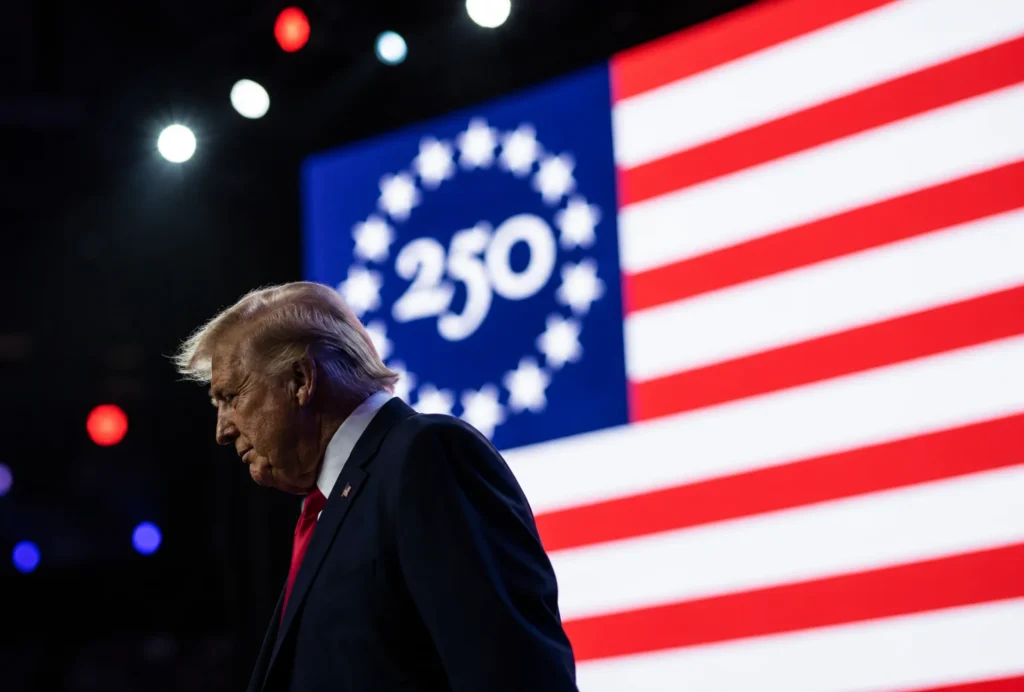
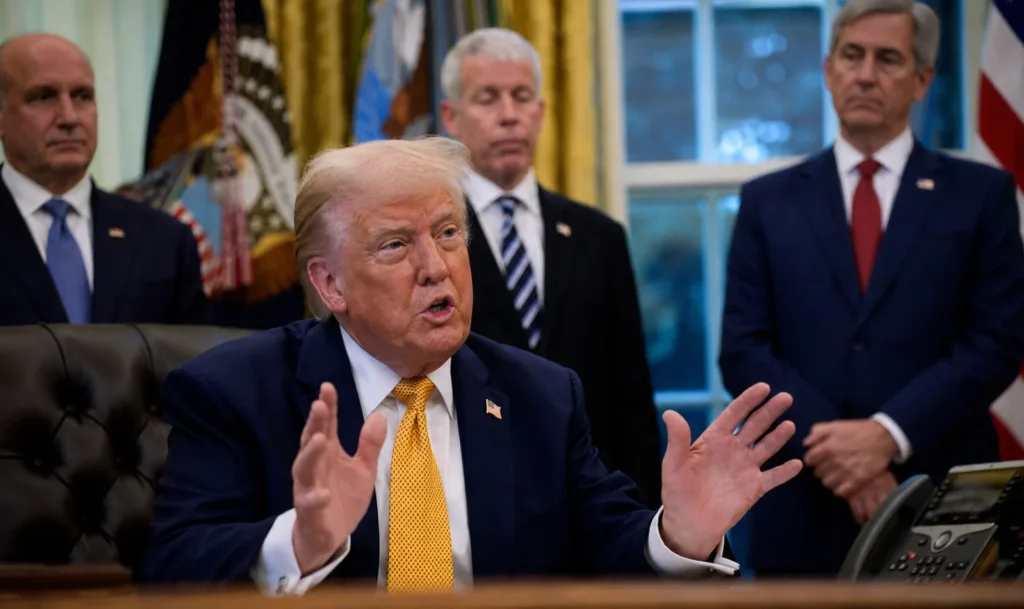
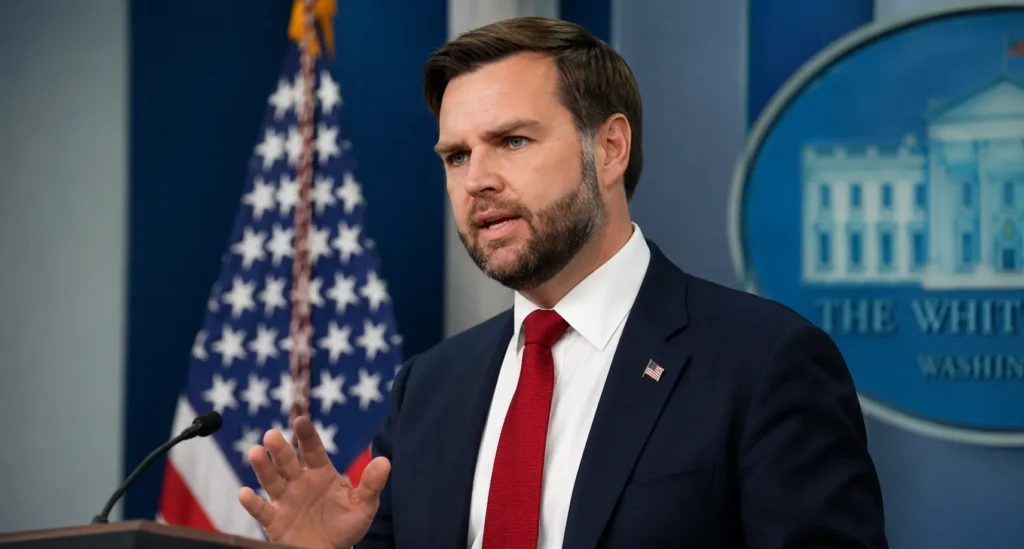
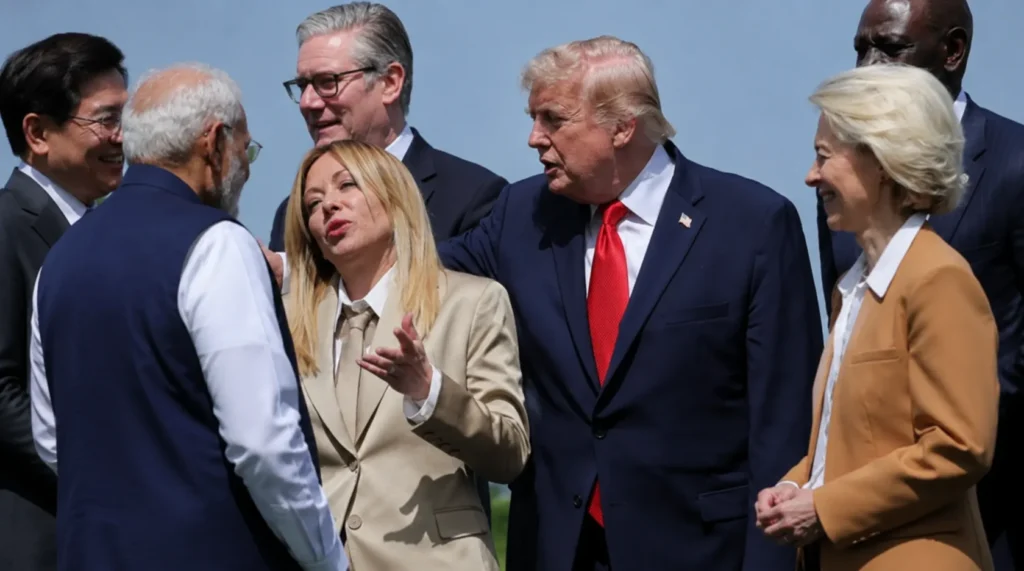
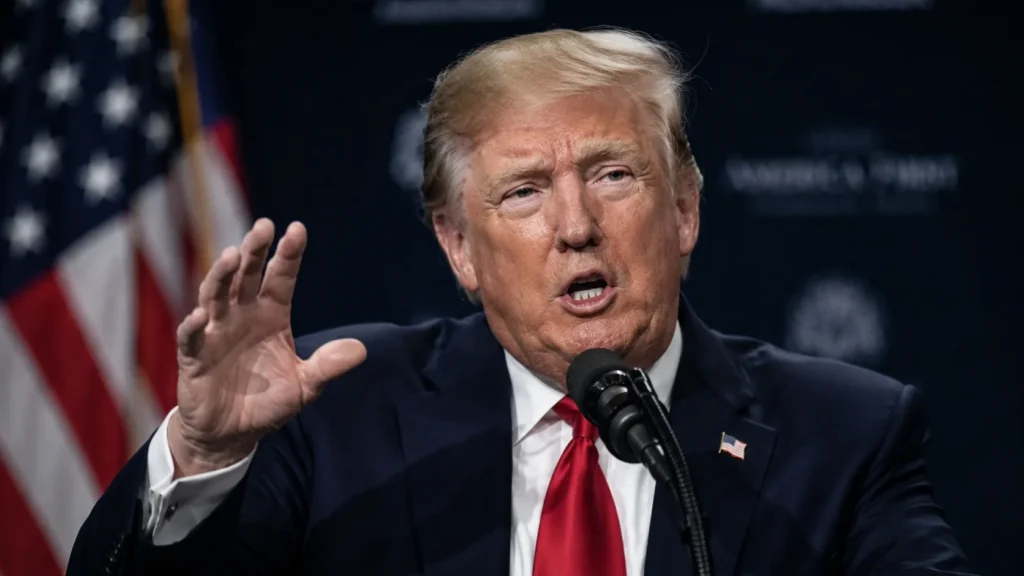
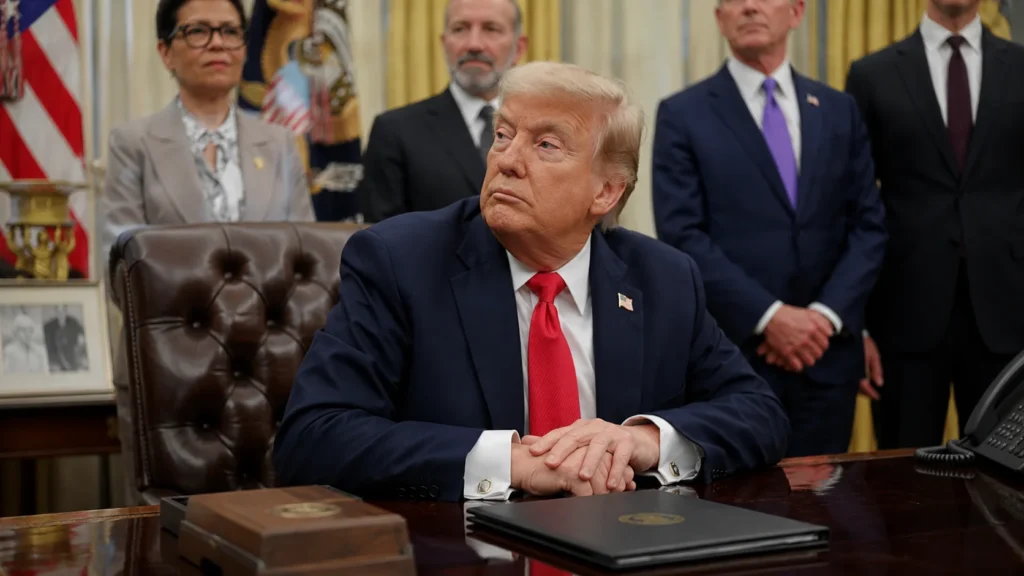
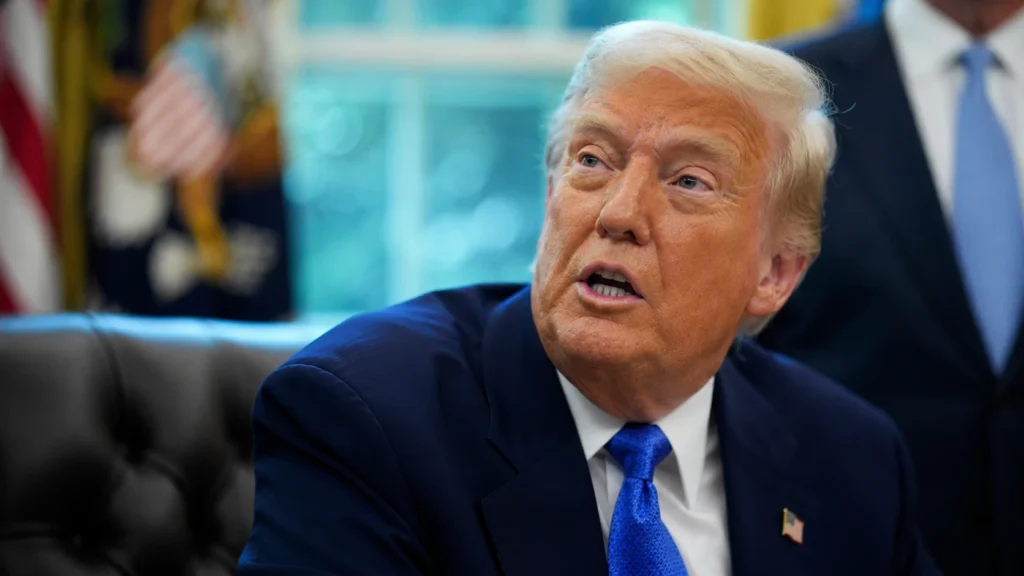
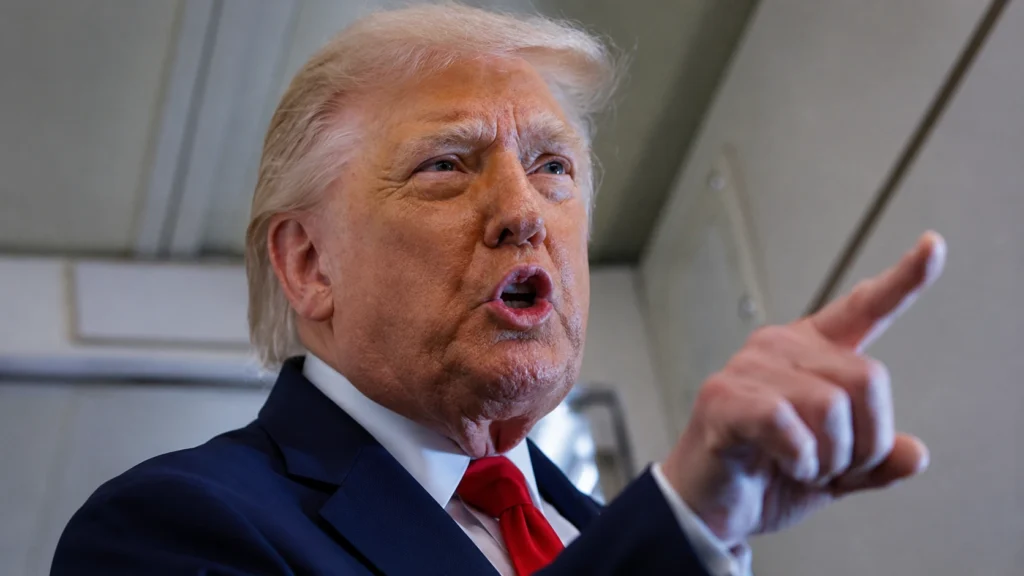
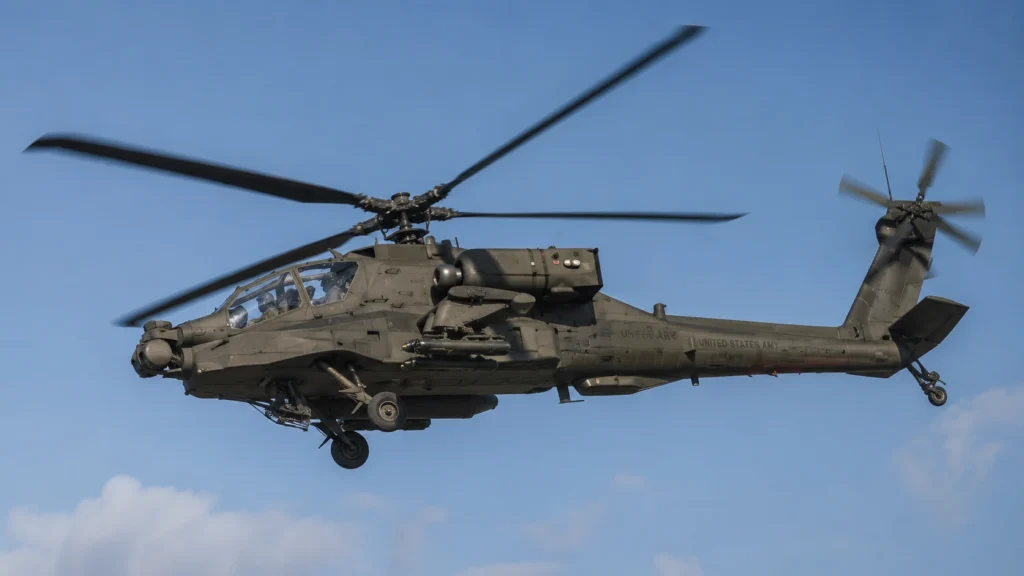
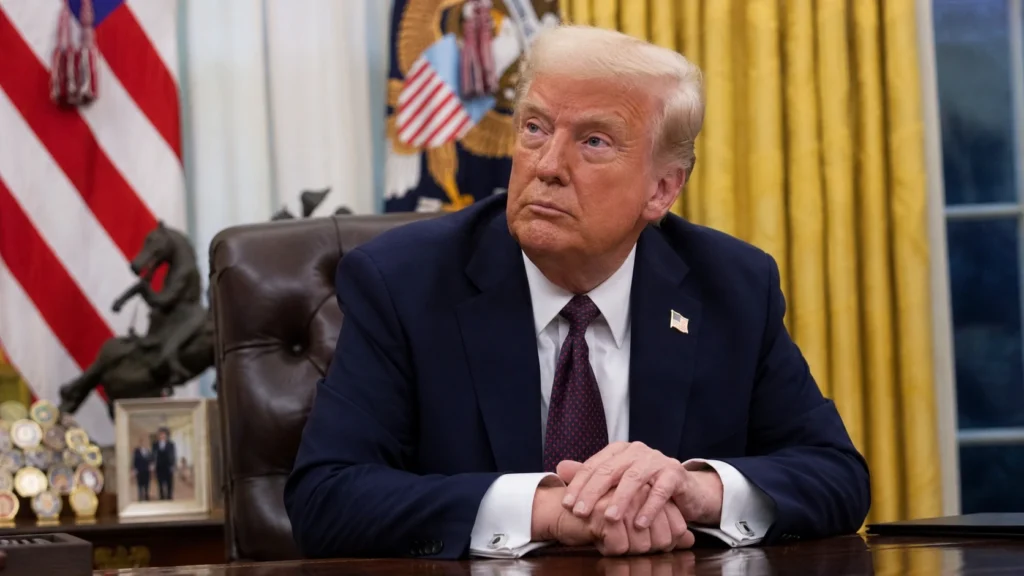
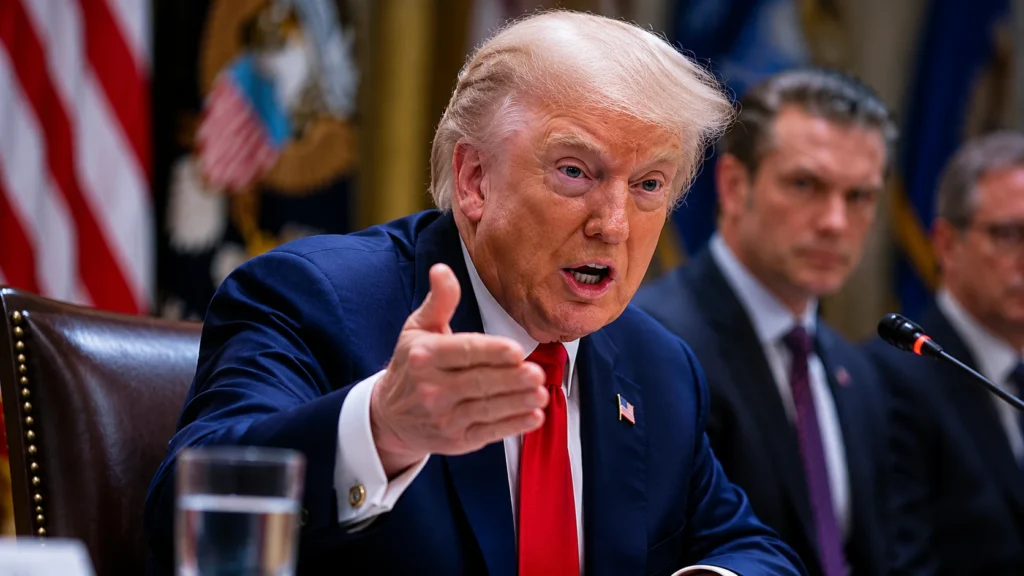
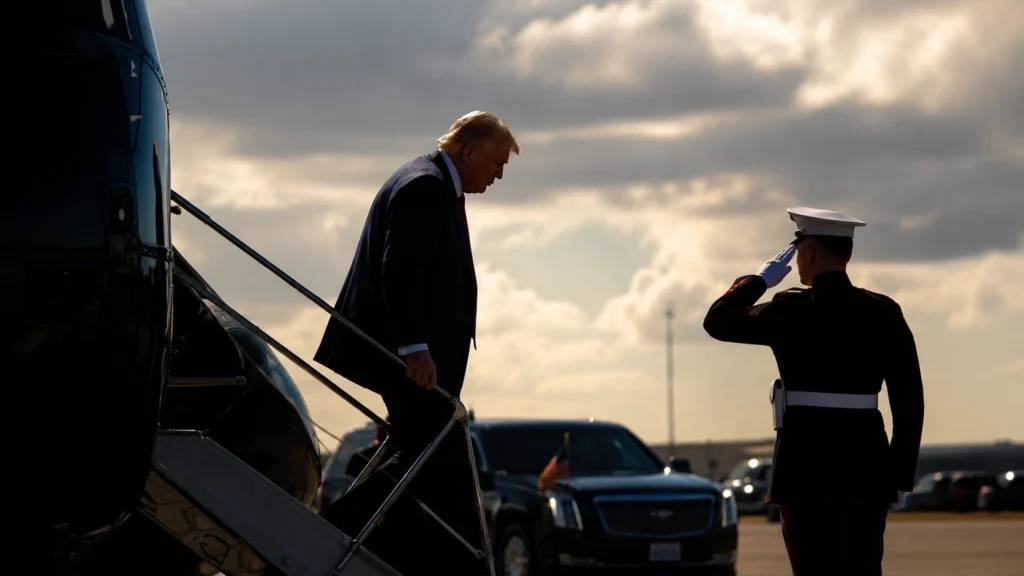
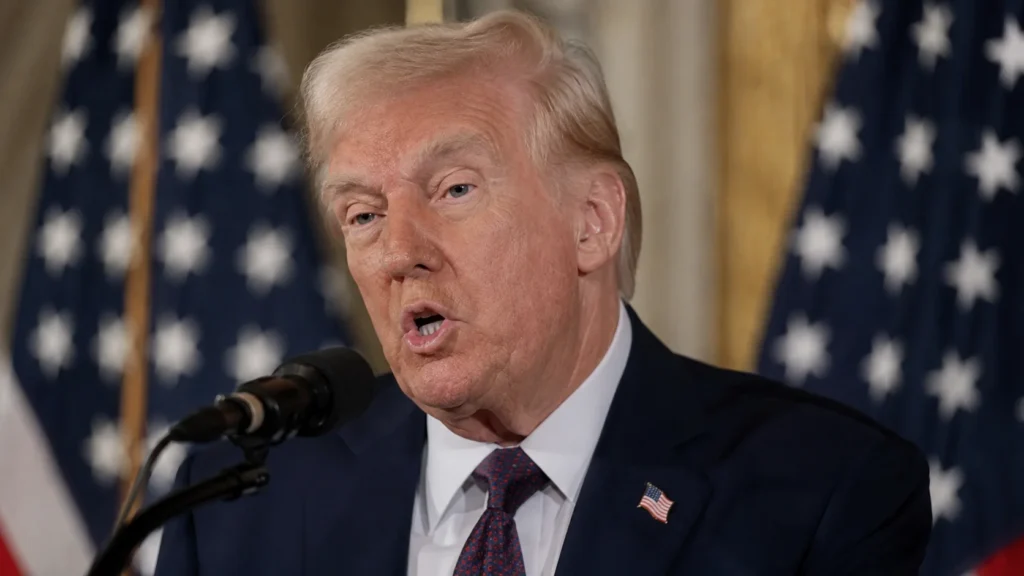
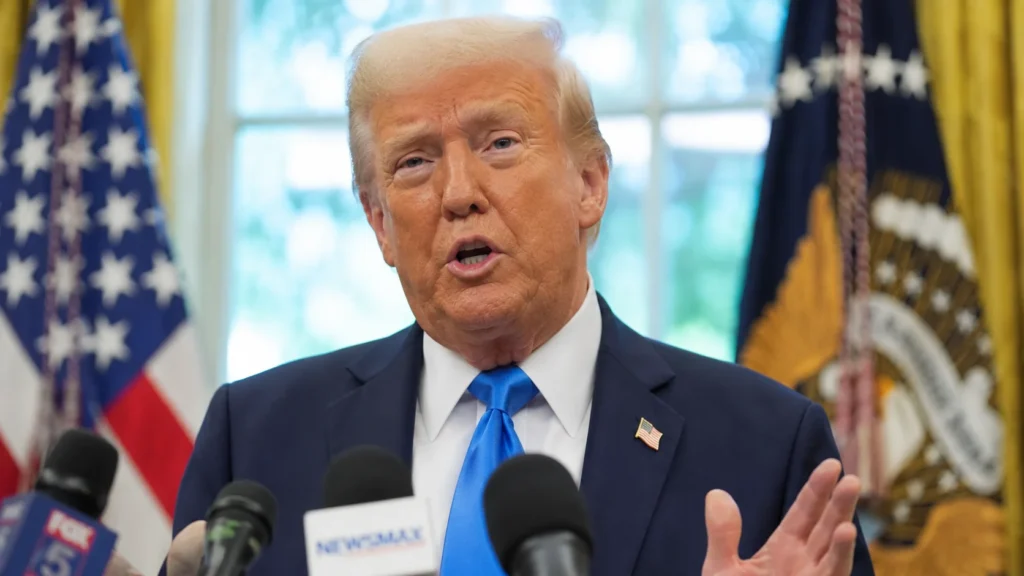
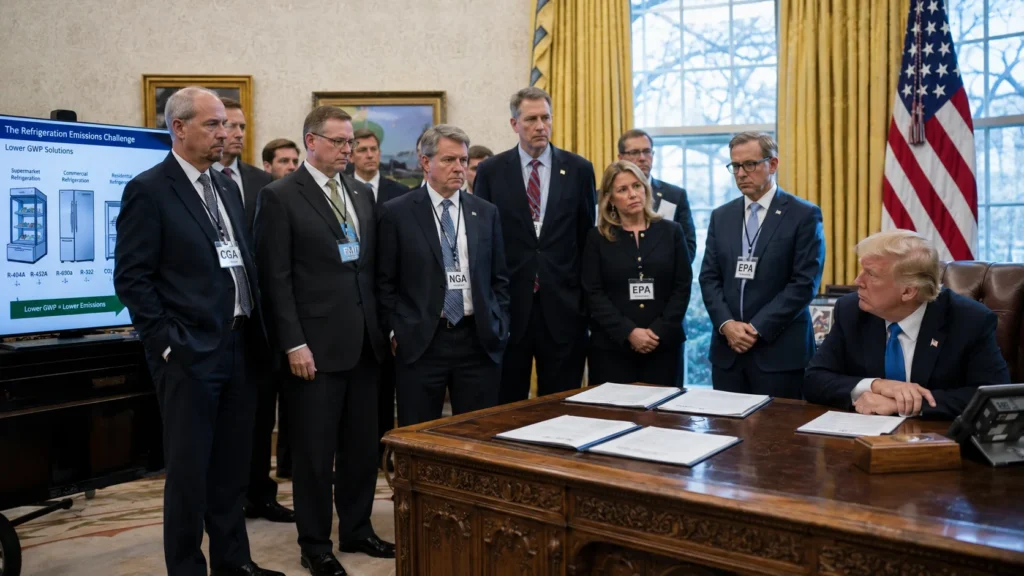
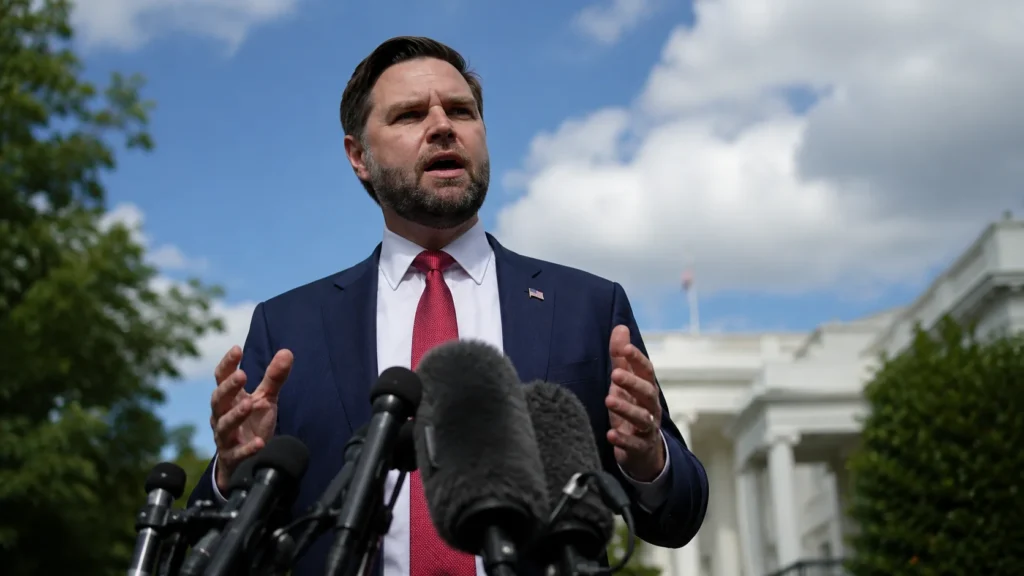
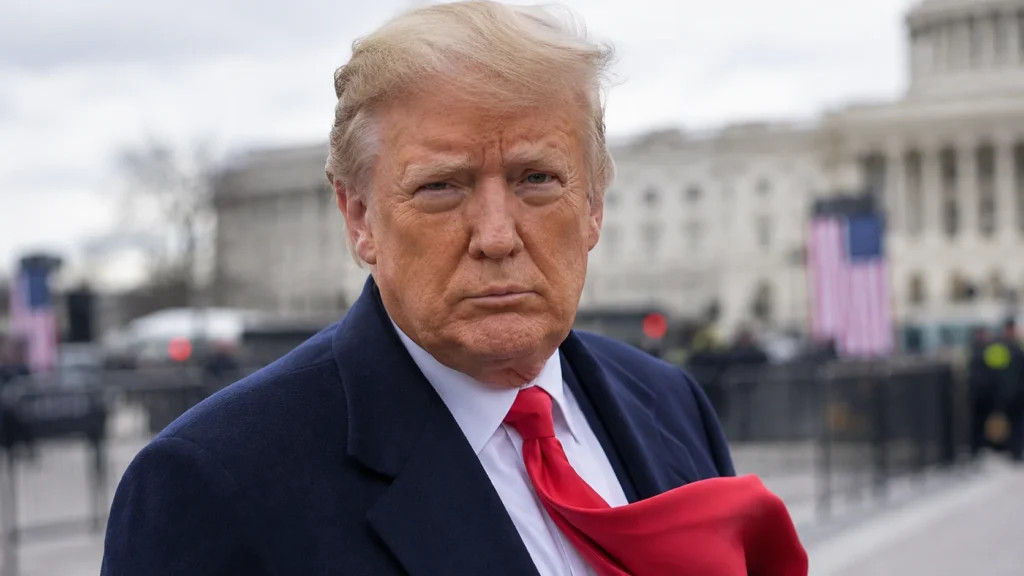
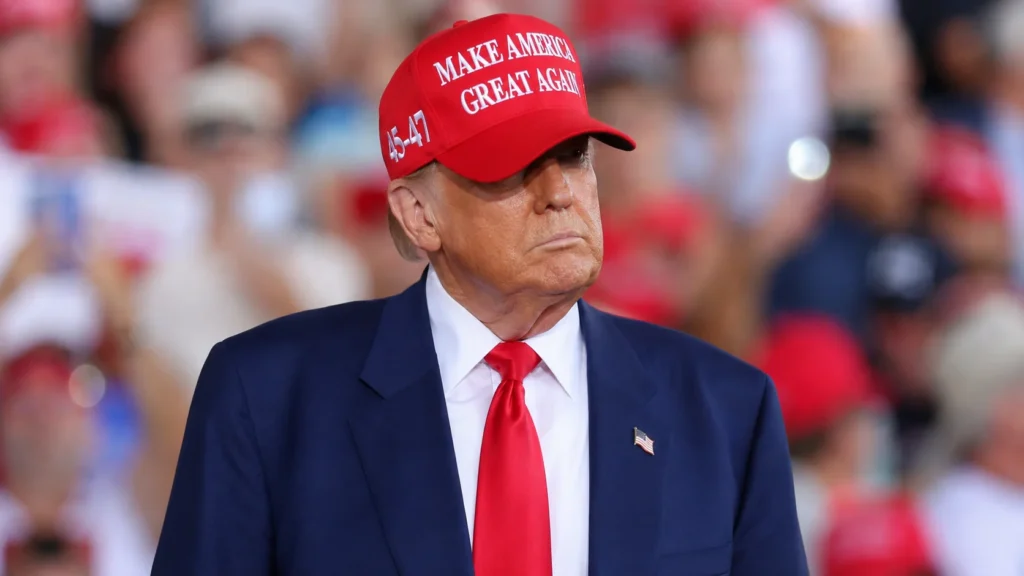
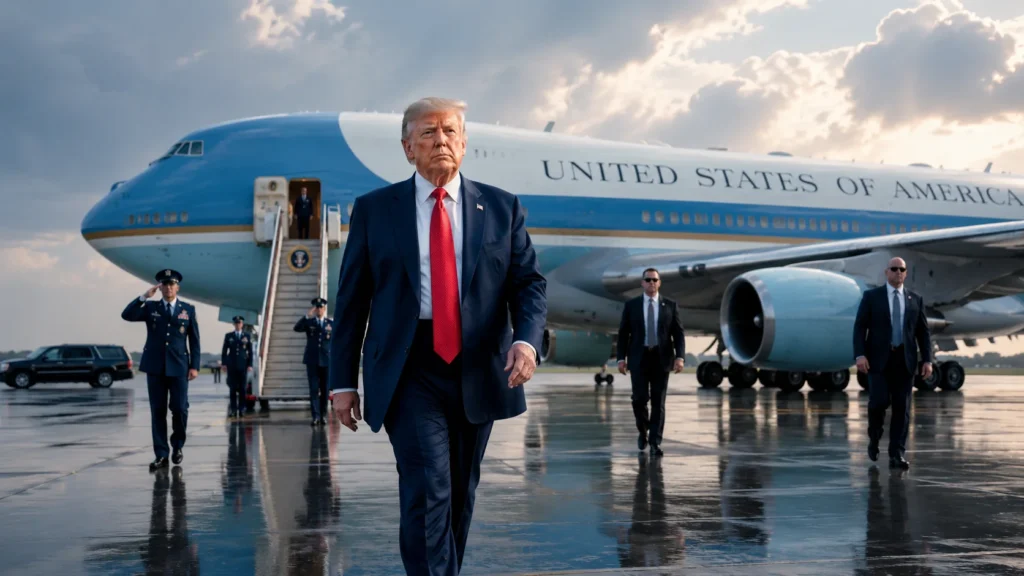
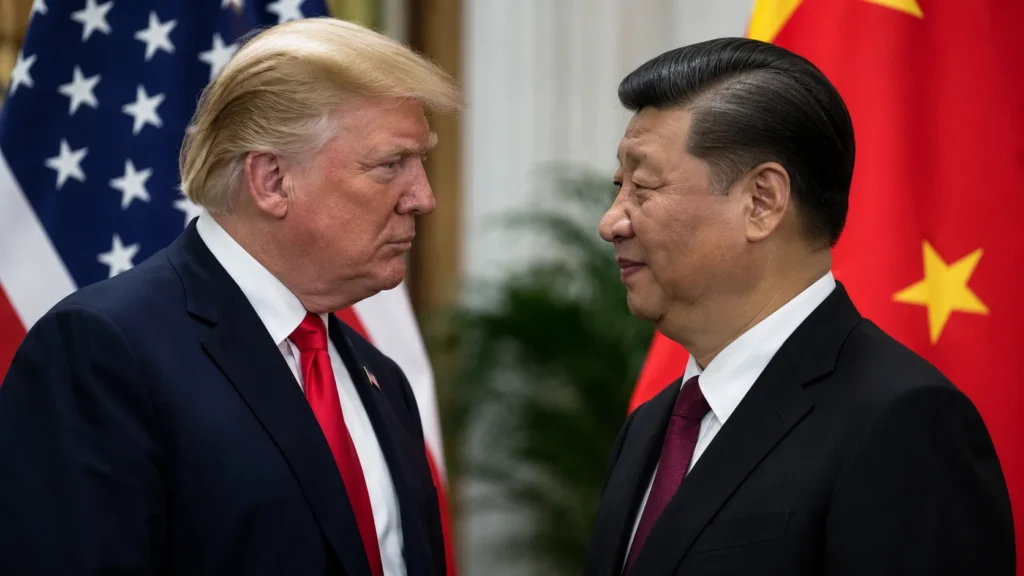
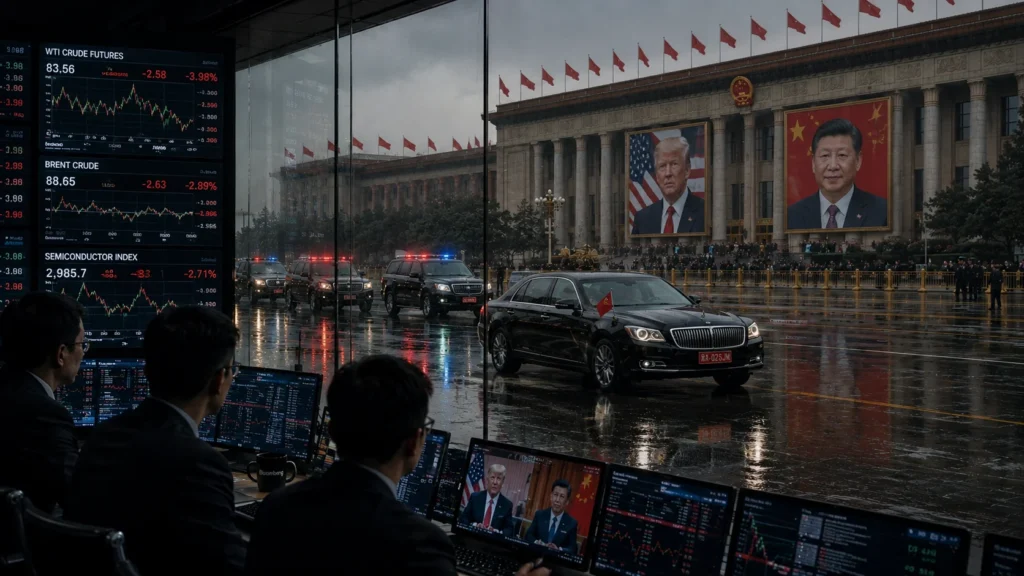
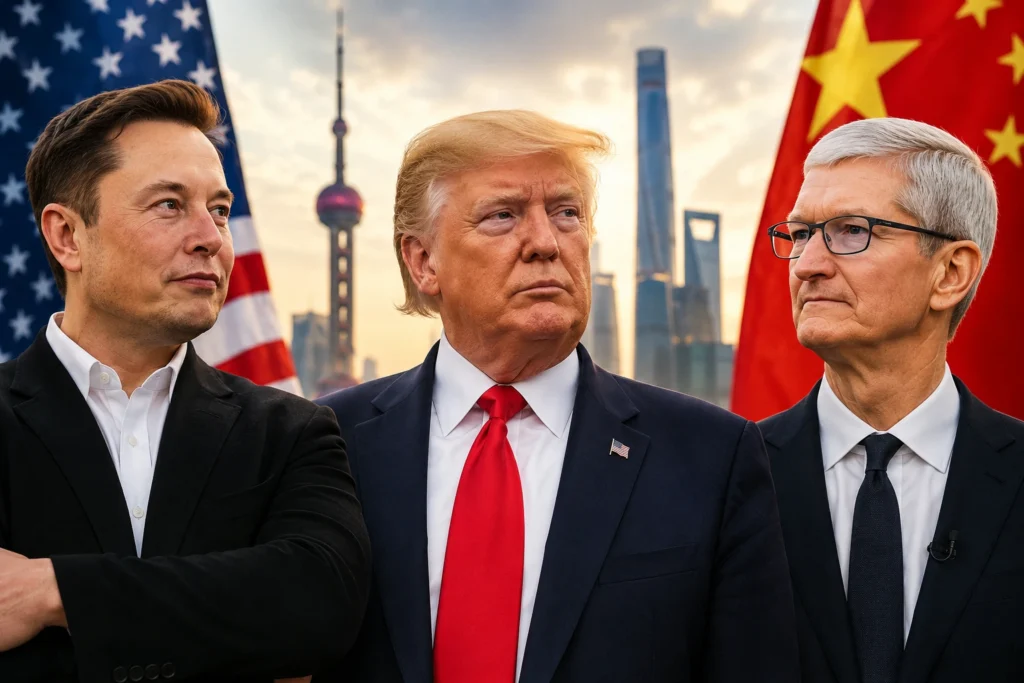
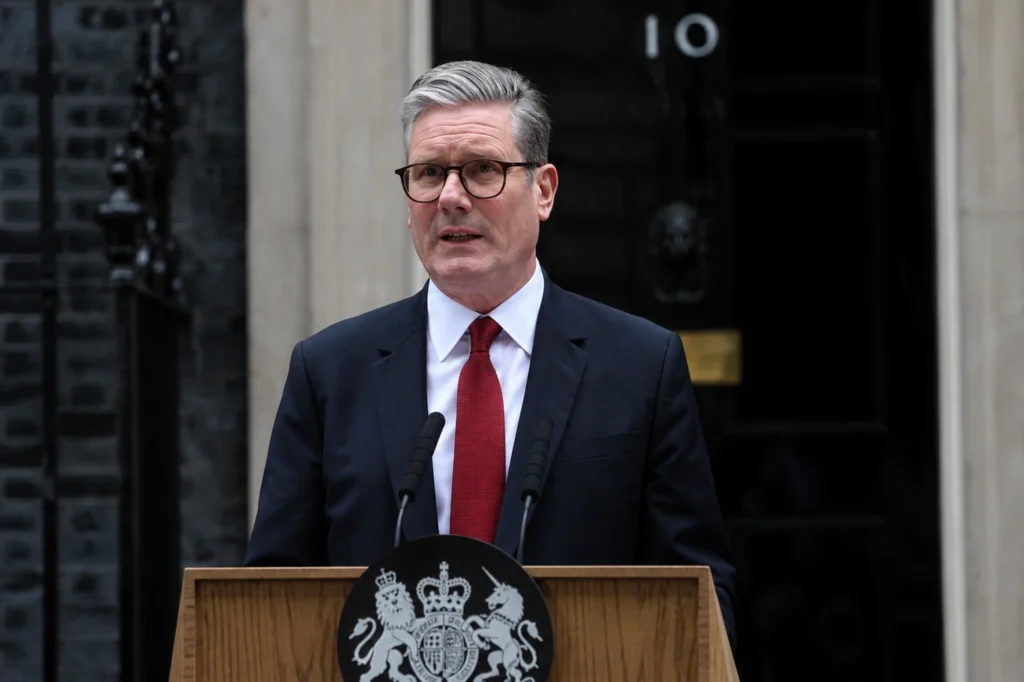
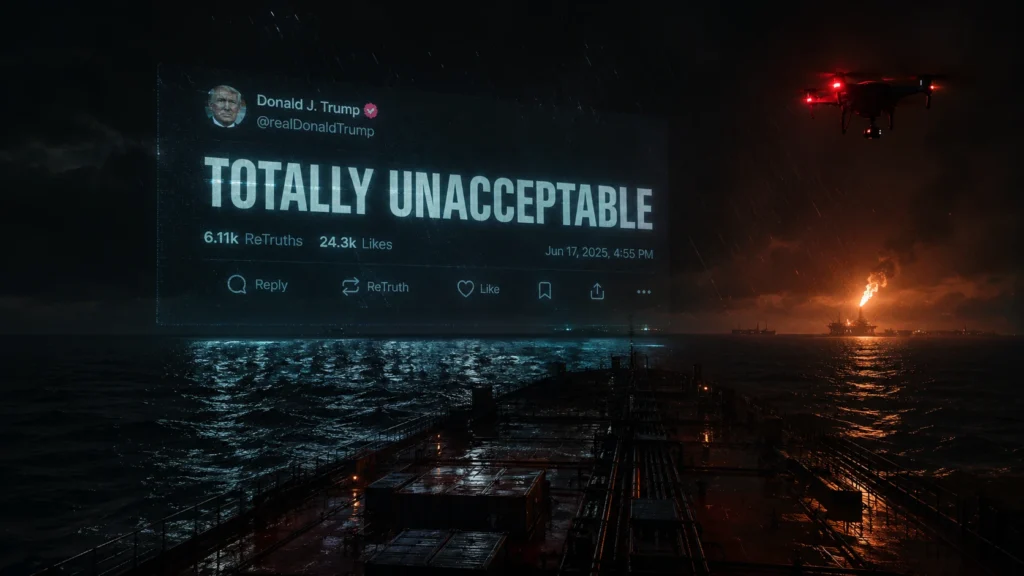
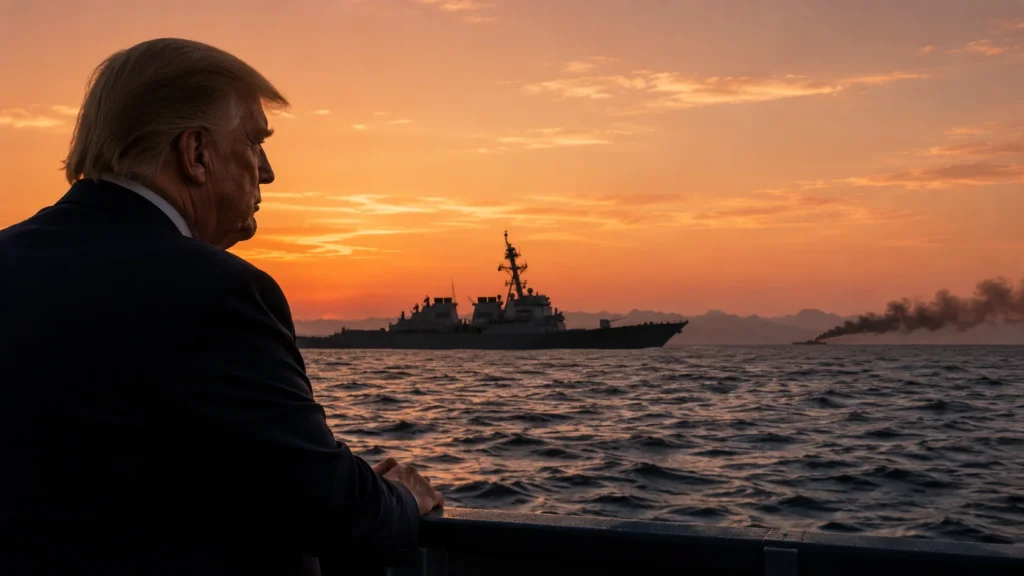
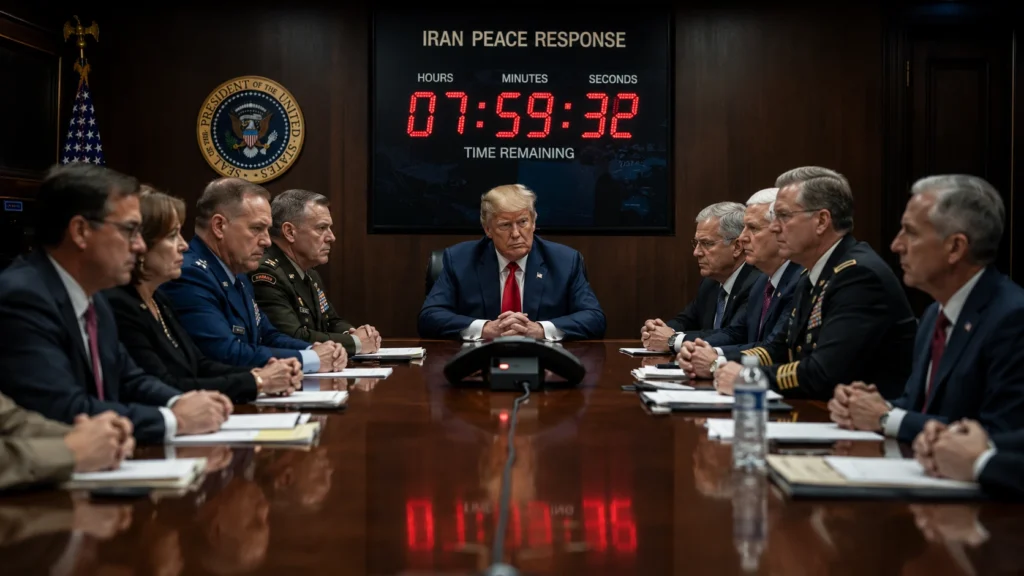
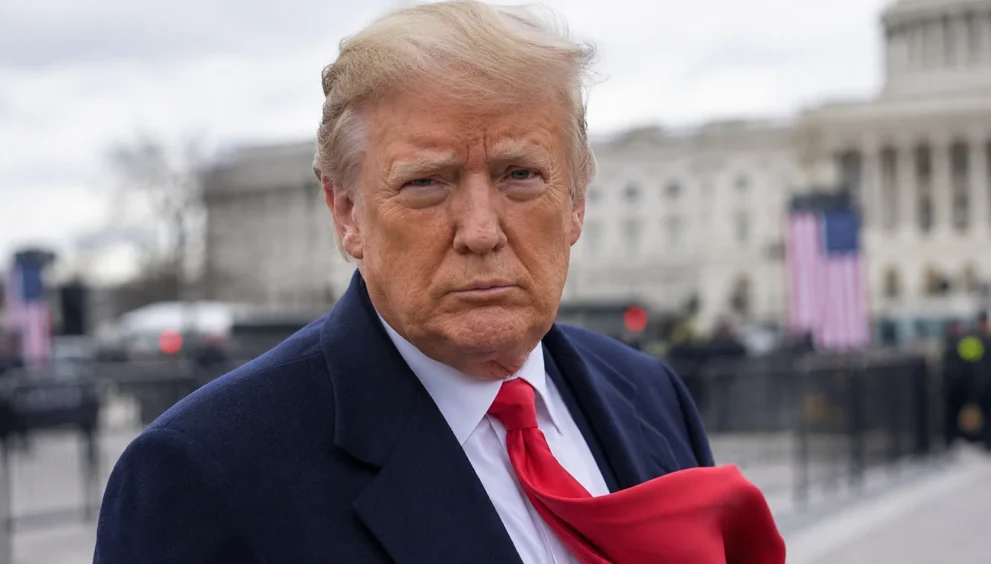
WASHINGTON — President Donald Trump announced late Monday that he had called off a military attack on Iran planned for Tuesday, writing on Truth Social that the leaders of Qatar, Saudi Arabia, and the United Arab Emirates had asked him to hold back because “serious negotiations are now taking place.” The Trump calls off new Iran attack at request of Gulf states announcement came hours after a New York Times/Siena College poll showed 64% of American voters believe the decision to go to war with Iran was the wrong one, with the president’s job approval rating at 37%.
Why the Gulf States Asked Trump to Hold Back
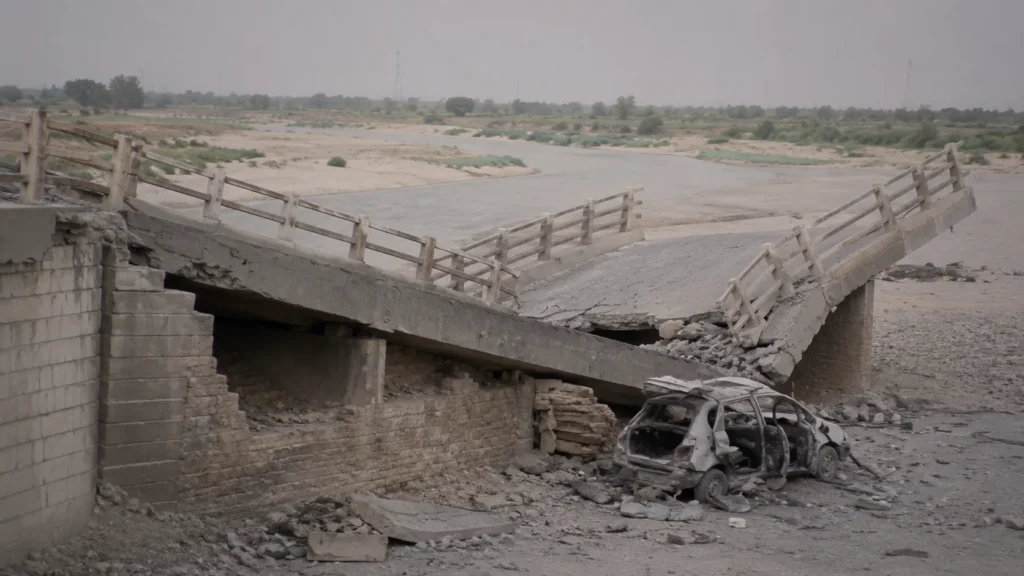
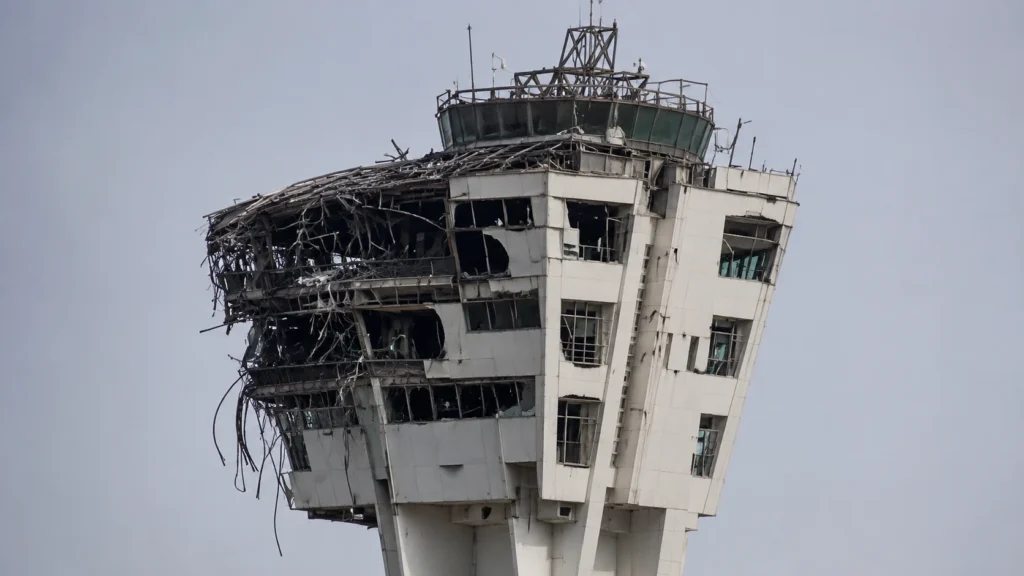
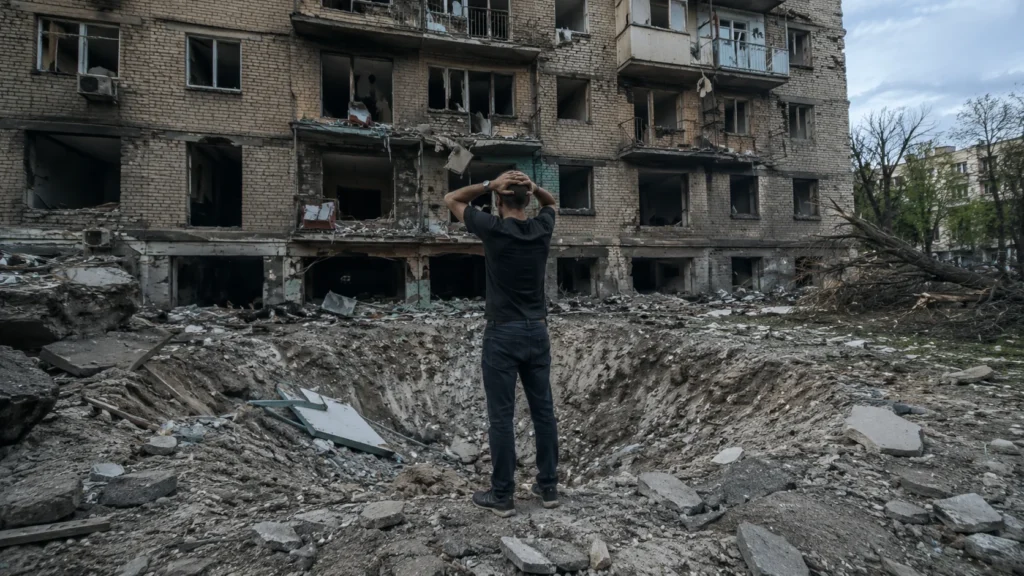
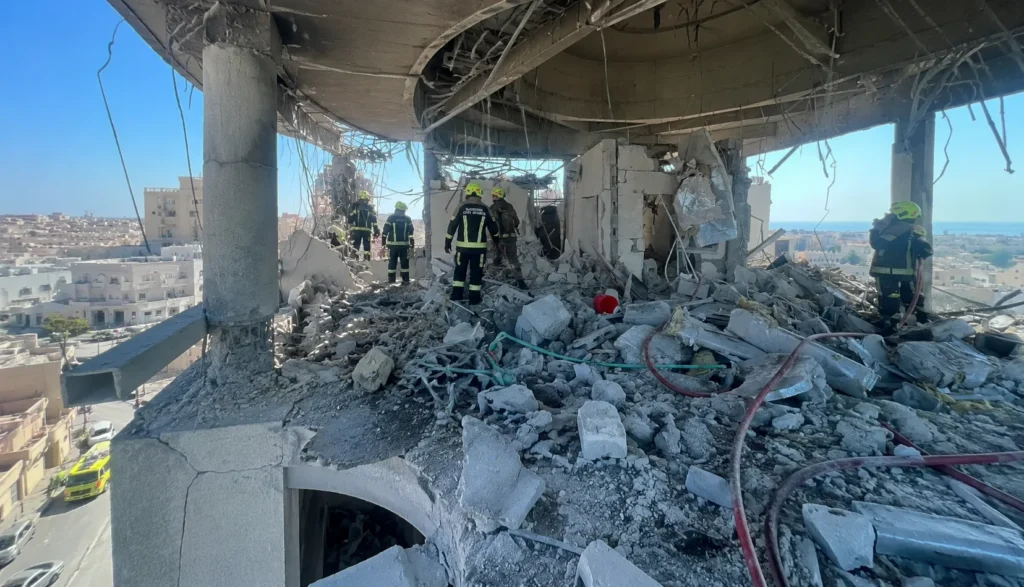
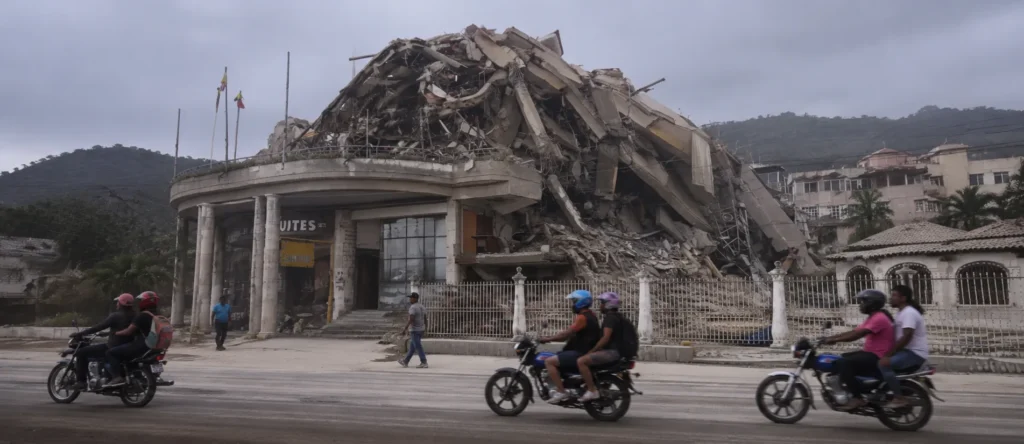
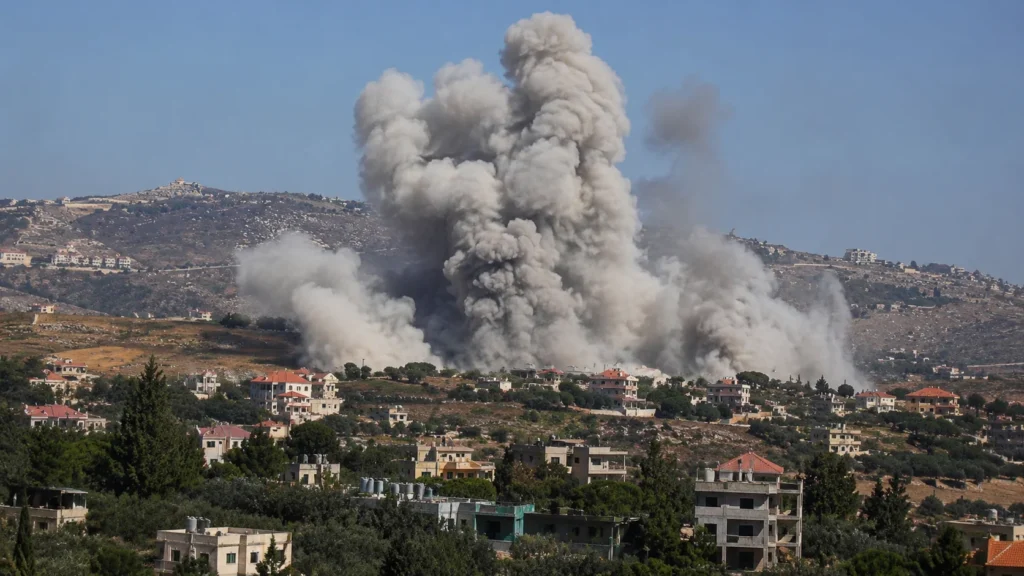
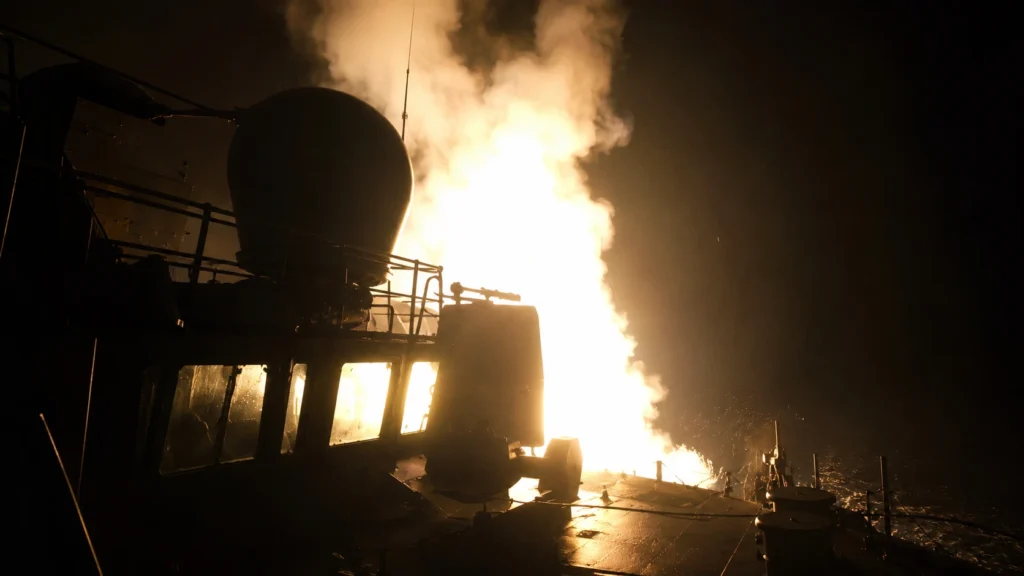
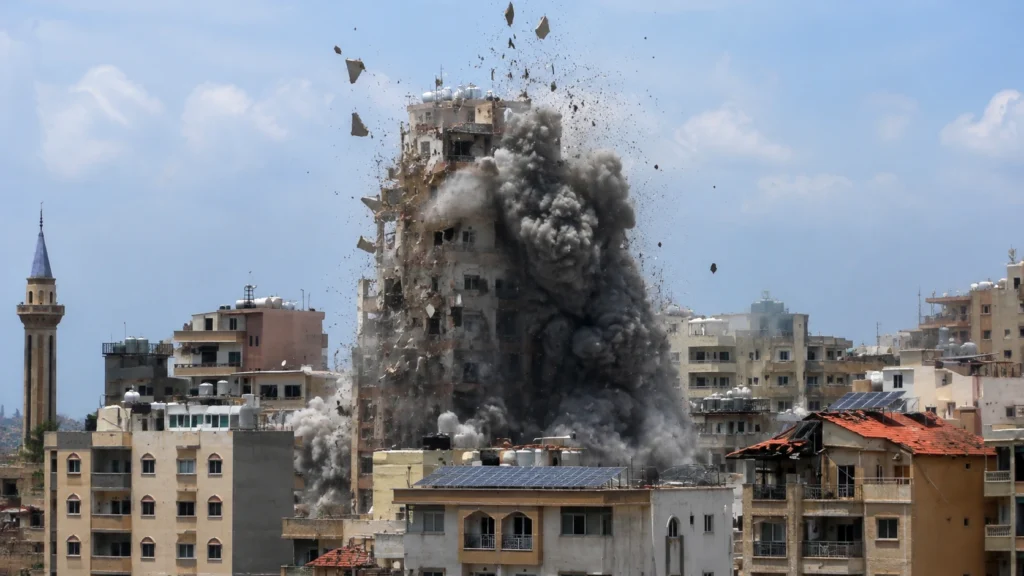
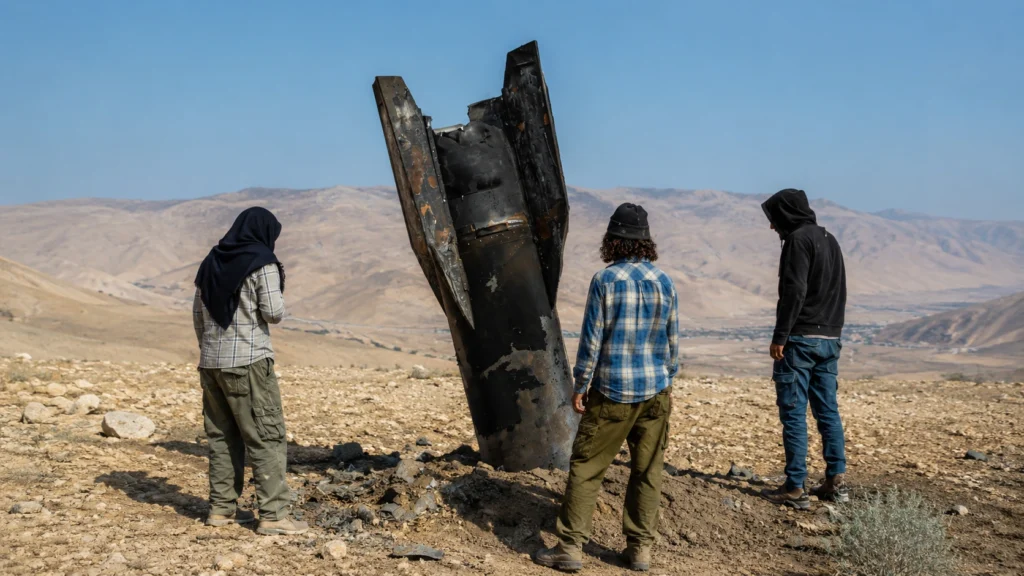
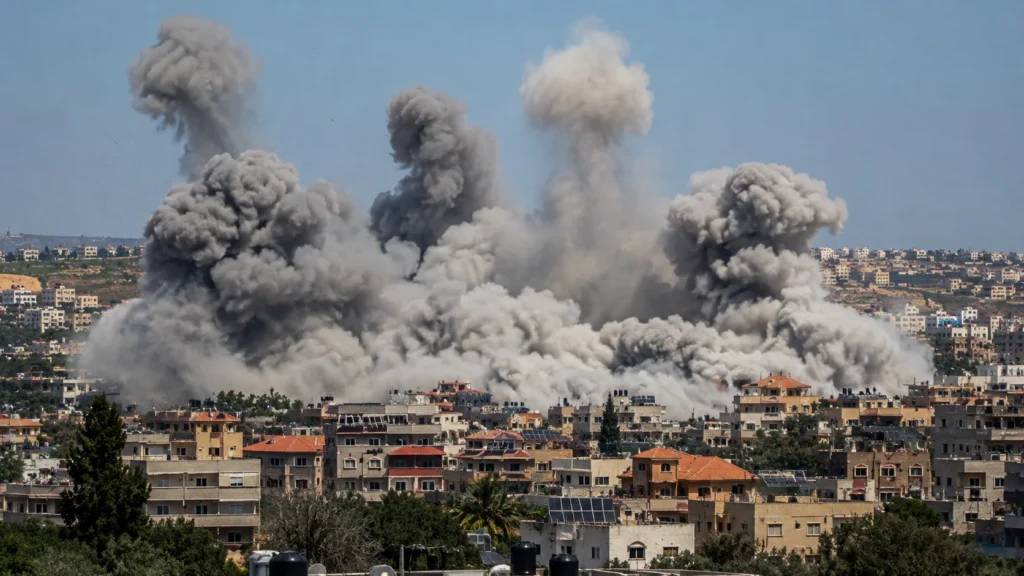
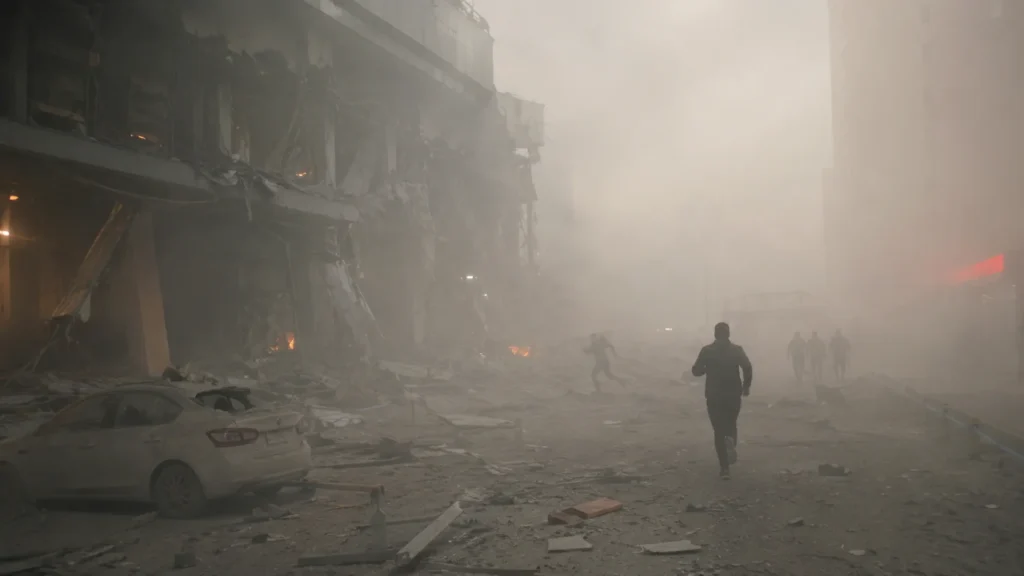
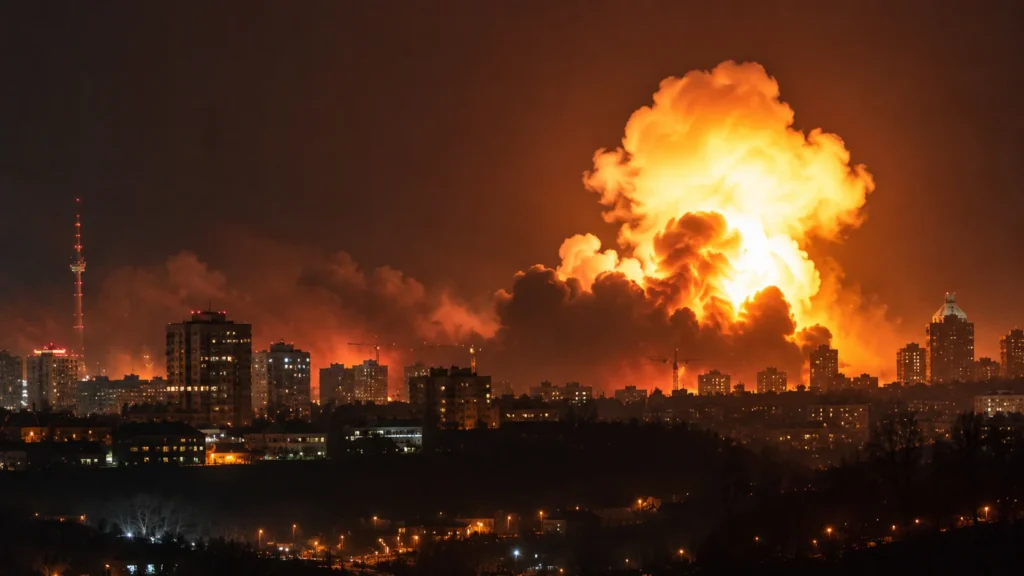
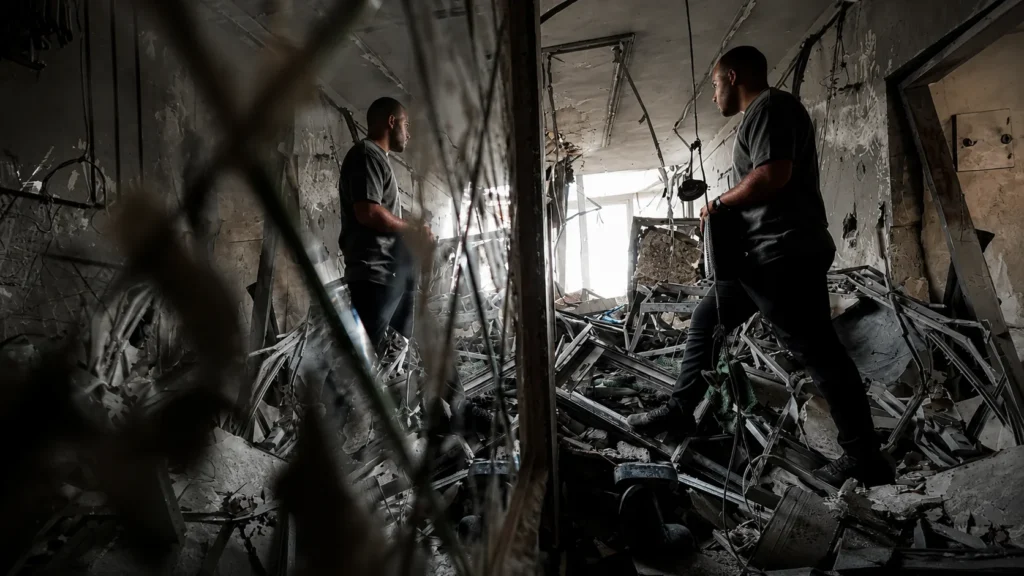
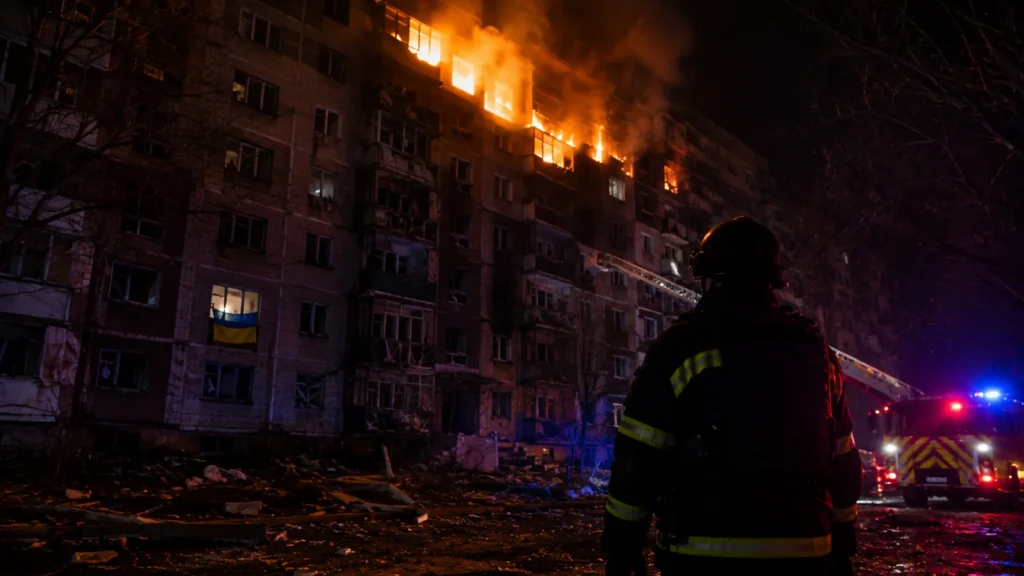
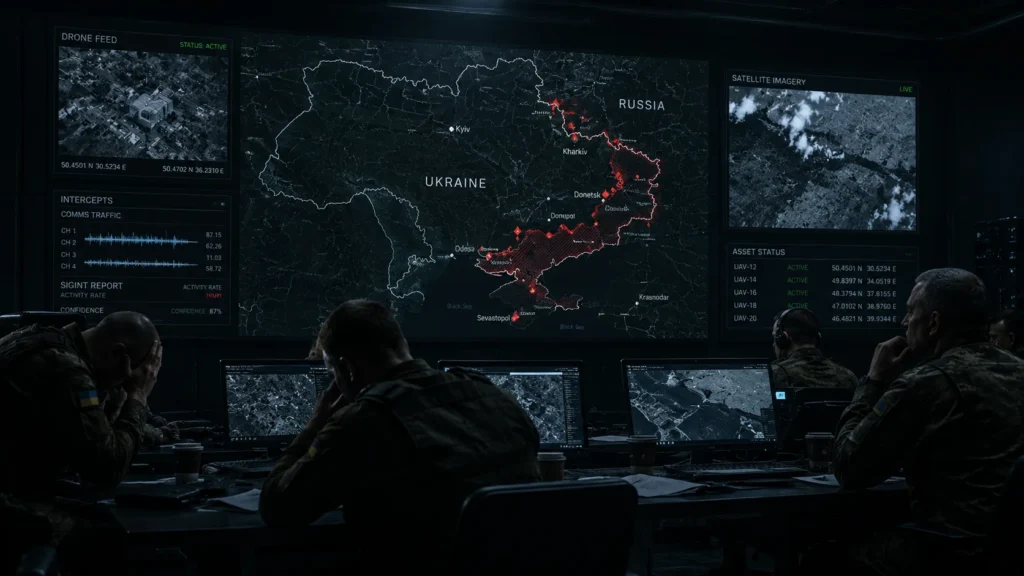
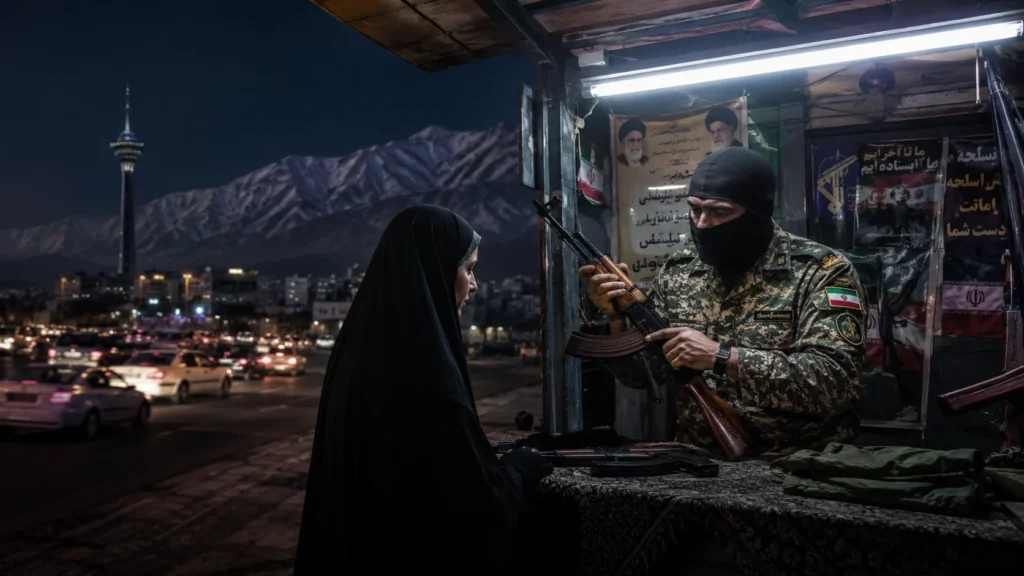
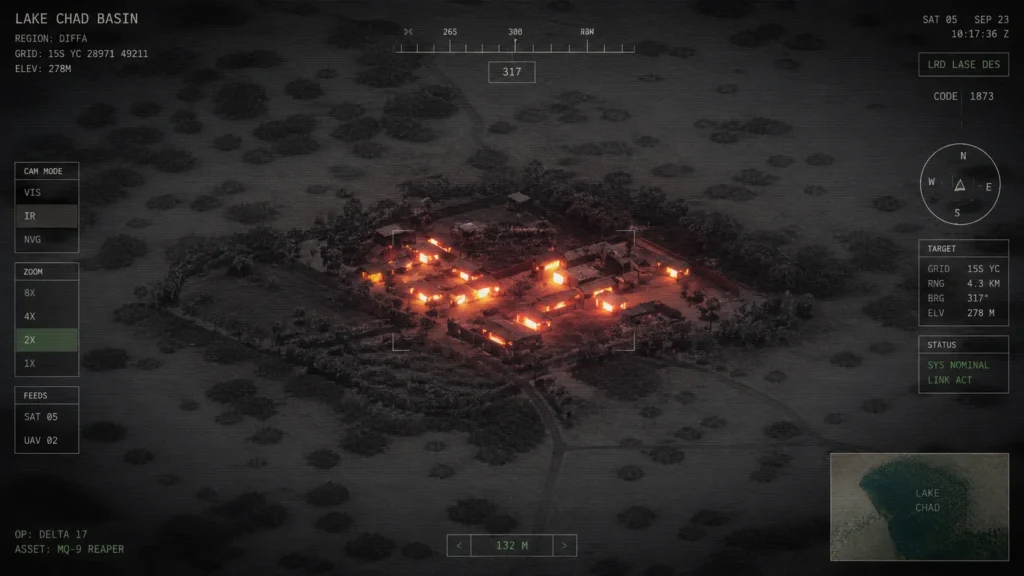
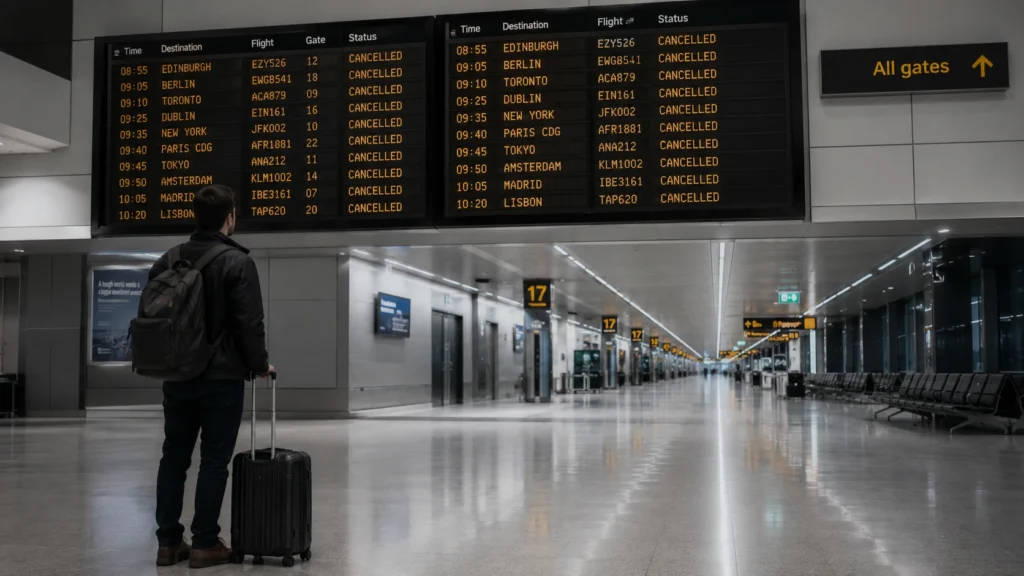
The intervention by Qatar, Saudi Arabia, and the UAE was driven by infrastructure vulnerability as much as diplomacy. Iran retains a significant inventory of drones and missiles, and has demonstrated the ability to strike airports, petrochemical facilities, and desalination plants across the Gulf since the conflict began with US-Israeli airstrikes on 28 February.
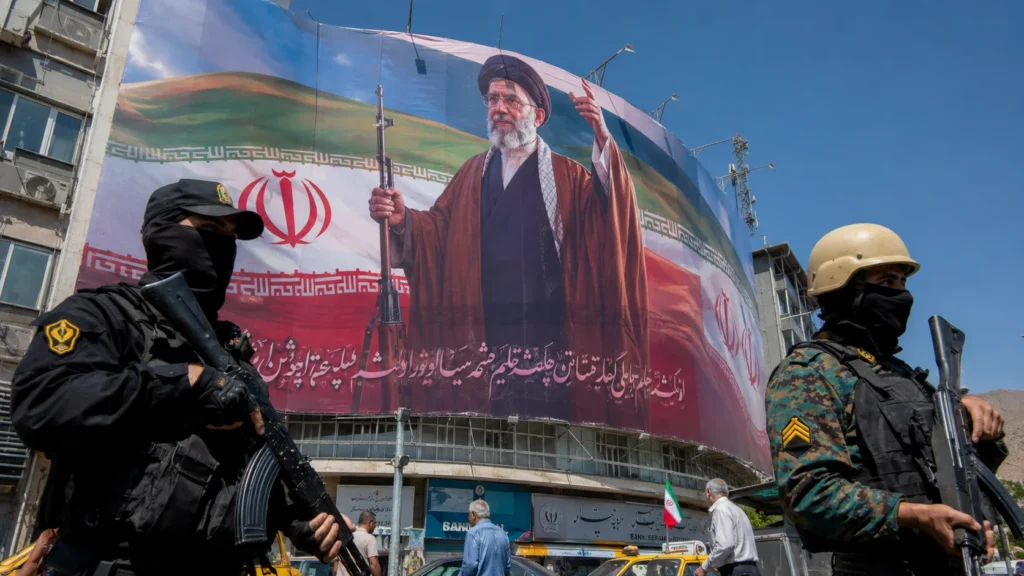
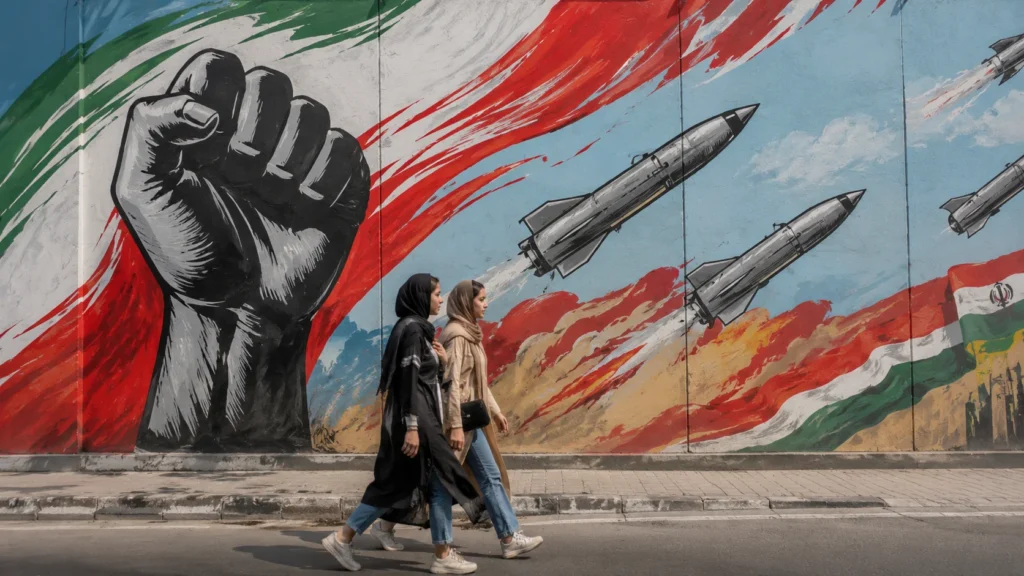
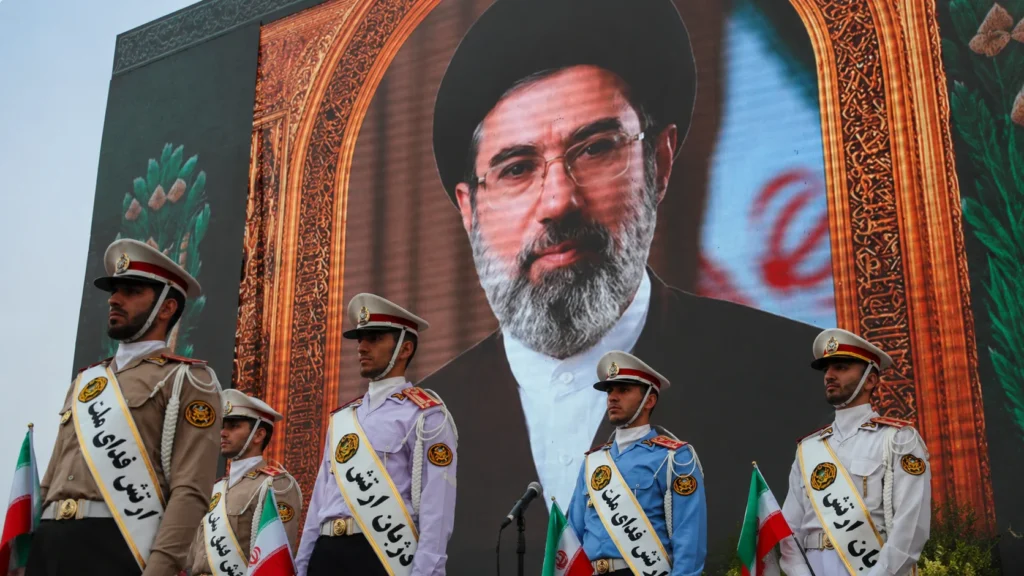
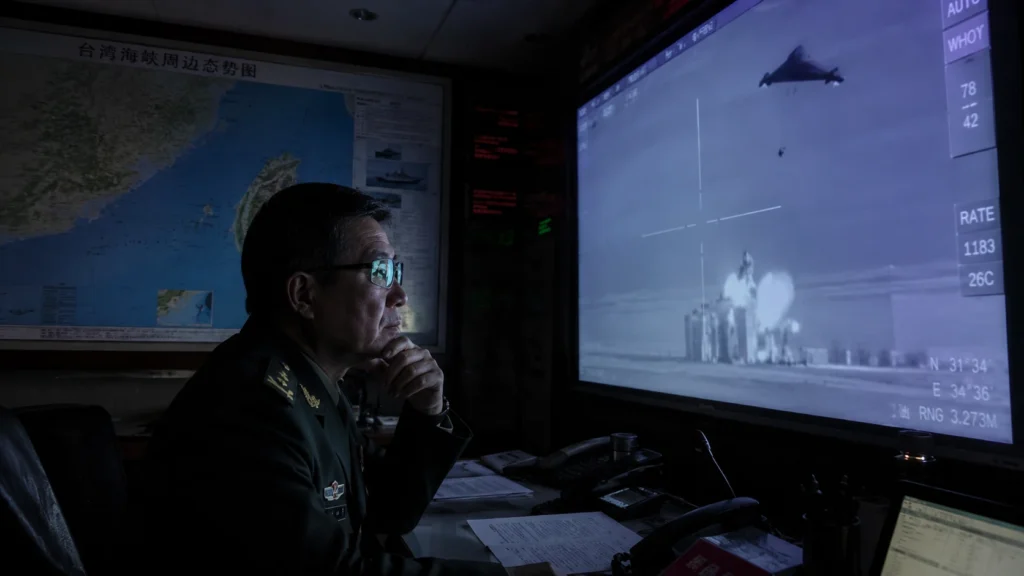
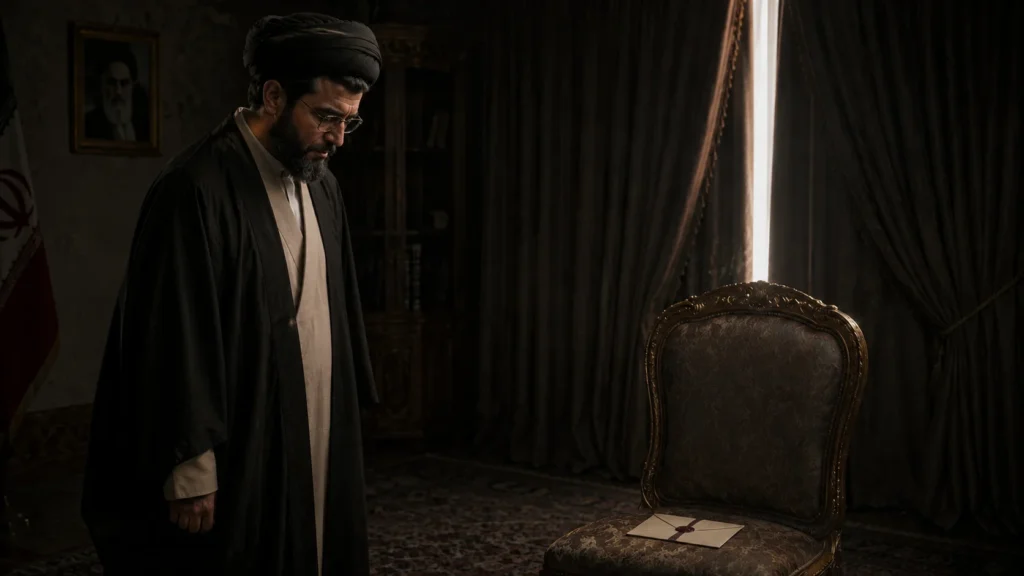
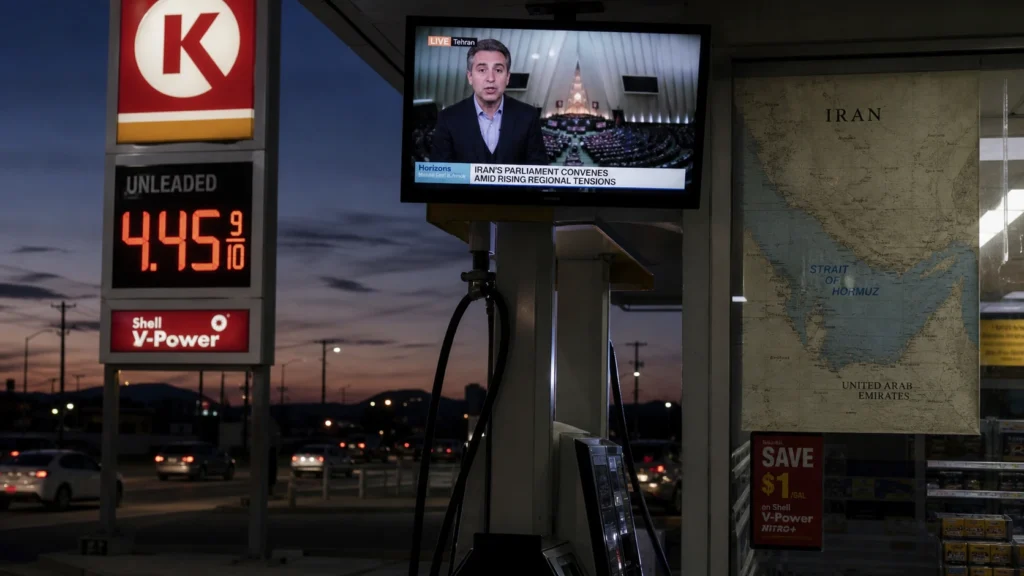
A senior Iranian military commander warned the US on Monday not to make “strategic mistakes and miscalculations again,” according to Iran’s semi-official Tasnim News Agency Tasnim News Agency report, 19 May 2026. Tasnim also published what it said were comments by Supreme Leader Mojtaba Khamenei, warning that new fronts would be opened where the enemy had “little experience and would be highly vulnerable.” Iranian news outlets have republished Khamenei’s previous written messages as a form of strategic signalling.
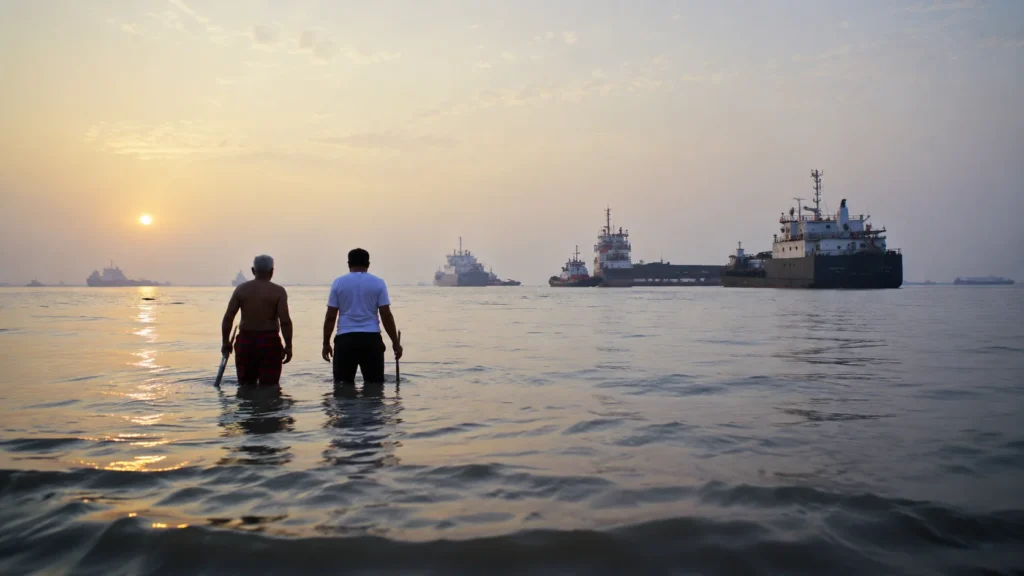
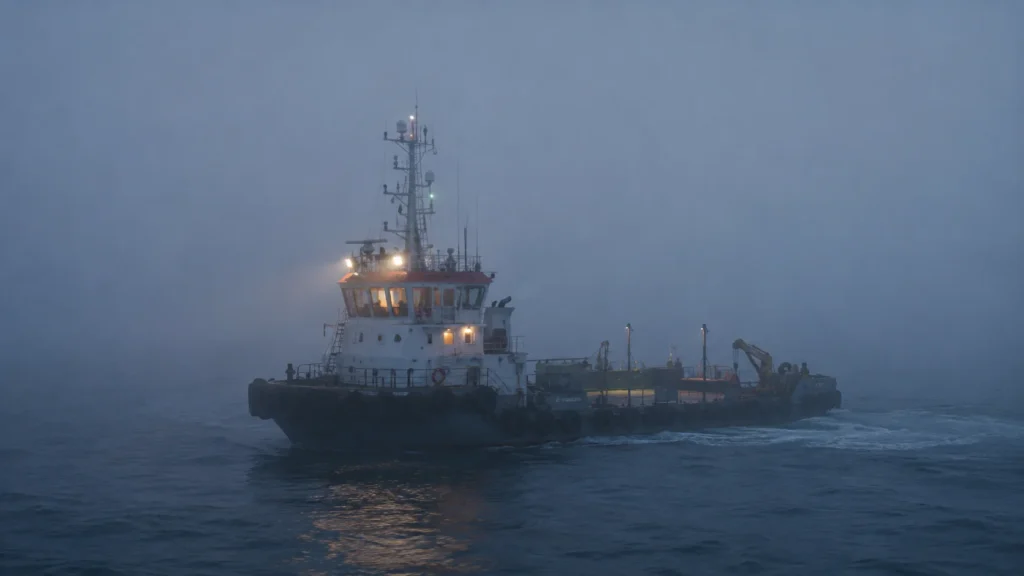
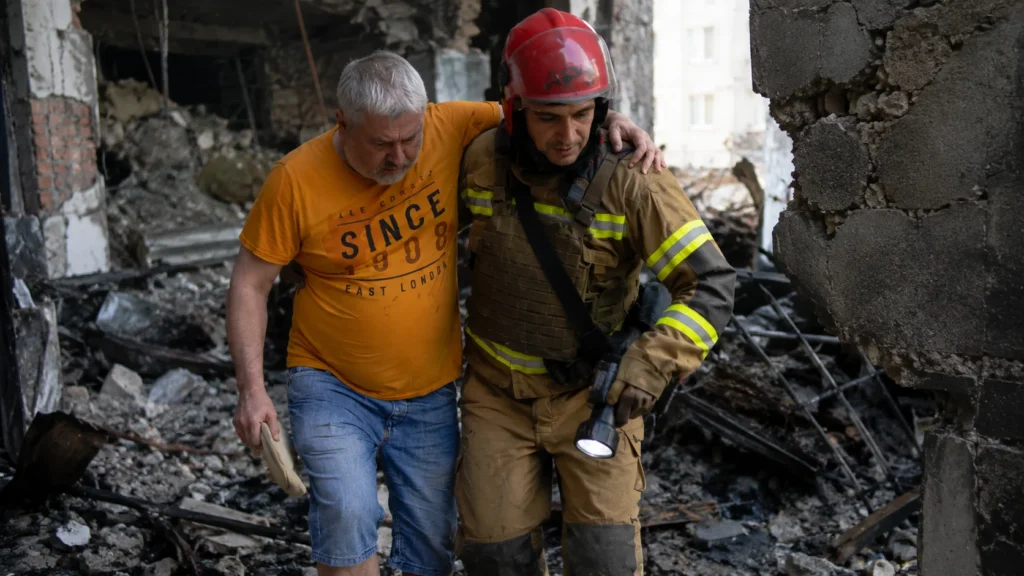
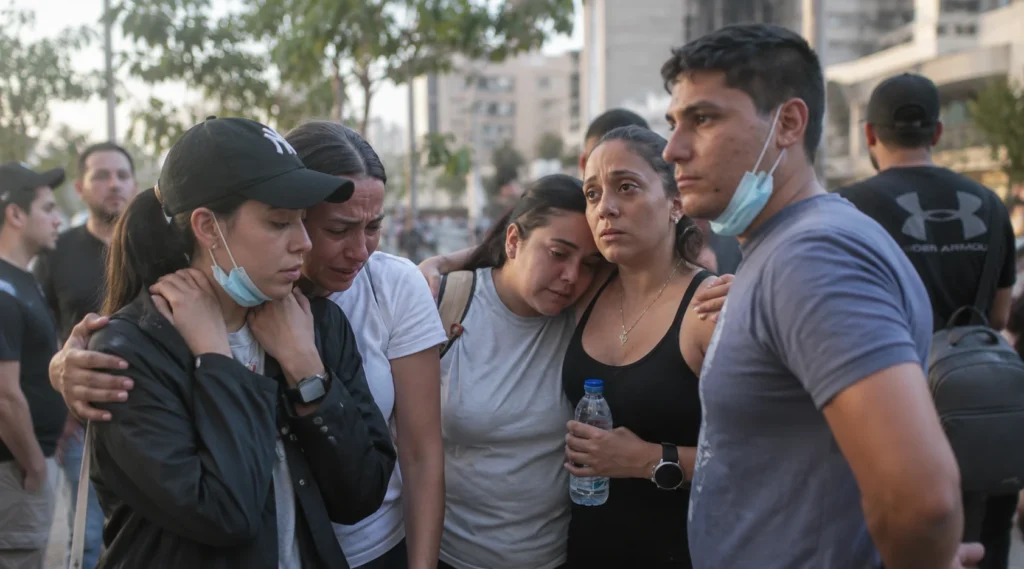
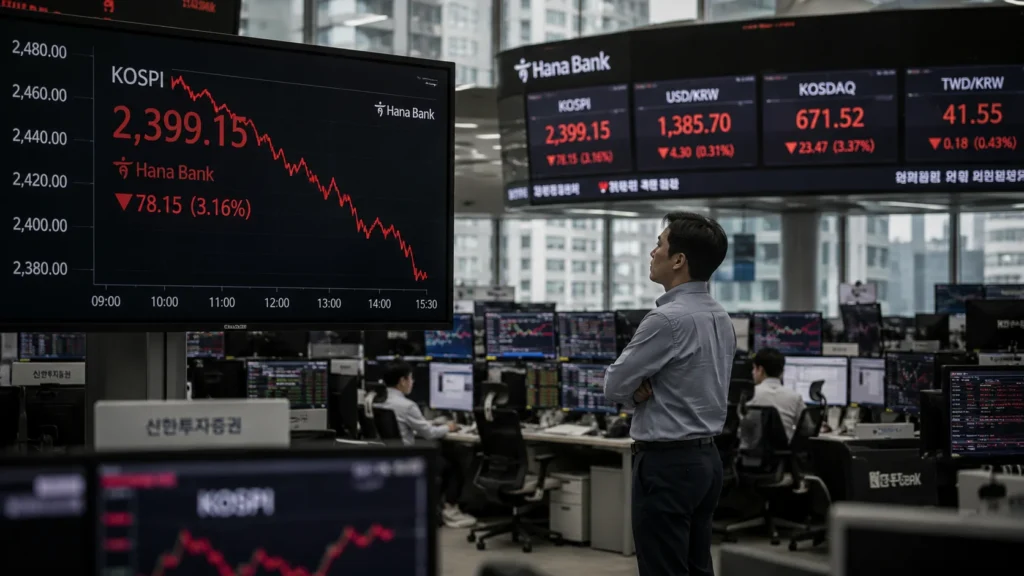
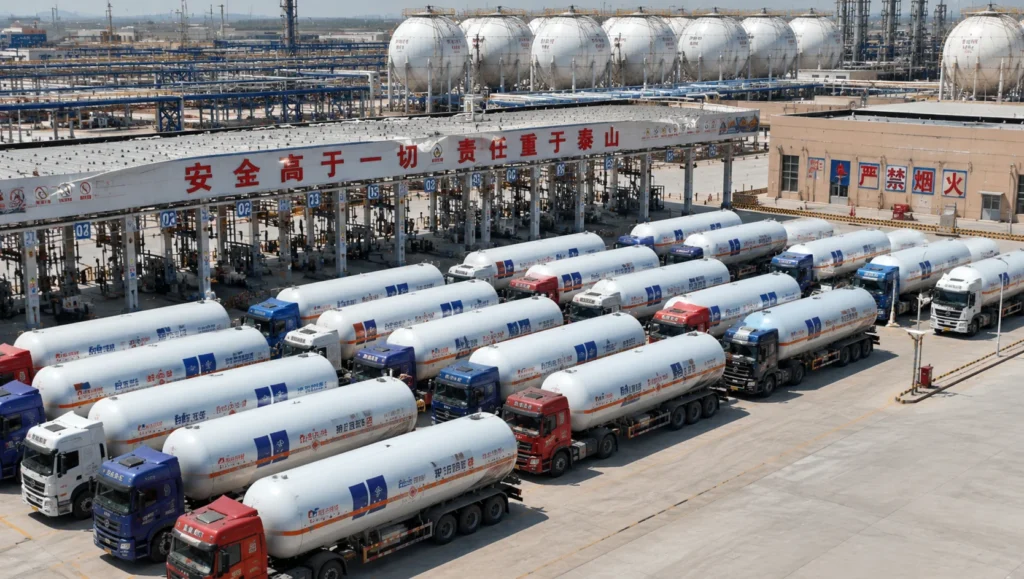
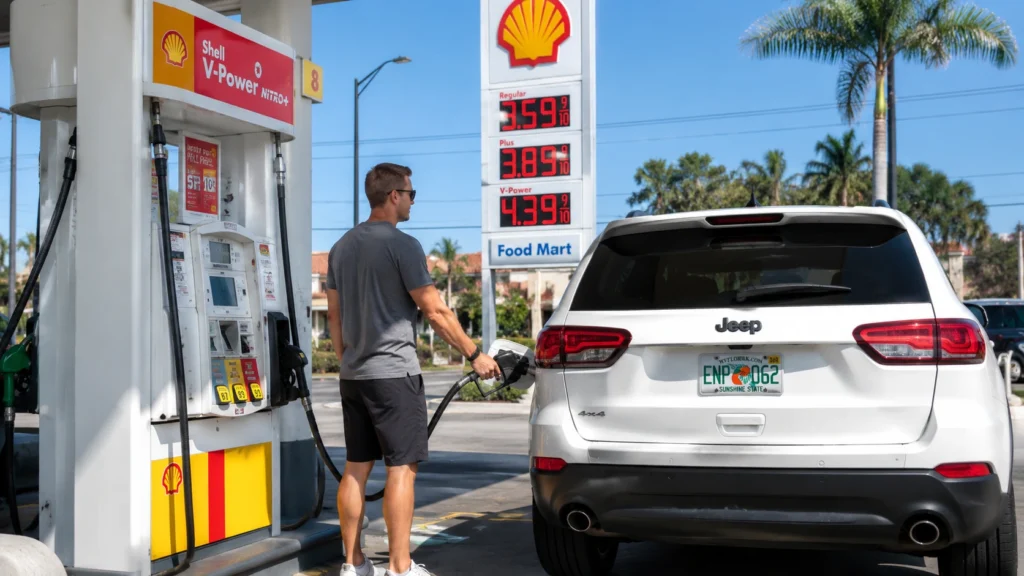
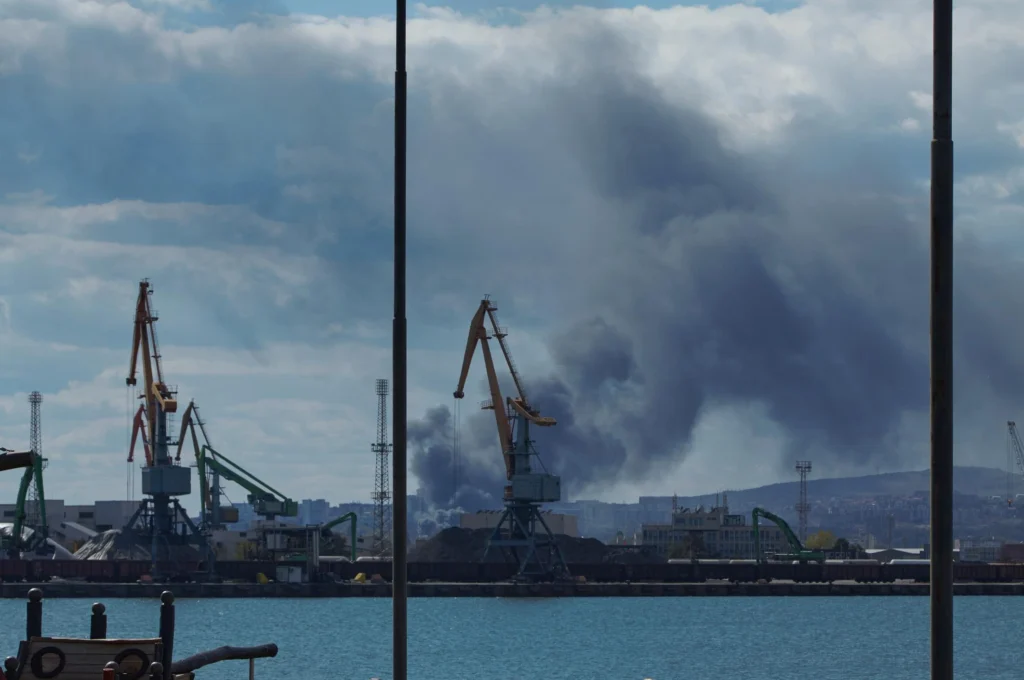
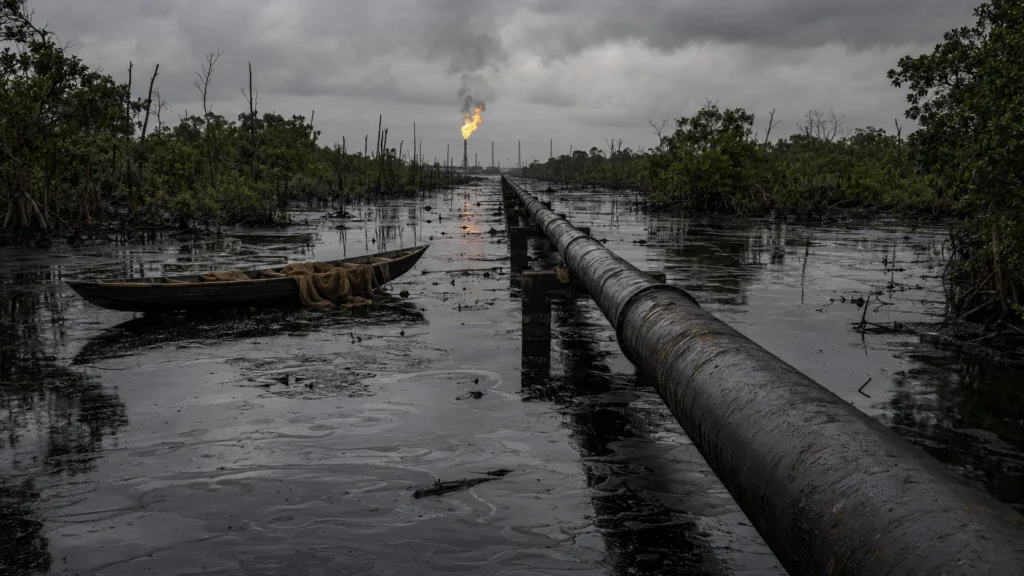
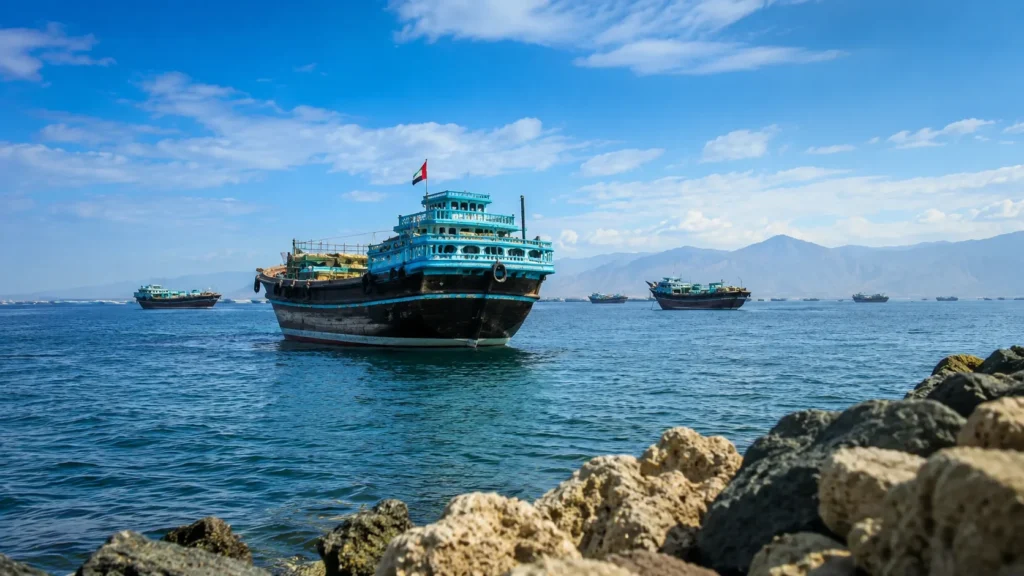
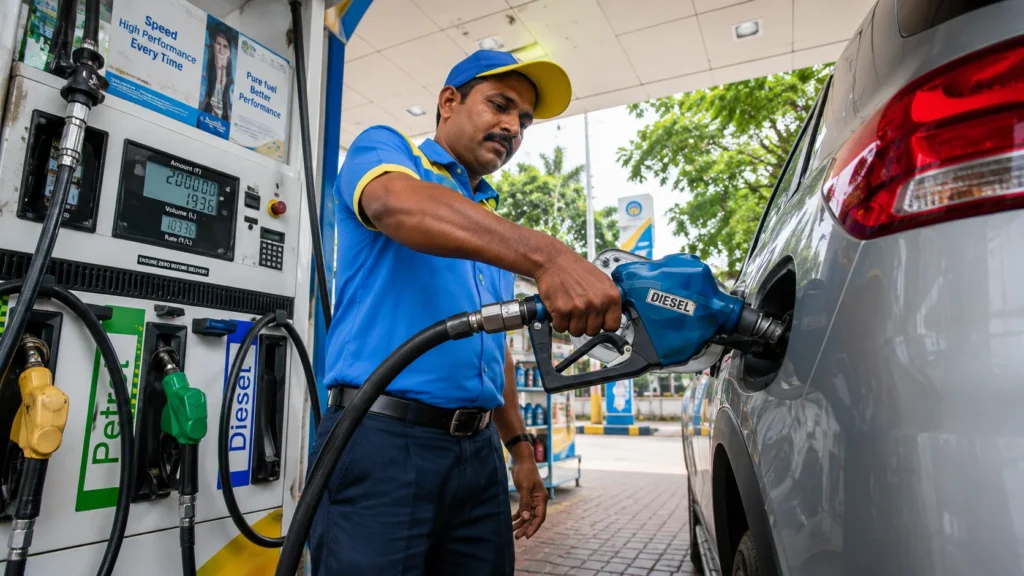
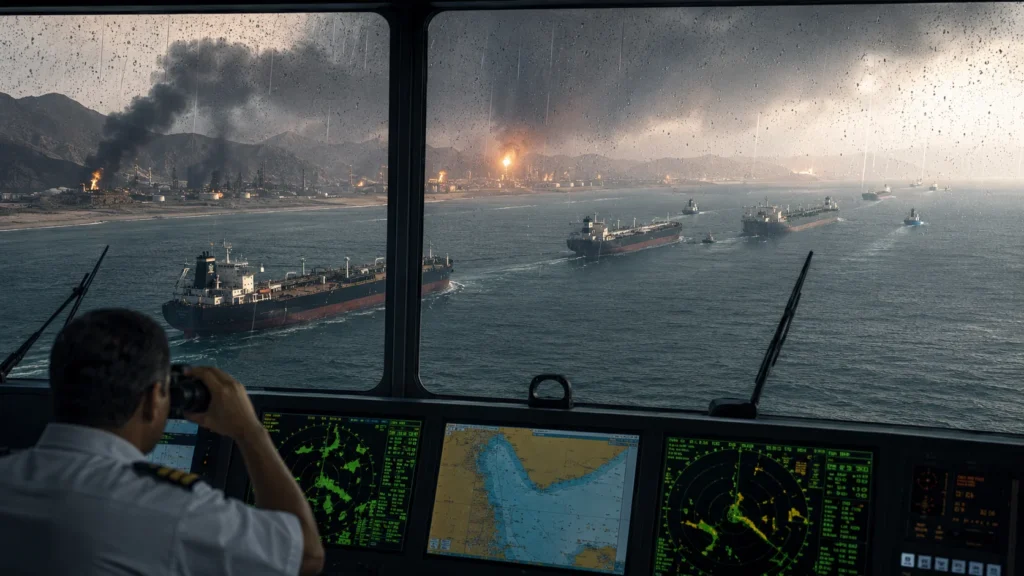
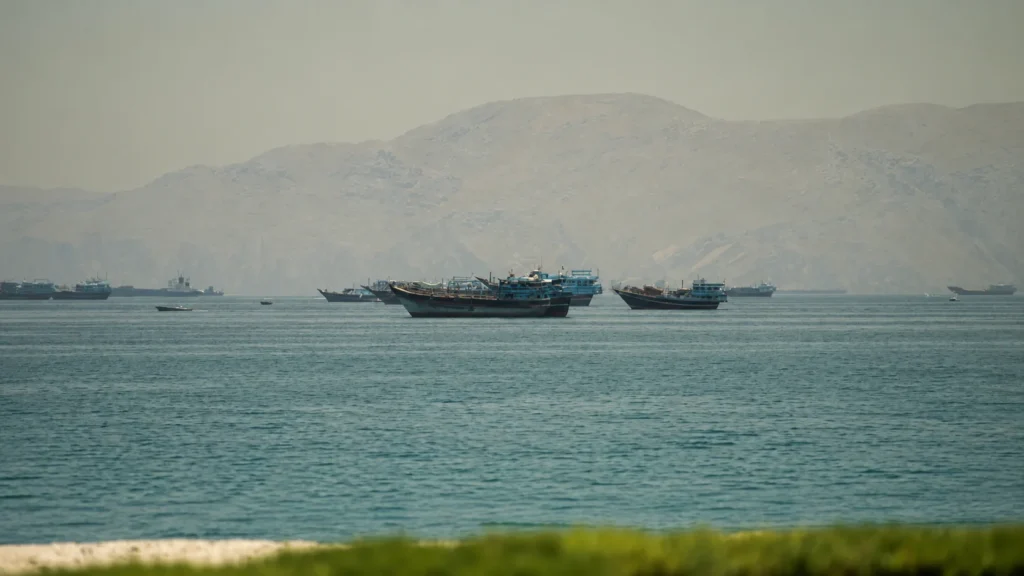
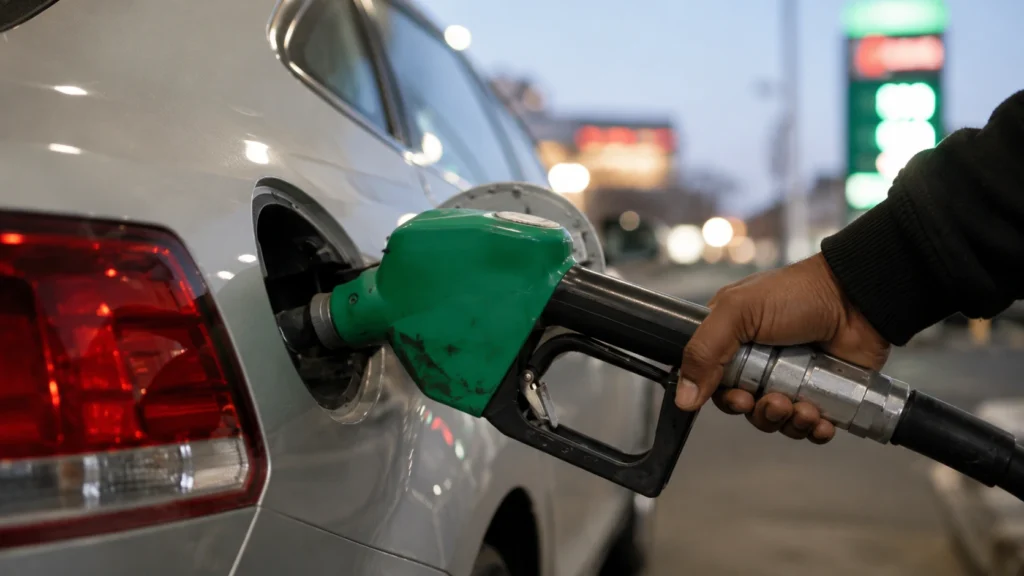
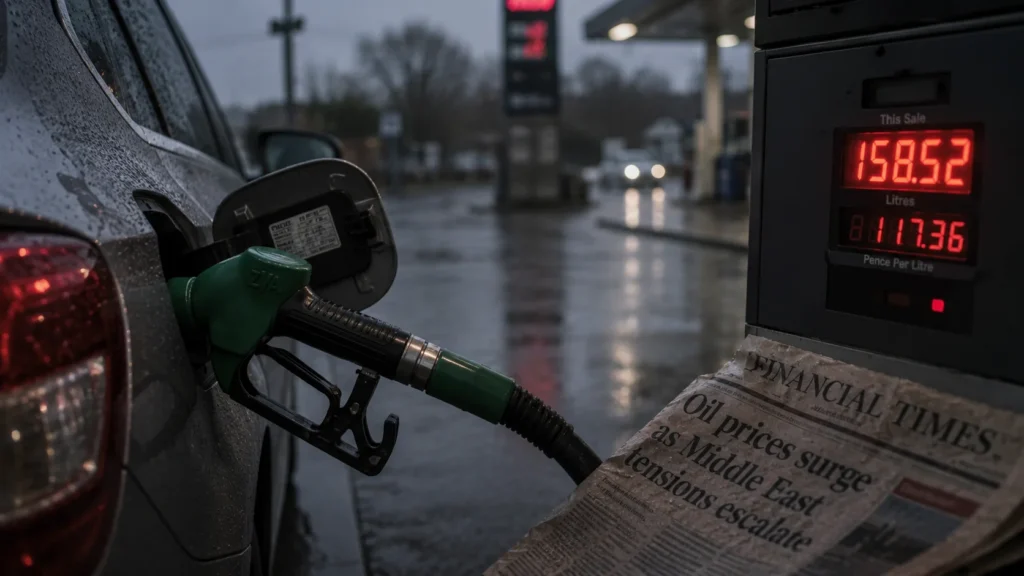
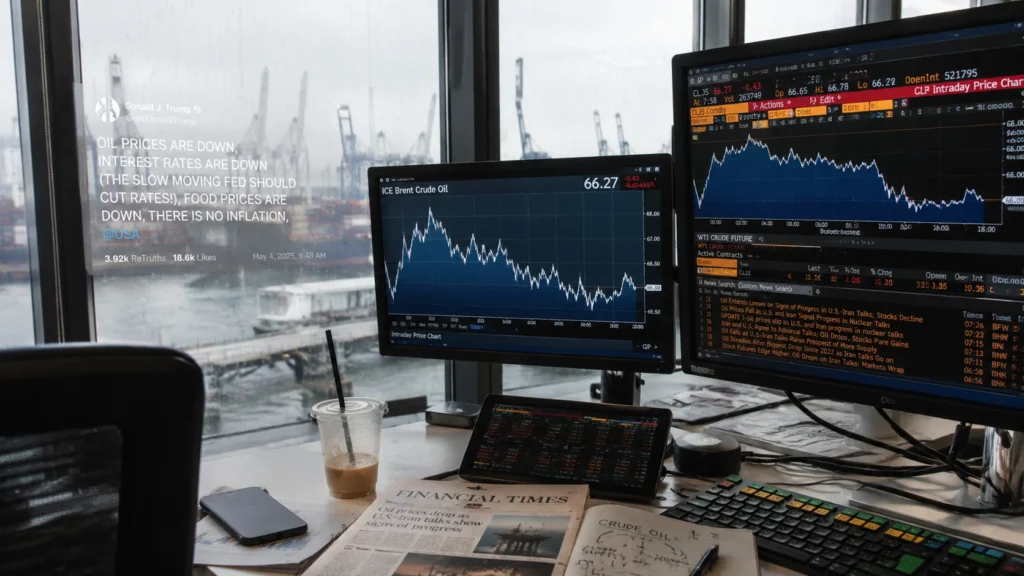
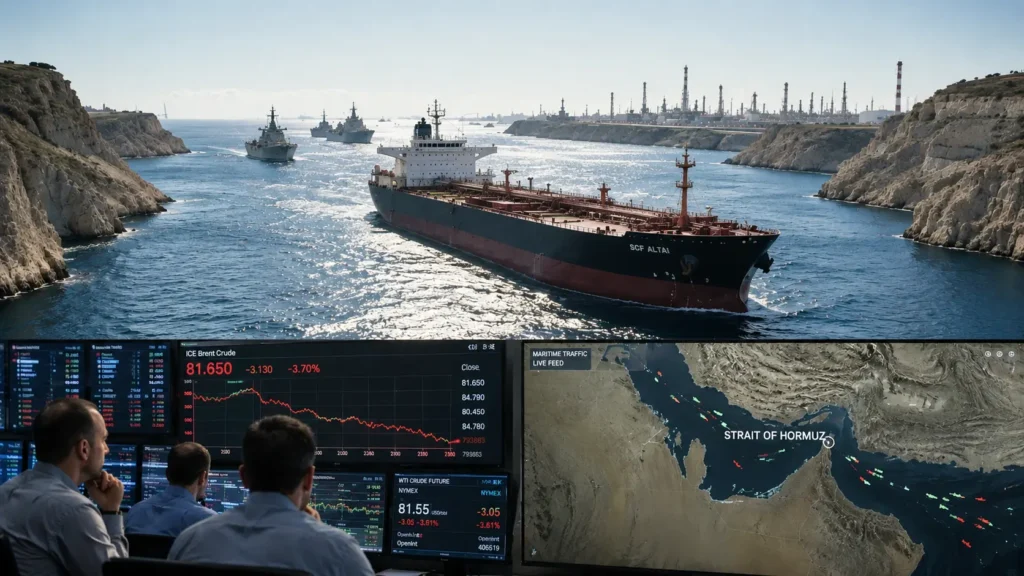
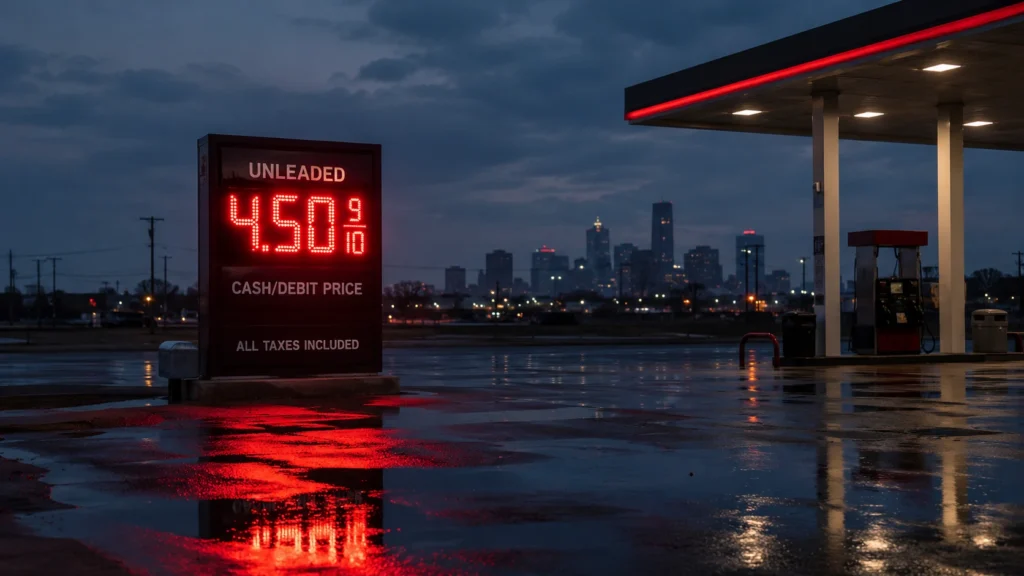
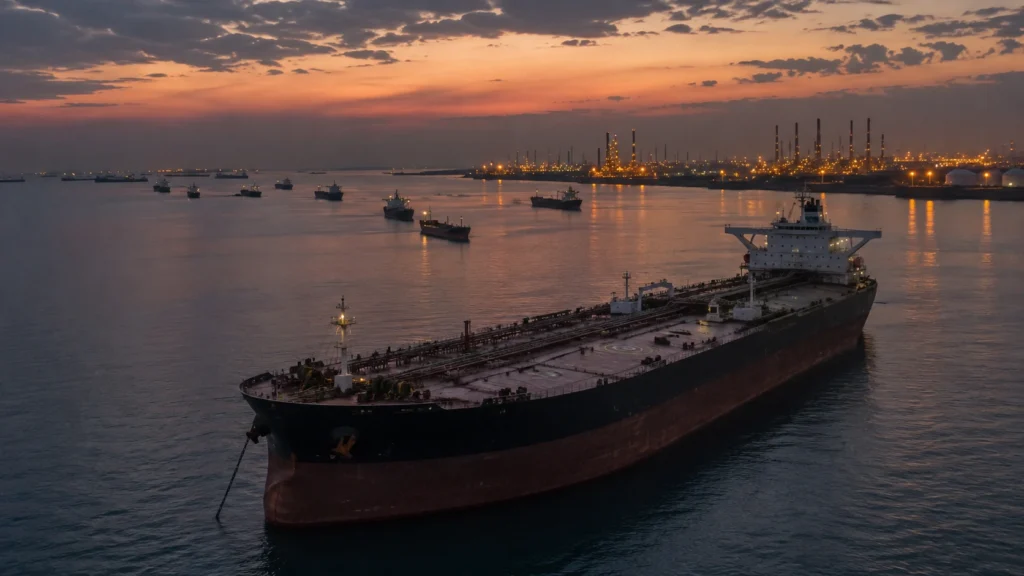
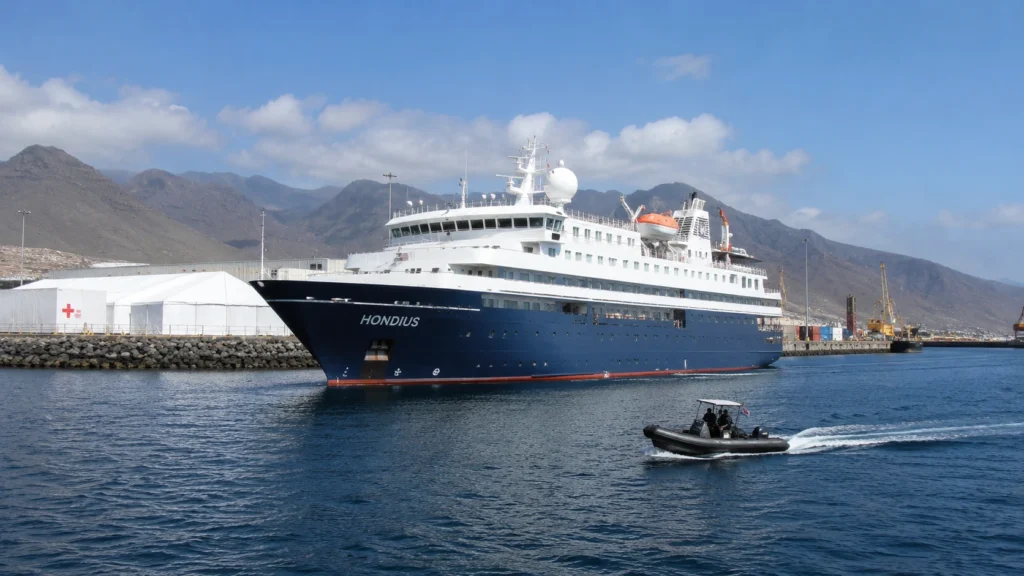
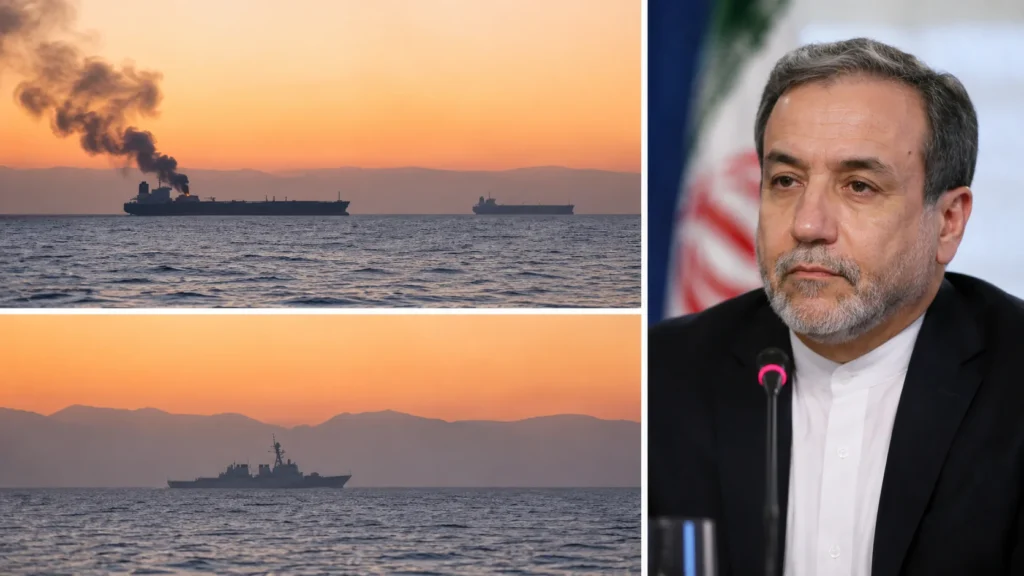
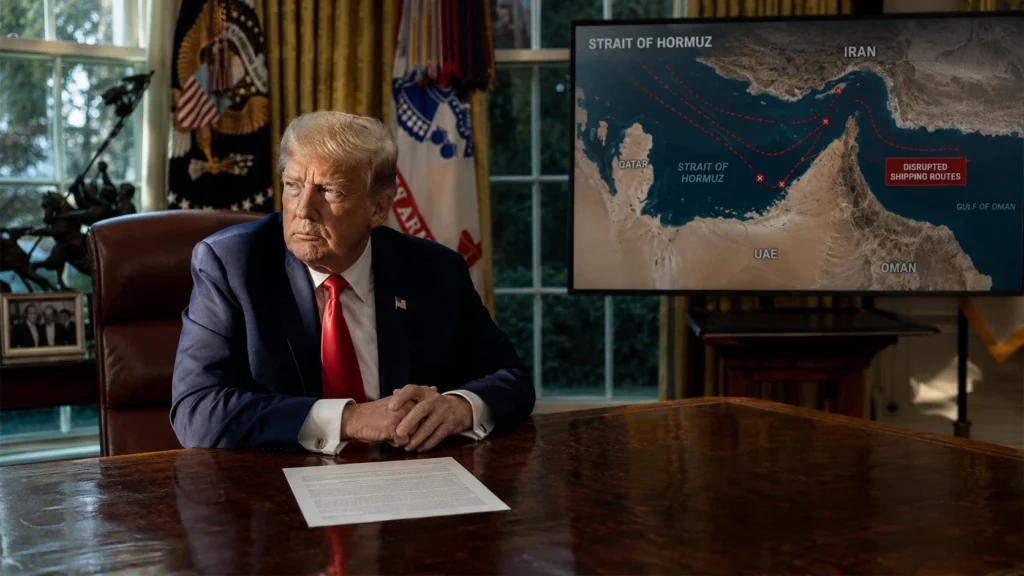
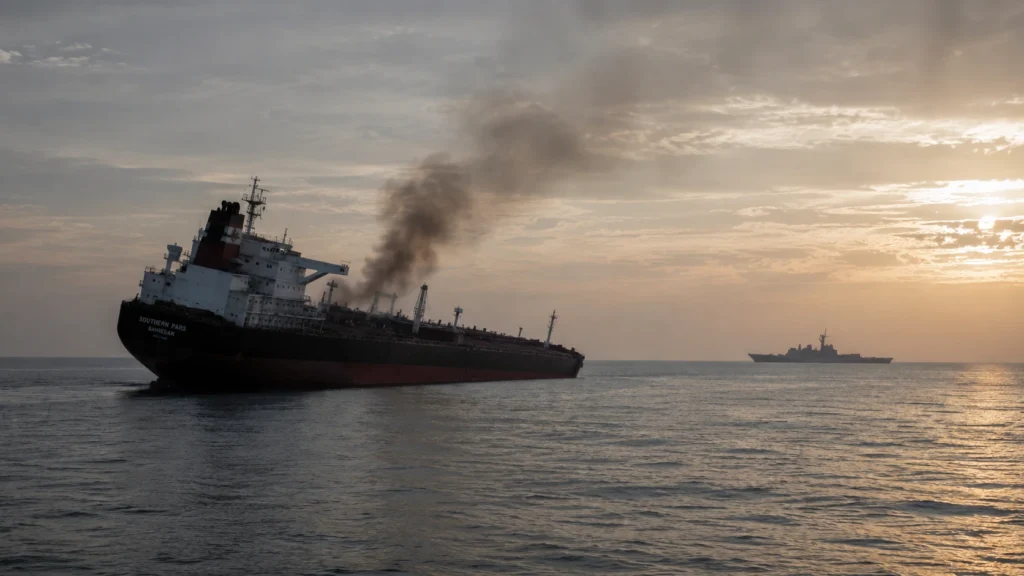
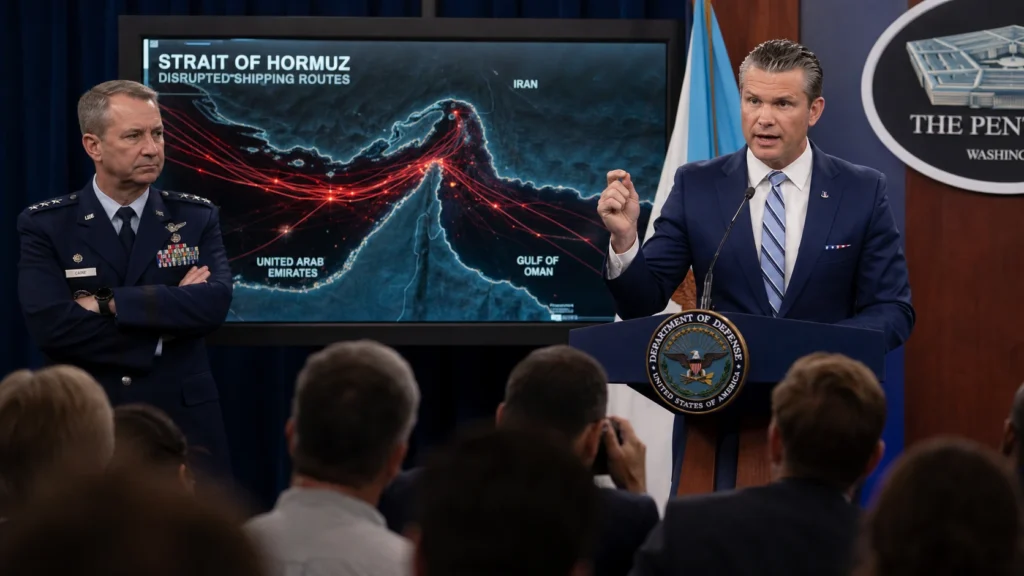
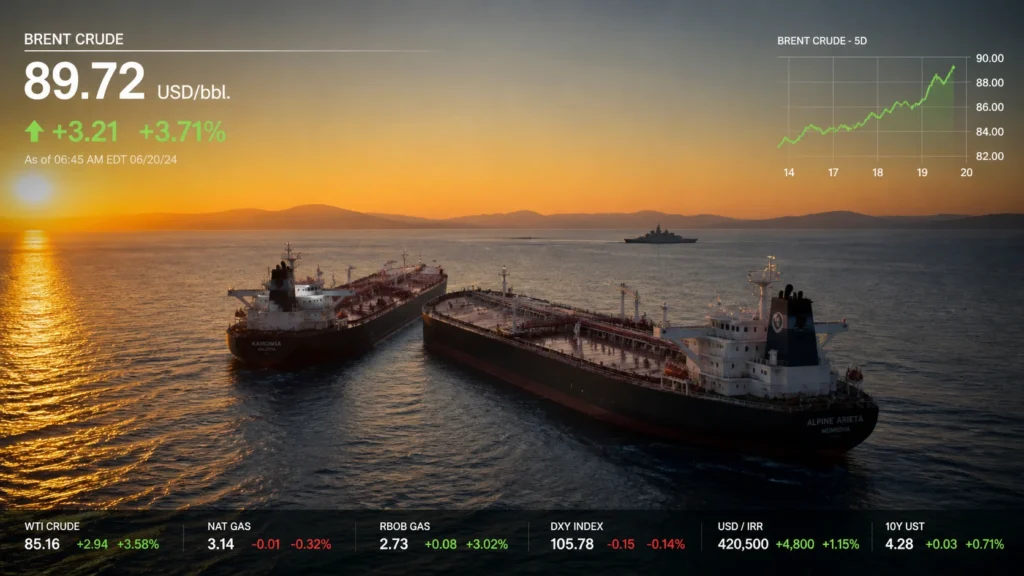
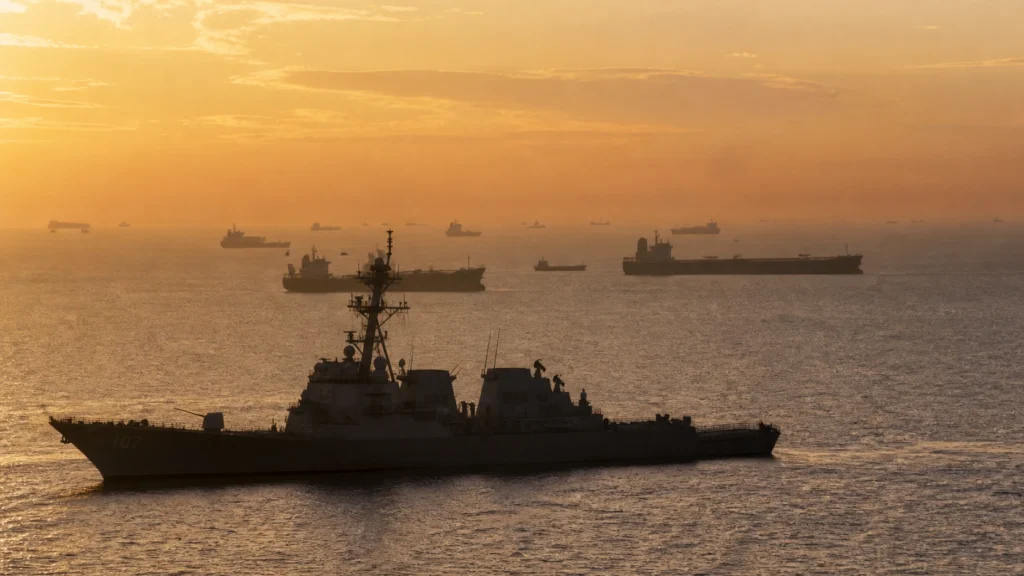
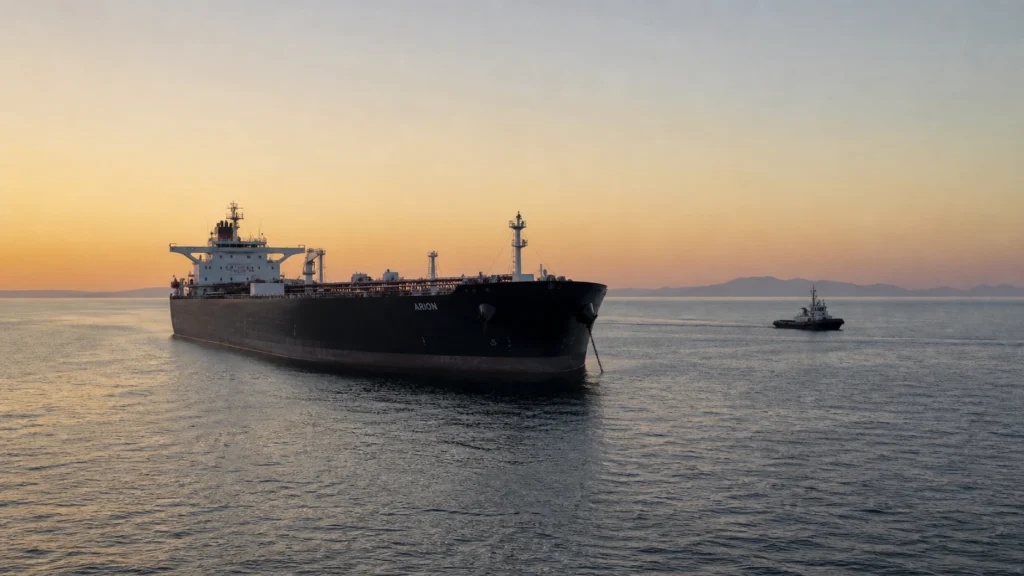
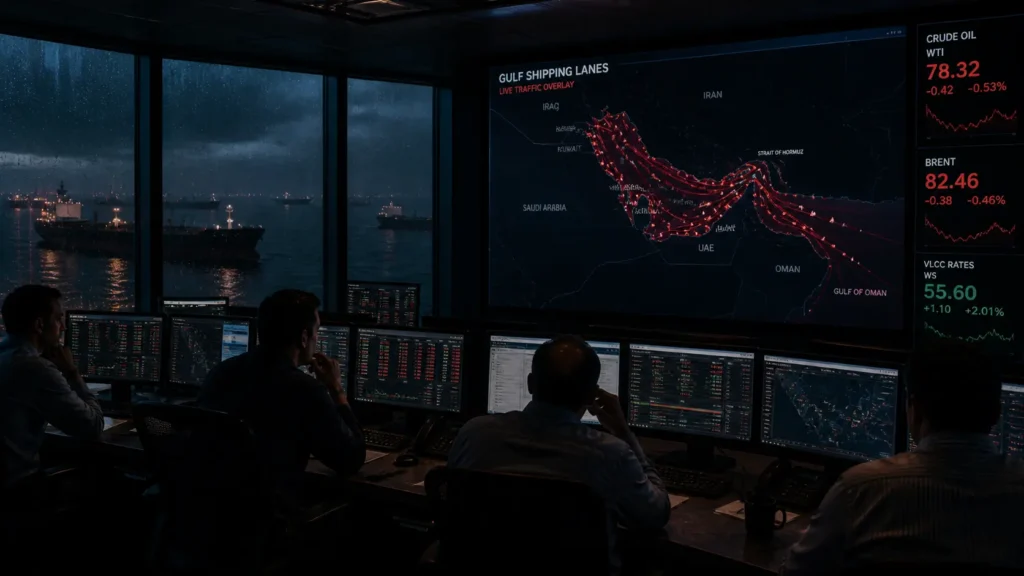
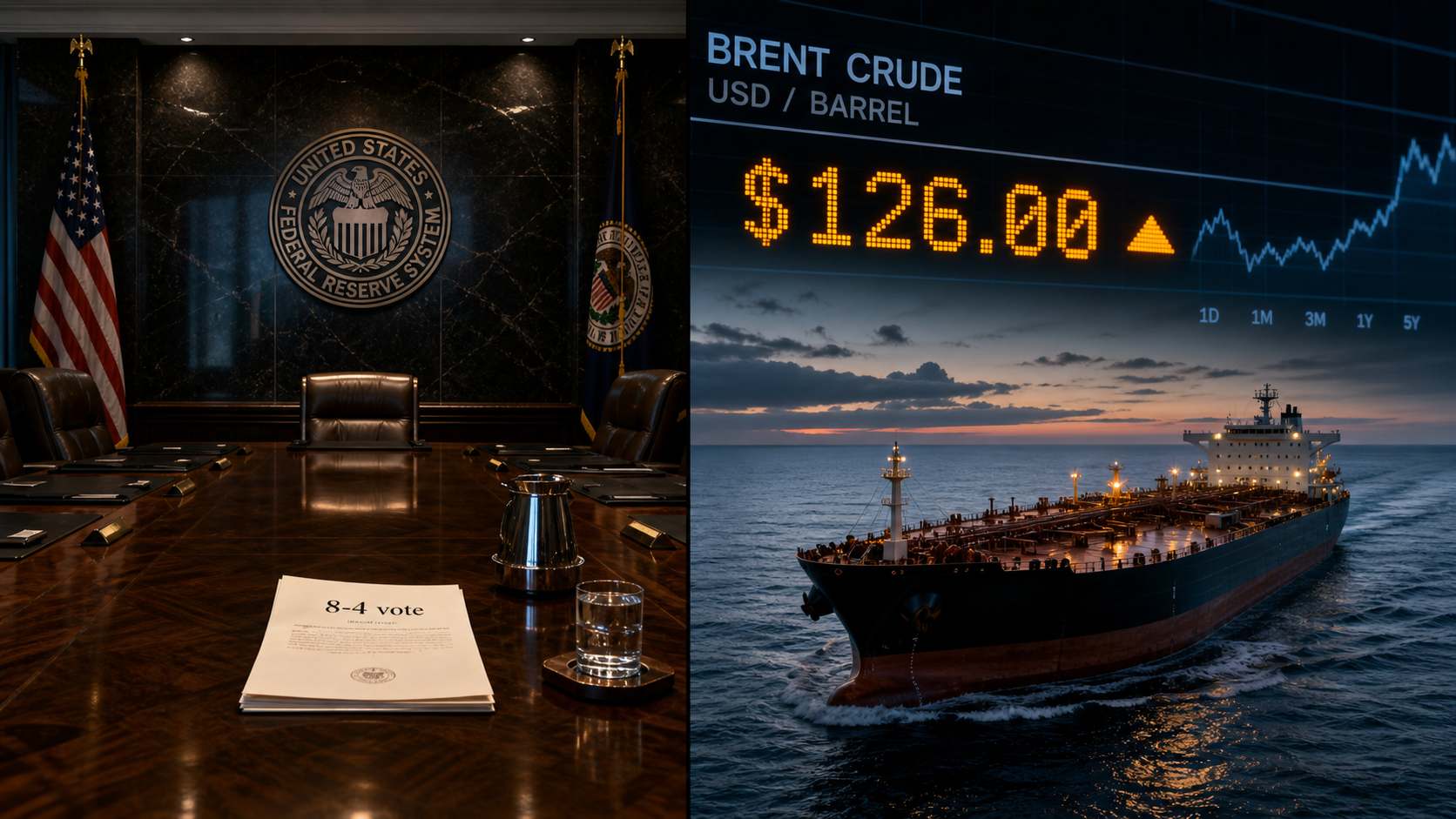
The last round of strikes triggered the effective closure of the Strait of Hormuz, sent Brent crude above $111 per barrel, and trapped approximately 850 merchant vessels inside the Gulf. Gulf state officials, speaking on condition of anonymity, have expressed concern that another round of US strikes would trigger retaliatory attacks on water infrastructure as summer temperatures in the region build.
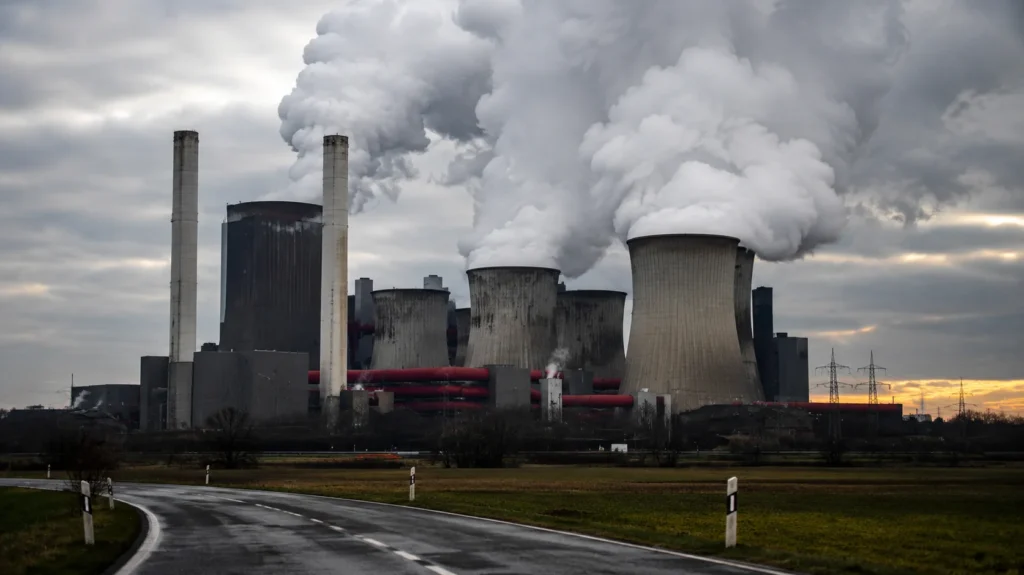
How the Strait of Hormuz crisis reshaped Gulf security calculations
The Domestic Political Context
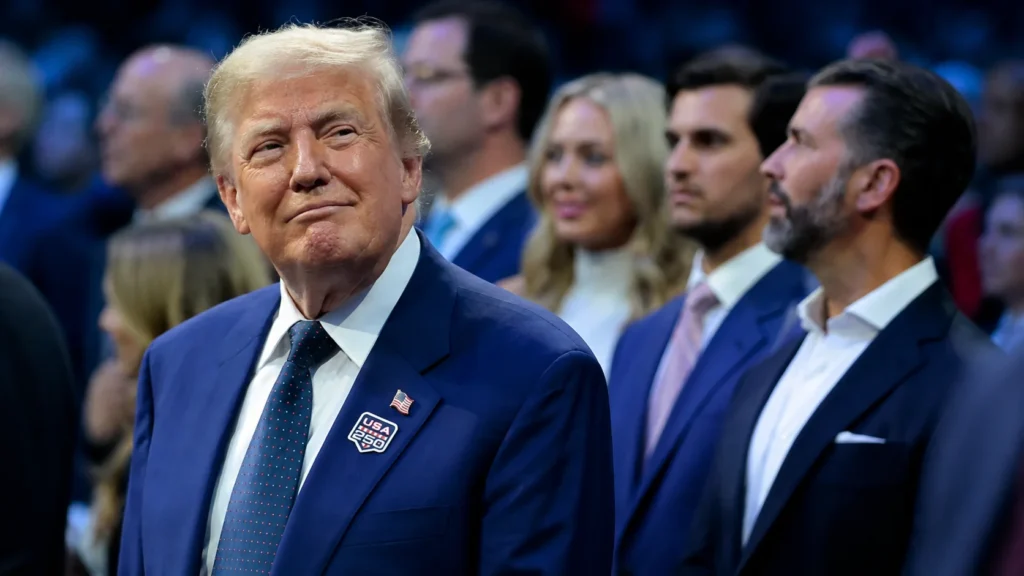
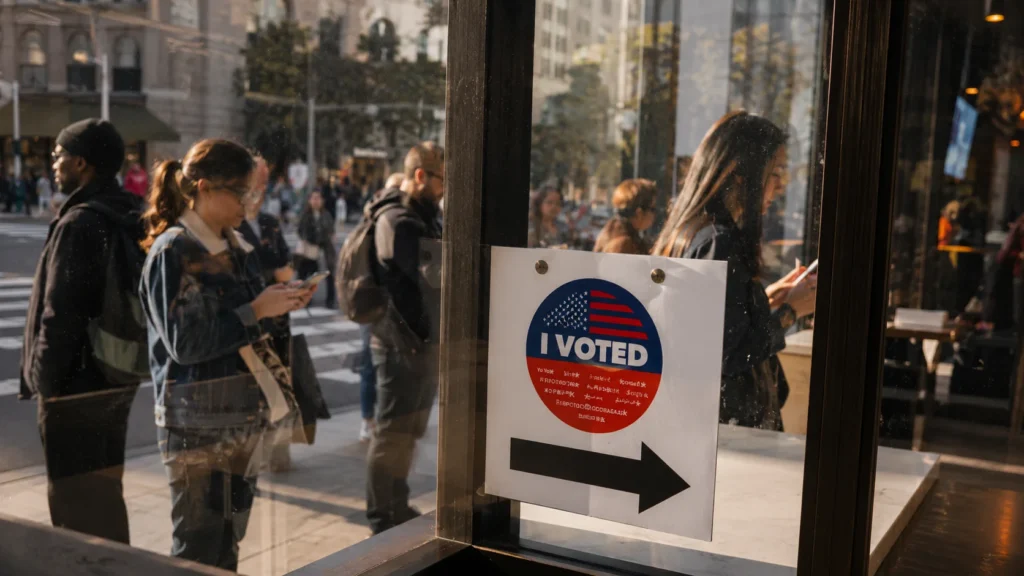
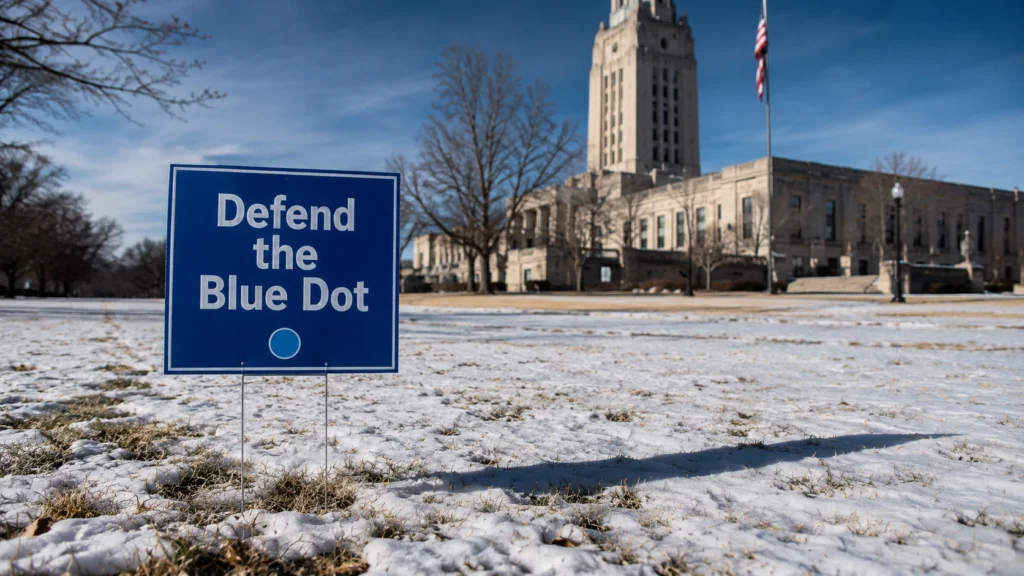
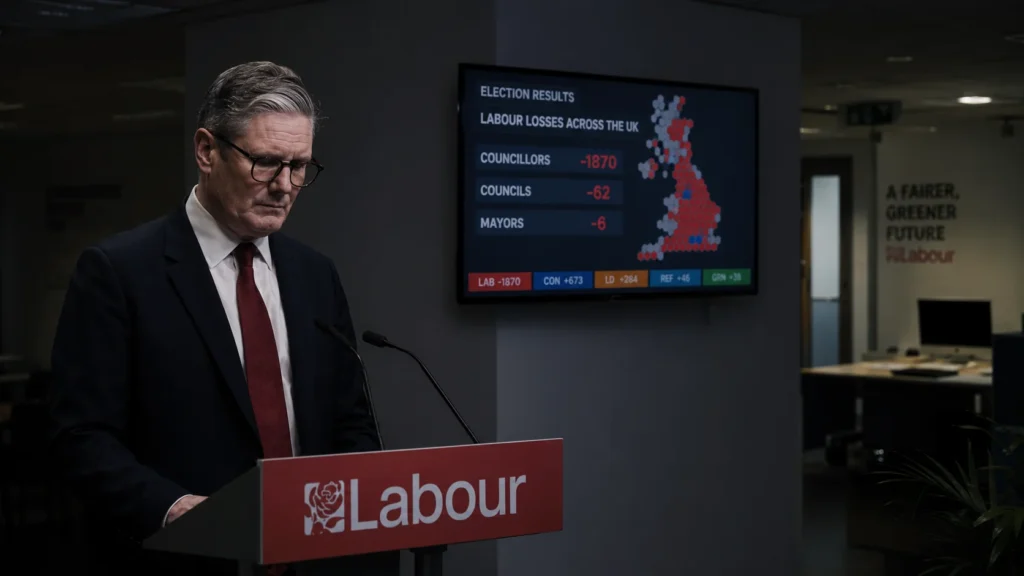
The New York Times/Siena College poll published on Monday provides the structural backdrop to Trump’s decision. Some 64% of voters said the war with Iran was the wrong decision. The president’s approval rating has fallen to 37% ahead of the midterm elections.
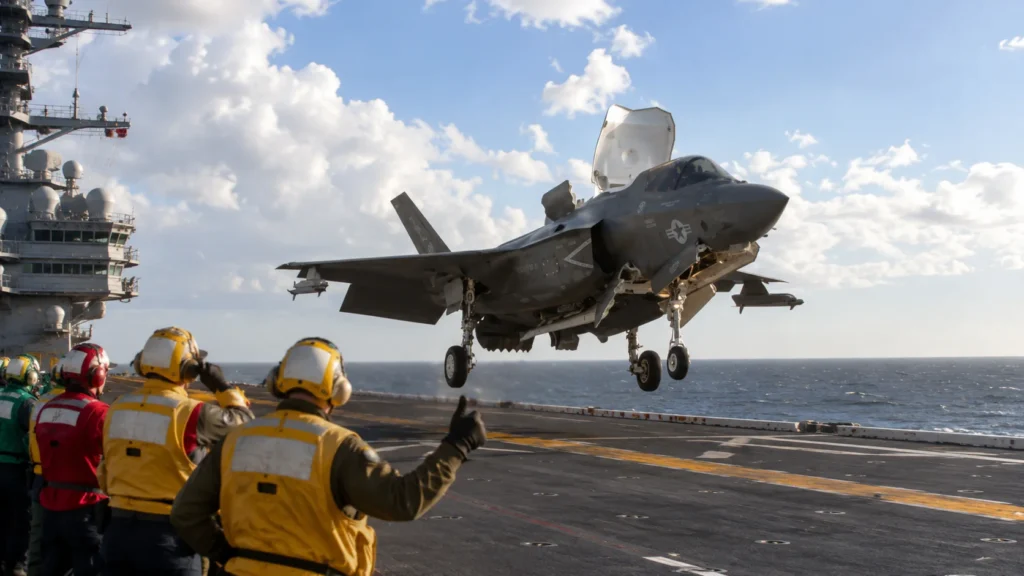
The president who campaigned on ending foreign entanglements now presides over a naval blockade of Iranian ports, a conditionally closed Strait of Hormuz, and an air campaign that has not produced a diplomatic settlement. The request from the Gulf states provided an off-ramp.
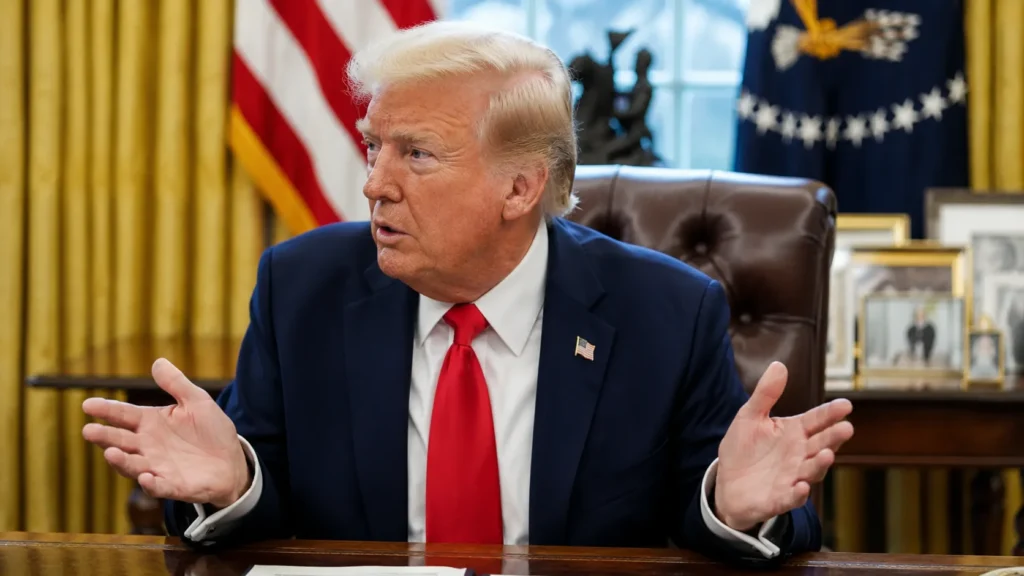
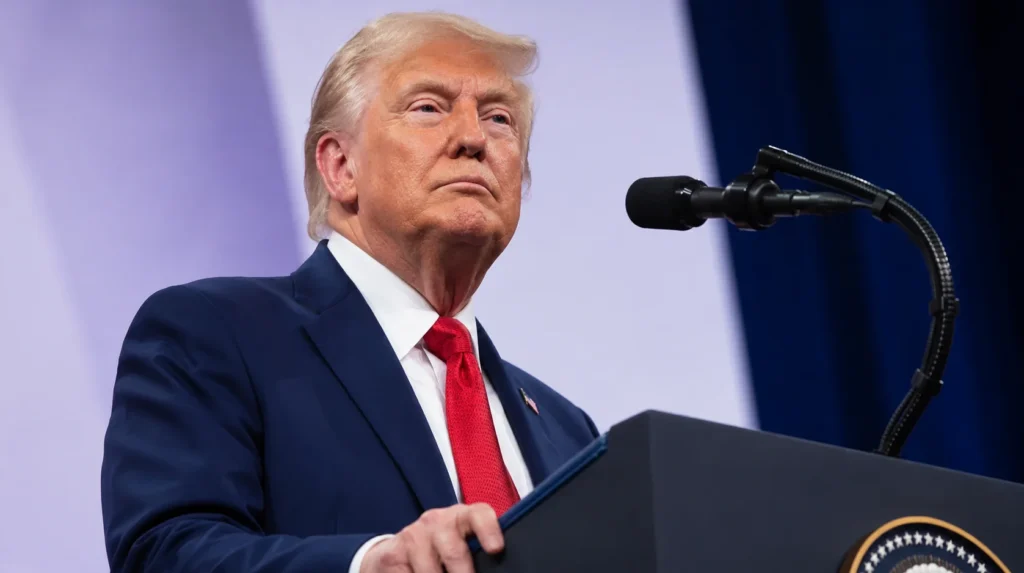
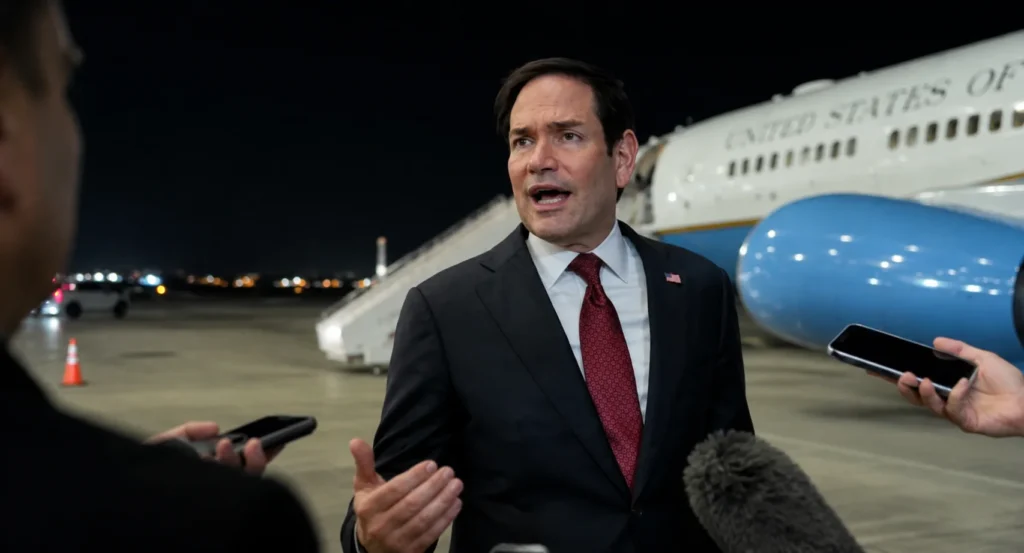
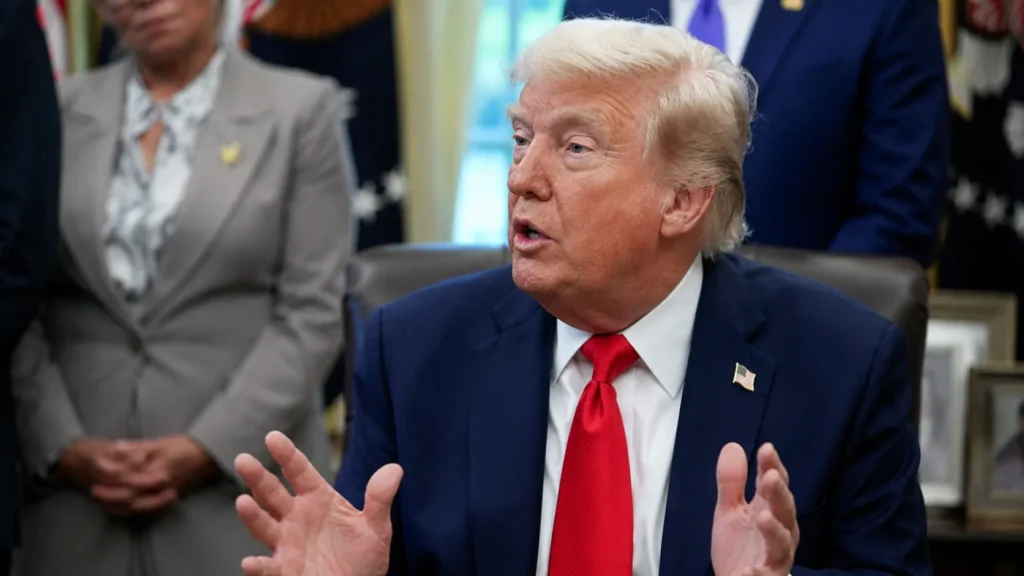
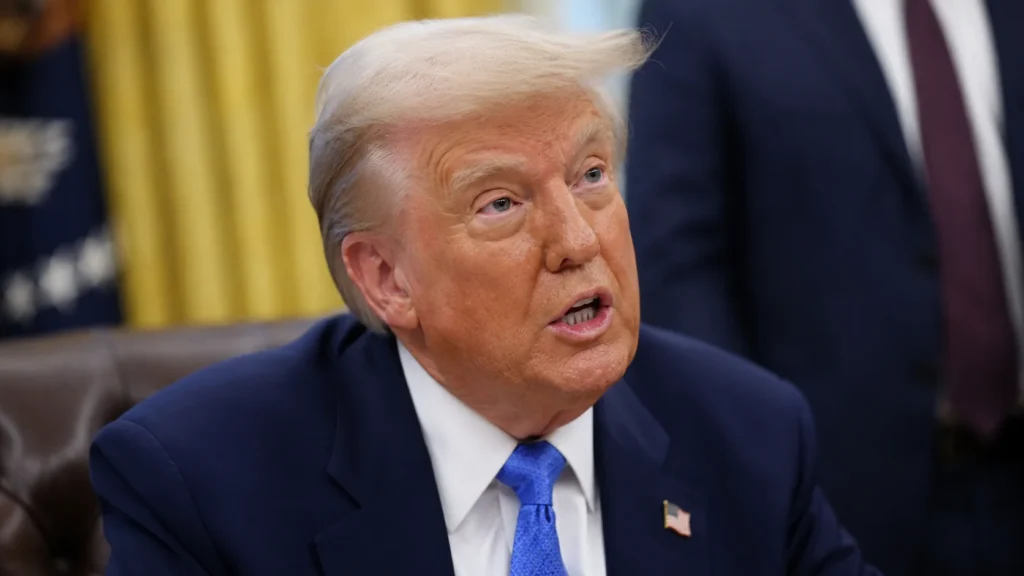
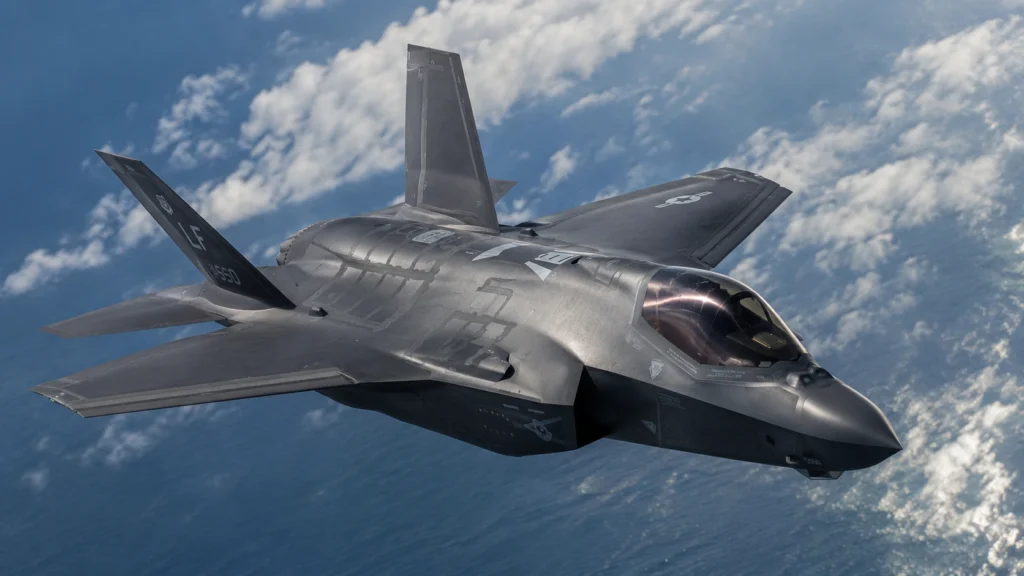
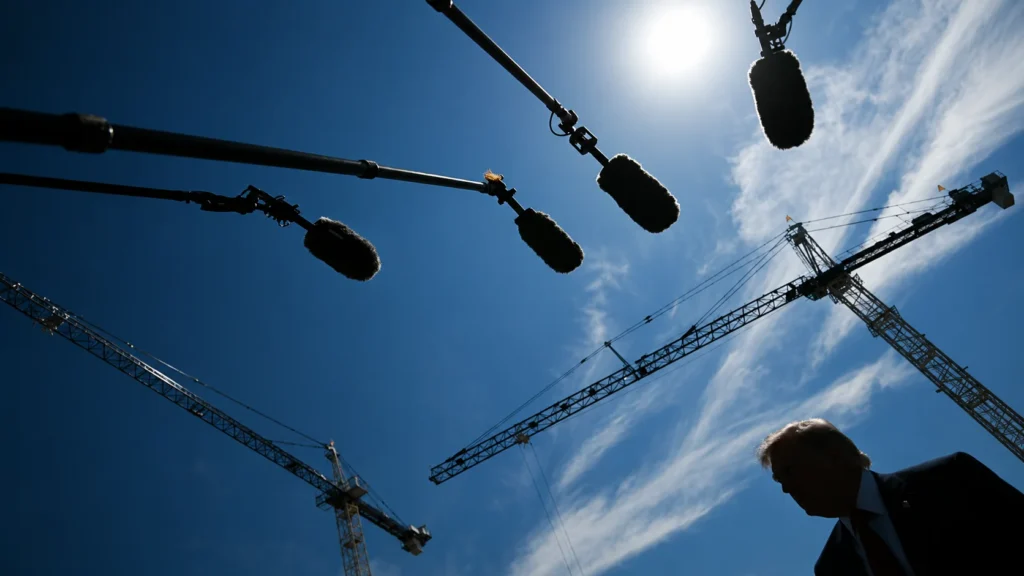
Speaking to reporters after the announcement, Trump called the pause “a very positive development, but we’ll see whether or not it amounts to anything.” He added: “If we can do that without bombing the hell out of them, I would be very happy.”
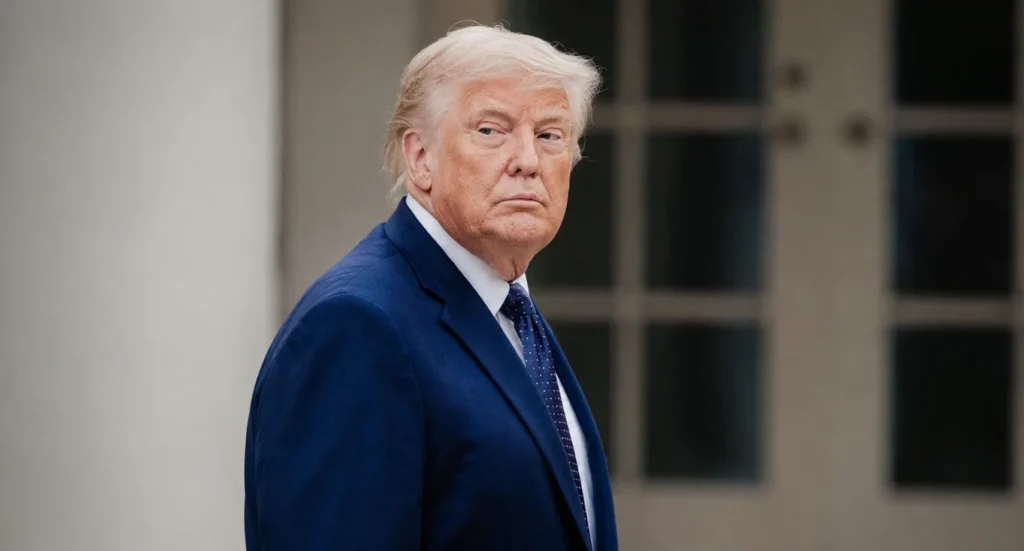
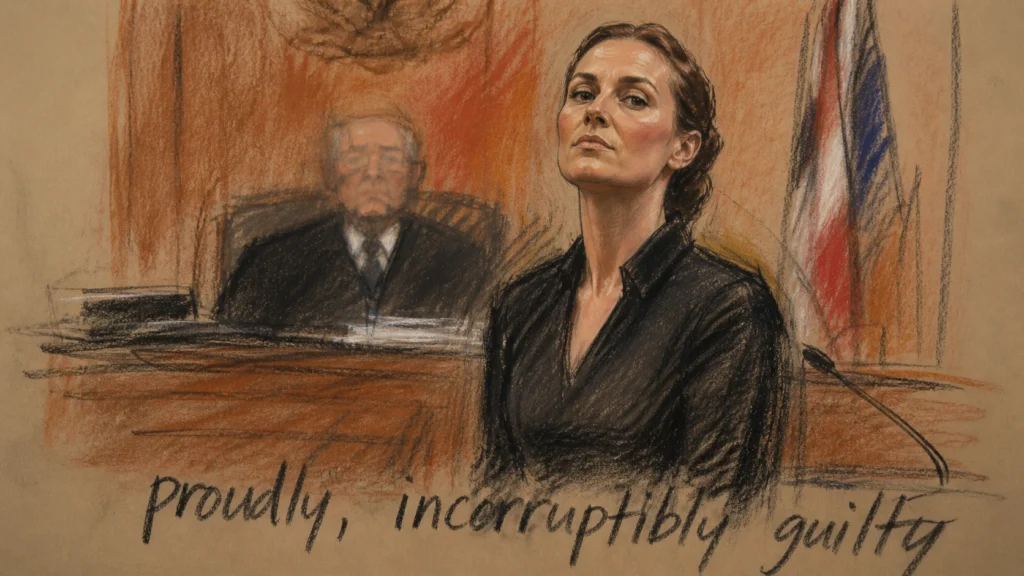
Trump’s Iran war and the polling collapse — what the numbers reveal
The Nuclear Stalemate and Diplomatic Architecture
Trump signalled on Friday that he would accept a 20-year suspension of Iran’s nuclear programme rather than total dismantlement. Iran’s semi-official Fars News Agency reported on Sunday that Washington had set five conditions in response to Tehran’s latest proposal, including that Iran keep only one nuclear site operational and transfer its stockpile of highly enriched uranium to the US Fars News Agency report, 18 May 2026.
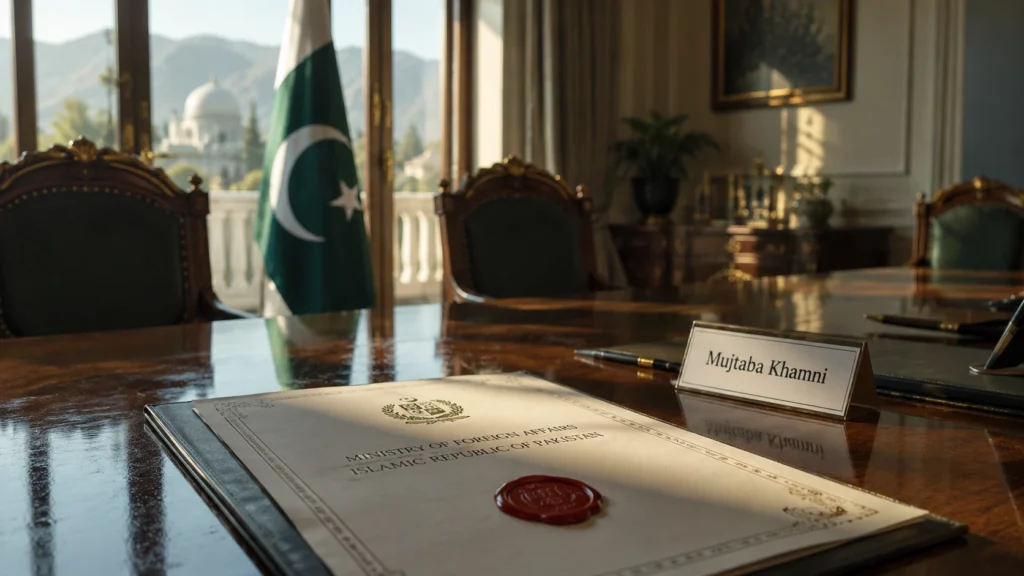
Iran’s counter-proposal, transmitted through Pakistani mediators, demands an immediate end to the war on all fronts — including Israeli operations against Hezbollah in Lebanon — a halt to the US naval blockade, guarantees against further attacks, compensation for war damage, and formal recognition of Iranian sovereignty over the Strait of Hormuz.
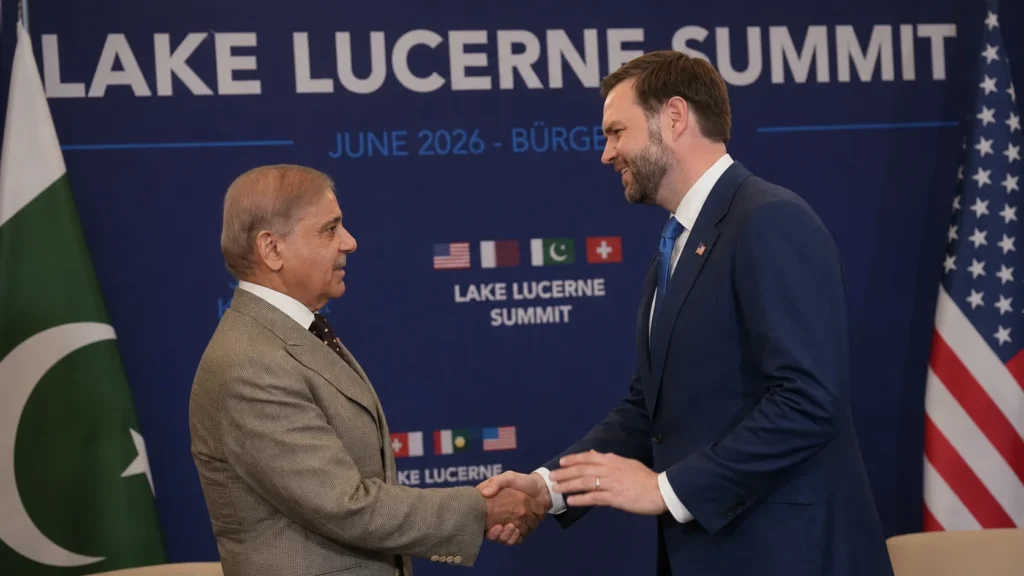
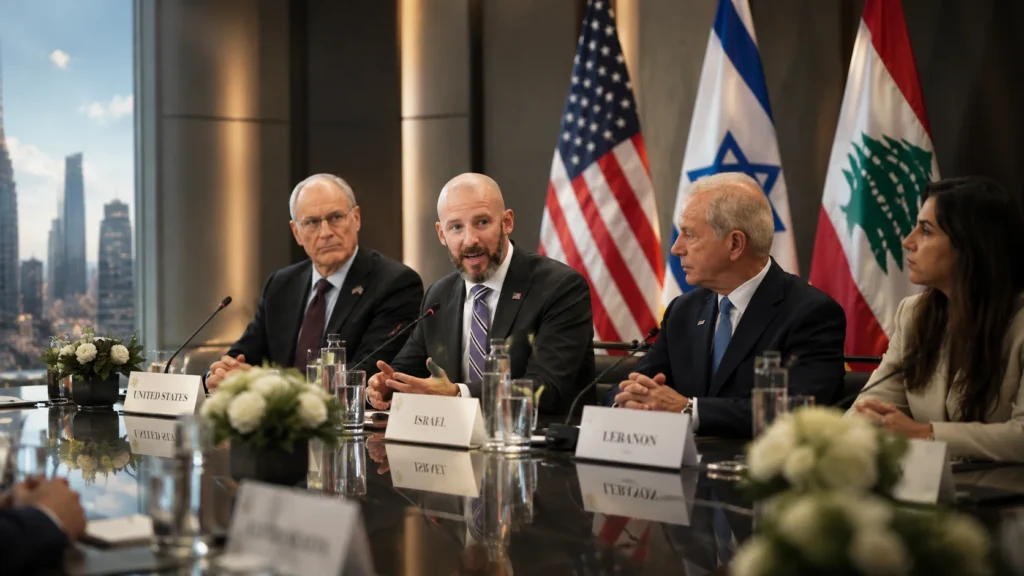
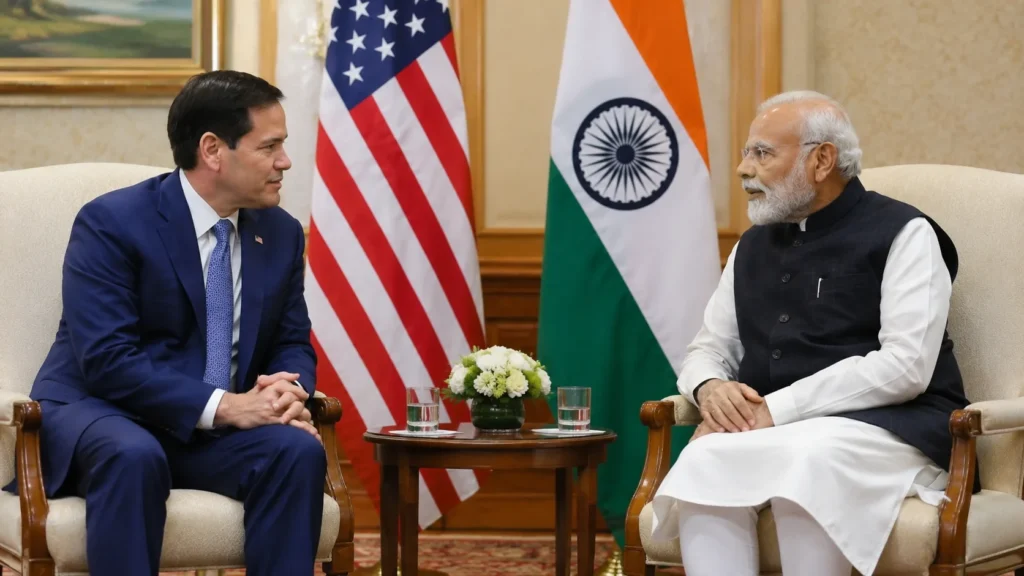
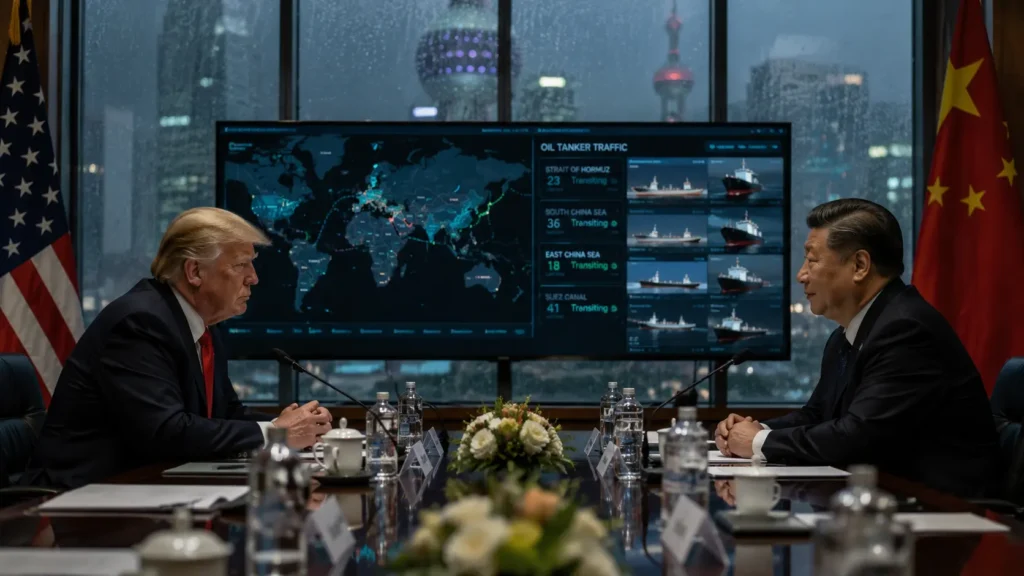
Iranian Foreign Ministry spokesperson Esmail Baghaei described Tehran’s proposal as “responsible” and “generous.” Neither side has conceded on core demands. Pakistan continues to mediate, but the Gulf states have now inserted themselves directly into the military decision-making process — a shift that analysts describe as significant in reshaping the conflict’s diplomatic architecture.
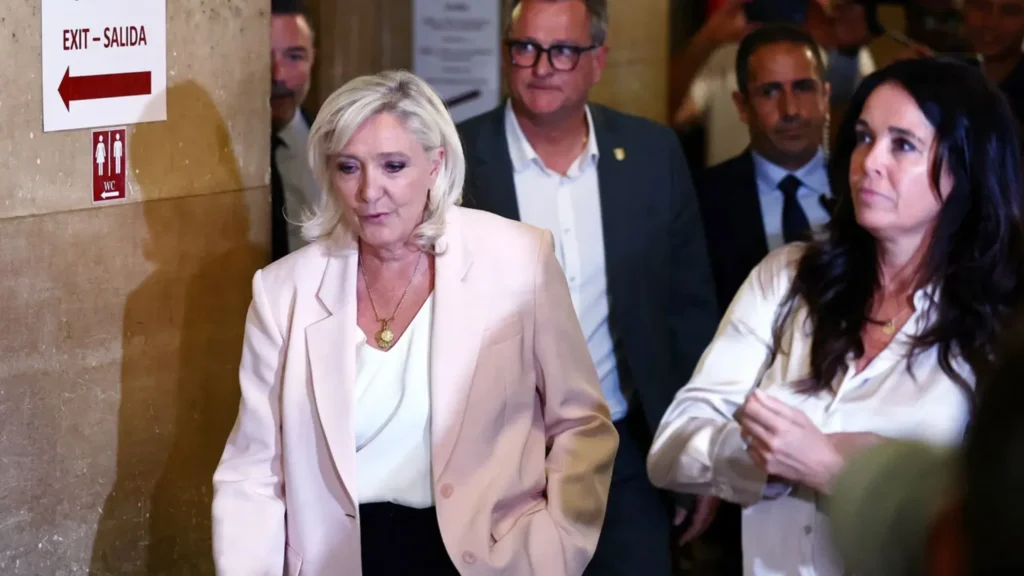
Pakistan’s mediation role and the new diplomatic architecture of the Iran conflict
FAQ: Trump Iran Attack Pause 2026
Why did Trump call off the Iran attack?
Trump said the leaders of Qatar, Saudi Arabia, and the UAE asked him to hold back because “serious negotiations” are taking place. The request came amid concerns over Iranian retaliation against Gulf infrastructure and collapsing US public support for the war.
What does the New York Times/Siena poll show?
The poll, published on 19 May 2026, found 64% of American voters believe the war with Iran was the wrong decision. Trump’s job approval rating stands at 37%.
What is Iran demanding in the negotiations?
Iran demands an immediate end to the war on all fronts, a halt to the US naval blockade, guarantees against further attacks, compensation for war damage, and formal recognition of Iranian sovereignty over the Strait of Hormuz.
Is the Strait of Hormuz still closed?
Yes. Iran maintains conditional control over the strait. Approximately 850 merchant vessels and 20,000 seafarers remain trapped inside the Gulf. Oil prices remain elevated.
What happens if negotiations fail?
Trump warned the US is ready to “go forward with a full, large-scale assault of Iran, on a moment’s notice.” The 8 April ceasefire remains in place but fragile.
Written by the Foreign Desk, drawing on Trump’s Truth Social posts, New York Times/Siena College polling data, Iranian state and semi-official media reporting, and institutional coverage of US-Iran relations spanning over two decades. The desk has covered every phase of the current conflict since the 28 February airstrikes.