

 English






























































































































































































































World Cup Ads Stopped Selling Boots. They Started Selling You.
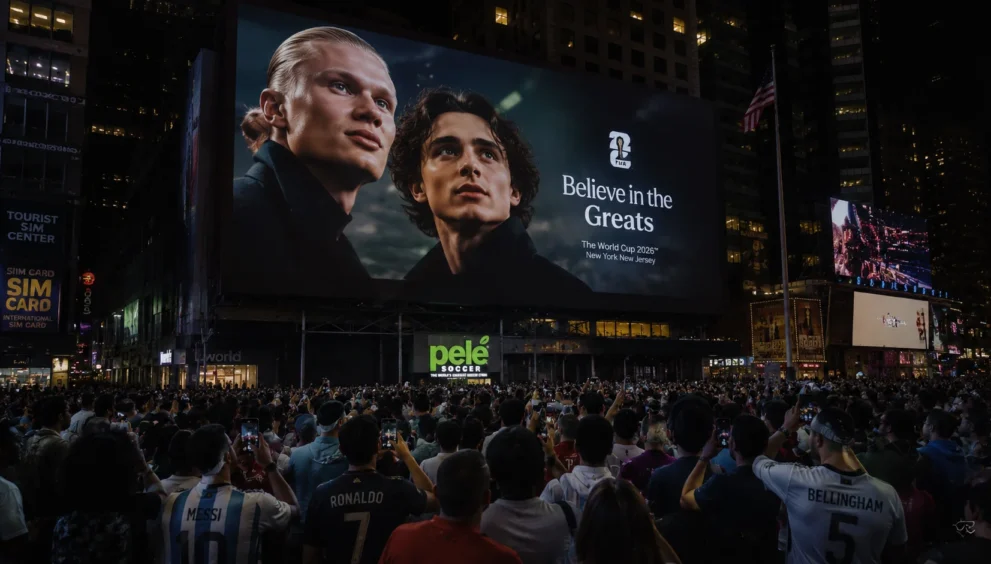
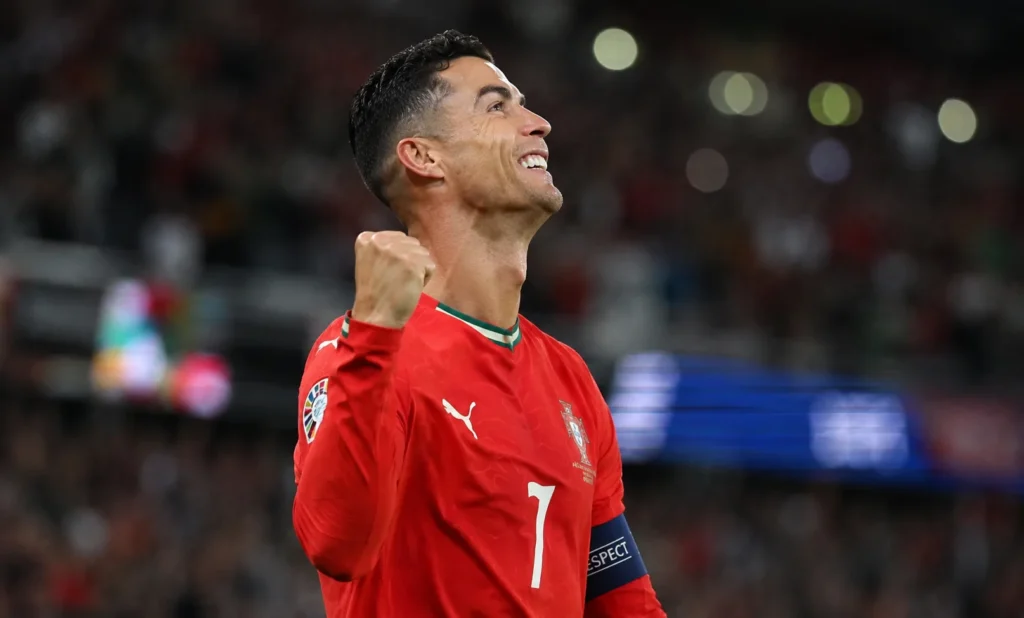
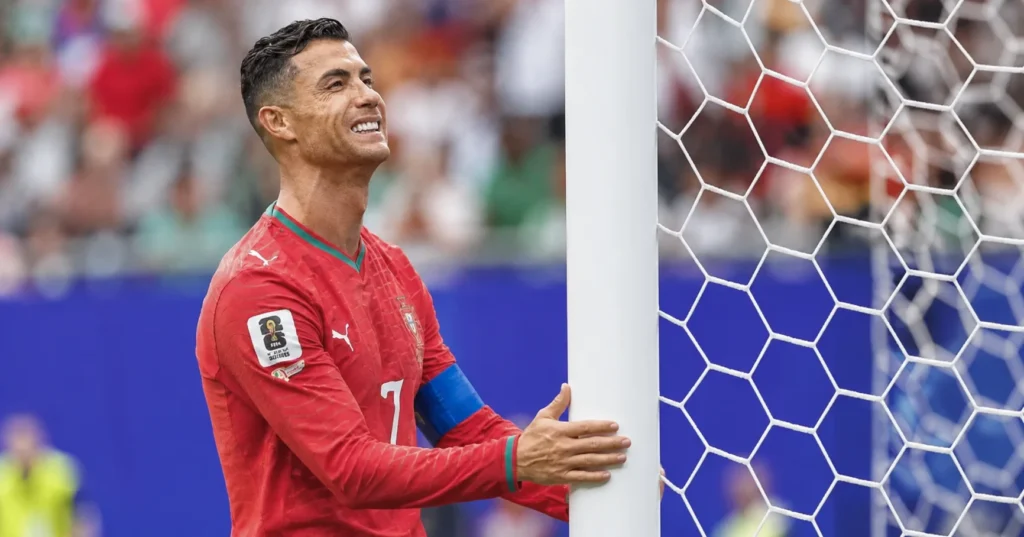
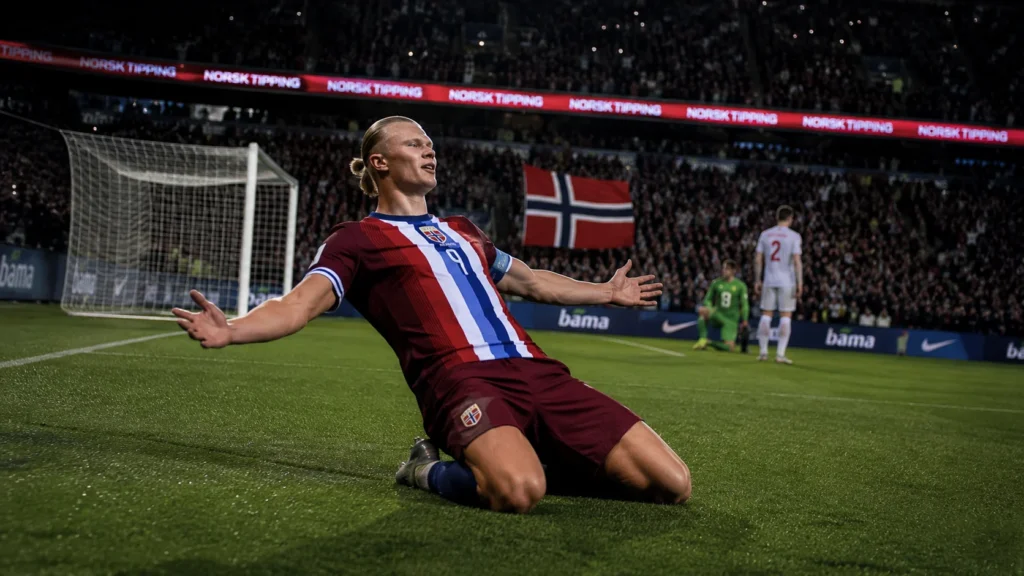
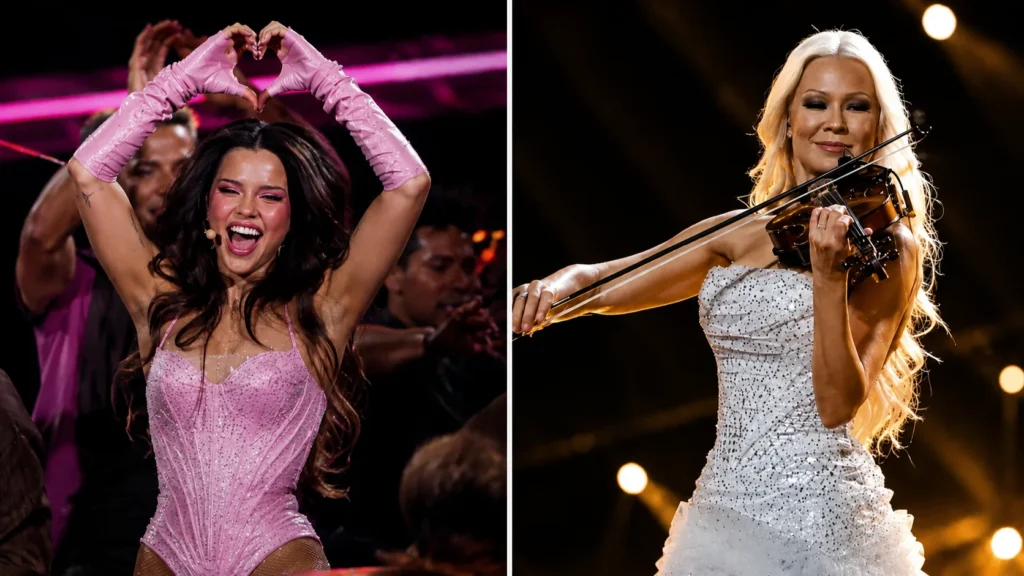
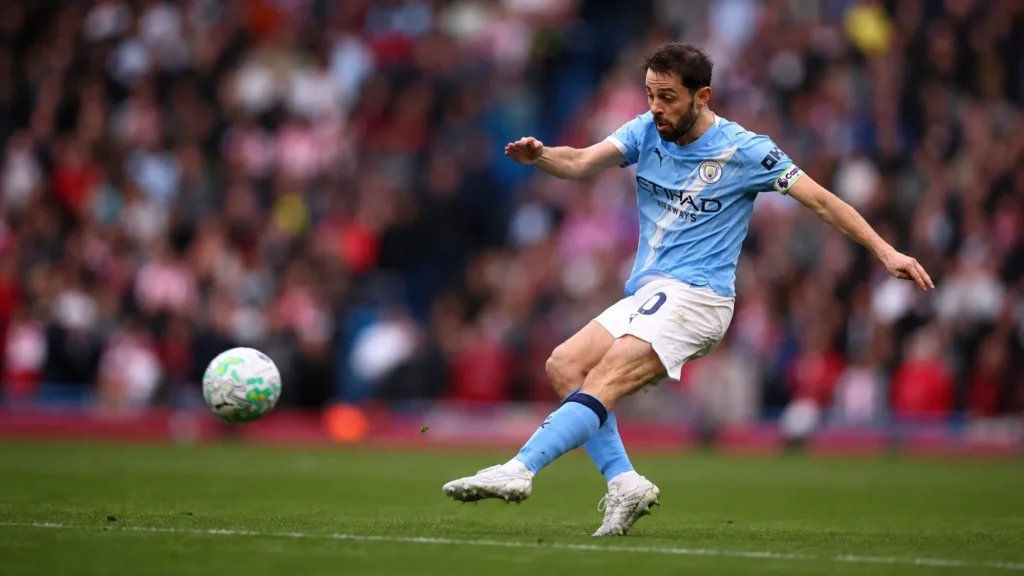
The Nike film runs almost six minutes. Erling Haaland waits. Channing Tatum plays his stunt double. Kylian Mbappé appears. Cristiano Ronaldo appears alongside LeBron James, both of them lit like X-Men. Kim Kardashian watches from the stands. Ted Lasso coaches. Travis Scott, Central Cee, and Blackpink’s Lisa—all of them pass through the frame. The football is almost incidental. The product is almost invisible. The ad is called Rip the Script. It does not mention boots.
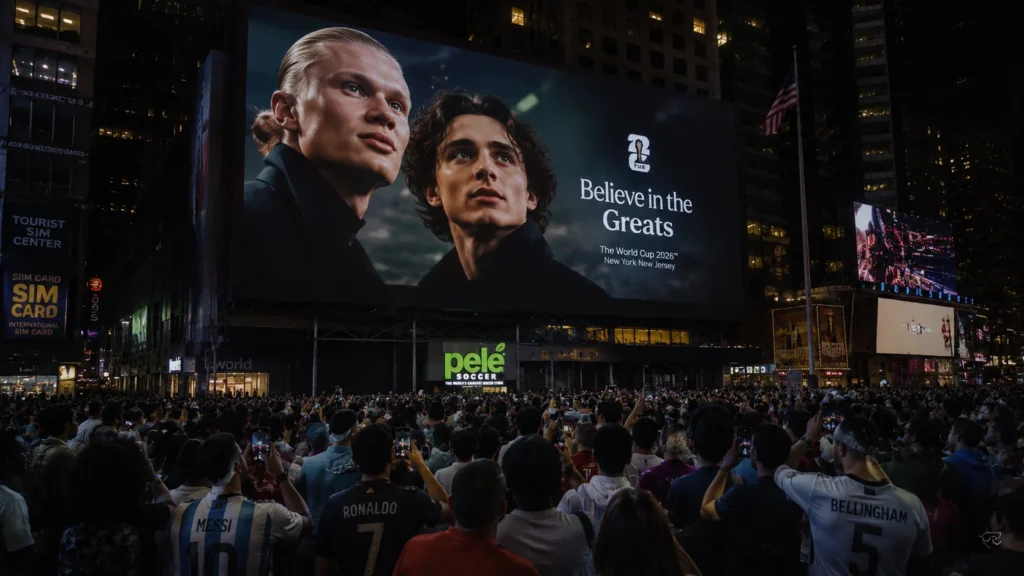
Adidas responded with five minutes of Timothée Chalamet pulling together a band of “Backyard Legends“—Lamine Yamal, Jude Bellingham, Trinity Rodman, Bad Bunny, Lionel Messi, and a digitally regenerated young David Beckham. The neighbourhood tournament unfolds in free-flowing slow motion. No one talks about footwear.
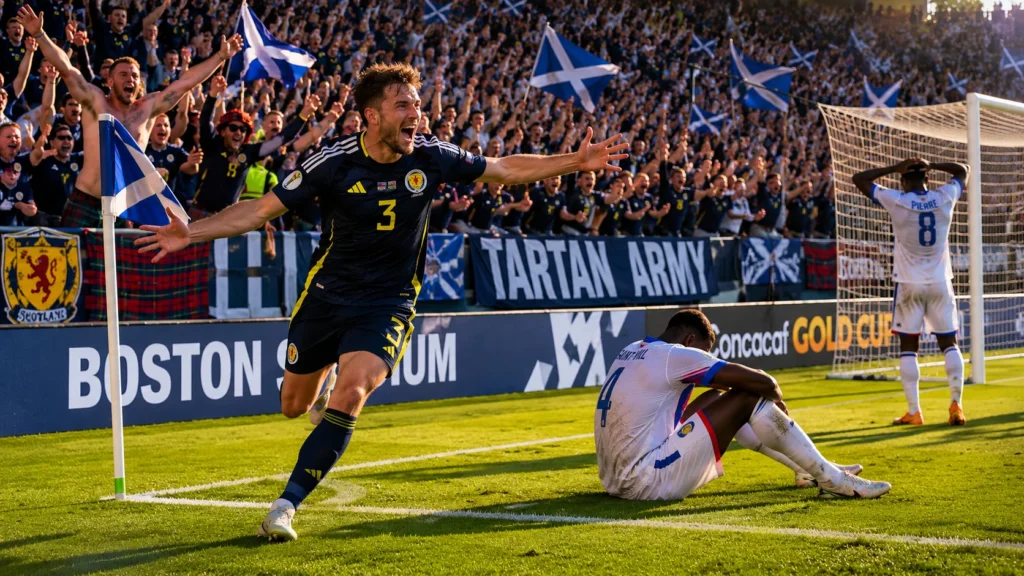
Irn-Bru, operating on a fraction of the budget, put Susan Boyle on the Forth Bridge singing a ballad version of a retro jingle while Franz Ferdinand’s Alex Kapranos shredded a guitar somewhere near a loch. The ad celebrated the Tartan Army—the ridiculous travel plans, the financial irresponsibility, the sleep deprivation. It celebrated fans, not players.
Caleb Jensen, one of Nike’s executive creative directors, described the situation directly: “It does feel like it’s a World Cup in itself, just in the world of advertising.” His creative partner, Blair Warren, added the diagnosis: “Young people don’t want to feel like they’re being marketed to.”
The sentence explains the entire phenomenon. It also buries the implication. If young people do not want to feel marketed to, then the advertisement must become something else. It must become entertainment. It must become culture. It must stop selling the product and start selling the feeling of being the kind of person who might, eventually, in some indirect way, encounter the product.
This is not an isolated event. This is a structural shift in how brands transmit cultural meaning. The advertisement is no longer an interruption to culture. It is culture. The product is no longer the subject. The identity of the consumer is the subject. The boot is incidental. Belonging is everything.
The Super Bowl Model Goes Global
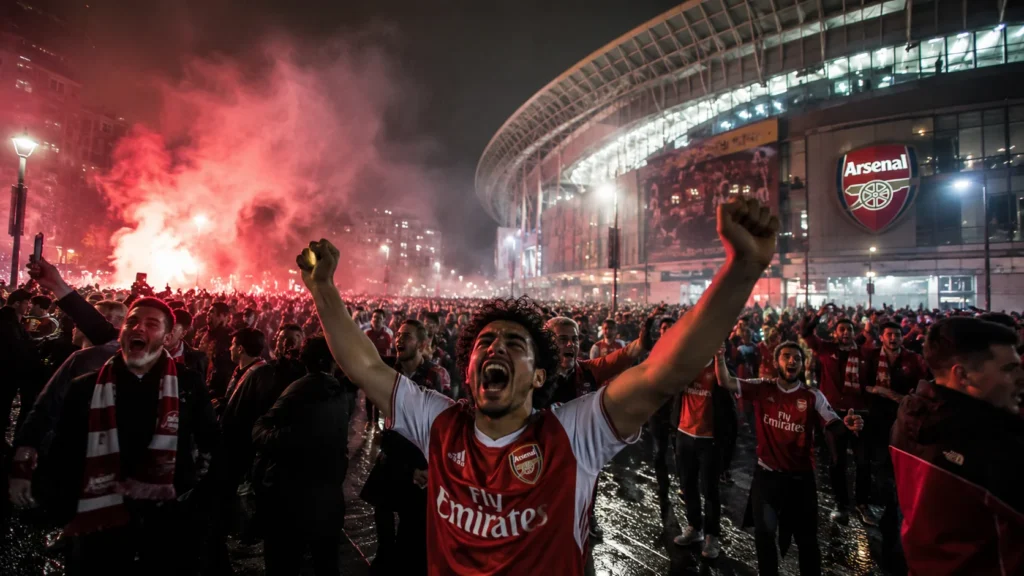
Gurjit Degun, from the advertising industry publication Campaign, locates the shift in a broader pattern. “These adverts are less about selling products like football boots and fizzy drinks—though they are still in there—and more about cultural engagement and lifestyle.” The US is one of the World Cup host nations, and brands are “tackling it in the way they approach the Super Bowl ads”—by going big, going long, and directing viewers online for the full experience.
The Super Bowl model is instructive. For decades, American advertisers have treated the commercial break as a cultural event in its own right. People watch the Super Bowl for the ads. The ads compete with each other. The competition generates coverage. The coverage extends the campaign’s life beyond the broadcast. The World Cup has now adopted the same logic.
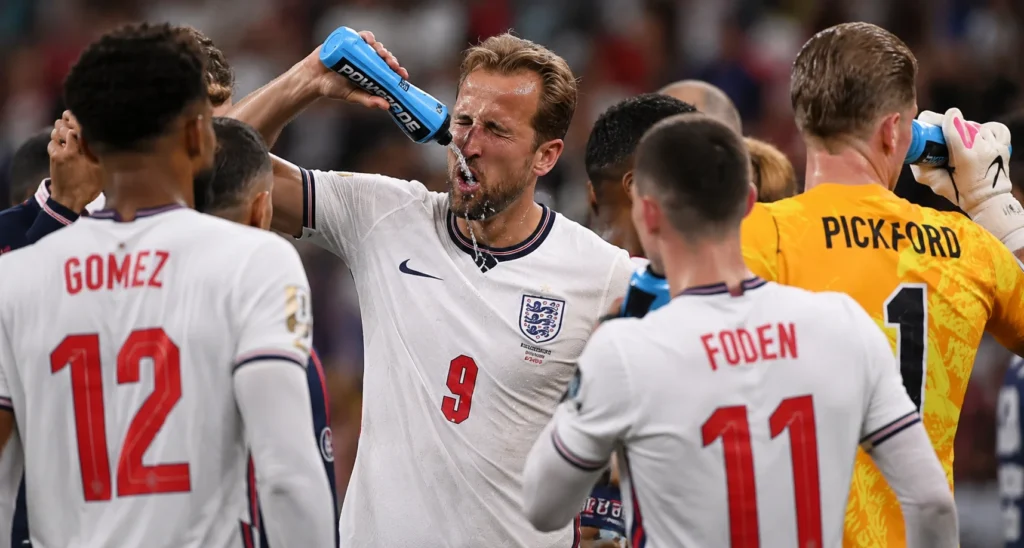
Shorter versions of many commercials appear on television during matches. Hydration breaks—a function of summer temperatures—turn the game into four quarters rather than two halves, allowing broadcasters to insert more promos. The full-length versions live online. The distinction between the ad and the content it interrupts has collapsed. The ad is the content. The interruption is the point.
Tom Berendsen, managing director of production company Business/Club, put the philosophy bluntly: “Selling products is dead. In order to make anyone care, you have to entertain them, which is easier said than done.” His company made a Super Bowl ad for Skittles starring Elijah Wood as a magical horned woodland creature. The product appeared. The horned creature was the draw. “In the old days, you would have a product, and then you’d have advertising to sell a product. Nowadays, you create entertainment that happens to sell a product.”
The syntax matters. The entertainment is primary. The product is secondary. The product happens to be sold. The ad does not exist to move units. It exists to be shared, discussed, parsed for references, and integrated into the viewer’s sense of self. The purchase, if it comes, comes later.
The Talent Economy of Advertising
The scale of talent now appearing in World Cup ads exceeds anything in the history of the genre. Maradona did Coca-Cola in 1982. Scott Parker did McDonald’s in 1994. The Brazil team danced through an airport in 1998. Those ads starred footballers. The current ads star everyone.
Nike’s Rip the Script features Haaland, Mbappé, and Ronaldo—the goal machines. But it also features Kim Kardashian, whose connection to football runs through her PSG-supporting son Saint West. It features LeBron James, a minority owner in Liverpool FC. It features Ted Lasso, a fictional character from a television show about football who has never played professional football. The boundaries between sport, entertainment, celebrity, and fiction have dissolved. The ad does not distinguish between them. The viewer is not expected to either.
Berendsen calls these figures “brand ambassadors” and notes that they are needed to cut through a “saturated” advertising space. “The only way that you cut through that barrier is to bring in people with cultural significance that they [viewers] respect. But, God, does it cost brands a lot of money to do this?”
The cost is the barrier to entry. Nike and Adidas can afford Chalamet and Kardashian, and a digitally regenerated Beckham. Irn-Bru cannot. Irn-Bru’s response was structural: pivot from the heroic to the human, from the aspiration to the experience, from the player to the fan. Susan Boyle on the Forth Bridge costs less than Ronaldo in slow motion. The cultural impact can be comparable if the cultural insight is sharper.
The Fan as Subject
Shelley Smoler, chief creative officer at Lucky Generals, which oversaw the Irn-Bru campaign, described the research that went into it. “We did loads of research to actually find out what the fans are feeling, what the Tartan Army is going through during this time, and what they feel about it. So it’s not celebrating football greatness or the heroic athletes or the cinematic aspiration that other brands are trying to tap into, but more like the ridiculous travel plans, the impossible odds, the financial irresponsibility, and the sleep deprivation.”
The contrast is precise. Nike and Adidas sell aspiration—the idea that you, too, could be Haaland or Bellingham or a digitally regenerated Beckham if you wear the right boots. Irn-Bru sells recognition—the idea that you, right now, with your terrible travel plans and your sleep deprivation and your financial irresponsibility, are already part of something. One strategy requires a blockbuster budget. The other requires an accurate understanding of the audience.
Both strategies share a fundamental assumption. The advertisement is no longer a message from a company to a consumer. It is a mirror held up to the consumer’s identity. The product is present but peripheral. The real subject is the person watching. The ad says: ” This is who you are. The brand says: ” We understand you. The sale comes later, if it comes at all.
Who Gains, Who Loses
The power recalibration is visible across multiple axes.
Platforms gain cultural authority. The full-length ads live on YouTube, Instagram, and TikTok. The sharing generates data. The data refines the targeting. The targeting generates sales. The cycle is closed. The broadcast is now a trailer for the online experience, not the other way around.
Celebrities gain a new revenue stream that blurs the line between endorsement and performance. Chalamet does not simply appear in an Adidas ad. He appears as a character—the leader of the Backyard Legends—in a short film that happens to be funded by Adidas. The distinction between acting and endorsing collapses. The celebrity becomes the brand. The brand becomes the celebrity.
Smaller brands lose the ability to compete on scale. Irn-Bru cannot match Nike’s talent budget. The response—focus on fans, focus on humour, focus on cultural specificity—works because it is authentic. But authenticity is a strategy born of constraint. The brands that cannot afford Chalamet must be smarter about what their audience actually wants to see.
Consumers gain entertainment and lose the ability to distinguish it from marketing. The Nike film is genuinely enjoyable. The Adidas film is genuinely enjoyable. They are also advertisements. The pleasure they provide is real. The purpose they serve is commercial. The two things are no longer separable. The ad that does not feel like an ad is still an ad.
The 24-Month Trajectory
The trend will accelerate. The Super Bowl model has proven that advertisements can function as cultural events independent of the events they interrupt. The World Cup model extends that logic globally. The next cycle will feature longer films, bigger stars, and more elaborate crossovers between sport, music, film, and fashion.
The line between advertising and entertainment will continue to dissolve. Production companies that once made music videos and short films now make ads. Directors who once saw commercial work as a compromise now see it as a canvas. Alejandro González Iñárritu’s Write the Future for Nike in 2010 arguably started the trend. The current cycle has normalised it. The next cycle will take it for granted.
The smaller brands will continue to innovate on the margins. Irn-Bru’s fan-focused strategy is replicable. Other brands with limited budgets and strong local identities will follow the same path—celebrate the audience, not the athlete, and trust that recognition can compete with aspiration if the recognition is accurate enough.