

 English
























































































































































































































































































































Taylor Swift Joined the Songwriters Hall of Fame. She Thanked the Move, Not the Music.
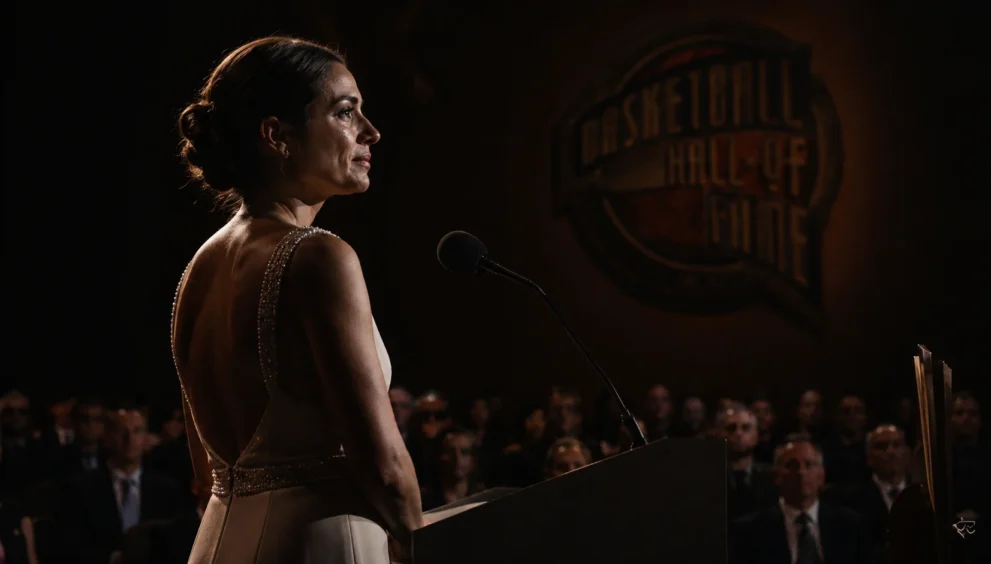
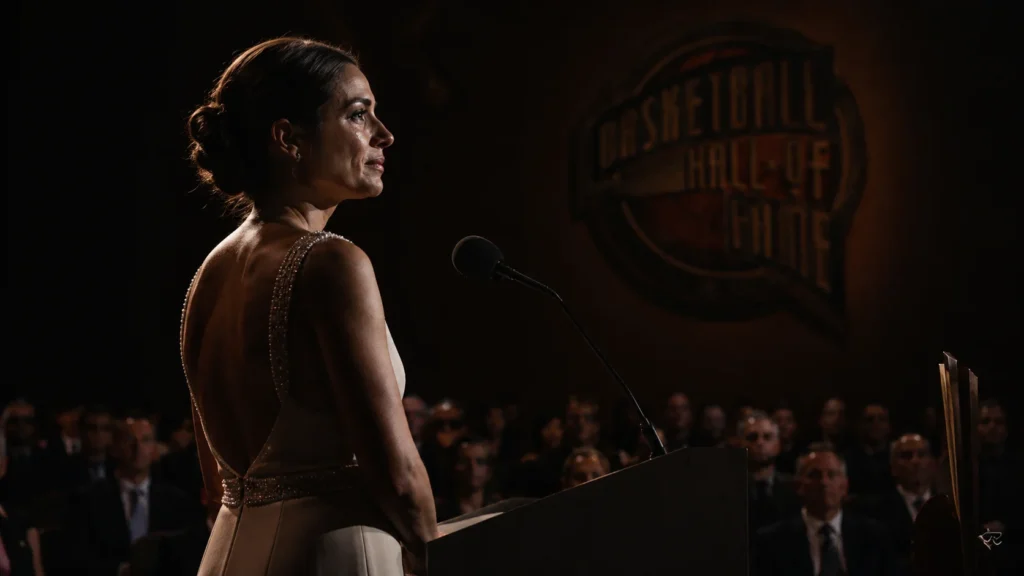
The speech ran 21 minutes. At a ceremony in New York, Taylor Swift stood before the Songwriters Hall of Fame—an institution founded in 1969 that has inducted fewer than 500 people in over half a century—and became the youngest woman ever admitted. Stevie Wonder, inducted at 33, remains the only person younger. Swift is 36. The room included Alanis Morissette, Kenny Loggins, Paul Stanley, and Nile Rodgers. Steven Spielberg introduced her.
She thanked her family. She described the move from Pennsylvania to Nashville when she was 14. “It couldn’t have been easy for my parents and my brother to just pick up and move our entire family,” she said. “Even though words are supposed to kind of be my thing, I will never be able to express my gratitude to you guys for doing that for me. You’re the reason I’m here tonight.”
Then she said something stranger. Songwriting, she explained, was the only part of her career that came naturally. “When I say that songwriting was the easiest part for me, I think what I mean is that it was instinctual. No-one taught me how to do it. I had to be taught how to entertain a crowd, and learn choreography, and be less annoying and navigate the industry and fiercely protect my own sanity through difficult lessons and massive amounts of trial and error and chaos and calamity. But songwriting for me was pretty much the only thing I naturally did.”
The statement was a quiet provocation. The Hall of Fame honours craft. Swift described craft as instinct. The performance, the business, the choreography, the crowd work—those she learned. The songwriting she arrived with. The distinction matters because it rewrites the story of how an artist becomes an institution. The institution honours the work. The artist says the work was never work.
This is not an isolated event. This is a structural shift in how creativity narrates itself—away from the myth of the tortured craftsman and toward something quieter: the idea that the most valuable thing an artist possesses is not technique but a self that was formed before the industry could shape it.
The Move That Made the Songs
Swift located the origin of her songwriting not in a mentor, a method, or a moment of artistic awakening. She located it in a family decision. The move from Pennsylvania to Nashville—”the songwriting capital of the world”—was an act of parental sacrifice that preceded any proof of talent. The family relocated for the possibility of a career before the career existed.
This is not the standard artist’s creation myth. The standard myth involves solitary struggle, rejection, persistence against institutional indifference. Swift’s version involves a family that believed in her enough to uproot itself. The gratitude she expressed was not for the award. It was for the move. The songwriting followed. The songs were the result of a decision someone else made when she was 14.
The emotional climax of the speech was not about music. It was about family. Swift cried. The room watched. The Hall of Fame, an institution built to honour the craft of songwriting, received a speech that argued the craft was secondary to the conditions that made it possible. The songwriter accepted the honour by pointing away from herself.
The Instinct That Cannot Be Taught
Swift’s claim that songwriting was “instinctual” and that “no-one taught me how to do it” separates her from the pedagogical tradition the Hall of Fame exists to celebrate. The institution honours writers who have studied the form, mastered the structure, refined the technique over decades. Swift’s body of work—All Too Well (10 Minute Version) (Taylor’s Version), Blank Space, Anti-Hero, Love Story, The Last Great American Dynasty—demonstrates craft at the highest level. But she insists the craft was not learned.
The claim is partly a performance of humility and partly a statement of artistic philosophy. Swift has spent years being analysed, critiqued, praised for her narrative construction and melodic instinct. The Hall of Fame induction was the moment the institution ratified what the market had already decided. Her response was to refuse the framework of mastery. She did not describe years of disciplined study. She described something that was already there.
This is a specifically modern way of understanding creativity. It shifts authority from the institution that validates to the individual who possesses. The Hall of Fame can honour you, Swift implied, but it cannot explain you. The explanation belongs to the family that moved, the instinct that arrived pre-formed, the self that existed before the industry knew what to do with it.
The Second-Youngest in the Room
Swift is the second-youngest inductee in the history of the institution. Stevie Wonder, at 33, remains the youngest. The gap between 33 and 36 is small. The gap between Swift and the median age of Songwriters Hall of Fame inductees is not. The institution has historically honoured writers late in their careers, often posthumously, often after decades of accumulated work. Swift’s induction at 36—still in her commercial and creative prime, still releasing albums that break her own sales records, still the subject of daily tabloid speculation about her wedding to NFL star Travis Kelce—signals a shift in institutional time.
The Hall of Fame is adapting to careers that peak earlier and accumulate faster. Swift has released 12 studio albums and four re-recorded “Taylor’s Versions.” She has won the Grammy for Album of the Year four times, more than any other performer. The body of work is large enough to justify induction. The age at which she accumulated it is unprecedented. The institution that once waited for artists to age into their canon now finds itself canonising artists who are still actively expanding theirs.
Who Gains, Who Loses
The power recalibration is visible across multiple axes.
Swift gains institutional validation without surrendering her narrative. The Hall of Fame honours her. She accepts the honour by describing her talent as untaught and her success as the result of a family decision made when she was a child. The institution’s authority to confer legitimacy is acknowledged and gently set aside. The songwriter thanks the room by crediting people who are not in it.
The Hall of Fame gains relevance. Inducting Swift at 36, at the height of her cultural dominance, connects the institution to the present rather than the past. The ceremony generates coverage that Hall of Fame inductions rarely receive. The presence of Spielberg, Kelce, and the tabloid speculation about the couple’s rumoured July wedding ensures the institution reaches audiences it would otherwise miss.
The family gains recognition that the industry rarely provides. Swift’s tearful thanks to her parents and brother for the Nashville move names something that the music business has no formal mechanism to honour: the sacrifice of people who are not artists, who do not receive awards, who uproot their lives for a possibility that might not materialise. The speech made them visible. The Hall of Fame has no category for that.
The Cultural Economy of the Speech
The 21-minute speech is now part of Swift’s archive. It will be transcribed, analysed, quoted, and debated. It will be held up as evidence of her authenticity by fans and as evidence of her calculated persona by critics. The length alone—21 minutes, in an era of clipped attention—signals something. Swift did not rush. She did not abbreviate. She took the time the moment required and the institution permitted.
The speech will join the body of work the Hall of Fame exists to honour. It is not a song. It is not a lyric. But it is a piece of writing, delivered orally, that constructs a narrative about creativity, family, and the origins of art. It is, in its way, a songwriter’s work. The Hall of Fame honoured the songs. Swift responded with a story about the life that made the songs possible. The story is now part of the record.
Strategic Summary
- What changed: Taylor Swift became the youngest woman inducted into the Songwriters Hall of Fame and used her 21-minute speech to credit her family’s relocation to Nashville, not her craft, as the foundation of her career.
- Why it matters: The speech rewrites the standard artist’s creation myth—from solitary struggle to familial sacrifice—and separates talent from pedagogy at the moment the institution honours craft.
- What to watch next: Whether the Hall of Fame accelerates inductions of younger artists as careers continue to peak and accumulate earlier. Whether Swift’s framing of songwriting as “instinctual” influences how emerging artists narrate their own development.