

 English
























































































































































































































































China Confirms 200 Boeing Jet Order After Trump-Xi Summit
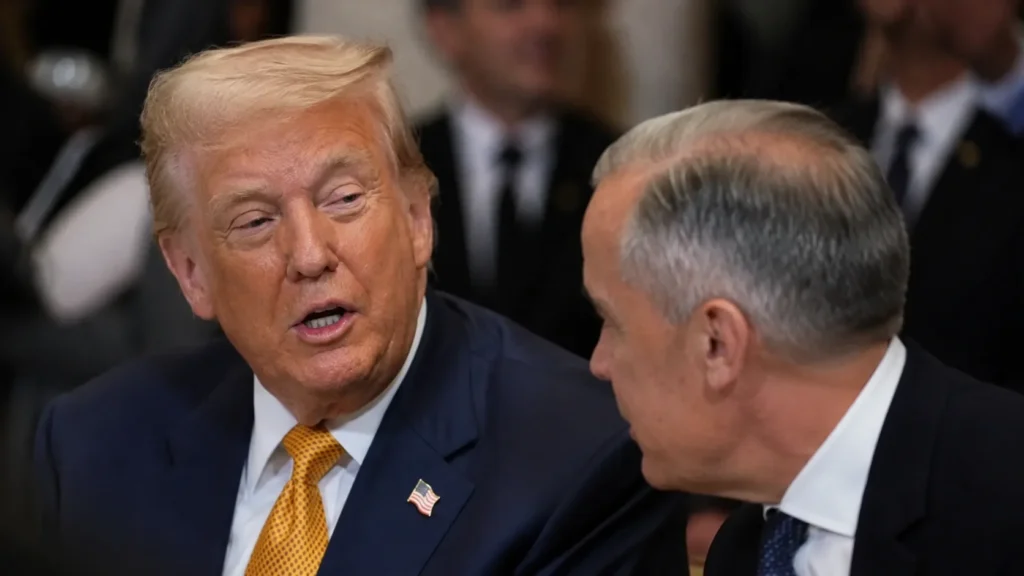
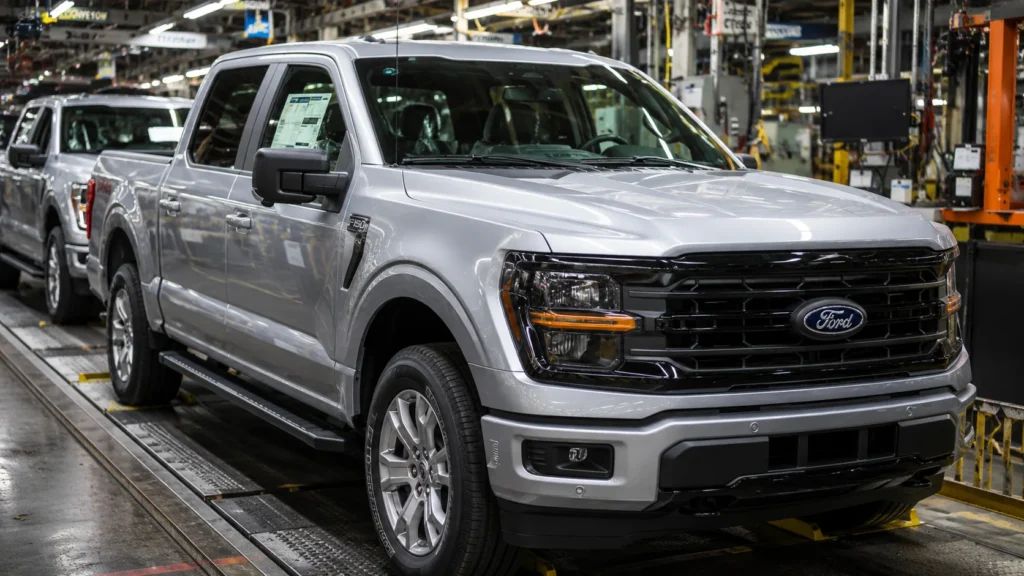
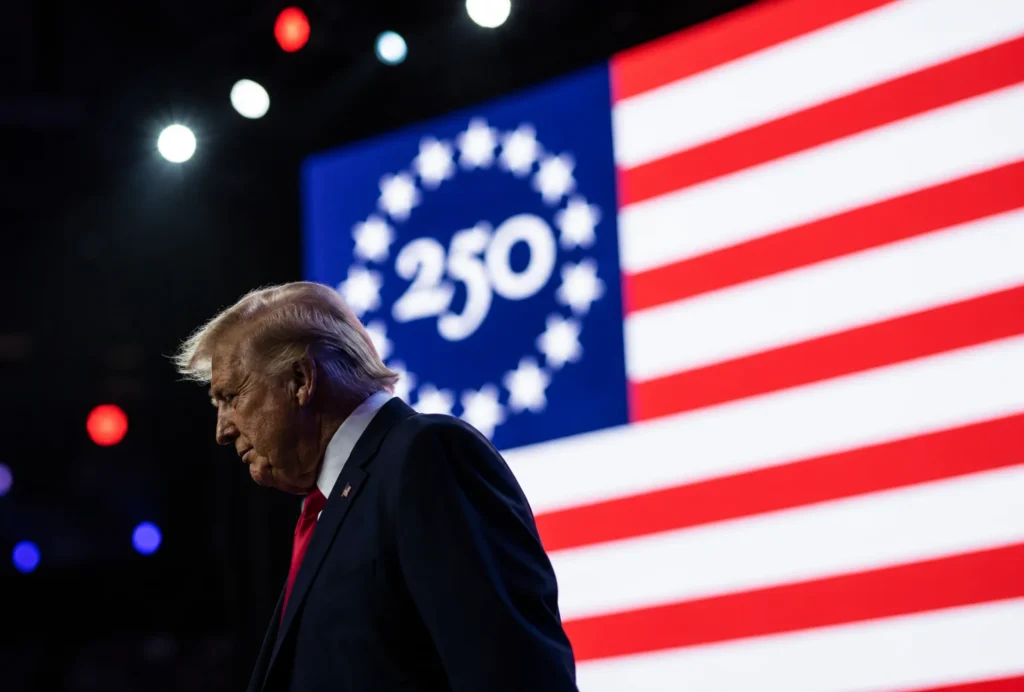
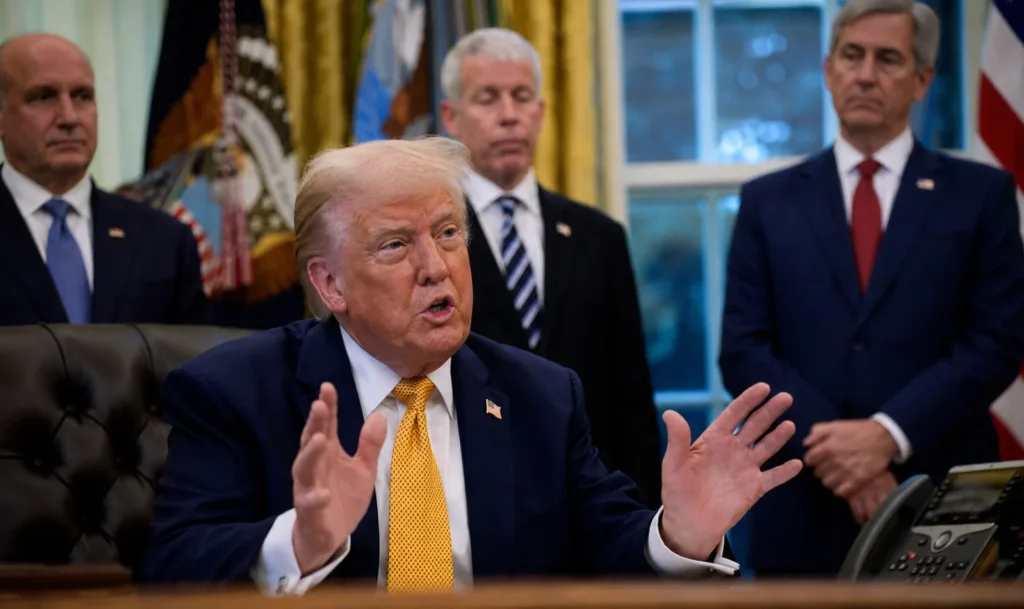
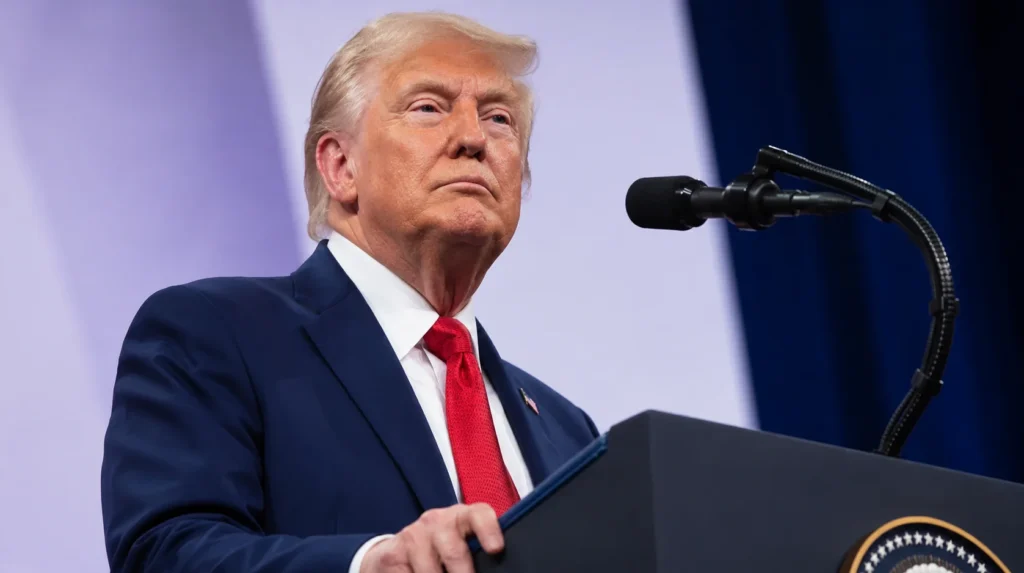
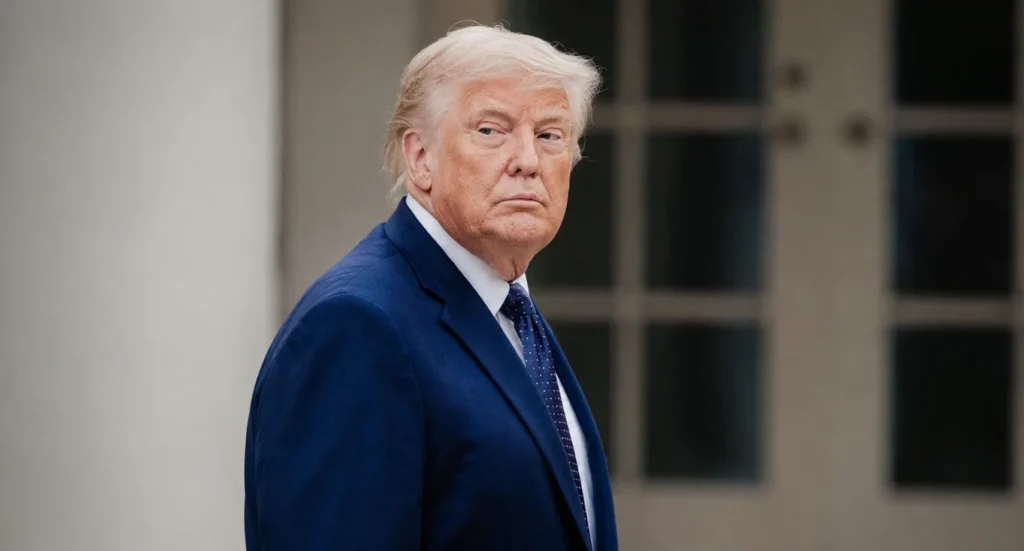
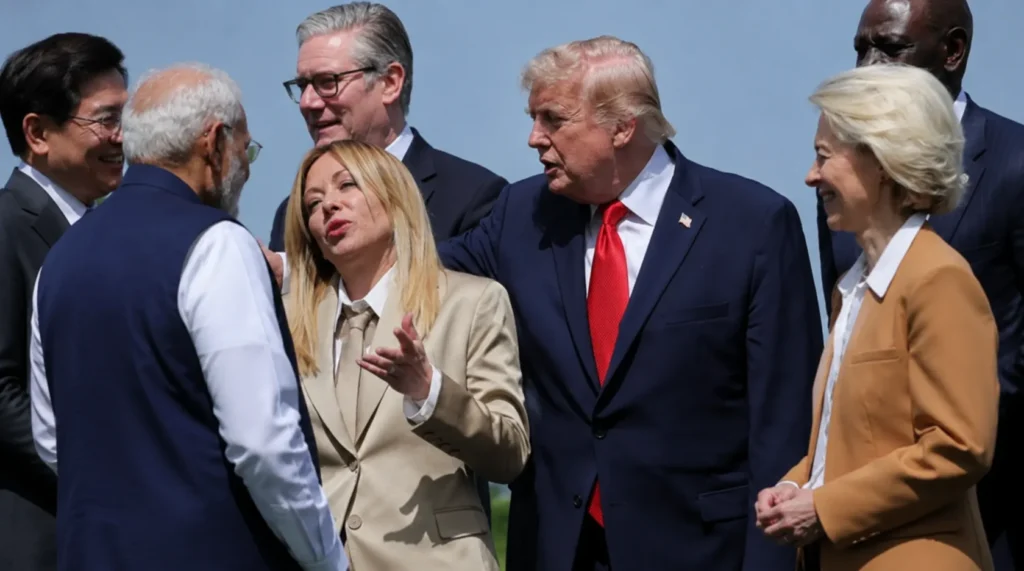
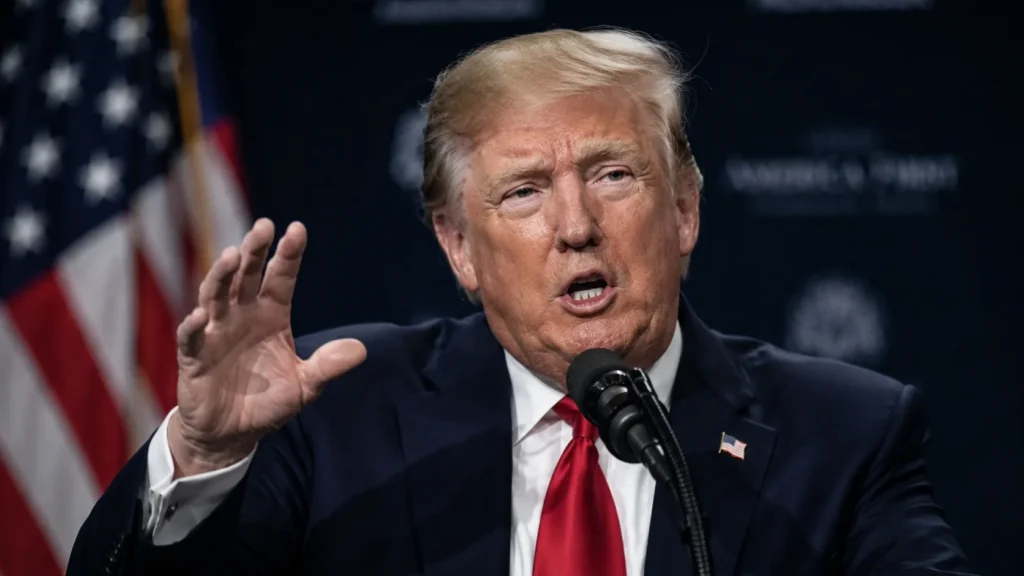
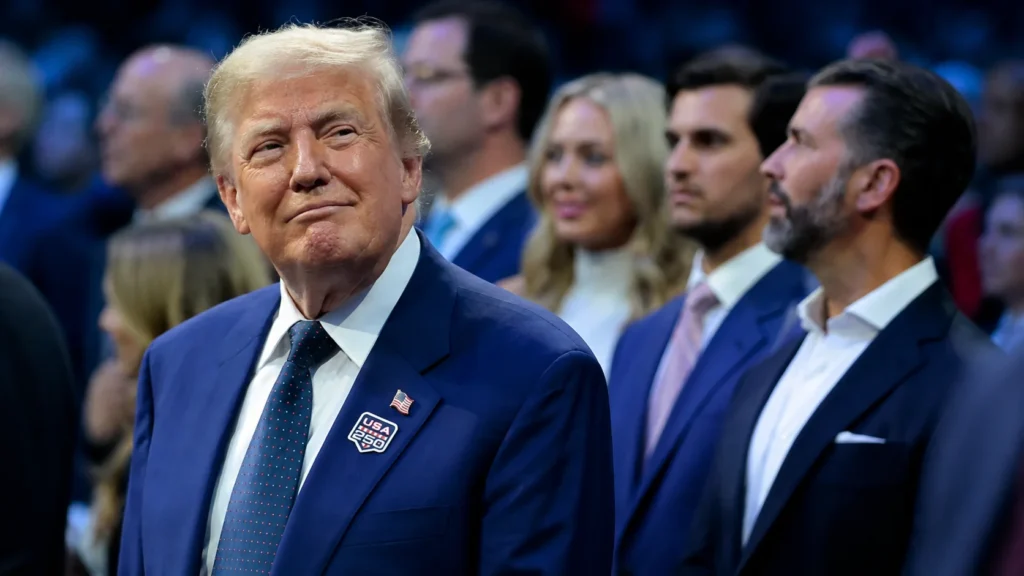
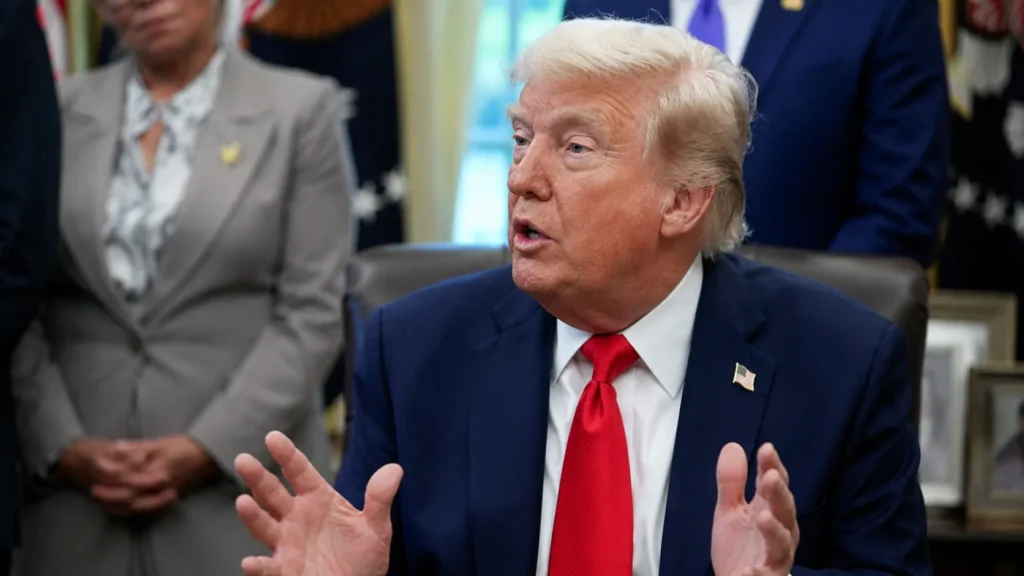
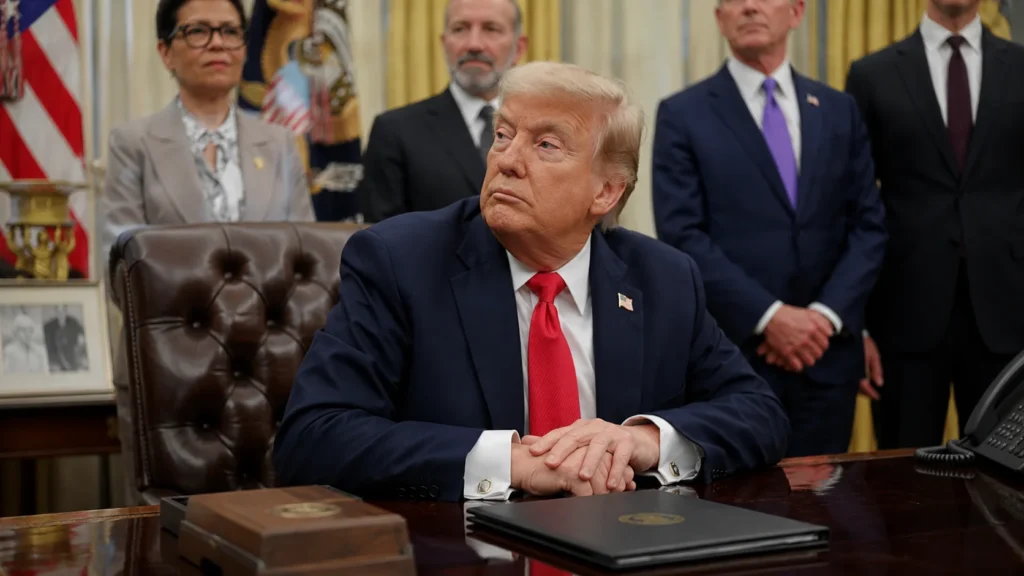
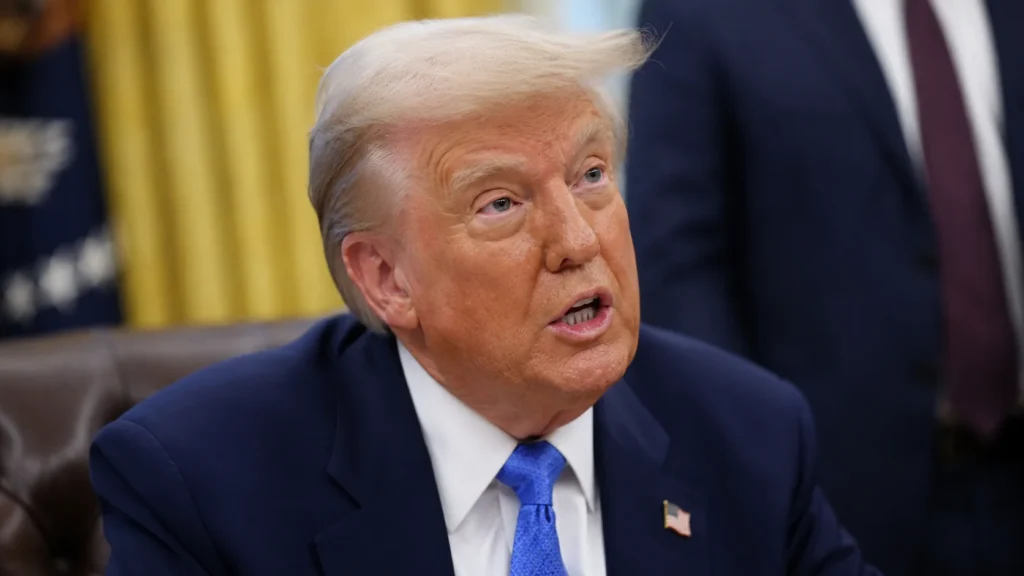
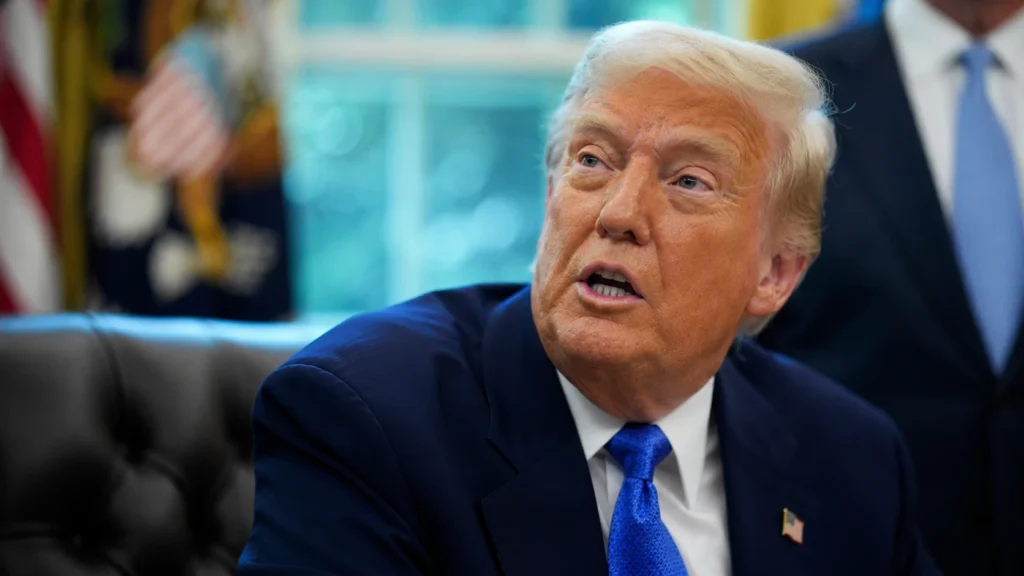
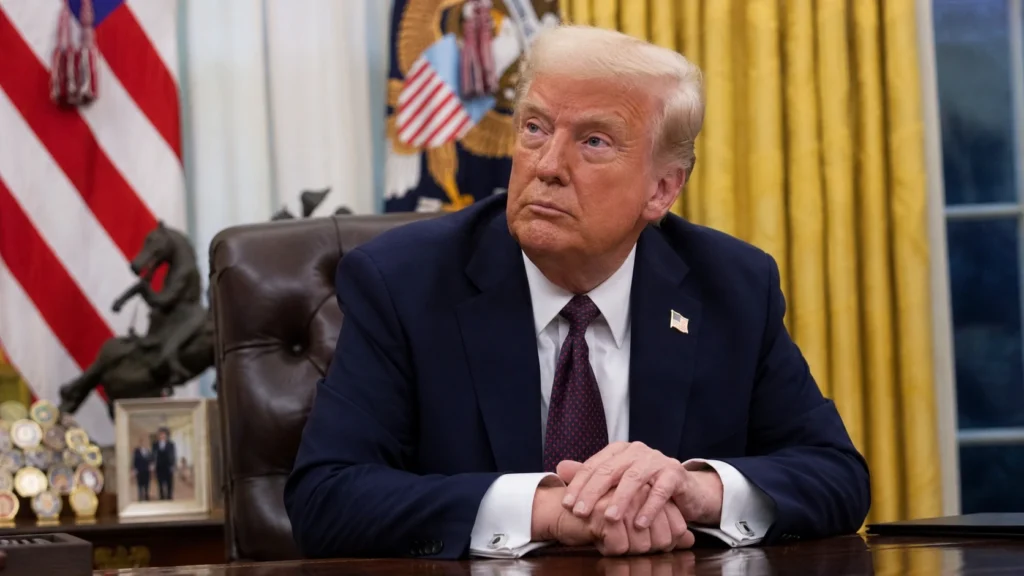
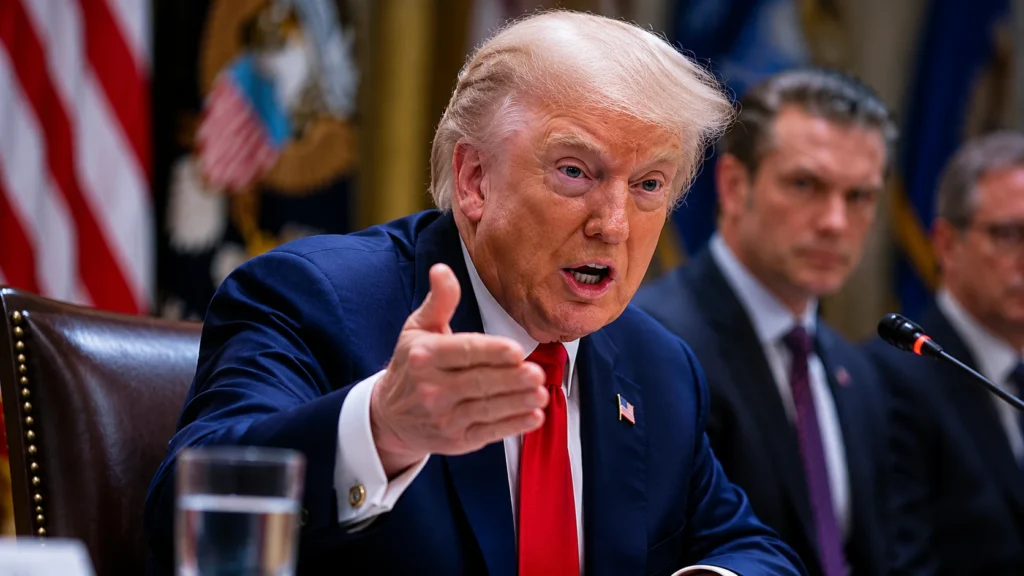
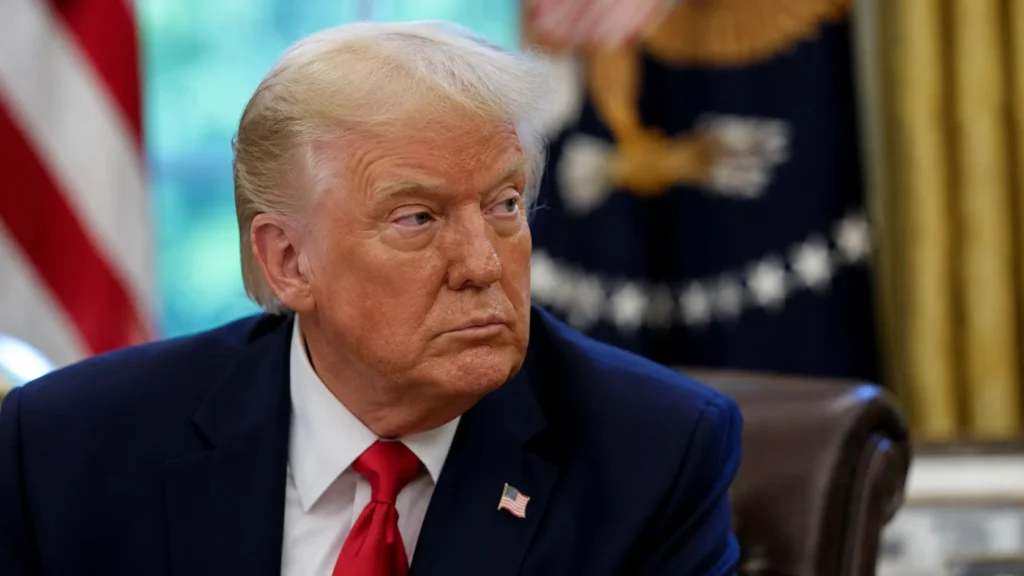
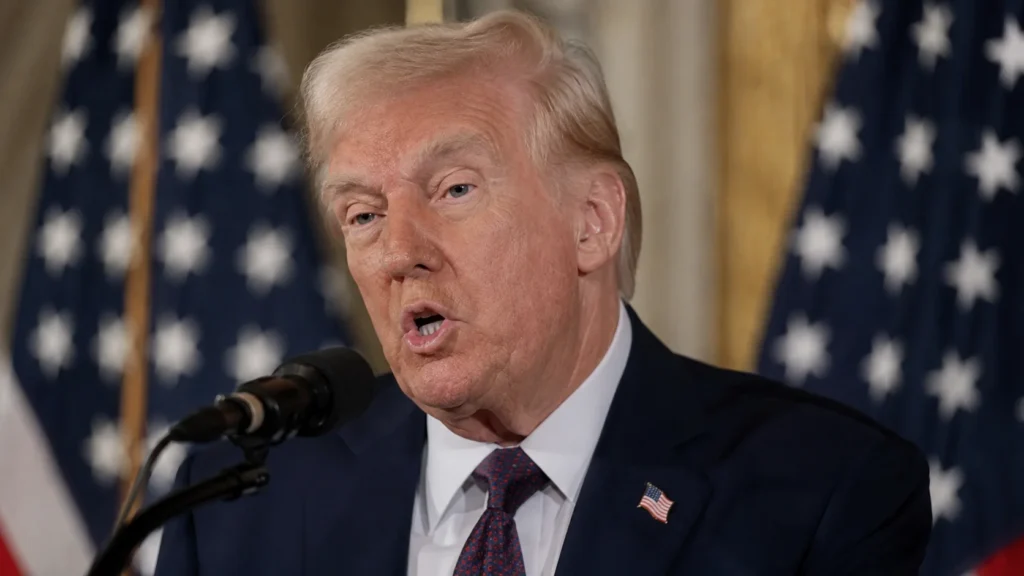
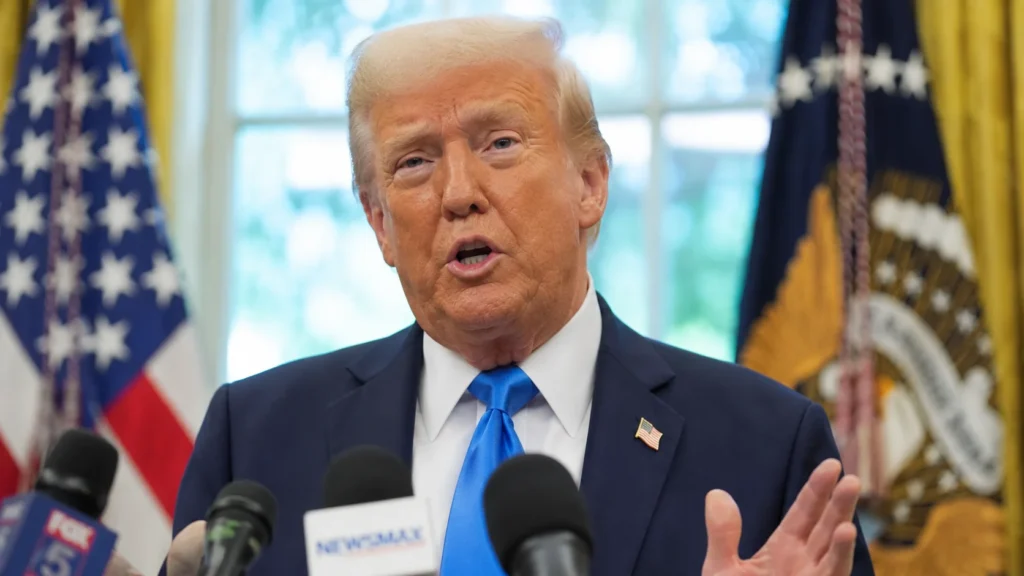
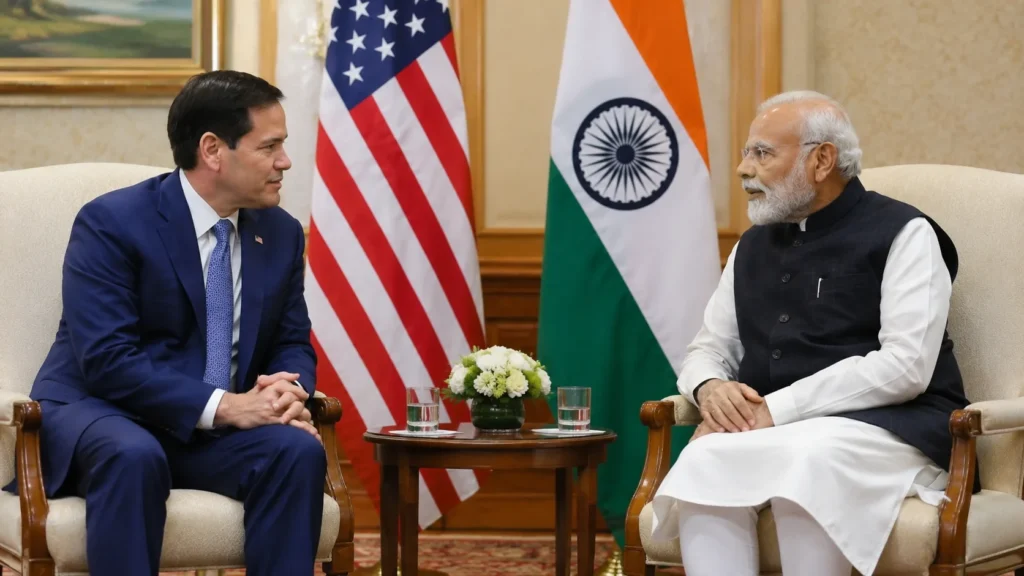
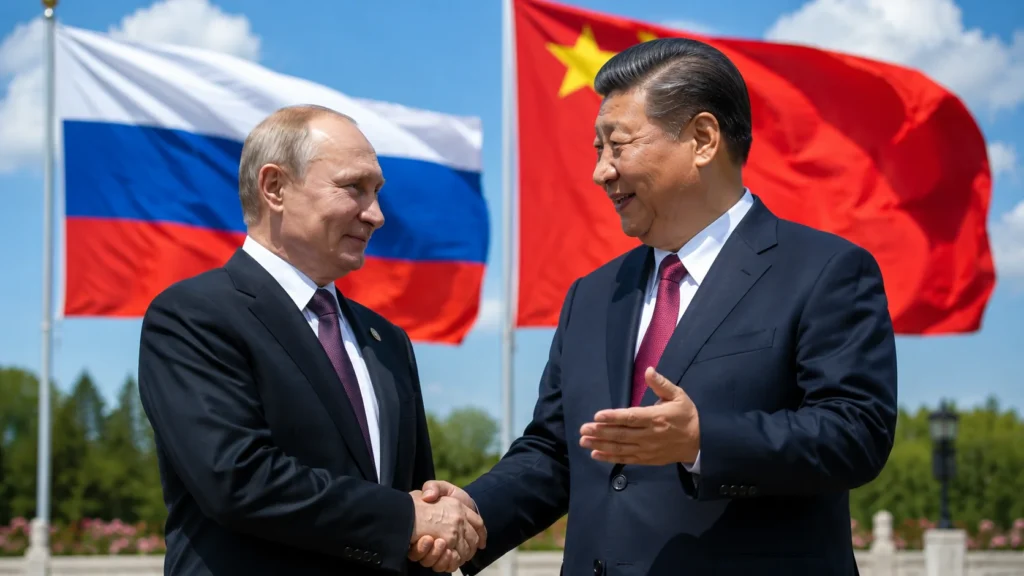
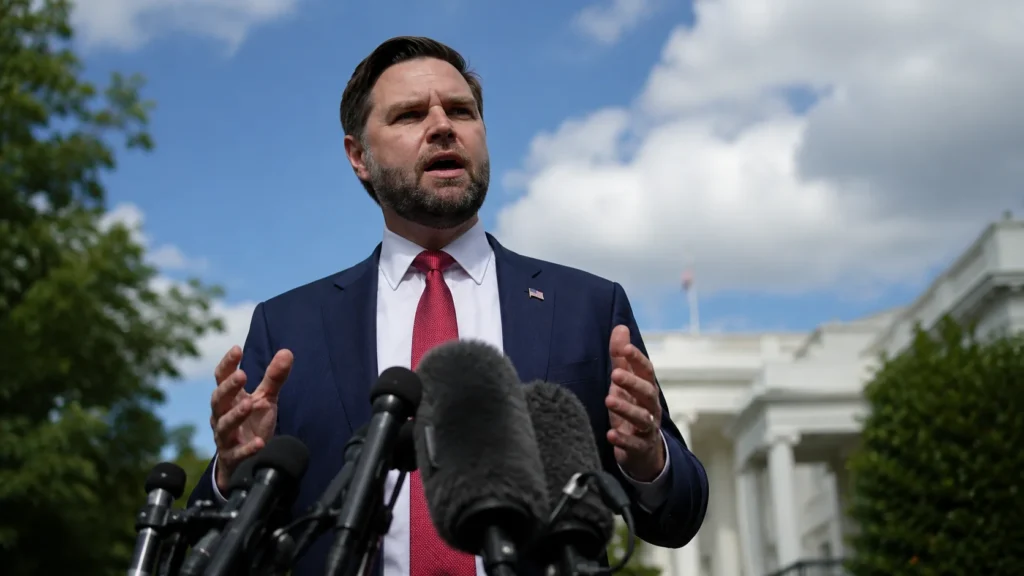
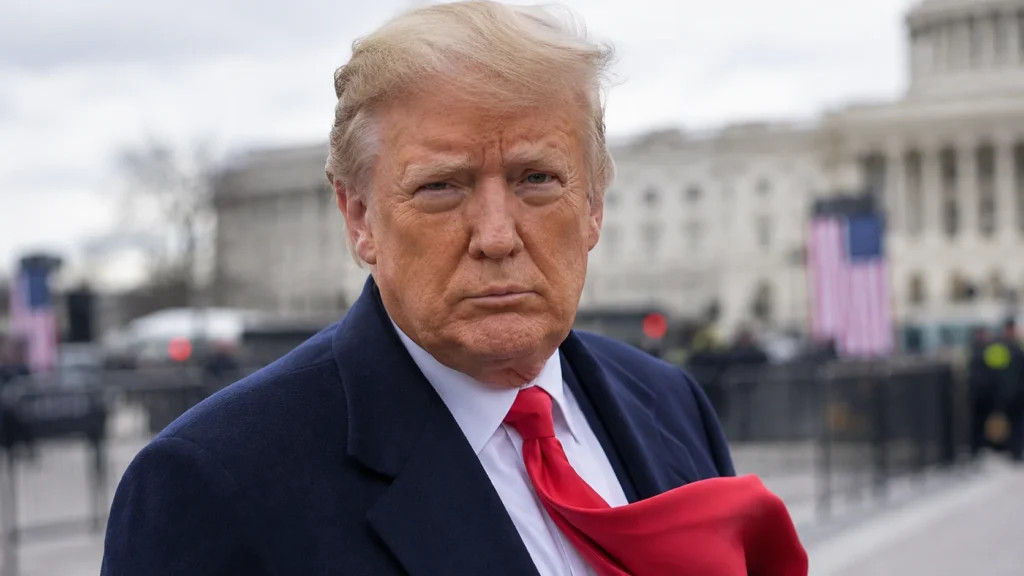
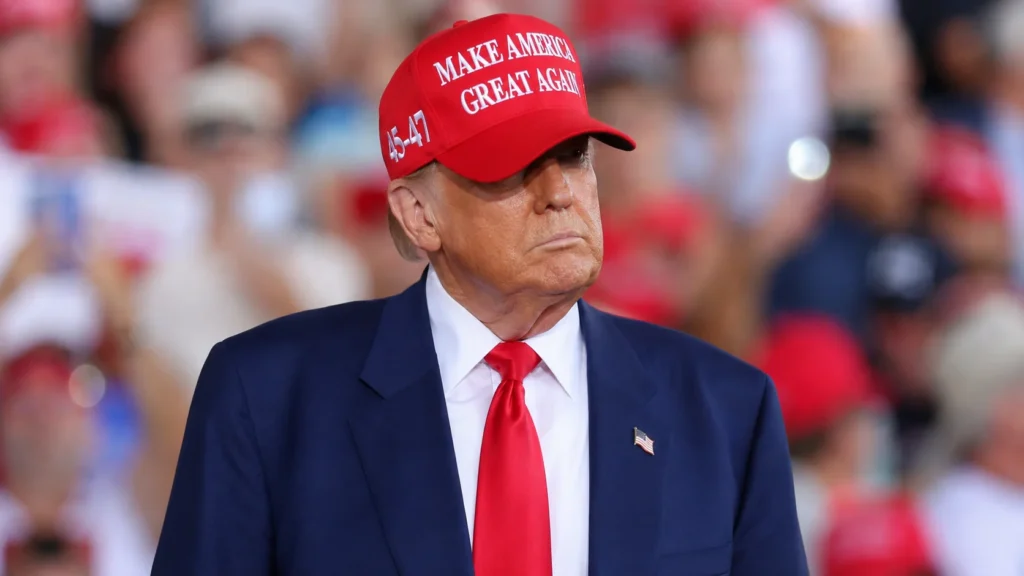
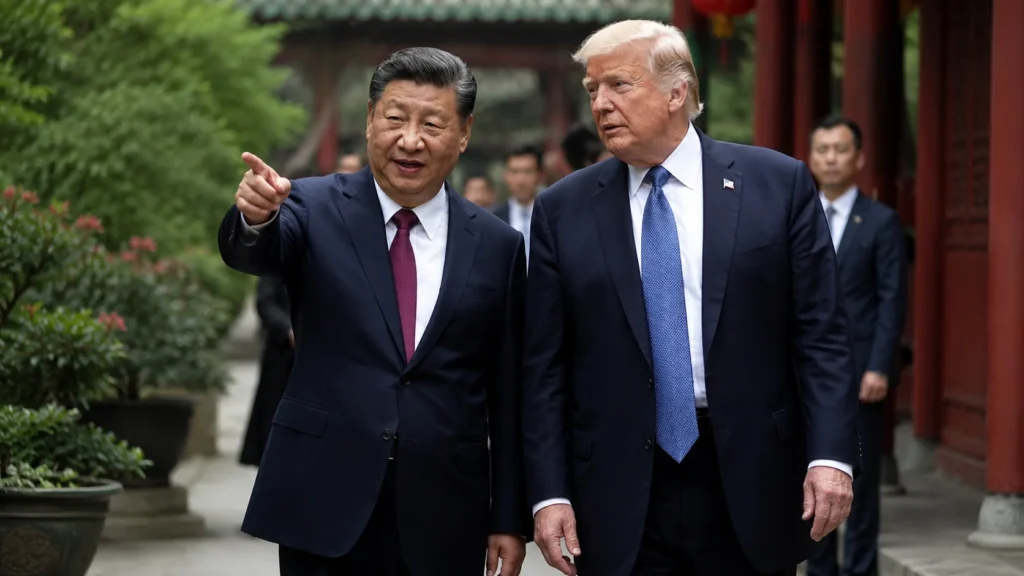
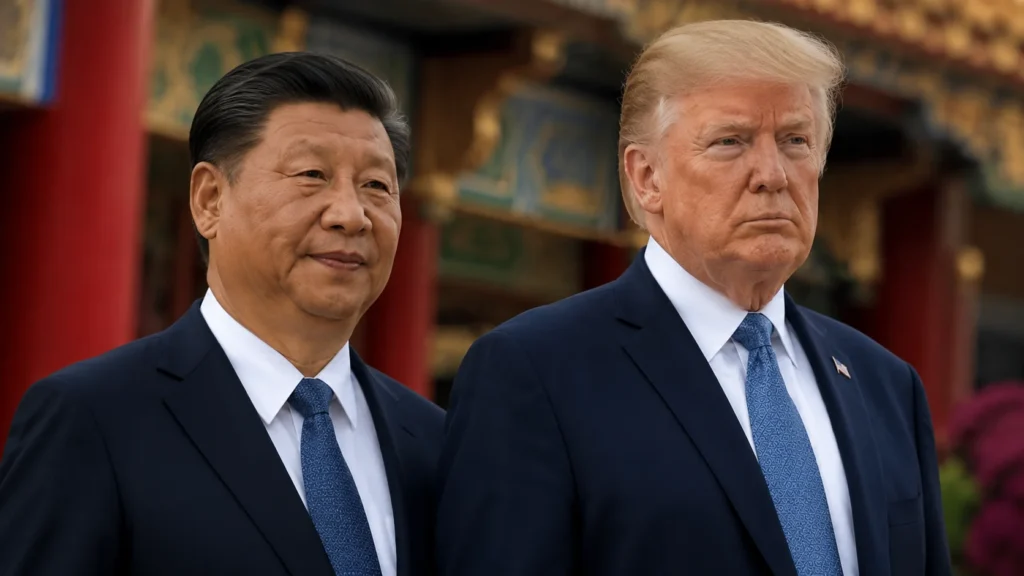
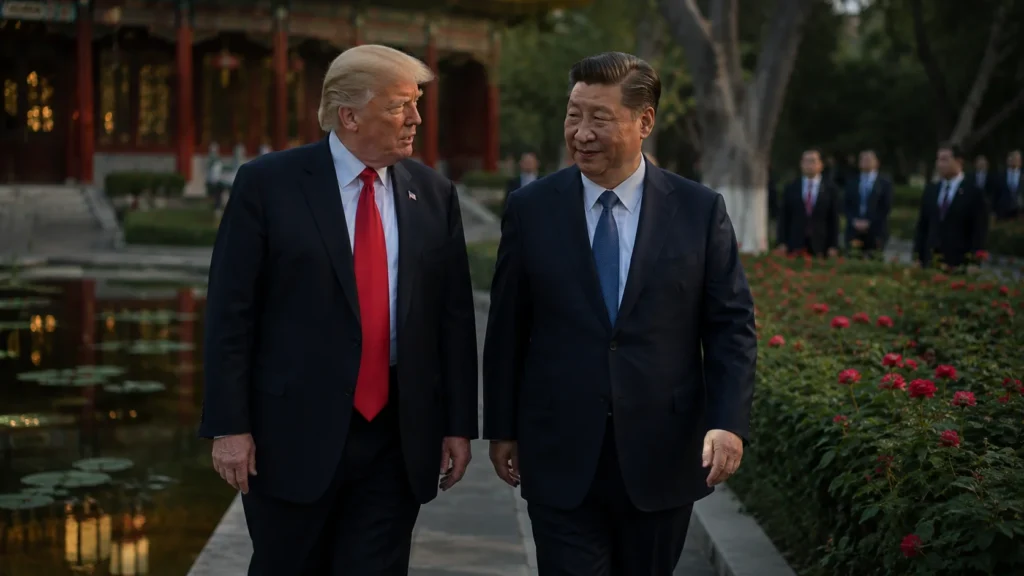
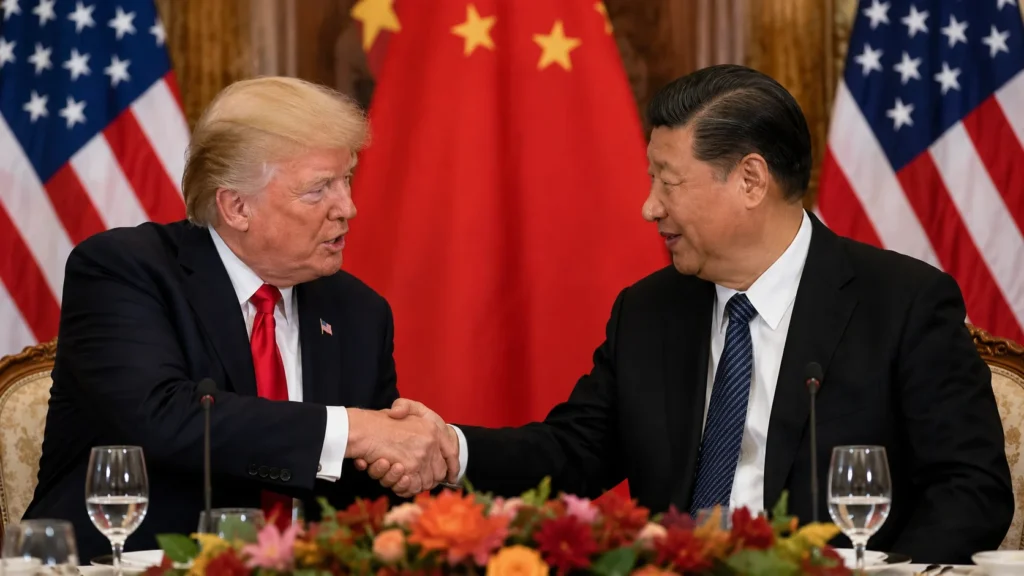
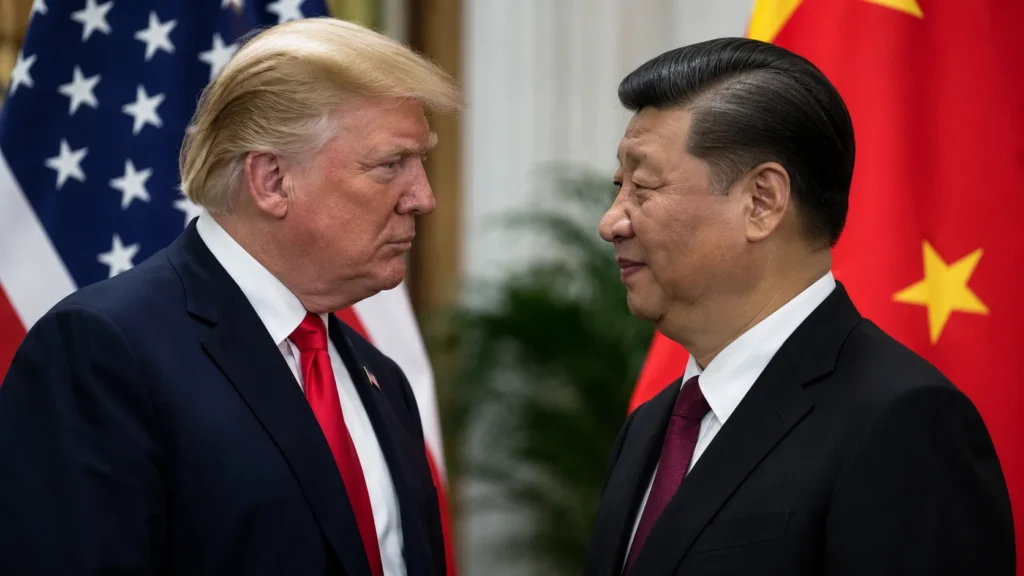
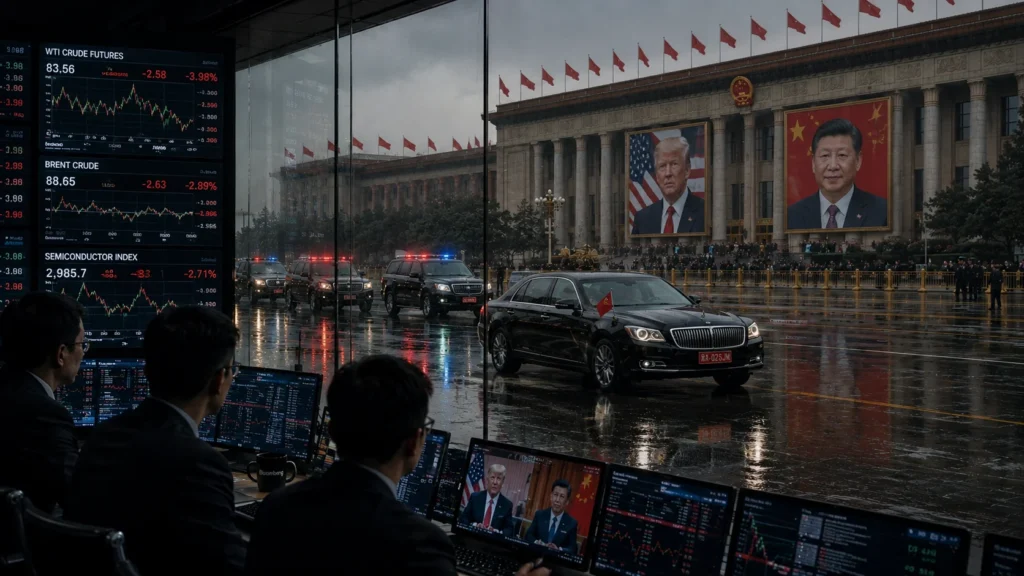
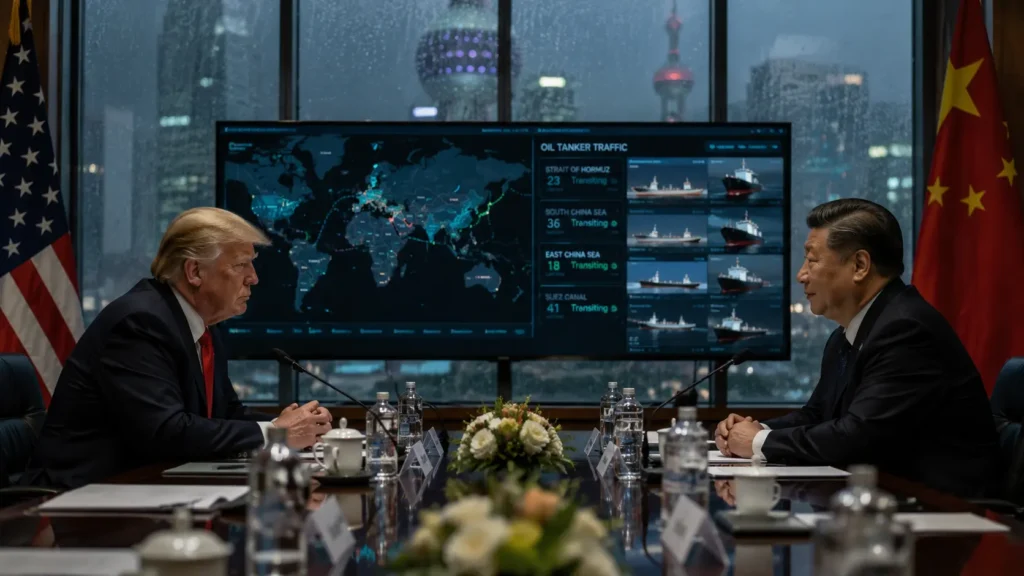
BEIJING — Following a high-stakes bilateral summit between US President Donald Trump and Chinese President Xi Jinping, China Confirms 200 Boeing Jet Order in a sweeping move to rebalance trade friction between the two superpower economies. The announcement marks the first major commercial aviation commitment from Beijing to the American planemaker since late 2017.
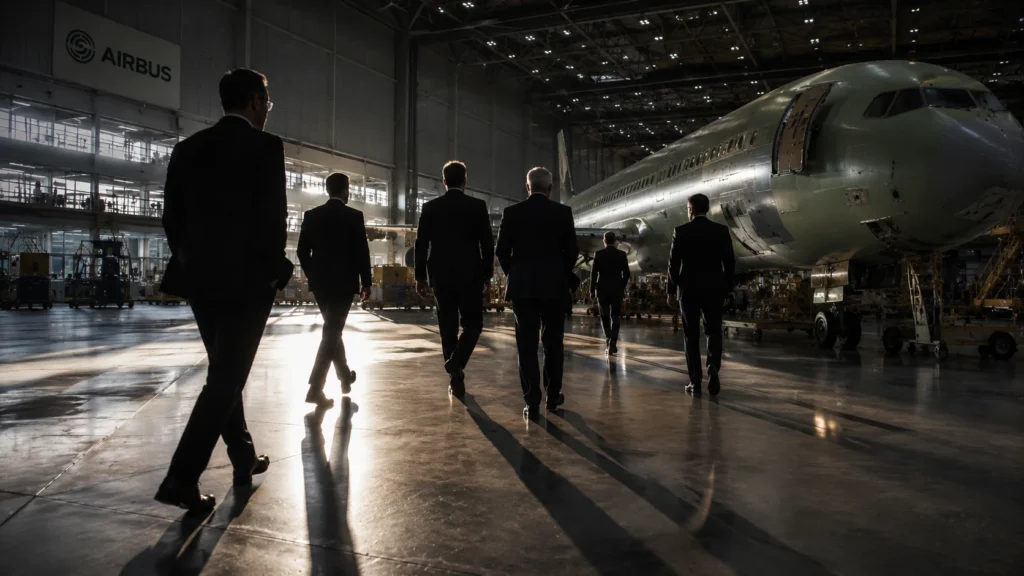
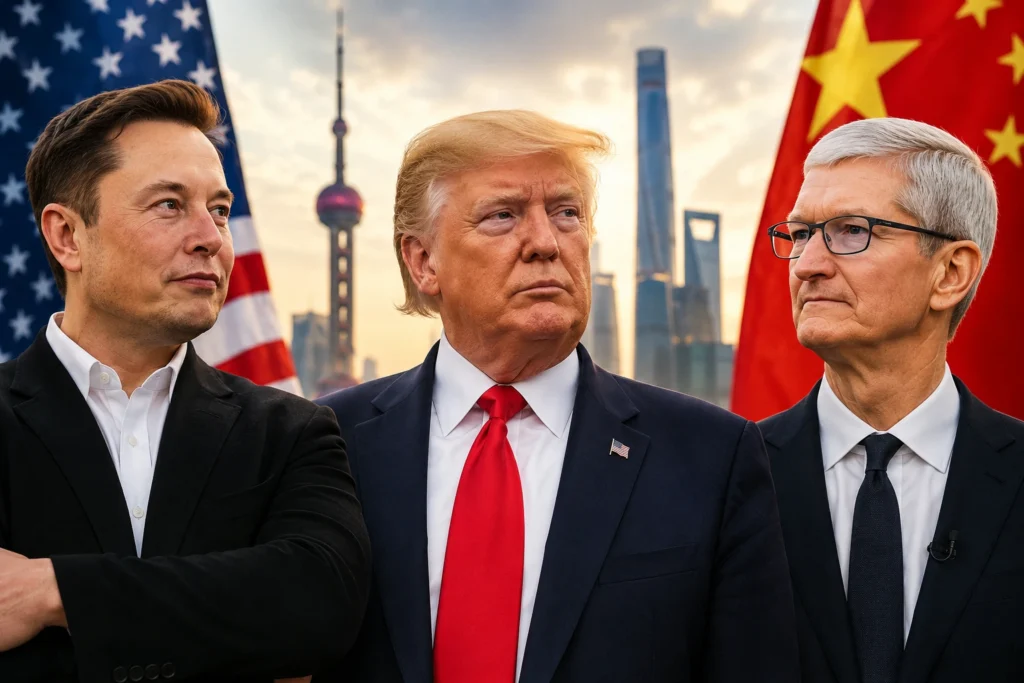
The agreement, valued between an estimated $17 billion and $19 billion depending on the final single-aisle and widebody aircraft configuration, was finalized during an industrial delegation visit that included Boeing Chief Executive Officer Kelly Ortberg and GE Aerospace CEO Larry Culp.
Reopening a Lost Aerospace Growth Market
The breakthrough provides a vital lifeline to Boeing assembly operations, which have historically borne the brunt of retaliatory trade measures. Over the last several years, state-backed Chinese buyers structurally routed their major procurement budgets toward European rival Airbus, capitalizing on regional regulatory freezes.
Under the newly forged diplomatic parameters:
- The Initial Tranche: The baseline commitment is explicitly locked at 200 commercial aircraft.
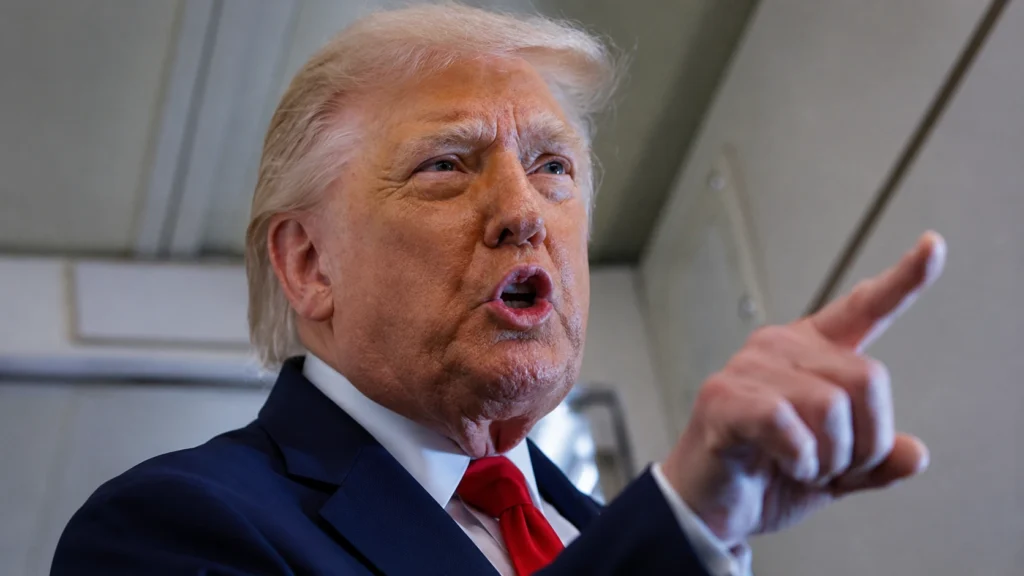
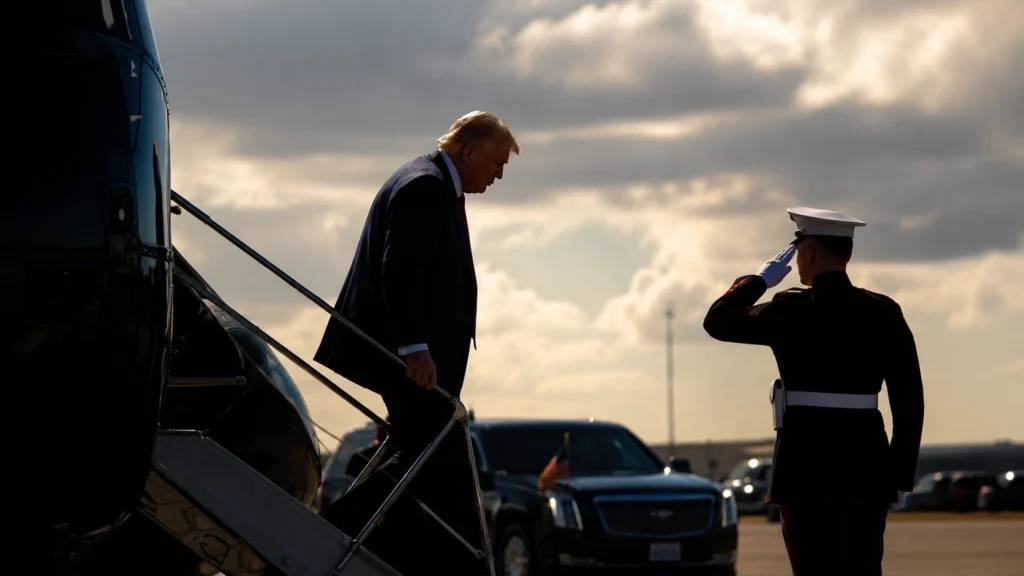
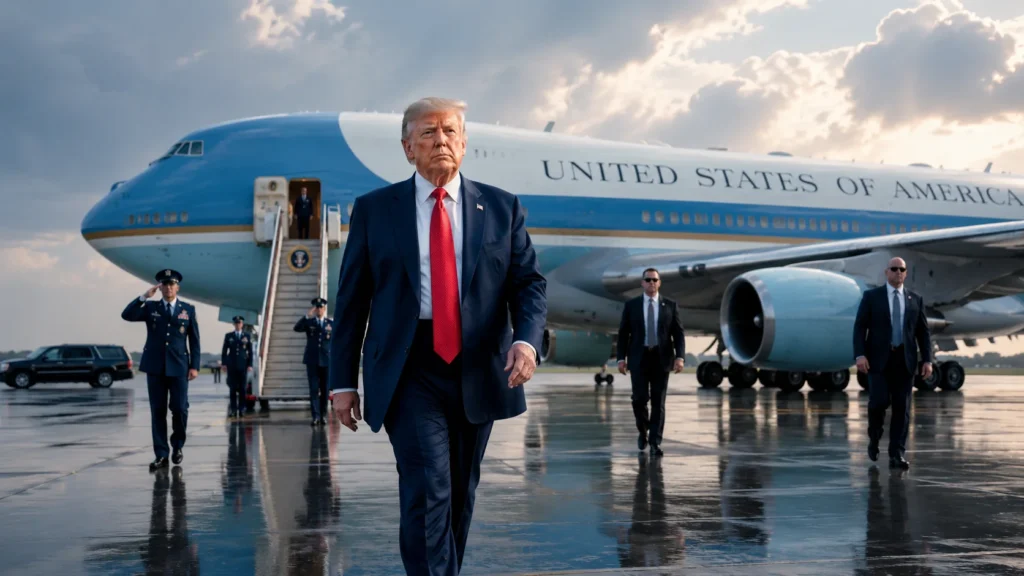
- The Scaling Option: Speaking aboard Air Force One, President Trump stated that subsequent negotiations over the next 12 months could scale the total package to a 750-aircraft super-order.
- Industrial Engine Alignment: The commercial jets are anticipated to utilize powerplants engineered by GE Aerospace, potentially requiring 400 to 450 American-manufactured engines.
As previous coverage of global aviation supply chains highlighted, China represented nearly a third of all Western narrowbody aircraft deliveries before geopolitical gridlock and structural safety groundings halted purchasing pipelines.
The Architecture of the Trade Truce
The aviation announcement acts as the commercial anchor for a broader temporary economic truce designed to run through late November 2026. While Washington provides rigid component export guarantees to keep China’s existing civil aviation fleet operational, Beijing has agreed to coordinate reciprocal tariff adjustments covering roughly $30 billion in goods.
According to an official policy fact sheet issued by The White House Official Press Office, the deal directly interfaces with two newly chartered regulatory bodies: the U.S.-China Board of Trade and the U.S.-China Board of Investment. These frameworks are tasked with managing trade parameters across non-sensitive industrial goods while easing critical raw material supply bottlenecks.
“They didn’t just buy the planes,” noted an international trade analyst. “They bought an insurance policy for their domestic fleet’s engine architecture. Everyone knows they can’t fly without Western components anyway.”
Compliance Metrics: The 12-Month Outlook
The ultimate success of the expanded 750-plane catalog rests on structural follow-through. To protect the baseline agreement, Beijing must systematically relax its export licensing restrictions on rare earth minerals and magnets, which are critical to Western defense and technological supply lines.
If administrative or component certification delays arise in Beijing, the aerospace agreement faces immediate collapse. For international investors, the presence of top American technology and industrial executives on the ground in China sends a decisive message: Washington will aggressively insulate its core export engines, even while executing protective trade frameworks.
Frequently Asked Questions (FAQ)
Which specific aircraft models are included in the agreement?
While the White House confirmed that the commitment includes a mix of Boeing 737 narrowbody and 777 widebody variants, Boeing has not yet detailed the precise breakdown or airline customer allocations for its official order backlog.
How does this impact China’s domestic aircraft manufacturing?
While China is actively scaling its state-backed COMAC C919 narrowbody program, domestic manufacturing lines cannot yet match the capacity required by China’s expanding commercial fleet, leaving carriers reliant on the Boeing-Airbus duopoly.
Why did Boeing’s stock drop slightly after the announcement?
Wall Street analysts and institutional investors had anticipated a larger, firm commitment of up to 500 narrowbody aircraft. Labeling the deal as an “initial commitment” of 200 jets introduced short-term caution regarding downstream execution timelines.
Written by Arthur Vance, a senior industrial editor who has tracked international trade policy and commercial aerospace manufacturing for over 15 years.