

 English































































Venezuela Earthquake: Man Rescued After 106 Hours as Aid Effort Grows
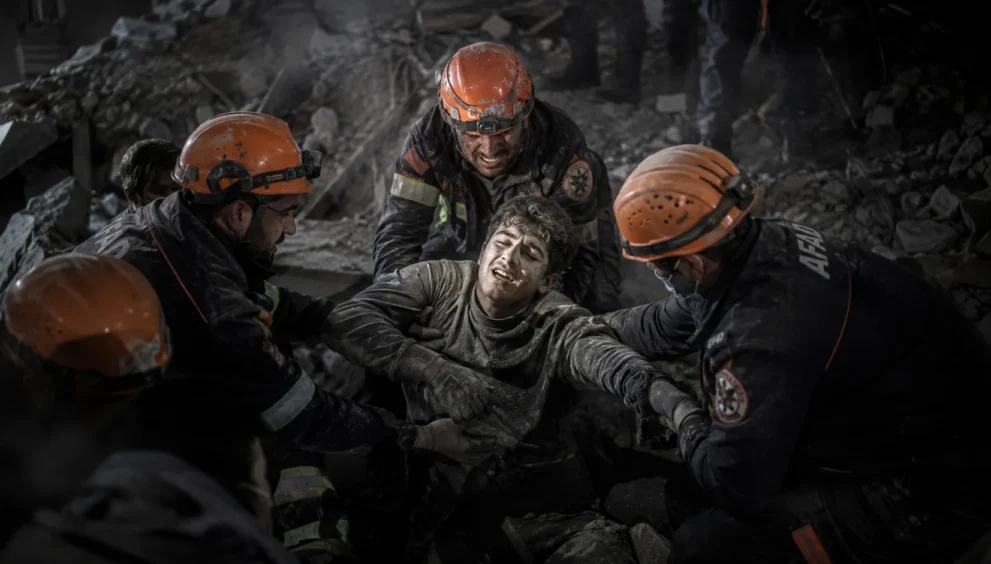
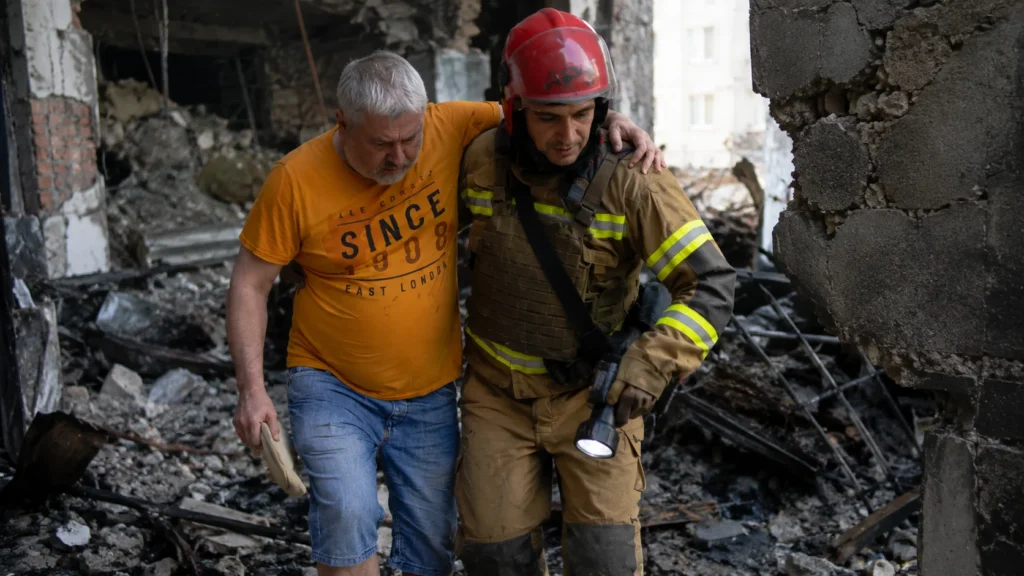
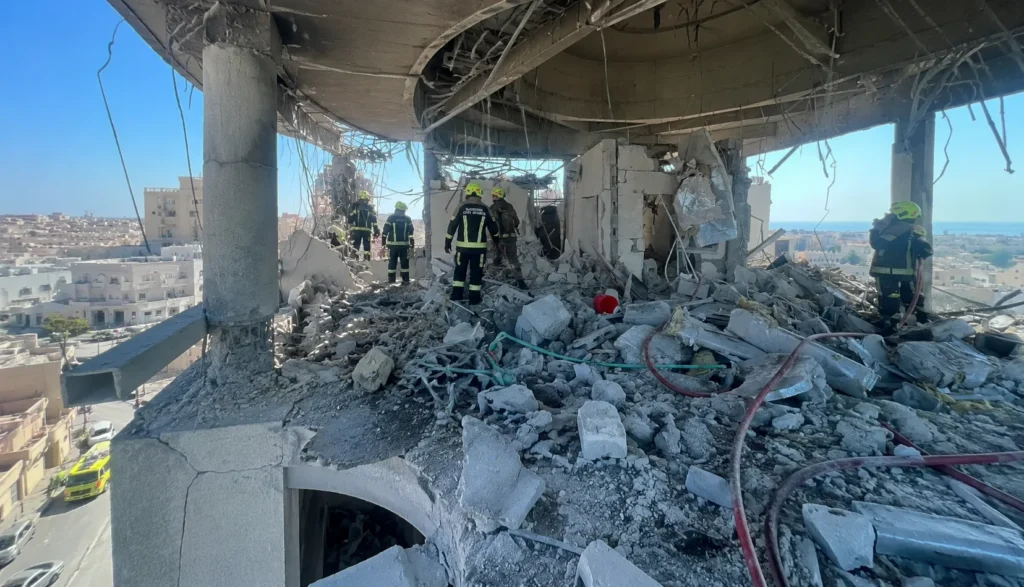
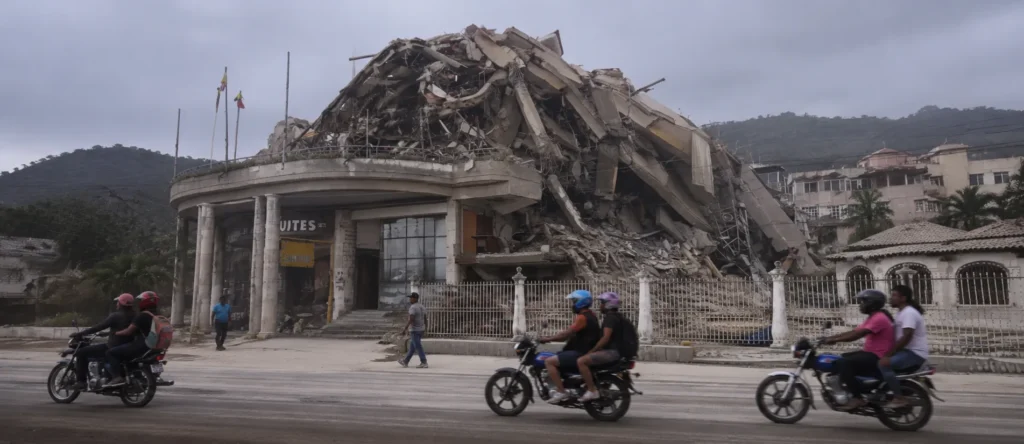
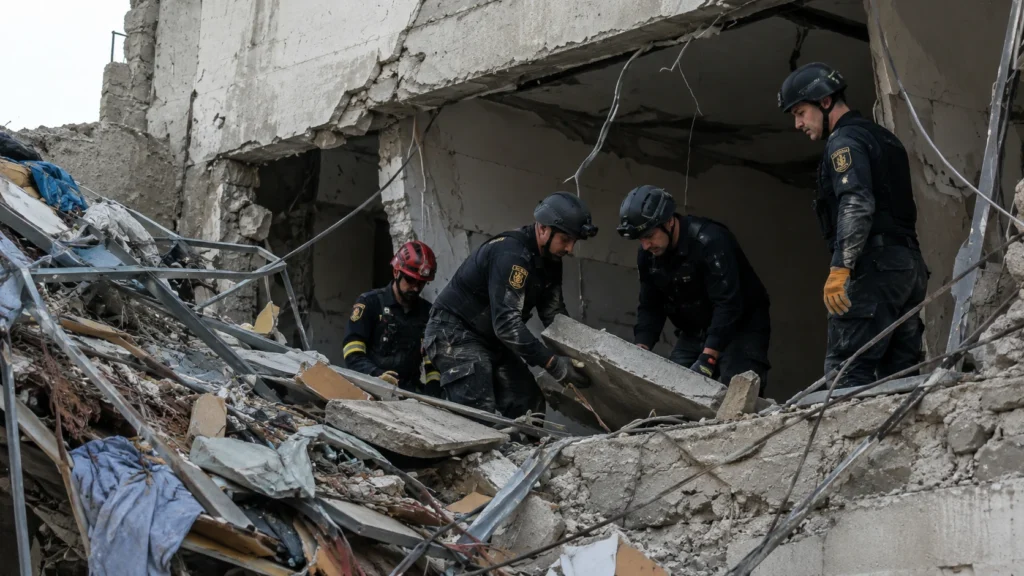
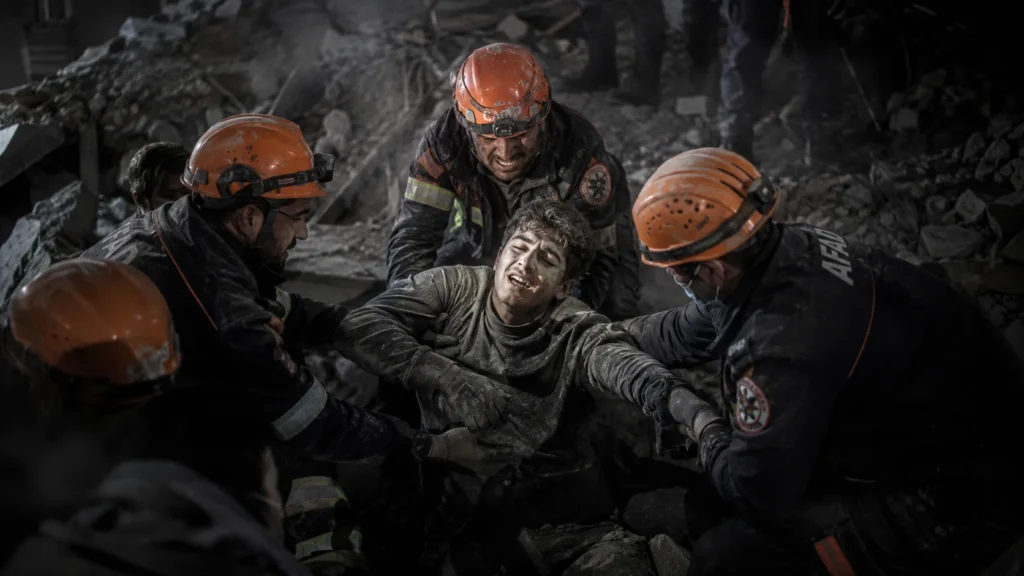
A 21-year-old man was pulled alive from the rubble of a collapsed building in Caraballeda on Monday, surviving 106 hours beneath the debris before rescue teams from Venezuela, Mexico, and El Salvador completed a 43-hour operation to extract him. El Salvador’s President Nayib Bukele identified the survivor as Aaron Levi Cantillo Vargas and posted a photograph of the rescue. Venezuela’s acting President Delcy Rodríguez confirmed the details. The rescue came as the United States doubled its aid commitment to more than $300 million and positioned the USS Fort Lauderdale off the coast of La Guaira to deliver supplies. The UK has 68 search and rescue specialists in the country. The Netherlands, China, and other nations have also sent assistance.
But across the worst-affected areas, families continue to dig through rubble with crowbars, mallets, and bare hands. Anger at the state’s absence is intensifying. A civilian-run missing persons website now lists more than 46,000 people as unreachable, though that figure may include people who have since been found safe.
The Rescue
Aaron Levi Cantillo Vargas was found in the town of Caraballeda in La Guaira state. President Bukele said the body of a deceased person lay between the rescuers and Aaron, complicating the extraction. The operation took 43 hours from discovery to rescue. Aaron is now receiving specialised medical attention.
Acting President Rodríguez confirmed the rescue, which came on the sixth day of search operations since twin earthquakes of 7.2 and 7.5 magnitude struck on Wednesday. The survival window for trapped victims typically closes within 72 hours, though specialists caution that people can survive longer in voids created by collapsed structures.
Mark Leeson of West Midlands Fire Service, part of the UK International Search and Rescue team, told the BBC that the window for finding survivors is shrinking, but “every now and then you will get that miracle rescue.” Aaron is that miracle.
According to Nayib Bukele’s official statements on X and Delcy Rodríguez’s confirmation of the rescue operation, the multinational nature of the effort—involving Venezuelan, Mexican, and Salvadoran teams—illustrates the extent to which the international community is providing the rescue capacity that the Venezuelan state has struggled to mobilise.
The State Response and the Anger
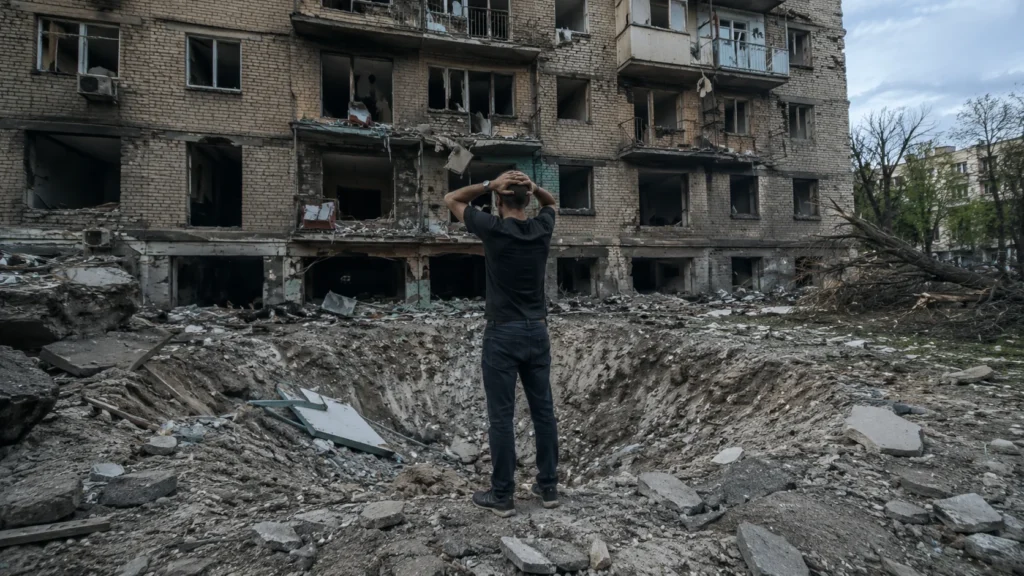
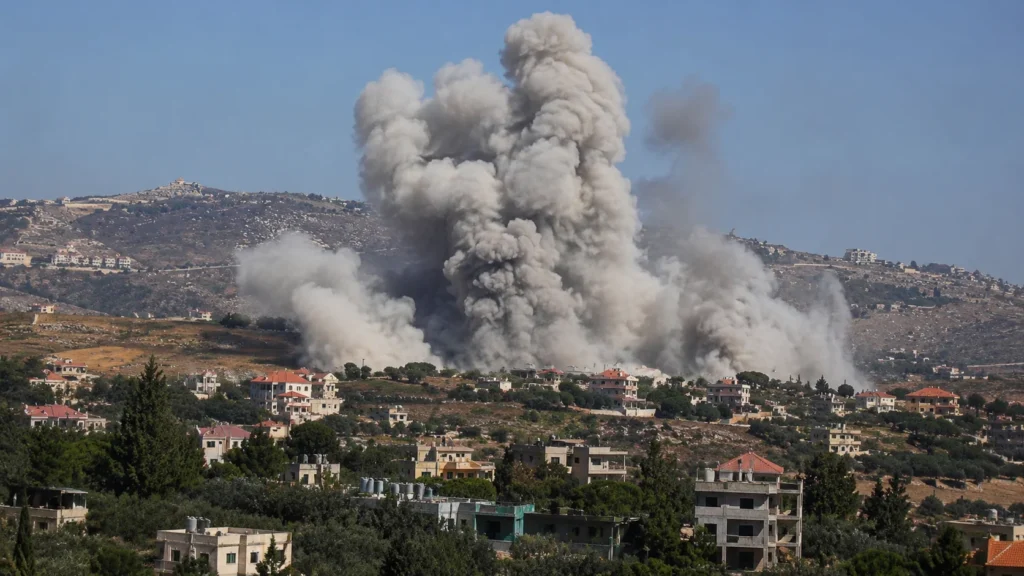
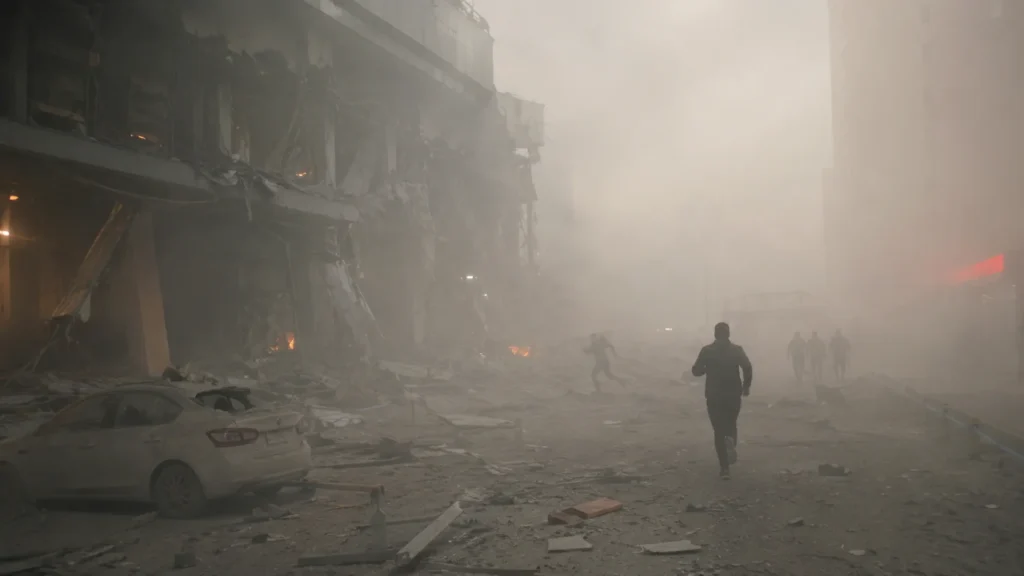
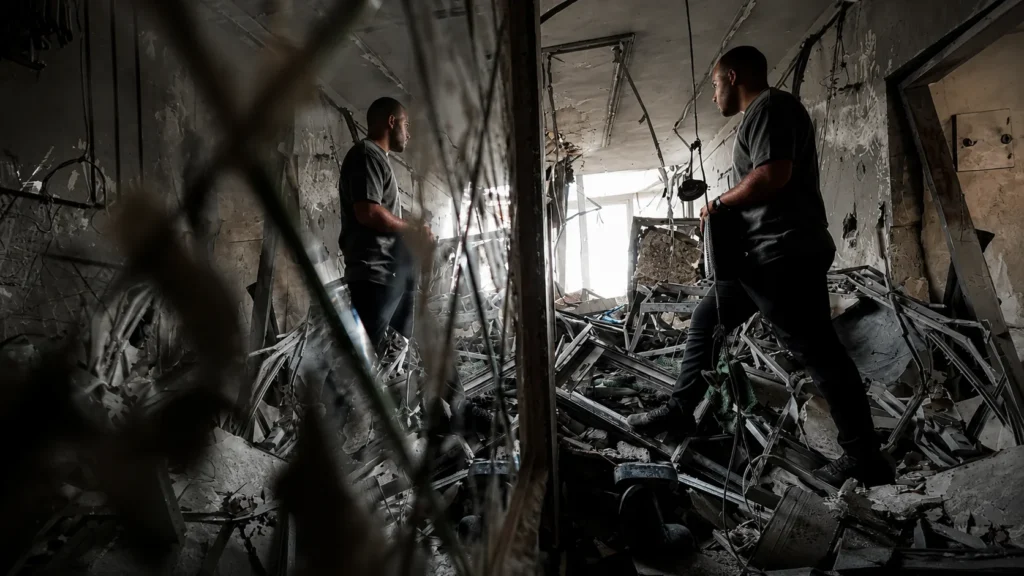
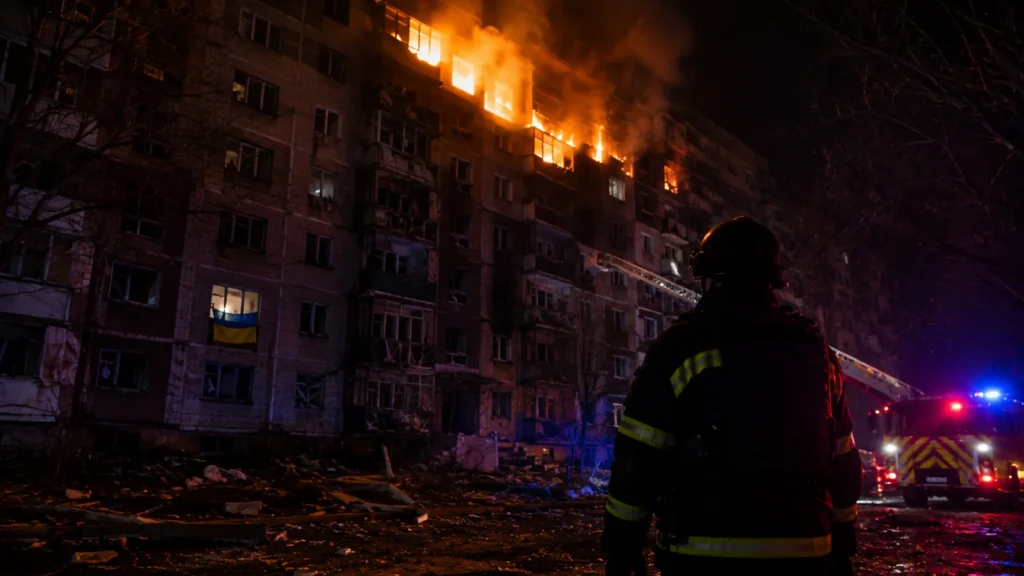
The BBC’s Will Grant, reporting from La Guaira, described rescue workers and volunteers using crowbars, mallets, and pickaxes, some wearing little more than bicycle helmets for protection. Earth-moving machinery has been deployed patchily. “We have seen people work for days on a single building alone, only to have the heavy machinery move in once it’s too late,” Grant reported.
Ruben Rojas, a 32-year-old electrician who has been digging since Wednesday, told the BBC: “The civil protection people decided to help, but they don’t have the equipment. The government doesn’t give it. They are just like us, working with their hands.”
Yerinker Bermudez, searching for friends outside the Miguel Perez Carreño hospital in Caracas, said: “The police and government didn’t help us. We pulled the dead and survivors out ourselves, along with neighbours and volunteers. We dug through the rubble with our bare hands.”
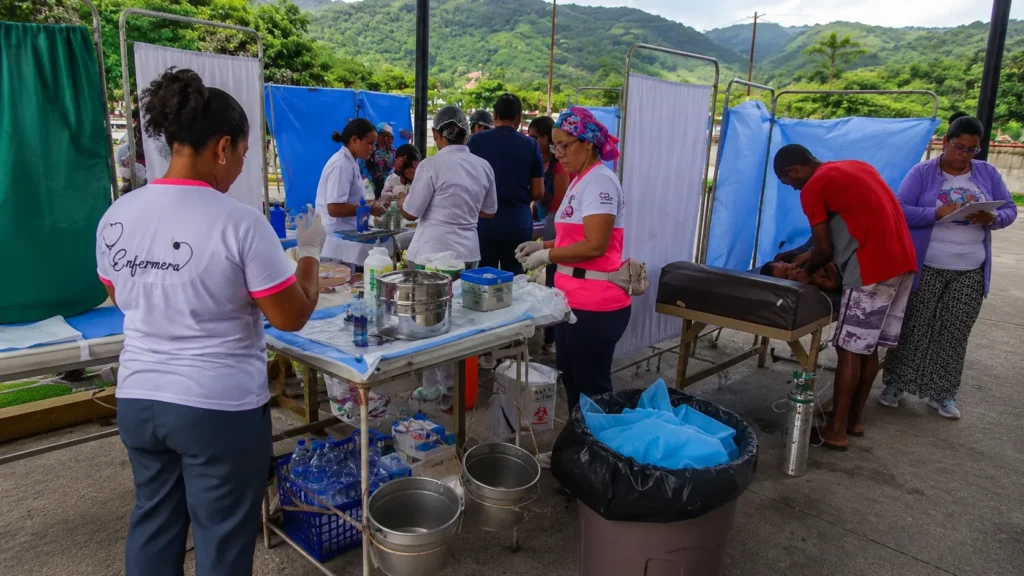
Outside the same hospital, the walls are filling with photographs of the missing. A government website—localizapacientes.com—has been launched to help people find hospitalised relatives, with 2,853 patients registered across three states so far. A civilian-run missing persons site lists more than 46,000 people as unreachable.
According to BBC ground reporting from Will Grant, Orla Guerin, and Yogita Limaye in La Guaira and Caracas, the anger at the state’s absence is a consistent feature at every collapsed building where families wait for news.
As our earlier analysis of Venezuela’s state capacity and the institutional failures exposed by the earthquake documented, the country’s emergency services were underfunded and underprepared long before the disaster struck.
The Human Toll
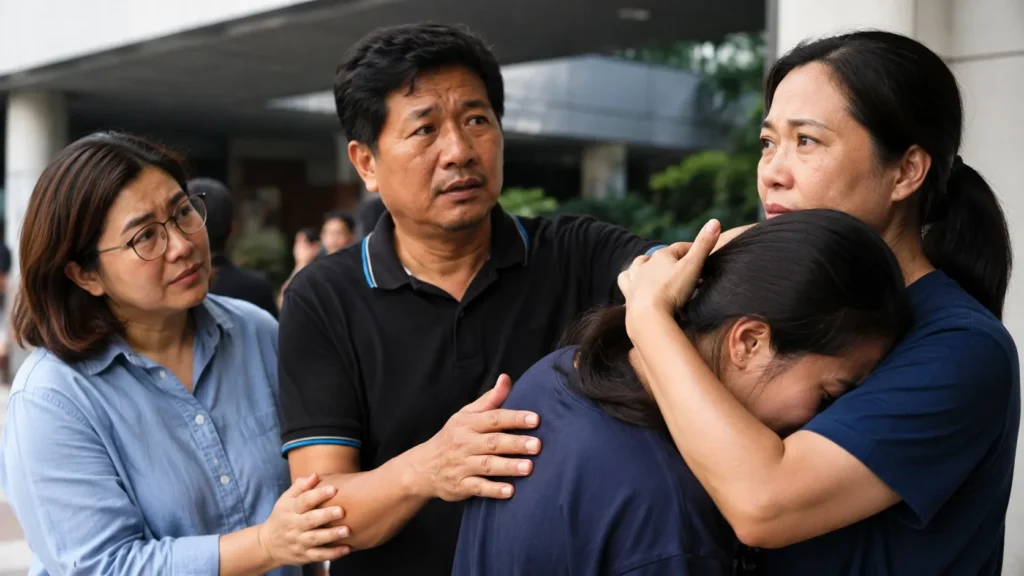
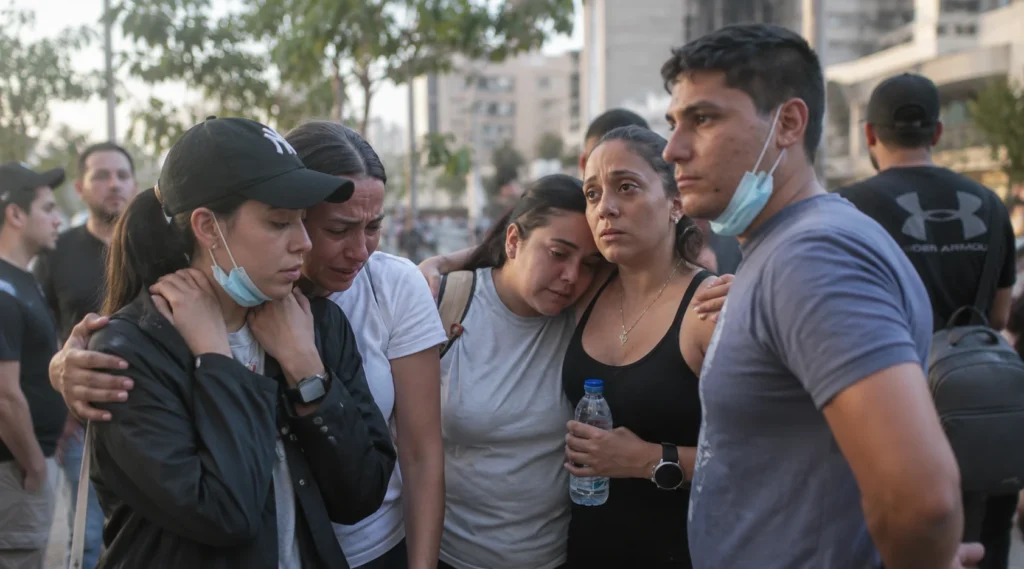
Angel Paredes, 12, spent nearly 36 hours under the rubble of his home before rescuers pulled him out. Both his legs are bandaged. His mother, Ruth, survived because she was at work. Seven members of her family did not—two young children, her husband, her mother, two sisters, and a niece.
Ruth showed BBC correspondent Yogita Limaye a photograph of her three-year-old son Alexander on her mobile phone. “My little son was alive for a while. But the rescuers came too late. And they didn’t have the machines required to dig through the rubble faster. He died next to his father.”
The bodies of her mother and her youngest, one-and-a-half-year-old Aime, have not been found. As Angel was discharged from the hospital, he said: “I am very close to my family. I loved my younger siblings so much. I spent 36 hours next to their dead bodies.”
The mayor of Chacao, Gustavo Duque, reported on Sunday night that 48 people had died in his municipality, with 26 people and five pets rescued alive. “Here, no one is going to give up,” he said.
The International Response
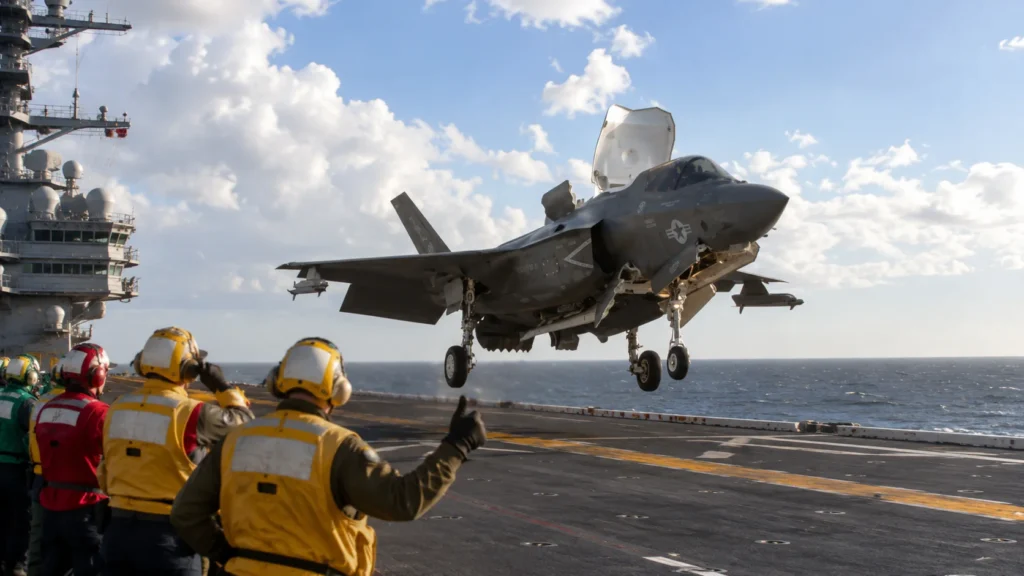
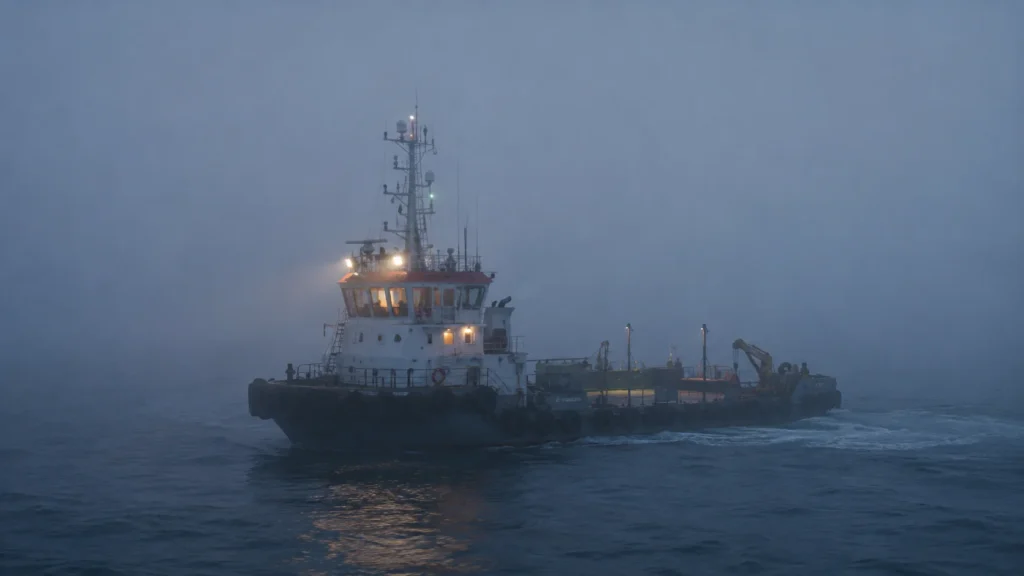
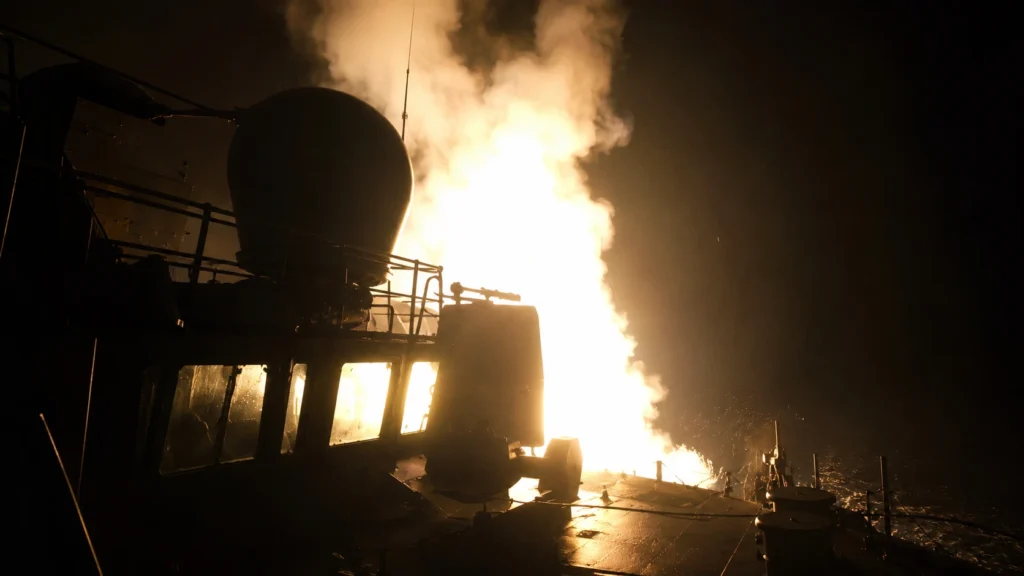
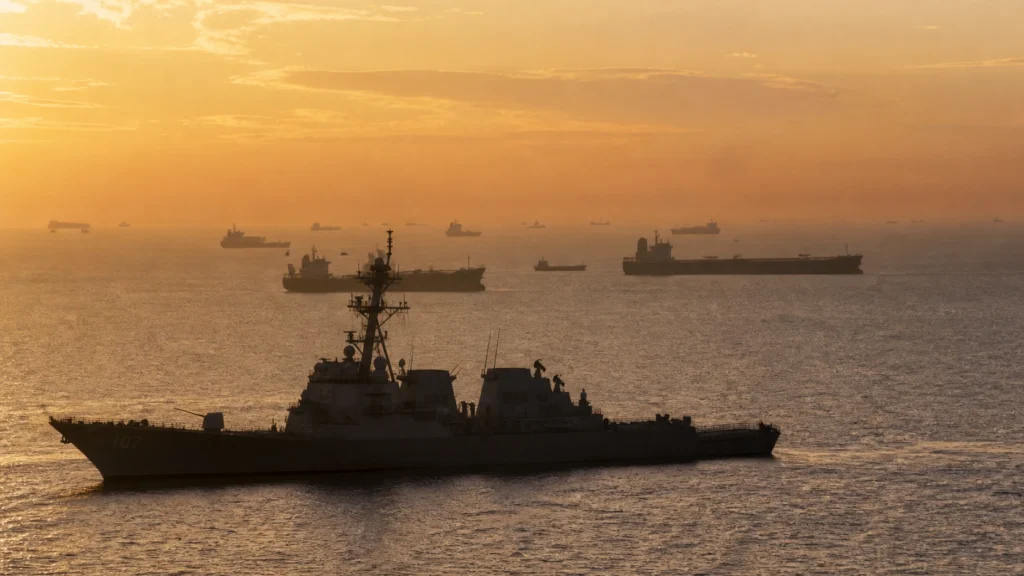
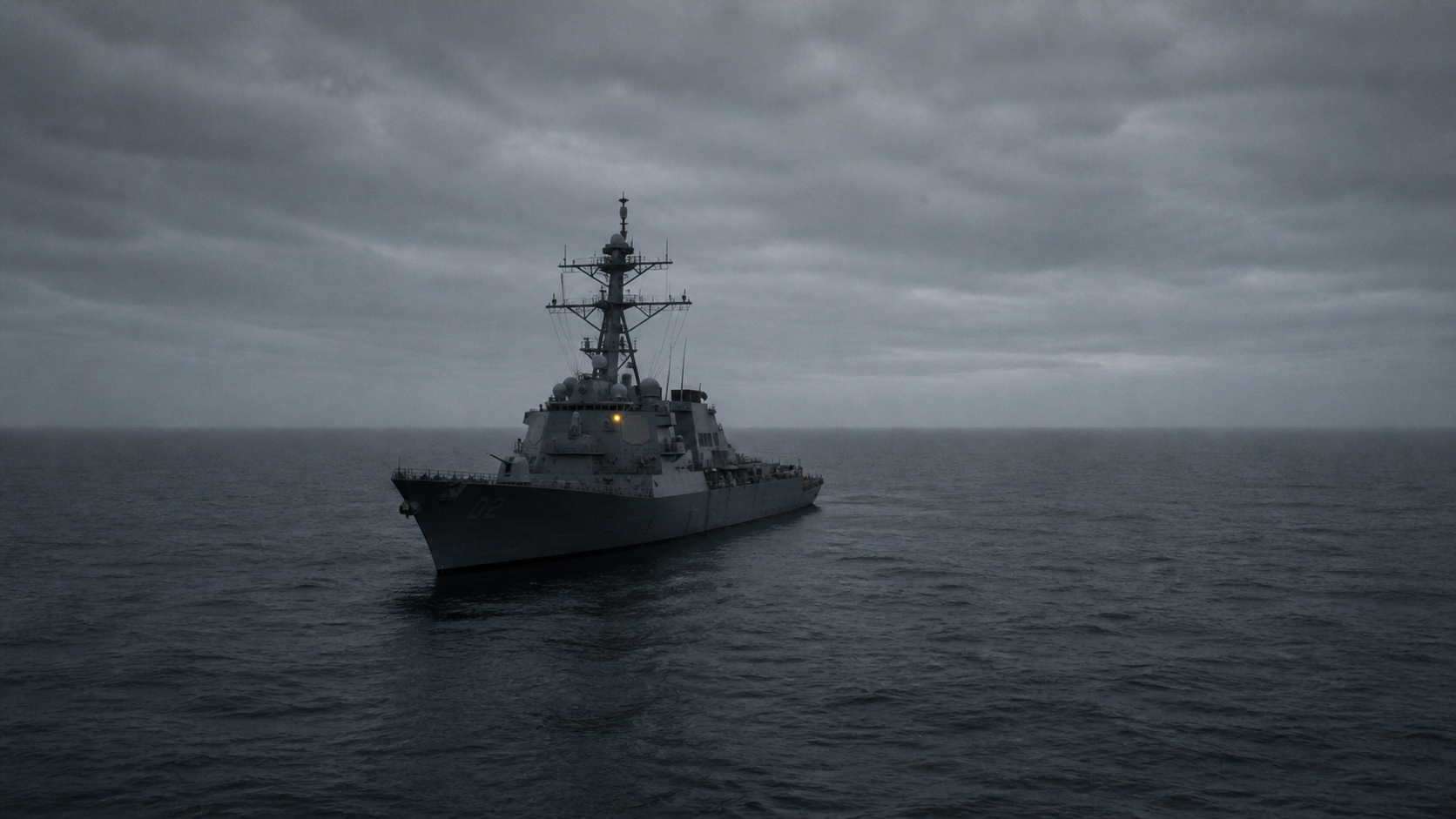
The US has more than doubled its aid commitment to $300 million, up from an initial $150 million. A State Department statement said the funds will provide “emergency medical care, food assistance, water and sanitation, shelter, protection, and logistics” through partners including Samaritan’s Purse, Catholic Relief Services, the World Food Programme, and the Red Cross. The US has also reopened Simón Bolívar International Airport. The USS Fort Lauderdale is positioned off the coast, with sailors and Marines using landing craft to deliver aid.
The UK has 68 ISAR specialists working across five sites, supported by the Royal Air Force with drones and specialist equipment. Six search dogs have been deployed. The Netherlands has sent the naval vessel HNLMS Groningen from Curaçao with food, water, and relief supplies. China has announced 100 million yuan (£11.1 million) in emergency assistance.
According to US State Department, UK Foreign Office, Netherlands Defence Ministry, and China Foreign Ministry statements on Venezuela aid, the international mobilisation now spans multiple continents and includes military, humanitarian, and financial support.
The Continuing Danger
Hundreds of aftershocks have been recorded since Wednesday. A 4.6-magnitude tremor struck off the coast of Caracas on Monday morning. It was widely felt but caused no further damage. Venezuela’s Foundation for Seismological Research continues to report new tremors, most below magnitude 3.
The country sits near the boundary of the Caribbean and South American tectonic plates, which move past each other at roughly two centimetres per year. The US Geological Survey warns that shallower earthquakes are more likely to produce aftershocks that can endanger ongoing rescue operations.
As our explainer on Venezuela’s seismic vulnerability and the geological context details, the country’s location makes it inherently prone to destructive earthquakes. Building standards and emergency preparedness determine how much destruction those earthquakes cause.
FAQ
How long was the survivor trapped?
Aaron Levi Cantillo Vargas, 21, survived 106 hours—nearly four and a half days—beneath the rubble in Caraballeda, La Guaira state. The rescue operation itself took 43 hours.
How much aid has the US committed?
The US has pledged more than $300 million, up from an initial $150 million. The USS Fort Lauderdale is positioned off the coast to deliver supplies. The US has also reopened the main international airport.
How many people are still missing?
A civilian-run website lists more than 46,000 people as unreachable, though this may include people who have since been found safe. A government site has registered 2,853 hospitalised patients to help families locate relatives.
Are there still aftershocks?
Yes. A 4.6-magnitude aftershock struck off the coast of Caracas on Monday morning. Hundreds of smaller tremors have been recorded since Wednesday’s twin quakes.
What international help has arrived?
The UK has 68 rescue specialists and six search dogs. The Netherlands has sent a naval vessel. China has pledged 100 million yuan. Mexico, El Salvador, Switzerland, and other nations have sent teams.