

 English











































































































































































































































































































































































Nasdaq Drops 4% as Strong Jobs Report Triggers Tech Selloff
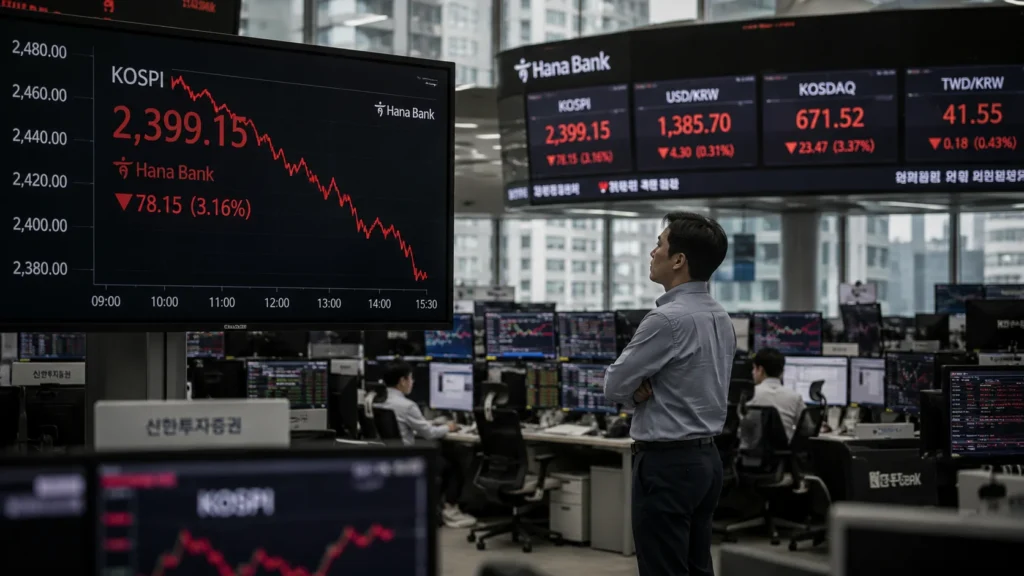
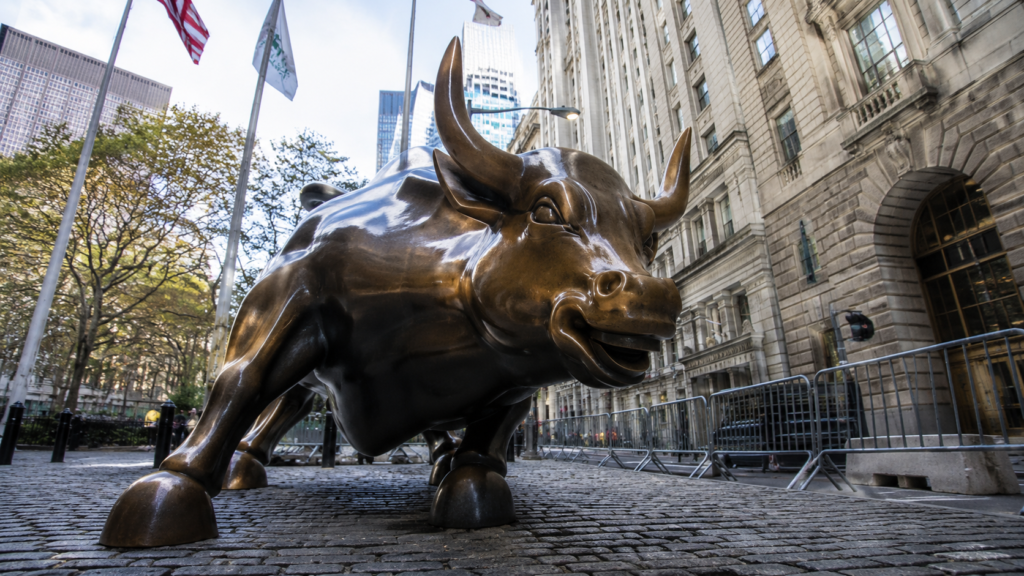
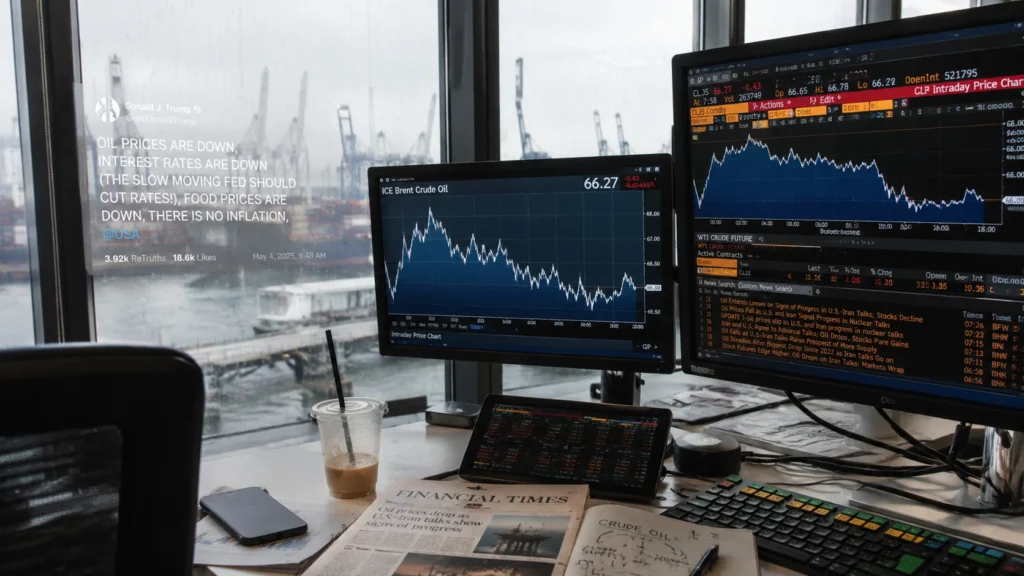
The Nasdaq composite index fell more than 4% on Friday after a stronger-than-expected April jobs report eliminated near-term hopes for Federal Reserve interest rate cuts. The selloff marked the tech-heavy index’s biggest one-day drop since April 2025. The S&P 500 closed 2.6% lower. The Dow Jones Industrial Average dropped 1.35%. Bitcoin and other digital assets sold off sharply as investors shed risk across asset classes. The Bureau of Labor Statistics reported payrolls surged past consensus estimates, triggering a swift repricing of rate expectations. Investment funds rotated from AI and semiconductor stocks into defensive sectors, including healthcare, utilities, and consumer staples. President Trump criticized the market’s negative reaction to positive economic data. The selloff reshapes the backdrop for next week’s White House meeting with top AI executives, where Trump plans to propose government equity stakes in their firms.
Why Did Good Economic News Trigger a Selloff?
The April employment report landed significantly above expectations. A strong labor market, arriving alongside stubbornly high inflation, reduces the likelihood that the Federal Reserve will cut borrowing costs. David Doyle, head of economics at Macquarie Group, described the report as potentially “too good” against the inflationary backdrop. He said the data raised the probability the Fed would raise rates this year rather than cut them.
The mechanism connecting employment data to tech valuations is straightforward. Higher rates reduce the present value of future earnings—the theoretical foundation beneath growth stock valuations. Companies trading on earnings promises five or ten years distant suffer disproportionately when rates stay elevated. The ureau of Labor Statistics April 2026 employment situation summary showed payrolls expanding. The Nasdaq showed the opposite.
Investors who had positioned portfolios for rate cuts faced a forced repositioning. The speed of the selloff—3% within the first 77 minutes of trading—reflected how broadly the easing assumption had been baked into asset prices.
The Rotation: What Moved Where
The selloff did not signal broad market panic. It signaled a sector rotation.
Investment funds pulled capital from AI and semiconductor companies—the stocks that had risen furthest on artificial intelligence optimism—and redeployed into traditionally defensive sectors. Healthcare, utilities, and consumer staples names, including Kraft Heinz and Keurig Dr Pepper, attracted inflows. The pattern shows investors did not abandon equities. They abandoned the premium valuations attached to tech.
The Nasdaq composite index sector weightings and historical data illustrate the structural vulnerability. A small number of technology firms account for an outsized share of the index’s market capitalization. When sentiment shifts on AI, the concentration amplifies the decline. Friday’s 4% drop did not distribute evenly across thousands of companies. It concentrated on the few that had risen furthest.
As our analysis of Big Tech market concentration risk and the dotcom comparison documented, the current market structure echoes the early 2000s in one specific dimension—a narrative-driven sector absorbing disproportionate capital, creating index-level vulnerability when the narrative faces pressure.
What Trump Said and What It Signals
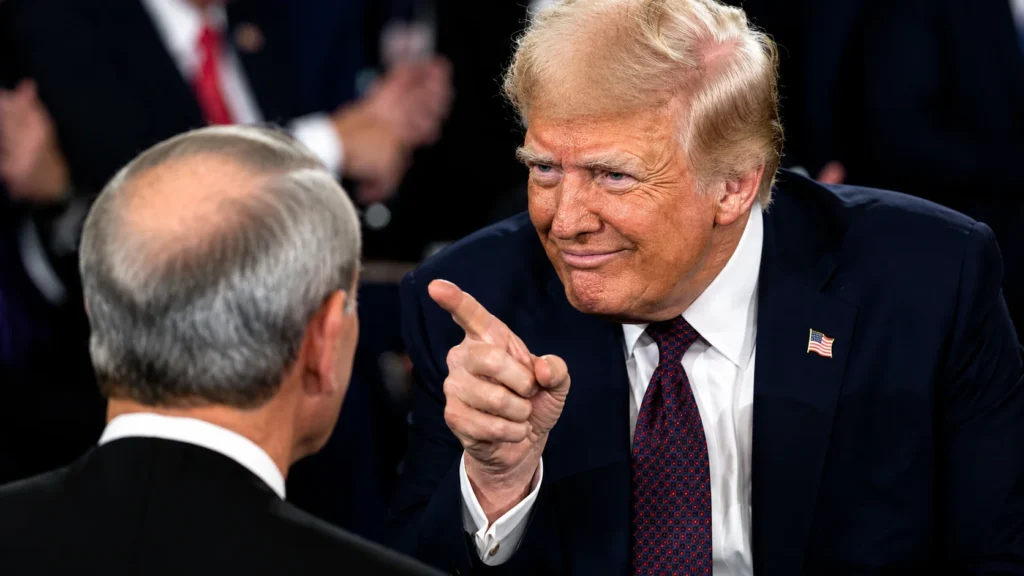
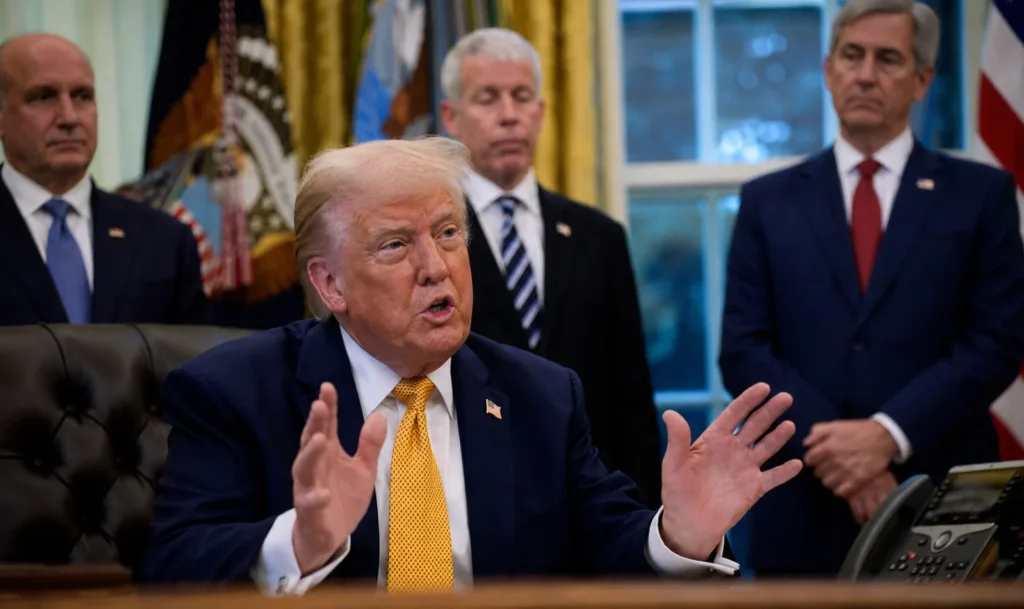
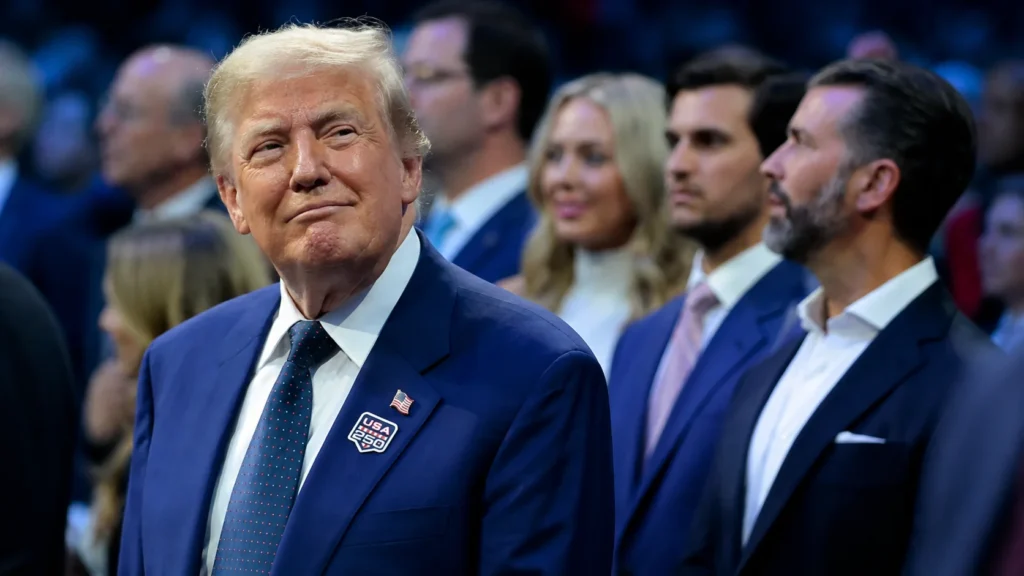
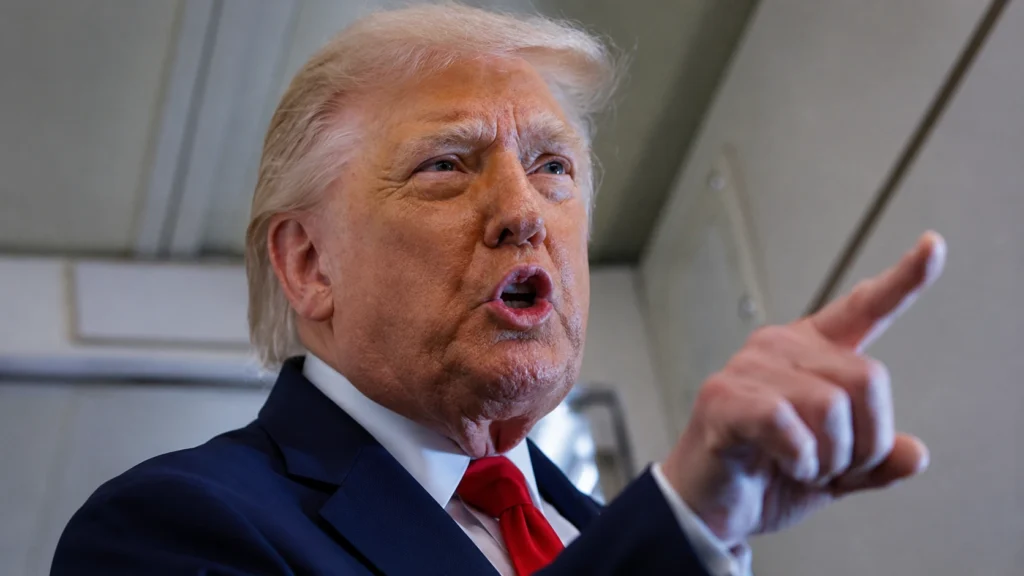
President Trump criticized the market’s reaction on Friday, stating “too much emphasis is placed on inflation” and adding that “when you have good numbers, the market should go up, not down.”
The comments expose the administration’s conflicting priorities. Strong employment numbers benefit the White House politically. But the Federal Reserve uses that same labor market strength to justify restrictive monetary policy. Trump cannot simultaneously claim credit for economic strength and demand lower rates. Markets resolved the contradiction on Friday. They voted for the Fed’s interpretation.
Next week’s White House AI summit now arrives under altered conditions. Trump has invited top AI executives to discuss a proposal: the US government acquiring public stakes in their companies. The plan, as described, aims to “allow everyday Americans to benefit from the success of AI.”
The framing is populist. The timing is complicated. If tech valuations continue sliding, the government-as-investor proposition shifts from a profit-sharing mechanism to a potential stabilization backstop. As our coverage of the White House AI summit agenda and government equity proposal reported, companies that resisted government entanglement during the boom may reassess during the correction.
Why did the Nasdaq fall on Friday?
The Nasdaq dropped more than 4% after the April jobs report showed employment growing much faster than expected. Strong labor market data reduces the likelihood of Federal Reserve interest rate cuts. Tech stocks are particularly sensitive to rate expectations because higher rates reduce the present value of their future earnings.
What was the April jobs report?
The Bureau of Labor Statistics reported April payrolls significantly above consensus estimates. The strong data, arriving alongside stubborn inflation, led economists, including Macquarie’s David Doyle, to raise the probability of further Fed rate hikes rather than cuts.
Which stocks were hit hardest in the selloff?
AI and semiconductor companies suffered the steepest declines. These stocks had risen the furthest during the AI-driven rally and carried the highest valuation premiums. The selloff concentrated in the tech sector rather than spreading evenly across the broader market.
Where did investors move their money?
Investors rotated into defensive sectors. Healthcare, utilities, and consumer staples—including Kraft Heinz and Keurig Dr Pepper—attracted inflows. The rotation confirmed investors were repositioning within equities rather than exiting the market entirely.
What is Trump’s AI summit about?
President Trump invited top AI executives to the White House next week to discuss a proposal for the US government to acquire public equity stakes in their firms. Trump said the move would allow “everyday Americans to benefit from the success of AI.” The selloff may shift the summit’s tone from celebration to contingency planning.
How does this selloff compare to the dotcom bubble?
Analysts caution that the comparison is imperfect. Today’s AI giants generate significant revenue, profit, and cash flow—unlike many dotcom-era companies. But the concentration dynamics show similarities. A narrative-driven sector has absorbed disproportionate market capitalization. When that narrative faces pressure, index-level volatility follows.
What happens next with interest rates?
The strong jobs report eliminated near-term rate cut expectations. Markets now price a higher probability of the Fed holding rates steady or raising them. The [EXTERNAL LINK: CME FedWatch tool interest rate probability data] provides real-time market pricing of future Fed moves. The next Federal Reserve policy meeting will provide the formal update.
What to Watch Over Six Months
Three indicators will determine whether Friday marks a healthy rotation or the beginning of a deeper tech correction.
First, the Federal Reserve’s next policy meeting. If the central bank signals openness to rate hikes, tech valuations face further pressure. If it maintains a hold stance, markets may stabilize. The Fed’s language will matter more than the decision itself.
Second, the White House AI summit’s outcomes. If the government equity proposal advances, it could provide a valuation floor for selected AI firms. If it stalls, the sector loses a potential backstop precisely when one becomes useful.
Third, AI earnings. The next quarterly reporting cycle will test whether revenue growth justifies current valuations. As our tracking of AI company revenue versus capital expenditure ratios has documented, the gap between investment and monetization remains wide. Earnings that narrow that gap would stabilize sentiment. Earnings that widen it would deepen the rotation.
Written by the Markets & Strategy Desk, which has covered Federal Reserve policy, equity market dynamics, and the intersection of technology valuations and macroeconomic conditions since 2014.