

 English





























































































































































































































































































Are You Stuck in the Dating App Burnout Cycle?

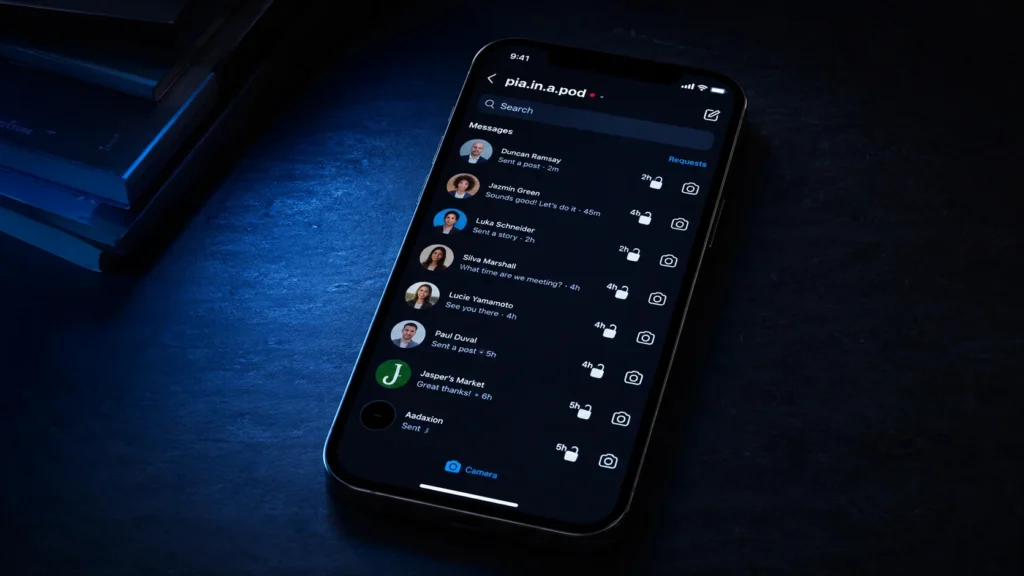
LONDON — Two years ago, Fernanda R deleted the dating apps and swore she was done. Then her friends started pairing off with partners they met online. A few weeks ago, the 29-year-old re-downloaded a few of them. “I thought maybe things would be different this time,” she said. She was wrong. Soon she was juggling multiple conversations, obsessively checking her phone, and buckling under the pressure to be witty. “It just feels overwhelming,” she said. “It starts to take away from your real friendships, your work.” Fernanda’s story has a name: dating app burnout. Research suggests apps produce a recognisable pattern in users’ exhaustion, cynicism, and a creeping sense that nothing works, and maybe the problem is you.
What Is Dating App Burnout?
Liesel Sharabi, director of the Relationships and Technology Lab at Arizona State University, led a meta-analysis aggregating 17 years of studies covering about 26,000 people. The findings were stark: dating app users reported worse psychological health than non-users across multiple measures, depression, anxiety, emotional dysregulation, loneliness, and psychological distress Arizona State University Relationships and Technology Lab research, 2026.
“It seems as if the goals of the apps are fundamentally incongruent with the goals of users,” Sharabi said. “If people were getting great recommendations and going on incredible dates, they’d be getting off the apps for good. But that’s not what’s happening. People are just constantly cycling on and off.”
The psychological definition of burnout involves three categories: emotional exhaustion, cynicism (or depersonalisation), and inefficiency. Academics first described this in high-pressure work environments, but research has extended it to online dating.
“I started on the app feeling like I wanted to be respectful because at the end of the day, we’re all just human beings,” said Madeleine D, who works in marketing for a tech company. “But the more time I spent, the more blind I became about it, like I didn’t really care about these people. I hated that about myself.”
How gamification is reshaping our relationships with technology

Why Do Dating Apps Cause Burnout?
One mechanism is gamification. Dating apps use a variable reward architecture, the same design that makes slot machines compulsive. Swipe. Match. Swipe. Nothing. Swipe. Match. The inconsistent rewards keep the behaviour going long after the enjoyment stops.
“The swiping gives you a high,” said Karen Cornejo, an office administrator in Los Angeles. “And then everything else just doesn’t.” By the time a match wants to meet, the rush has evaporated. The app has trained her brain to want the next swipe, not the next date.
Then there is the abundance problem. Dating apps dramatically expand the pool of potential partners. “If you lived in Shakespeare’s England, you might never even meet the number of people you see in one day swiping on Hinge,” said Dallas Koelling, a writer and comedian in Brooklyn. The abundance should be a gift. Instead, it becomes a second job.
“It feels like a second full-time job that I have to do on my lunch break or after work,” Madeleine said. “But with dating, there’s this feeling that the next person you swipe on could be the person you end up marrying. There’s this endless hope that it feels like dating apps prey on.”
In 2024, a class-action lawsuit accused Match Group, the conglomerate that owns Tinder, Hinge, and other popular apps, of designing its products to be addictive and profiting from compulsive use rather than helping people find partners. Match Group called the claims “ridiculous.” The case was later sent to arbitration Match Group class-action lawsuit filing, 2024.
The hidden incentive problem when apps profit from your continued use
How to Break the Burnout Cycle
Sharabi recommends four steps to avoid dating app burnout:
1. Do not make the apps your only outlet. “I never discourage people from using them, but they shouldn’t be the only way you’re trying to meet people,” she said. Join a club, ask a friend to set you up, and put yourself in situations where you might meet someone offline.
2. Swipe with intention. Mindless swiping can swallow hours. Sharabi recommends treating the apps like social media: set a time limit for each session and stick to it. Notice your mood and stop before the exhaustion sets in.
3. Lean on your friends. Burnout thrives in isolation. Researchers have long found that social support cushions the blow. Talking through the ups and downs with people who know you can prevent a bad week from becoming a bad spiral.
4. Know when to quit. If the apps erode your optimism and you put down your phone feeling like you are never going to find someone, that is the signal to step away entirely. “All of those things could be a sign that maybe you should just take a total break,” Sharabi said.
Industry Response
The industry is responding. Bumble is abandoning the swipe altogether. Hinge and Tinder are embracing AI-driven matchmaking. Tinder’s CEO recently announced plans for in-person events. A Hinge spokesperson told the BBC the app is designed to stay in the background of users’ lives and that the company focuses on feedback from daters to improve the experience Hinge spokesperson statement to BBC, 2026.
“The vast majority of our work focuses on improving the free experience on Hinge, with less than 15% of our community using paid features,” the spokesperson said. “Ultimately, our success depends on people having positive experiences on the app, meeting someone meaningful, and ultimately recommending Hinge to others.”
Paid subscribers across the industry are declining, and there are indications that younger people are seeking to find love offline. Whether the industry’s reinvention changes the underlying incentive structure of a business model that profits from continued use remains unanswered.
Bumble abandons the swipe: a genuine shift or cosmetic change?
Dating App Burnout 2026
What is dating app burnout?
Dating app burnout is a pattern of emotional exhaustion, cynicism, and feelings of inefficiency that researchers have identified among users. It mirrors the psychological definition of workplace burnout applied to online dating.
Do dating apps cause depression?
A meta-analysis covering 26,000 people found that dating app users reported worse psychological health than non-users, including higher rates of depression, anxiety, and loneliness. People who joined apps with pre-existing mental health difficulties were especially susceptible.
Why do dating apps feel addictive?
Dating apps use variable reward architecture, with inconsistent rewards that keep users swiping, a design principle that makes slot machines compulsive. The hope that the next profile could be the one sustains the behaviour.
How can I stop dating app burnout?
Researchers recommend using the apps as one of several ways to meet people, swiping with intention by setting time limits, leaning on friends for support, and taking a complete break when the apps begin to erode your optimism.
Are dating apps changing?
Yes. Bumble is abandoning the swipe, Hinge and Tinder are moving toward AI-driven matchmaking, and Tinder has announced plans for in-person events. Whether these changes address the underlying incentive structure remains unclear.
Written by the Tech and Culture Desk, drawing on research from the Arizona State University Relationships and Technology Lab, interviews with dating app users, Match Group corporate statements, and Hinge spokesperson comments. The desk has covered the intersection of technology and human behaviour for over a decade.
Source: Arizona State University Relationships and Technology Lab, Match Group, Hinge