

 English
































































































































































































































































































































































Seattle Buys Luxury Apartment Building for Social Housing in US First
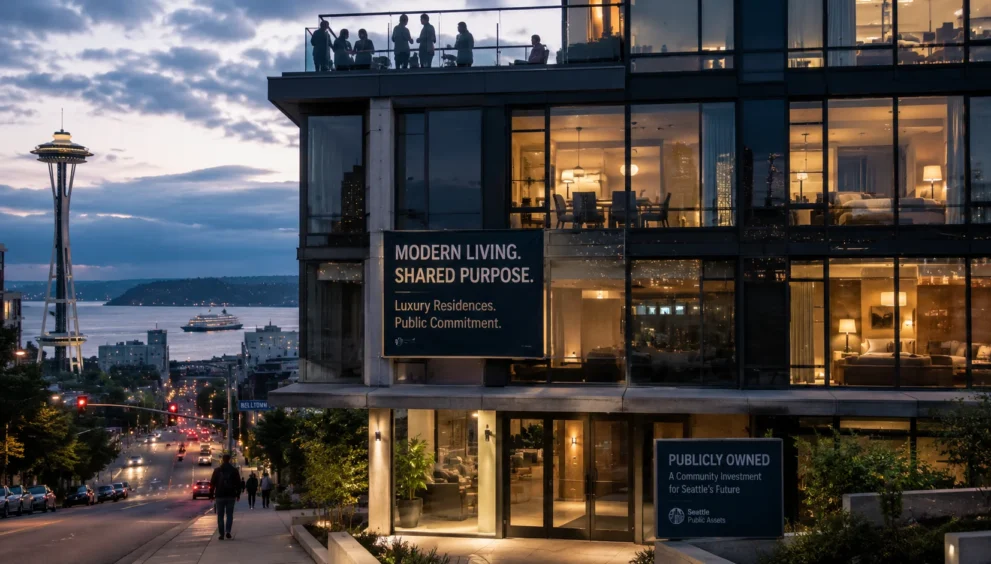
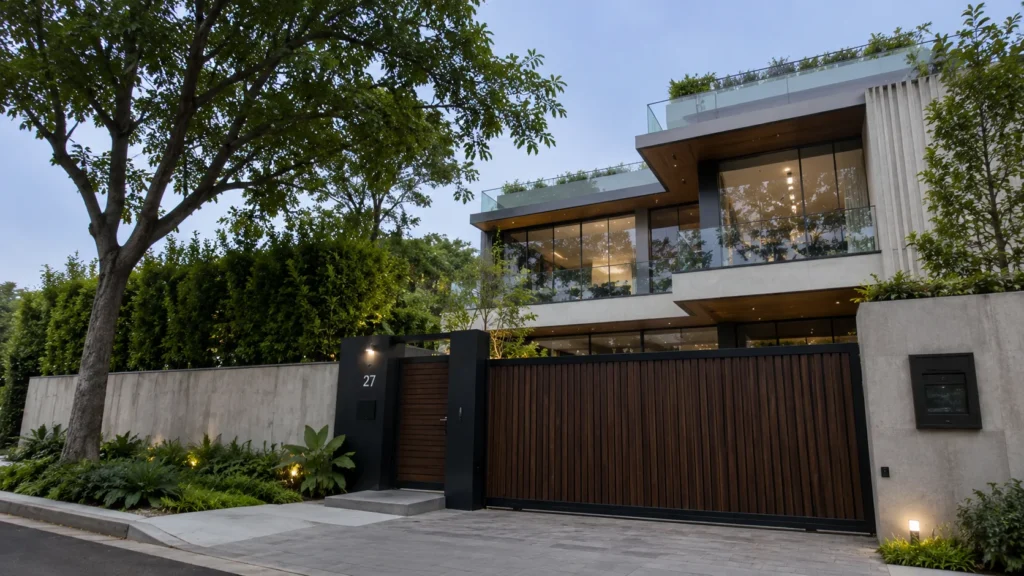
The city of Seattle has purchased a 150-unit luxury apartment building in the Belltown neighbourhood for $61 million, the first step in a plan to create a publicly owned social housing system modelled on Vienna. The Seattle Social Housing Developer, a public authority established by voters in 2023, acquired the Elara at the Market this month. The building’s existing tenants—mostly Amazon workers paying more than $2,000 a month for one-bedroom apartments—had their rents frozen for two years. Fifteen vacant units were filled by lottery for households earning up to 50% of the area median income. As market-rate tenants leave, their apartments will be converted to mixed-income social housing.
The acquisition is the first under a five-year plan to buy more than 1,000 apartments and build 600 new units. The effort is funded by a dedicated tax on businesses that pay employees more than $1 million annually—including Amazon and Microsoft—which generated $115 million this year. The model is inspired by Vienna, where roughly half of residents across a wide range of incomes live in government-subsidised housing.
How the Model Works
The Seattle Social Housing Developer is a public development authority created by a 2023 ballot measure. It is not building traditional public housing of the kind the federal government constructed for low-income households during the 20th century. It is also not using the Low-Income Housing Tax Credit model, which has been the primary mechanism for funding affordable housing in the United States since the 1980s.
Instead, the Seattle model follows an approach pioneered in the US by Montgomery County, Maryland, an affluent suburb of Washington, DC. Montgomery County used a $100 million fund to finance construction of mixed-income, mixed-use developments that do not require federal tax credits or other affordable housing subsidies. The first building, the Laureate, opened in 2023 with a courtyard pool, a theatre, and a gym.
In Seattle, the social housing developer plans to acquire existing buildings as well as construct new ones. Higher-income tenants will pay market-rate rents that subsidise lower-income neighbours. The buildings remain publicly owned indefinitely. The model is designed to create a permanent stock of public housing that does not depend on federal subsidies or private developer incentives.
Tiffani McCoy, the interim director of the Seattle Social Housing Developer, told CNN: “We don’t want to rely on the private market, which is ultimately there to create a profit off renters. We need a model in this country, like other countries across the world, that creates housing as public infrastructure.”
According to Seattle Social Housing Developer documentation on the Elara acquisition and the five-year acquisition and development plan, the public authority intends to house tenants earning up to 120% of the area median income—roughly $138,000 for a single person.
As our analysis of public housing models and the Vienna social housing system has documented, the Vienna model has been operating for roughly a century and currently houses about half the city’s population. The question for Seattle is whether the model can be transplanted to a city with no comparable history of public housing provision.
The Criticism
The social housing model has drawn criticism from development experts and affordable housing advocates who argue it is an expensive way to produce very few units for the people who need them most.
Jamie Madden, an affordable housing development consultant in Seattle and author of “Bittersweet Lane: Creating Home(s) in the American Affordable Housing Crisis,” said: “They have wasted three years and $60 million and delivered rent control for residents who are not low income and 15 new apartments.”
The social housing developer has existed since 2023. Its board has turned over. It fired its first CEO in January, installing McCoy as interim director. The $61 million Elara acquisition froze rents for existing market-rate tenants—most of whom are not low-income—and created 15 units for lower-income households.
Dozens of nonprofit and for-profit affordable housing providers in Seattle are reporting losses, and some have sold properties, risking their conversion to market-rate apartments. Critics argue the social housing tax revenue could be directed to those existing providers rather than to a new public developer with a limited track record.
According to Seattle affordable housing sector financial data and statements from nonprofit and for-profit housing providers, the traditional affordable housing model is under significant financial pressure.
McCoy defended the approach, saying the social developer wanted to acquire a high-end building in a desirable neighbourhood to demonstrate that lower-income residents “should not only have access to lower-quality housing.” She said the model was designed for the long term and that the Elara would remain public indefinitely, with turnover units gradually converting to mixed-income occupancy.
As our coverage of US affordable housing policy and the limitations of the LIHTC model has tracked, the tax credit system’s time-limited affordability requirements—typically expiring after 15 or 30 years—mean that thousands of affordable units convert to market-rate rents each year.
The Tax Mechanism
The social housing effort is funded by a dedicated tax approved by voters in 2024. It applies to businesses that pay employees more than $1 million in annual salary. The tax generated $115 million this year.
Amazon and Microsoft, two of the largest employers in the Seattle area, are among the companies subject to the levy. The companies are also the employers of many of the tenants living in the buildings that the tax is being used to acquire. Bilal Durrani, an Amazon manager who has lived in the Elara for a year, said he was initially surprised to learn his building had a new public landlord but was supportive of the experiment.
“People always get freaked out when the government steps in, but I’m glad the city is doing something,” he told CNN.
FAQ
What is the Seattle Social Housing Developer?
A public development authority created by a 2023 ballot measure. It is tasked with acquiring and building mixed-income social housing that remains publicly owned indefinitely. It is funded by a dedicated tax on businesses paying employees more than $1 million annually.
How much did the Elara cost?
$61 million. The eight-storey, 150-unit building is in the Belltown neighbourhood near Pike Place Market and Amazon’s headquarters. Most current tenants pay market-rate rents of more than $2,000 a month for a one-bedroom apartment.
What is the Vienna model?
Vienna houses roughly half its residents in government-subsidised homes across a wide range of incomes. Higher-income tenants pay rents that subsidise lower-income neighbours. The housing stock remains publicly owned in perpetuity. Seattle’s model is directly inspired by this approach.
Who qualifies for the social housing units?
Households earning up to 120% of area median income—roughly $138,000 for a single person. The 15 vacant units at the Elara were filled by lottery for households earning up to 50% of the area median income, or $65,000 for a two-person household.
What are the plans for expansion?
The social housing developer plans to acquire more than 1,000 apartments and build 600 new units over the next five years, funded by the dedicated payroll tax.