

 English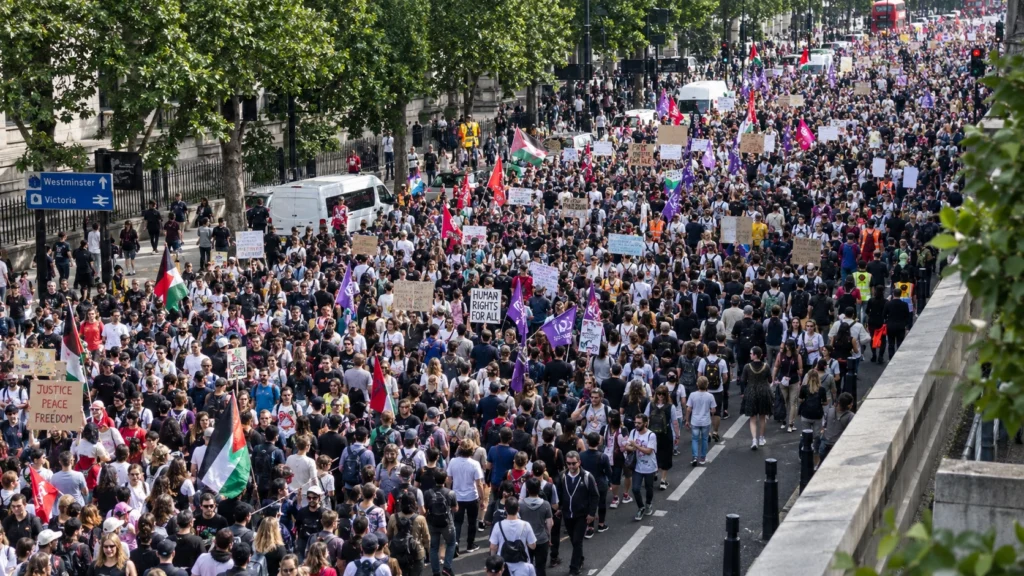






























































































Bulgaria Won Eurovision 2026. The Victory Exposed Everything.
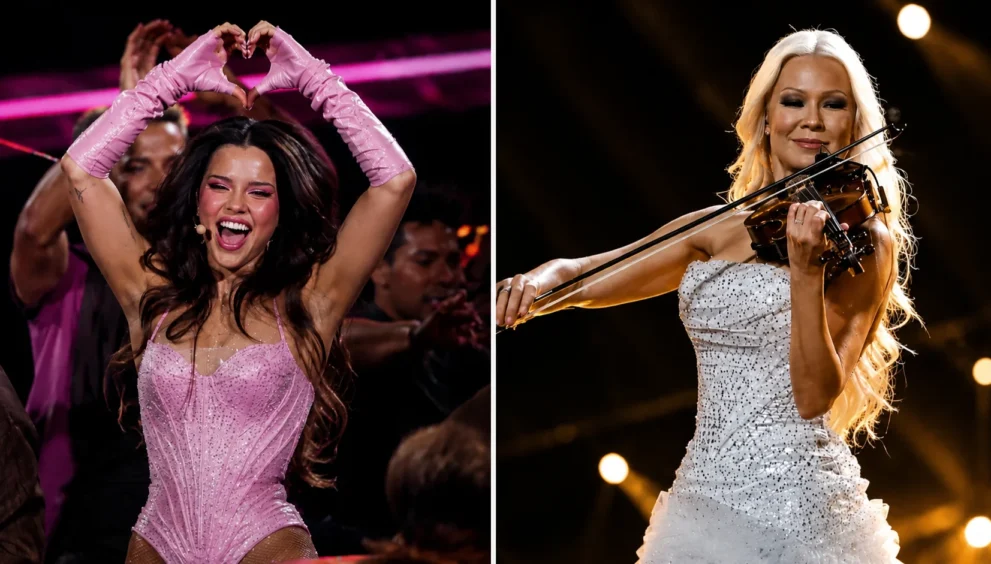
Bulgaria won Eurovision 2026 on Saturday, May 17, claiming its first-ever title as Dara’s Bangaranga amassed 516 points in Vienna. The margin crushed Israel’s Noam Bettan, who took second place while sections of the crowd booed. Romania placed third. The United Kingdom finished last with a single point from Ukraine. Five countries boycotted the event entirely. What looked like a landslide on the scoreboard concealed a contest unraveling in real time.
What Actually Happened
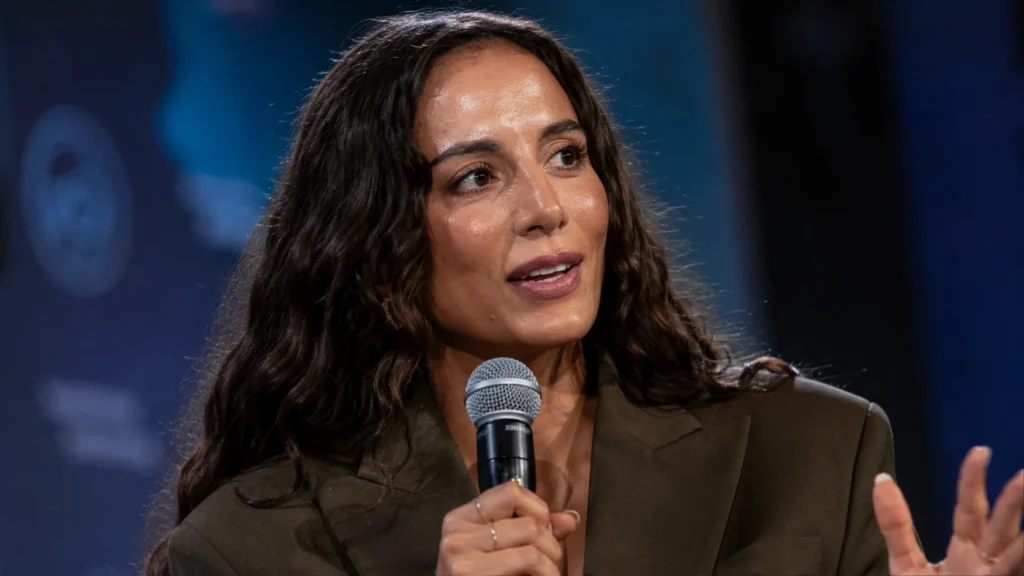
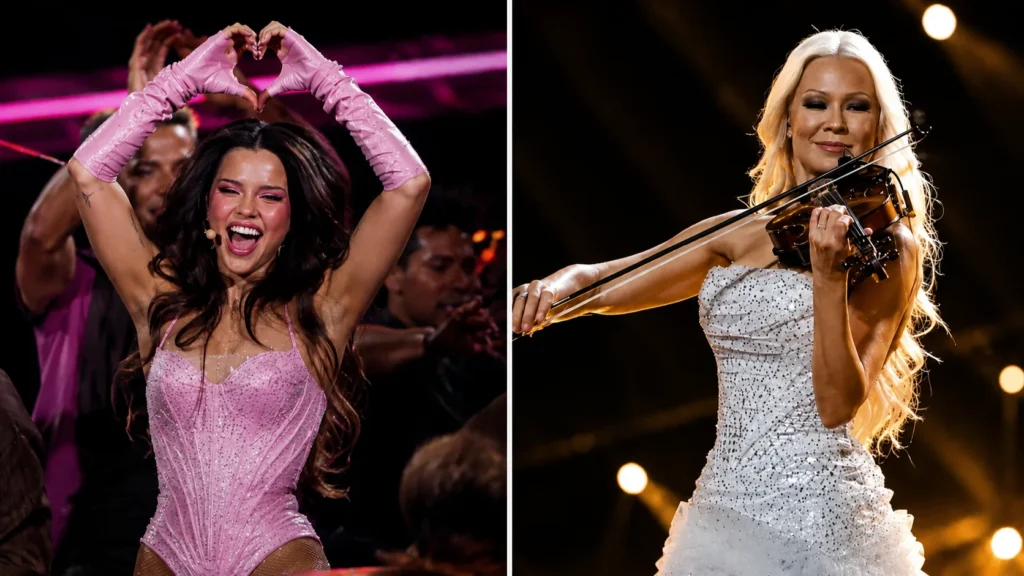
Bulgarian pop star Dara, 27, won the 70th Eurovision Song Contest with Bangaranga, a dance track inspired by her ADHD diagnosis and the ancient Bulgarian Kukeri tradition of chasing away evil spirits. She decisively topped both the public and jury votes.
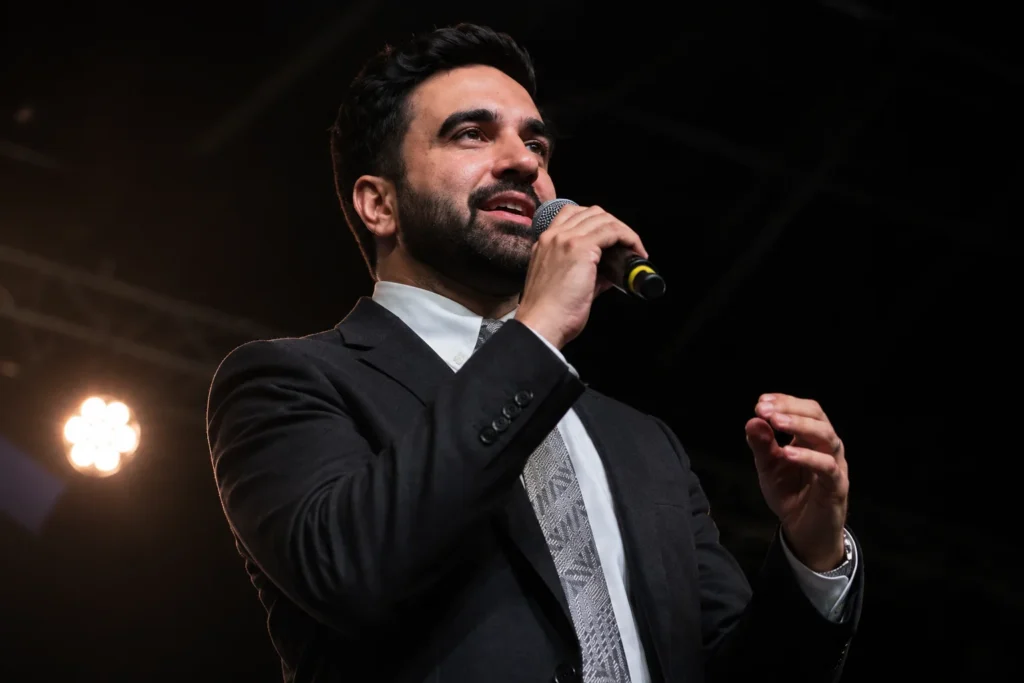
Israel’s Noam Bettan placed second with Michelle, a Mediterranean love song. Romania’s Alexandra Căpitănescu took third with Choke Me, despite pre-contest criticism from advocacy groups over the song’s lyrical content. Australia’s Delta Goodrem finished fourth.
The UK entry, a synth-driven track called Eins, Zwei, Drei performed by YouTube creator Look Mum No Computer, received one point. The artist had predicted the result earlier in the week, telling reporters: “I always say to expect nothing, because if you expect nothing, you lose nothing.”
Why This Contest Broke From Tradition
In 2026, Eurovision’s political dimension became unavoidable, shifting from subtle undertones to direct confrontation.
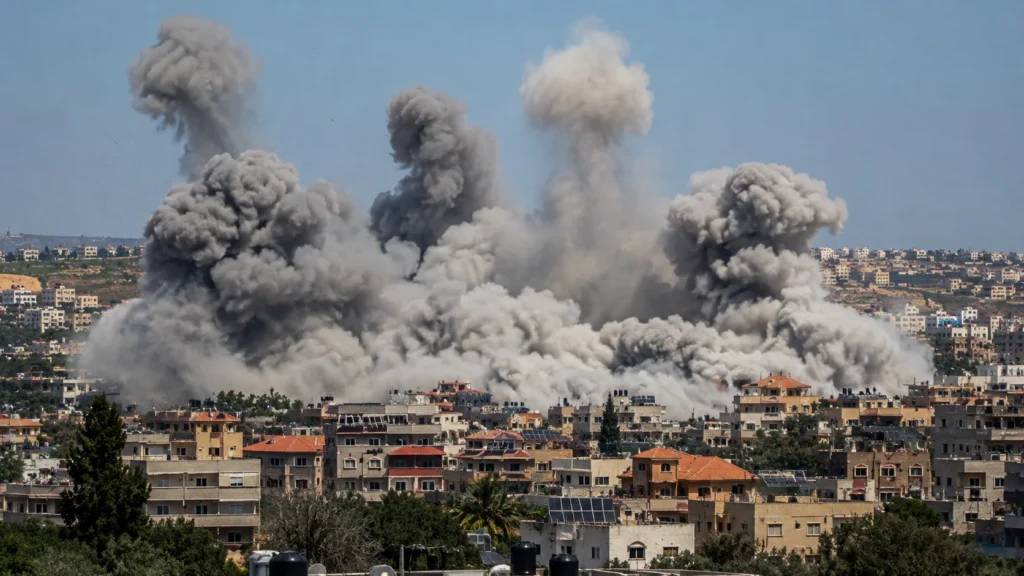
Five countries, including Ireland, Spain, and seven-time winners Sweden, boycotted the event over Israel’s participation, citing the ongoing war in Gaza. According to European Broadcasting Union official statement on 2026 participation, the EBU maintained that Israel’s public broadcaster met all eligibility requirements.
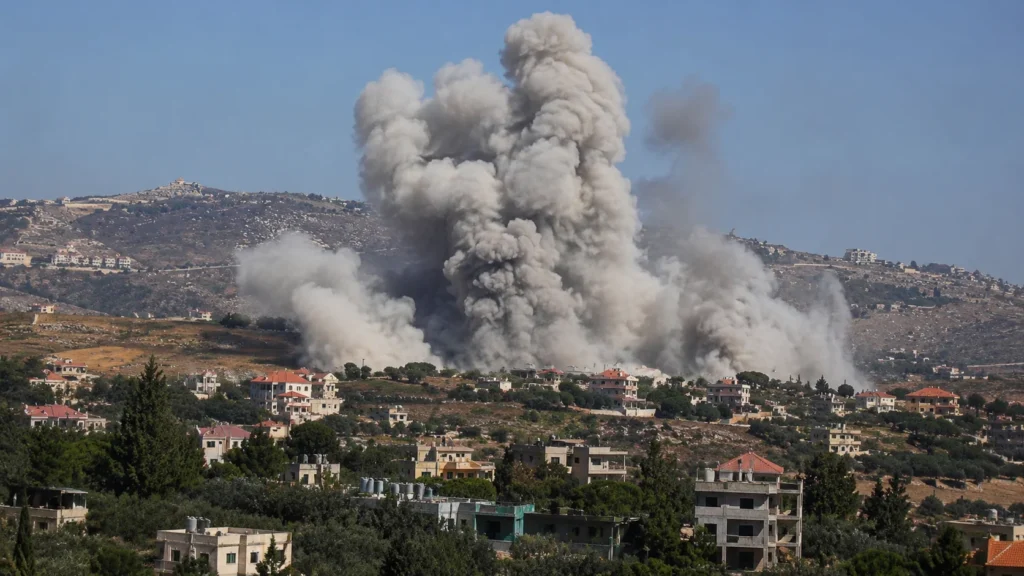
Protests in Vienna’s city center preceded the grand final. During Tuesday’s semi-final, audience members heckled Bettan with anti-Israel chants. The EBU confirmed it was reviewing security protocols for future events, though no disturbances disrupted Saturday’s broadcast.
As our previous analysis of Eurovision’s geopolitical fault lines documented, the contest has faced escalating tension between its founding “apolitical” mandate and real-world events. This year, that tension snapped.
The UK’s Bottom-Place Pattern
Britain’s last-place finish continues a pattern that goes beyond song selection. Since 2020, the UK has finished last three times.
Look Mum No Computer, whose real-name career centers on building eccentric musical contraptions on YouTube, brought a deliberately lo-fi performance to Vienna. Graham Norton, commenting for BBC One, noted: “He gave it his all. It just clearly didn’t shine with the audiences across Europe.”
The British delegation’s struggle raises structural questions. Unlike competitors who treat Eurovision as a national priority, the UK’s approach has oscillated between ironic detachment and earnest confusion. Neither registers with audiences processing performances through emotional recognition, nor camp appreciation.
What The Voting Revealed
Bulgaria’s 516-point total, a margin of 173 over second place, suggests audiences and juries aligned on something rare: a performance that fused personal vulnerability with cultural specificity.
Dara told reporters backstage: “I want to thank everybody who felt the Bangaranga and felt connected to the force.” The term comes from Jamaican patois, meaning “uproar.” Bulgarian National Television confirmed Sofia will host the 2027 contest.
Romania’s third-place finish proved particularly instructive. Campaign groups criticized Choke Me for allegedly glamorising sexual violence. Căpitănescu maintained the lyrics addressed suffocating under self-doubt. Audiences didn’t parse the distinction. They responded to the feeling of a gap between institutional critique and mass response that mirrors wider entertainment industry dynamics we’ve tracked.
The following FAQ addresses key details from this year’s contest and ongoing themes.
Bulgaria’s Dara won with Bangaranga, scoring 516 points, the country’s first Eurovision victory. The contest took place in Vienna, Austria, on May 17, 2026.
Why did countries boycott Eurovision 2026?
Ireland, Spain, and three other nations boycotted over Israel’s participation, citing the war in Gaza. The European Broadcasting Union confirmed Israel’s broadcaster met eligibility rules and refused to exclude the entry. Full EBU eligibility criteria available here
Where will Eurovision 2027 be held?
Sofia, Bulgaria, will host the 2027 contest, Bulgarian National Television confirmed immediately after Dara’s victory.
Why does the UK keep finishing last at Eurovision?
The UK has finished last three times since 2020. Analysis points to inconsistent song selection, a perceived ironic detachment from the contest’s emotional stakes, and voting patterns that favor countries that treat Eurovision as a cultural priority rather than a novelty.
What does “Bangaranga” mean?
The word comes from Jamaican patois, meaning “uproar.” Dara wrote the song after an ADHD diagnosis, describing it as “the moment you choose to lead with love, not fear.” Her choreography incorporated the Bulgarian Kukeri tradition of masked performances meant to chase away evil spirits.
Written by a culture editor who has tracked Eurovision’s evolution across six contest cycles, with a specific focus on voting patterns, fandom dynamics, and the intersection of entertainment with geopolitical pressure.