

 English























































































































































































































































































Oil Falls to Pre-Iran War Levels as Strait of Hormuz Reopens

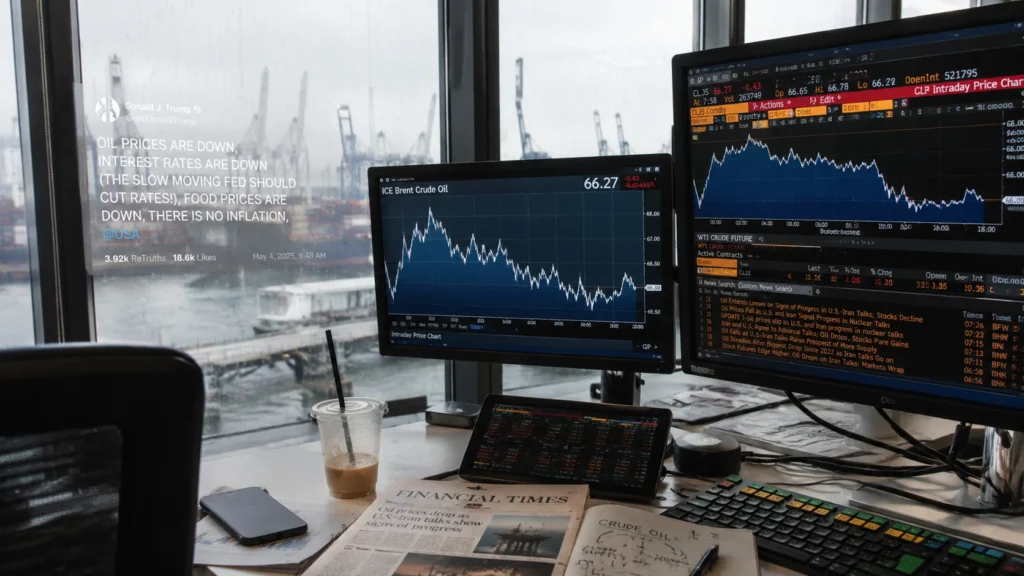
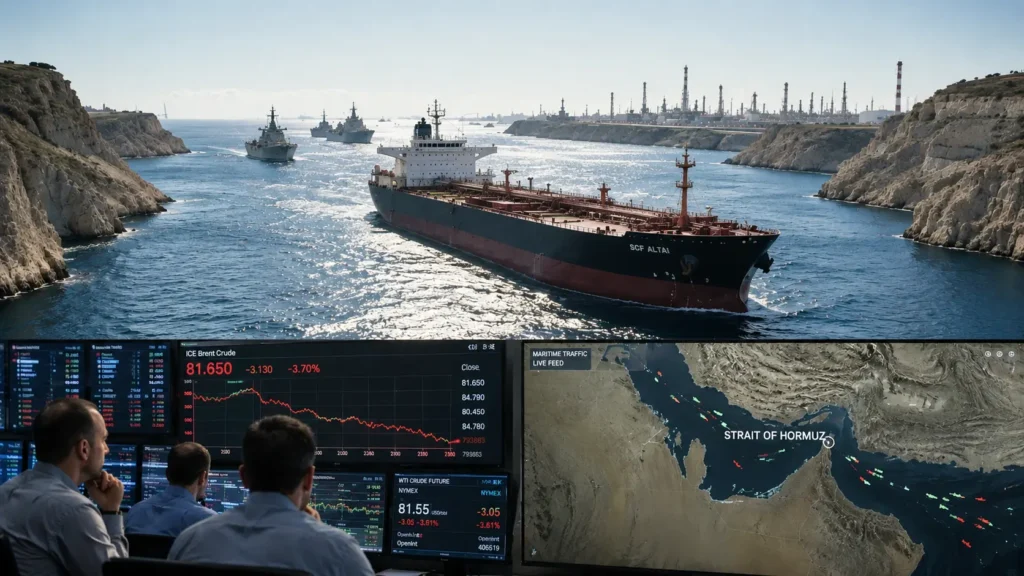
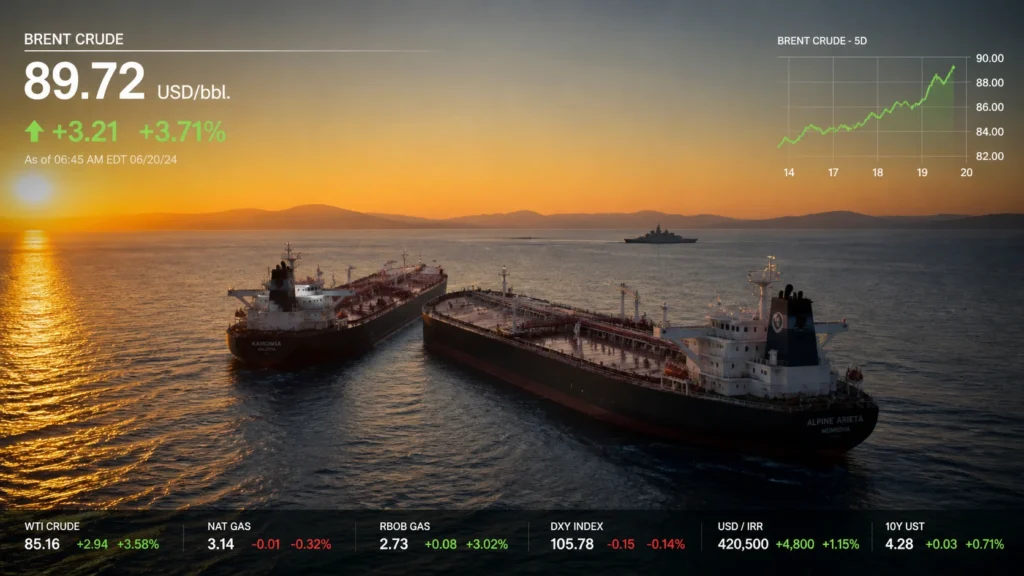
The price of oil has fallen to levels not seen since before the Iran war began, with global benchmark Brent crude briefly dropping below $72.48 a barrel on Wednesday—exactly the price it traded at on 27 February, the day before the US and Israel launched strikes on Iran. Brent later edged up to $73.23. The decline marks the full unwinding of the war premium that sent prices surging toward $120 a barrel in May and comes as traffic through the Strait of Hormuz continues to recover following the signing of a US-Iran memorandum of understanding on 17 June. Maritime intelligence firm Kpler reports 284 vessels have transited the strait since the deal was signed, though daily crossings remain below the pre-conflict average of roughly 138 per day.
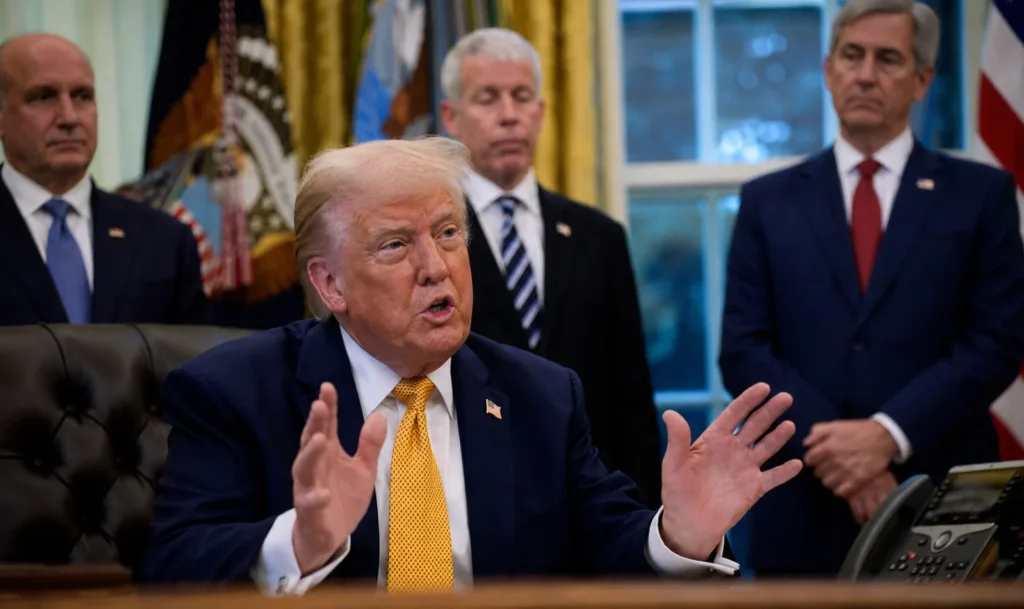
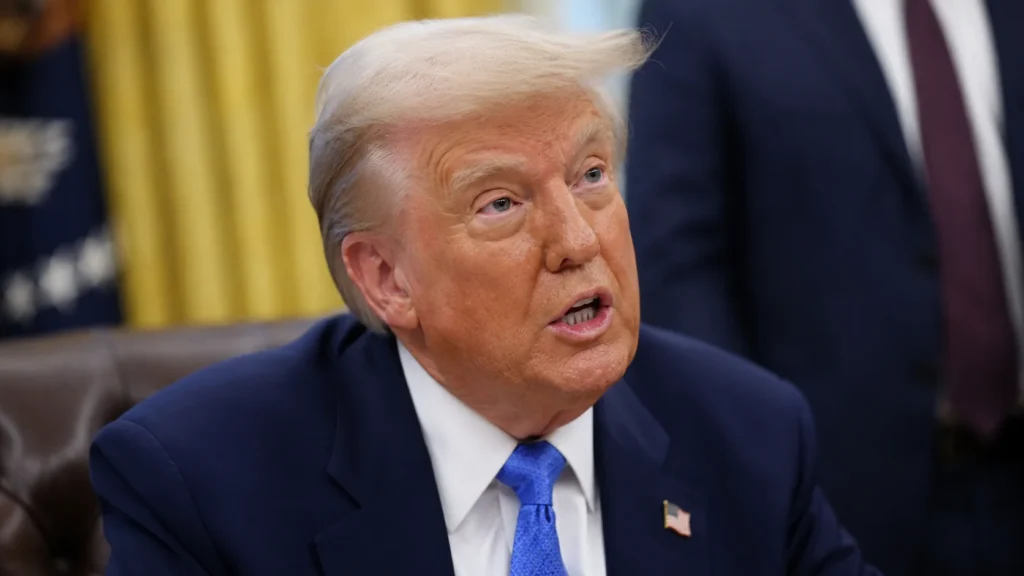
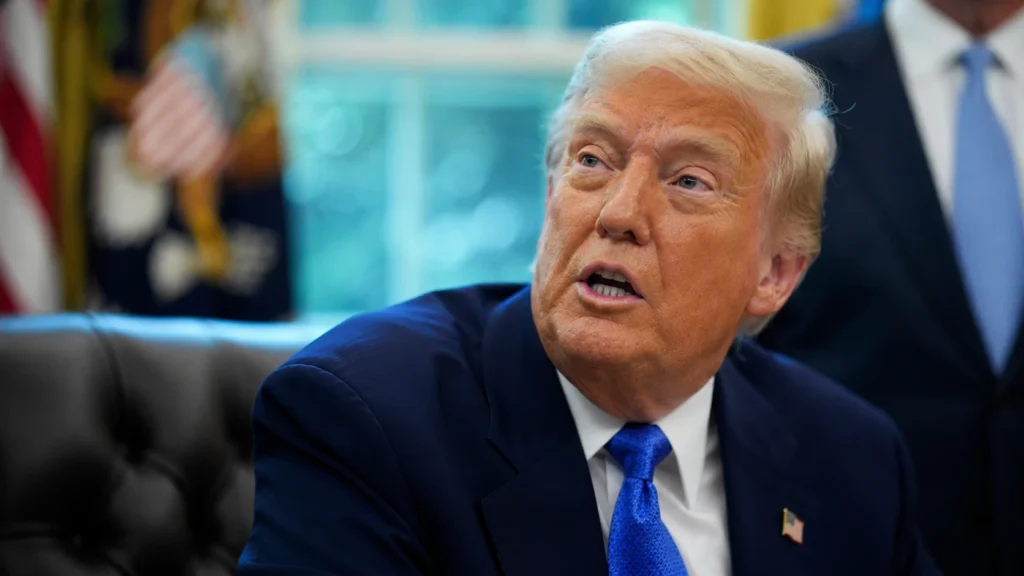
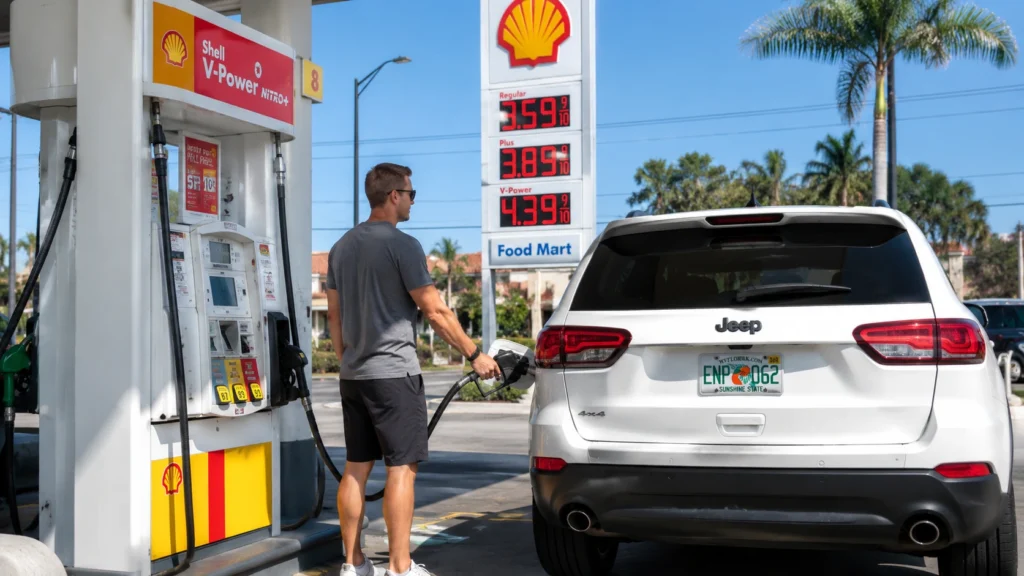
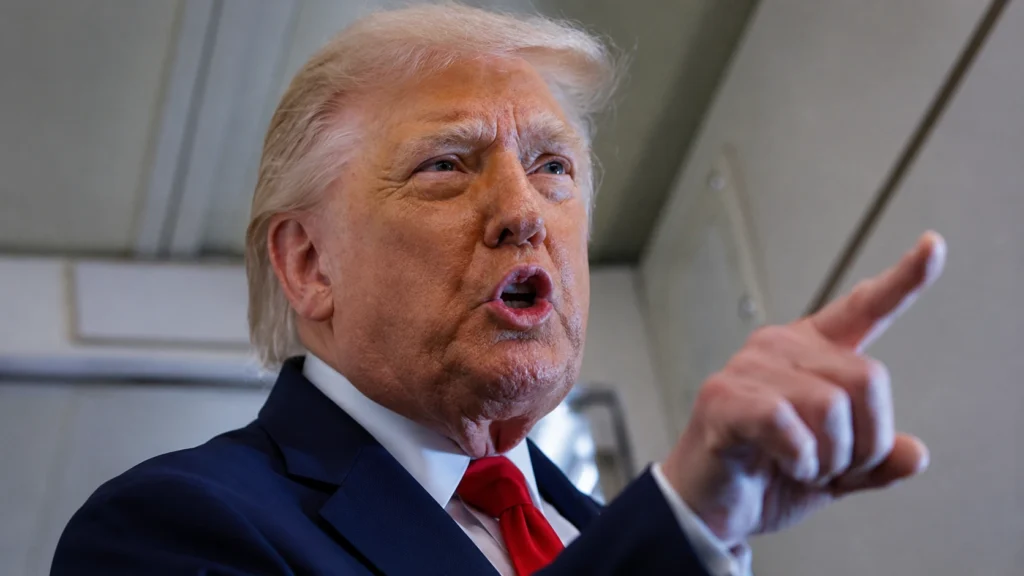
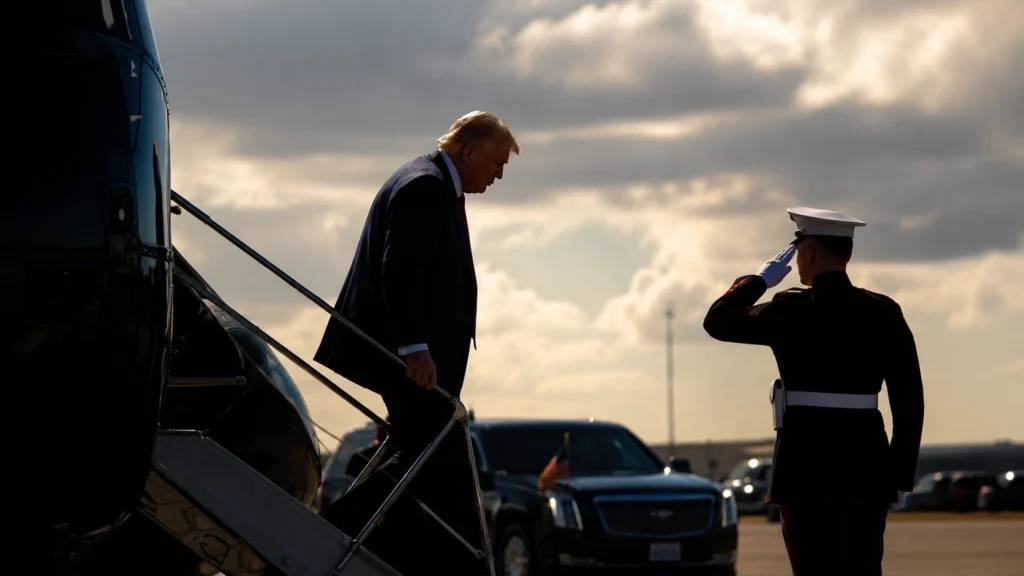
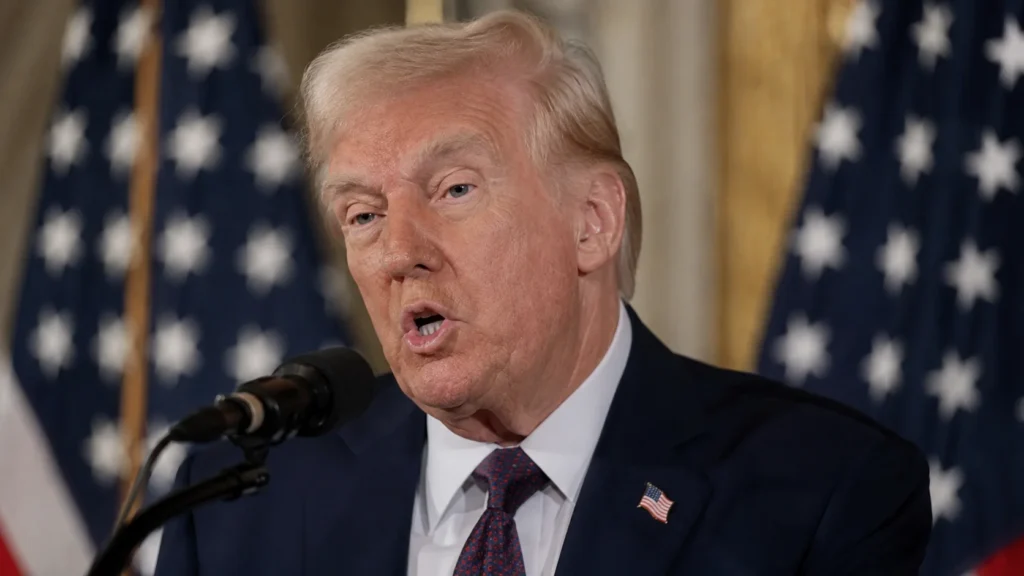
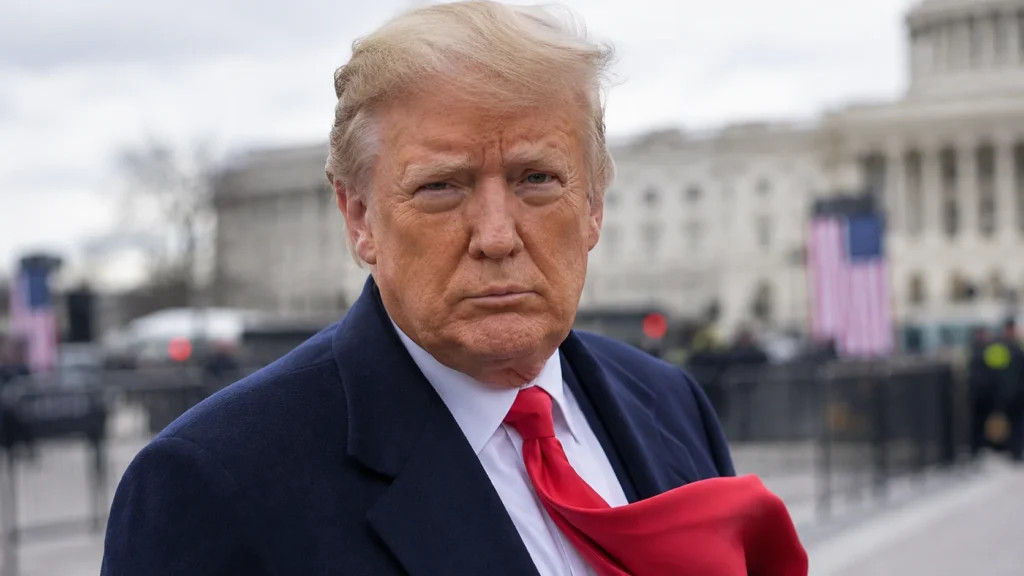
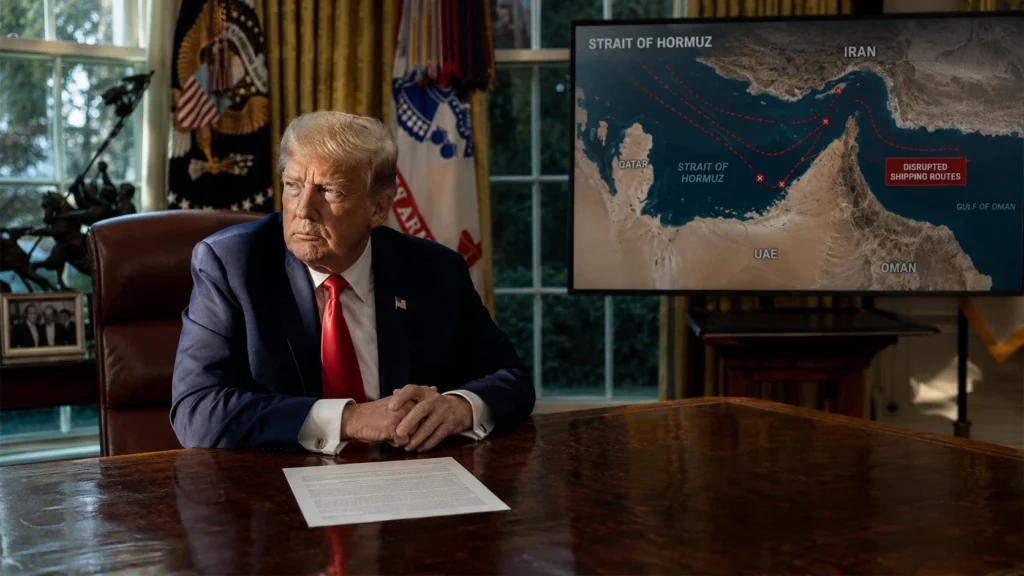
The return to pre-war crude prices has not yet been matched at the pump. US President Donald Trump on Wednesday ordered a Department of Justice investigation into oil companies, accusing them of “gouging” drivers by not cutting fuel prices as quickly as crude has fallen.
The Strait: Reopening but Not Yet Normal
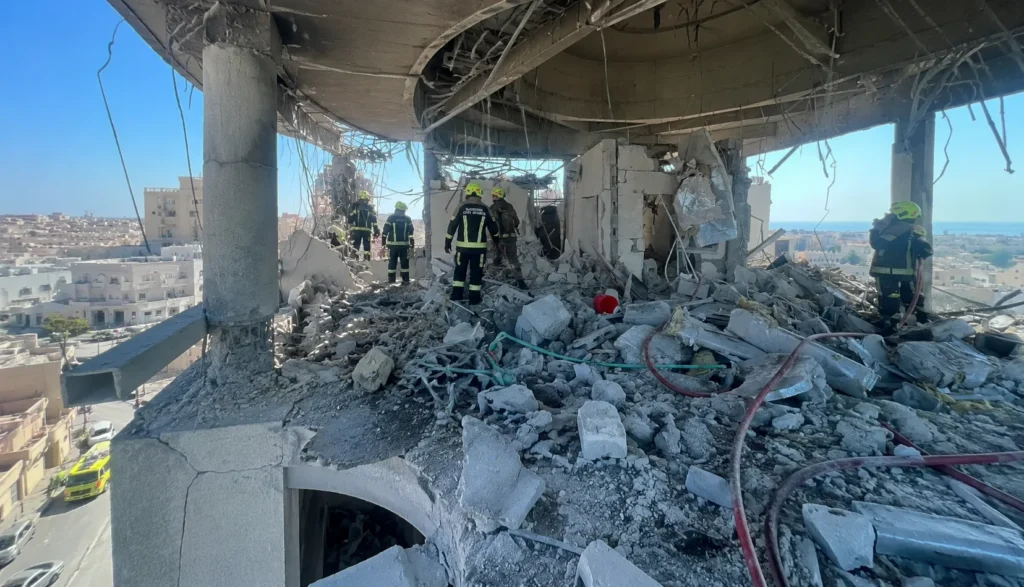
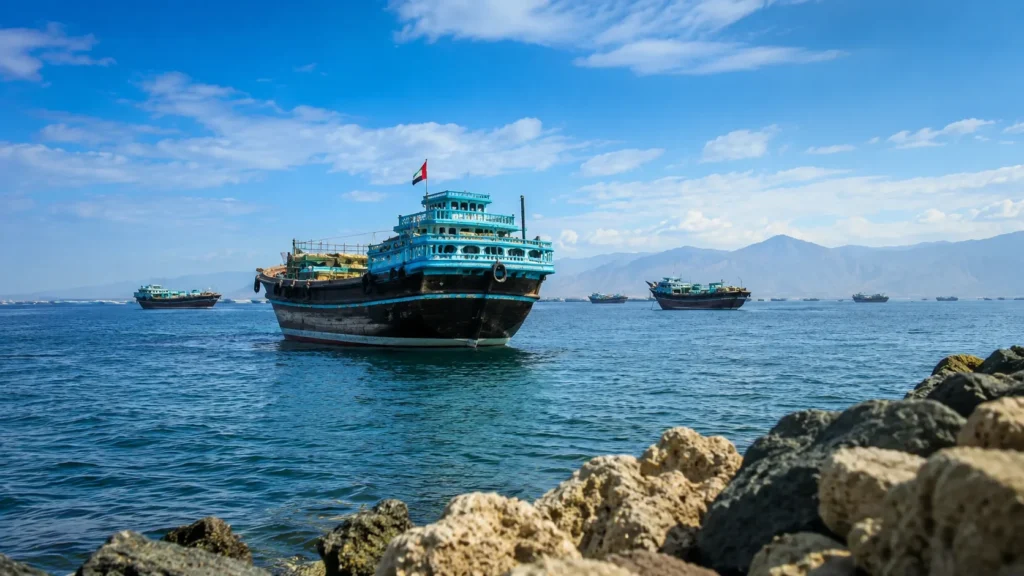
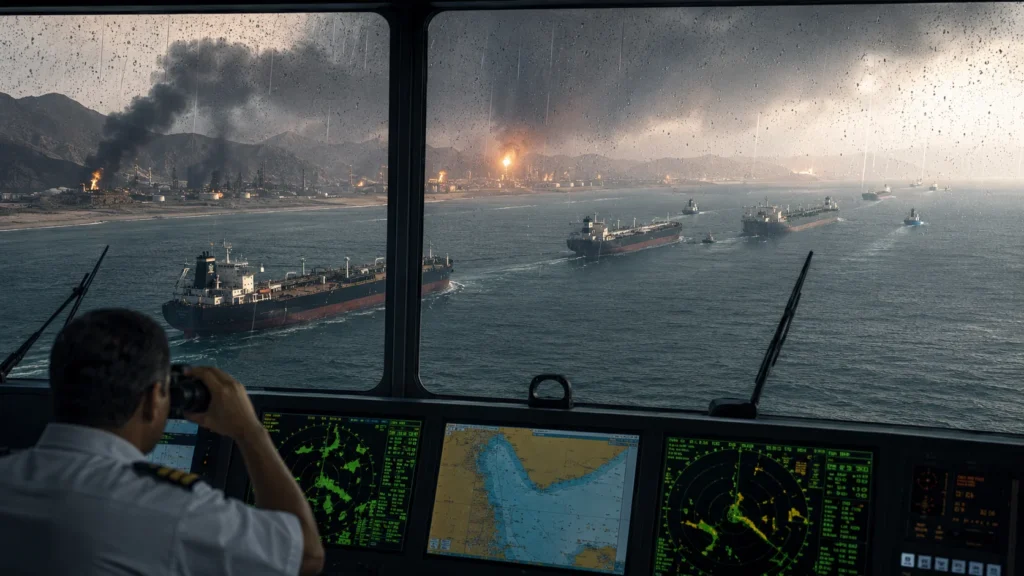
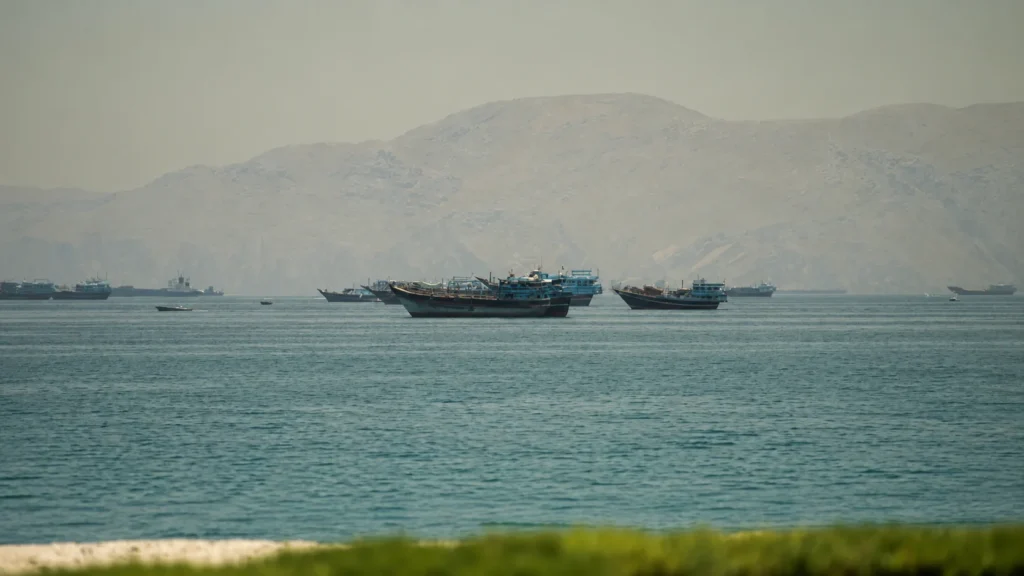
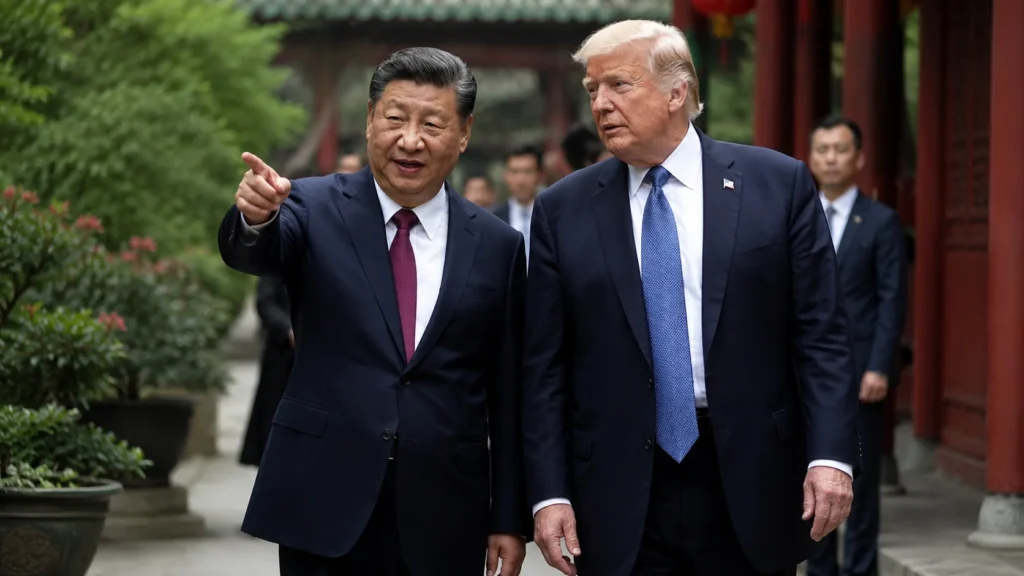
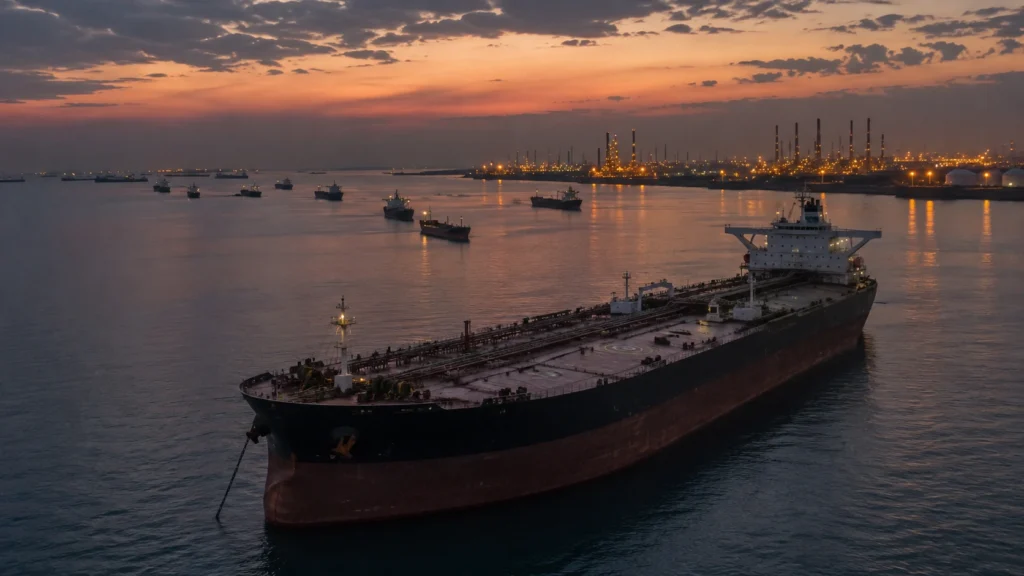
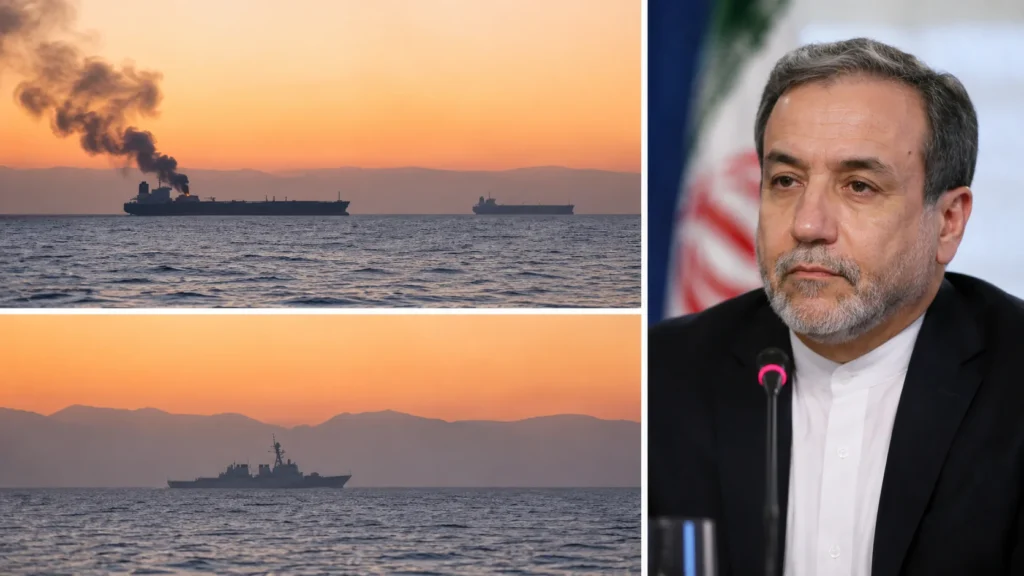
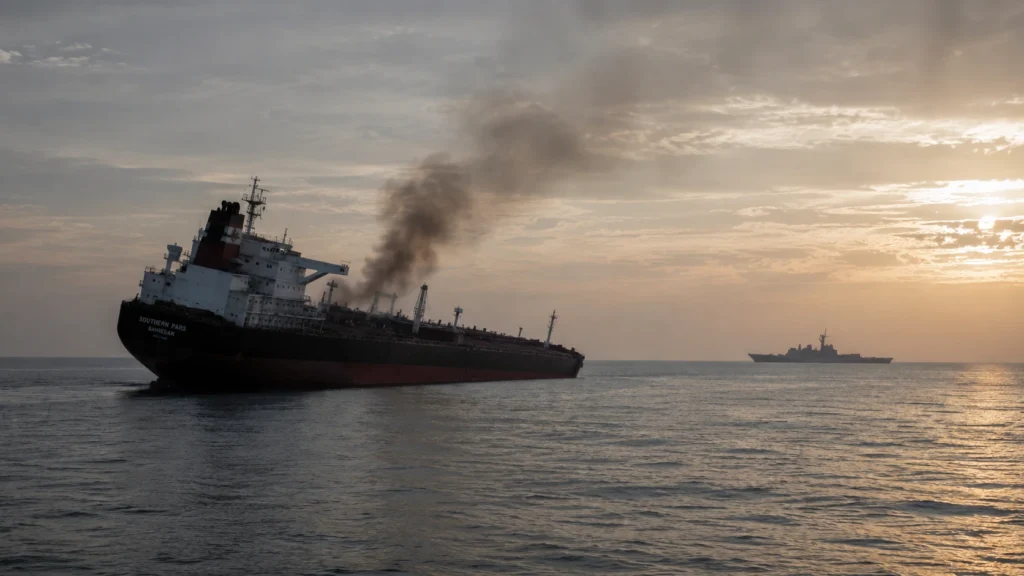
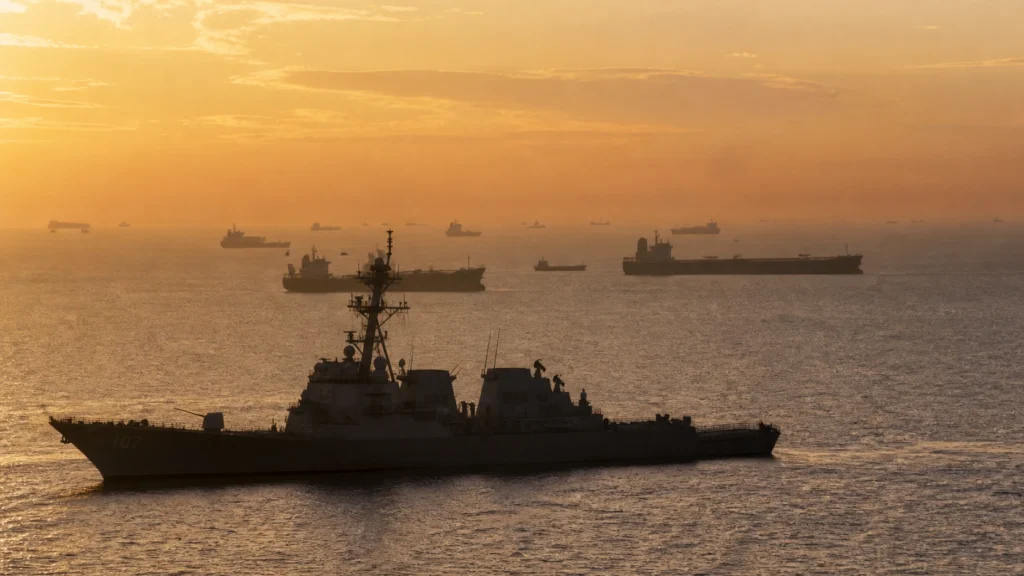
The Strait of Hormuz, through which one-fifth of the world’s oil flows, was effectively closed by Iran after the US and Israel launched attacks on 28 February. The closure sent global energy prices surging. The 17 June memorandum of understanding between Washington and Tehran set out a 60-day framework for negotiations on Iran’s nuclear programme and other measures to end the war, and the strait has been gradually reopening since.
According to Kpler maritime intelligence data on Strait of Hormuz transits, 284 vessels have crossed since 18 June, the day after the deal was signed. The ships include those carrying crude oil, liquefied natural gas, fertiliser, and other goods. But the daily rate remains below the pre-war average, and hundreds of ships still appear to be waiting in the Gulf.
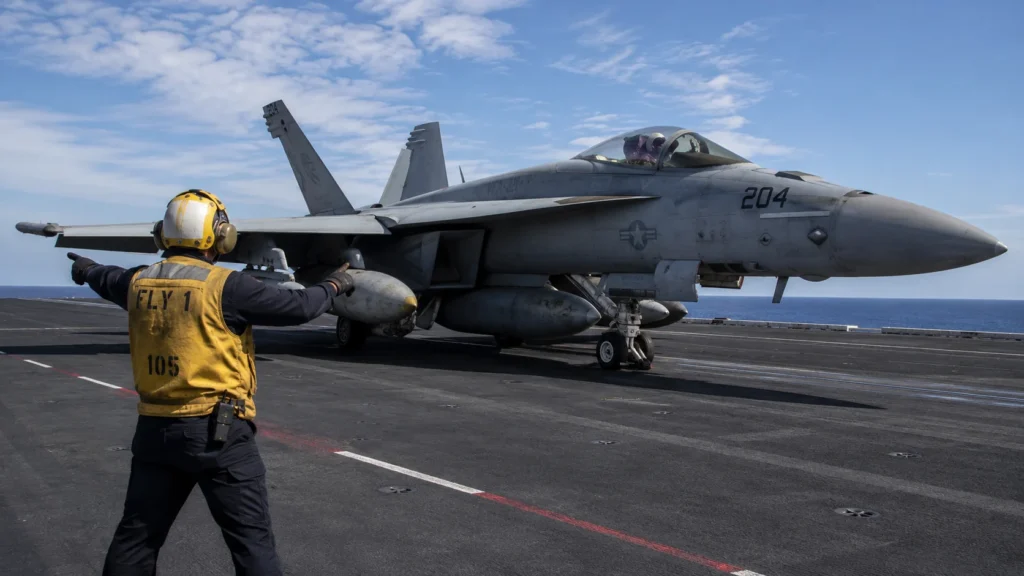
Dimitris Maniatis, chief executive of maritime risk advisory firm Marisks, told the BBC there had been a “tremendous shift” with far more ships using the strait in recent days. A limited number of vessels can cross a northern passageway with permission from Iranian authorities. The US Navy has also provided guidance for a southern route cleared of mines and other obstacles laid during the war.
Qatar and Pakistan, which mediated the original deal, announced on Monday that the US and Iran had formed a “communication line” to prevent misunderstandings, with the aim of safe passage for commercial vessels through the Strait of Hormuz. The mechanism is designed to keep the ceasefire from collapsing into the kind of miscalculation that could close the strait again.
Pratibha Thaker, regional director of Middle East and Africa at the Economist Intelligence Unit, cautioned that while oil prices have fallen back to pre-conflict levels, “markets are still watching the region closely, and any renewed tensions could quickly send oil higher again.”
As our analysis of the Strait of Hormuz crisis and its impact on global energy markets documented, the waterway carries roughly 20 million barrels of oil daily—nearly $600 billion in annual energy trade—and its closure represented the most significant disruption to maritime commerce in decades.
Pump Prices: The Lag That Frustrates Drivers
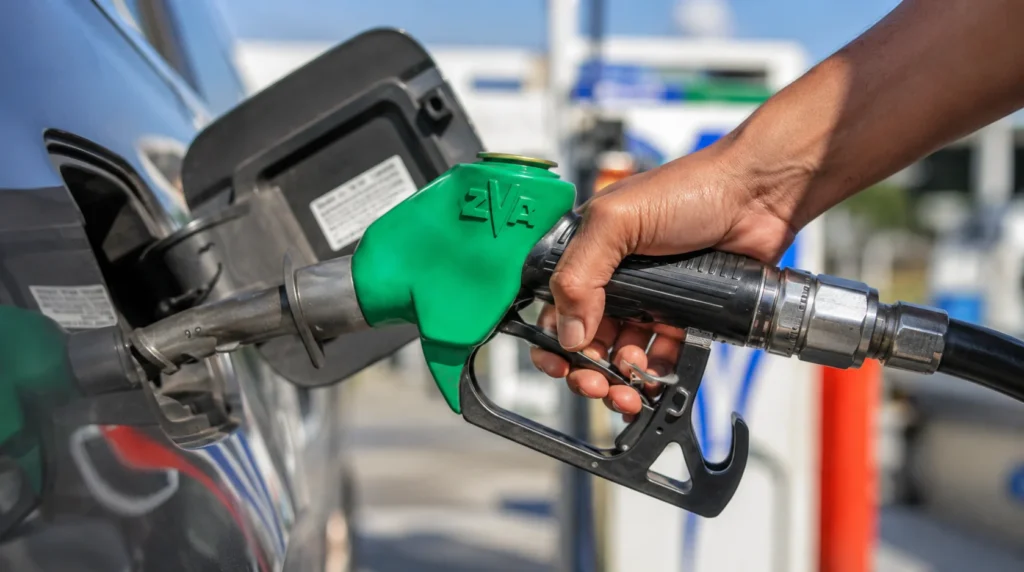
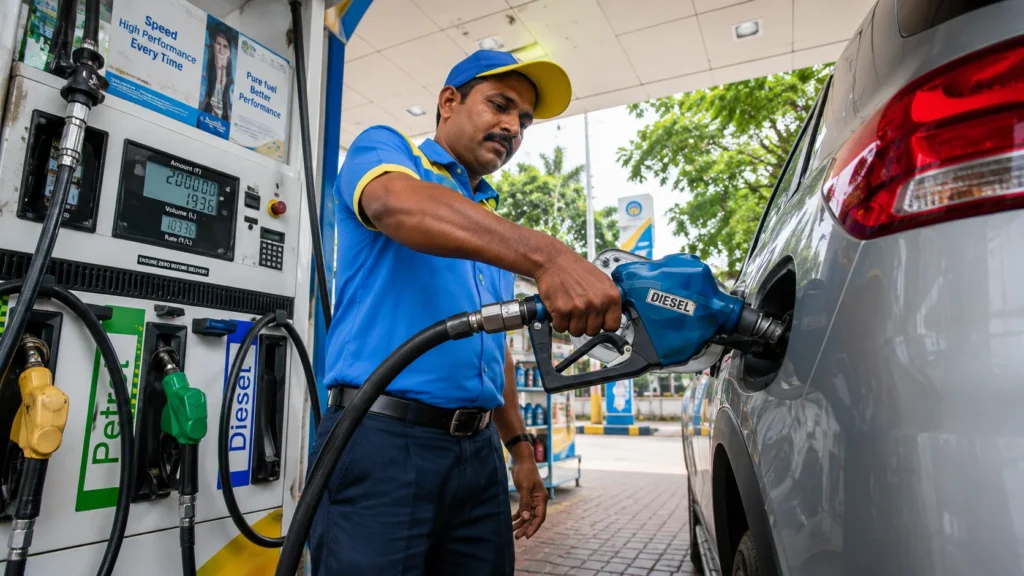
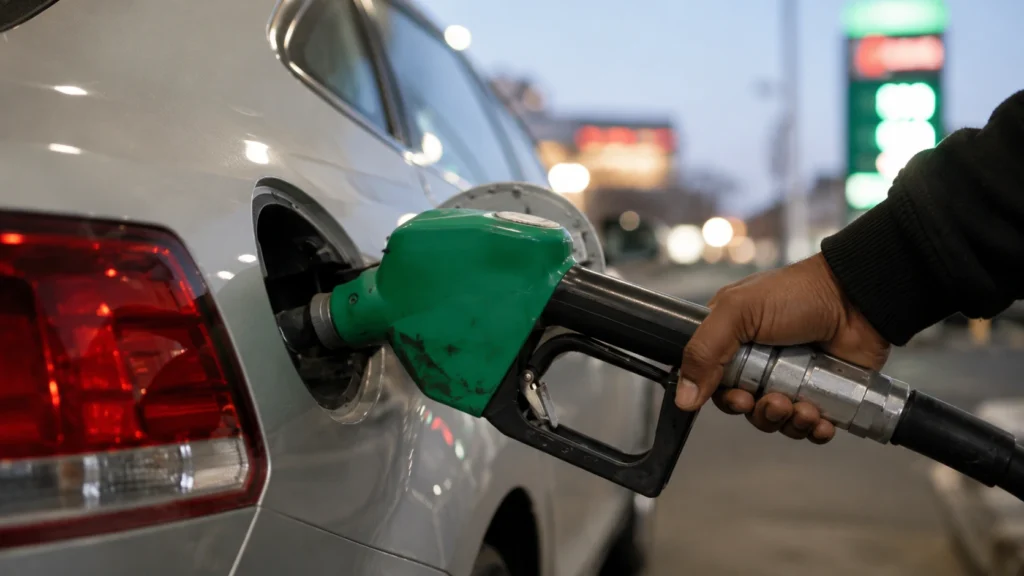
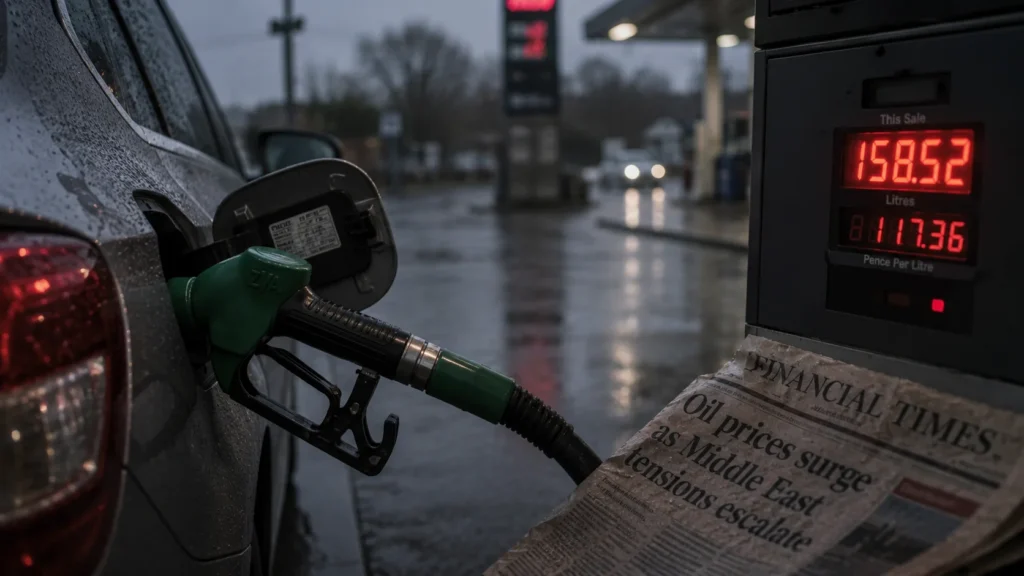
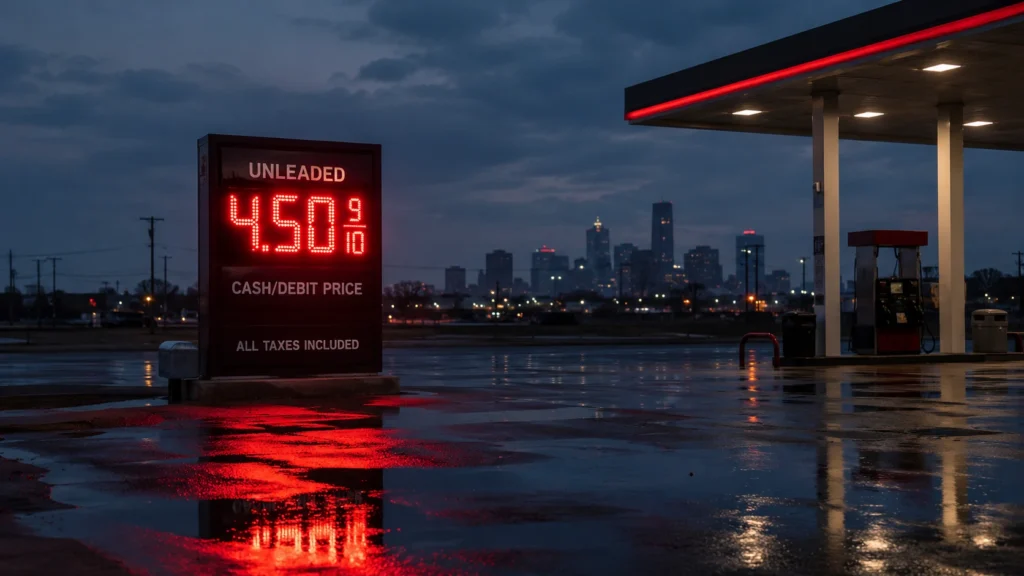
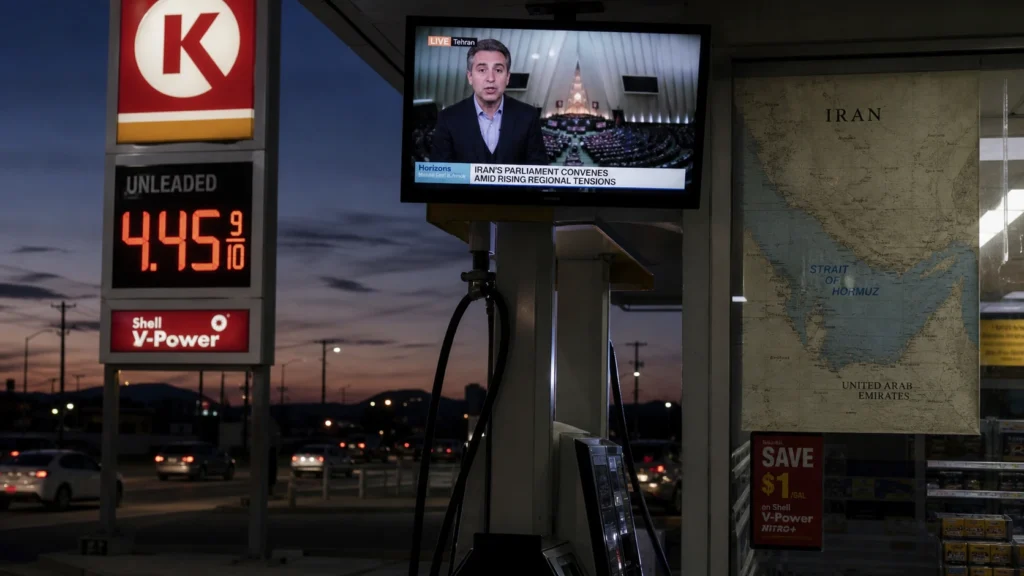
The crude price has completed its round trip. The pump price has not. In the UK, petrol peaked at 159.53p a litre on 28 May, according to the RAC, while diesel reached 191.54p on 15 April.
Simon Williams, head of policy at the RAC, said drivers “should see the average price of petrol fall below 150p a litre in the next week or so,” adding that diesel “ought to go back under 160p.” The forecast is directional. The pace remains frustrating for consumers. Crude has fallen roughly 38% from its May peak. Pump prices have moved far more slowly.
The mechanism is well understood in energy markets. Crude oil purchased at elevated prices takes weeks to move through the refining process, distribution networks, and retail supply chains before reaching consumers as petrol or diesel. The lag between a Brent drop and a pump price drop is a function of inventory accounting. The industry calls this operational reality. Politicians have called it something else.
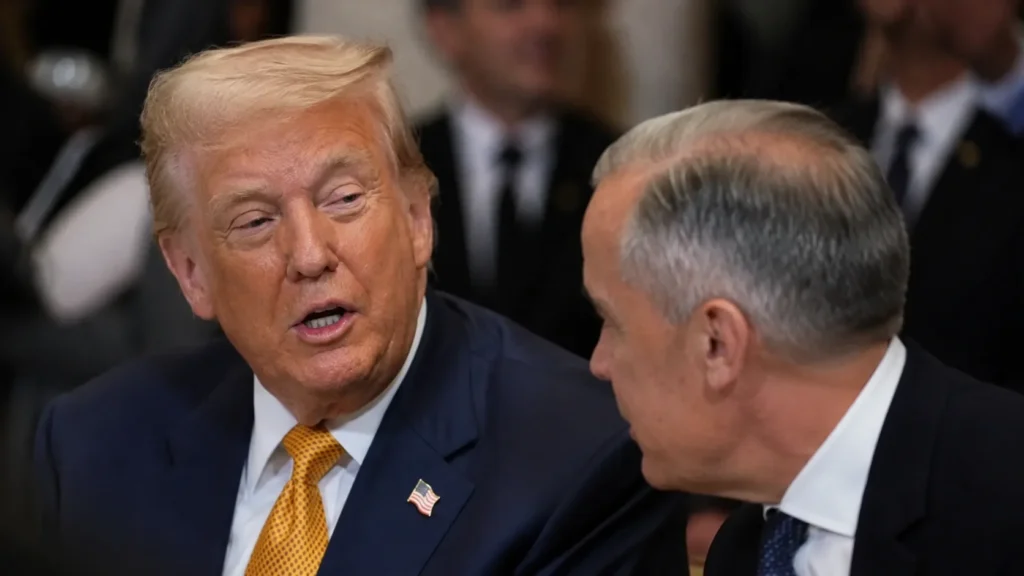
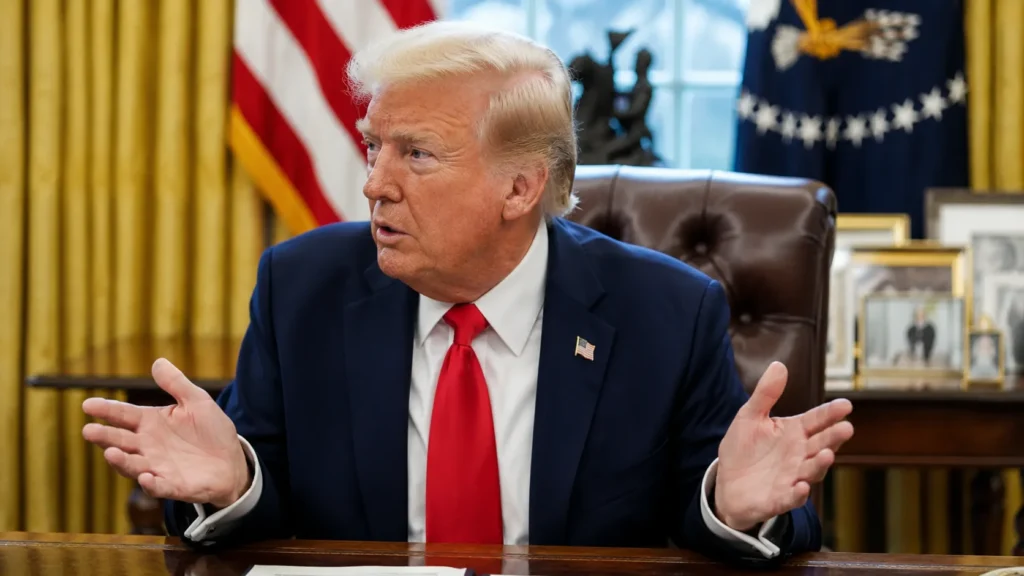
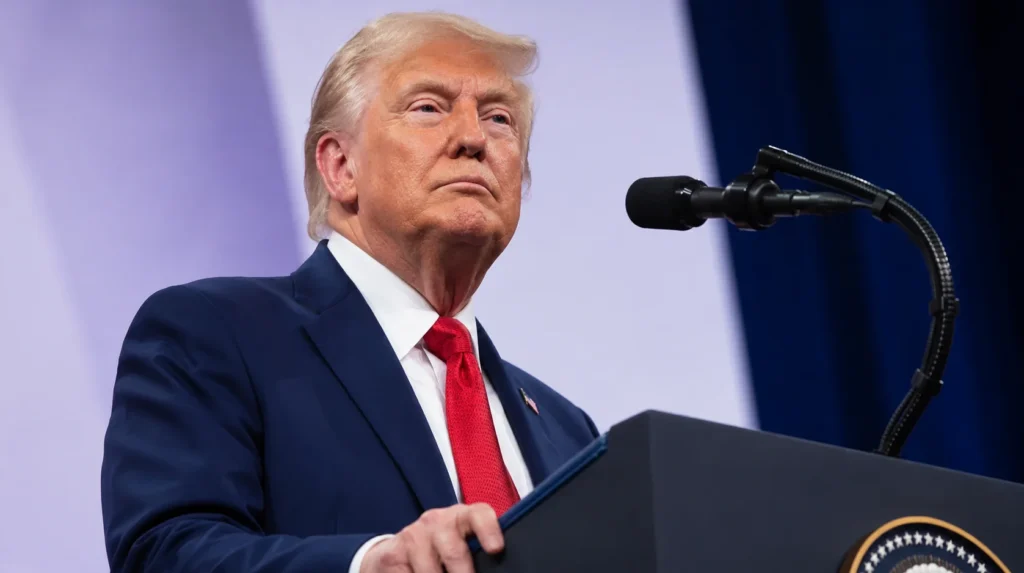
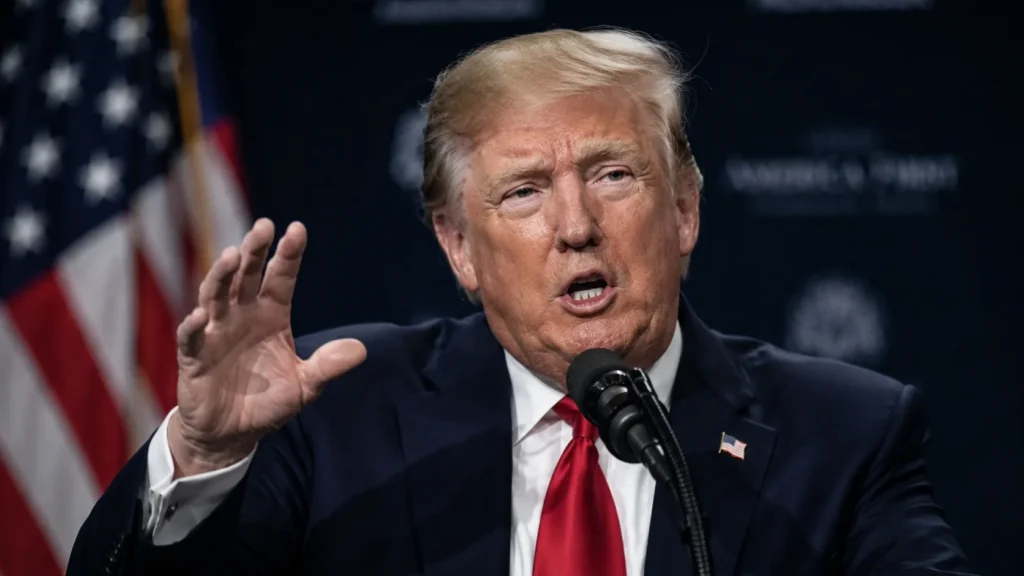
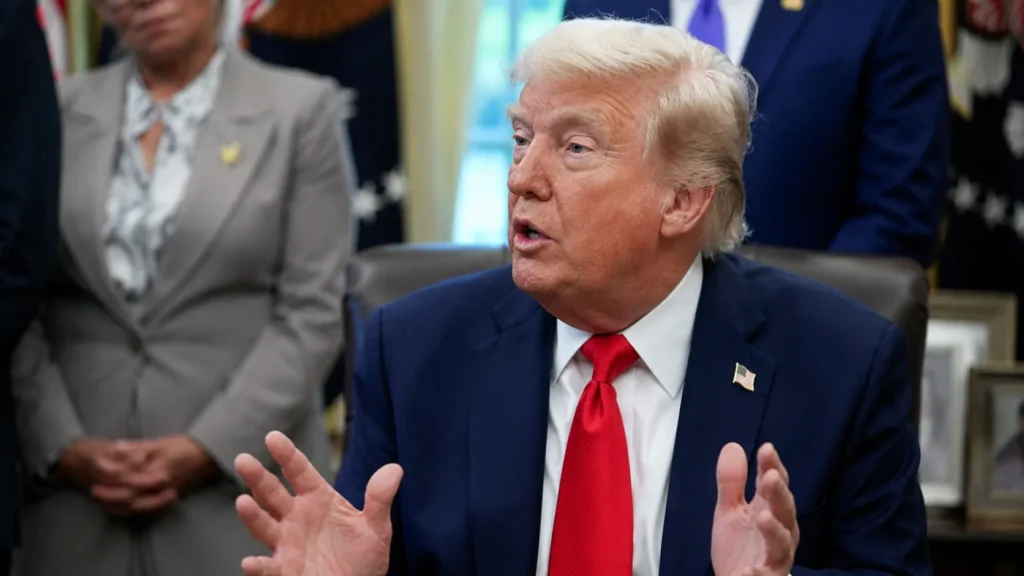
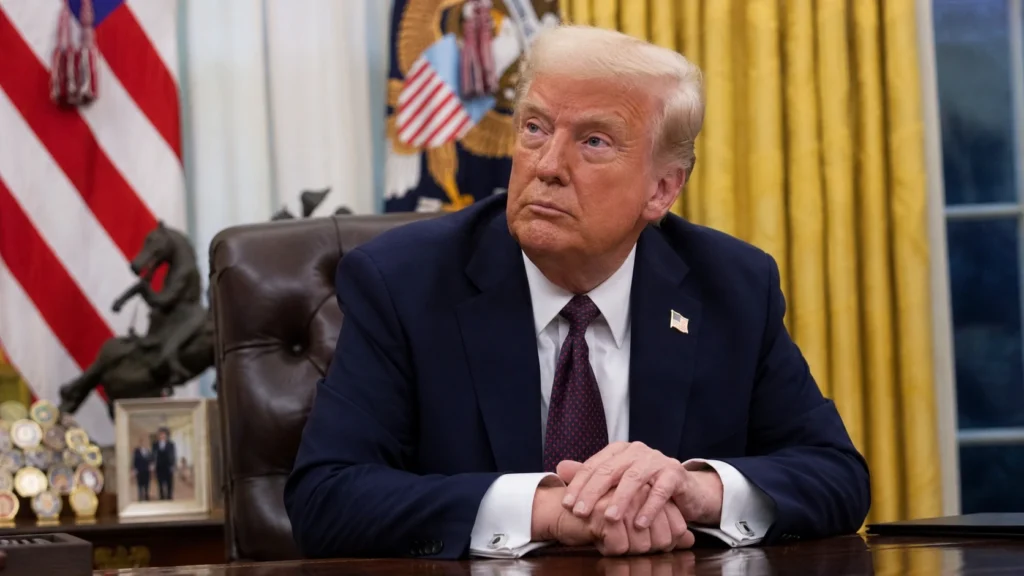
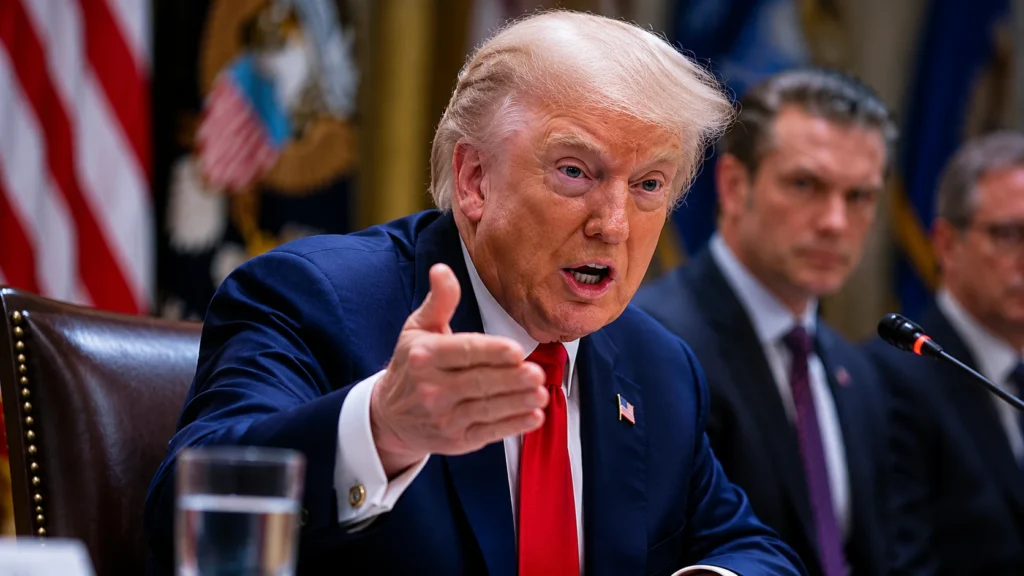
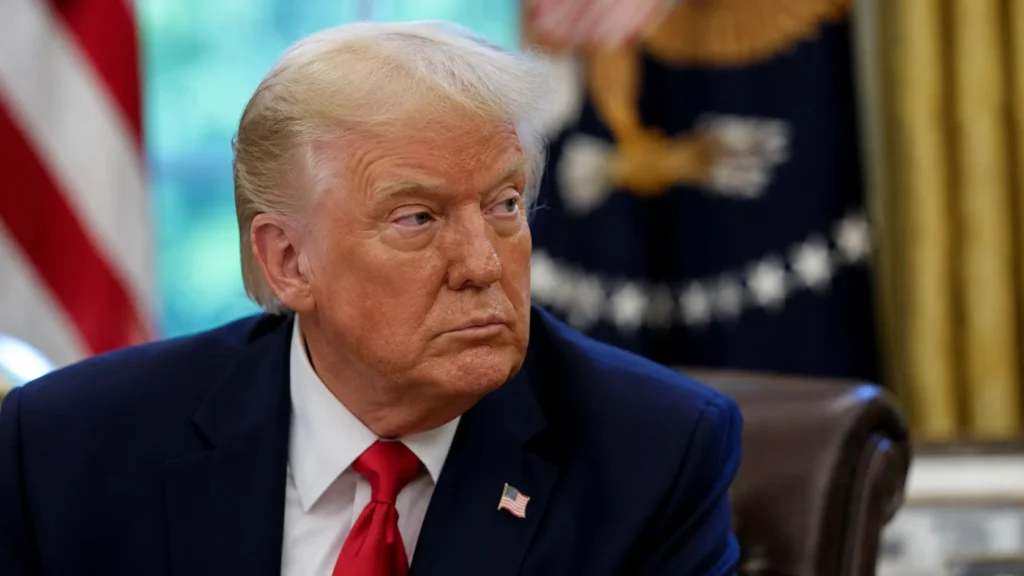
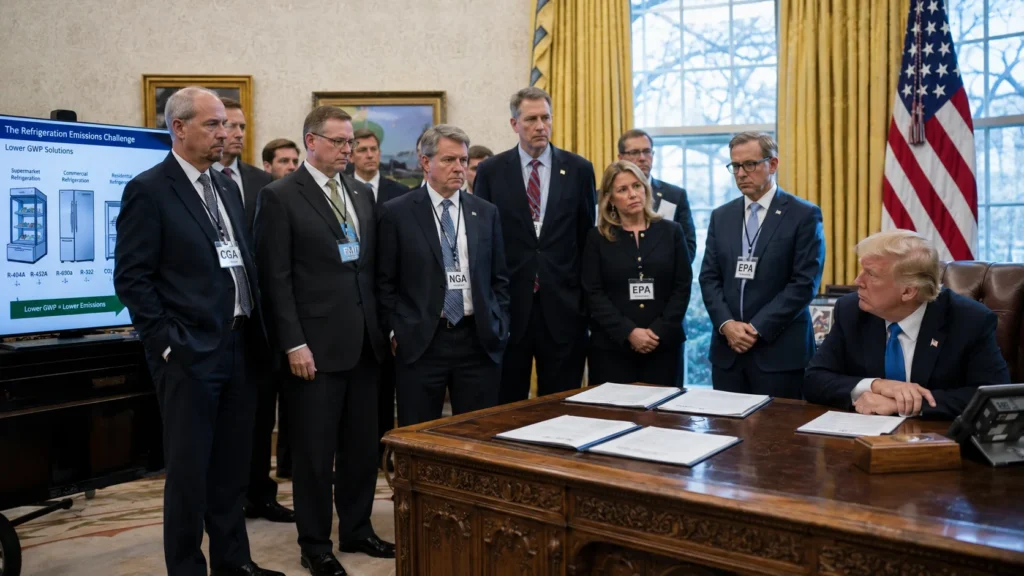
President Trump ordered a DOJ investigation into major energy companies on Wednesday, naming Shell and ExxonMobil. “Oil prices have come down so much, and we are not seeing anything at the pump by comparison to the way they should be,” Trump told reporters in the Oval Office.
The American Petroleum Institute responded that fuel prices “don’t move in lockstep with crude oil.” The UK competition watchdog examined similar accusations last month and found no widespread evidence of unfair pricing, noting average profit margins were “broadly unchanged” between February and March.
According to UK Competition and Markets Authority May 2026 report on fuel pricing following the Iran conflict, the gap between crude and pump prices during the period examined reflected normal market dynamics rather than gouging.
As our coverage of the Trump administration’s DOJ investigation into oil company pricing reported, the political pressure on the industry is expected to intensify as the November midterm elections approach and the gap between crude costs and pump prices remains a daily reality for voters.

What Comes Next
The 60-day framework for a final agreement between the US and Iran runs through the summer. If negotiations produce a durable settlement, crude prices will likely hold at or below current levels. The pump price will continue its lagged decline, and the political pressure on oil companies will ease.
If talks stall—over issues including IAEA inspections, strait tolls, or ballistic missiles—the risk premium returns. The daily transit rate through the Strait of Hormuz is the most sensitive measure of market confidence. If it rises toward the pre-war average, crude prices remain anchored. If it stalls or reverses, prices will follow.
The US and Iranian representatives met in Switzerland last weekend, resulting in the US partially lifting sanctions on Iranian oil exports. The talks are expected to continue as the 60-day clock runs.
FAQ
Has the oil price returned to pre-Iran war levels?
Yes. Brent crude briefly fell below $72.48 a barrel on Wednesday, the exact price it traded at on 27 February, the day before the US and Israel attacked Iran. It later edged up to $73.23.
How many ships are now crossing the Strait of Hormuz?
Kpler reports 284 vessels have transited the strait since 18 June, the day after the US-Iran deal was signed. The pre-conflict average was roughly 138 crossings per day, so the daily rate remains below normal levels. Hundreds of ships are still waiting in the Gulf.
Why haven’t pump prices fallen as fast as crude oil?
Crude oil purchased at higher prices takes weeks to move through refining, distribution, and retail supply chains. The lag between a crude price drop and a pump price drop is a normal function of the industry. The UK competition regulator found no widespread evidence of unfair pricing in its May investigation.
What is the US-Iran communication line?
Qatar and Pakistan announced on Monday that the US and Iran had formed a “communication line” to prevent misunderstandings, with the aim of safe passage for commercial vessels through the Strait of Hormuz. It is designed to prevent the kind of miscalculation that could close the strait again.
When will petrol prices fall further?
The RAC forecasts UK petrol should fall below 150p a litre in the next week or so, with diesel going back under 160p. US gasoline prices have been declining from their April peak of over $4 a gallon, but remain above pre-war levels.