

 English



































































































































































































































































































El Hierro: Spain’s Canary Island With 4.1K Tourists a Year
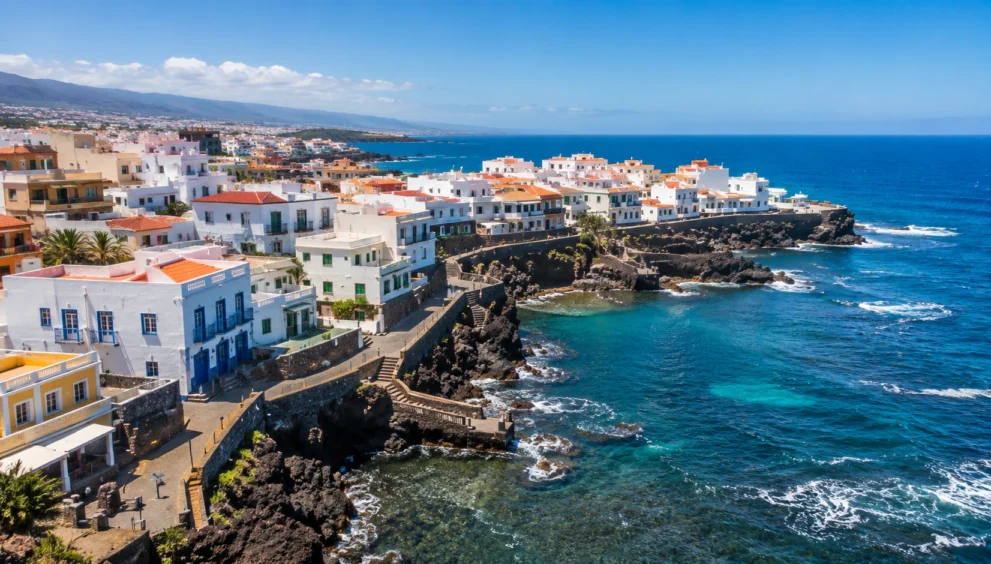
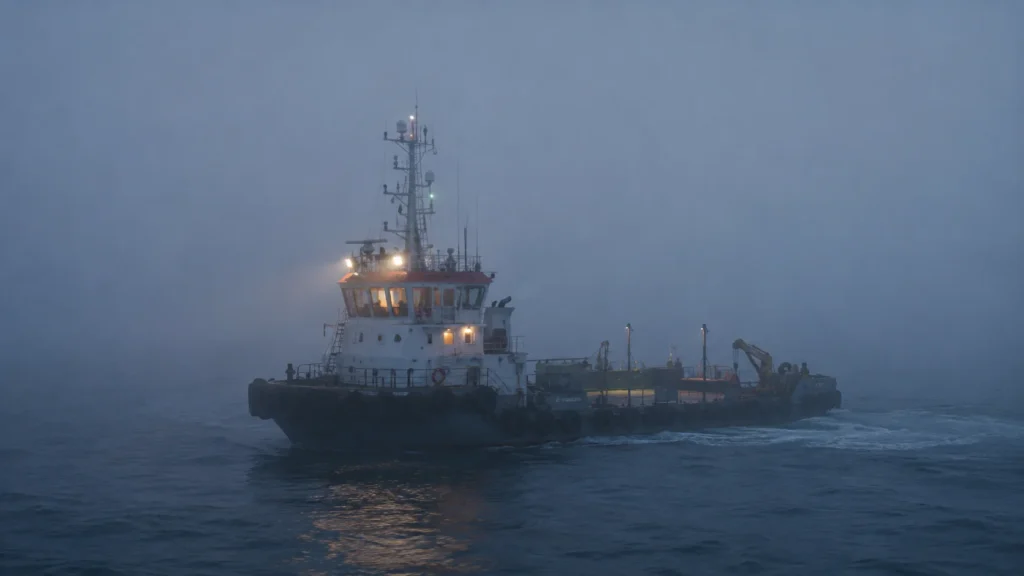
El Hierro, the most remote of Spain’s Canary Islands, received just 4,100 international tourists in 2024—compared to over six million on neighboring Tenerife. The island has no direct flights from outside the archipelago, no resort hotels, and one traffic light serving 12,000 residents. A single daily ferry connects it to Tenerife, a two-and-a-half-hour journey through Atlantic waters. The island runs on a hydro-wind power plant that once supplied 24 consecutive days of electricity without fossil fuels. In September 2026, El Hierro will launch new eco-tourism experiences—including fishing trips with local crews, vineyard tours, and cheesemaking workshops—designed for small groups and bookable through the tourist board. The island’s approach raises a question few destinations ask: what happens when a place chooses preservation over volume from the start?
Why El Hierro Stays Small
The isolation wasn’t originally a strategy. It was geography.
Ships carrying drinking water stopped delivering to El Hierro in 1948. The island was too small and too far to justify the journey. A drought followed. Communities nearly collapsed. Alfredo Hernández Gutierrez, who now runs La Casa del Aguardiente—the winegrowers’ headquarters in Frontera—told the BBC his grandfather survived that period. “There was a time not so long ago when we’d drink homegrown wine because it was more widely available and cheaper than water.”
That same isolation protected the island’s vineyards from the phylloxera plague that devastated European wine production in the late 1800s. Grape varietals that disappeared from the continent—including Baboso Negro, indigenous to the Canaries—survived here uninterrupted. The Canary Islands Wine Regulatory Council official varietal registry documents several strains unique to El Hierro’s volcanic soils.
Today, the island’s economic model tilts deliberately away from mass tourism. No international airport. No cruise ship terminal. A single ferry departure per day. The friction is the filter.
The Canary Islands Tourism Board official visitor statistics 2024 confirms the numbers: 4,100 international tourists on El Hierro versus 6 million on Tenerife. For every visitor who reaches El Hierro, roughly 1,463 chose elsewhere in the archipelago.
The Renewable Energy Infrastructure
Gorona del Viento, the hydro-wind power plant in the hills around the capital Valverde, consists of five 200-foot wind turbines, a pumping station, and two water reservoirs built into volcanic craters. Wind generates over half the island’s daily electricity. When the wind drops, water is released from the upper reservoir through turbines to fill the deficit.
In 2019, the plant operated for 24 consecutive days without burning any fossil fuel—a world record for an isolated grid. The Gorona del Viento official operational records and sustainability reporting details how the system provides a working model for island energy independence.
Free electric-car charging stations operate across the island. The council subsidizes residential solar panel installation. Jürg Foest, a German resident who relocated in 2011, told the BBC his panels now power his entire home.
This infrastructure matters for tourism because it inverts the usual sequence. Most destinations expand runways first and add sustainability pledges later. El Hierro built the grid before courting visitors.
A Timeline: Isolation to Intentional Preservation
Late 1800s: Phylloxera devastates European vineyards. The plague never reaches El Hierro. Indigenous grape varietals survive.
1948: Ships stop delivering drinking water. The island endures a drought that nearly collapses local communities. The memory of abandonment shapes local attitudes toward self-sufficiency.
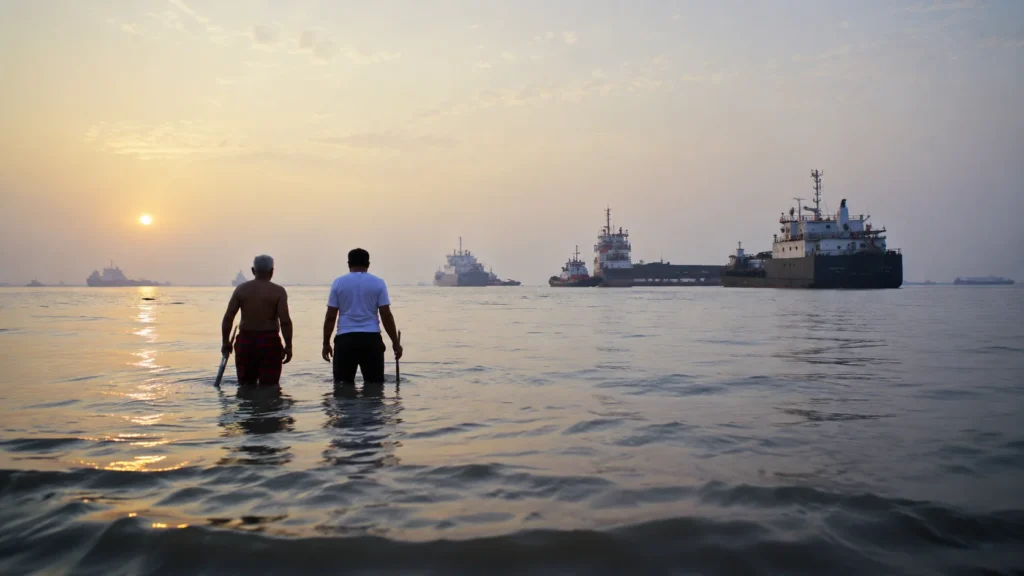
1996: The Mar de las Calmas Marine Reserve receives protected fishing designation. Local fishermen continue using rods, hooks, and live bait rather than industrial methods. Pescarestinga, the La Restinga fishing cooperative, remains the island’s primary seafood supplier.
Early 1990s: Silbo Herreño, the indigenous whistling language used by the Bimbaches for long-distance communication, begins fading from daily use. The island council introduces free after-school classes. Today, lunchtime sessions run at the largest secondary school, biweekly classes operate at primary schools, and weekend workshops at La Frontera’s market welcome locals and tourists.
2019: Gorona del Viento breaks the world record for consecutive fossil-fuel-free days on an isolated electrical grid. The island’s 100% renewable energy goal shifts from aspiration to operational reality.
September 2026: New eco-tourism experiences launch. A sustainable fishing museum opens in La Restinga’s old fishermen’s warehouse. Visitors can join local fishing crews, attend winemaking workshops, take cheesemaking classes, and tour aloe vera fields. All activities bookable through the tourist board’s website.
As our analysis of small-island tourism models and the limits of sustainable growth explored, destinations that grow tourism infrastructure before visitor numbers arrive tend to maintain more control over what follows. El Hierro appears to be following that sequence deliberately.
How do you get to El Hierro?
Visitors must take a propeller plane from Tenerife or Gran Canaria, or the once-daily ferry from Tenerife that takes approximately two and a half hours. There are no direct flights from outside the Canary Islands archipelago. The island has no international airport.
How many tourists visit El Hierro each year?
El Hierro received approximately 4,100 international tourists in 2024, according to Canary Islands tourism statistics. By comparison, Tenerife received over six million international visitors in the same period.
What is Gorona del Viento?
Gorona del Viento is a hydro-wind power plant that supplies over half of El Hierro’s electricity. Five wind turbines generate power, and two water reservoirs built into volcanic craters provide hydroelectric backup when the wind drops. In 2019, the plant set a world record by powering the island for 24 consecutive days without fossil fuels.
What is Silbo Herreño?
Silbo Herreño is an indigenous whistling language originally used by the Bimbaches, El Hierro’s first inhabitants, to communicate across valleys at distances of over a mile. The language nearly disappeared in the 1990s before the island council introduced free classes in local schools. Today it is taught at primary and secondary levels, with weekend workshops open to tourists.
When do the new eco-tourism experiences launch?
The island council will launch eco-tourism experiences in September 2026, including sustainable fishing trips, vineyard tours, winemaking workshops, cheesemaking classes, and aloe vera field tours. Activities will be bookable through the official tourist board website.
Does El Hierro have resort hotels?
No. El Hierro has no resort hotels. Accommodation consists of small guesthouses, rural lodgings, and rental properties. The island has one traffic light, and the mobile phone signal remains unreliable in many areas.
What to Watch Over 12 Months
The September 2026 eco-tourism launch will test whether El Hierro can grow visitor numbers without sacrificing the friction that defines the experience. Demand will likely outstrip supply. The island council’s response—whether it adds capacity or restricts bookings—will signal the depth of its preservation commitment.
The Mar de las Calmas Marine Reserve’s potential designation as Spain’s first fully marine national park would add another layer of environmental protection. That designation typically brings additional visitor interest. Managing both simultaneously requires coordination between the local government, the fishing cooperative, and conservation authorities.
Infrastructure capacity constraints—single ferry, propeller-plane-only flights, limited accommodation—function as natural growth brakes. As our reporting on overtourism in Spain’s major destinations and the anti-tourism protests of 2025-2026 has documented, several Spanish destinations now struggle to retrofit visitor caps onto already-saturated markets. El Hierro enters this conversation with its caps already in place.
Written by the Travel & Culture Desk, which has covered sustainable tourism, destination management, and the Canary Islands region for over a decade.