 English




















































































































































Strait of Hormuz Crisis Traps 850 Ships as Iran Shifts Rules
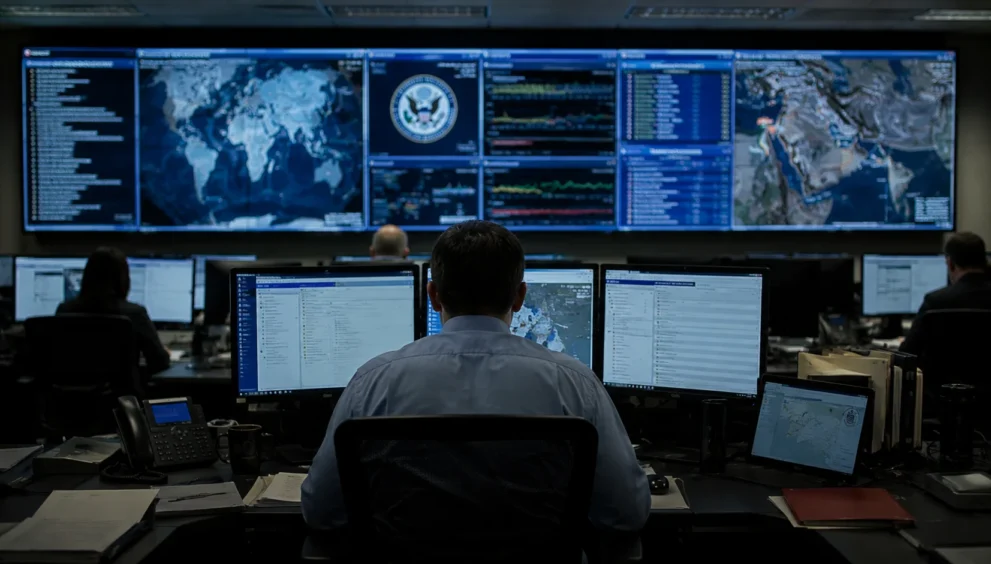
Published: 17 May 2026 | Source: UKMTO Operational Briefing, Portsmouth
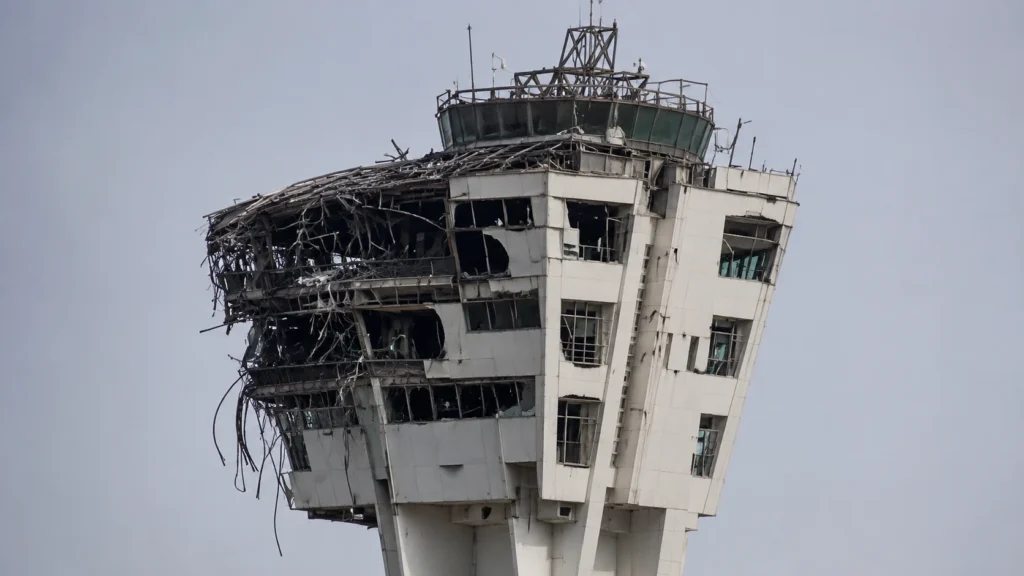
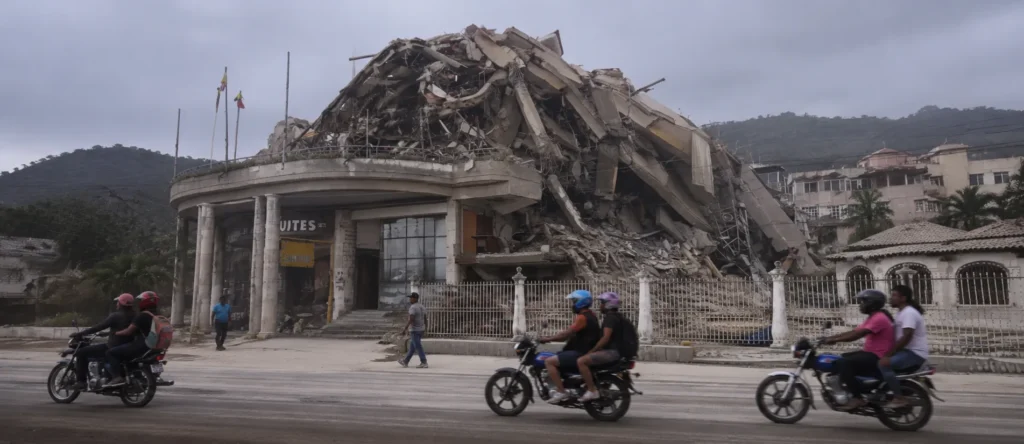
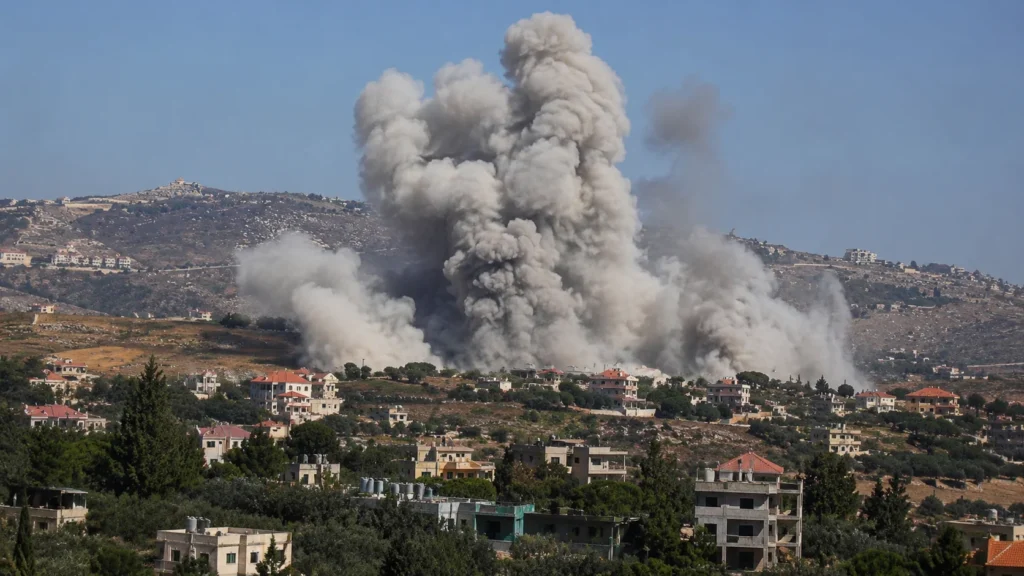
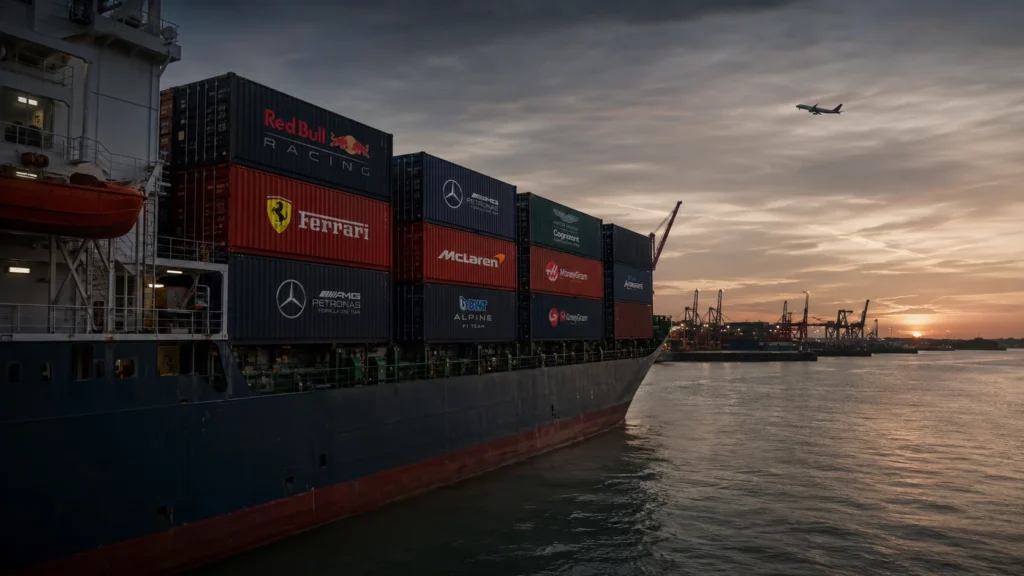
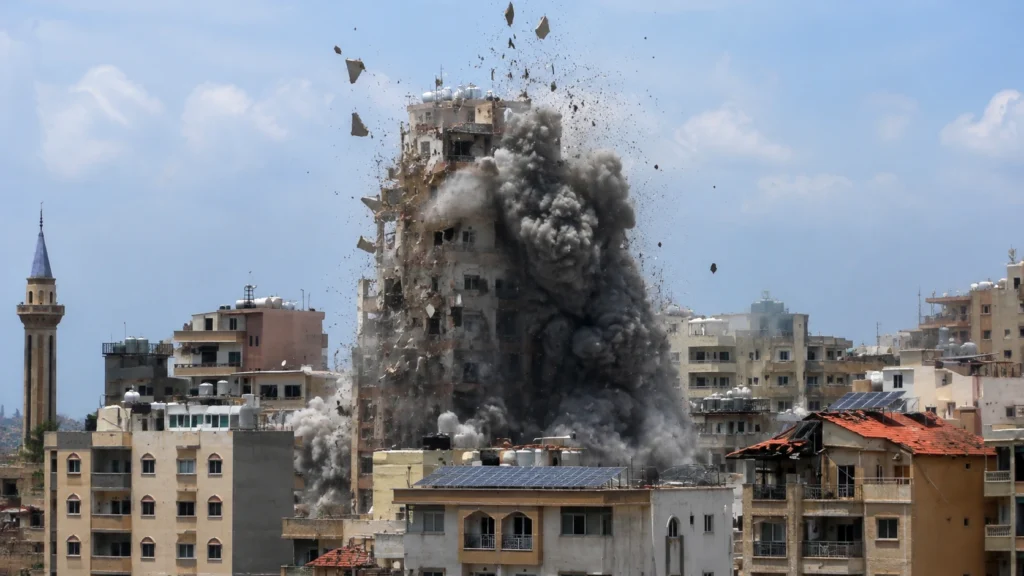
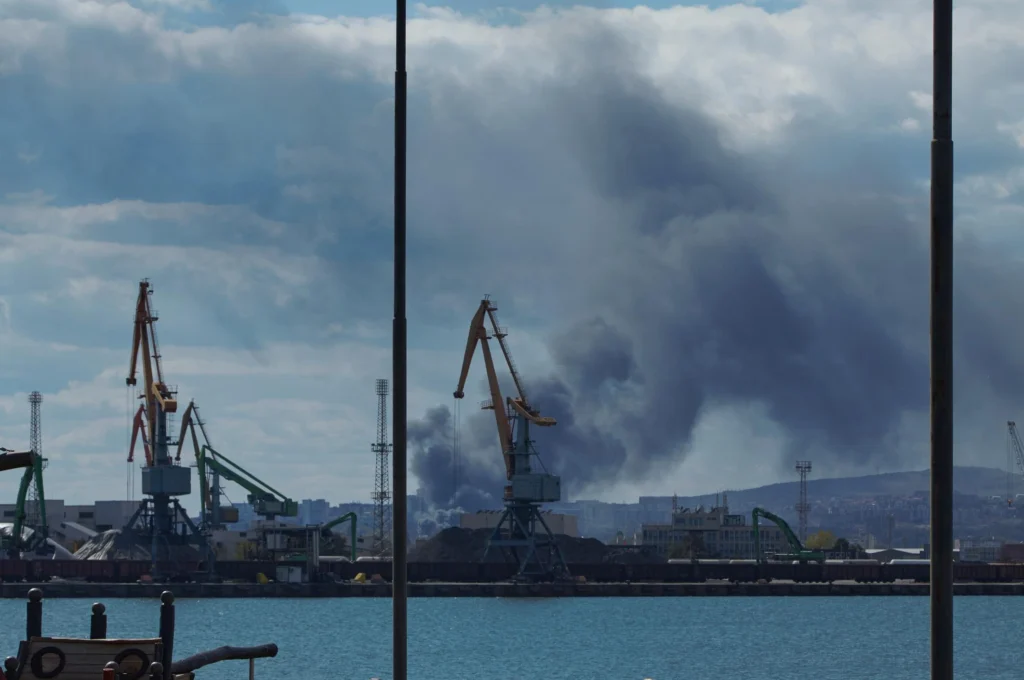
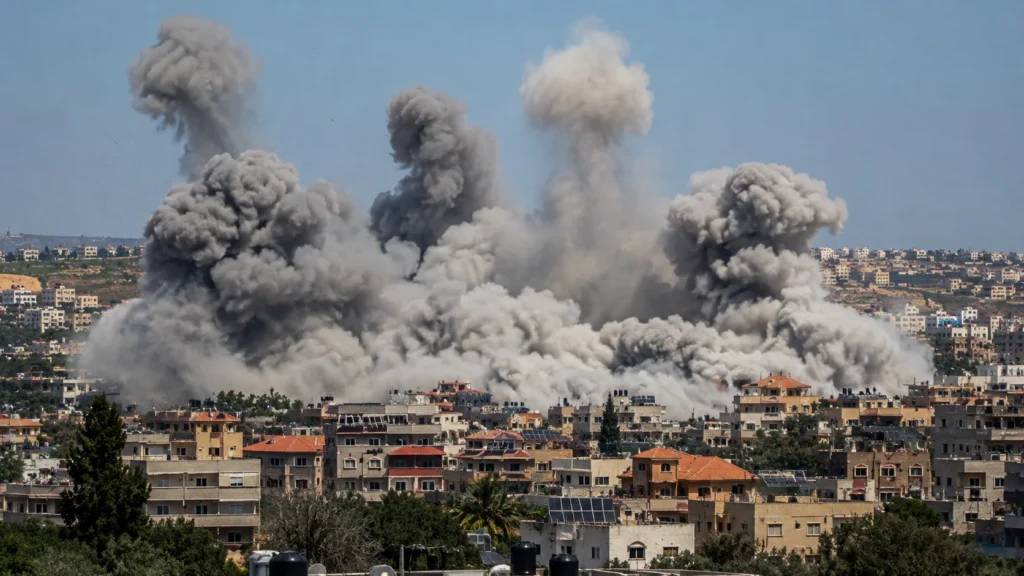
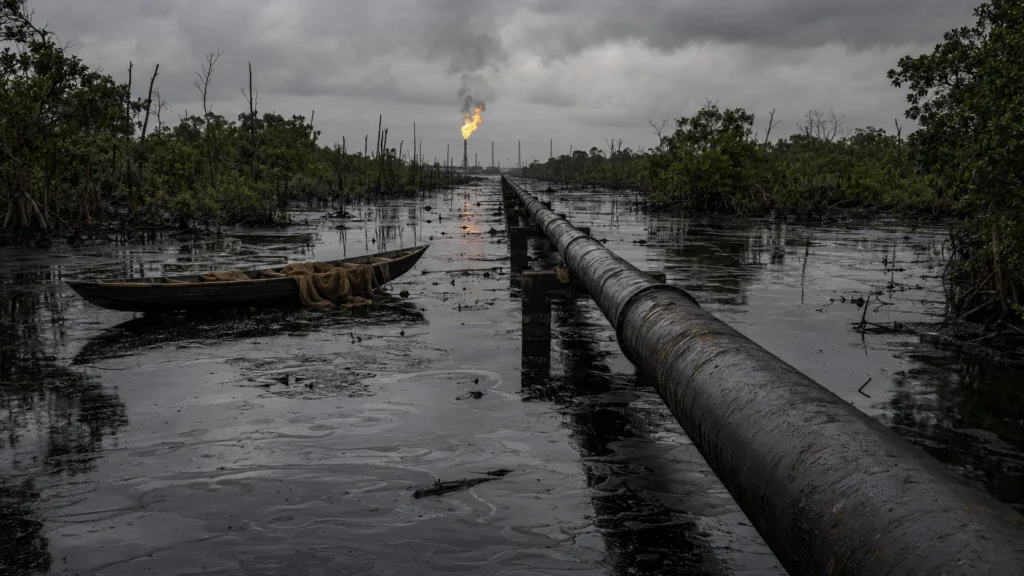
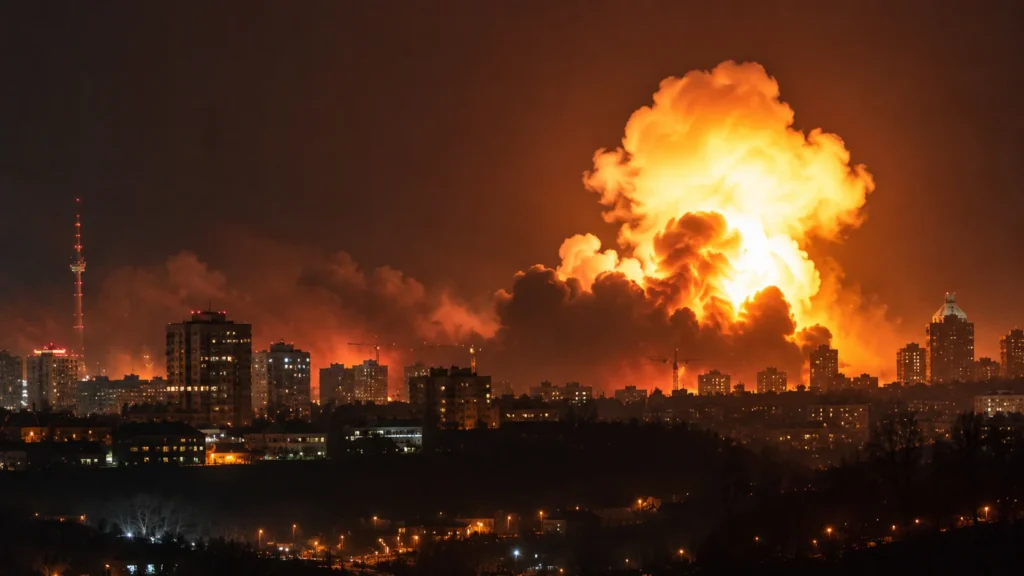
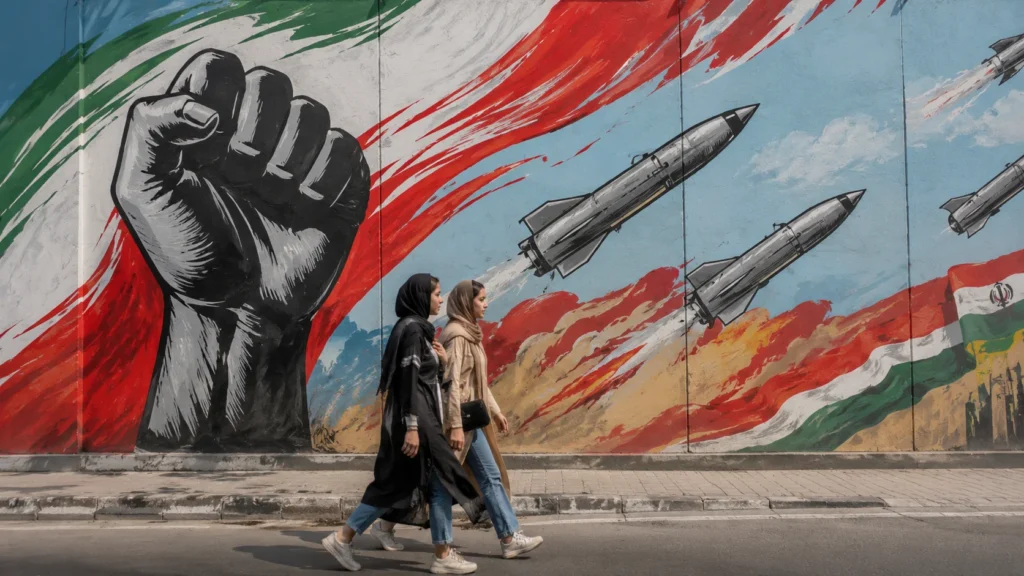
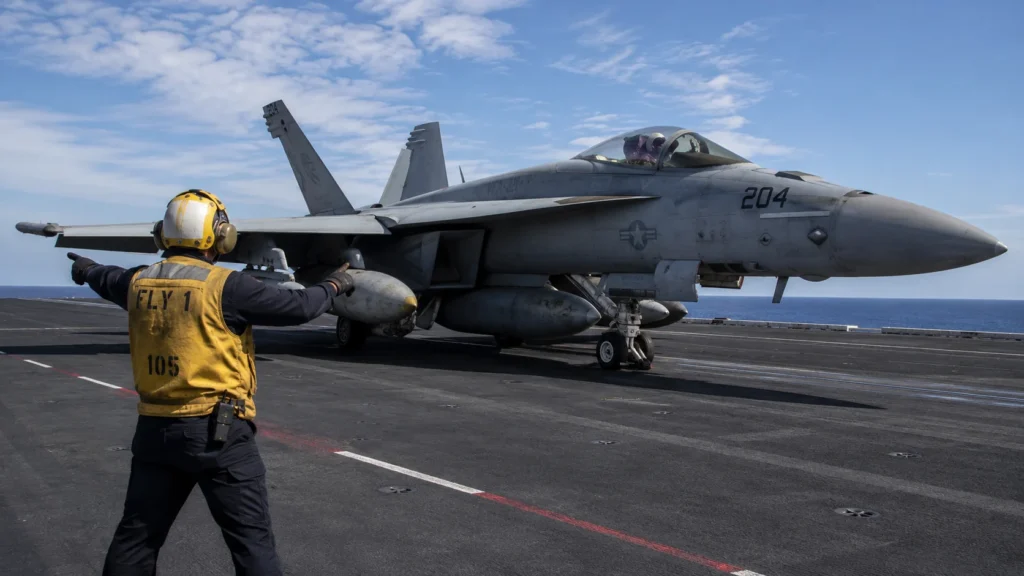
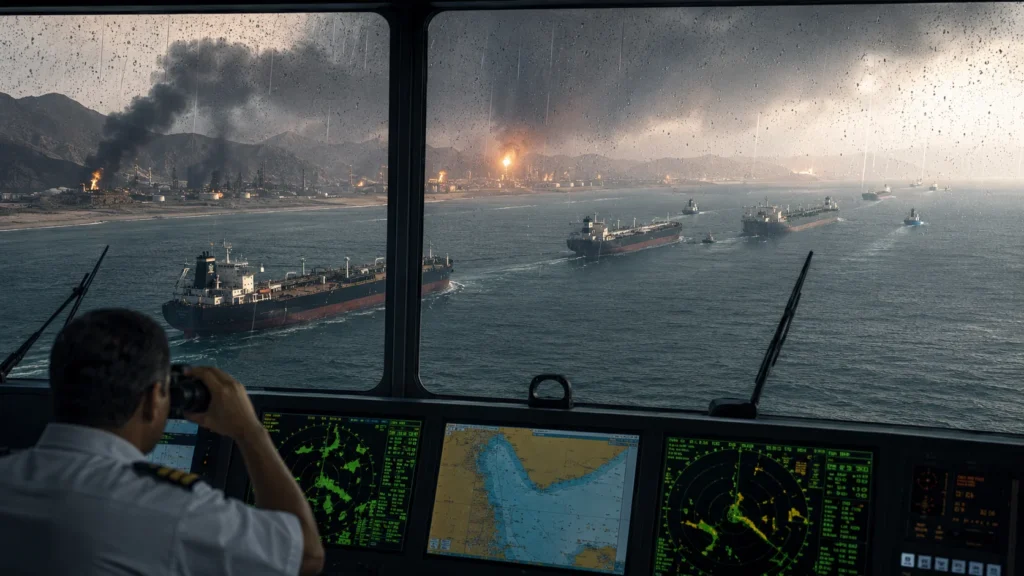
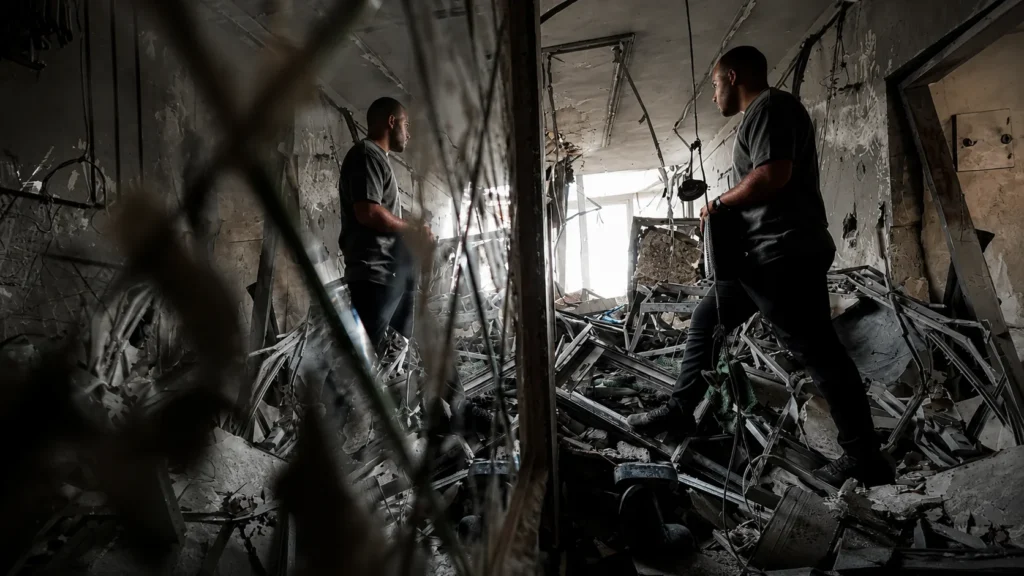
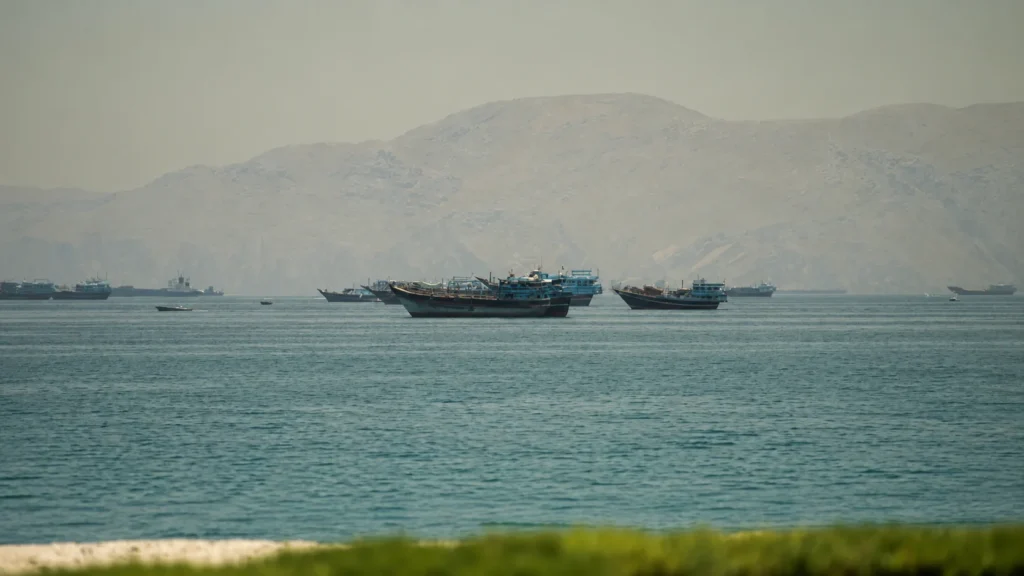
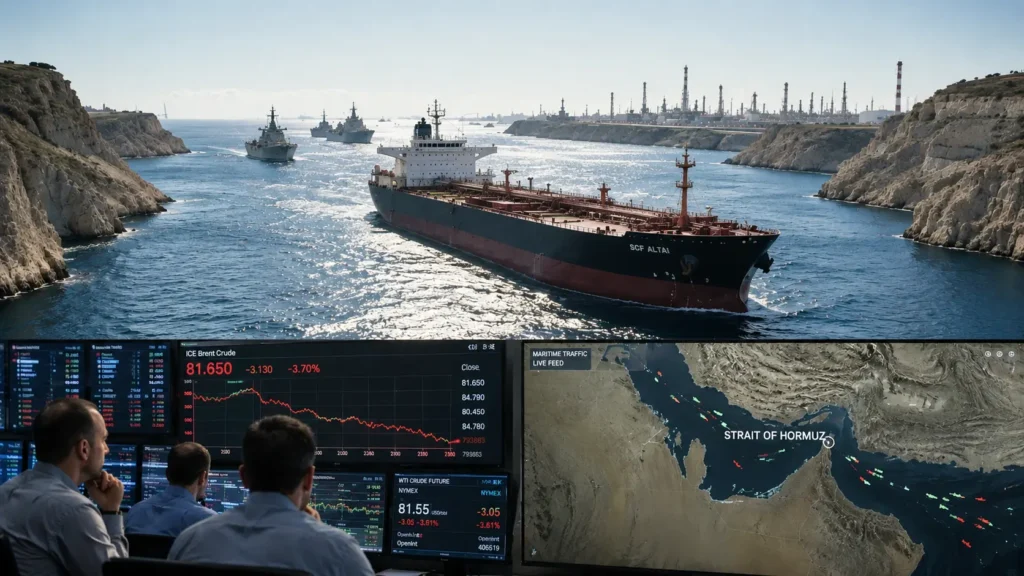
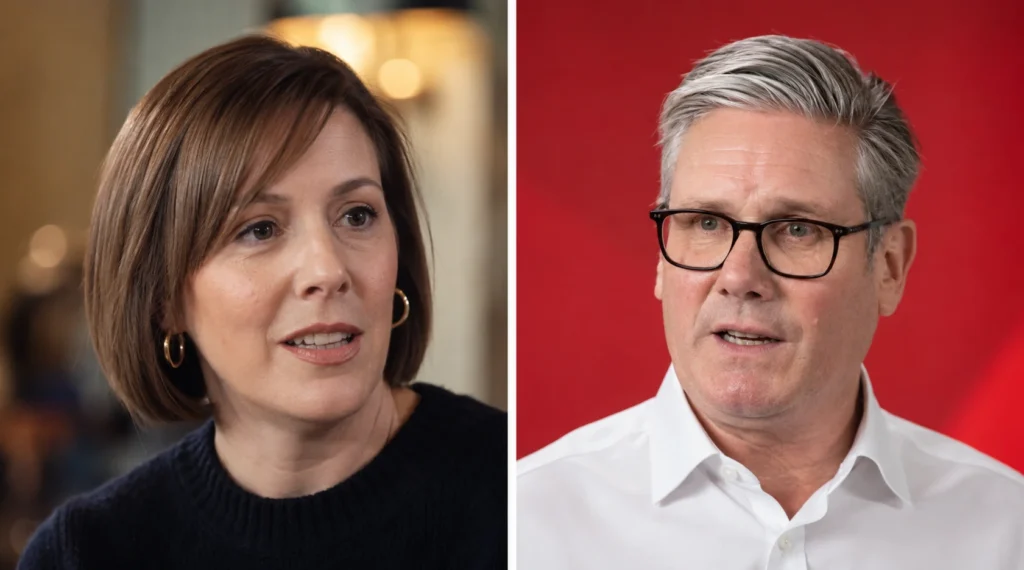
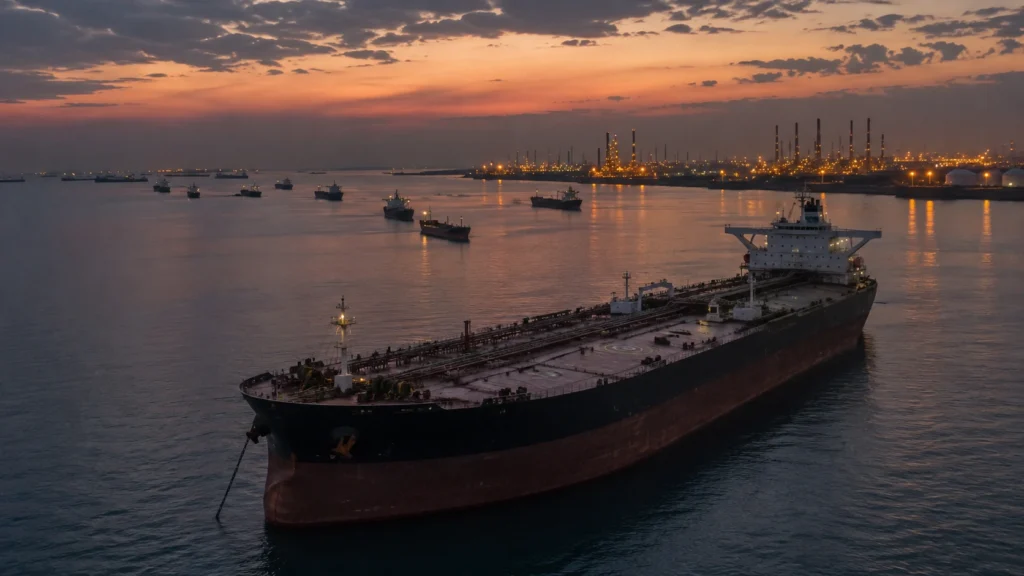
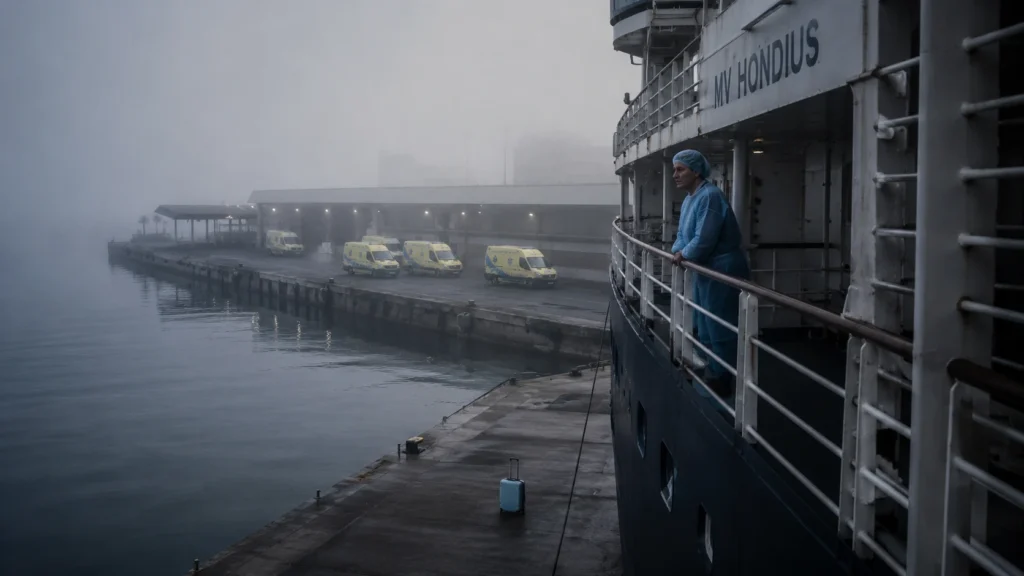
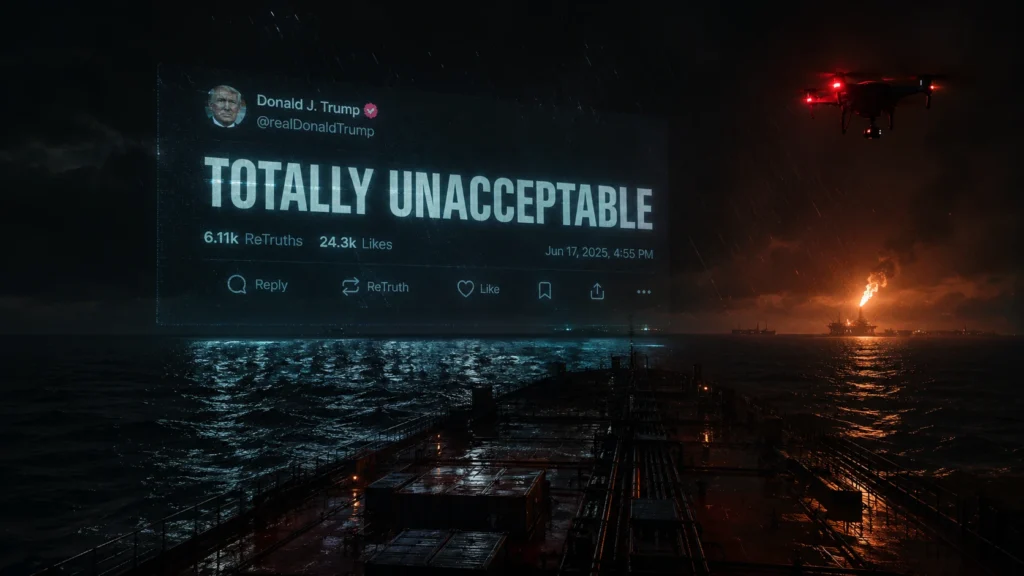
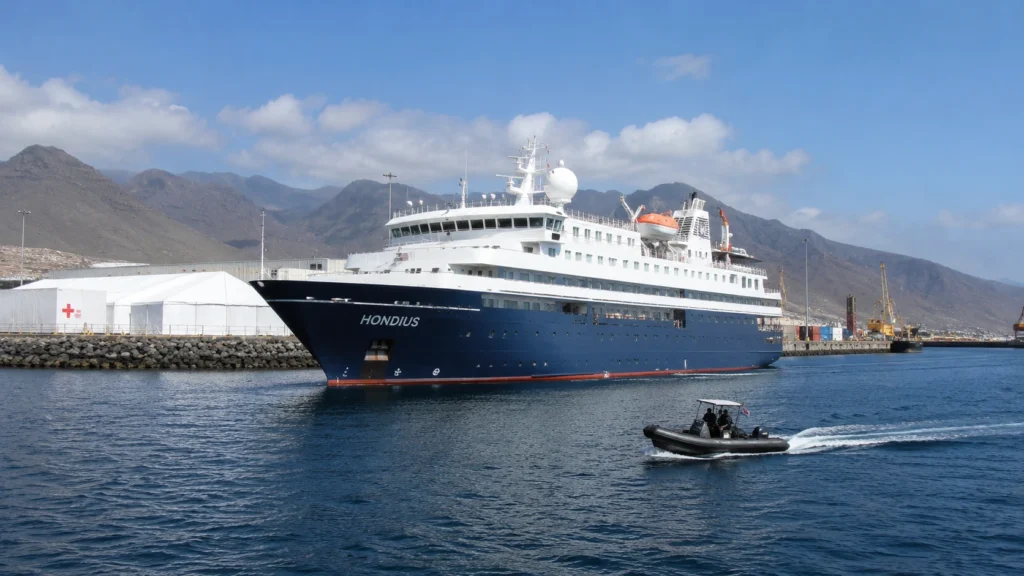
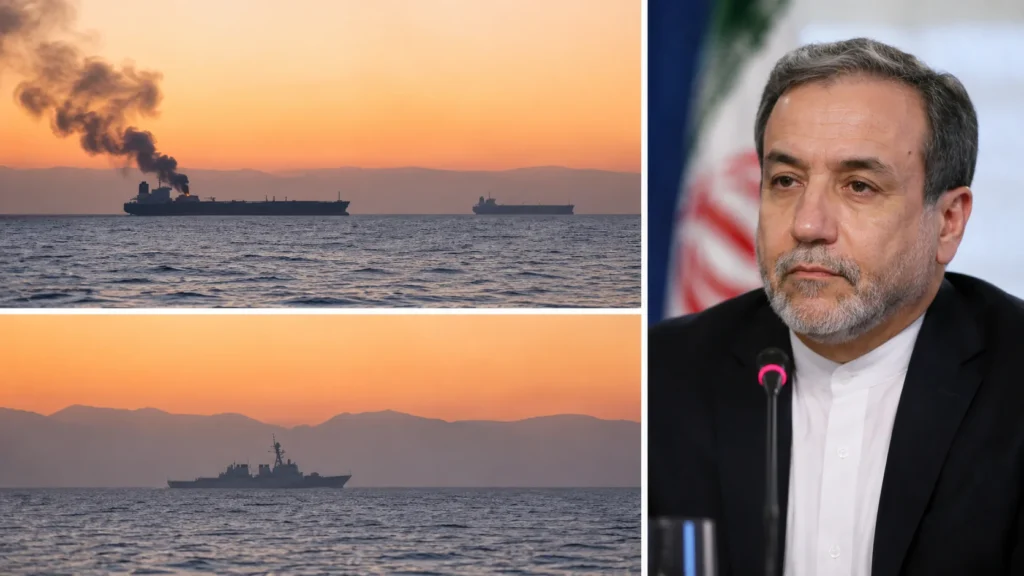
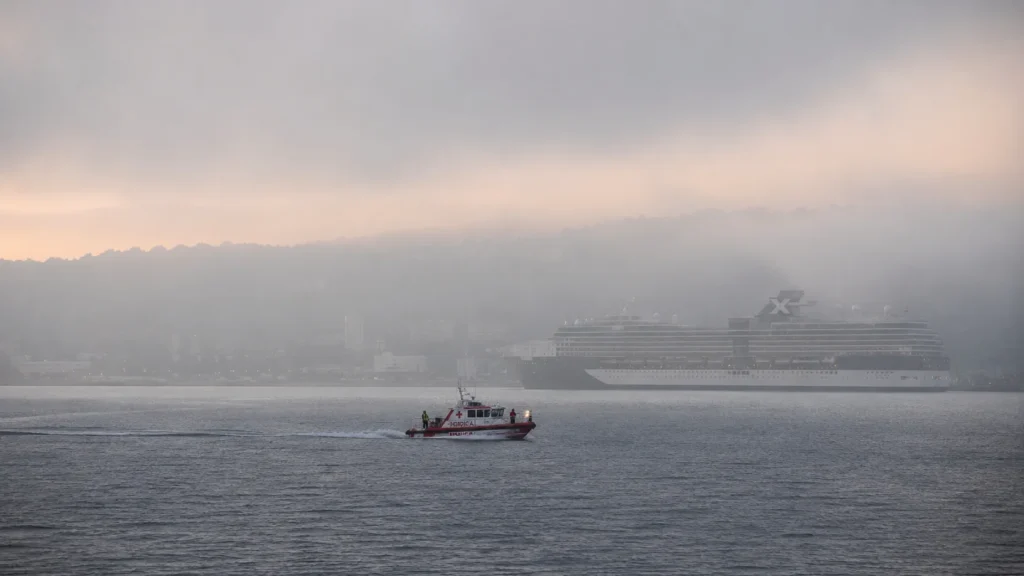
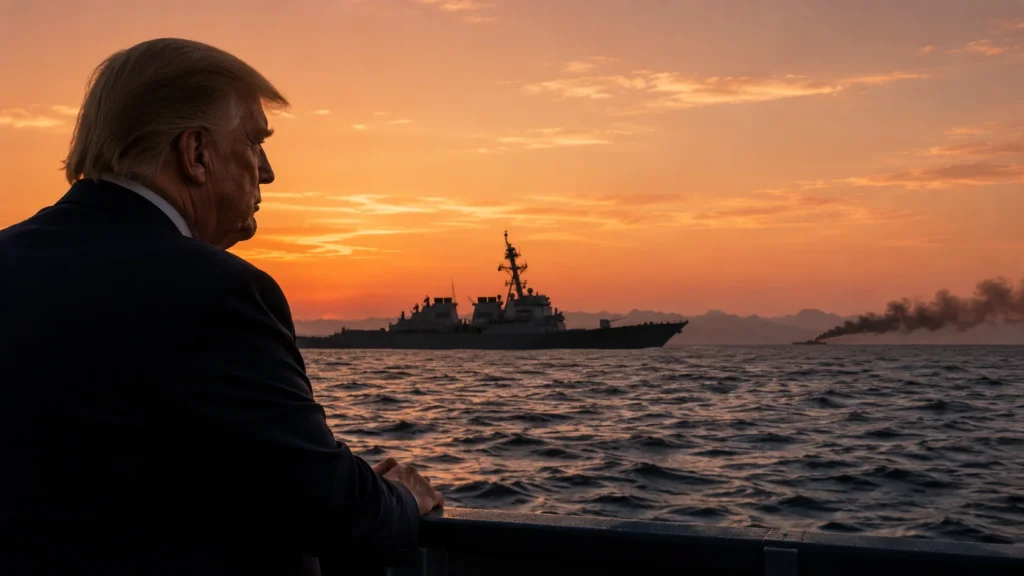
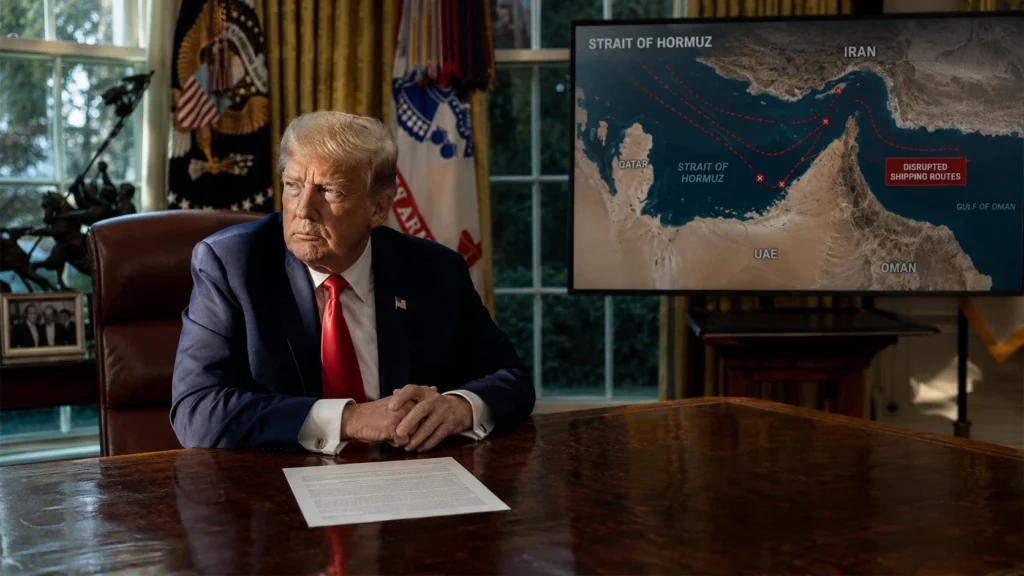
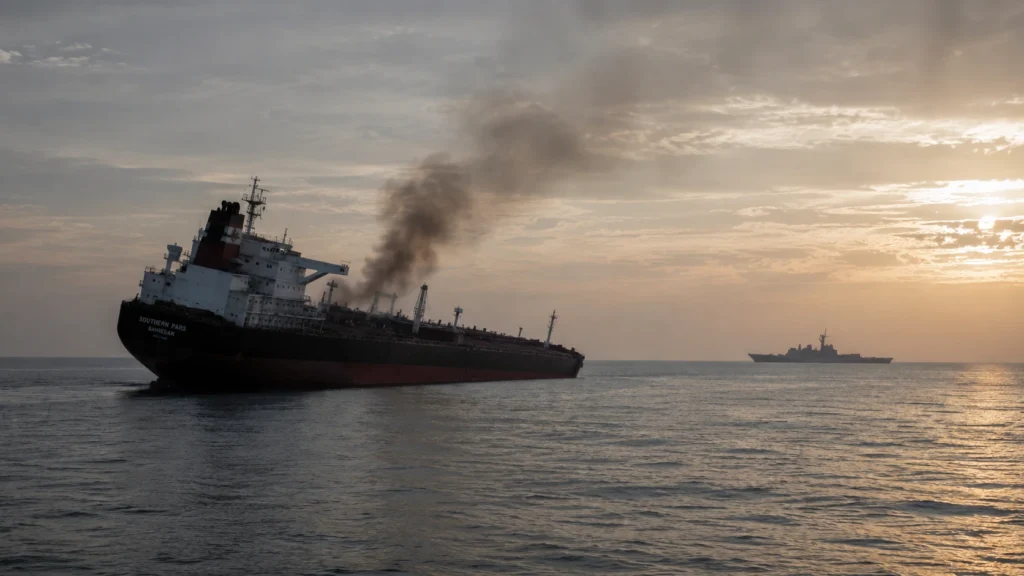
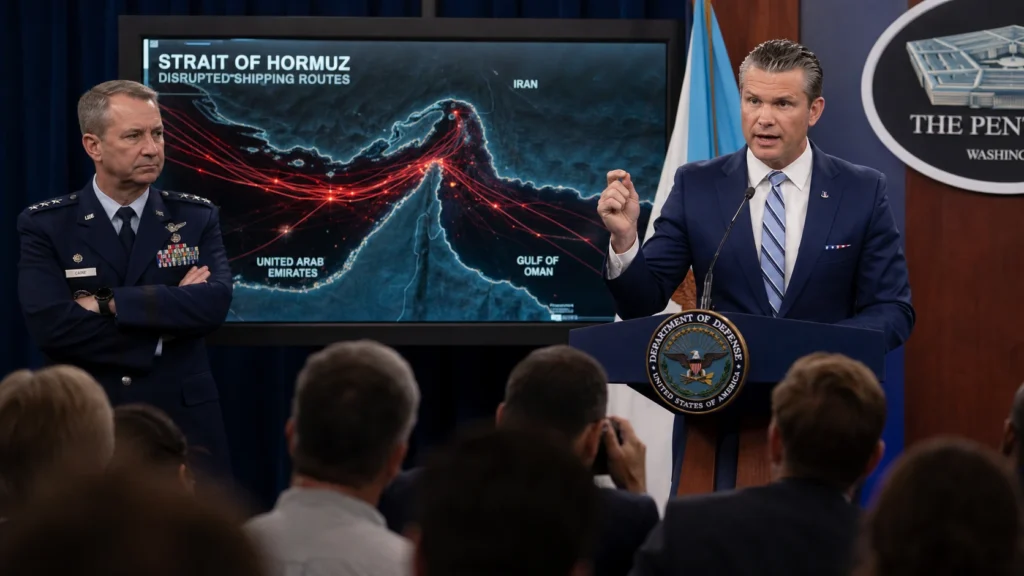
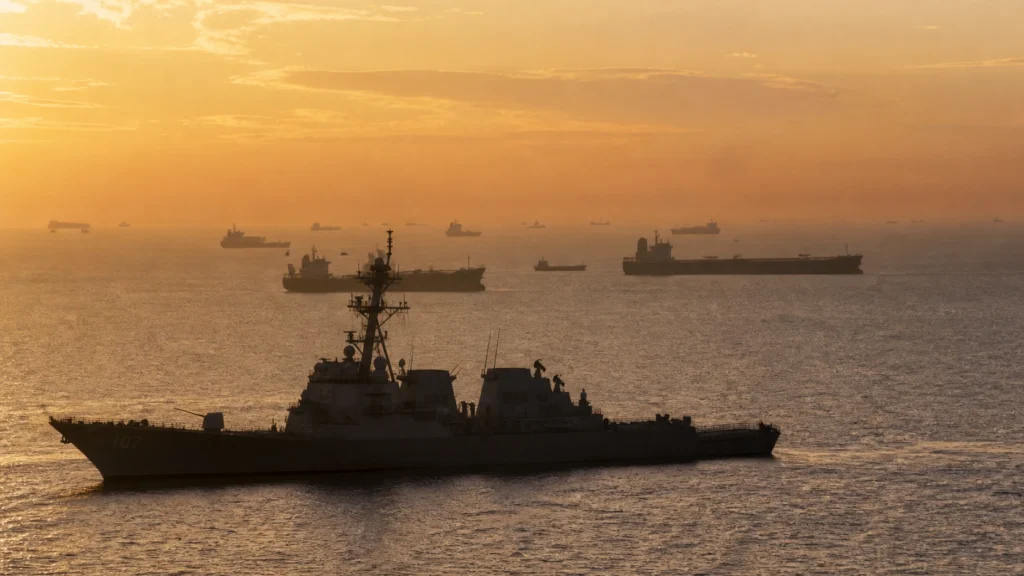
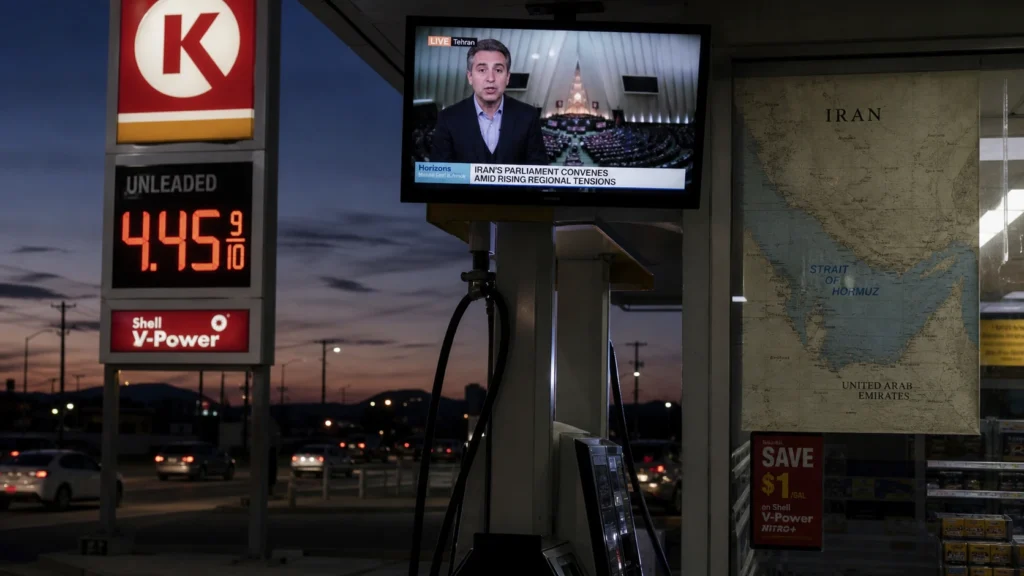
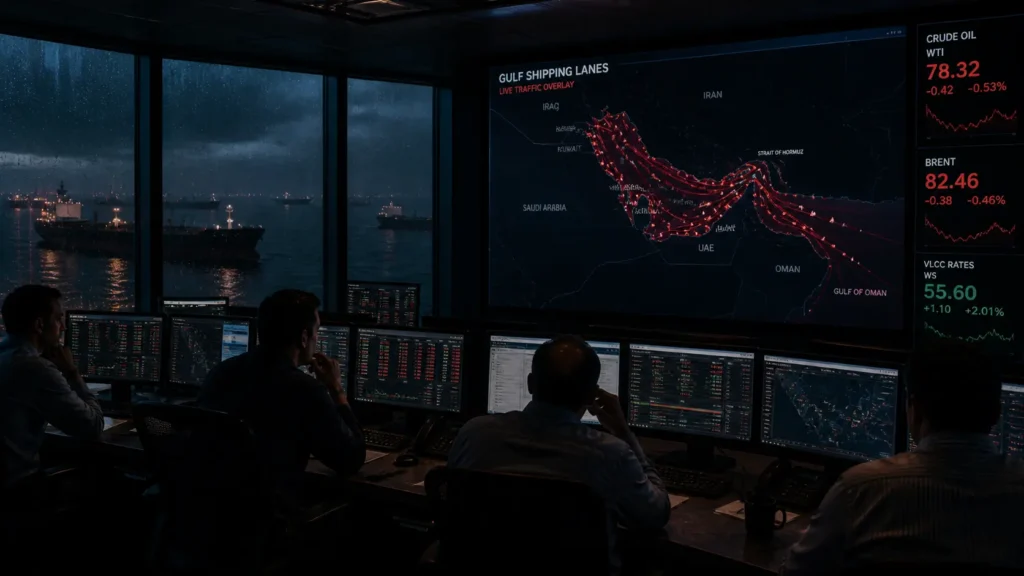
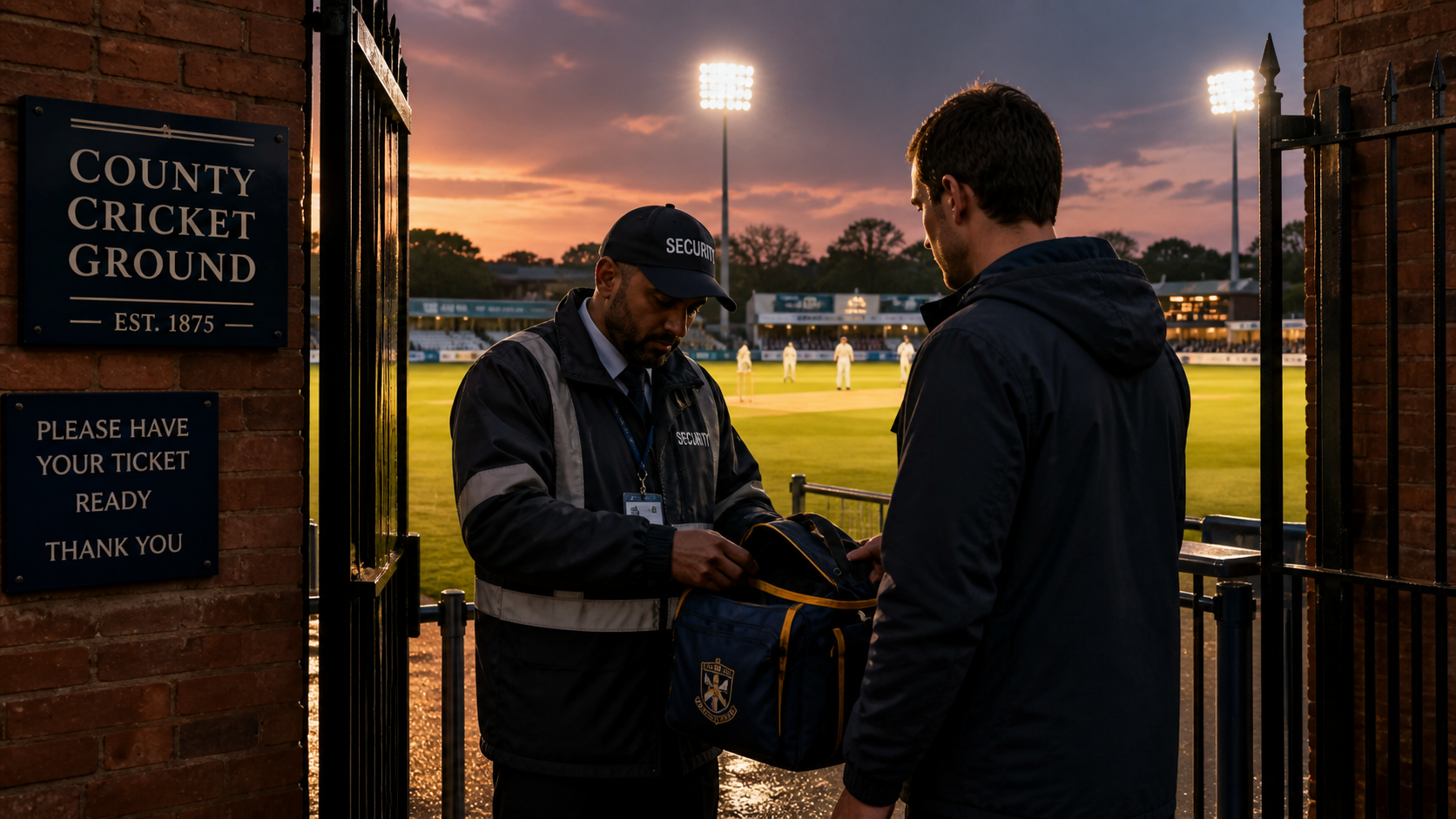
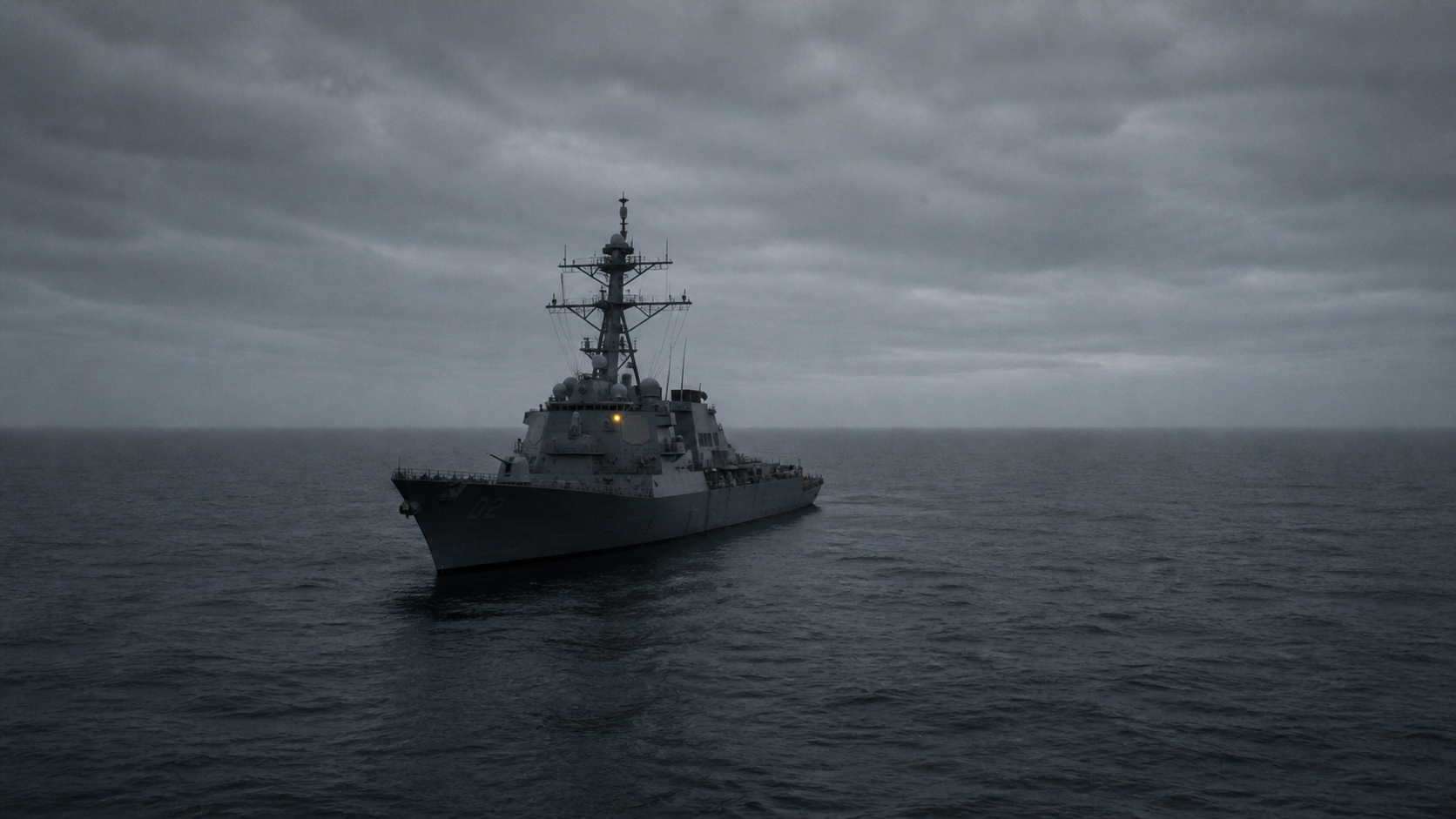
PORTSMOUTH, UK — The Strait of Hormuz crisis traps 850 ships and 20,000 seafarers inside the Persian Gulf, with a small civilian-staffed office on Britain’s south coast now serving as their primary emergency contact. The UK Maritime Trade Operations Centre (UKMTO) — an 18-person Royal Navy-affiliated body — has recorded 44 maritime incidents and ten confirmed seafarer deaths since Iran moved to effectively close the strait more than two months ago in response to US-Israeli military strikes.
What Happened
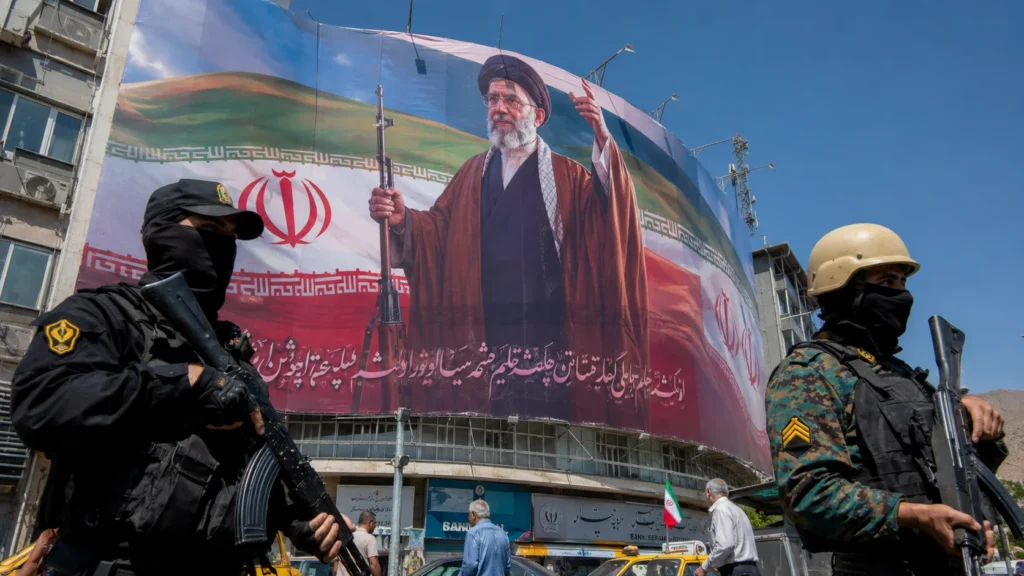
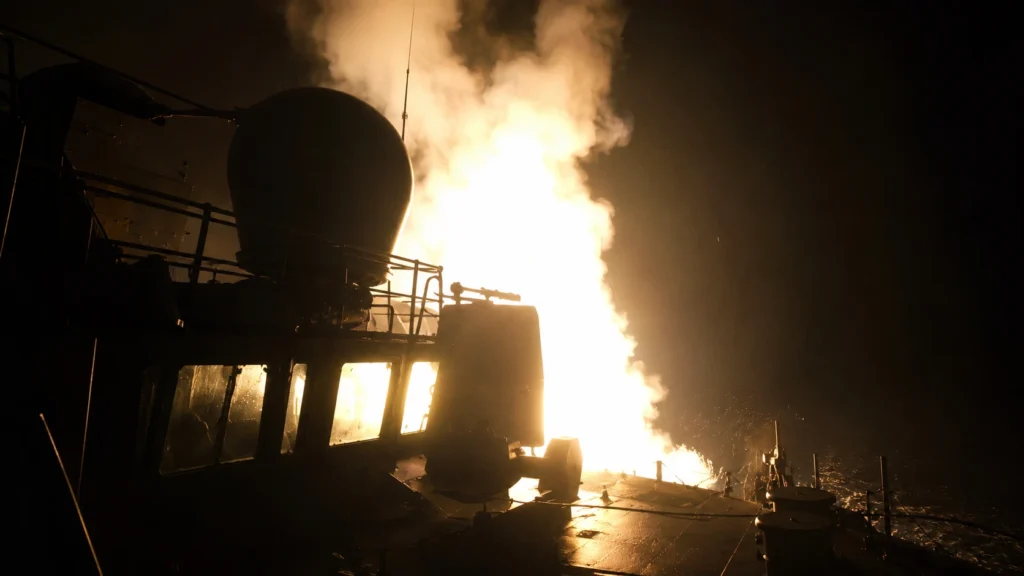
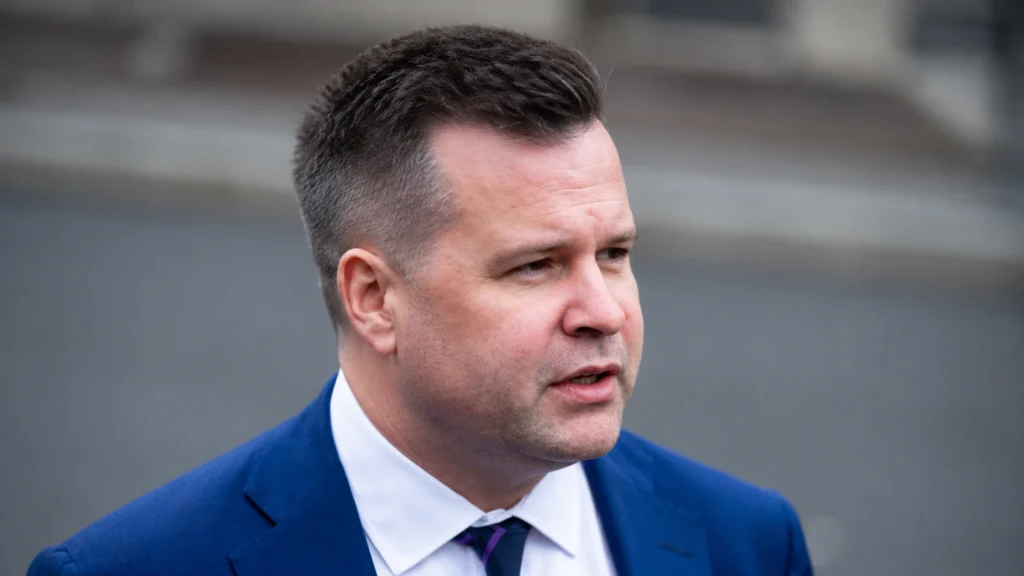
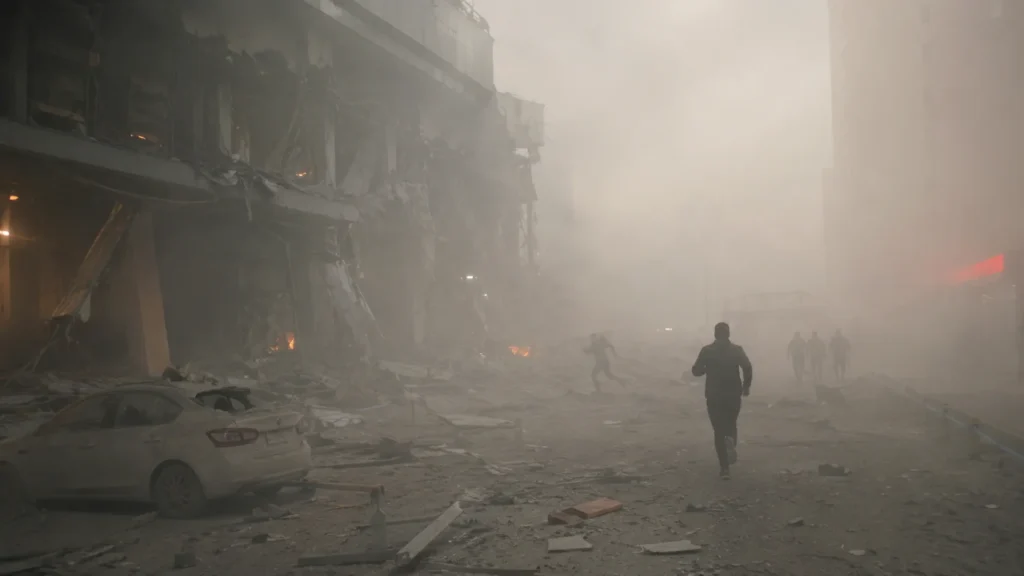
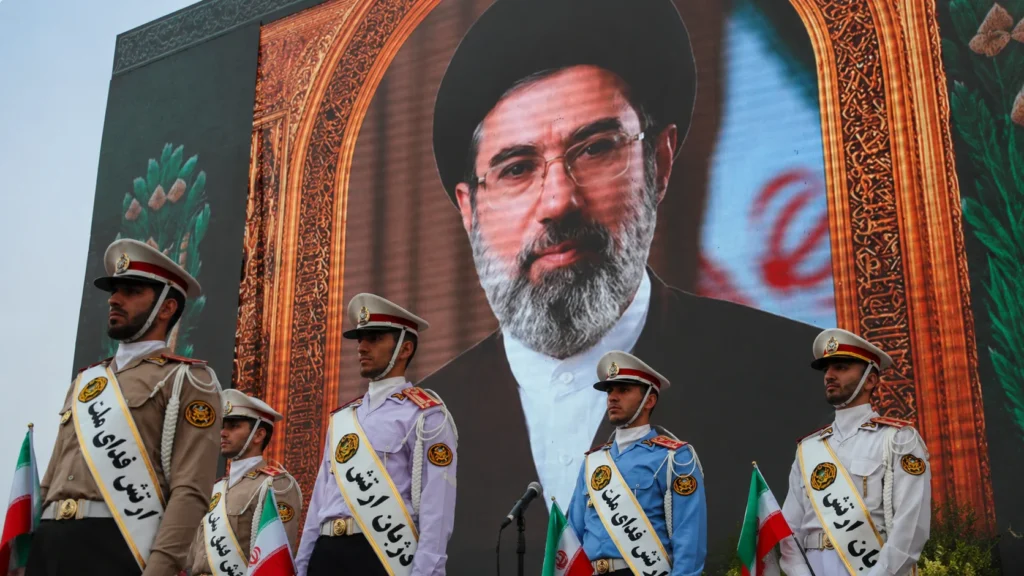
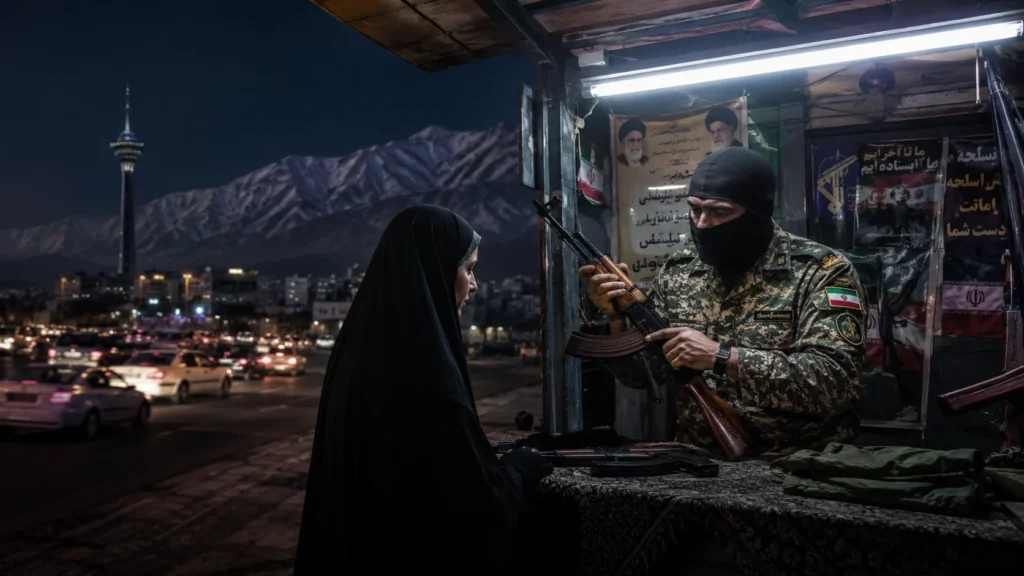
Commander Jo Black, the centre’s head of operations, told CNN on 15 May 2026 that the nature of threats facing merchant vessels has shifted fundamentally since the conflict began CNN original report, 15 May 2026. Early March saw direct military strikes. Now, Iran employs what Black calls “constabulary action” — vessels challenged at the strait’s entrance, interrogated, and in several cases detained.
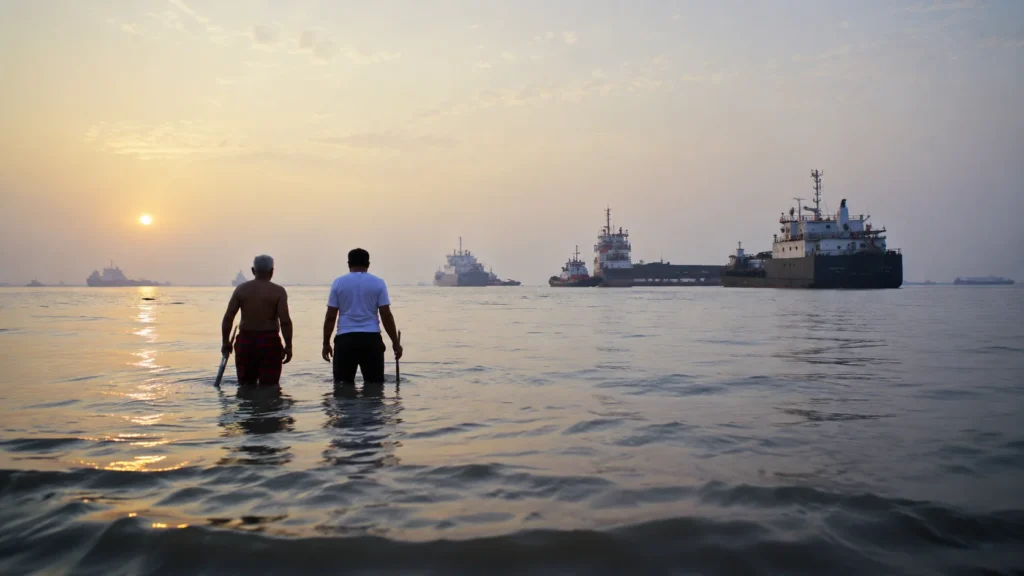
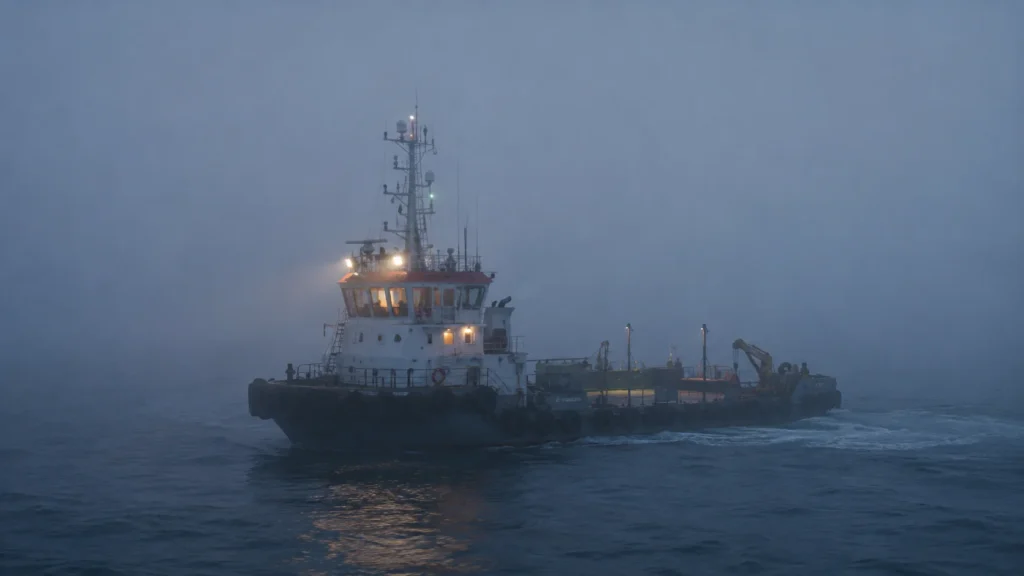
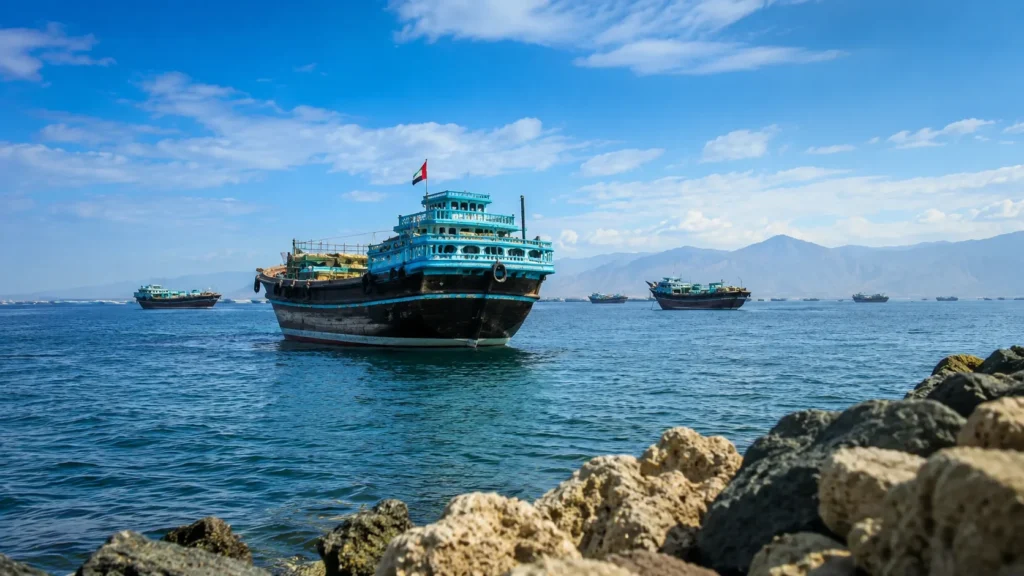
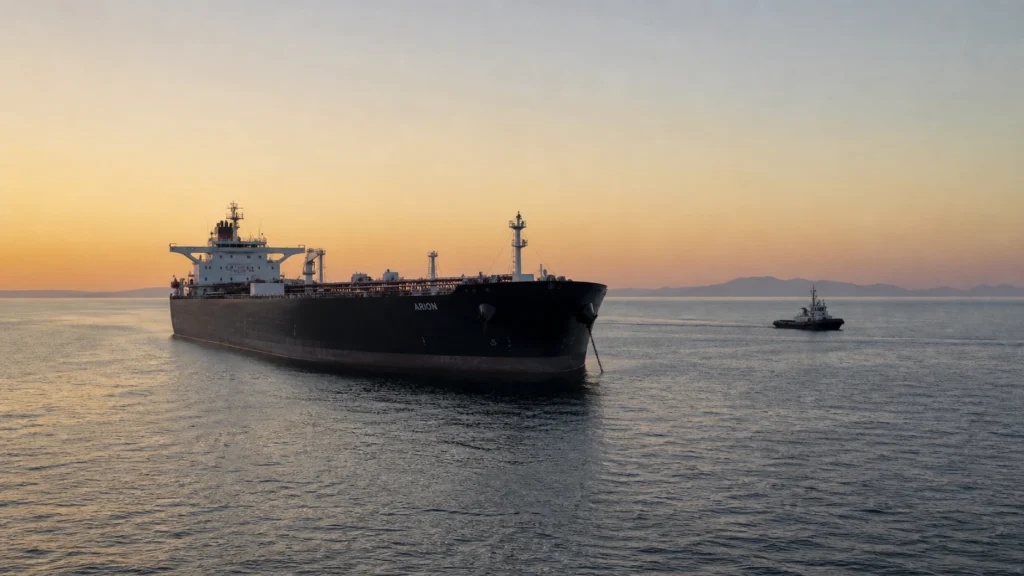
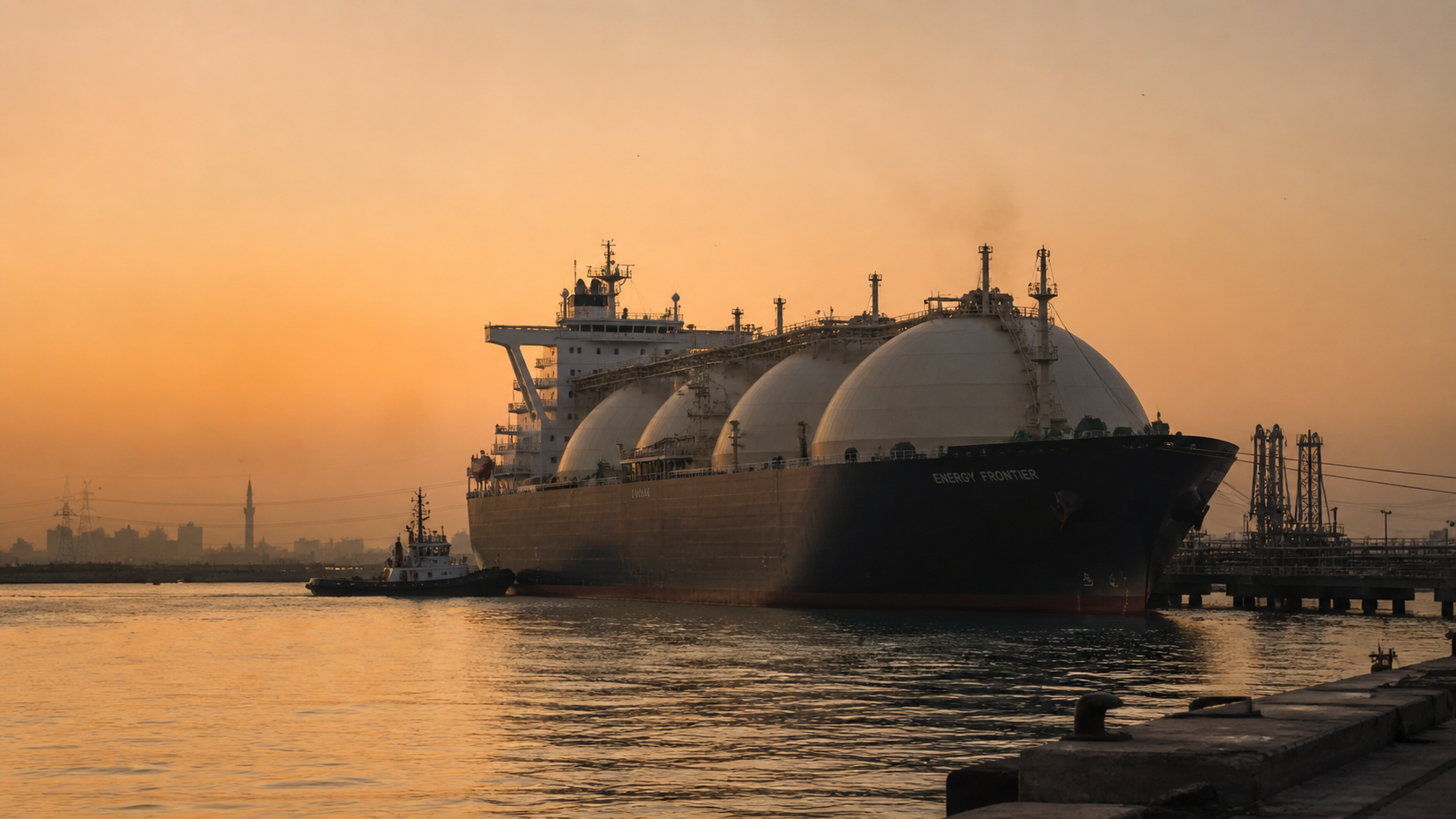
The Strait of Hormuz crisis traps 850 ships of all categories — tankers, bulk carriers, container vessels — along with their multinational crews. Iran issued new passage rules in early May 2026. The United States launched a brief naval escort operation, then paused it within 48 hours at Pakistan’s request. Ship captains face shifting instructions on an almost weekly basis.
Iran’s evolving naval doctrine and what it means for Gulf shipping
A 25-Year Mission Confronts an Unprecedented Threat.
The UKMTO was established just after the 11 September 2001 terrorist attacks, when shipping companies facing surging piracy began coordinating with the Royal Navy. Its remit expanded through the Somali piracy crisis of 2008-2012 and the Houthis’ Red Sea campaign that intensified in late 2023.
Black distinguishes the current crisis sharply from those earlier missions. “This particular situation is more challenging because there’s such a wide variety of threats that are present, and the changing geopolitical situation,” she said.
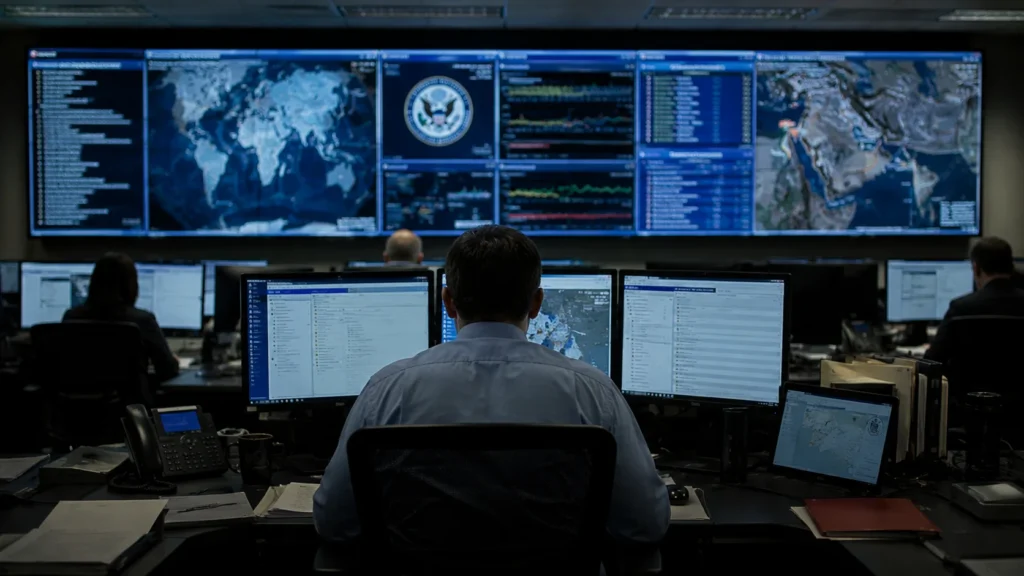
The centre processes approximately 2,500 voluntary reports daily from vessels sharing positions, contact details, and observations about nearby ships. According to the official UKMTO operations framework UKMTO operations page, UK Ministry of Defence, this voluntary cooperation — not deployed naval force — now forms the operational backbone of maritime domain awareness across the Red Sea, Persian Gulf, and northern Indian Ocean.
How Houthi Red Sea attacks reshaped global shipping insurance in 2023-2024
What Watchkeepers Hear When the Phone Rings
Three watchkeepers work 12-hour shifts at any given time. They do not simply log coordinates.
“The vessel may be actively under attack,” Black told CNN. “You may hear alarms and sirens in the background. On occasion, we’ve even heard gunfire.”
Operating from a hillside office overlooking the site of Eisenhower’s D-Day headquarters, these civilians build sustained rapport with crews under fire. The crews’ central problem, Black said, is “uncertainty. What does the future hold? When are they going to be able to get home and see their families? What does their contract and crew rotation look like?”
The International Maritime Organization has published guidance on crew welfare in conflict zones IMO circular on seafarer welfare during armed conflict, but enforcement mechanisms remain limited when vessels cannot leave an active theatre.
The Market Is Already Repricing the Risk
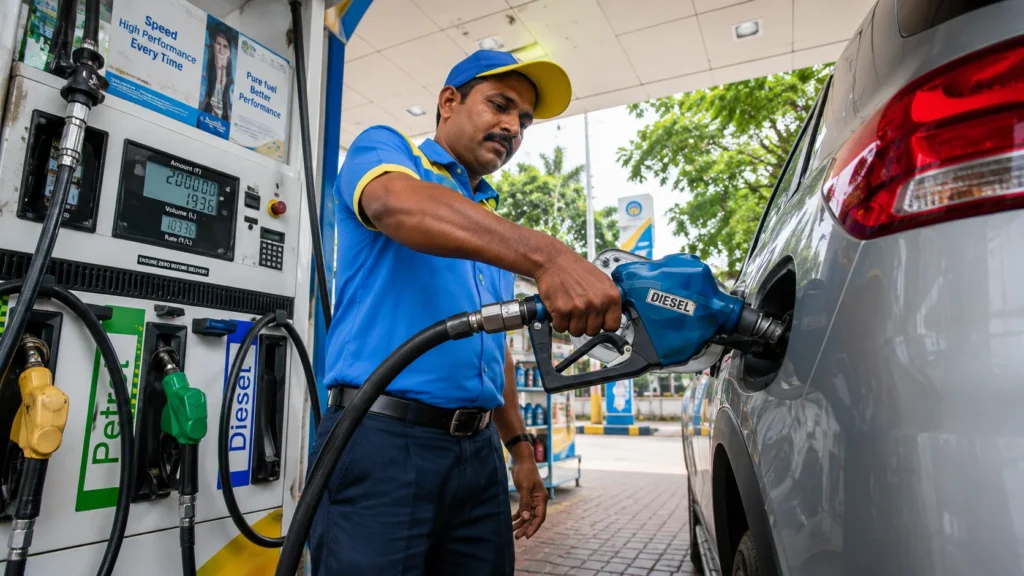
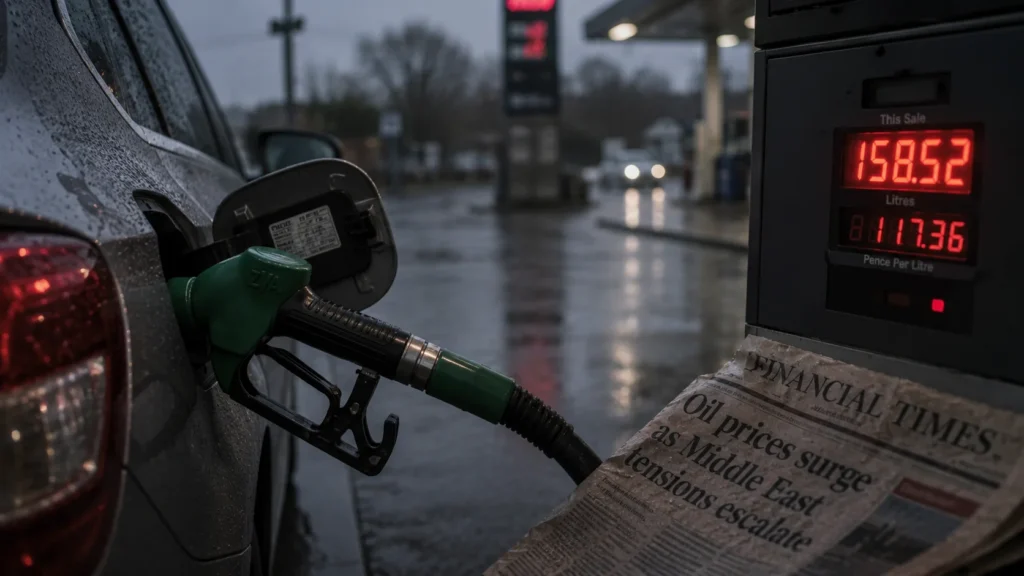
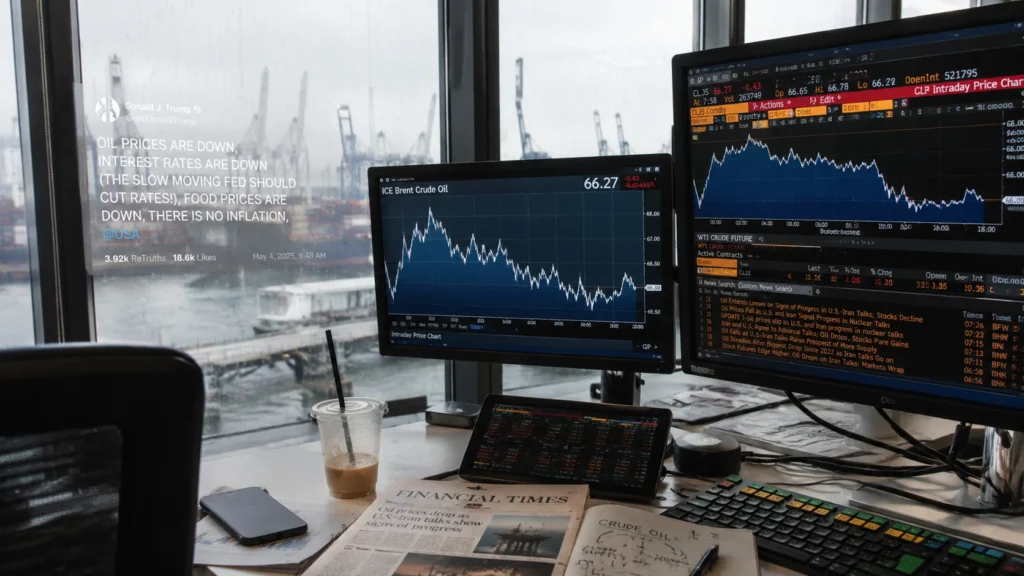
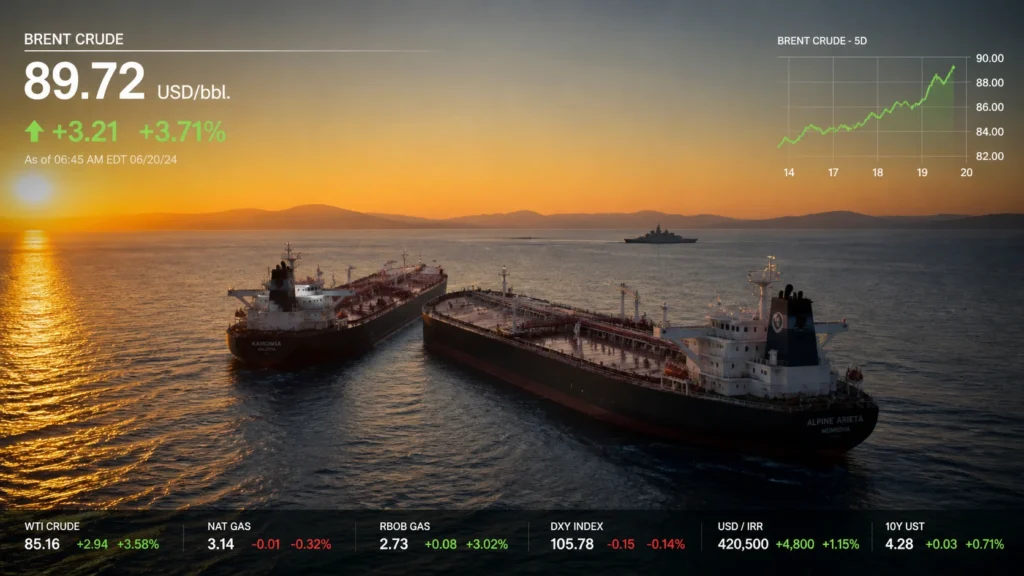
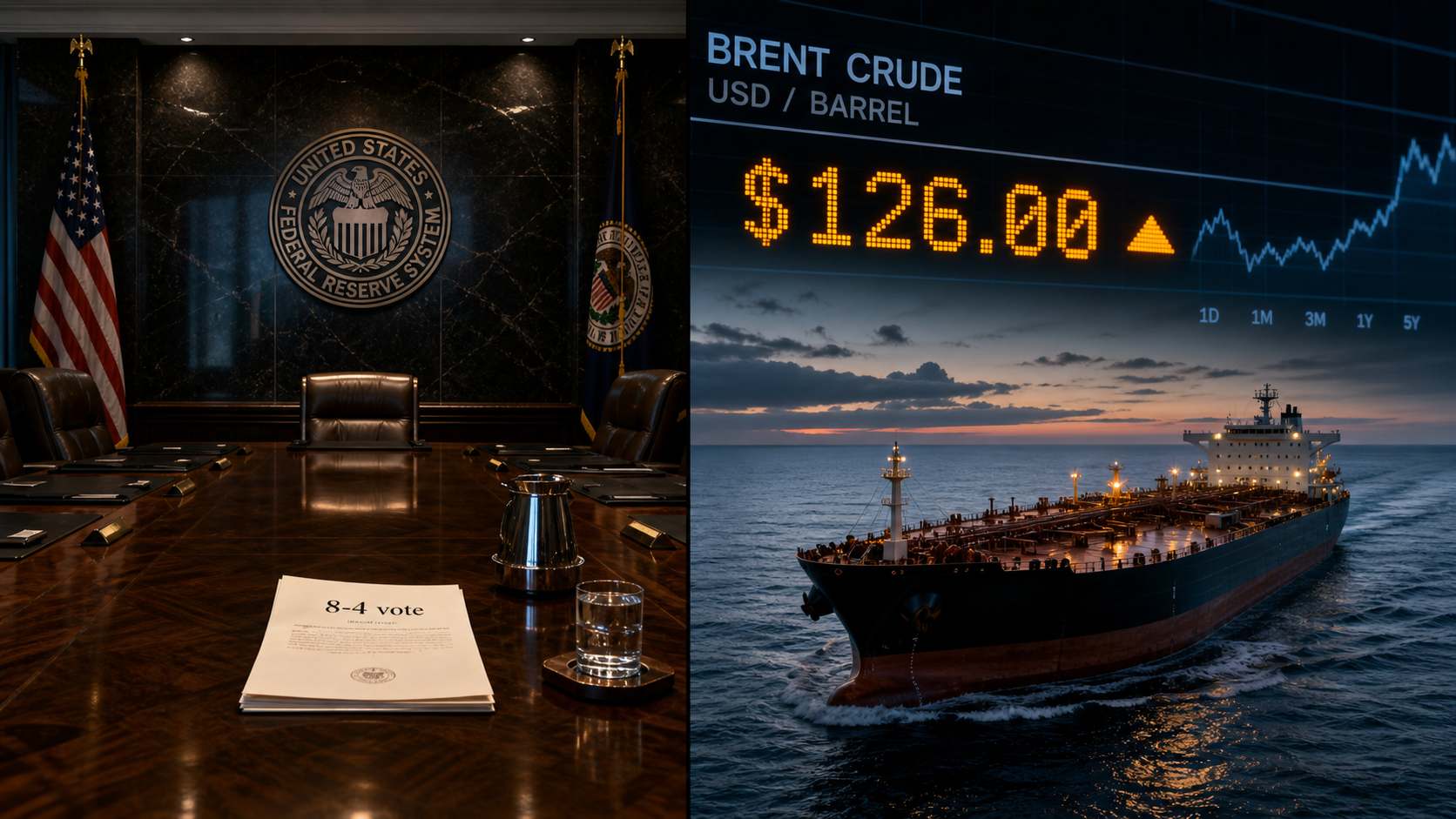
War-risk insurance premiums for Strait of Hormuz transits are settling at structurally elevated levels, according to Lloyd’s Market Association data cited by shipping analysts in early May 2026. Unlike earlier flashpoints where premiums spiked and retreated, underwriters now expect Iranian conditional access to the waterway to persist beyond any short-term diplomatic resolution.
The economic mechanism works gradually: delayed deliveries, rerouted voyages, higher freight costs, recalibrated risk models. A significant proportion of global oil, gas, and fertiliser flows through the strait. Each week that the Strait of Hormuz crisis traps 850 ships inside the Gulf embeds cost structures that will outlast the military triggers.
Three Indicators to Watch
The near-term trajectory points toward fragmented enforcement with no unified international response. Three specific signals will reveal whether the strait is undergoing a permanent legal-status change from an international waterway to a conditional corridor:
- Crew rotation schedules — forced contract extensions signal systemic dysfunction, not temporary delay
- Chinese-flagged shipping behaviour — a bellwether for whether Tehran applies its new rules universally or selectively
- War-risk premium stabilisation levels — when premiums plateau at elevated rates, the market has priced in permanent conditional access
The UKMTO model — lightweight, informational, non-coercive — will become more important precisely because military solutions remain politically unavailable for states with naval assets in the region.
Analysis: Why naval power alone cannot secure maritime chokepoints
Written by the Foreign Desk. Drawing on direct access to the UKMTO operational briefing held on 15 May 2026 in Portsmouth, Commander Jo Black’s on-record statements to CNN, and two decades of institutional coverage of maritime security and Middle East geopolitics.