

 English


































































































































































































































































































































































She Wore Chanel with a Yankees Cap. That’s the Whole Point.
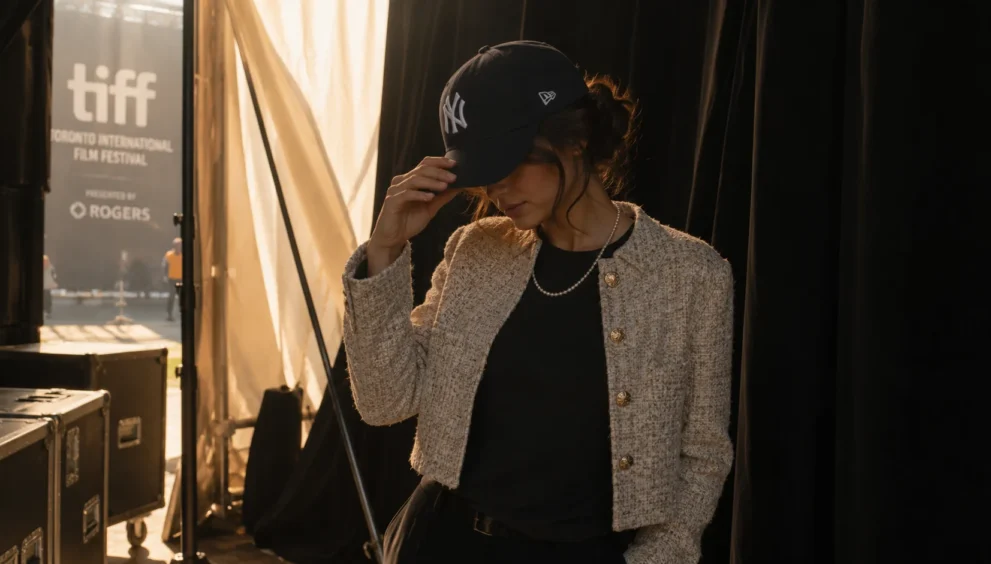
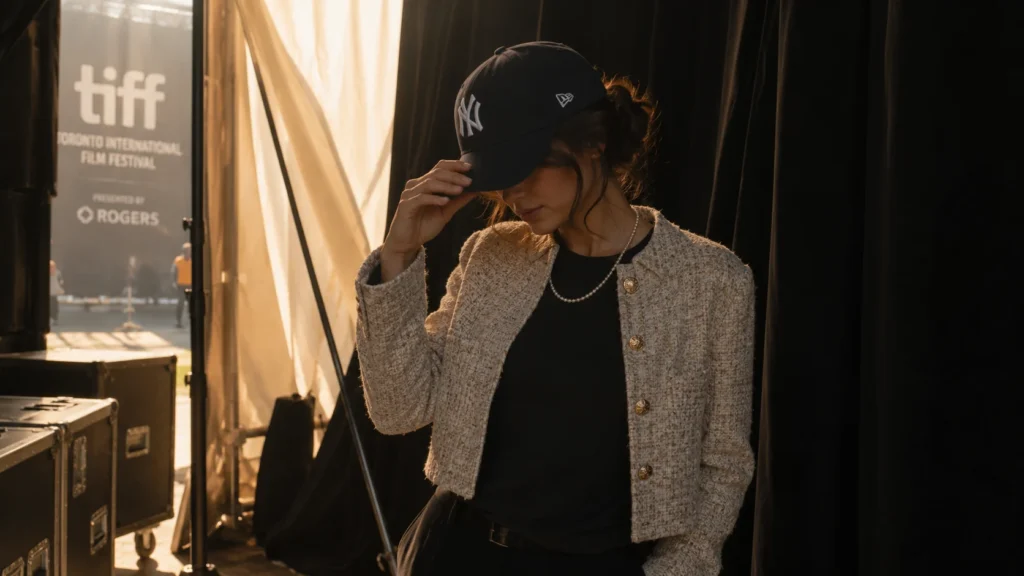
The cap went on first. Custom-fitted. Maroon. Yankees. Everything else was built around it: pleated trousers, a slouchy graphic t-shirt, a cropped Chanel tweed jacket in multi-stripe. Teyana Taylor sat onstage at Spring Studios for a conversation about women in film, and the outfit did what her outfits always do. It refused to choose.
The next night, she chose differently. Eggshell blue tweed skirt suit. Sheer floral embroidered button-down underneath. Baby pink fringe-trimmed jacket on top. Two tweeds at once. A single strand of pearls hanging the length of her torso. White sunglasses. The oxblood square-toe pumps from Matthieu Blazy’s debut Chanel collection—the ones people have been hunting boutiques for. A mini leather flap bag to finish.
Most celebrities pick a lane. Taylor picked both. That is not indecision. That is a philosophy.
But the clothes weren’t the story. The story was the relationship between a woman and a fashion house, between a neighborhood and the world that thinks it knows what that neighborhood produces, between wanting the trinkets and realizing you no longer have to fight for them.
The Aura Problem
Taylor said something backstage at Chanel’s Tribeca Festival Artists Dinner that explained more than any outfit could. New Yorkers “have an aura that really can’t be duplicated,” she said. Then she broke it down further: “A Harlem aura is completely different from a Brooklyn aura… but it’s still New York.”
Fashion loves the idea of aura. It is harder to define than a silhouette, harder to buy than a bag. Brands spend millions trying to manufacture what Taylor described as something you simply have or you don’t. The Yankees cap with the Chanel jacket works because she means it. The pearls with the oxblood pumps work because she chose them while other people were fighting over purses.
“I was one of those girls who was fighting,” she admitted. “And in the commotion of ‘I need this, I need that’… I was more of a skater kid, so I always wanted trinkets and the pearls and the chains… the things that I wanted I kind of had to myself because the girls were fighting for the purses.”
Let that sit for a moment. The girls fought for the obvious thing. She went for the odd thing. The odd thing was available. The odd thing was hers. The odd thing became the look.
The Room Where It Happens
There is a difference between wanting Chanel and standing inside Chanel. Taylor named it directly: “The girls are fighting, and I’m actually in the room with Chanelly.”
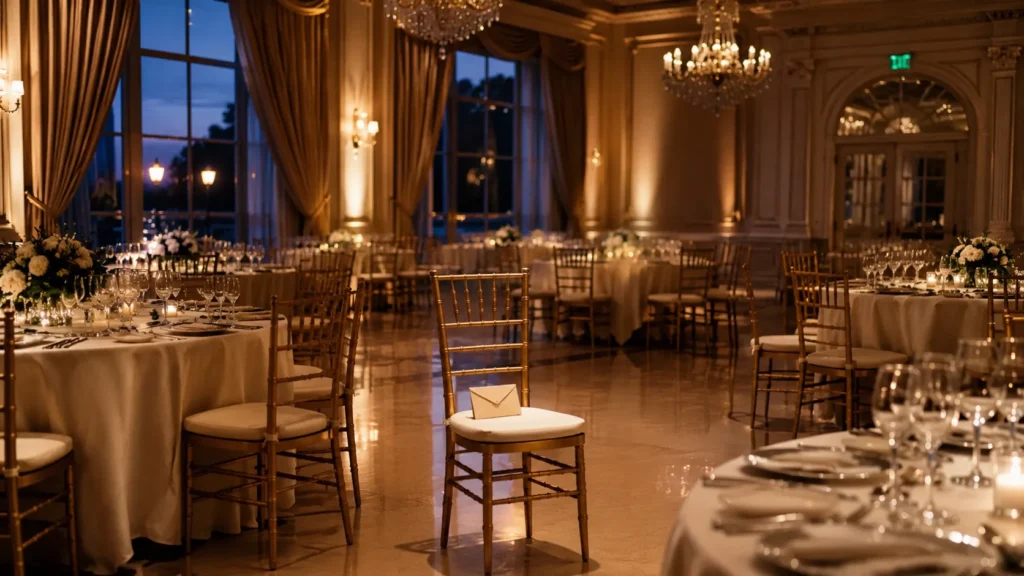
The line is funny. It is also precise. The room—the exclusive dinner at the Tribeca Film Festival, the panel discussion with “Zola” director Janicza Bravo, the collaboration with a French fashion house that spent decades defining Parisian elegance—is the destination. The fighting happens outside. The trinkets and pearls happen when you stop needing to announce that you belong there.
Robert de Niro and Jane Rosenthal hosted the dinner. The festival marked its 25th year. Taylor, fresh from a Golden Globe win for “One Battle After Another,” moved through the room in double tweed and white sunglasses, looking like someone who understood the assignment and then decided to rewrite it.
The Yankees cap from the day before was not a rejection of Chanel. It was a conversation with Chanel. Harlem does not need to dress like Paris to sit at the table. The table expands. The aesthetic shifts. The aura remains.
The Quiet Truth About Personal Style
Most fashion coverage focuses on what people wear. The brands. The seasons. The runway references. But style at this level is not about consumption. It is about translation. Taylor takes the Chanel vocabulary—tweed, pearls, chains, the particular stiffness of a skirt suit—and speaks it in her own accent.
The accent is sporty. Sexy. Strong. She used those three words to describe her approach. They apply to the Yankees cap. They apply to the double tweed. They apply to the skater kid who wanted trinkets while everyone else chased status bags.
The Matthieu Blazy shopping frenzy she referenced is real. His debut collection sent fashion people into a specific kind of panic—the kind where you need the thing now, the thing that proves you saw the show, you understood the references, you belong. Taylor sidestepped the frenzy. She was already in the room. “I’m just happy to be here,” she said, and meant it in the way people mean it when they know they earned the chair.
Two Small Things
Try this: The next time you dress for something that matters, start with one thing that is completely yours—a cap, a chain, a pair of shoes you’ve had for years—and build everything else around it. Let the clothes serve the object, not the other way.
Consider this: The fight for the obvious thing is always crowded. The trinkets, the pearls, the odd pieces—those are often still on the shelf. Not because they are lesser. Because fewer people know what to do with them.