

 English


























































































































































































He Won the US Open. Then the Invitations Stopped.
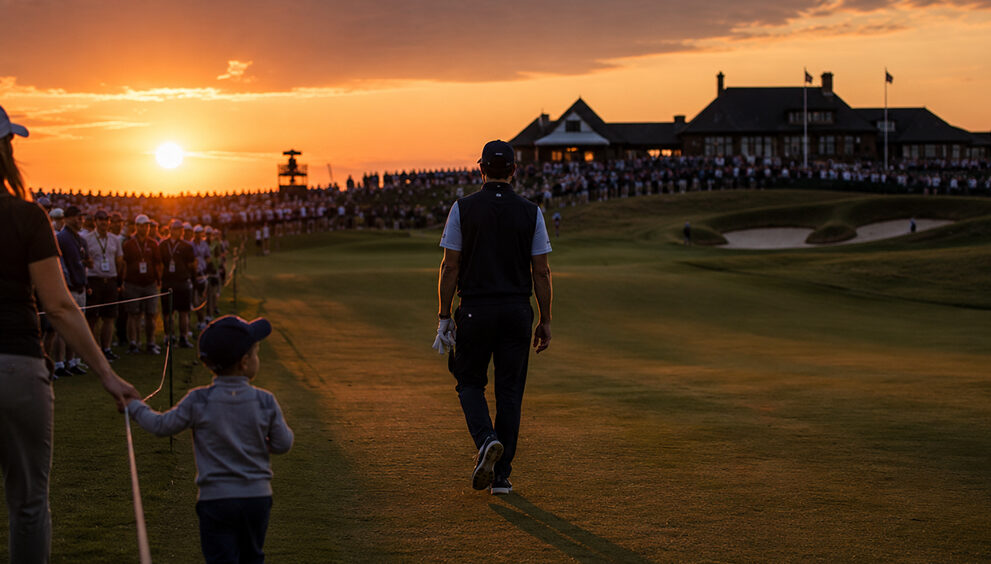
The last time Graeme McDowell played a major championship, his son Wills was three years old. The boy would have no memory of it. The father would have no expectation of it happening again. Between 2008 and 2016, McDowell made 34 consecutive major appearances. The run ended. The invitations stopped. The sands of time, as he put it, continued to deplete. He is 46 now. He plays on LIV Golf. He needed a 36-hole qualifier in Dallas last month just to get into this week’s US Open at Shinnecock Hills. He got through. His son is nine. This time, the boy will remember.
“I wasn’t sure I was ever going to get to show him me out here playing in it,” McDowell said, pausing on the thought. “With the old hourglass, the sands of time continue to deplete if you like.” The hesitation was not for effect. It was the sound of a man confronting the gap between what his career once was and what it has become, and finding, in that gap, something worth holding onto.
The 2010 US Open champion at Pebble Beach—the man who stood on the 18th green on Father’s Day with his own father Ken beside him, the trophy in his hands, the career apex achieved—is now a player who qualifies for majors rather than automatically entering them. The shift is not a failure. It is a fact. The fact has produced something the automatic entries never did: appreciation. “At a point in my career, these were automatic, and when they get taken away from you, you realise how much you miss them and appreciate the opportunity to be on golf’s biggest stages.” Appreciation is the gift of the decline. The decline is the price of the appreciation.
But this wasn’t about the qualification. This was about Legacy vs Decline—and what happens when a former US Open champion realises that the only thing left to chase is the chance for his son to see him compete, just once, on the stage that defined him.
The Run That Ended
McDowell’s 34 consecutive major appearances were not a streak. They were a baseline. The former world number four, the four-time Ryder Cup player, the man who sank the winning putt at Celtic Manor in 2010, did not think about qualifying for majors. He thought about contending in them. The run included the victory at Pebble Beach, a runner-up finish at the 2012 US Open, and a series of performances that confirmed his place among the best players of his generation. The run ended quietly. The game shifted. The invitations went elsewhere.
His last major appearance before this week was the 2019 Open Championship at Royal Portrush, in his native Northern Ireland. He missed the cut. He has not made a weekend at a major since. The drought is not a reflection of effort. It is a reflection of time. The body slows. The competition deepens. The exemptions expire. The player who once assumed he would always be here discovers that assumption was a luxury he did not know he had.
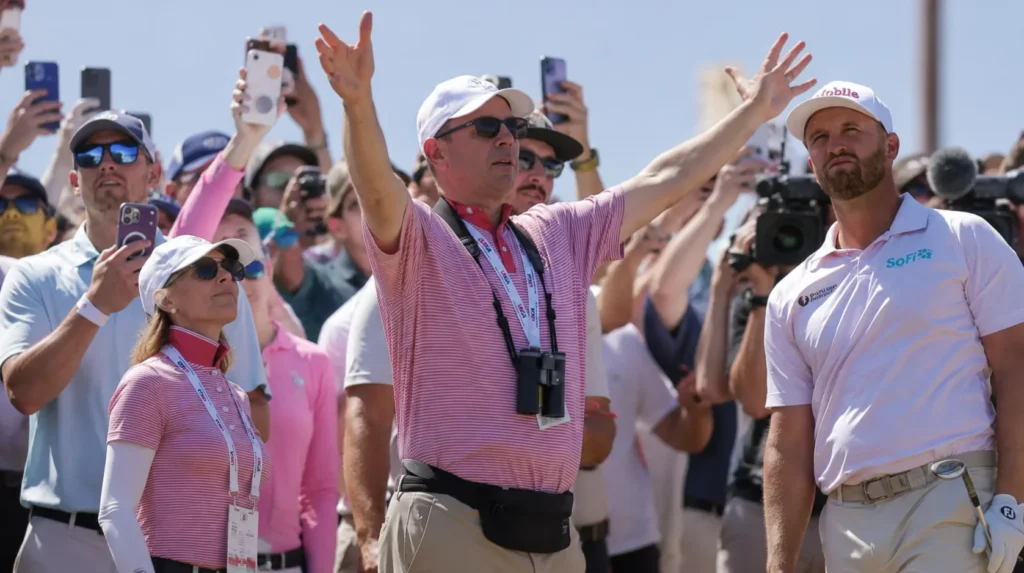
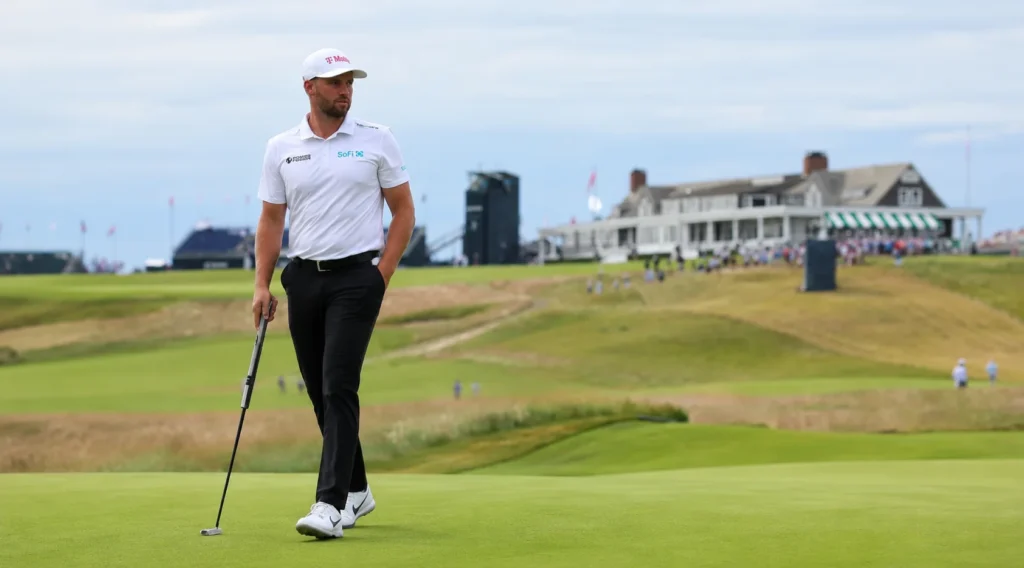
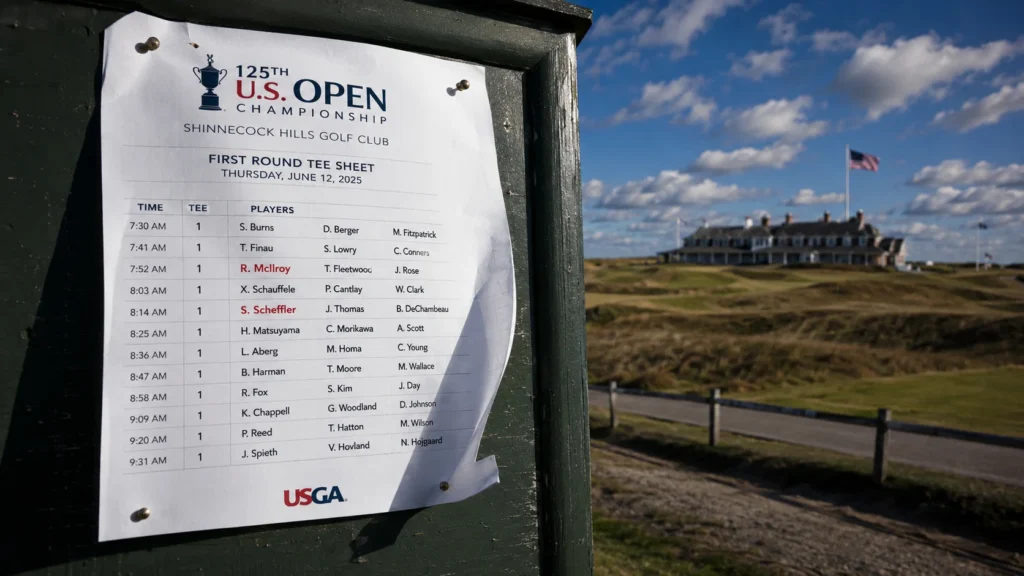
The 36-hole qualifier in Dallas was not a formality. It was a trial. McDowell passed it. The reward is Shinnecock Hills, arguably the toughest course on the US Open rota, a place where he missed the cut alongside Rory McIlroy in 2018. The venue is unforgiving. The forecast is windy. The test will be severe. McDowell does not mind. He is here. His son is here. The test is almost beside the point.
The Father’s Day Echo
McDowell’s 2010 US Open victory fell on Father’s Day. His father, Ken, was at Pebble Beach to see it. The image of the two men together on the 18th green, the trophy between them, is one of the enduring photographs of modern major championship golf. The symmetry of that moment—a son winning the biggest title of his life on the day dedicated to fathers—was not lost on anyone who witnessed it.
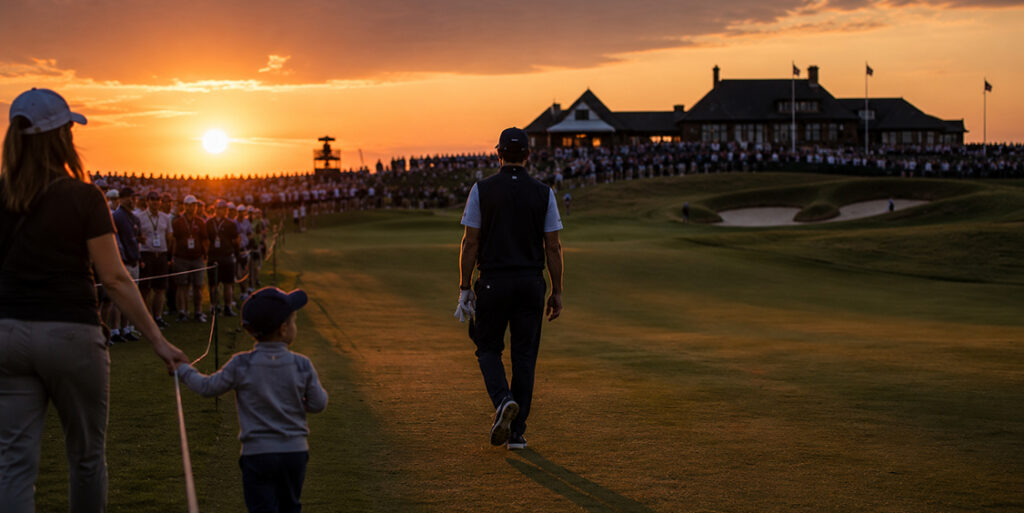
Fourteen years later, McDowell is the father. Wills is the son. The trophy is not the object. The object is the presence. The boy will watch his father compete in a major championship for the first time that he will remember. The father will carry the memory of his own father with him on the course. The generational loop will close. The result will not matter. The fact of the participation will.
McDowell has spoken before about the difficulty of explaining his career to his children—the tournaments he won before they were born, the player he was before they could watch. The qualifier in Dallas changed that. Shinnecock Hills will complete it. Wills will see his father hit a tee shot in a US Open. He will see the crowds. He will see the focus. He will understand, perhaps for the first time, what his father did for a living before LIV Golf, before the decline, before the invitations stopped. The understanding will be the victory. The score will be secondary.
The Course That Will Test Everything
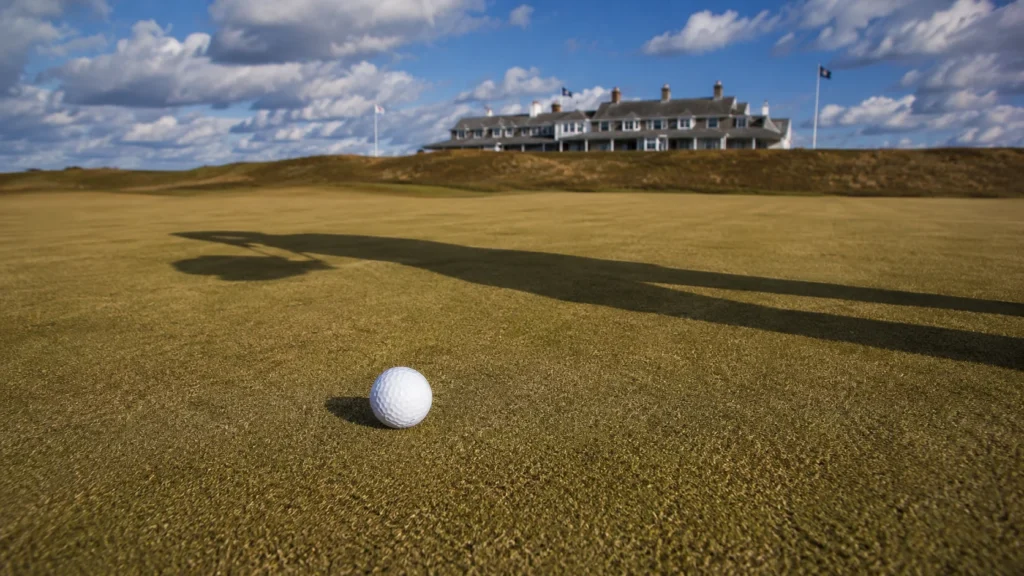
Shinnecock Hills is not a venue that rewards sentiment. The fairways are generous, but the rough is penal. The greens require discipline. The bunkers contain stones and shells. The wind, forecast to be strong on Thursday, will turn the course into an examination of patience as much as skill. McDowell’s assessment was clinical: “whoever wins is going to have to go through a period where they have to hang in, take their medicine and get out of there with a bogey and just run.”
He believes the course suits him. He acknowledges that “pretty much everything” would need to go right for him to contend. The two statements are not contradictory. They are the twin pillars of the late-career athlete’s psychology: the belief that the game is still there, and the realism that the game may not be enough. The balance between them is what McDowell will carry onto the first tee on Thursday. The balance is hard-won.
His last win came at the 2020 Saudi International. His best finish on LIV was tied second in Virginia last year. The results do not suggest a player on the verge of recapturing his prime. The results are not the point. The point is that he is here, that his son is here, that the stage that once belonged to him still has room for him, even if he had to qualify for it. The room is smaller than it used to be. The appreciation is larger.
What Changes Now
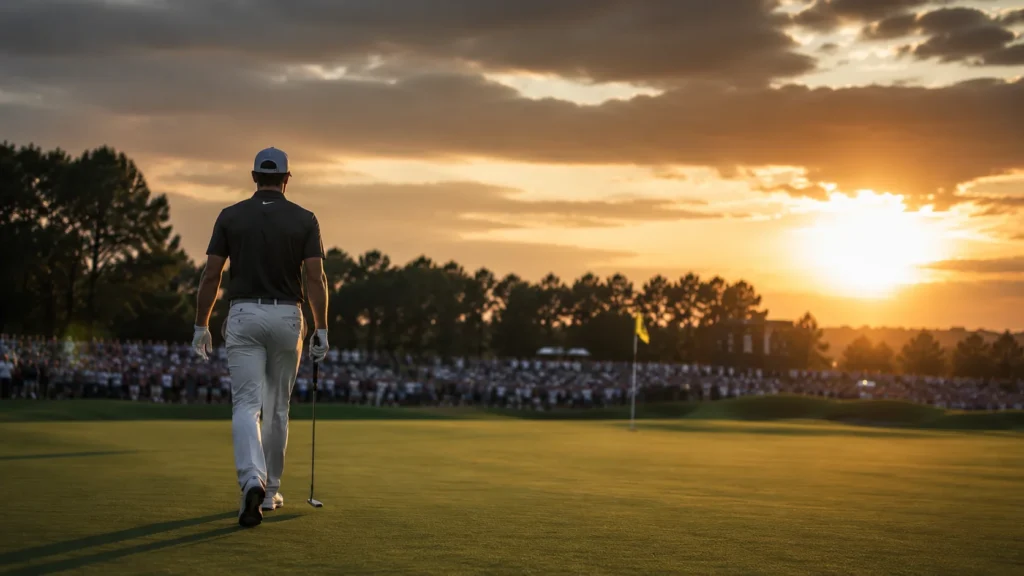
McDowell tees off at 12:19 BST on Thursday. He will try to make the cut at a major for the first time since 2019. He will try to show his son something worth remembering. He will try to compete with players who were children when he won the US Open. He will try to do all of this on one of the hardest golf courses in the world, in conditions that will not accommodate nostalgia. The attempt is the achievement. The attempt is what he came for.
The sands of time will continue to deplete. The hourglass does not reverse. McDowell will play this US Open, and he does not know if he will play another. The uncertainty is the gift. Appreciation is a gift. The nine-year-old boy watching from behind the ropes is the gift. The rest is golf. The rest he has done before.