

 English






















































































































































































































































Maja Chwalińska French Open Final: Qualifier’s Historic Run
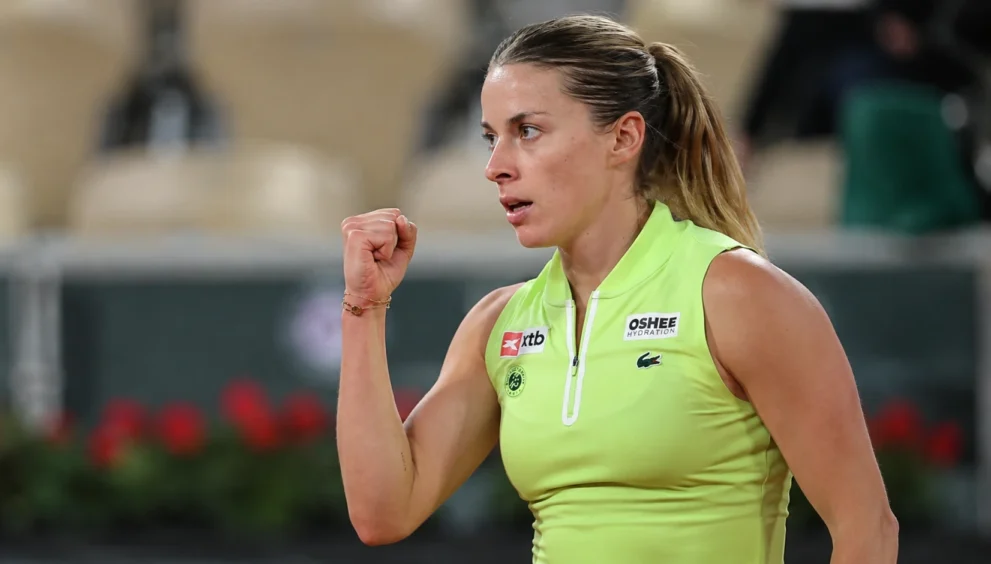
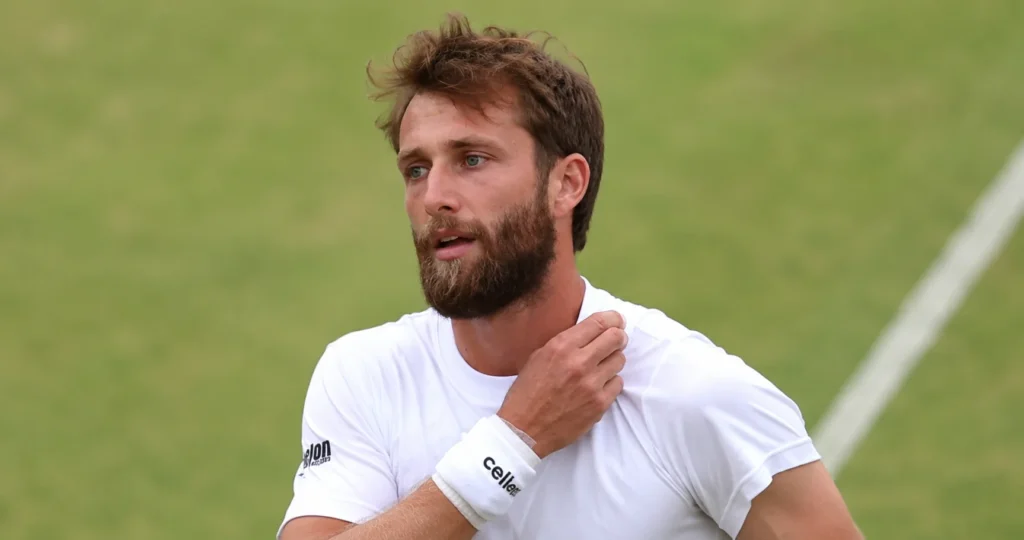
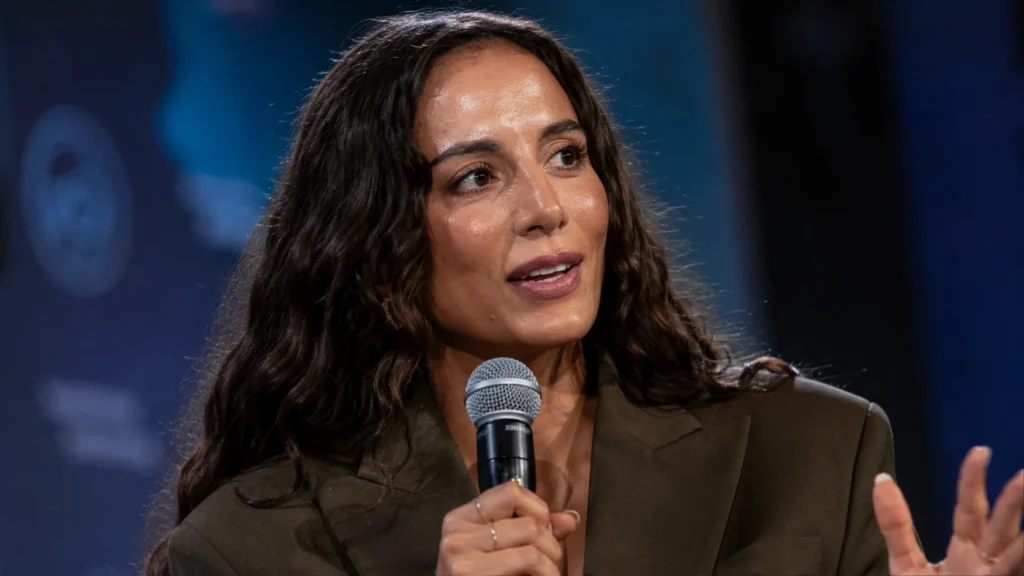
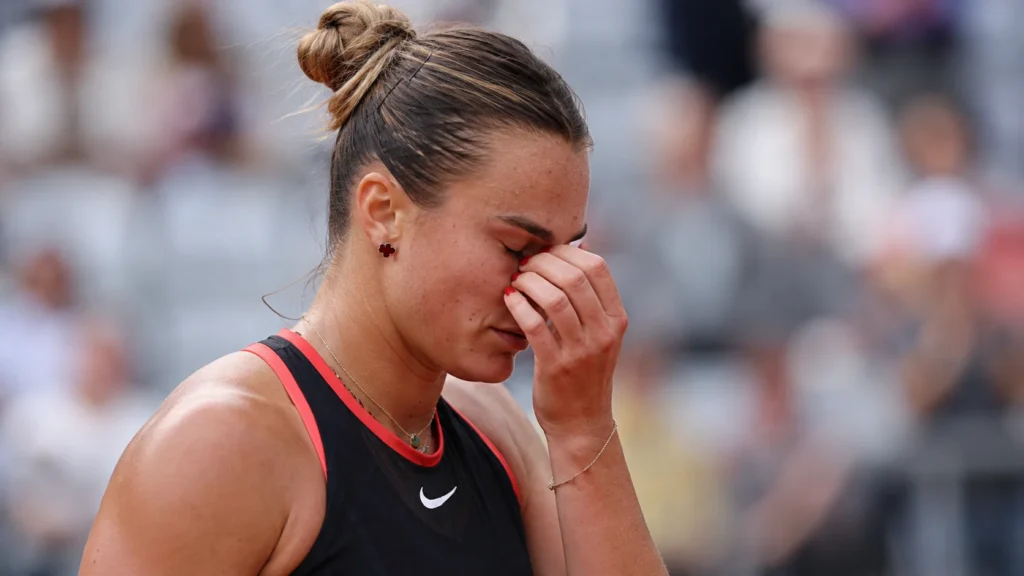
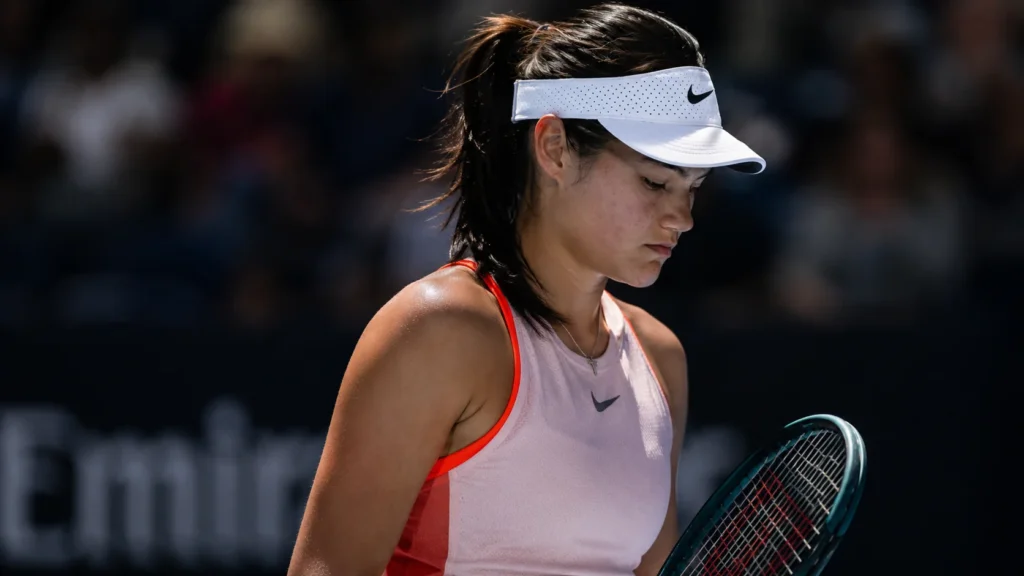
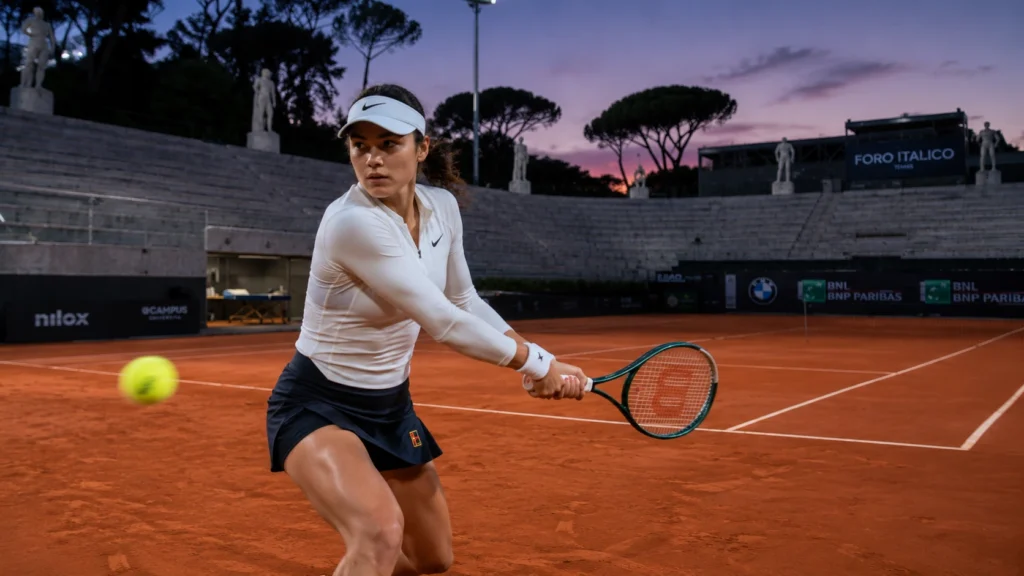
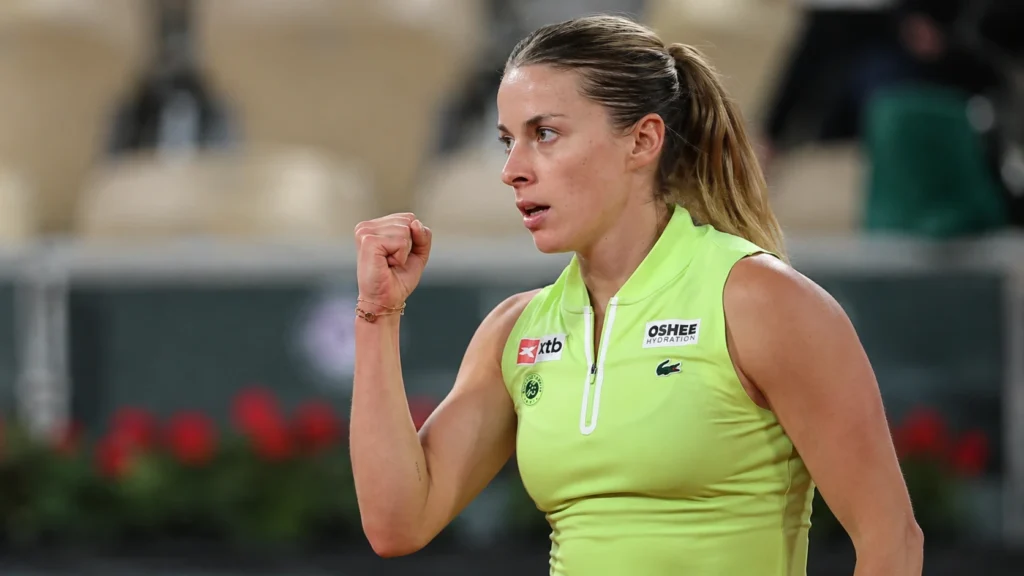
On Thursday at Roland Garros, world No. 114 Maja Chwalińska defeated Diana Shnaider 7-6(4), 6-4 to become only the second qualifier in Open Era history—man or woman—to reach a grand slam singles final. The 24-year-old Pole joins Emma Raducanu, who won the 2021 US Open from qualifying, on a list that contains exactly two names since 1968. Chwalińska had never passed a WTA tour-level semifinal before this fortnight. She dropped one set in nine matches across qualifying and the main draw. She plays 19-year-old Russian Mirra Andreeva in Saturday’s final. The winner leaves Paris with €2.8 million, a top-15 ranking, and the kind of career trajectory no algorithm predicted.
The Question Everyone Is Asking
How does a player ranked outside the top 100, with no tour-level semifinals on her resume, reach a French Open final?
The answer splits into three layers. The physical: Chwalińska played nine matches in Paris but somehow looked fresher in the semifinal than she did in qualifying. The tactical: her court coverage turned defensive positions into offensive ones, exhausting opponents who expected points to end earlier. The psychological: qualifiers carry no expectation. They arrive without the weight main-draw players feel. That lightness, in Chwalińska’s case, became a weapon.
Diana Shnaider, the world No. 13 and Chwalińska’s semifinal opponent, described the problem in terms that sound like a scouting report and read like a concession: “She moves incredibly on the court, she covers a lot. Even if you think that you won the point, she’s there.”
Who Is Maja Chwalińska?
Before Roland Garros 2026, Chwalińska existed at the edges of WTA consciousness. Her career prize money totaled $864,030. Her best grand slam result was a second-round appearance at Wimbledon in 2022. She played primarily on the ITF circuit and in qualifying draws, the invisible labor of professional tennis that happens on outer courts while the sport’s attention fixes elsewhere.
Her Polish compatriot Iga Świątek won this tournament four times. The contrast frames Chwalińska’s run in sharper relief. Świątek arrived as a prodigy. Chwalińska arrived through three qualifying rounds and six main-draw matches for which nobody scheduled press conferences for until this week.
The WTA official rankings and prize money breakdown for Roland Garros 2026 confirm the financial stakes. A finalist’s check of €1.4 million more than triples her career earnings. A winner’s check of €2.8 million rewrites her financial future entirely. Her ranking jumps from No. 114 to inside the top 15 with a win, inside the top 40 with a loss.
The Semifinal: One Key Sequence
The tiebreak decided everything.
At 6-6 in the first set, Chwalińska faced the kind of pressure that separates qualifiers from contenders. She produced a drop shot and lob combination at 6-4 in the breaker—touch to pull Shnaider forward, arc to float the ball over her head, audacity to attempt it on set point. Shnaider’s backhand sailed wide. The set belonged to the qualifier.
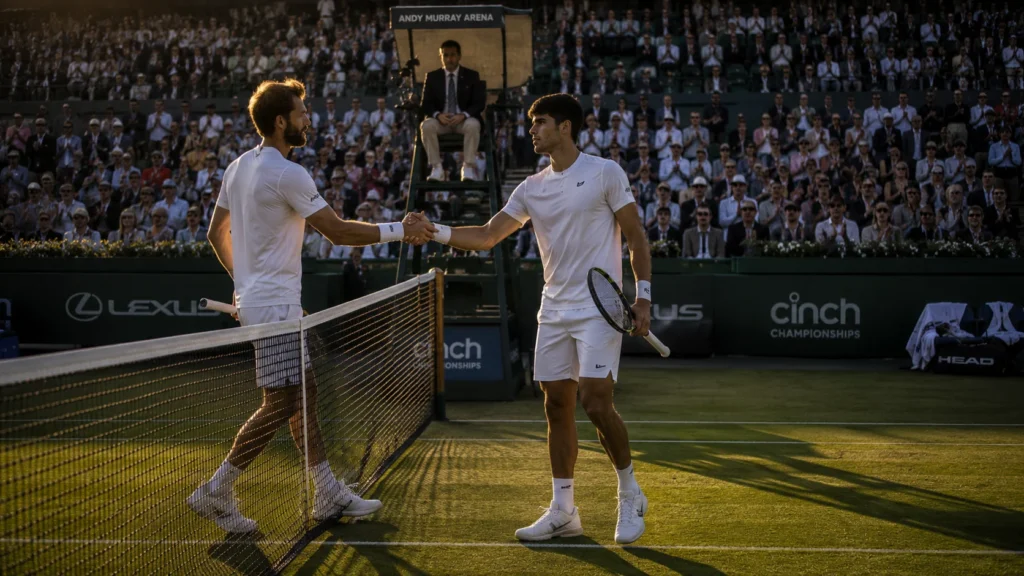
The second set brought complications. Shnaider took a medical timeout in the seventh game, flexing her left leg as she lay on her back. The pause could have disrupted Chwalińska’s rhythm. It didn’t. She broke serve in the ninth game, then served out the match with a forehand winner down the line on her first match point.
The Opta Sports historical grand slam qualifying data confirms the rarity. Since the Open Era began in 1968, only Raducanu and now Chwalińska have navigated the three-match qualifying gauntlet and six main-draw victories required to reach a major final. That’s two names in 58 years.
The Final: Qualifier vs Prodigy
Saturday’s final presents a narrative the sport couldn’t script.
Mirra Andreeva, seeded No. 8, dismantled Marta Kostyuk 6-1, 6-3 in her semifinal. She reached the Roland Garros semifinals two years ago at 17. Her path follows the predicted trajectory—junior success, early tour breakthrough, steady ranking climb. She told reporters she was so focused during the semifinal she could “see the little hairs on the ball” during her toss. That’s flow state. That’s a player on the path everyone expected.
Chwalińska took a different route entirely. As our analysis of qualifier success rates at grand slams and the post-Cinderella consolidation challenge documented after Raducanu’s 2021 breakthrough, qualifiers who make deep runs face a specific kind of difficulty afterward. The tour adjusts. Opponents study their patterns. The anonymity that functioned as a competitive advantage disappears.
Raducanu’s post-US Open years demonstrated how hard consolidation becomes. Chwalińska will face the same structural headwinds regardless of Saturday’s result. But those concerns belong to next week.
Who is Maja Chwalińska?
Maja Chwalińska is a 24-year-old Polish tennis player who entered Roland Garros 2026 ranked No. 114 in the world. Before this tournament, her best grand slam result was reaching the second round at Wimbledon in 2022. She had never reached a WTA tour-level semifinal. She is now the second qualifier in Open Era history to reach a Grand Slam singles final.
How many qualifiers have reached a grand slam final?
According to Opta Sports data, only two qualifiers—male or female—have reached a grand slam singles final since the Open Era began in 1968. Emma Raducanu accomplished the feat at the 2021 US Open, where she won the title. Maja Chwalińska is the second.
What is Chwalińska’s prize money for reaching the French Open final?
The runner-up prize at Roland Garros 2026 is €1.4 million (approximately 1.6million).Thewinnerreceives€2.8million(approximately1.6million).Thewinnerreceives€2.8million(approximately3.25 million). Before this tournament, Chwalińska’s career prize money totaled $864,030, meaning her finalist check alone more than triples her lifetime earnings.
When is the French Open women’s final?
The women’s singles final between Maja Chwalińska and Mirra Andreeva takes place Saturday, June 7, 2026, on Court Philippe-Chatrier at Roland Garros in Paris.
How does Chwalińska’s ranking change after Roland Garros?
If Chwalińska wins the title, her WTA ranking will rise from No. 114 to approximately No. 14. Even with a runner-up finish, she moves inside the top 40—a career-defining jump from outside the top 100.
Who is Mirra Andreeva, her opponent in the final?
Mirra Andreeva is a 19-year-old Russian seeded No. 8 at Roland Garros. She reached the French Open semifinals in 2024 at age 17 and has followed a predicted prodigy trajectory through the junior and professional ranks. The final marks her first grand slam final appearance.
Written by the Tennis Desk, which has covered Roland Garros and the WTA tour from qualifying rounds through finals since 2015.