

 English












































































































































Iran’s Forever War: Deal or No Deal, the Challenge Outlasts Trump
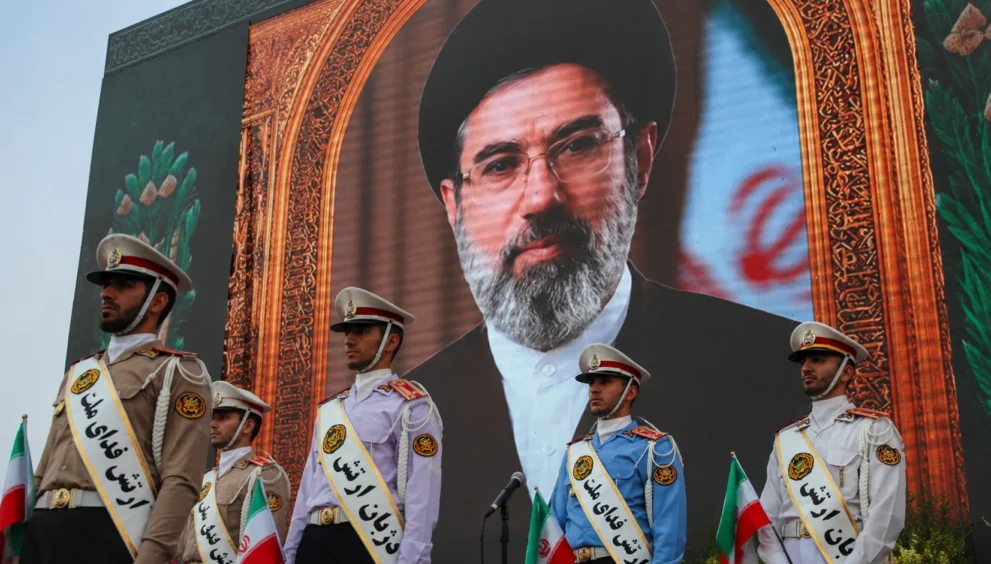
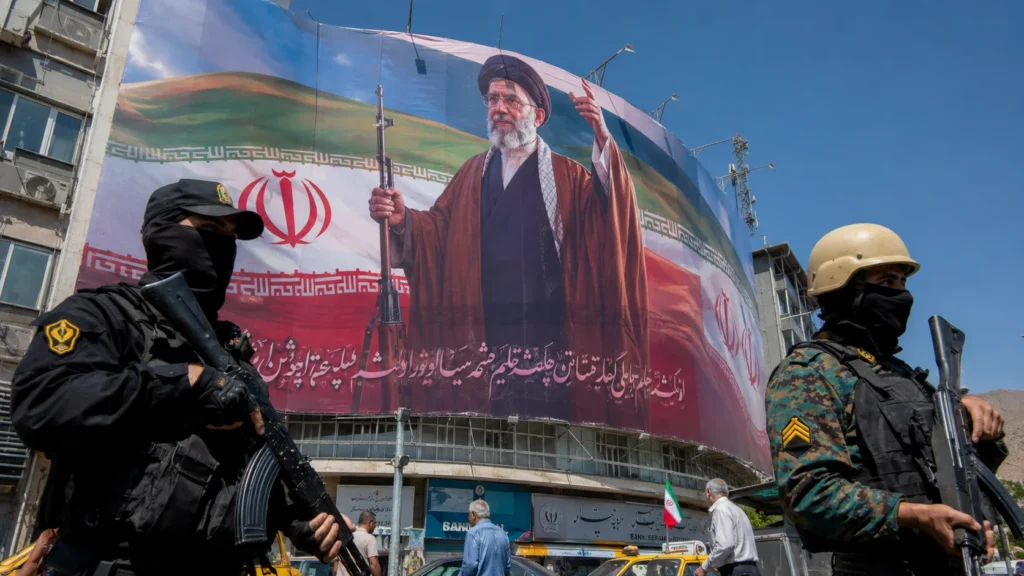
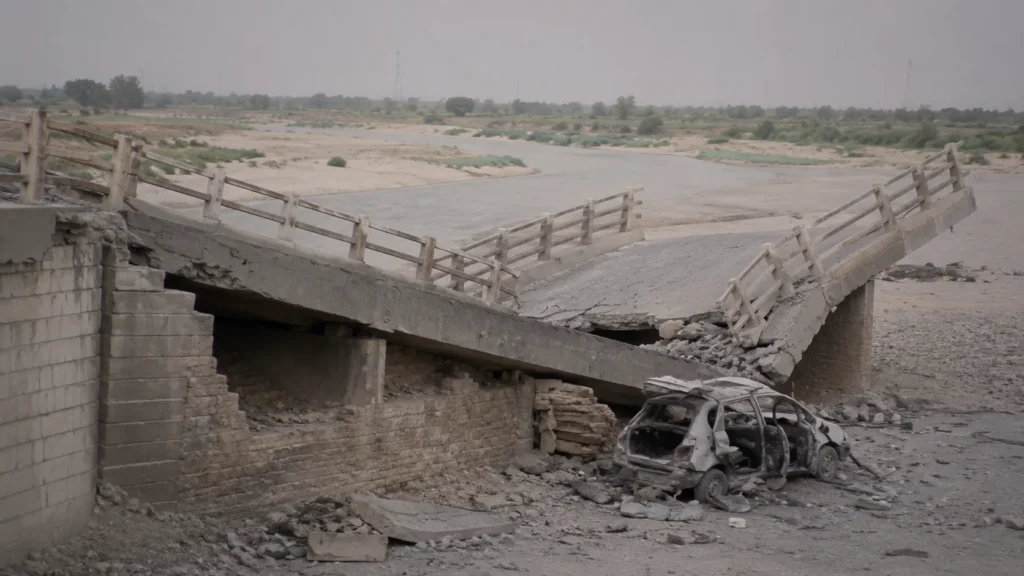
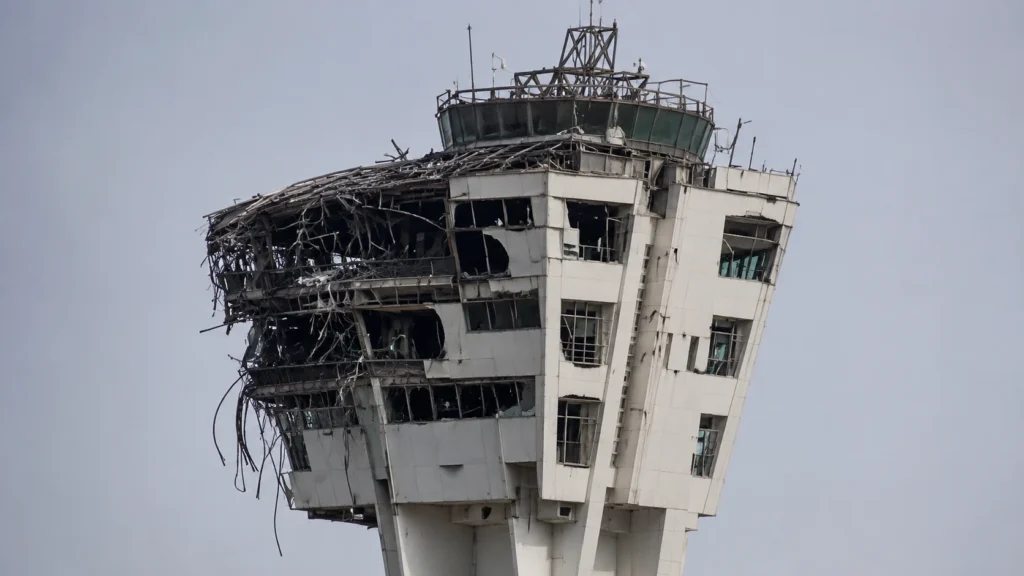
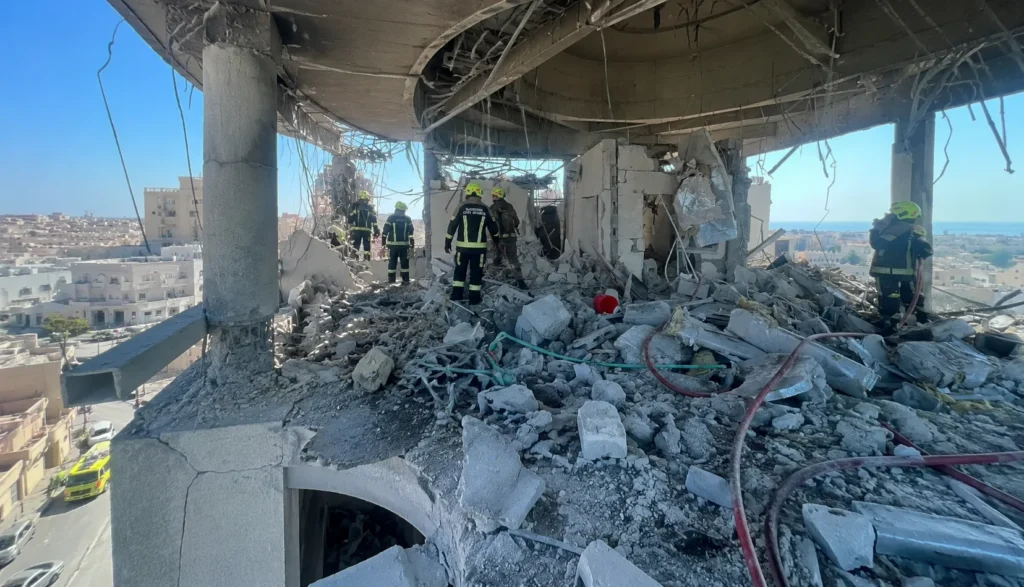
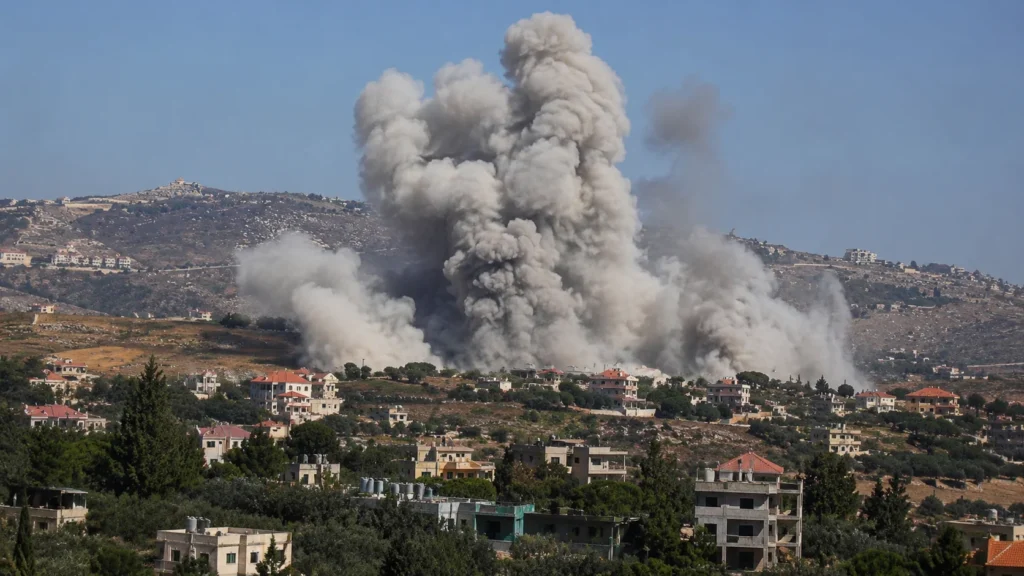
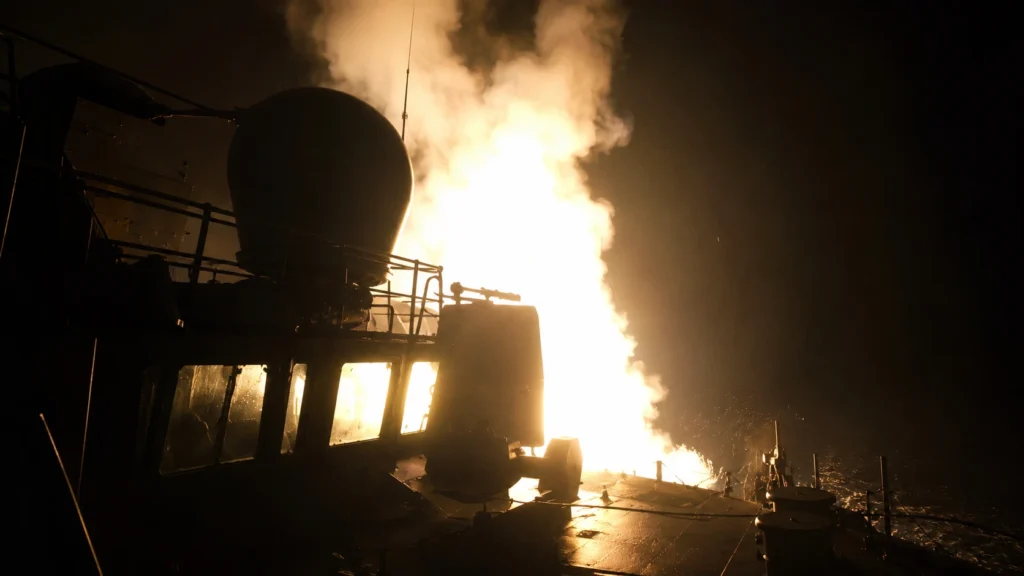
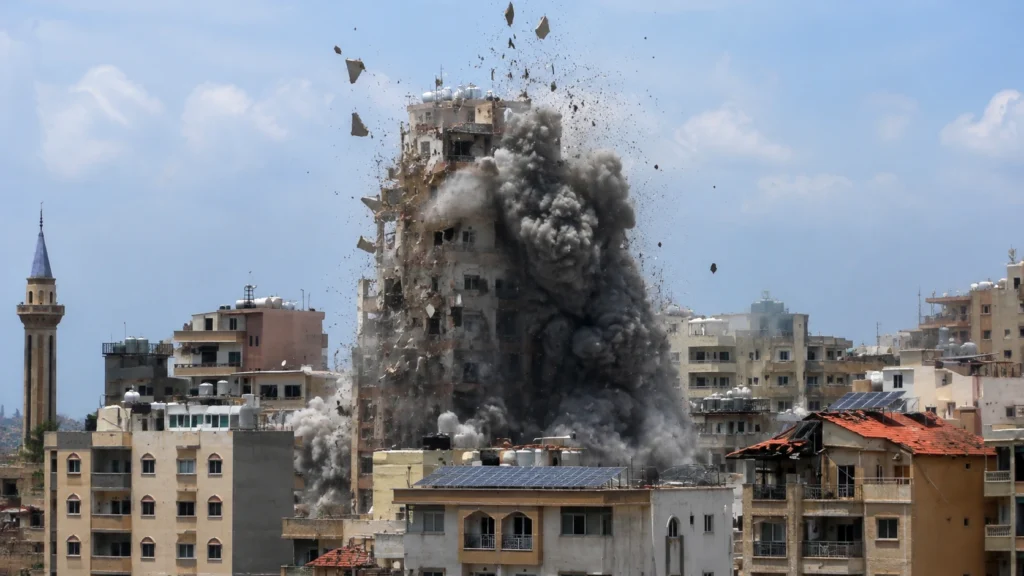
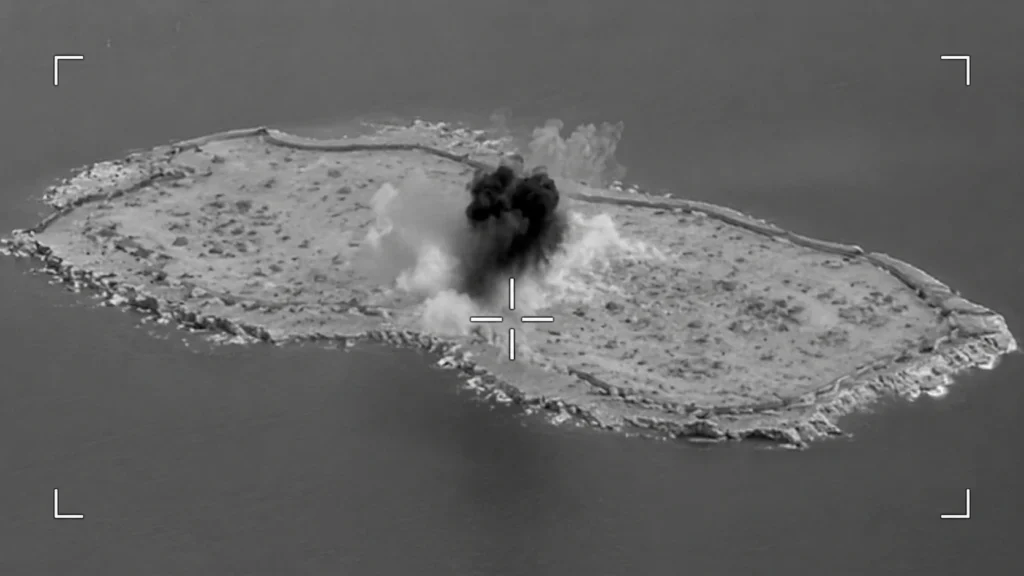
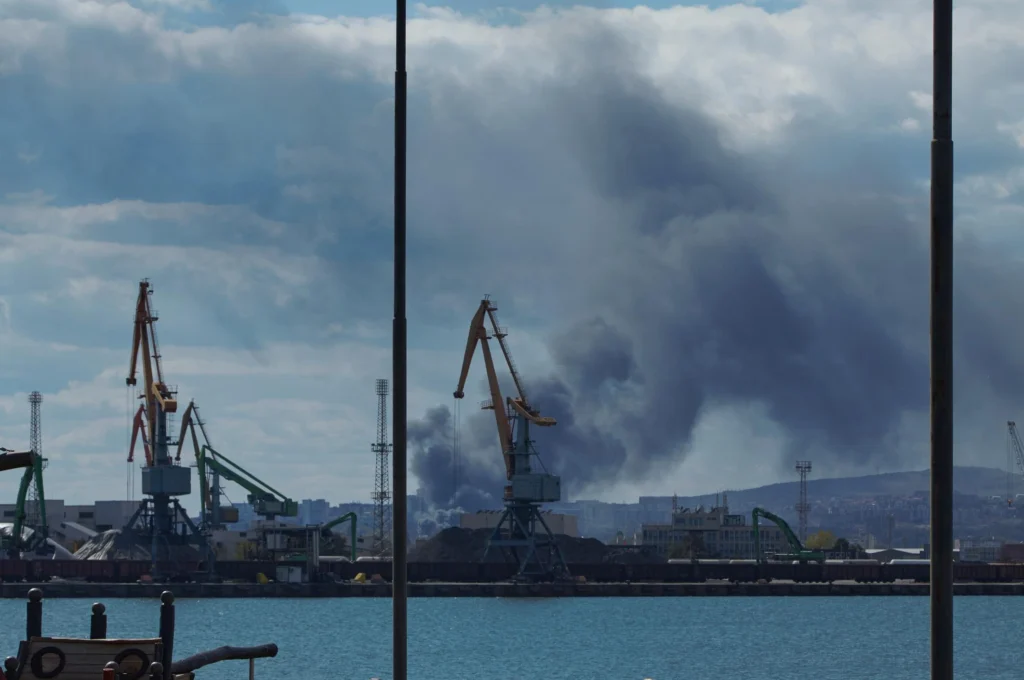
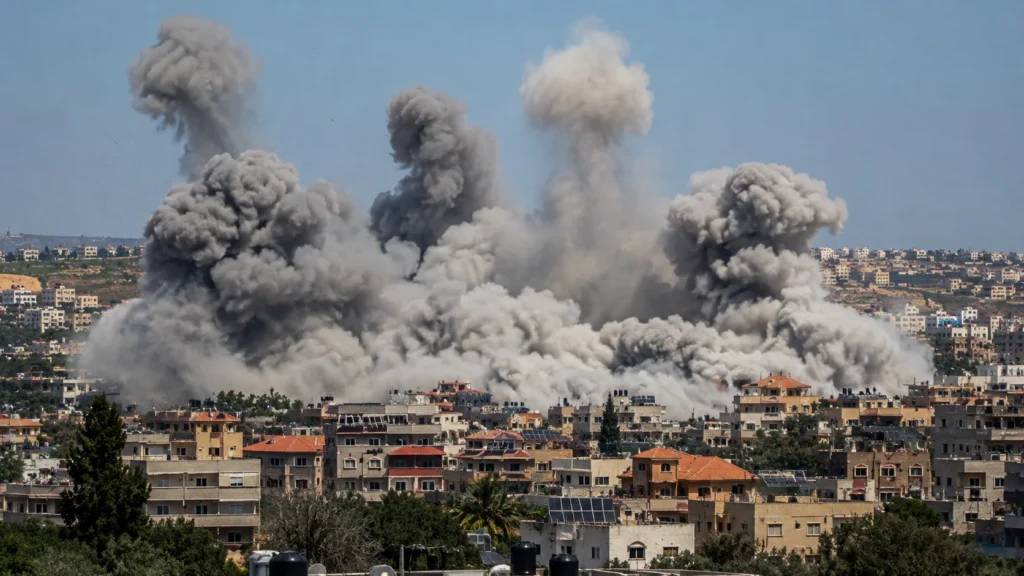
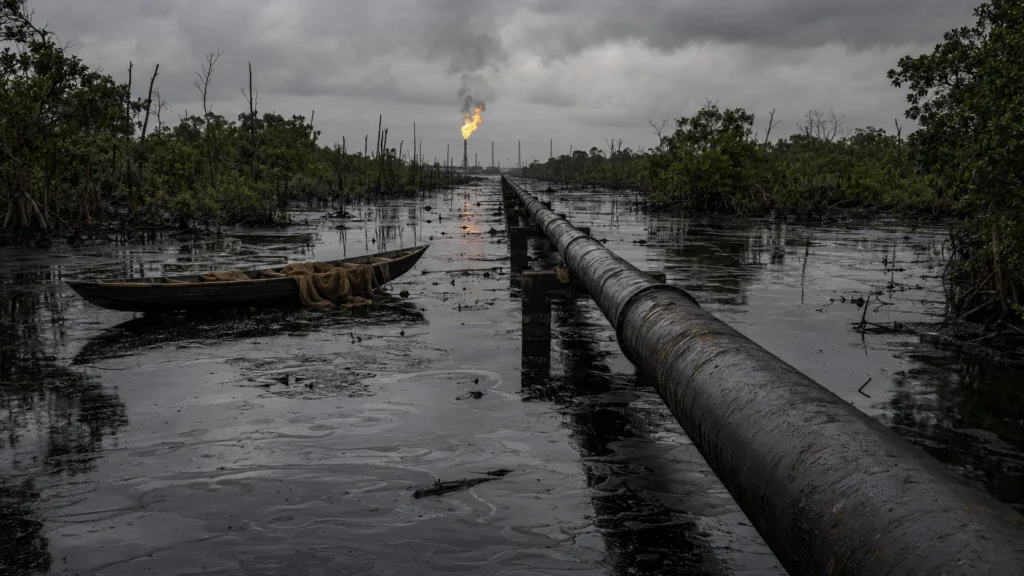
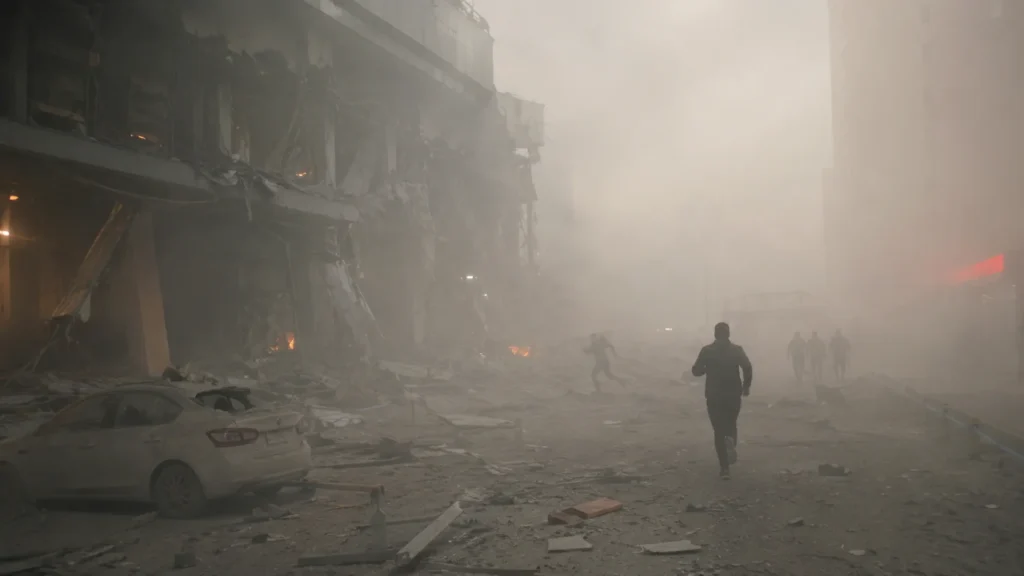
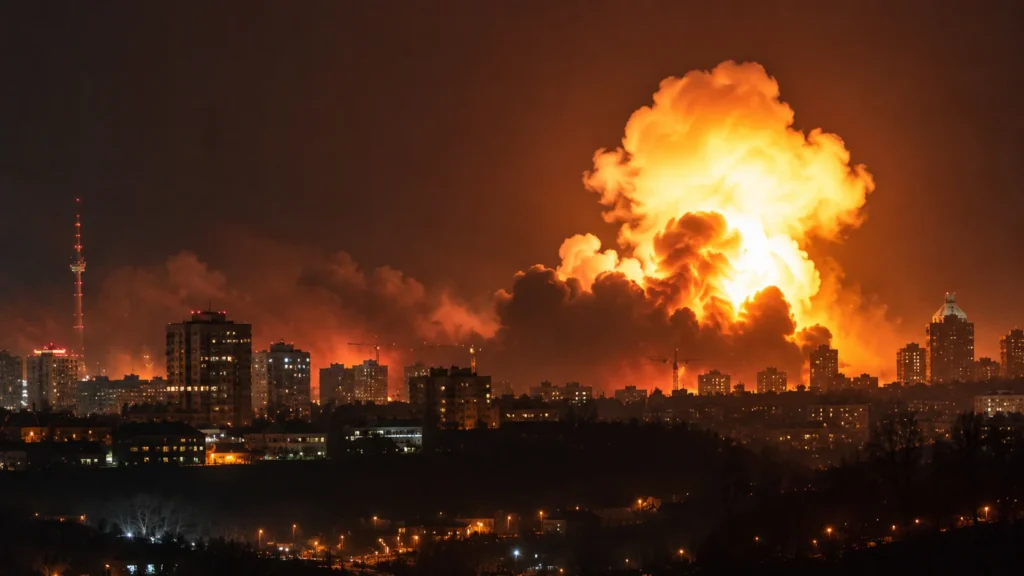
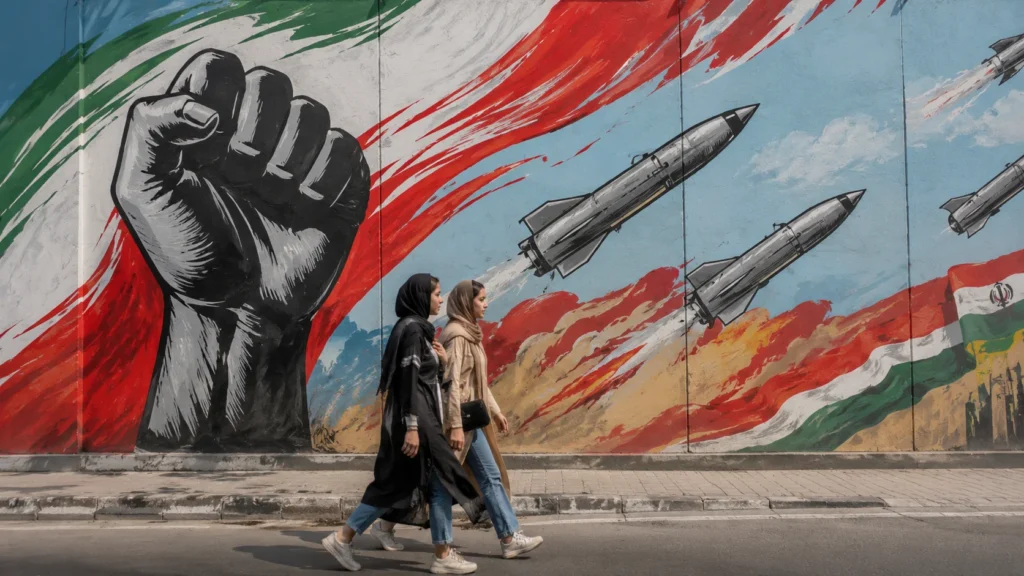
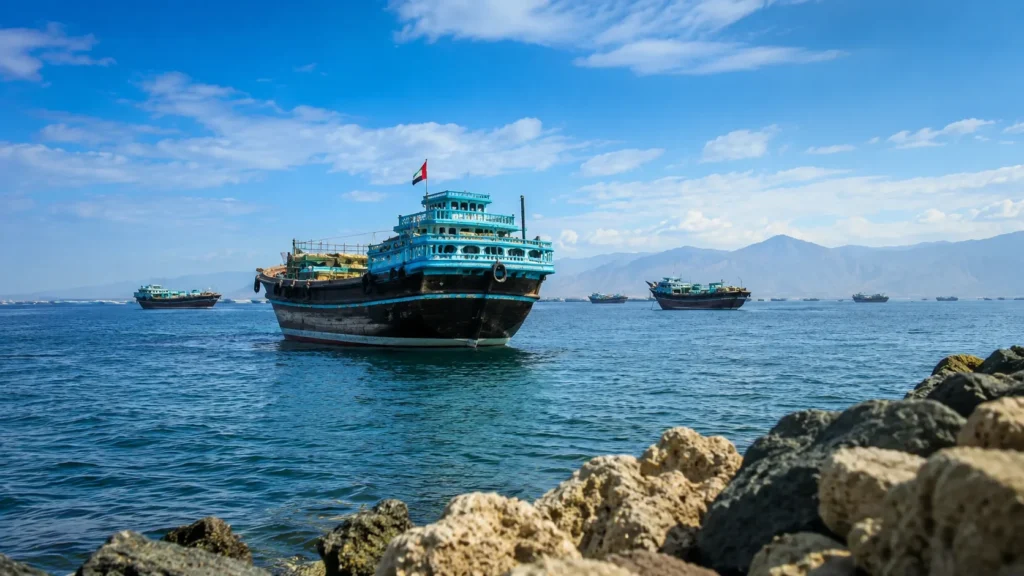
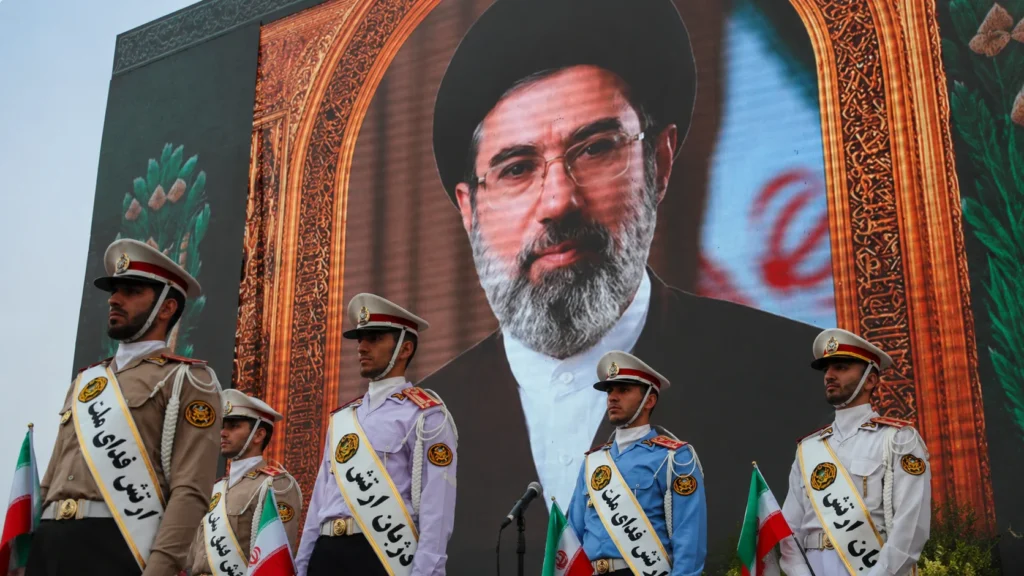
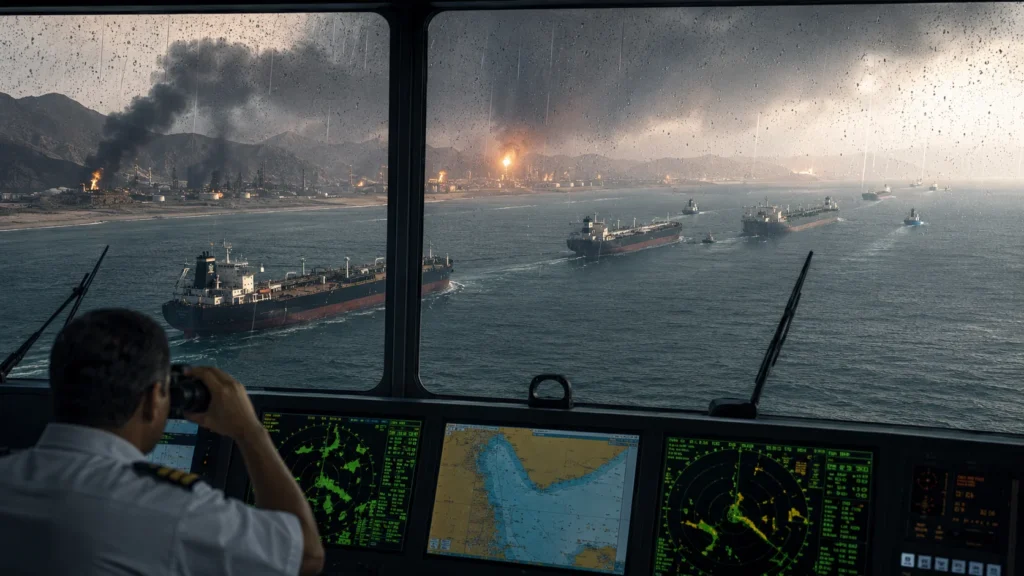
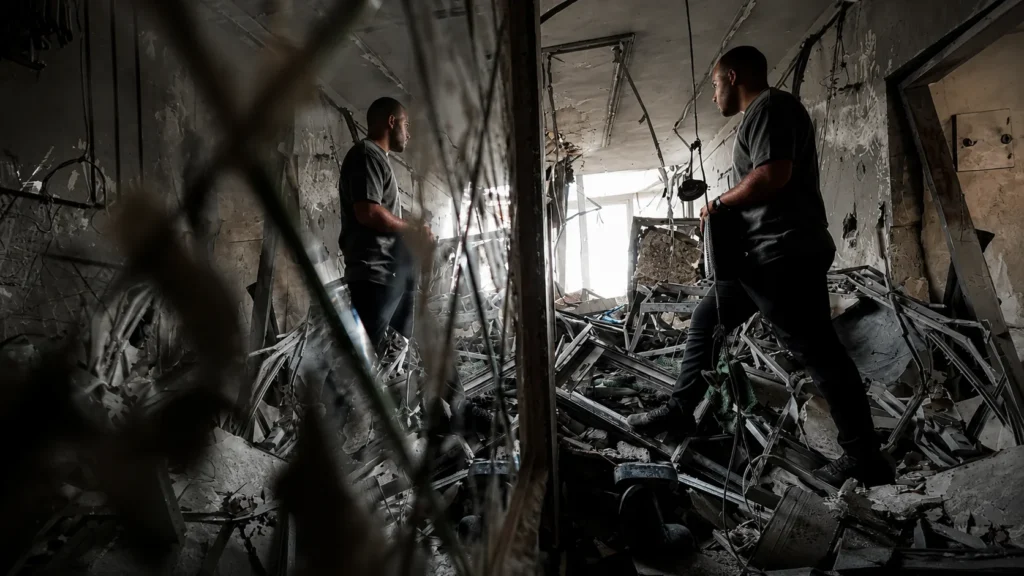
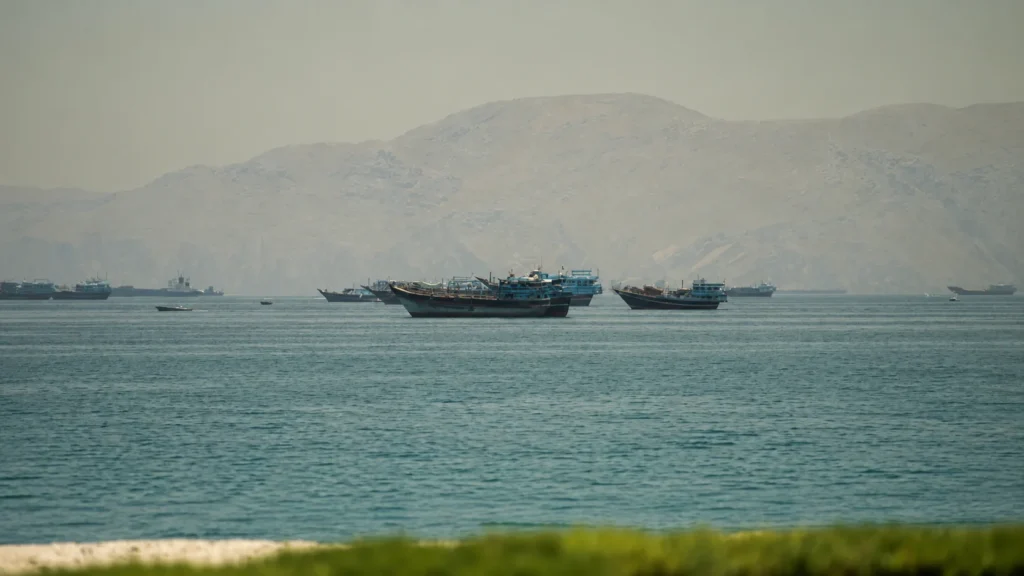
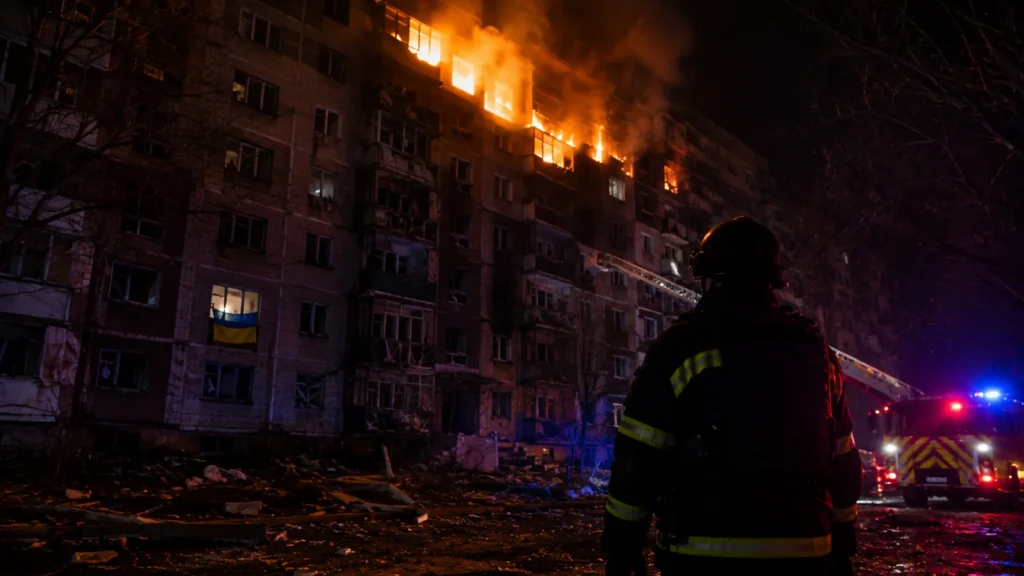
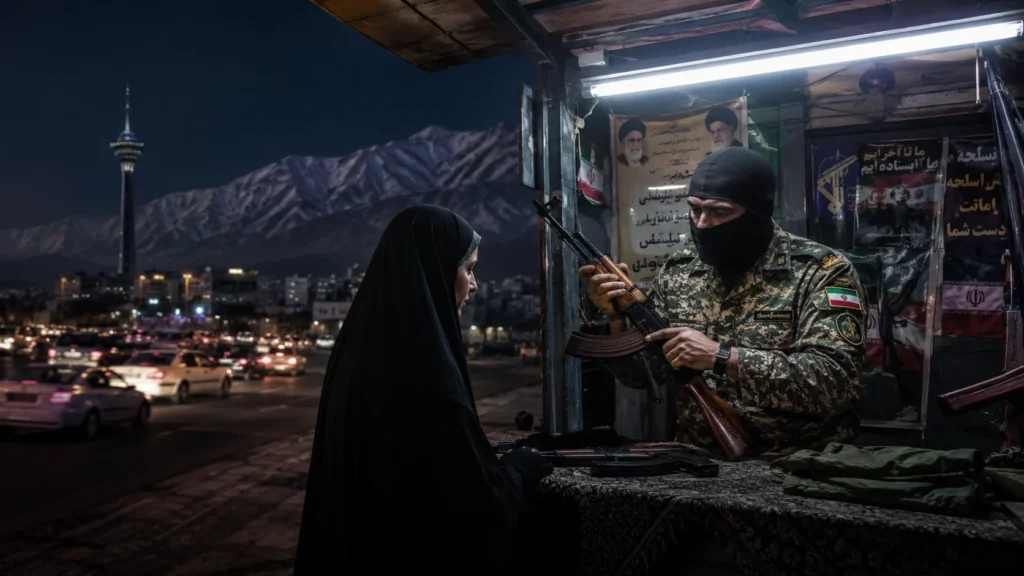
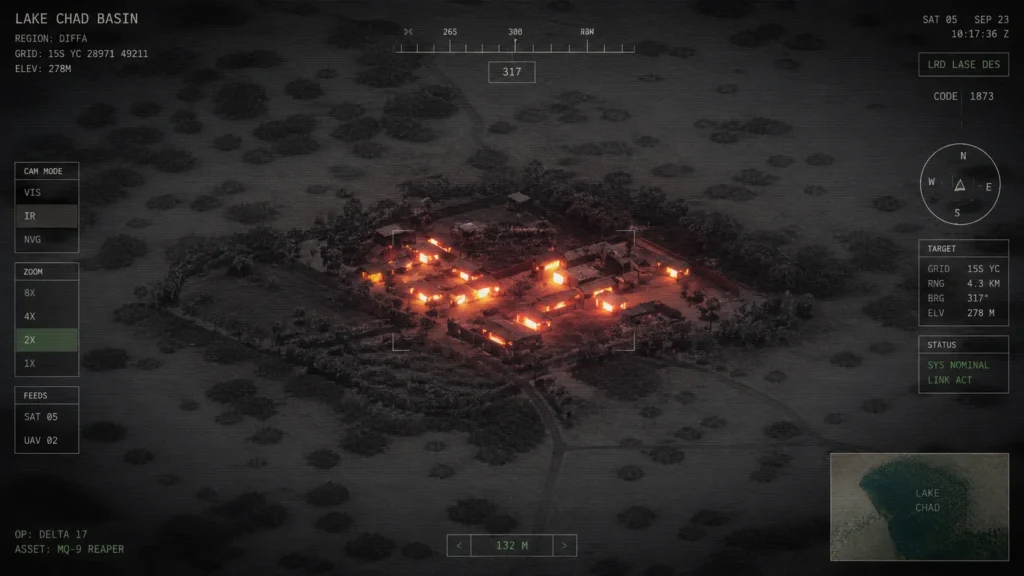
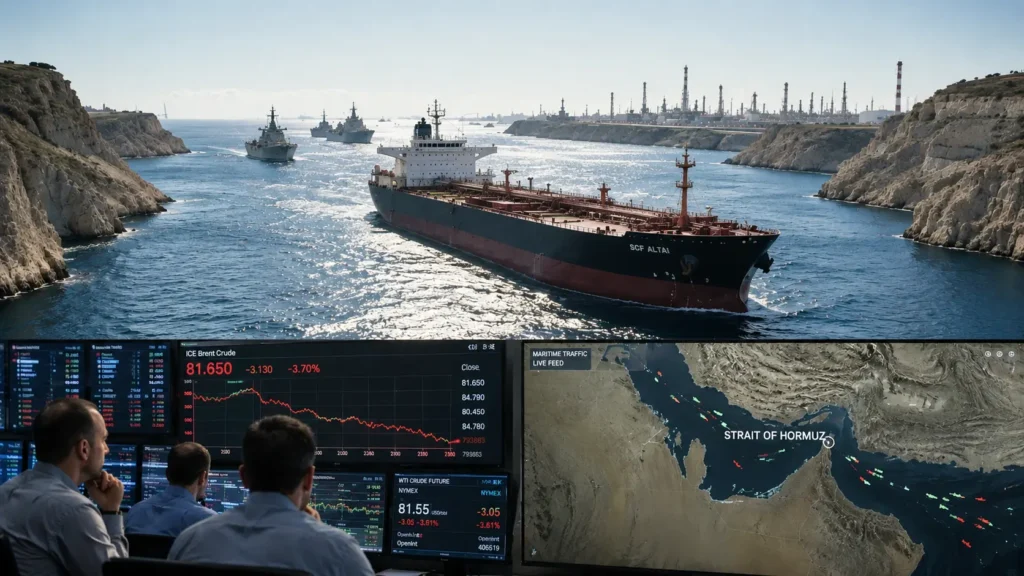
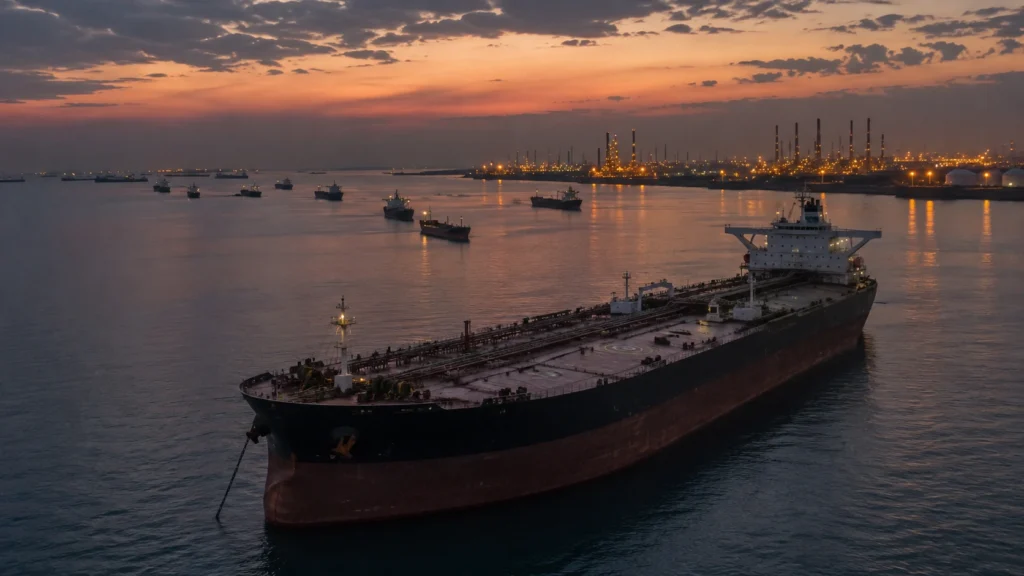
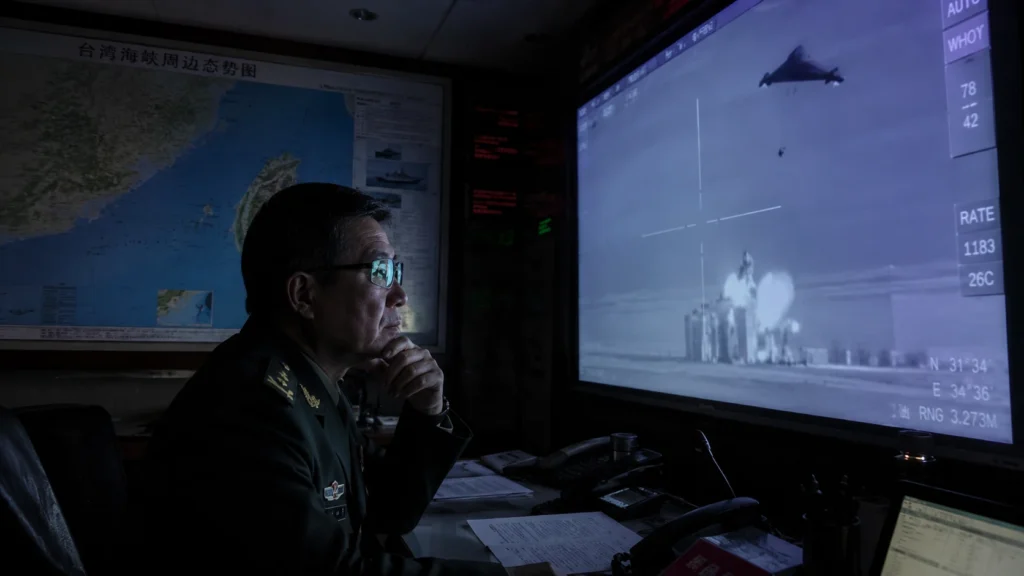
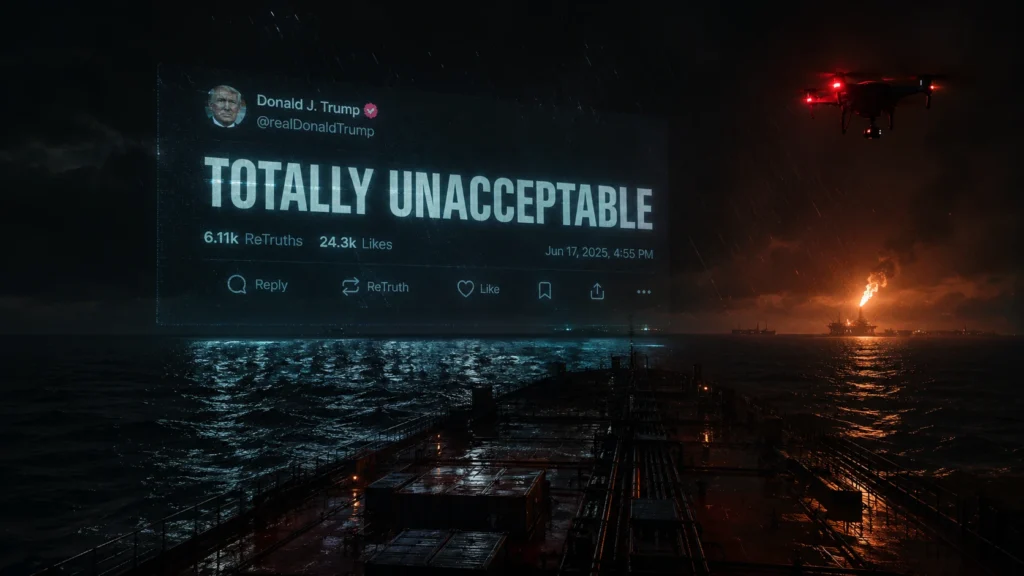
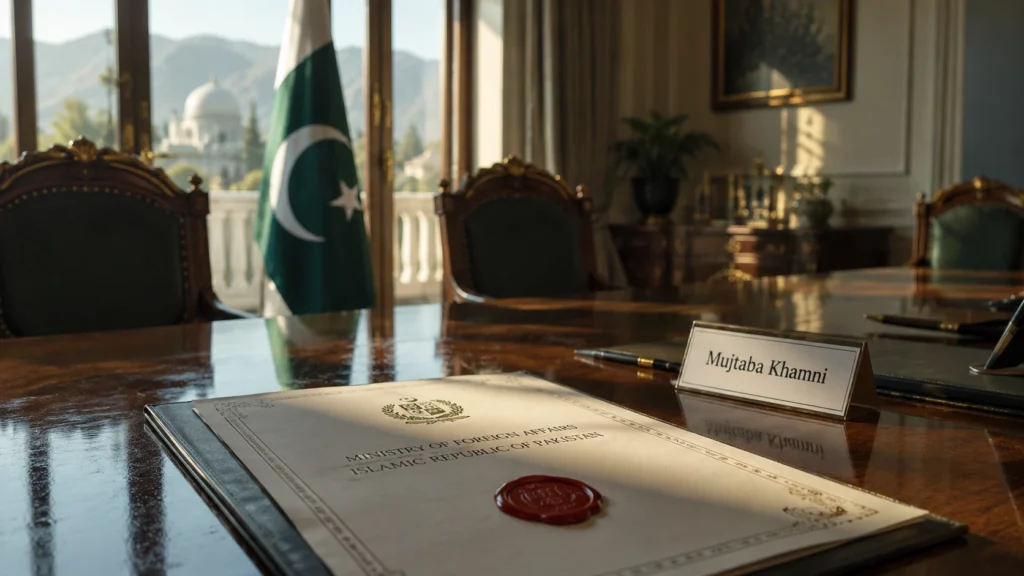
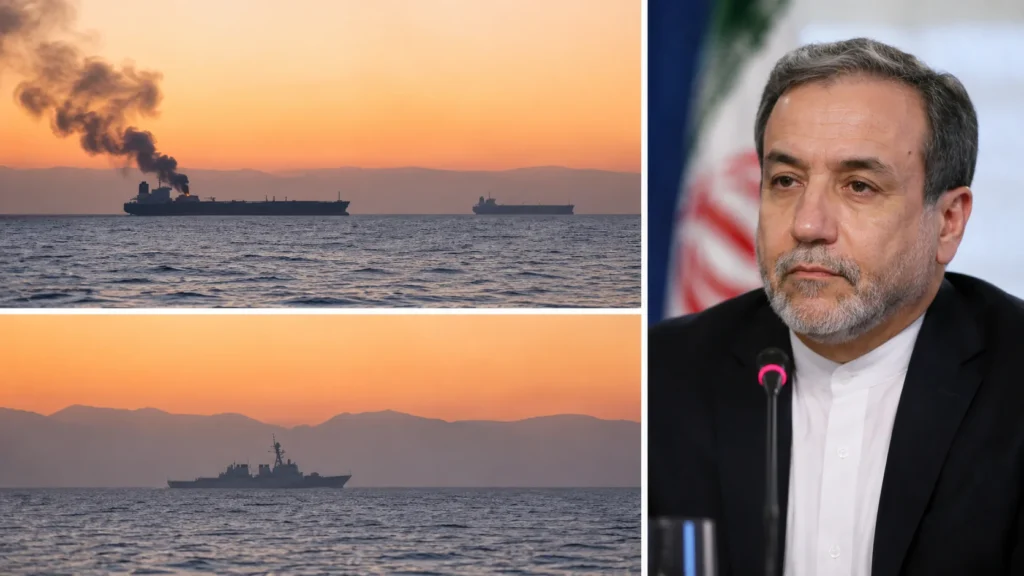
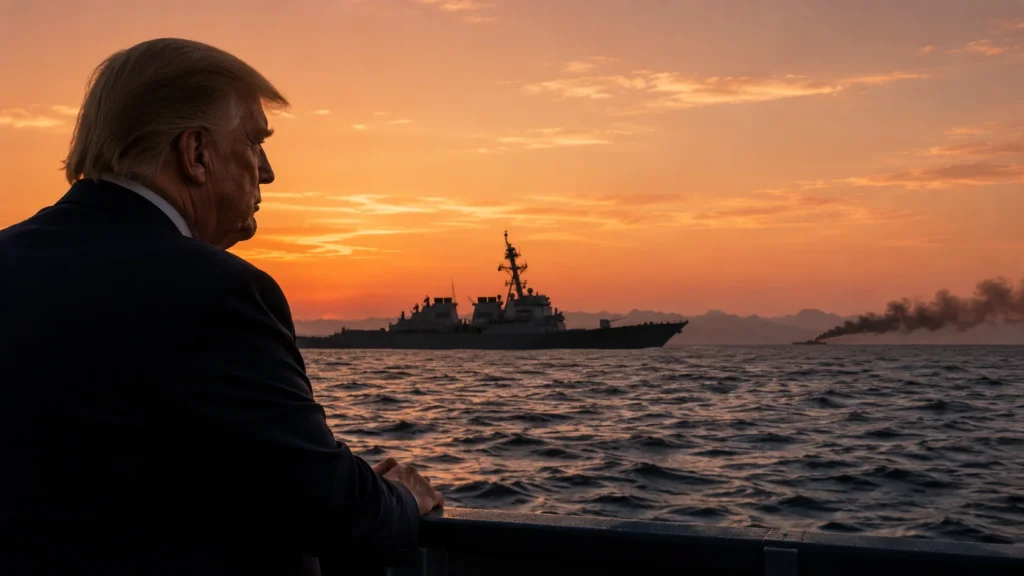
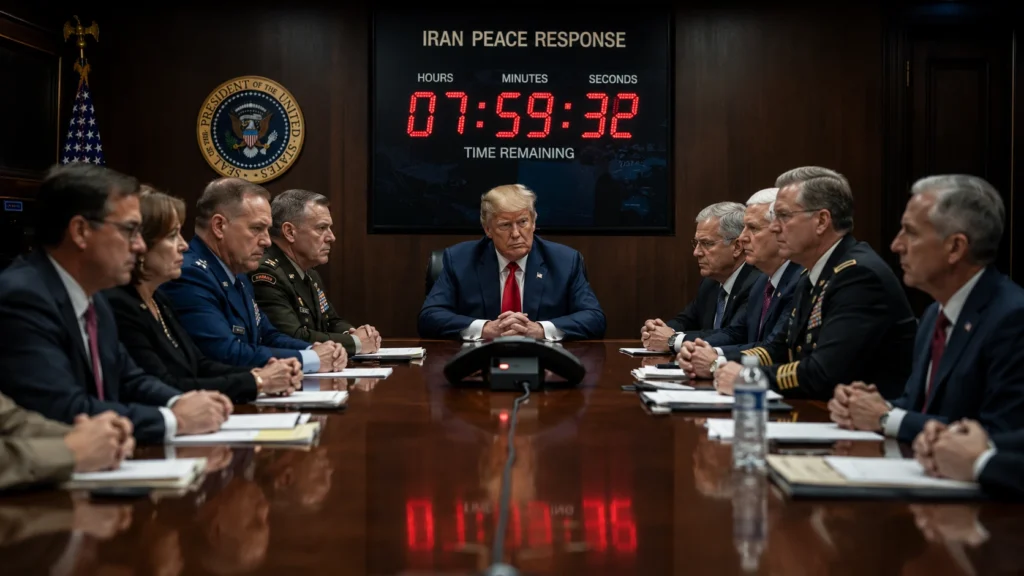
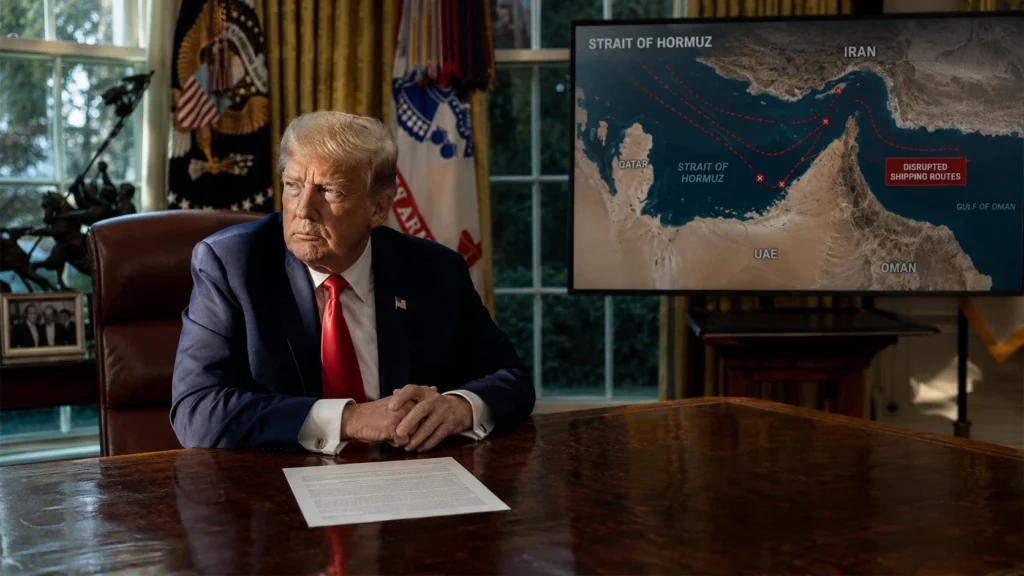
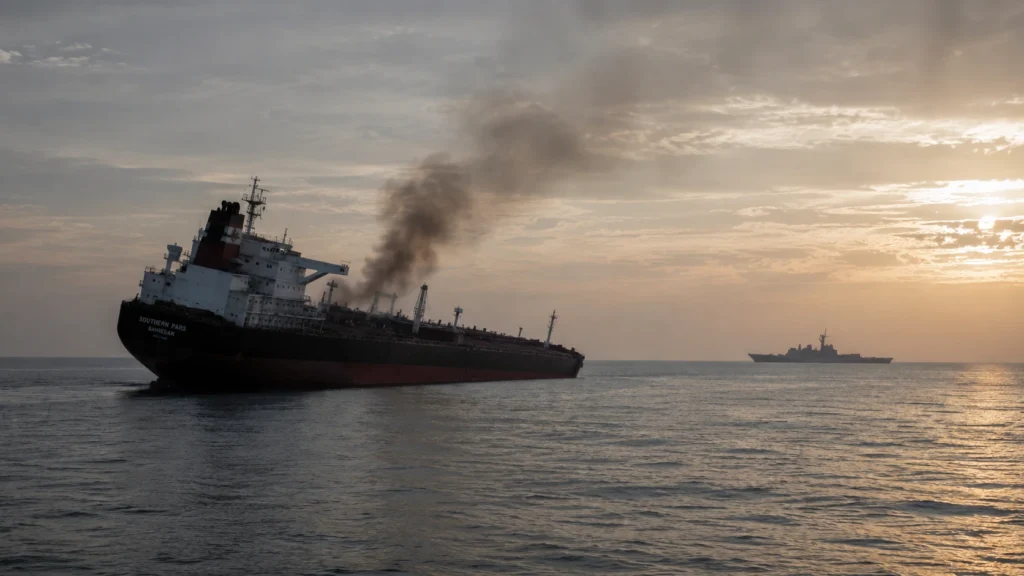
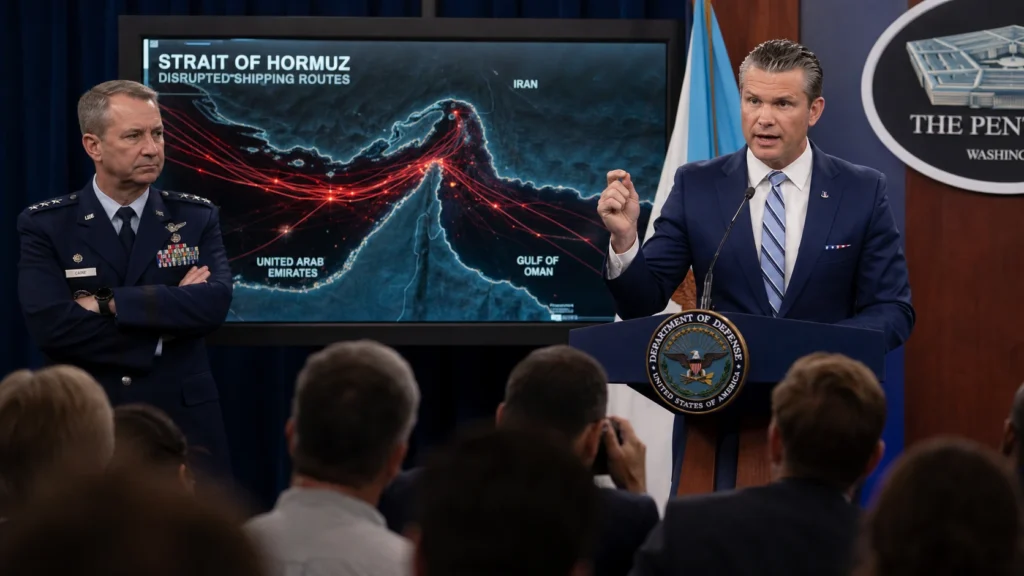
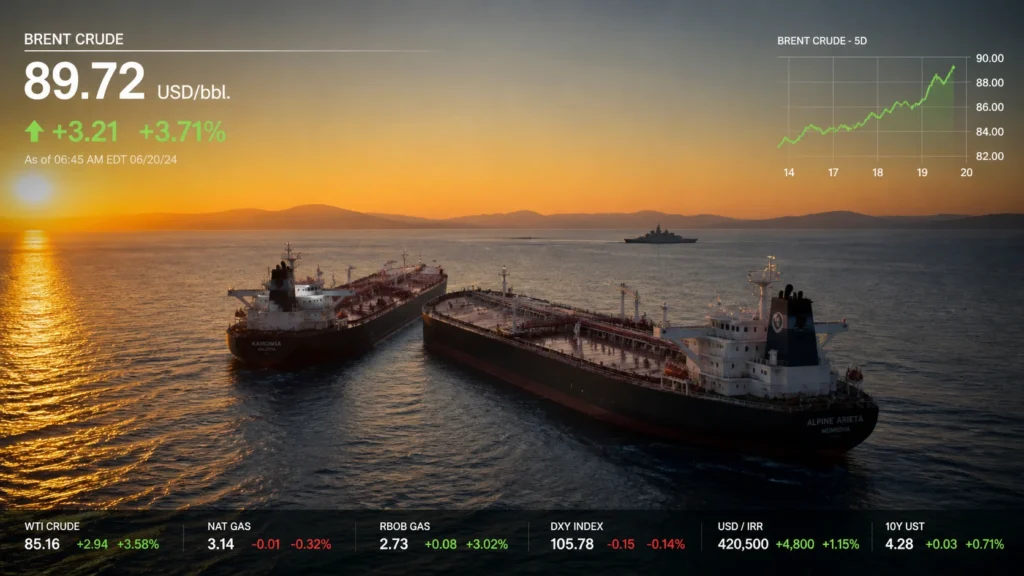
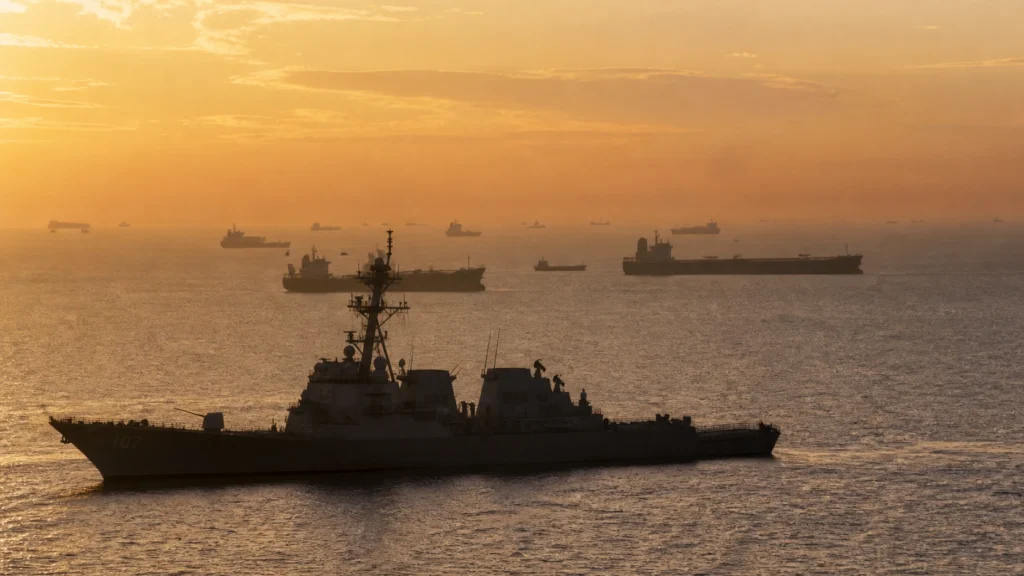
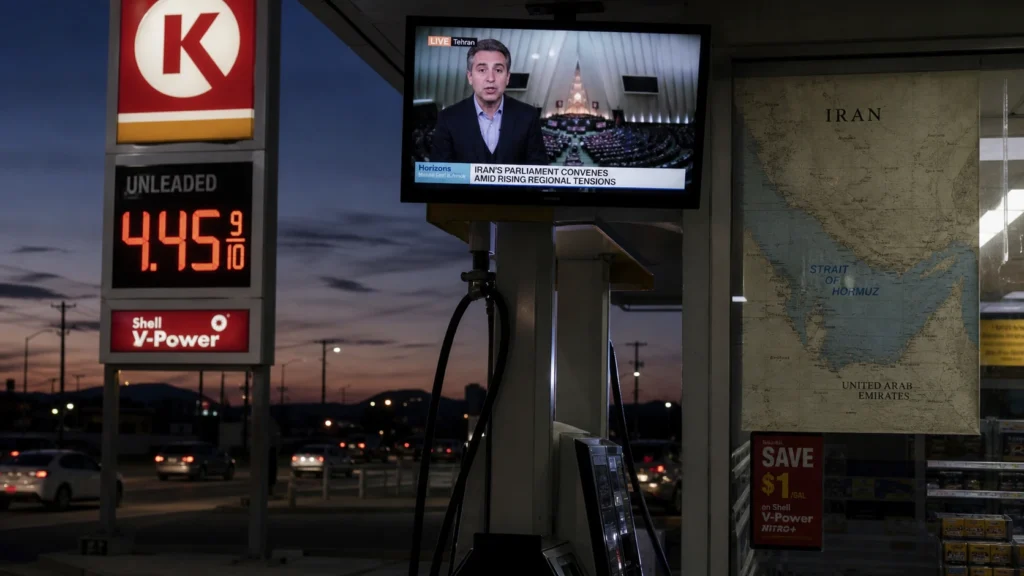
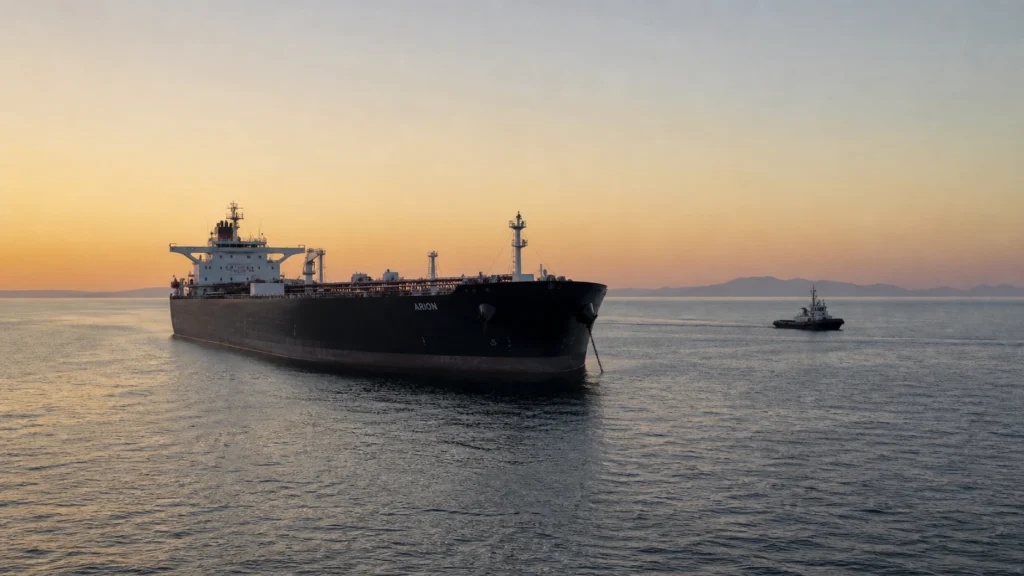
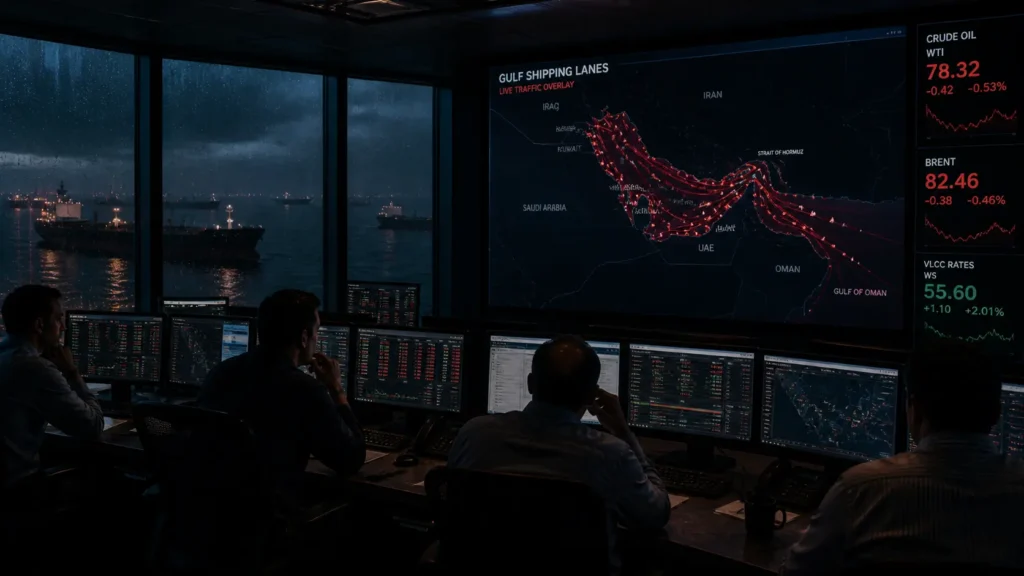
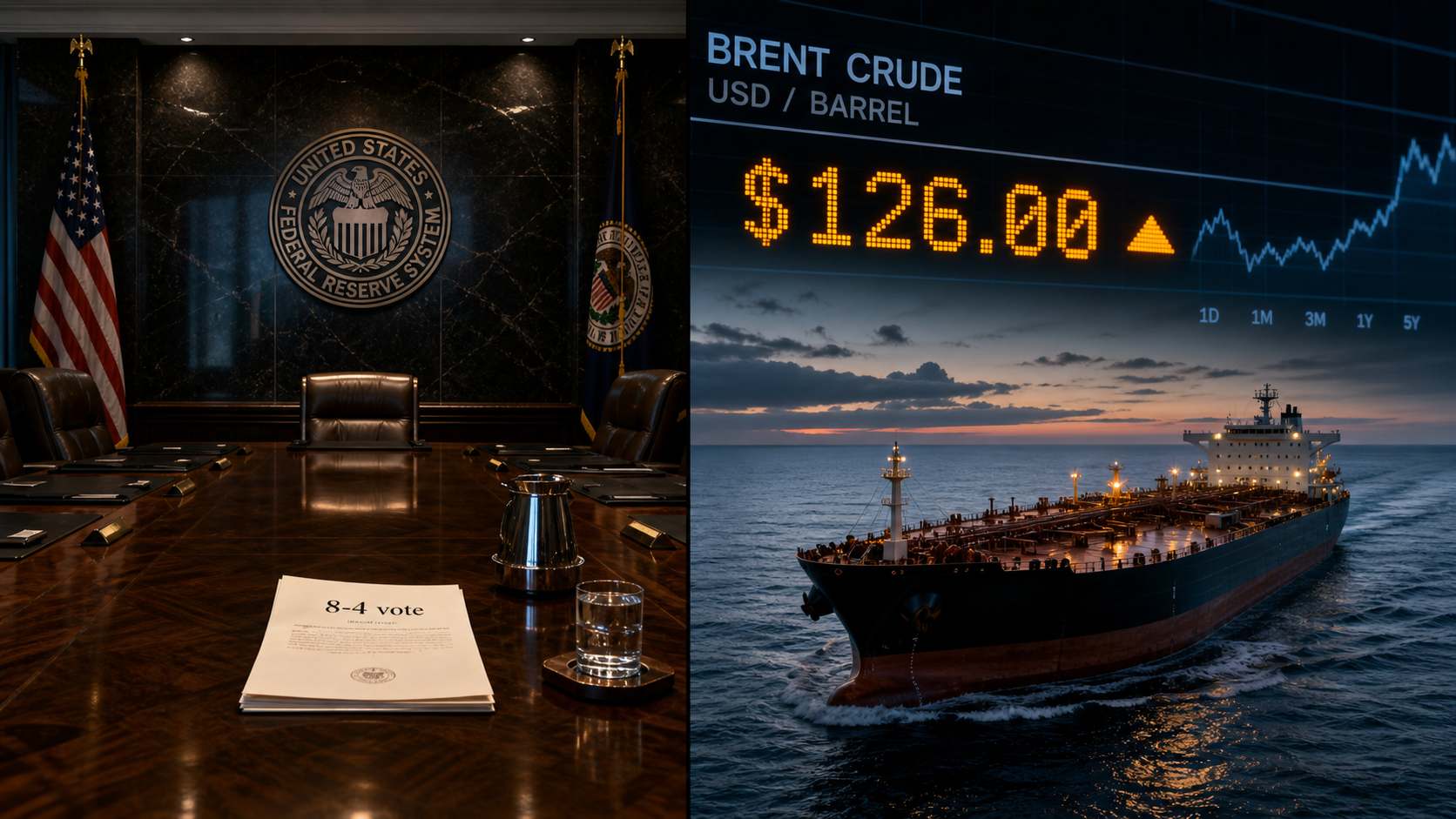
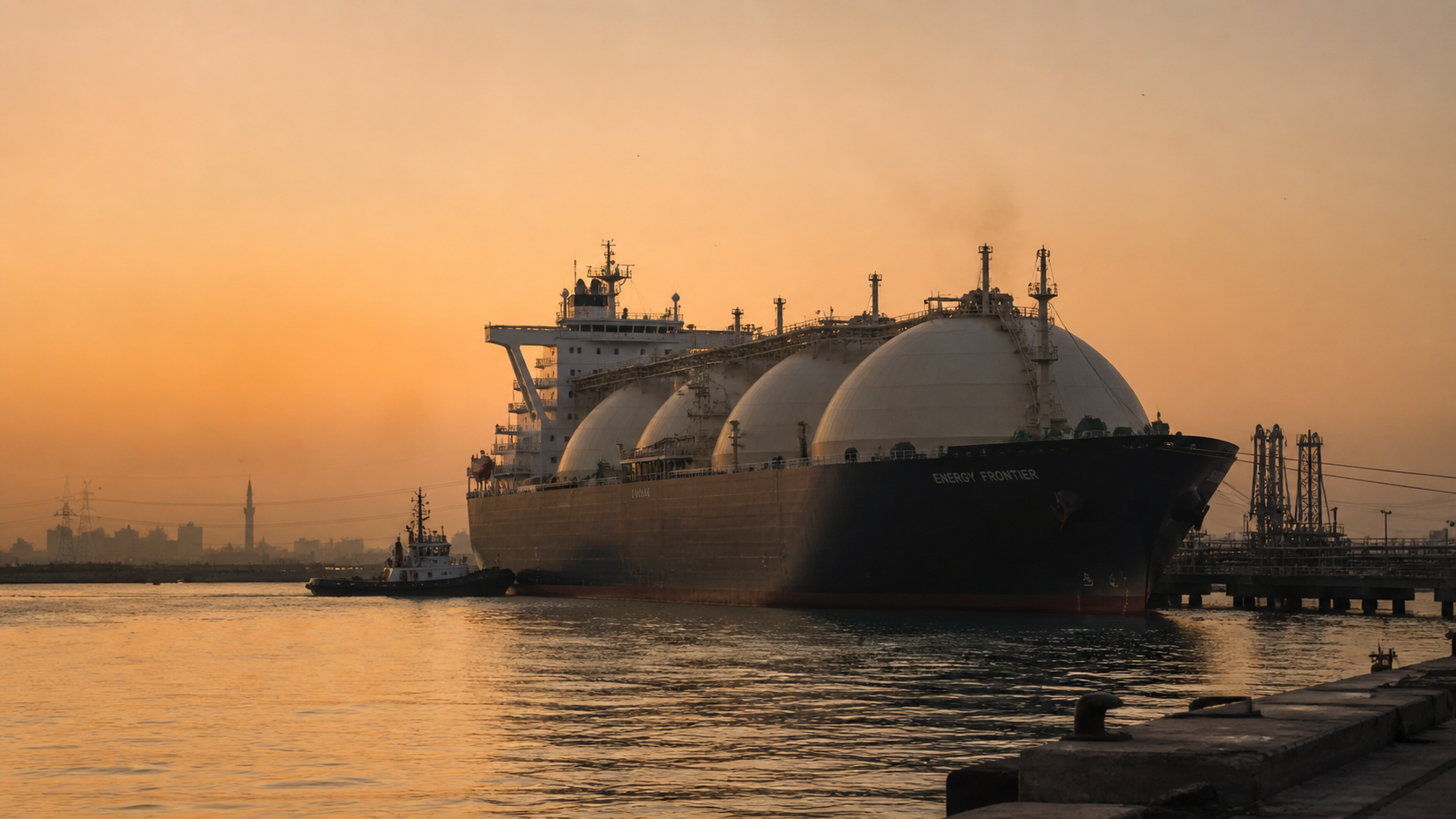
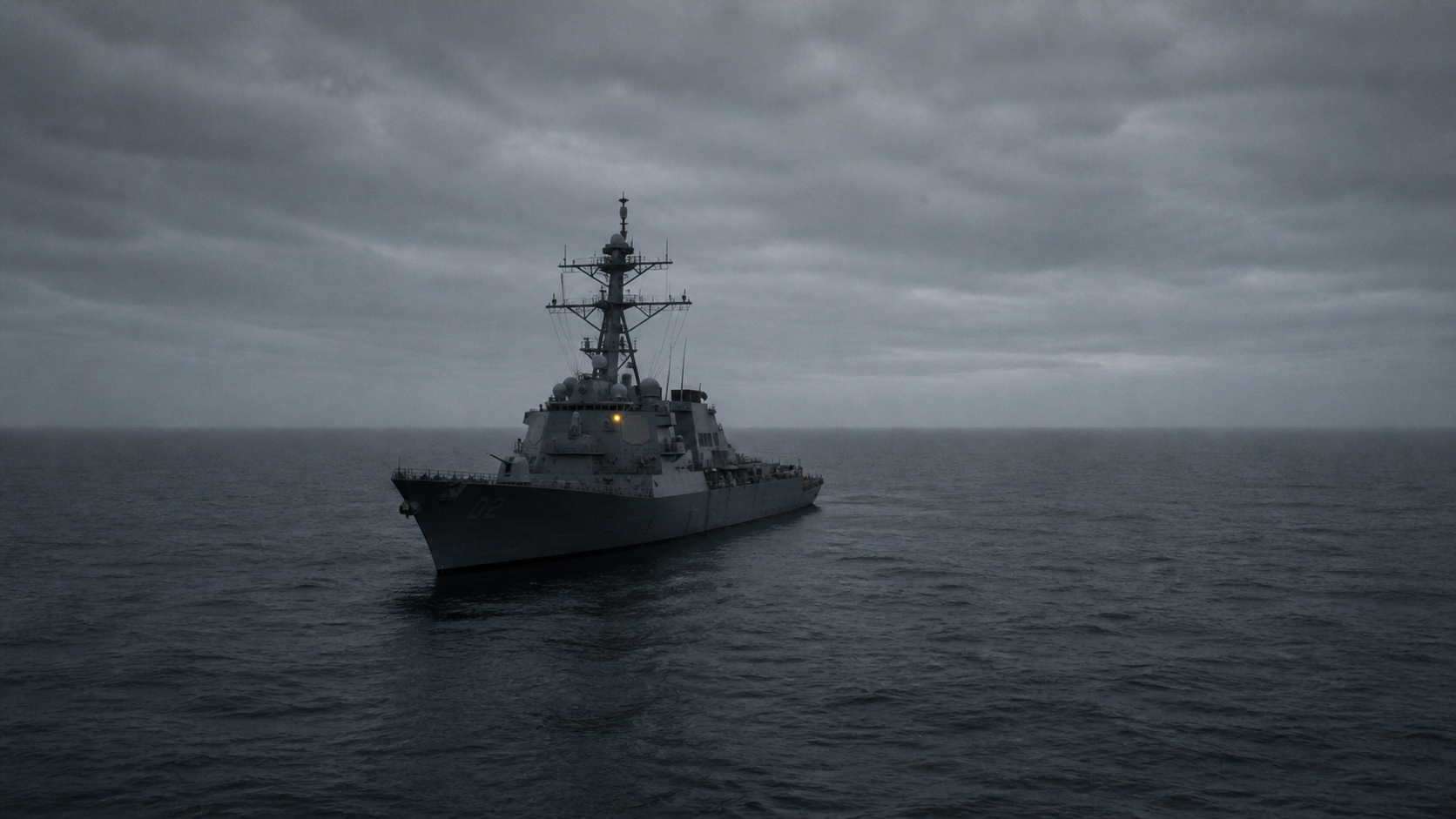
The IRGC was laying mines in the Strait of Hormuz this week while Washington and Tehran negotiated to reopen it. The dual-track reality bombs in Bandar Abbas on Thursday, talks in Doha on Friday, mines in the water throughout define Iran’s forever war: deal or no deal, the challenge outlasts Trump and every American president since the Islamic Republic’s founding in 1979. The IRGC’s constitutional mission assigns it “an ideological mission of jihad in God’s way.” Supreme Leader Mojtaba Khamenei reaffirmed this week that “Death to America, and Death to Israel will be the common slogans of the Islamic Ummah,” restating his father’s vow to eliminate Israel by 2040. The words are not rhetoric. They are a strategic timetable.
The Ideological Constant
For nearly five decades, American presidents of both parties have approached Iran with different combinations of diplomacy, sanctions, deterrence, and military force. The tools change. The Iranian response does not.
Democrats tend to prioritise diplomacy and cite President Barack Obama’s 2015 nuclear agreement as the best mechanism to constrain Iran’s nuclear ambitions. Republicans often favour “maximum pressure” campaigns and military deterrence, arguing Iran exploits diplomatic arrangements while continuing regional aggression. Both arguments contain elements of truth. Neither fully explains the continuity of the problem.
The throughline is not shifting political winds in Washington, but the enduring nature of the Iranian regime and the objectives embedded in the Islamic Republic since 1979. Iran’s constitution assigns the IRGC not merely a defensive military role but an “ideological mission” that its leadership has interpreted as extending Iranian influence across the Middle East, expelling the US from the region, and supporting armed movements committed to Israel’s destruction Iranian Constitution, IRGC mandate.
Those goals have transcended American and Iranian presidents, economic crises, sanctions campaigns, and diplomatic openings. They explain the pattern of attacks, hostage-taking, terrorism, and proxy warfare that has defined Iran’s relationship with the US since the seizure of the American embassy in Tehran in 1979.
The IRGC’s constitutional mission: how ideology shapes Iranian strategy
The Zawahiri Lesson
The author of this analysis was in Baghdad in January 2004 when US intelligence intercepted a letter from Ayman al-Zawahiri, Osama bin Laden’s deputy, to Abu Musab al-Zarqawi, the leader of al Qaeda in Iraq. The letter discussed establishing an Islamic caliphate across the Middle East.
Few took the idea seriously. Ten years later, Zarqawi’s successor, Abu Bakr al-Baghdadi, conquered Iraq’s second-largest city and declared a caliphate spanning territory the size of Indiana with millions living under its rule.
The lesson applies to Iran. When leaders openly declare long-term ideological objectives and repeatedly demonstrate a willingness to use violence to achieve them, taking them at their word is the minimum requirement of strategic analysis. The IRGC was caught laying mines while negotiating the strait’s reopening. The Supreme Leader restated the 2040 elimination timeline. The ideological mission has not changed since 1979.
When ideology outlasts strategy: the limits of American power in the Middle East
Tactical Success, Strategic Failure
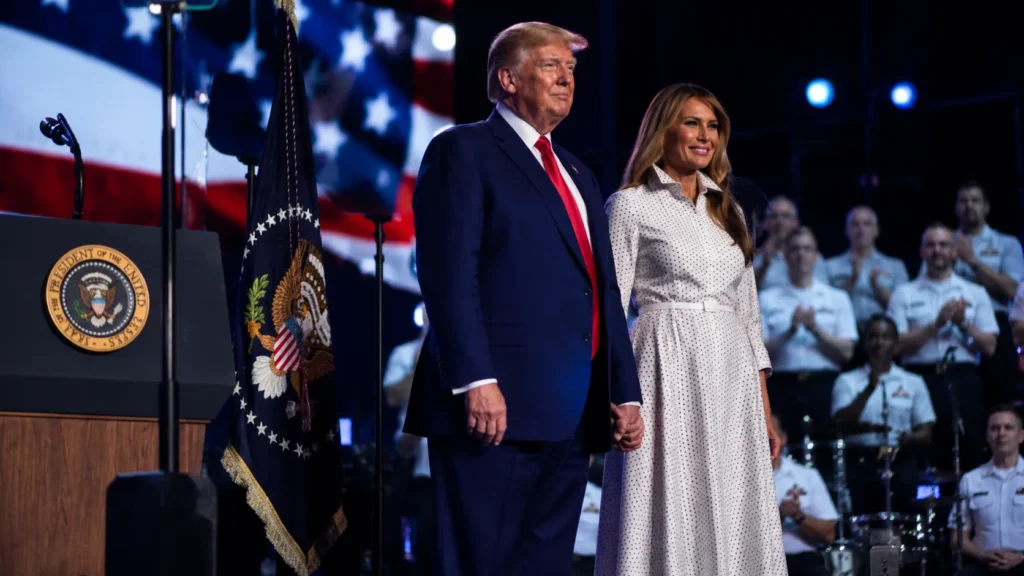
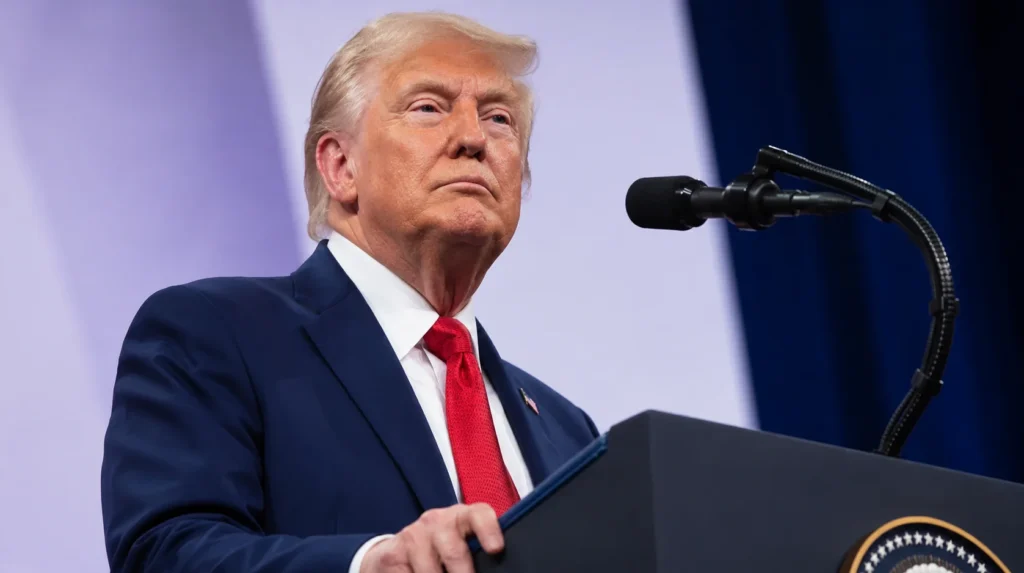
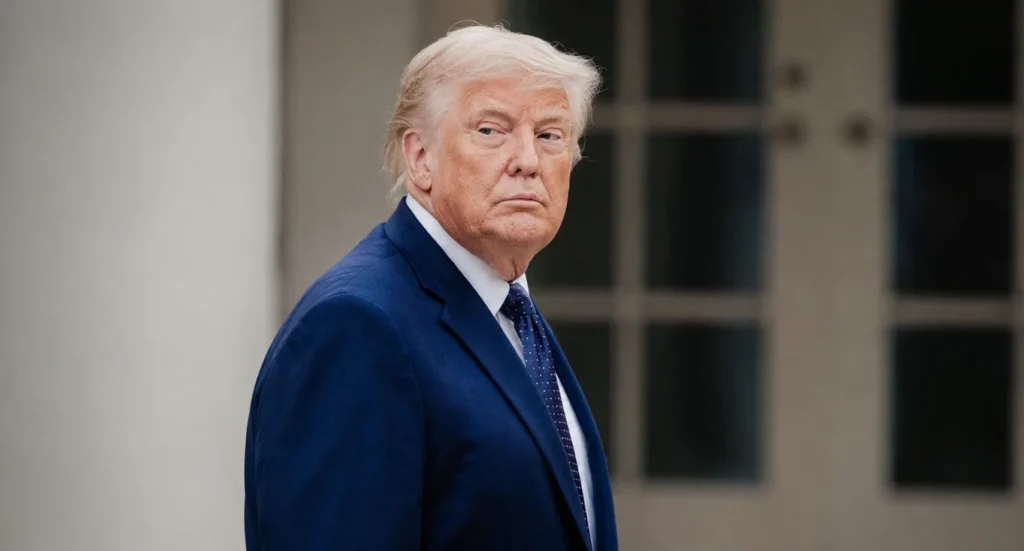
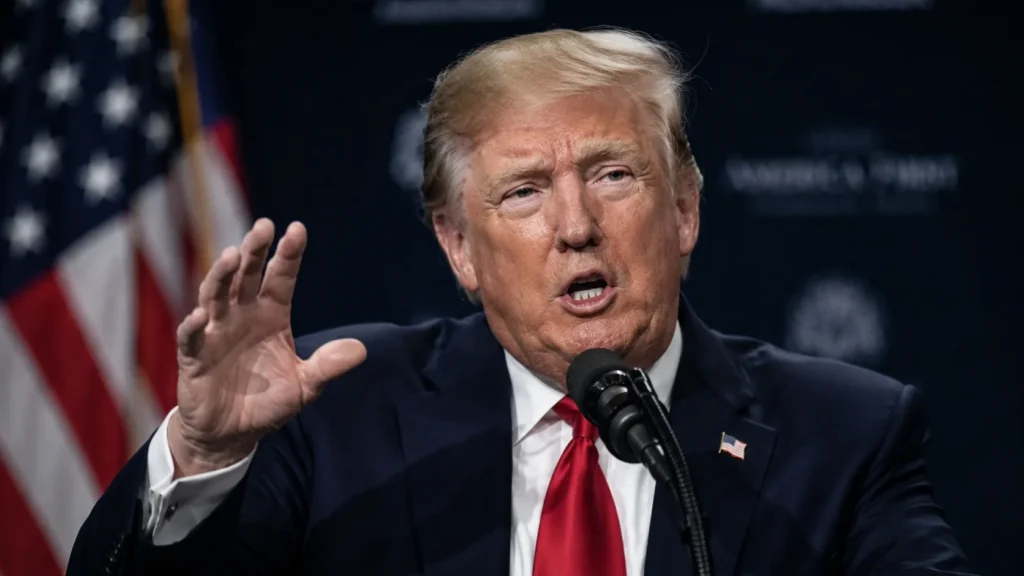
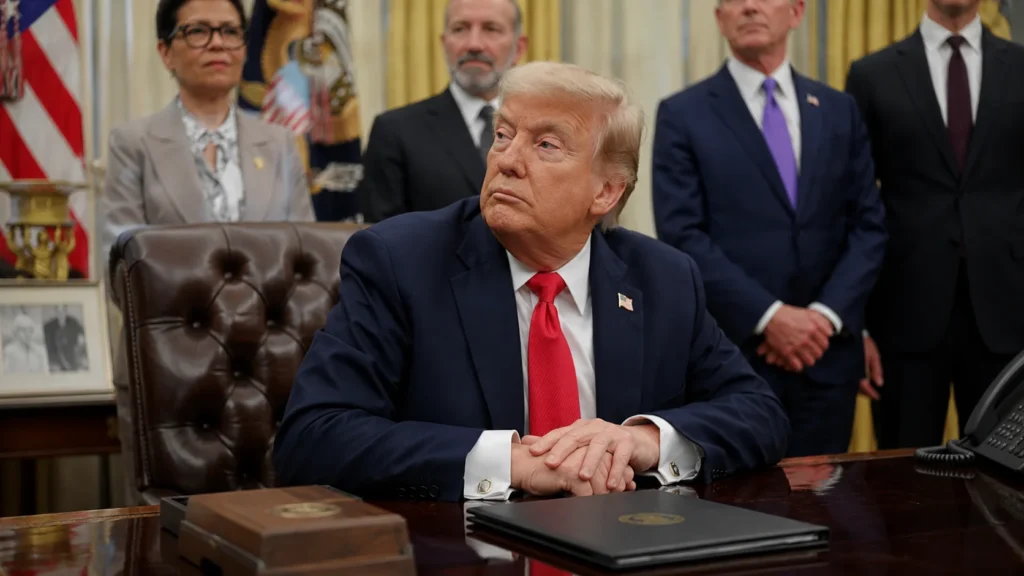
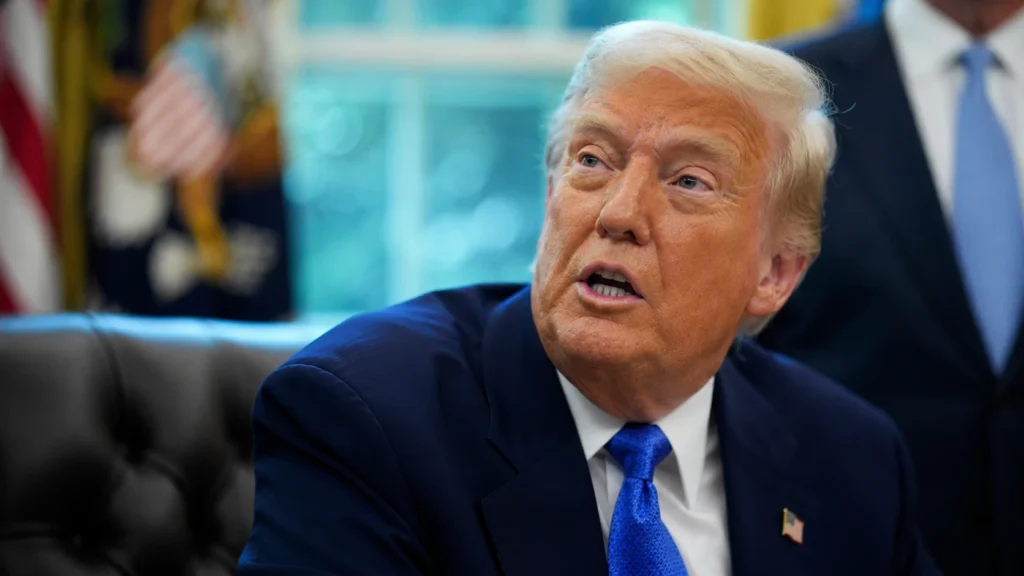
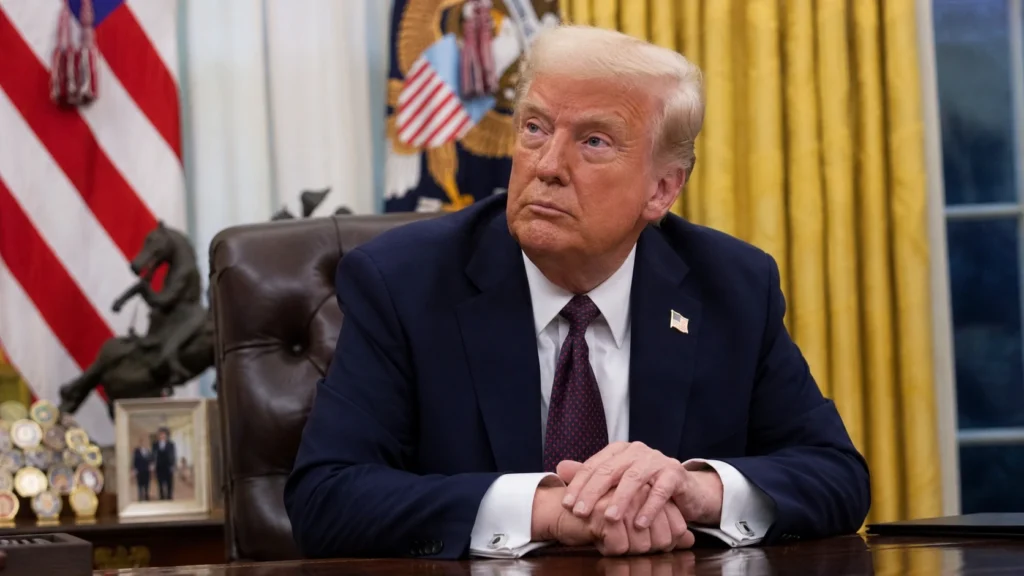
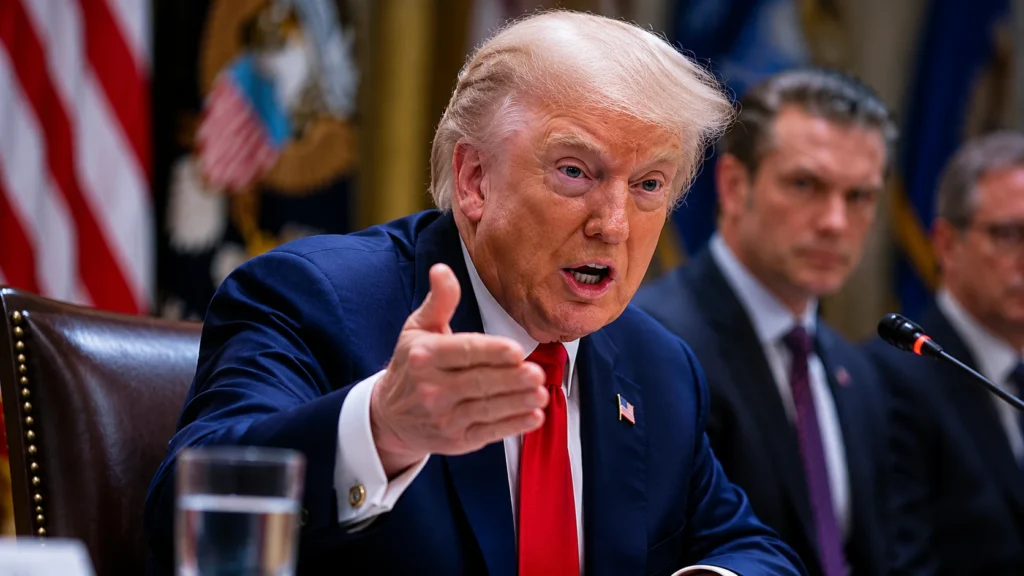
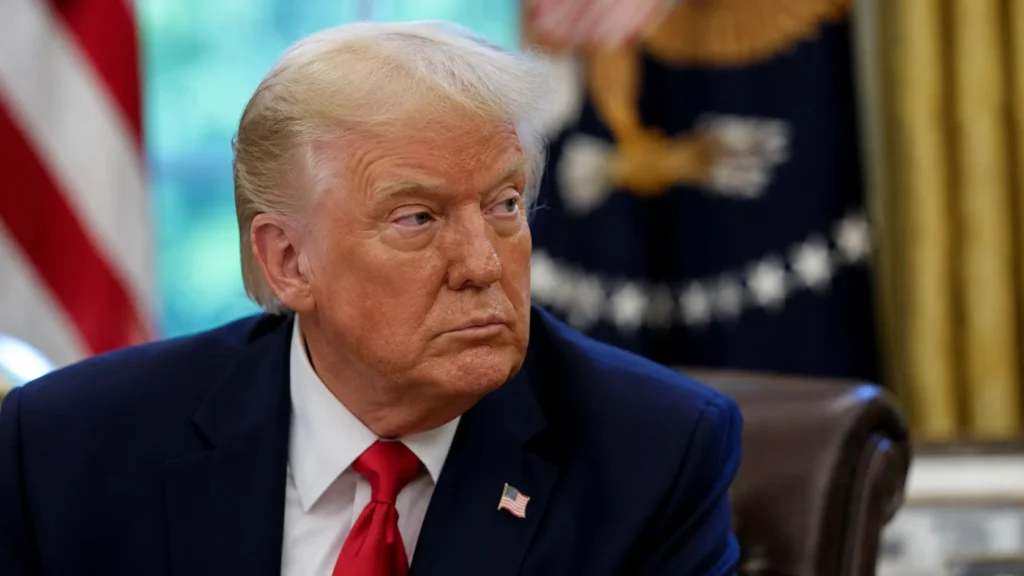
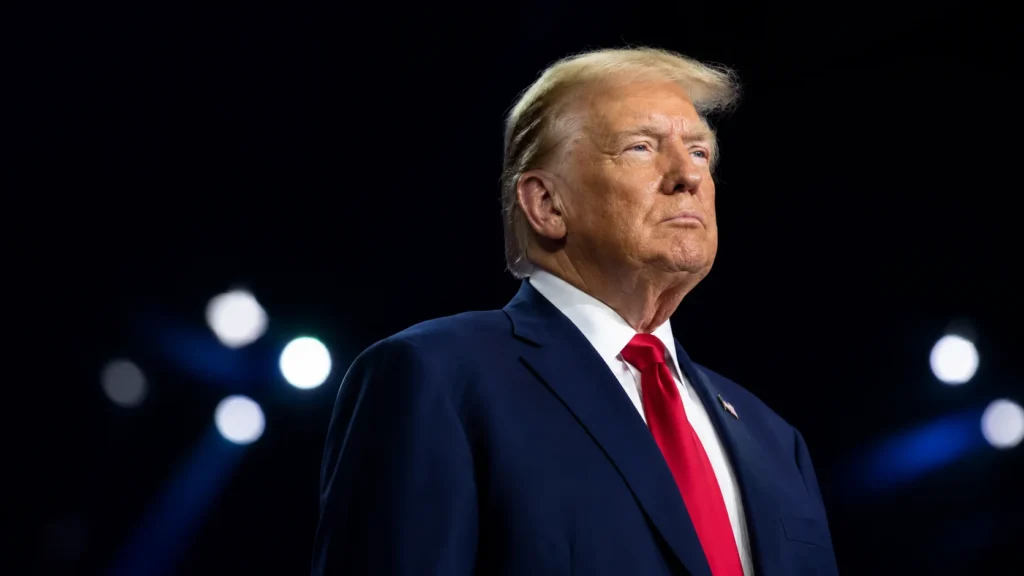
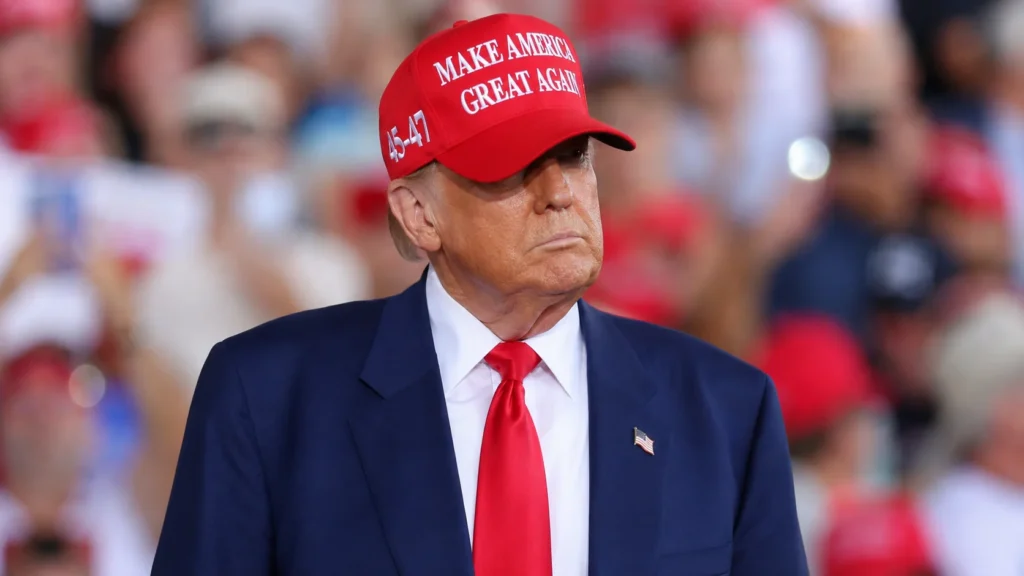
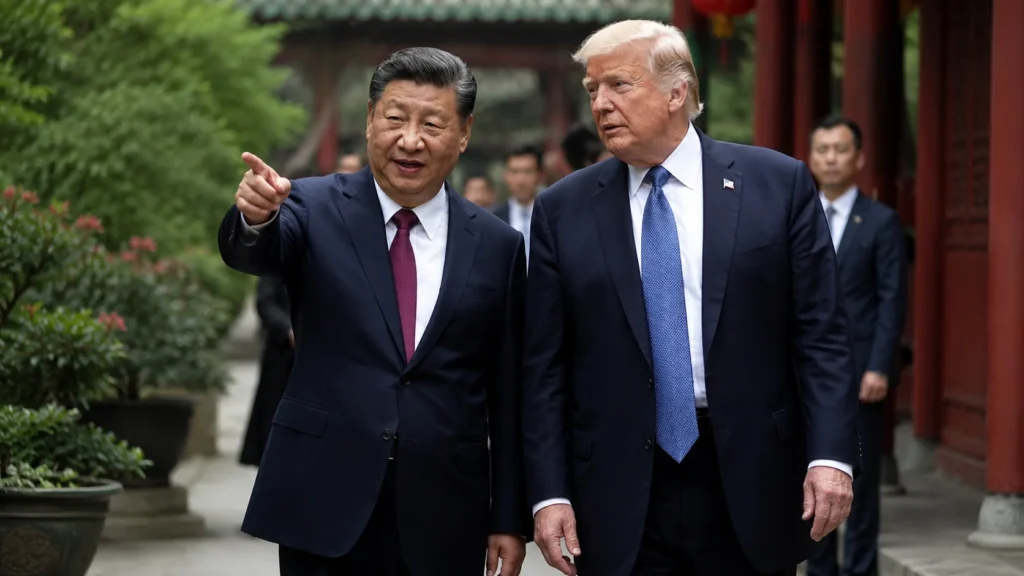
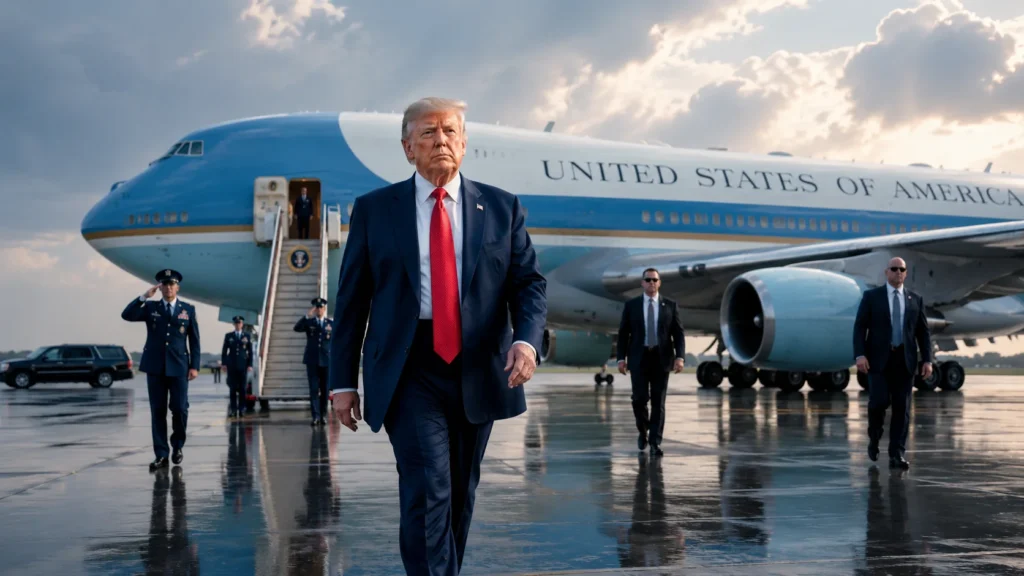
Trump is the first president to directly target senior Iranian military leadership and authorize military operations inside Iranian territory. The killing of Quds Force commander Qassem Soleimani in 2020 disrupted Iran’s regional operations. Strikes against Iranian missile, drone, and nuclear infrastructure, including the June 2025 bombing of Fordo, Natanz, and Isfahan, significantly degraded parts of those programmes.
The tactical successes are real. The strategic outcome is unchanged. Iran’s system has consolidated around hardened ideologues. Ahmad Vahedi, the IRGC’s new leader, led the Quds Force through the 1980s and 1990s. The regime is battered. It is not broken. The ideology that drives it is intact.
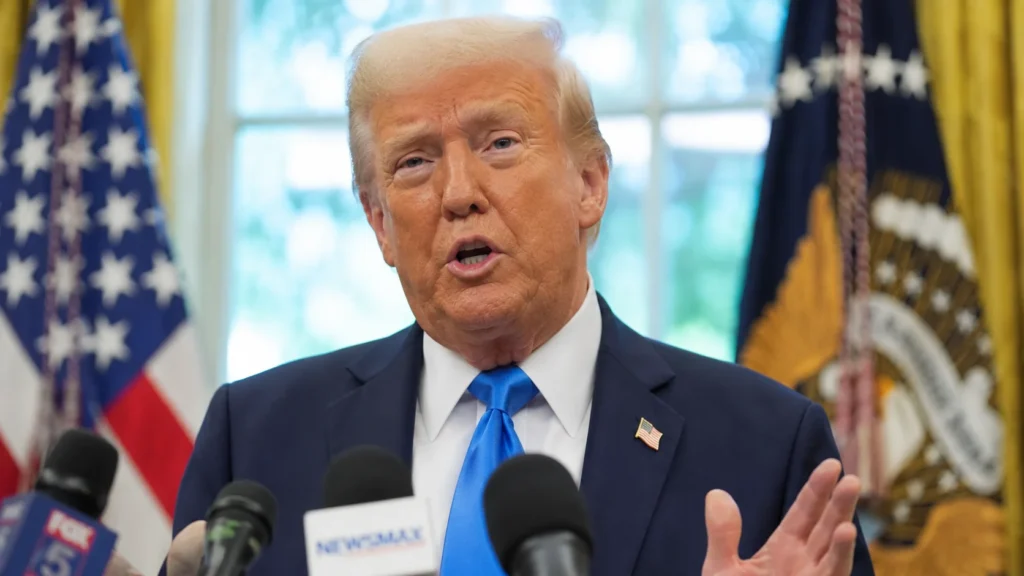
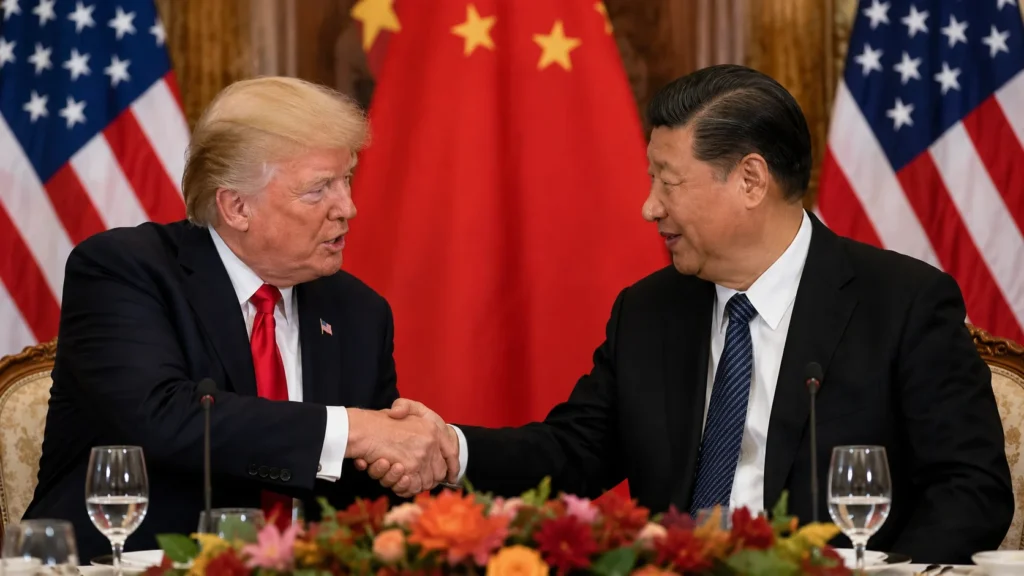
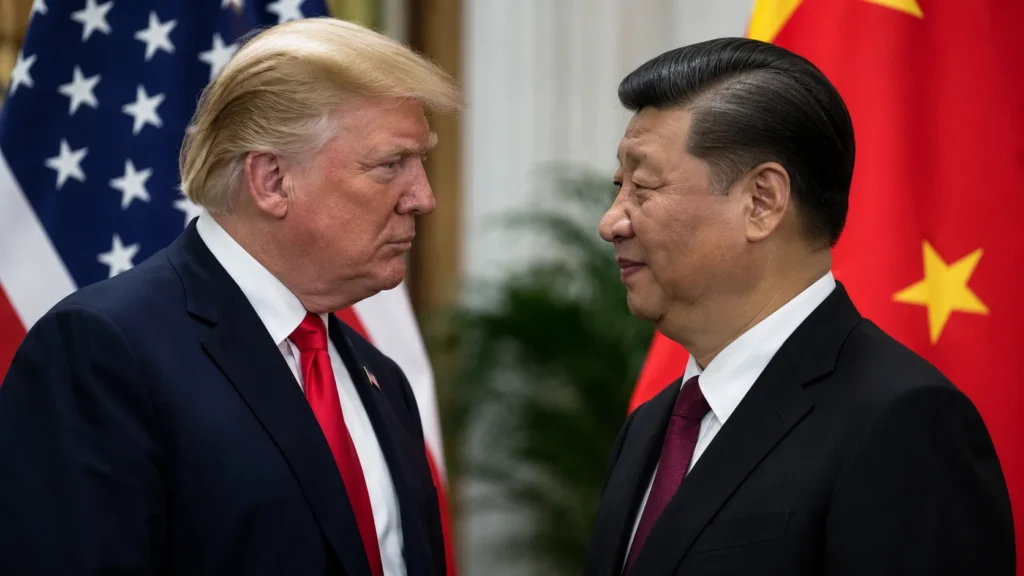
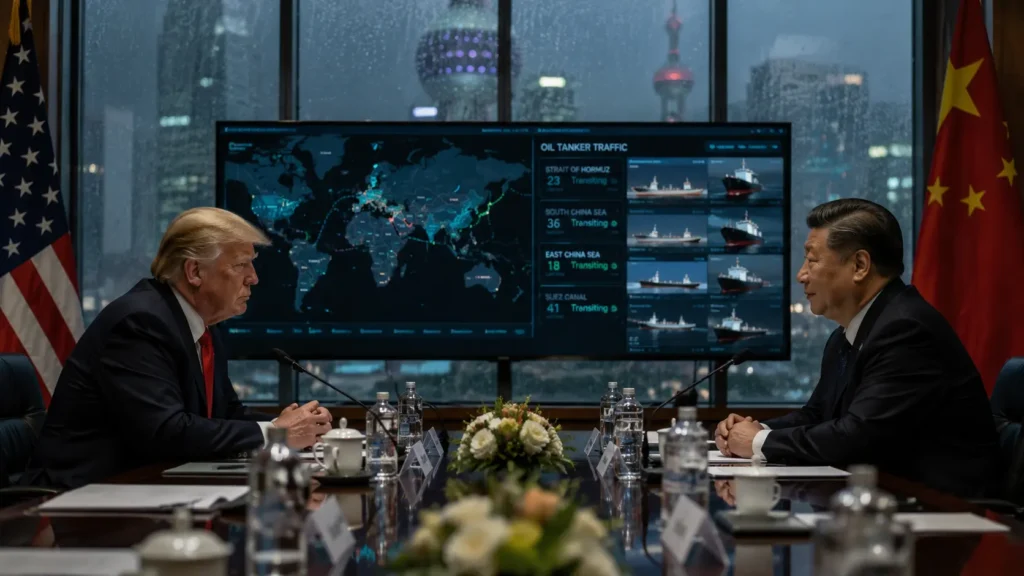
Nothing that Trump is now reportedly discussing with Iran, a transactional deal to reopen the Strait of Hormuz and perhaps impose new nuclear limits, would alter what has been a fixed 47-year course. The JCPOA placed meaningful constraints on Iran’s nuclear programme for a period. It did not alter Iran’s regional conduct or revolutionary aims.
The JCPOA and its limits on what the nuclear deal achieved and what it didn’t
Israel and the Electoral Calendar
Israel operates on a different clock. It’s more proactive security doctrine after the October 7 attacks, acting on threats as they arise, whether close to its borders or within Iran itself, is unlikely to change after elections later this year. Israel will continue to strike Iranian missile programmes and proxy infrastructure. It will continue to treat the 2040 elimination timeline as an operational deadline.
The US, regardless of which party controls the White House, will continue to defend its interests and personnel. The cycle confrontation, temporary de-escalation, renewed confrontation will persist not because of a failure of diplomacy but because of a clash of systems. One is a revolutionary theocracy with a constitutional mandate for regional transformation. The other is a democratic republic whose political cycles incentivise short-term deals that can be declared victories.
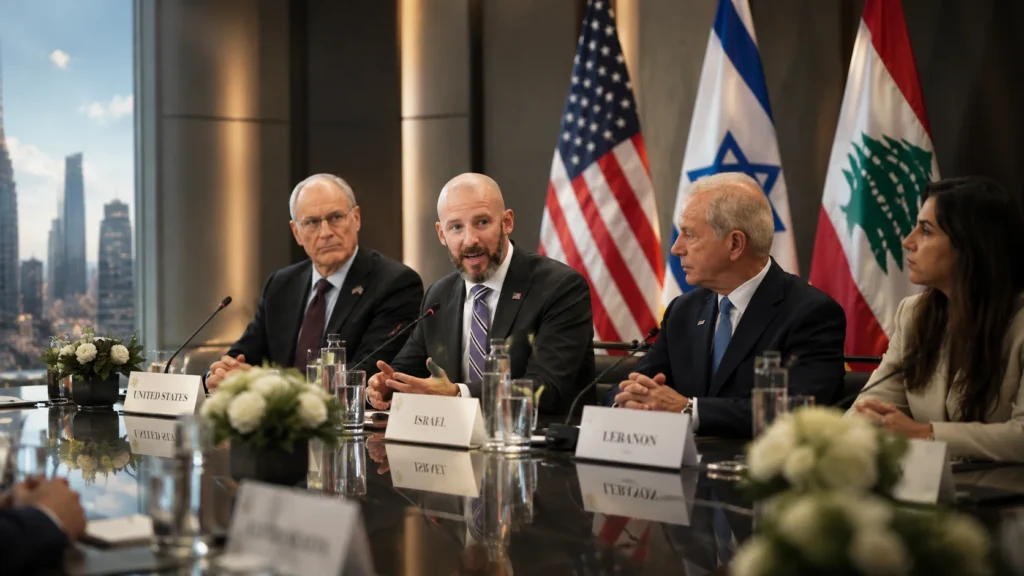
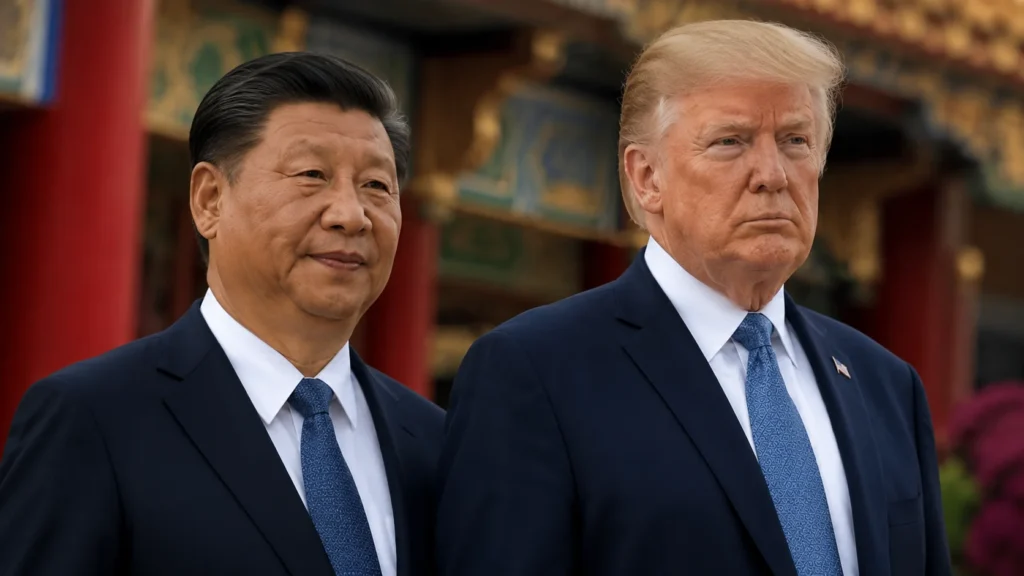
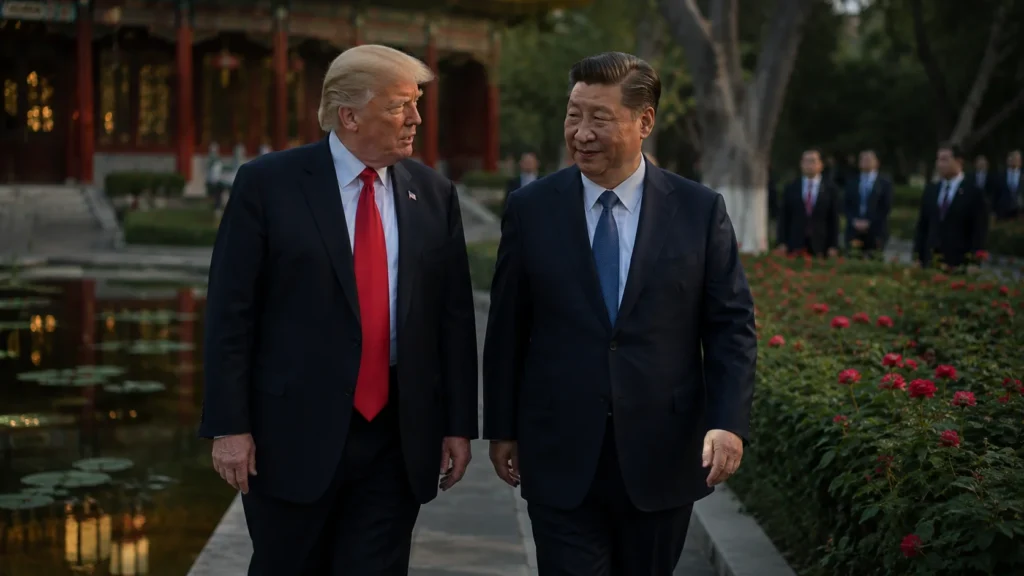
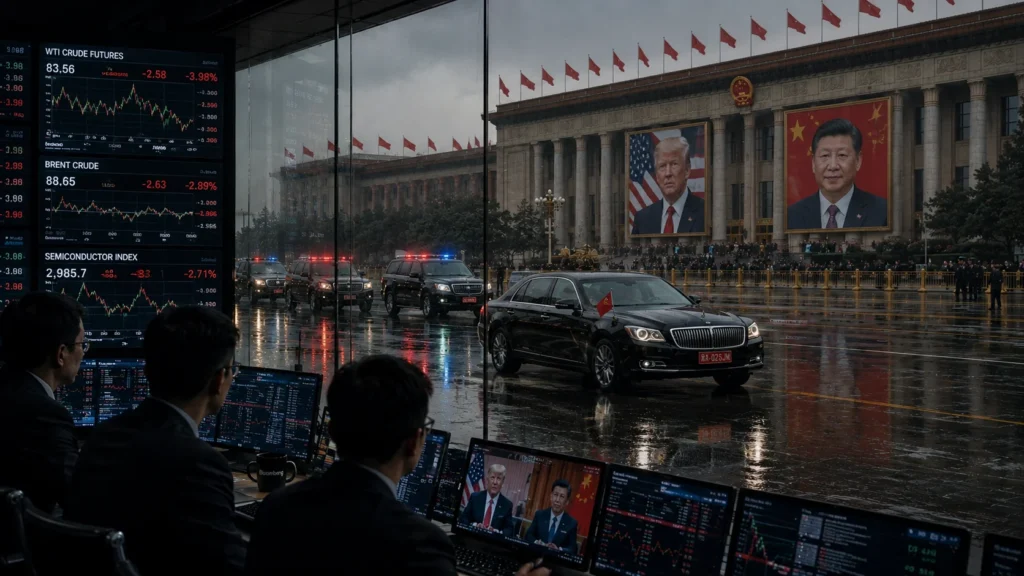
The midterm electoral calculus reinforces the short-termism. Trump needs a deal before November. Iran needs sanctions relief. The incentives for a transactional agreement are aligned. The incentives for a strategic resolution are not. The deal being negotiated in Doha is an operational pause, not a political settlement.
Iran-US Conflict 2026
Why has the US-Iran conflict lasted so long?
The conflict persists because the driver of Iranian behaviour is the revolutionary ideology embedded in the IRGC’s constitutional mission. American tactics, sanctions, diplomacy, and military strikes degrade capabilities but have proven ineffective at changing intentions across five decades and seven presidencies.
What is the IRGC’s constitutional mission?
Iran’s constitution assigns the Islamic Revolutionary Guard Corps “an ideological mission of jihad in God’s way.” The regime has interpreted this as extending Iranian influence across the Middle East, expelling the US from the region, and supporting armed movements committed to Israel’s destruction.
Has any deal changed Iran’s behaviour?
The 2015 JCPOA placed meaningful constraints on Iran’s nuclear programme for a period but did not alter Iran’s regional conduct or revolutionary aims. The current Doha framework is a transactional pause, not a strategic resolution.
What is the 2040 timeline?
Supreme Leader Mojtaba Khamenei has restated his father’s vow to eliminate Israel by 2040. Israel treats this as an operational deadline, not a rhetorical flourish.
Will the Doha deal hold?
It will hold for as long as both sides need it. It will collapse when the IRGC’s ideological mission requires a provocation that the US cannot ignore. The mines laid in the Strait of Hormuz this week are a preview.
Written by the Foreign Desk, drawing on historical analysis of US-Iran relations since 1979, the Iranian Constitution, IRGC doctrinal statements, and coverage of the current conflict since the 28 February airstrikes. The desk has covered Middle East geopolitics for over two decades.
Source: IRGC Statements, Iranian Constitution, US Central Command, Historical Analysis