

 English
































































































































































































Mamdani’s NYC Machine Topples 2 Incumbents. Can He Govern?
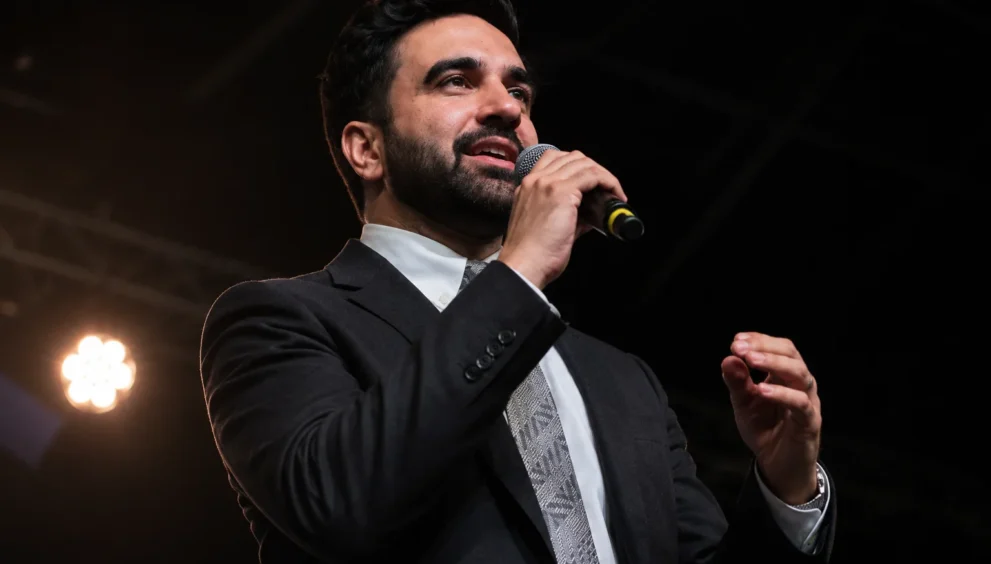
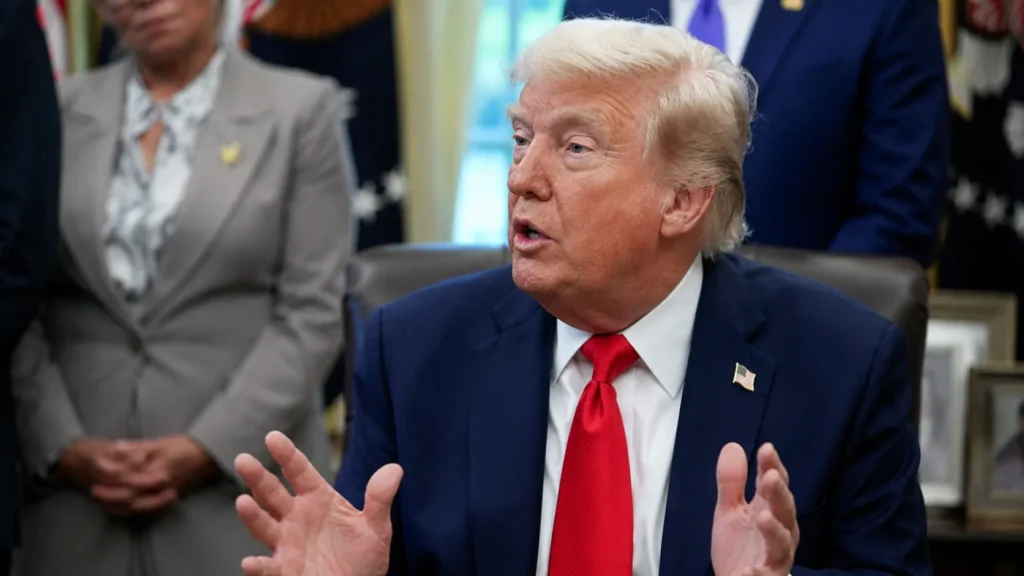
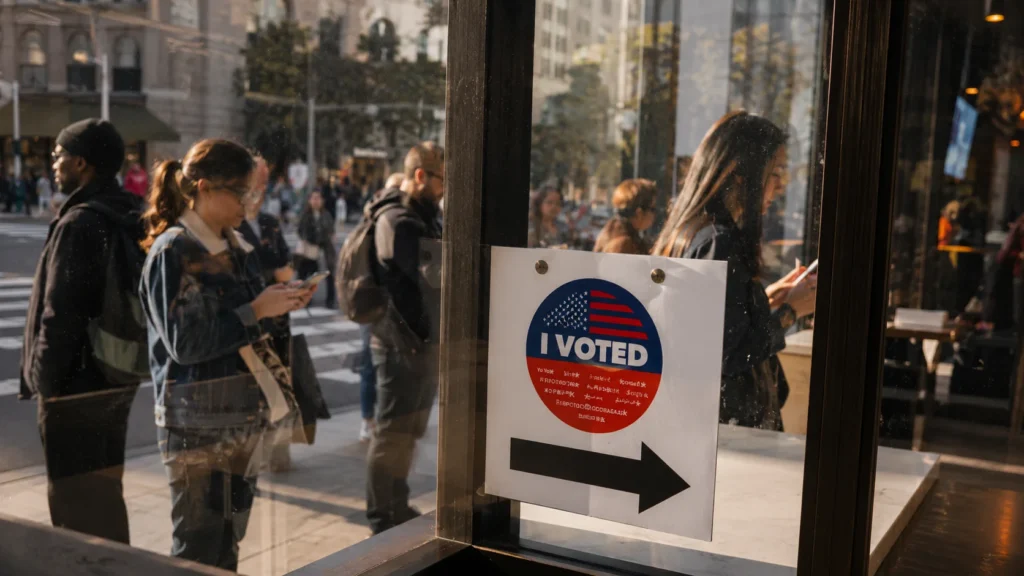
NEW YORK — Mayor Zohran Mamdani’s endorsed candidates defeated two sitting Democratic members of Congress in Tuesday’s New York primaries, including the chairman of the Congressional Hispanic Caucus, consolidating the mayor’s position as the city’s dominant political power broker barely a year after his upset victory over Andrew Cuomo. Adriano Espaillat, who spent a decade in Congress after 20 years working to get there, conceded in under 10 minutes. A third open seat also went to a Mamdani-backed candidate. The results demonstrate that the Democratic Socialists of America—until recently a fringe faction—now has the organisational capacity and electoral appeal to dismantle the established Democratic infrastructure in the nation’s largest city.
“We are showing that last June, a year ago tomorrow, was not an anomaly,” Mamdani said as he completed a victory lap of three celebrations. “It was not the end. It was the beginning.”
The wins have left a trail of fractured relationships with key figures who say Mamdani prioritised loyalty over governing capacity—and who warn the city will pay the price when it needs federal funding and state cooperation.
How Mamdani Built His Machine
Mamdani’s playbook was disciplined and personal. He identified candidates whose primary qualification was loyalty to him. He cleared the field where necessary. He told a sitting democratic socialist councilwoman not to run for a congressional seat because he had already chosen Brad Lander for that race. He overrode allies who wanted women of Puerto Rican descent to succeed the retiring Nydia Velázquez, telling multiple people that two candidates with deep district ties were unacceptable because they had initially been sceptical of his mayoral run.
The message was unmistakable. Loyalty to Mamdani mattered more than identity, district ties, or legislative experience. Claire Valdez, a one-term assemblywoman without much of a legislative record, won his backing for Velázquez’s seat because she had been out early for him in the mayoral race. Darializa Avila Chevalier, a former campaign volunteer with a history of inflammatory tweets, took down Espaillat.
Velázquez, who endorsed Mamdani early in his mayoral primary and cheered at his victory party last June, found out about his endorsement of Valdez from a published interview the morning after he had asked her to delay her own endorsement. She cancelled a dinner they had scheduled for that night. Three months later, she told CNN she remained too angry to discuss it. “All I can tell you is the dinner didn’t happen.”
The Working Families Party, which spent 25 years pushing New York politics to the left, found itself outflanked. WFP state director Jasmine Gripper acknowledged the tension: “DSA has a project to elect socialists. The Working Families Party has a project around building governing power on a broad coalition.” She added, “I hope we can learn to fight cleaner races. I think this one got a little bit too personal, too dirty.”
According to CNN’s reporting on Mamdani’s primary endorsements and the reaction from defeated incumbents, the mayor’s approach has left deep divisions within the city’s Democratic establishment.
As our analysis of progressive primary challenges and Democratic Party realignment documented, the tension between ideological movements and governing coalitions has become a defining feature of intra-party conflict in major American cities.
The Backlash: Allies Turned Critics
The victory lap obscures the fractures. Velázquez now says Mamdani “made a strategic error of judgment not to see what it means to have relationships at the different levels of government. For a city that relies on federal funding and the state, you try to expand your tent, not diminish it because you’re going to need help from everyone.”
New York Attorney General Letitia James, a key backer during Mamdani’s mayoral campaign, offered an unusually pointed critique. “Some of the candidates that he has supported are individuals who do not understand the politics of New York City, the cultural differences from district to district, who have not been part of the history and the struggle of some of these districts, and are relatively new to the body politic.”
Rep. Dan Goldman, who declined to endorse Mamdani last year over his anti-Israel views, told CNN: “He has invested much more time in the political aspect of things than in the governing aspect of things. He is creating an increasingly toxic environment, especially for Jews.”
The toxicity was amplified at a rally for his three candidates last week, when Mamdani suggested the American Israel Public Affairs Committee was among “monsters” as part of a critique of its campaign spending. Jewish leaders condemned the remark as echoing antisemitic tropes.
Mamdani’s communications director, Anna Bahr, asked after the races whether the mayor would work to rebuild bridges, replied with a smiley face emoji: “:).”
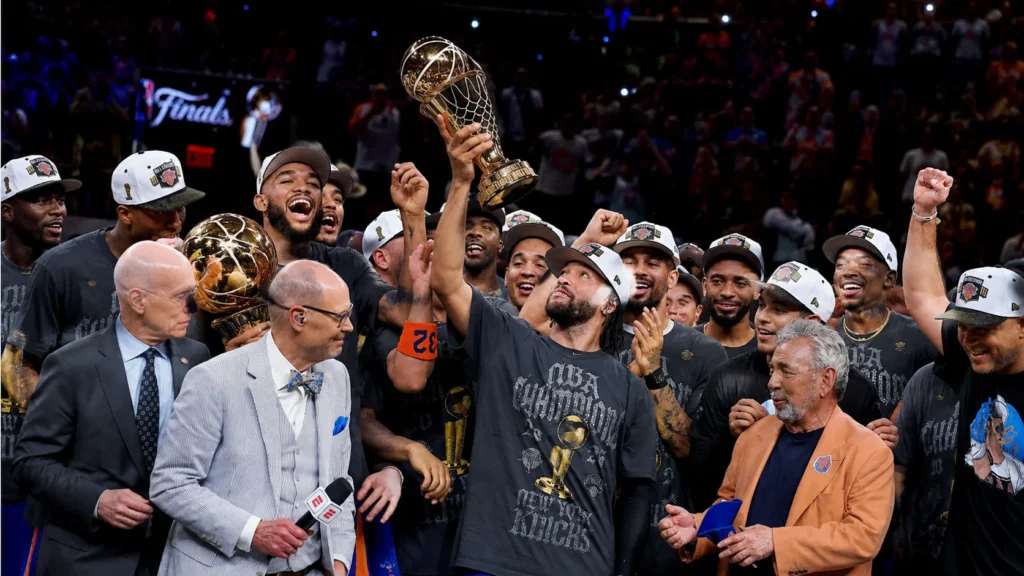
Bahr told CNN: “Mayor Mamdani is modeling a different kind of politics—not billionaire-funded or consultant-driven, but one that champions the needs of working people.” The mayor himself posted a clip of Knicks star Jalen Brunson’s championship speech: “When you prove them wrong, you don’t have to say shit to them.”
According to statements from New York Jewish community leaders condemning Mamdani’s AIPAC remarks, the controversy has deepened existing tensions between the mayor and Jewish voters.
The Governing Challenge
New York City depends on federal funding. It depends on state cooperation. Mamdani has spent a year systematically weakening the relationships that deliver both.
The city council, according to one member who spoke anonymously to CNN, is discussing ways to give Mamdani “his comeuppance”—holding up funding for parts of his agenda, smaller forms of needling. The mayor who entered office with a revolutionary mandate is discovering that the revolution’s targets still hold institutional power.
Hakeem Jeffries, the House Democratic leader, is watching two incumbent members from his own city get replaced by Mamdani-backed challengers. Jeffries had previously told Mamdani advisers that if they were going to come after any incumbents, they should come after him. Mamdani didn’t. He went on “Meet the Press” and said he wanted Jeffries to become speaker if Democrats take the majority. The protection of the leader, combined with the removal of his members, is a complicated arrangement.
Espaillat’s defeat removes one of the most senior Latino voices in Congress. The loss will reverberate through caucus politics and fundraising.
As our coverage of New York City mayoral politics and congressional delegation dynamics has tracked, the relationship between city hall and Washington determines funding flows for housing, transit, education, and emergency services. Mamdani has chosen candidates loyal to him. They will be freshmen in a chamber where seniority determines committee assignments and appropriations influence.
FAQ
Who did Zohran Mamdani help defeat?
Mamdani’s endorsed candidates defeated two sitting Democratic members of Congress: Adriano Espaillat, chairman of the Congressional Hispanic Caucus, and another incumbent Democrat. A third Mamdani-backed candidate won an open seat vacated by retiring Rep. Nydia Velázquez.
Why are other Democrats angry at Mamdani?
The mayor backed candidates who had been loyal to him personally, overriding allies who wanted candidates with deeper district ties. He kept Velázquez from learning about his endorsement of her successor until it was published. Key former supporters including Velázquez and Attorney General Letitia James have criticised his approach.
What is the DSA?
The Democratic Socialists of America is a progressive political organisation that has gained influence in New York politics. Mamdani is an avowed democratic socialist. The DSA’s electoral success, including Mamdani’s mayoral victory over Andrew Cuomo, has shifted the city’s political centre of gravity leftward.
Does Mamdani plan to reconcile with Democratic leaders?
His communications director responded to the question with a smiley face emoji. Mamdani posted a clip of a basketball player saying, “When you prove them wrong, you don’t have to say shit to them.” The message suggests reconciliation is not a priority.
How does this affect New York City’s relationship with Washington?
Federal funding for housing, transit, and other city priorities flows through Congress. The new members Mamdani backed will be loyal to him but will lack seniority. The relationships he sacrificed with veteran members of the delegation may prove costly in appropriations and committee negotiations.