

 English





























































































































































































































Strait of Hormuz: 11,000 Sailors to Be Evacuated as Deal Tensions Grow
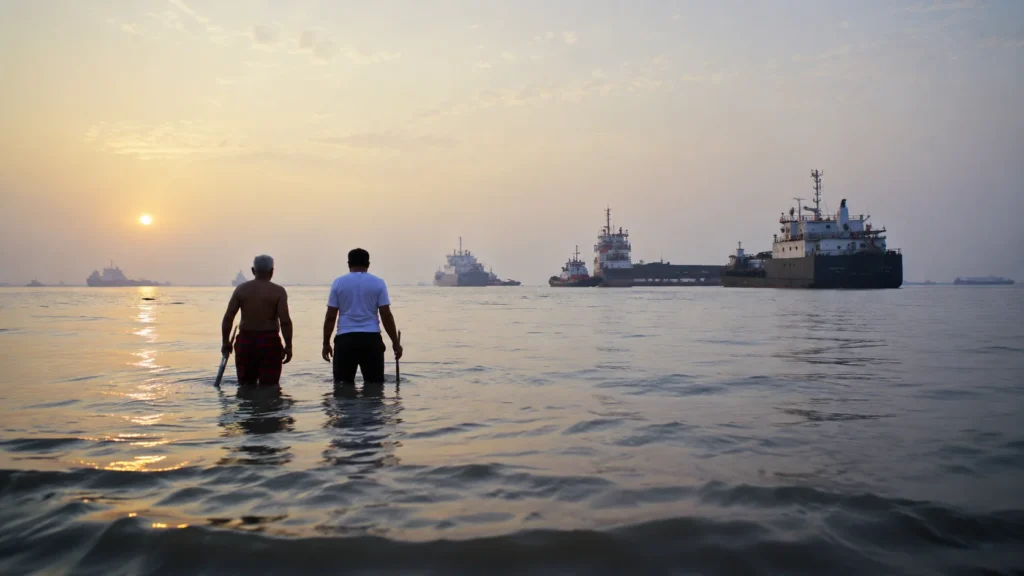
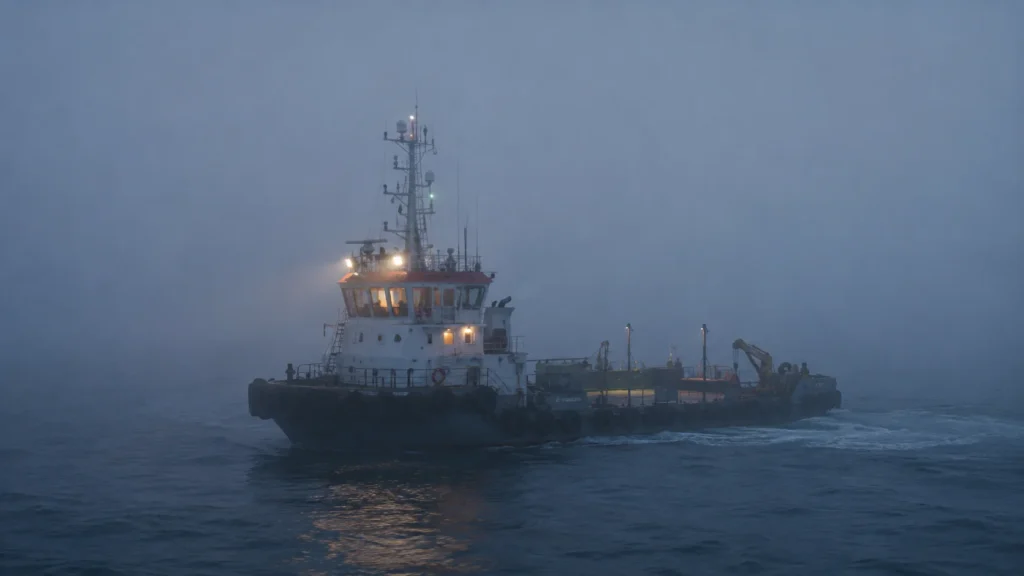
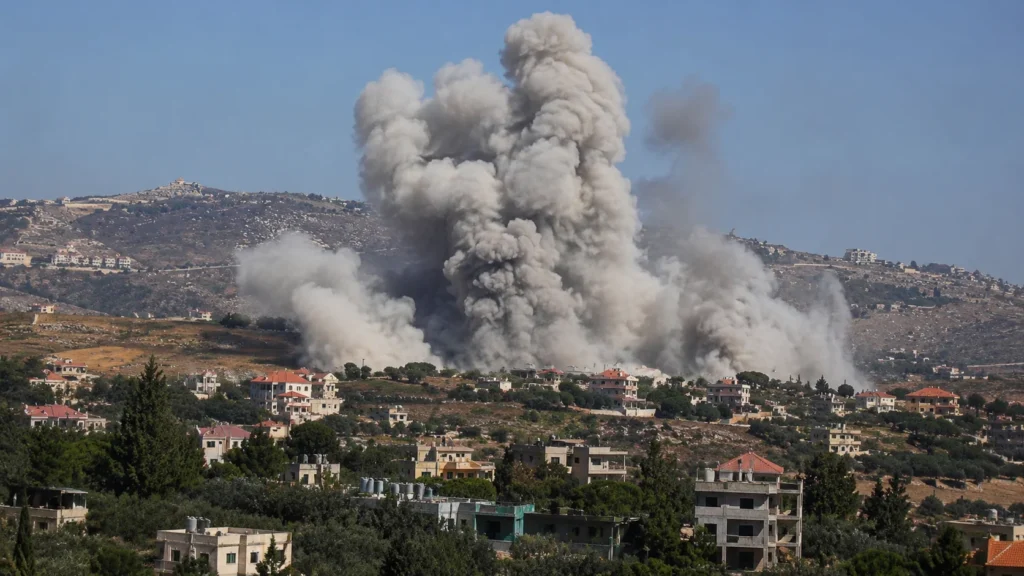
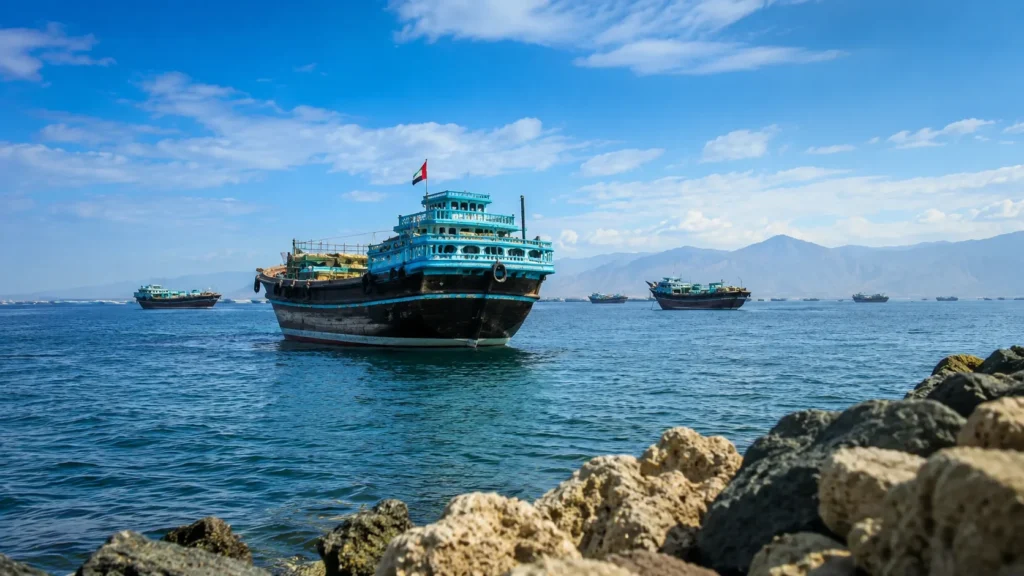
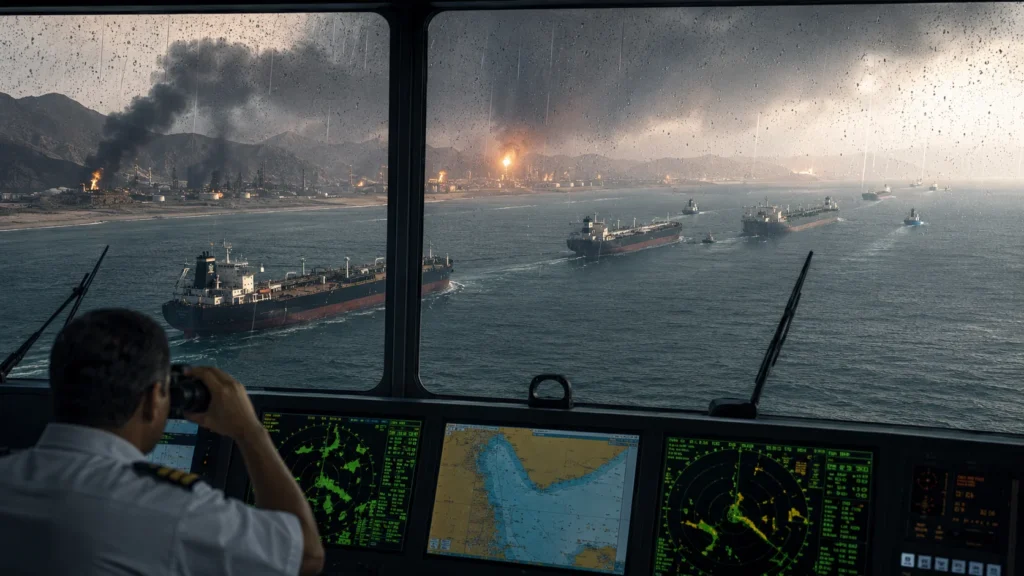
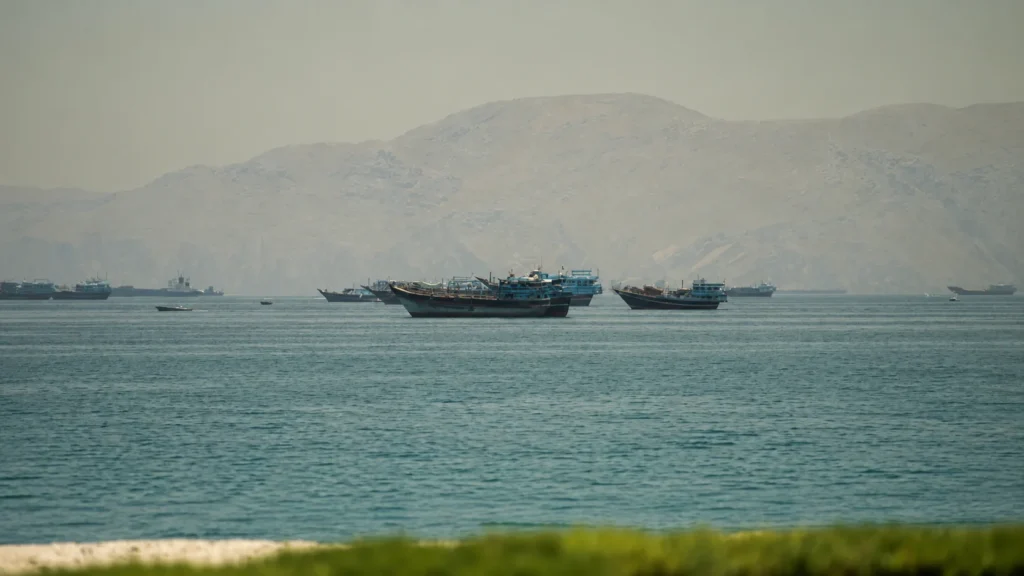
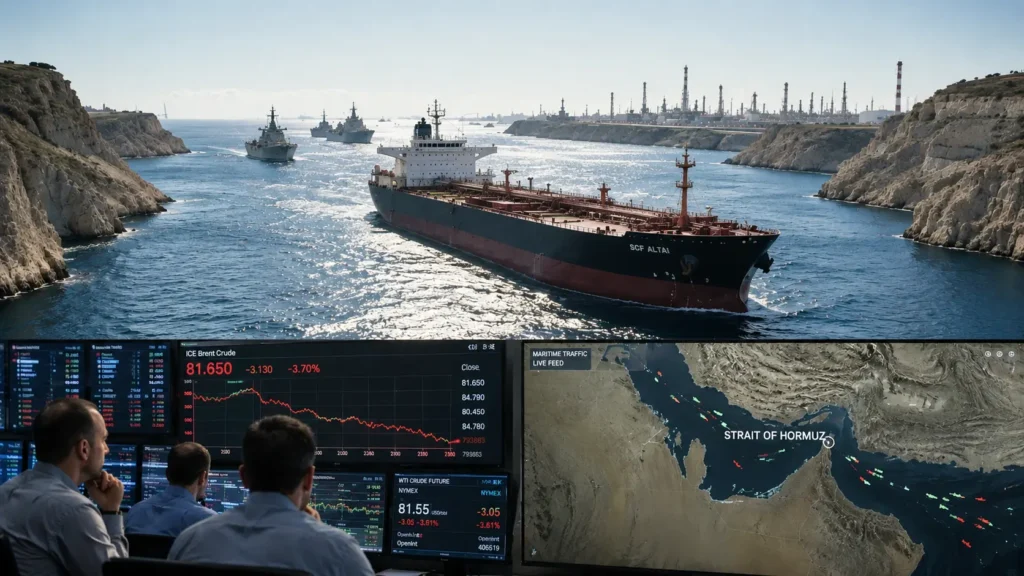
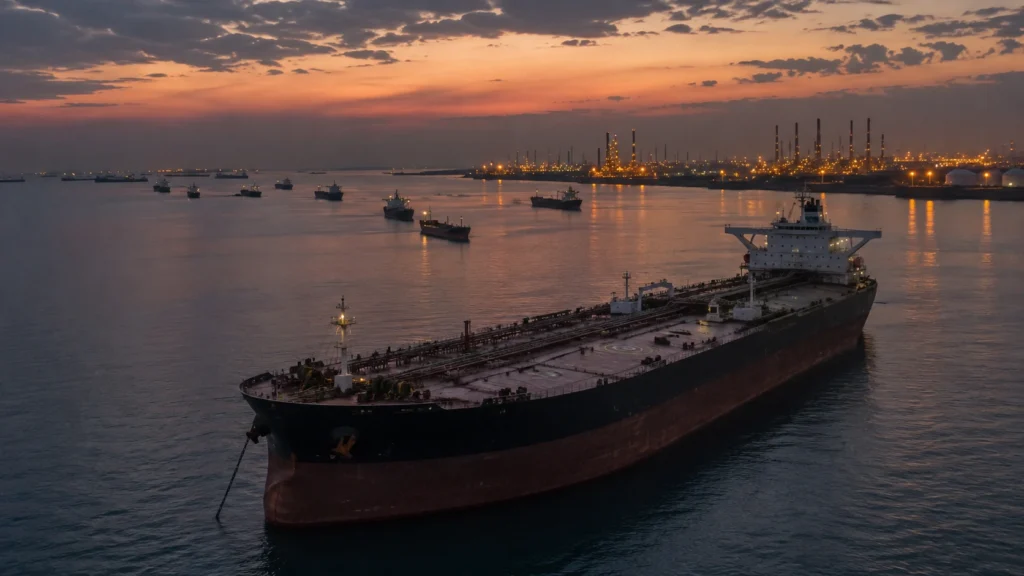
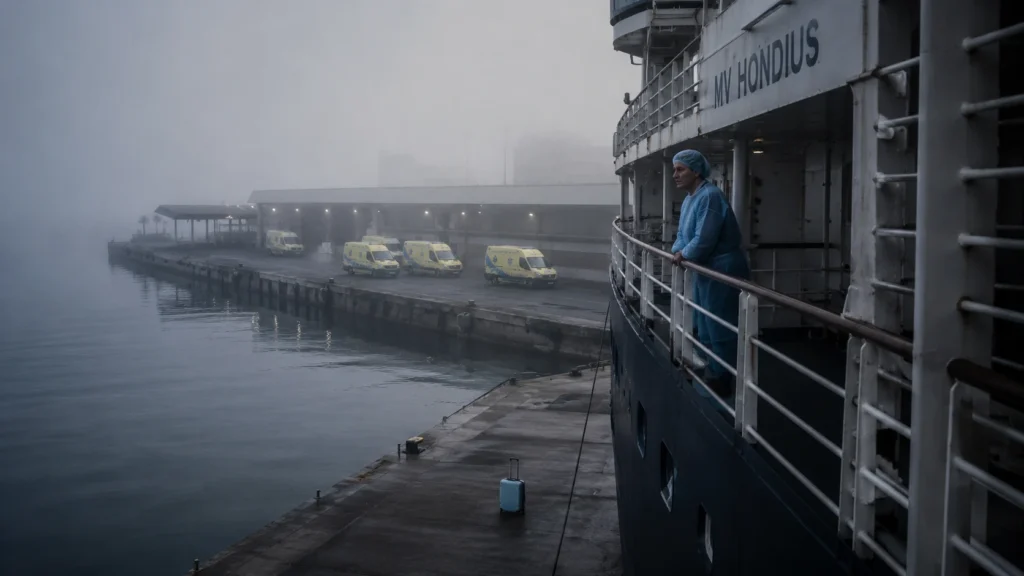
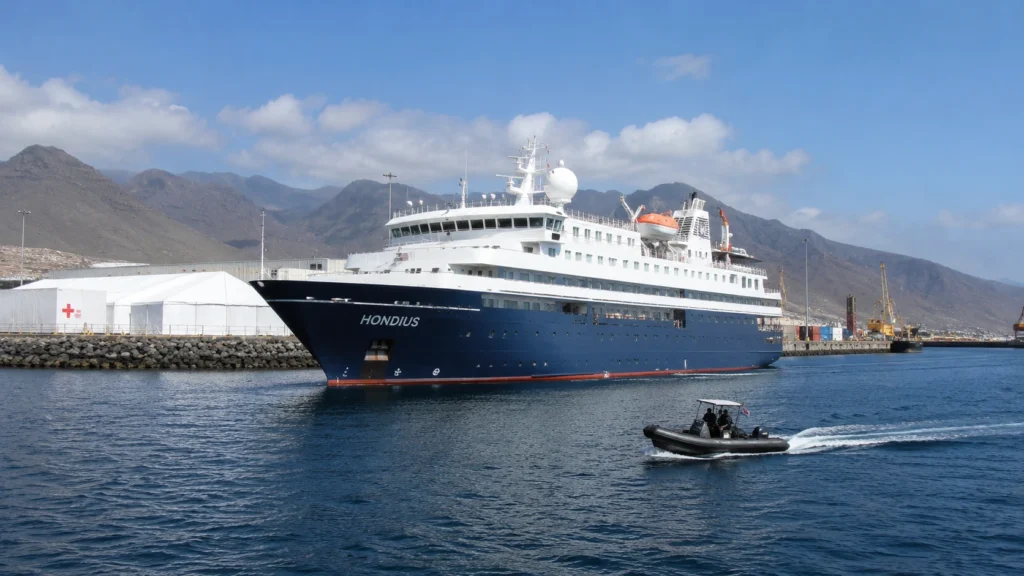
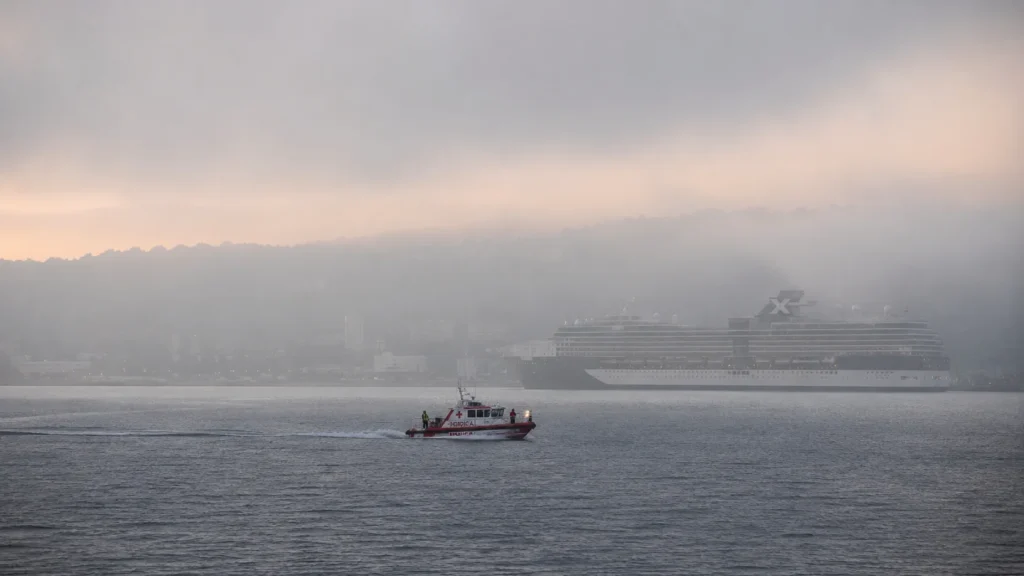
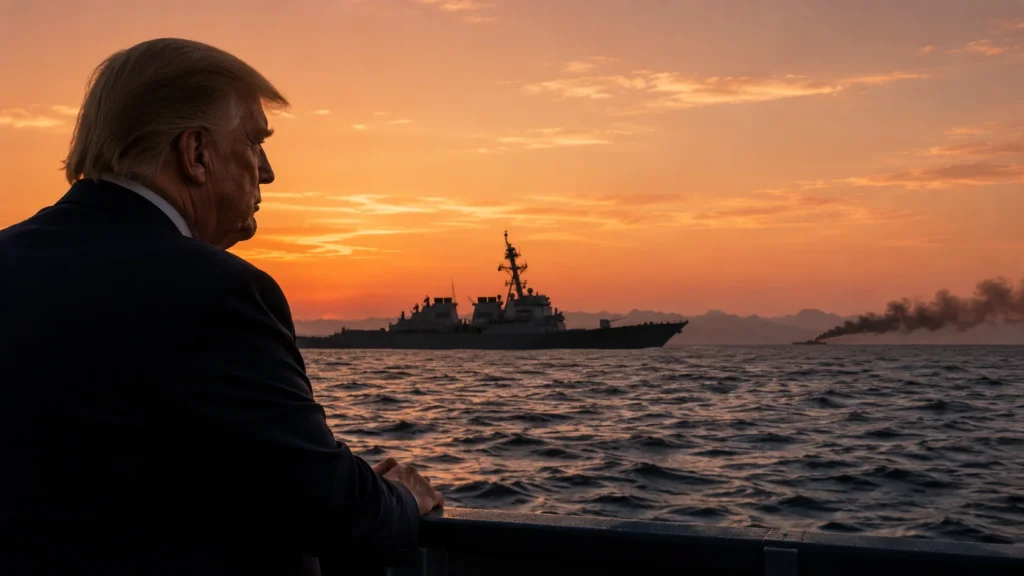
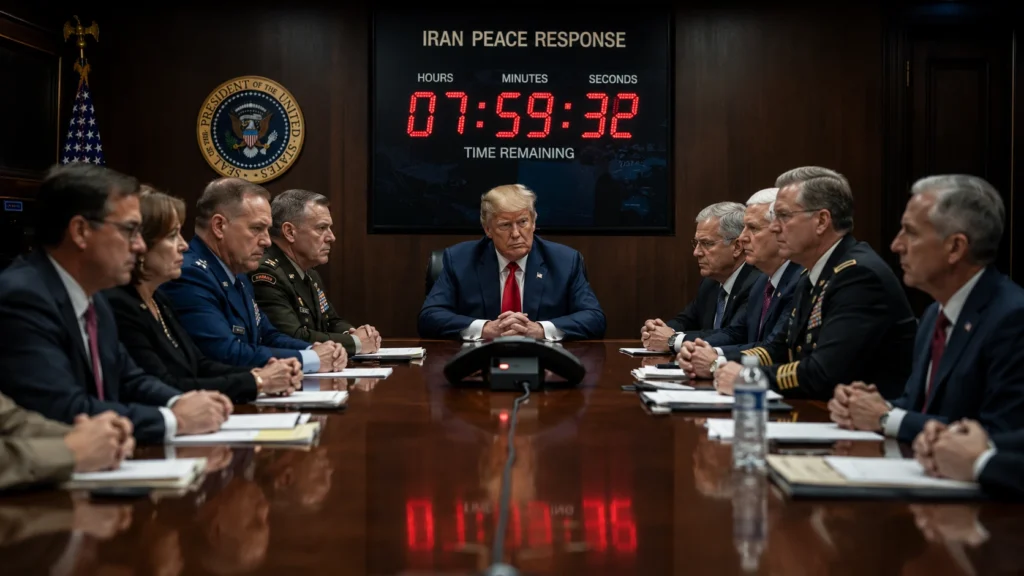
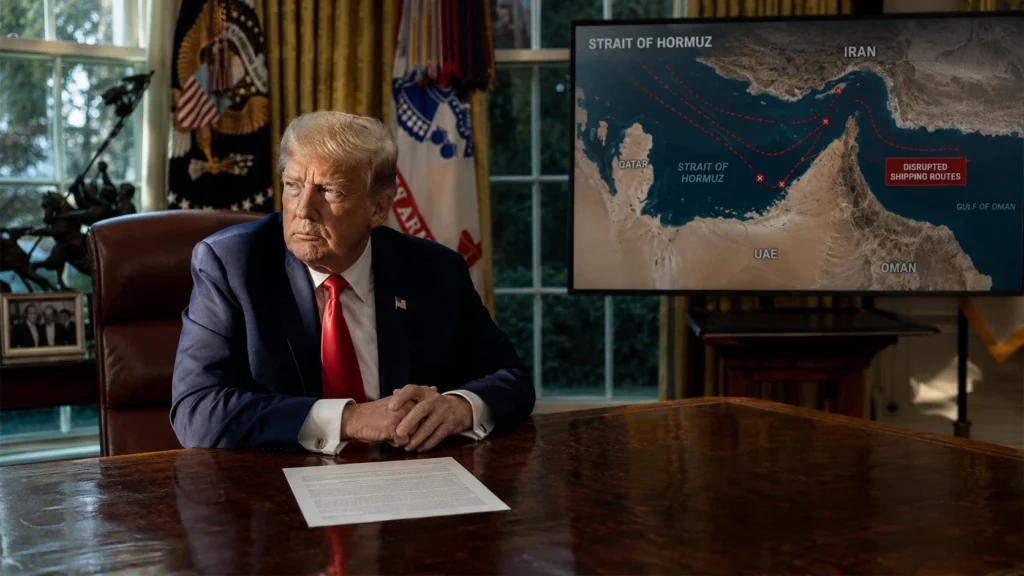
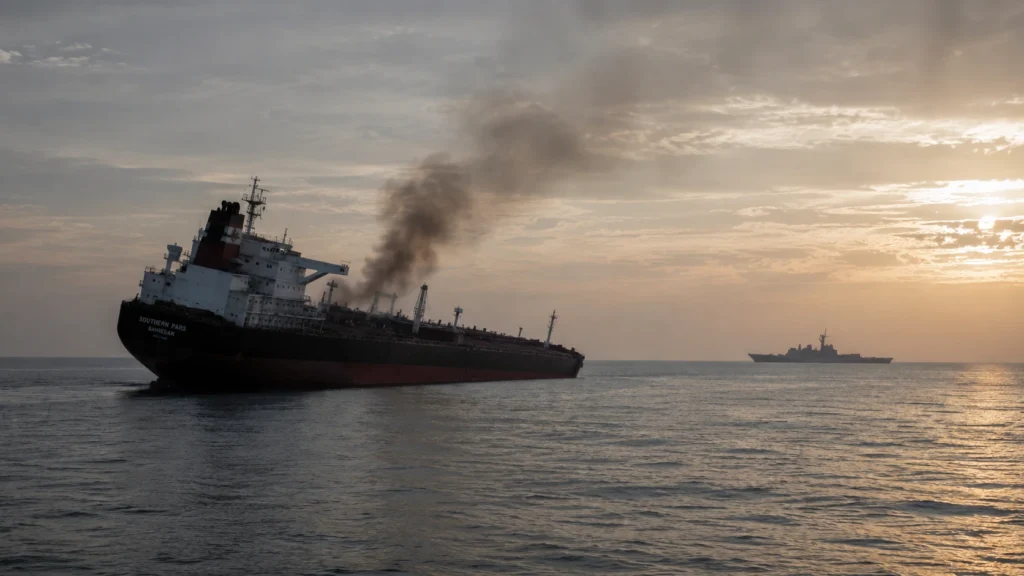
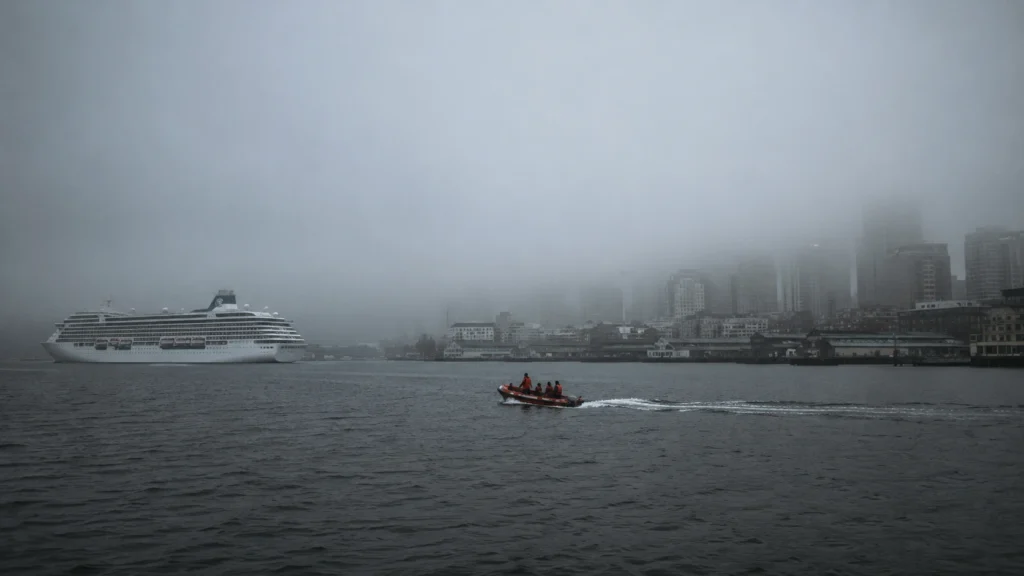
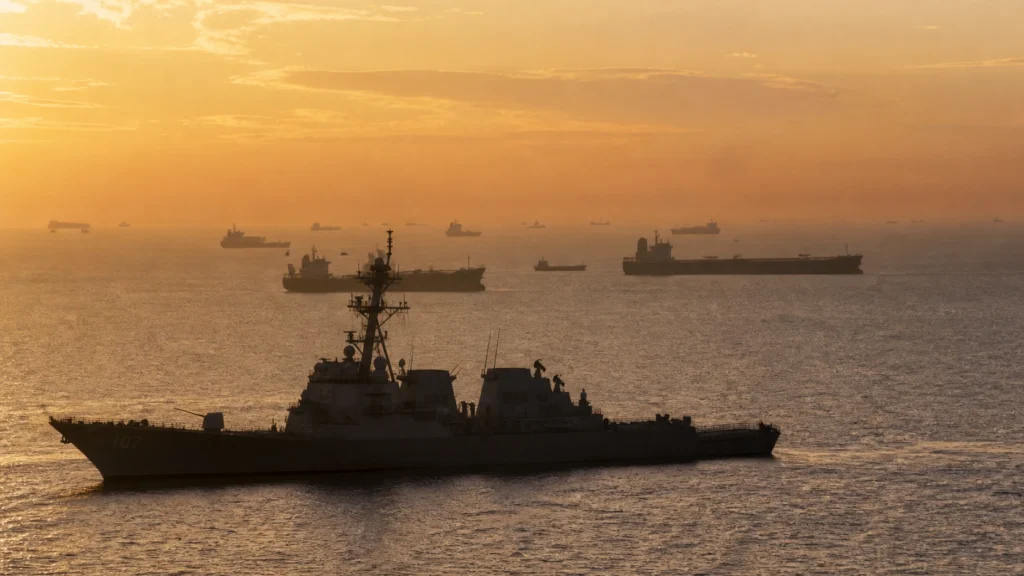
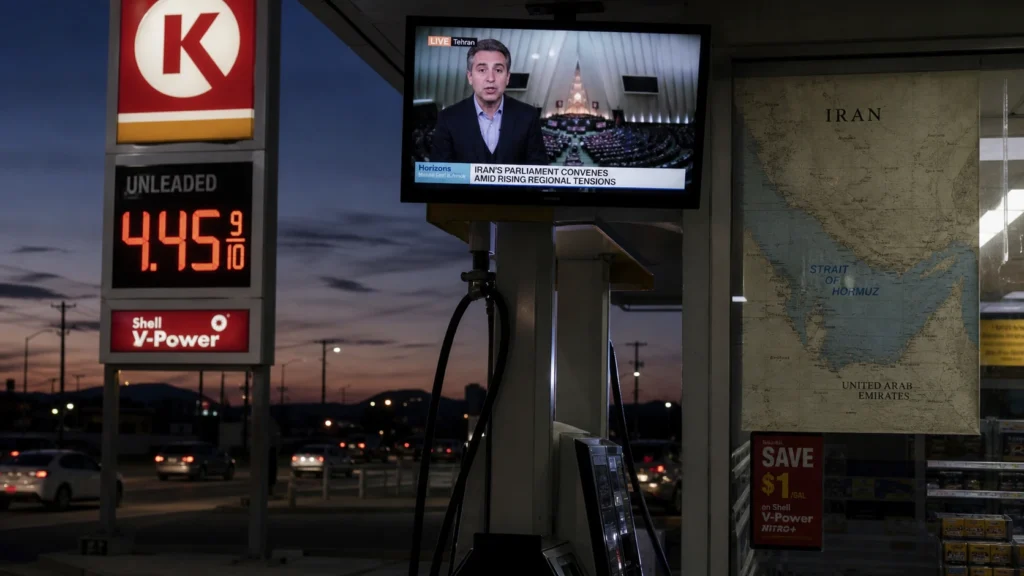
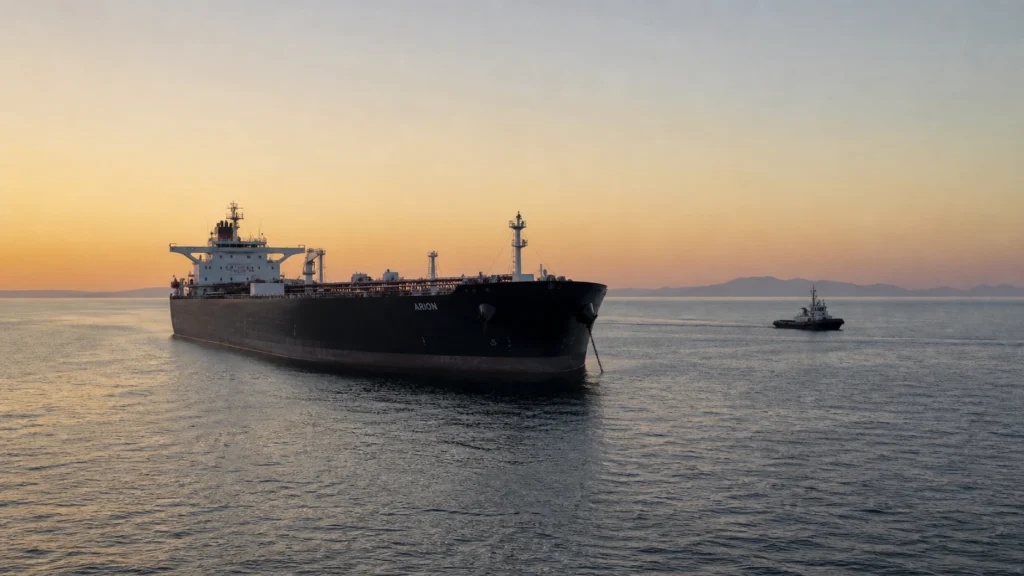
GENEVA — The International Maritime Organization announced plans on Tuesday to evacuate more than 11,000 sailors who have been stranded in the Gulf since the US-Iran war closed the Strait of Hormuz on 28 February. The “large-scale operation” will involve cooperation between Iran, Oman, the United States, and other coastal states, IMO secretary-general Arsenio Dominguez said. Separately, US Secretary of State Marco Rubio began a tour of Gulf states, warning that no country may impose tolls on the strategic waterway. The developments came as the US and Iran publicly contradicted each other over whether the interim peace deal signed last week allows international inspectors access to Iranian nuclear sites.
The ceasefire is barely a week old. The arguments about what it means have already begun to replace the shooting.
The Evacuation Plan
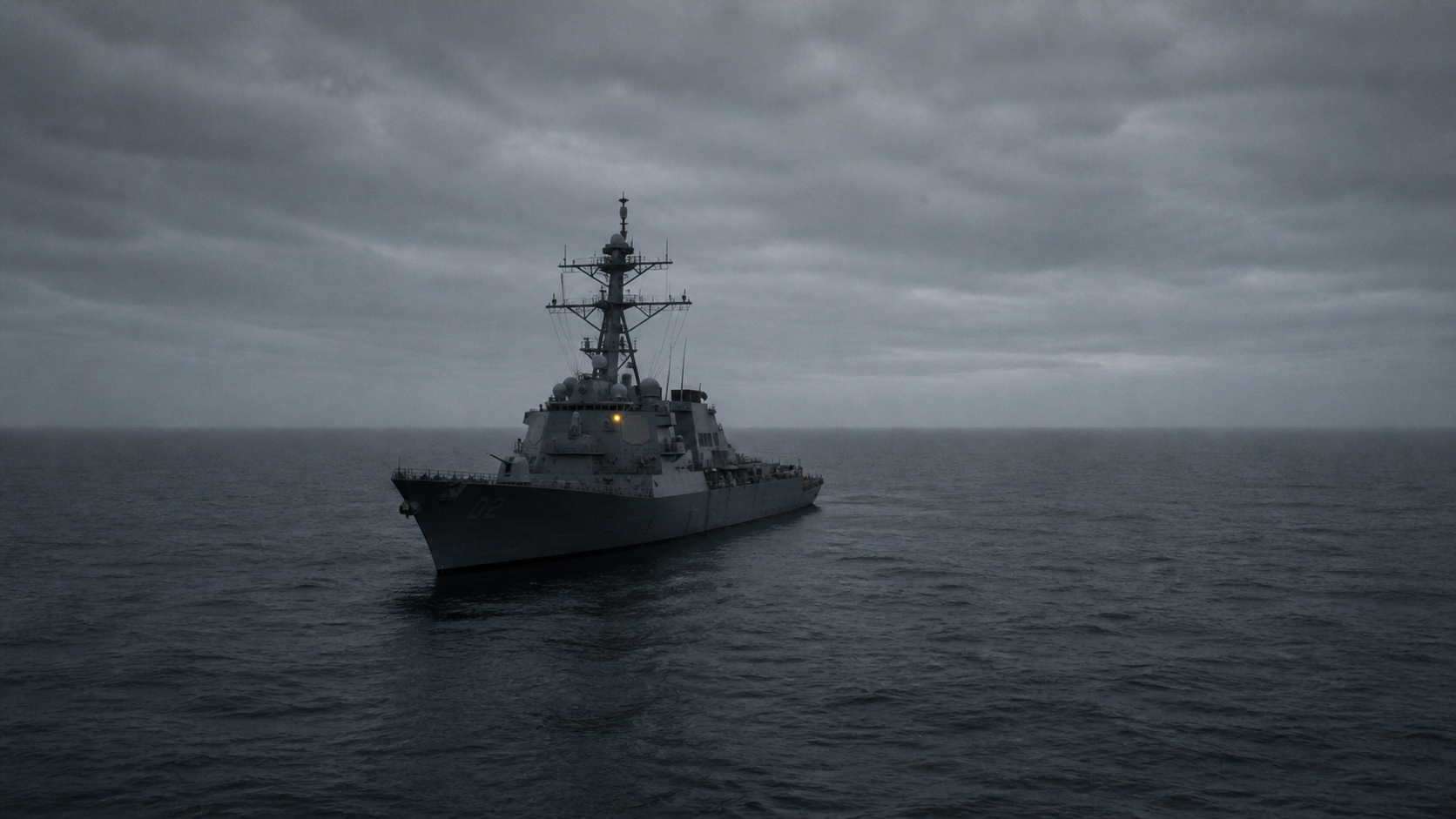
Dominguez said the IMO had “secured the necessary safety guarantees and has thoroughly verified the conditions for safe navigation to support these operations.” Two temporary routes through the strait will be used, with vessels contacted individually for further instructions, according to Oman’s notice to mariners. The IMO will issue daily reports on the number of ships leaving the region safely.
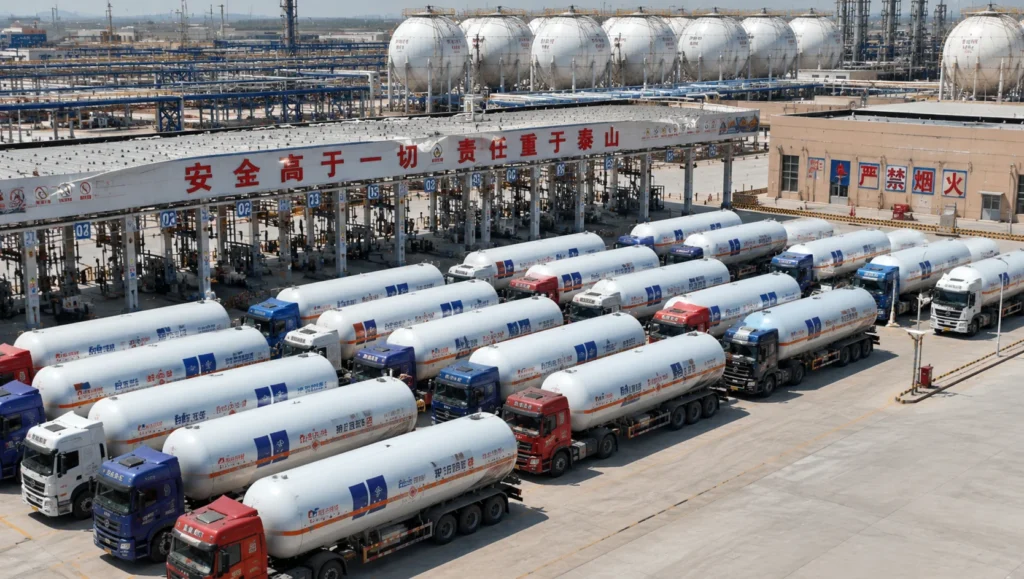
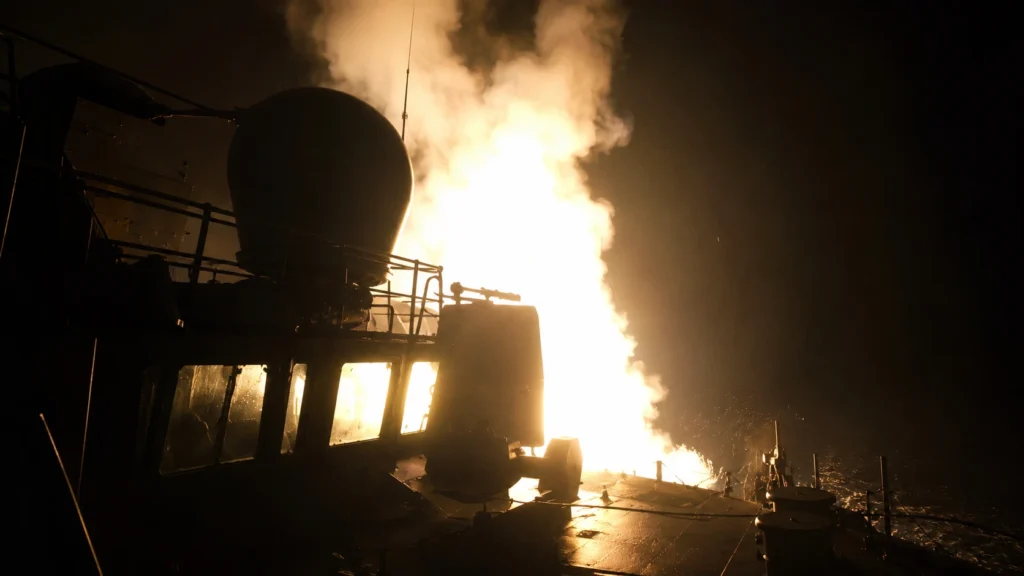
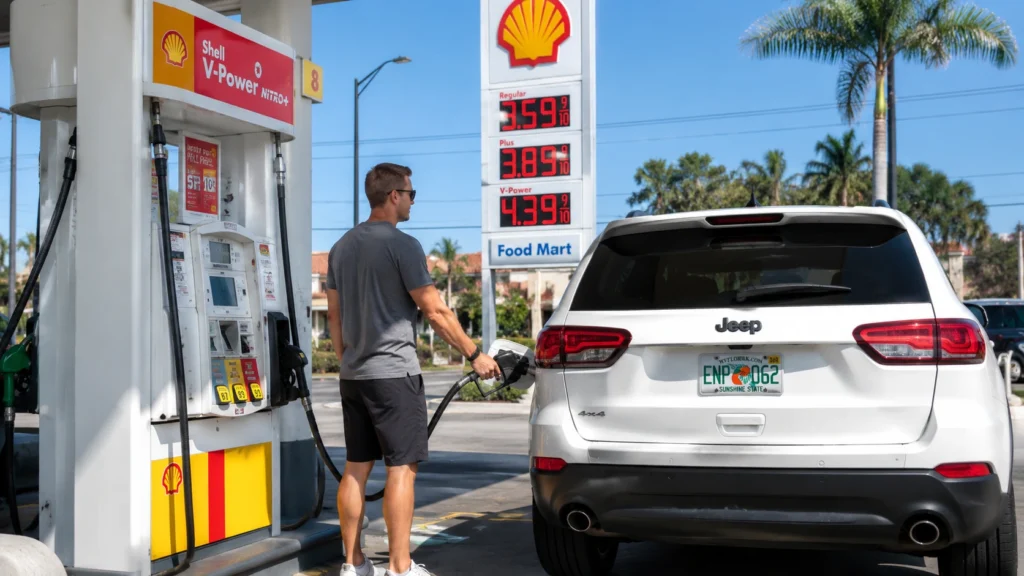
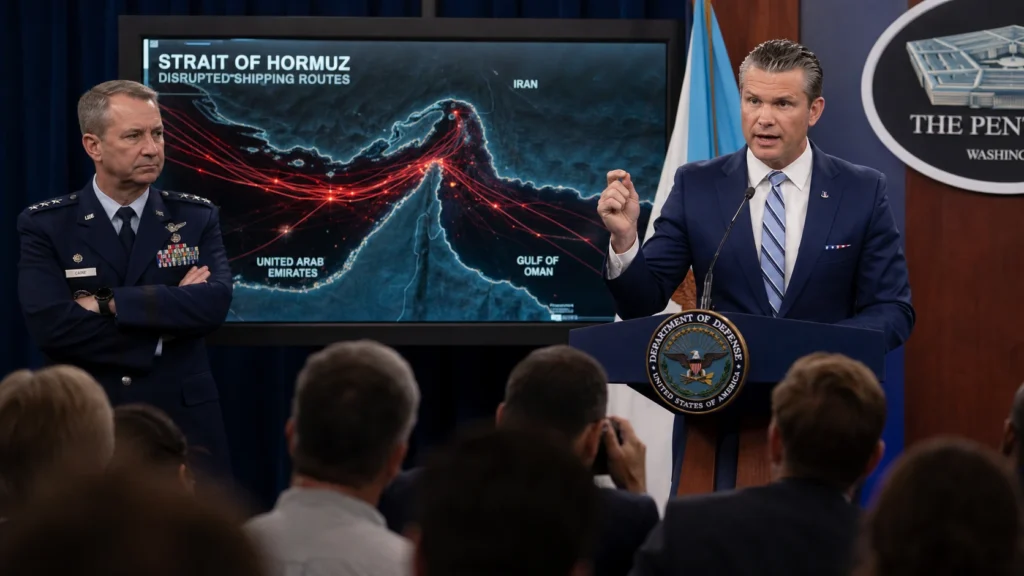
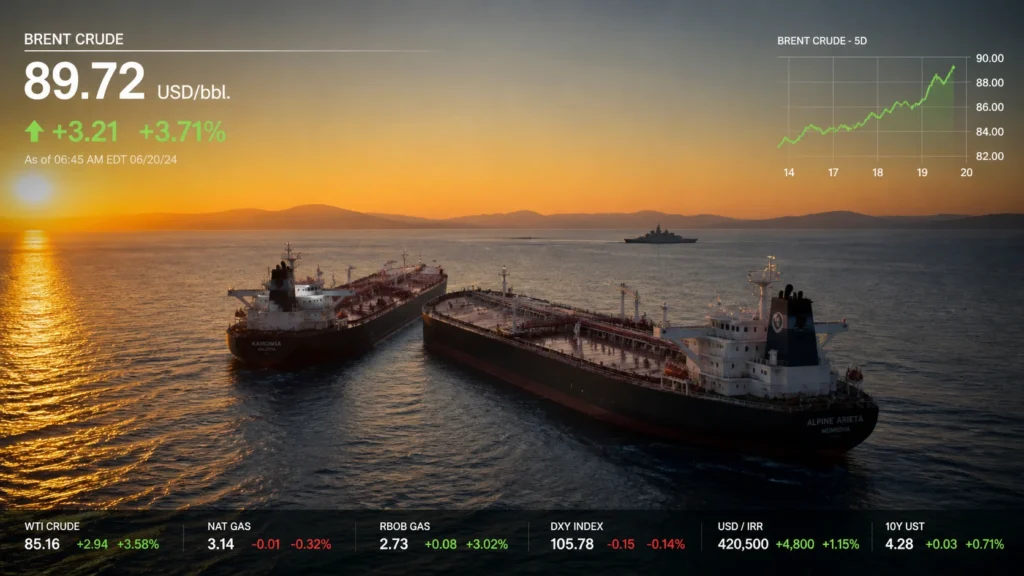
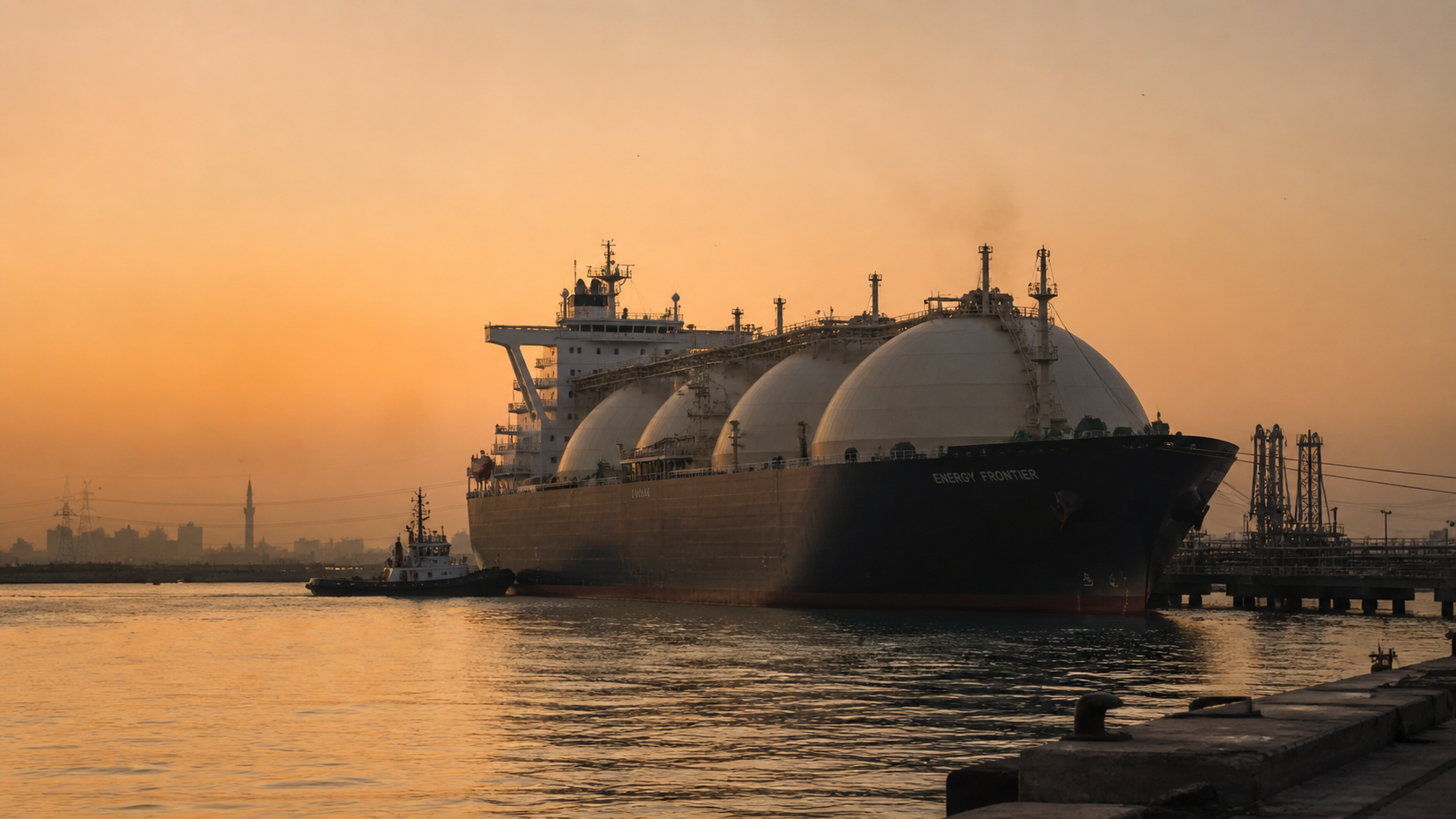
The evacuation marks the first large-scale humanitarian operation since the ceasefire took effect. The 11,000 sailors have been stranded for nearly four months, since the US and Israel attacked Iran in late February, and the strait has been effectively closed. The closure sent global oil prices surging past $100 per barrel and choked off shipments of energy and crucial commodities, including fertiliser.
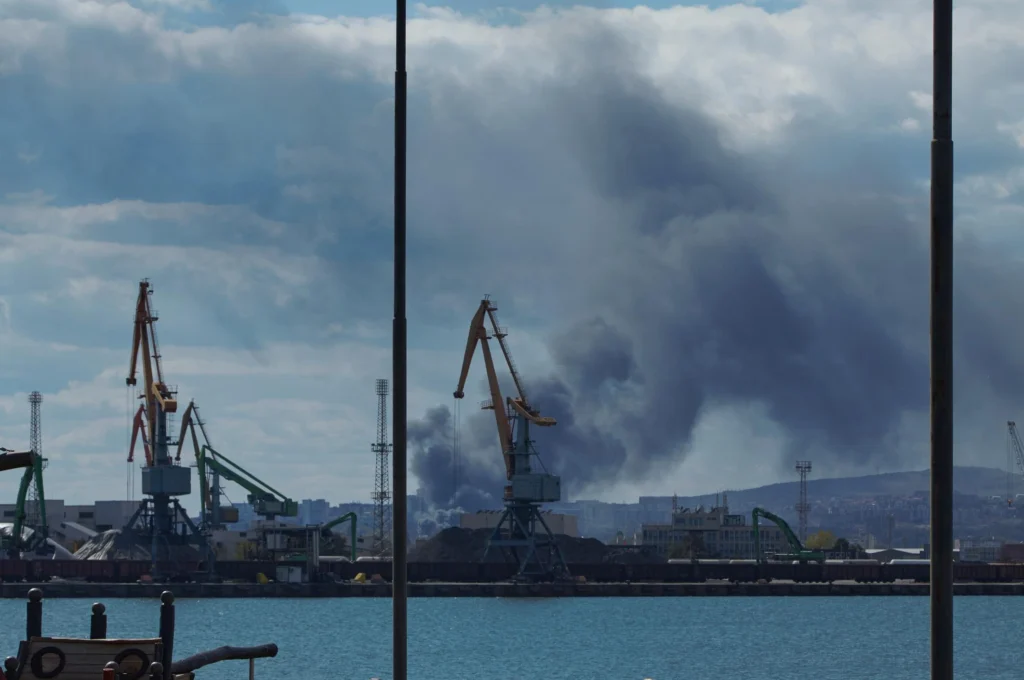
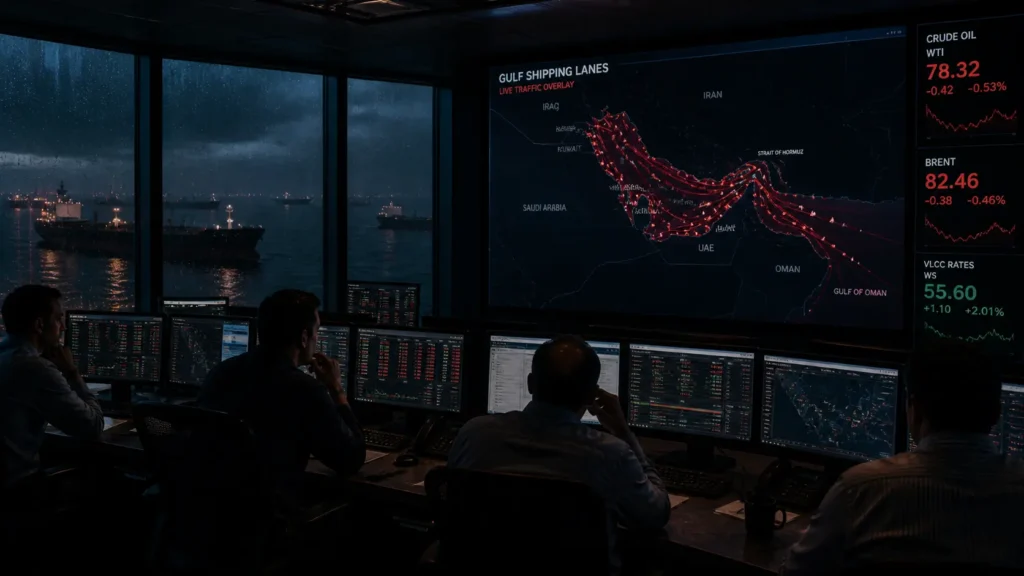
According to maritime intelligence firm Kpler’s transit data, 172 vessels have travelled through the reopened Strait of Hormuz since 18 June, the day after the deal was signed. That included 42 ships on Saturday alone. But the figure remains well below the pre-conflict average of approximately 138 crossings per day. Ship-tracking data analysed by BBC Verify shows more than 200 tankers still waiting inside the strait on Tuesday.
Dominguez described the evacuation agreement as “a decisive step towards restoring maritime security and bringing to an end the unacceptable attacks against civilian shipping.” He added: “After months of hardship and distress for thousands of innocent seafarers, and negative impact on the whole world, I welcome with deep satisfaction the peace agreement concluded between the United States and Iran.”
As our coverage of the Strait of Hormuz crisis and its impact on global shipping documented, the strait carries roughly 20 million barrels of oil daily—nearly $600 billion in annual energy trade—and its closure represented the most significant disruption to maritime commerce in decades.
The Inspection Dispute
The evacuation announcement was overshadowed by a public dispute over what the interim agreement actually requires on nuclear inspections.
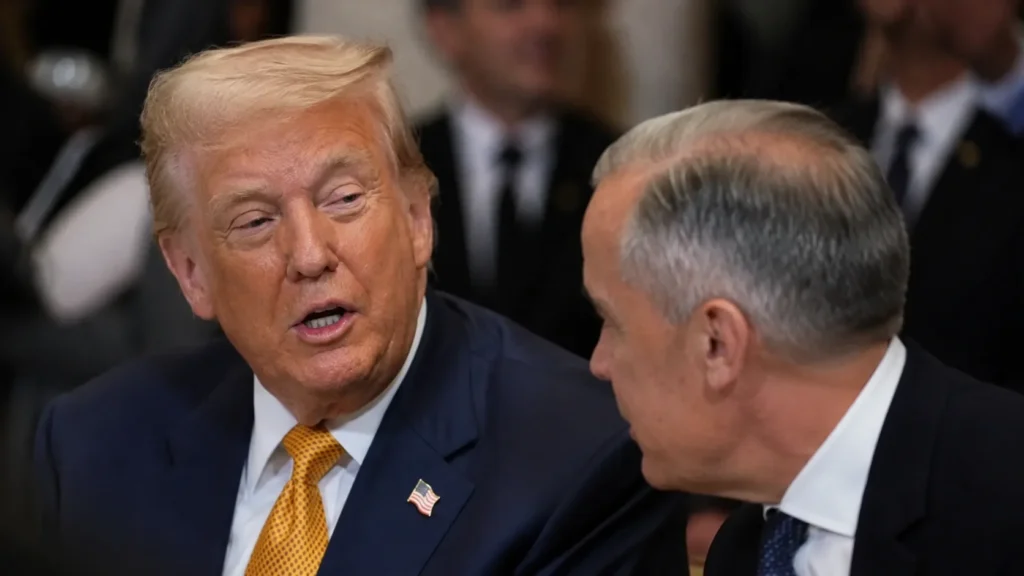
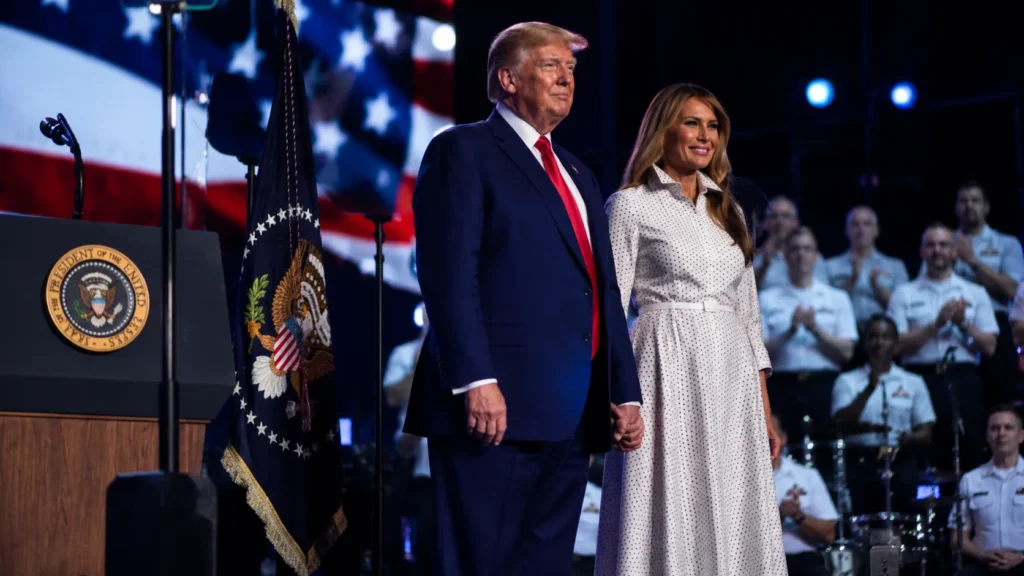
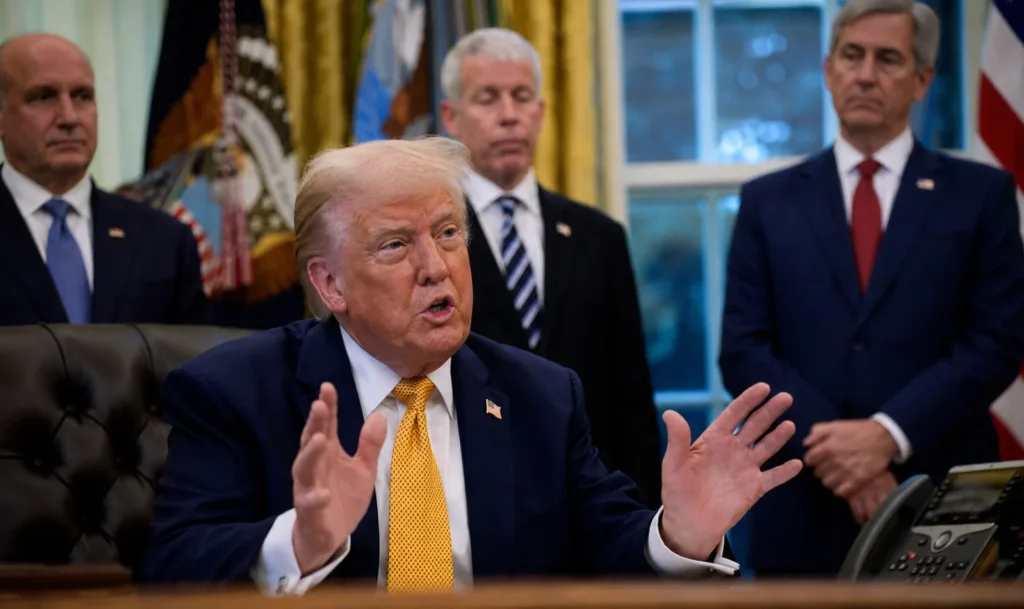
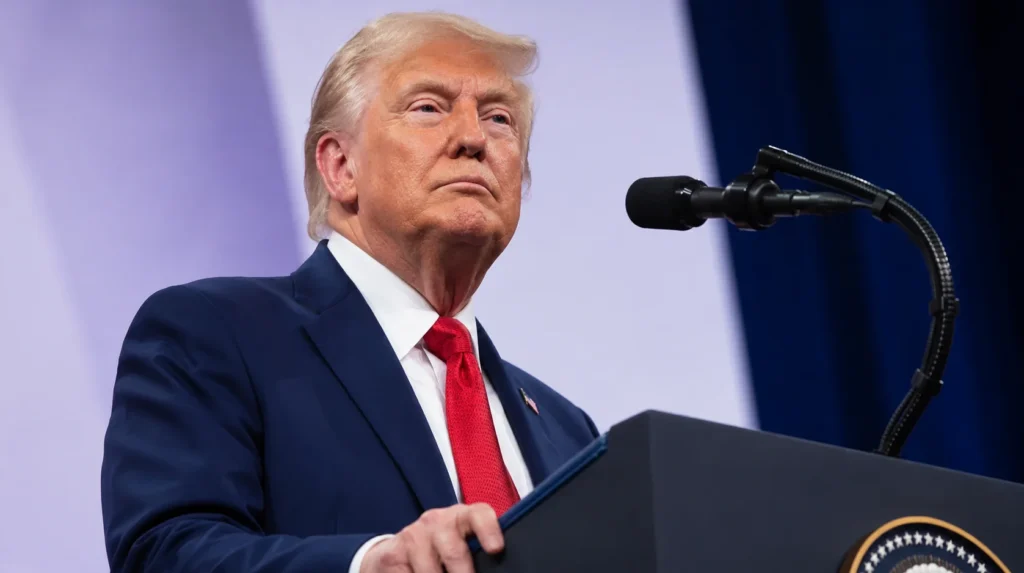
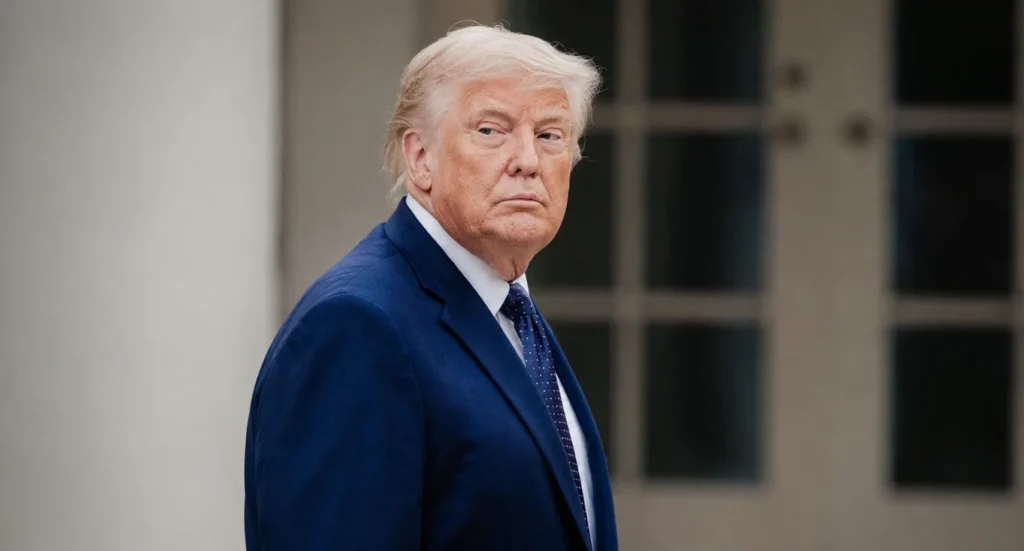
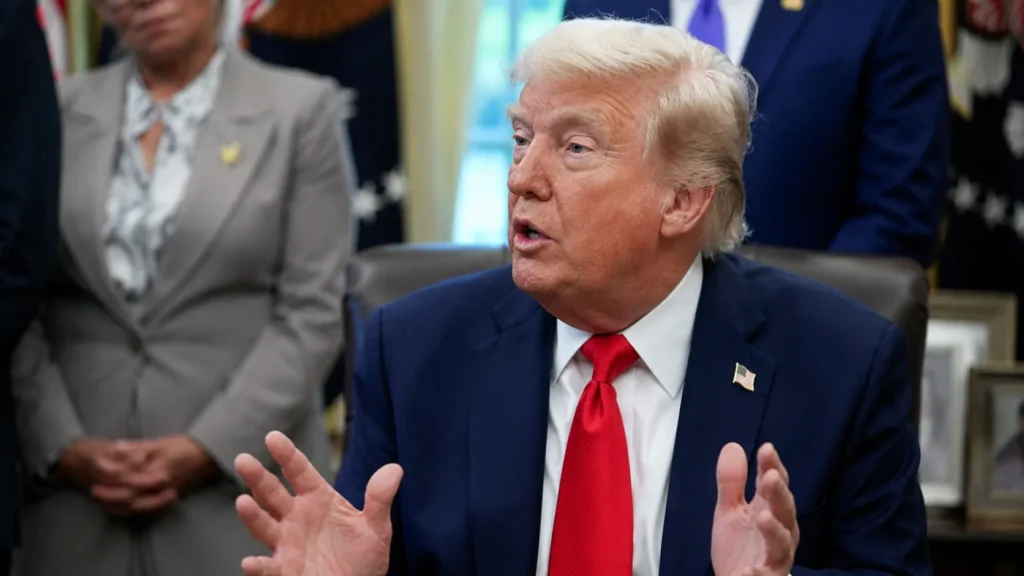
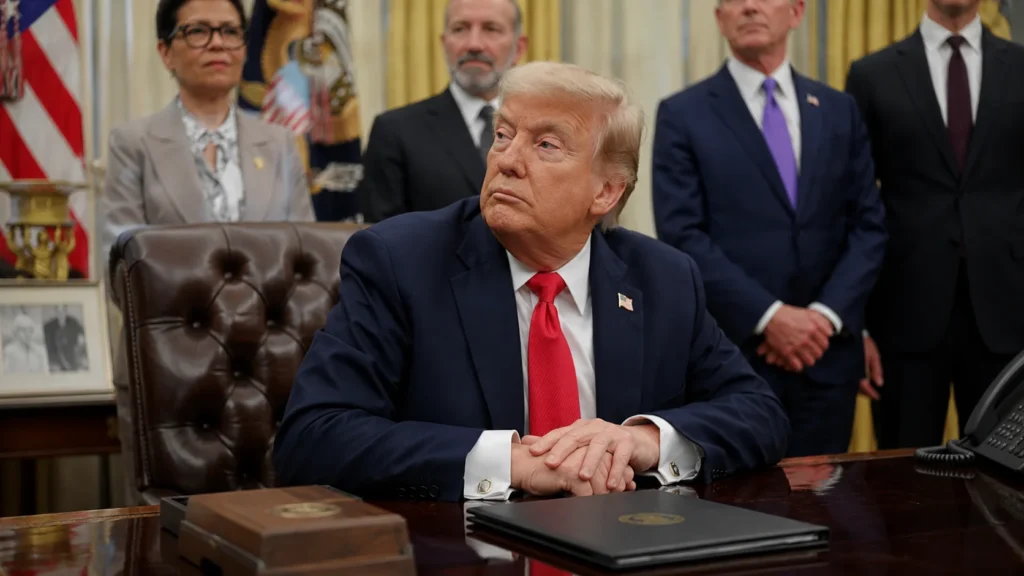
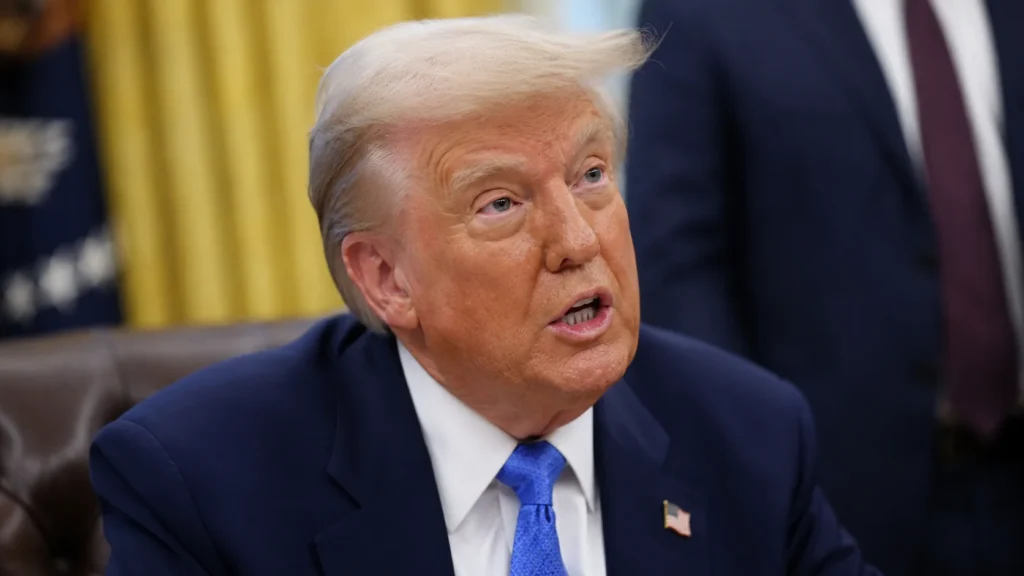
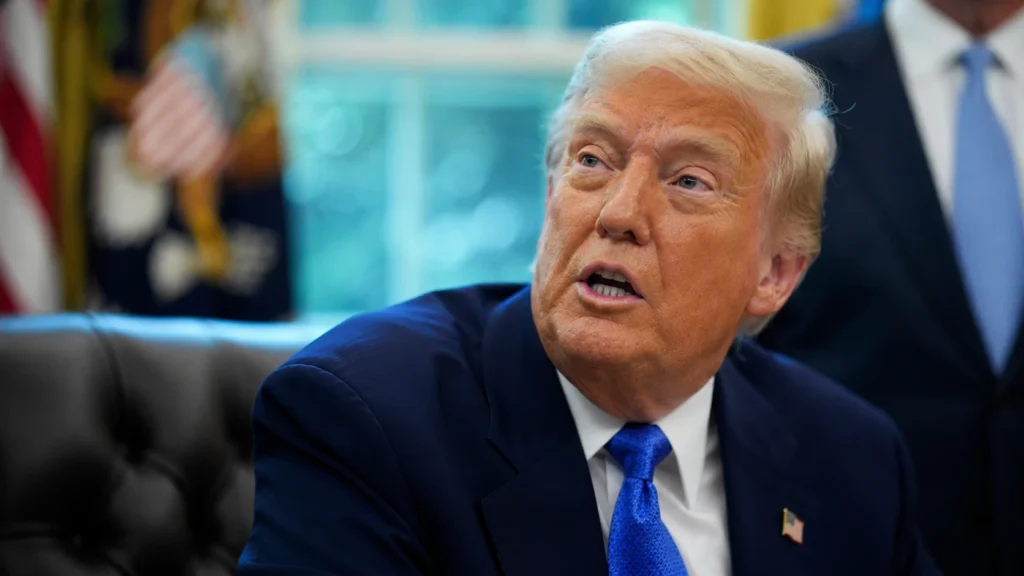
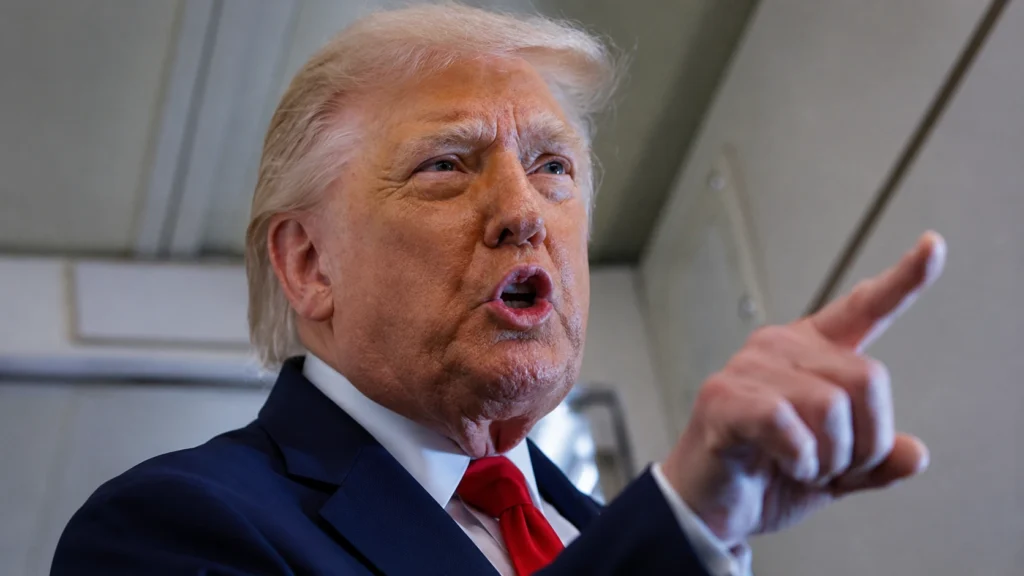
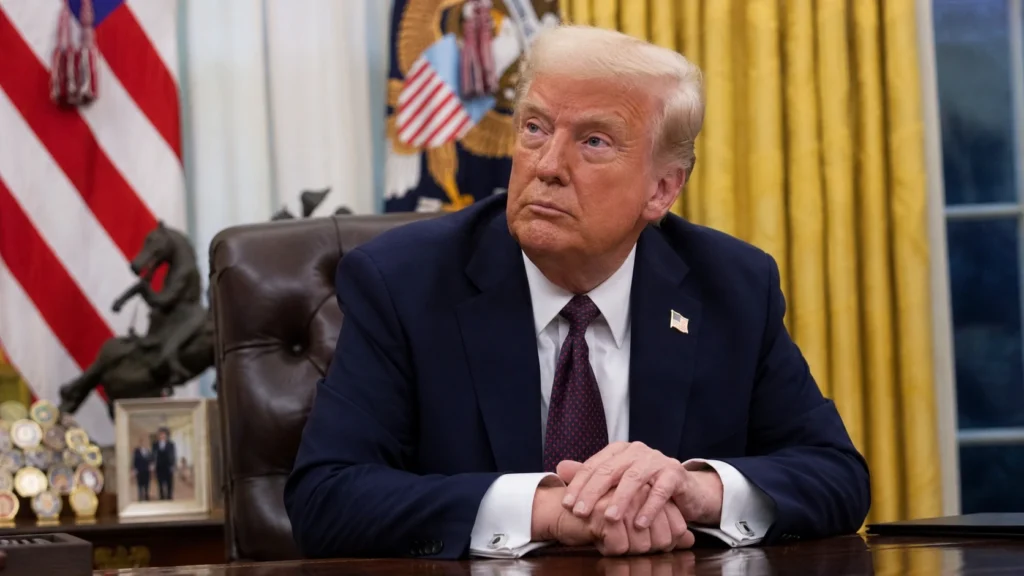
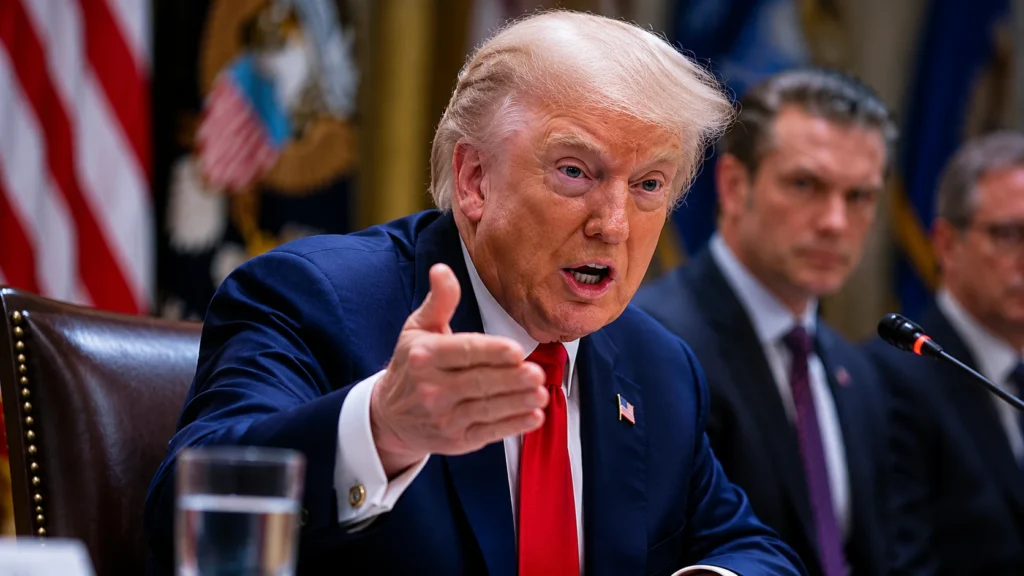
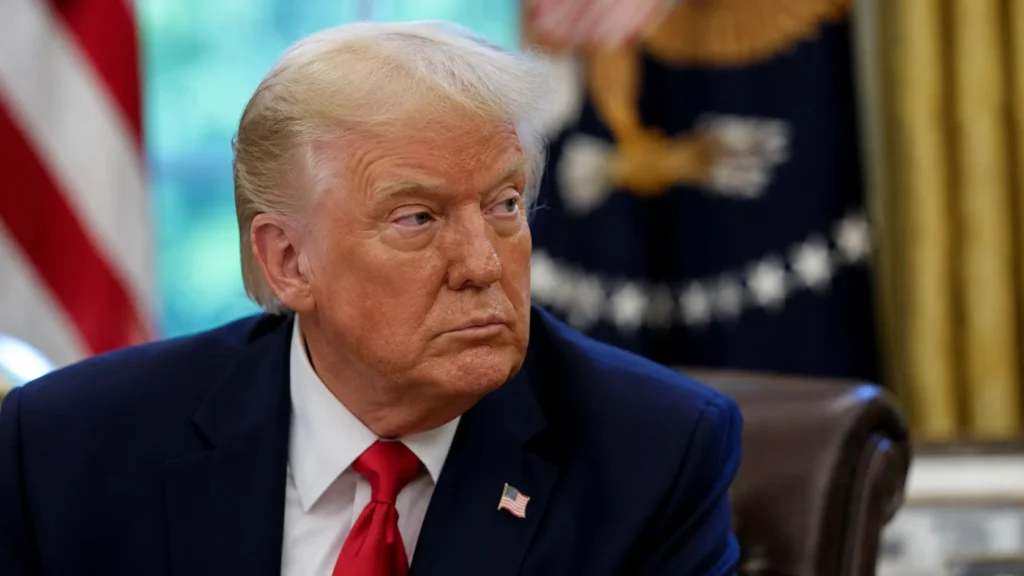
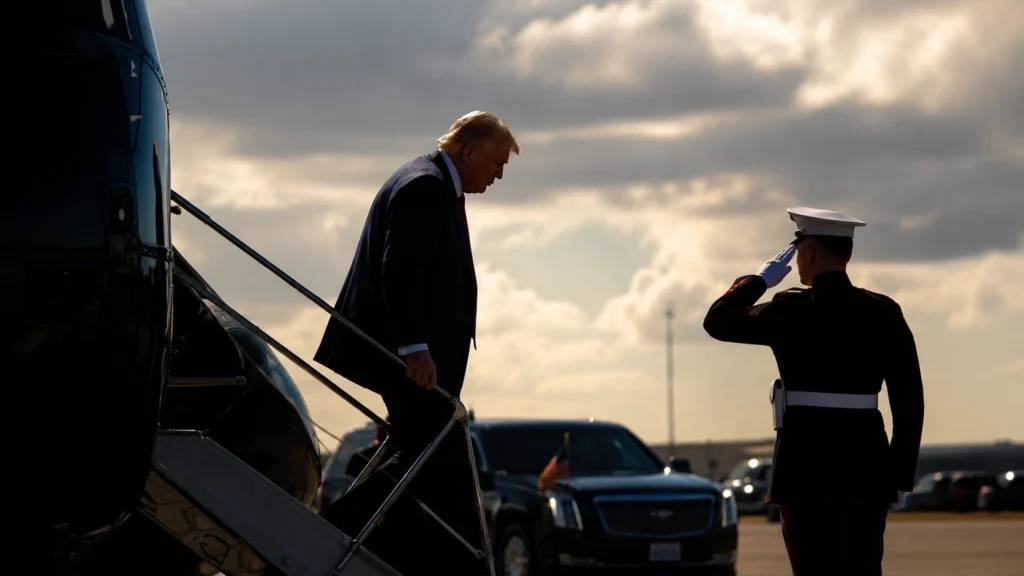
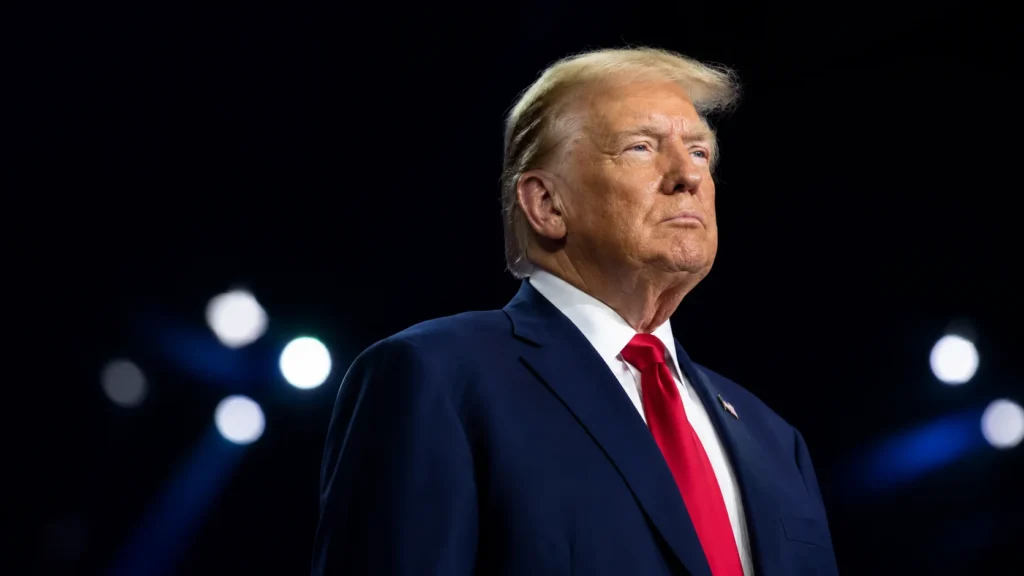
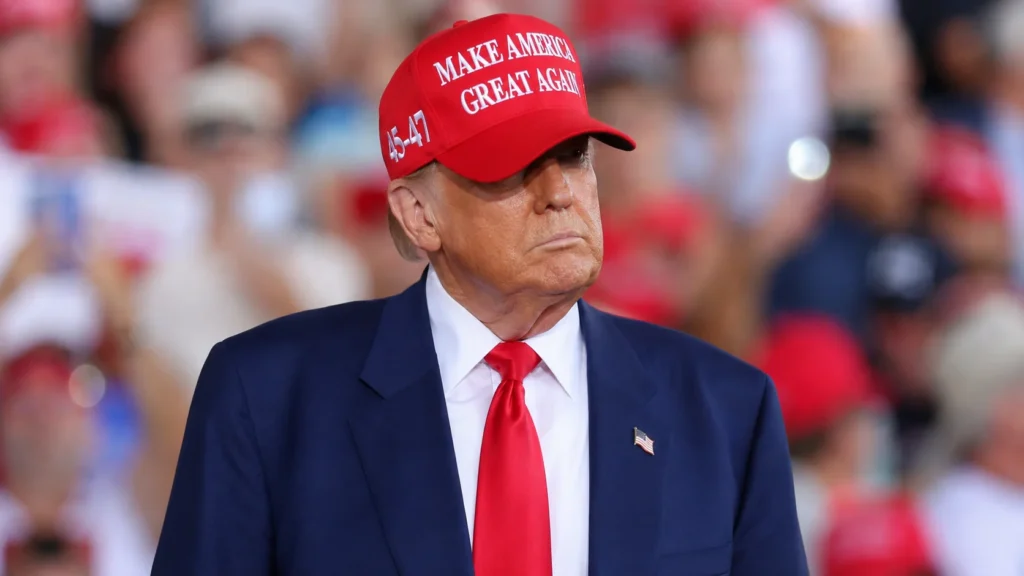
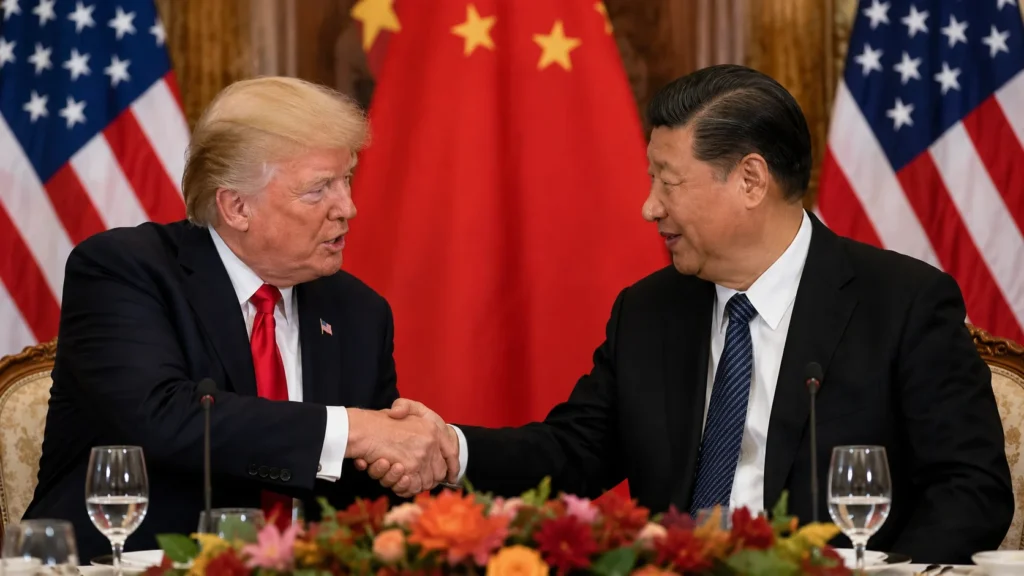
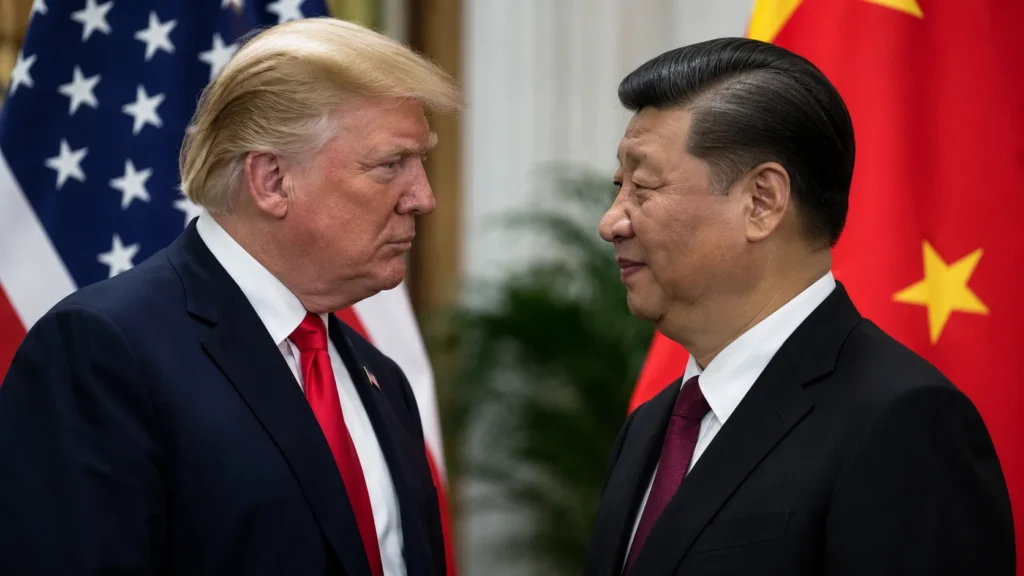
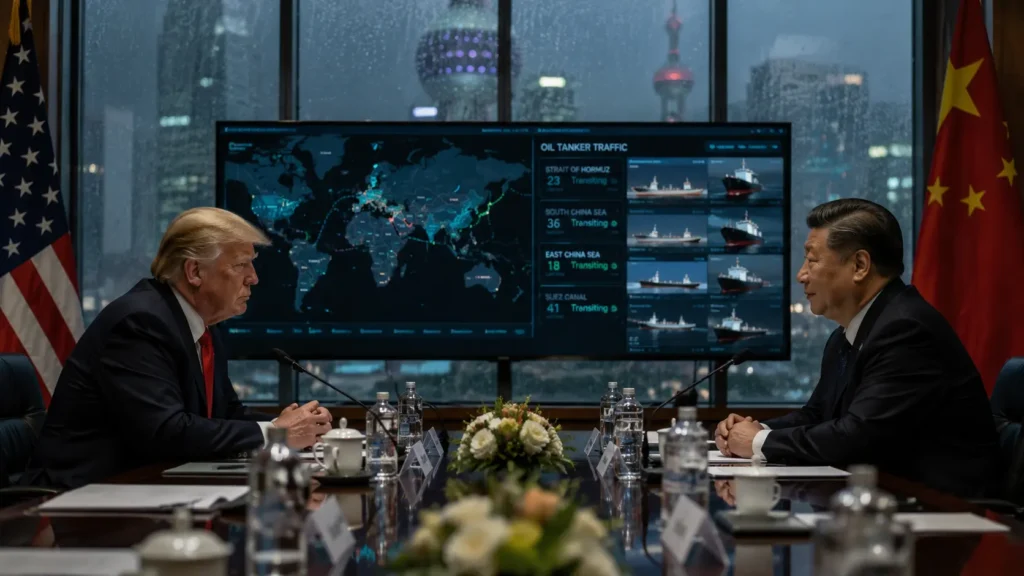
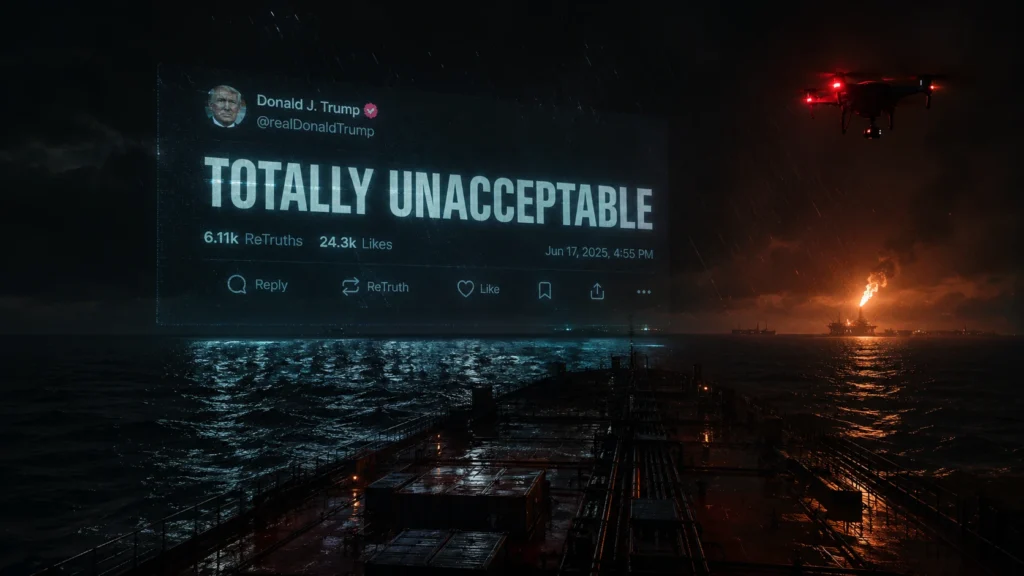
President Donald Trump posted on social media on Tuesday: “Iran has fully and completely agreed to the highest level Nuclear inspections long into the future (Infinity!!!). This will ensure ‘Nuclear Honesty.'” Hours earlier, Iran had said the International Atomic Energy Agency would not be able to inspect nuclear sites bombed by the US and Israel during the conflict.
A US official responded by saying, “The Iranians have agreed to robust IAEA inspections of the remains of their nuclear weapons programme. The Iranian regime will say what they have to say for their domestic audience.”
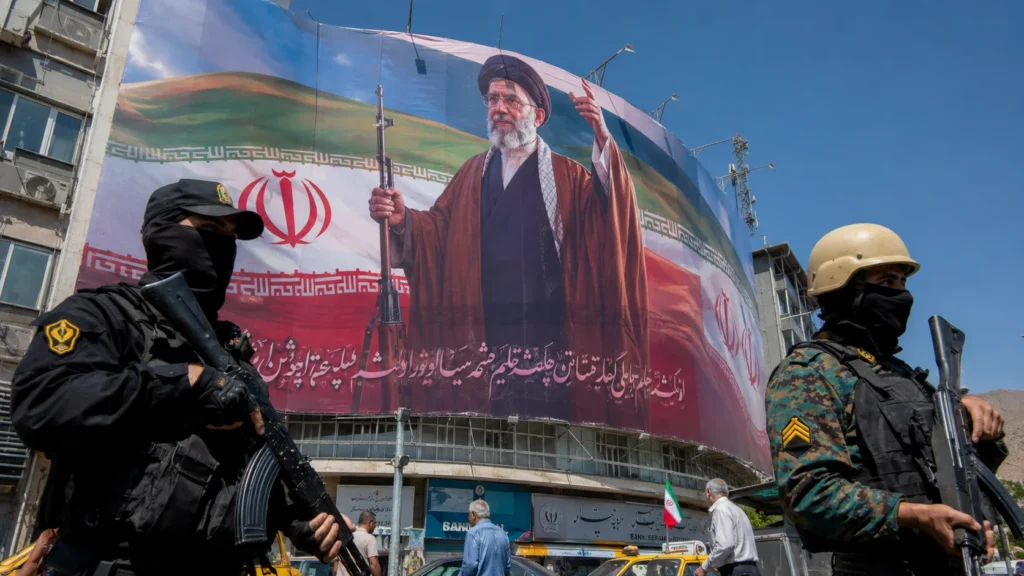
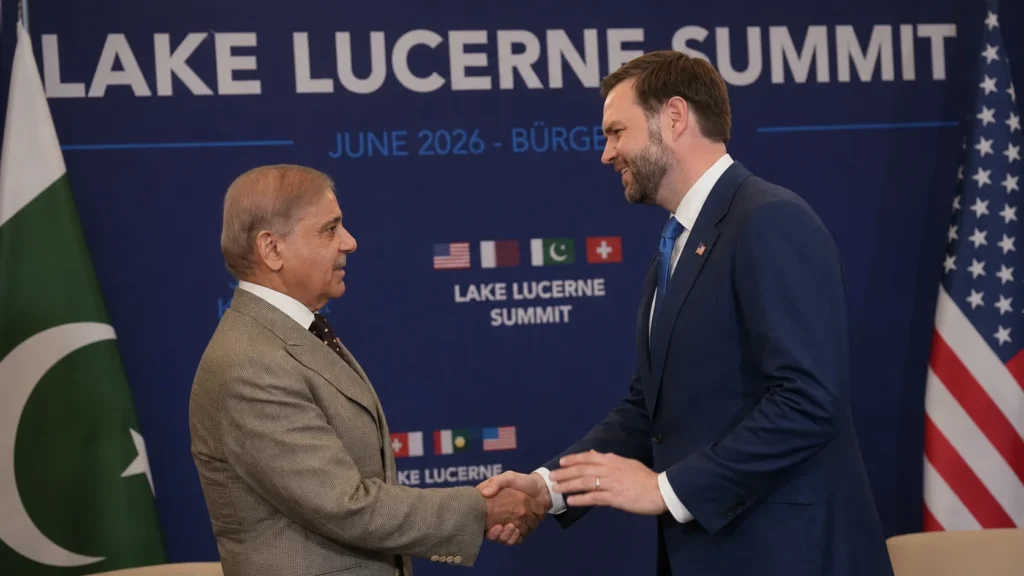
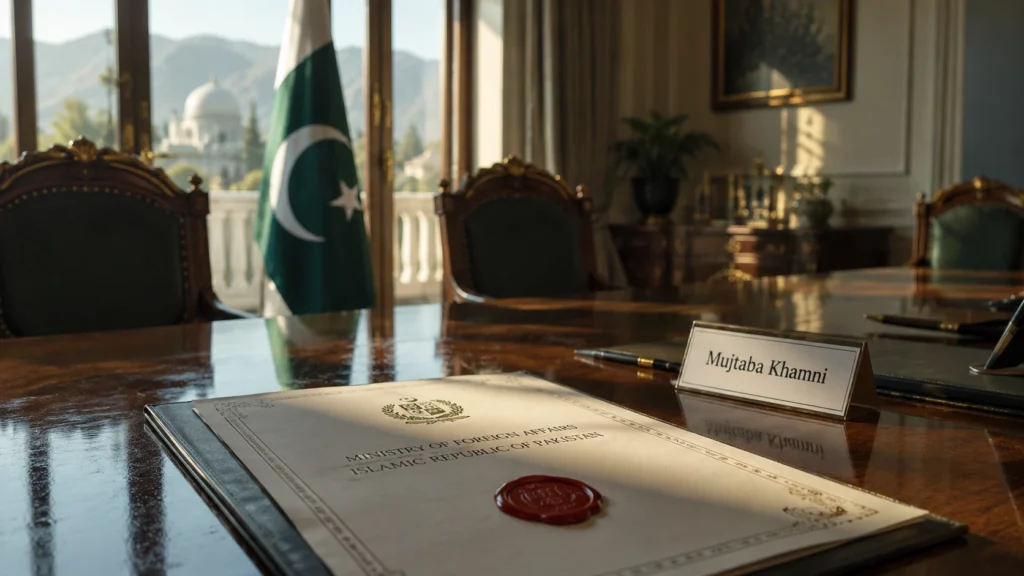
Speaking during a visit to Pakistan on Tuesday, Iran’s President Masoud Pezeshkian declared that Iran “will never negotiate with anyone, under any circumstances, ever, about our defensive capabilities.” Pakistan’s Prime Minister Shehbaz Sharif, appearing alongside Pezeshkian, said ballistic missiles were “not on the table at all” and had not been mentioned in the Memorandum of Understanding.
The two sides have signed the same document. They are now offering incompatible descriptions of its contents. As our analysis of the US-Iran interim agreement and its enforcement challenges explored, the 60-day framework for a final deal will require resolving these contradictions—or formally deferring them.
The Toll Warning
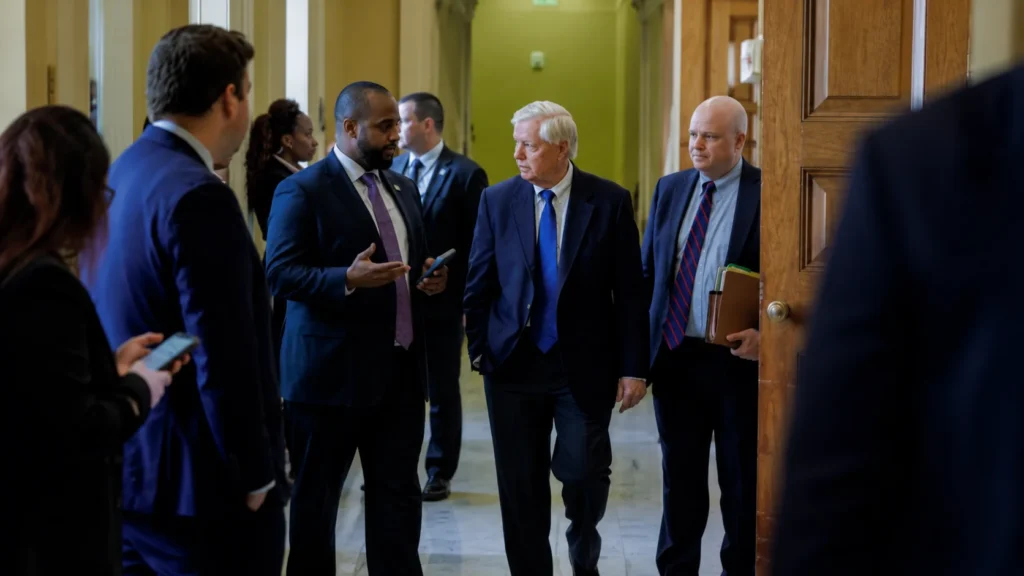
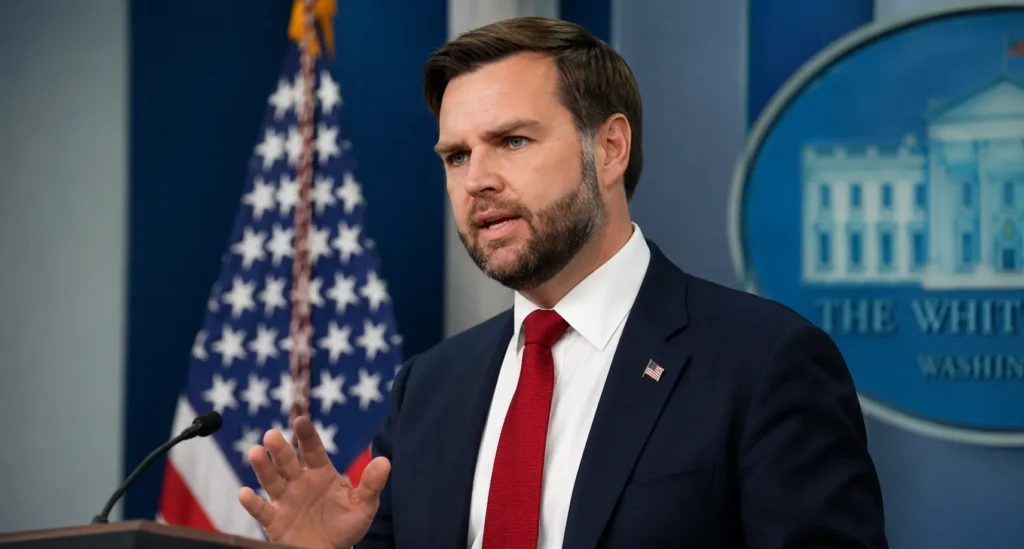
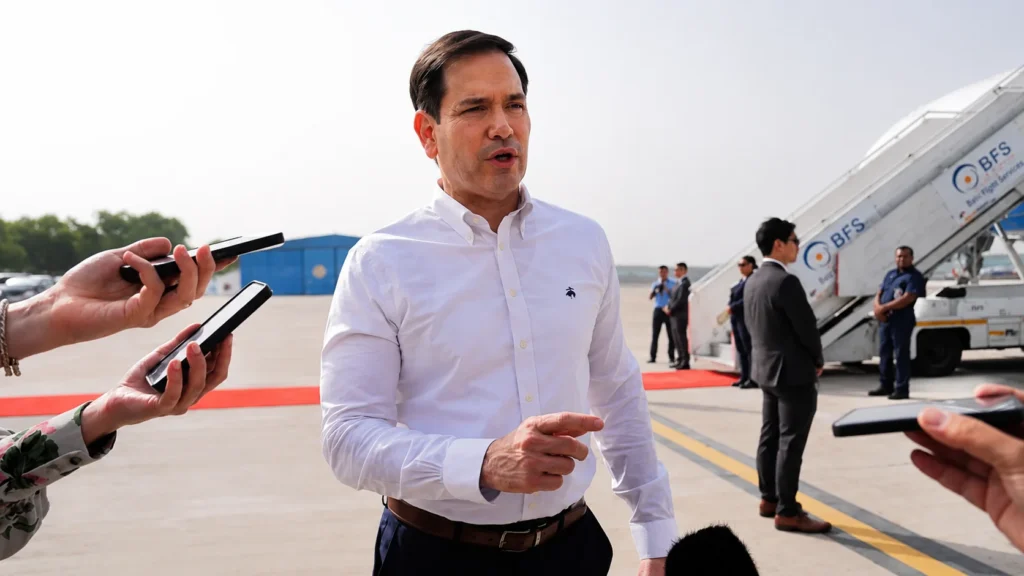
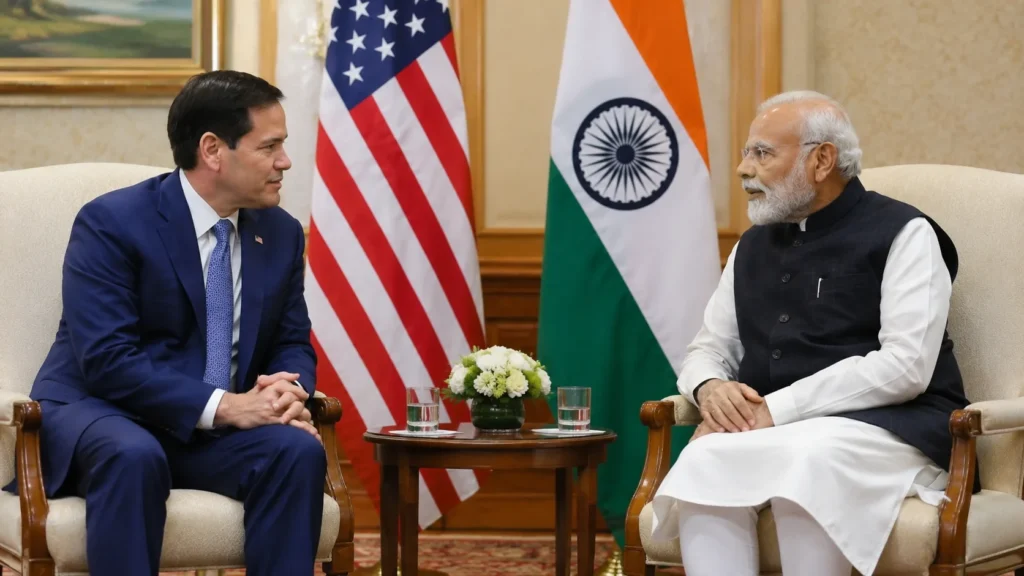
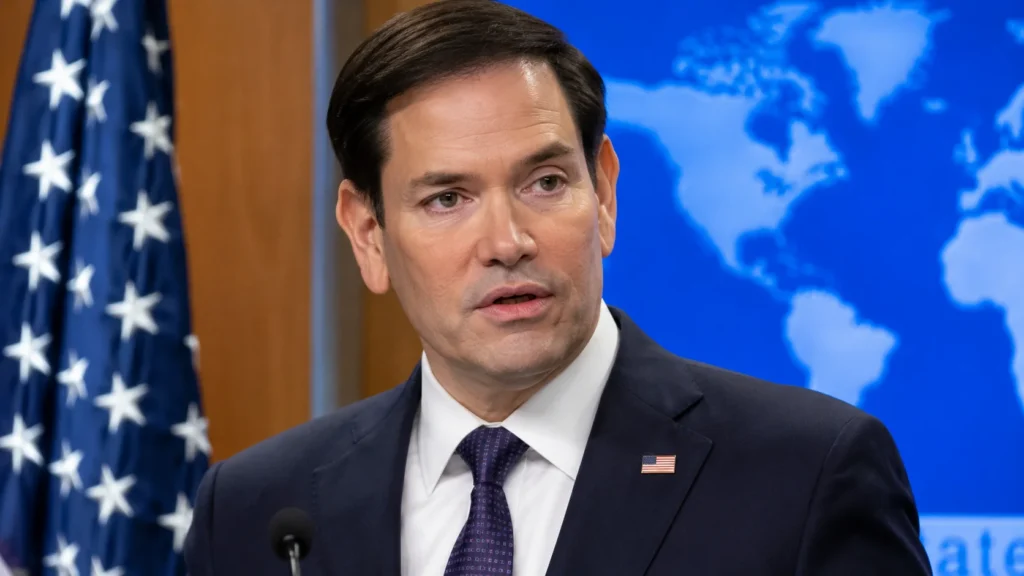
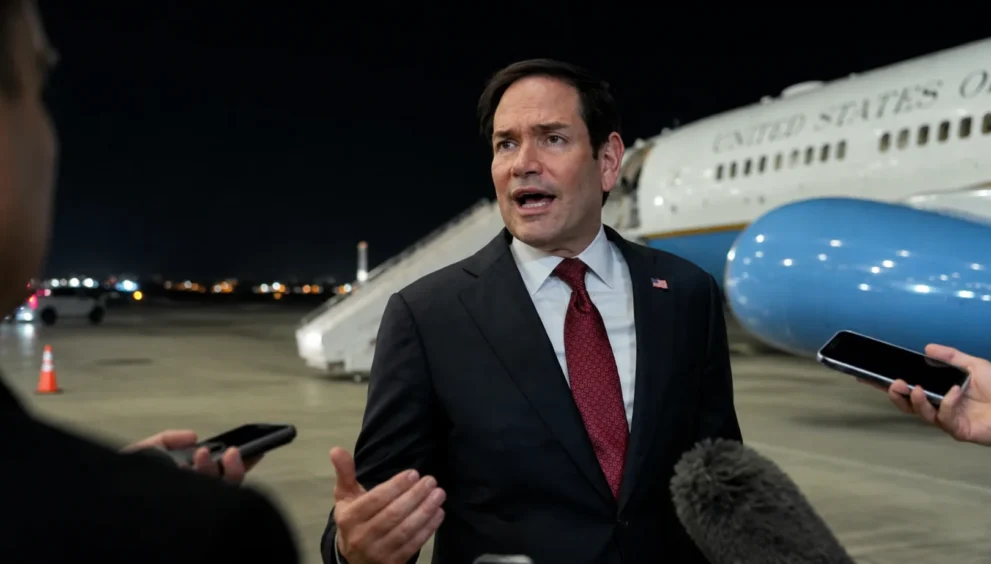
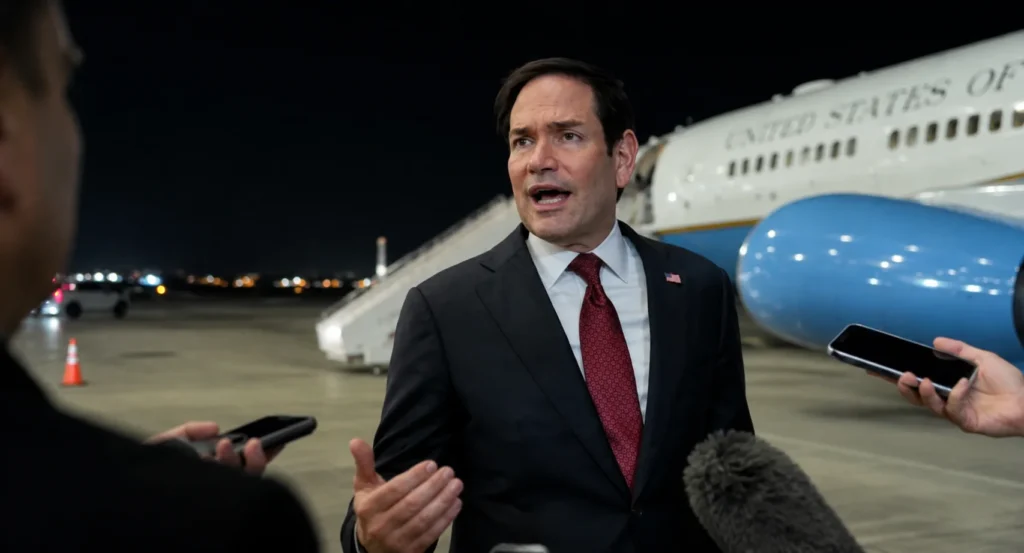
Rubio began a tour of Gulf states on Tuesday, visiting the UAE with planned stops in Kuwait and Bahrain—both of which host US military bases. His message on the Strait of Hormuz was direct.
“It’s an international waterway. No country is allowed to charge tolls or fees on an international waterway. That’s existing international law,” Rubio said as he arrived in the UAE. “I don’t think we have anybody to convince around here in that regard. I think all the countries in this region would agree with us.”
Iran has been pushing to levy charges on ships passing through the strait. The toll proposal was not included in the MoU, but Tehran has not dropped the idea. The power to charge for passage through a waterway that carries one-fifth of the world’s oil is the power to tax the global economy. Iran tested that power by closing the Strait. It is now testing whether the post-war settlement allows it to monetize the threat without closing the waterway.
According to US State Department readout of Secretary Rubio’s Gulf tour and remarks on strait tolls, Washington views the toll question as settled under international law. Tehran has not yet publicly accepted that interpretation.
FAQ
How many sailors are stranded in the Strait of Hormuz?
More than 11,000 sailors have been stranded in the Gulf since the strait was effectively closed on 28 February. The IMO is coordinating its evacuation in cooperation with Iran, Oman, the US, and other regional states.
How many ships have passed through the strait since the deal?
According to maritime intelligence firm Kpler, 172 vessels transited the strait between 18 June and Tuesday, including 42 on Saturday. The pre-conflict average was approximately 138 crossings per day. BBC Verify tracking shows more than 200 tankers still waiting inside the strait.
Is Iran allowing nuclear inspections?
The US says the deal includes guarantees for IAEA inspections. Iran says the bombed nuclear sites will not be accessible. Pakistan’s prime minister said ballistic missiles were not discussed. The two sides are offering contradictory interpretations of the same agreement.
Can Iran charge tolls on the Strait of Hormuz?
Secretary Rubio says no, citing international law that prohibits tolls on international waterways. Iran has been pushing to charge ships. The toll proposal was not included in the MoU but has not been formally withdrawn by Tehran.
When does the final deal need to be completed?
The interim agreement sets a 60-day framework for negotiating a final settlement. That clock began when the deal was signed last week.