

 English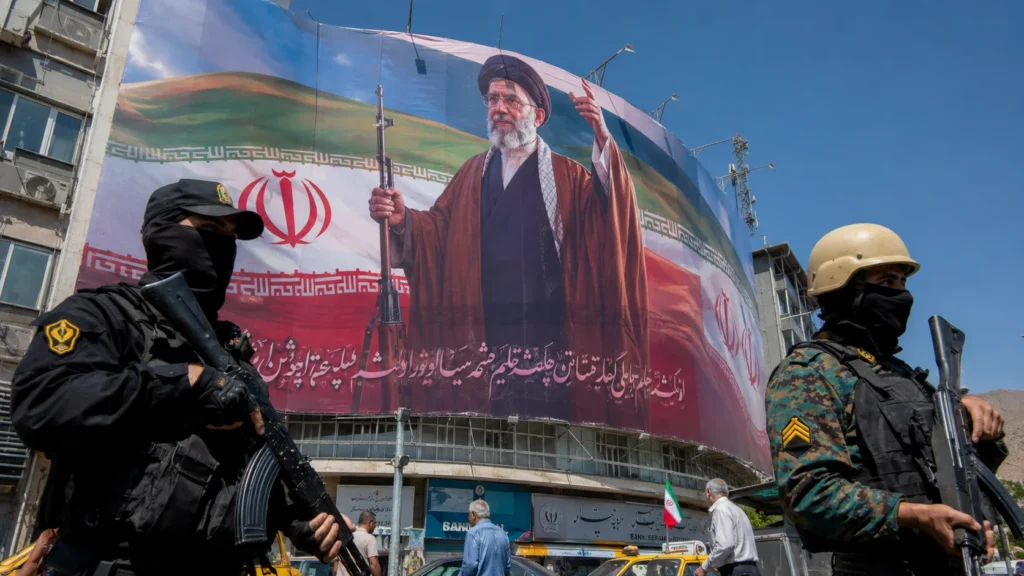








































































































































































































The Drones Hit Kuwait. The Gulf War Just Escaped Its Borders.
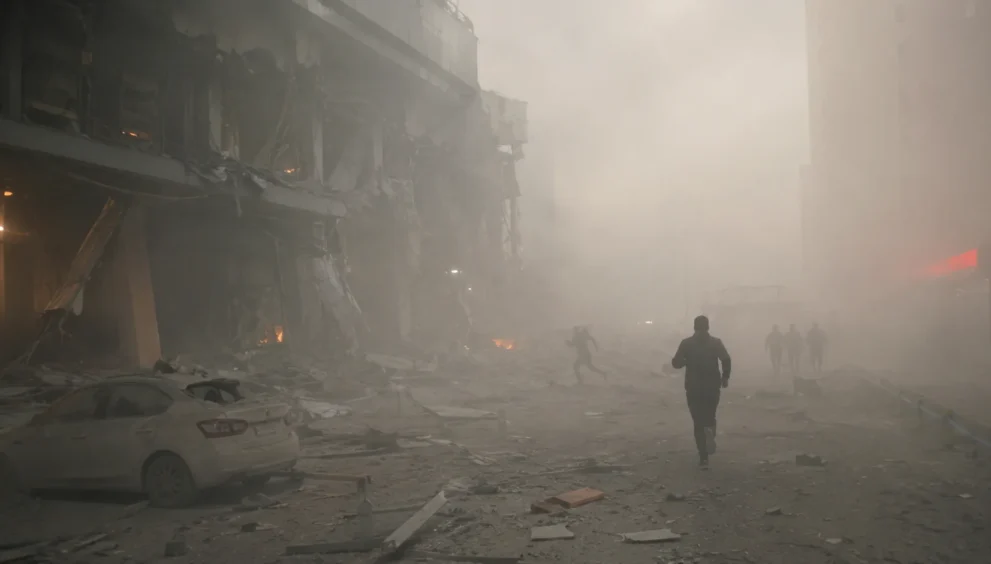
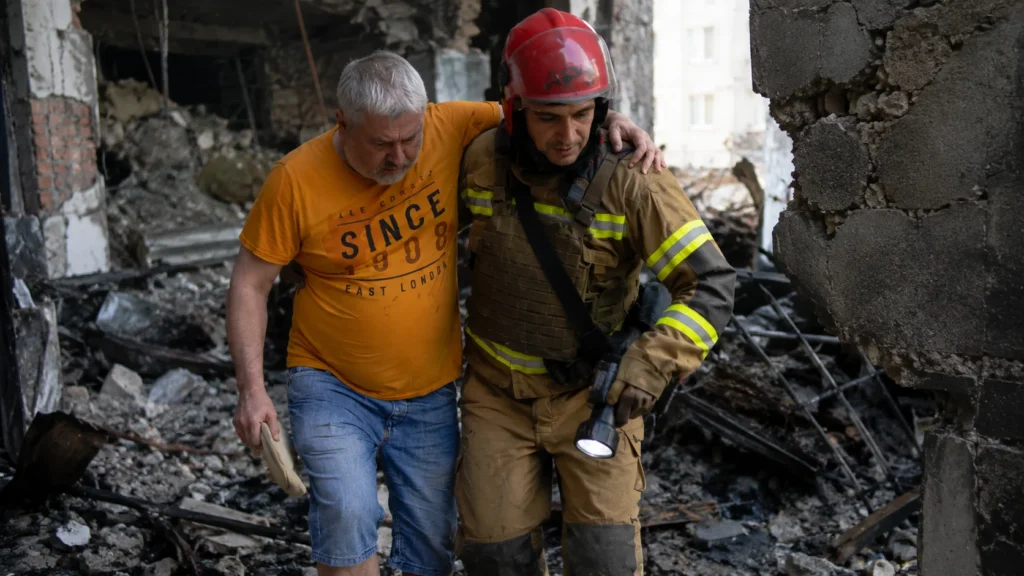
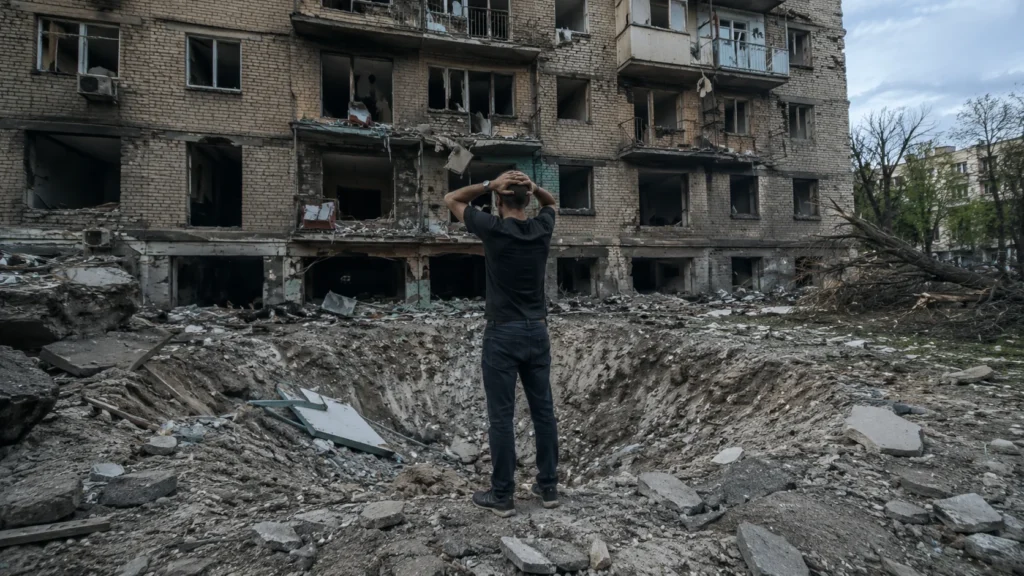
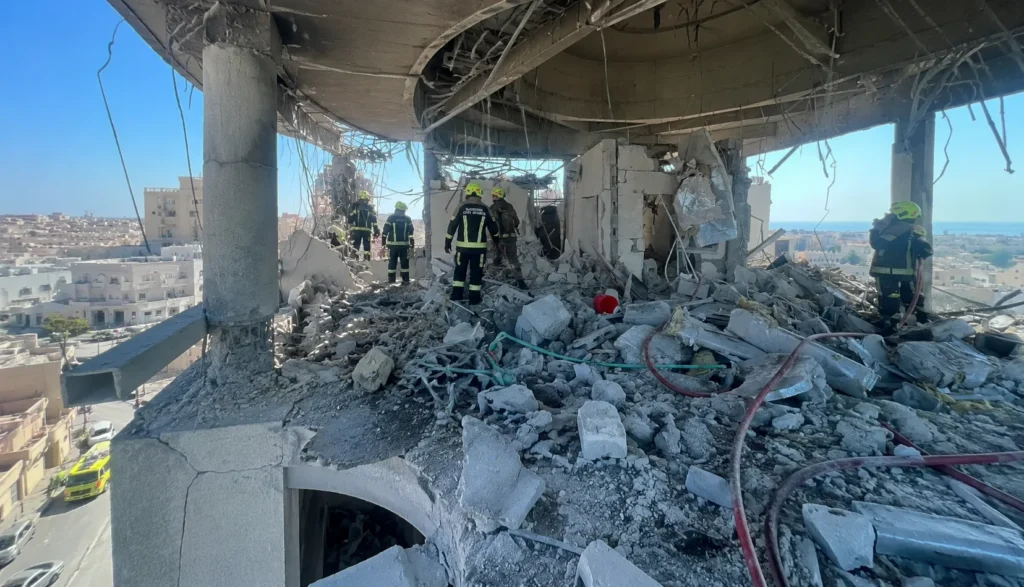
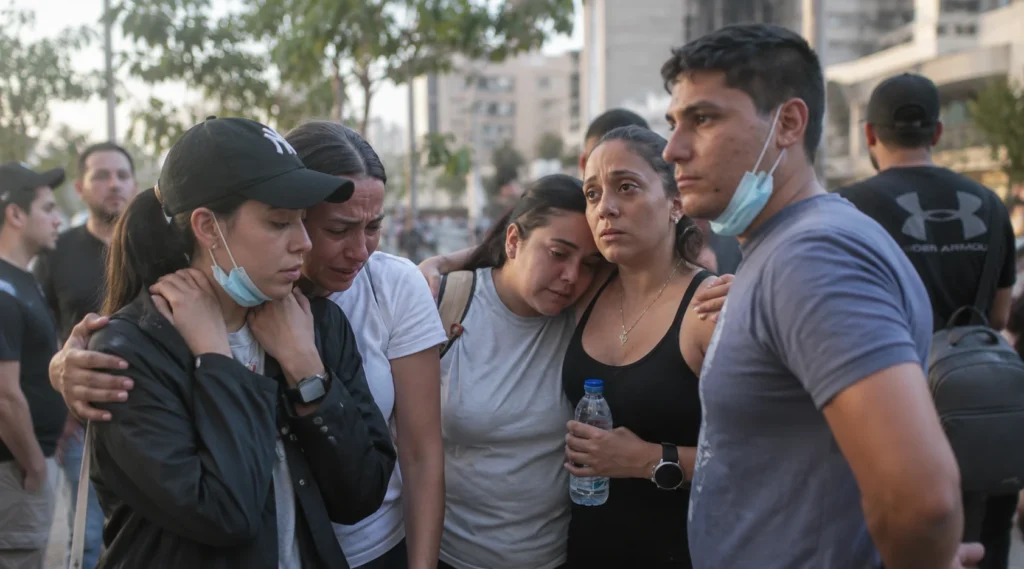
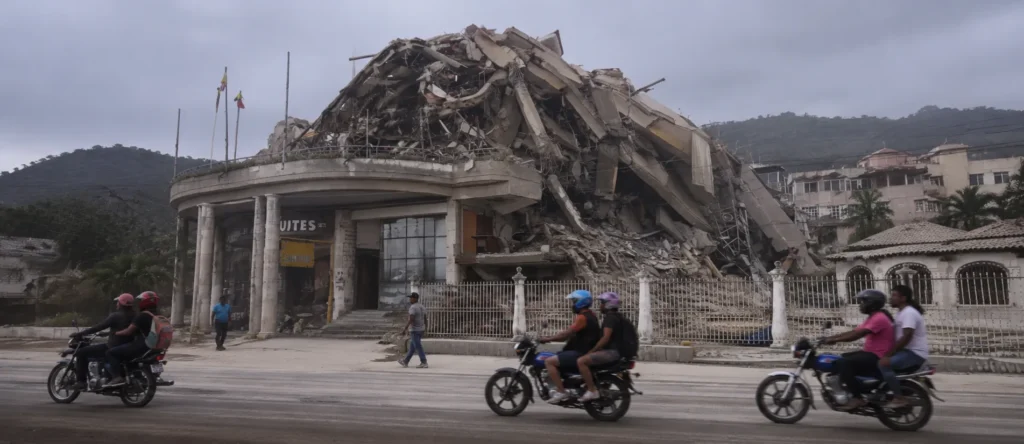
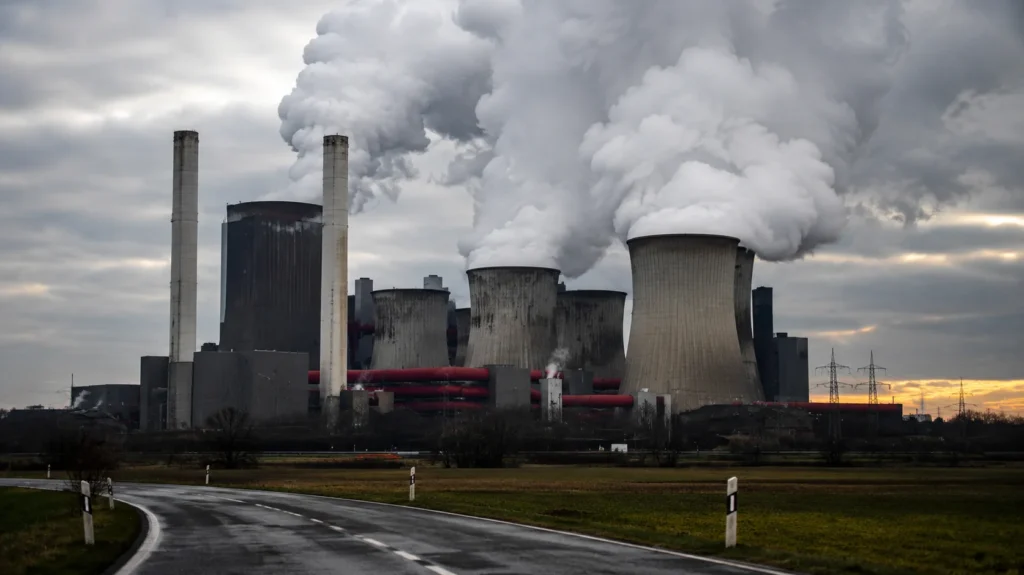
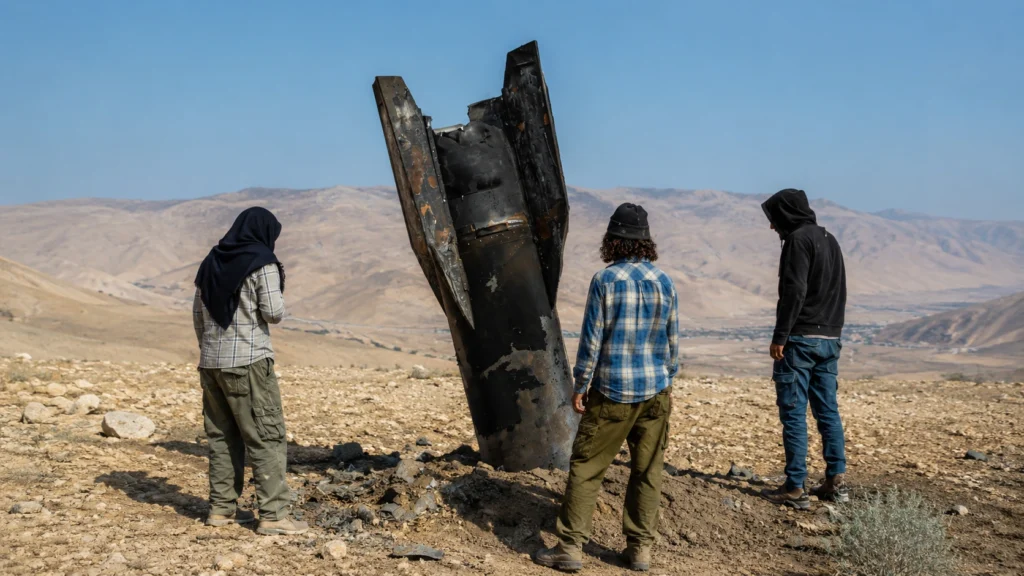
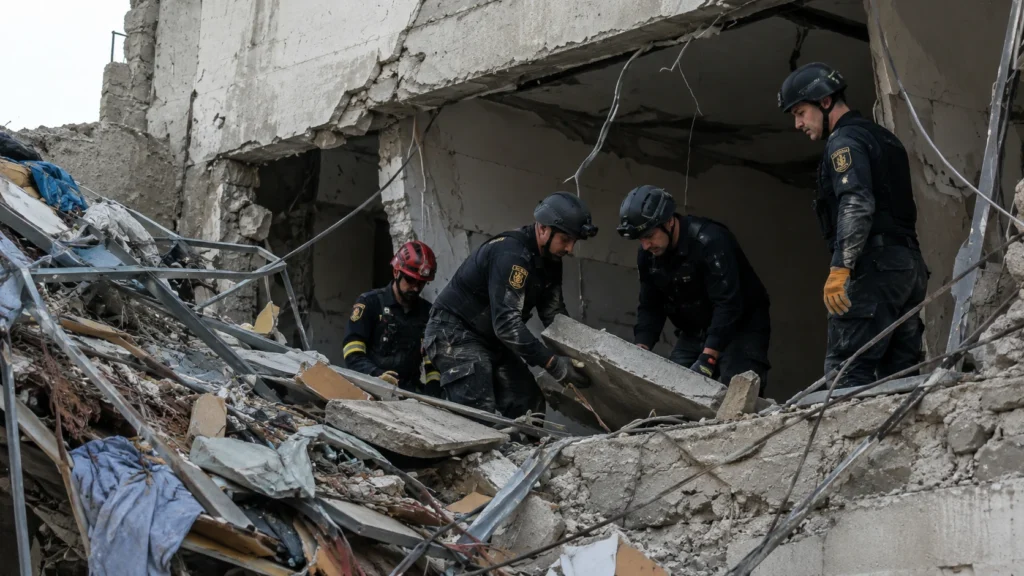
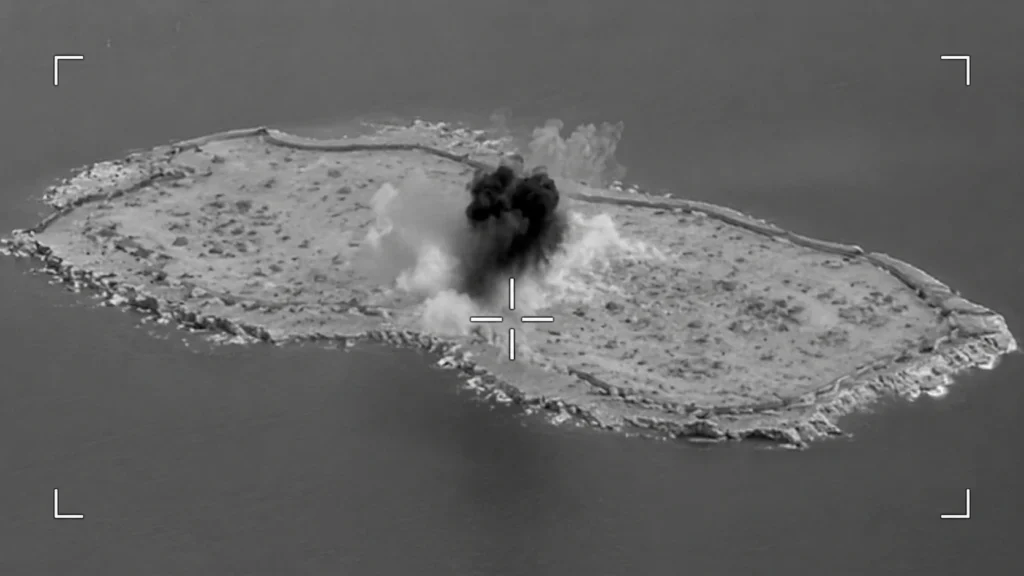
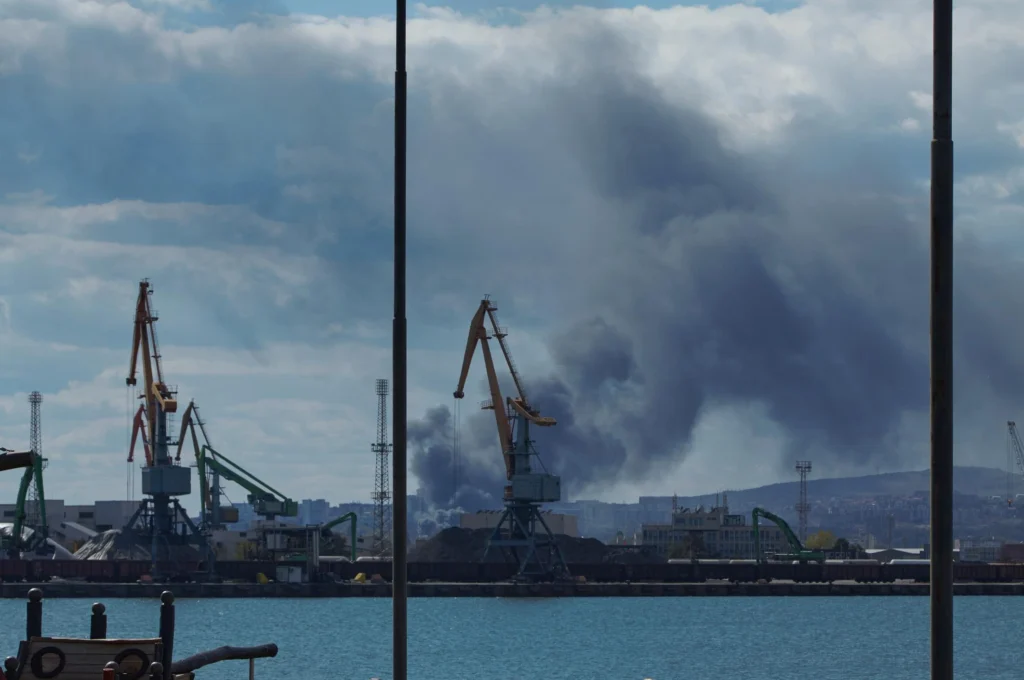
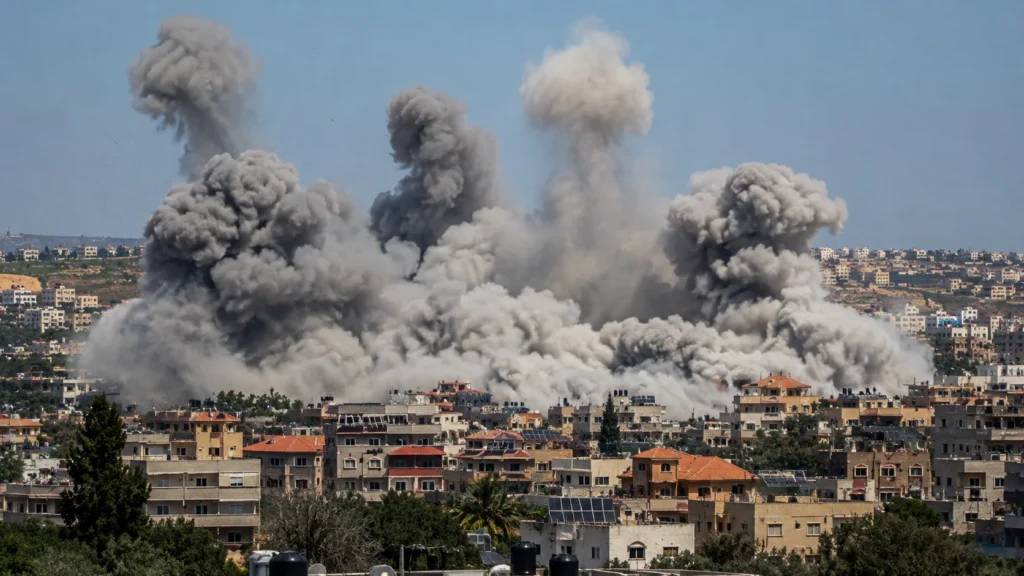
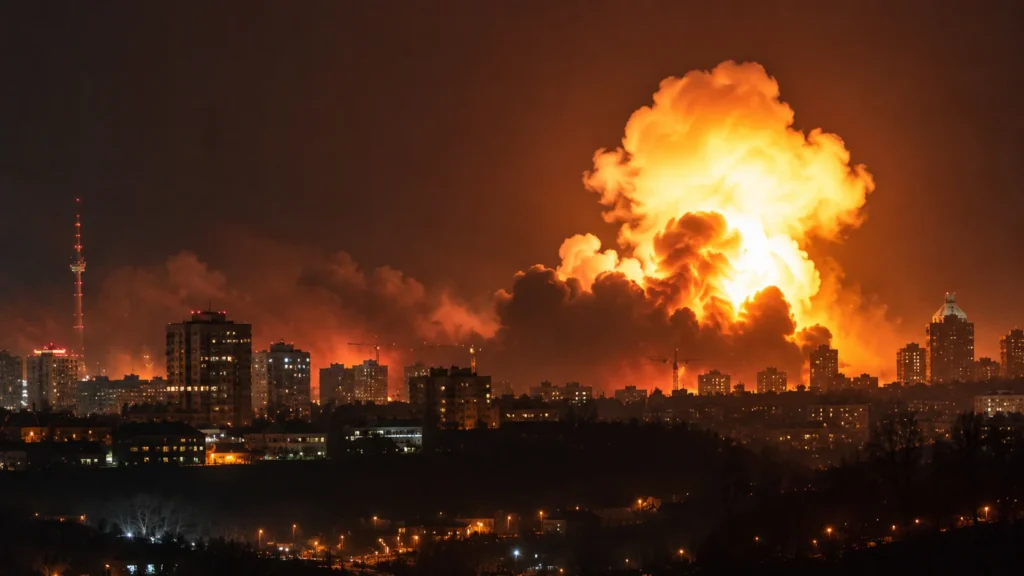
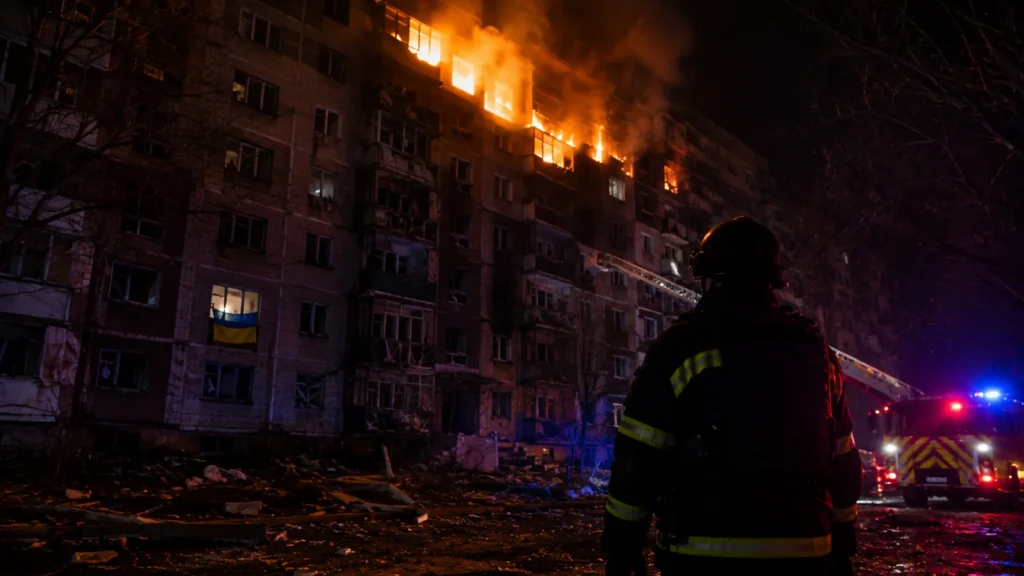
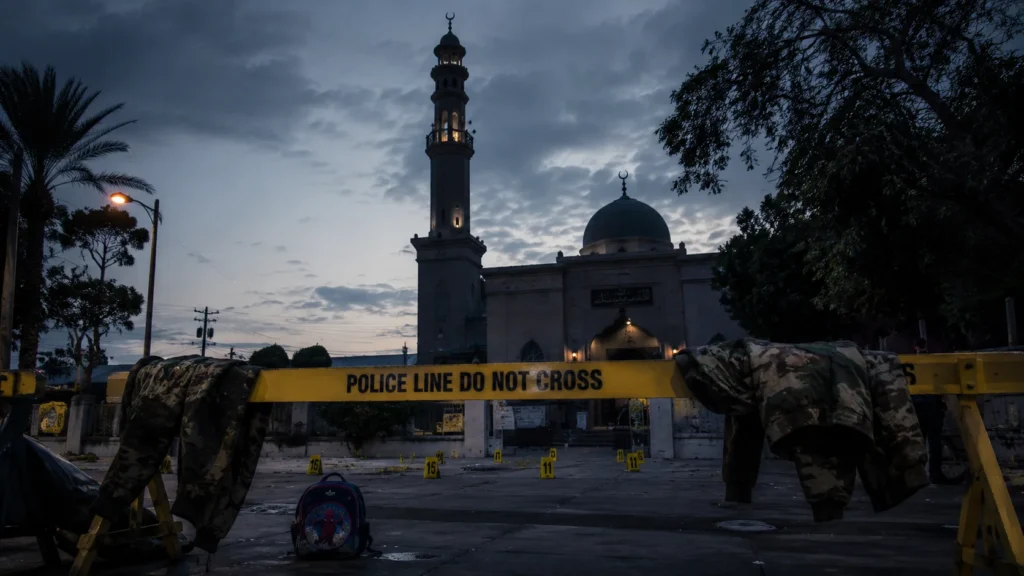
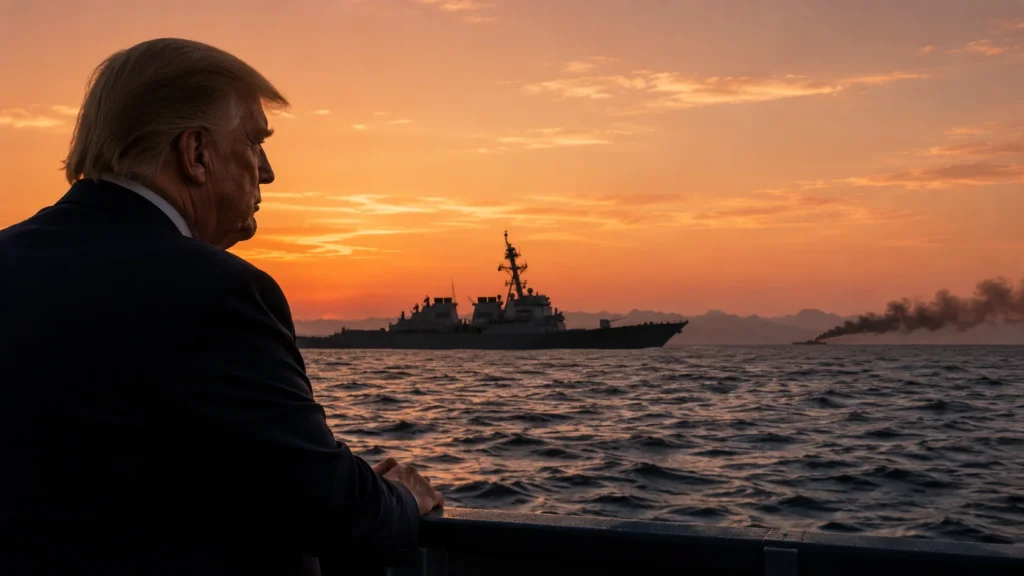
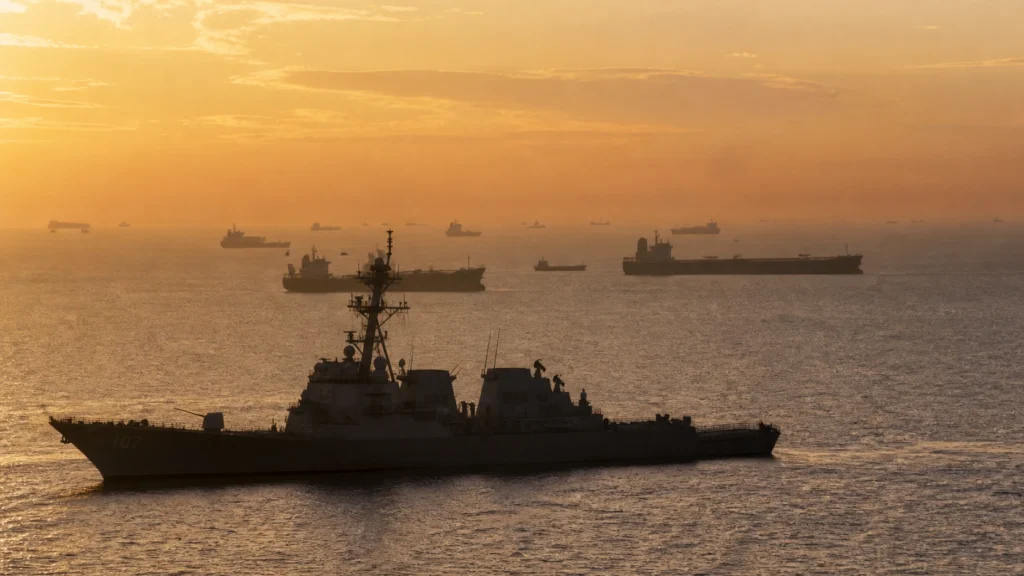
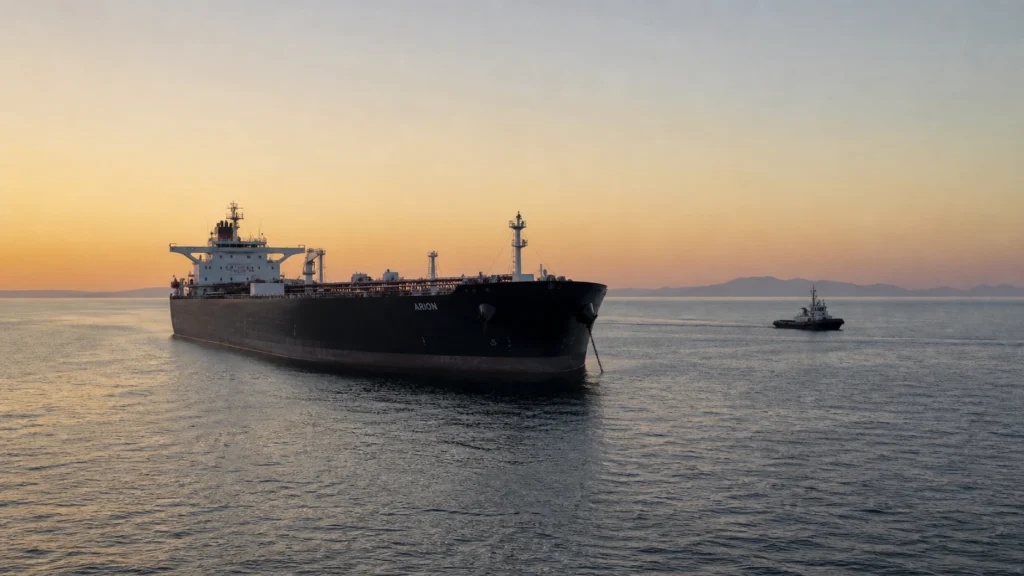
On June 3, 2026, Iranian drones struck Kuwait International Airport, killing one person and injuring more than 60. The attack came hours after the United States launched “self-defence” strikes on Iran’s Qeshm Island and shot down drones fired toward civilian vessels. Iran also fired ballistic missiles at Bahrain—all intercepted—and blamed Kuwaiti and Bahraini leadership for hosting American bases. The US naval blockade of the Strait of Hormuz, in place since April 13, was supposed to contain the conflict. The drones hit Kuwait instead. The war between Washington and Tehran has now crossed into the civilian infrastructure of a third country. That changes the math for everyone.
THE QUESTION EVERYONE IS ASKING: IS THE GULF WAR NO LONGER CONTAINED?
The answer is no. And the mechanism is more important than the event.
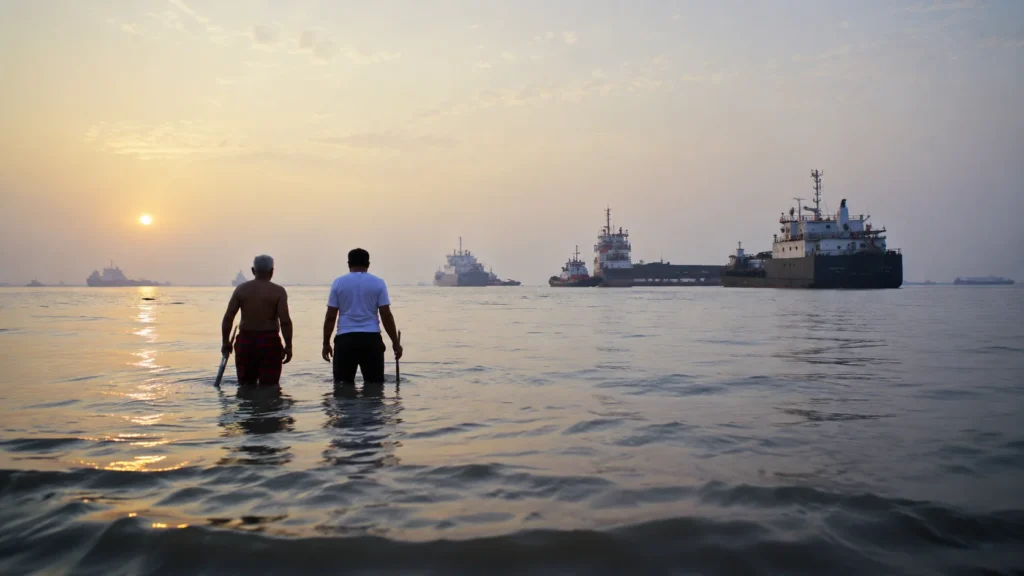
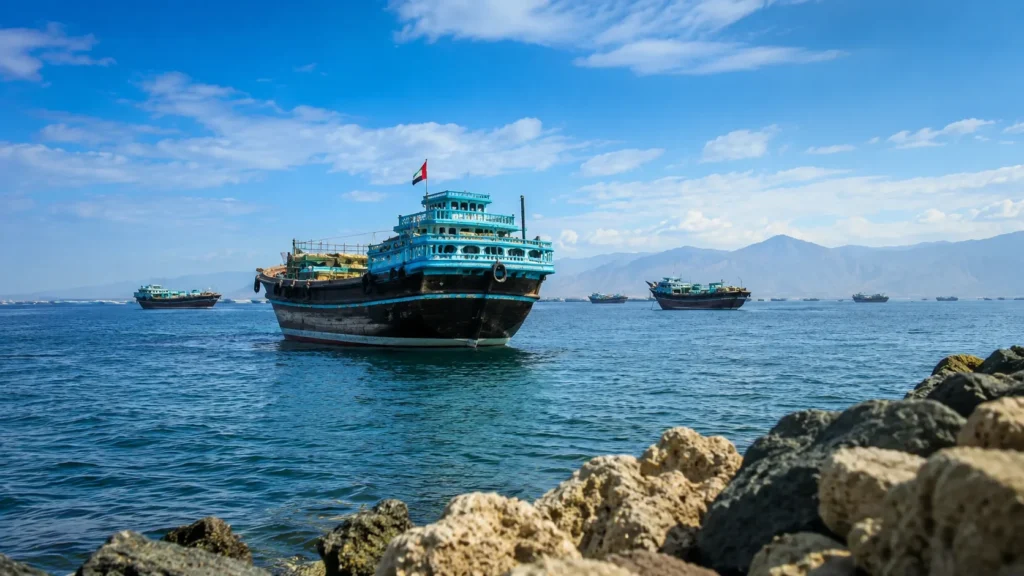
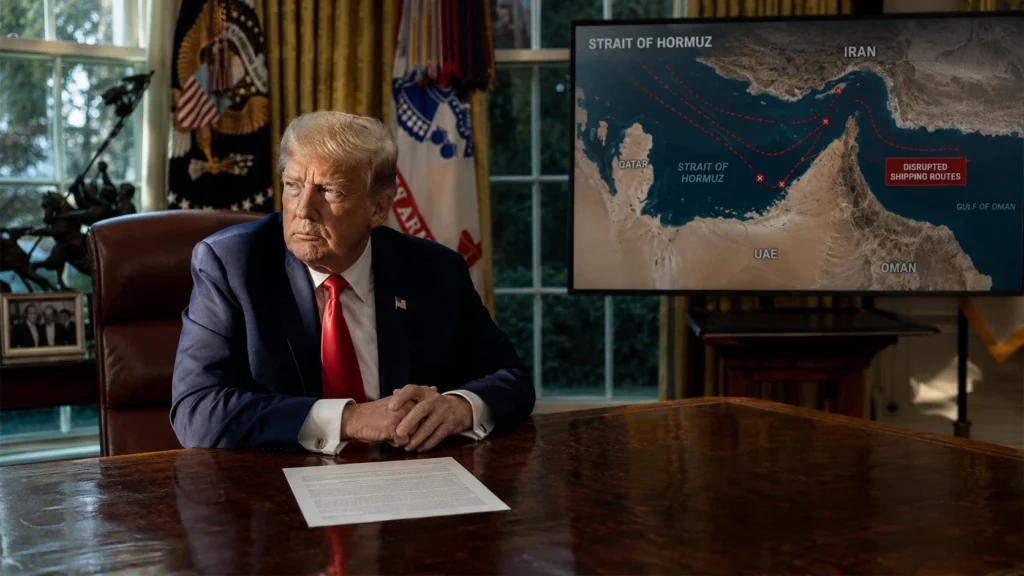
The US-imposed blockade on the Strait of Hormuz was designed as a ceiling of escalation—a way to strangle Iran’s economy without triggering a ground war. Strikes on military targets, including the IRGC ground control station on Qeshm Island, stayed within that logic. Calibrated. Military-to-military. Within the theater.
Iran’s decision to fire ballistic missiles at Kuwait and Bahrain shifted the theater. The interception rate—two missiles and three missiles, all broken apart or shot down—matters less than the intent. Iran chose to fire on countries that have not fired on it. Then the drones reached an airport. A civilian airport. The containment architecture is now leaking at multiple points.
As our analysis of the Strait of Hormuz blockade’s strategic logic documented, the US bet was that economic pressure would force Iran to negotiate before the war expanded geographically. That bet just lost.
THE BASICS: WHAT YOU NEED TO KNOW
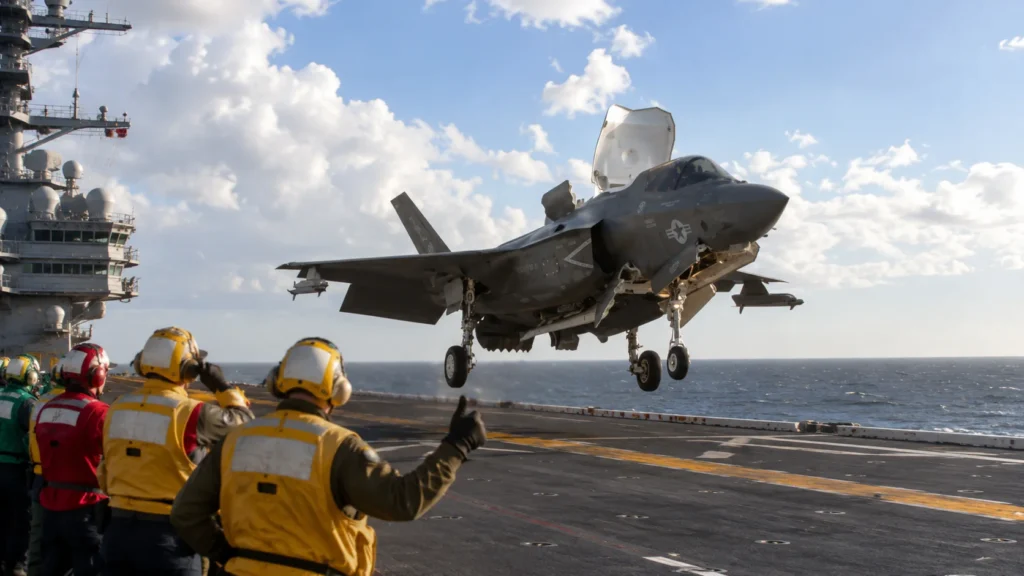
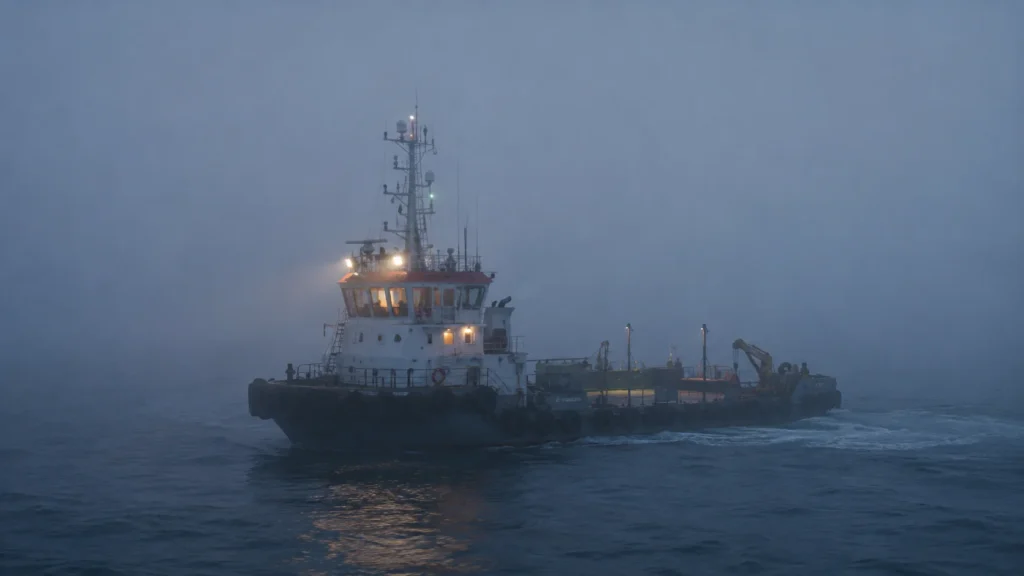
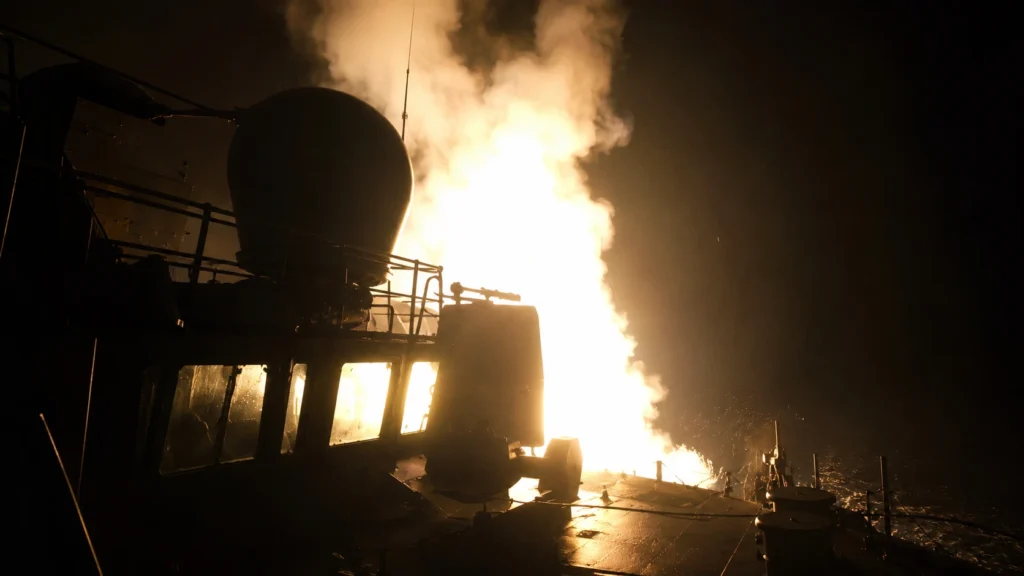
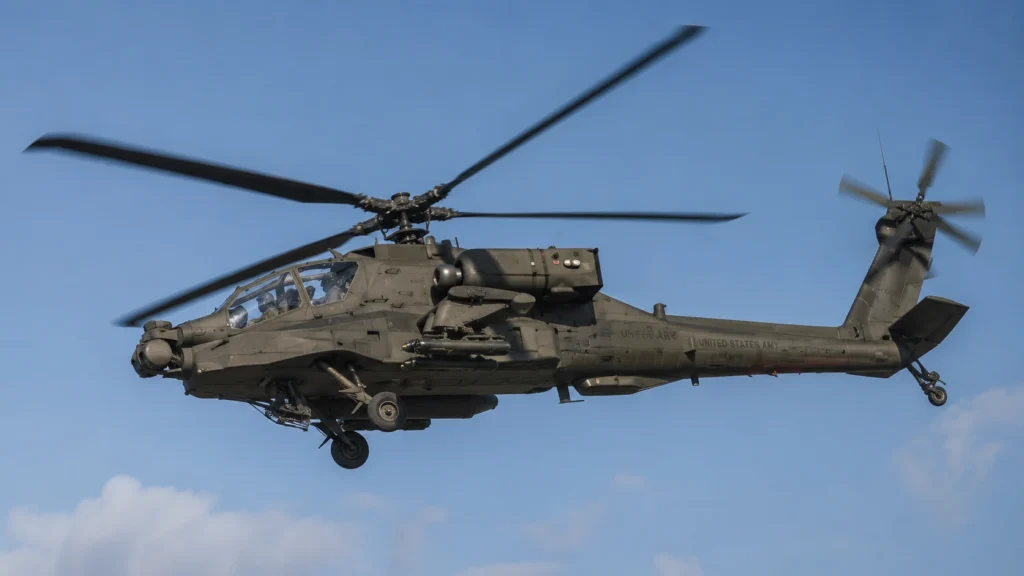
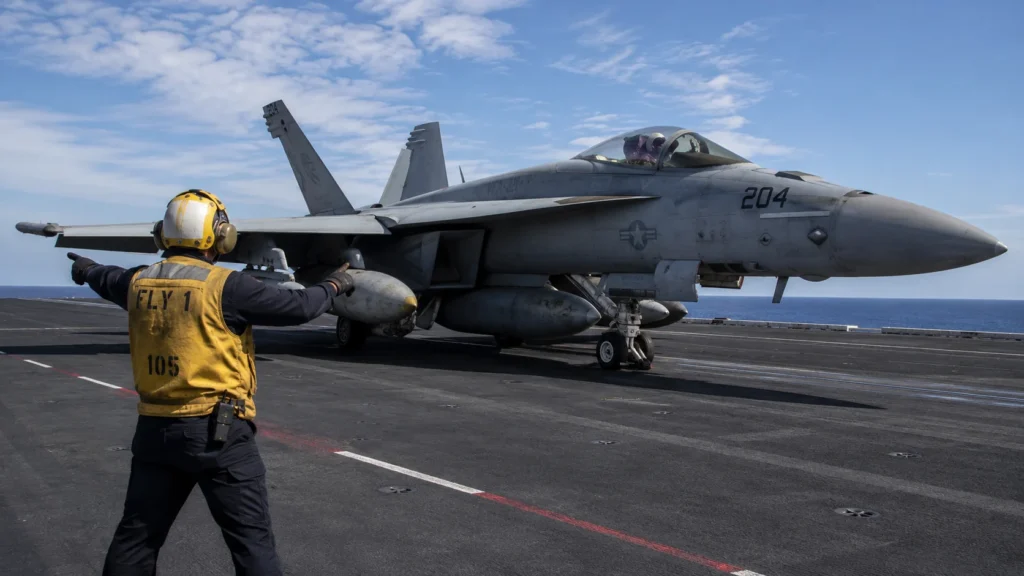
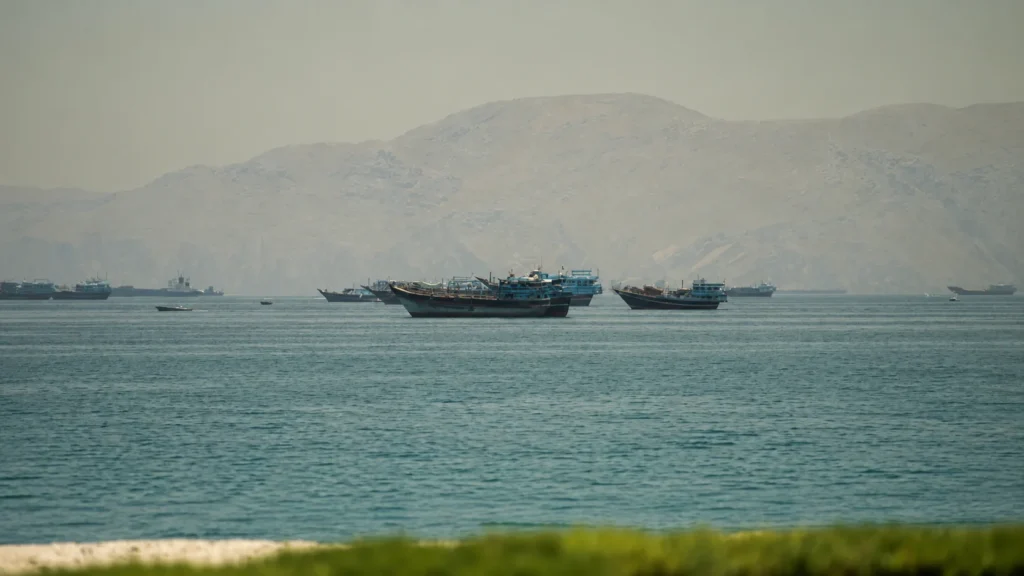
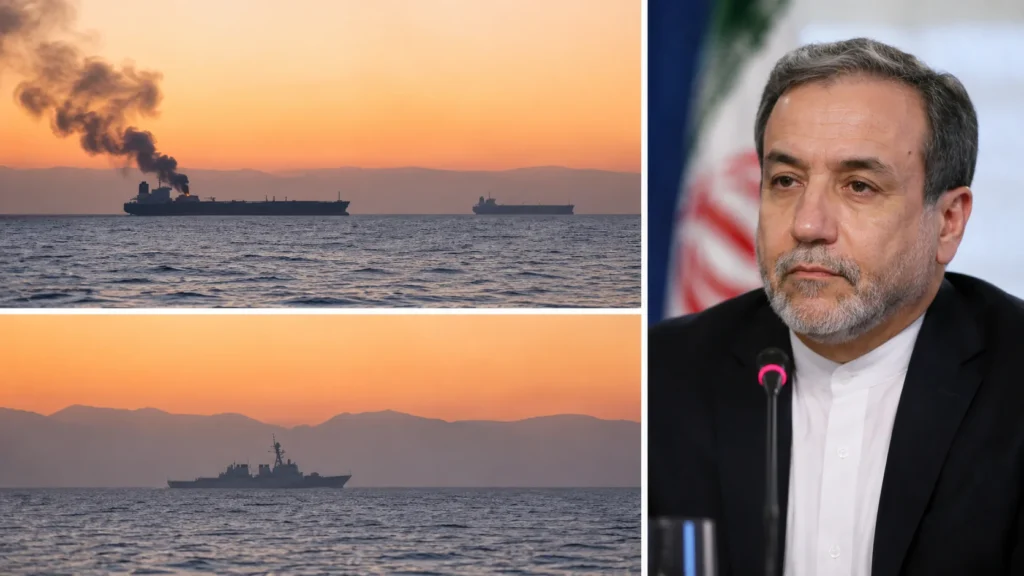
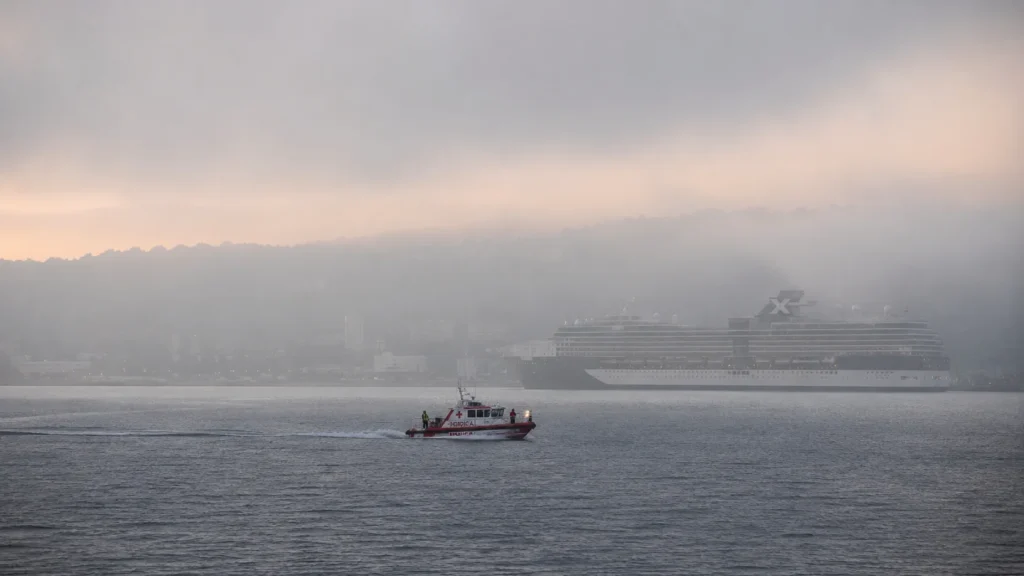
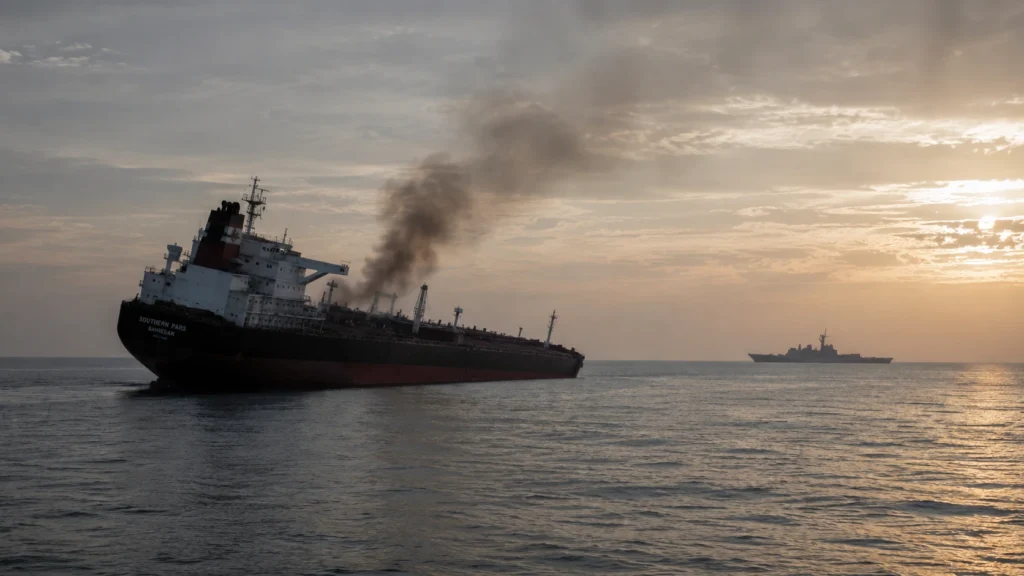
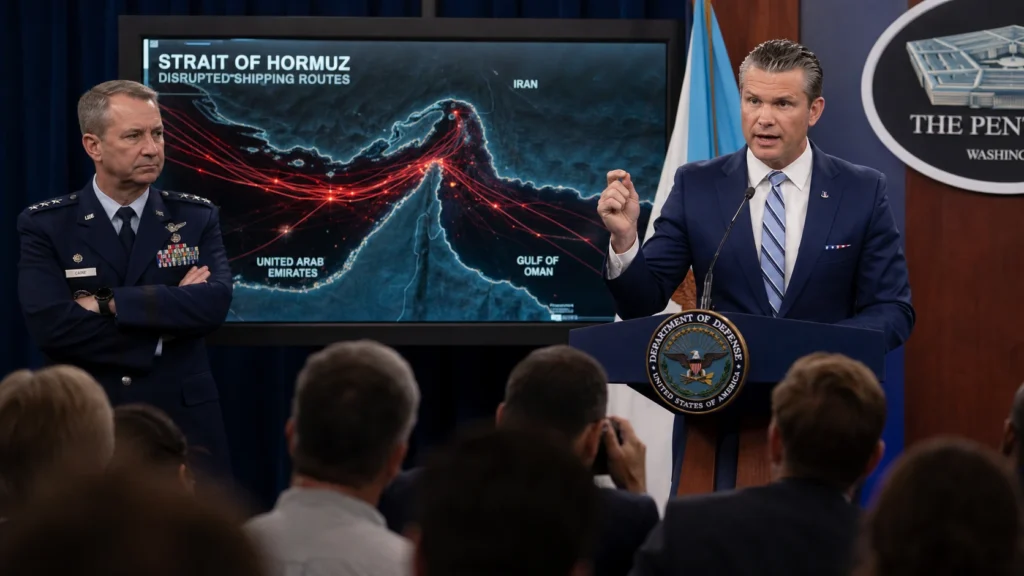
The US military confirmed strikes on Qeshm Island in the Strait of Hormuz, targeting an Iranian military ground control station. Centcom also shot down three attack drones launched by Iran toward “civilian mariners that were rightfully transiting regional waters.” A Hellfire missile disabled an unladen Botswana-flagged tanker sailing toward Iran after its crew “ignored repeated warnings.”
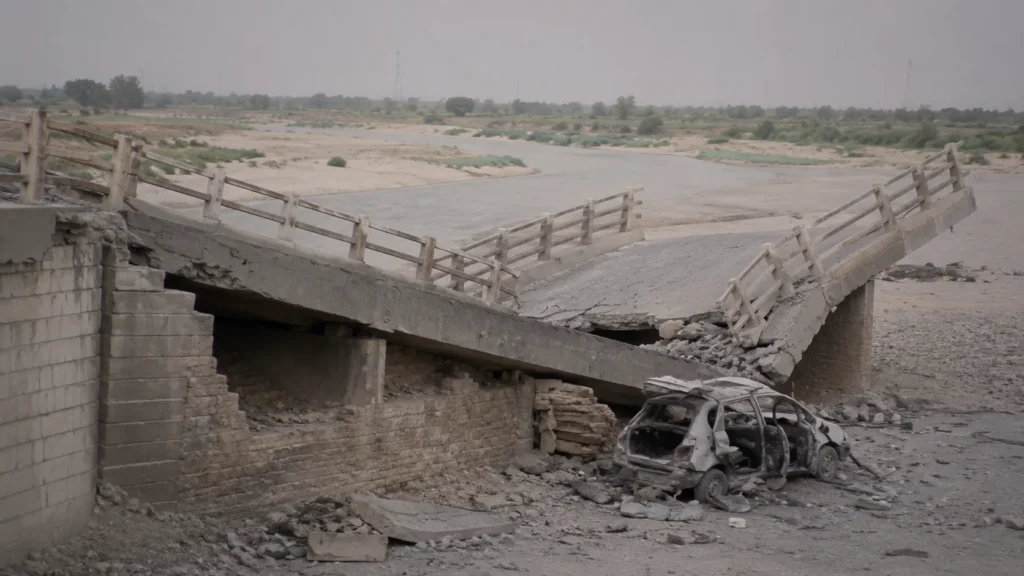
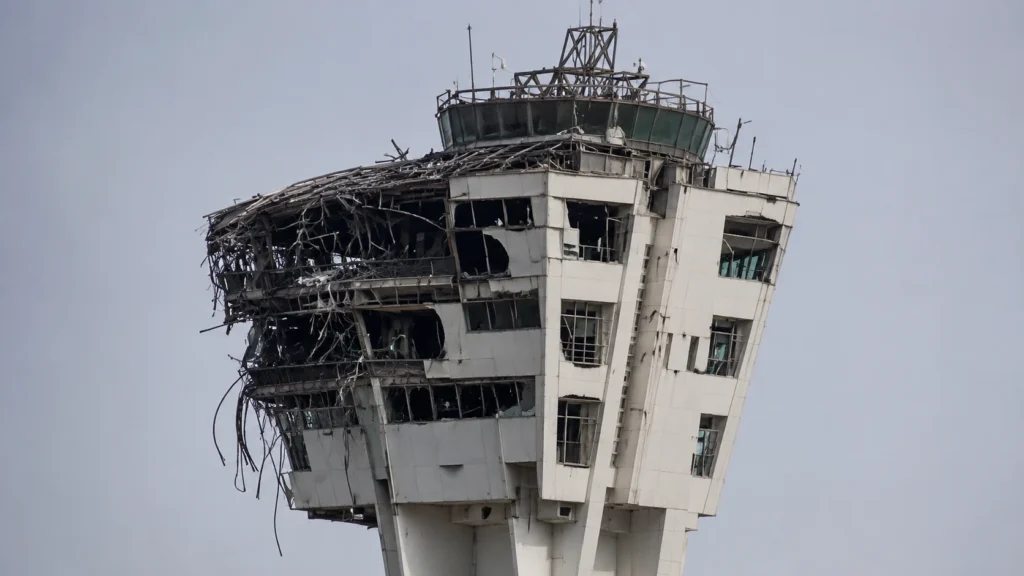
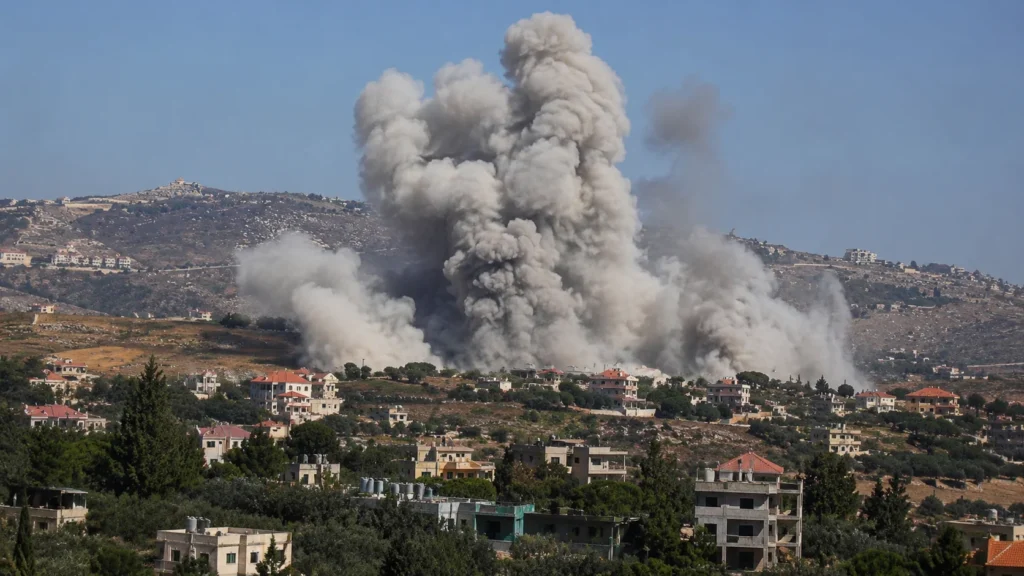
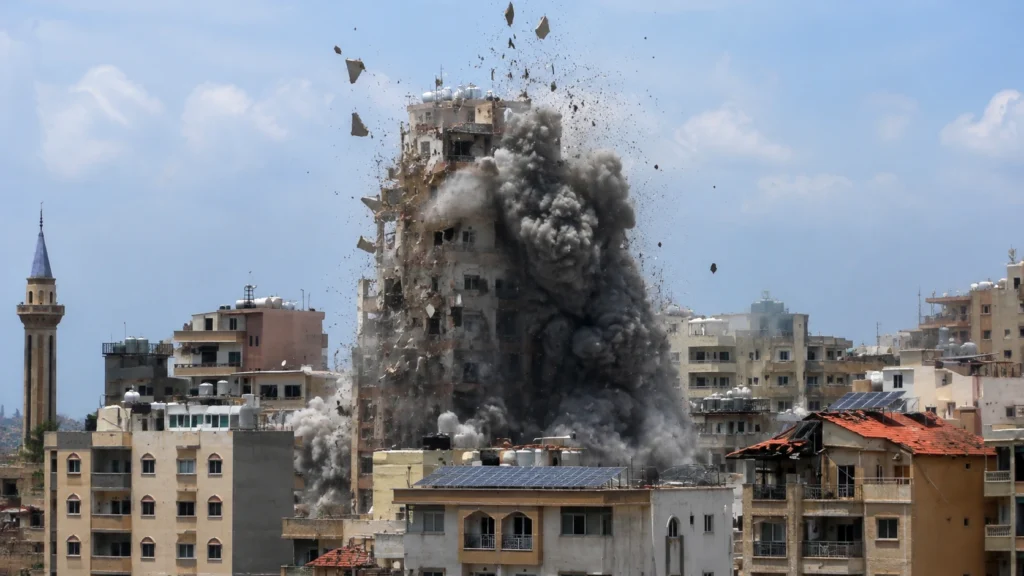
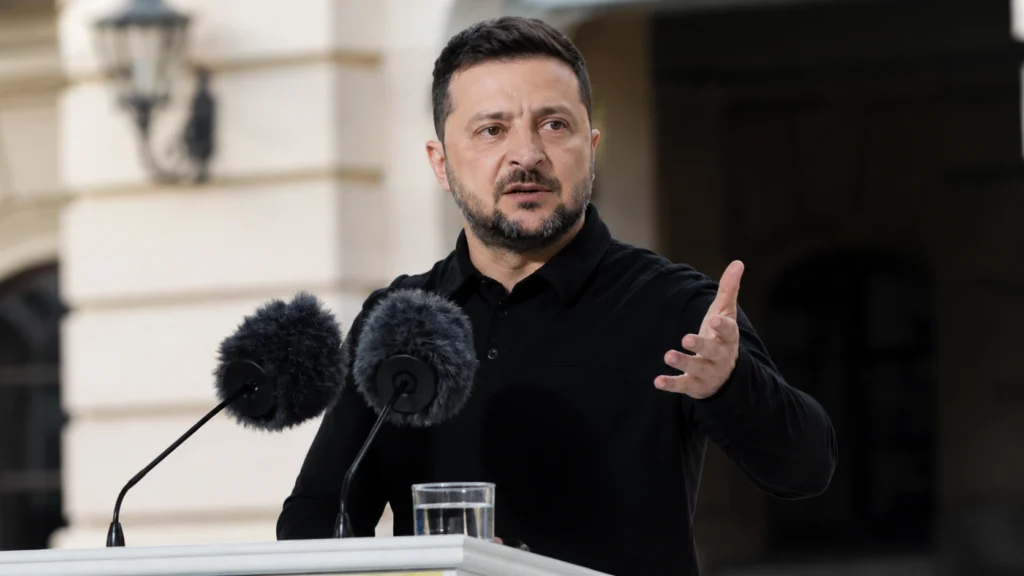
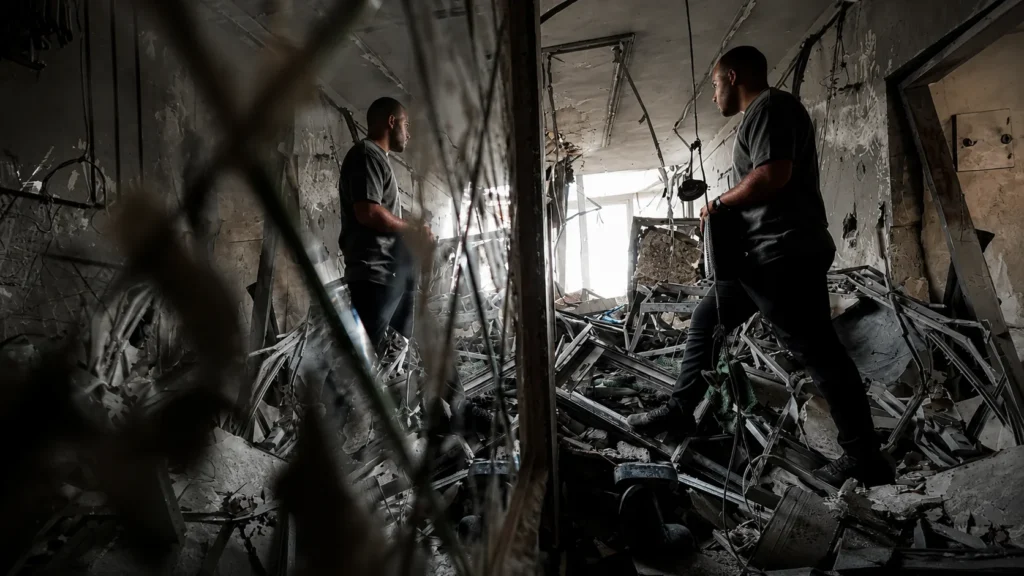
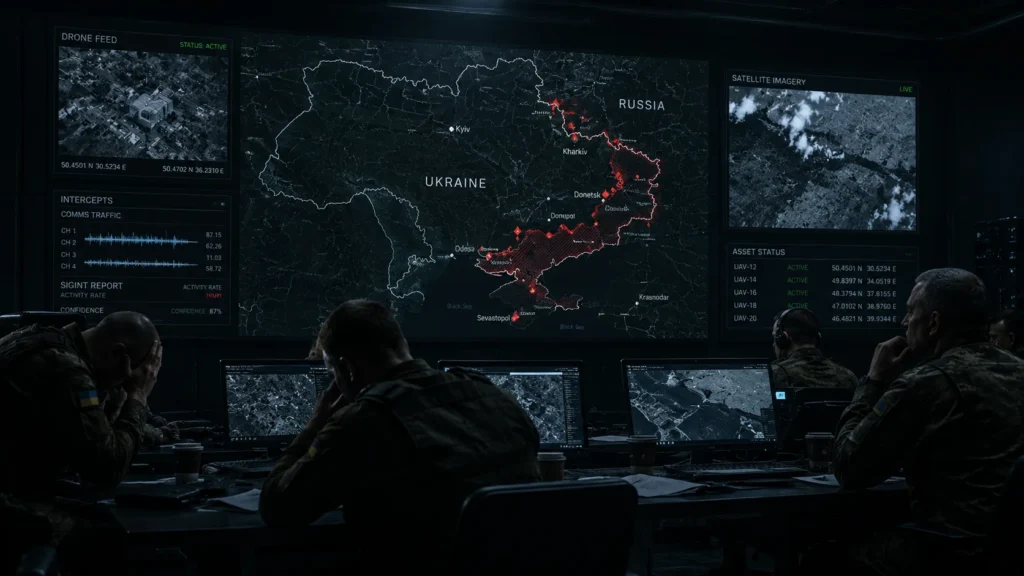
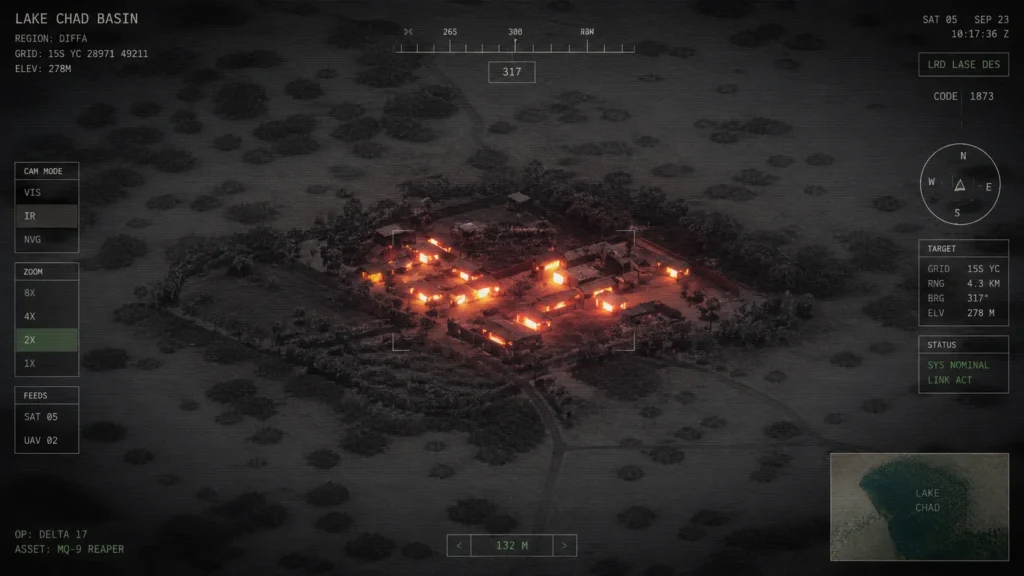
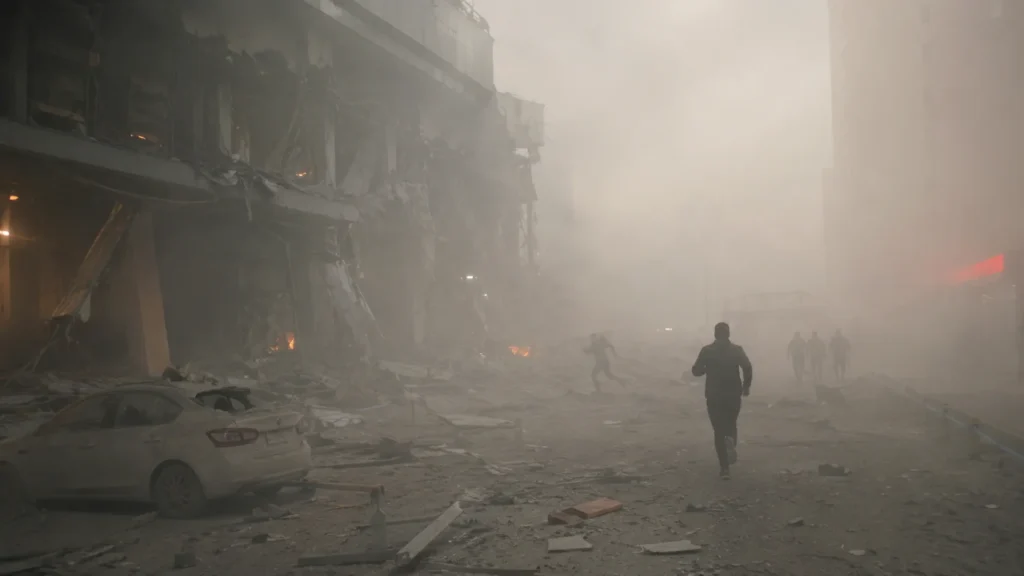
Iran’s Islamic Revolution Guard Corps (IRGC) responded with missiles and drones. Two missiles targeted Kuwait. Three targeted Bahrain. All were intercepted or broke apart. But drones reached Kuwait International Airport, hitting buildings, including the terminal. Kuwait’s defense ministry spokesman, Brigadier General Saud Abdulaziz Al-Otaibi, called the attack “criminal Iranian aggression.” The foreign ministry confirmed that diplomatic missions sustained damage.
According to US Central Command official statement on June 3 strikes, the Qeshm Island operation was “in response to attempted attacks by Iran across the Middle East.” The statement did not address whether strikes on third-country airports constituted a proportionate response.
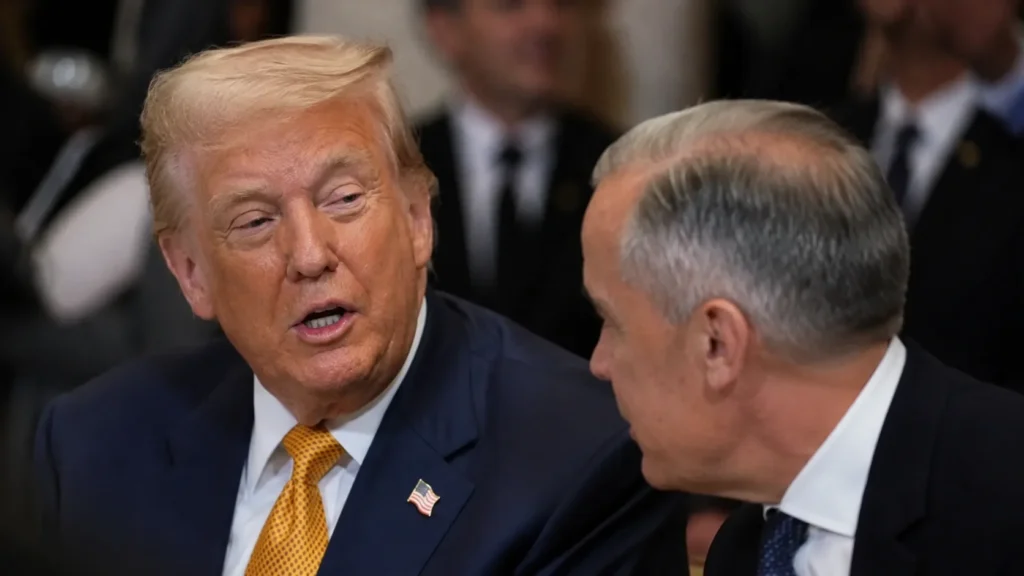
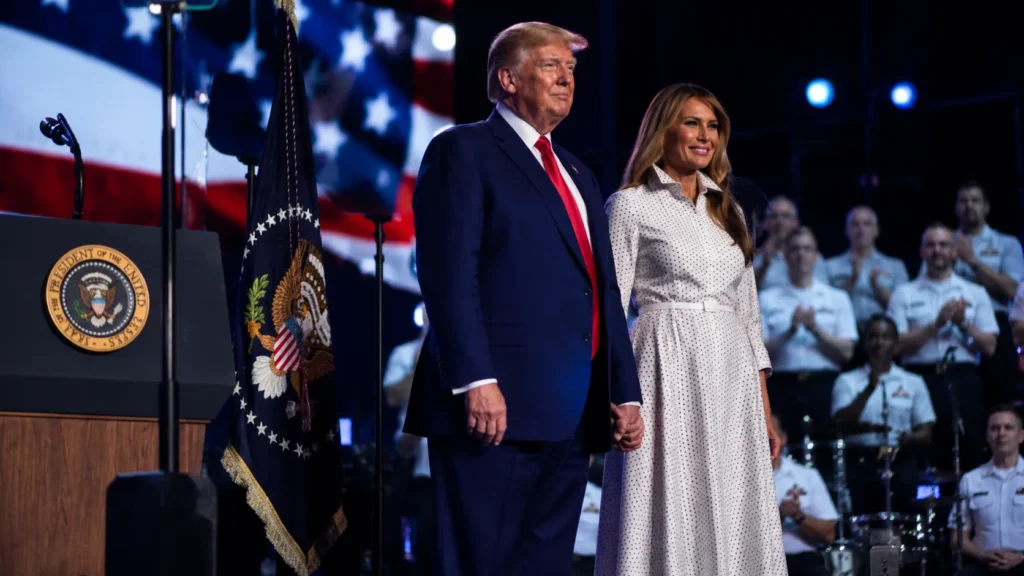
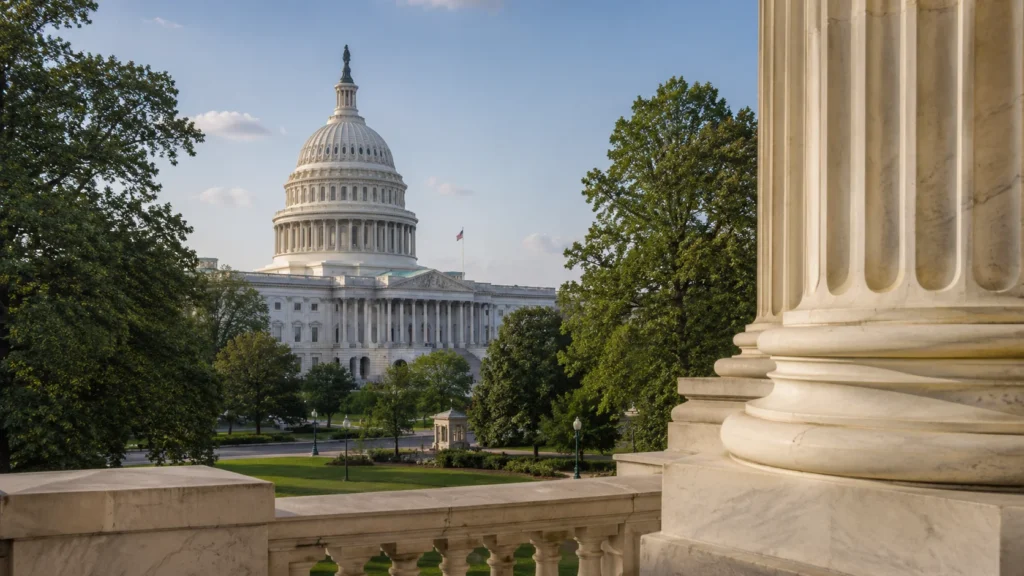
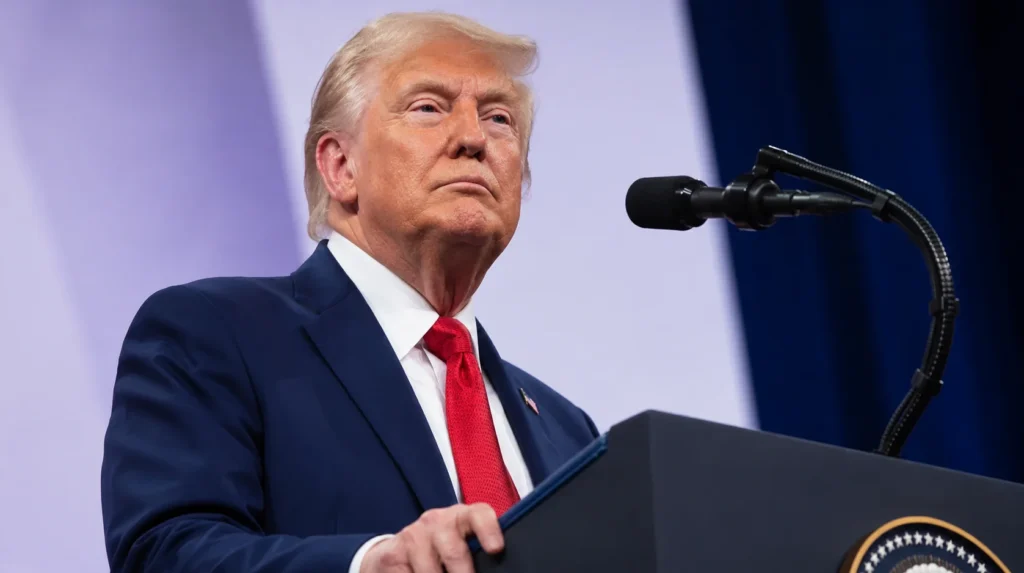
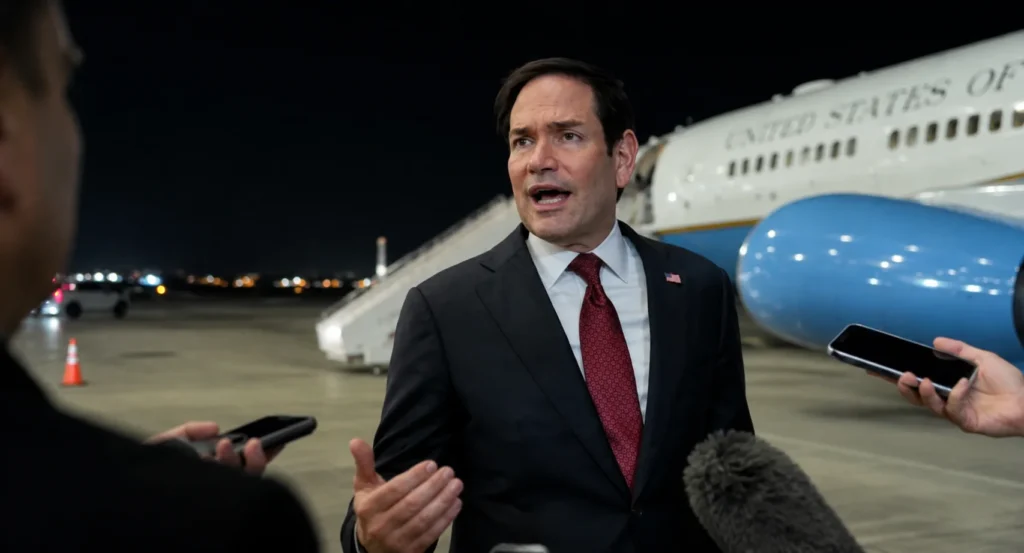
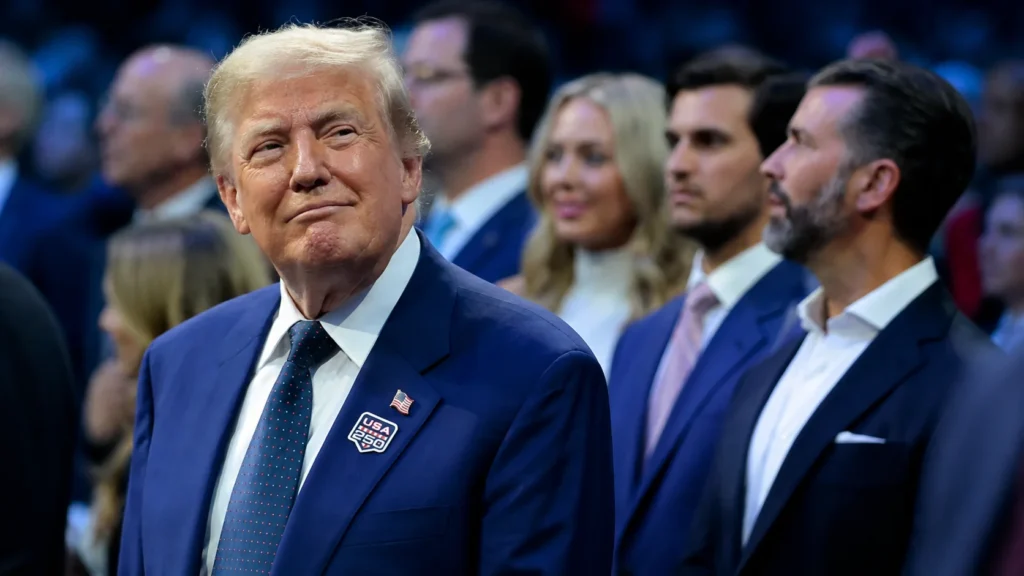
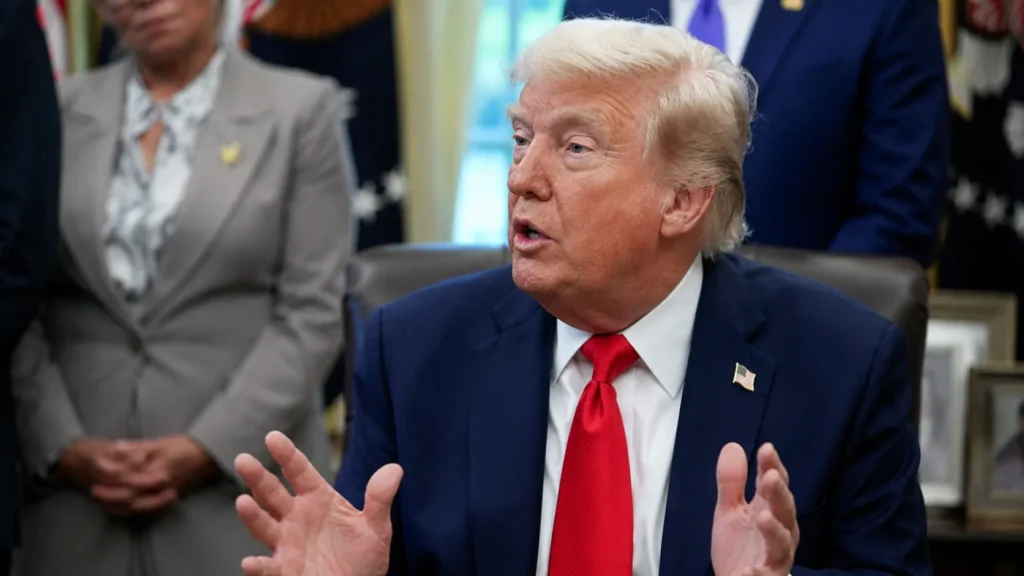
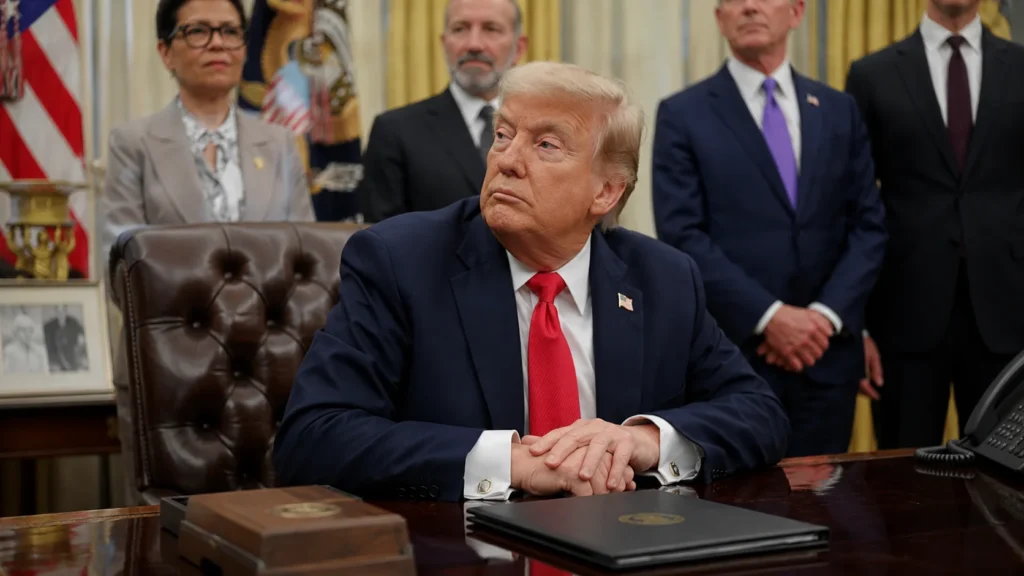
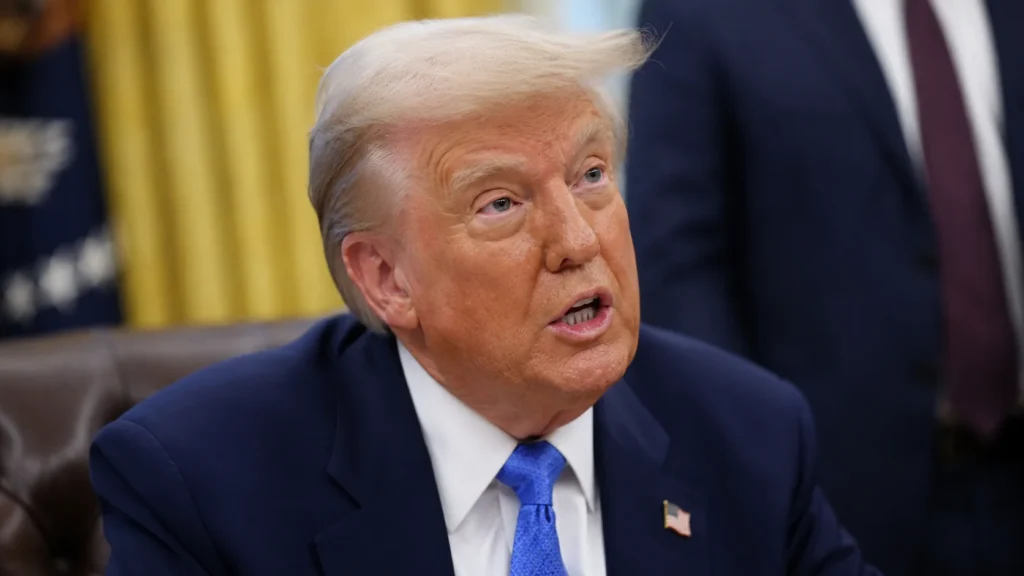
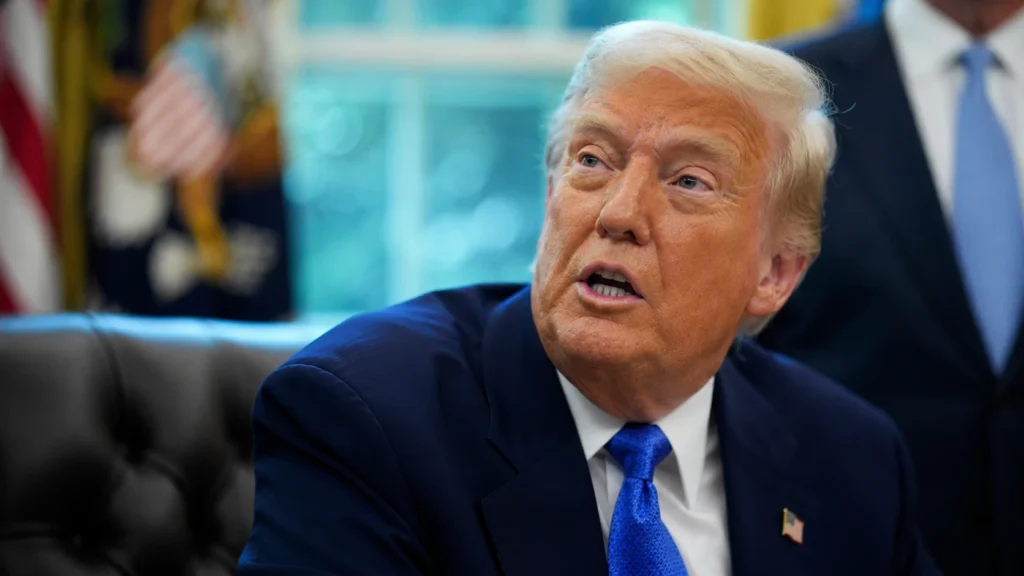
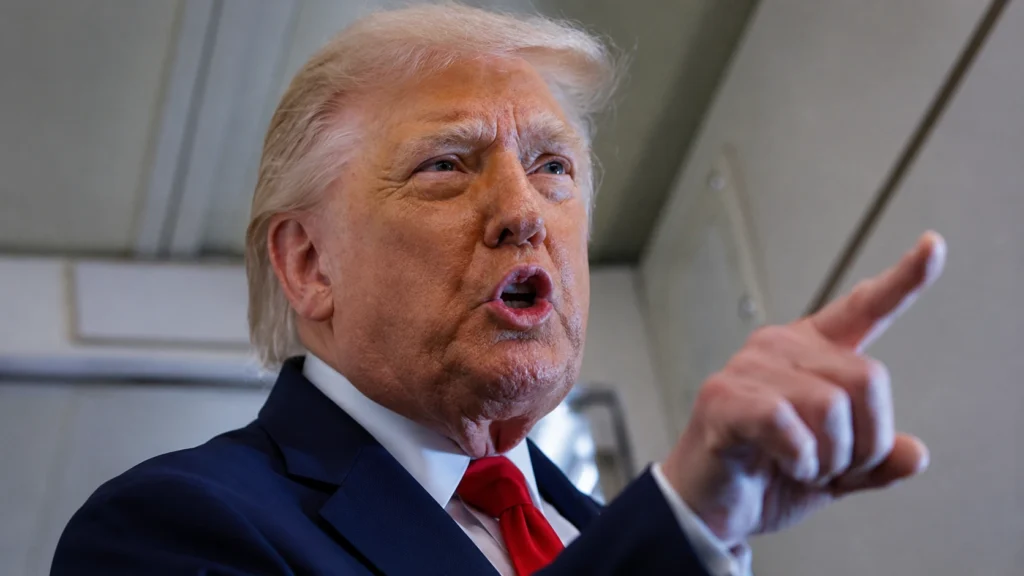
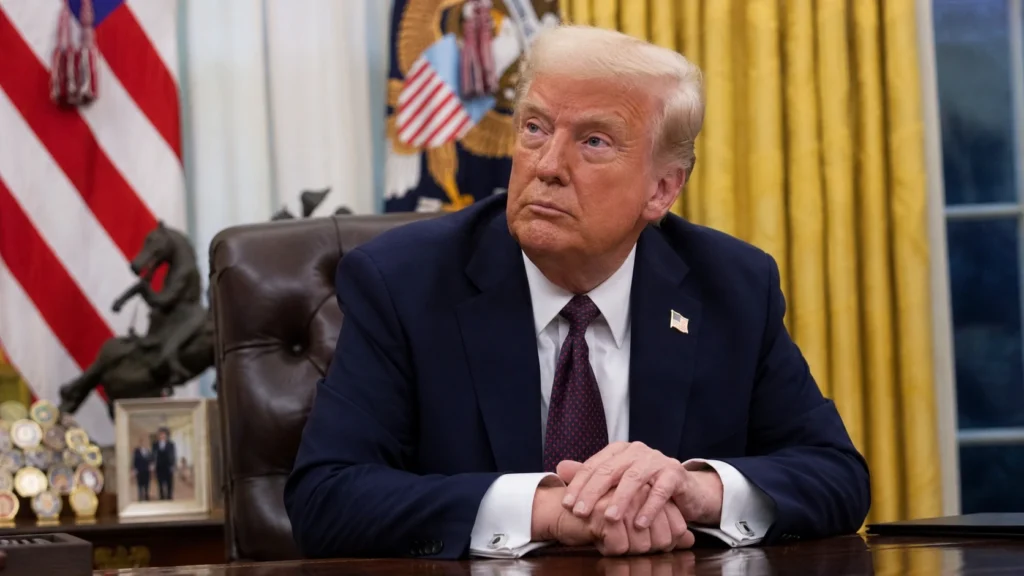
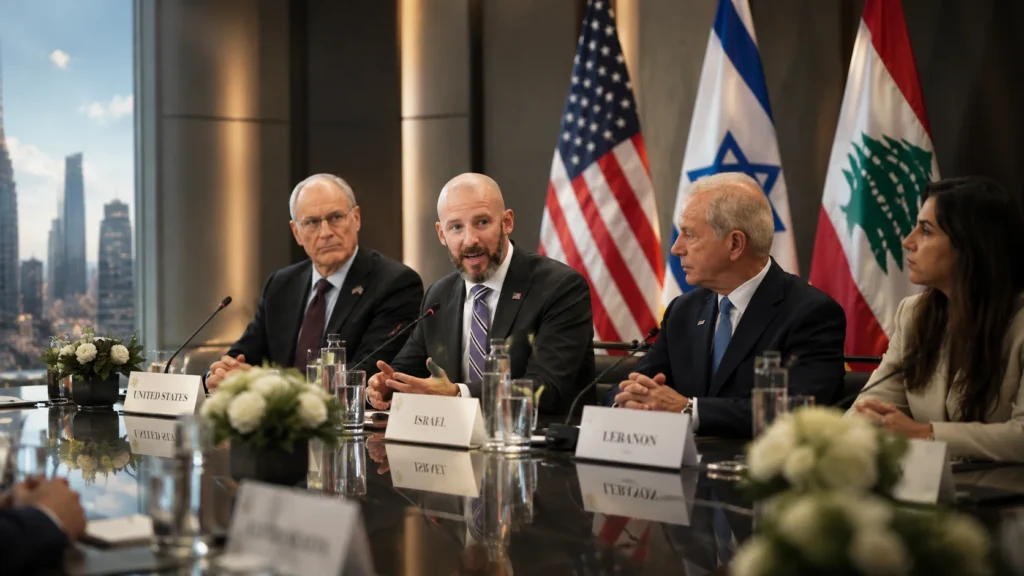
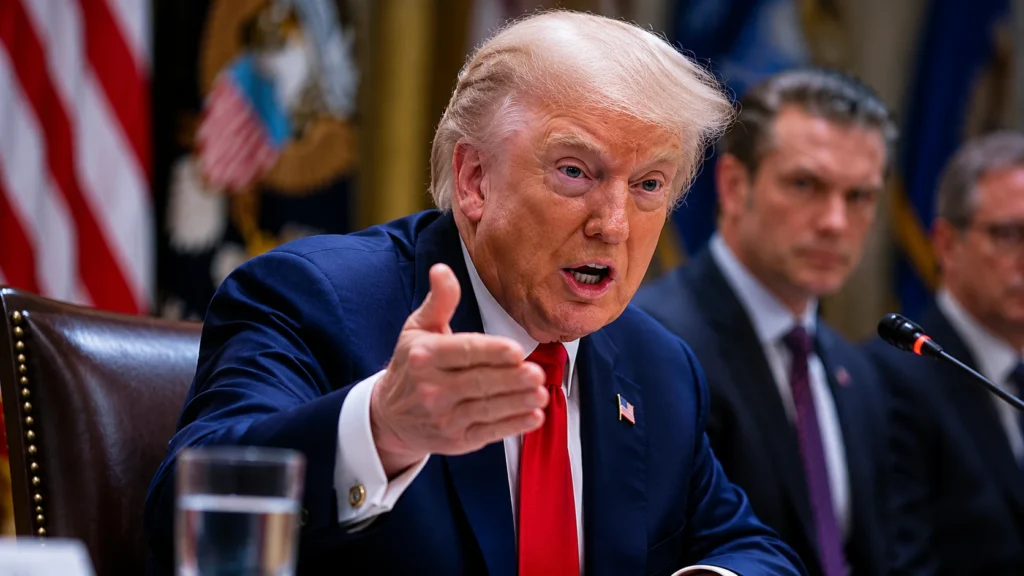
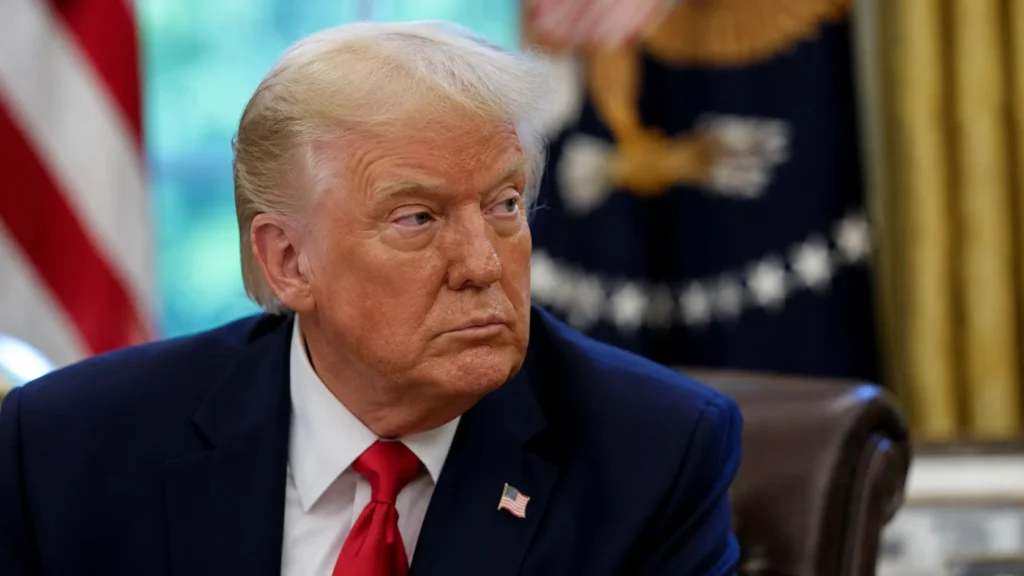
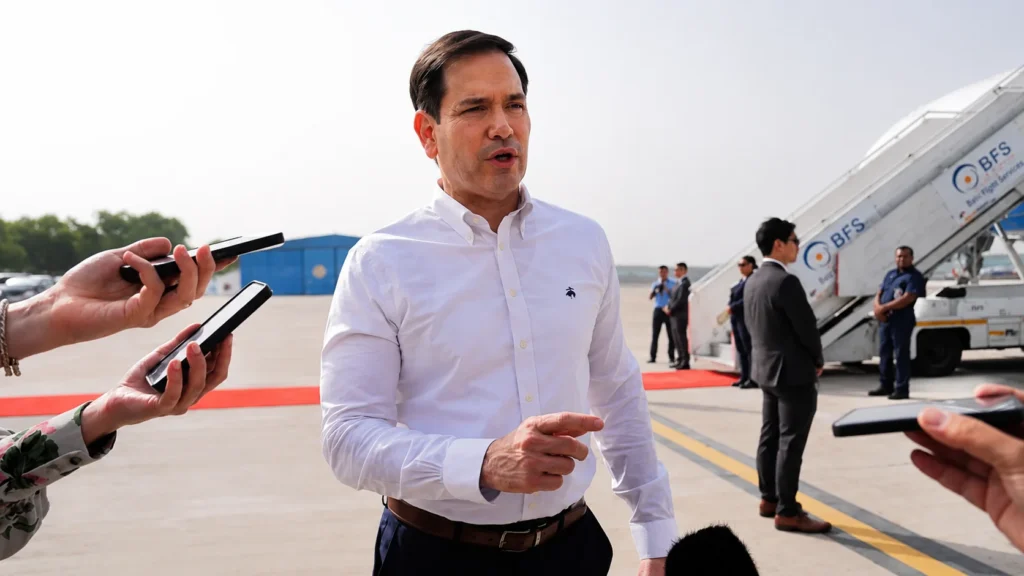
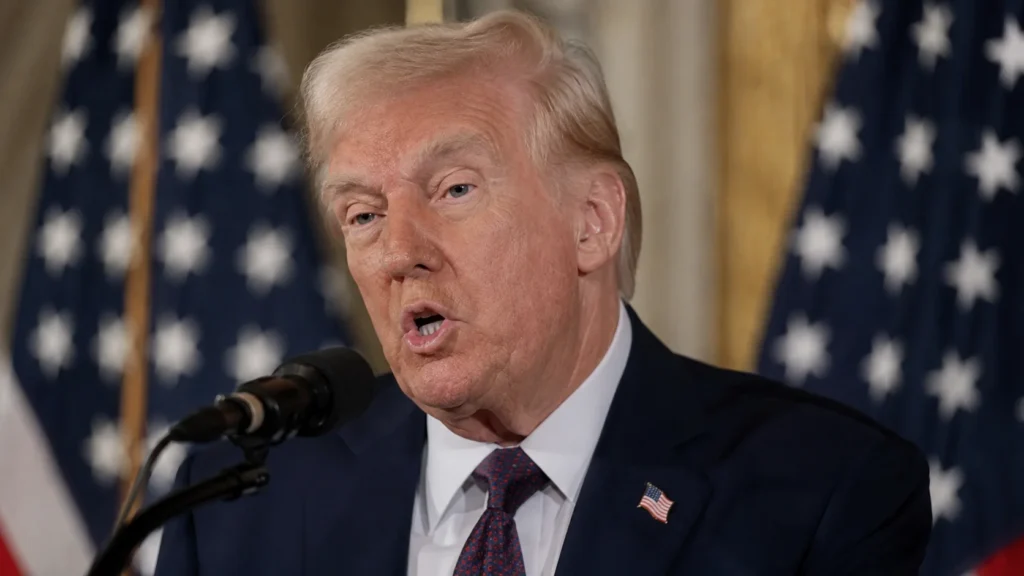
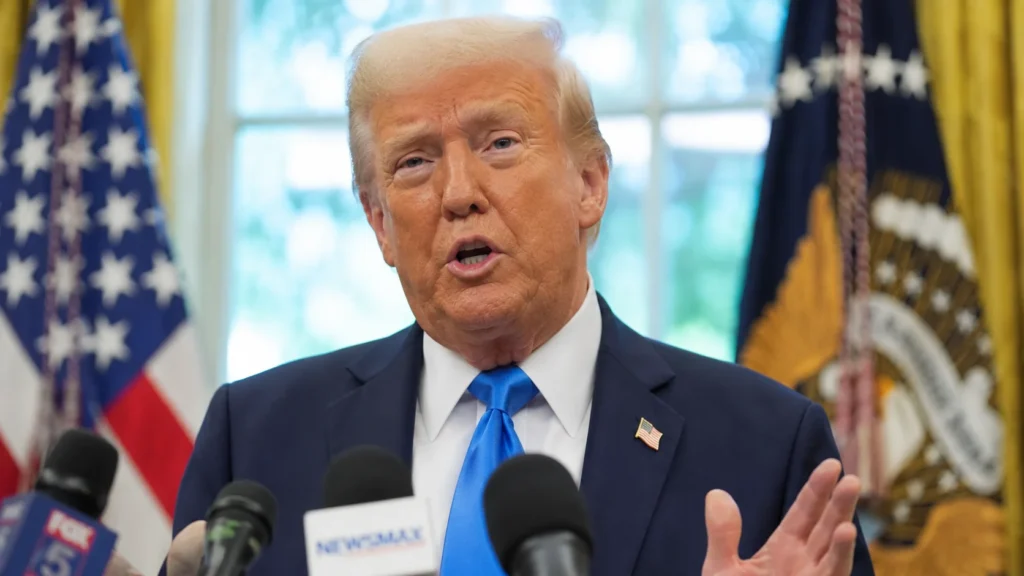
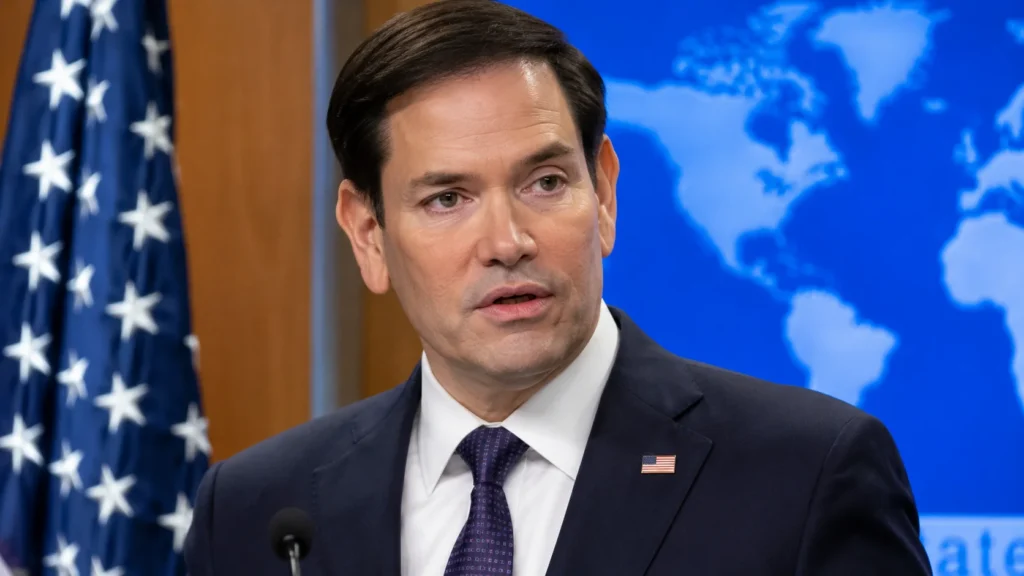
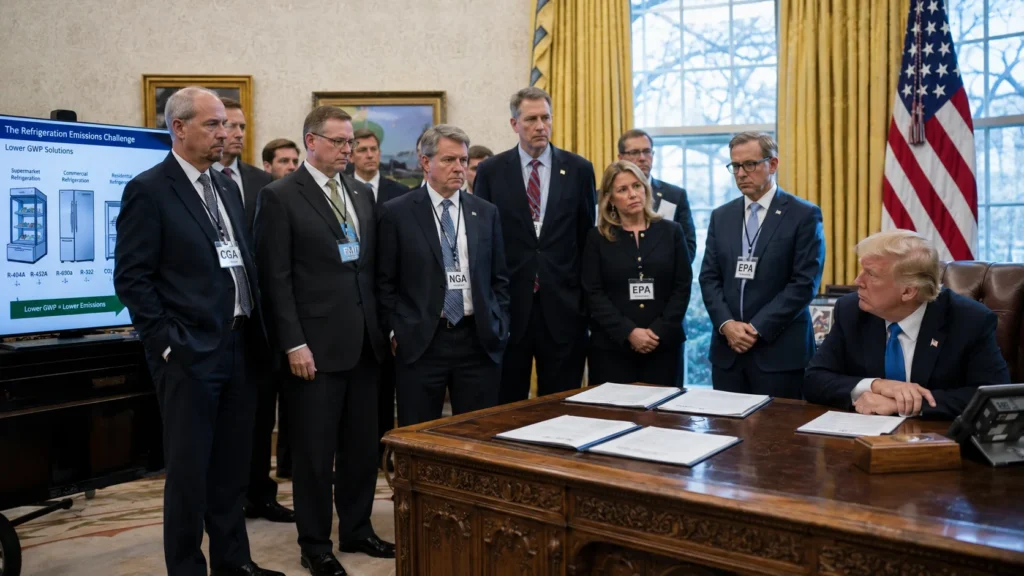
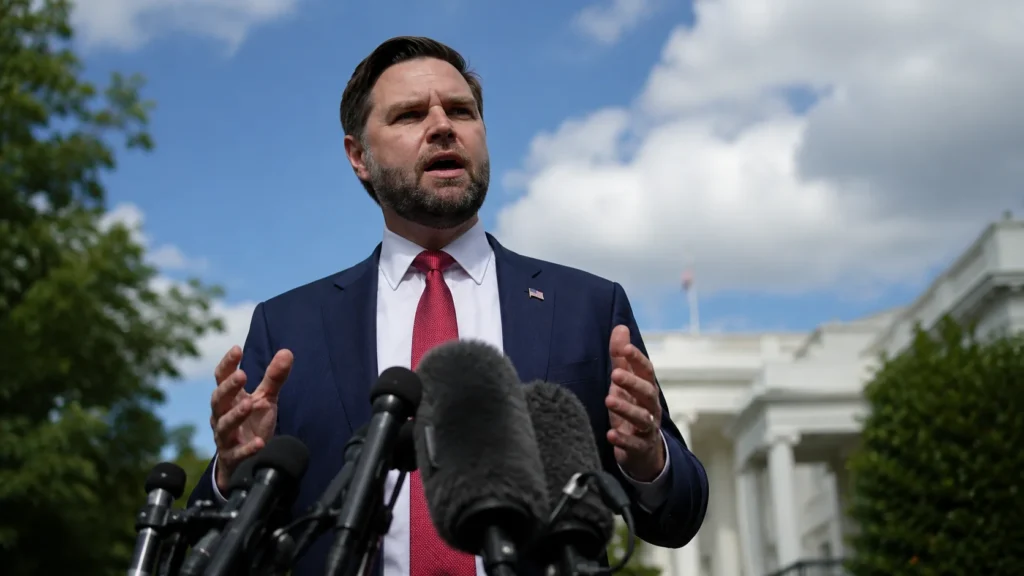
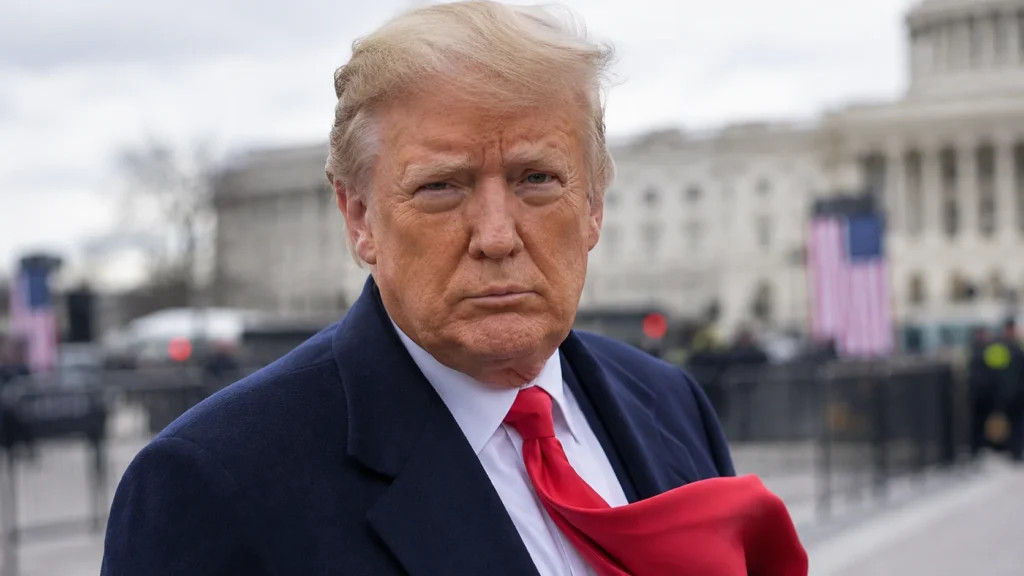
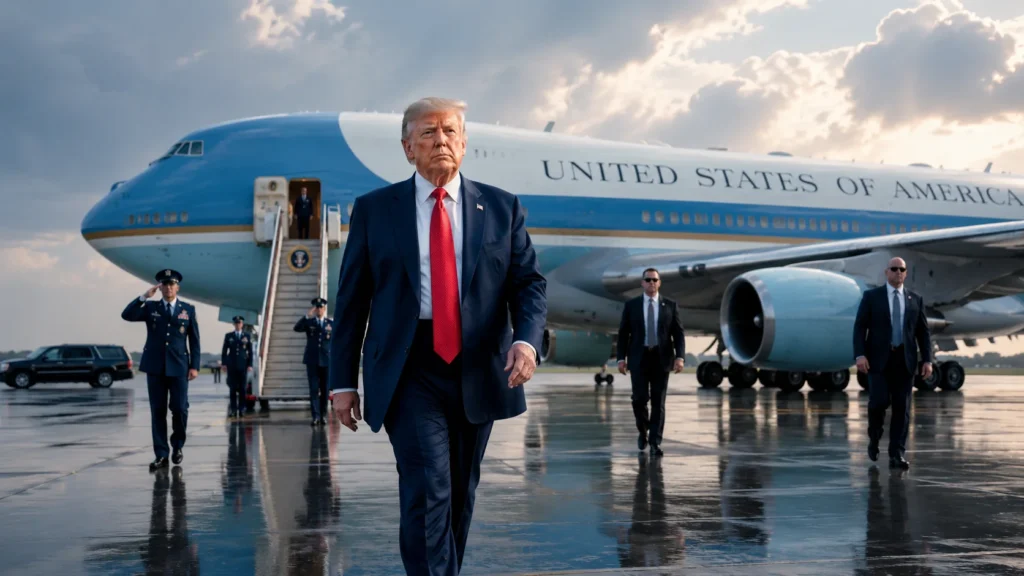
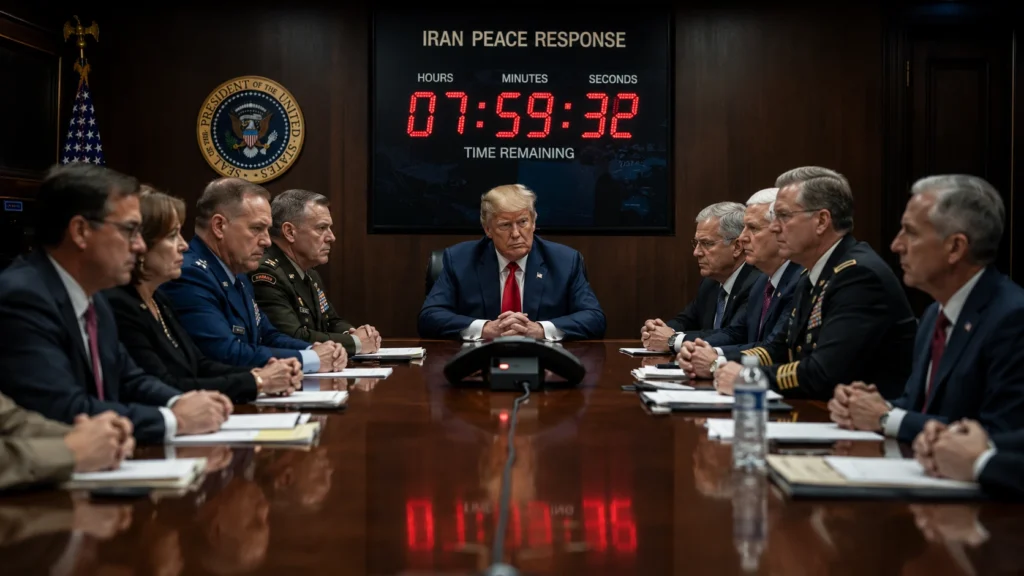
The strikes occurred as ceasefire negotiations between the US and Iran stalled over the weekend. CBS News reported that sticking points included the Strait of Hormuz and the removal of highly enriched uranium from Iran. President Trump told the Pod Force One podcast that Iran “really wants to make a deal.” Secretary of State Marco Rubio told Congress that “the war is over.” The strikes suggest otherwise.
THE TIMELINE: HOW THE CONTAINMENT FAILED
- April 13, 2026: The US imposes a naval blockade on the Strait of Hormuz. No ships are permitted to approach or leave the Iranian coast. The blockade is framed as the primary lever for escalation.
- May 2026: Ceasefire negotiations begin. Iran’s economy strains under the pressure of a blockade. The IRGC conducts proxy strikes but avoids direct attacks on Gulf state infrastructure.
- Late May 2026: Talks stall. Trump requests edits to the deal framework, including terms on the Strait of Hormuz and enriched uranium removal.
- June 2, 2026: Iran’s foreign ministry spokesman Esmail Baghaei denies nuclear negotiations were ever on the table, accusing Washington of “constantly changing its views.”
- June 3, 2026, early hours: The US strikes Qeshm Island. Iran retaliates with missiles at Kuwait and Bahrain. Drones hit Kuwait International Airport. One person dies. More than 60 are injured.
- June 3, 2026, afternoon: Rubio tells Congress, “The war is over.” Kuwait calls the attack “criminal Iranian aggression.”
The timeline reveals a gap between the diplomatic narrative and the operational reality. Washington insists a deal is close. Iran widens the war. The cycle is not breaking. It is accelerating.
SIDE A: WASHINGTON’S BET—THE BLOCKADE WILL WORK
The US position rests on a single premise: economic strangulation will force Iran to accept terms. The blockade has constricted Iranian oil exports. The Hellfire strike on the tanker demonstrated enforcement capability. Centcom’s interception of drones testing civilian vessels showed defensive competence.
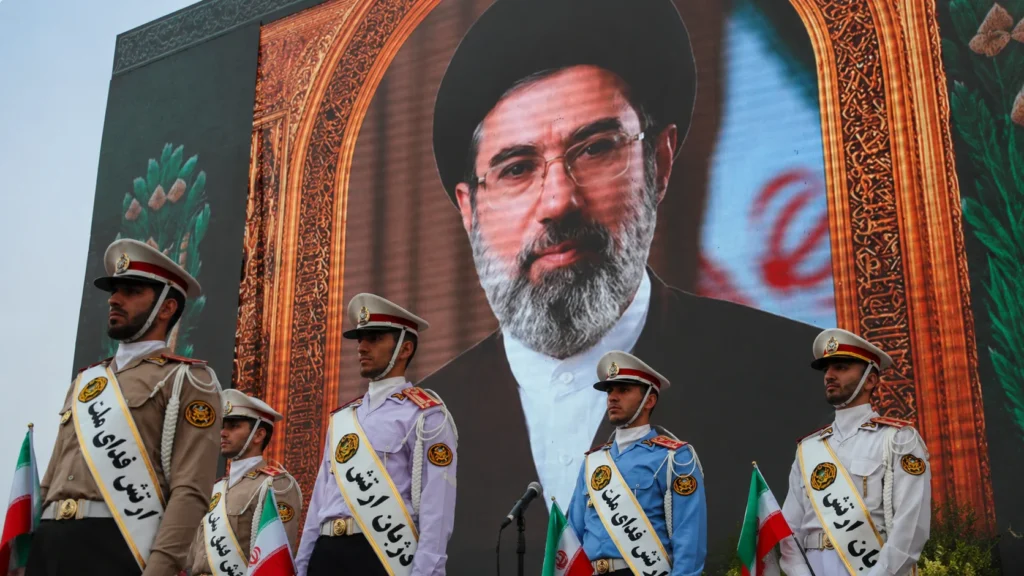
Trump’s public optimism—”we seem to be getting along quite well”—reflects confidence that Supreme Leader Ayatollah Mojtaba Khamenei will ultimately choose economic survival over strategic ambition. Rubio reinforced this in Congress, stating that “any sanctions relief is condition-based” and tied to Iran’s nuclear program. The message is consistent: pressure will produce a deal.
The weakness in this position is that it assumes Iran’s capacity to absorb pain is finite and measurable. It also assumes that Gulf allies will absorb the spillover without demanding more than Washington can provide.
SIDE B: TEHRAN’S COUNTER—THE WAR CAN ALWAYS WIDEN
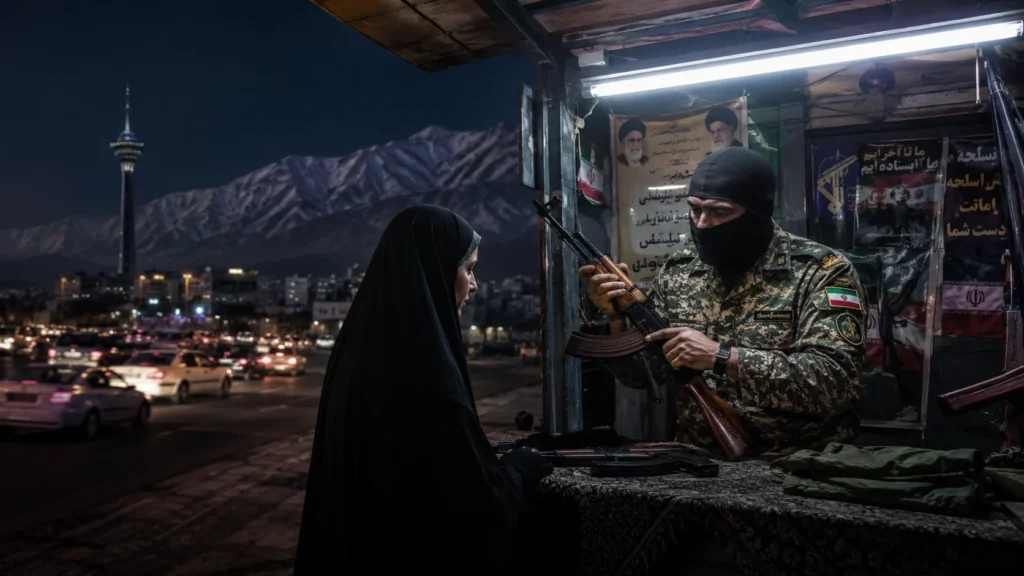
Iran’s position is that the blockade is an act of war, and the response will be asymmetric. The IRGC statement that “disrupting the security of the Strait of Hormuz will carry a heavy price” was not rhetorical. The missile strikes on Kuwait and Bahrain demonstrated that Iran can hit US-aligned capitals. The drone strike on the airport demonstrated that civilian infrastructure is not off-limits.
Iran’s foreign ministry blamed Kuwaiti and Bahraini leaders for “direct and unmistakable responsibility” in “last night’s acts of aggression.” The logic is circular but operationally clear: countries hosting US bases are legitimate targets. The fact that most missiles were intercepted does not erase the political signal. Every Gulf state now must calculate whether American protection extends to airports, ports, and desalination plants—or only to military assets. That question answers itself over time.
As our assessment of Iran’s drone and missile capability evolution noted, Tehran has invested heavily in precisely this kind of asymmetric escalation. The arsenal was built for moments like this.
THE TENSION: WHAT’S AT STAKE
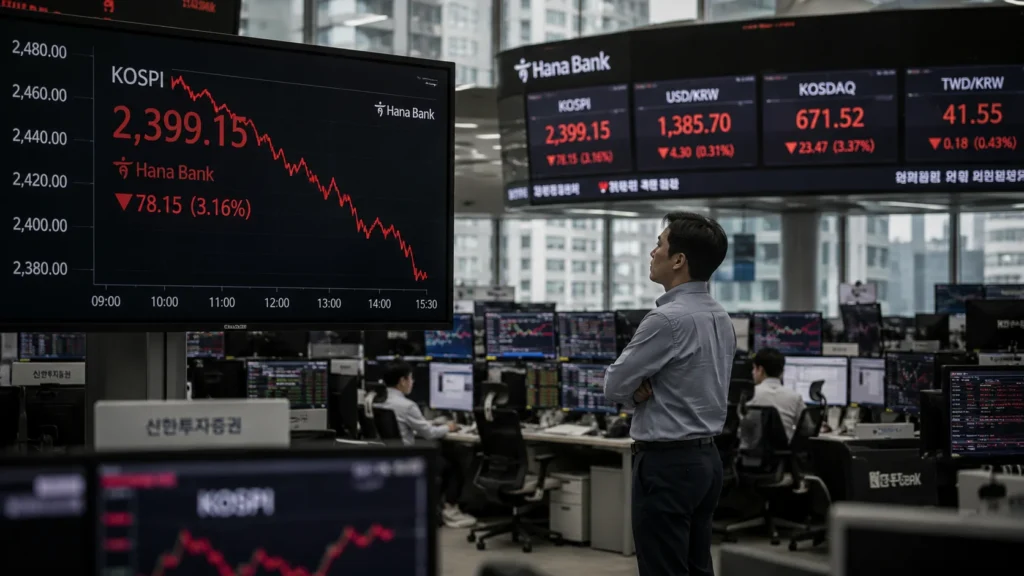
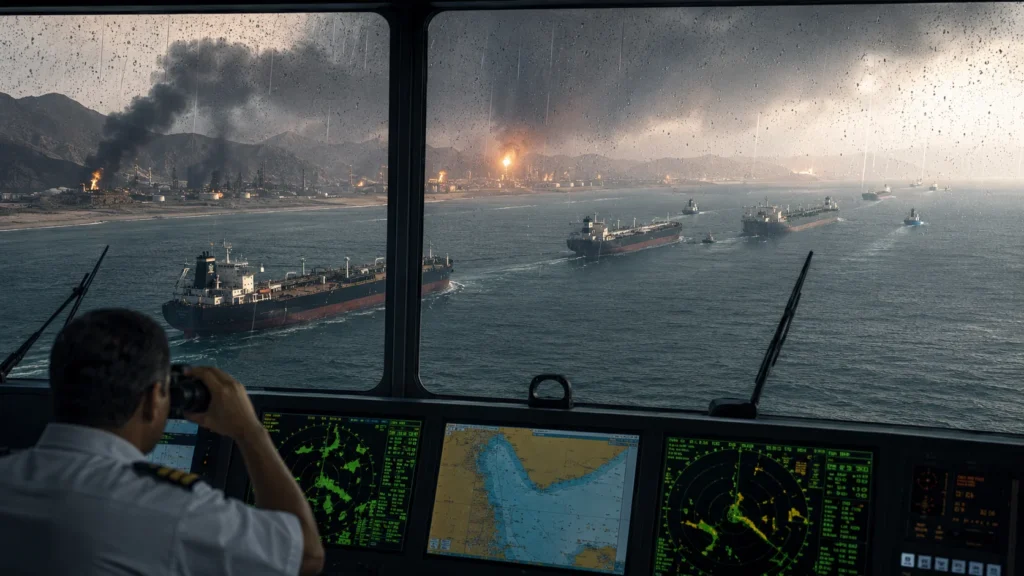
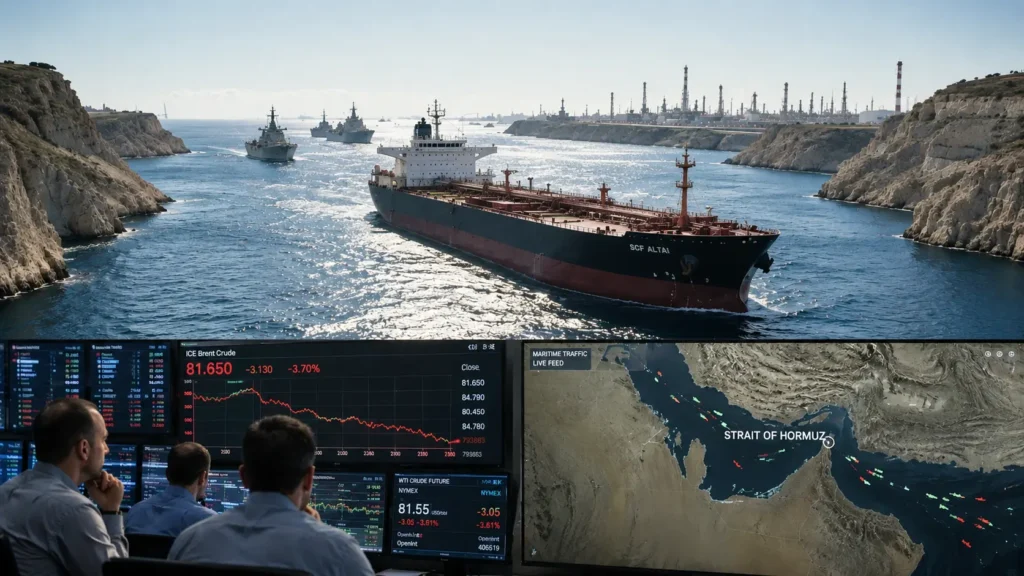
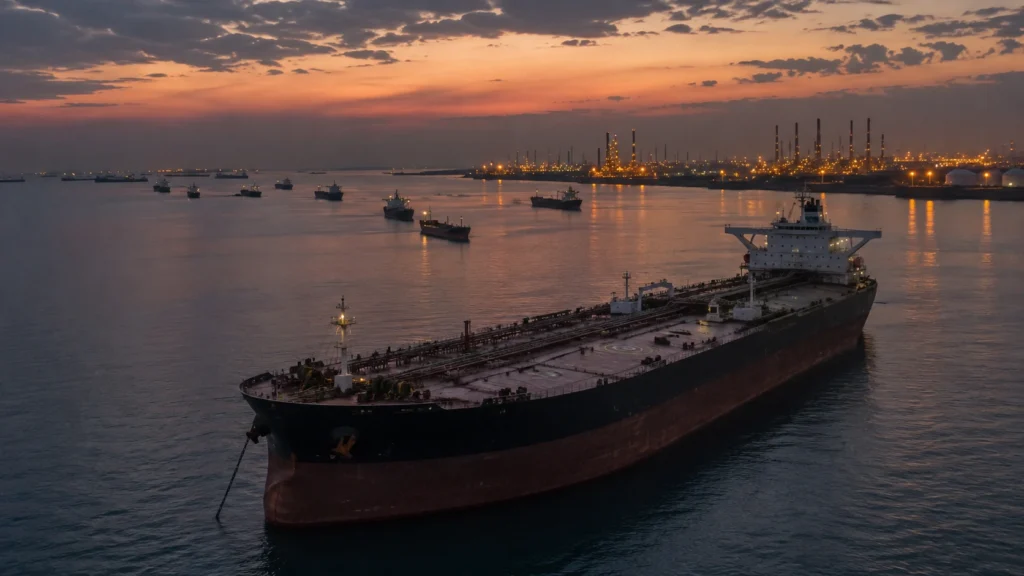
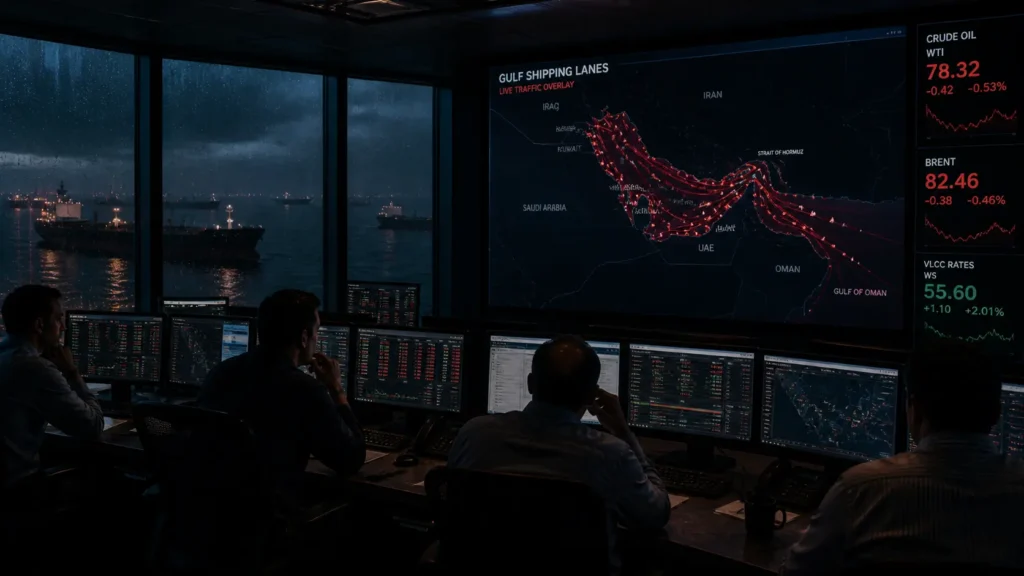
The Strait of Hormuz carries approximately 20% of the world’s oil transit. The US blockade has already constricted that flow. The expansion of strikes to Kuwait and Bahrain—both major energy producers and transit hubs—compounds the disruption.
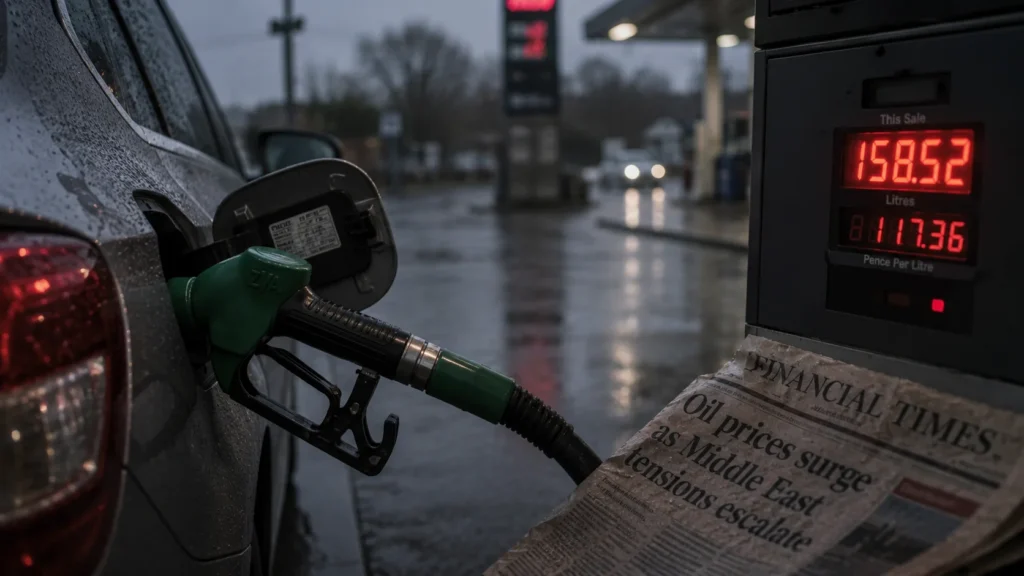
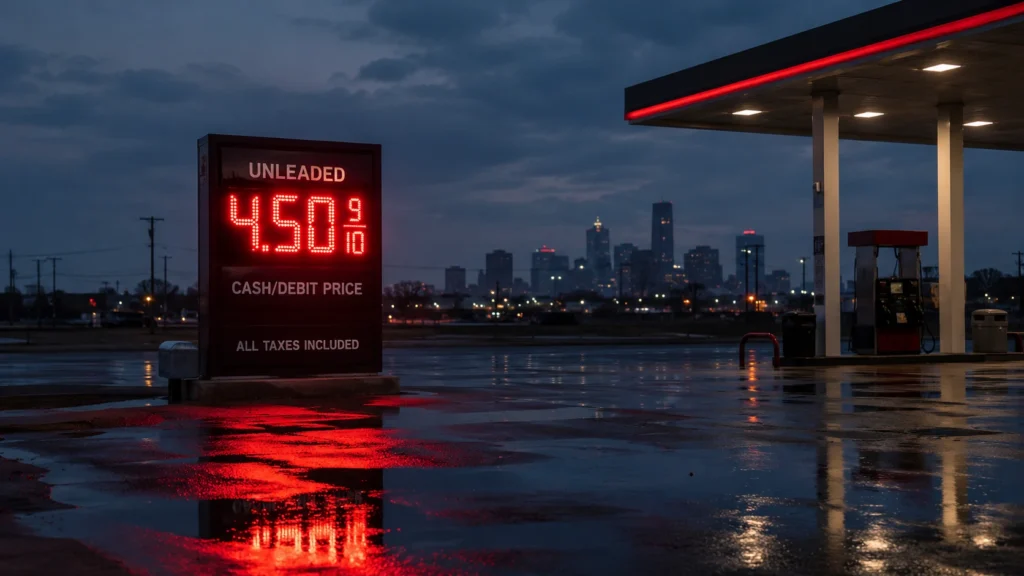
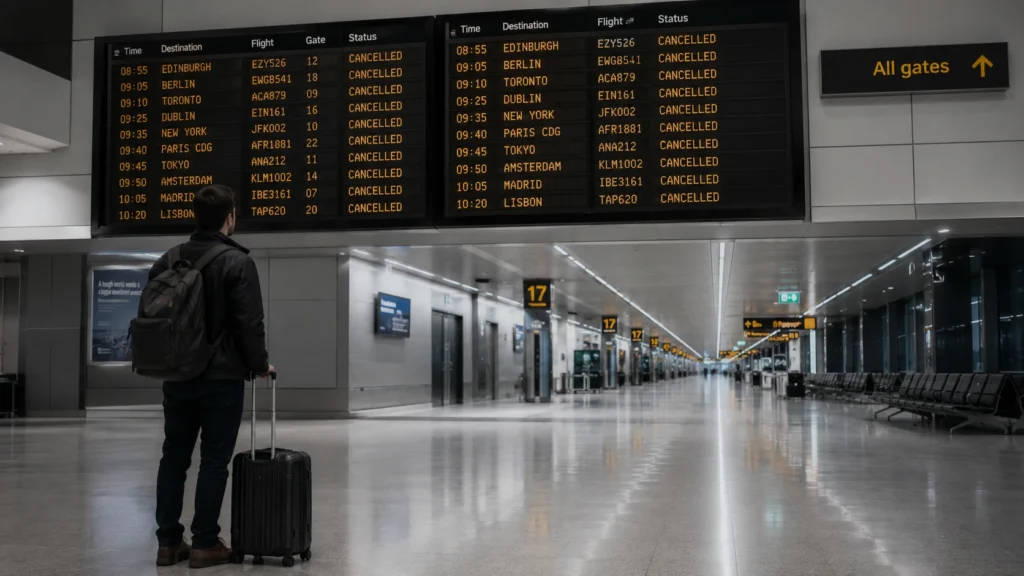
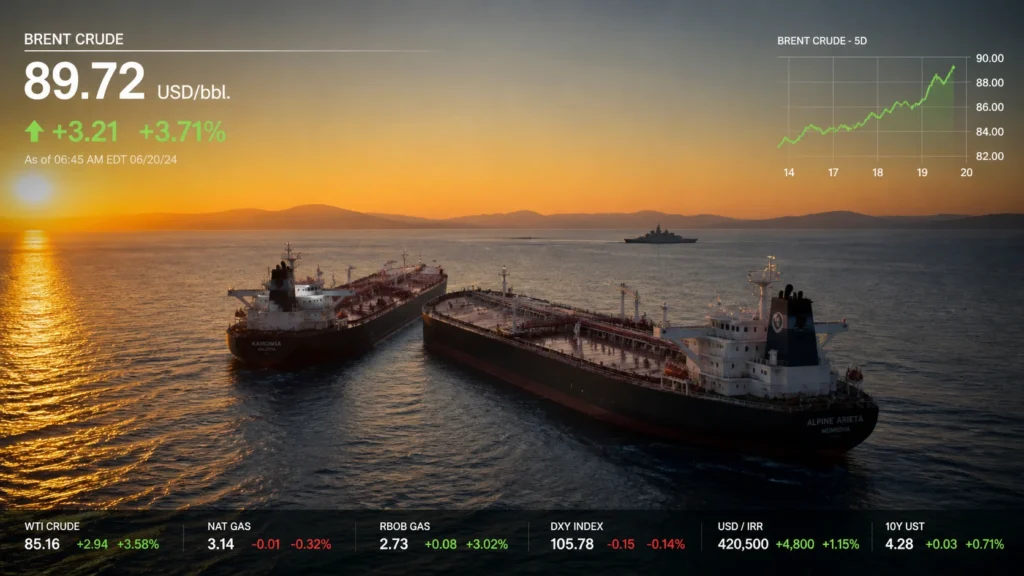
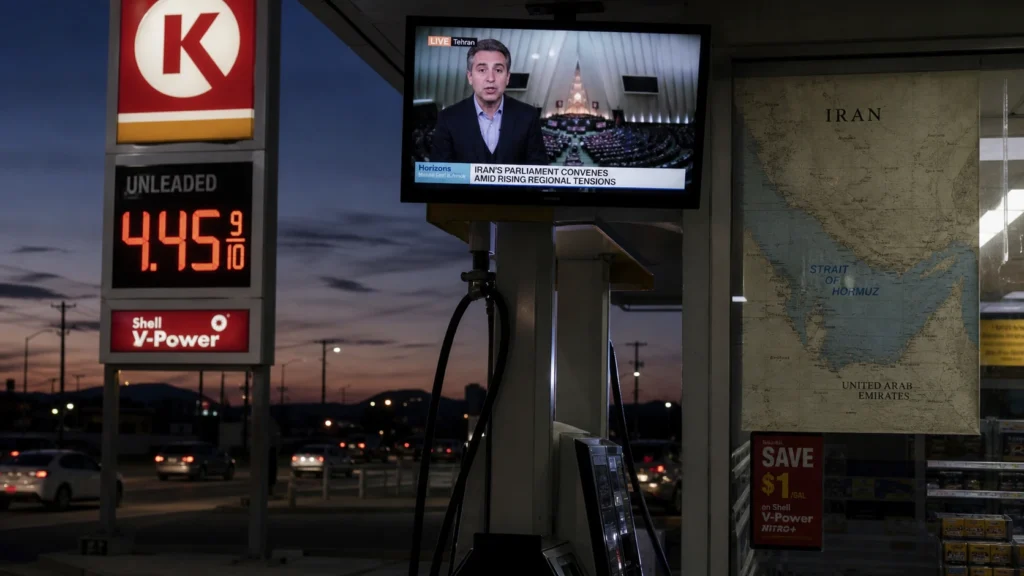
Energy markets had priced in a contained Gulf conflict. They had not priced in an airport hit. The next adjustment will not be orderly. Insurance premiums for Gulf shipping will rise. Commercial airlines will reroute. The economic radius of the war is expanding faster than the diplomatic process can close it.
Kuwait and Bahrain lost their unspoken status as sanctuaries. Neither country had been a direct combatant in the US-Iran confrontation—until now. Their governments must manage domestic populations, asking why American bases on their soil invite Iranian missiles without providing complete protection. The political cost of the US alliance just rose. Iran designed the strikes to achieve exactly that.
RESOLUTION: WHERE IS THIS HEADING
Three indicators will determine the next phase.
First, the frequency of strikes on third-country infrastructure. If Kuwait’s airport were a one-off, the containment framework could be repaired. If it becomes a pattern—if ports, desalination plants, or other civilian nodes enter the target set—the war has structurally expanded. No diplomatic statement can reverse that.
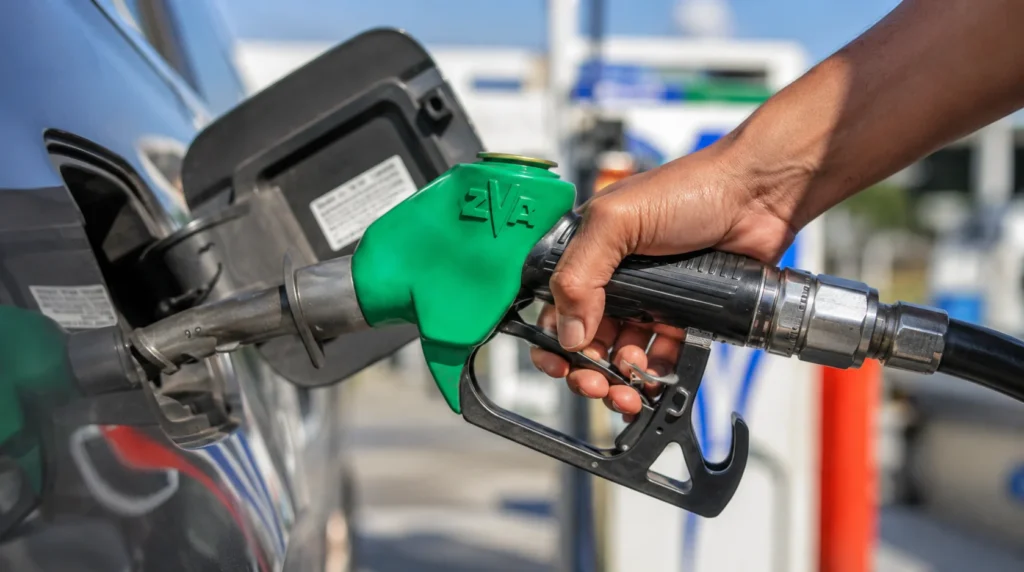
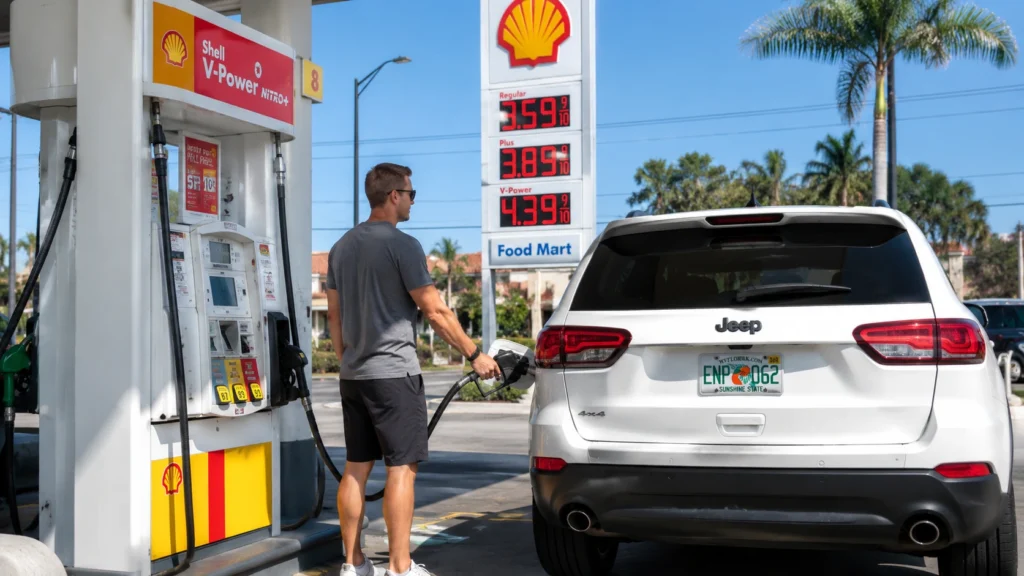
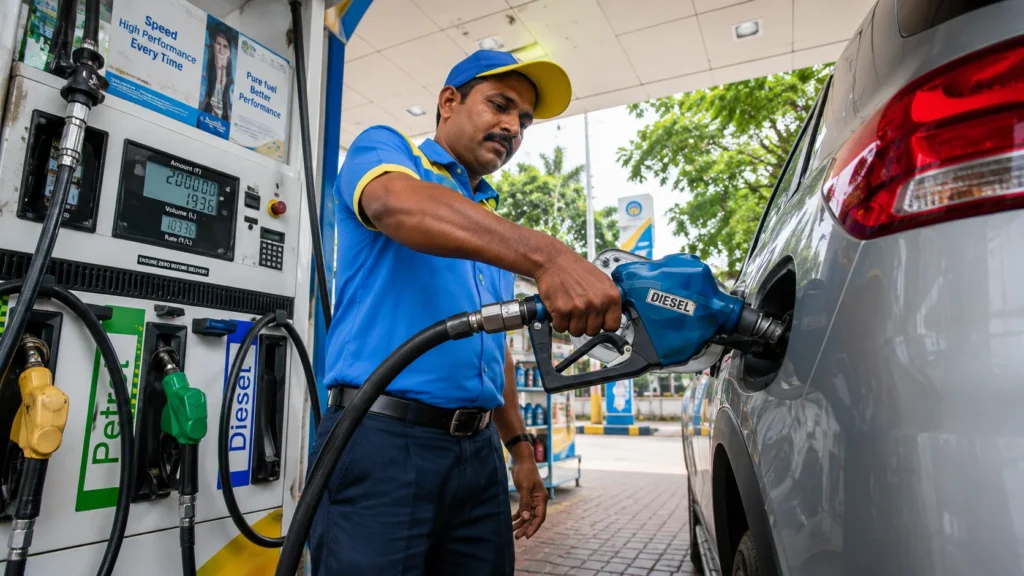
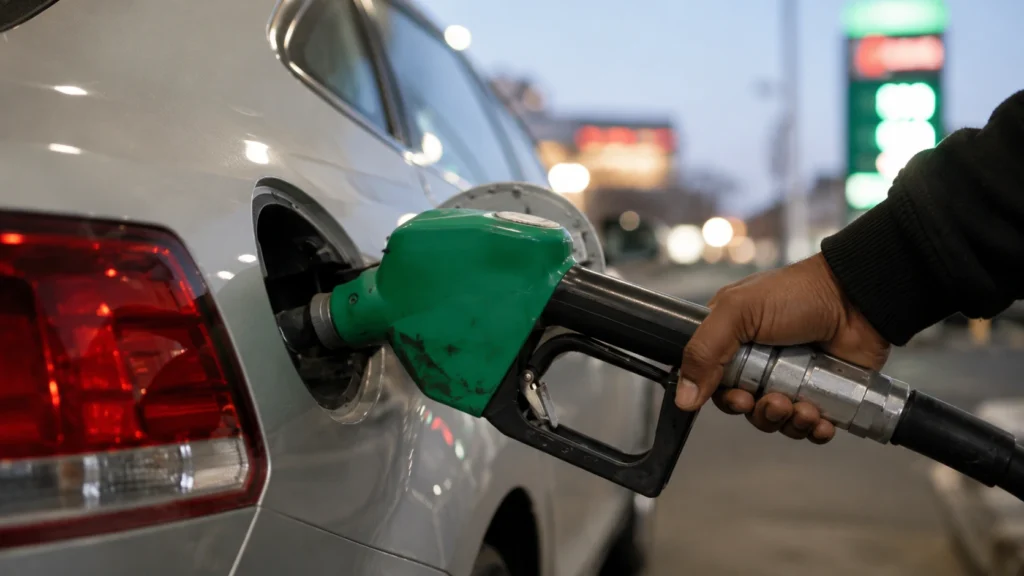
Second, energy market behavior. A sustained premium on Gulf-origin crude will transmit the conflict into every importing economy. That pressure will reach Washington and Brussels as domestic price signals. The political calculus around the blockade shifts when voters feel it at the pump.
Third, the ceasefire framework’s credibility. Trump’s optimism and Rubio’s “war is over” assertion are bets on a deal materializing. If talks remain stalled through June, Iran will read the delay as an American bluff. The IRGC will escalate further to test that proposition. A deal that does not address the Strait of Hormuz and enriched uranium stockpiles—the two issues CBS News reported as sticking points on June 2—is not a deal. It is a pause.
Watch Kuwait’s next move. The government has called the attack “criminal Iranian aggression.” It has not yet escalated its military posture. Whether it requests additional US deployments will signal whether the Gulf states intend to absorb further strikes or deter them. That decision will shape the next phase of the war more than any statement from Washington or Tehran.
Why did Iran strike Kuwait and Bahrain?
Iran retaliated against US strikes on Qeshm Island by targeting countries that host American military bases. The IRGC framed the strikes as a response to “aggression” and held Kuwaiti and Bahraini leaders responsible. The intent was to demonstrate that the US security umbrella does not fully protect its allies.
What did the US strike in Iran?
US Central Command confirmed strikes on Qeshm Island, targeting an IRGC ground control station. The operation was described as “self-defence” in response to attempted Iranian attacks across the Middle East. Centcom also disabled an unladen tanker, ignoring blockade warnings, and shot down drones aimed at civilian vessels.
What is the status of the Strait of Hormuz blockade?
The US naval blockade began on April 13, 2026. No ships are permitted to approach or leave the Iranian coast. The blockade aims to strangle Iran’s economy by cutting off oil exports. Iran has vowed that disrupting the strait “will carry a heavy price.”
Are ceasefire negotiations still ongoing?
Talks stalled over the weekend of May 31-June 1. Sticking points include the Strait of Hormuz and the removal of highly enriched uranium from Iran. Trump says Iran “really wants to make a deal.” Iran’s foreign ministry denies nuclear negotiations were ever on the table. The gap between the two positions is widening.
How many casualties resulted from the Kuwait airport strike?
One person was killed, and more than 60 were injured when Iranian drones struck Kuwait International Airport. Buildings, including the terminal, sustained damage. Diplomatic missions were also affected, according to the Kuwaiti foreign ministry.
AUTHOR BIO
Written by the Middle East Security desk, covering Gulf geopolitics, energy security, and conflict escalation dynamics for over fifteen years.