

 English






































































































































































































Trump-Xi Very Successful Talks Expose AI Shift
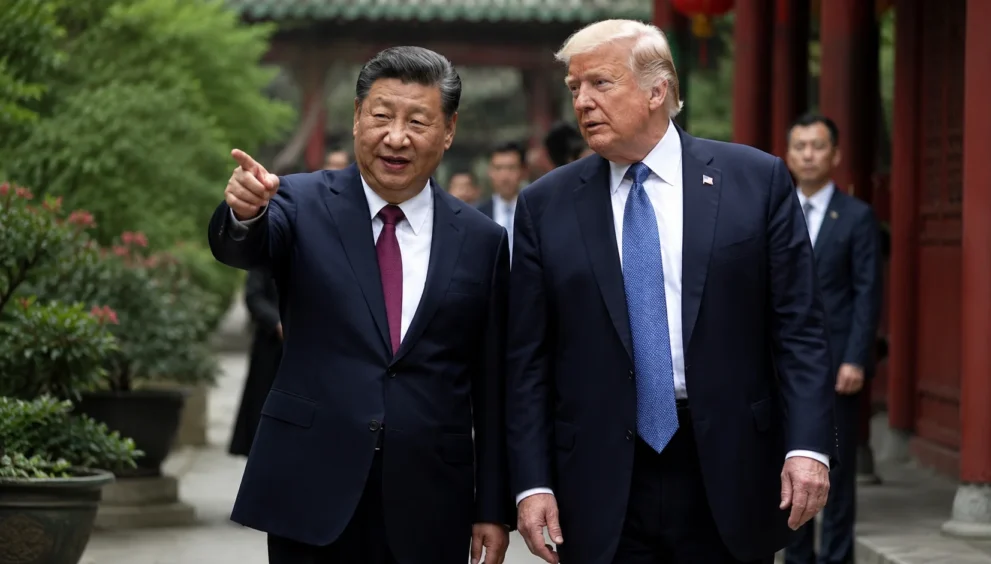
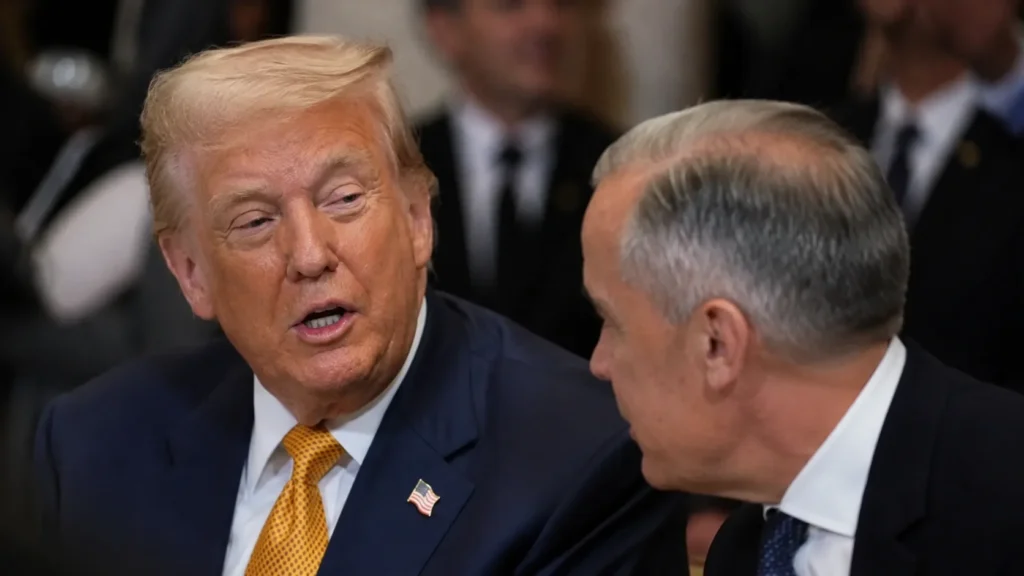
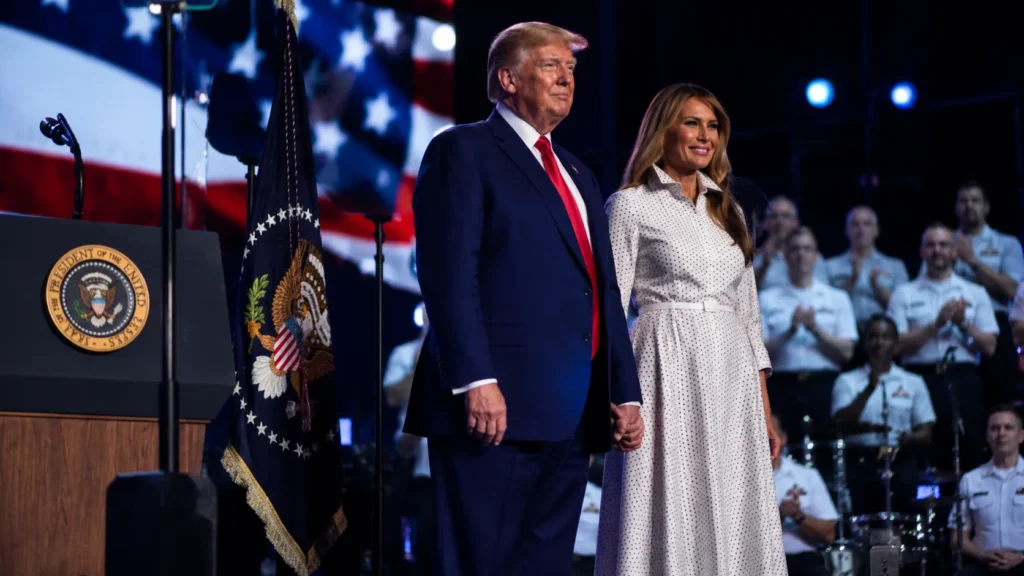
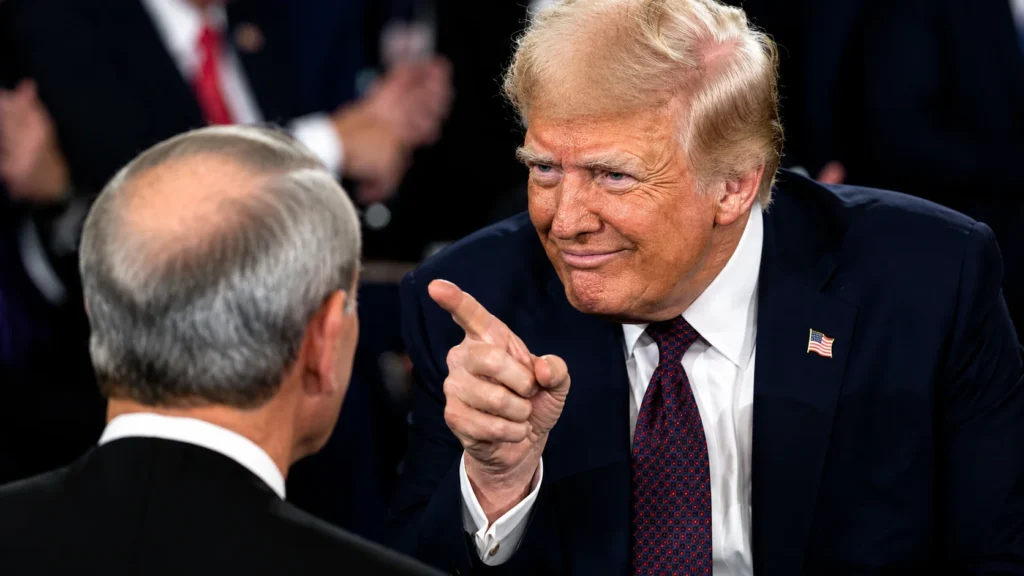
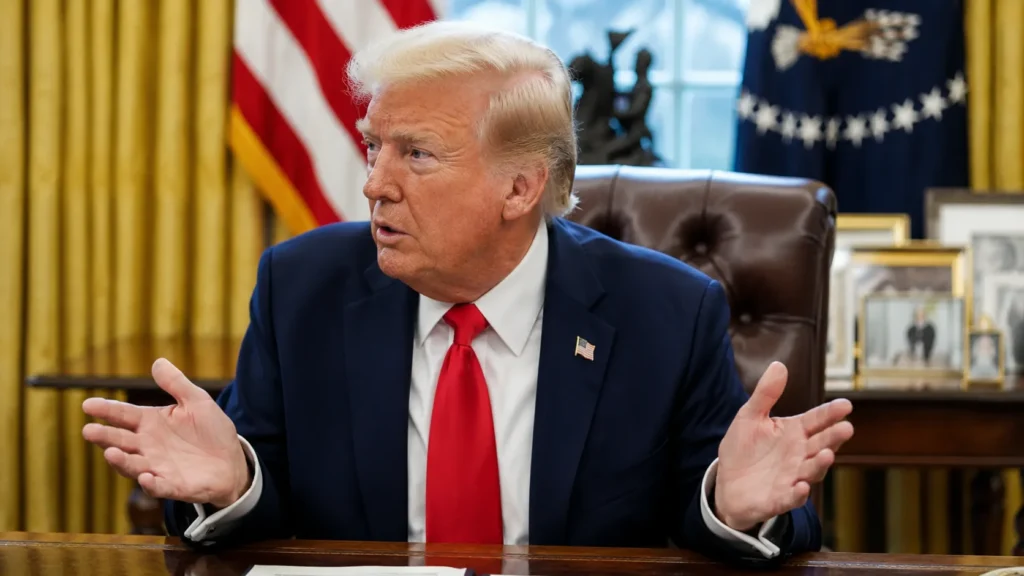
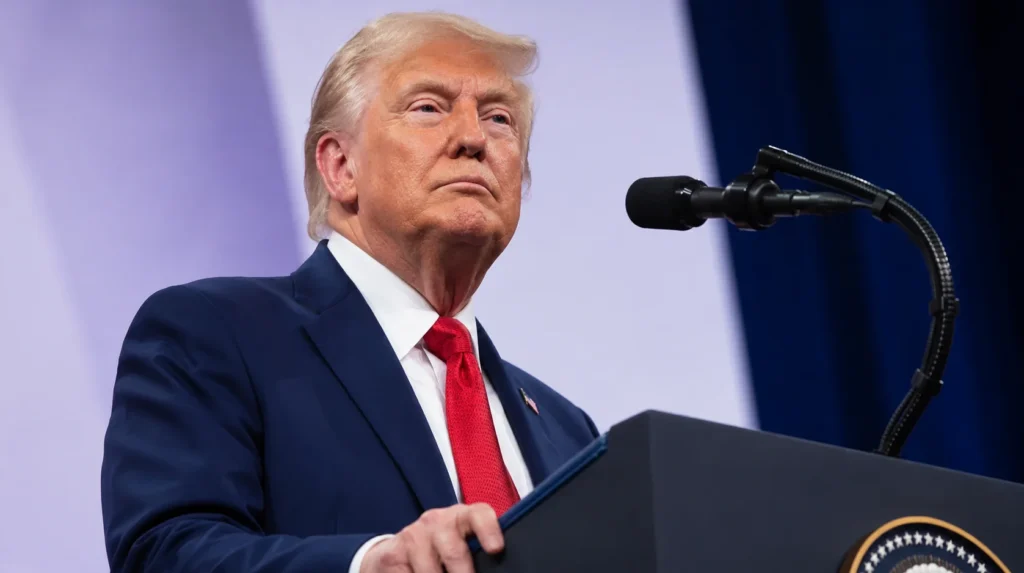
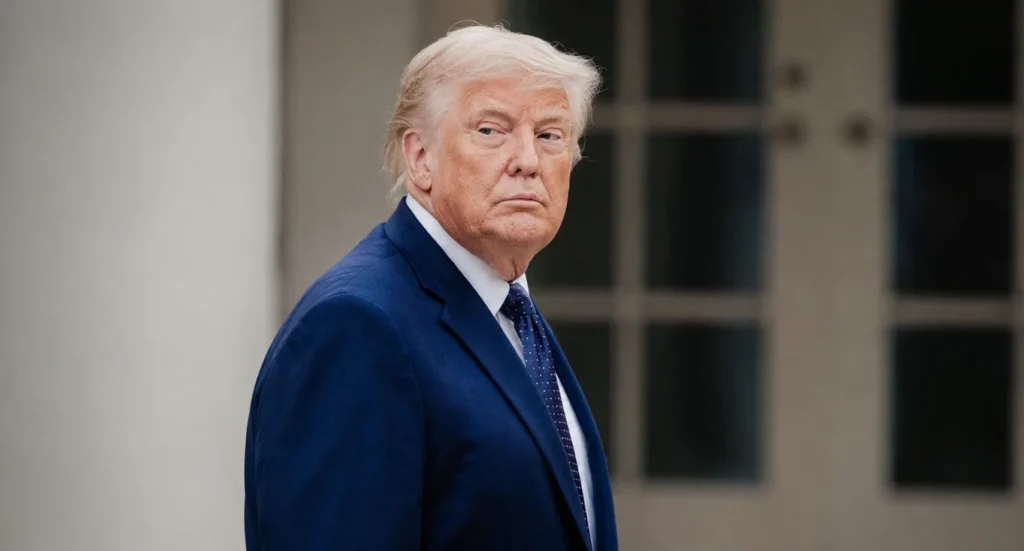
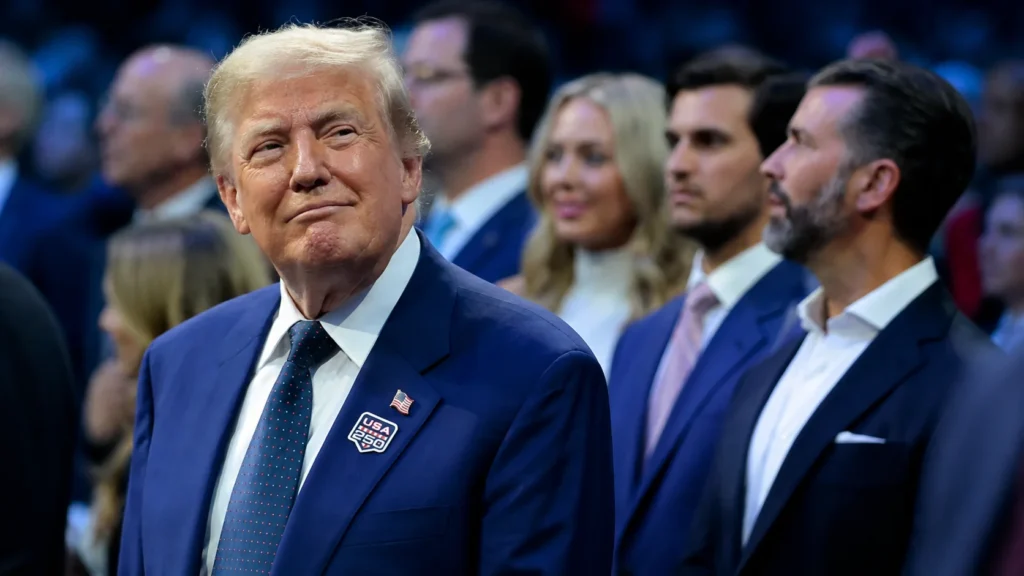
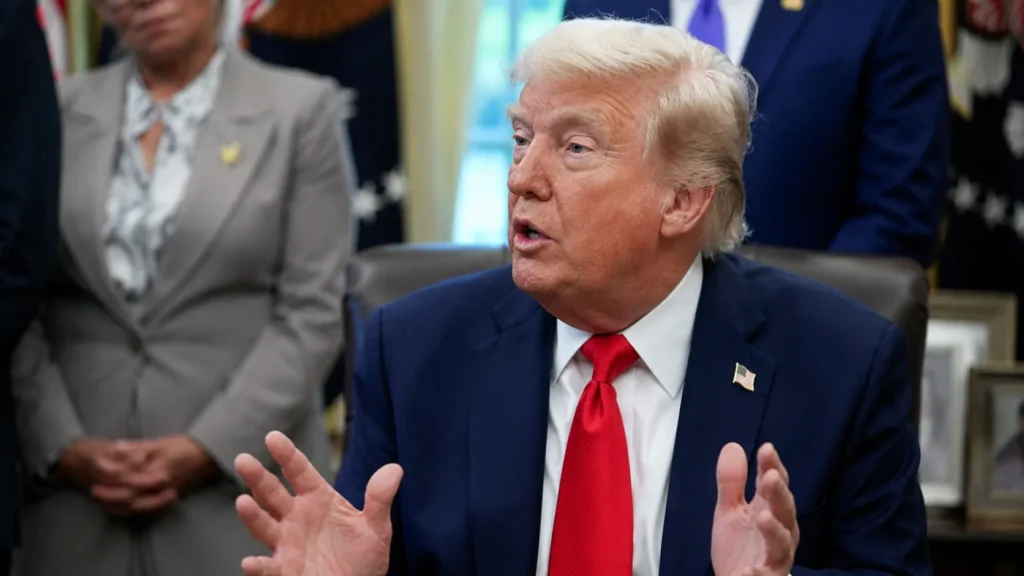
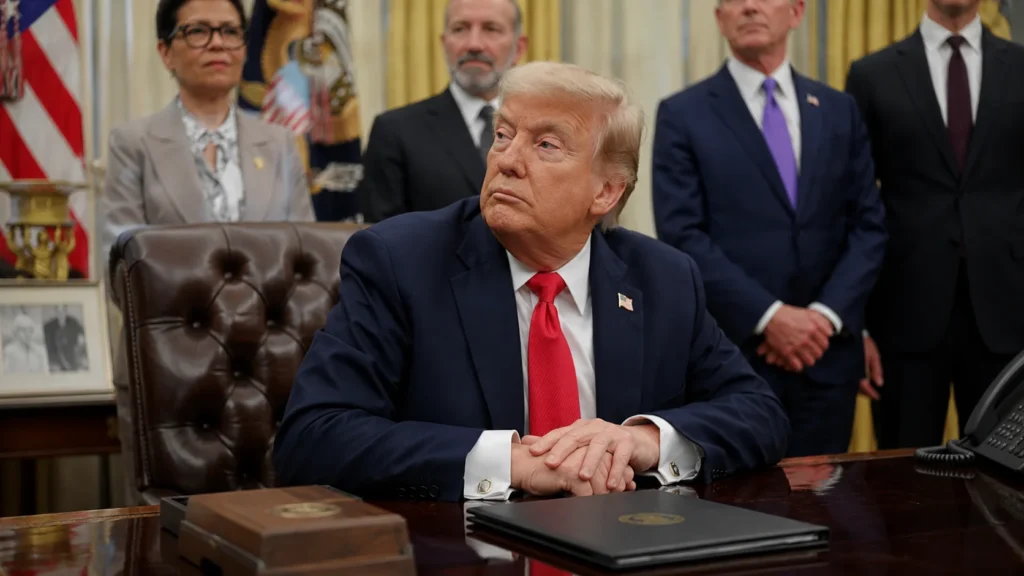
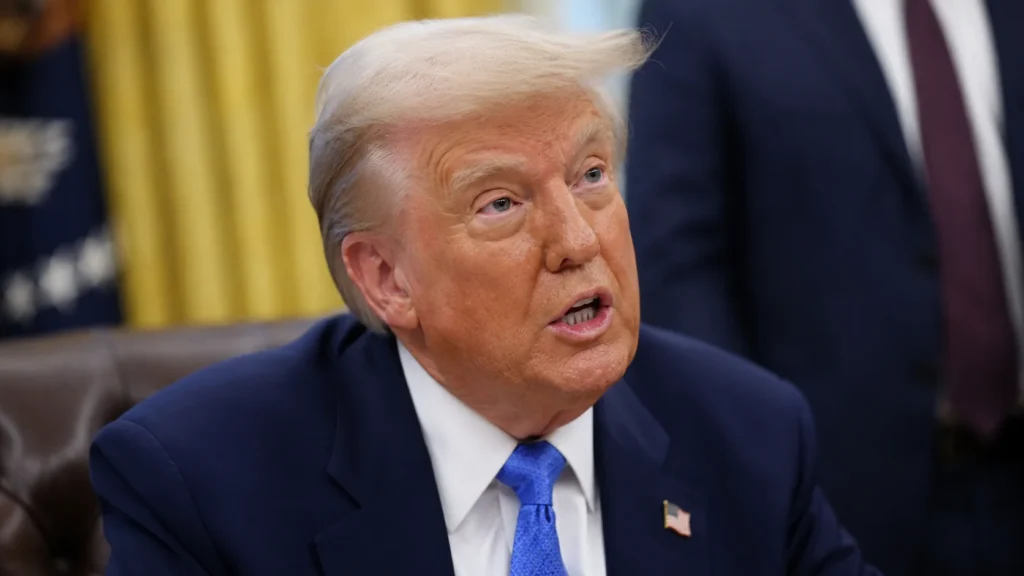
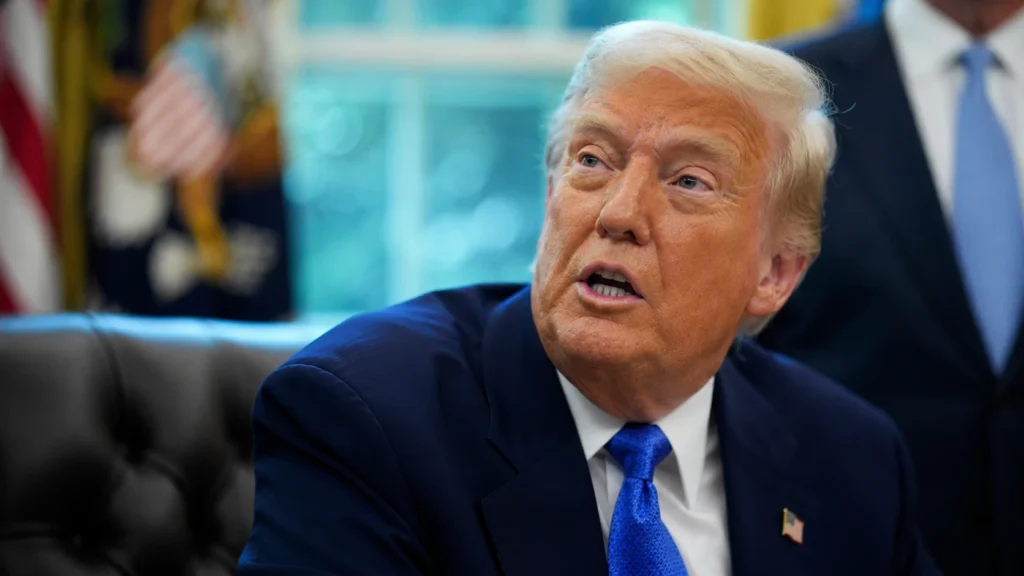
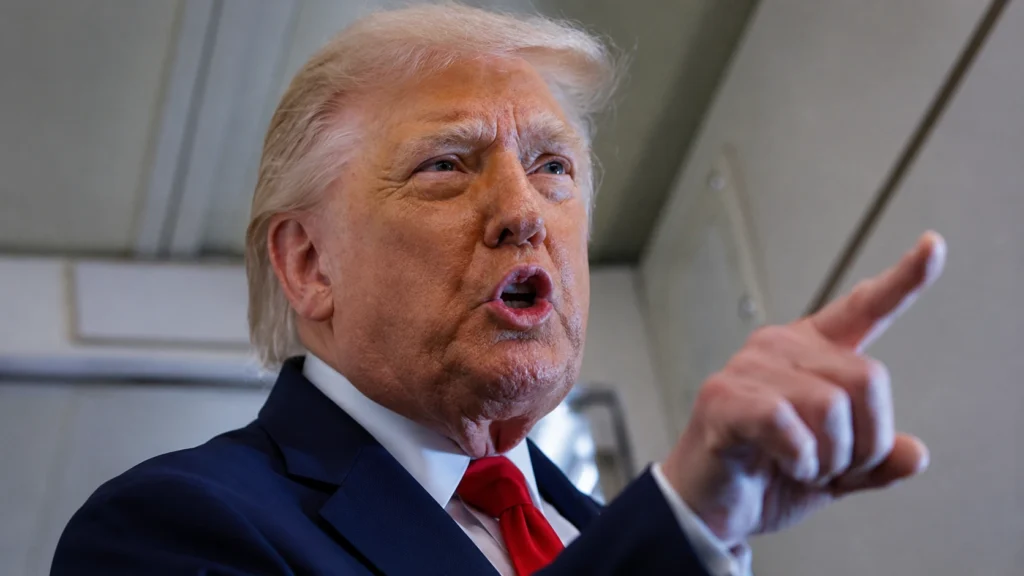
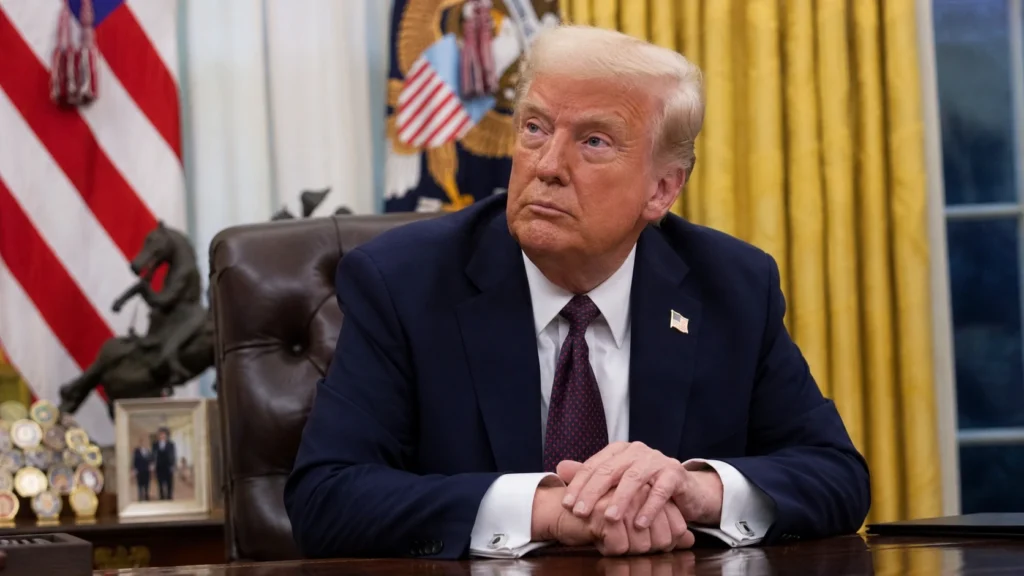
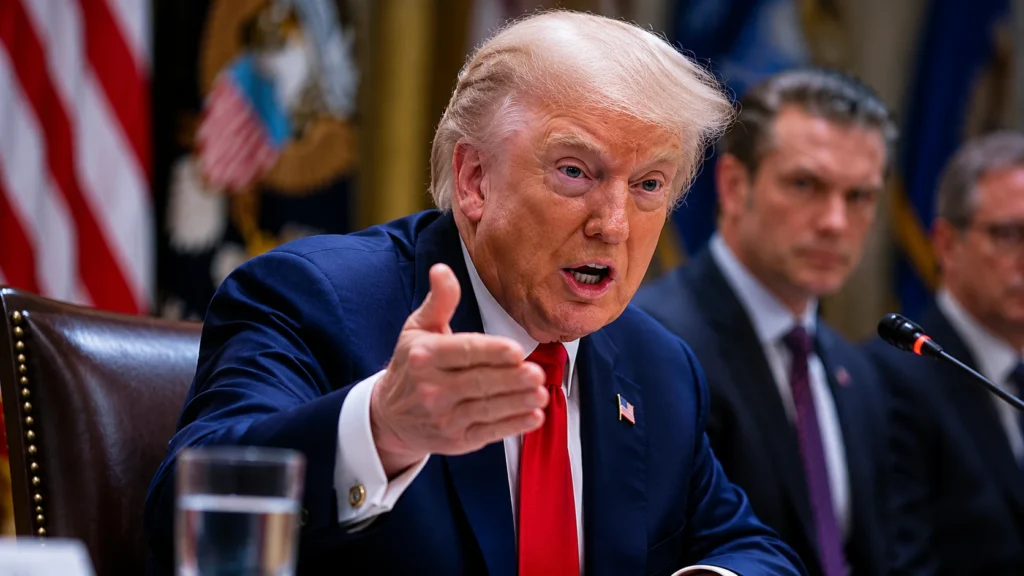
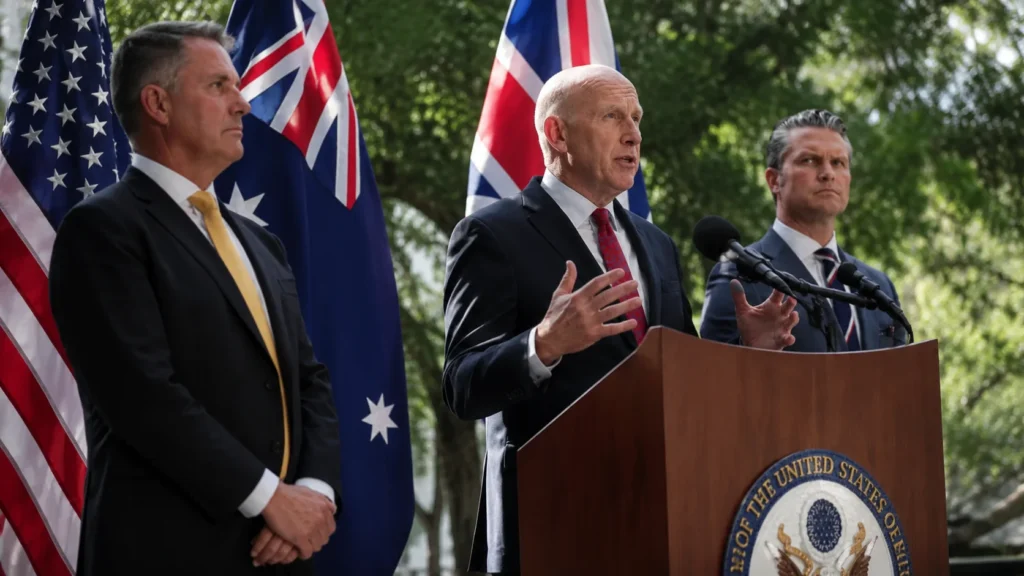
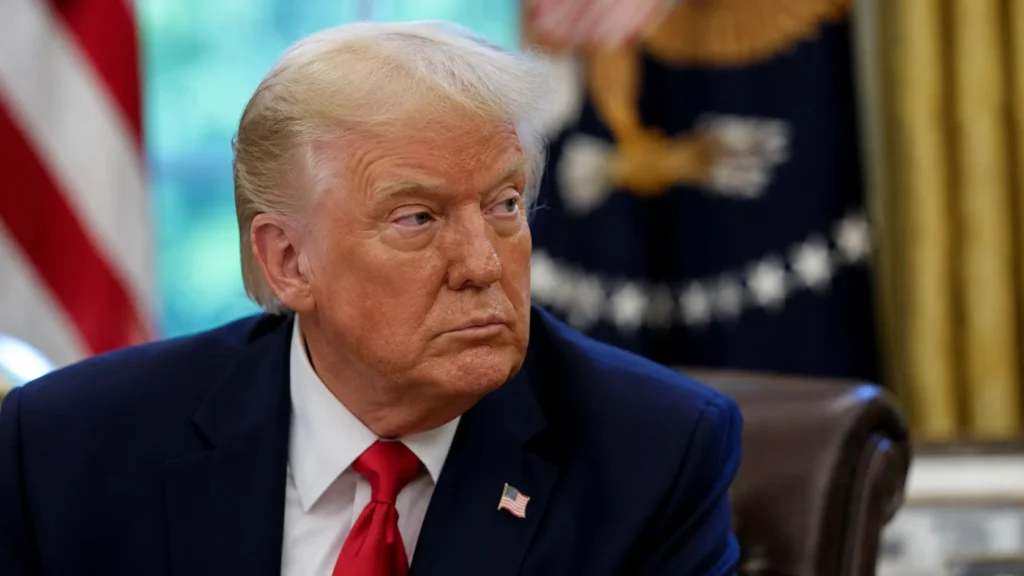
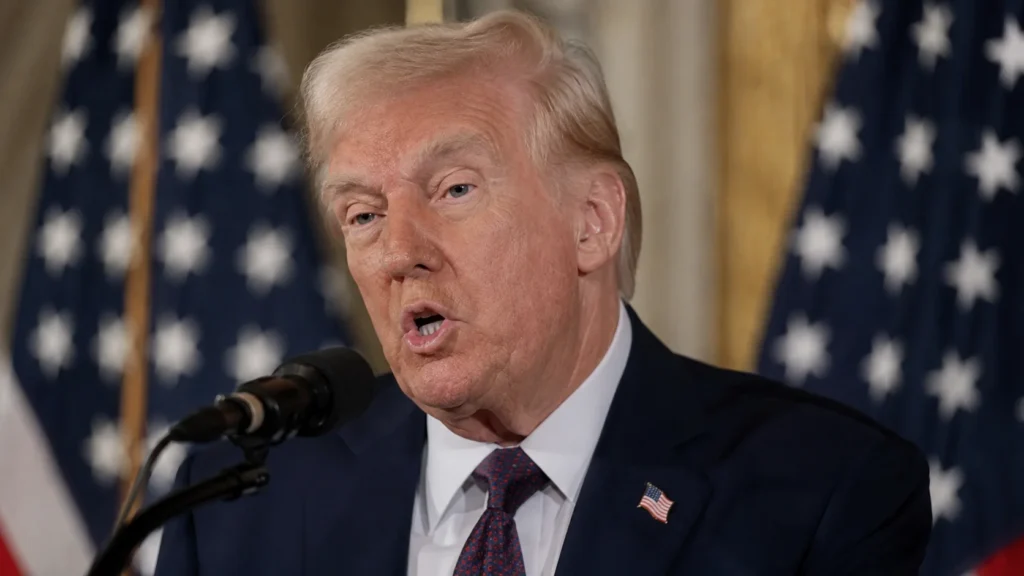
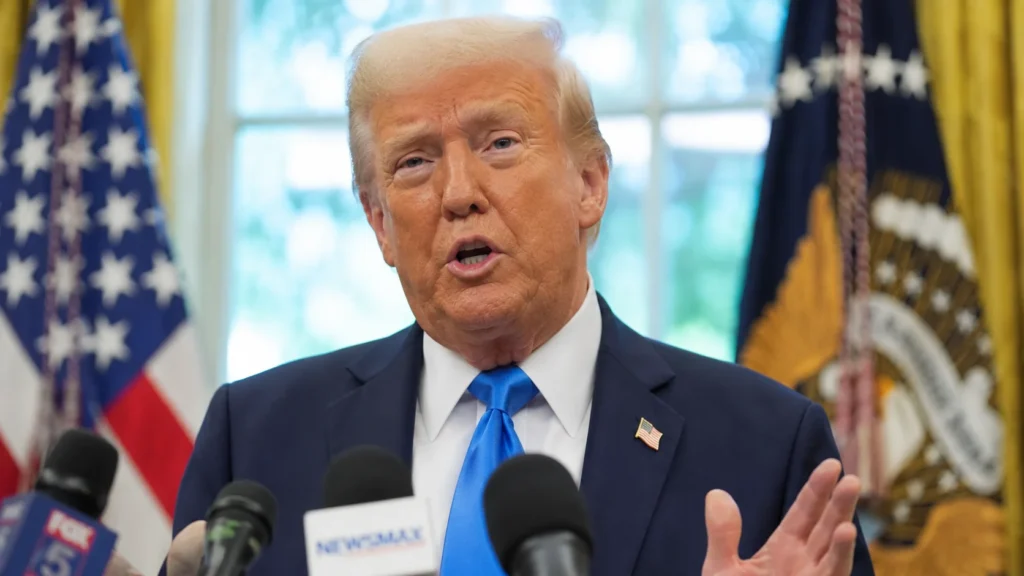
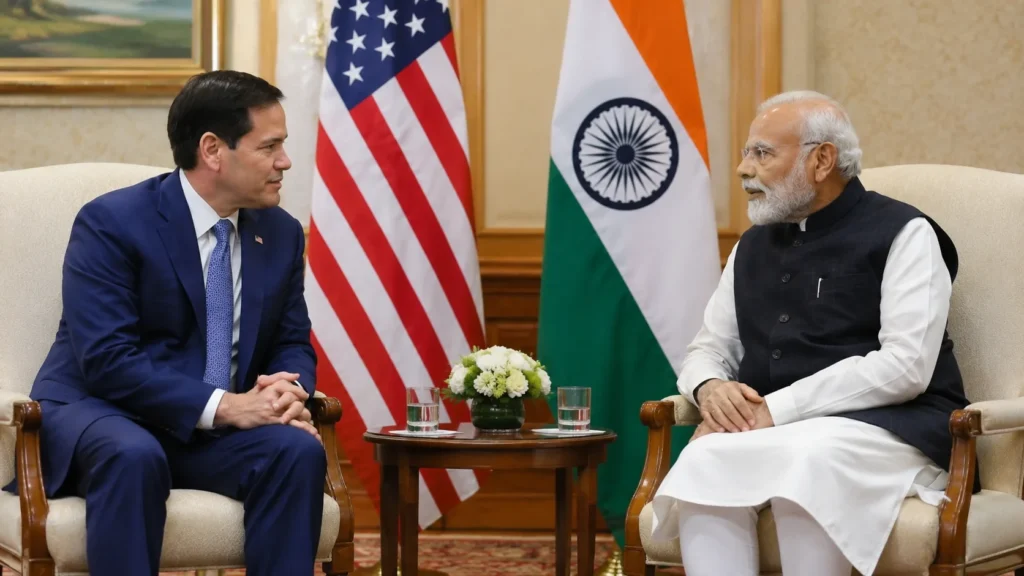
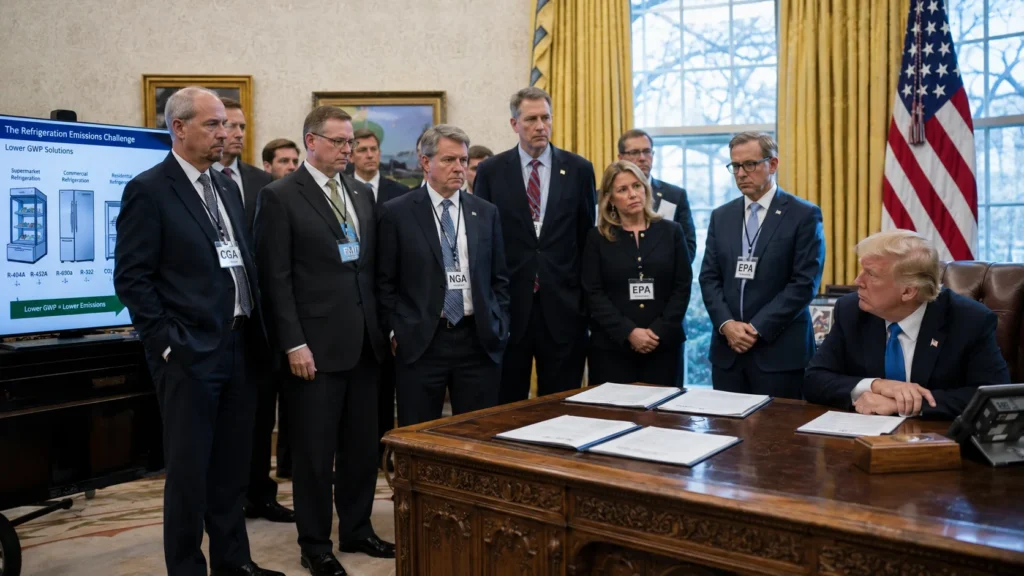
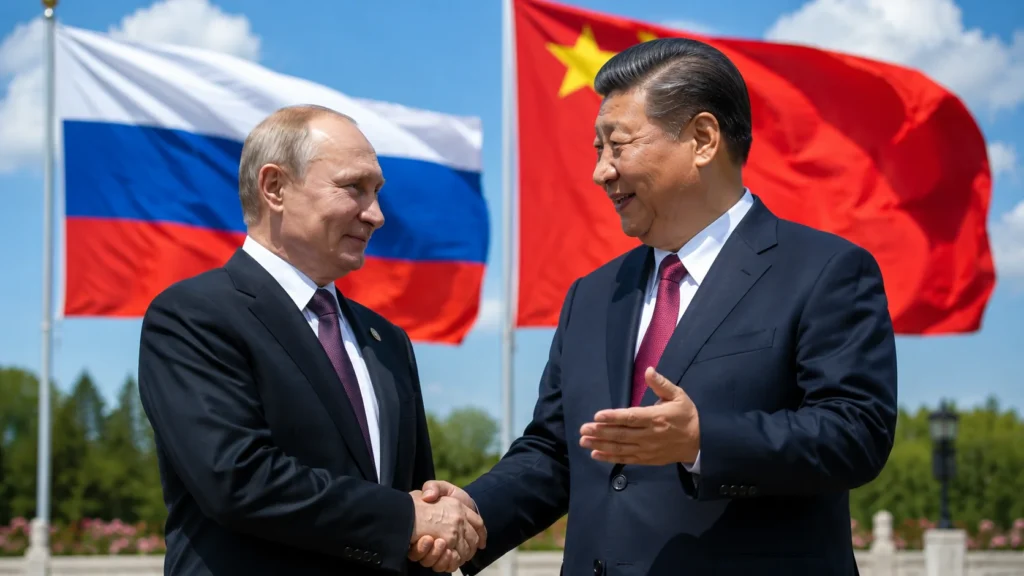
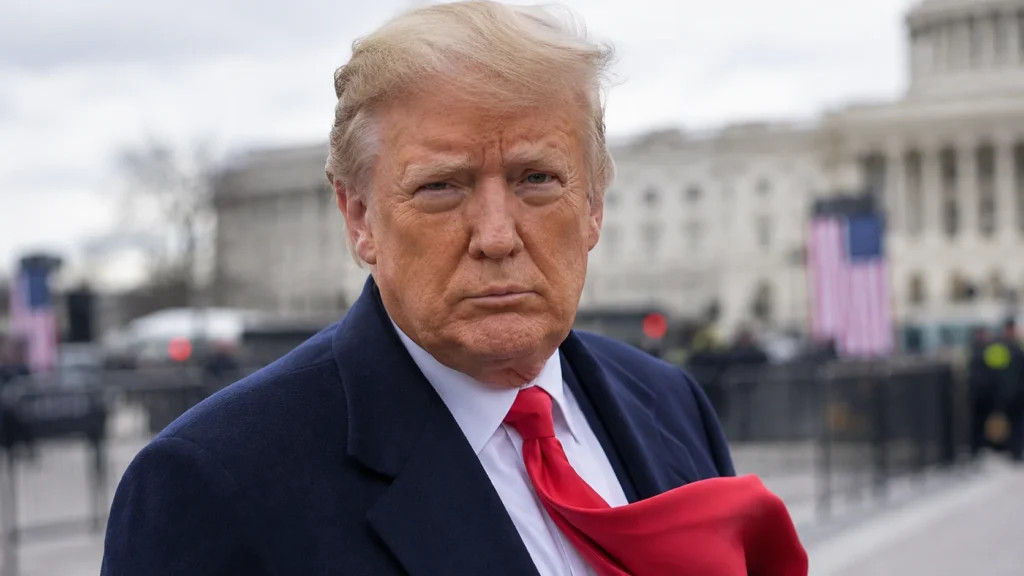
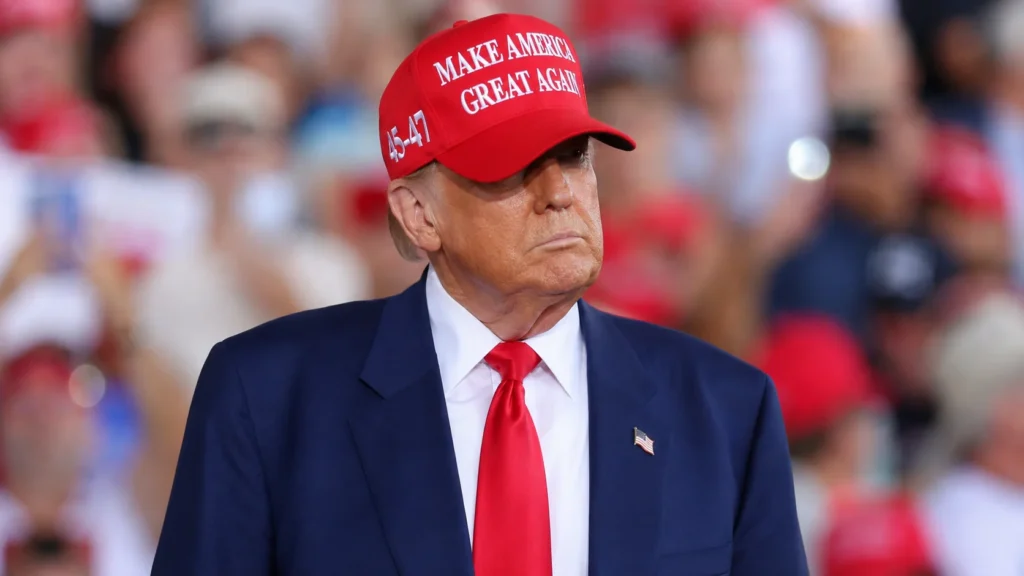
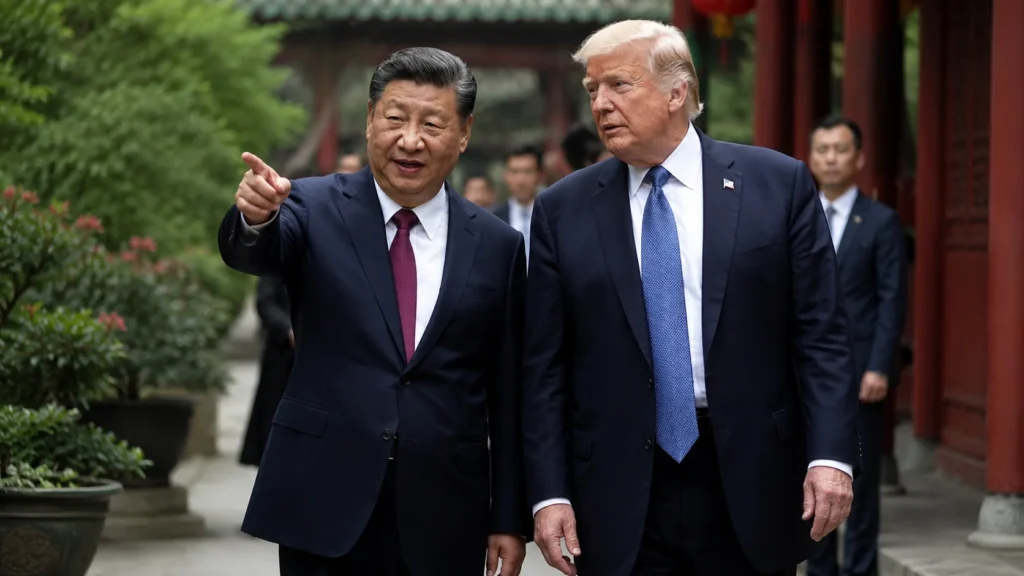
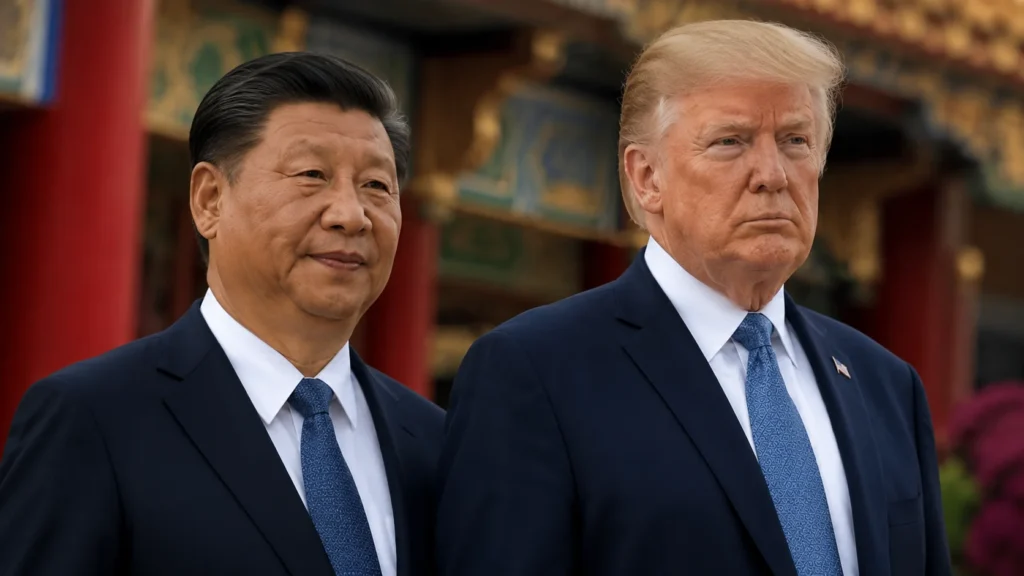
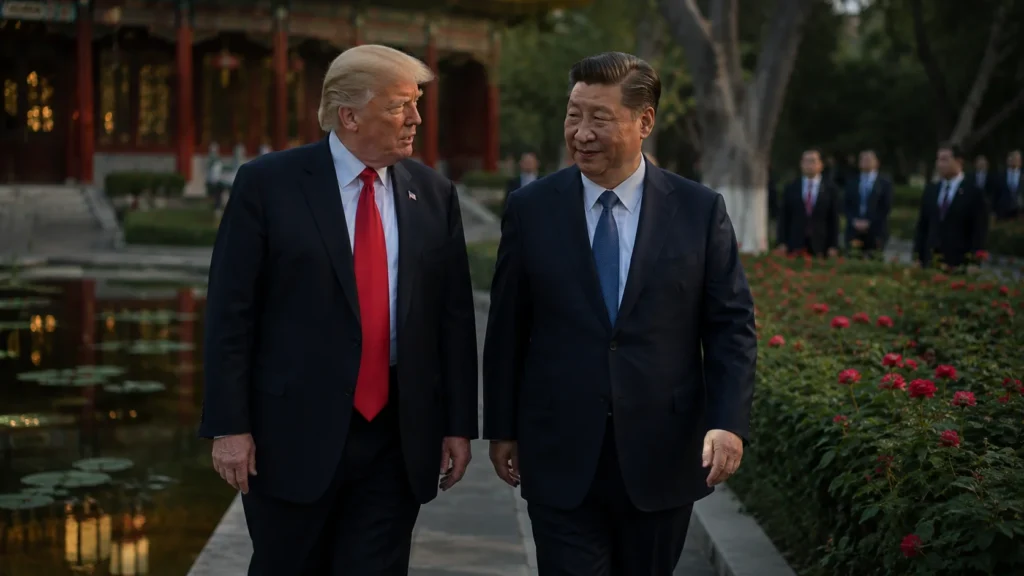
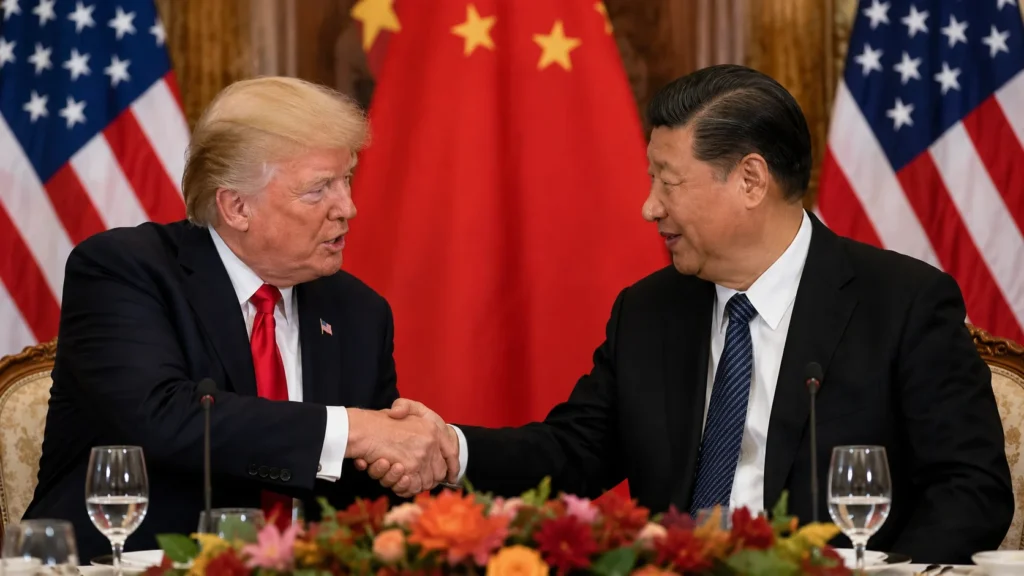
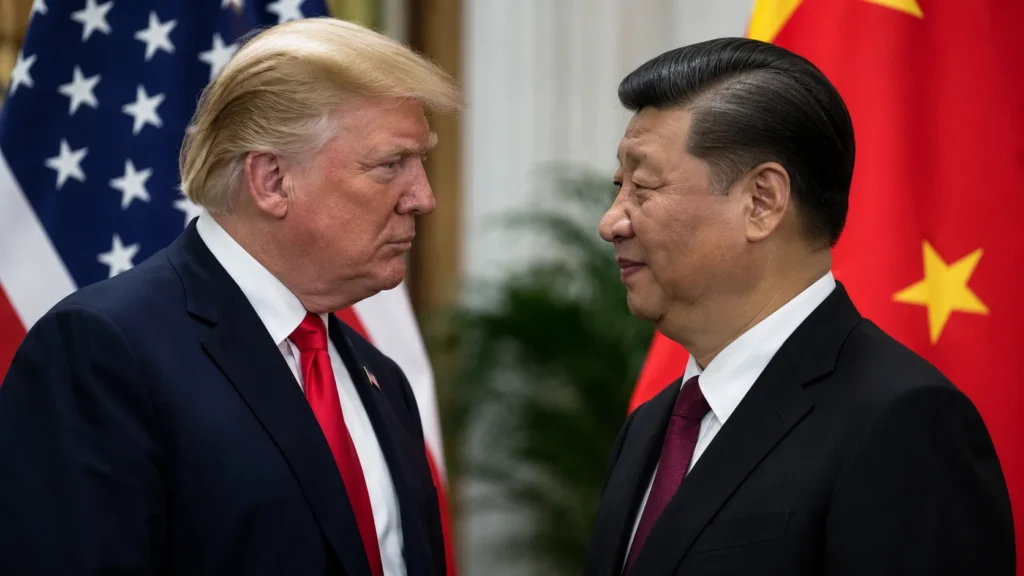
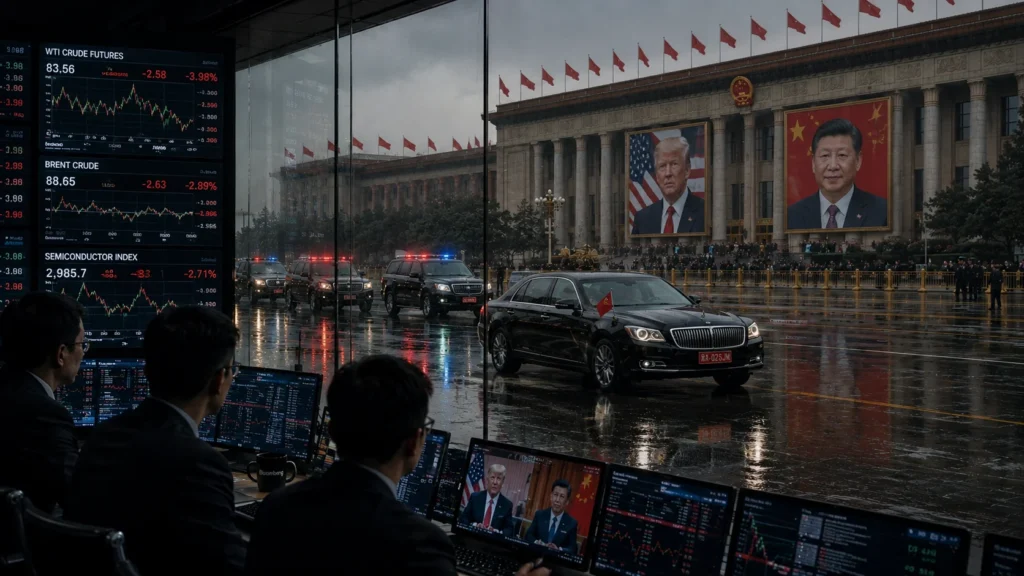
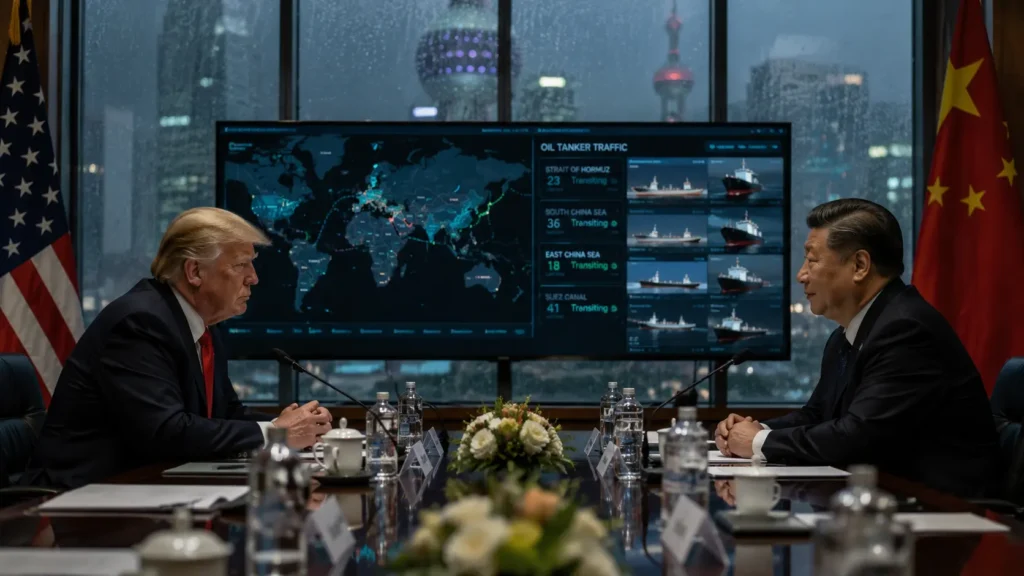
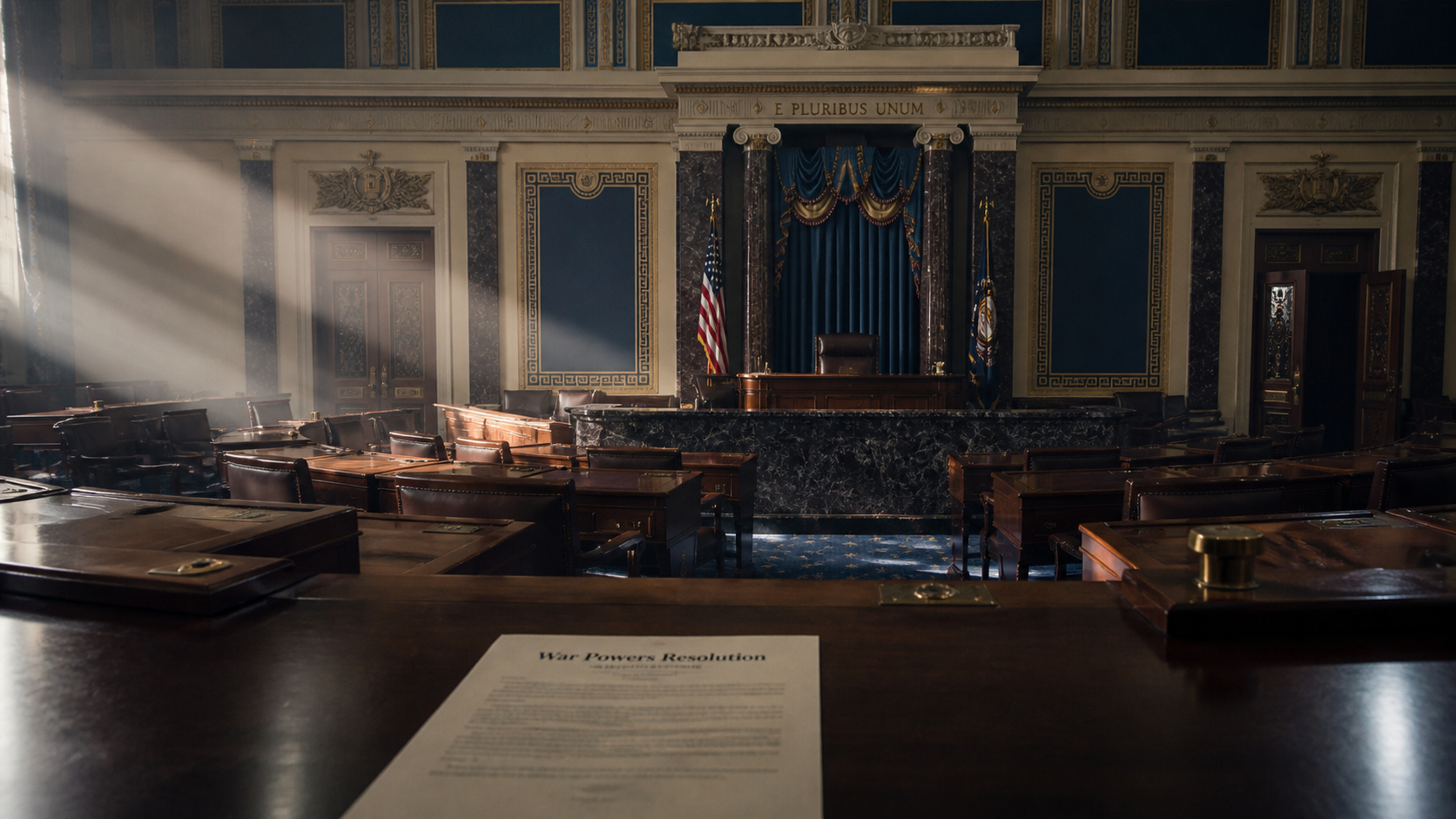
Trump-Xi very successful talks dominated global attention after the two leaders closed their May 2026 Beijing summit with promises around AI chips, Boeing aircraft sales, agriculture exports, and future trade co-operation. Yet neither Washington nor Beijing confirmed a major breakthrough agreement. The gap between diplomatic optics and unresolved technology tensions now shapes the future of trade, semiconductors, and Taiwan-linked supply chains.
The Summit Looked Diplomatic. The Agenda Looked Technological.
The public optics focused on tariffs and trade balances. The real negotiation centered on computing power.
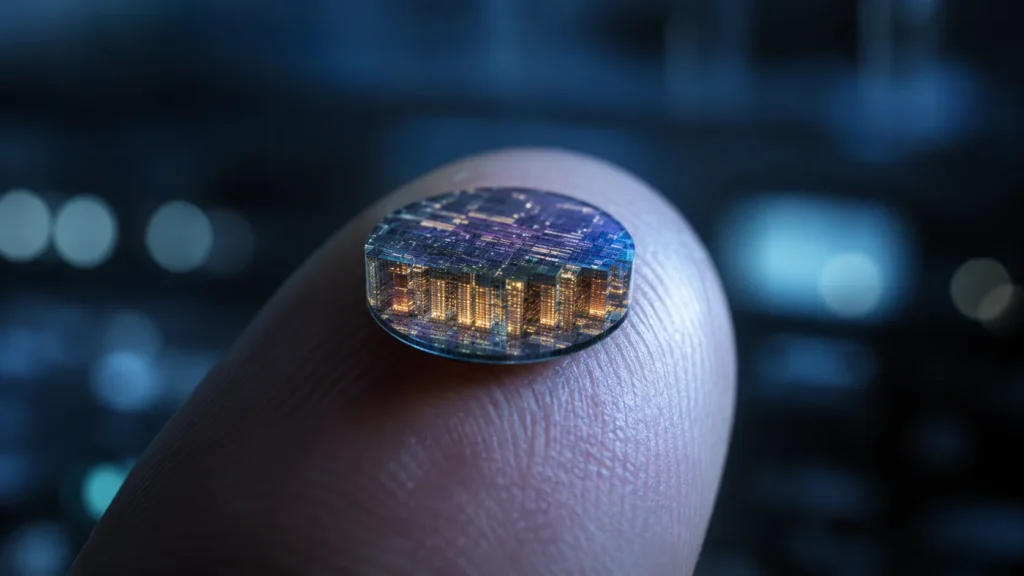
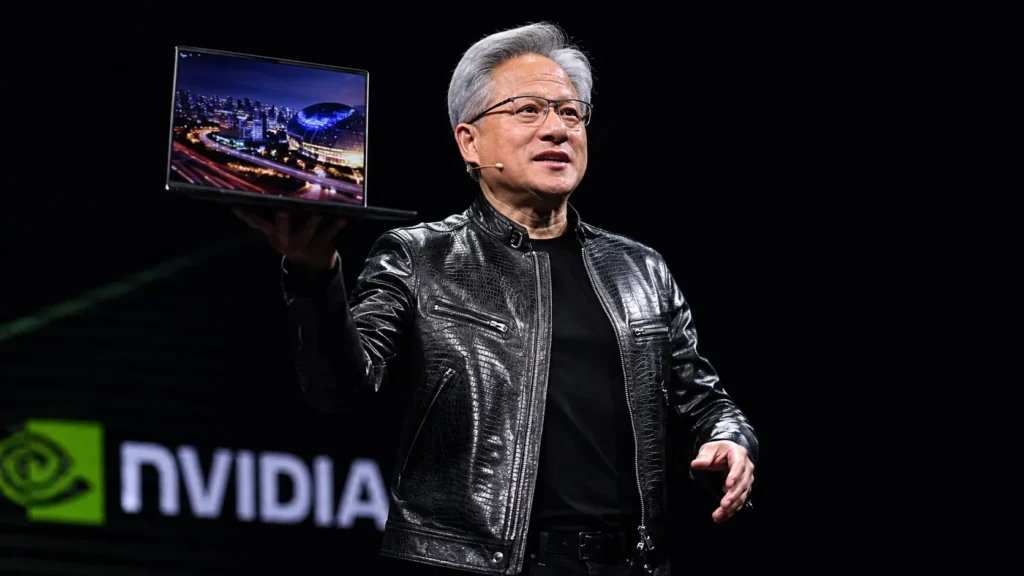
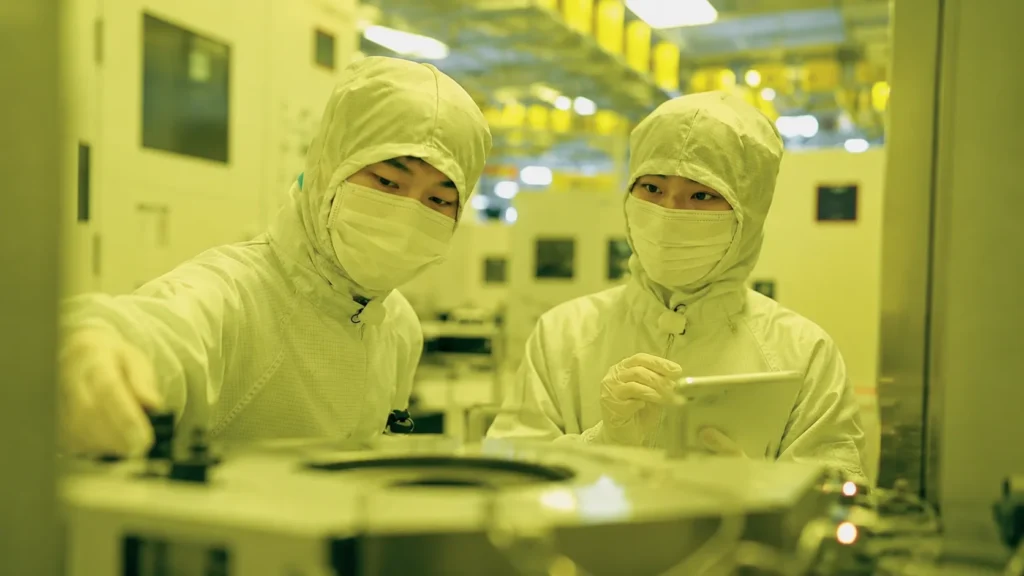
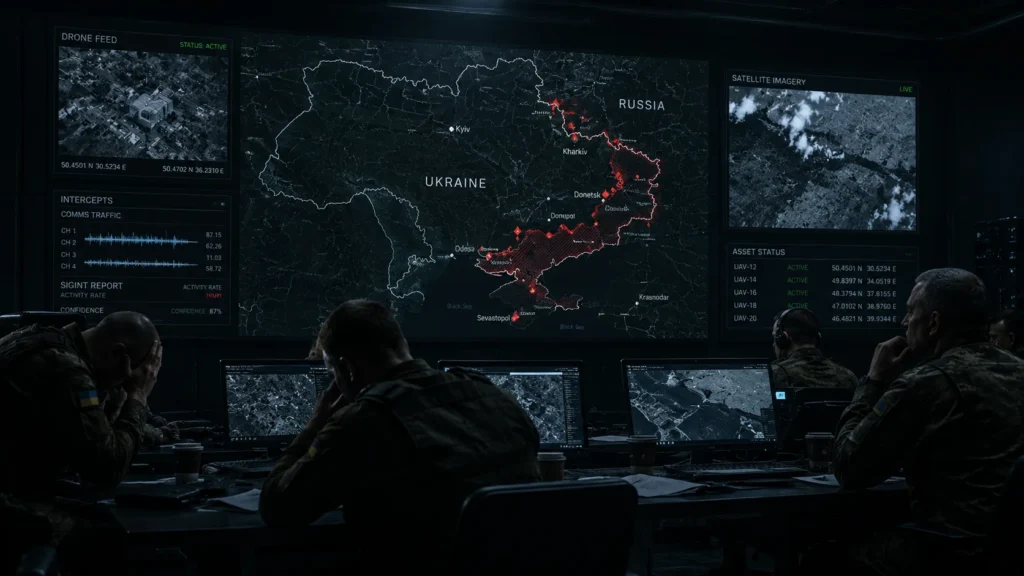
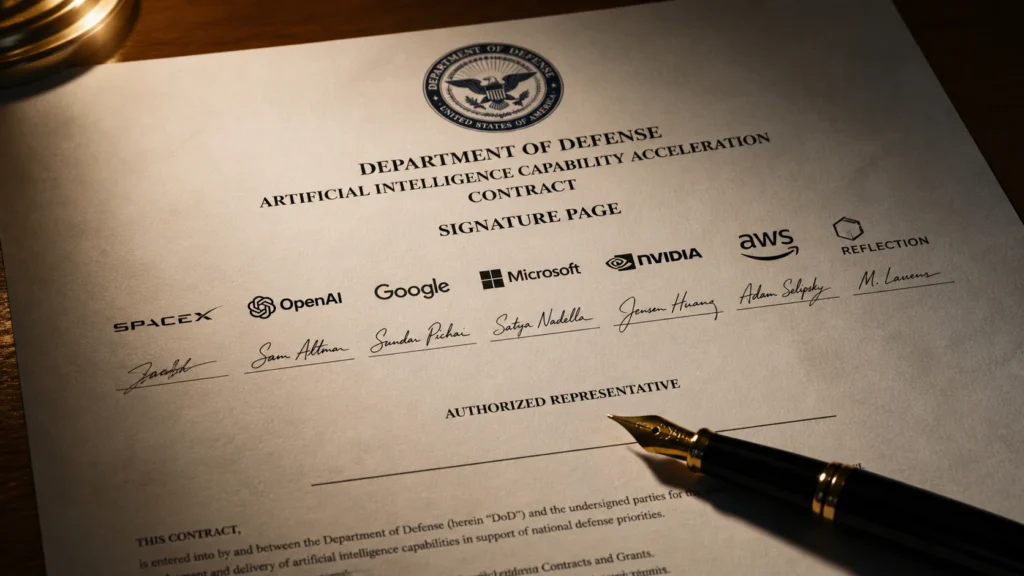
NVIDIA CEO Jensen Huang joined the delegation late, immediately shifting attention toward AI chip policy and export controls. China wants greater access to advanced semiconductors. Washington wants to slow Beijing’s path toward frontier AI systems.
That tension shaped nearly every conversation.
Trump later admitted tariffs barely surfaced during talks despite months of speculation surrounding the November 2026 tariff truce deadline. Instead, both governments discussed AI “guardrails,” investment frameworks, and long-term technology co-operation.
Interesting.
As AI chip export controls and global semiconductor rivalry explained, semiconductors now operate as geopolitical leverage rather than simple commercial products.
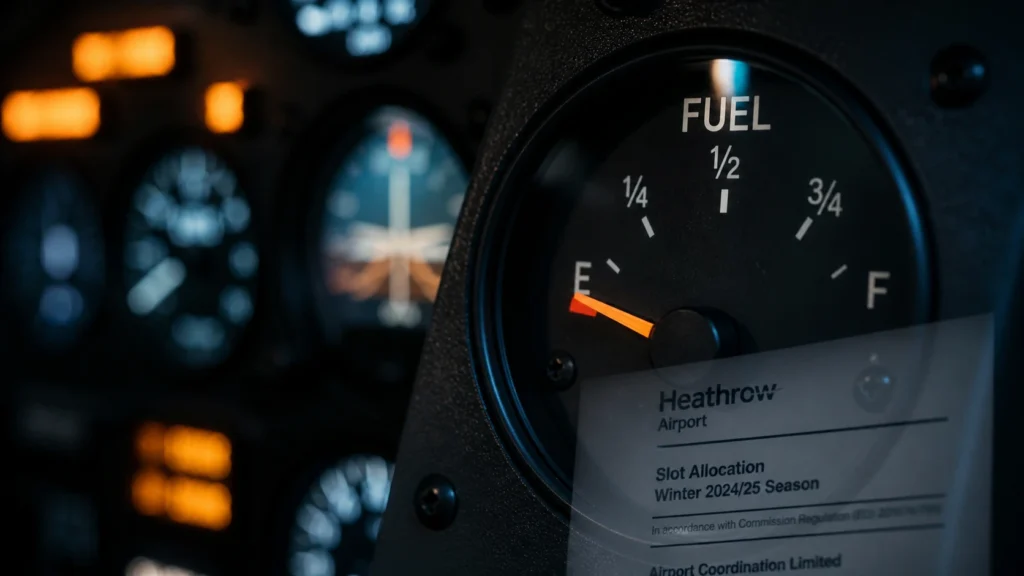
According to Nvidia statements on US export restrictions to China, Washington’s current export controls still block sales of several advanced AI chips into the Chinese market. NVIDIA continues searching for compliant alternatives that preserve access to China without violating US policy.
That creates the contradiction hanging over the summit:
American companies want Chinese revenue.
American policymakers want technological containment.
Those goals eventually collide.
Boeing Became the Political Signal
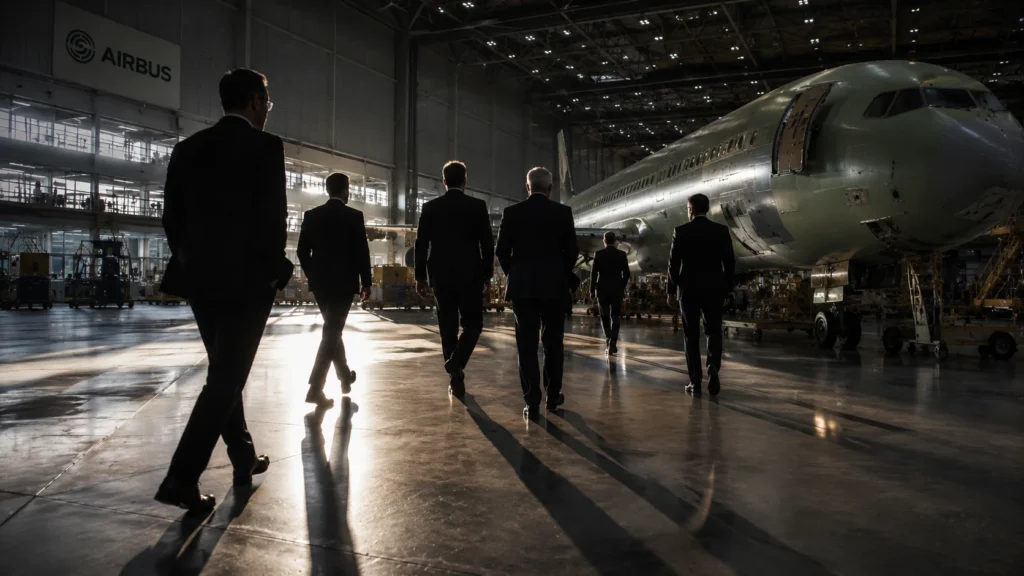
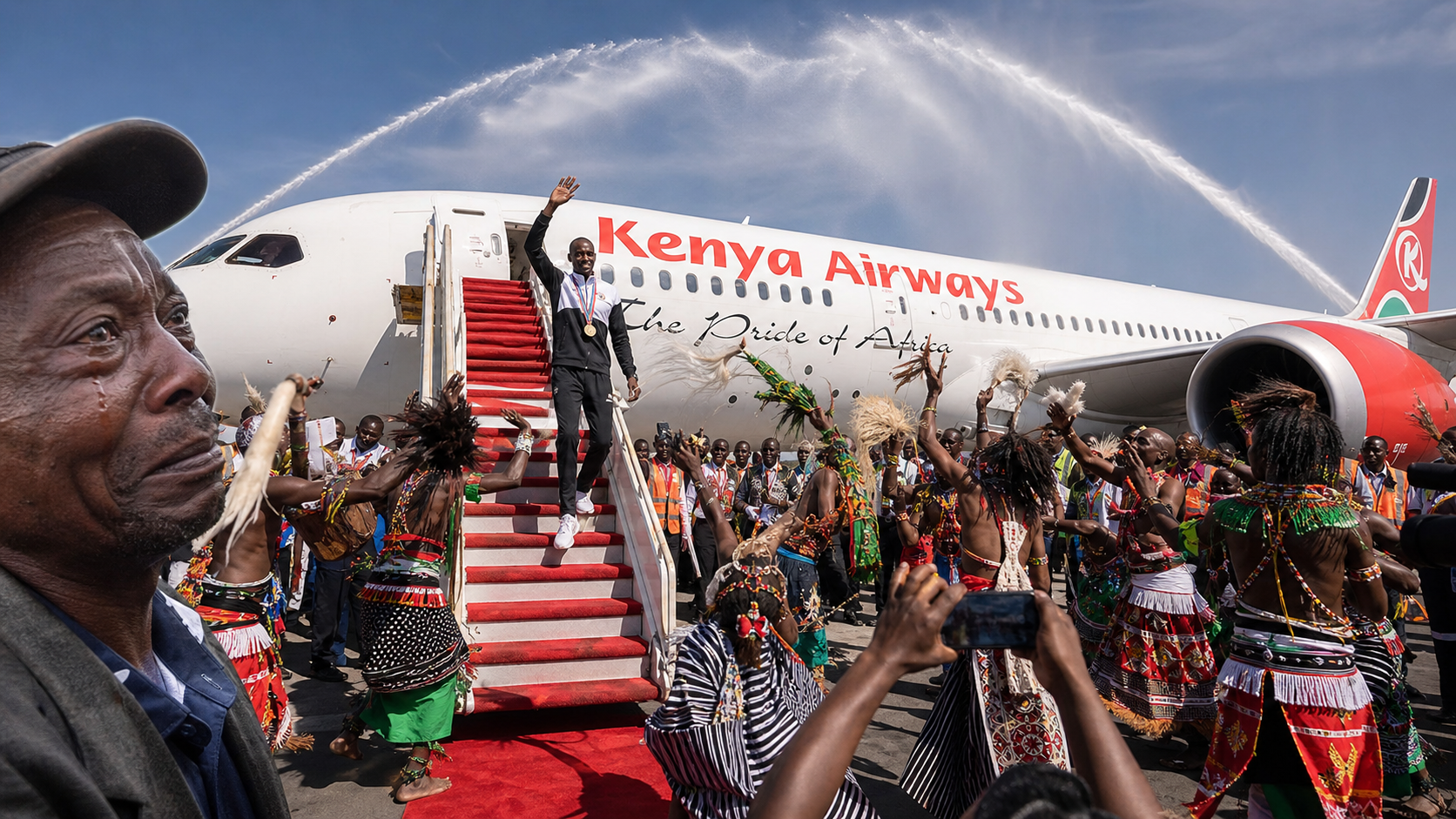
Trump claimed China agreed to purchase 200 Boeing aircraft, with discussions extending toward another 750 planes. Boeing confirmed parts of the framework. Beijing stayed cautious and avoided full public confirmation.
That gap matters more than the headline itself.
China understands Boeing orders carry political value inside the United States because aircraft manufacturing supports jobs across multiple states tied to congressional and electoral pressure. Beijing has historically used aviation purchases as diplomatic leverage during tense trade periods.
But here’s the shift.
This possible deal arrives after Boeing spent years largely locked out of China’s aviation market during tariff disputes and deteriorating US-China relations.
According to Boeing commercial market forecast, China may require more than 8,000 new aircraft over the next twenty years as domestic travel demand expands.
So both sides need something:
China needs aviation scale.
Washington needs export victories.
Short sentence. Big implication.
Taiwan Quietly Framed the Entire Meeting
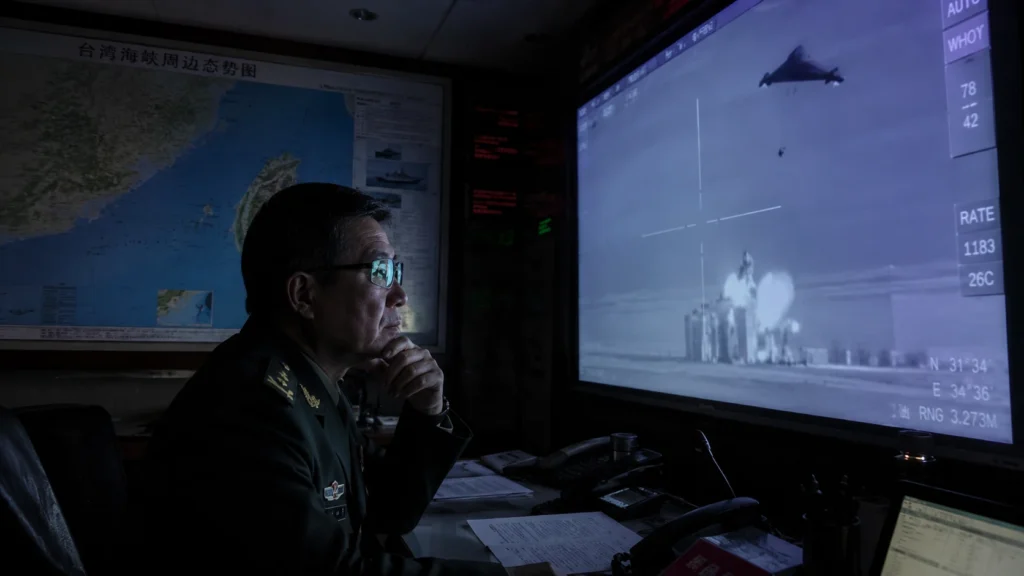
Xi Jinping repeated Beijing’s warning that Taiwan remains the most sensitive issue in US-China relations. This time, Chinese officials connected Taiwan more directly to trade stability and semiconductor access.
That changes the negotiating structure.
Taiwan no longer exists as a separate security file sitting beside trade negotiations. Beijing increasingly links AI chips, semiconductor production, national security, and economic co-operation into one strategic package.
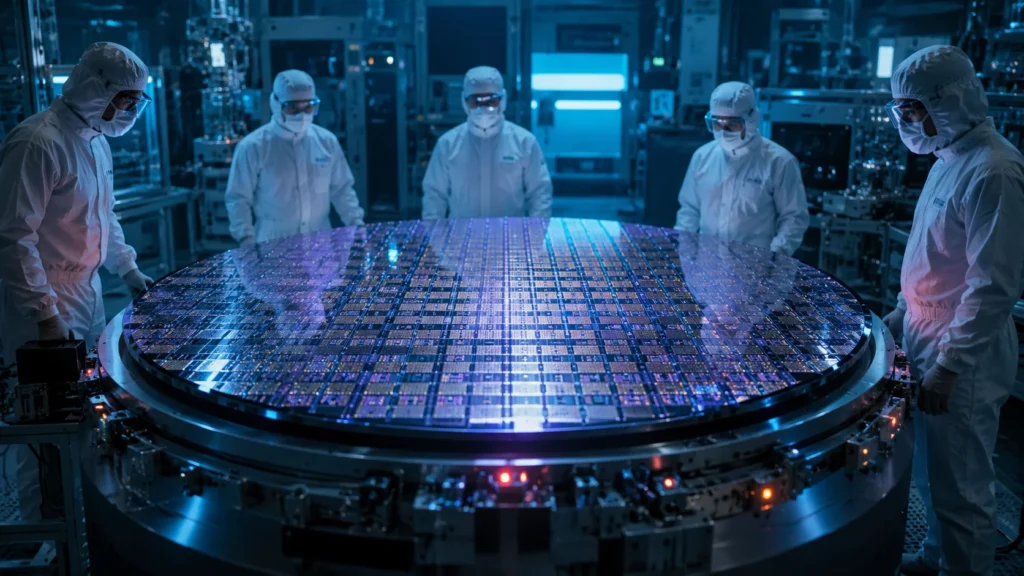
As Taiwan semiconductor dependence and AI supply chain exposure showed, advanced Taiwanese chip manufacturing still anchors much of the world’s AI infrastructure.
The dependency pressures both governments differently.
The US wants resilient semiconductor supply chains while restricting China’s access to cutting-edge AI systems. China wants economic stability without accepting permanent technological barriers imposed by Washington.
Not simple.
What This Signals to Markets and Competitors
Trump gained short-term momentum headlines. Xi gained negotiating flexibility.
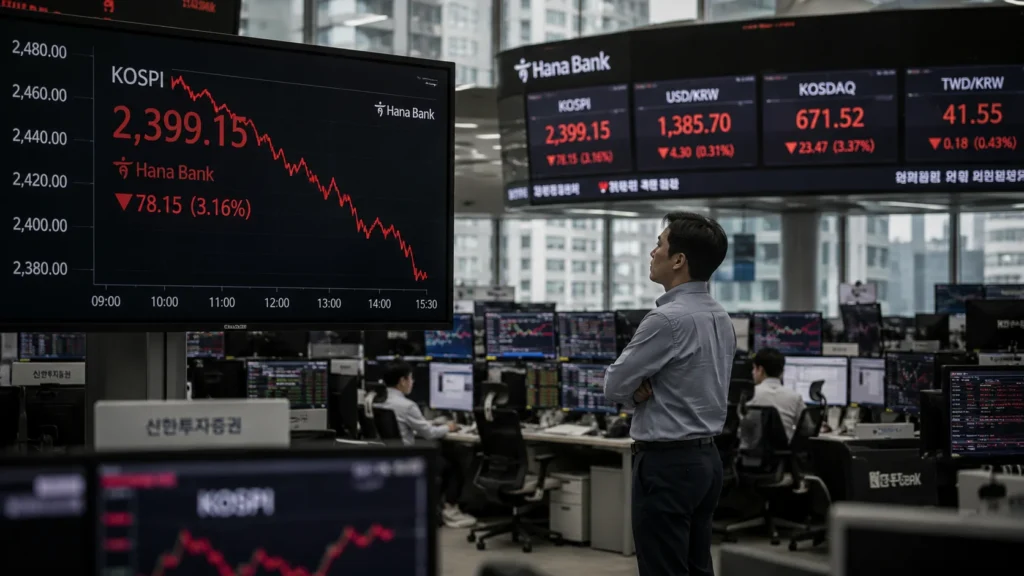
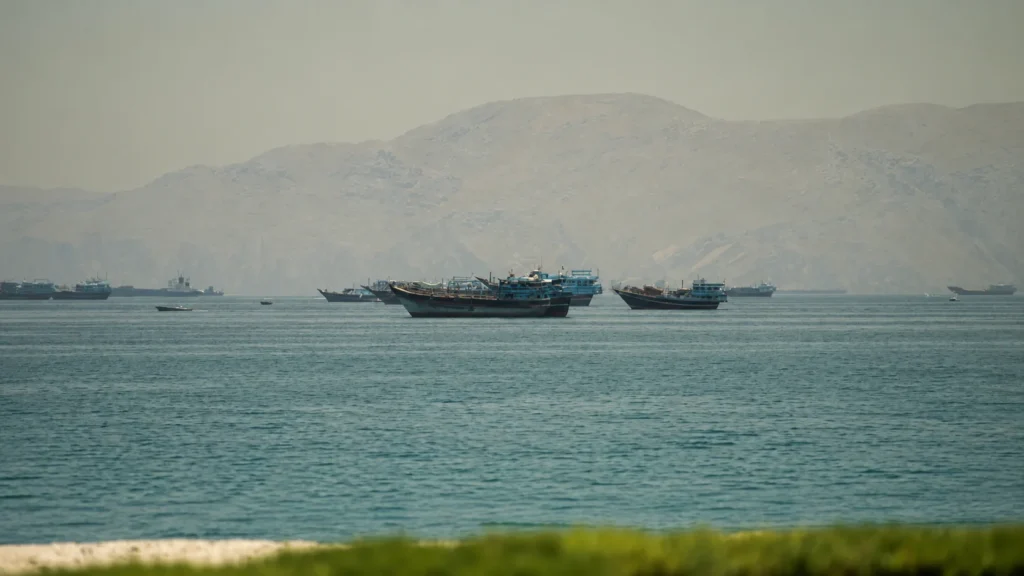
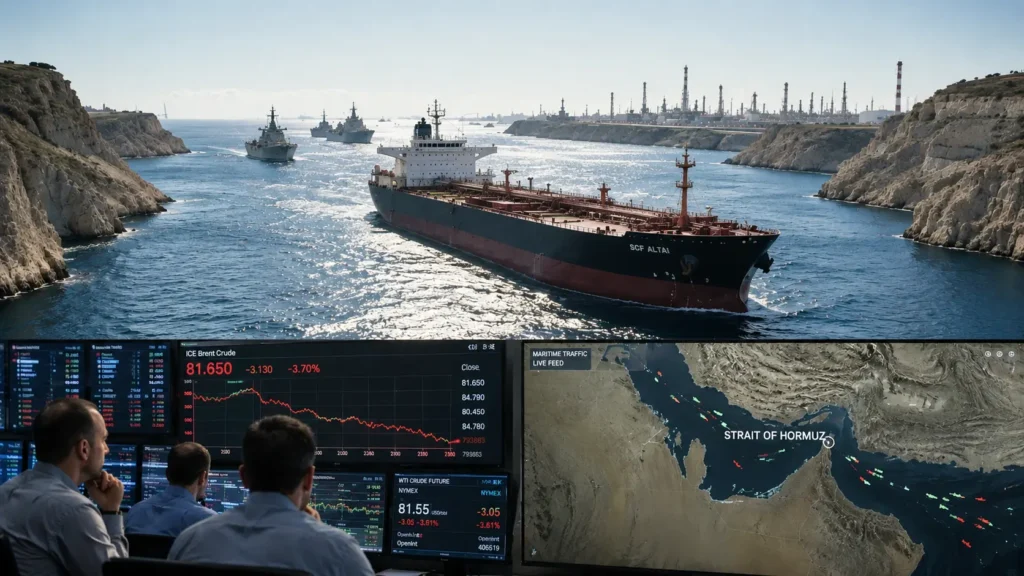
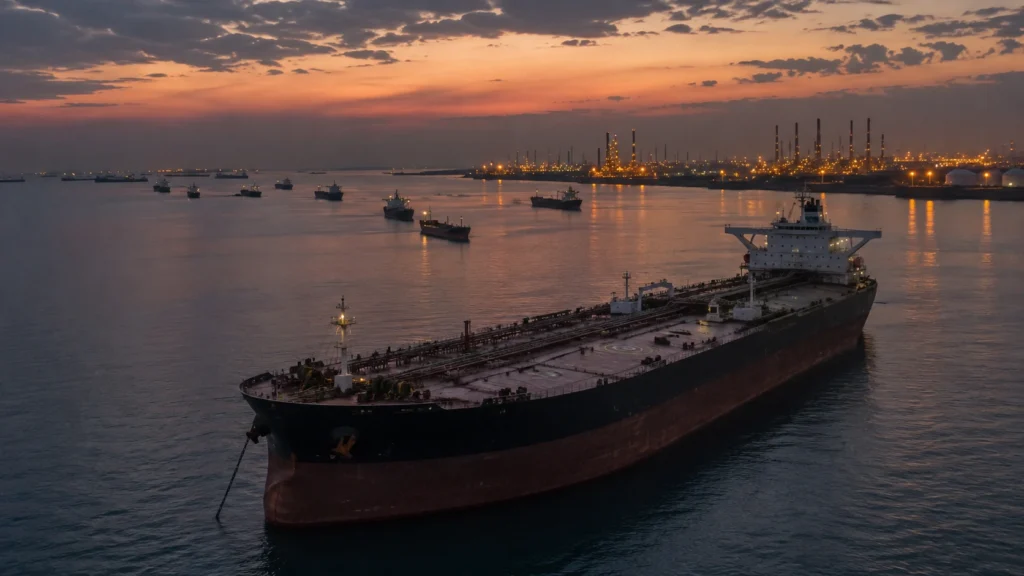
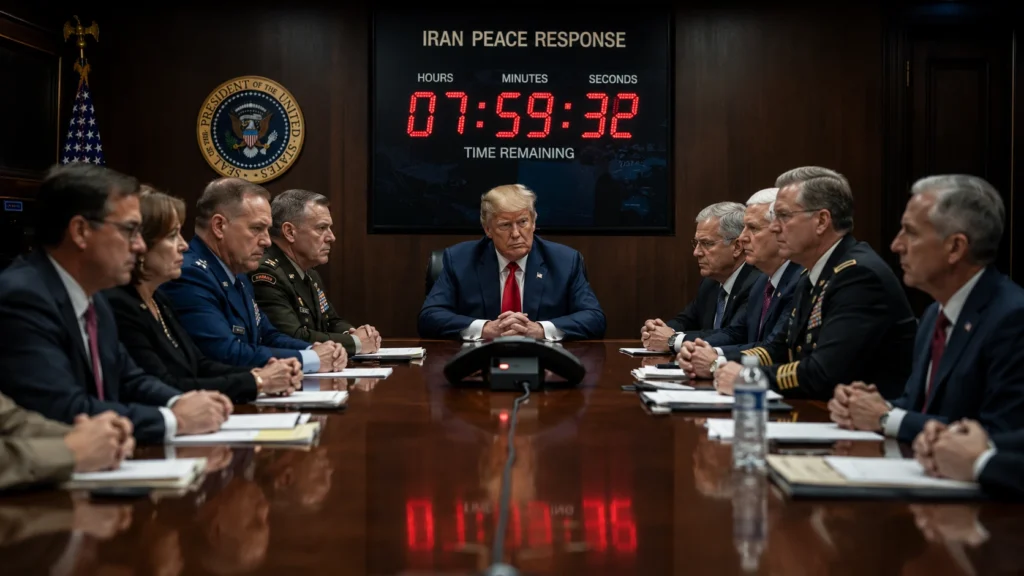
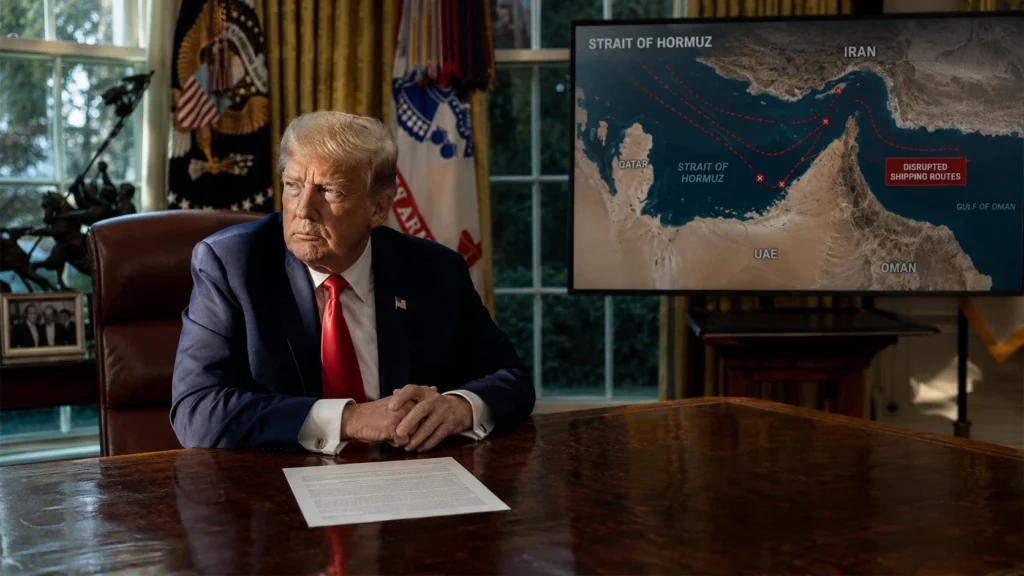
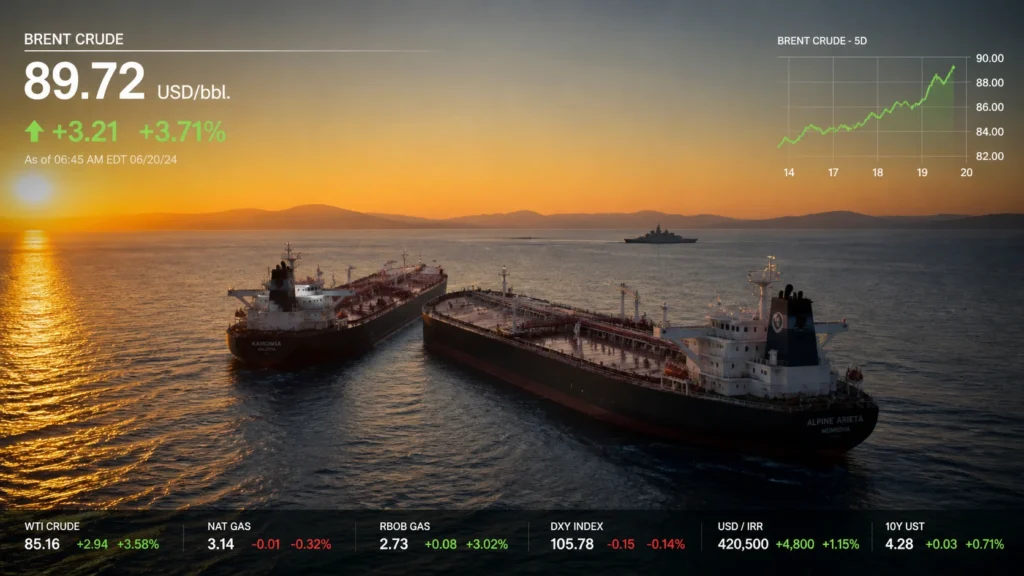
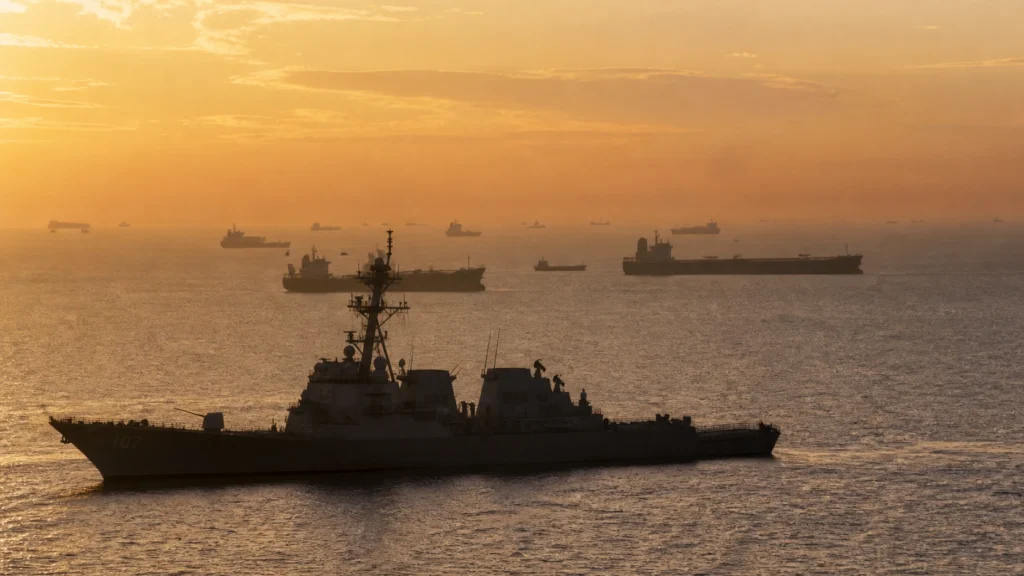
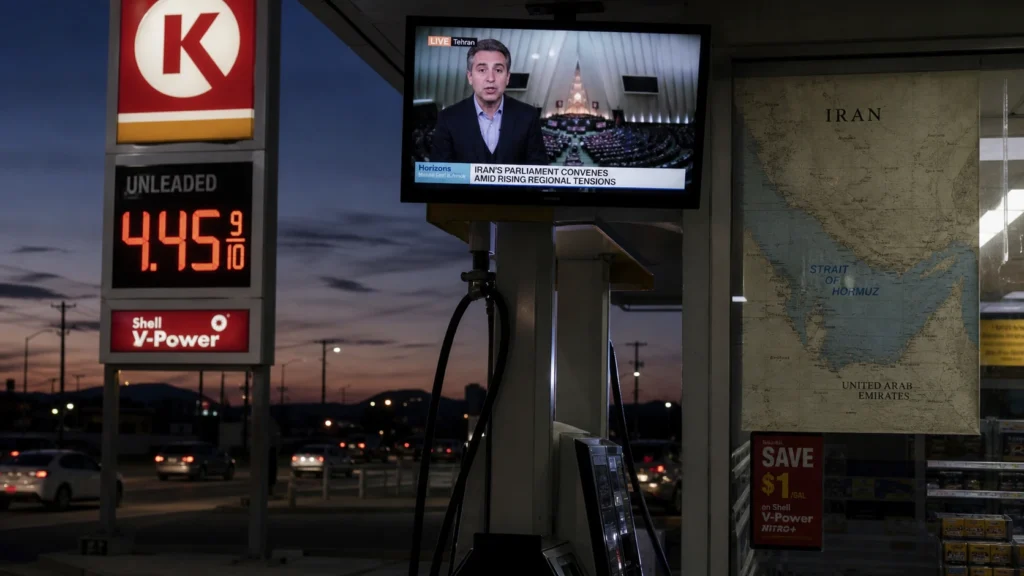
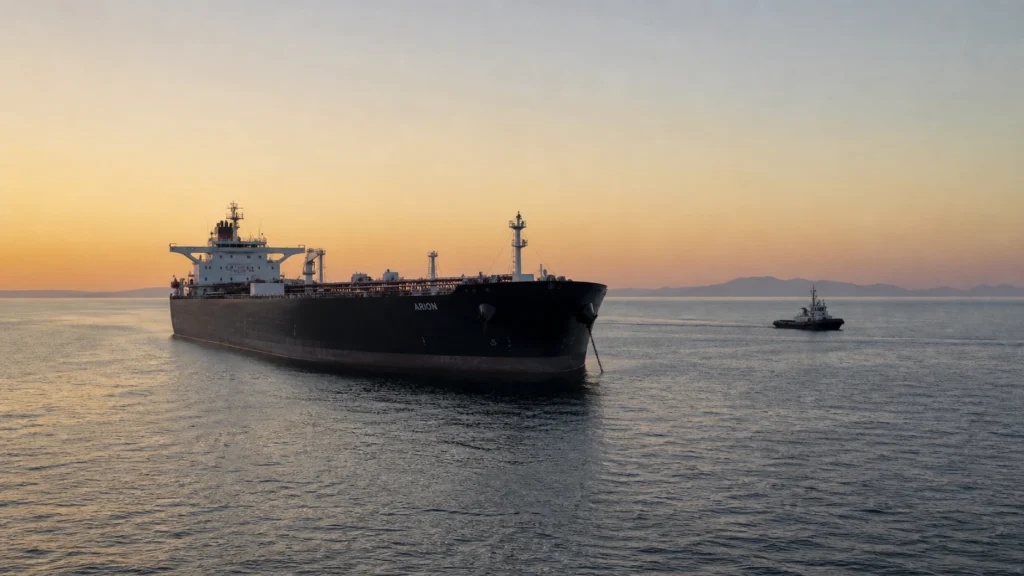
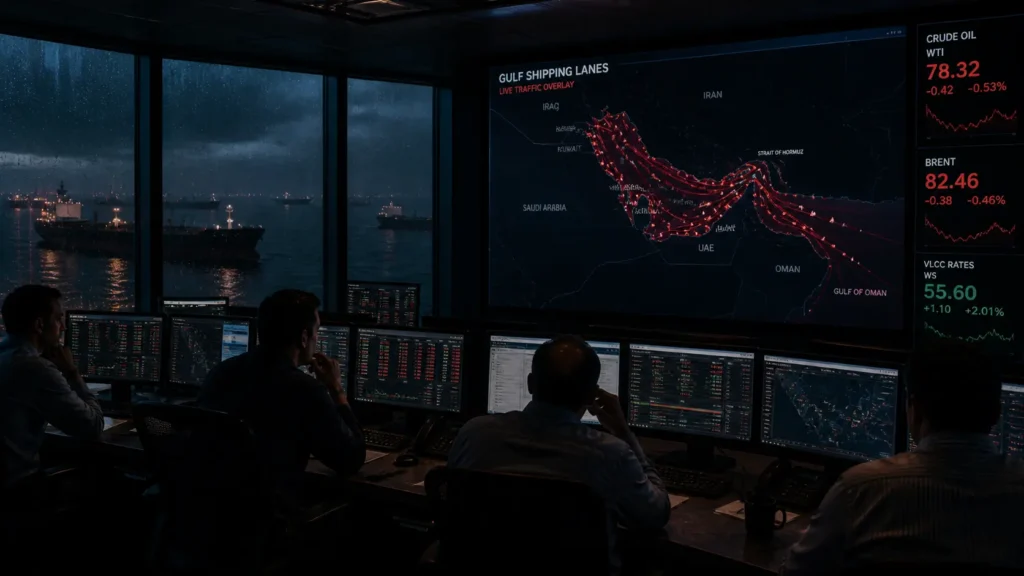
The summit reduced immediate escalation fears tied to tariffs, Taiwan, and the Iran-related Hormuz shipping crisis. Markets usually reward pauses in conflict even when core disputes remain unresolved.
But the summit also revealed something larger:
Corporate America increasingly treats China as operational infrastructure, not merely a geopolitical rival.
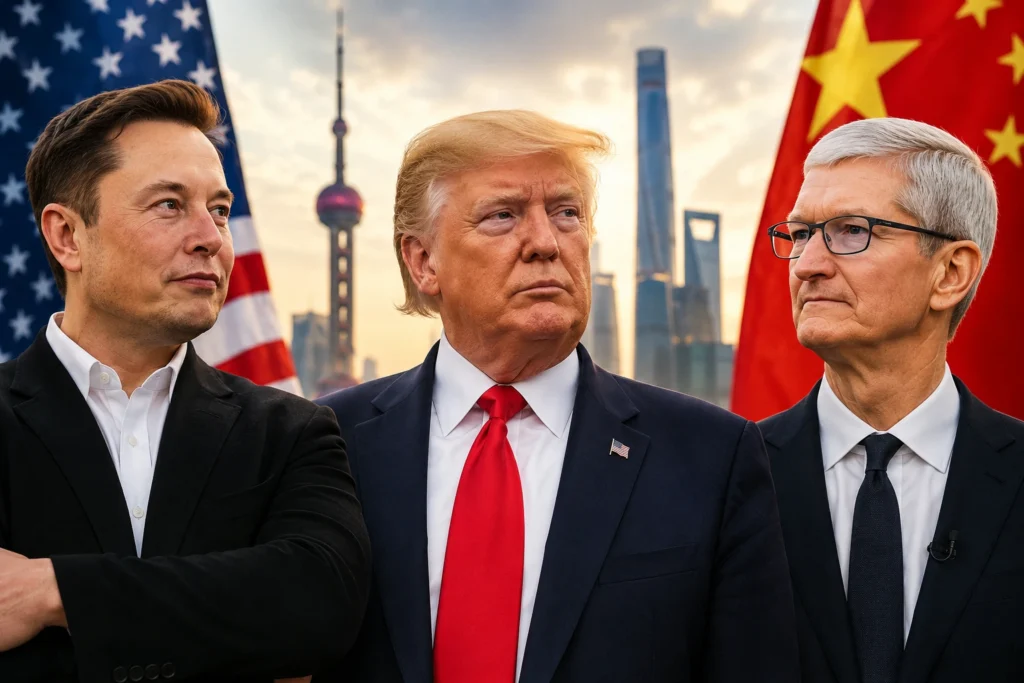
Tesla depends heavily on Shanghai production. NVIDIA needs Chinese demand. Boeing wants market reentry. CEOs traveled to Beijing because global scale still runs through China, whether Washington likes that reality or not.
Then this happened.
China folded Taiwan and shipping security into broader economic discussions. Trade negotiations suddenly expanded into military deterrence, semiconductor control, and energy route stability.
Trade doesn’t sit beside security anymore.
Trade became security.
What Investors Should Watch Next
The next pressure point arrives before the tariff truce expires in November 2026.
Watch these signals carefully:
- Whether Beijing formally confirms large Boeing purchases
- Whether Washington relaxes AI chip export controls
- Whether Taiwan’s rhetoric escalates before Xi’s expected White House visit in September 2026
If those areas stabilize, investors may treat this summit as the beginning of managed competition between the world’s two largest economies.
If not, the optimistic Beijing optics disappear fast.
Because the biggest unresolved issue never appeared in the final statements:
Neither side trusts the other enough to separate trade from technology anymore.
Author Bio
Written by a senior business and geopolitical analyst covering semiconductor competition, US-China trade relations, and global AI infrastructure strategy for more than ten years.