

 English










































































































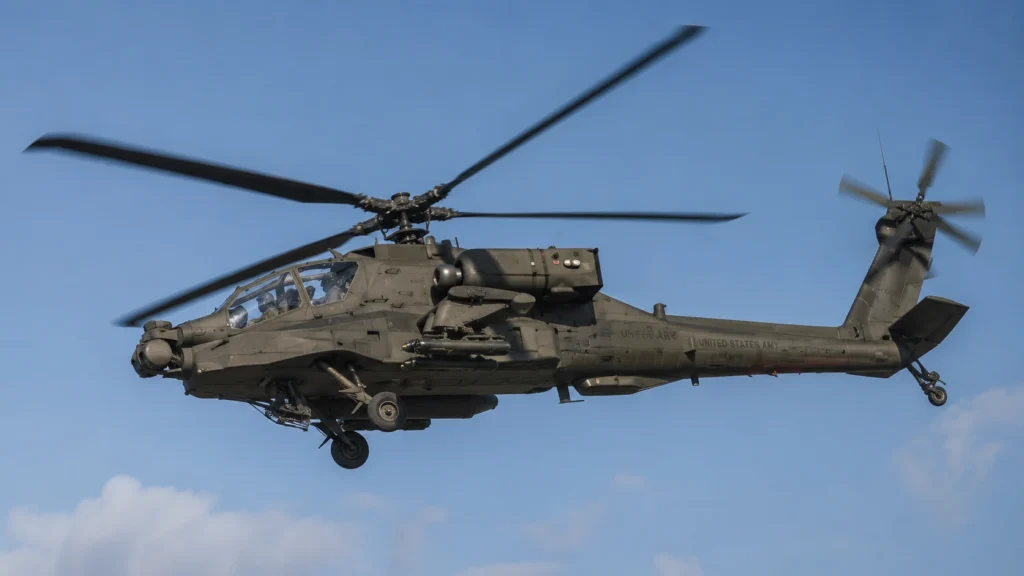


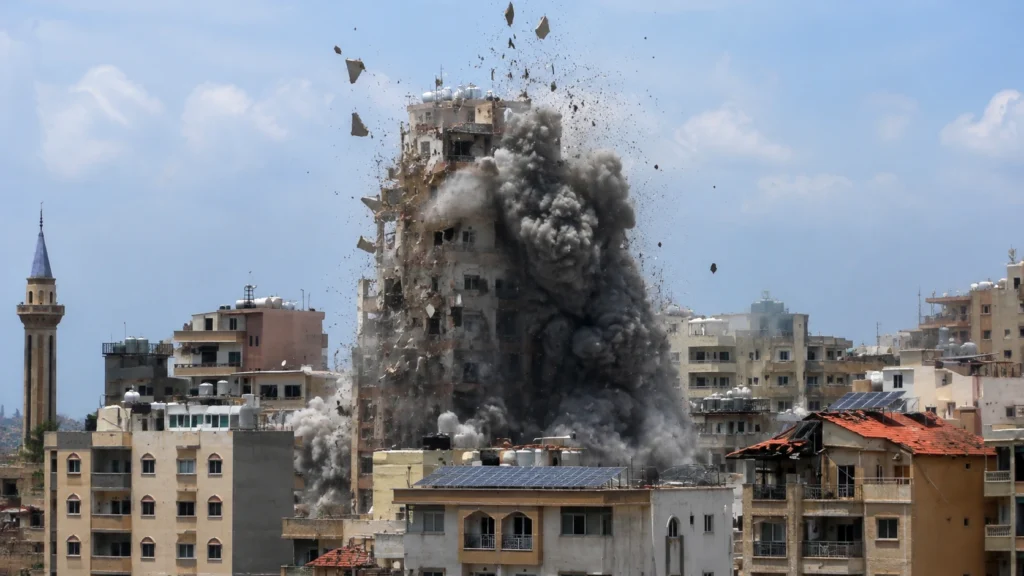





























































































Oil Falls 5%, Shares Jump After US-Iran Deal Announced
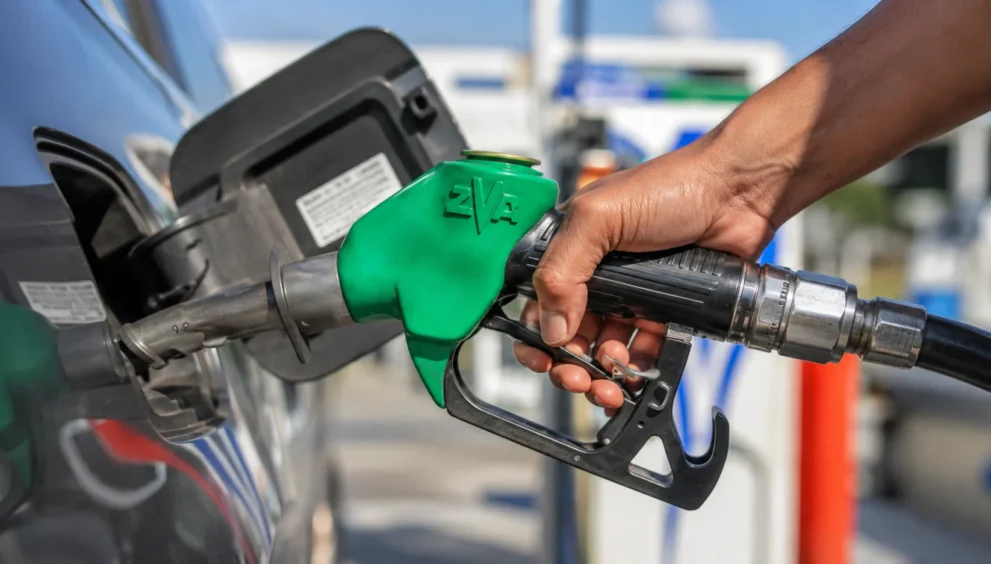
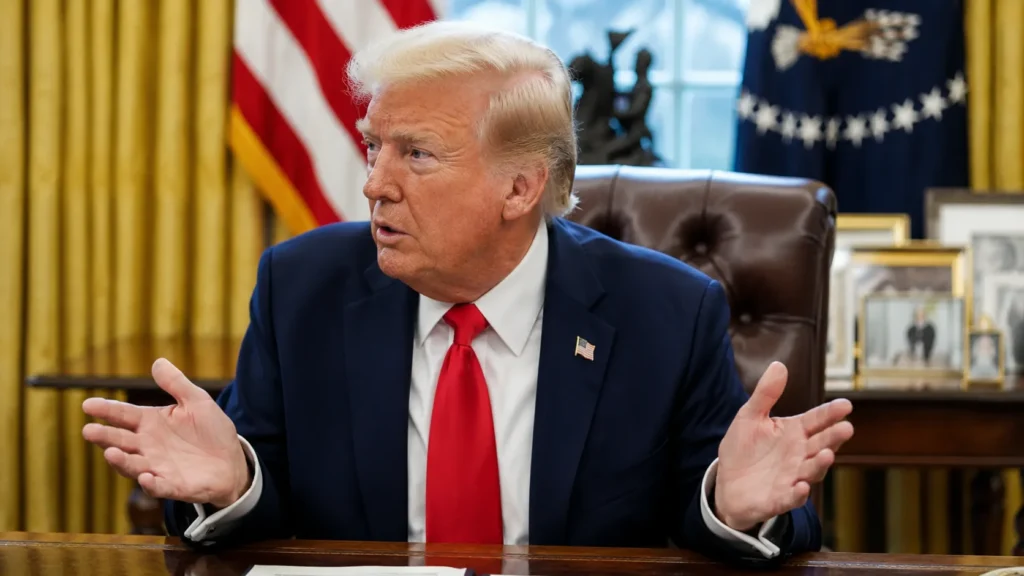
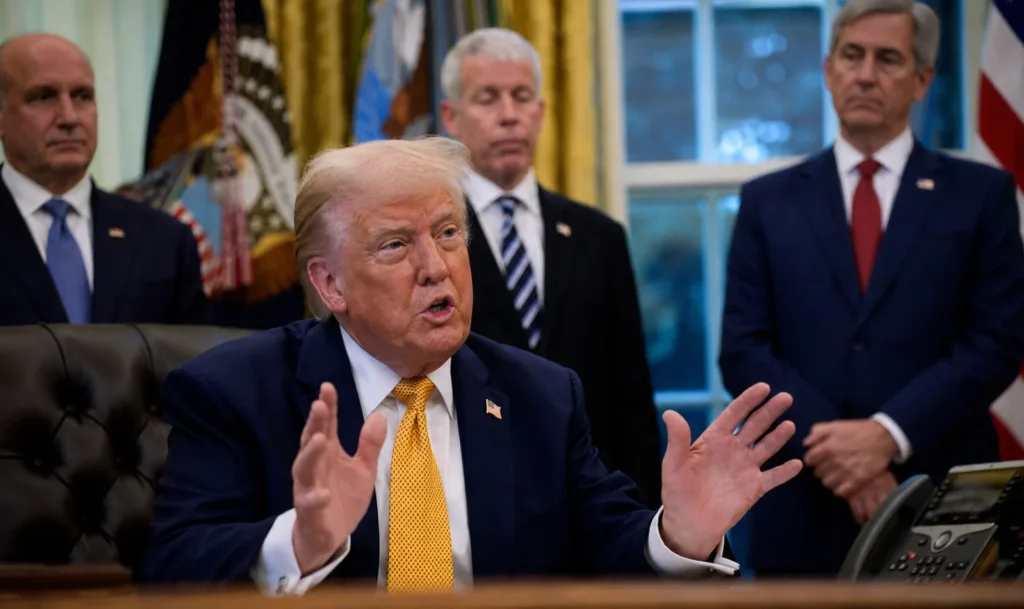
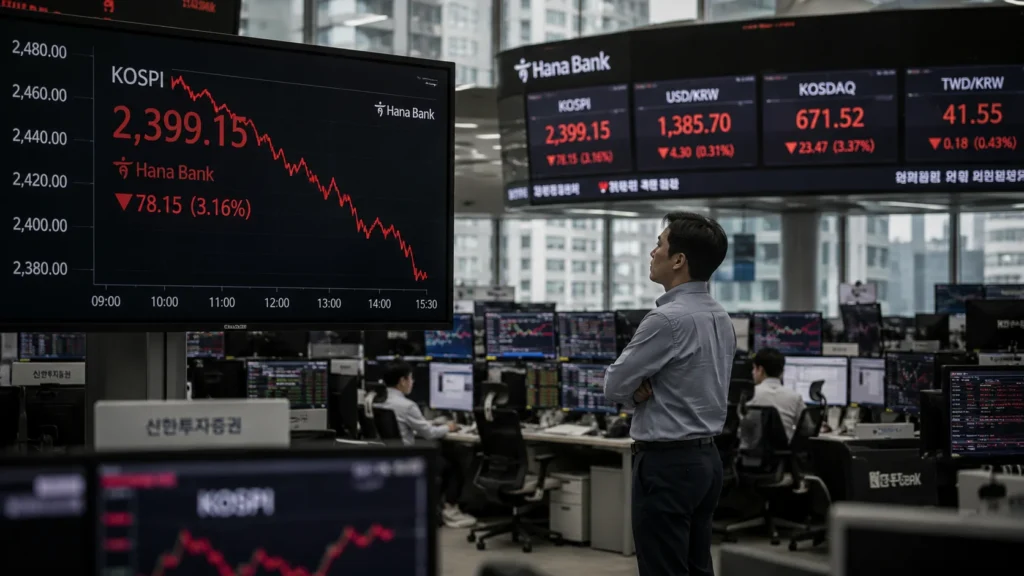
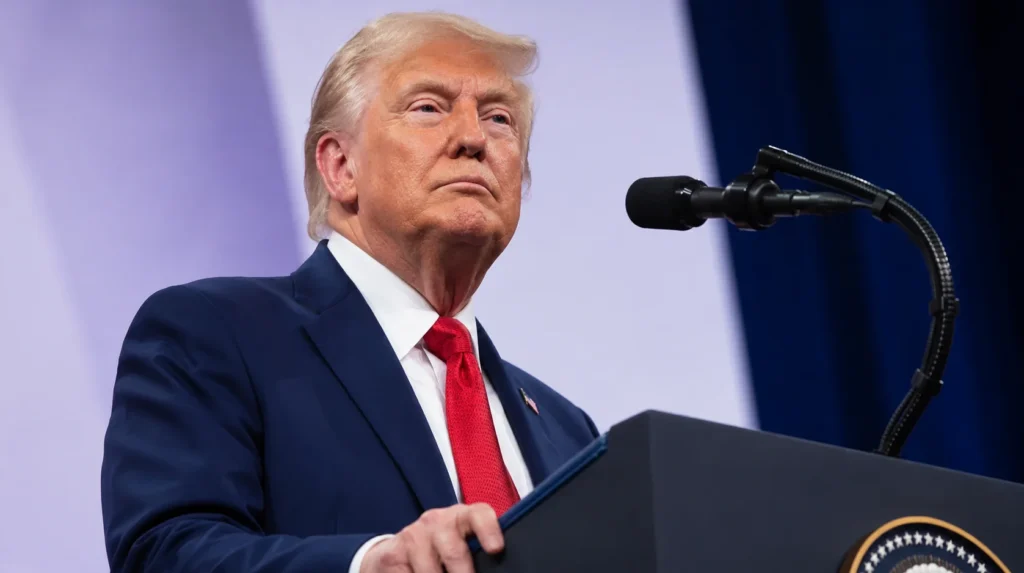
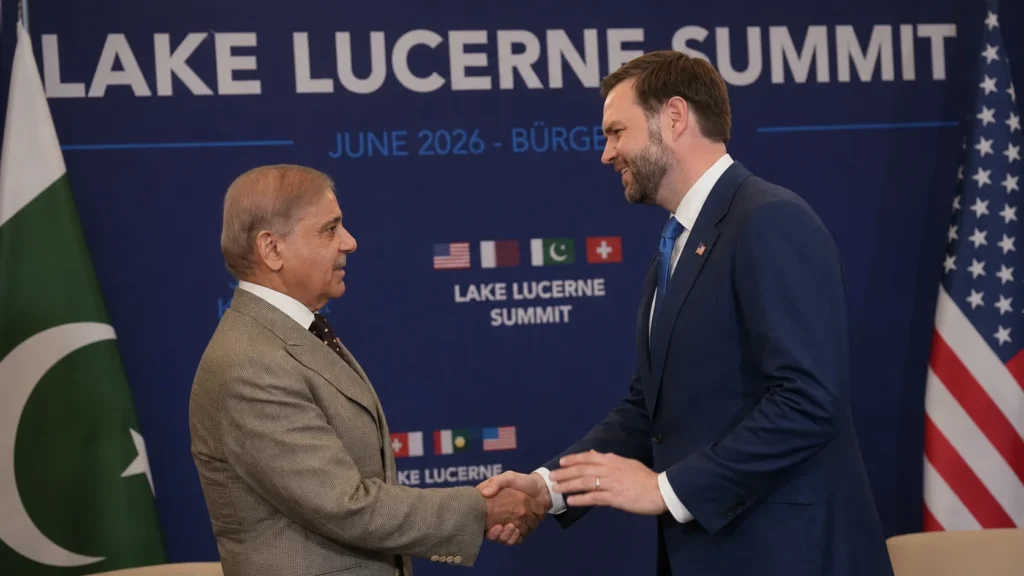
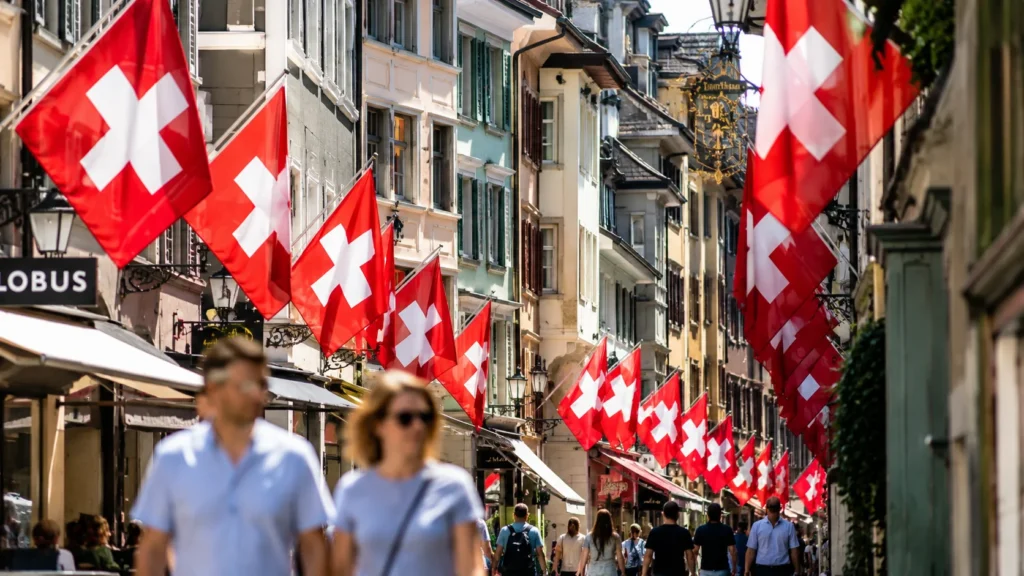
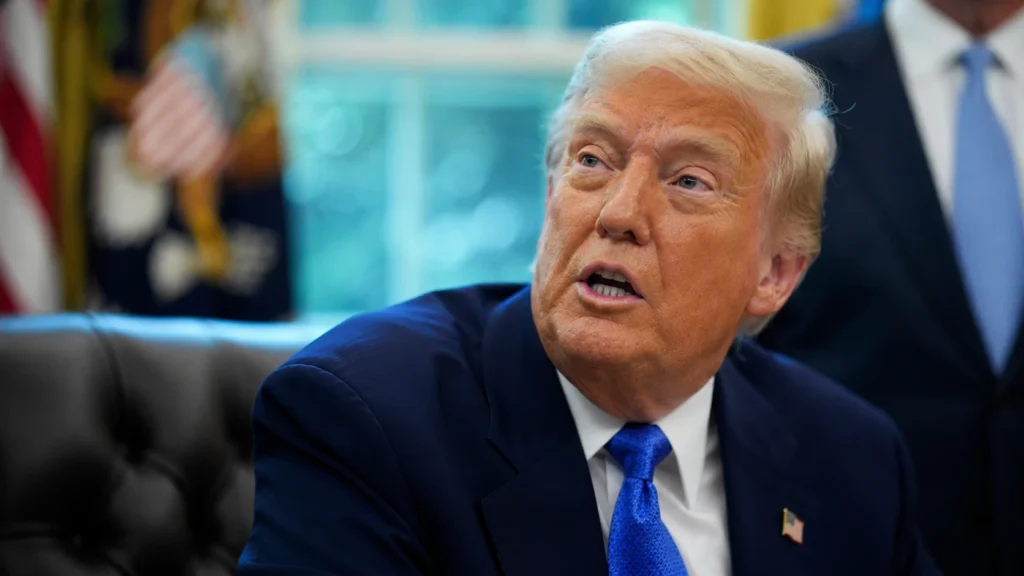
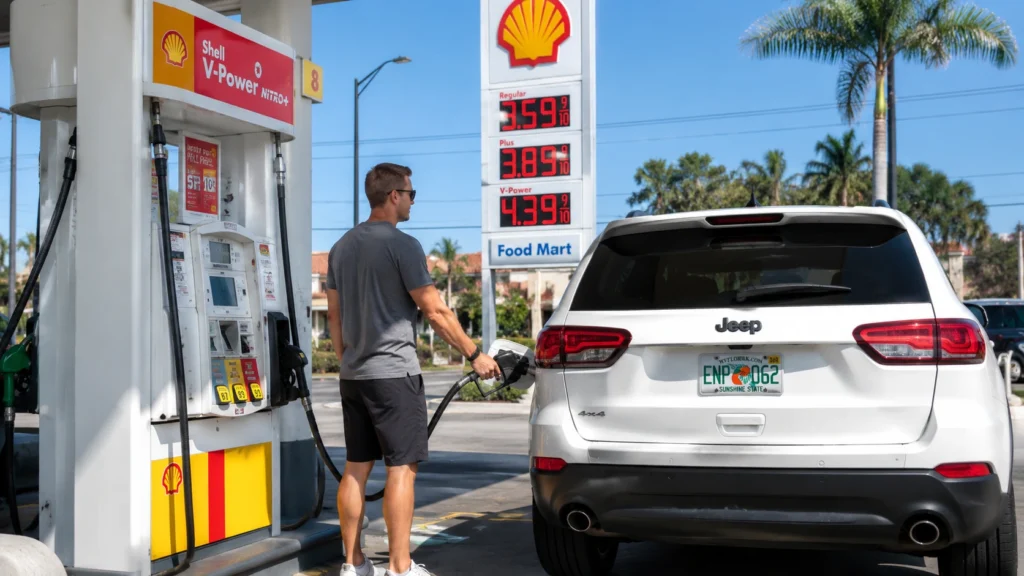
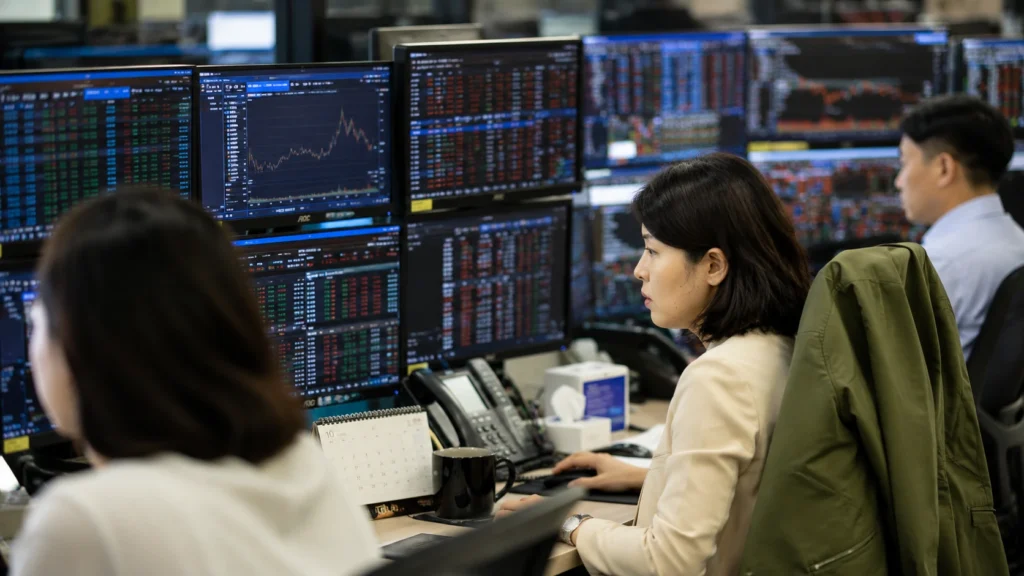
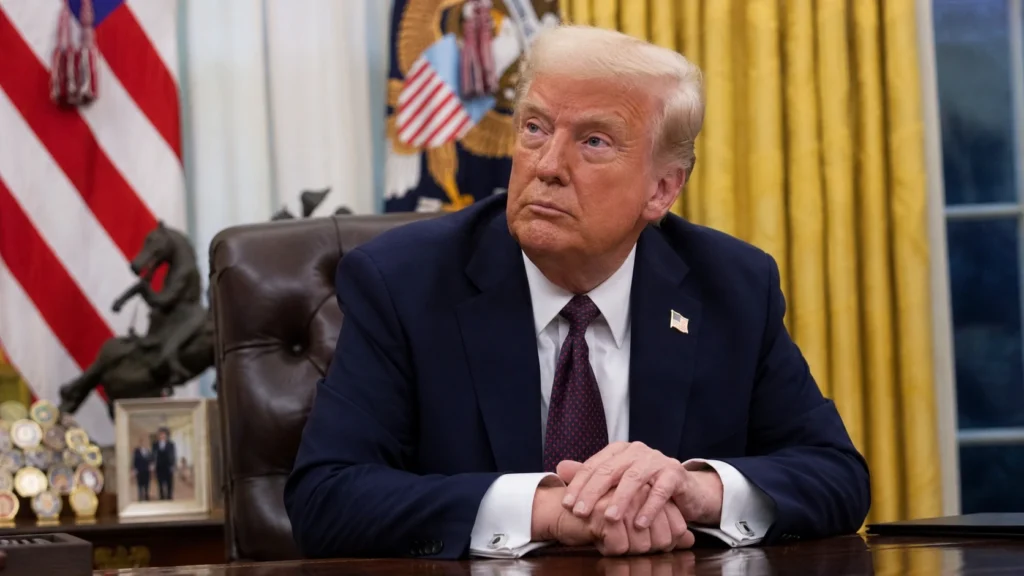
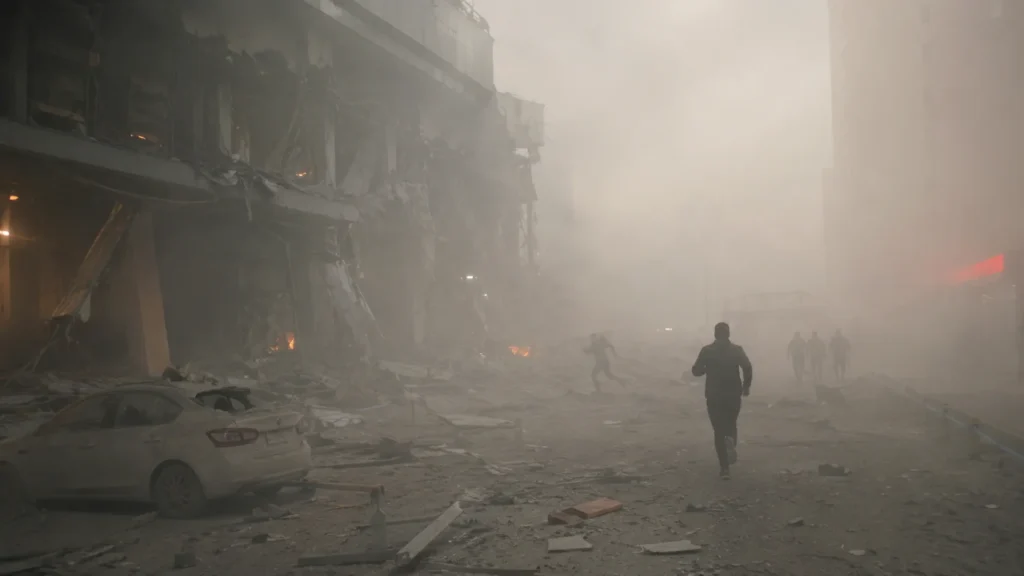
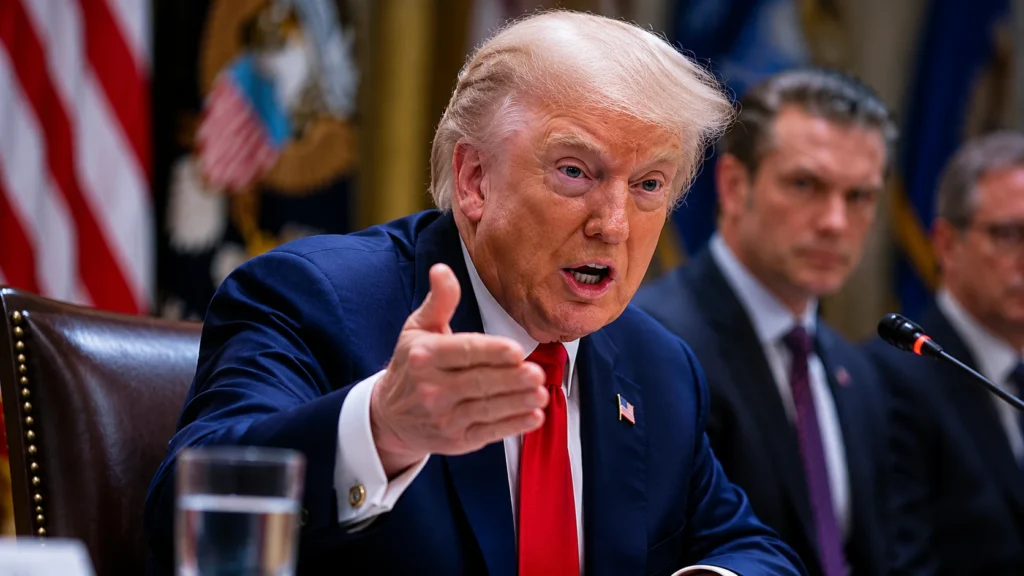
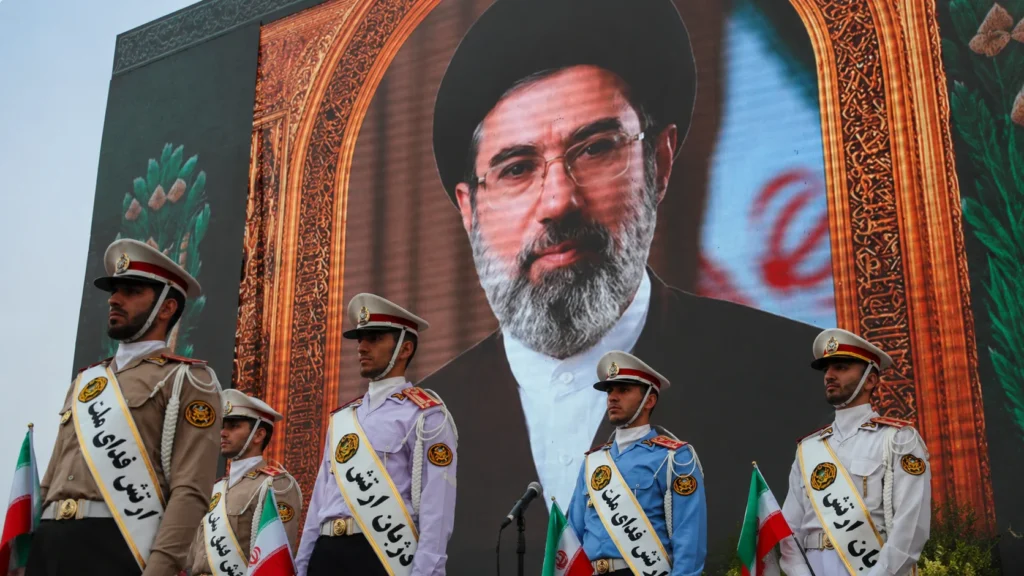
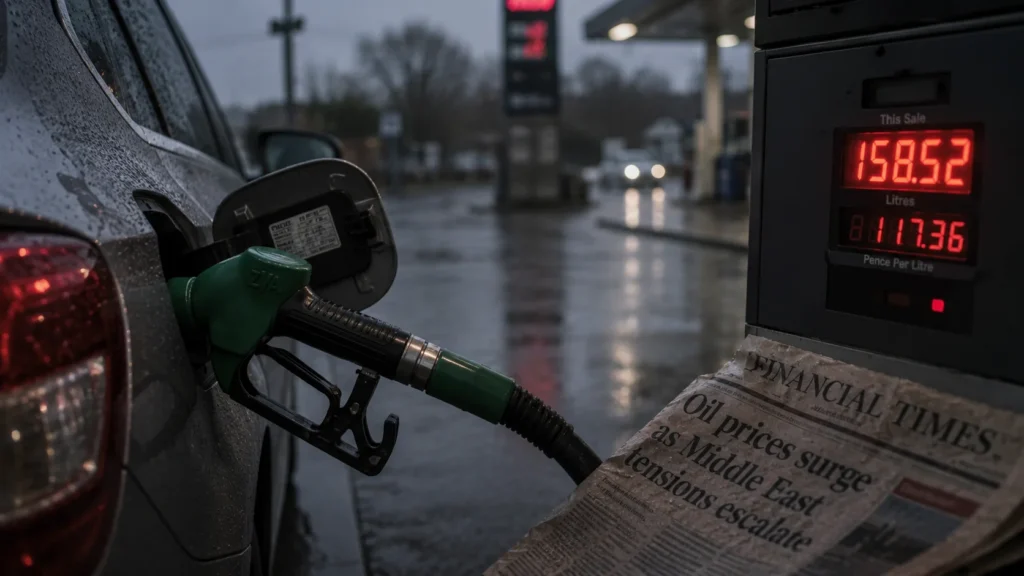
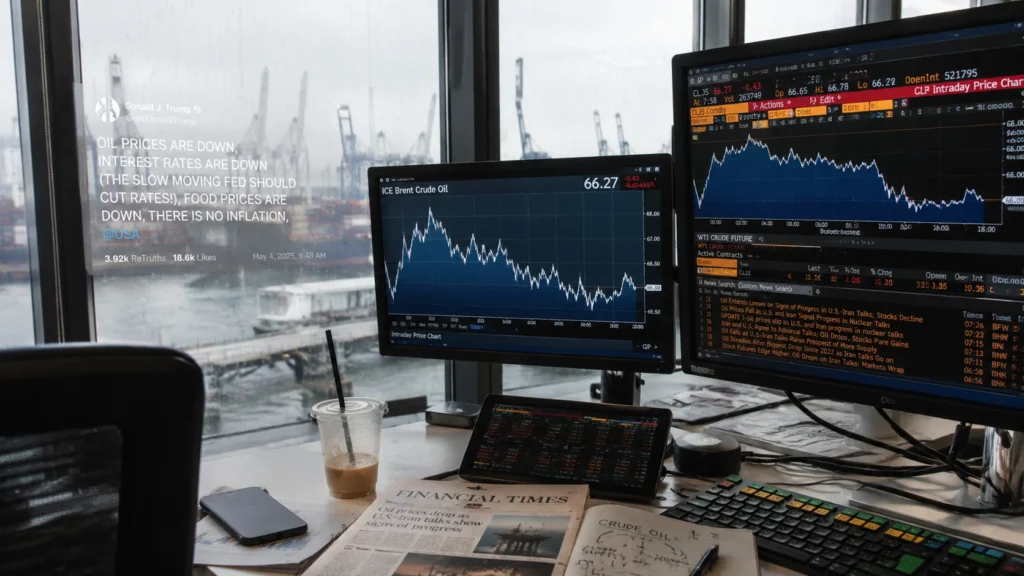
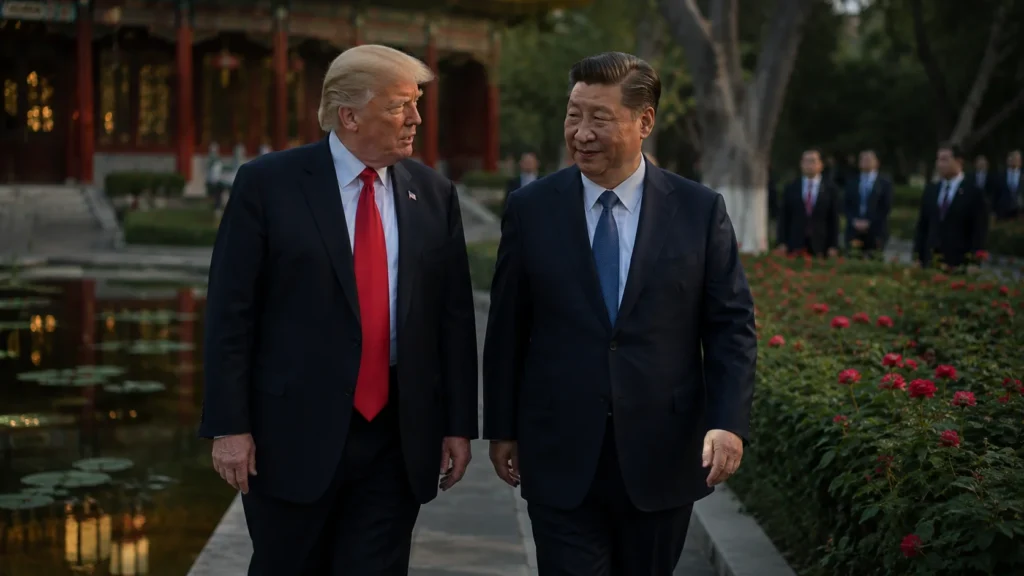
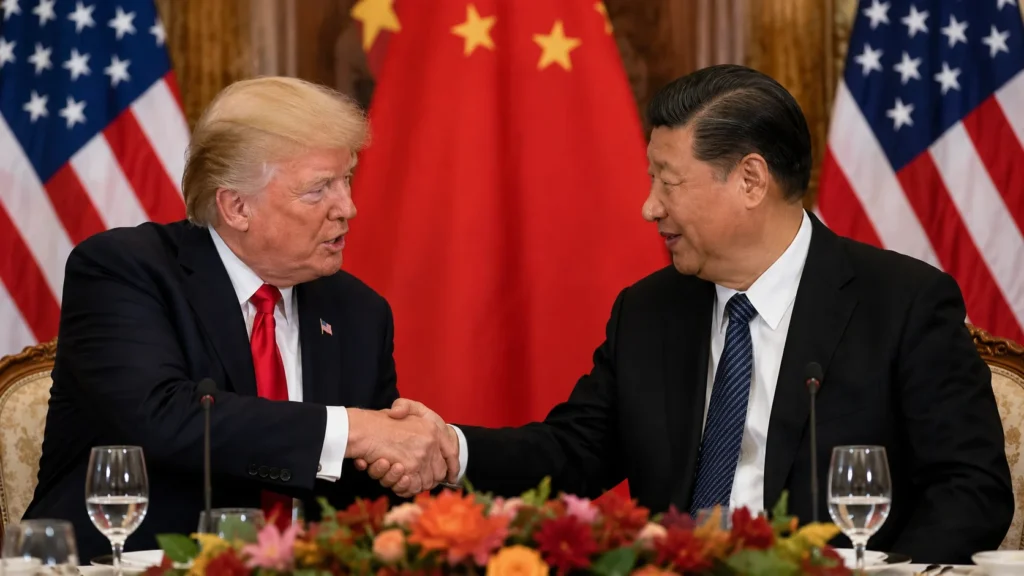
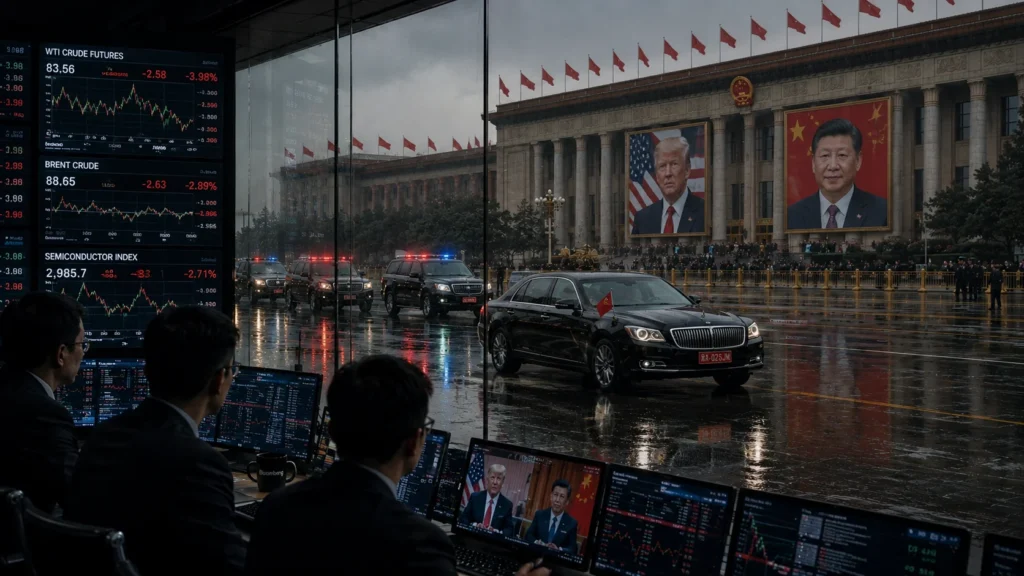
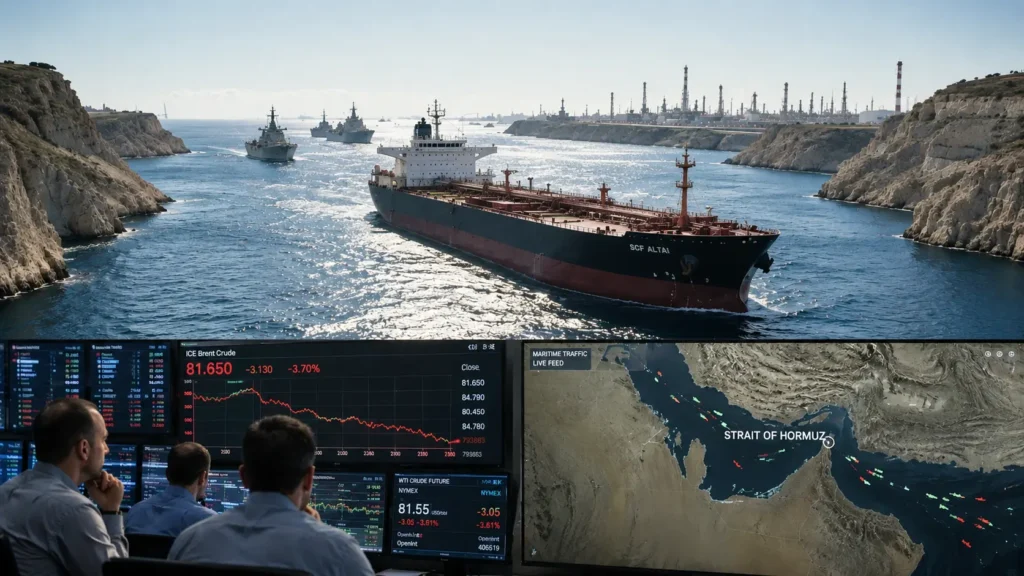
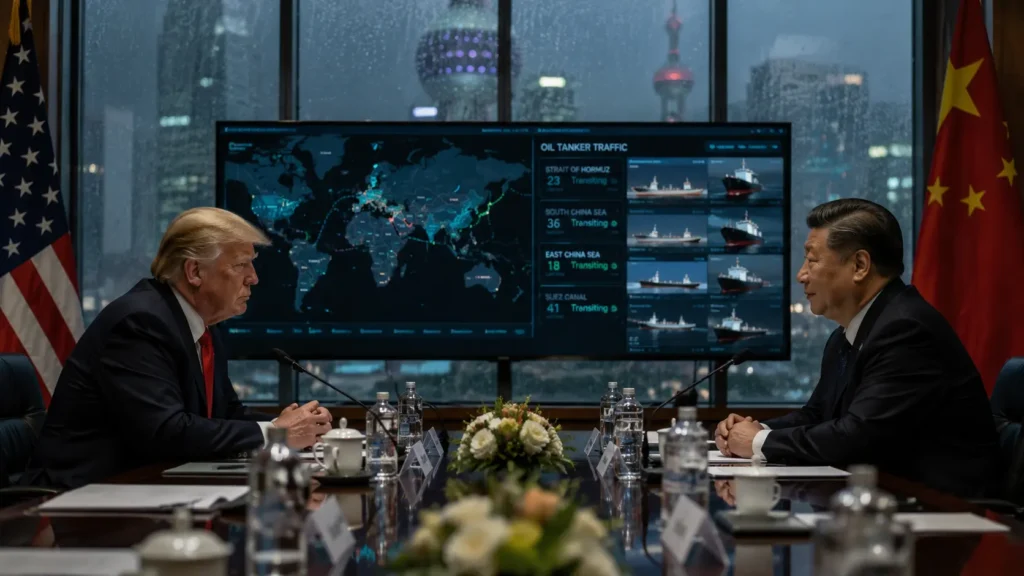
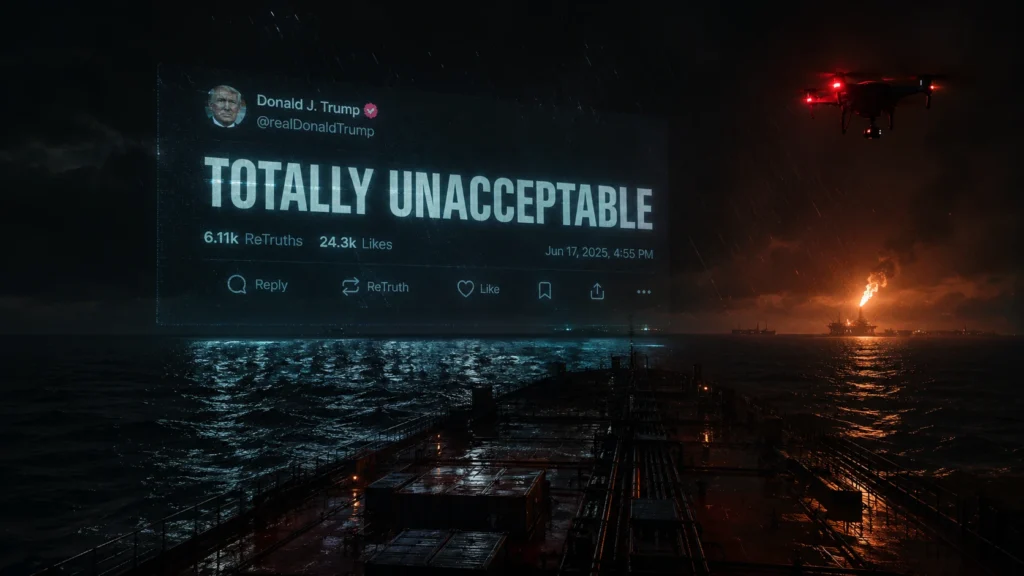
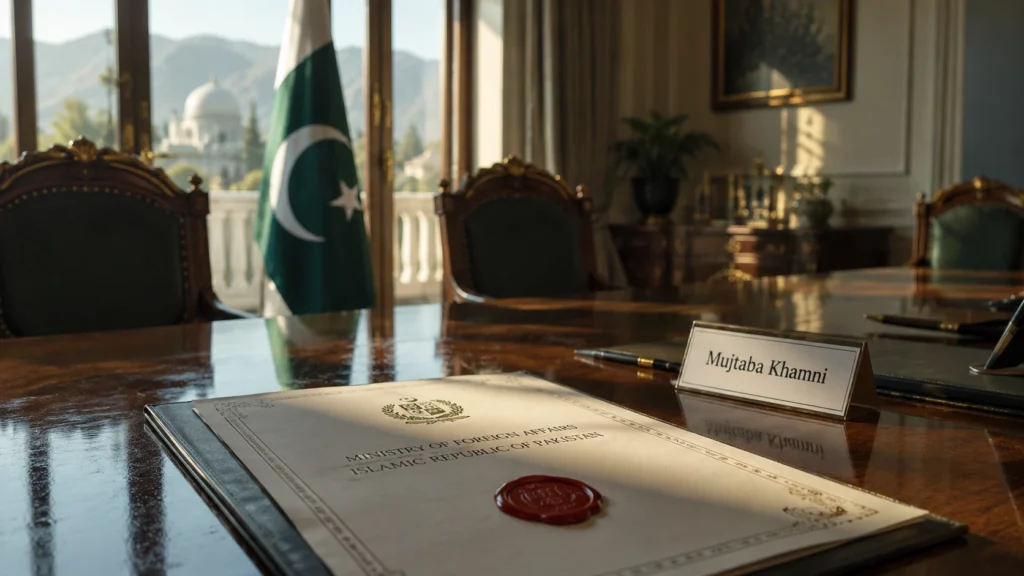
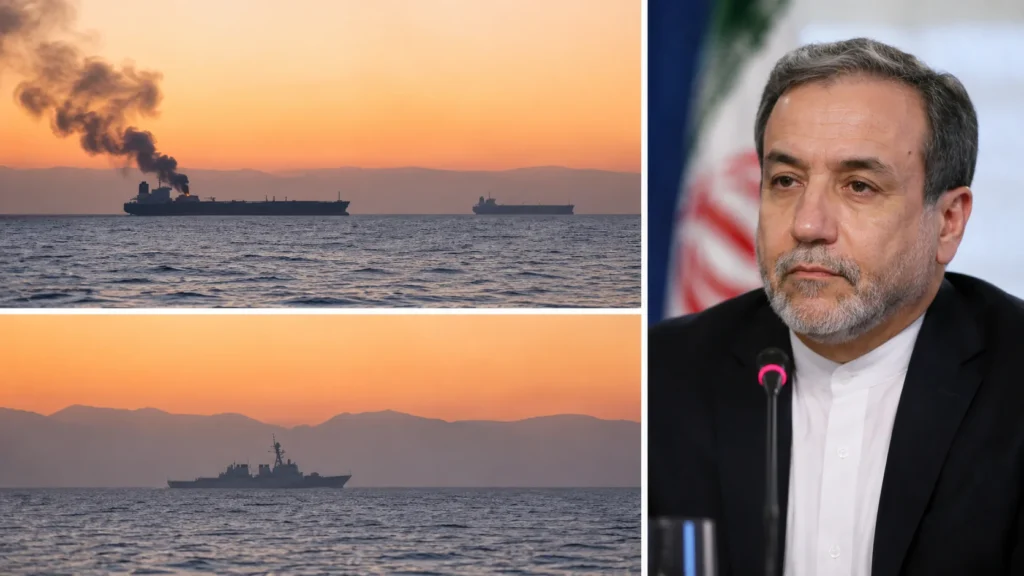
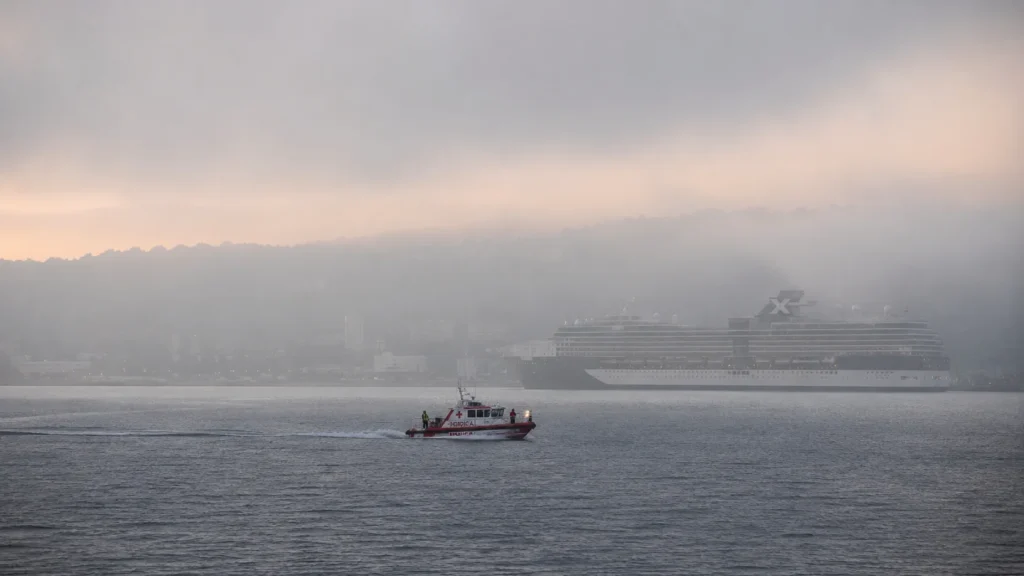
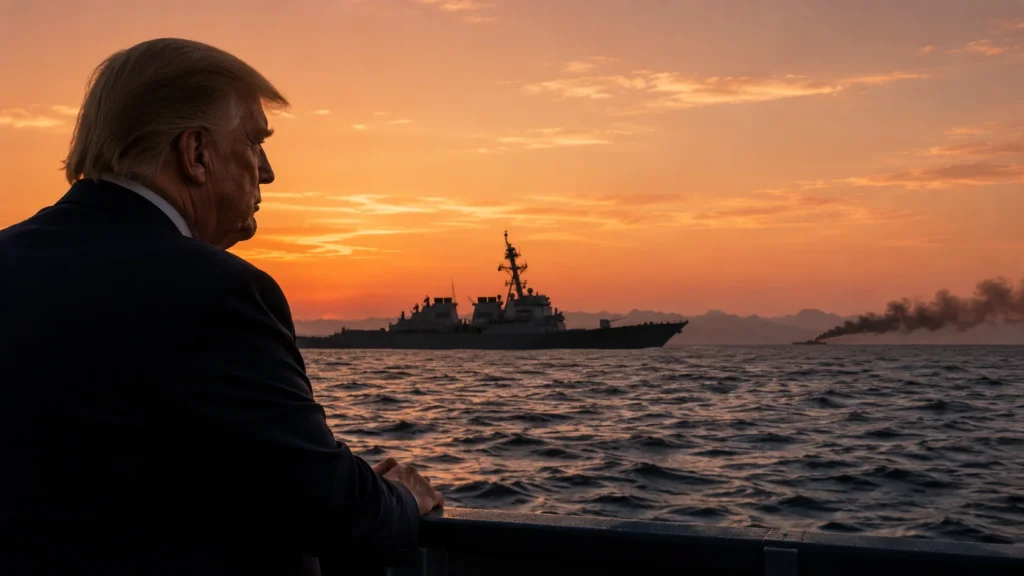
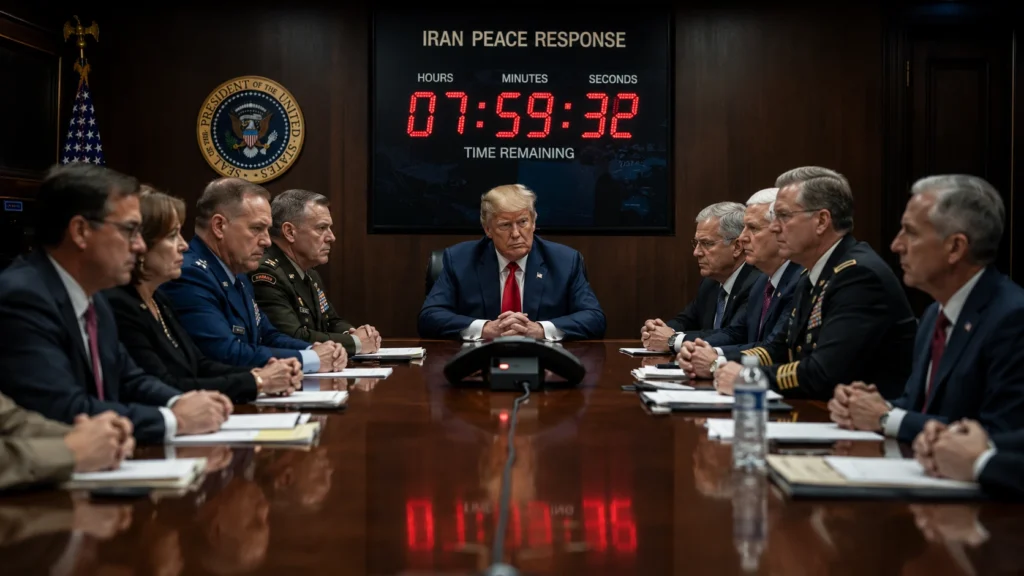
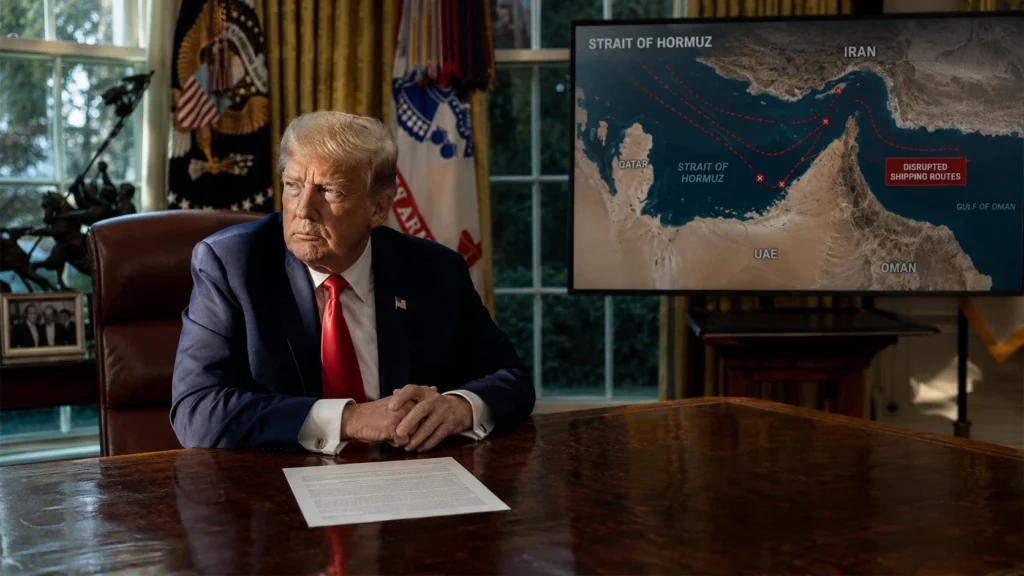
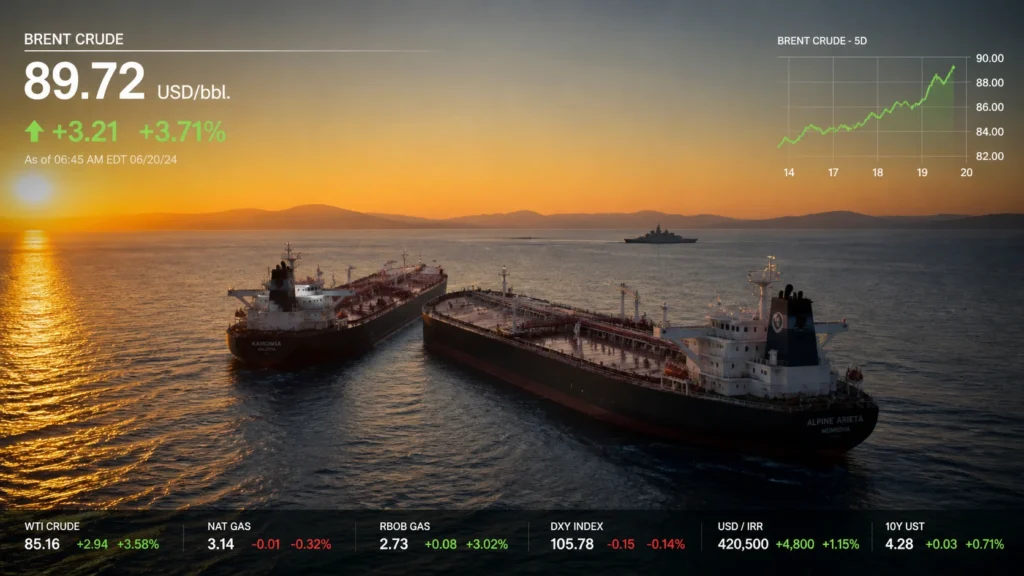
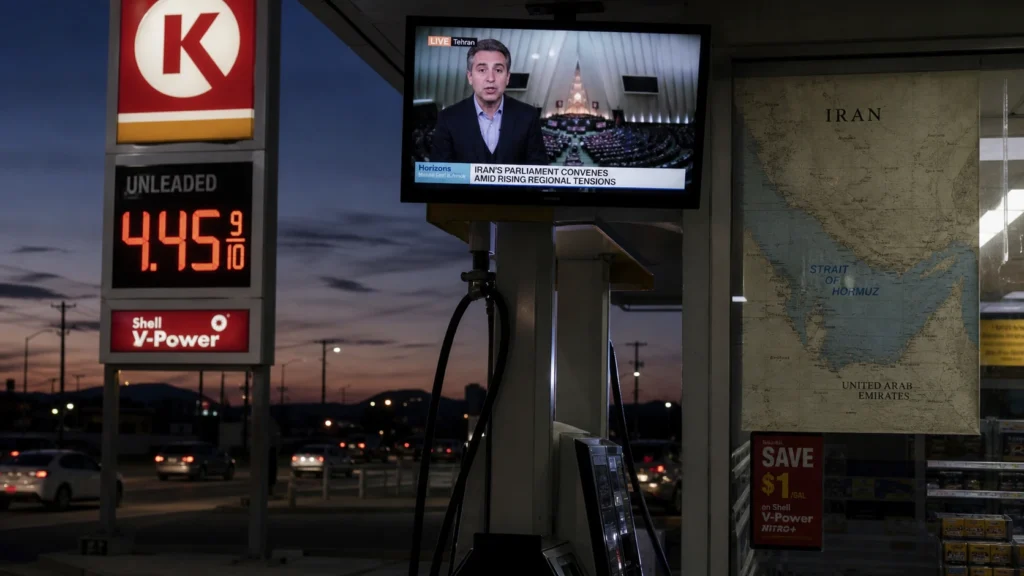
Oil prices fell sharply, and global stock markets rallied on Monday after the United States and Iran announced a framework deal to end the war, with President Donald Trump declaring the Strait of Hormuz would reopen. Brent crude, the global benchmark, dropped 4.7% to $83.24 a barrel. Japan’s Nikkei 225 closed 5% higher, South Korea’s Kospi rose 5.2%, and European indexes climbed broadly—Germany’s Dax and France’s Cac 40 both gained about 1.7%, while London’s FTSE 100 rose 0.6%. Pakistan, which mediated the agreement alongside Qatar, said an official signing ceremony would take place on Friday, 19 June, in Switzerland. Iran’s Deputy Foreign Minister Kazem Gharibabadi confirmed the deal on state TV.
The market reaction was swift, global, and priced in the assumption that the deal would hold. Energy market analysts warned that the absence of a published text and the physical obstacles to reopening the Strait of Hormuz—mines, a backlog of tankers, and unspecified Iranian arrangements for managing navigation—could inject volatility into the week ahead. “The lack of detail is likely to inject unease and uncertainty into the market,” said Vandana Hari from Vanda Insights.
The Price of War, the Price of Peace
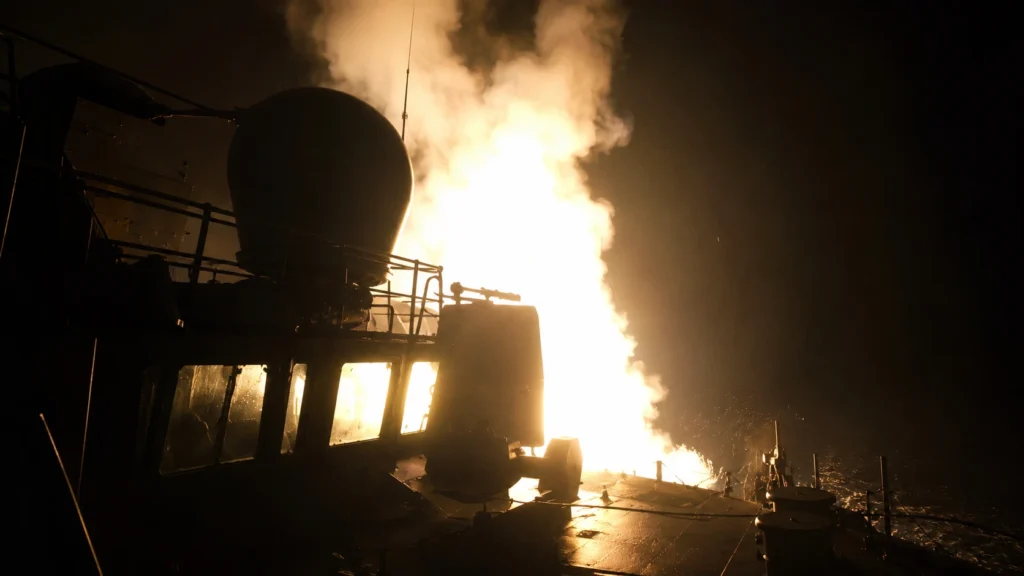
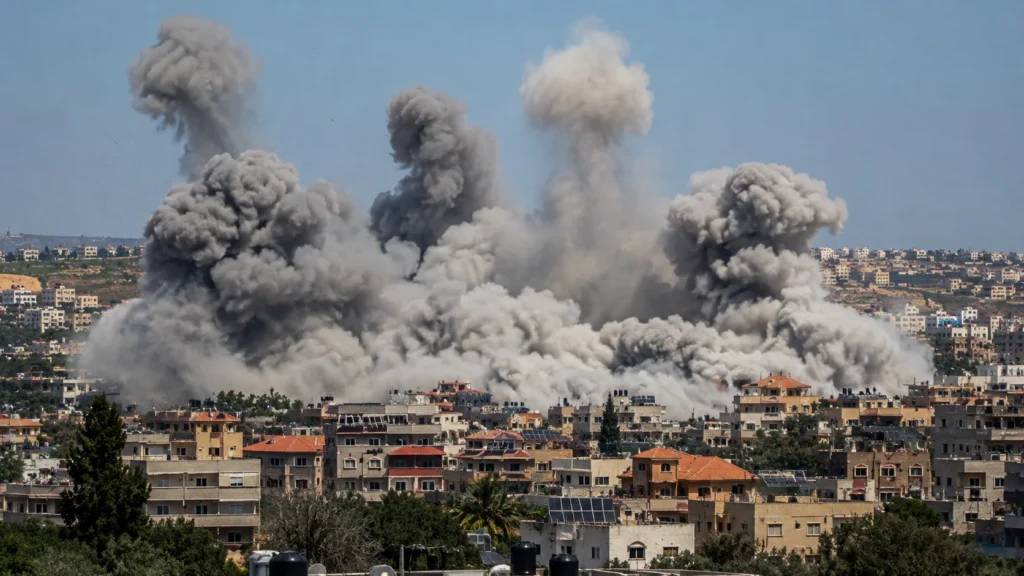
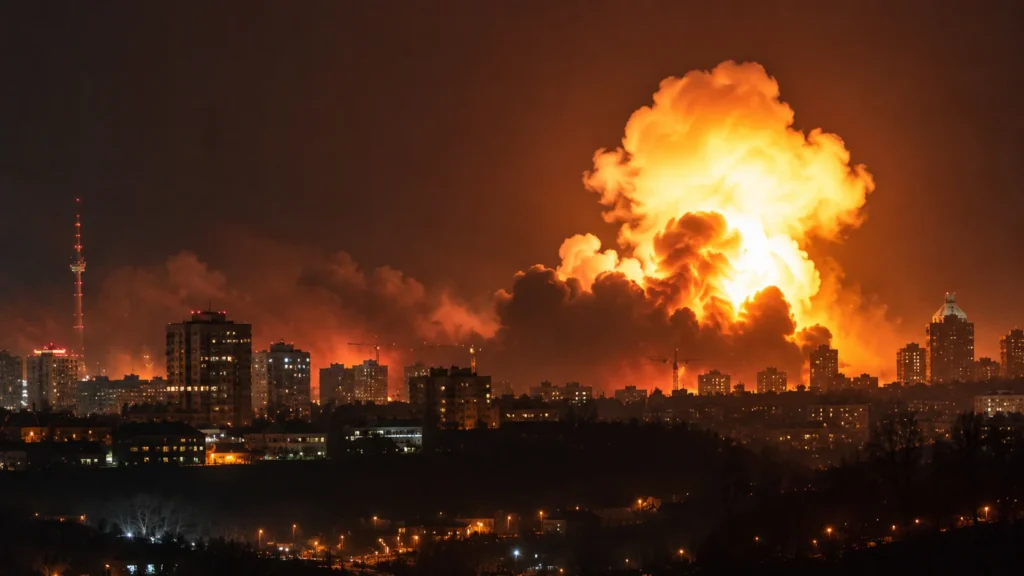
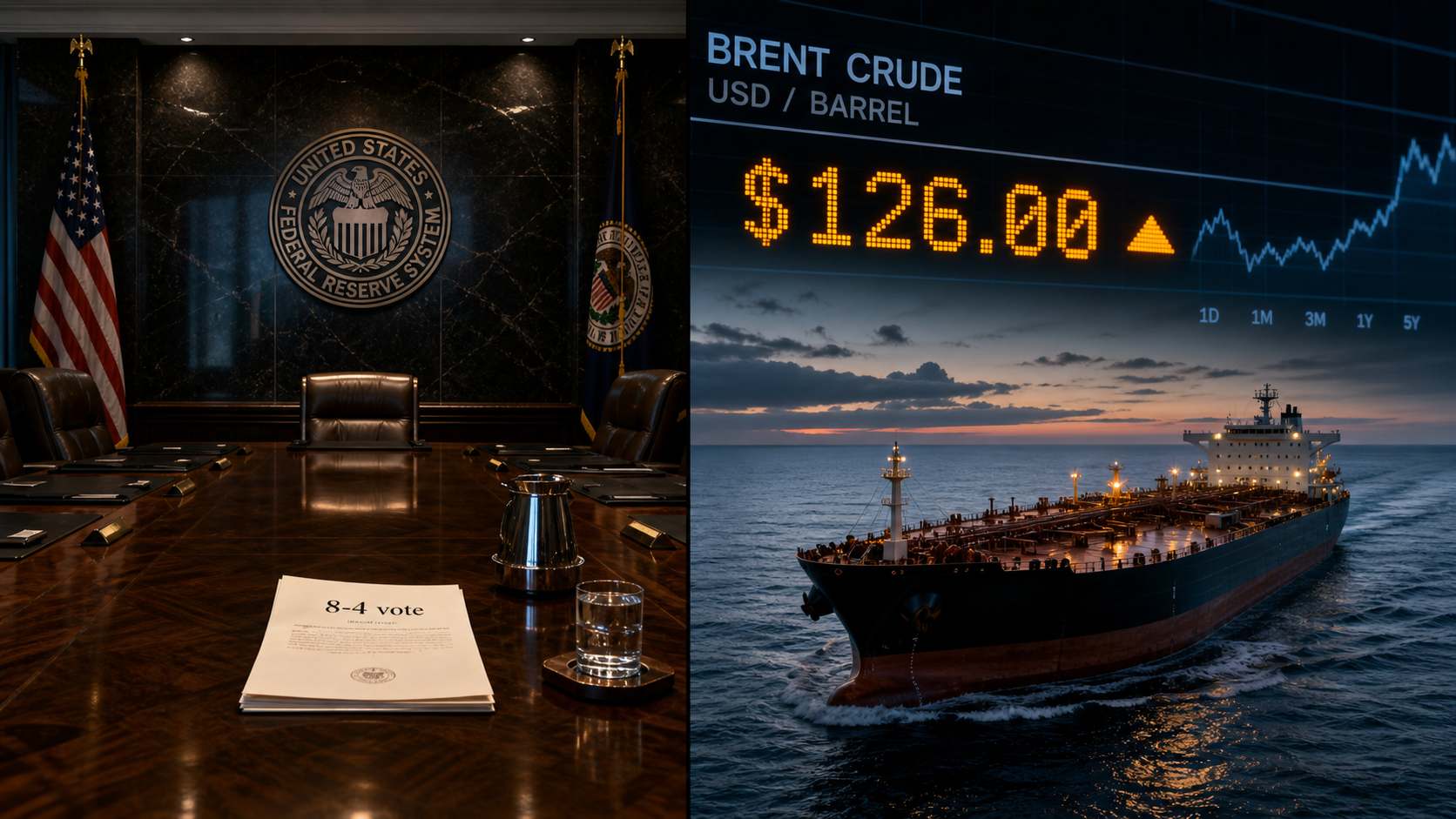
The numbers tell the story of the conflict’s economic arc. Brent crude traded at around $70 a barrel before the US and Israel launched airstrikes on Iran on 28 February. It peaked at approximately $120 during the war. Monday’s drop to $83.24 represents a significant retreat but not a return to pre-war levels. The risk premium has been partially unwound. It has not been eliminated.
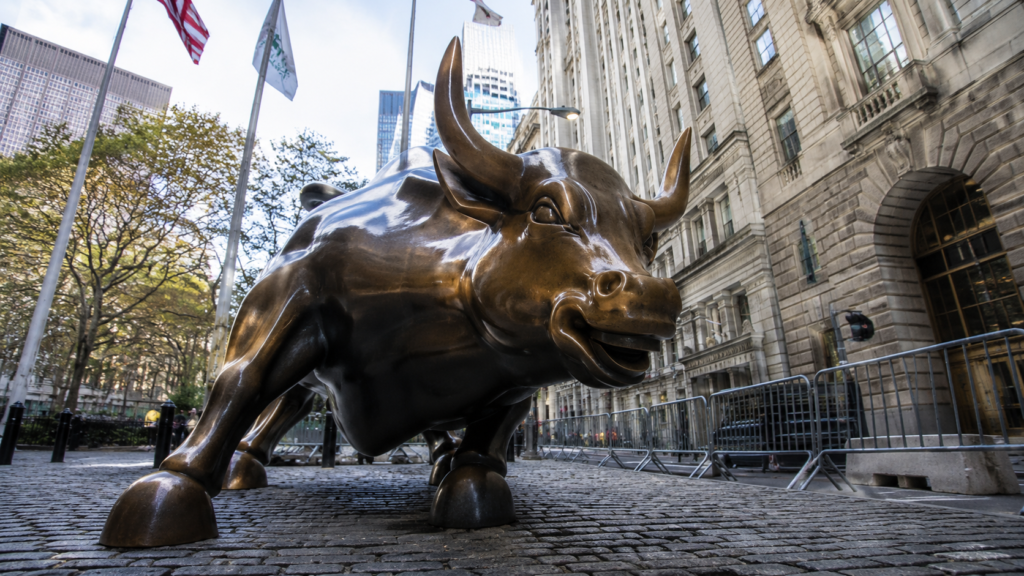
Asian markets, heavily reliant on Middle Eastern oil and liquefied natural gas, absorbed the worst of the energy shock. The Nikkei’s 5% surge and the Kospi’s 5.2% jump reflect the disproportionate relief of economies that had been disproportionately punished. European markets, with more diversified energy mixes, responded more modestly. The FTSE 100’s 0.6% rise was the smallest of the major indexes—BP and Shell, two of its largest constituents, fell roughly 4% as the war premium that had boosted their revenues began to evaporate.
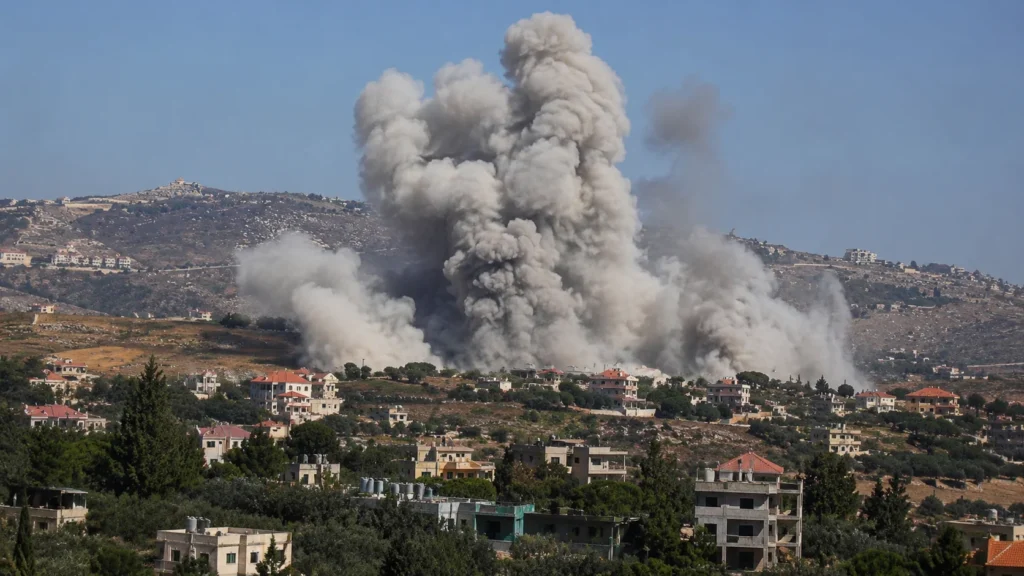
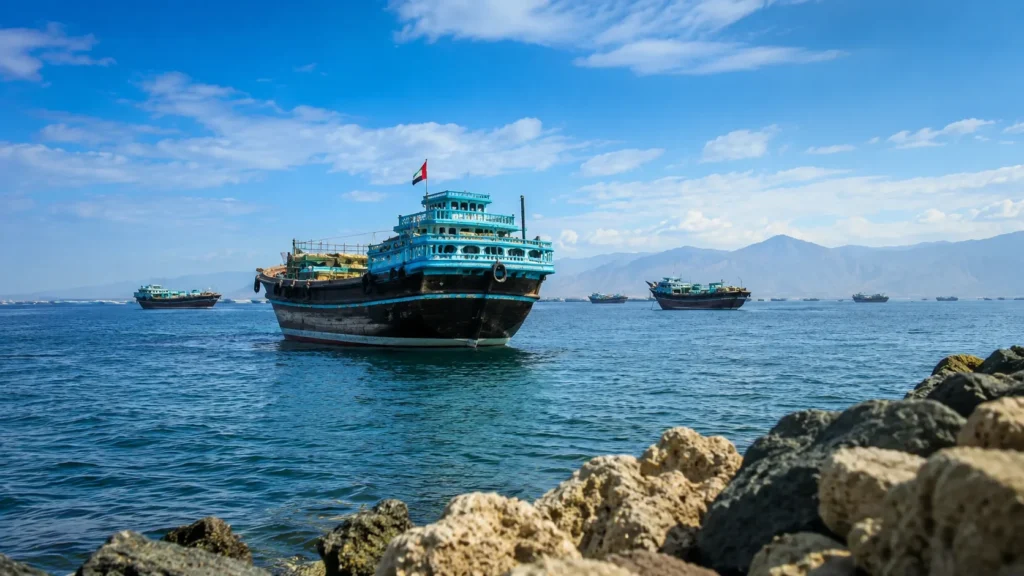
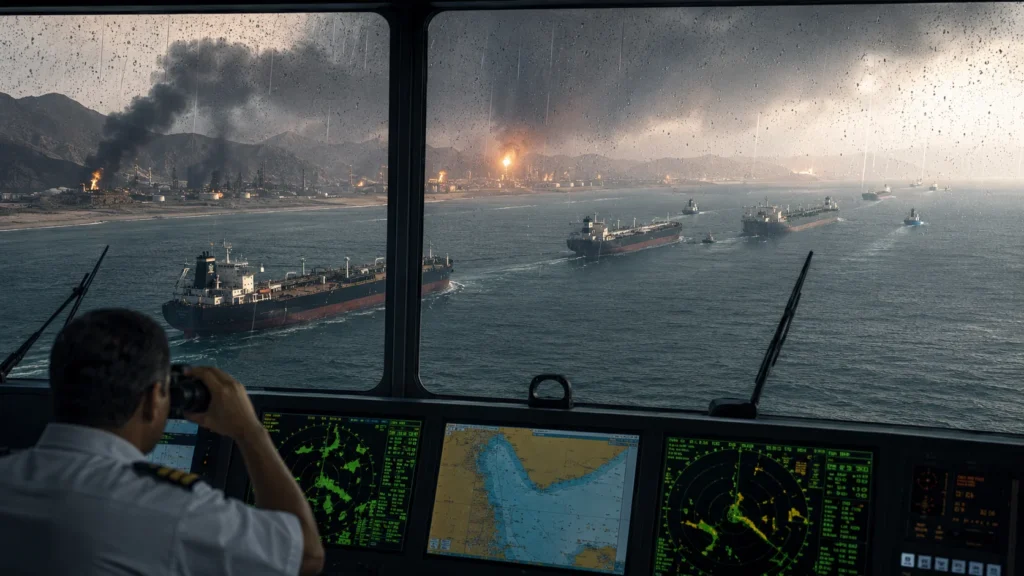
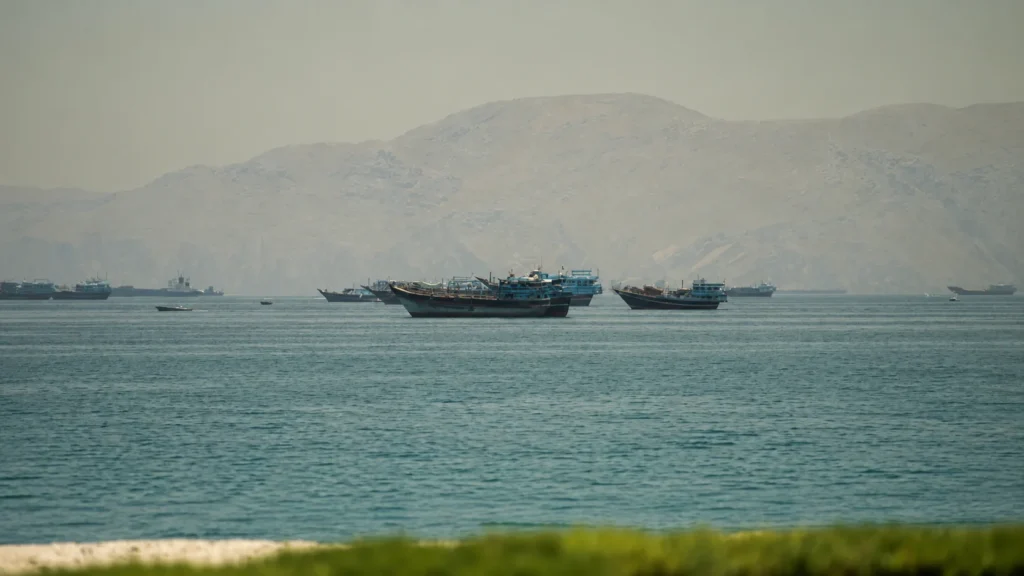
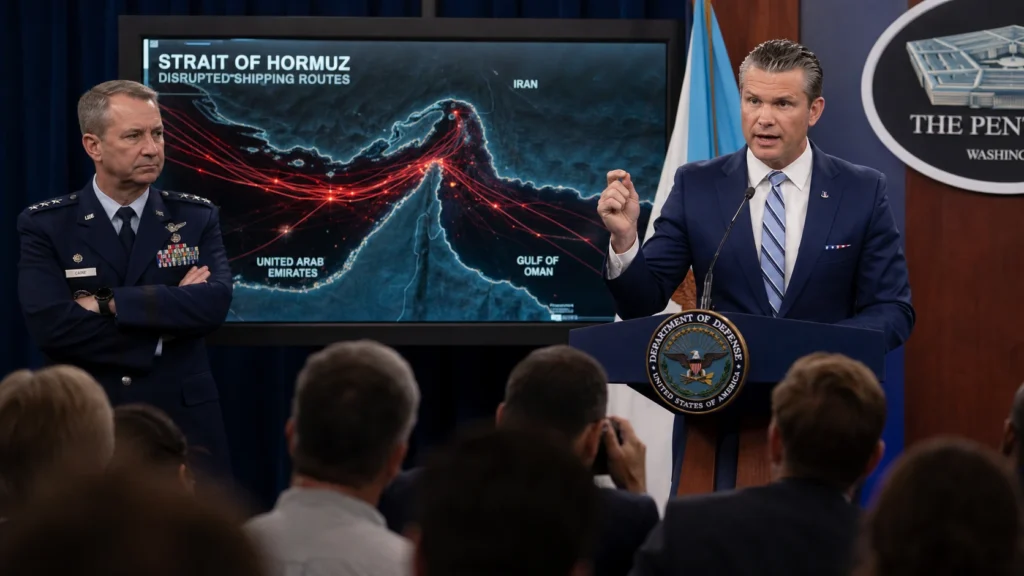
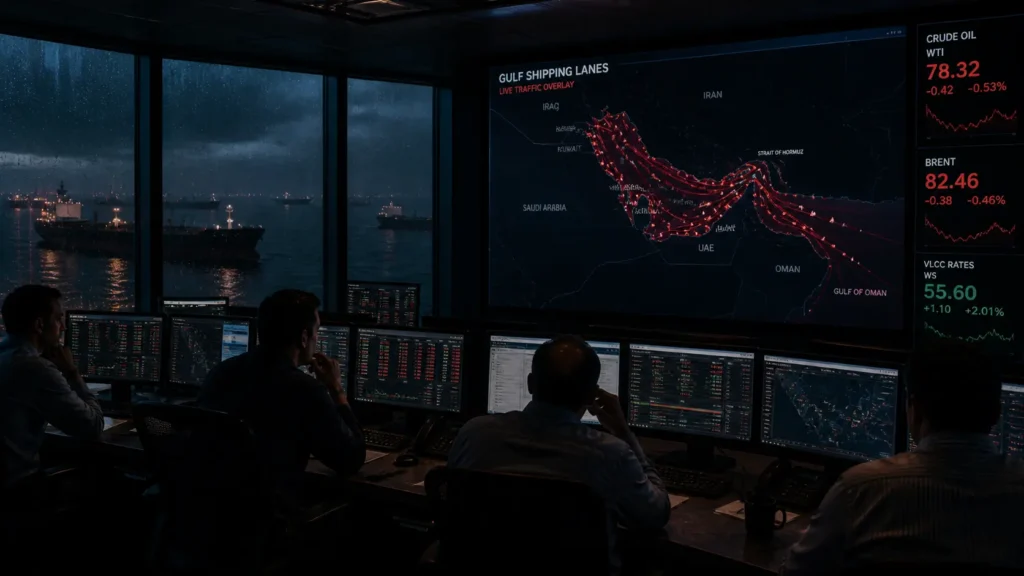
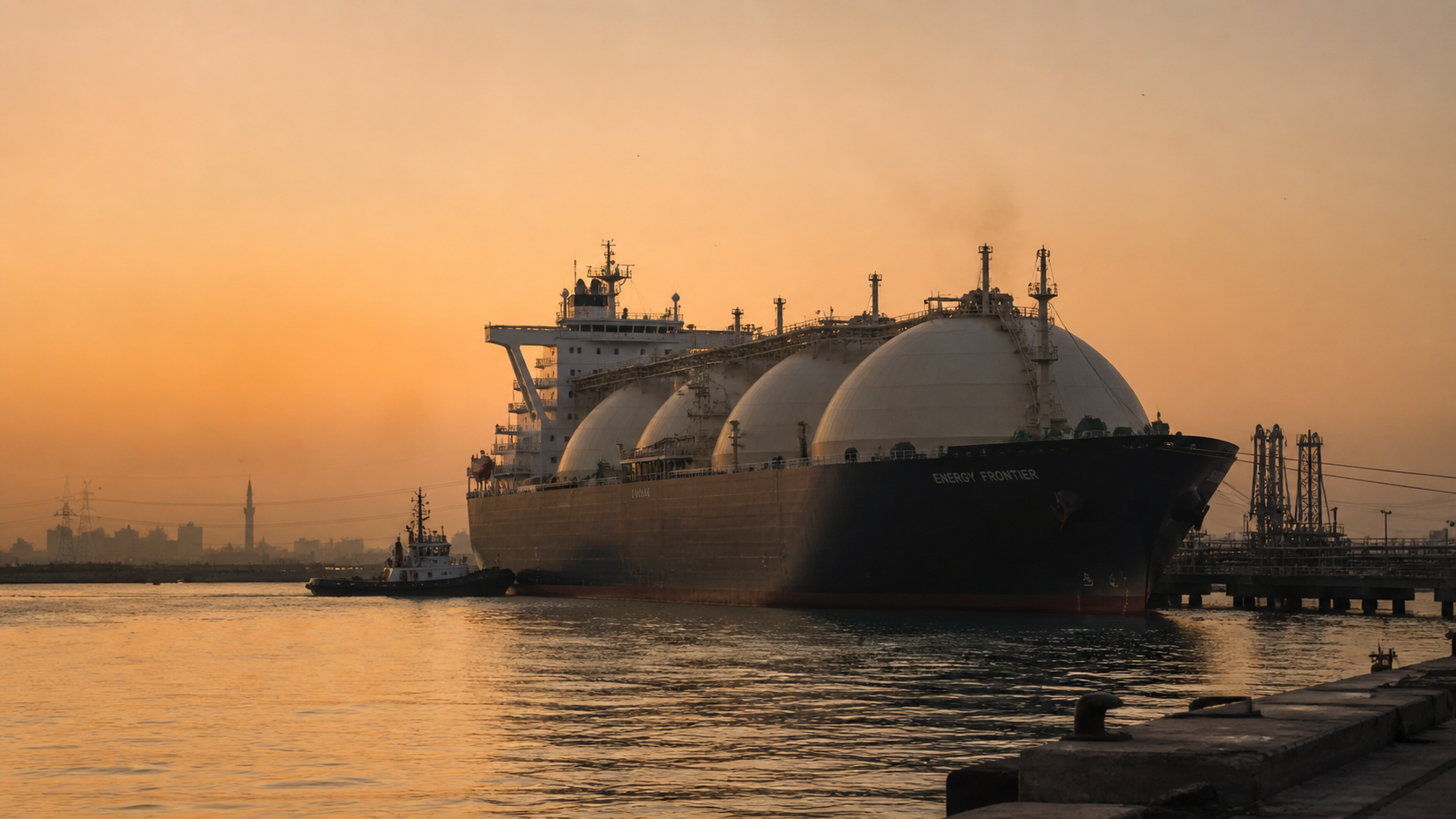
As impact of Strait of Hormuz closure on global energy markets previously documented, the effective closure of the waterway since late February has disrupted roughly 20% of the world’s oil and LNG flows. The framework deal promises to restore those flows. The promise has not yet been kept.
The Physical Obstacles to Reopening
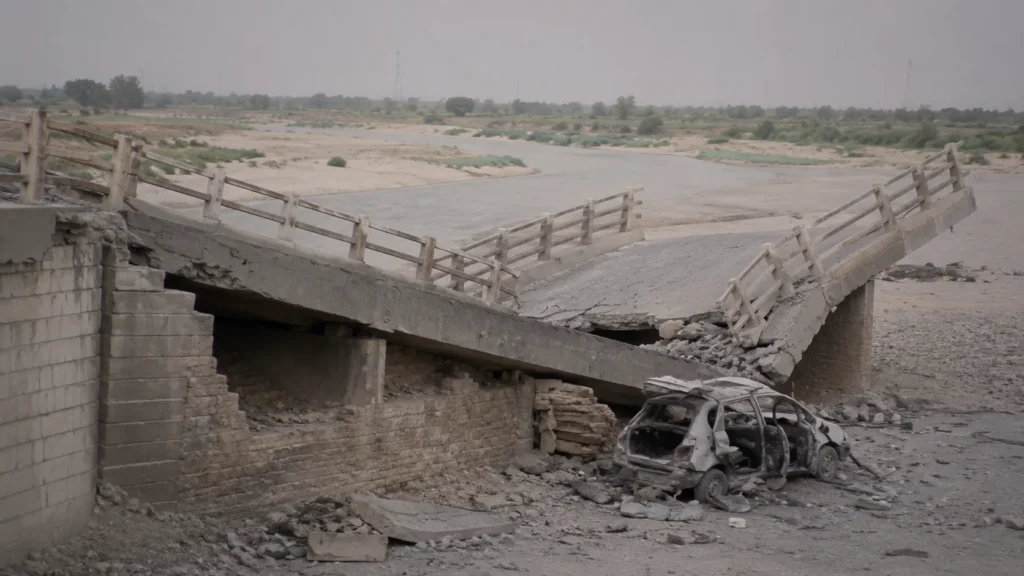
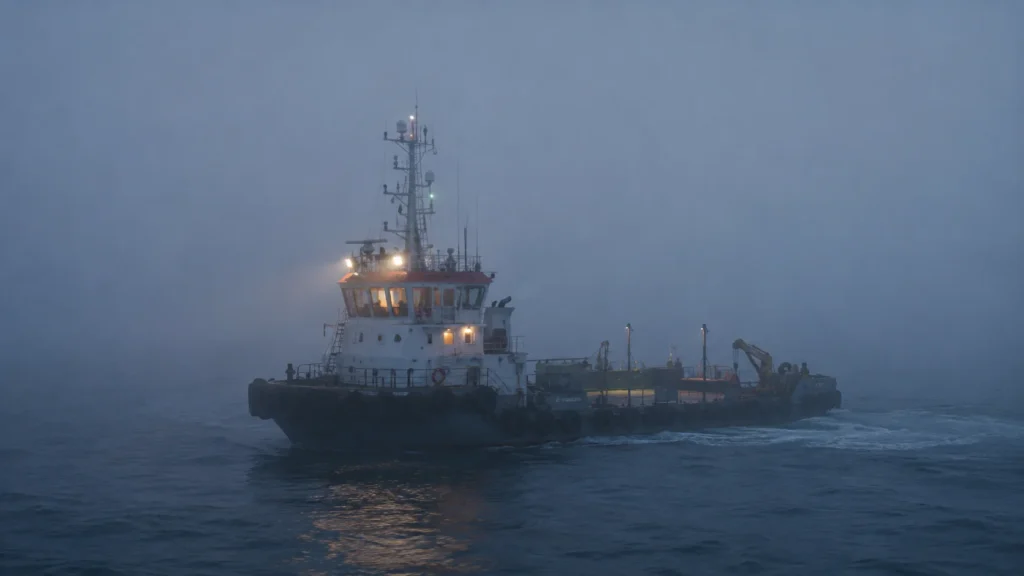
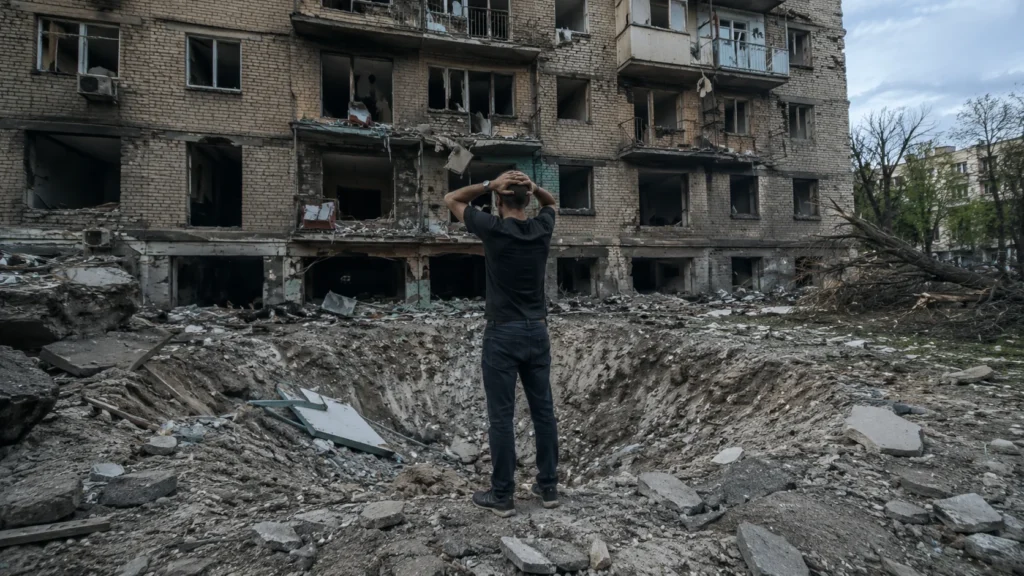
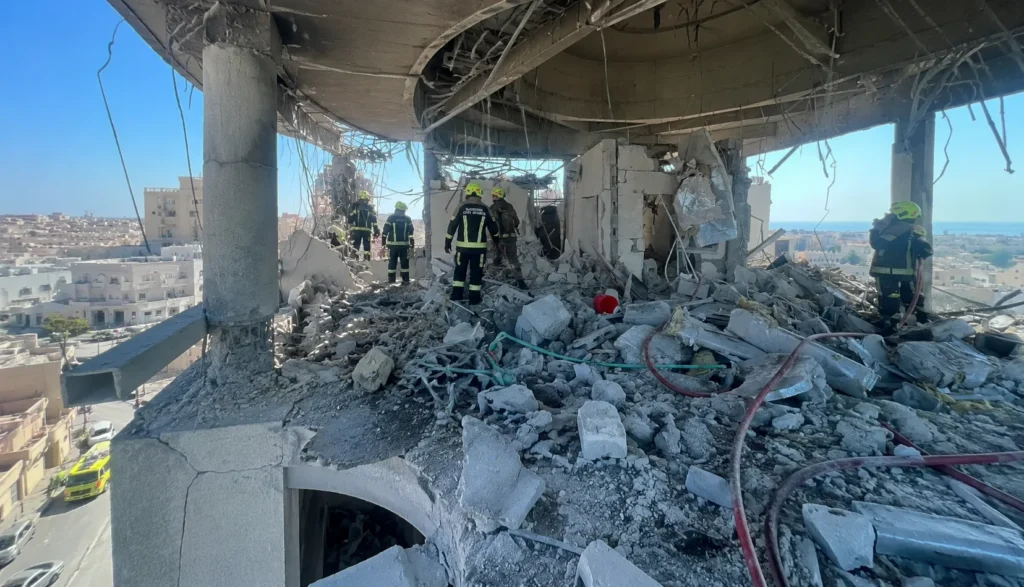
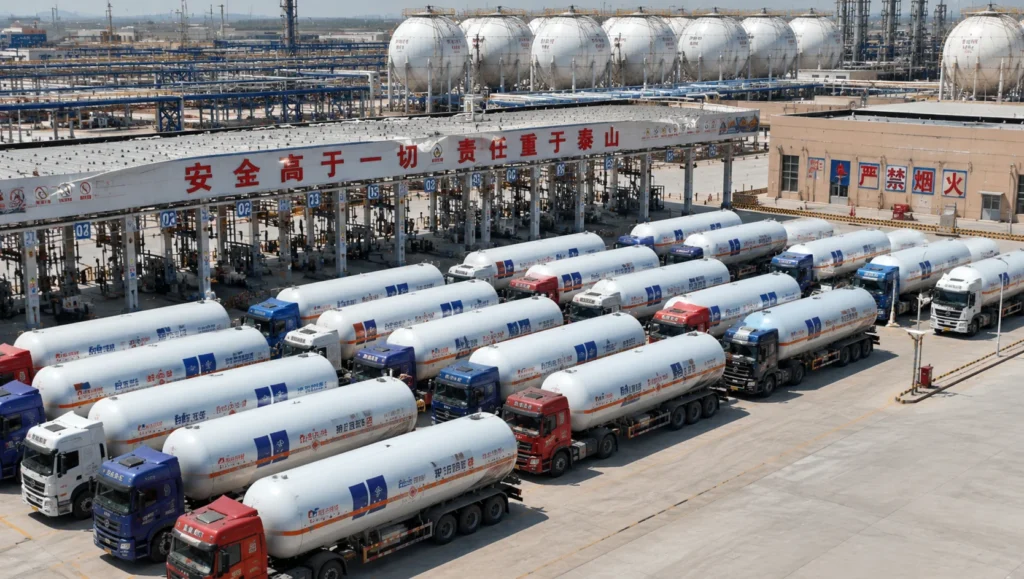
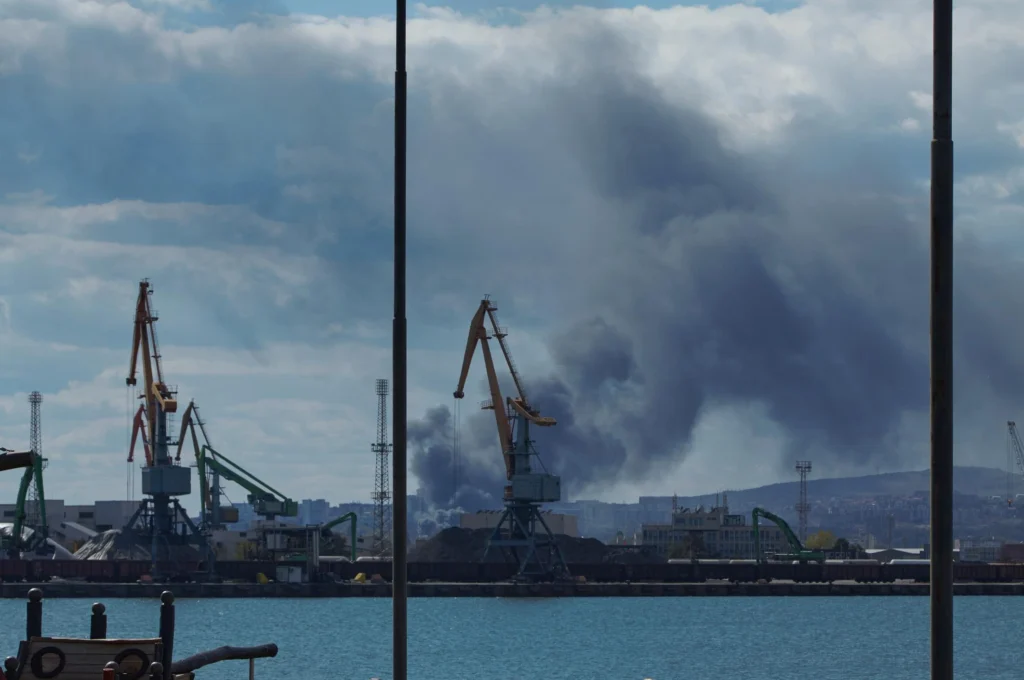
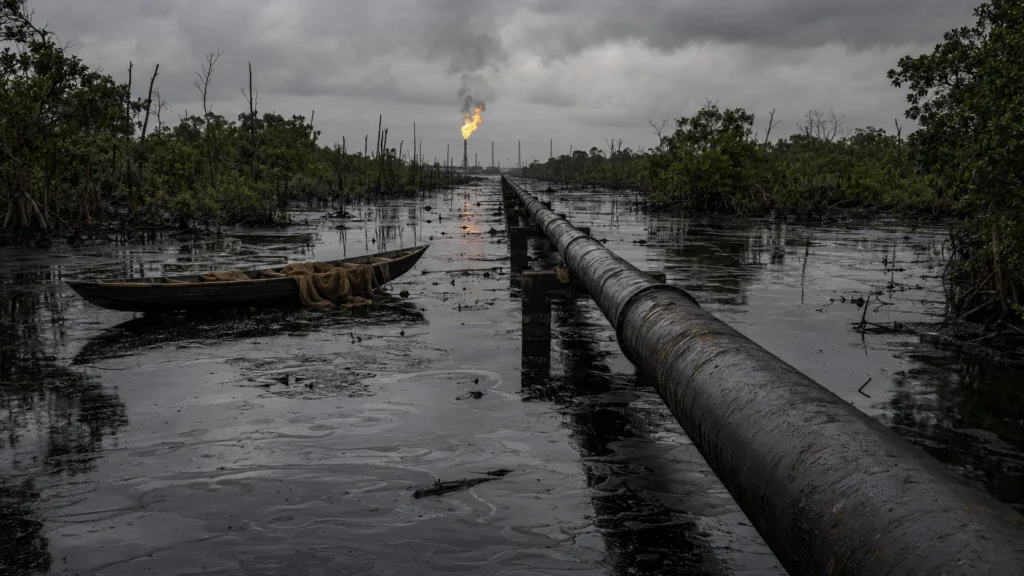
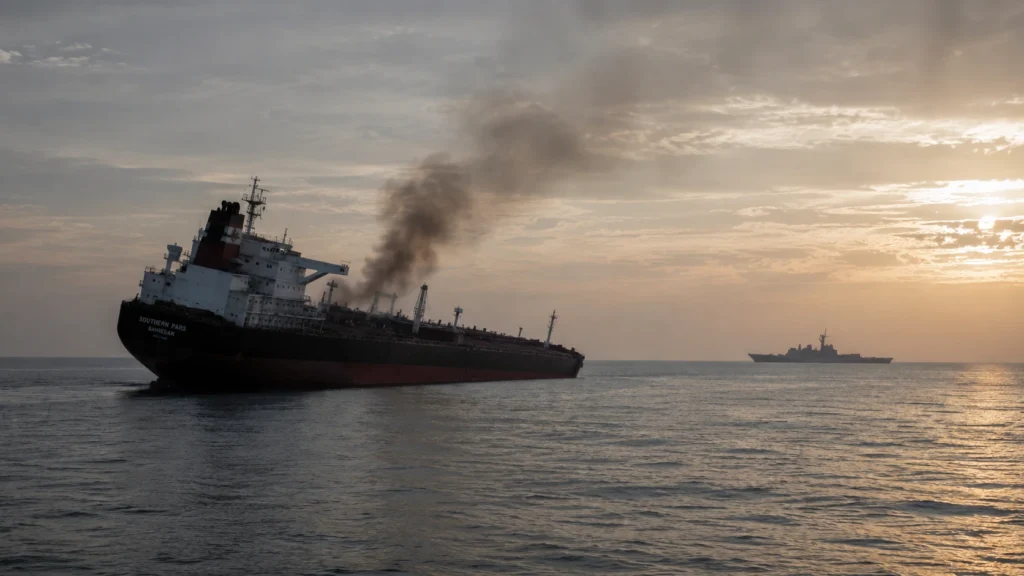
The oil market is physical before it is financial. The price of Brent crude reflects expected future supply, but the supply must be extracted, transported, refined, and delivered. The Strait of Hormuz has been effectively closed for nearly four months. The obstacles to its reopening are material.
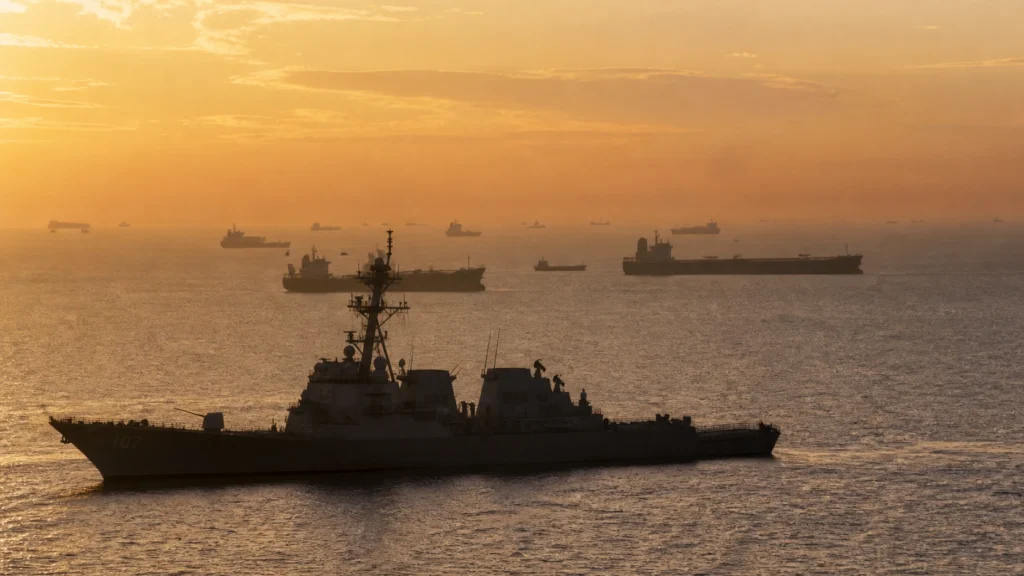
Andrew Lipow from Lipow Oil Associates market commentary said mines would need to be cleared from the waterway before normal traffic could resume—a process that could take from a few weeks to up to six months. Admiral Mark Montgomery, a retired US Navy rear admiral and senior fellow at the Foundation for the Defence of Democracies, told BBC Radio 4 Today programme that getting back to normal would not be “an overnight thing.” He estimated 30 to 45 days to reach a normal pumping balance with vessels moving in and out smoothly.
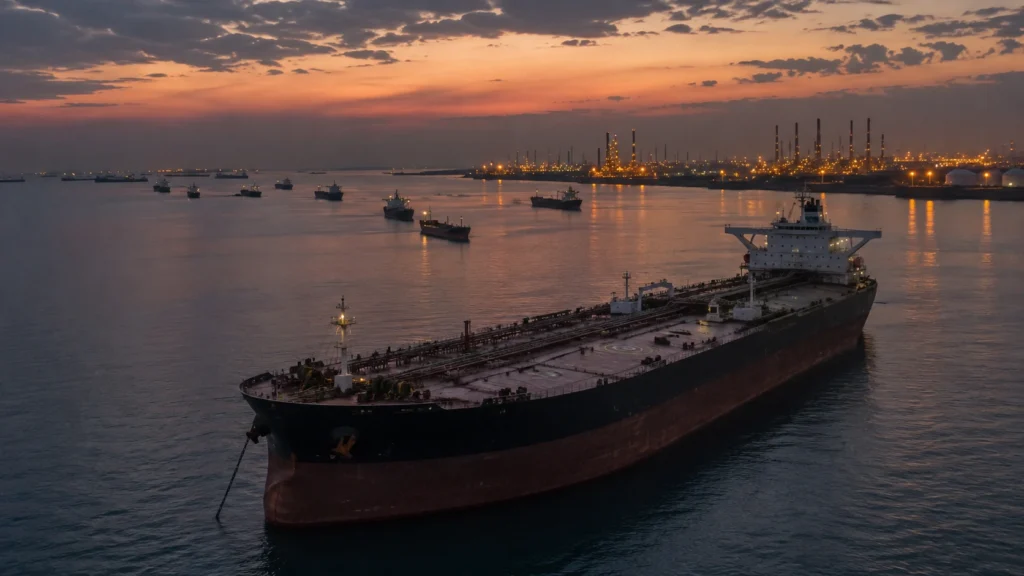
There is also a large backlog of tankers waiting to use the waterway. Restarting oil production and returning ship loading to normal levels could take weeks, Lipow said. The Iranian arrangements for managing navigation in the strait—described by Iranian semi-official media as reopening “under Iranian arrangements”—have not been specified. Each of these variables is a potential friction point. The market has not priced the friction. It has priced the headline.
The Information Gap
The framework deal has been announced. The text has not been published. The distinction is not academic. It is the central fact of the next several trading sessions.
Markets moved on Monday based on statements from politicians and mediators. They do not have the precise terms of the ceasefire, the sanctions relief, the nuclear deferral, or the enforcement mechanisms. Vandana Hari’s warning about “unease and uncertainty” reflects an information asymmetry in which the parties to the agreement know what has been committed and the market does not. The signing ceremony on Friday will either confirm the market’s optimism or trigger a rapid repricing. The days between will be filled with statements from Tehran, Washington, Islamabad, and Jerusalem. Each will move the oil price.
As oil price volatility during Middle East conflicts has tracked, the last US-Iran framework announcement—the April ceasefire—produced a similar rally followed by a gradual unwind as the details proved contentious and the ceasefire collapsed into a “lesser-fire.” The pattern may not repeat. The market is betting it will not.
What Happens Next
The 60-day nuclear negotiations will begin after Friday’s signing. Their progress or collapse will determine whether the framework becomes a durable settlement or a prelude to renewed conflict. The physical reopening of the Strait of Hormuz will take weeks to months. The mine clearance, the backlog clearance, and the resumption of normal production and loading will each be reported. Each report will move the market.
The best case is a smooth reopening, a successful negotiation, and a lasting settlement. The market has priced this case. The worst case is a stalled clearance, a collapsed negotiation, and a resumption of hostilities. The market has not priced this case. The week ahead will begin to reveal which case is more likely.
Frequently Asked Questions
Why did oil prices fall after the US-Iran deal was announced?
Brent crude dropped 4.7% because the framework deal promises to reopen the Strait of Hormuz, which has been effectively closed since February. The strait normally carries about 20% of the world’s oil and LNG. The reopening would restore significant supply to global markets.
How long will it take for the Strait of Hormuz to fully reopen?
Analysts estimate mine clearance could take from a few weeks to six months. A retired US Navy rear admiral told the BBC it could take 30 to 45 days to reach normal pumping balance with vessels moving smoothly.
Why did Asian markets surge more than European ones?
Asian economies are heavily reliant on Middle Eastern oil and LNG supplies. The Strait’s closure hit them disproportionately hard. Its reopening relieves them disproportionately. Japan’s Nikkei rose 5%, and South Korea’s Kospi rose 5.2%.
Why did BP and Shell shares fall?
BP and Shell had benefited from elevated crude prices during the conflict. The removal of the war premium removes a revenue tailwind. Both fell roughly 4% in London trading.
What happens if the deal collapses?
If the 60-day nuclear negotiations fail or the ceasefire breaks down, the risk premium that had been priced into oil would likely return. Brent crude peaked at around $120 during the conflict. The current price of $83 assumes the deal holds.