

 English














































































































































































































































US Strikes on Iran Pressure Global Oil Routes
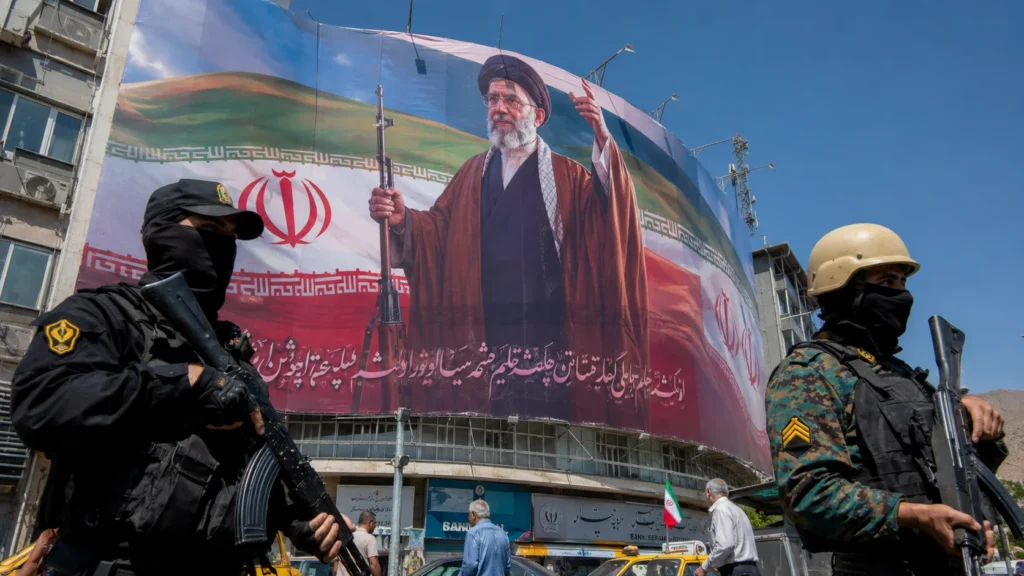
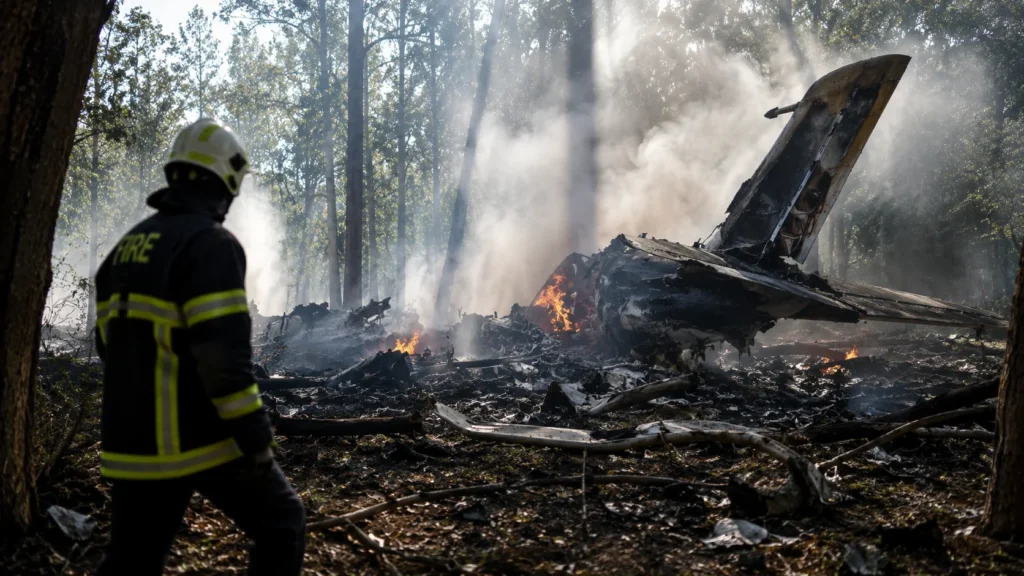
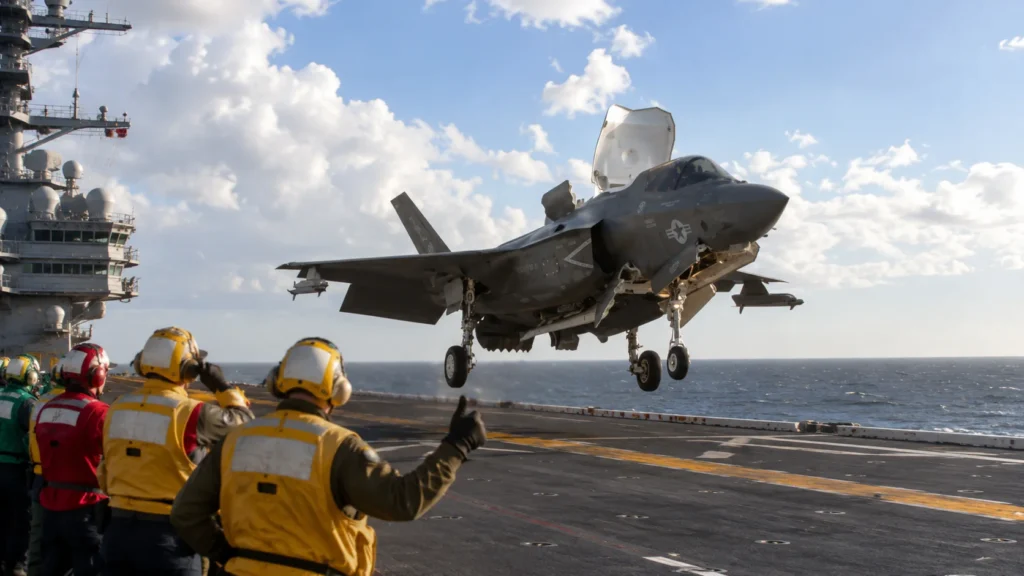
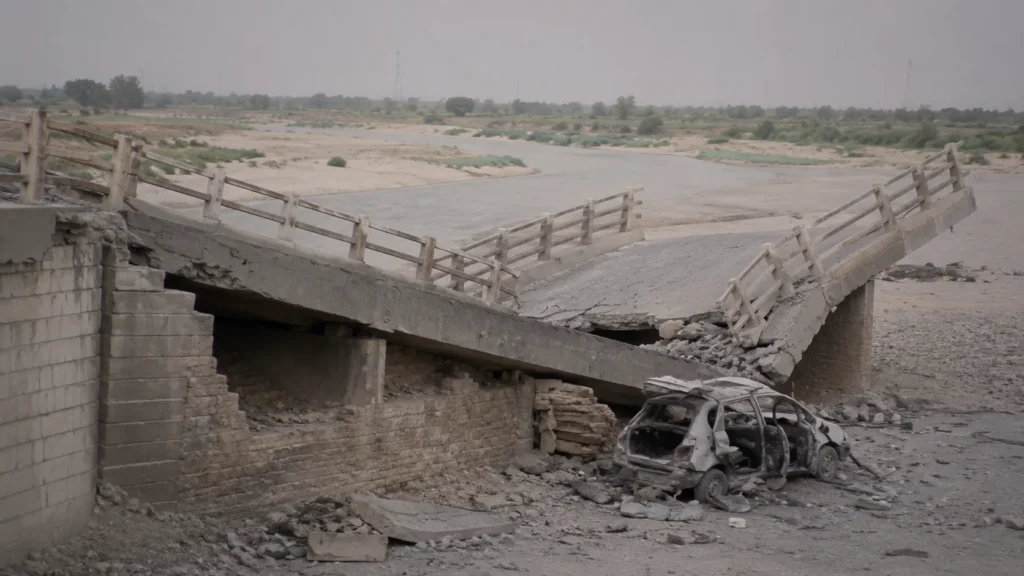
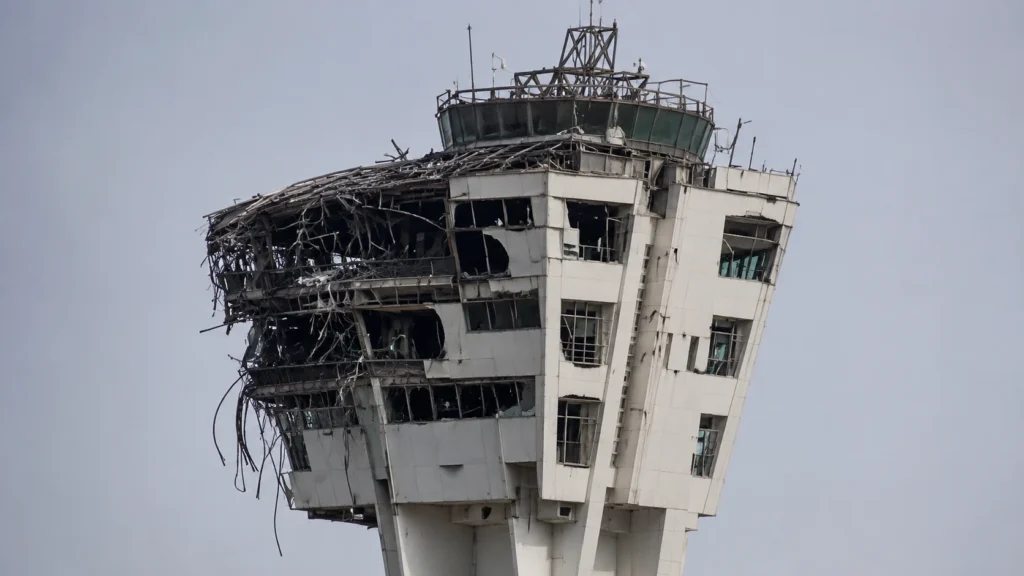
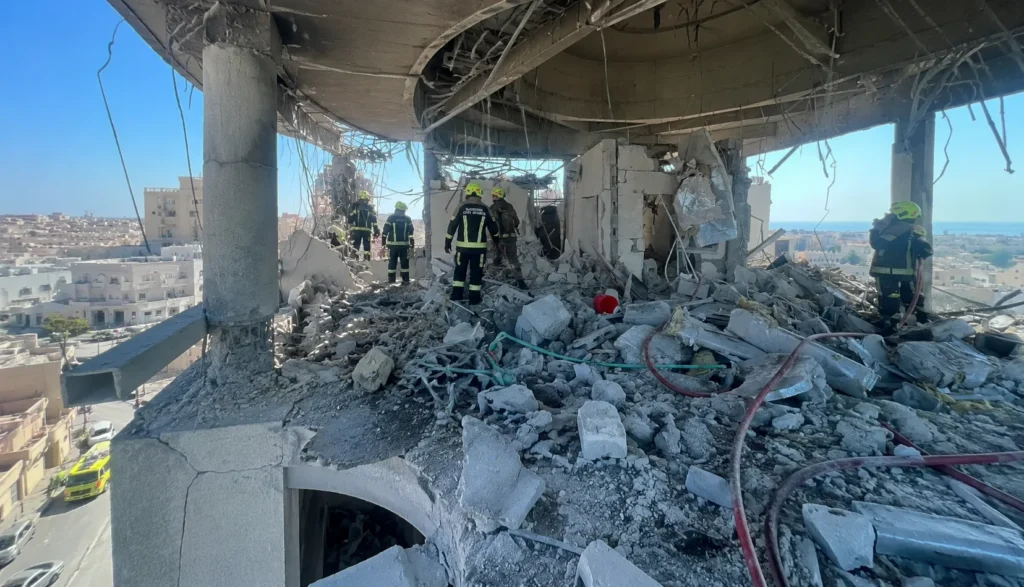
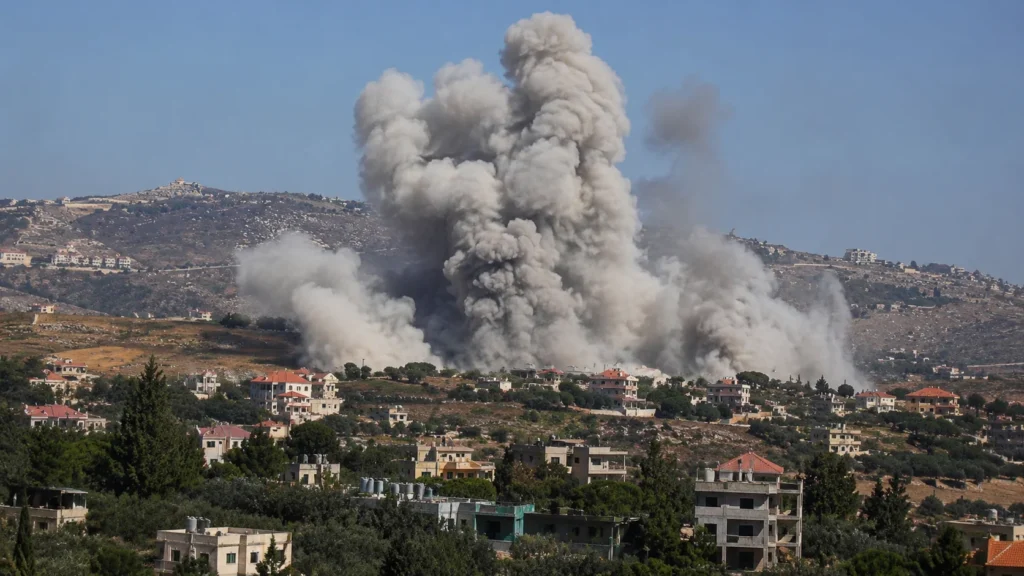
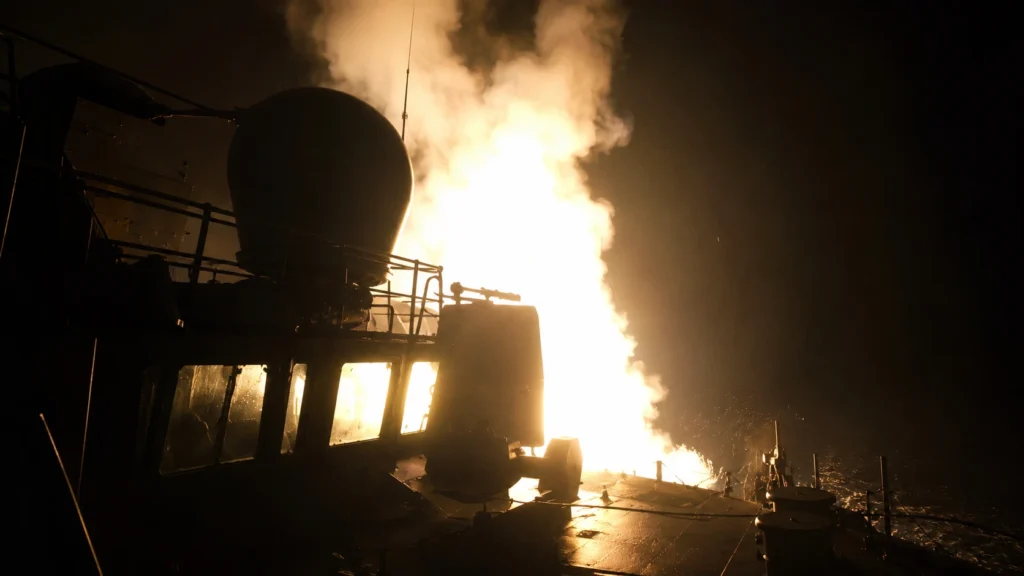
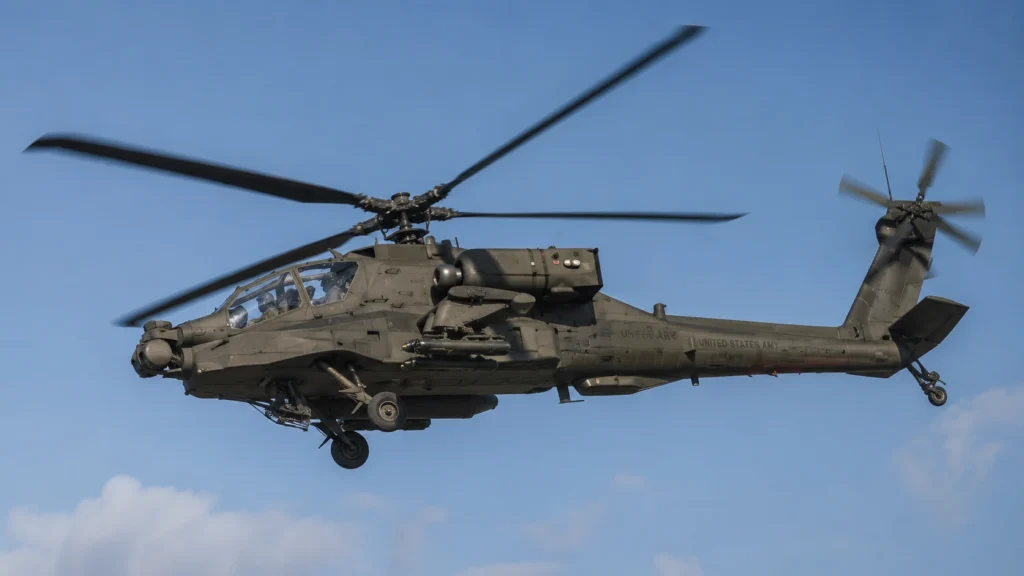
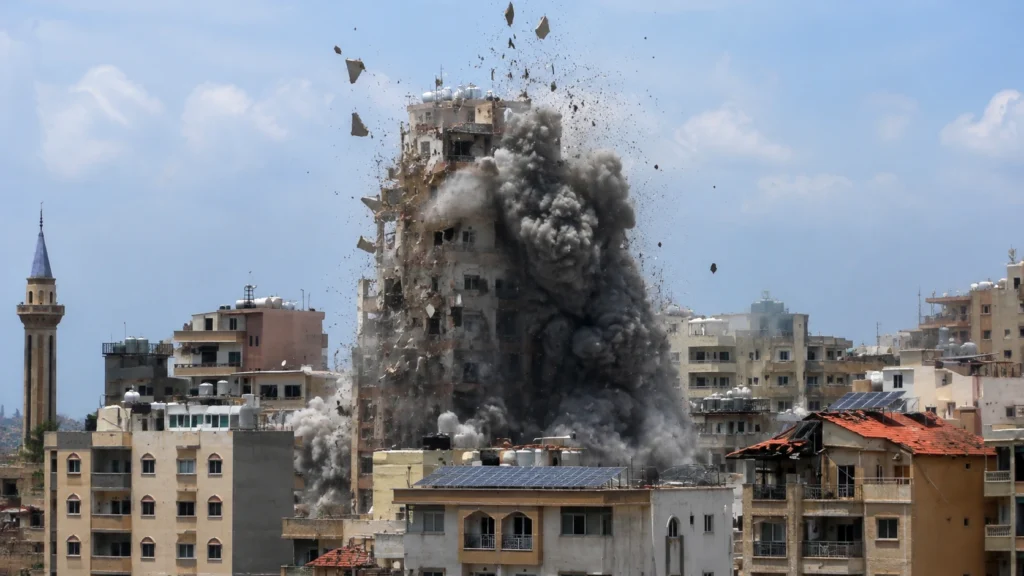
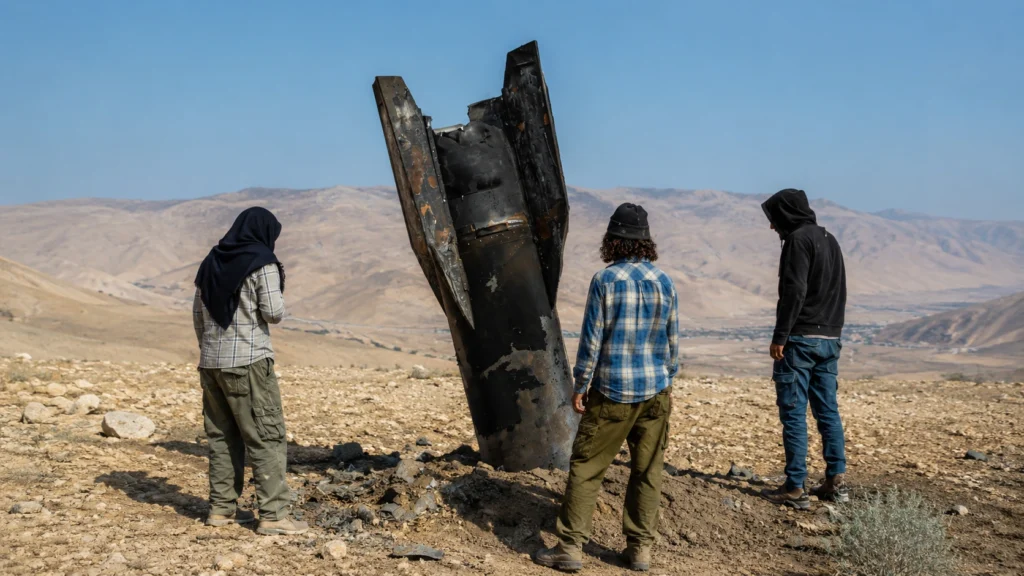
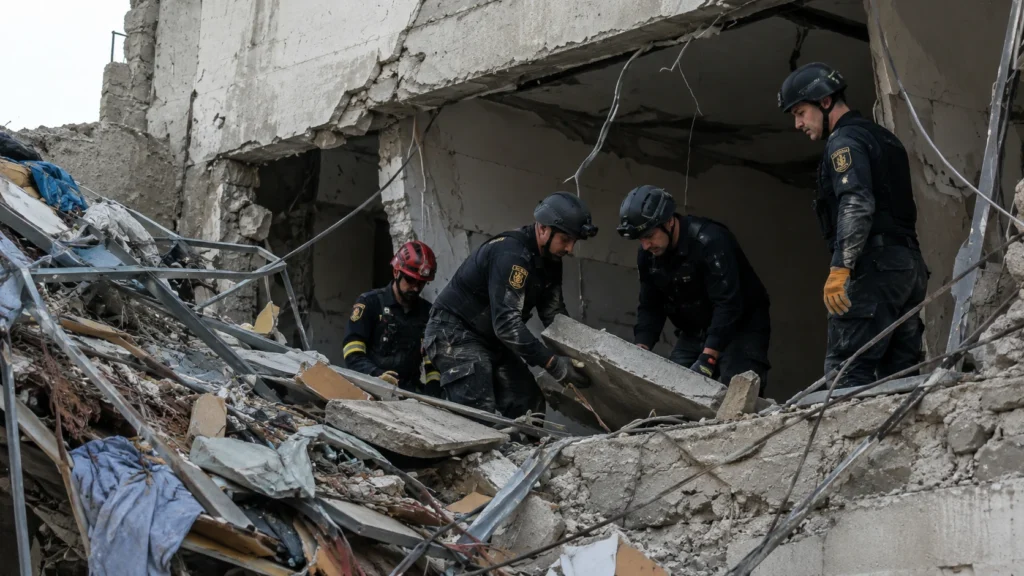
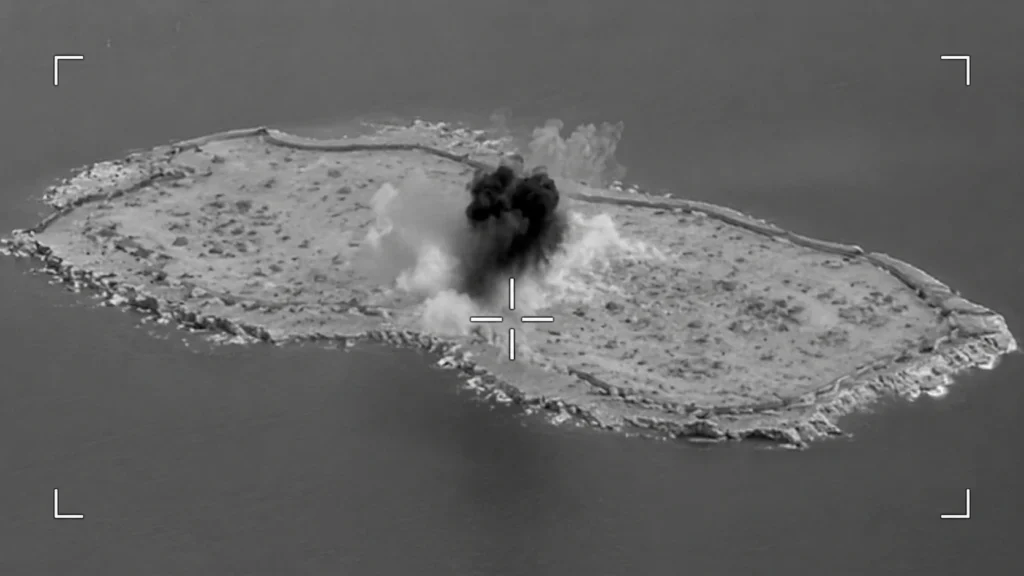
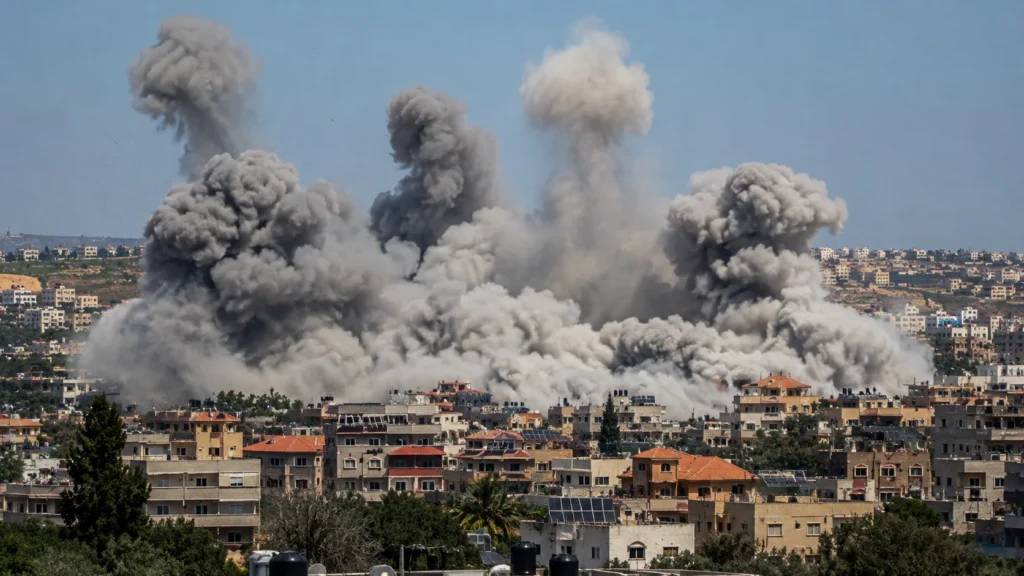
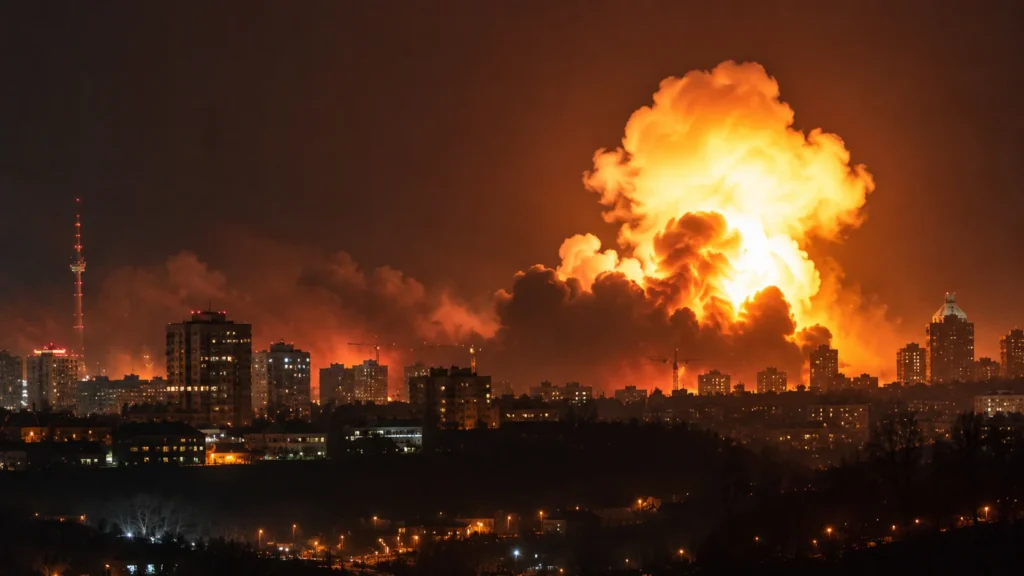
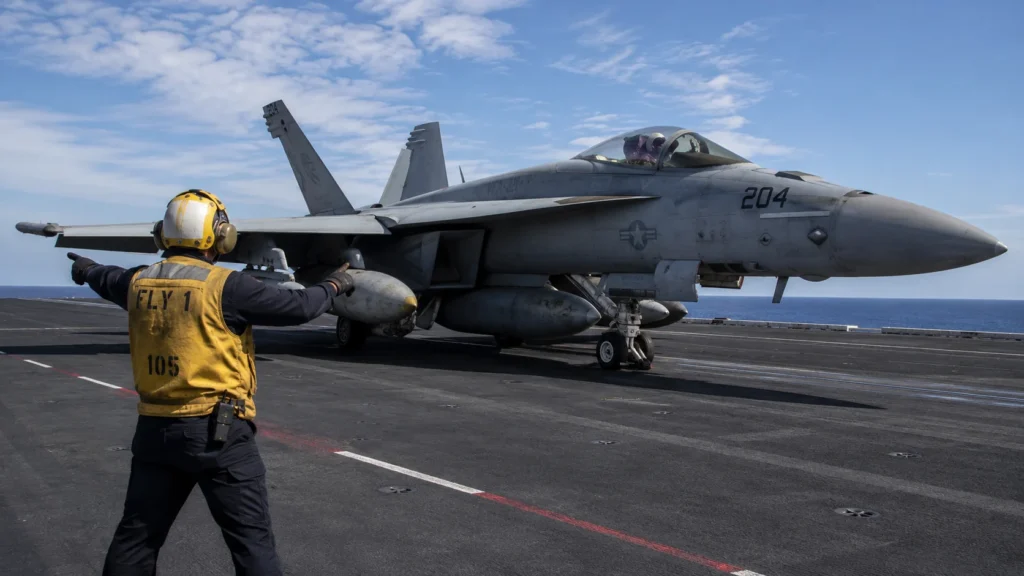
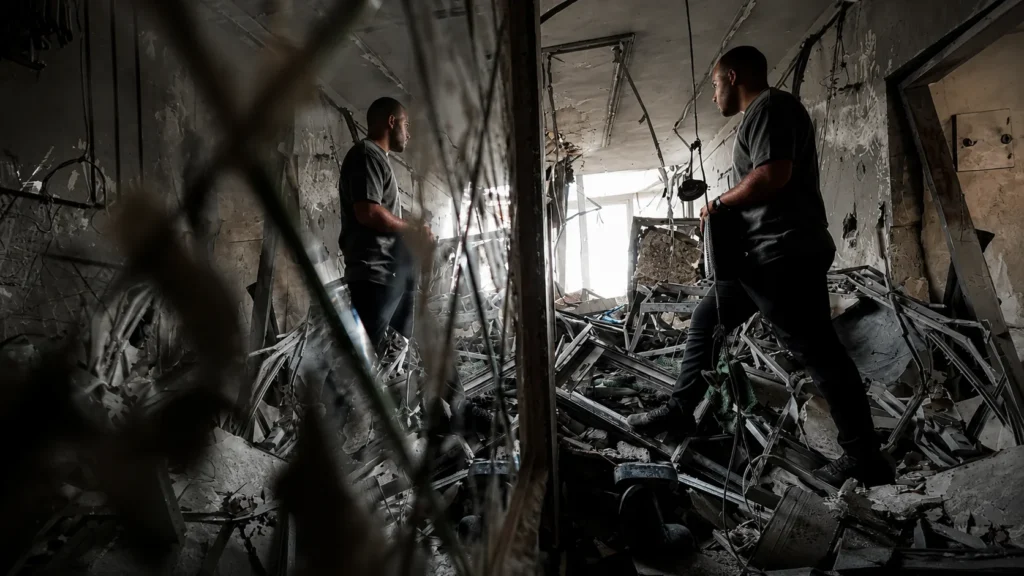
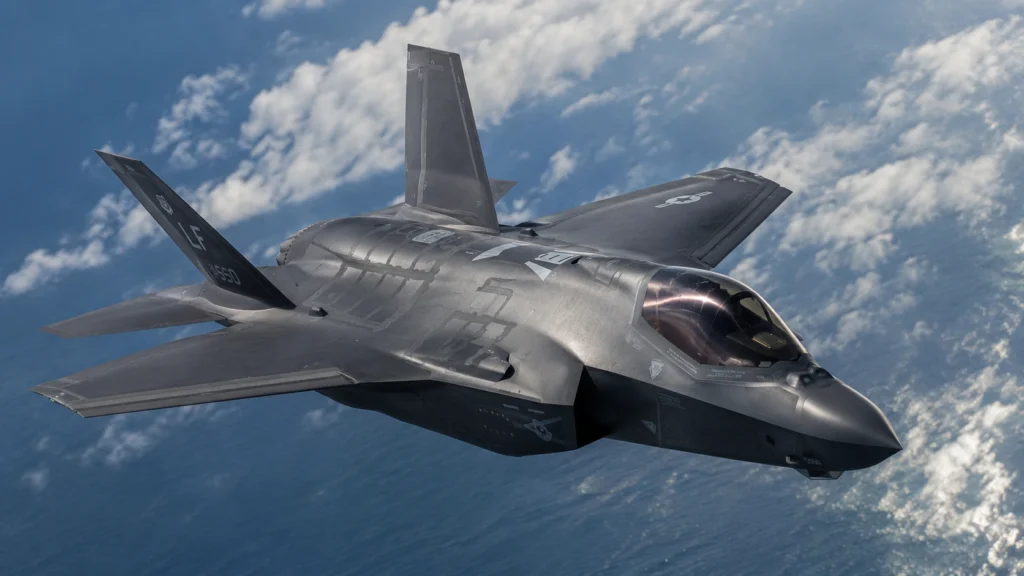
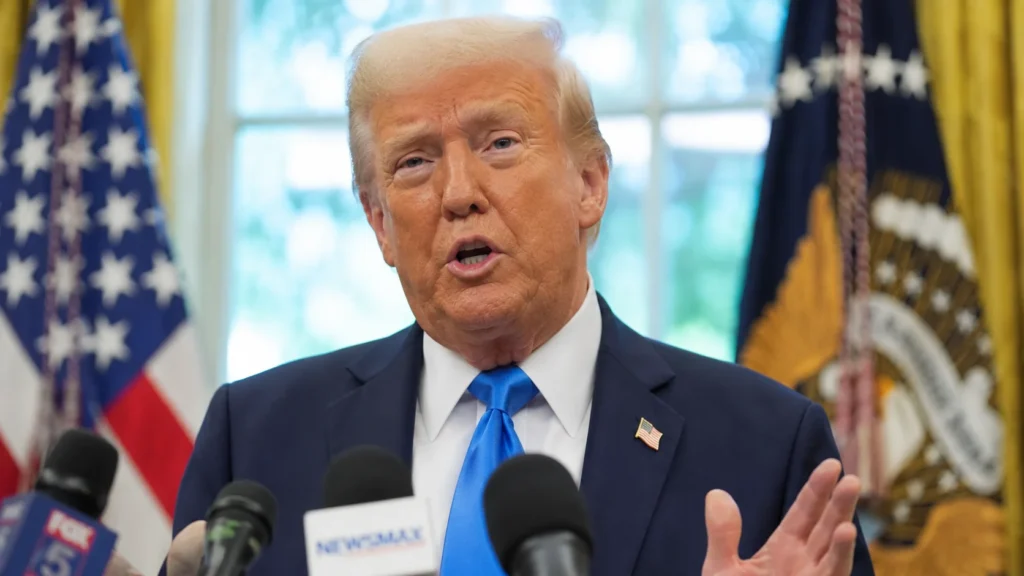
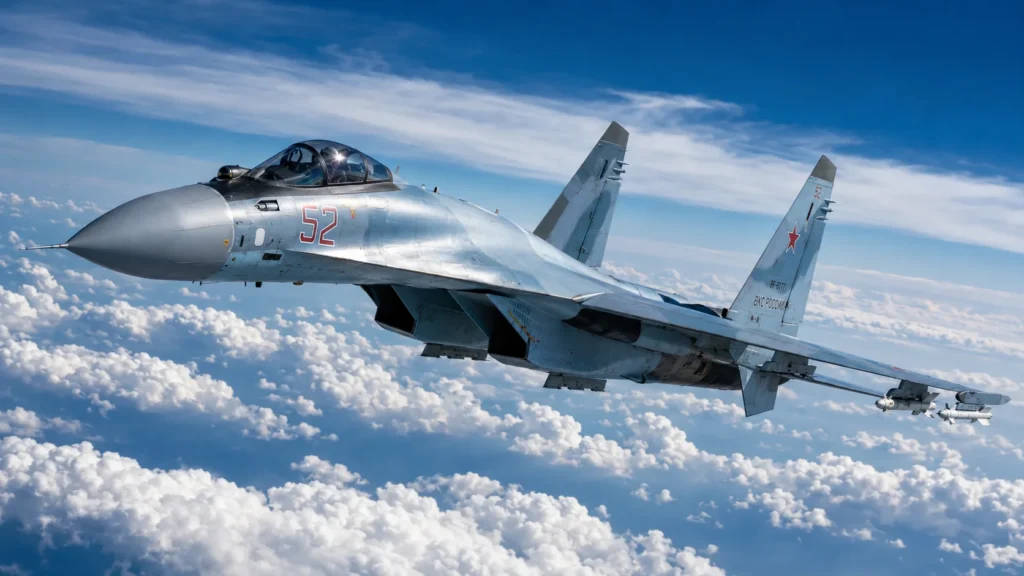
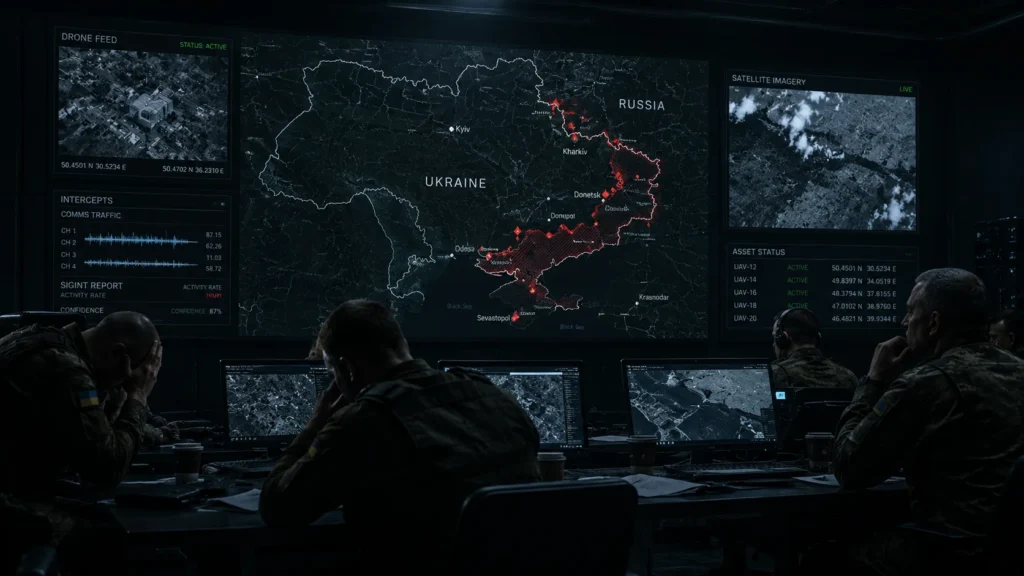
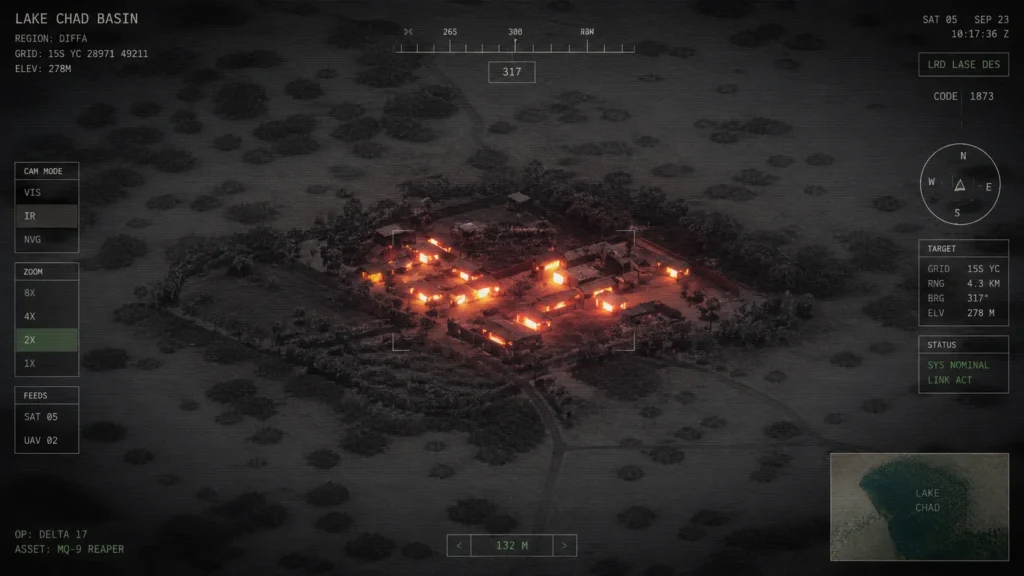
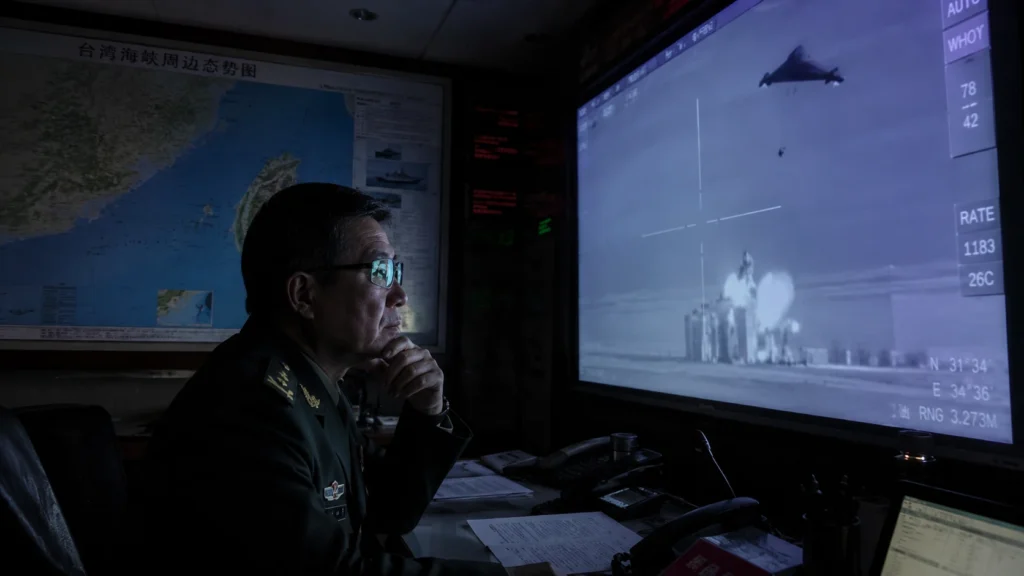
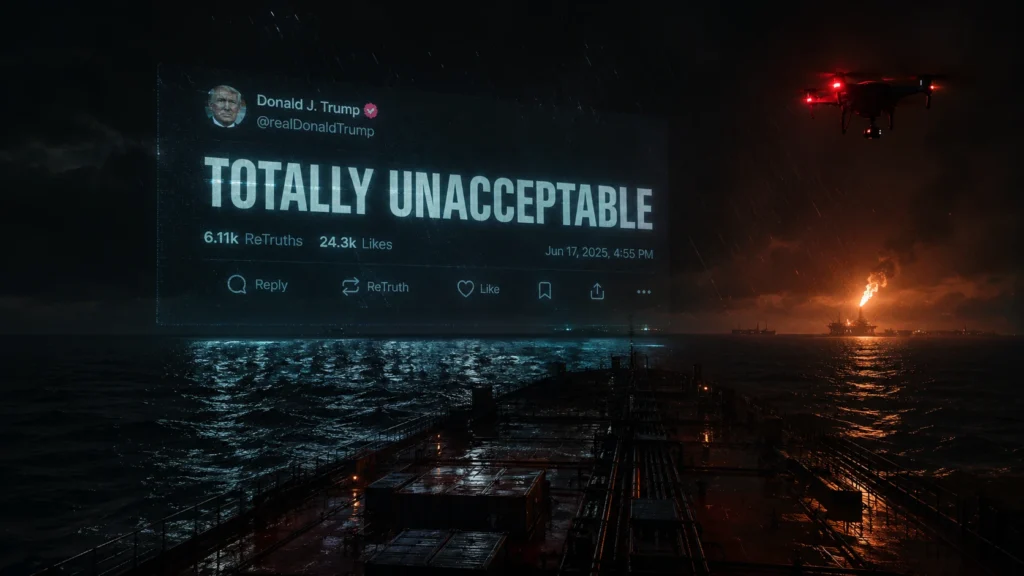
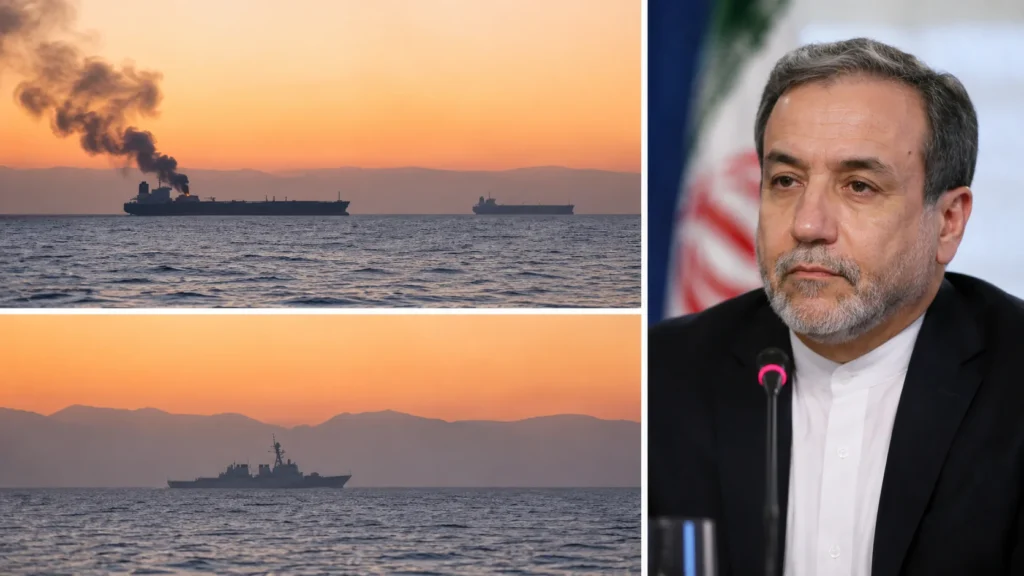
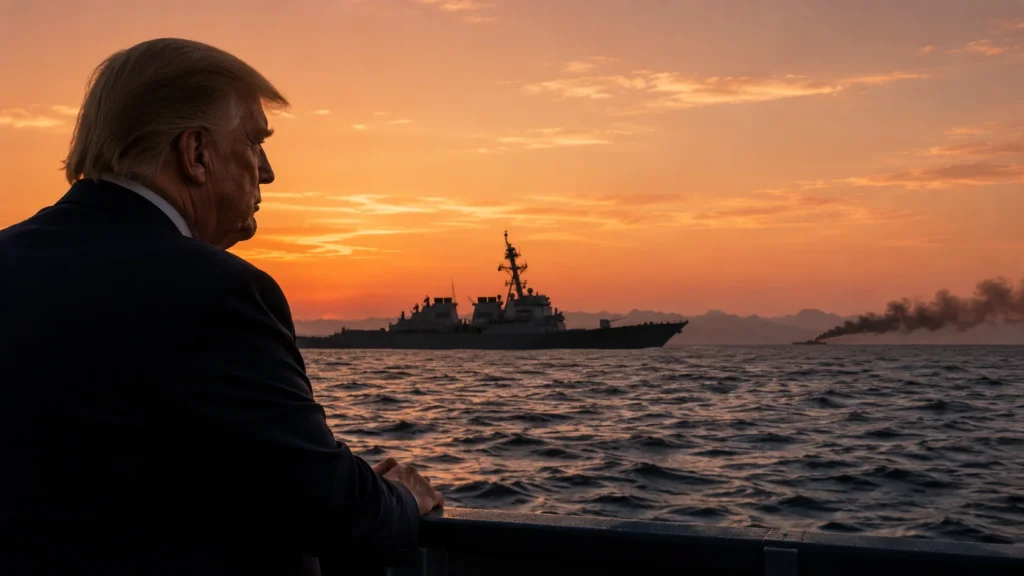
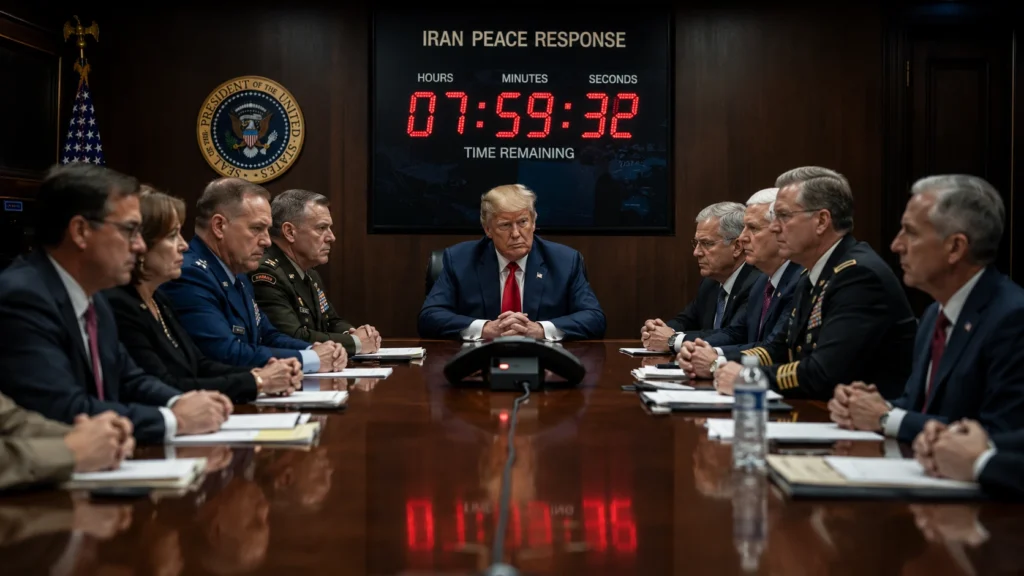
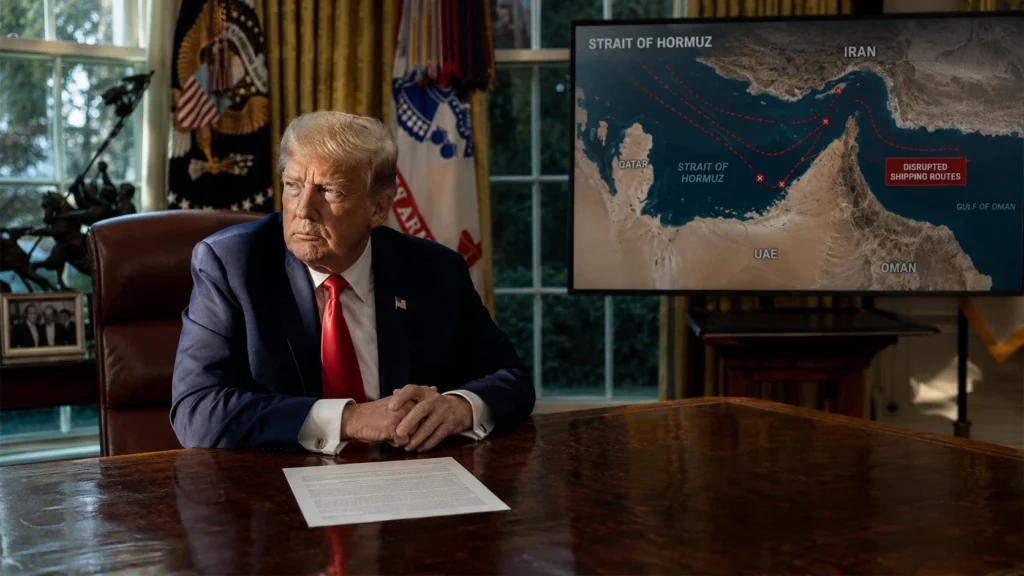
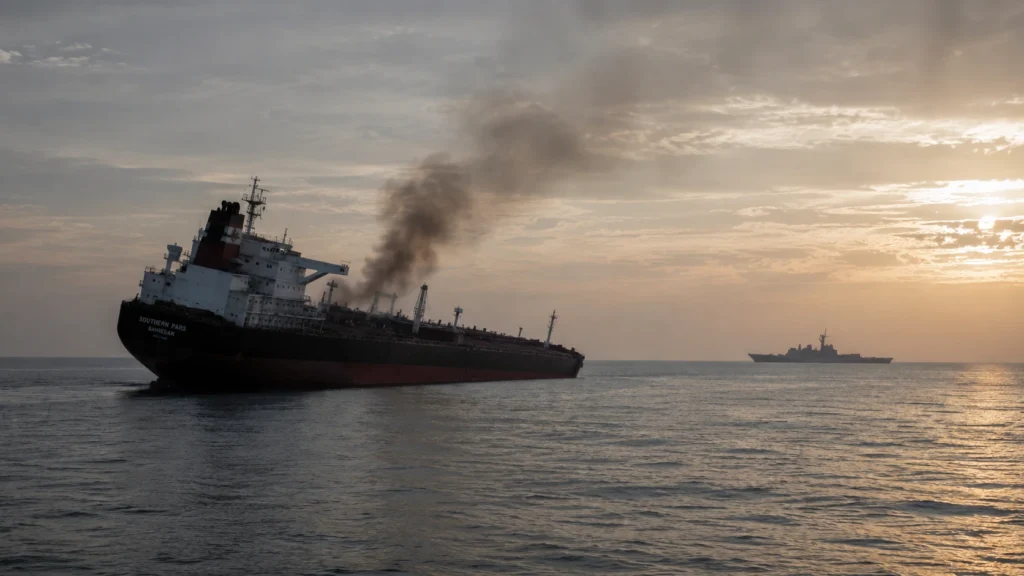
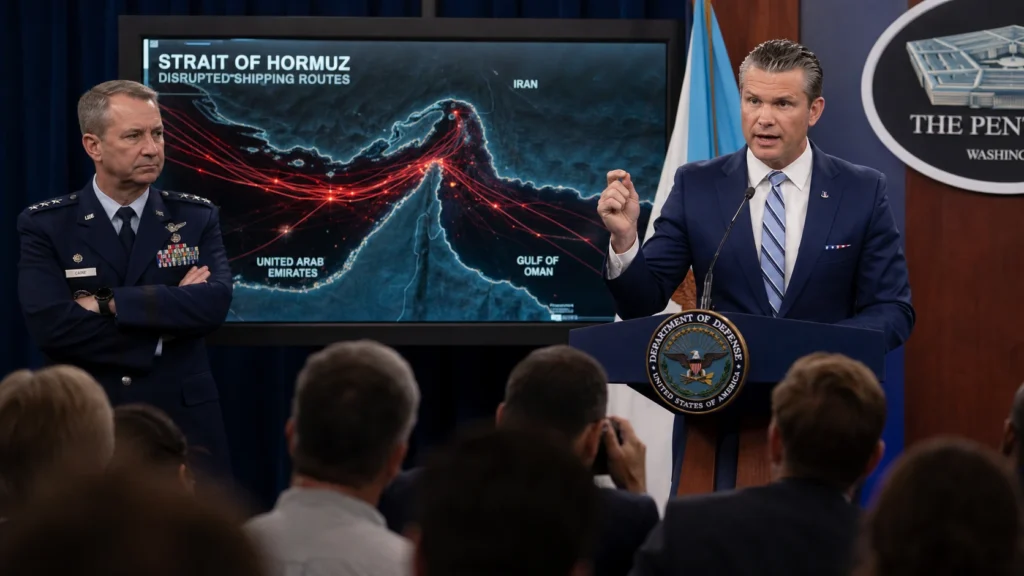
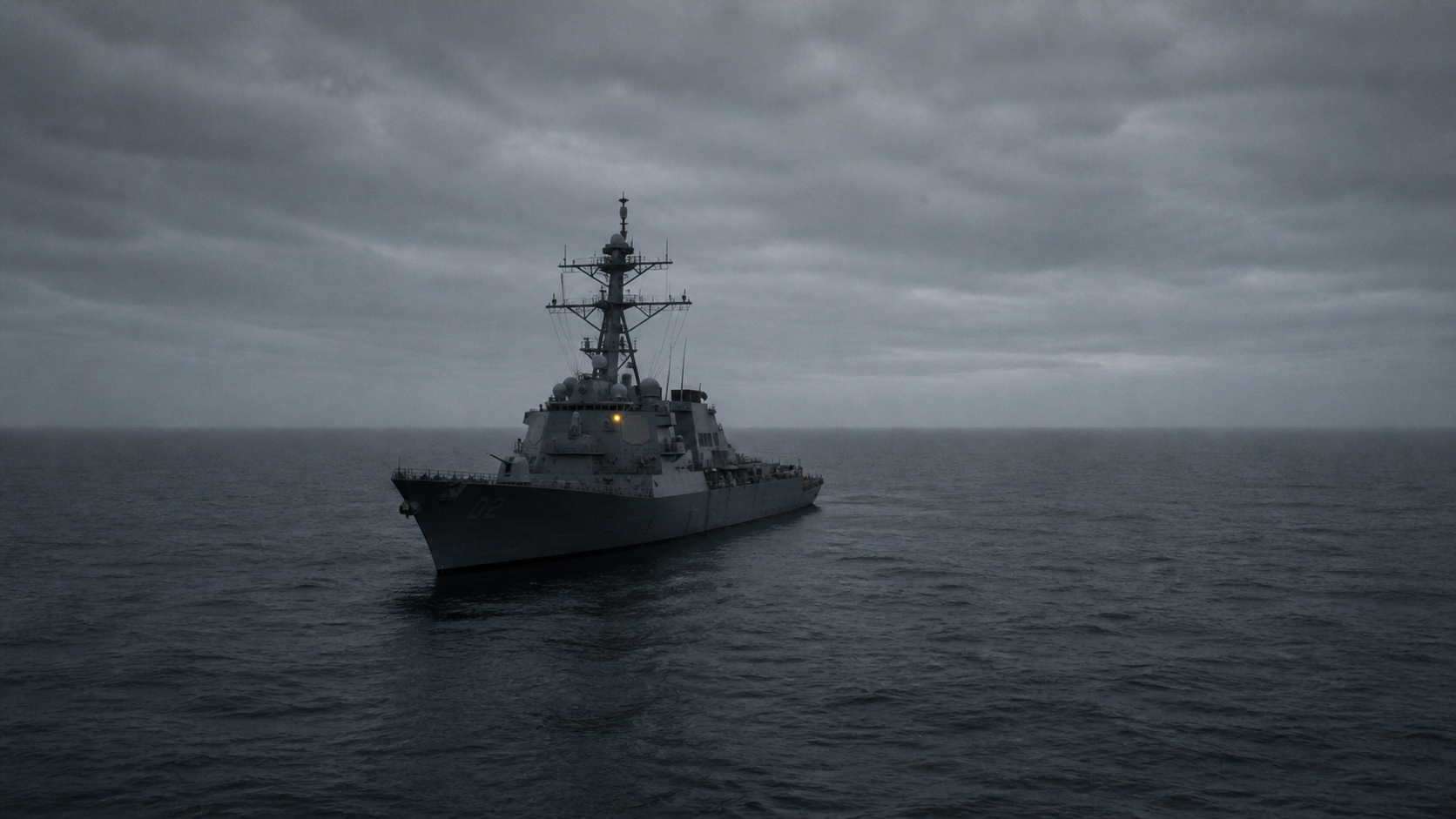
US strikes on Iran have intensified tensions around the Strait of Hormuz, one of the world’s most important energy corridors. American forces targeted Iranian military infrastructure near Bandar Abbas after US Central Command said Iranian drones threatened commercial shipping and military assets near the strategic waterway. The escalation now affects oil markets, shipping costs, and Gulf security calculations far beyond the Middle East.
US Strikes on Iran Raise Fears Over Global Energy Trade
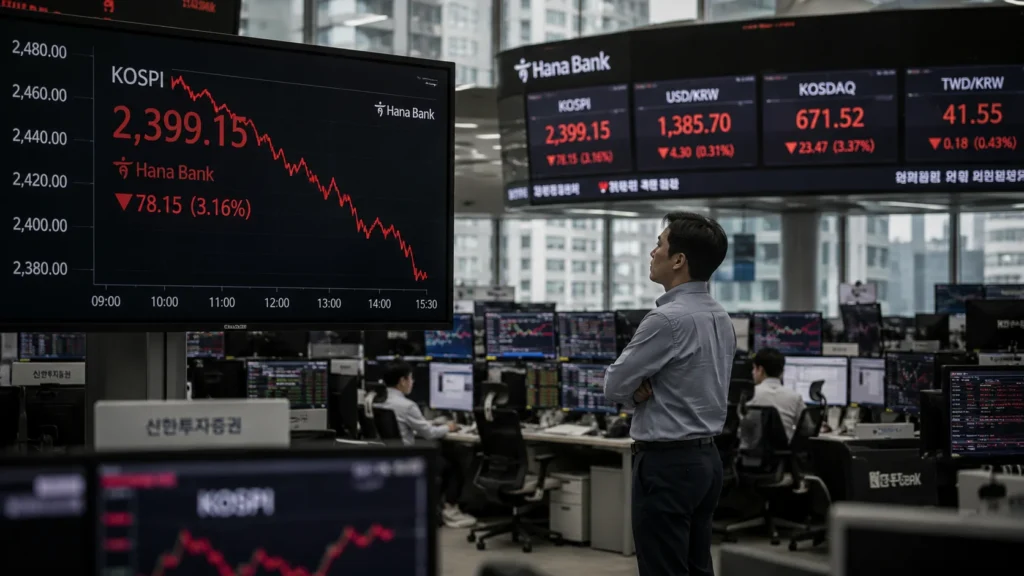
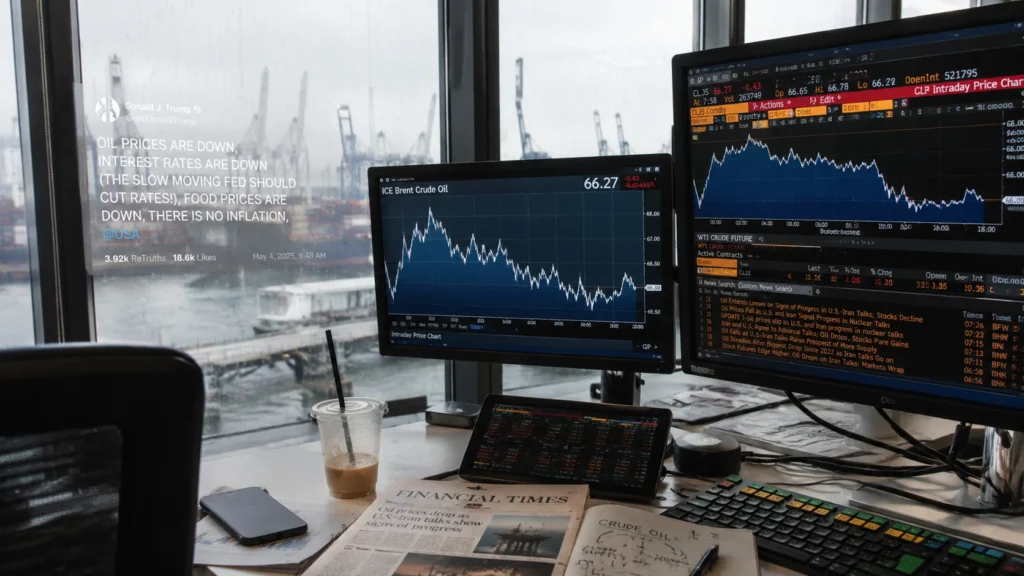
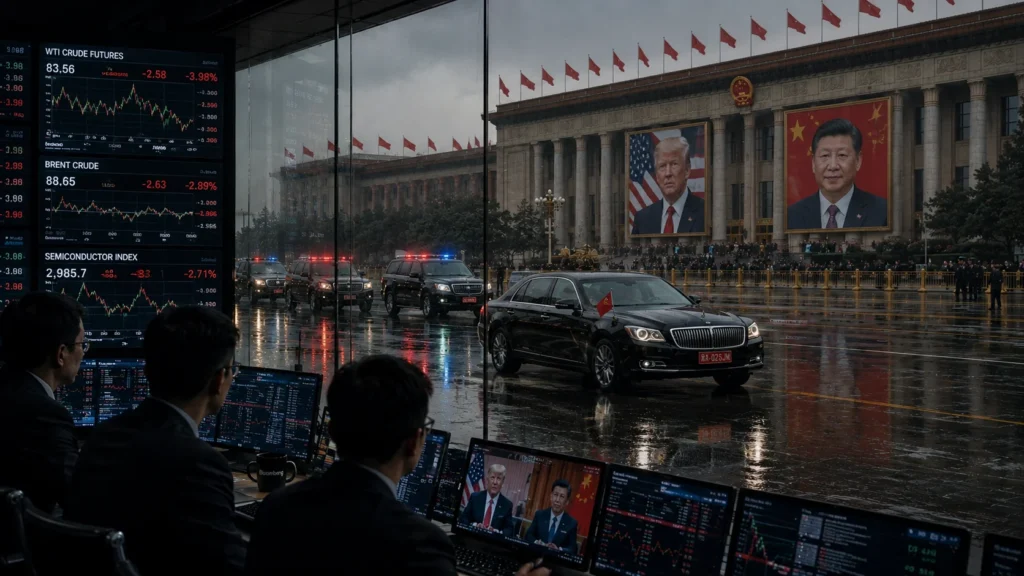
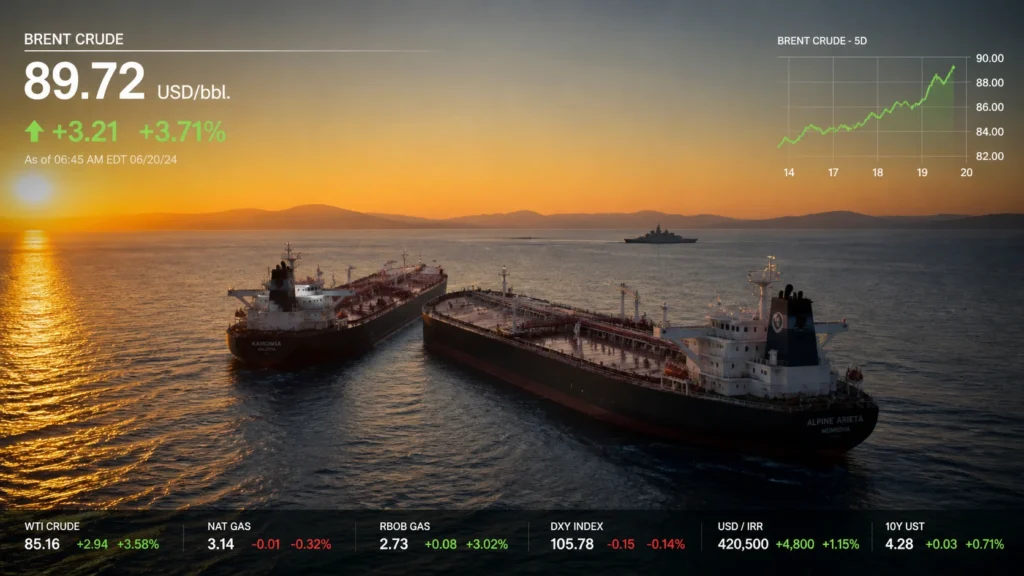
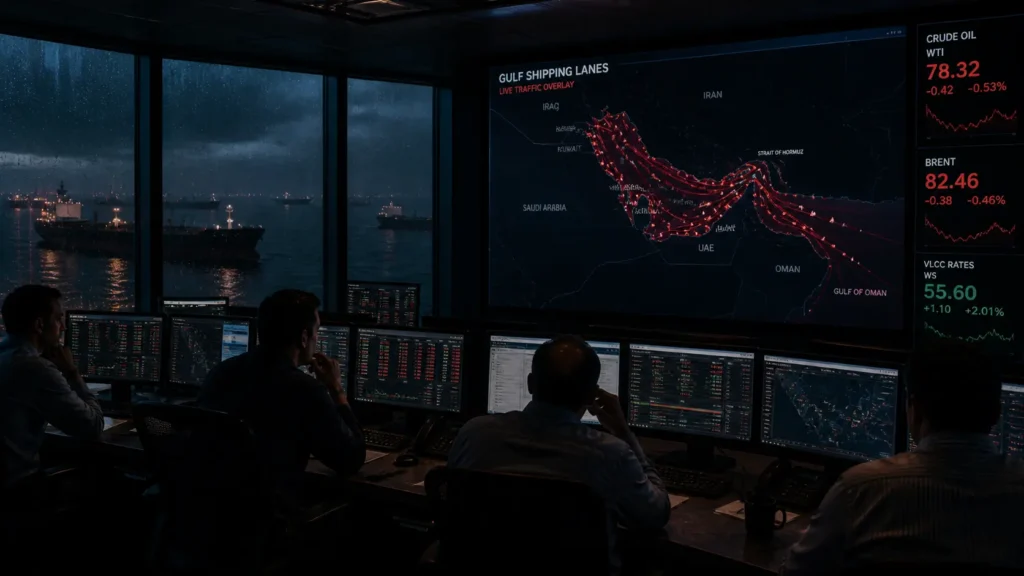
Oil traders reacted to the strikes before diplomats could respond, highlighting the immediate impact on markets.
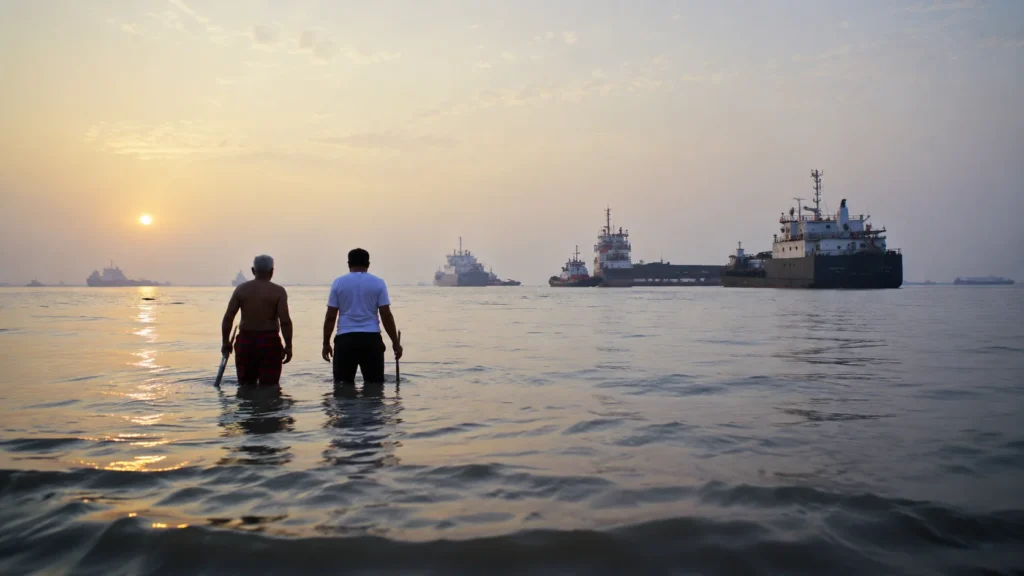
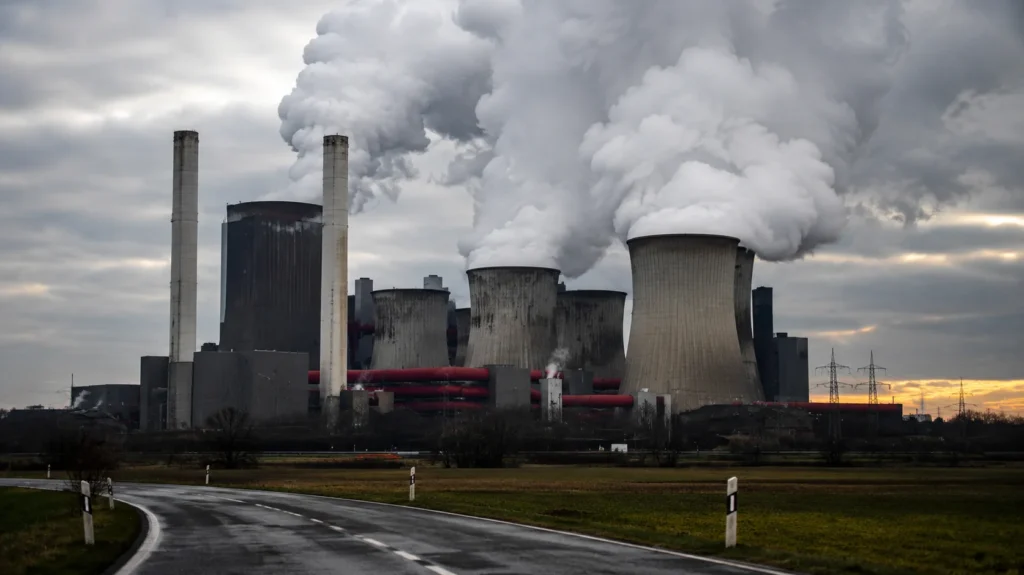
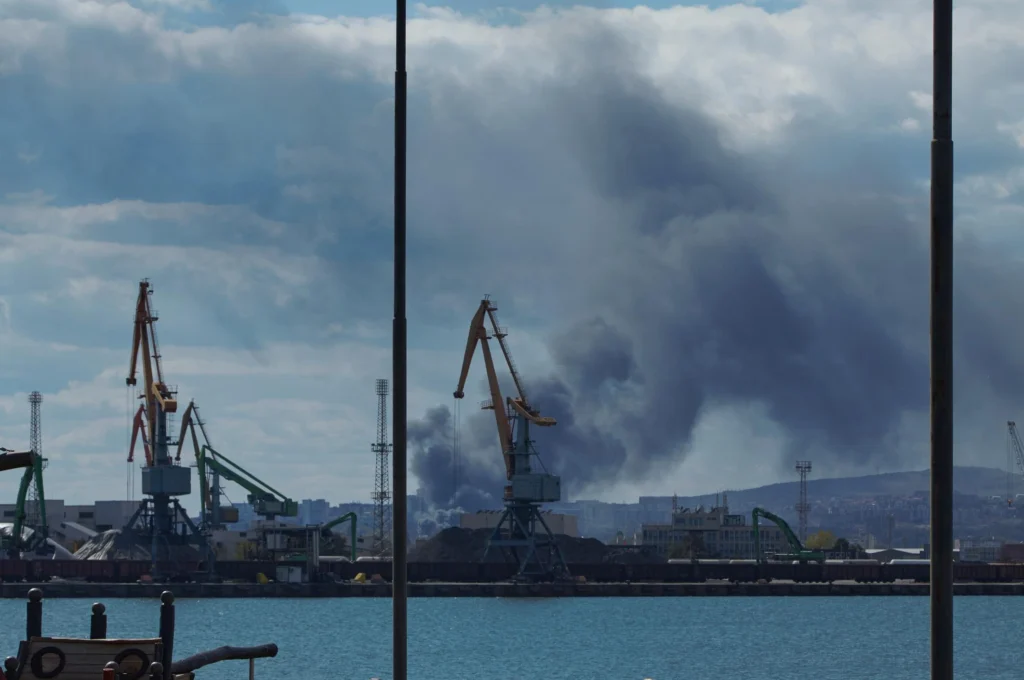
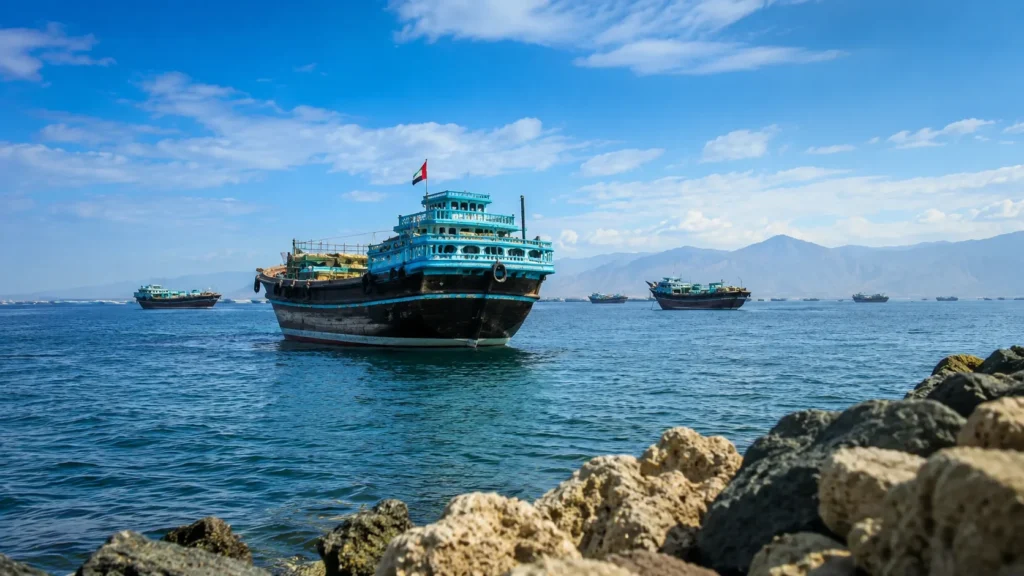
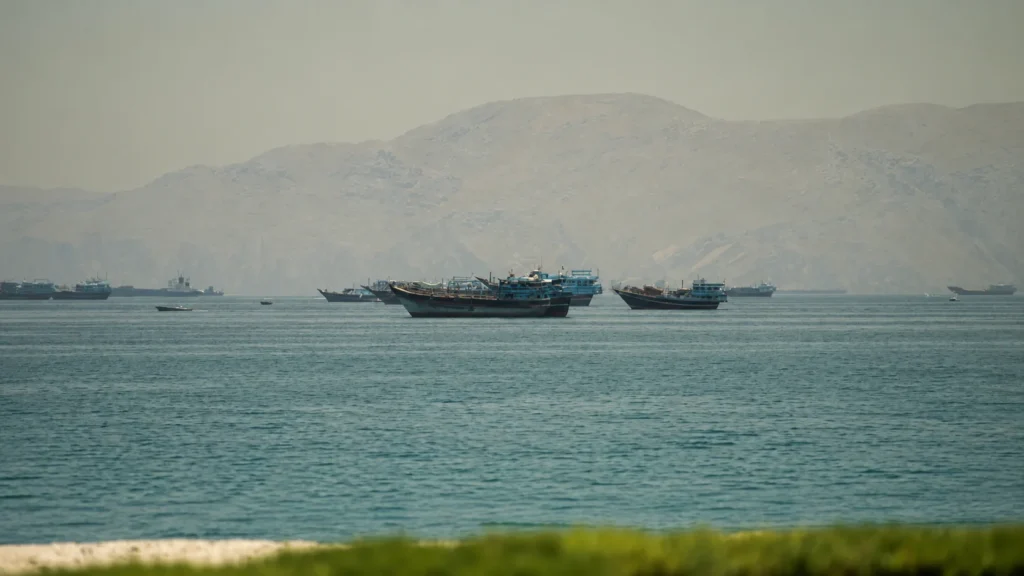
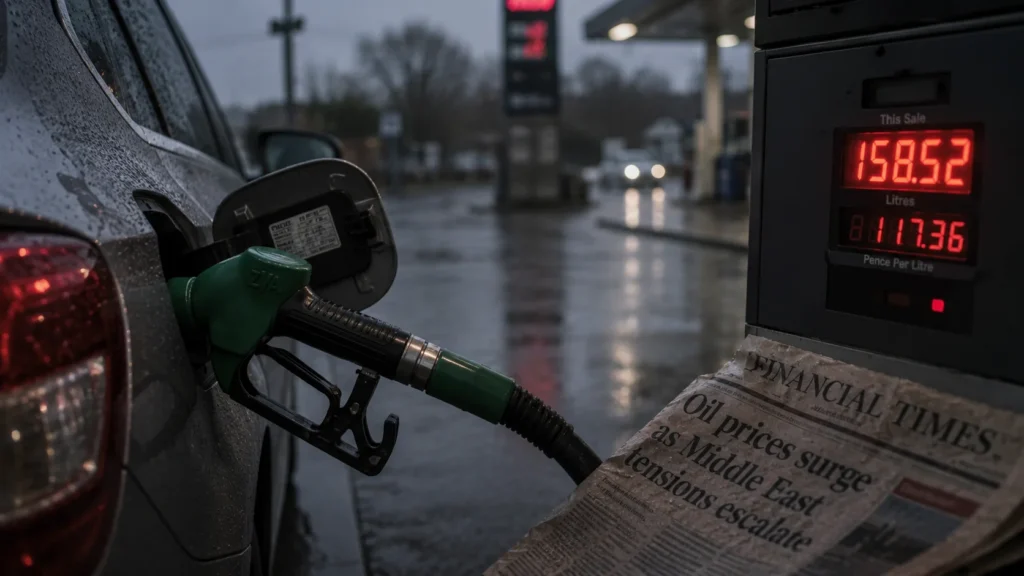
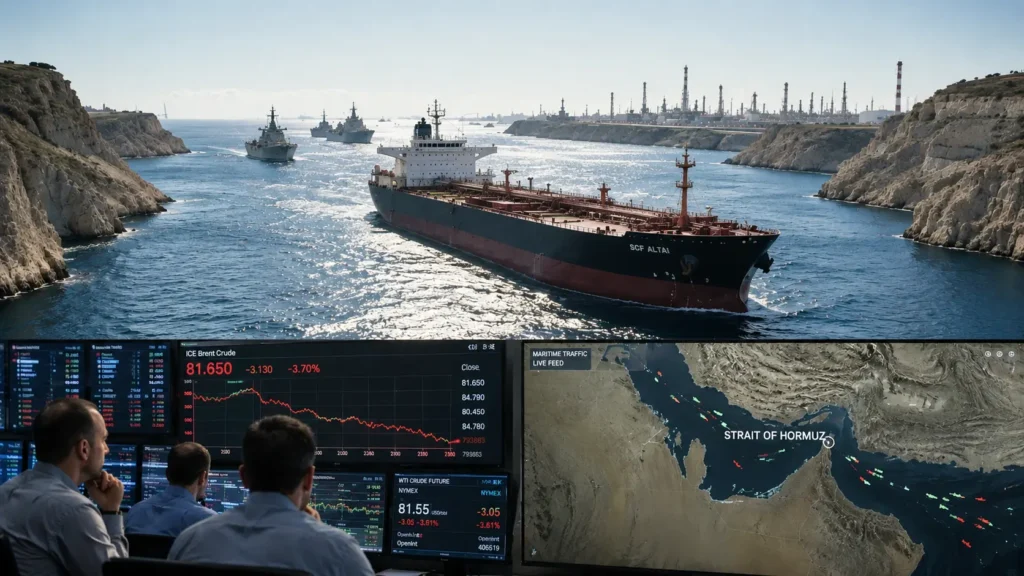
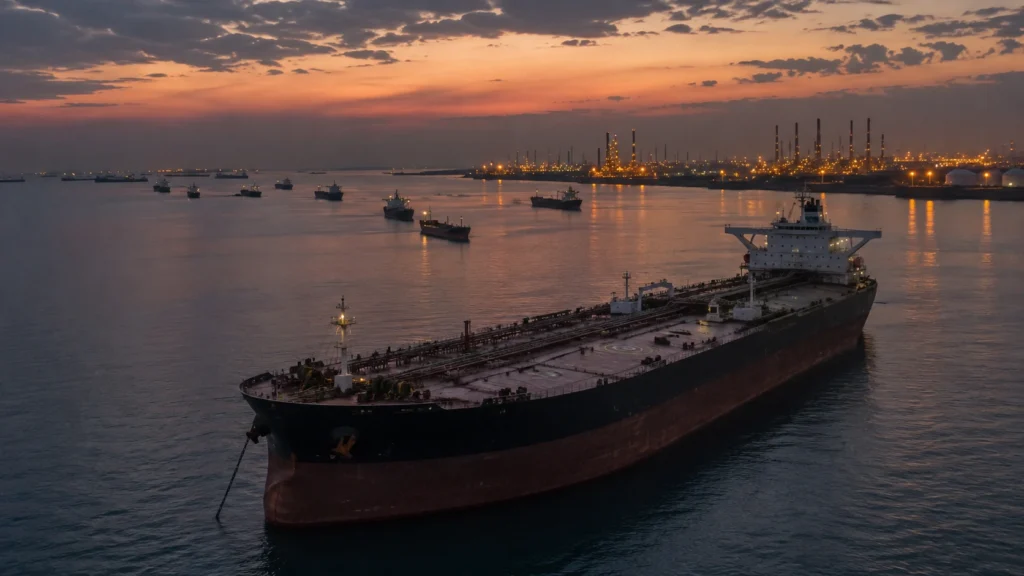
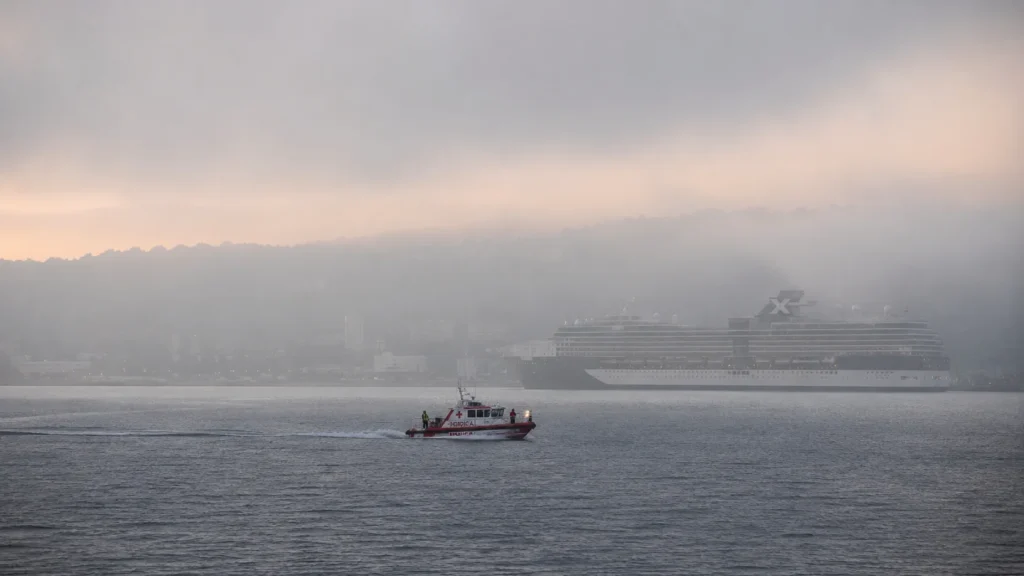
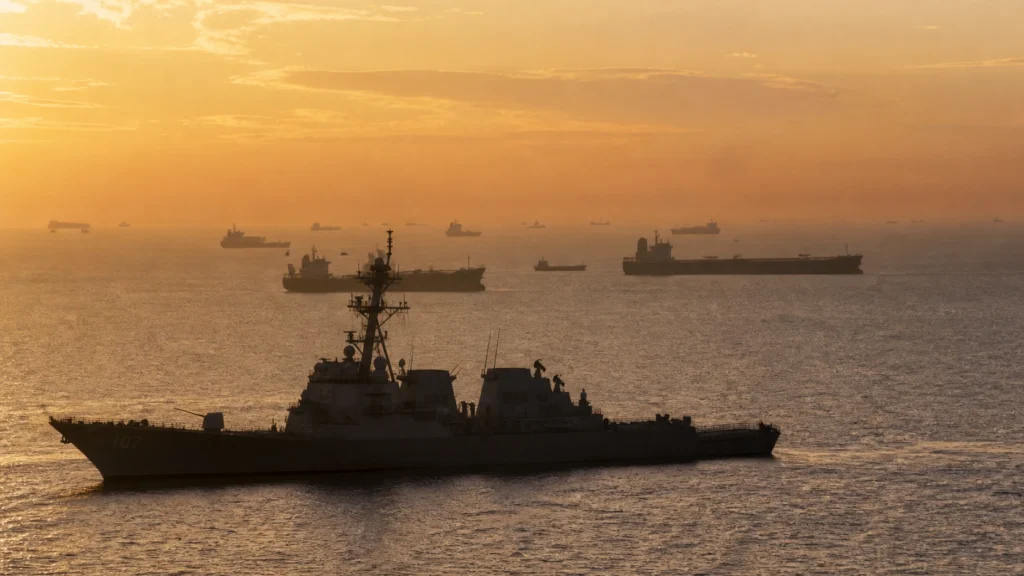
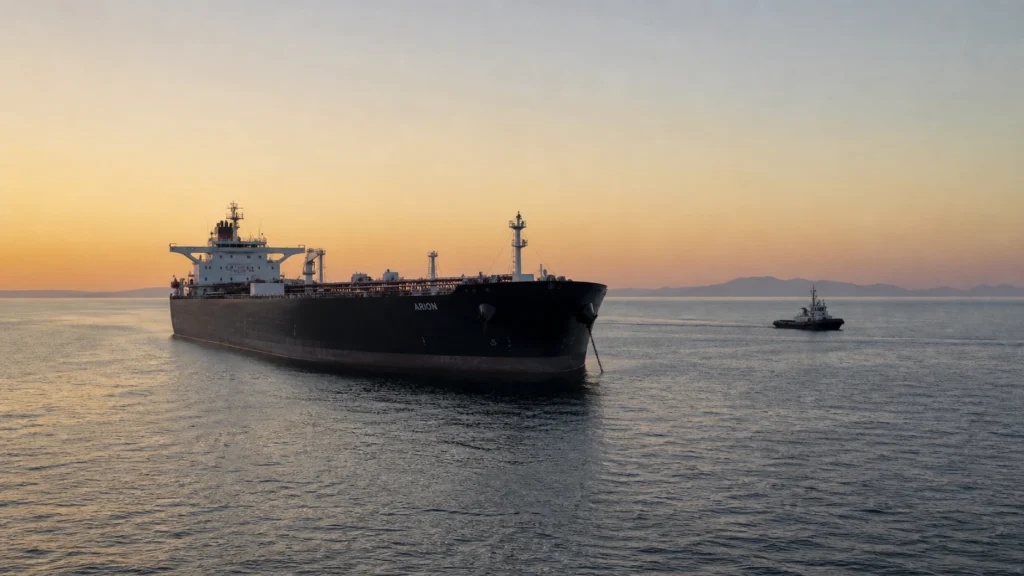
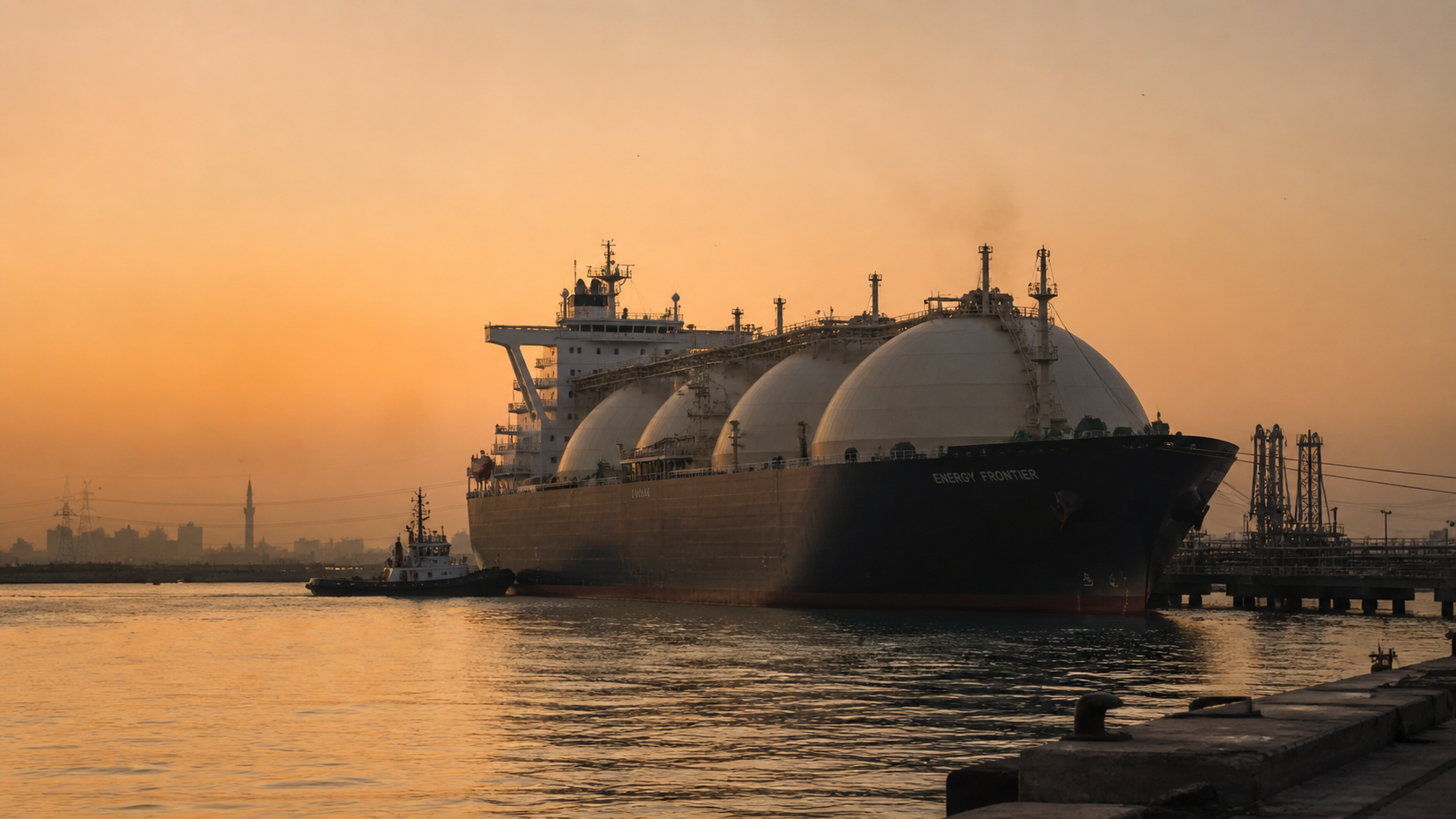
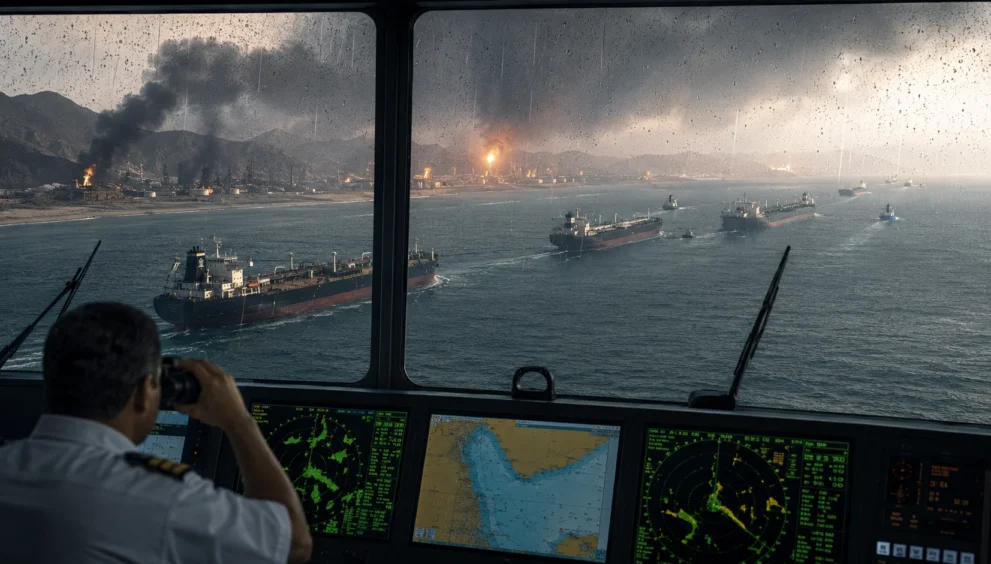
The latest US strikes on Iran pushed shipping firms, insurers, and Gulf governments into crisis-management mode as fears grew over instability near the Strait of Hormuz, where nearly 20% of global oil and LNG shipments normally pass. According to the US Energy Information Administration, even limited disruptions near the corridor can trigger higher fuel prices and global freight costs within hours.
Markets responded swiftly, while official statements were released only afterward, further underlining the urgency.
Why the Strait of Hormuz Matters More Than the Battlefield
The latest US strikes on Iran reveal a broader struggle over economic leverage and maritime control.
Washington says the strikes aim to protect military personnel and commercial traffic after Iranian forces launched drones toward vessels operating near the Strait of Hormuz. Tehran argues the attacks violate an already fragile ceasefire framework.
But the real pressure sits underneath the military exchange.
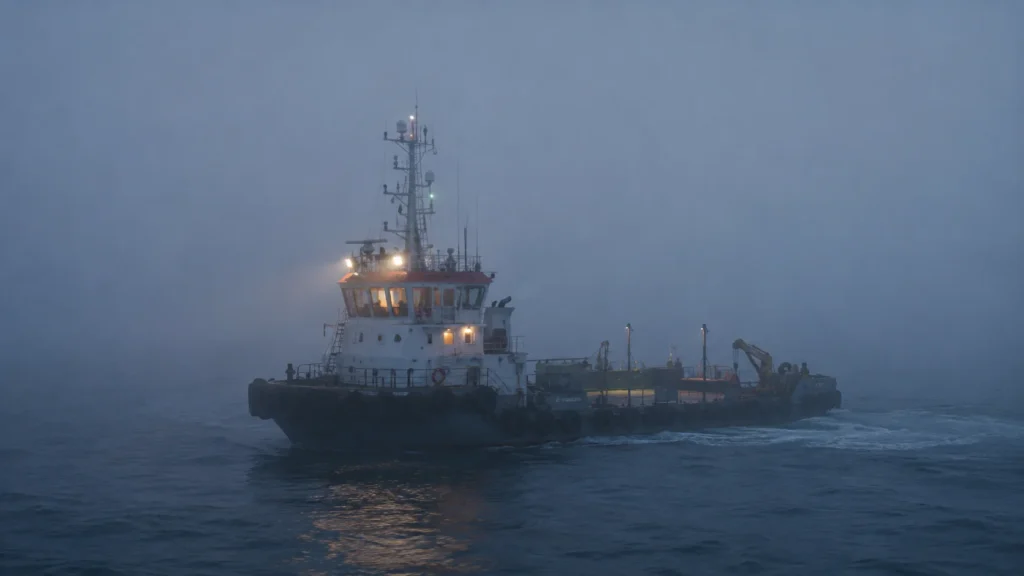
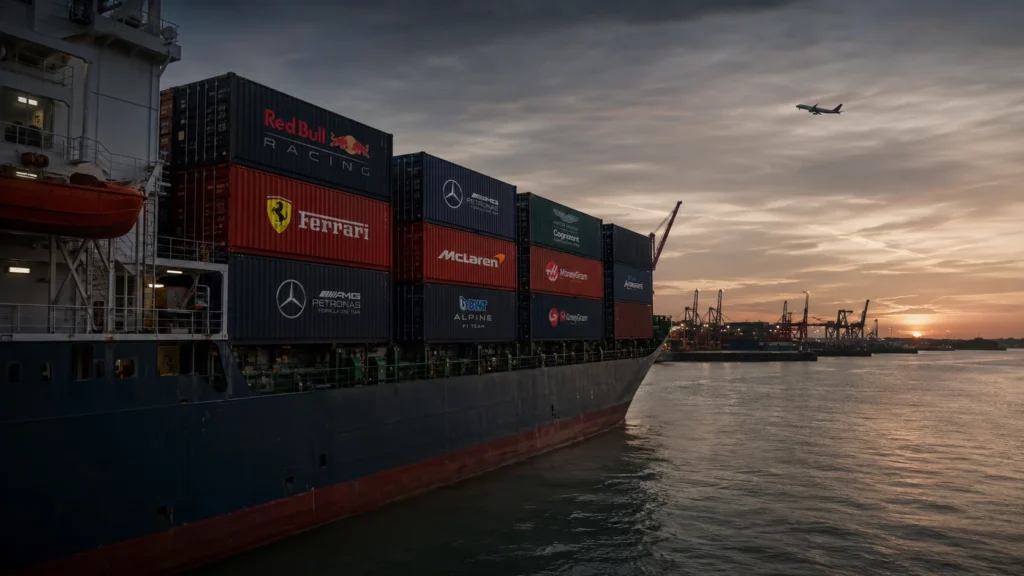
Iran lacks the conventional military strength to confront the United States directly, so it targets the systems supporting global trade instead. Shipping delays, tanker rerouting, and rising insurance costs create pressure far beyond the Gulf region.
That strategy works because the Strait of Hormuz remains one of the most exposed chokepoints in the global economy.
Gulf States Face a Dangerous Balancing Act
Saudi Arabia, the UAE, and Kuwait depend heavily on stable trade routes and investor confidence. Military exchanges near shipping lanes directly threaten those priorities.
That explains the cautious tone coming from Gulf capitals after the latest US strikes on Iran.
Regional governments still rely on US military protection, but they also fear becoming trapped in a prolonged confrontation that would damage economic growth across the Gulf. Investors already monitor shipping risk levels closely after months of instability tied to Red Sea attacks and regional escalation.
As previous analysis on Gulf energy security showed earlier this year, Gulf sovereign wealth funds have accelerated diversification plans away from pure oil dependency. Continued instability near Hormuz could further accelerate that transition.
Quietly.
China and Russia Benefit From Energy Uncertainty
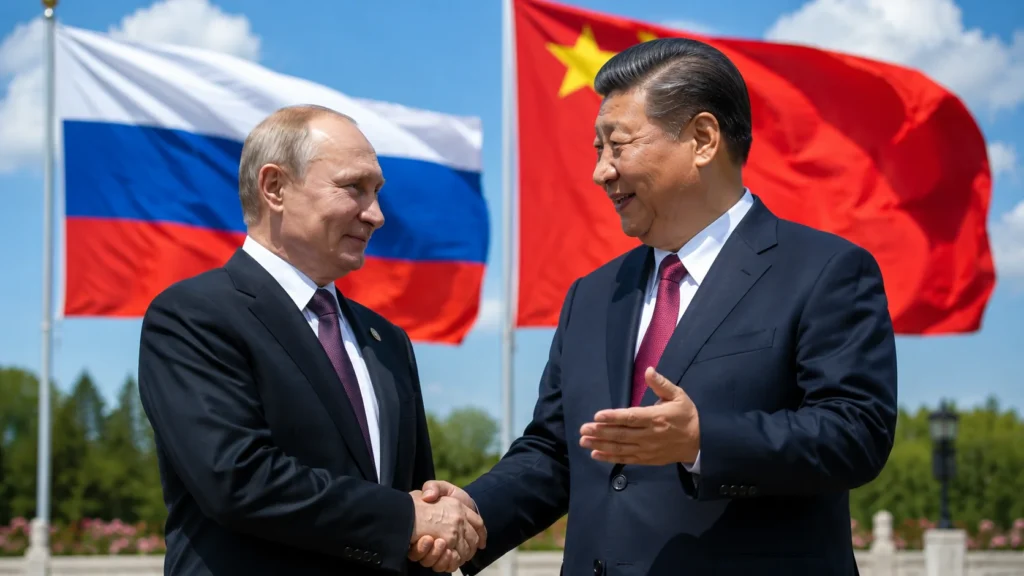
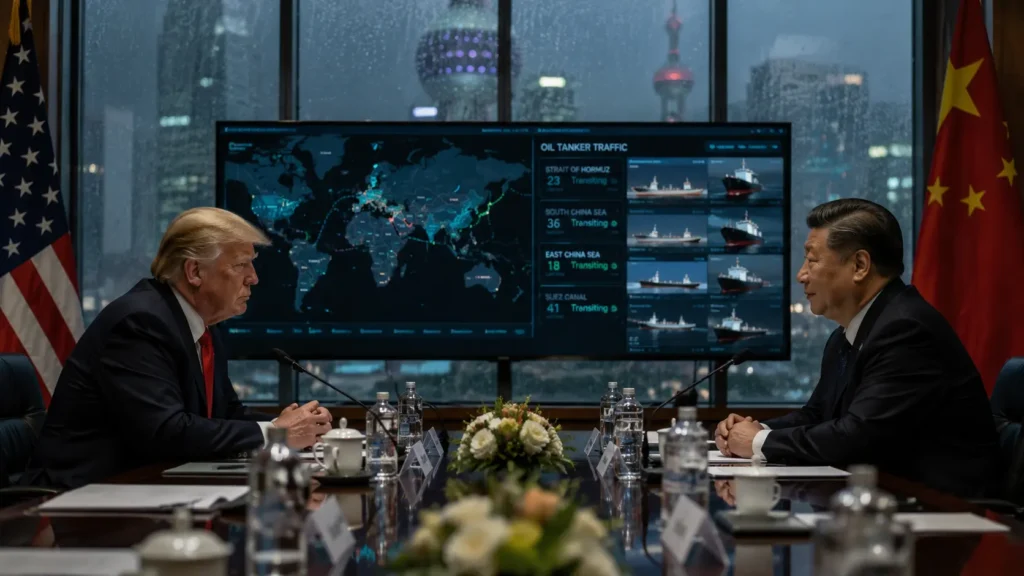
China gains strategic room every time Gulf instability raises doubts about the American-led regional order.
Beijing continues expanding trade and infrastructure partnerships across the Middle East while avoiding direct military involvement. Gulf governments increasingly deepen security ties with Washington while building economic partnerships with China at the same time.
Two tracks. Two priorities.
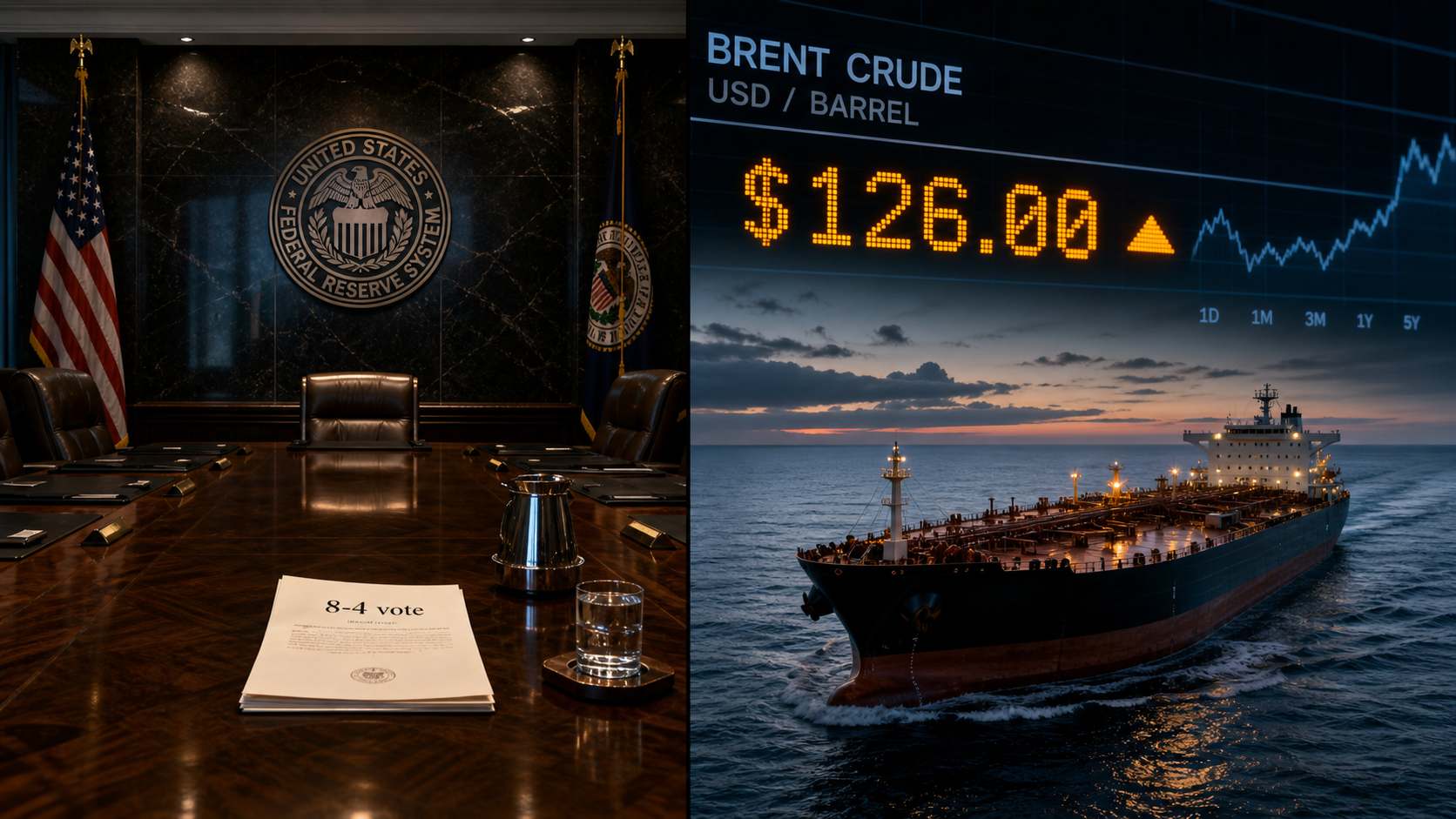
Russia also benefits when Gulf tensions push oil prices higher. Brent crude futures climbed sharply after earlier clashes near the Strait of Hormuz, according to Reuters energy market coverage. Higher energy prices help Moscow offset financial pressure from Western sanctions.
That changes the geopolitical map around the Gulf conflict.
How US Strikes on Iran Affect Ordinary Consumers
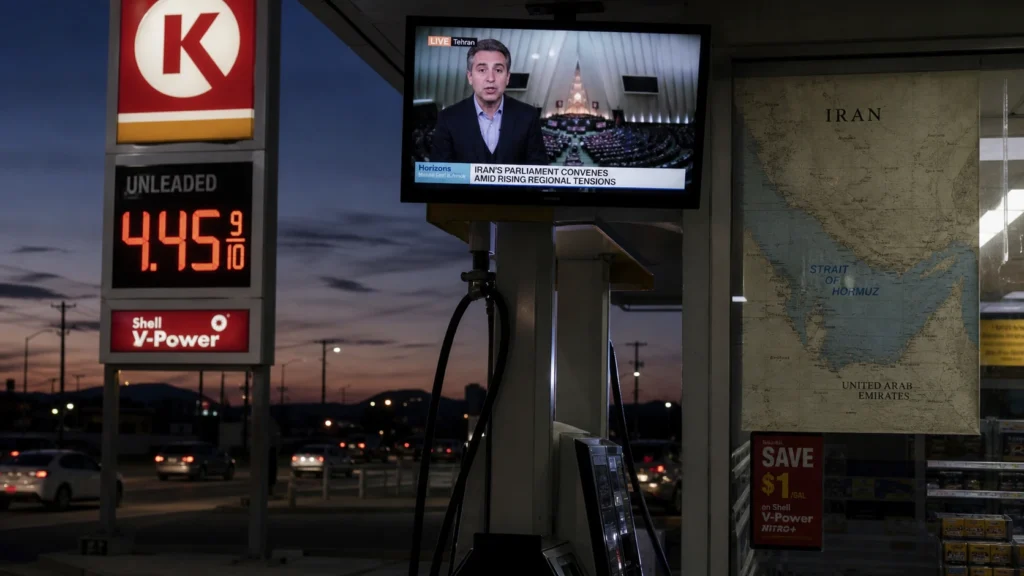
The economic impact reaches households long before governments admit it publicly.
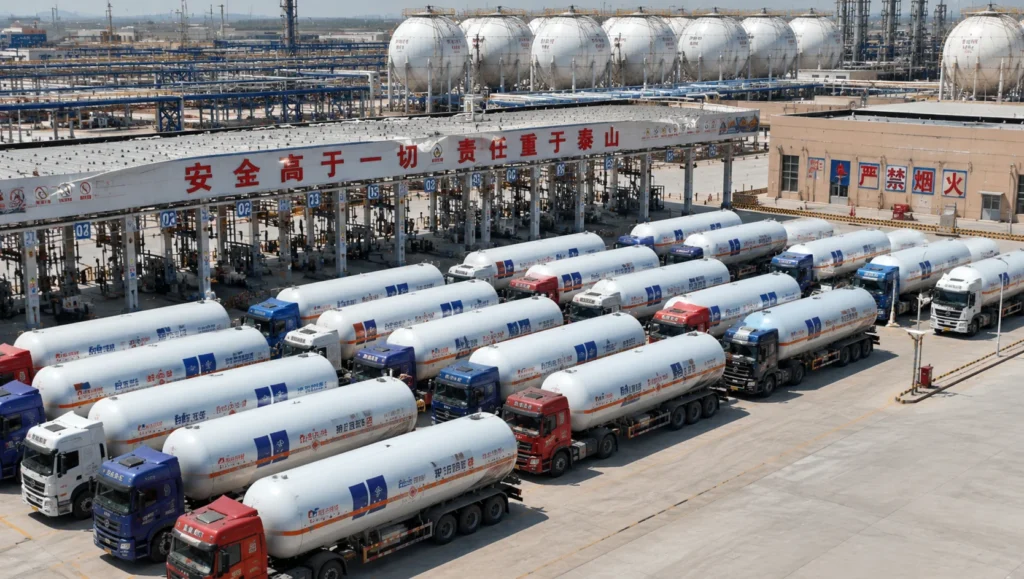
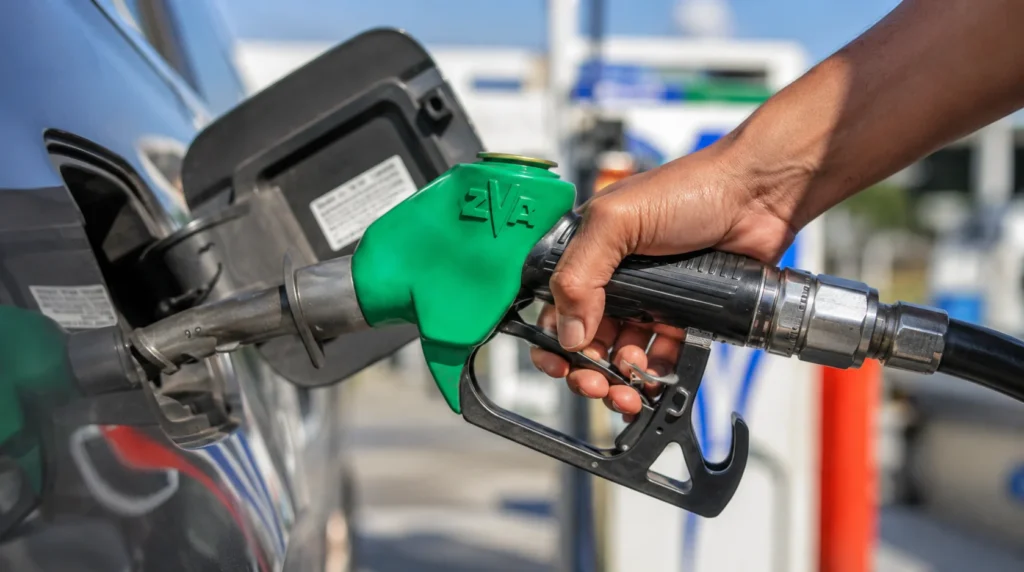
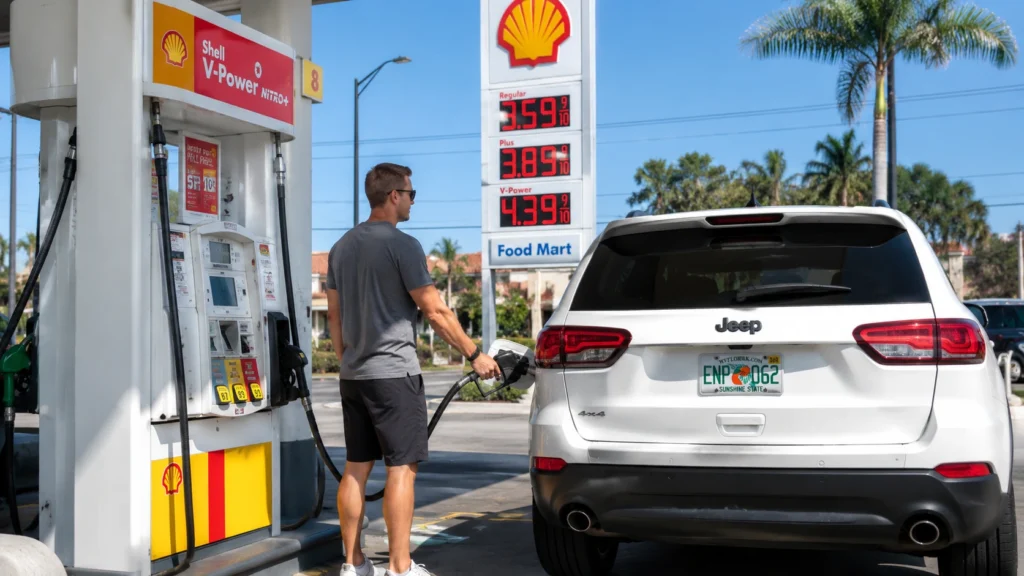
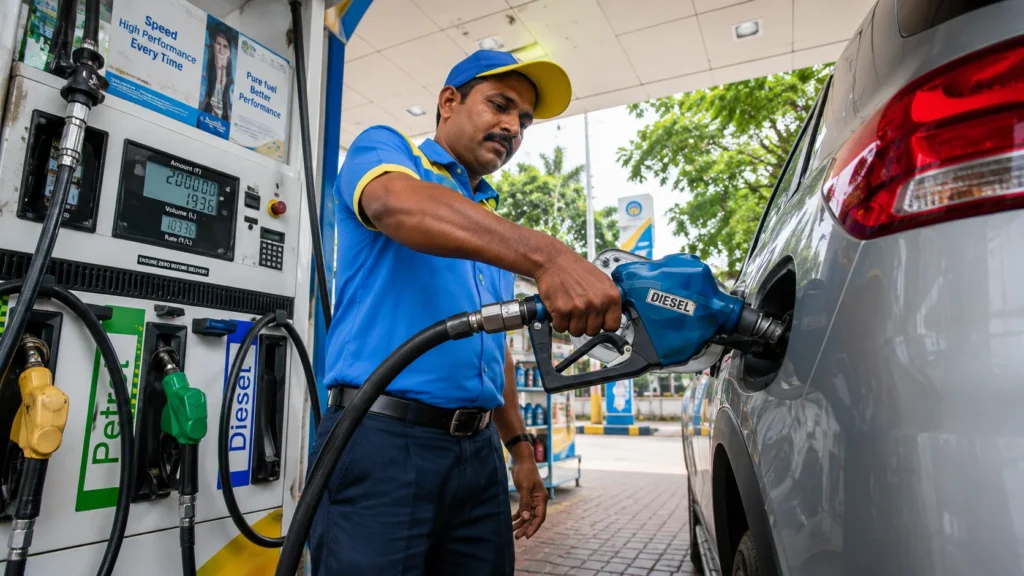
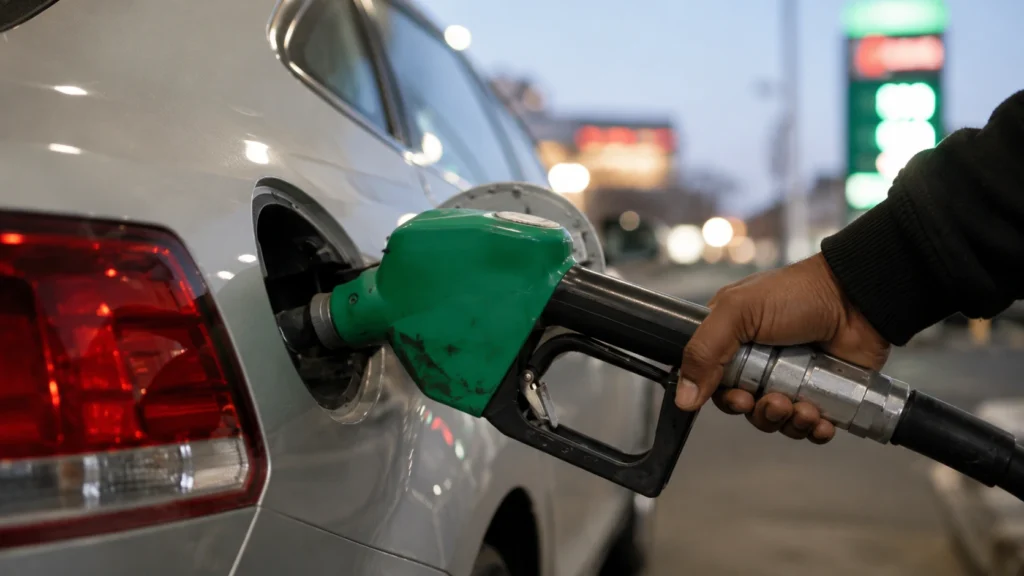
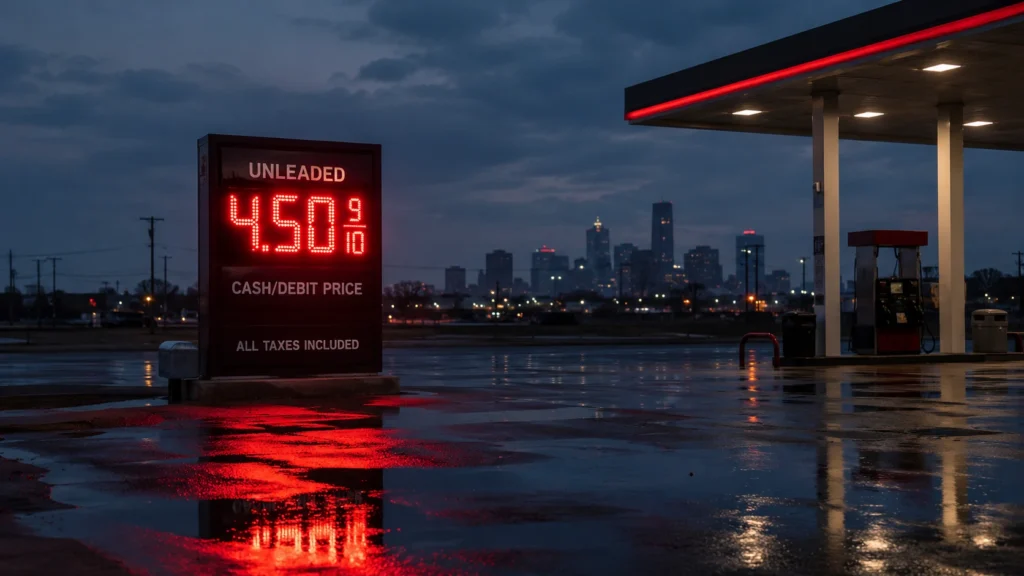
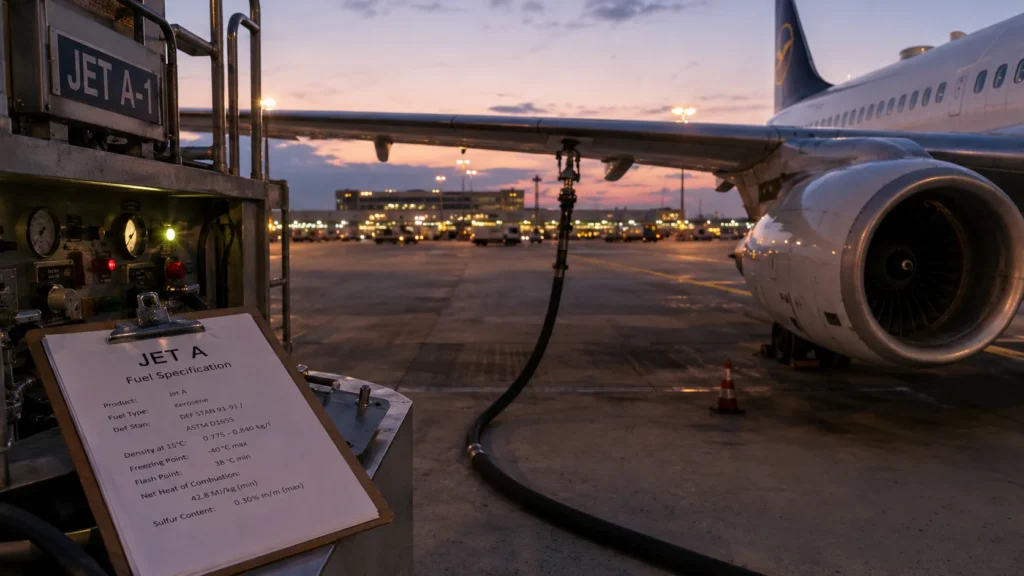
Higher shipping insurance costs often increase fuel prices first. Food transportation expenses usually follow because global supply chains depend heavily on oil-linked logistics networks.
Import-dependent economies feel the pressure fastest.
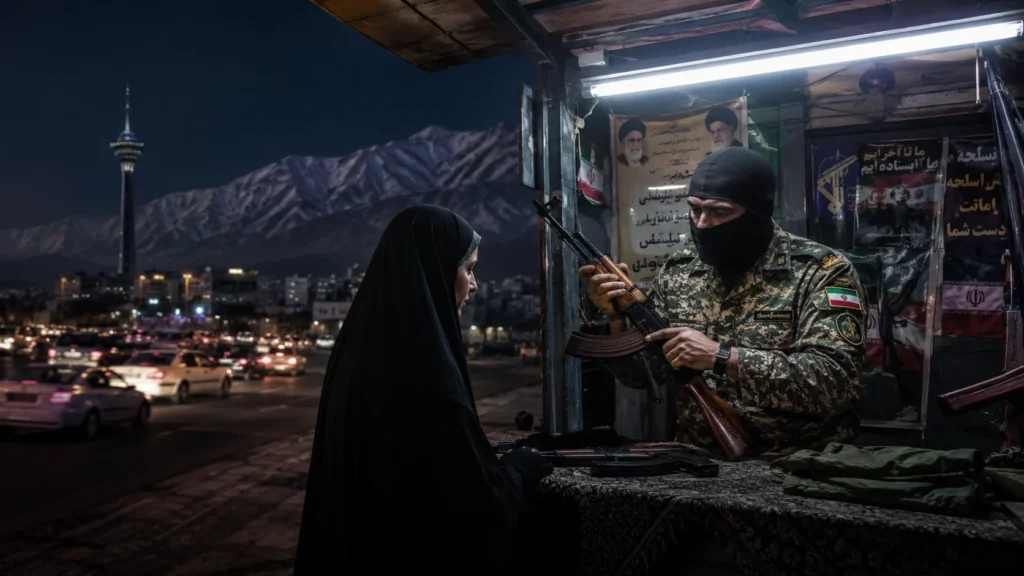
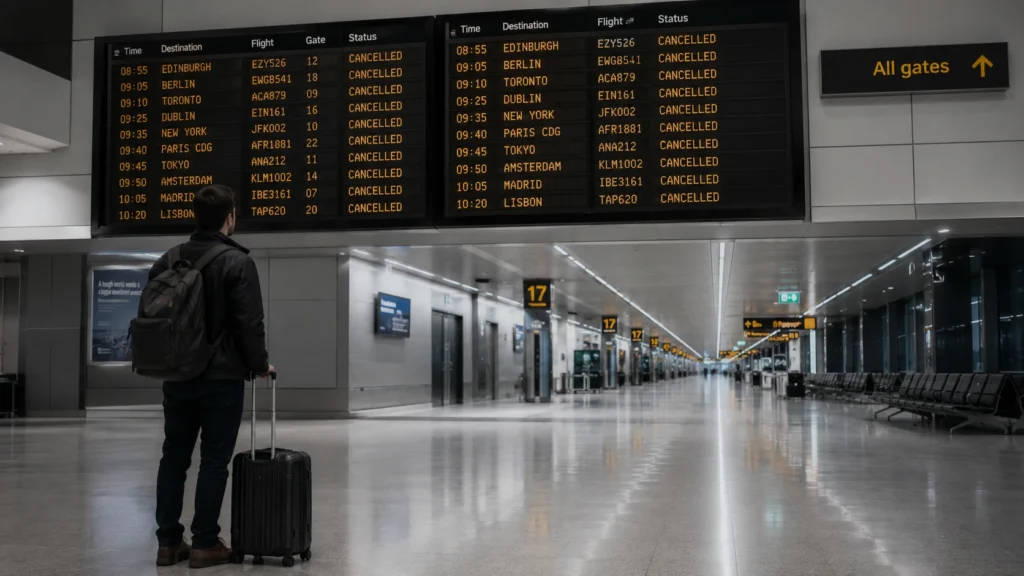
Inside Iran, sanctions and military pressure continue to squeeze consumer purchasing power. Across Gulf states, business sectors tied to tourism, aviation, and logistics face growing uncertainty whenever regional tensions spike.
As coverage of Red Sea shipping disruptions demonstrated during the 2024 shipping crisis, markets often lose confidence before supply chains fully break down.
What Comes Next?
More limited military exchanges near the Strait of Hormuz remain likely over the next several months.
The larger question concerns commercial confidence.
If shipping firms and insurers start pricing in long-term instability for Gulf trade routes, Asian and European economies may accelerate efforts to reduce their dependence on Middle Eastern energy corridors. China would likely expand overland trade investments across Central Asia and Pakistan, while Gulf states deepen diplomatic hedging between Washington and Beijing.
Watch three signals closely:
- Shipping insurance costs in the Gulf
- Oil tanker traffic through the Strait of Hormuz
- Chinese infrastructure expansion tied to alternative trade routes
Those indicators will reveal whether this conflict stays regional or reshapes global trade flows.
FAQ
Why are US strikes on Iran important?
US strikes on Iran matter because they threaten stability near the Strait of Hormuz, a critical route for global oil and LNG shipments.
How does the Strait of Hormuz affect oil prices?
Around 20% of global oil trade passes through the Strait of Hormuz. Military tensions near the route often raise shipping and energy costs worldwide.
Why did the US target Bandar Abbas?
US officials said Iranian drone infrastructure near Bandar Abbas posed threats to commercial shipping and military operations around the Strait of Hormuz.
Which countries benefit from Gulf instability?
China gains diplomatic leverage by presenting itself as a stable economic partner, while Russia often benefits from higher oil prices during regional crises.
Author Note
Written by a senior geopolitical and energy markets analyst covering Middle East security, maritime trade routes, and global economic risk.