

 English
































































Curry Signed With Li-Ning. Under Armour Just Lost Its Map.
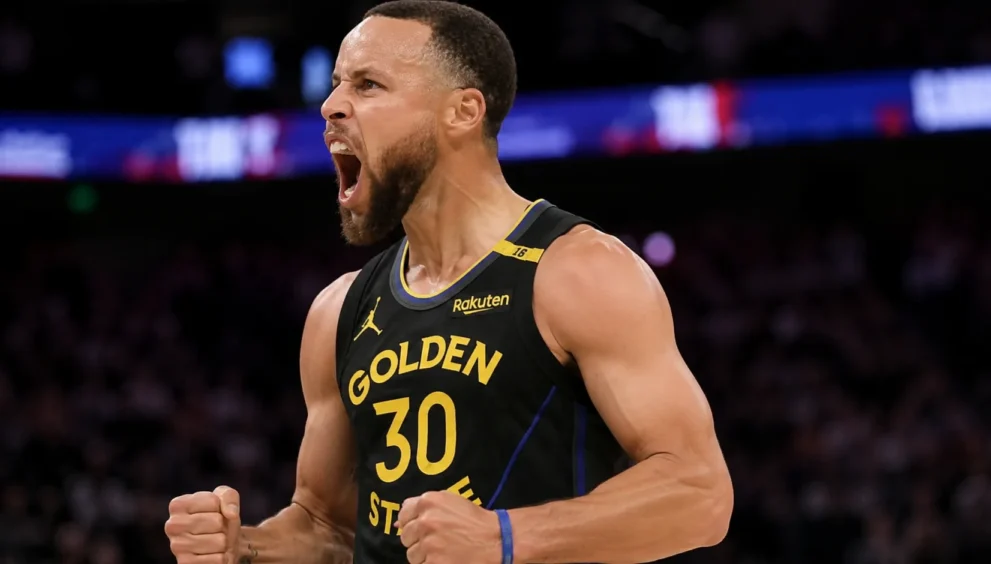
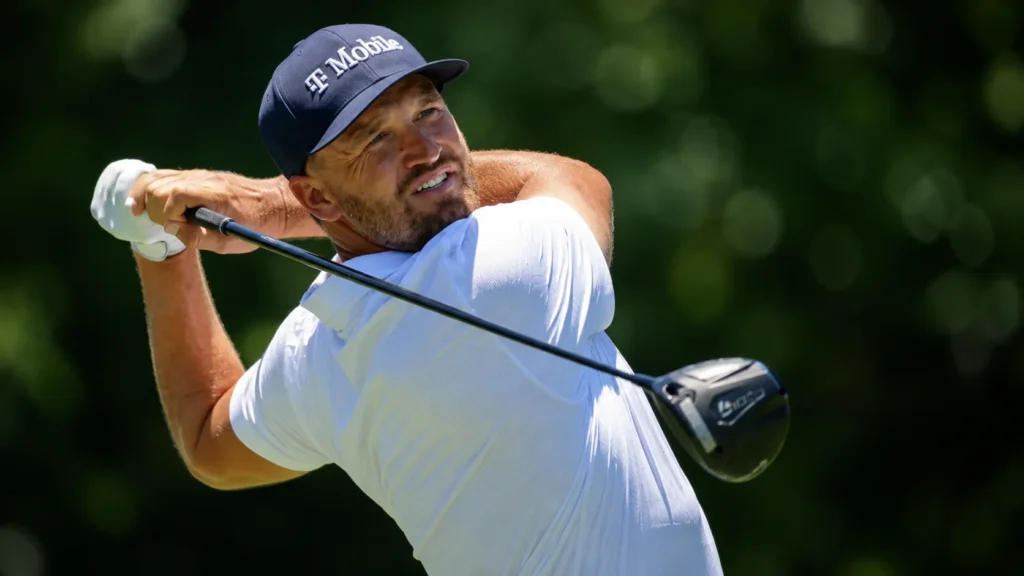
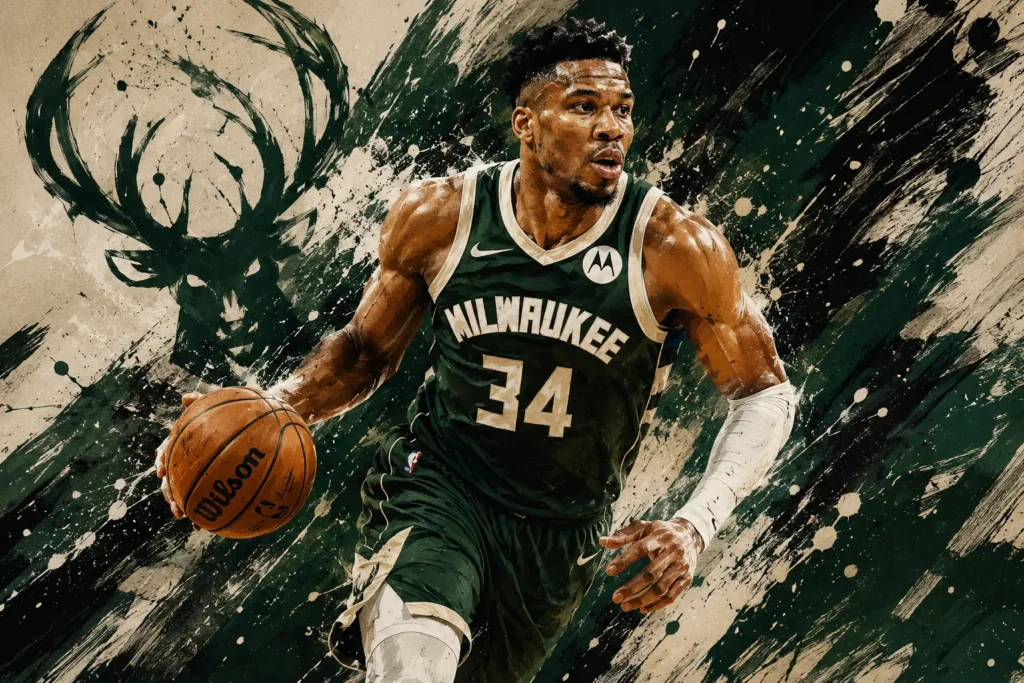
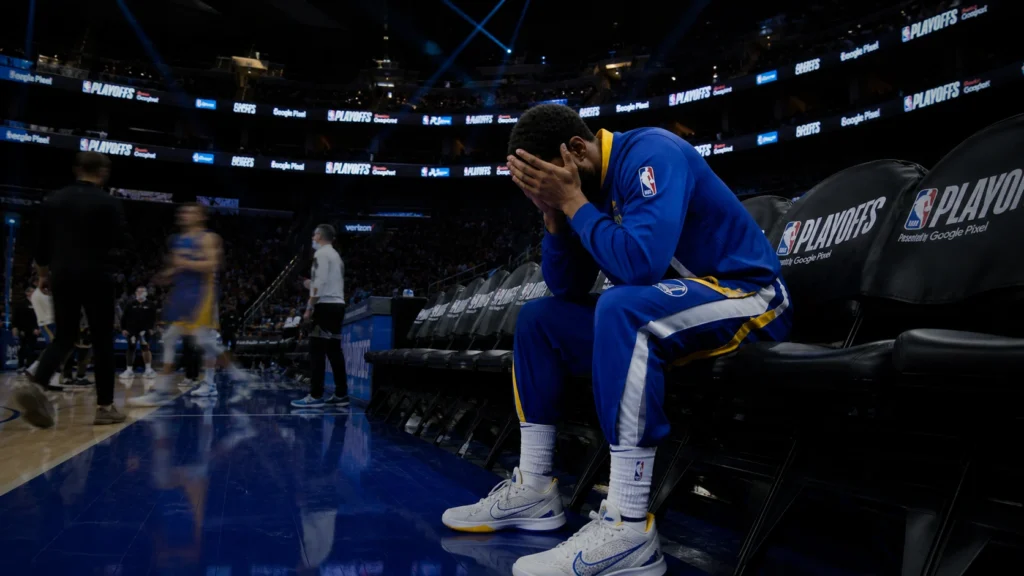
On June 2, 2026, Golden State Warriors superstar Stephen Curry announced a partnership with Chinese sportswear giant Li-Ning. The 38-year-old four-time NBA champion ended a 12-year relationship with Under Armour last year. The new deal goes far beyond shoes. Curry signed with Li-Ning to launch his own signature chain of branded retail stores across China and the U.S. No dollar figure was provided in the announcement. No press conference followed. Just a video on Curry’s Thirty Ink website and confirmation from Li-Ning that the collaboration would “start with golf and basketball.” The old endorsement model died sometime in 2025. This deal buried it.
THE QUESTION EVERYONE IS ASKING: WHY CURRY LEFT UNDER ARMOUR
The split was not about money. Not primarily.
Curry spent 12 years as Under Armour’s most important cultural asset. His signature shoe line gave the Baltimore-based performance brand permission to compete in basketball against Nike and Adidas. But as our analysis of Under Armour’s declining basketball market share documented, the company never built the retail infrastructure to match Curry’s global profile.
Curry needed something Under Armour could not offer: a physical store footprint in China, the world’s second-largest consumer market, and an operational partner capable of building branded retail in the U.S. without starting from zero. Li-Ning, with more than 7,000 stores across Asia and a growing international ambition, could.
The partnership structure reveals the shift. According to Steph Curry’s official announcement on Thirty Ink website, Li-Ning will collaborate on product development across multiple categories. They will launch standalone Curry Brand stores—not shop-in-shops, not pop-ups—in both countries. Curry retains brand equity. Li-Ning handles production and distribution. This is a joint venture. Not a licensing deal.
THE BASICS: WHAT YOU NEED TO KNOW
Li-Ning, founded in 1990 by the Olympic gymnast of the same name, is one of China’s largest sportswear companies. It already partners with NBA stars Dwyane Wade and Jimmy Butler. The Curry deal represents its most aggressive push into the U.S. market to date.
Linda Yu from marketing agency Red Ant Asia called the partnership a “landmark victory,” demonstrating that Chinese sportswear brands can compete with Nike and Adidas for top-tier talent. Sportswear marketing consultant Wei Kan described it as “a real marker for the industry”—a step beyond the traditional model of putting a famous face on existing products.
The deal terms remain undisclosed. Neither Li-Ning nor Curry’s camp released financial details. The silence is strategic. This was never about the contract value. It was about the business structure.
HOW THE DEAL CAME TOGETHER
- 2013: Steph Curry signs with Under Armour after leaving Nike. The deal transforms Under Armour’s basketball credibility.
- 2015-2022: Curry wins four NBA championships with the Warriors. His signature shoe line grows but never reaches the sales volumes of LeBron or KD.
- 2023-2025: Under Armour struggles with flat revenue growth and retail footprint limitations. Curry’s Thirty Ink business arm expands into media, publishing, and brand ventures.
- Mid-2025: Curry’s Under Armour contract expires. He becomes a free agent in the endorsement market for the first time in over a decade.
- Late 2025 – Early 2026: Multiple brands pursue Curry. Li-Ning emerges as a frontrunner, offering retail ownership and operational partnership.
- June 2, 2026: Curry announces the Li-Ning deal via Thirty Ink. No press conference. No disclosed terms. Just a video and a promise to open stores.
What the timeline reveals is a long, quiet preparation. Curry did not leave impulsively. He built Thirty Ink to be ready for this. Under Armour had years to offer a comparable structure. It did not.
THE DEEPER SHIFT: CHINESE BRANDS NO LONGER NEED TO HIDE
The Li-Ning deal signals something larger than one athlete’s career move. Chinese sportswear brands no longer want to manufacture for Western labels. They want to own the athlete relationship directly.
Anta, Li-Ning’s chief domestic rival, already holds partnerships with Klay Thompson and Kyrie Irving. It bought Fila’s Chinese rights and acquired a key stake in Puma this year. But Li-Ning’s Curry deal is different. It does not rely on acquiring a distressed Western brand. It walks into America under its own name, with the most beloved player of his generation as its partner.
As our feature on Chinese sportswear brands’ global expansion strategy detailed, this marks a turning point. The old playbook—buy a Western label, operate it separately, keep the Chinese identity invisible—is dead. Li-Ning is betting that American consumers will walk into a Chinese-branded store if Steph Curry’s name is above the door.
The bet is not guaranteed. Store buildouts in the U.S. are expensive. Curry’s name opens doors. It does not guarantee sustained foot traffic. But the bet is now placed.
THE IMPLICATIONS: WHO WINS, WHO WORRIES
For Under Armour, the damage is more symbolic than financial. Curry’s shoe line was never the revenue driver that LeBron’s is for Nike. But the brand signal is devastating. The athlete who gave Under Armour cultural permission to compete in basketball just signed with a Chinese rival that now has direct access to American retail. Under Armour’s basketball identity, already fragile, now lacks its organizing principle. The company faces a question it has avoided for years: what is its basketball identity without him? As our recent assessment of Under Armour’s post-Curry future explored, the answer remains unclear.
For Li-Ning, the gain is both operational and symbolic. It gets Curry’s global profile, his product development input, and a structured path to U.S. retail. It also gets something less tangible: proof that a Chinese brand can win a bidding war for a top-five global athlete against Nike, Adidas, and Under Armour. That proof will matter in every future negotiation.
For NBA agents, the negotiating template just changed. The question is no longer “how much per year?” It is “how many stores, where, and who owns the equity?” The athlete endorsement model, unchanged for decades, just cracked.
FREQUENTLY ASKED QUESTIONS
Why did Steph Curry leave Under Armour?
Curry’s 12-year Under Armour contract expired in 2025. He wanted a physical retail footprint, equity in branded stores, and an operational partnership. Under Armour, constrained by its U.S.-focused retail limitations, could not offer the same package Li-Ning proposed.
What makes the Li-Ning deal different from a typical endorsement?
Standard endorsements put an athlete’s face on products for a fee plus royalties. Curry’s deal involves joint product development, standalone Curry Brand stores in the U.S. and China, and retained brand equity. It is structured as a partnership, not a licensing arrangement.
Is Li-Ning a major global brand?
Li-Ning operates more than 7,000 stores across Asia and is one of China’s largest sportswear companies. Its international profile is growing through athlete partnerships with Dwyane Wade, Jimmy Butler, and now Steph Curry. The Curry deal marks its most ambitious U.S. market entry.
Will Curry Brand stores open in the United States?
Yes. Both Curry and Li-Ning confirmed plans for Curry Brand stores in the U.S. and China. No timeline or locations have been announced. The first U.S. opening will signal the seriousness of the commitment.
What happens to Under Armour’s basketball business now?
Under Armour retains its basketball product line but loses its defining athlete. The company will need to articulate a new basketball strategy—likely focused on grassroots development, college partnerships, or a new marquee signing. The cultural signal damage outweighs the direct revenue loss.
WHAT TO WATCH NEXT
Three signals will determine whether this deal reshapes the industry or becomes a one-off.
First, the store rollout timeline. If a Curry Brand store opens in Los Angeles, New York, or the Bay Area within 12 months, Li-Ning’s commitment is credible. Delays suggest operational hurdles the announcement papered over.
Second, Under Armour’s response. The company cannot replace Curry. It can only redefine its basketball strategy. A pivot toward grassroots or college talent development is possible. A quiet retreat from the category is equally possible.
Third, the next superstar deal. Luka Doncic, Jayson Tatum, and Anthony Edwards will all watch Curry’s model closely. If one follows the equity-and-retail path, the old endorsement model is finished.
Watch the stores. They will tell you whether this was a signing or something bigger.
AUTHOR BIO
Written by the Sports Business desk, covering the intersection of athlete economics, brand strategy, and global market shifts for over a decade.