

 English






























































































































































Andy Biggs Seeks Arizona Governor Seat as GOP Tries to End Losing Streak
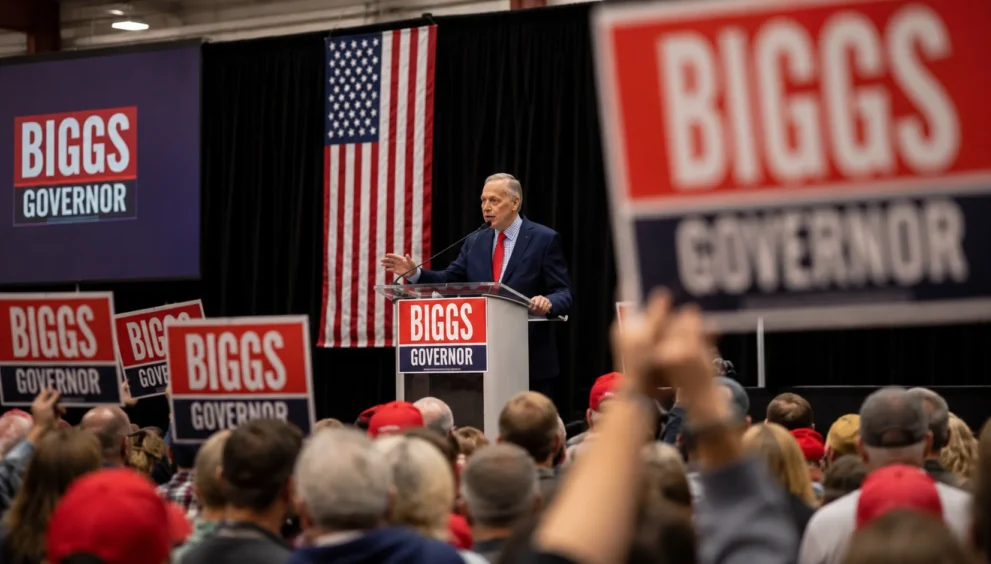
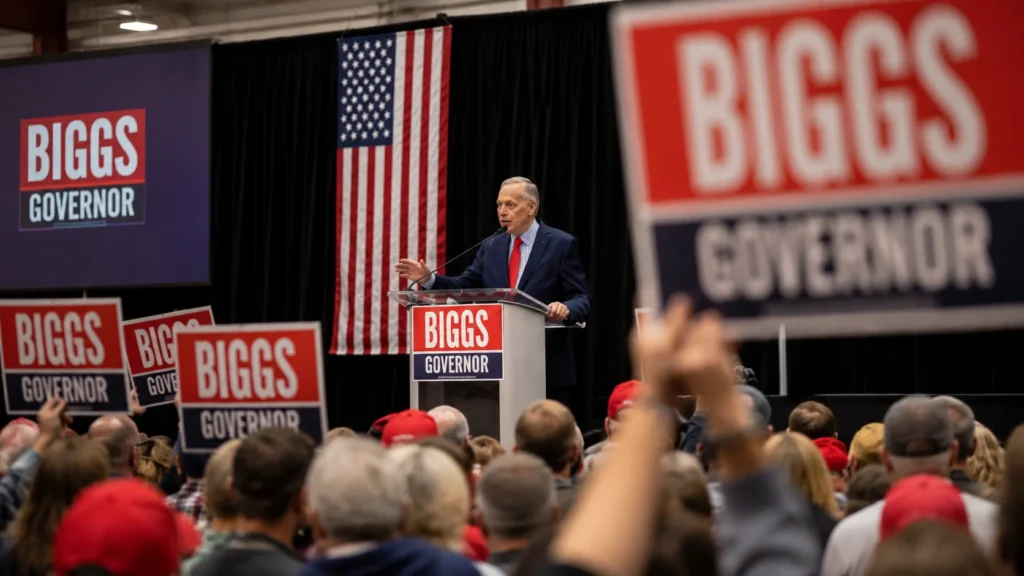
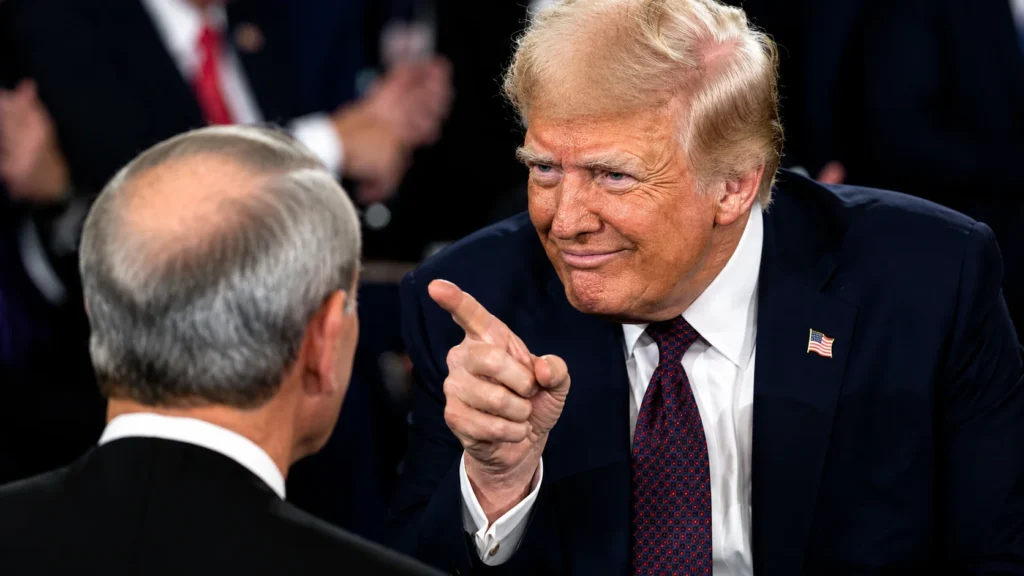
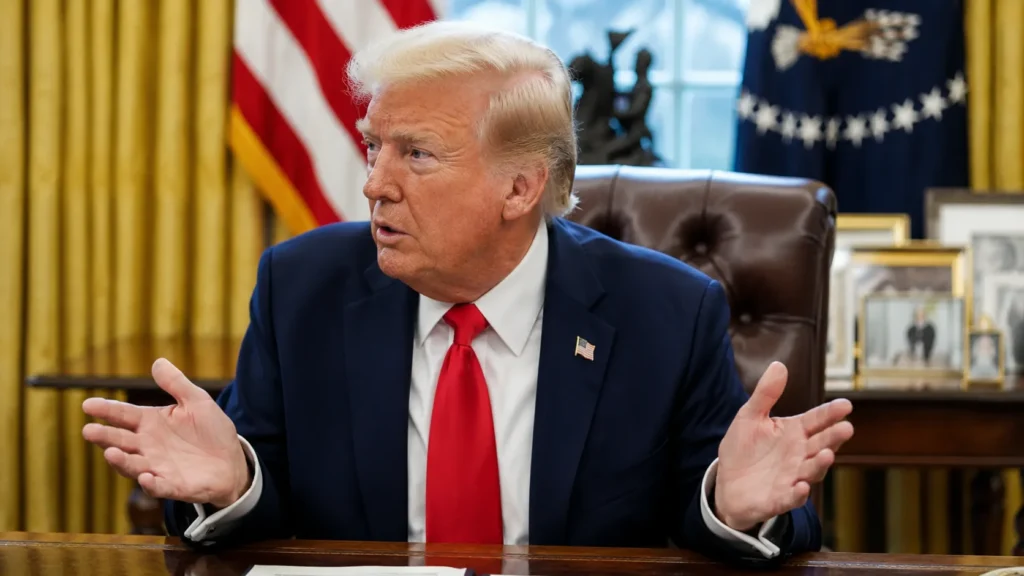
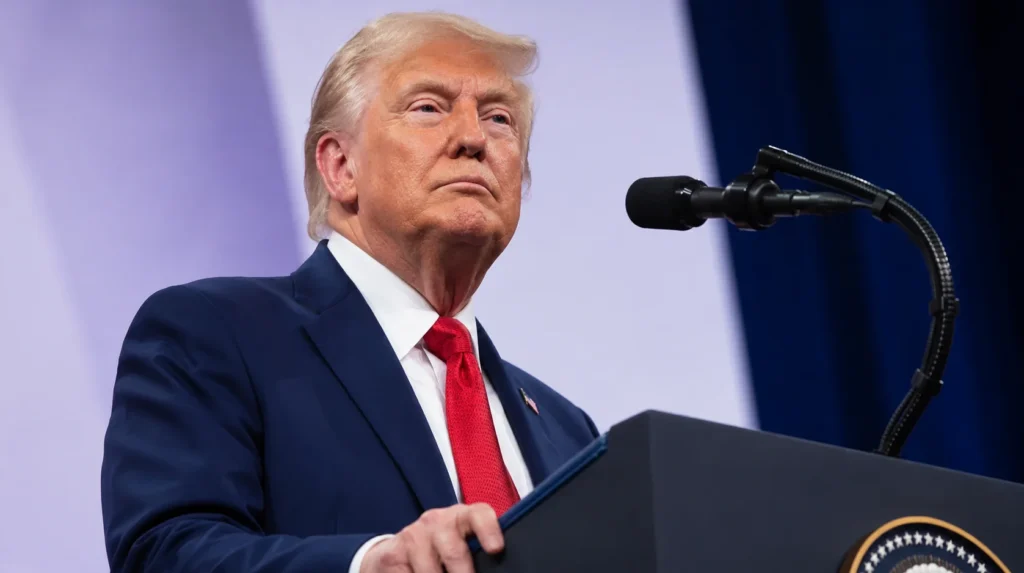
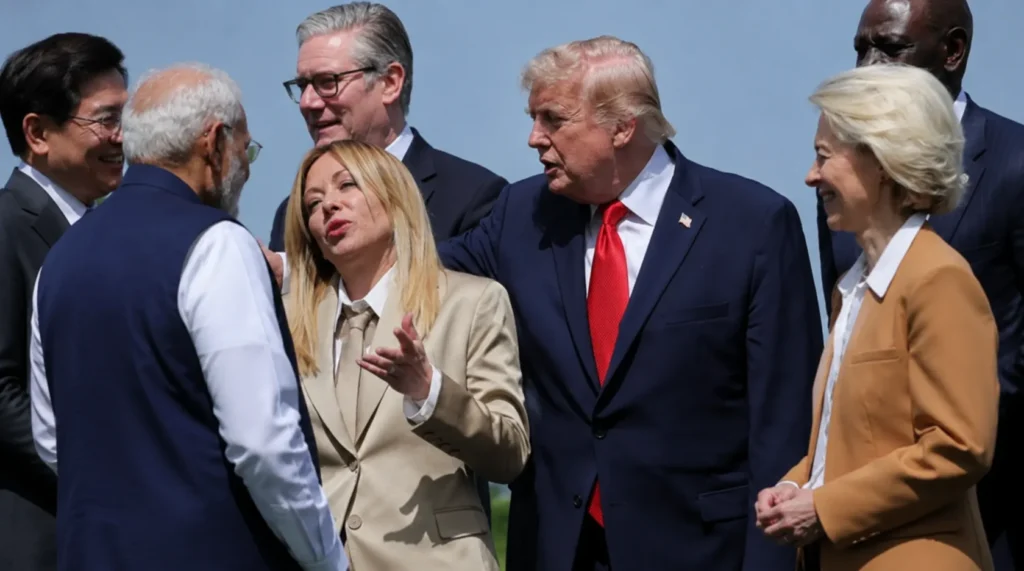
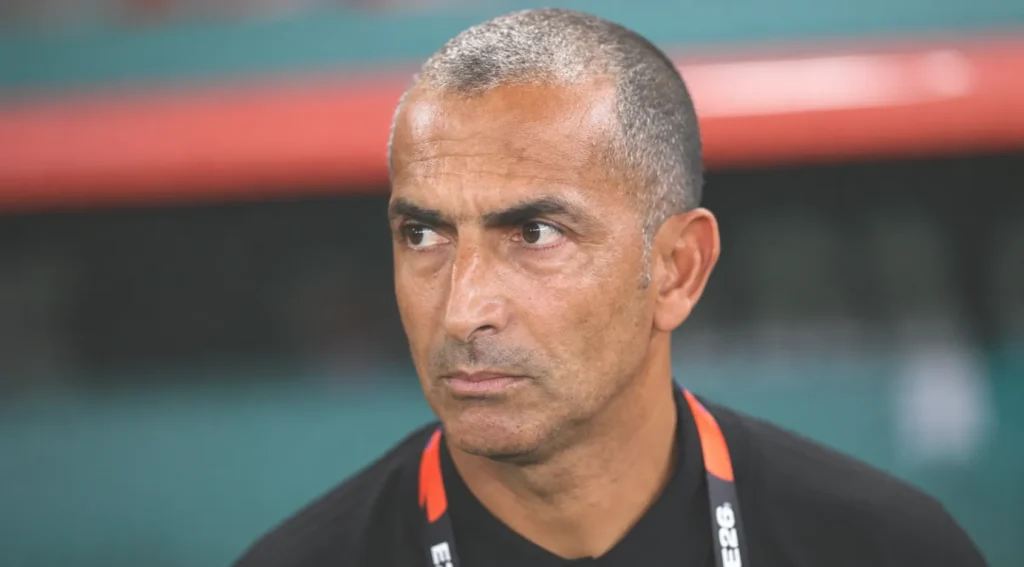
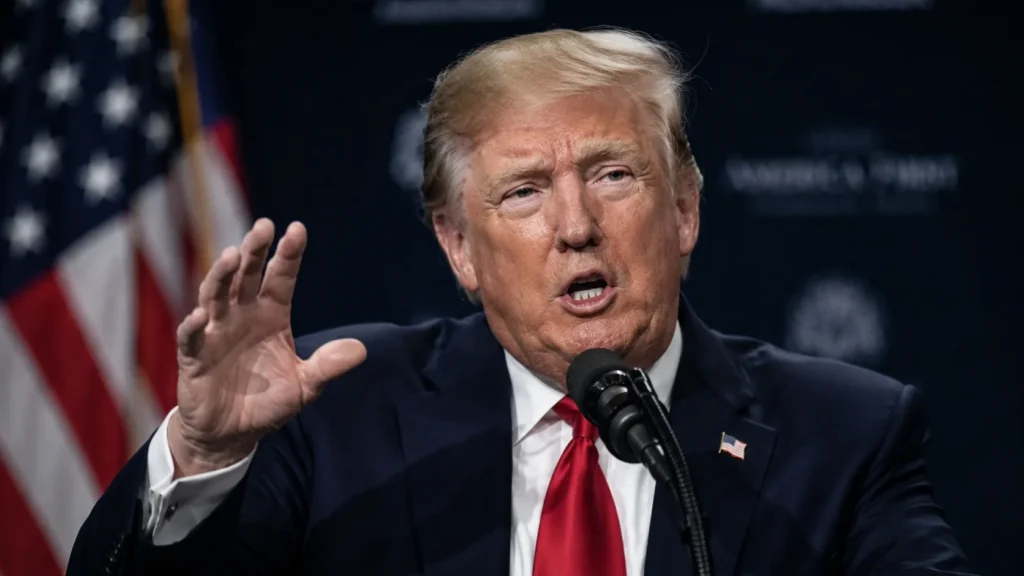
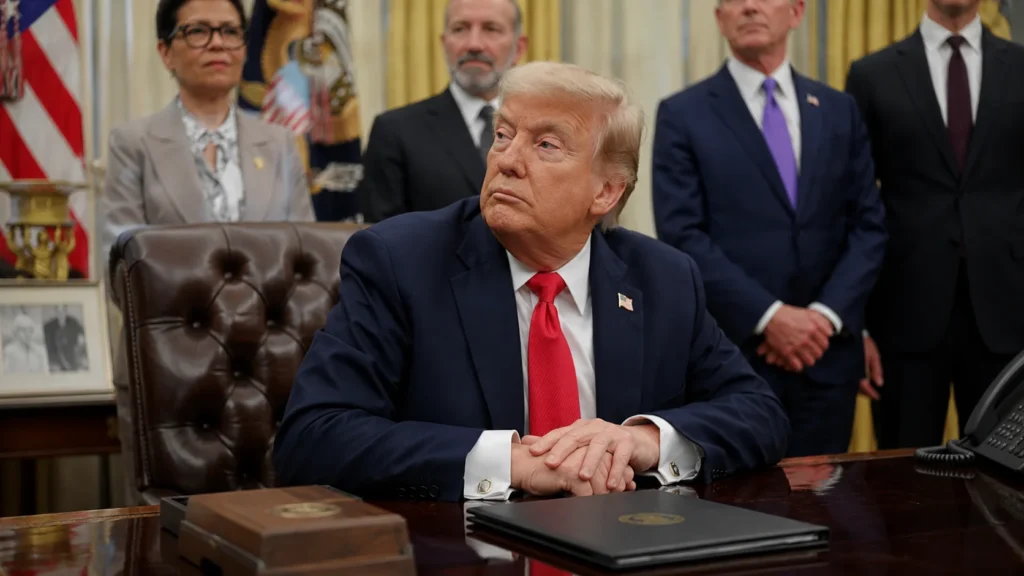
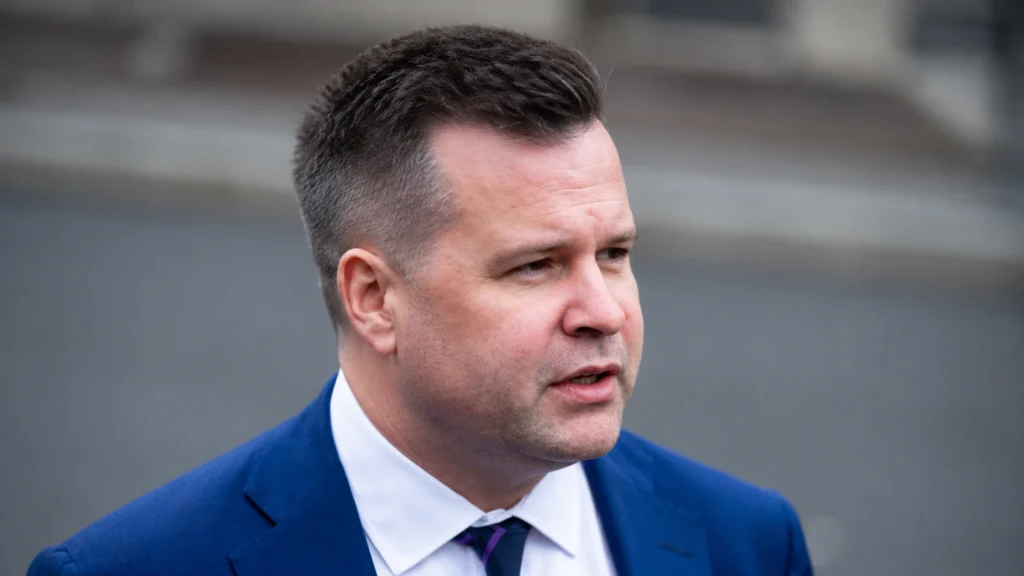
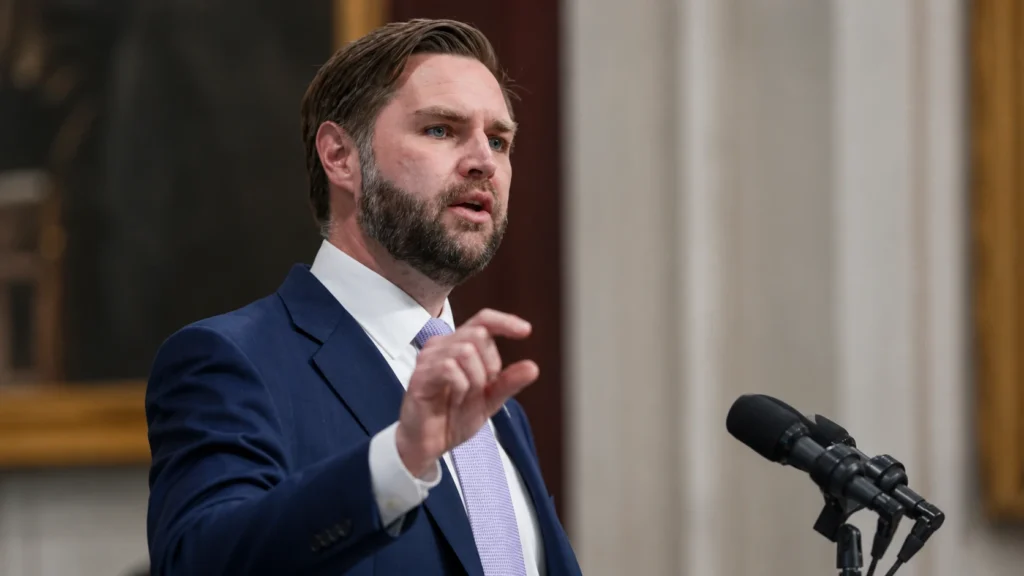
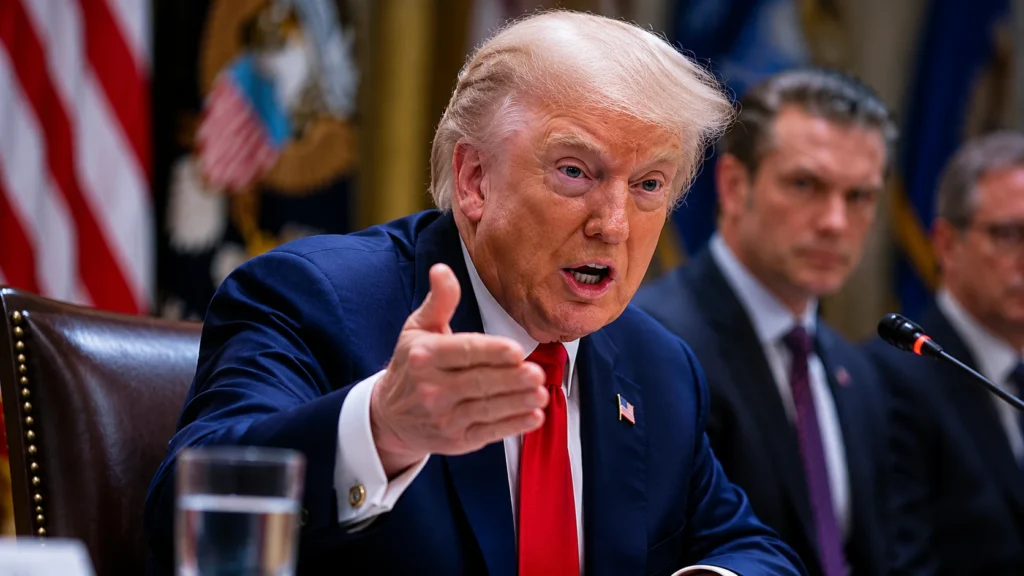
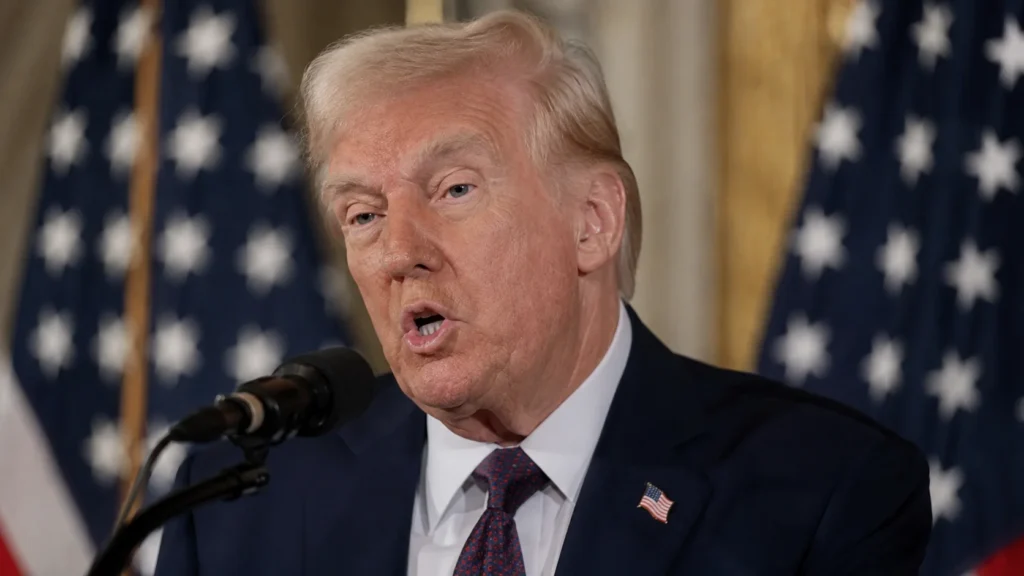
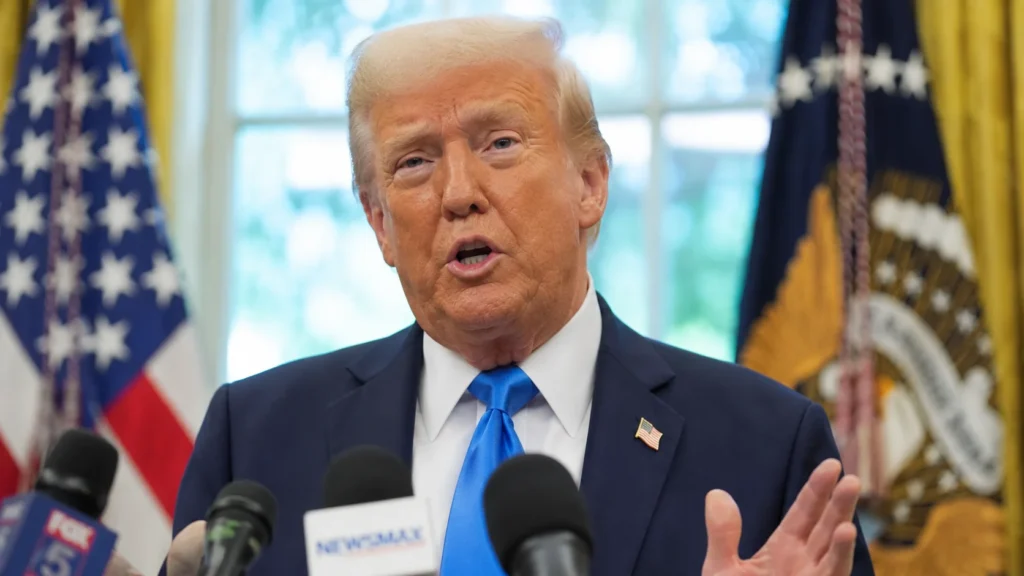
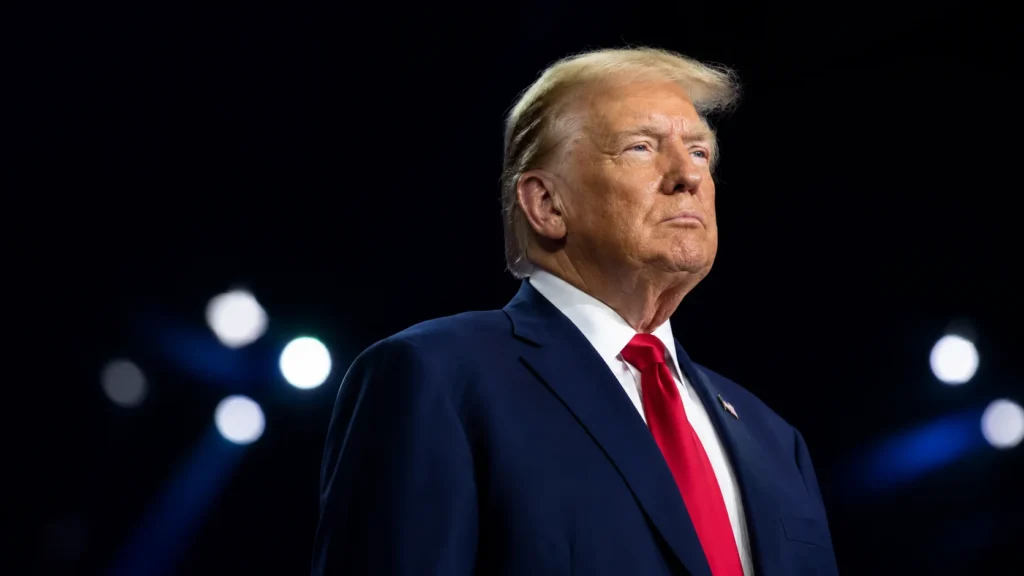
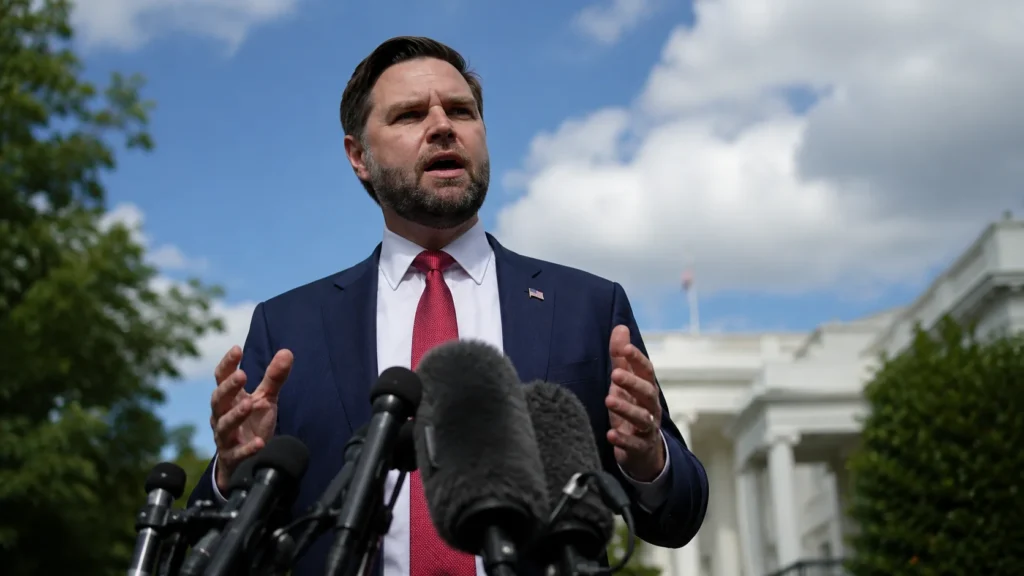
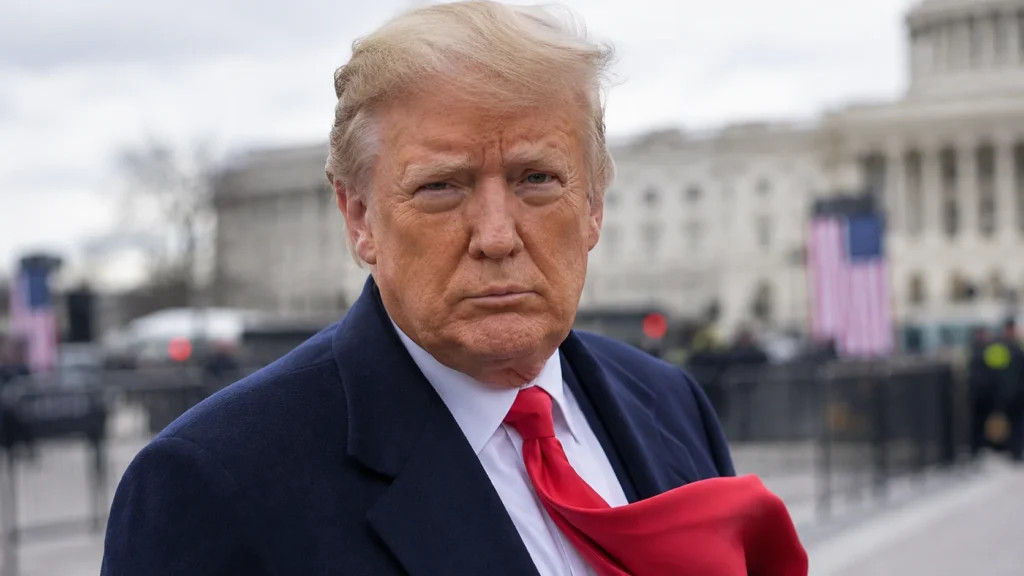
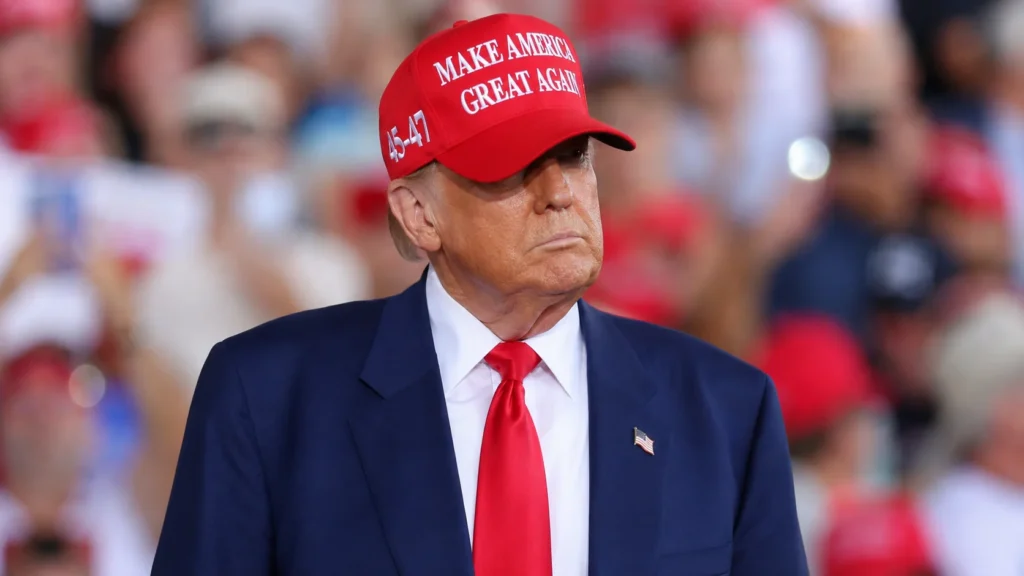
Representative Andy Biggs, a former chairman of the House Freedom Caucus and a central figure in the effort to overturn the 2020 election, is the frontrunner in Tuesday’s Republican primary for Arizona governor. The 67-year-old congressman has the endorsement of President Donald Trump and the backing of Turning Point, the conservative youth organisation founded by the late Charlie Kirk. He is attempting to succeed where Kari Lake and Blake Masters—two previous Trump-backed candidates—failed, both losing statewide races in a state where Republicans hold a registration advantage of about 300,000 voters.
Biggs has sought to distinguish himself from those predecessors. Lake famously told John McCain’s Republicans to “get the hell out” of a campaign event in 2022. Masters declared it was “not McCain’s Republican Party in Arizona anymore.” Both lost. Biggs tells crowds about working with McCain to pass legislation helping Native American tribes issue alerts when children go missing. Governor Katie Hobbs, a Democrat, has already begun framing the race around Biggs’s role in the January 6 effort to block certification of the 2020 election results.
The Pattern Biggs Is Trying to Break
Republicans have lost every major statewide race in Arizona since 2020 except the presidential contest. Trump carried the state by 6.5 points in 2024. Lake lost a Senate bid that same year. The pattern is consistent: MAGA candidates energise the Republican base but cannot win over the independent voters who decide Arizona elections. About one in three Arizona voters is not registered to a political party.
Biggs’s primary opponent, Representative David Schweikert, posed the question directly in the campaign’s lone debate last month: “Are you tired of losing?” Schweikert argued that Republicans cannot afford another Trump-backed candidate who cannot close the deal in a general election. But he lacked the resources to air that message consistently on television, and the primary has not been competitive.
Barrett Marson, a veteran GOP strategist in Arizona, told CNN that Biggs is “no Kari Lake”—which he said cuts both ways. “The coverage of her wasn’t positive, but sometimes getting your name out there is half the battle. Biggs barely commands the local TV stations. He’s unexciting.” But Marson added: “Also unlike Kari, he’s a true conservative, and he has a long record, sometimes to his detriment.”
According to CNN reporting on the Arizona Republican gubernatorial primary and Biggs’s campaign strategy, Biggs has emphasised his ability to work across the aisle, highlighting not only his work with McCain but also collaborations with former Democratic-turned-independent Senator Kyrsten Sinema, House Minority Leader Hakeem Jeffries, and Representative Ro Khanna, the California progressive.
As our analysis of Arizona’s electoral landscape and the Republican Party’s statewide struggles has documented, the state’s growing bloc of independent voters has been the decisive factor in recent elections. Trump won in 2024 because his margin among Republicans was large enough to overcome the independent deficit, but down-ballot Republicans have been unable to replicate that arithmetic.
The January 6 Record
Biggs’s role in the effort to overturn the 2020 election will be a central issue in the general election campaign if he wins the nomination as expected. The House committee that investigated the January 6, 2021, attack on the US Capitol reported that Biggs urged Trump not to concede and tried to organise Republican lawmakers in Arizona to support a pro-Trump slate of electors. Former White House aide Cassidy Hutchinson testified that Biggs was among a handful of Republicans who asked Trump for a pardon for their role in attempting to halt the certification of the election. Biggs has repeatedly denied the claim.
Hobbs, who oversaw the 2020 election as Arizona secretary of state, has already begun to frame the race around that record. “If Andy Biggs becomes governor, Arizona will be the first swing state with an election denier in charge,” she said this week. “And the time to stop that is not 2028. It is right now.”
Hobbs has spent $7 million on campaign ads since May, running a centrist message largely focused on affordability. She declined to debate Lake in 2022 before narrowly defeating her and would not commit on Monday to debating Biggs this autumn. The strategy is the same one that has worked for Democrats in the state for two consecutive cycles: run as a competent moderate, let the Republican’s record speak for itself, and rely on independent voters to reject the MAGA alternative.
According to House January 6 committee findings on Biggs’s role in the effort to overturn the 2020 election and Cassidy Hutchinson’s testimony regarding the pardon request, the congressman’s involvement in the post-election effort has been extensively documented in official proceedings.
The Turning Point Factor
Turning Point, the Phoenix-based conservative organisation founded by the late Charlie Kirk, has committed its political operation to Biggs, including the ballot-chasing programme that helped Trump win Arizona in 2024. Kirk personally backed Biggs before he was killed last September.
Tyler Bowyer, who leads Turning Point’s political arm, told CNN the organisation’s operation would not be as effective behind another nominee. “You have to have a candidate that the grassroots wants to support, and we have that in Andy,” Bowyer said.
Biggs’s supporters are eager for a candidate who can succeed where Lake did not. “God bless her but we’re just ready for something new,” said Mickie Martinez, a substitute teacher from Gilbert. “It’s time.”
But some in the crowd at a rally on Friday expressed views that could complicate Biggs’s general election positioning. A local elected leader who spoke before Biggs said Hobbs was “named”—not elected—governor in 2022. An attendee named Ed Runge said Republicans have lost recent statewide contests because of “the elephant in the room—the integrity of the elections,” adding he still had “his doubts” about whether Lake and Masters lost. Multiple reviews and audits of the 2022 and 2024 elections have affirmed the results.
As our coverage of election denialism and its impact on Republican candidates in battleground states has tracked, the tension between candidates attempting to pivot to forward-looking messages and supporters who remain focused on 2020 has been a persistent challenge for the party in competitive races.