

 English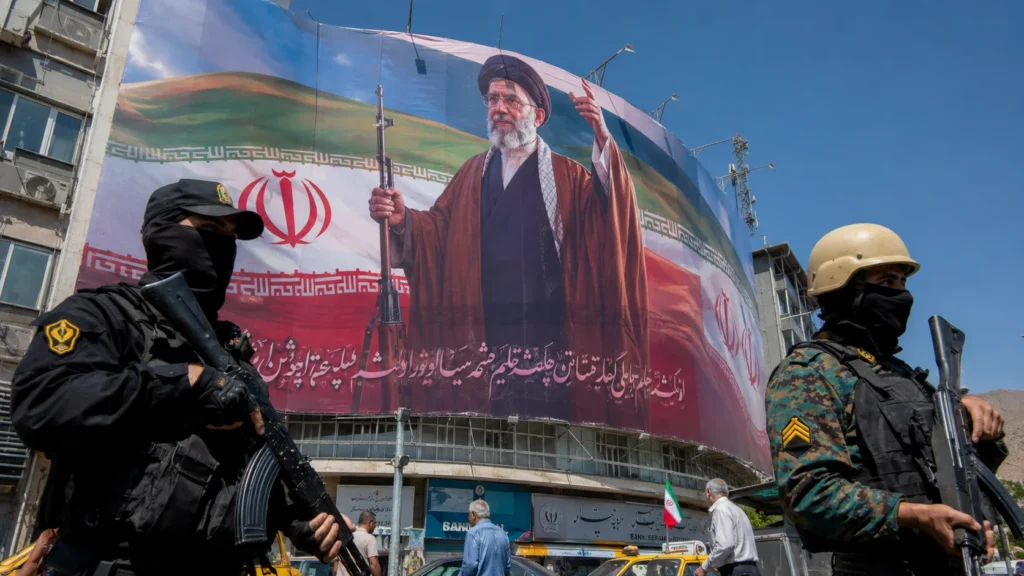












































































































































































































US-Iran Exchange of Fire Tests the Strait of Hormuz Order
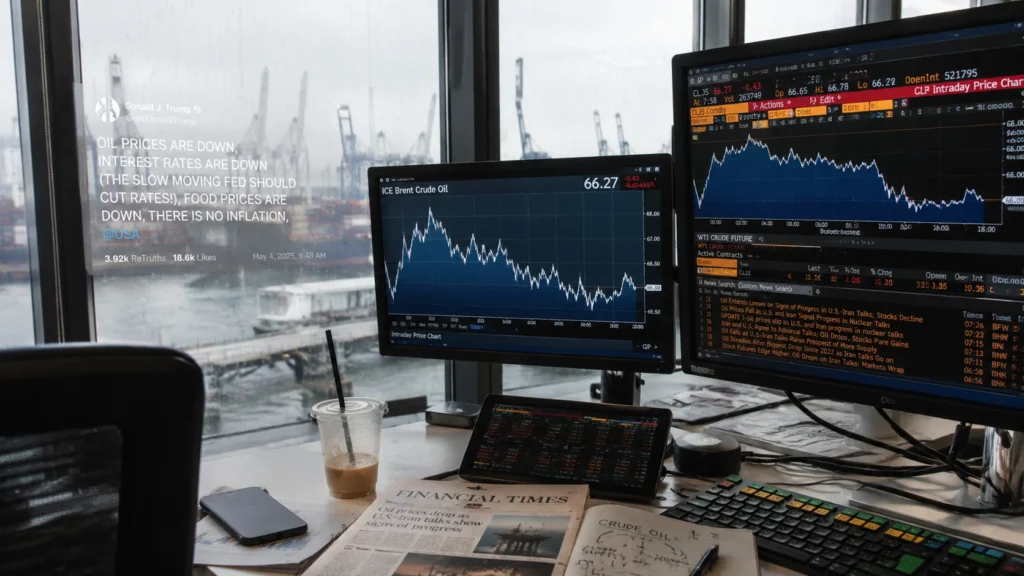
Oil traders watched the Strait of Hormuz before diplomats drafted statements. They always do.
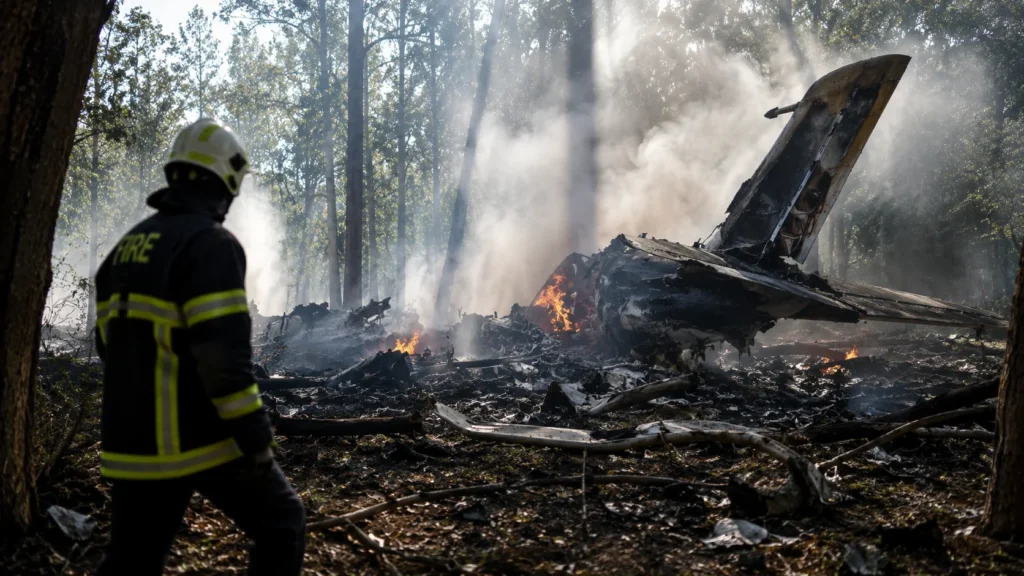
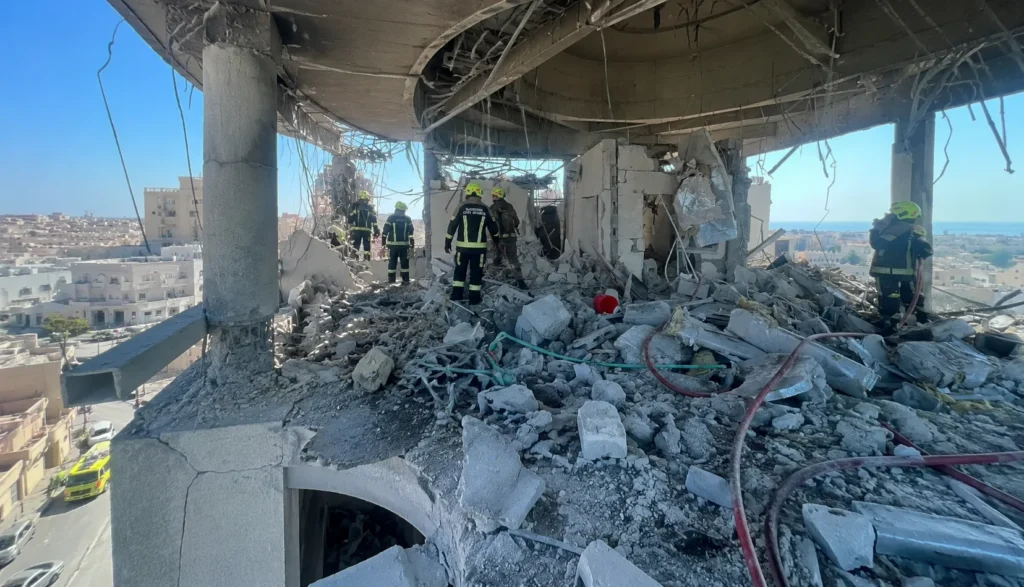
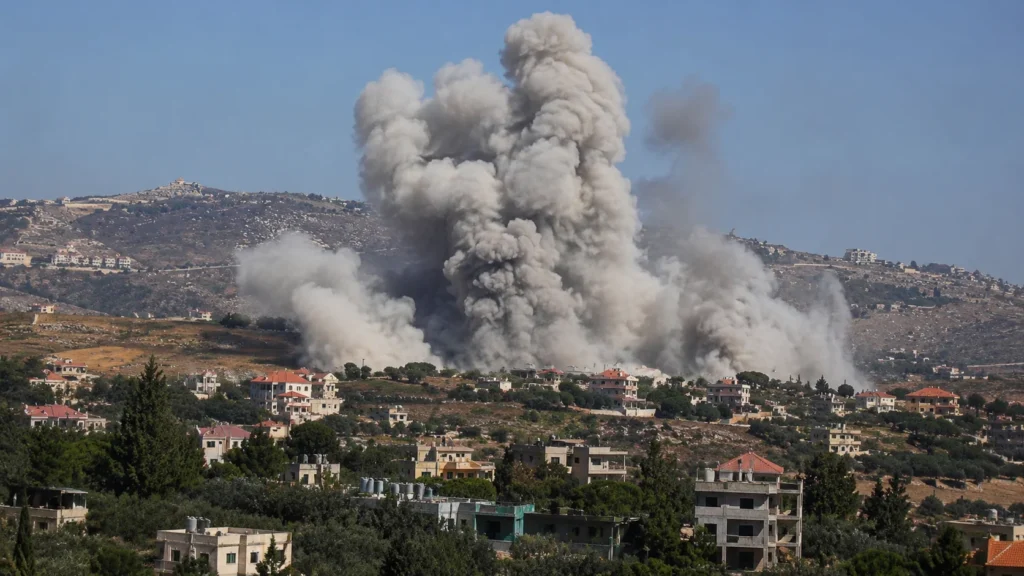
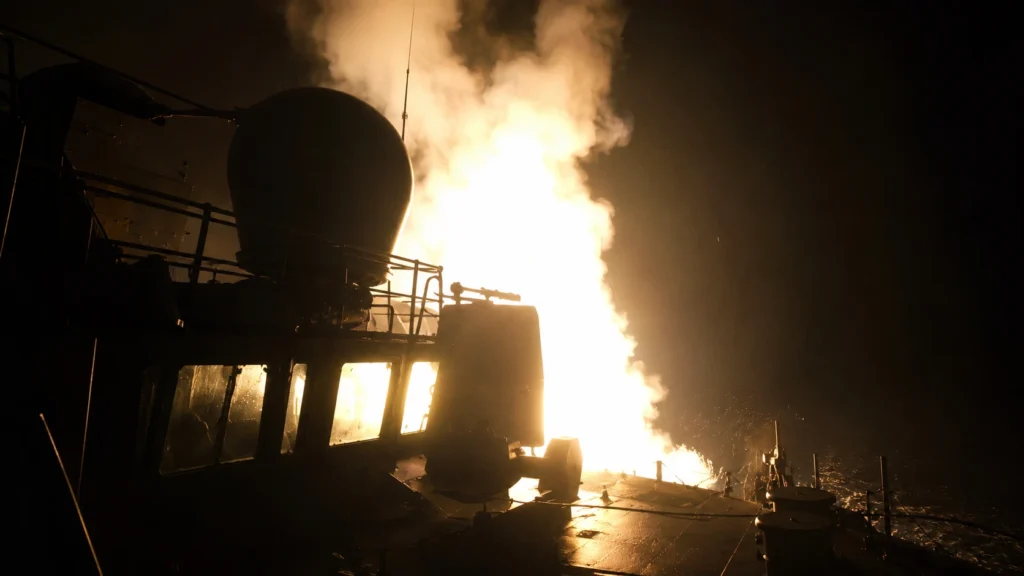
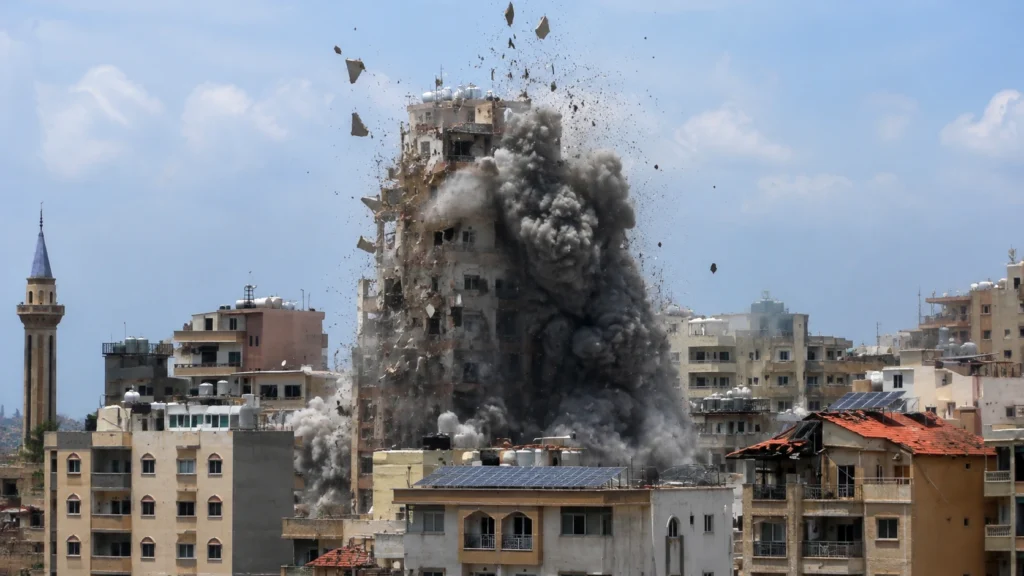
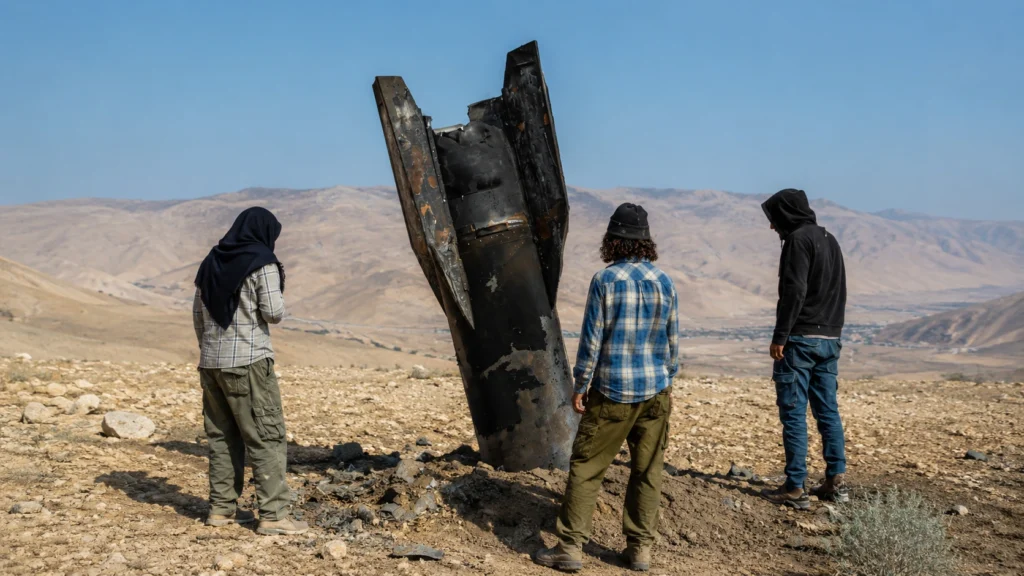
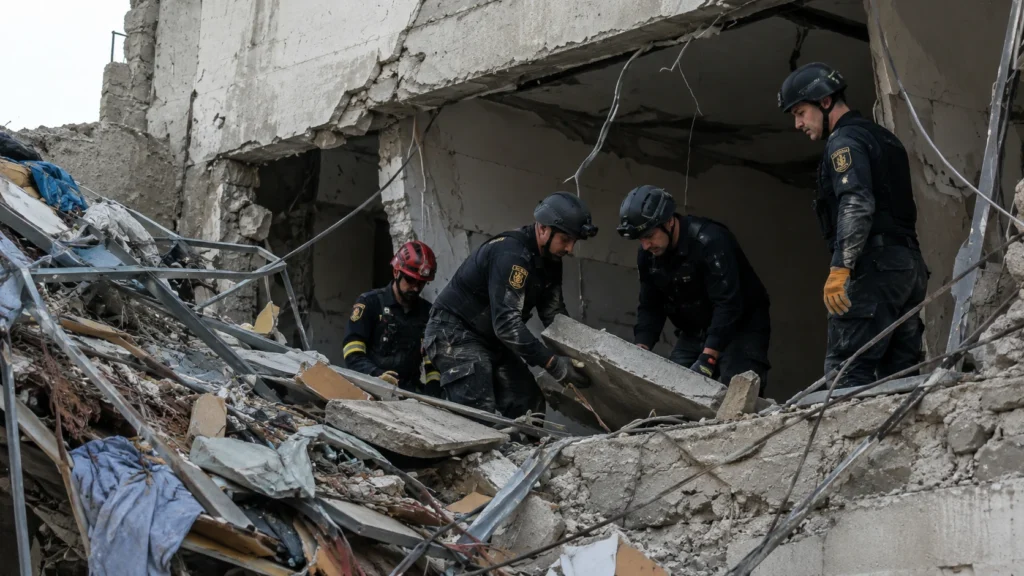
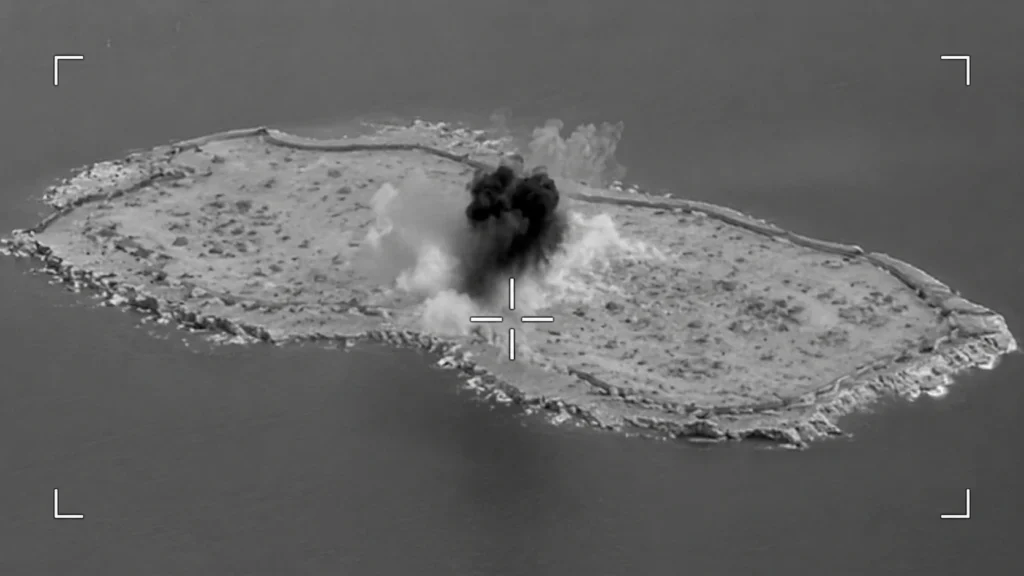
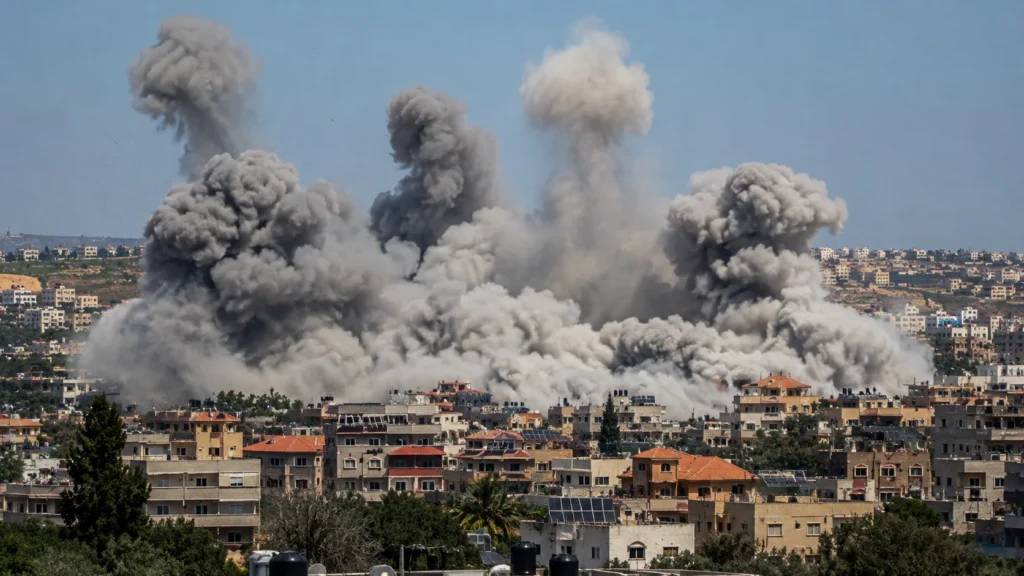
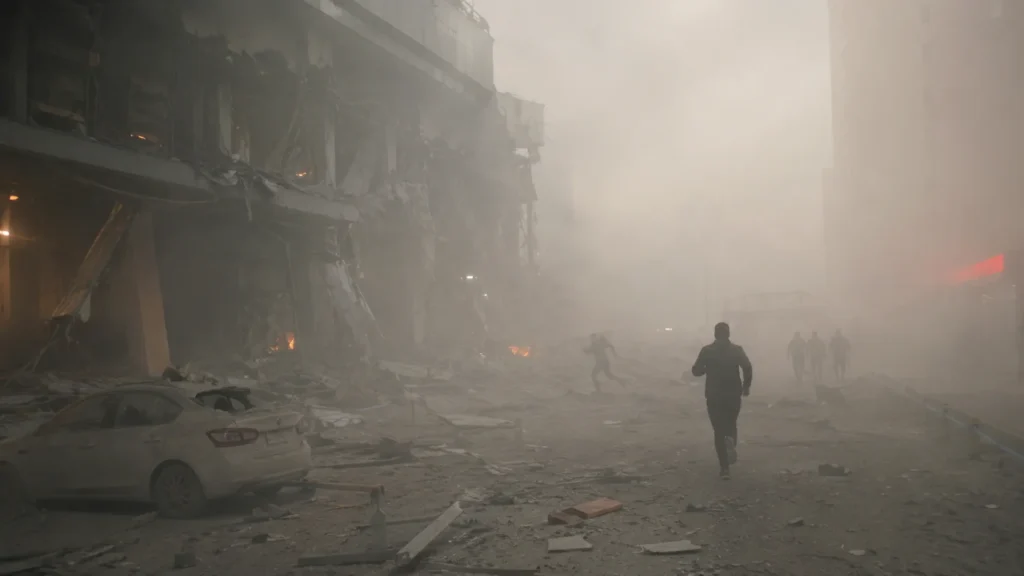
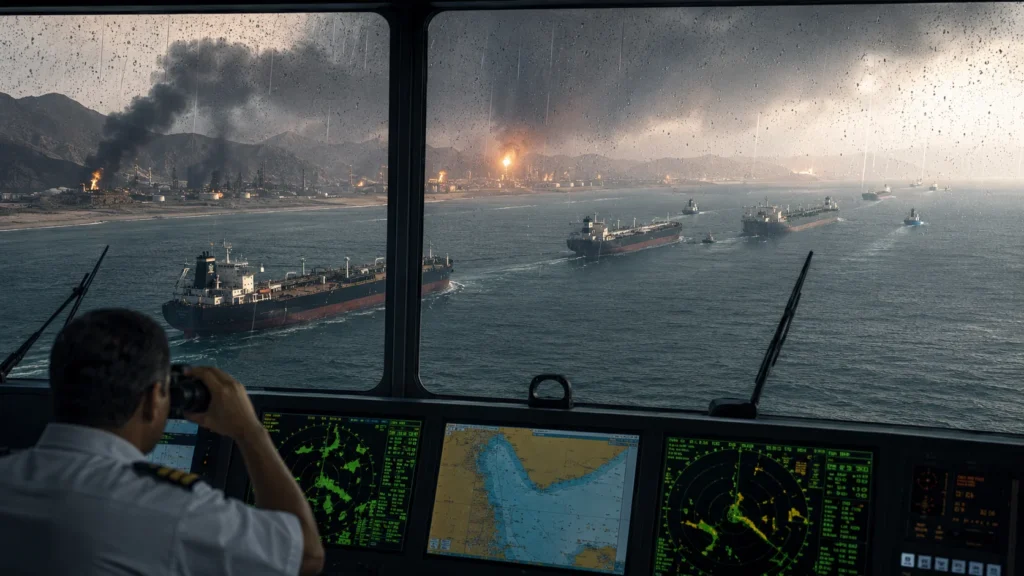
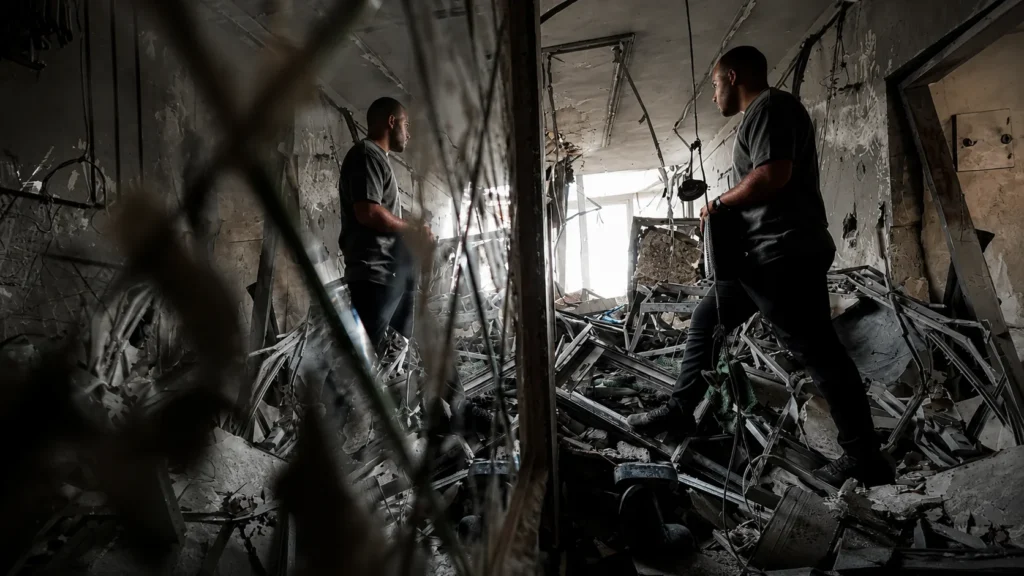
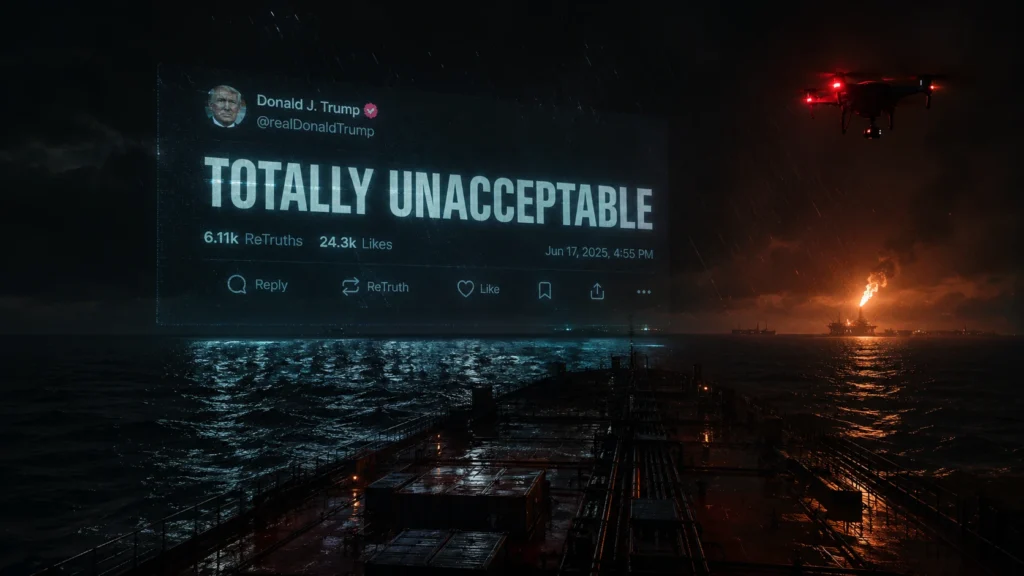
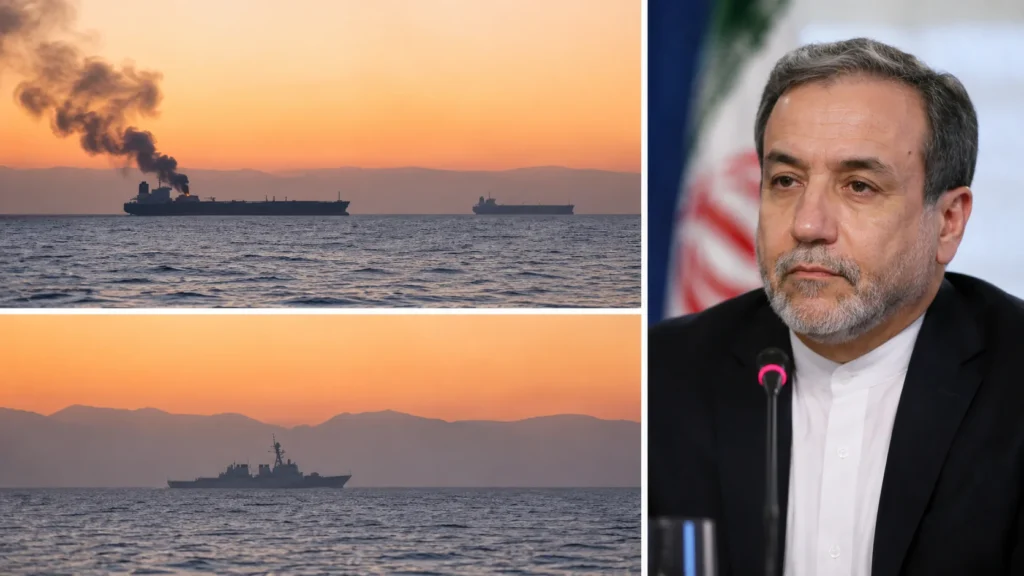
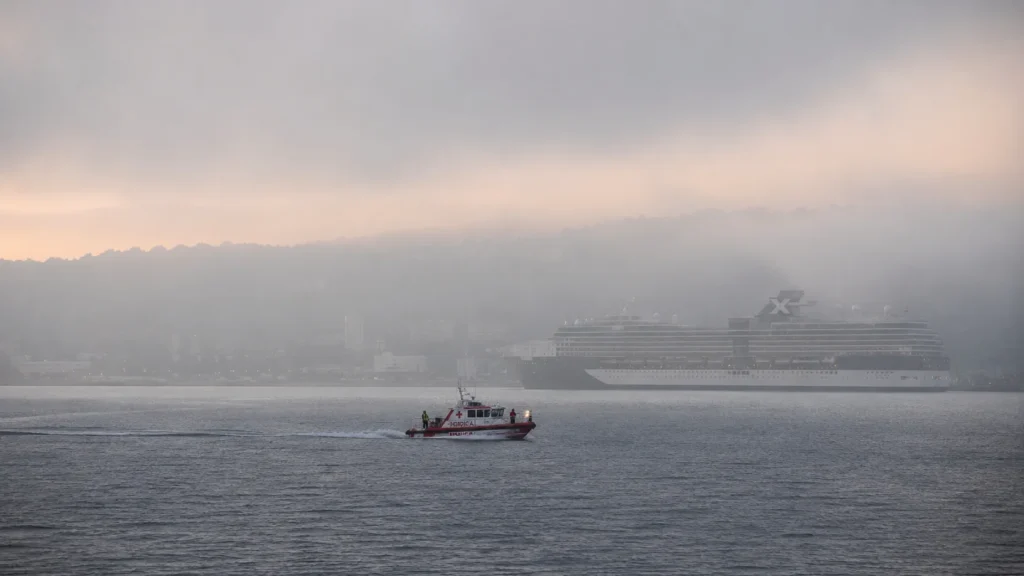
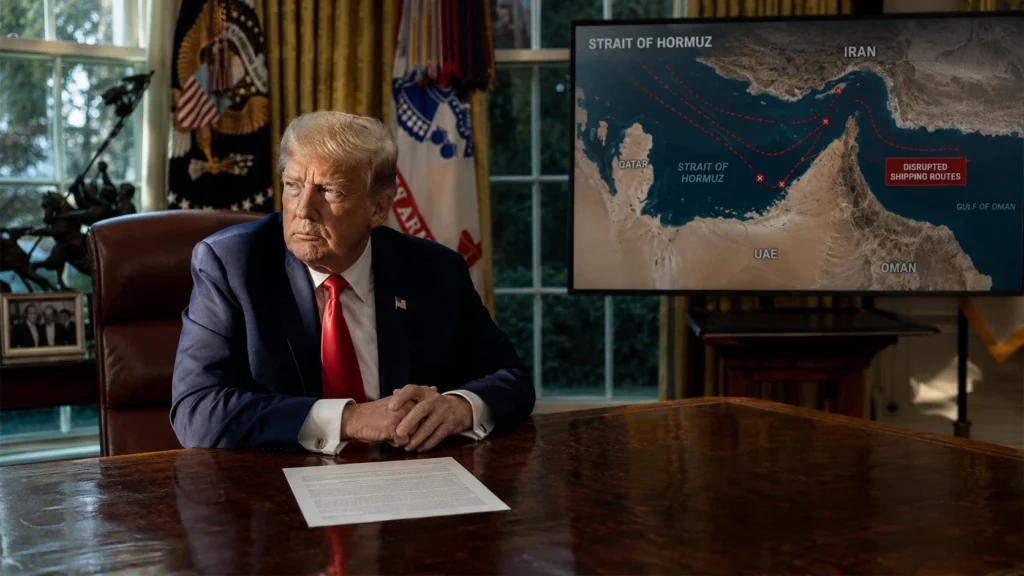
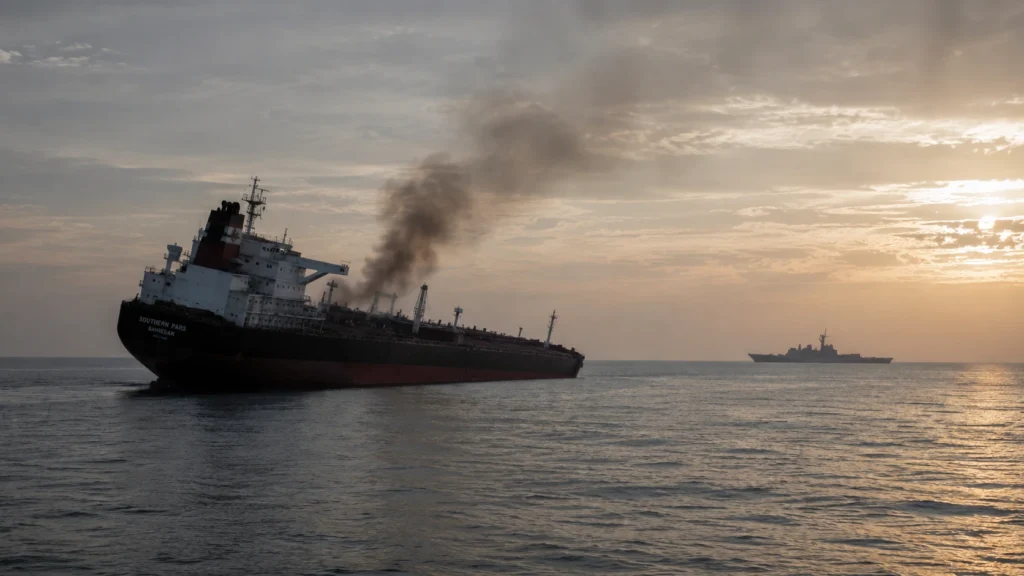
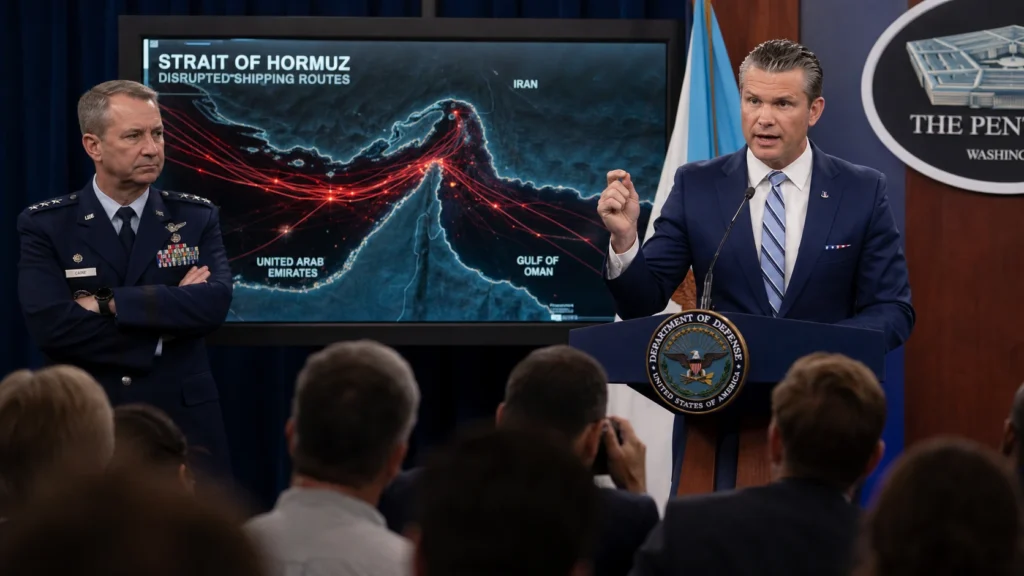
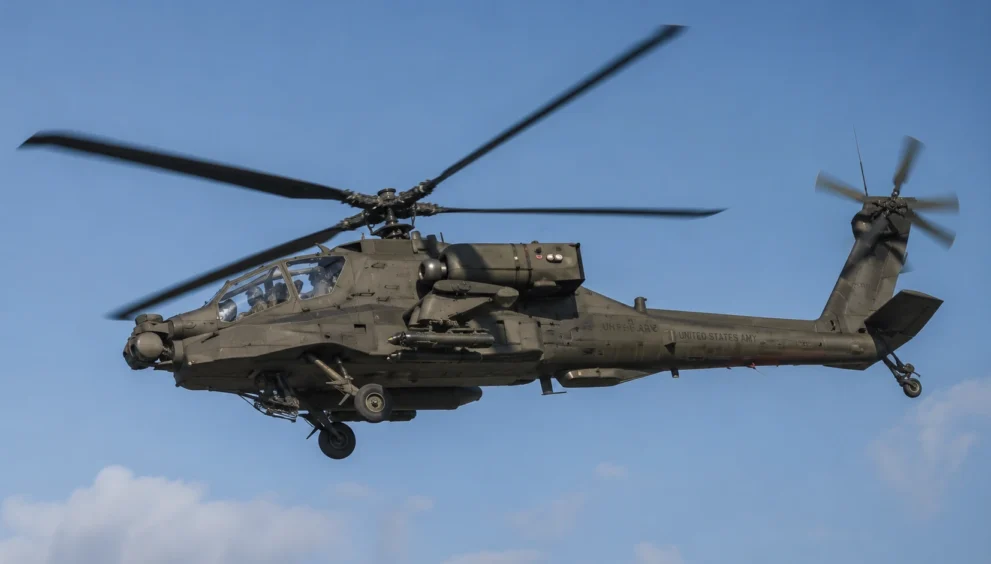
A helicopter went down. Missiles followed. Drones crossed the sky. Yet the most important signal didn’t come from the battlefield. It came from the world’s most sensitive energy corridor, where every military move now carries a price tag for global trade, shipping insurance, and regional stability.
This is not an isolated event. This is a structural shift.
The core friction driving this confrontation is Security vs Economic Stability.
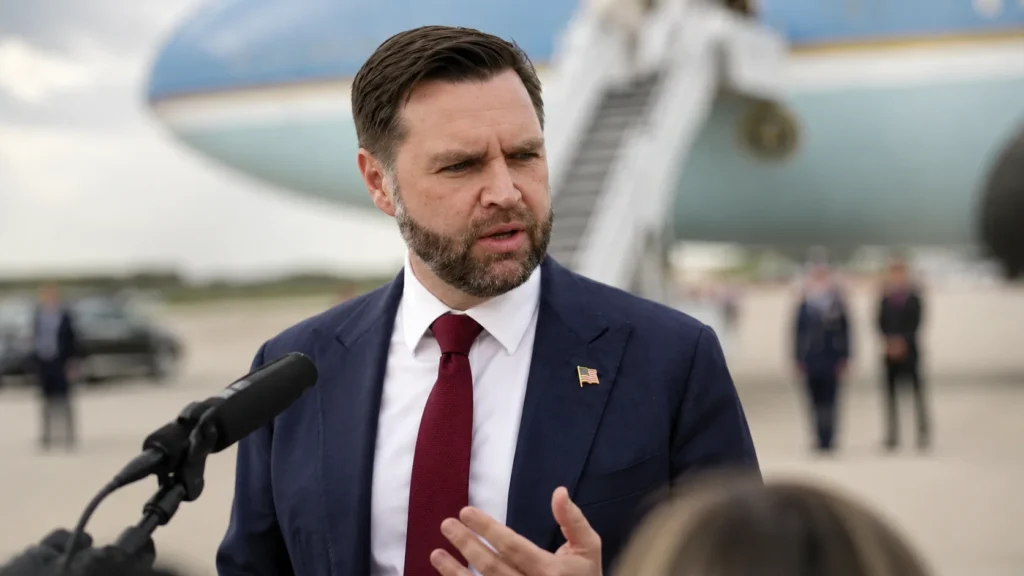
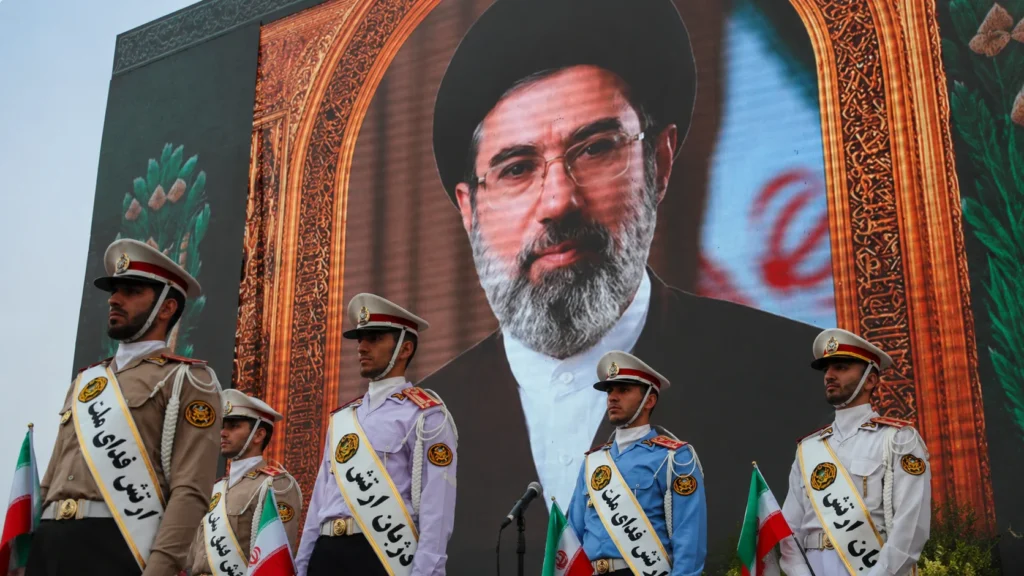
Washington wants to protect military assets and maintain freedom of navigation through one of the world’s most important maritime chokepoints. Tehran wants to demonstrate that foreign military pressure carries consequences. Neither side seeks a full-scale regional war. Both sides want leverage.
That tension creates a dangerous pattern.
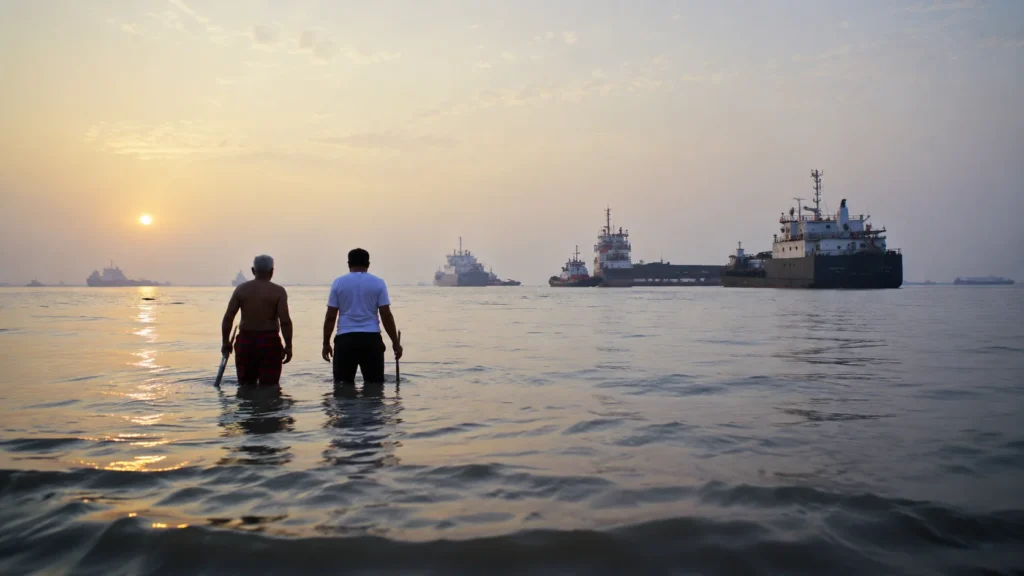
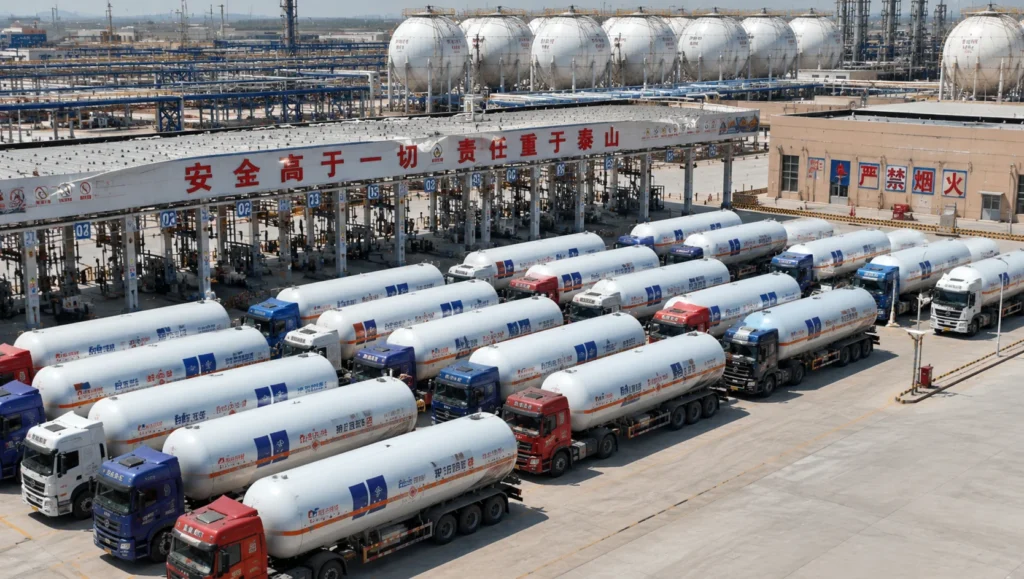
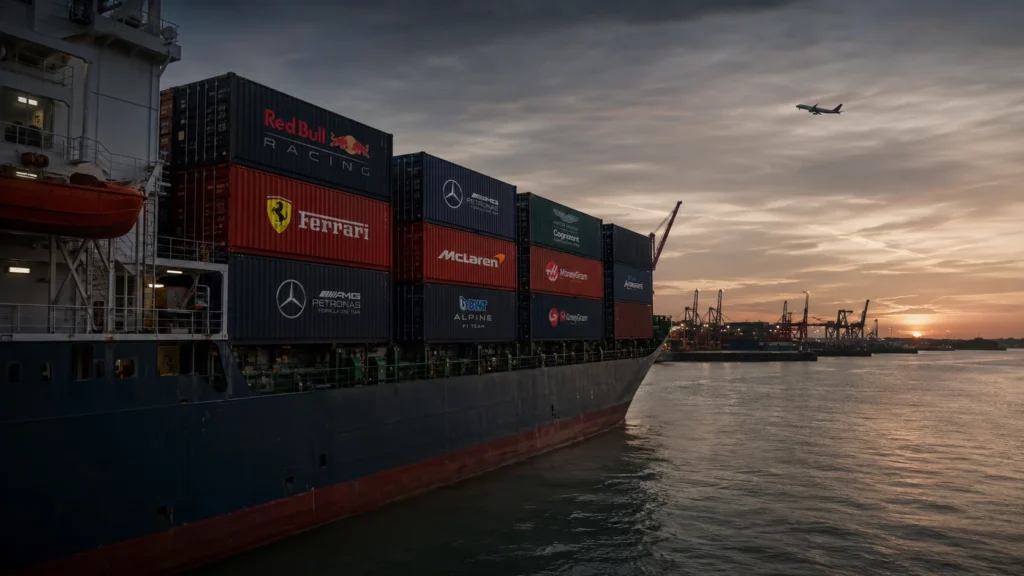
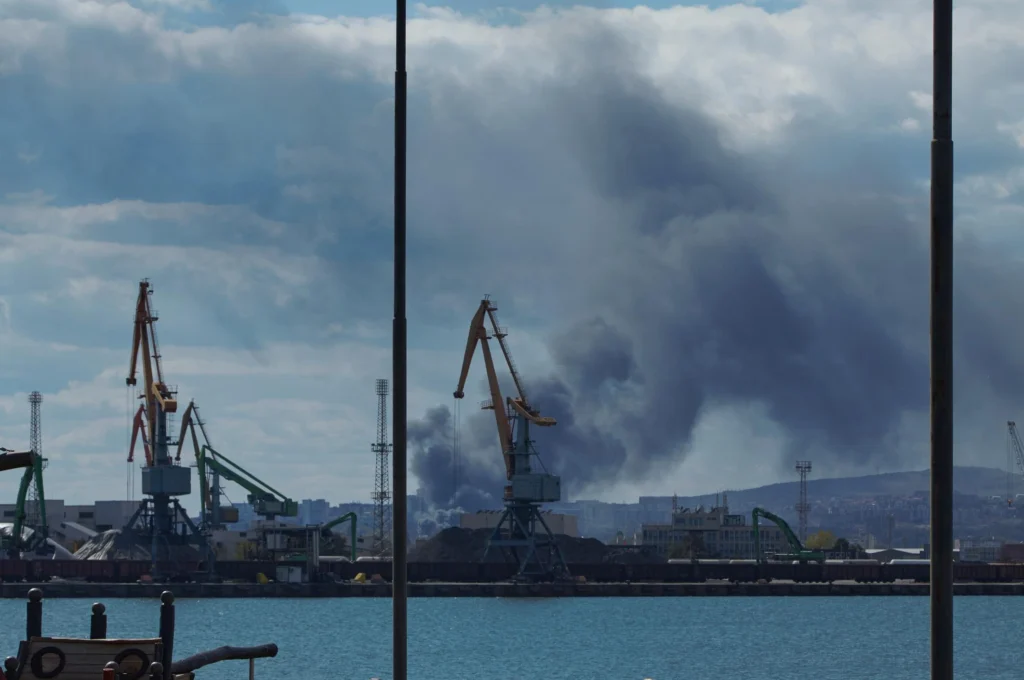
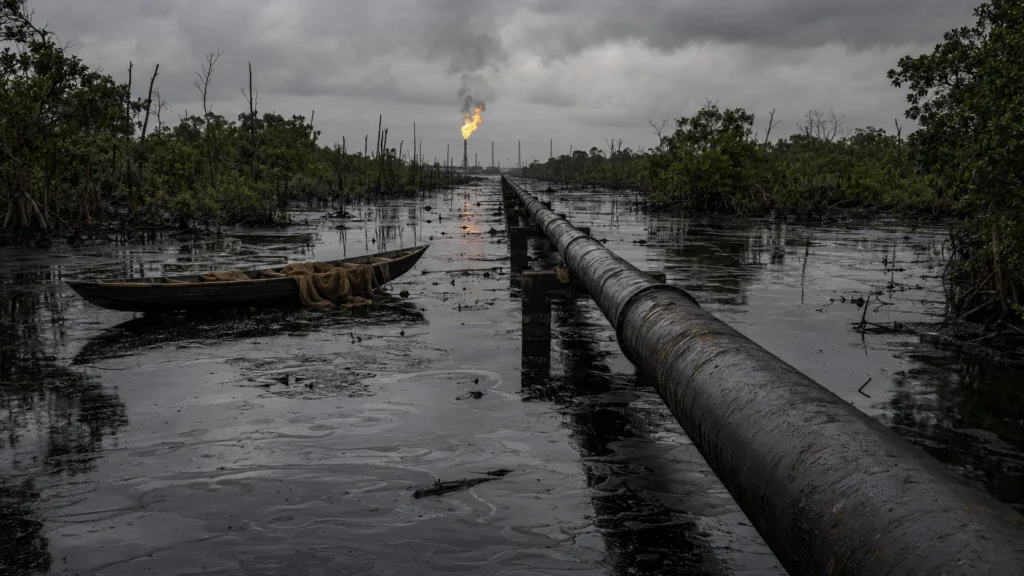
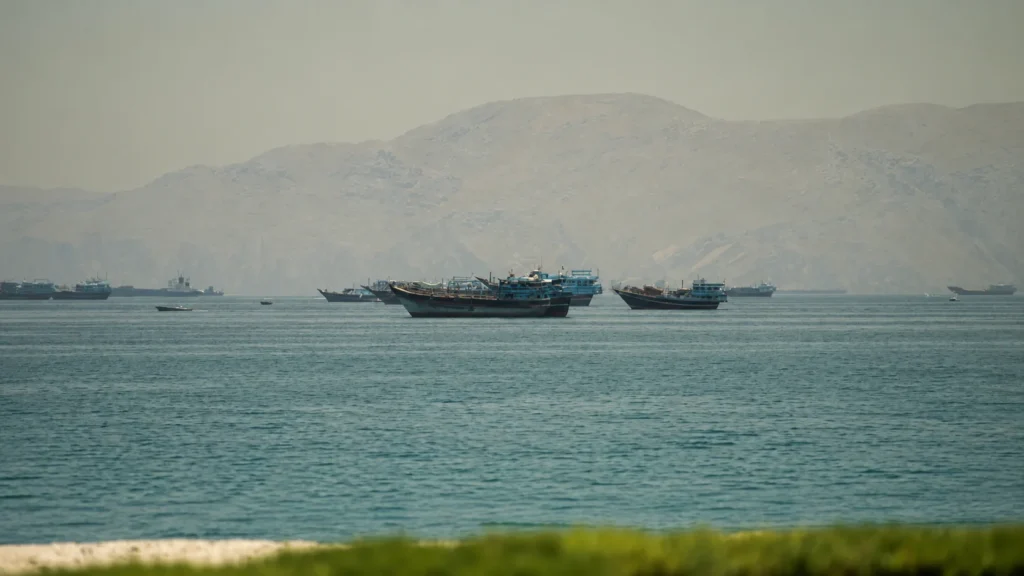
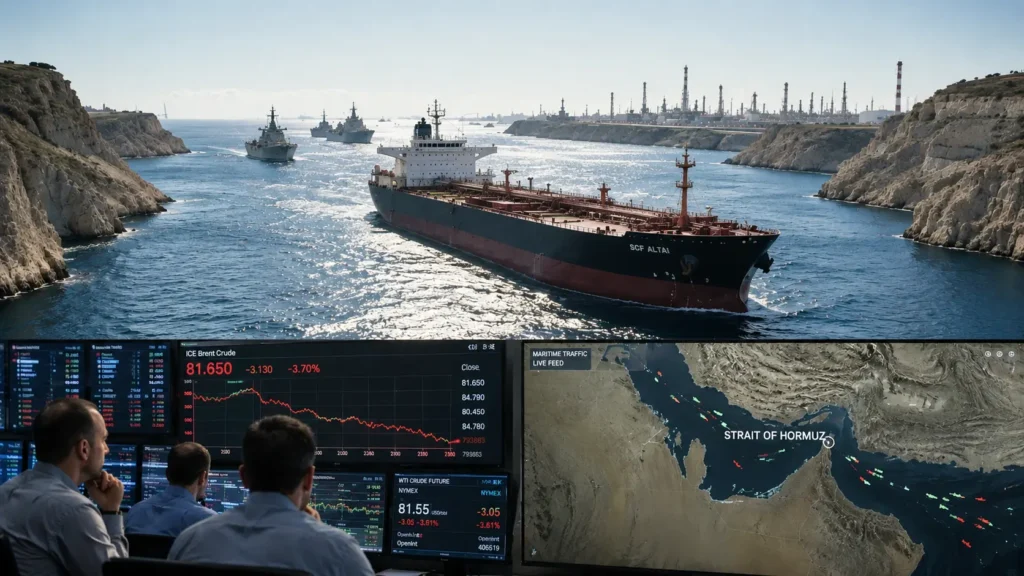
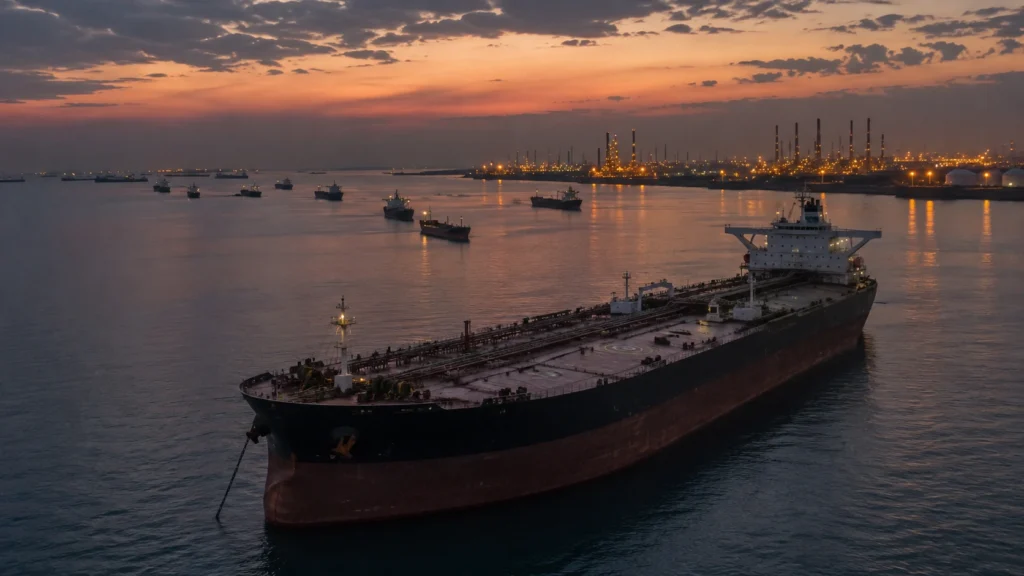
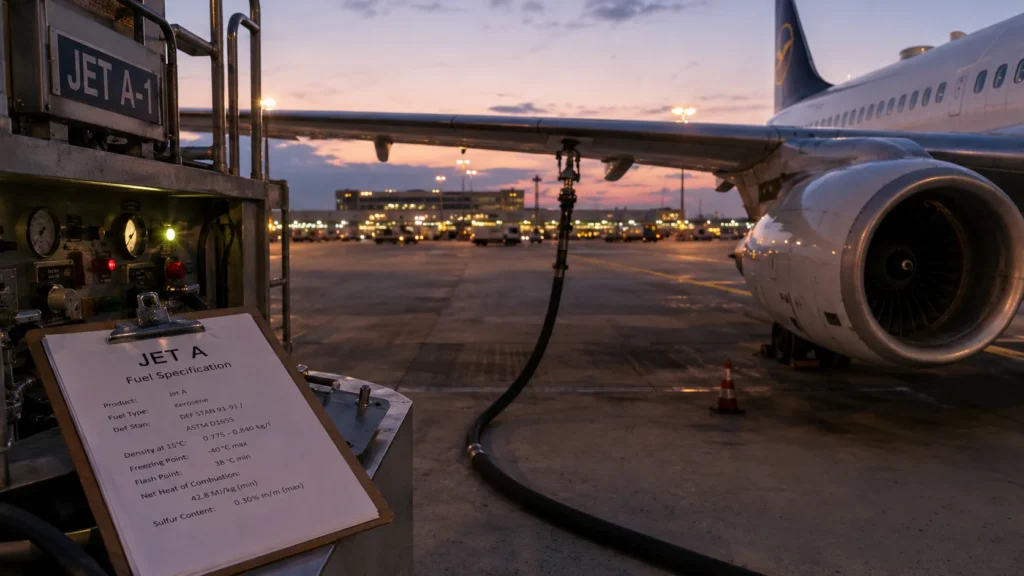
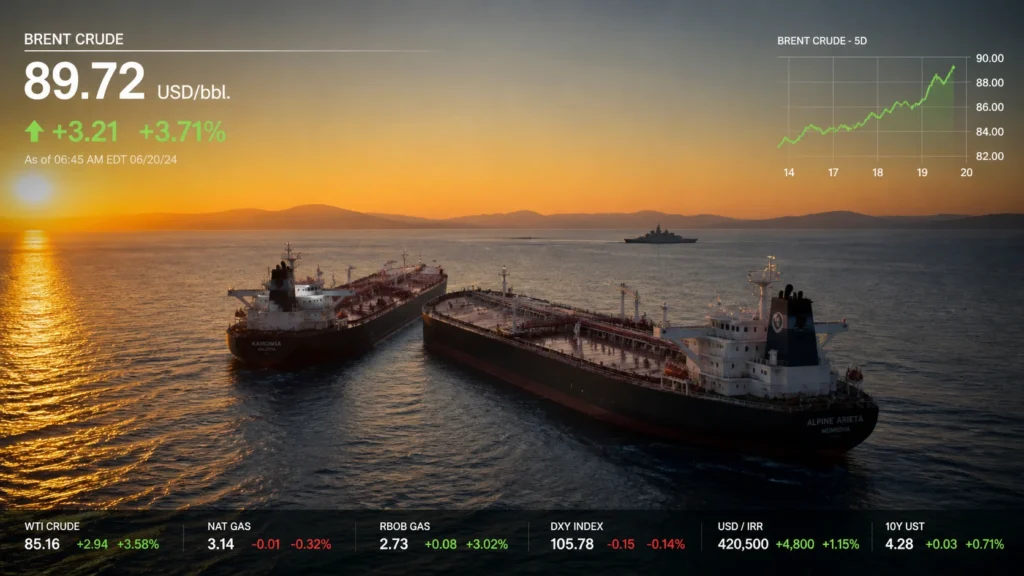
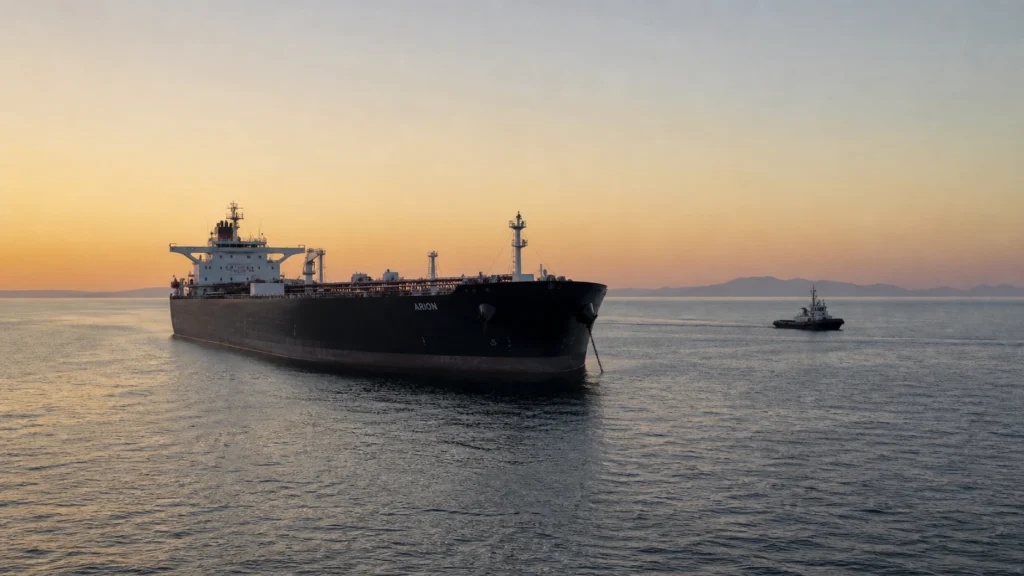
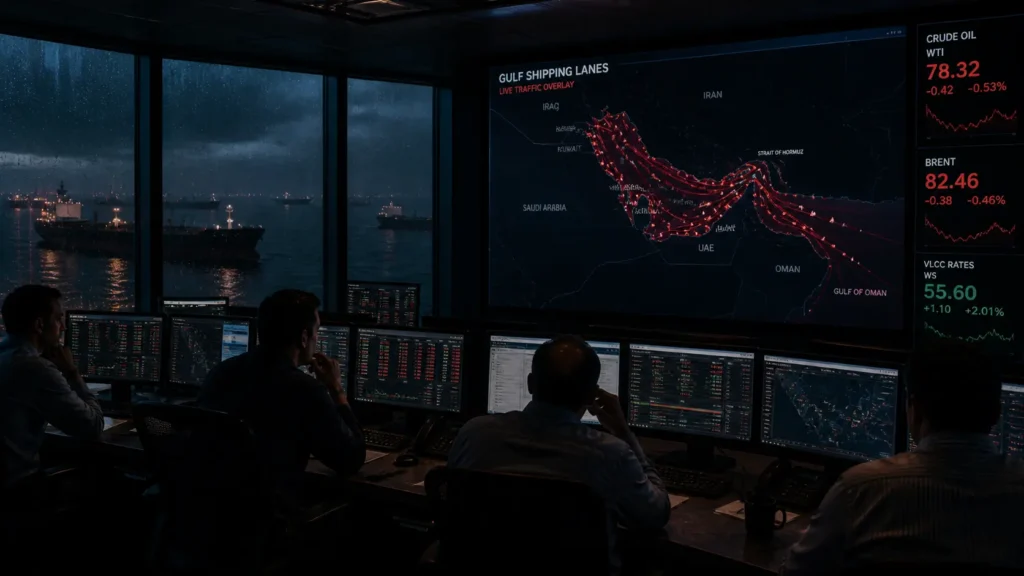
The Strait of Hormuz handles roughly one-fifth of global oil consumption, according to the U.S. Energy Information Administration. When military exchanges occur near that corridor, markets don’t wait for official explanations. They price risk immediately.
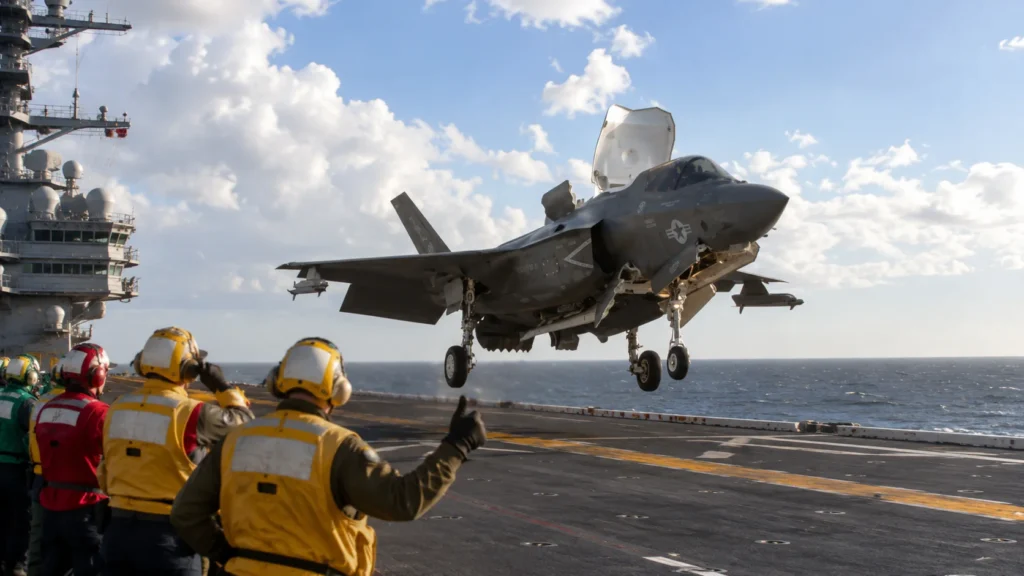
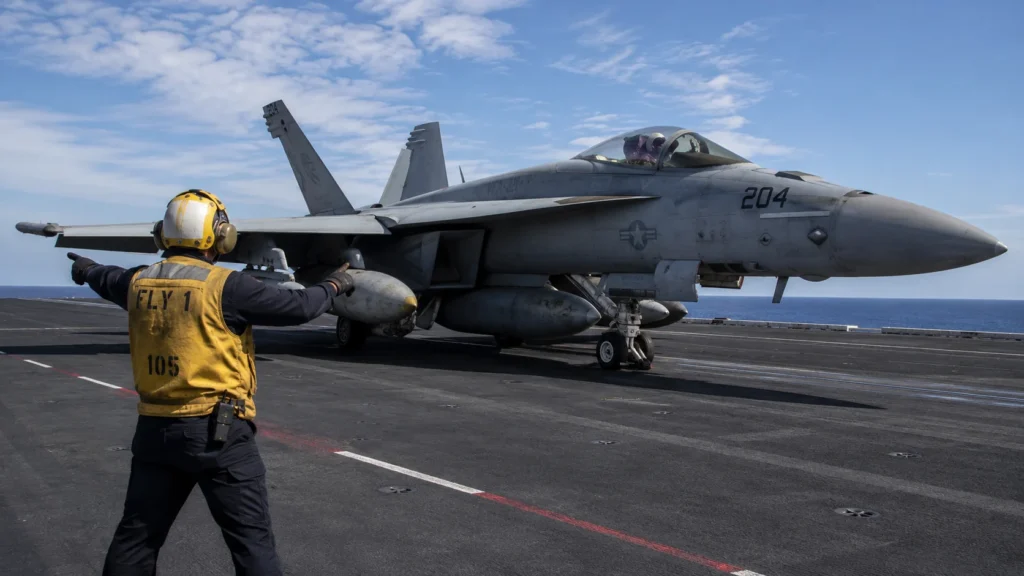
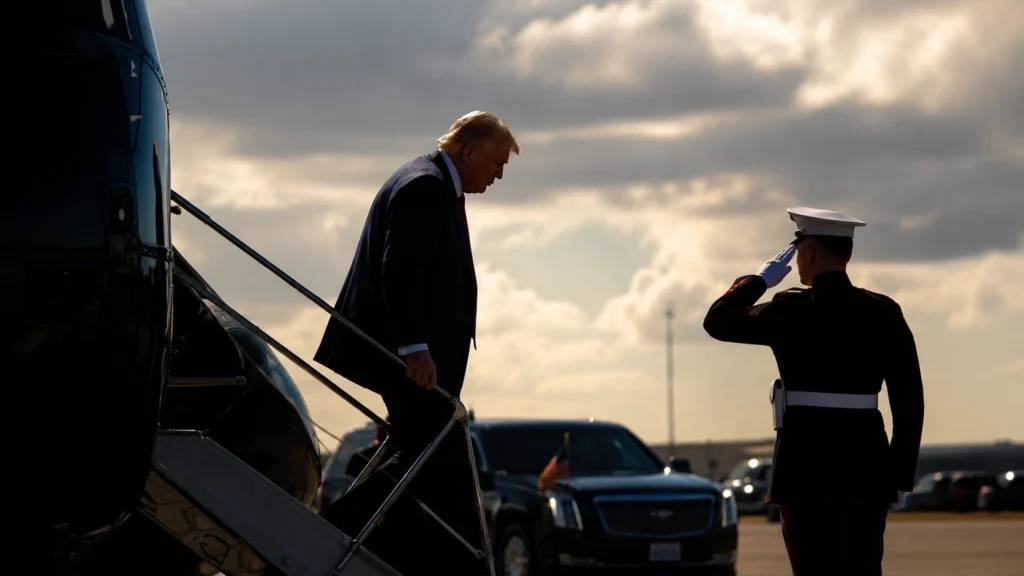
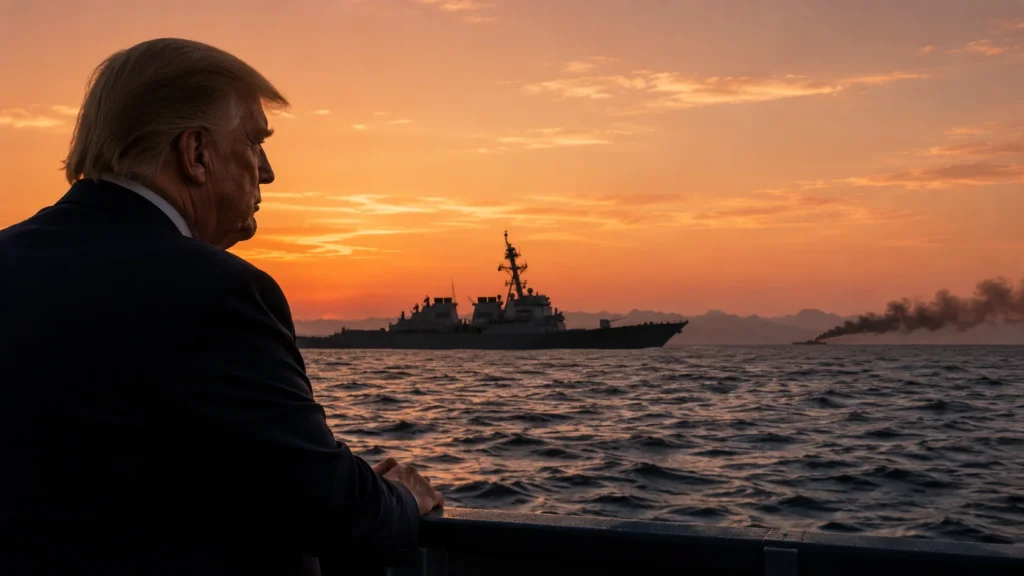
The helicopter incident matters less as a tactical event and more as a strategic message. The United States responded to preserve the credibility of deterrence. Iran retaliated to preserve its own. Neither government could afford to look passive.
So the cycle continues.
Why did this happen now?
The immediate trigger sits on the surface. The deeper cause sits underneath years of unresolved regional competition.
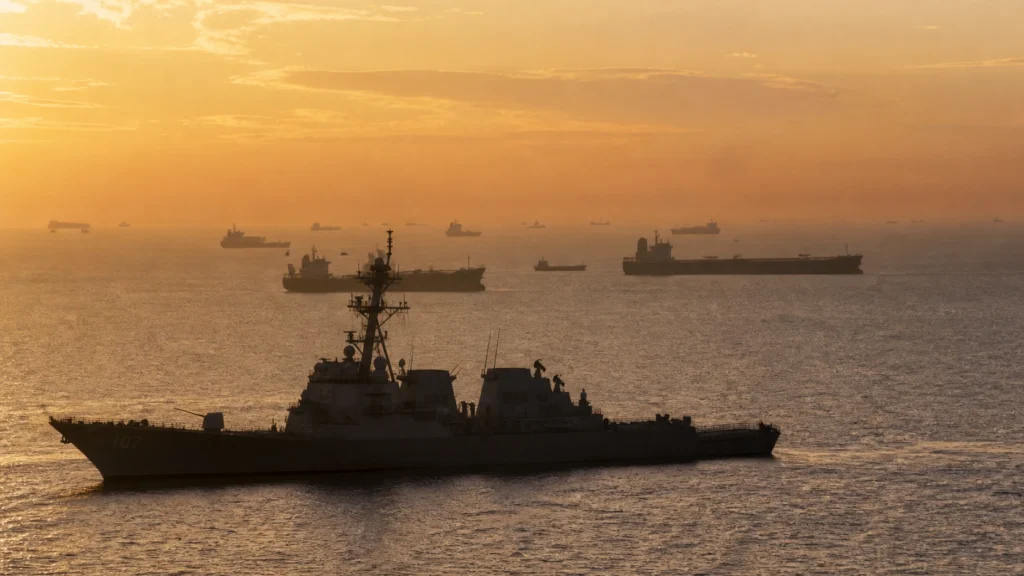
Iran sees American military presence near its coastline as a direct pressure mechanism. The United States sees freedom of navigation and force protection as non-negotiable security interests.
Those positions rarely collide in diplomatic communiqués.
They collide in waterways.
And the Strait of Hormuz magnifies every collision because energy markets connect local military actions to global economic consequences.
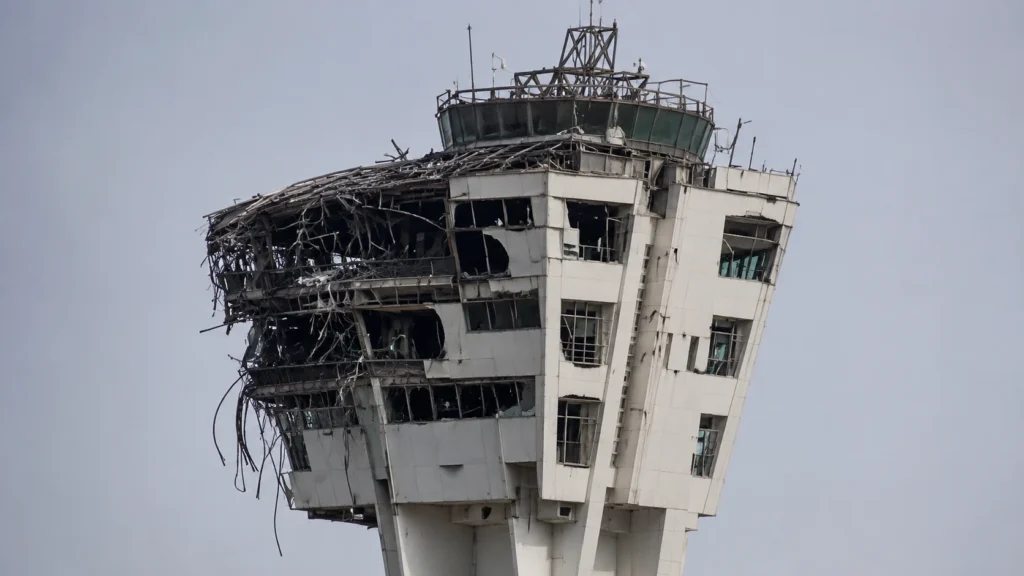
A radar station struck near the Gulf can influence shipping decisions in Singapore. A drone launch near Iranian waters can affect fuel costs in Europe.
That’s the real system.
Where does the power shift?
Neither Washington nor Tehran gains a decisive advantage from limited exchanges.
But regional actors gain room to maneuver.
Countries such as Saudi Arabia, the United Arab Emirates, Qatar, and Bahrain now face renewed pressure to balance security partnerships with economic priorities. They need American security guarantees. They also need stable energy exports and predictable investment environments.
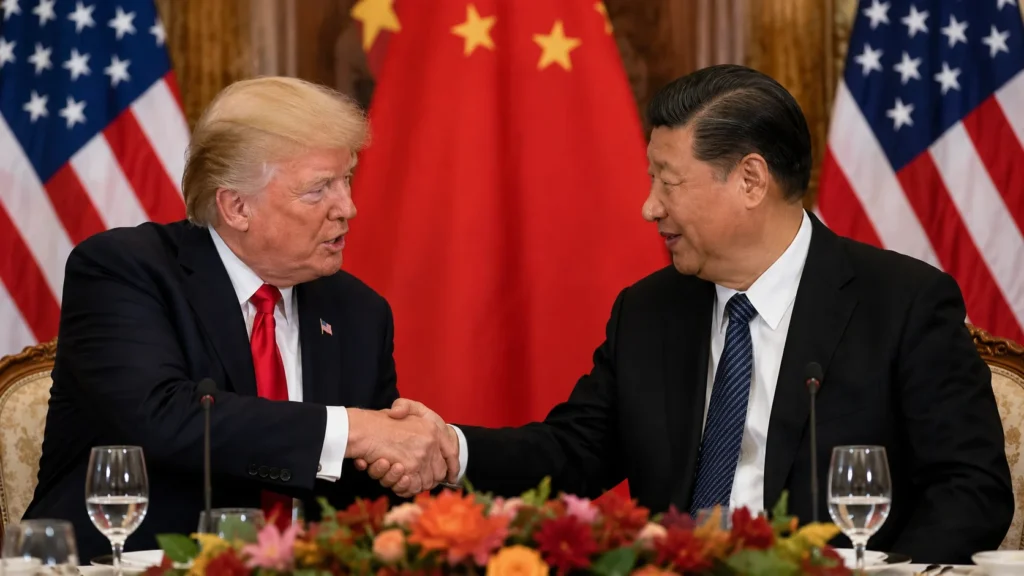
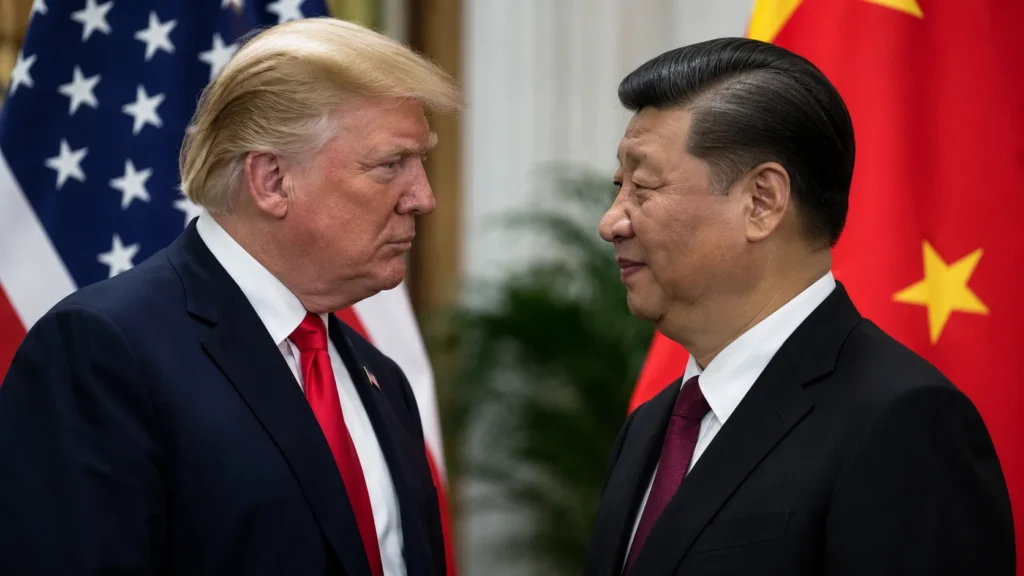
China watches closely.
Beijing imports large volumes of Gulf energy and increasingly positions itself as an economic stabilizer across the region. Every disruption in Hormuz strengthens China’s argument that regional security architecture requires alternatives to perpetual military confrontation.
Interesting.
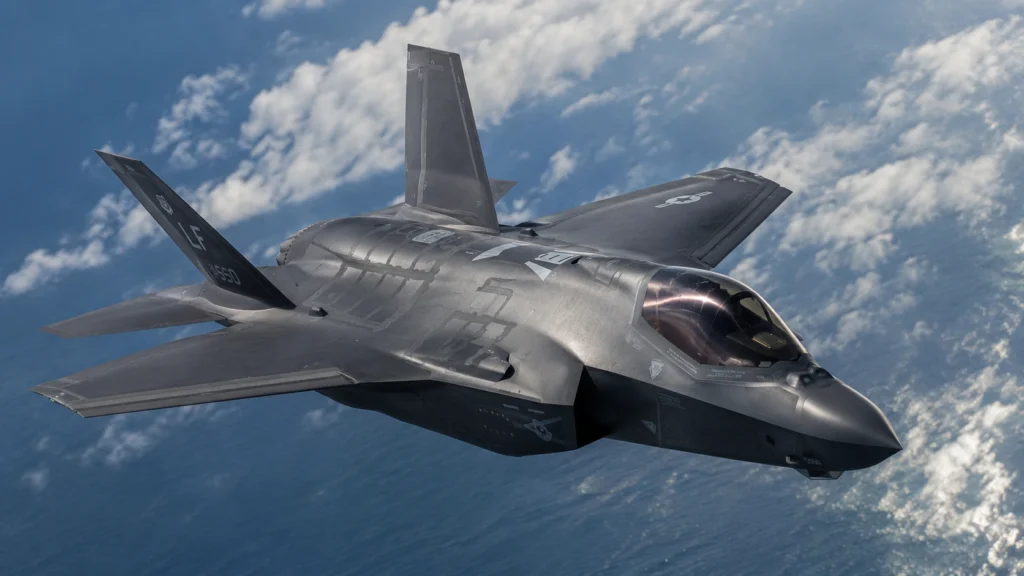
The United States retains overwhelming military superiority. Iran retains flexibility for escalation through its geography and asymmetric capabilities. That combination creates a stalemate rather than a resolution.
The human pressure layer
Governments talk about deterrence.
Citizens talk about prices.
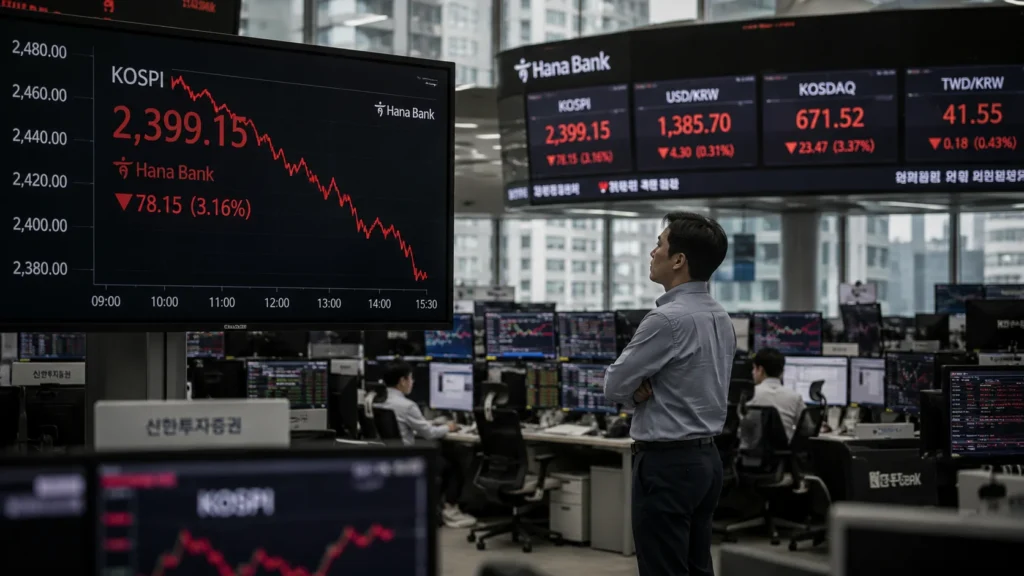
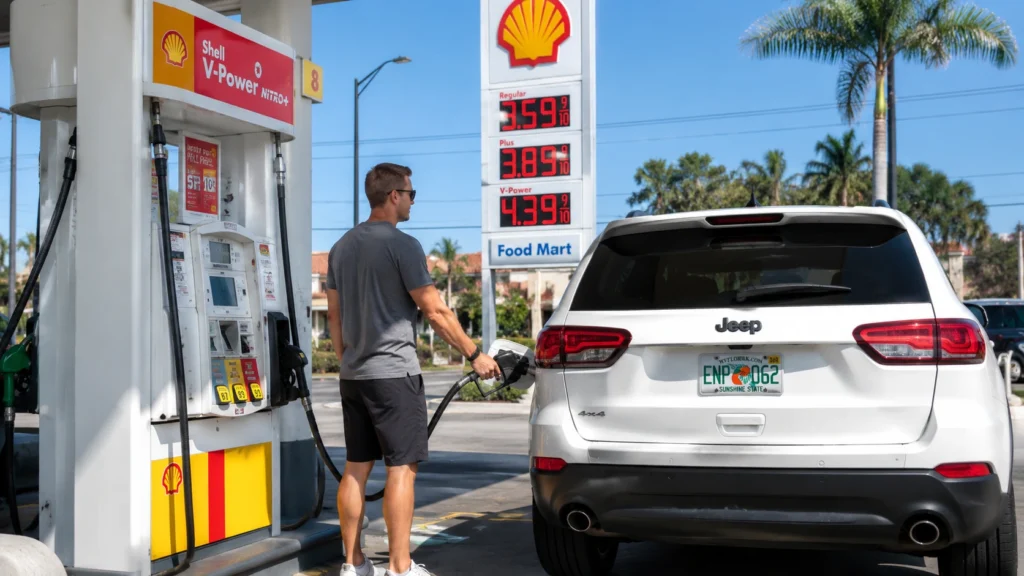
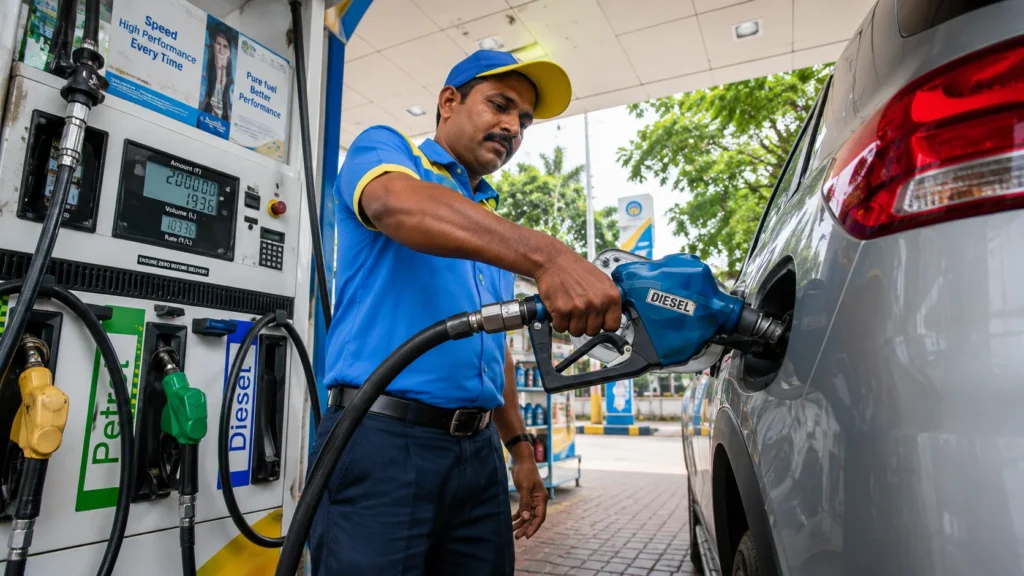
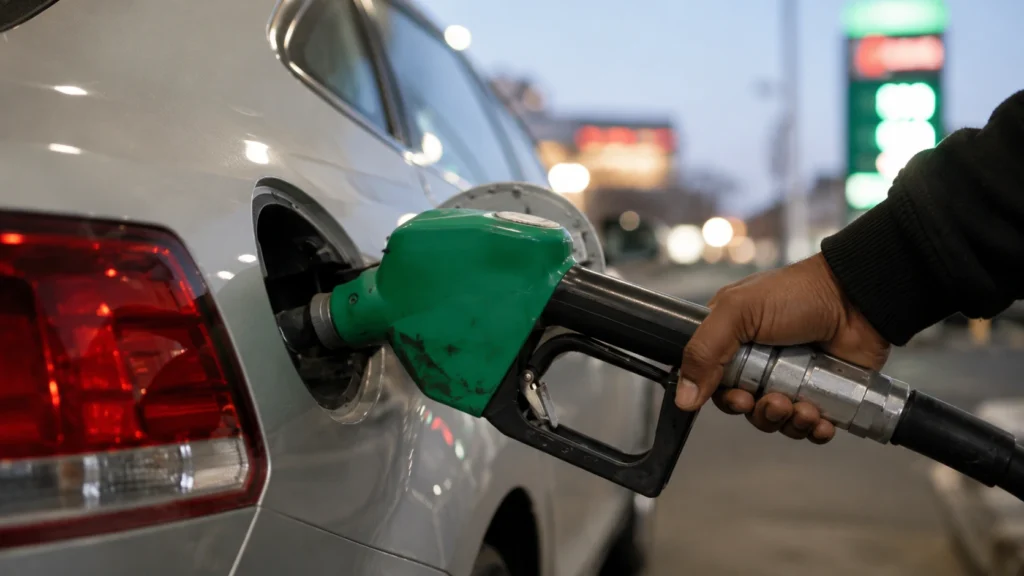
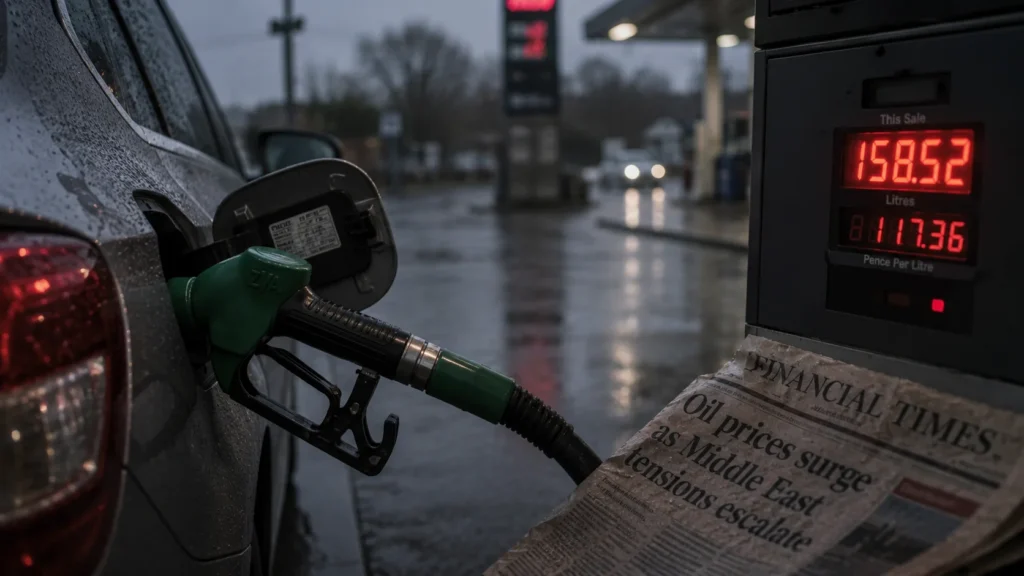
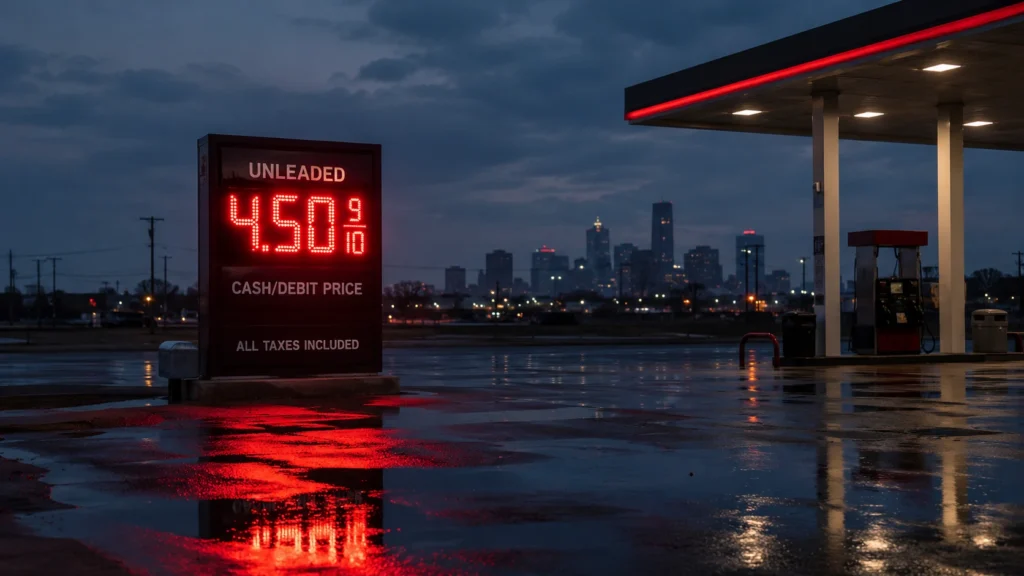
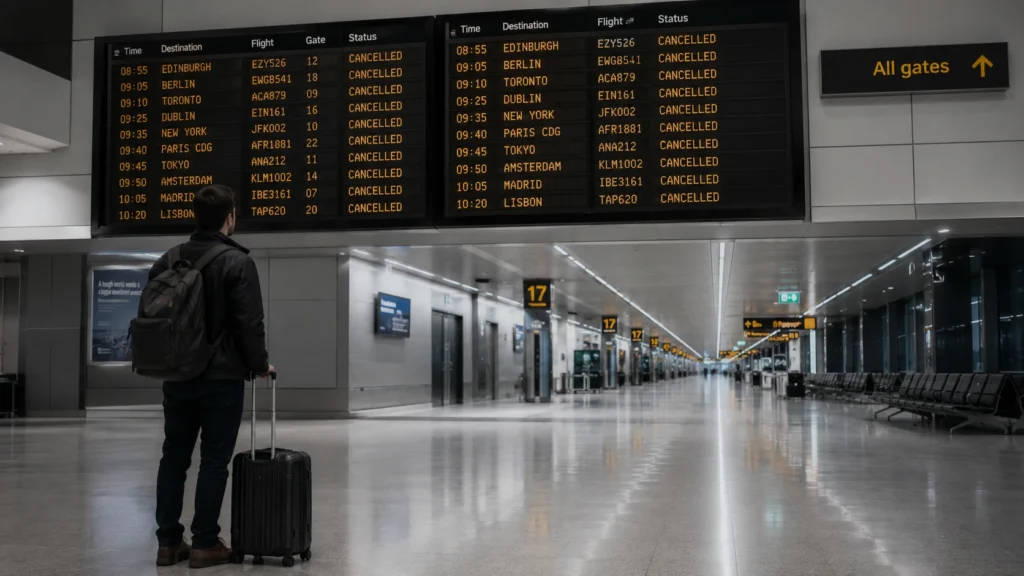
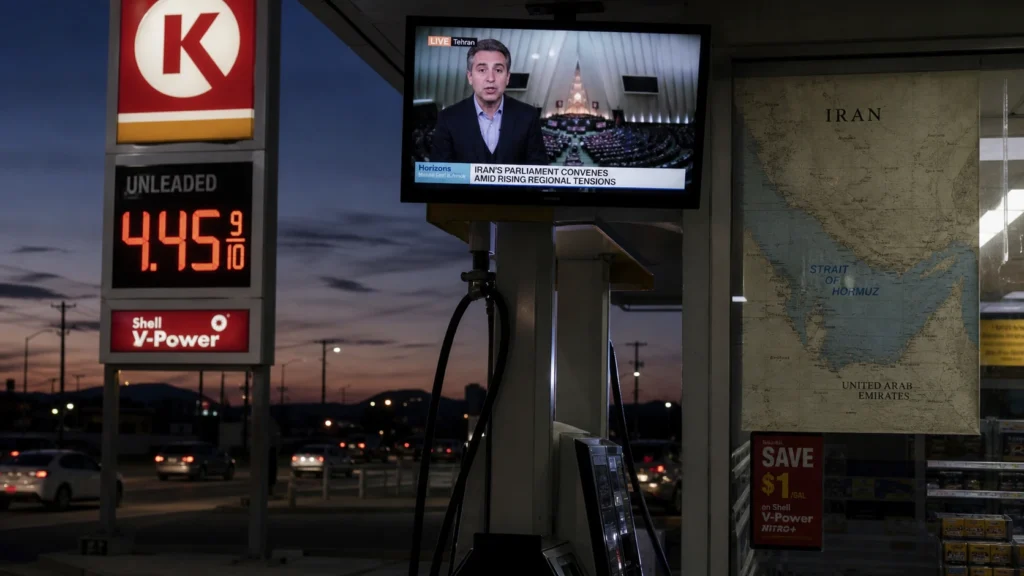
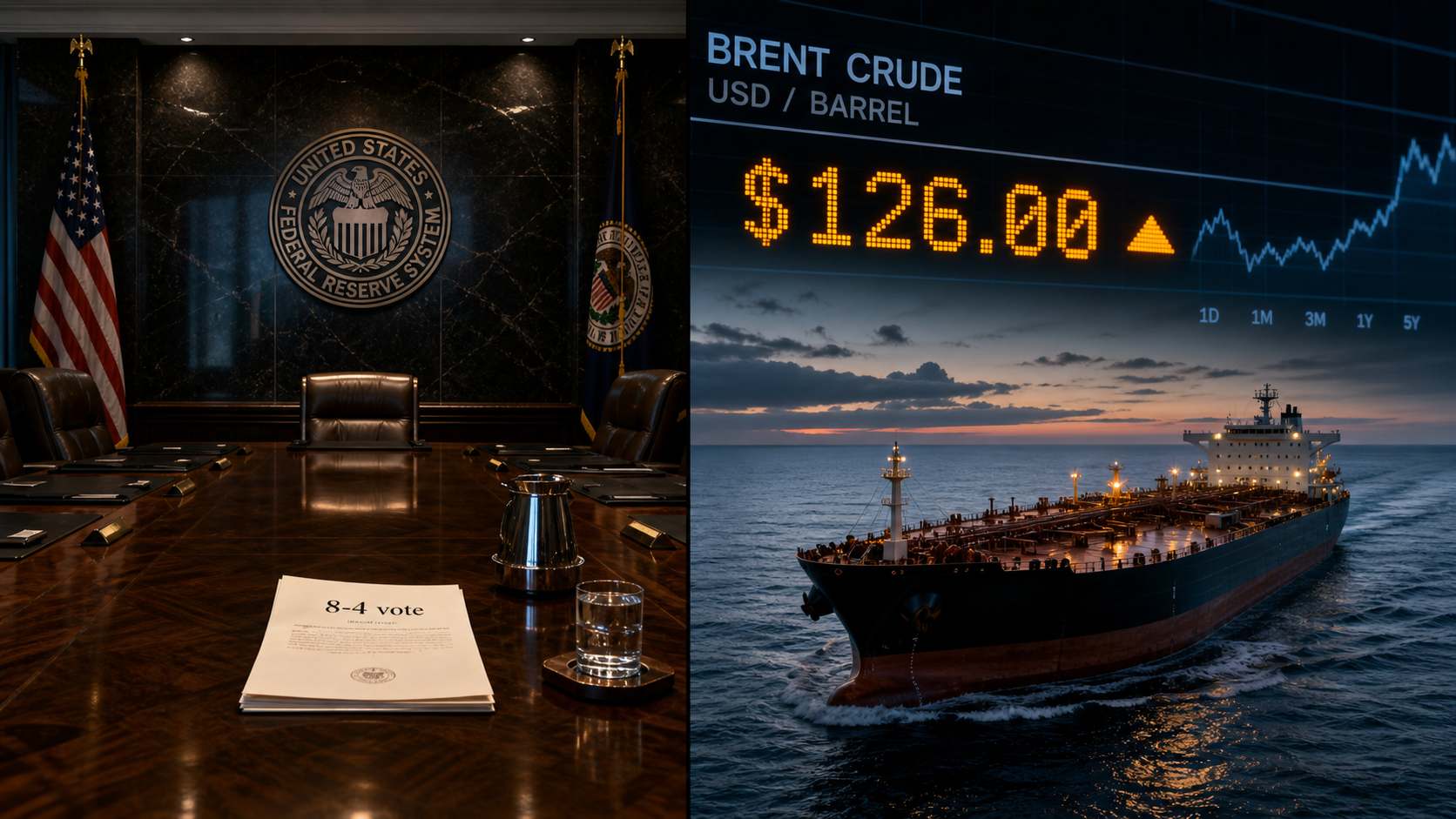
If confrontation expands, shipping insurers raise premiums. Tanker operators reroute vessels. Energy traders add risk margins. Fuel costs rise. Inflation pressure returns.
The impact doesn’t stop in the Gulf.
A factory manager in Germany, a trucking company in India, and a household in Pakistan all feel the fallout through higher transportation and energy expenses.
That gap matters.
Officials frame these events through national security. Ordinary people experience them through monthly budgets.
What should the world watch next?
The next six to twelve months will not hinge on dramatic speeches. Watch the infrastructure.
Watch shipping traffic through the Strait of Hormuz.
Watch insurance rates for Gulf-bound vessels.
Watch whether Washington increases force deployments or shifts toward diplomatic de-escalation channels.
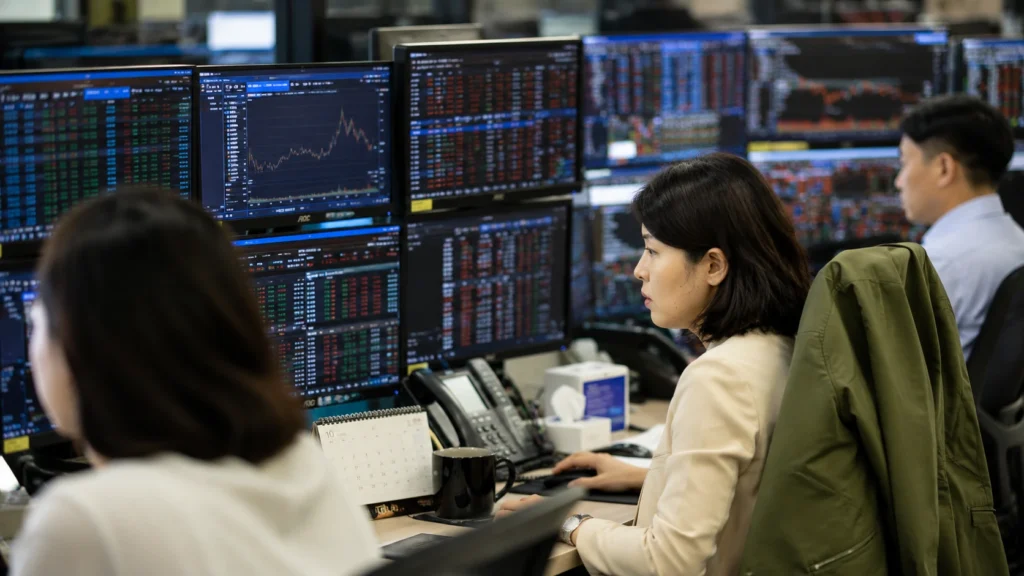
Most importantly, watch energy markets. They often detect strategic change before governments admit it.
The larger risk isn’t a single exchange of fire.
The larger risk is normalization.
If both sides begin treating periodic military retaliation as routine, markets will adapt, alliances will adjust, and regional powers will redesign their security calculations around permanent instability.
Quietly.
Power Recalibration Layer
The United States gains short-term deterrence credibility but faces higher operational exposure across the region.
Iran gains proof that it can impose costs despite military asymmetry, but it risks deeper economic pressure if confrontation expands.
China gains strategic relevance as Gulf states seek stability and diversified partnerships.
Regional economies lose the most if energy flows face prolonged disruption.