

 English



































































Venezuela Earthquake: Families Dig for Survivors as 72-Hour Window Closes
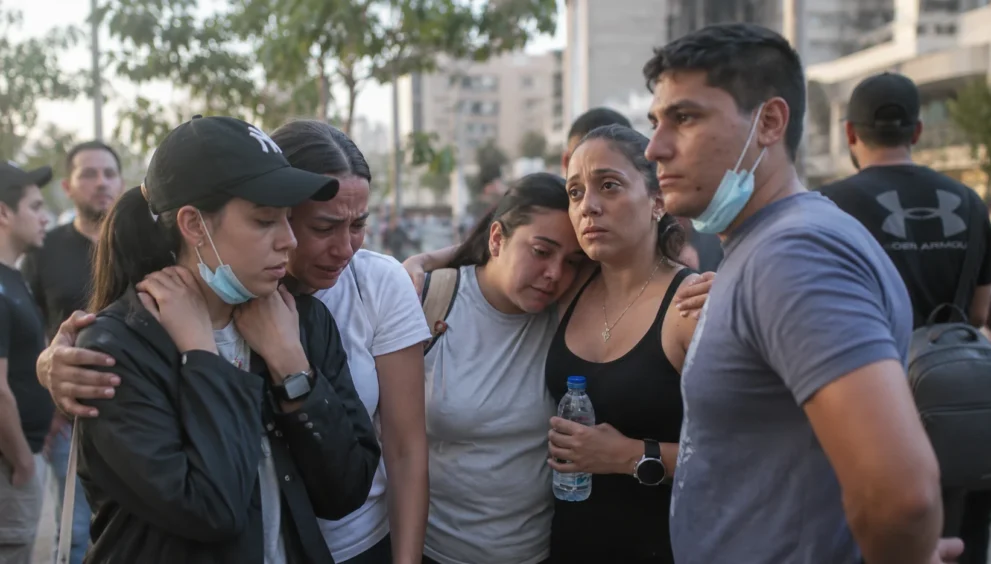
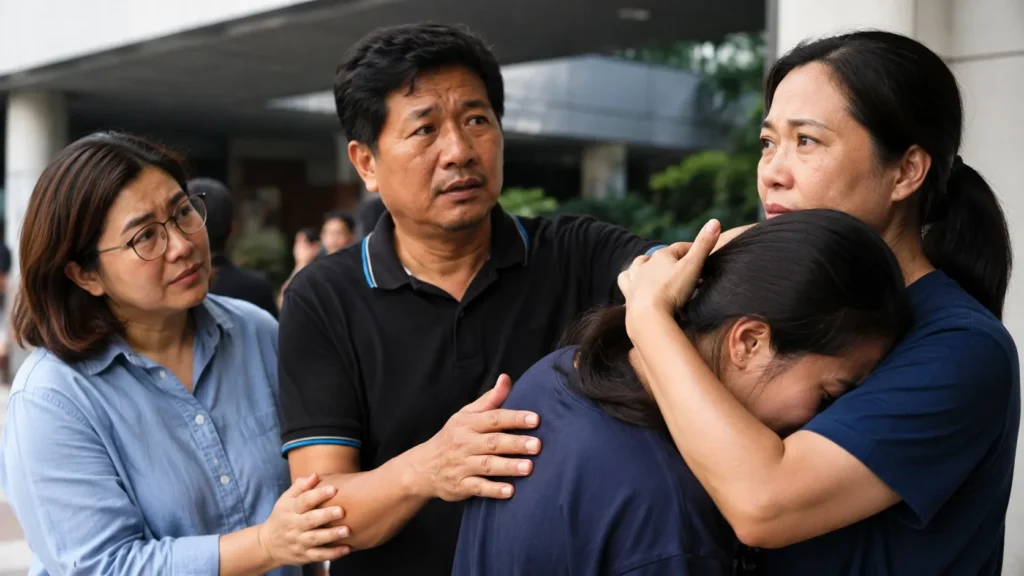
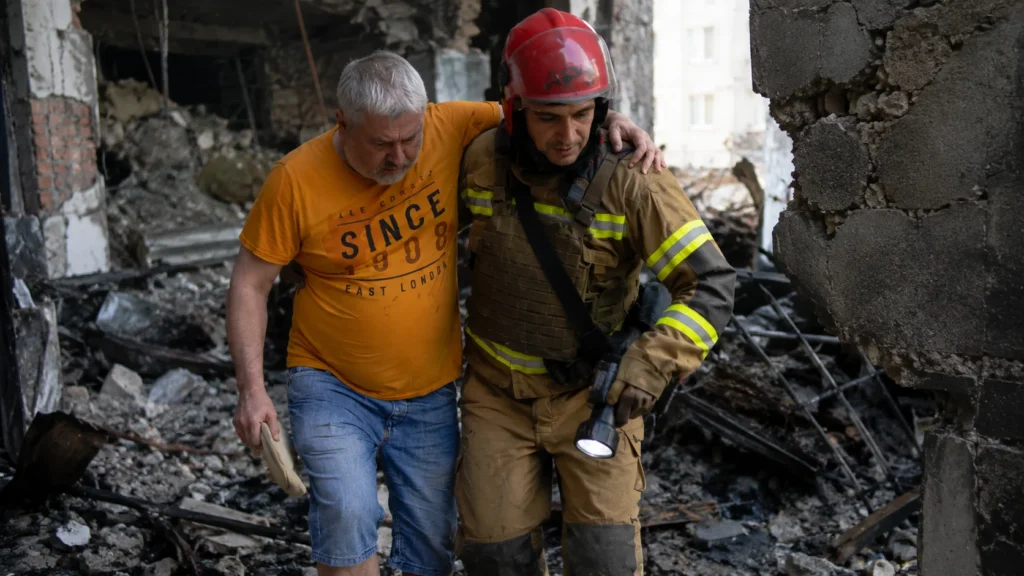
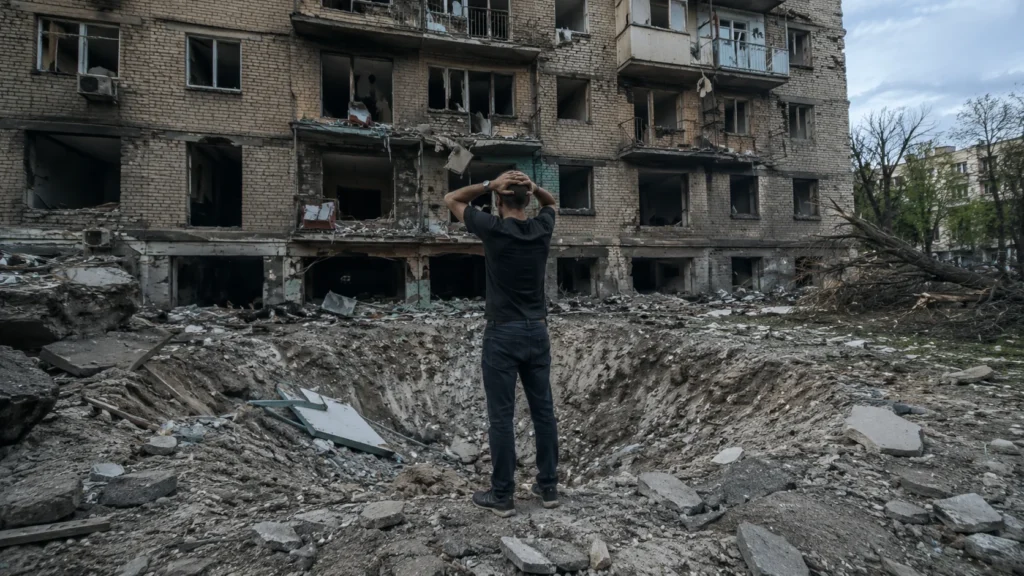
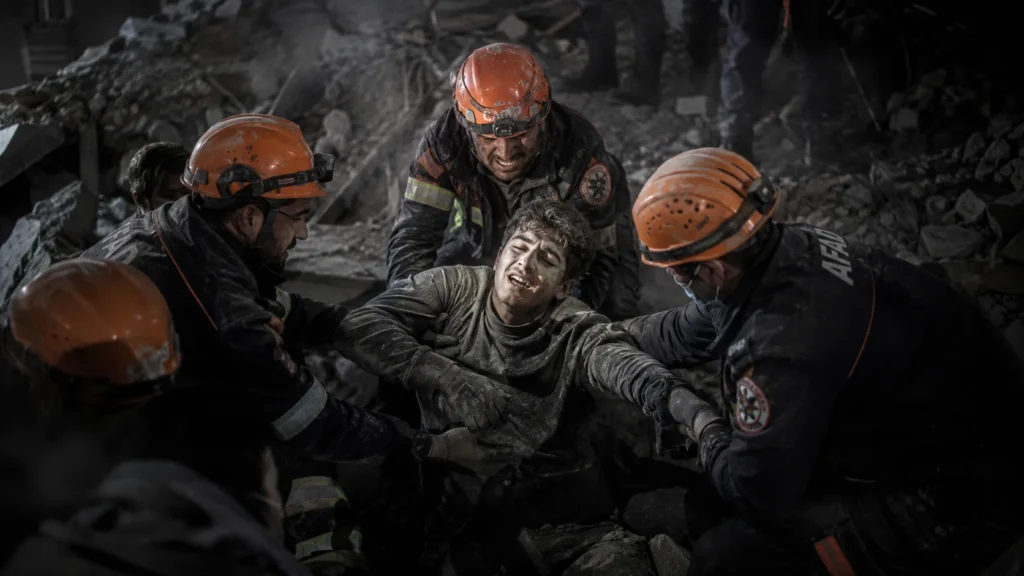
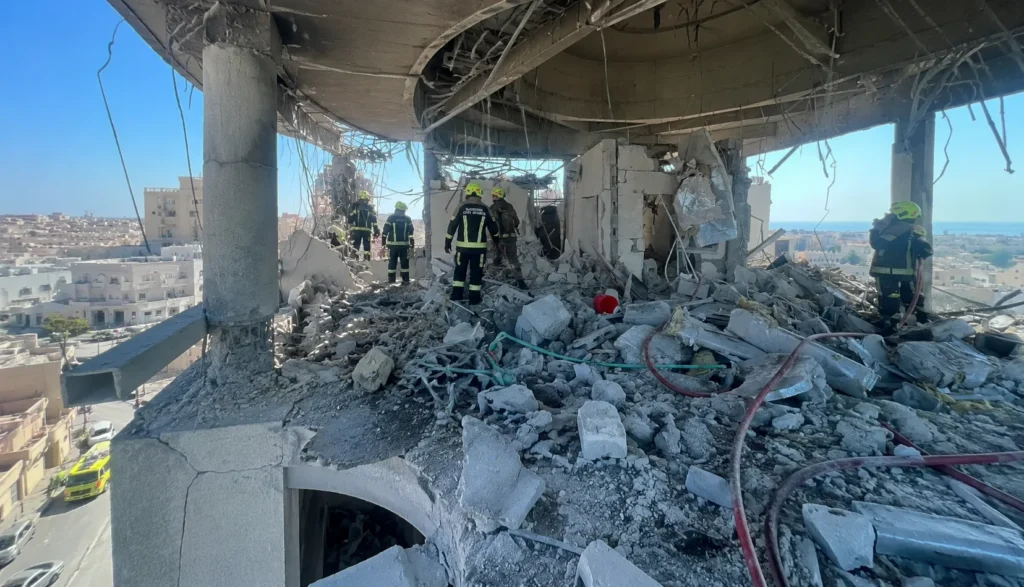
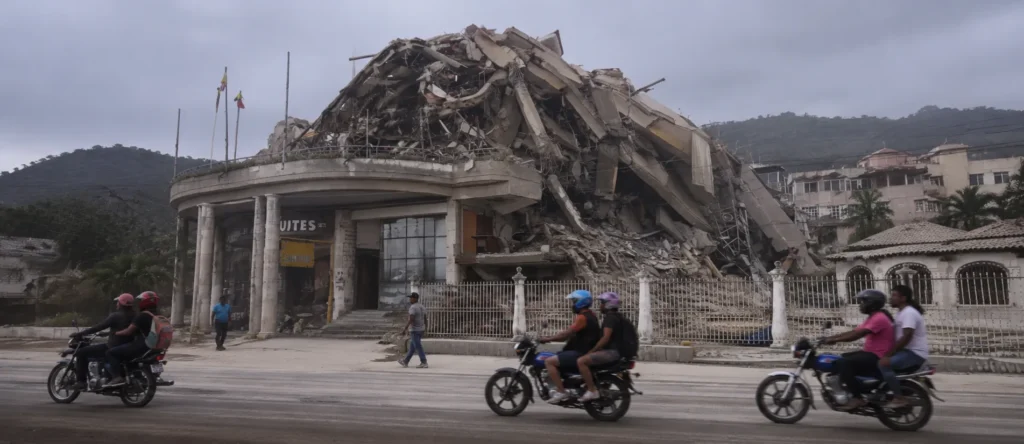
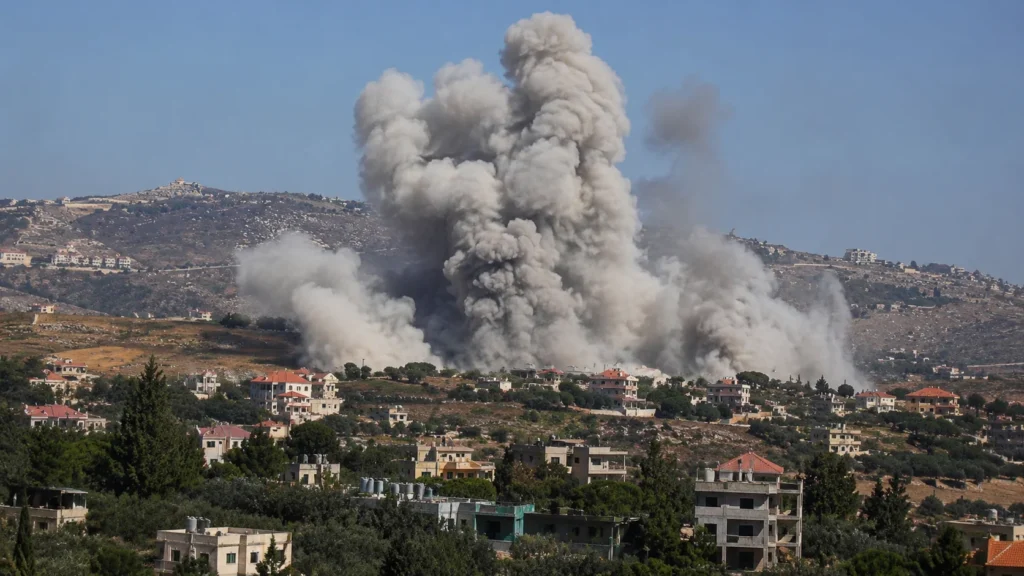
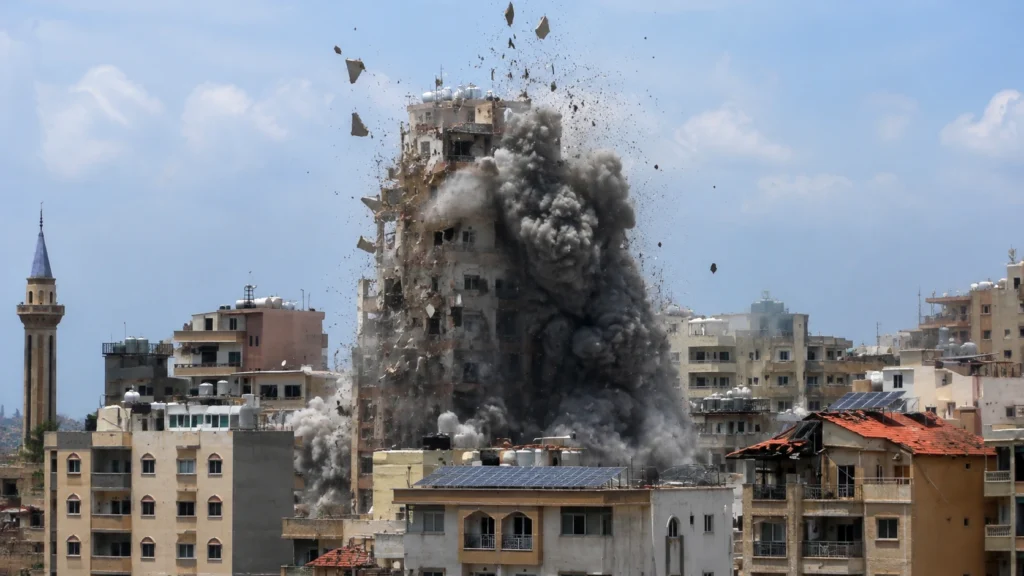
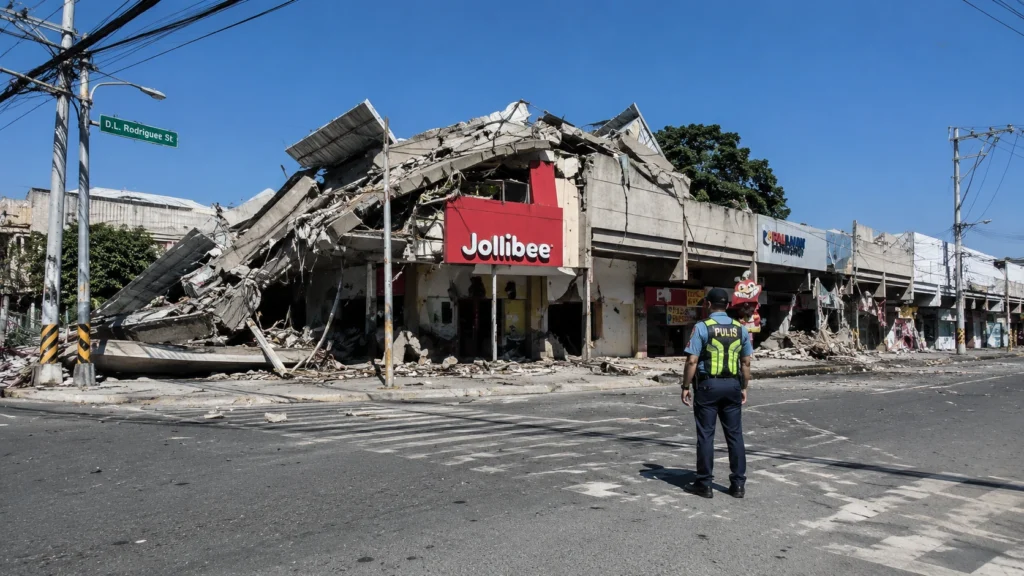
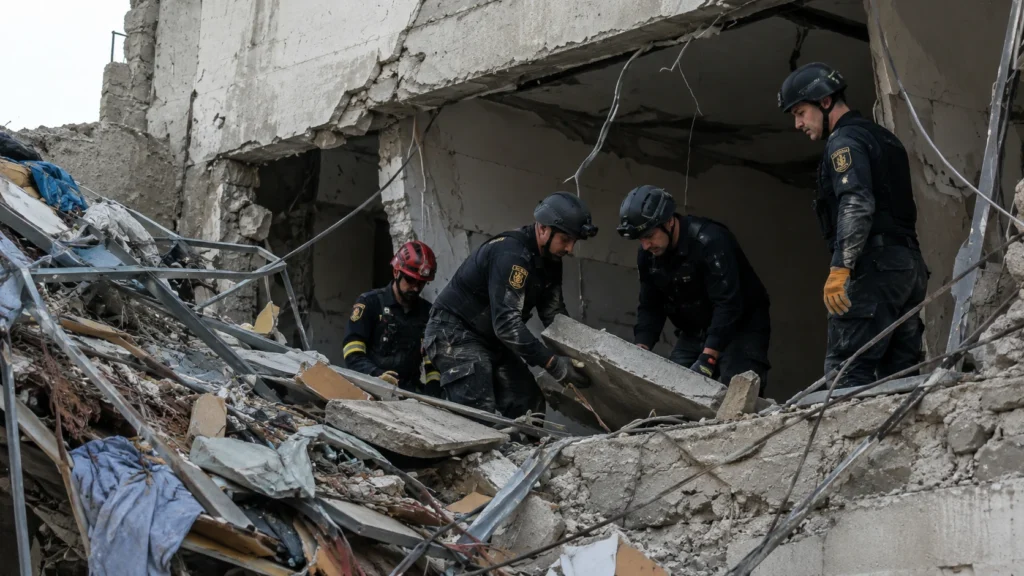
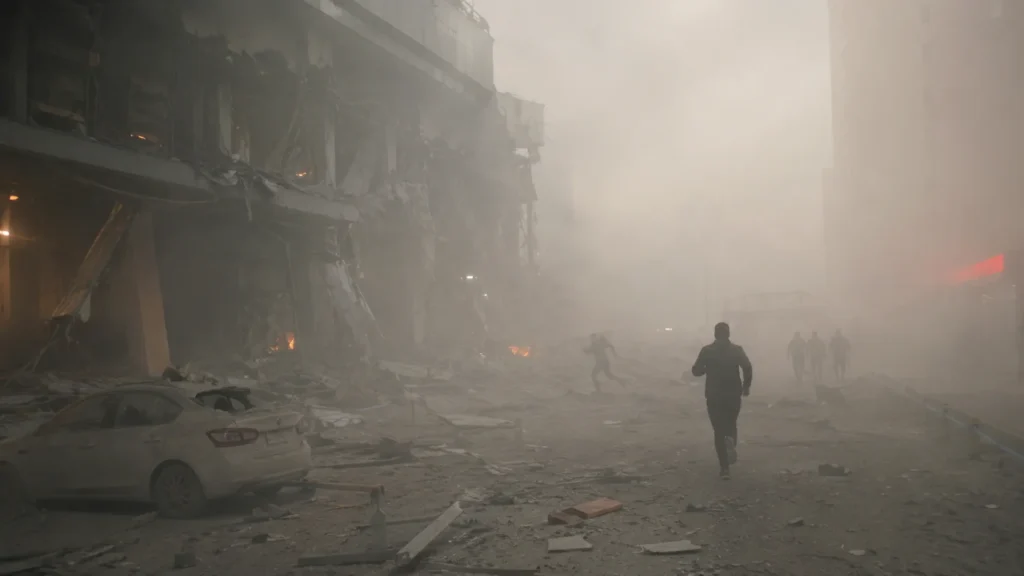
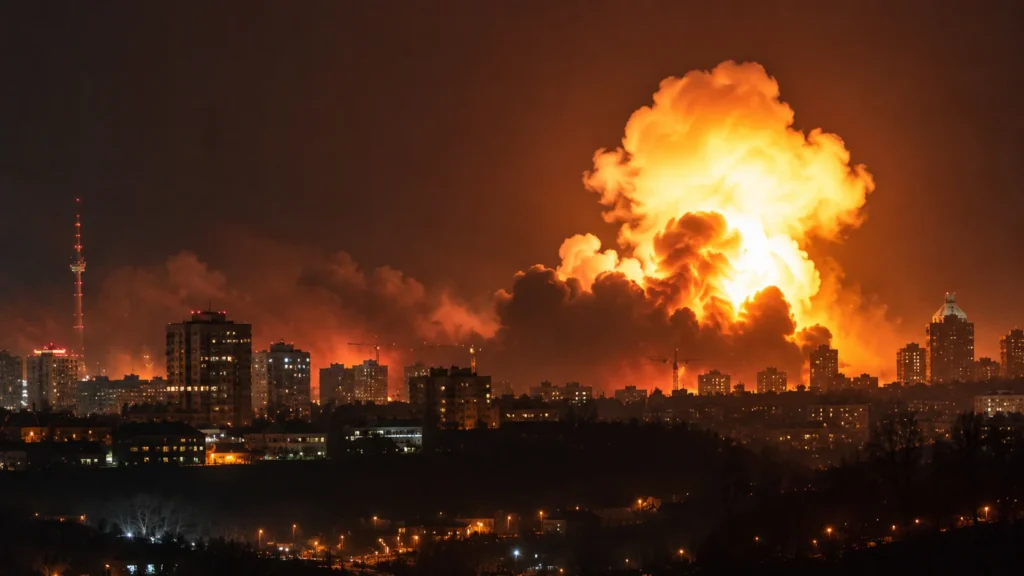
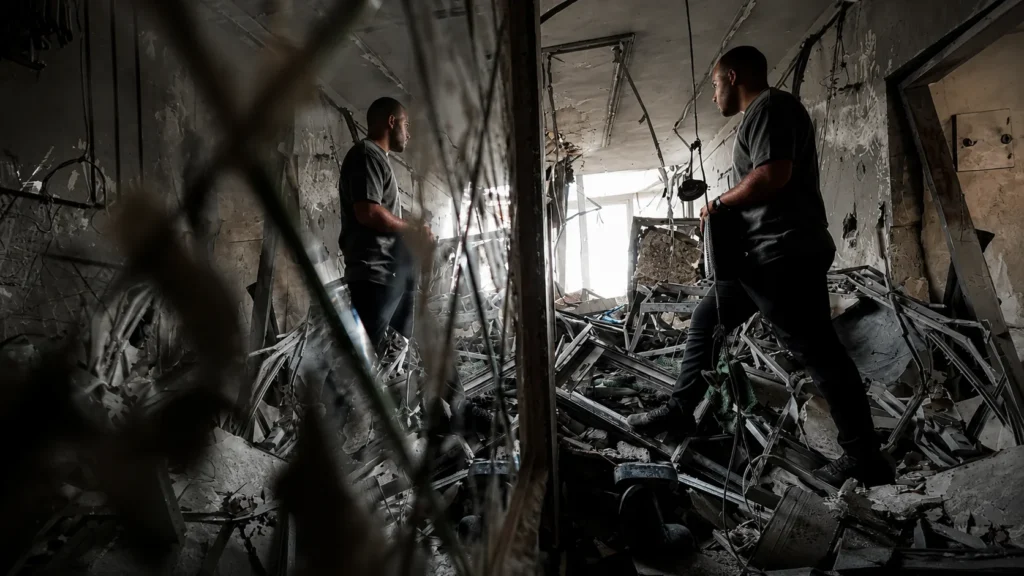
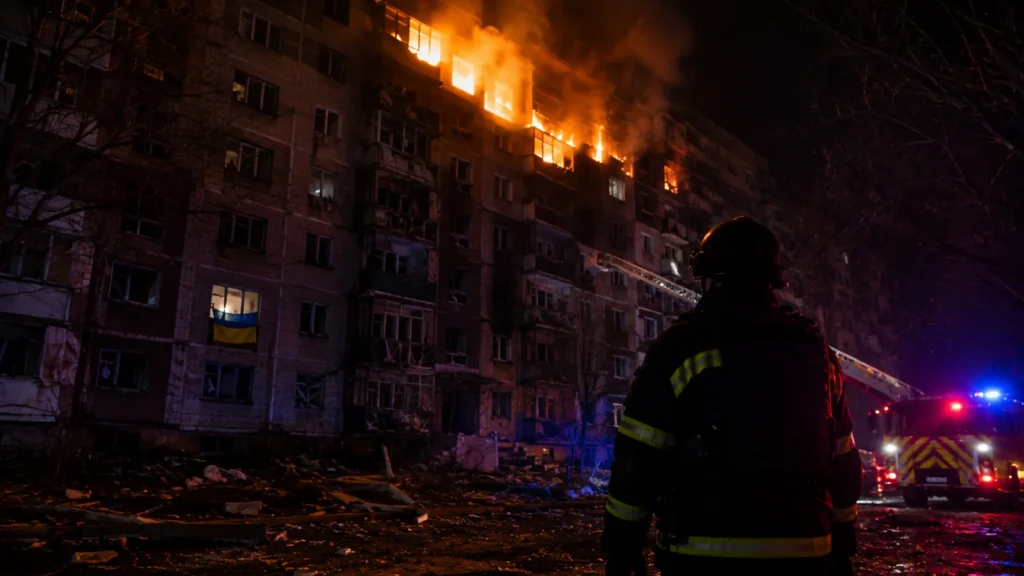
The family of 31-year-old Carlos Eduardo heard him groan beneath the rubble of a collapsed building on Saturday, two days after twin earthquakes devastated this coastal state, but Spanish rescuers and sniffer dogs who arrived at the scene withdrew after finding no sign of life. His relatives have remained, removing debris with their bare hands and clinging to hope he can still be rescued alive. Their desperate vigil is unfolding as the critical 72-hour window to find survivors closes, with more than 2,000 international search-and-rescue personnel from at least 16 countries now deployed across Venezuela. The death toll has passed 920, and tens of thousands are reported missing.
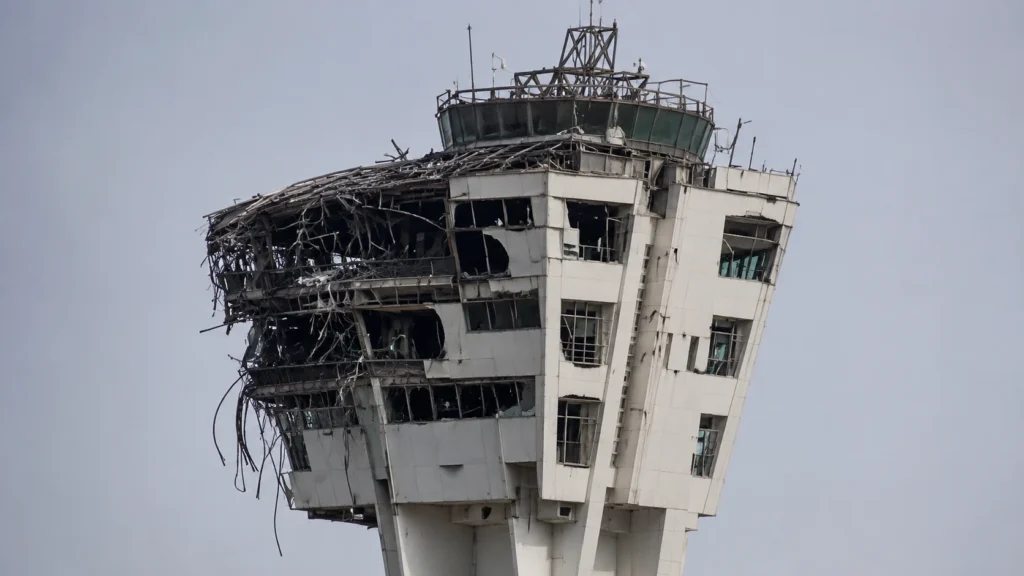
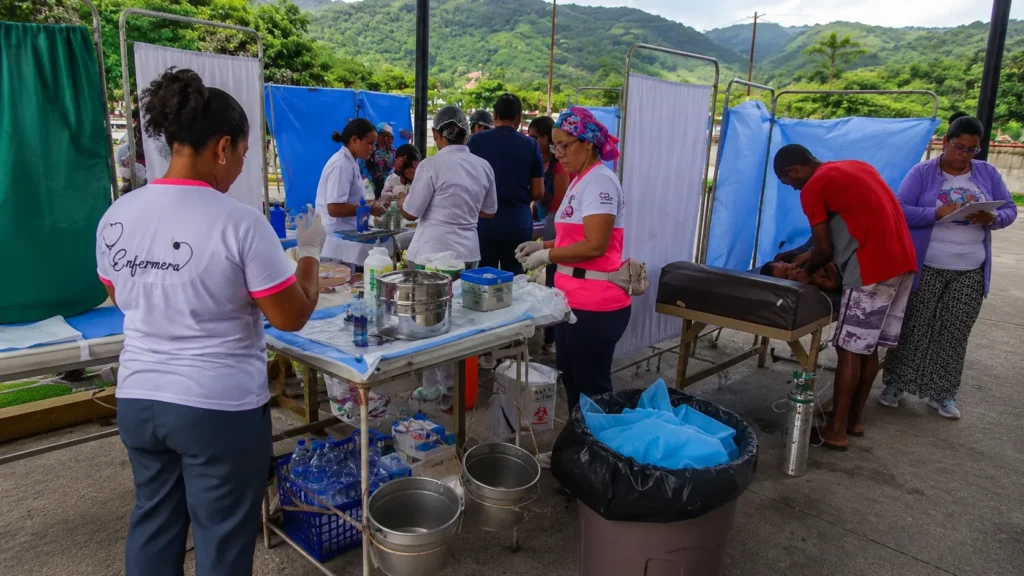
Acting President Delcy Rodríguez said 14,000 military and police personnel have been deployed to La Guaira—the worst-affected area—and that the area has been militarised to coordinate the emergency response. Electricity has been restored to 60% of the state, but the main international airport remains damaged, complicating the delivery of aid.
The Race Against Time
Steven Salazar Vasquez, a paramedic travelling with a multinational rescue team from Panama City to Valencia, told the BBC that after 72 hours, the chance of finding people alive under the rubble falls rapidly. But he said he “still has hope” because many tall structures have only partially collapsed, potentially creating what rescue workers call the “triangle of life”—spaces where collapsed walls form viable voids in which survivors can endure.
The 72-hour mark is not a strict boundary, but every hour that passes reduces the probability of pulling someone like Carlos Eduardo from the rubble alive. His cousin told a BBC contributor on Saturday: “About an hour and a half ago, more or less, we heard from him. Well, he didn’t really speak; he groaned.” He has not responded since.
Across La Guaira, similar scenes are repeating. Families who have not seen rescue teams. Families who have seen teams arrive, search, and leave. Families digging with their hands because no machinery has reached them. The International Red Cross told the BBC that some rescue workers have been singing to people trapped beneath collapsed buildings to reassure them they have not been forgotten.
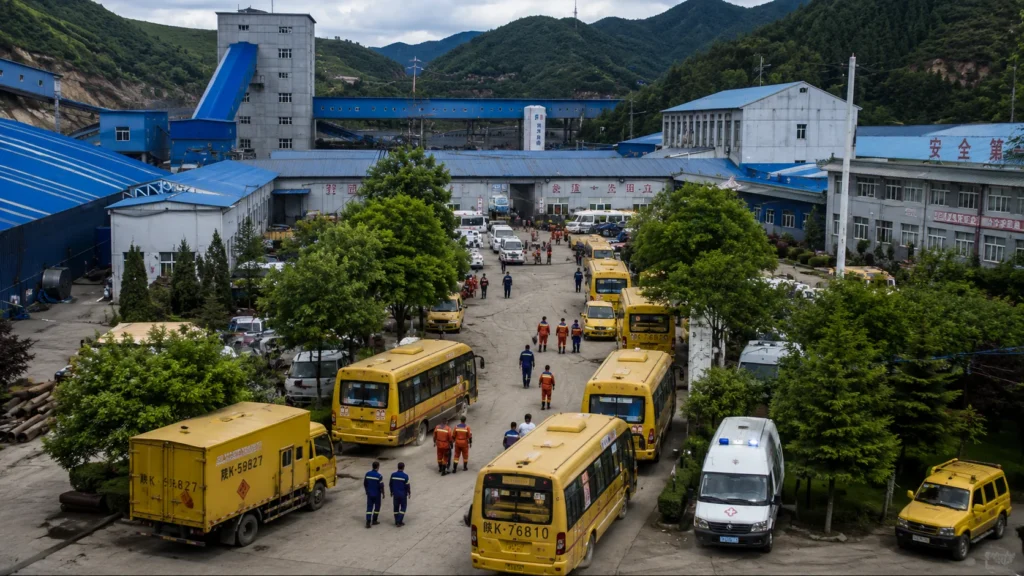
According to UN Global Disaster Awareness and Coordination System deployment data, at least 20 international search and rescue teams have been deployed, with 32 more mobilising. The total includes nine teams classified as “heavy,” eight as “medium,” and three as “light.” More than 2,265 rescuers and 140 dogs are involved in the operation.
Countries that have sent teams include Switzerland, the United States, the Netherlands, France, Qatar, the Czech Republic, Jordan, the United Kingdom, Spain, Chile, Colombia, Ecuador, Germany, Turkey, Italy, and Lithuania. The United States has pledged $150 million in assistance.
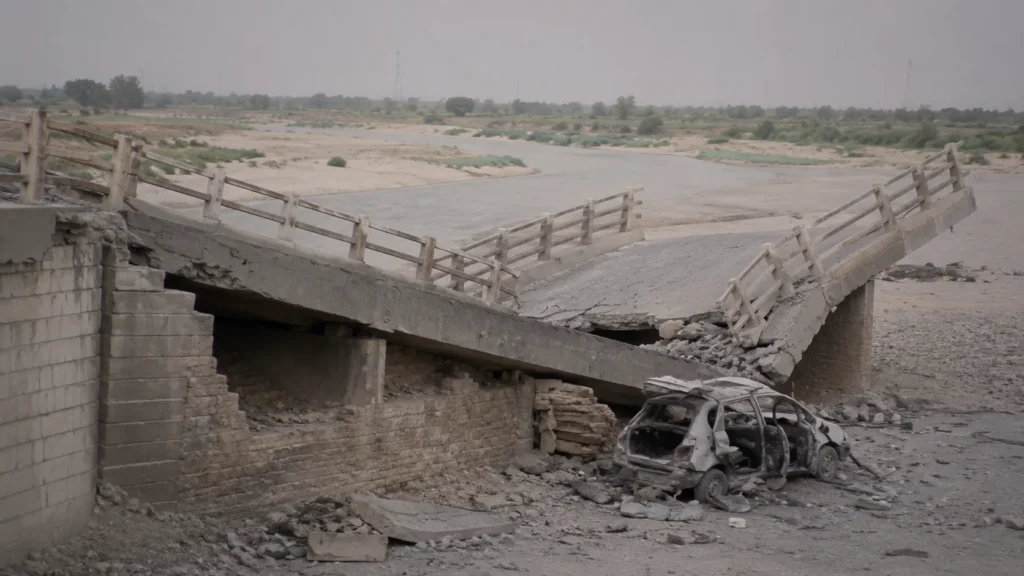
As our earlier reporting on the international rescue mobilisation and the damage to Venezuela’s infrastructure documented, the response has been complicated by the damage to Simón Bolívar International Airport, where new satellite imagery shows at least two cracks in the runway and partial damage to the terminal building.
Life on the Ground
The BBC’s Will Grant, reporting from Caracas, described a situation growing more desperate with each passing day. “With each morning that Venezuelans wake to the aftermath of the dual earthquakes, it is a little darker, a little more grim,” he wrote. “It is another night in which the prayers for the miraculous recovery of missing loved ones went unanswered.”
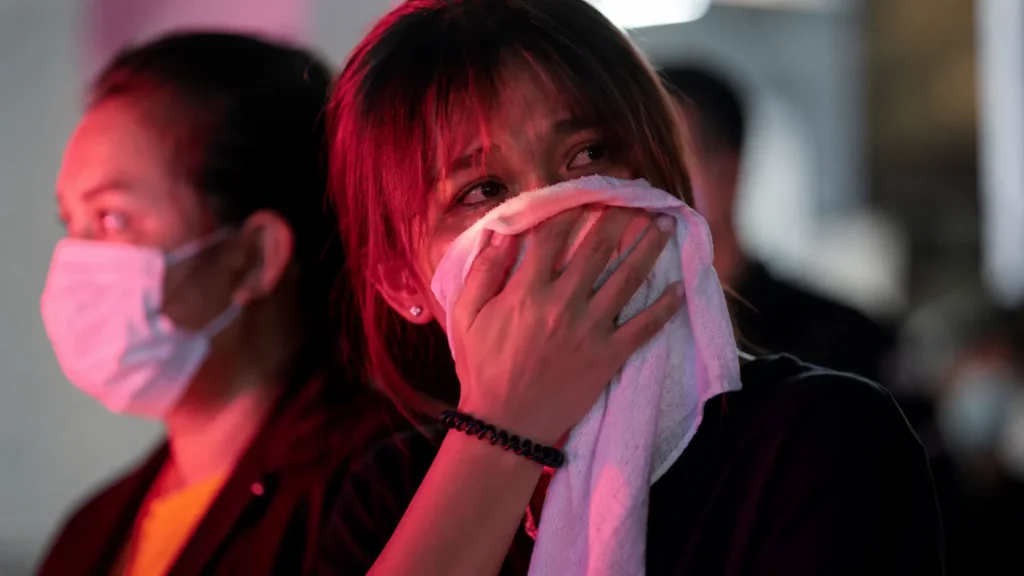
He told the story of Jan Carlos Roa Garcia, a former policeman whose building in Caracas survived the quakes but is too dangerous to return to. “Tears rolling down his cheeks, he says he’s not sure he even knows how to rebuild his family’s life again. ‘If I were thirty and not fifty, then maybe. But I don’t know where to begin. And so far, no one in authority has contacted us.'”
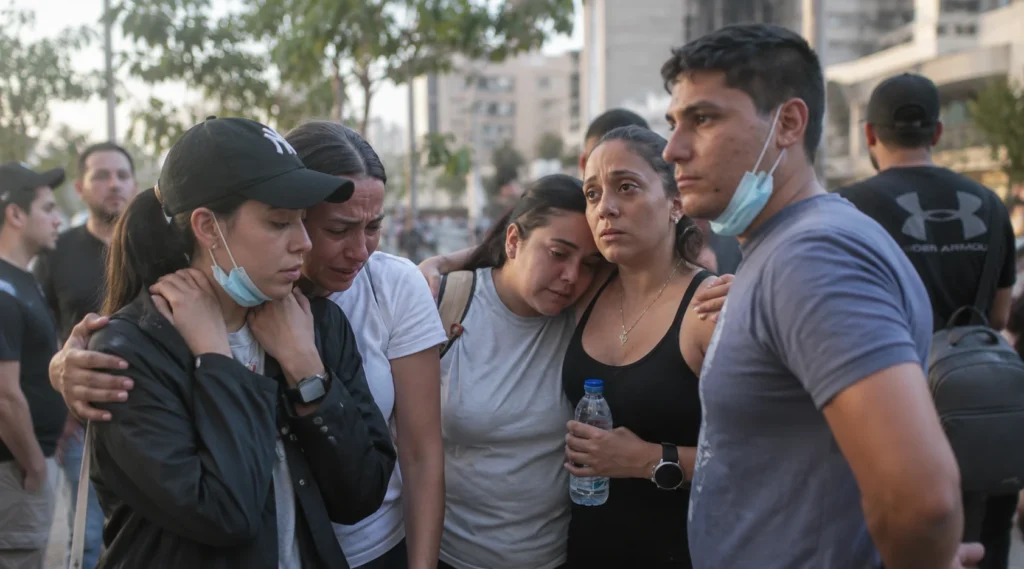
Others are sleeping in cars at the airport. A woman with a child told the BBC: “We are sleeping at the airport, in the car… we have nothing. It is very sad.” Another woman reported that “you can already smell the deceased” near her collapsed building.
Loyce Pace, regional director for the Americas at the International Red Cross, told the BBC’s Newshour programme that rescue efforts are being slowed by blocked roads and widespread destruction. Teams “have had to convert to motorcycles and other forms of transportation because the streets are quite crowded with people,” she said. Strong aftershocks continue to threaten damaged buildings, making rescue operations more dangerous.
Despite the challenges, there have been moments of hope. A newborn baby was pulled alive from the rubble and reunited with family in an emotional rescue that drew cheers from relief workers. Rodríguez said dozens of people have been rescued alive.
According to Venezuelan government updates on electricity restoration and military deployment in La Guaira, the state is working to recover an electrical tower that fell on a mountain, which should allow further progress on power restoration when recovered on Sunday.
The Structural Challenge
The BBC’s Dan Johnson, reporting from Cúcuta on the Colombian border, said the Venezuelan authorities were “ill prepared for this sort of disaster—both in terms of building standards and the emergency response.” He cited political instability and corruption as factors that contributed to an underfunded health system and search and rescue service.
“Despite being in a risk zone,” Johnson reported, “there is widespread poverty, communications are difficult, and infrastructure is poor, meaning getting around the country is complex.”
The death toll has risen sharply since Wednesday. Rodríguez initially reported 32 dead and more than 700 injured in the early hours of Thursday. By Friday morning, the figure had risen to 589 dead and 2,980 injured. By Friday afternoon, Venezuelan lawmaker Jorge Rodríguez said at least 920 people had been killed and at least 3,360 injured. Tens of thousands more are reported missing.
As our analysis of Venezuela’s political and economic crisis and its impact on disaster preparedness documented, the country’s institutions were under severe strain long before the earthquakes hit. The disaster has exposed the consequences of years of underinvestment in infrastructure, building standards, and emergency services.
FAQ
What is the latest death toll?
At least 920 people have been killed and more than 3,360 injured, according to Venezuelan lawmaker Jorge Rodríguez. Tens of thousands are reported missing. The toll is expected to rise further.
How many international rescuers are in Venezuela?
More than 2,265 search and rescue personnel from at least 52 teams are either deployed or mobilising, along with 140 rescue dogs. At least 16 countries have sent teams, with the UN coordinating the international response.
What is the 72-hour window?
Rescue experts say the probability of finding survivors trapped in rubble drops significantly after 72 hours. The first earthquakes struck at around 18:00 local time on Wednesday, meaning that window is now closing.
Has anyone been rescued?
Yes. Acting President Delcy Rodríguez said dozens of people have been rescued alive, including a newborn baby whose rescue was captured on video. Rescue operations continue.
Is the airport operating?
Simón Bolívar International Airport has been largely out of operation since Wednesday’s earthquakes. Satellite imagery shows cracks on the runway and damage to the terminal building. It is open to charter flights carrying rescue teams and aid supplies.