

 English


























































































































































































































Africa Sends 9 Teams to World Cup Knockouts as Asia Falls Behind
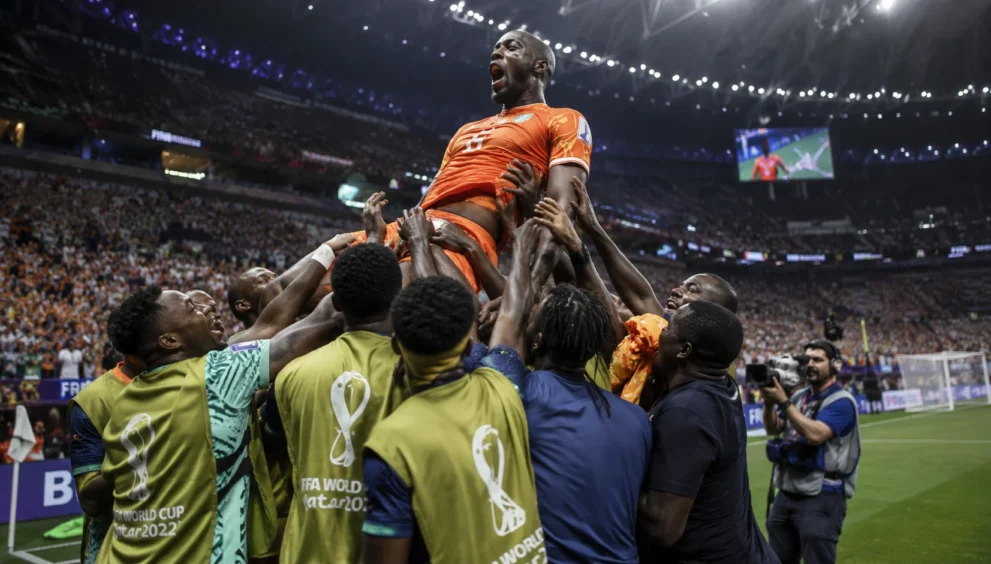
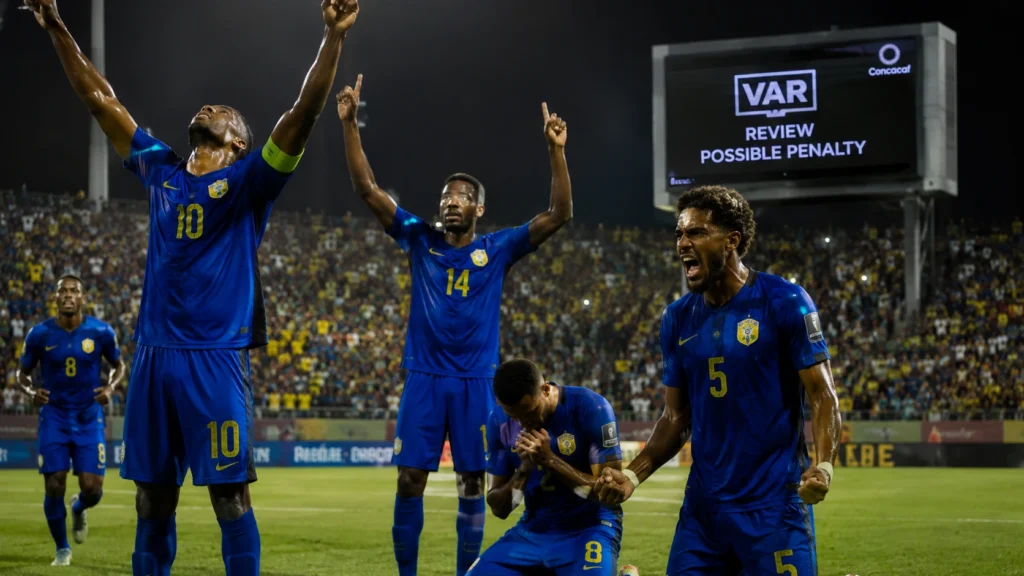
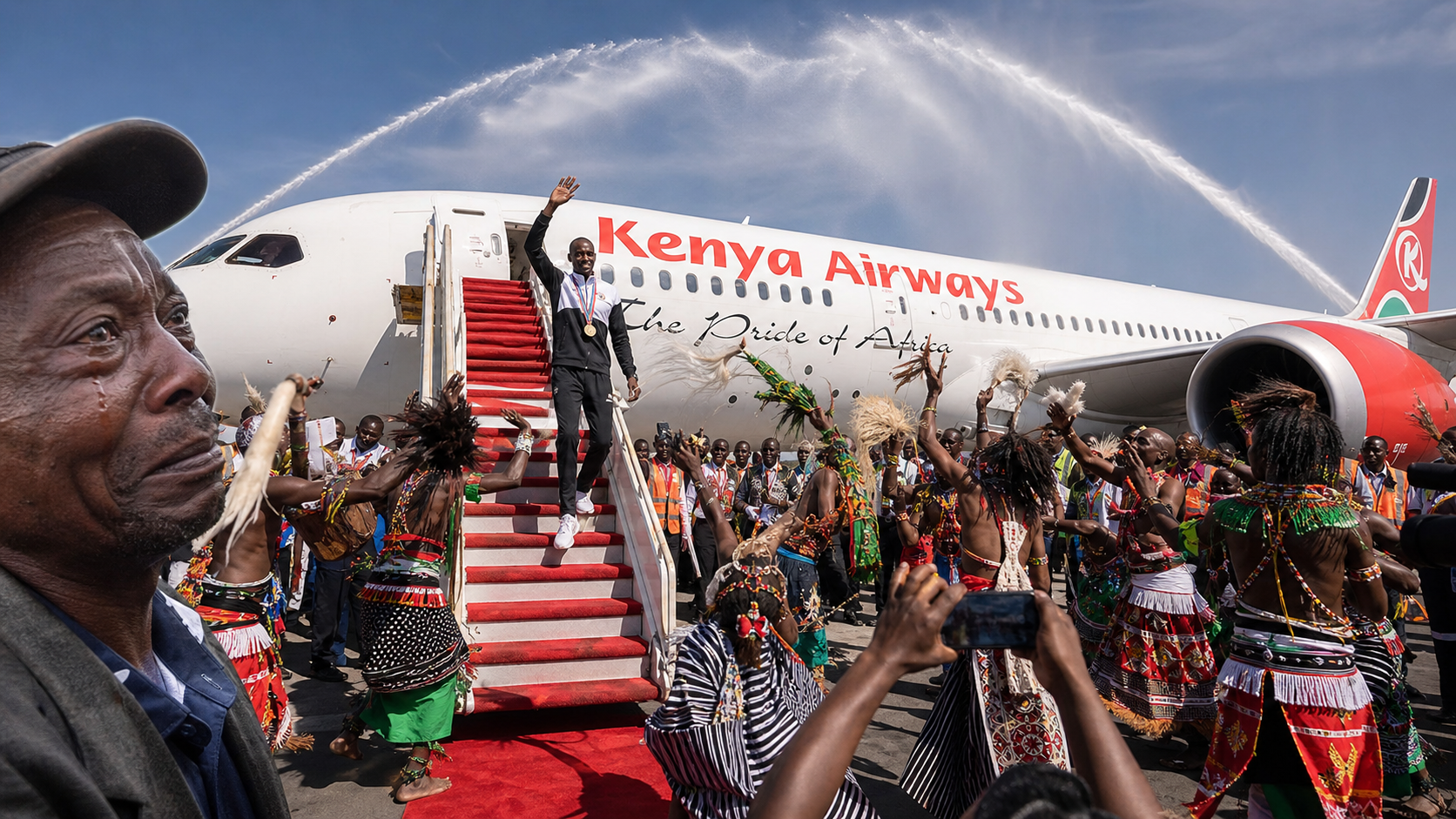
NORTH AMERICA — Nine of Africa’s ten teams have advanced to the knockout stage of the 2026 World Cup, marking the continent’s most successful group-stage performance in tournament history. Cape Verde, Egypt, Ivory Coast, Morocco, and South Africa finished second in their groups, while Algeria, DR Congo, Ghana, and Senegal progressed as third-placed teams. Only Tunisia failed to qualify. By contrast, just two of Asia’s nine representatives—Japan and South Korea—reached the last 32. The results represent a dramatic shift from the 2018 World Cup in Russia, where Africa won only three matches from 15 attempts and failed to send a single team to the knockout rounds.
Confederation of African Football president Patrice Motsepe attributed the success to “hard work and investments in youth football development, coaching and professional football leagues” across the continent. The transformation has been led by Morocco, whose Mohammed VI Football Academy and long-term development strategy have become a blueprint for other African nations.
From Three Wins to Nine Qualifiers
The numbers tell a story of transformation. At the 2018 World Cup, Africa’s five representatives managed three wins between them. No team advanced from the group stage. When FIFA expanded the tournament to 48 teams, granting Africa nine guaranteed places—rising to ten through intercontinental play-offs—critics questioned whether the continent deserved the additional slots.
Eight years later, those concerns have been comprehensively answered. Morocco’s run to the semi-finals in Qatar in 2022—beating Belgium, Spain, and Portugal before losing to France—was the breakthrough. But the 2026 performance demonstrates that Morocco’s success was not an isolated achievement. It was the leading edge of a continental transformation.
According to FIFA World Cup group stage results and historical performance data for African and Asian teams, the nine African qualifiers represent the highest proportion of a continent’s teams reaching the knockout stage in the expanded format.
William Troost-Ekong, the former Nigeria captain, told BBC Sport Africa this month: “Morocco created a blueprint of how it can be done, which is years and years of investing in grassroots football and academies. Morocco has invested not just money but also time and effort, with a clear idea of how it can progress. The facilities they have, the consistency throughout their age groups, I think that’s the only blueprint you can follow.”
As our analysis of Morocco’s football infrastructure and its impact on African football development documented, the Mohammed VI Football Academy, opened in 2009, has produced a generation of players who have succeeded at the highest levels of European club football and brought that experience back to the national team.
Asia’s Structural Deficit
Asia’s failure to match Africa’s progress exposes a structural gap. The Asian Football Confederation has more members, more money, and more established professional leagues than CAF. Saudi Arabia has spent billions on its domestic league. Yet only Japan and South Korea—the two nations with the most developed youth systems and longest traditions of player development—advanced to the knockout stage.
The expansion of the tournament from 32 to 48 teams gave both Africa and Asia additional places. Both continents entered the competition with ambitions. Only one was delivered. The format revealed the underlying quality of each continent’s teams rather than creating it.
Japan and South Korea have built the infrastructure that produces competitive national teams. The rest of Asia has not yet done so. Saudi Arabia’s domestic league investment has not translated into a competitive national side. Iran’s political isolation has limited its football development. Australia’s integration into the AFC has not elevated the continent’s overall standard. Individual talent exists. The institutional framework to maximise it does not.
As our comparison of football development models across Africa and Asia has tracked, the gap between the two continents’ resources and their outcomes is the most significant inefficiency in the global game.
What Comes Next
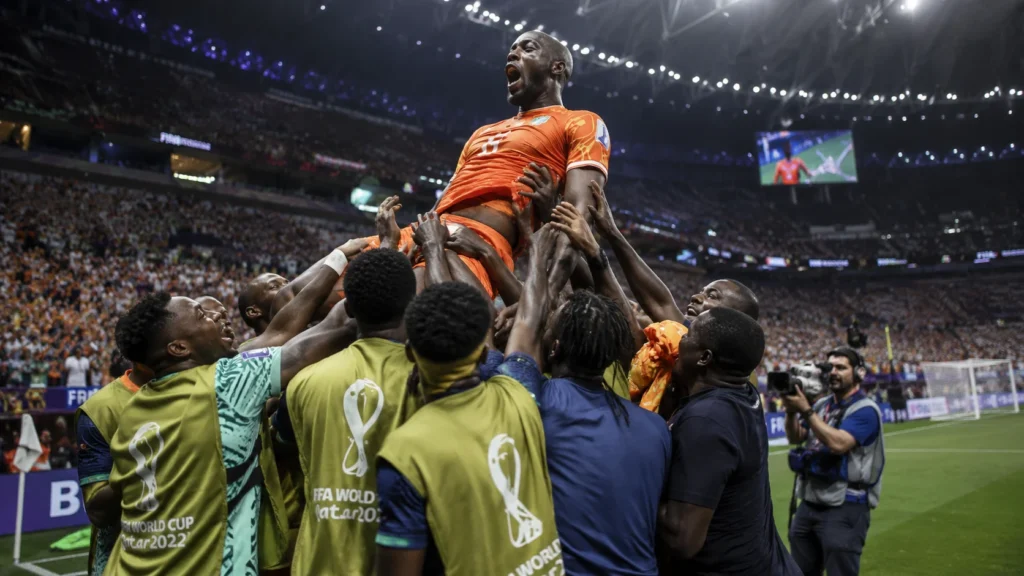
The knockout bracket offers Africa its best chance to match or exceed Morocco’s semi-final run from 2022. Defending champions Argentina face Cape Verde on Friday. Algeria meets Switzerland. Ghana plays Colombia. The bracket has opened in ways that could produce an all-African tie in the last 16.
Morocco against the Netherlands is the most consequential match. The winner likely faces France in the quarter-finals. If Morocco beats the Dutch, they will have defeated a European power in the knockout stage for the third consecutive tournament. Morocco is now ranked sixth in the FIFA world rankings—one place above the Netherlands.
South Africa was eliminated in the last 32 by a late goal from Canada on Sunday. The co-hosts will now face the winners of Morocco’s game against the Dutch.
According to FIFA world rankings data and World Cup knockout bracket analysis, Argentina’s section of the draw contains four African teams and could see the defending champions face an African opponent in every round on the way to the semi-finals.
The long-term trajectory is clear. The investment that Morocco pioneered is spreading across the continent. Academies are producing players. Coaching standards are improving. Professional leagues are strengthening. The talent was always there. The system is finally catching up. Asia’s task is to decide whether it will follow the same path or continue to rely on the individual brilliance of the nations that have already built the necessary infrastructure.
FAQ
How many African teams reached the 2026 World Cup knockout stage?
Nine of Africa’s ten teams advanced: Cape Verde, Egypt, Ivory Coast, Morocco, South Africa (second in groups), and Algeria, DR Congo, Ghana, Senegal (third). Only Tunisia failed to progress.
How does this compare to previous World Cups?
At the 2018 World Cup, Africa won only three matches from 15 attempts, and no team reached the knockout stage. In 2022, Morocco and Senegal reached the last 16, with Morocco making the semi-finals.
How many Asian teams qualified?
Two of Asia’s nine teams advanced: Japan and South Korea. The other seven were eliminated in the group stage.
Why have African teams improved?
CAF president Patrice Motsepe credits investment in youth development, coaching, and professional leagues. Morocco’s Mohammed VI Football Academy and long-term development plan have provided a blueprint followed by other nations.
Who does Morocco play next?
Morocco faces the Netherlands in the last 32. The winner is likely to meet France in the quarter-finals. Morocco is ranked sixth in the world, one place above the Dutch.