

 English






































Burnham Sworn In as PM-in-Waiting After Starmer’s Tearful Exit
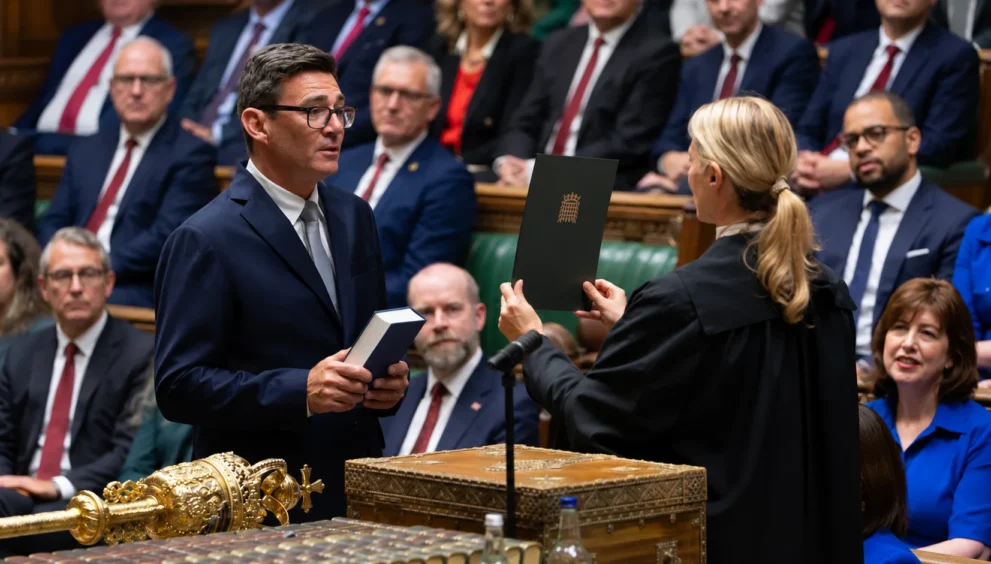
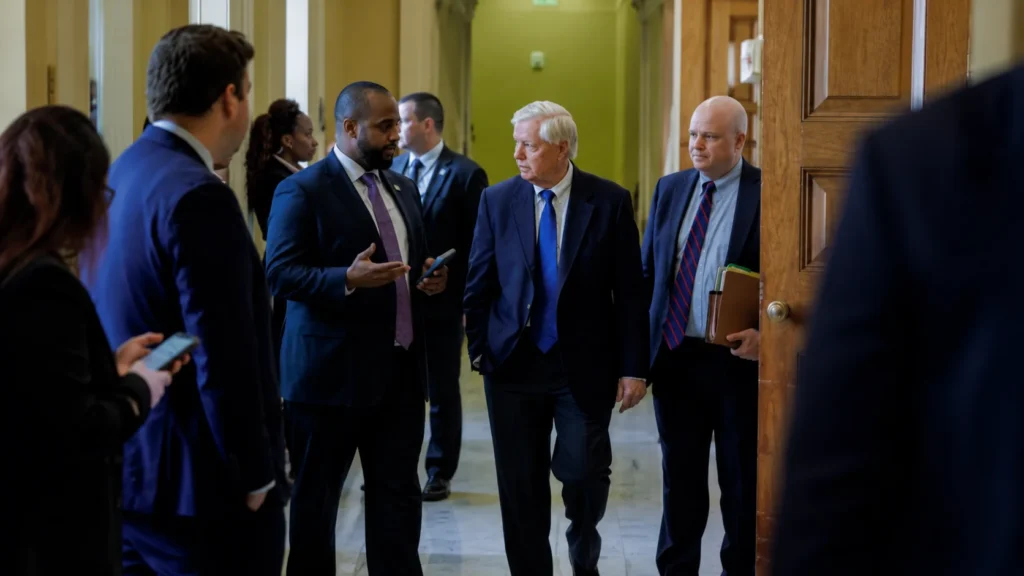
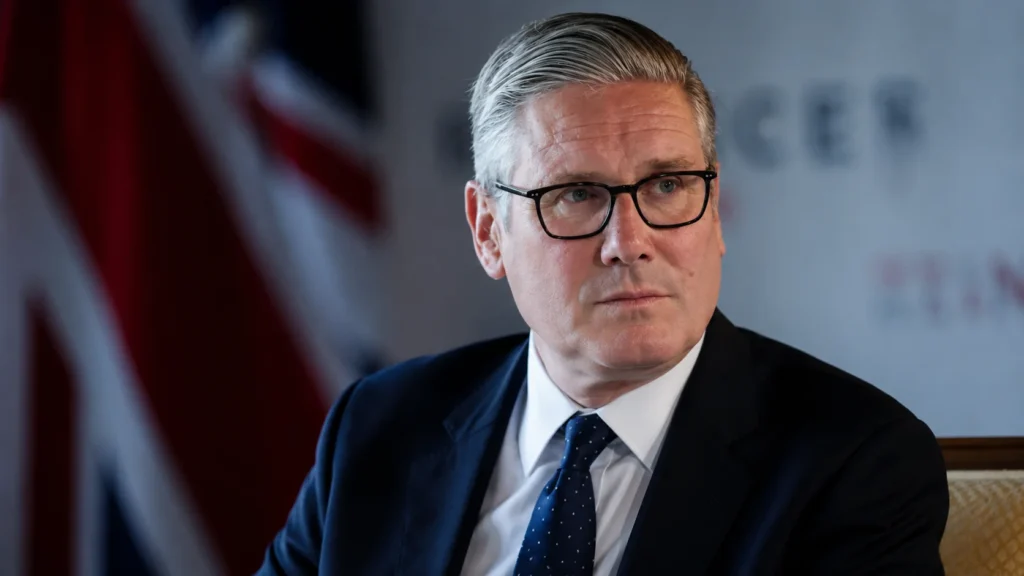
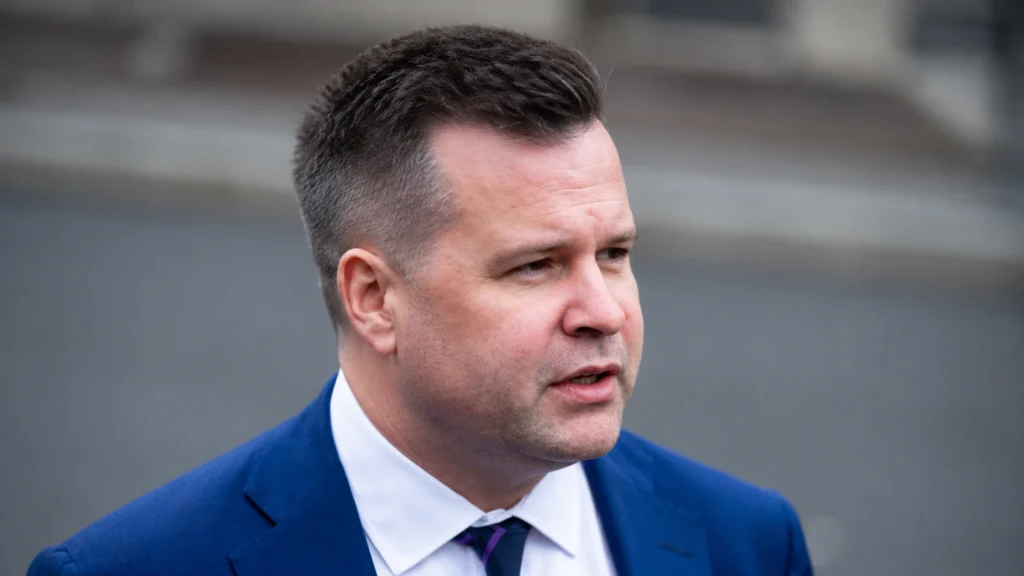
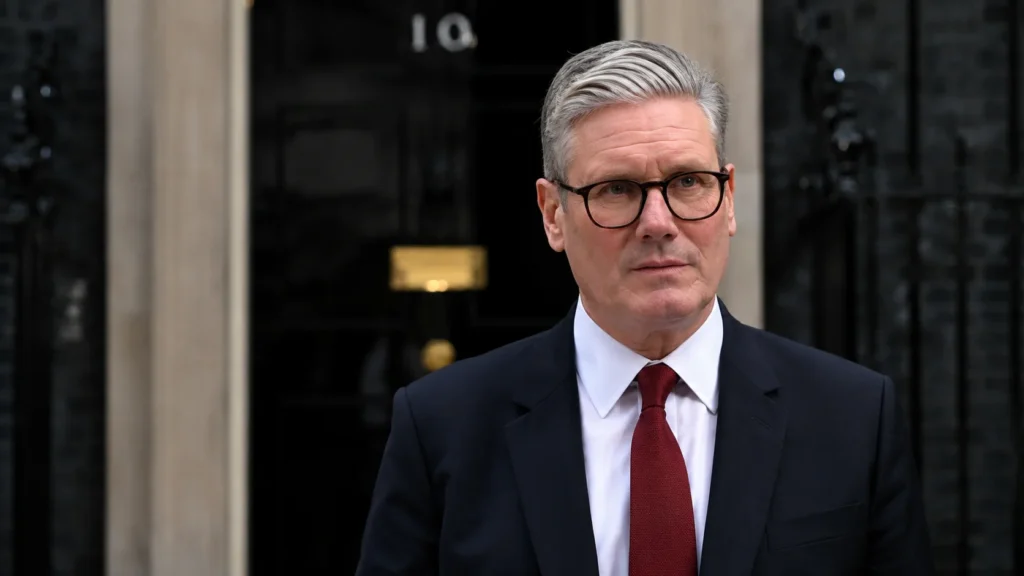
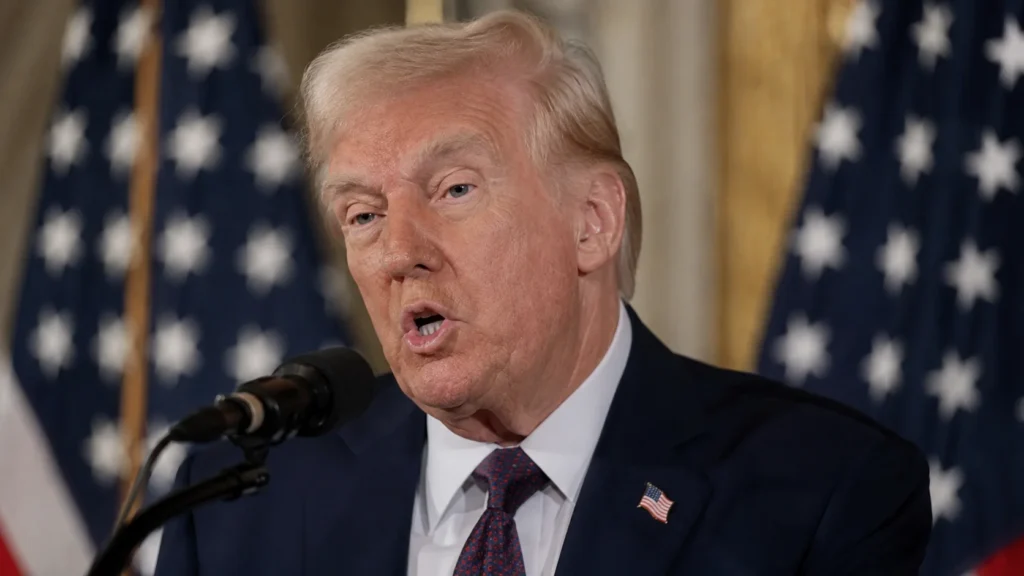
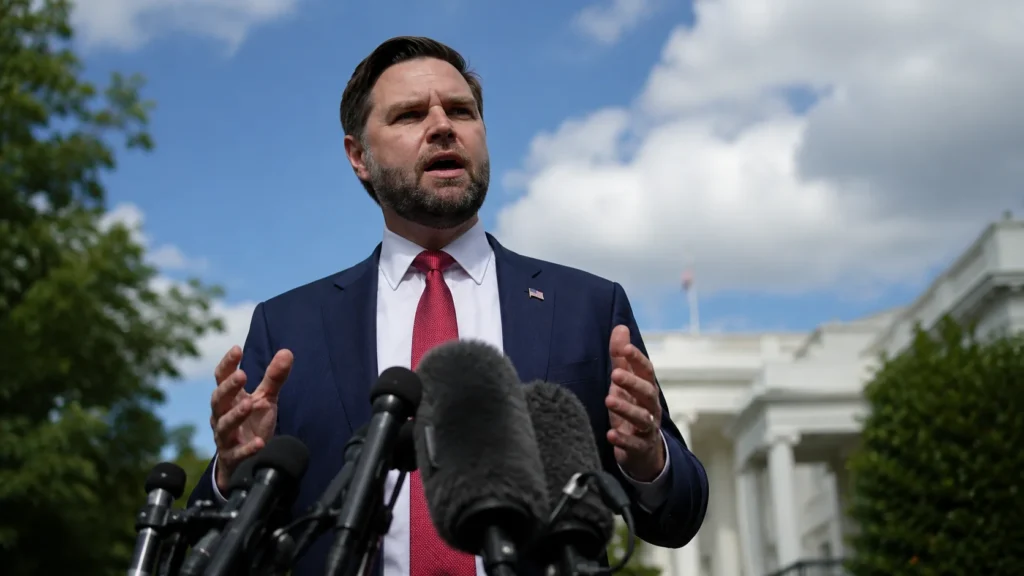
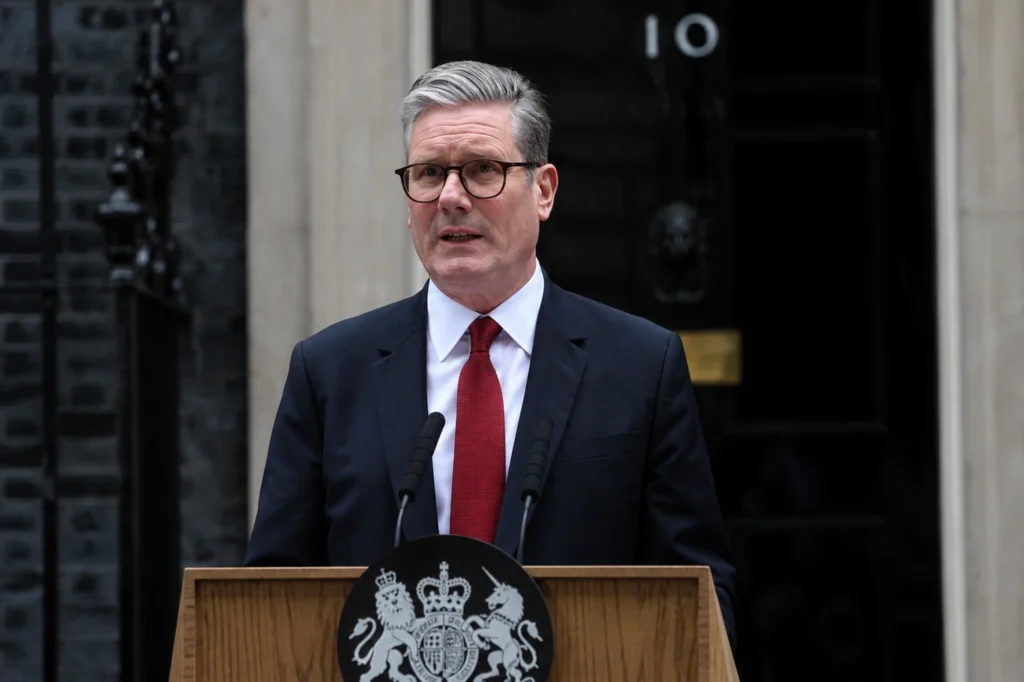
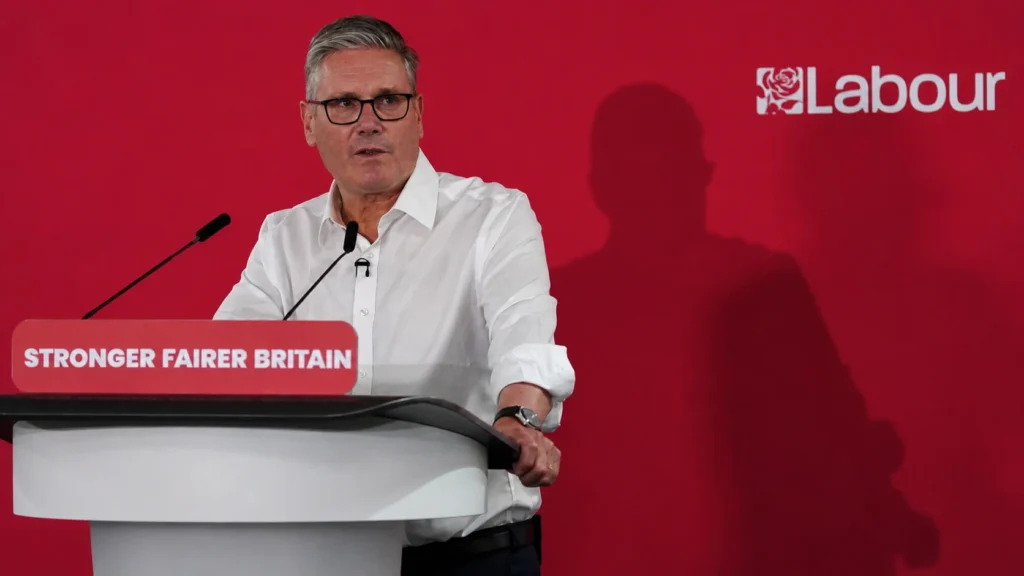
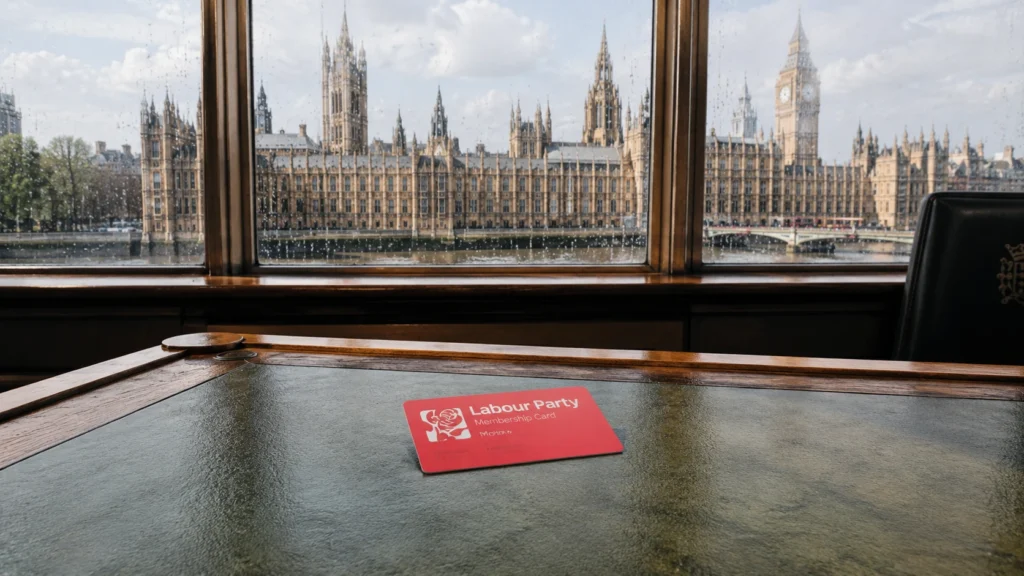
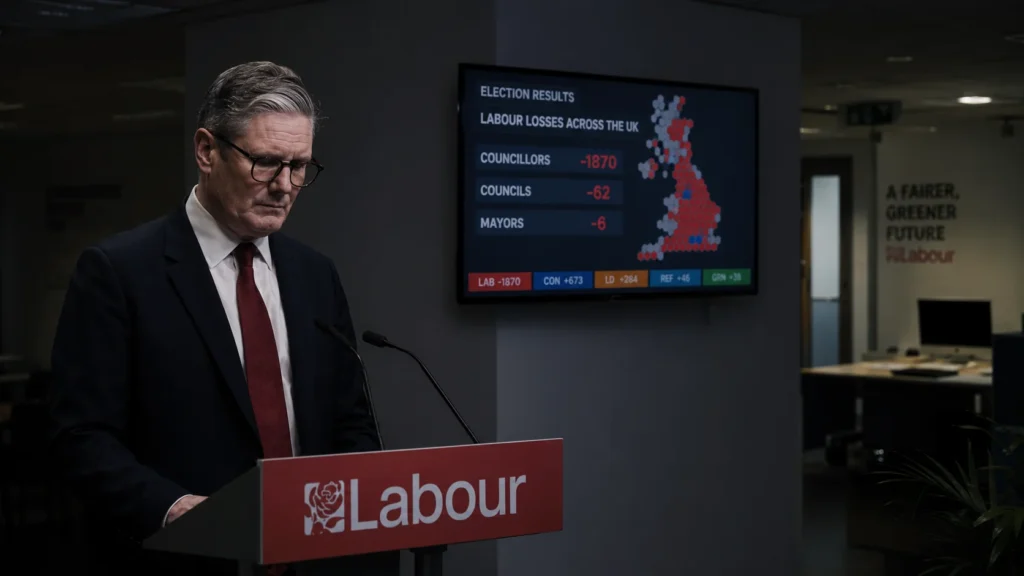
LONDON — Andy Burnham was sworn into Parliament on Monday evening, hours after Keir Starmer announced his resignation as prime minister with a visibly emotional statement outside Downing Street. The former Greater Manchester mayor, who won the Makerfield by-election last week, arrived at Westminster to cheers from Labour MPs and immediately became the near-certain next prime minister after former health secretary Wes Streeting abandoned his own leadership ambitions and backed Burnham. If the transition proceeds as a “coronation” without a contested leadership race, Burnham could enter No 10 within weeks—making him Britain’s fifth prime minister in four years, and the latest to take office without winning a general election.
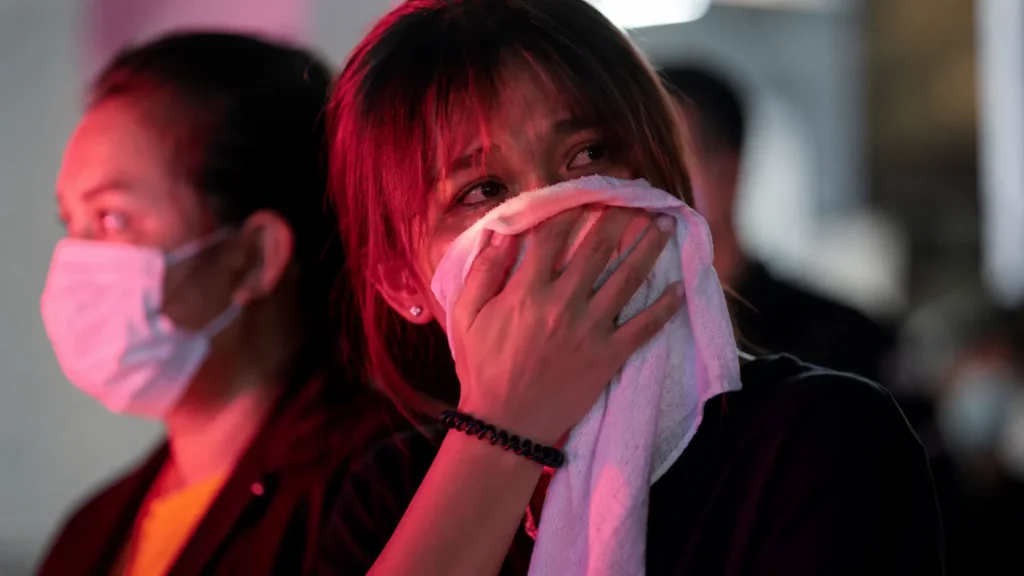
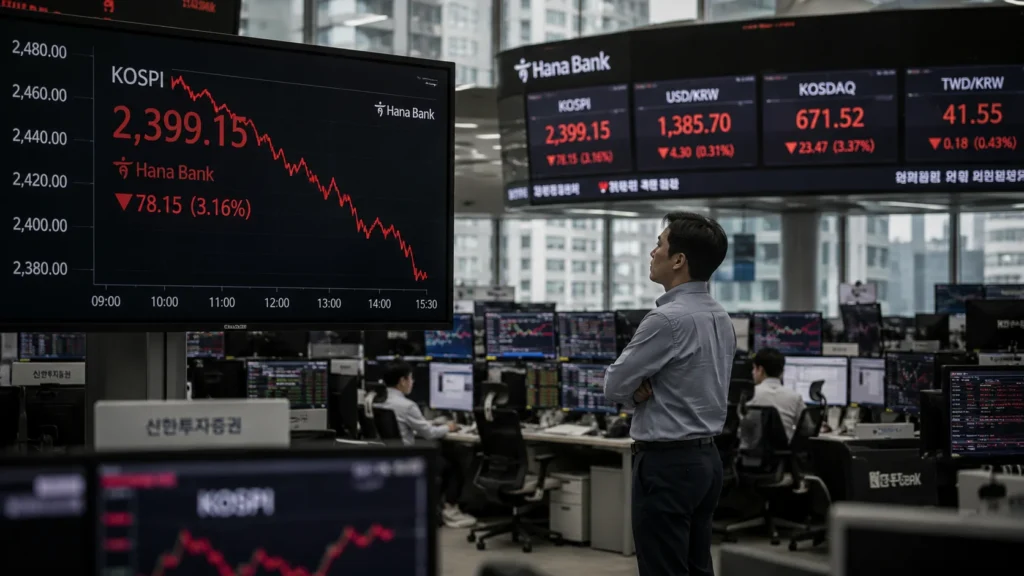
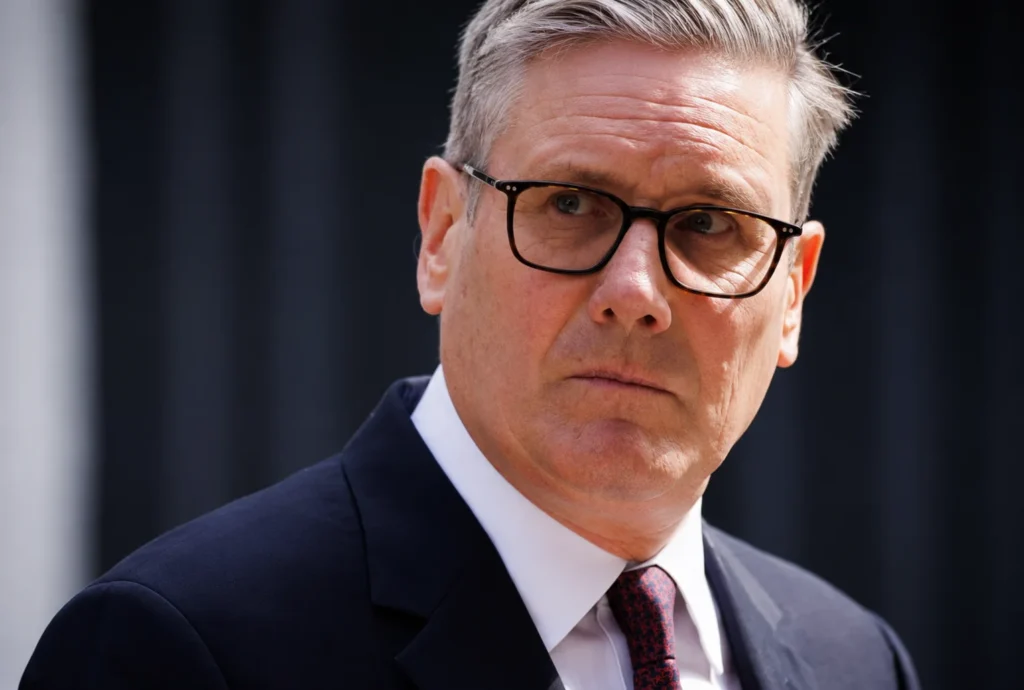
Starmer’s voice cracked as he paid tribute to his wife and children shortly after 9:30 BST. His wife Victoria’s lip trembled in front of the cameras. By evening, the political momentum had swung decisively behind his successor. The markets, meanwhile, barely registered the change.
How Monday Unfolded: The Timeline
The day moved faster than any in recent Westminster memory. Starmer’s resignation speech, much anticipated after a weekend of silence from No 10, confirmed what senior government figures had expected since Sunday. He will remain in post until a new leader is in place by 1 September—though the transition could happen far sooner if no challenger emerges.
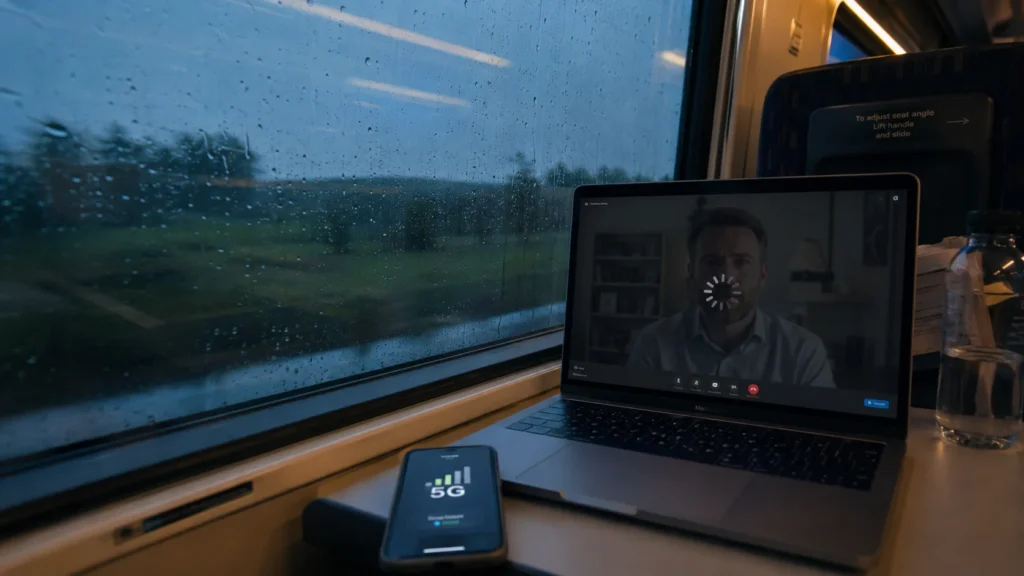
Burnham boarded the delayed 10:54 train from Manchester Piccadilly to London Euston. By the time he arrived, Streeting had already told the BBC he would not run and was backing the former mayor. “He has not offered me any jobs,” Streeting said. “That’s not what our conversations have been about. This has been about ideas.”
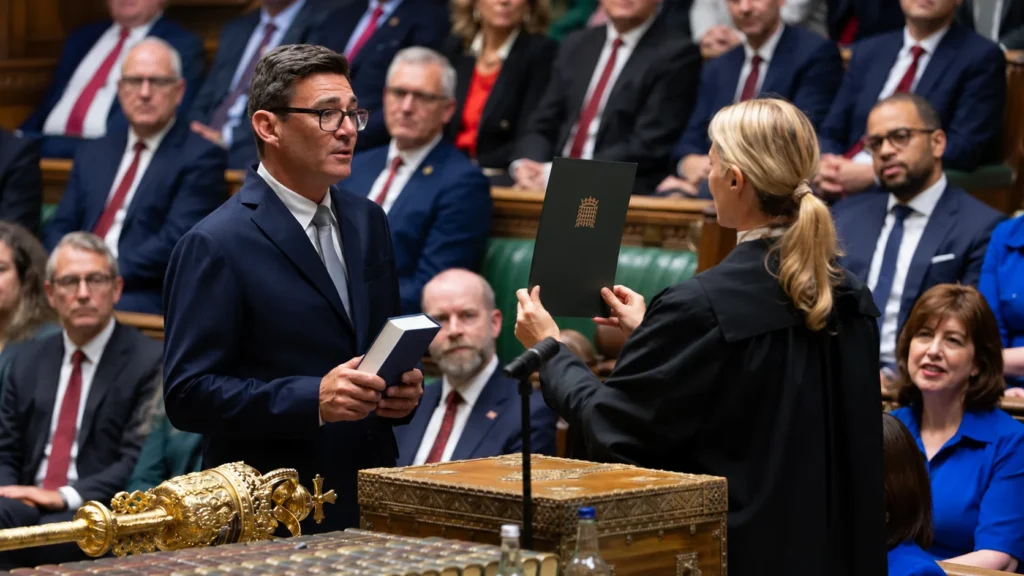
Shortly after arriving in London, Burnham took the oath in a crowded House of Commons. Opposition MPs greeted him with mockery—shouts of “Rome is saved,” “he’s not the Messiah,” and “water into wine.” Burnham quipped back: “I’m just a naughty boy.” Speaker Lindsay Hoyle pulled him in for a lengthy handshake.
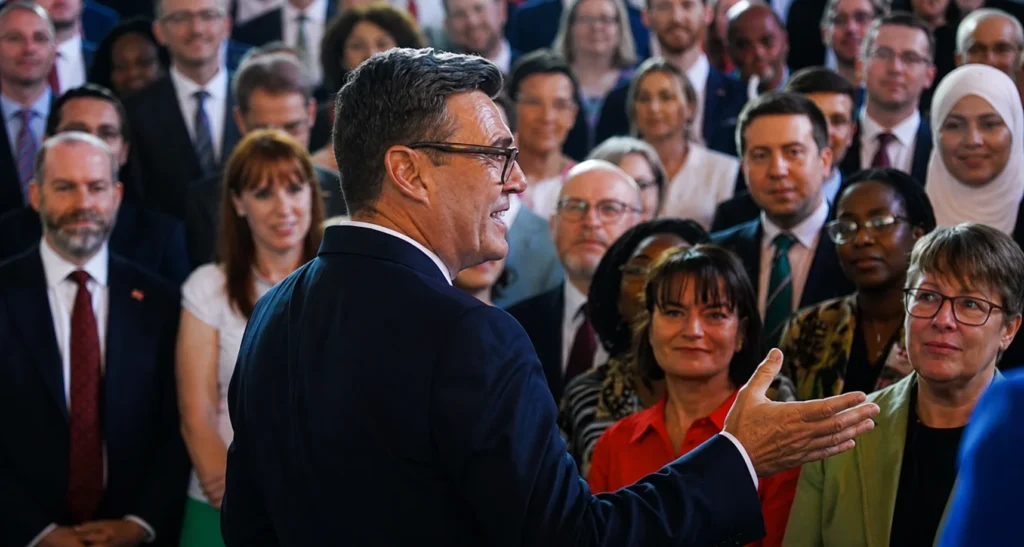
Then came the photograph. Around 200 Labour MPs assembled in Westminster Hall for what is standard practice after any by-election victory. This one felt like anything but standard. Chancellor Rachel Reeves and former deputy prime minister Angela Rayner were front and centre. Chief whip Jonathan Reynolds stood nearby. The whoops and cheers, BBC chief political correspondent Henry Zeffman reported, were so loud they “ought to expunge” any doubt that the leadership contest was over before it began.
Burnham pulled out his phone and took a selfie with the crowd, straining to fit everyone into one frame. “Within weeks, it may fall to him to fit them all into a cohesive government and political project,” Zeffman noted.
According to BBC political editor Chris Mason’s analysis of Monday’s power shift, two moments defined the day: Starmer’s resignation and Streeting’s decision to back Burnham. “Streeting was astute enough to sense the political momentum swinging so decisively behind Burnham,” Mason wrote.
The Mandate Question That Won’t Go Away
Burnham’s victory in Makerfield gave him roughly 77,000 votes. It proved Labour could win under new leadership. It did not provide a national mandate to govern.
The question of whether an unelected prime minister should call a general election surfaced within hours. Reform UK leader Nigel Farage posted a video demanding one. But the more awkward challenge came from Burnham’s own past. BBC Verify uncovered multiple posts from his X account during the 2022 Conservative leadership contest.
“We need to start demanding a general election at the end of this Tory leadership election,” he posted on 13 July 2022. On 17 July: “Only one possible response to #itvdebate… We need a general election.” On 20 October 2022, as Liz Truss’s premiership collapsed: “#GeneralElectionNow.”
Alan Johnson, the former Labour home secretary, told BBC Radio 5 Live that Burnham should “be brave” and call an early election, even though one is not required until August 2029. “MPs won’t like it. It’ll be a very bold thing to do. It might set a precedent that others in the future will have to follow, but it will help restore trust in politics, and that is Andy’s big plus.”
Burnham dismissed the question when asked by the BBC: “I think you’re jumping several hurdles ahead there—my priority today is to be sworn in as the MP for Makerfield.”
As our analysis of the democratic legitimacy questions facing unelected prime ministers documented, the issue has surfaced with each of the last four transitions. It has never been resolved. It will not go away now.
The Fiscal Reality Waiting at No 10
Dharshini David, the BBC’s deputy economics editor, outlined the constraints Burnham will inherit. Public debt is heading toward £3 trillion. Burnham has pledged to maintain the fiscal rules designed to curb borrowing. He also wants more state control of utilities, expanded social housing, and a larger defence budget.
“Will his ambitions be curbed by financial reality—or will money be raised elsewhere through more tax rises?” David asked. “Burnham might have once said he wouldn’t be in hock to the bond markets, the government’s lenders, but the next chancellor will have to keep them on side.”
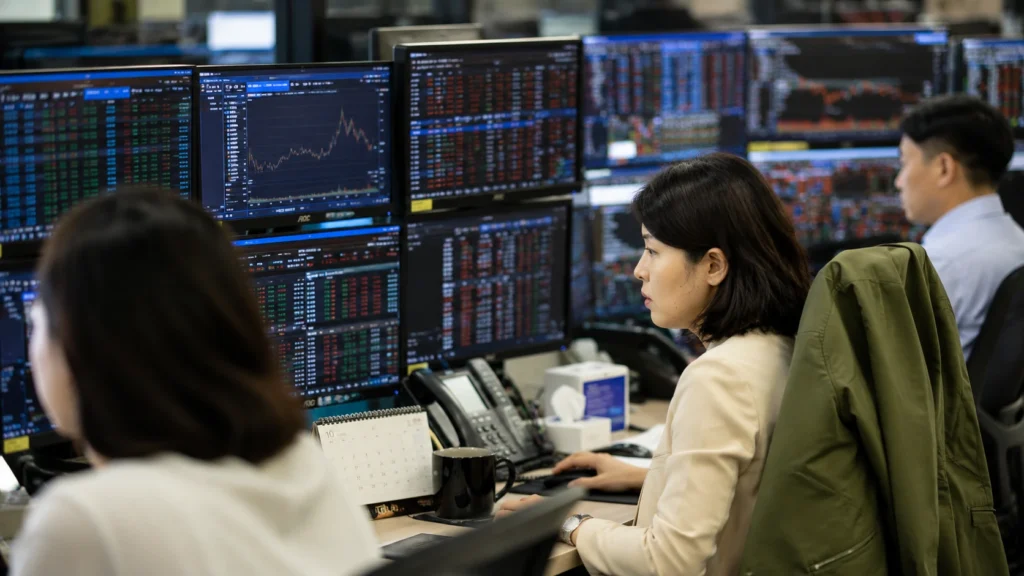
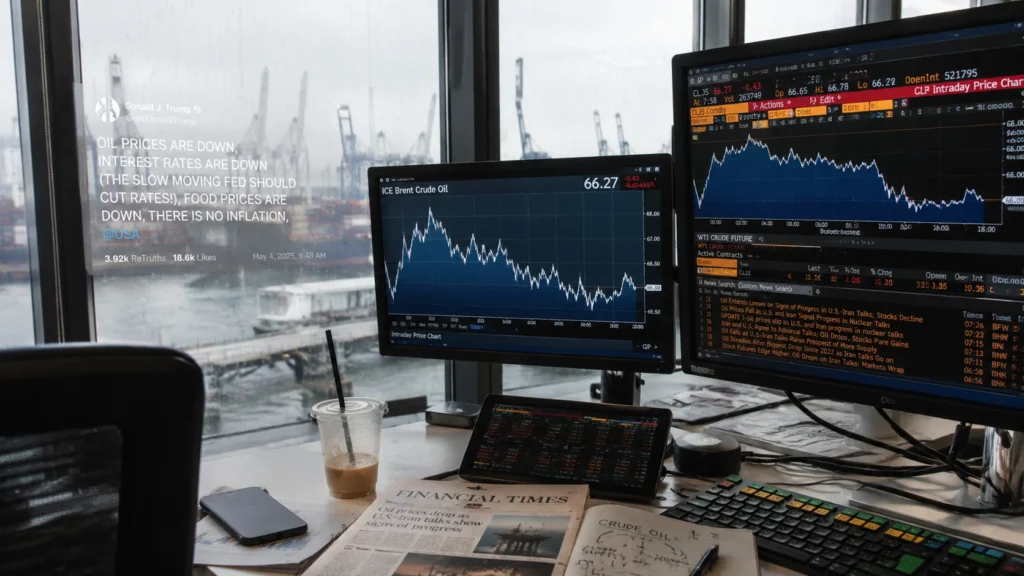
The financial markets remained calm through Monday’s drama. David noted investors are watching not just who enters No 10 but who takes charge of the Treasury. “There may be several people vying to take control of the Treasury—but in some ways, it’s an unenviable task.”
As our coverage of the UK’s fiscal position and bond market sensitivity has tracked, the debt trajectory limits the spending promises any new prime minister can make. The contradiction between Burnham’s campaign rhetoric and the fiscal arithmetic is not a policy disagreement. It is structural.
The International Dimension: Trump Watches, EU Postpones
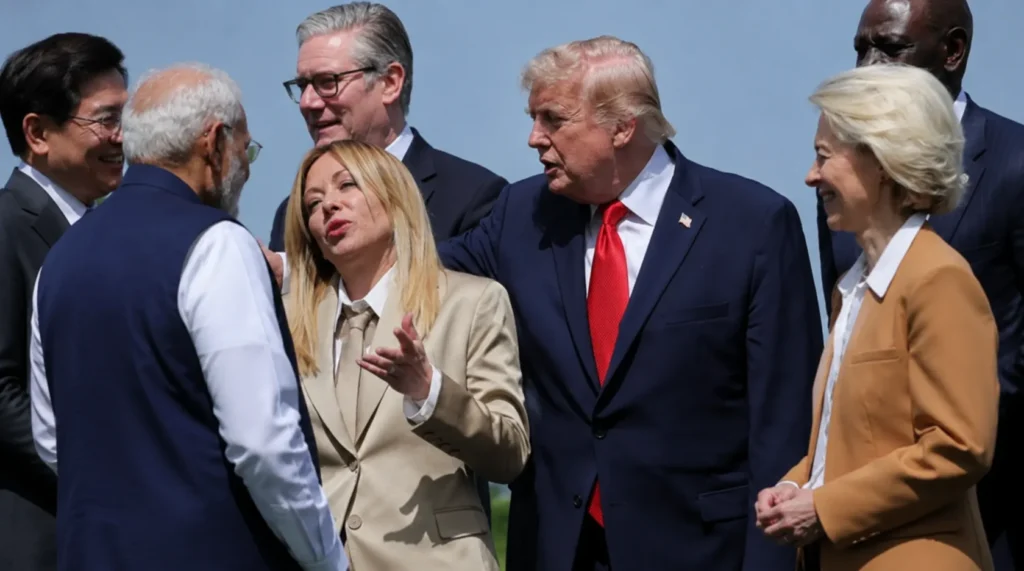
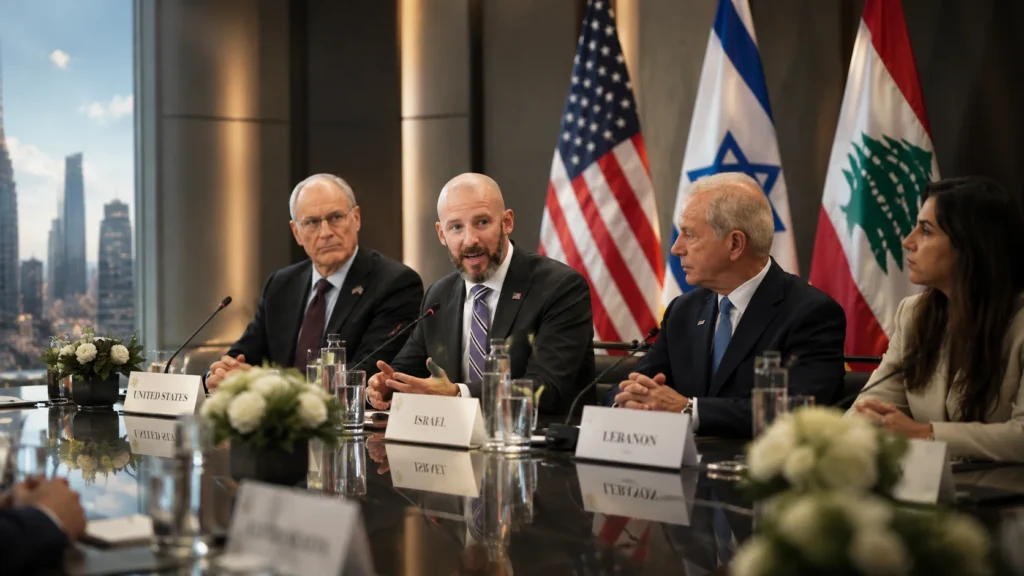
The global implications are already materialising. A UK-EU summit scheduled for 22 July in Brussels has been postponed. Starmer had been due to meet Ursula von der Leyen and Antonio Costa for talks on food, energy, and a youth mobility scheme. The summit was part of the reset in UK-EU relations Starmer signed last year.
Costa told reporters on Monday: “Now for sure we need to postpone it, but we are reassessing the opportunity of this new summit. But my wish is that his successor could give continuity on this good path to reset our relationship with the United Kingdom.”
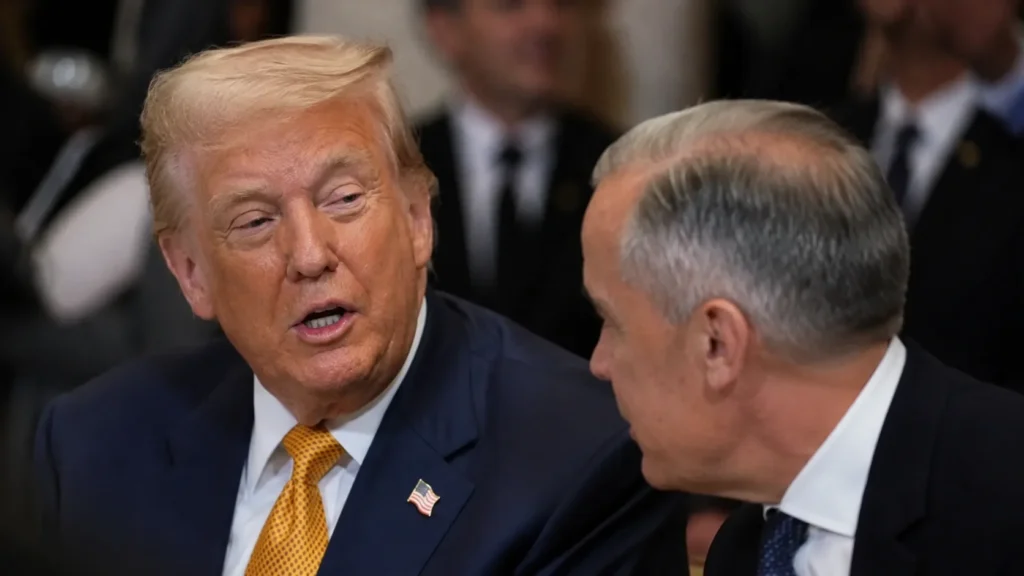
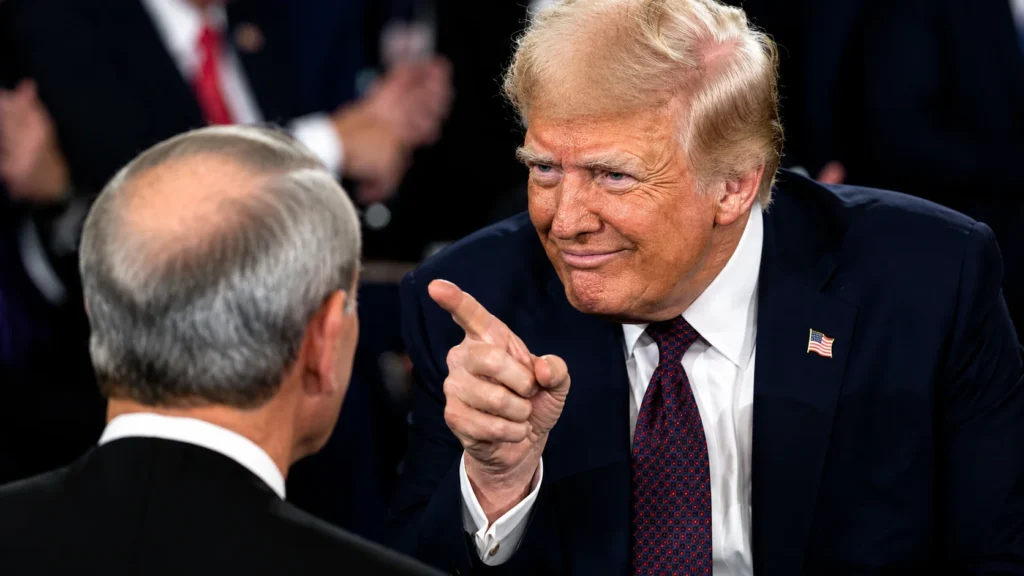
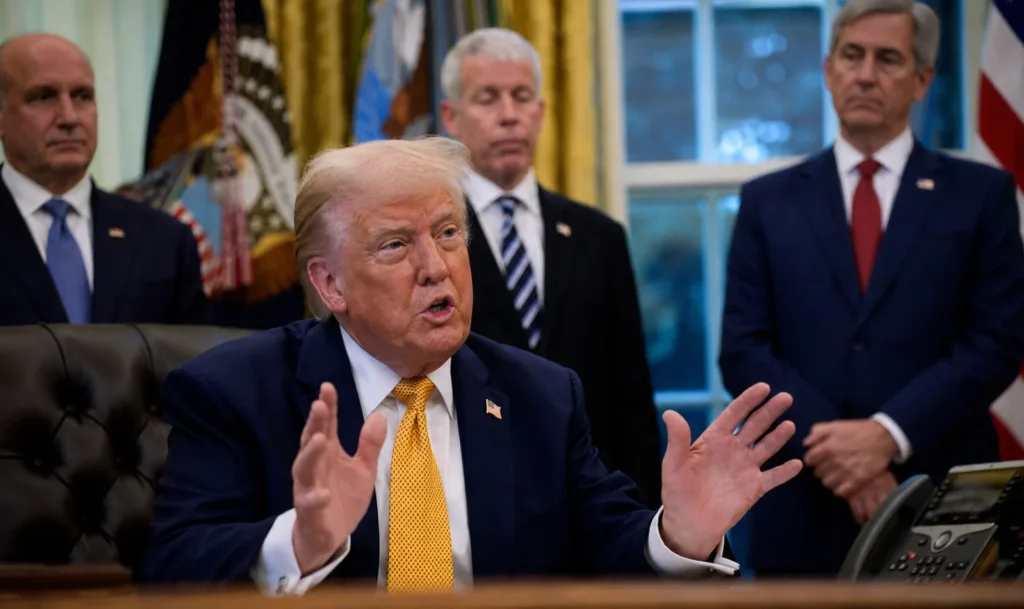
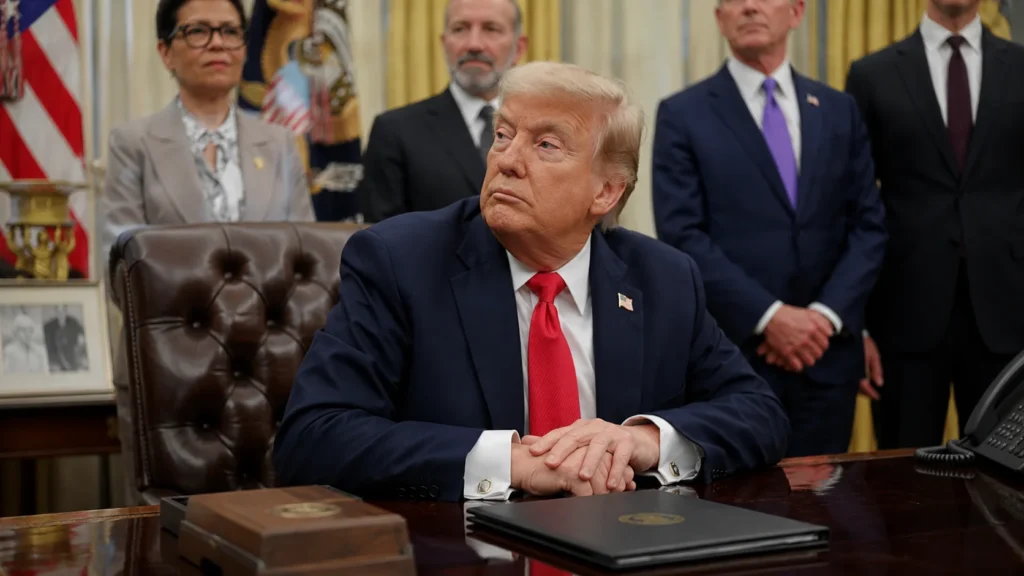
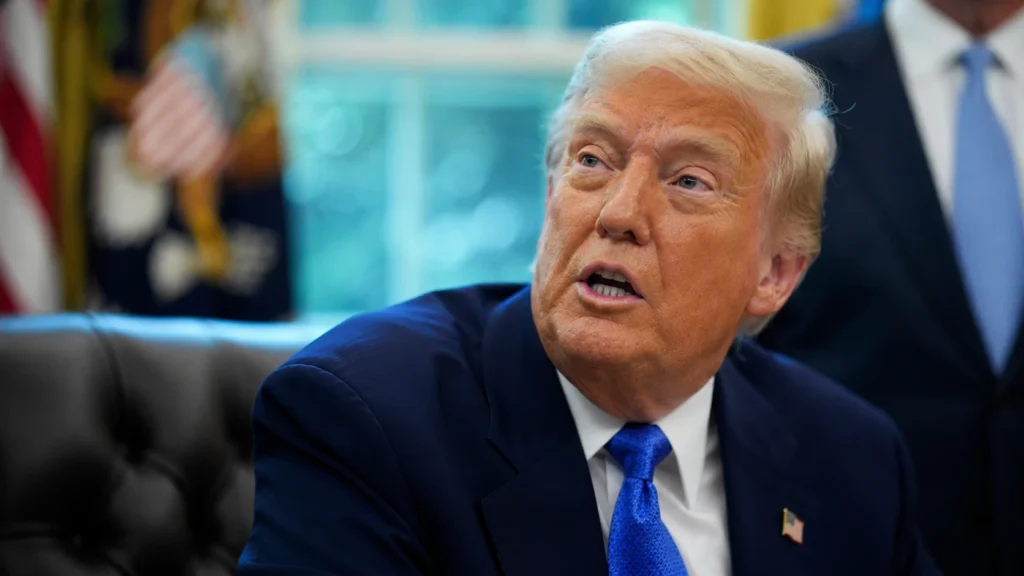
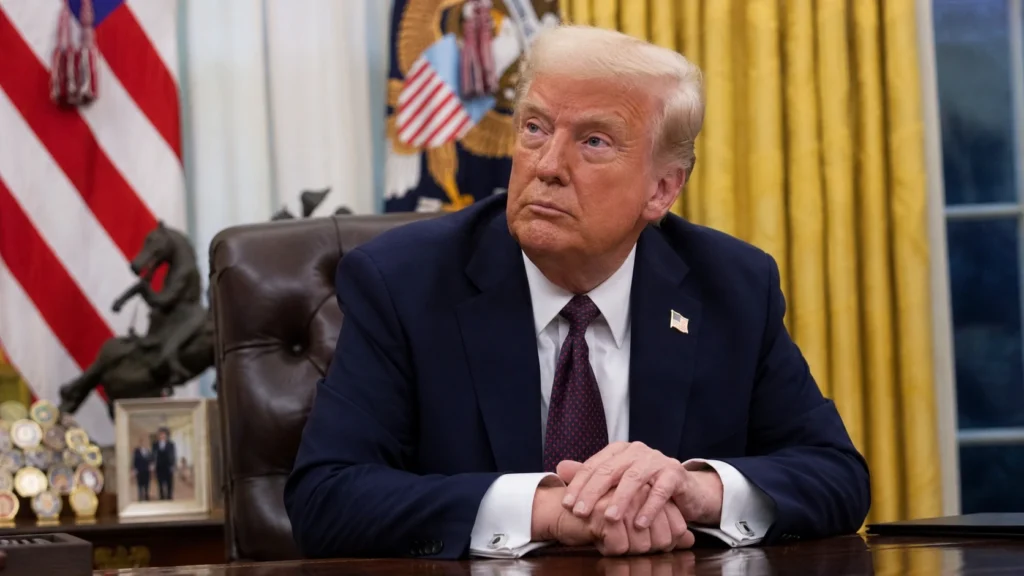
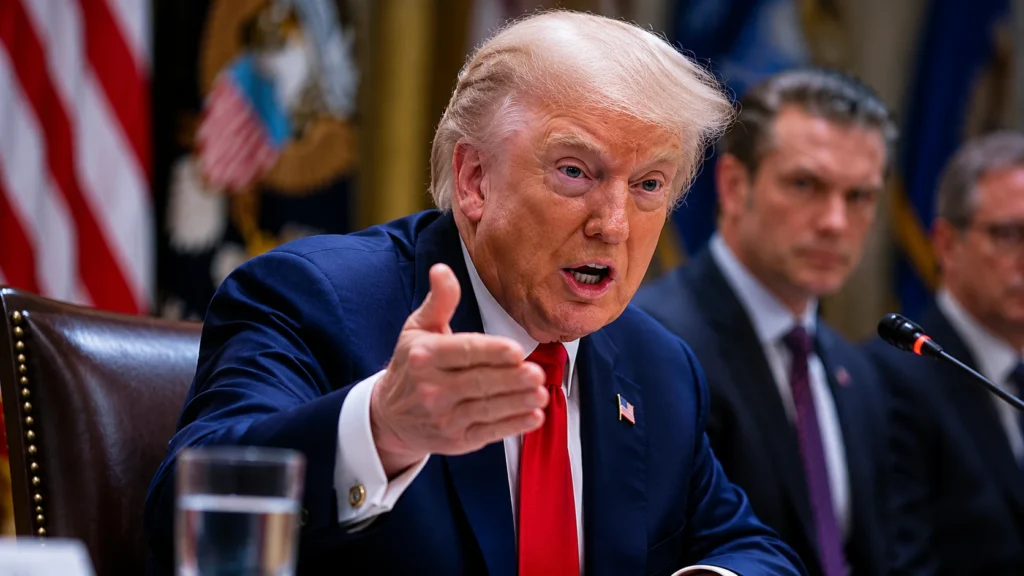
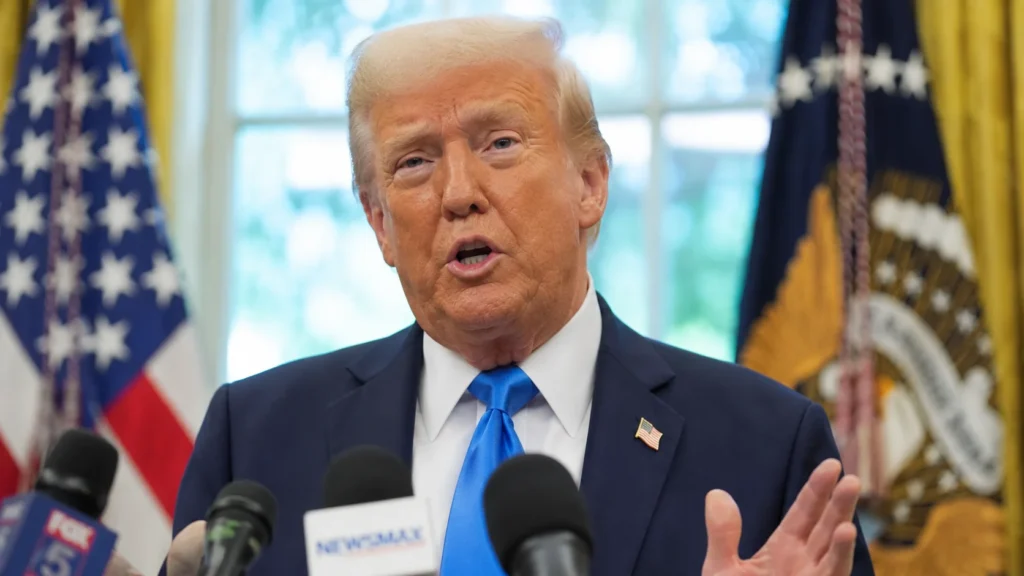
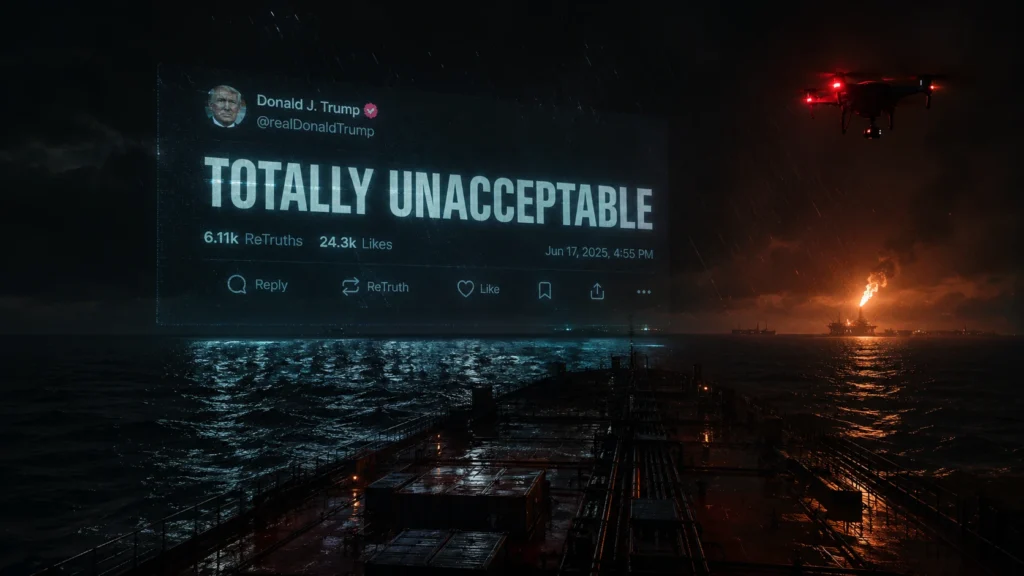
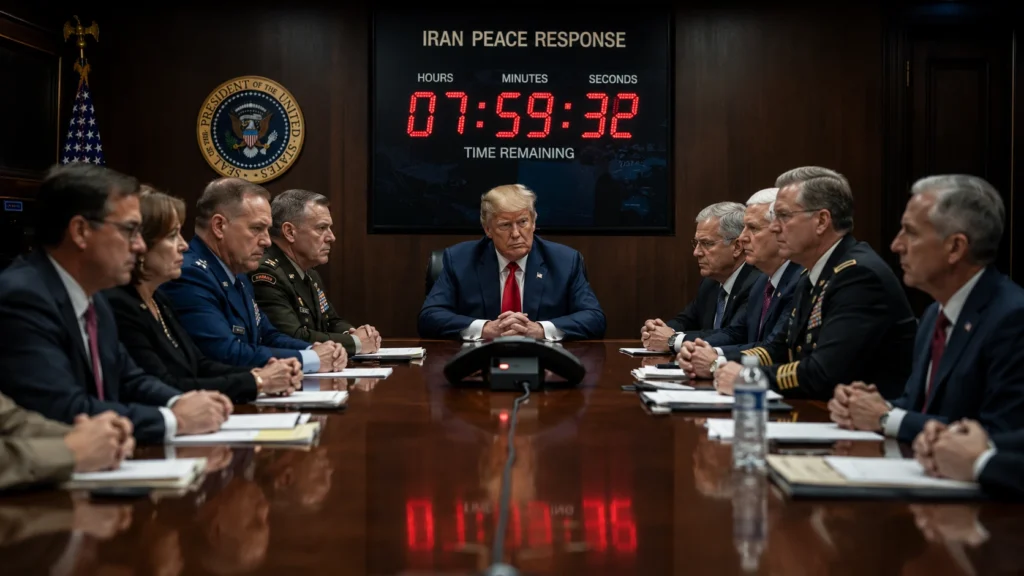
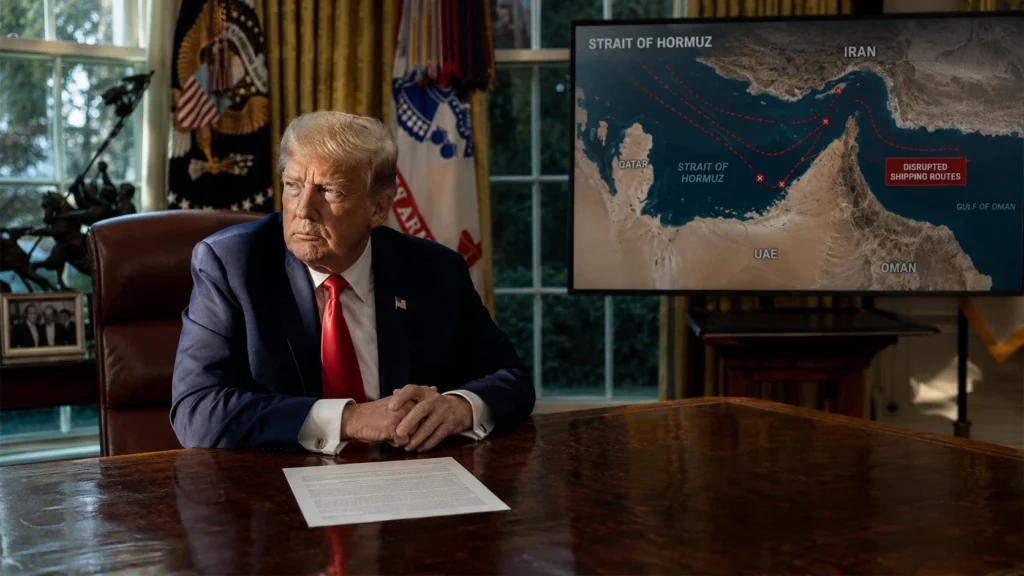
Donald Trump posted on Truth Social, predicting Starmer’s resignation hours before it was announced. The relationship between the two leaders broke down over Starmer’s initial refusal to allow US forces to use UK air bases during the Iran war. Sarah Smith, the BBC’s North America editor, noted that Trump’s future dealings “will be based only partly on their personal dynamic—and mostly on whether he is getting what he wants.”
According to BBC North America editor Sarah Smith’s analysis of the Trump-Starmer relationship, the Defence Investment Plan will be the first test for Burnham. Trump told the BBC in April that if Starmer opened the North Sea to oil and gas extraction and strengthened immigration policies, he “can recover.” The implication was clear.
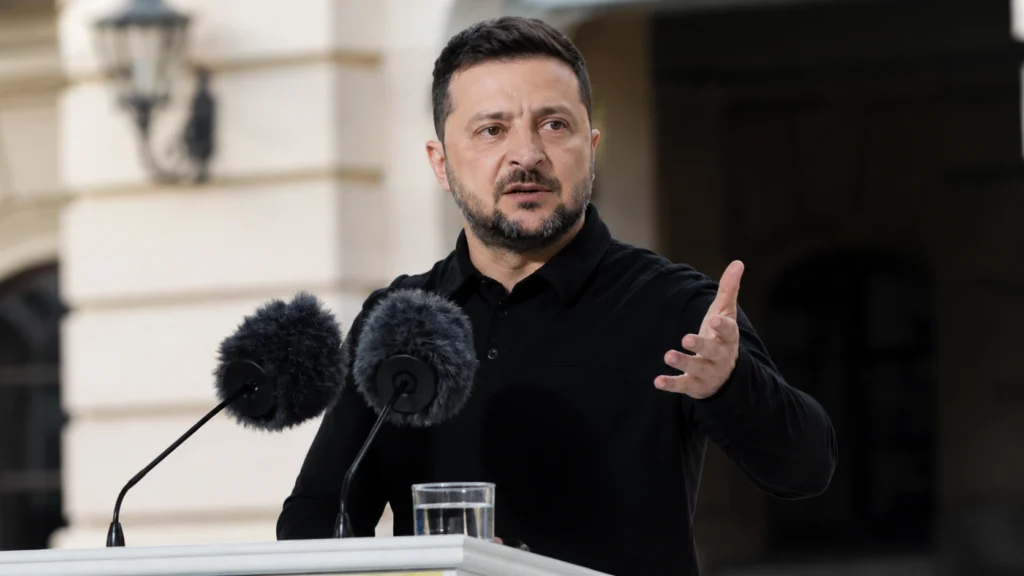
World leaders paid tribute to Starmer on Monday. Ukraine’s Volodymyr Zelensky thanked him for his support. Canada’s Mark Carney said “the world is safer” because of his efforts. France’s Emmanuel Macron praised his commitment to the Franco-British relationship and the coalition supporting Ukraine.
FAQ
Has Andy Burnham become prime minister?
Not yet. He was sworn in as the MP for Makerfield on Monday. If no other candidate challenges him for the Labour leadership, he could enter Downing Street within weeks. Starmer remains prime minister until a successor is in place, with 1 September set as the latest possible date.
Will there be a general election?
Burnham has dismissed the question as premature. No election is required until August 2029. But he faces pressure from his own previous statements—he called for an election during the 2022 Tory leadership contest—and from figures like former Labour home secretary Alan Johnson, who urged him to “be brave” and go to the country.
Why did Keir Starmer resign?
Starmer’s position became untenable after Labour lost nearly 1,500 councillors in May’s local elections, lost power in Wales, and recorded its worst Scottish Parliament result. Andy Burnham’s Makerfield by-election victory provided the trigger, demonstrating Labour could win under new leadership. At least four cabinet ministers told Starmer to set a departure timetable.
Who is Andy Burnham?
Burnham, 55, served as an MP from 2001 to 2017, ran for Labour leader in 2010 and 2015, and spent nine years as mayor of Greater Manchester. He won the Makerfield by-election last week and is now the near-certain next prime minister. His policy platform includes more state control of utilities, expanded social housing, and increased defence spending.
What happens to the UK-EU reset?
A summit scheduled for 22 July has been postponed. EU leaders want “continuity” from Burnham on the closer relationship Starmer negotiated. Whether Burnham delivers that continuity remains to be seen.