

 English







































































Hundreds Arrested and Dozens of Police Injured After Champions League Riots in France
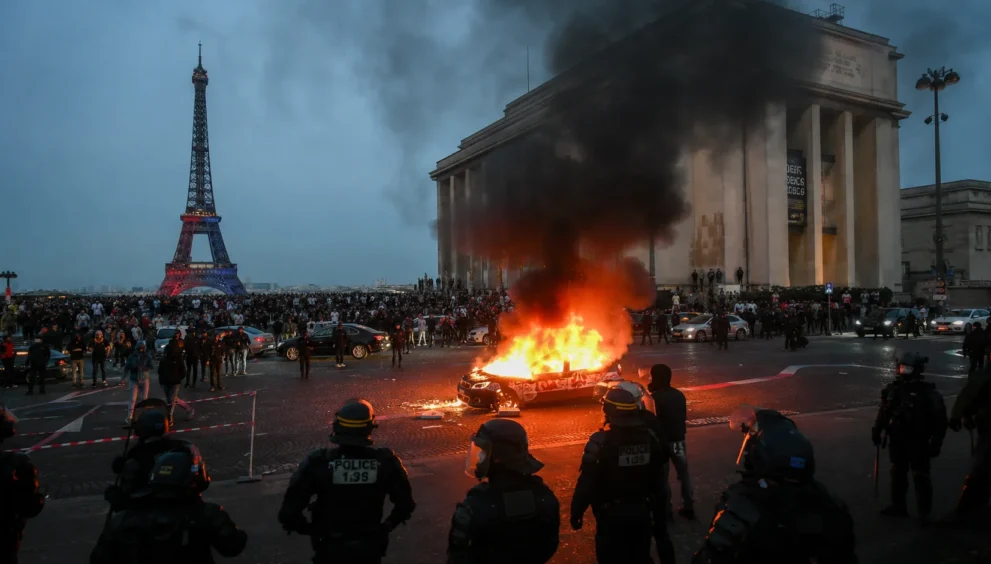
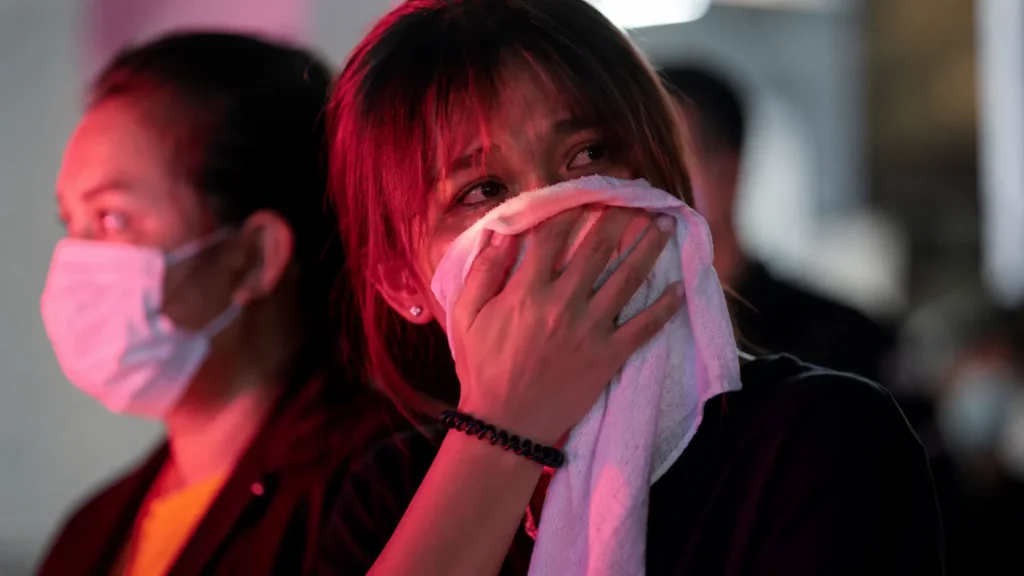
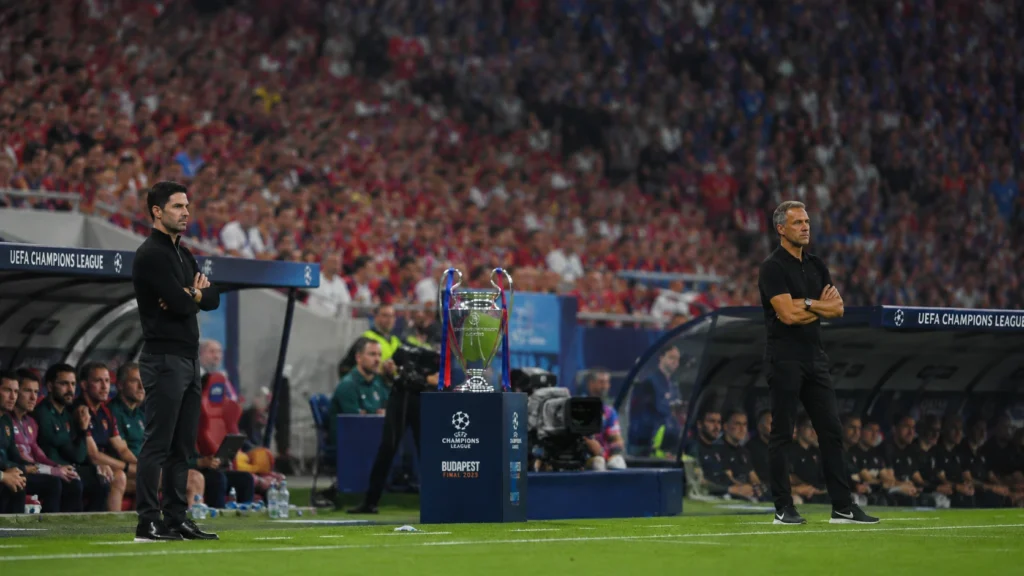
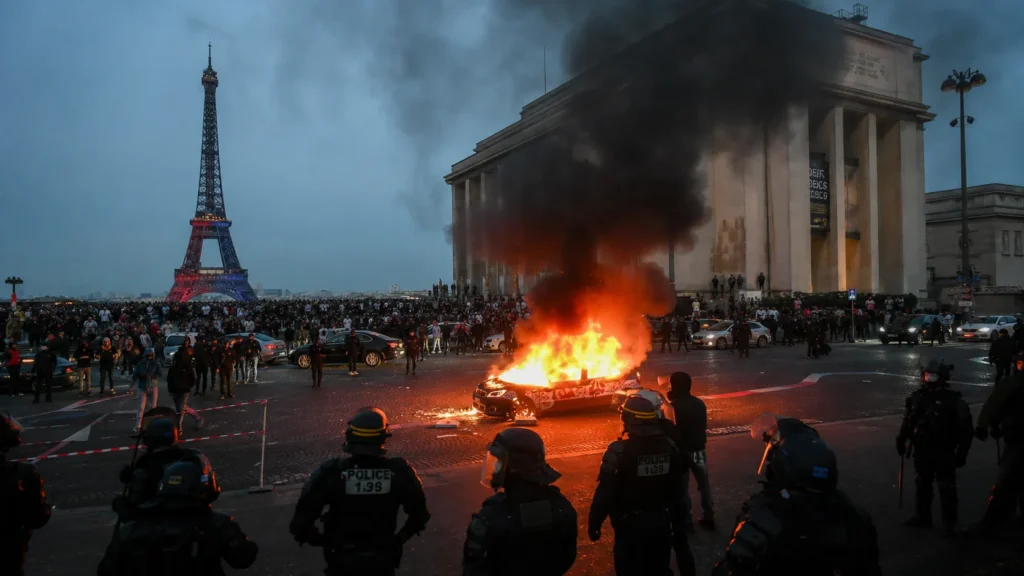
Hundreds arrested and dozens of police injured after Champions League riots in France as celebrations following Paris Saint-Germain’s victory over Arsenal in the Champions League final turned violent overnight, leaving 219 people injured and one person dead. Interior Minister Laurent Nunez said 780 people had been arrested, with more than 450 remaining in custody, and 57 police officers were among the injured. Eight people were in a serious condition. A 24-year-old man died after his motorcycle struck concrete blocks that rioters had used to barricade the Paris ring road near Porte Maillot. The violence echoed scenes from last year, when PSG won the same trophy, and celebrations also turned deadly.
What Happened
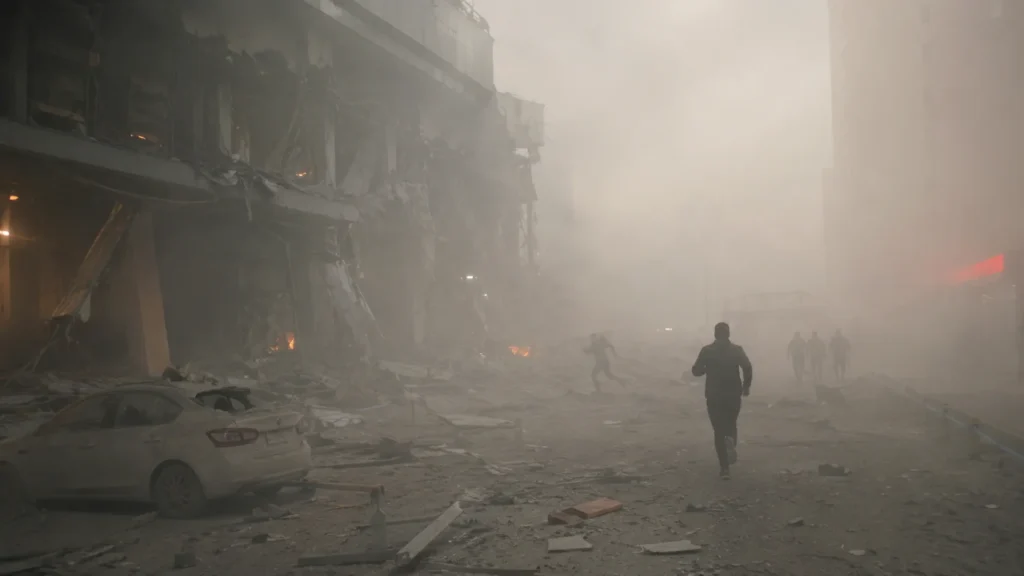
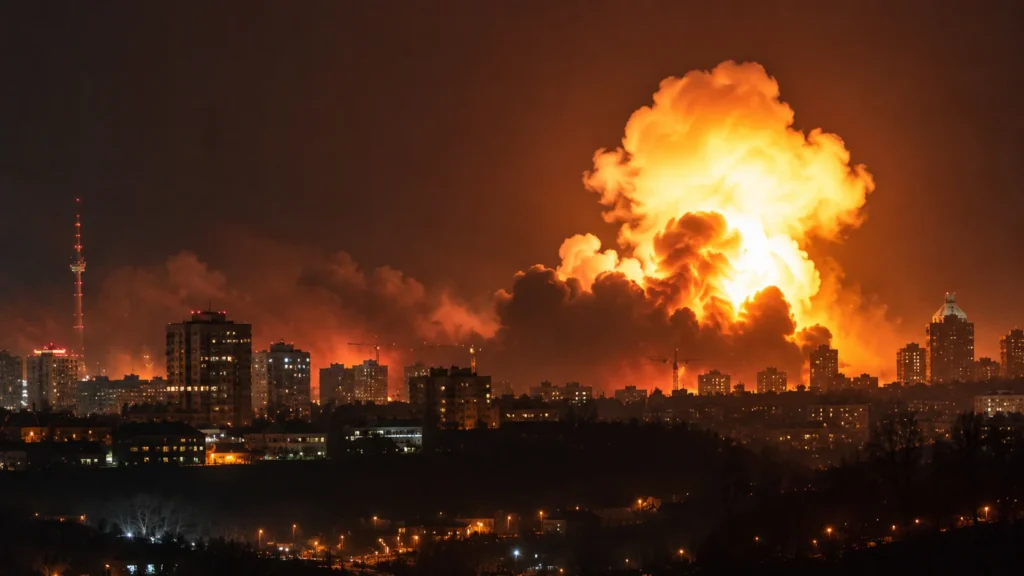
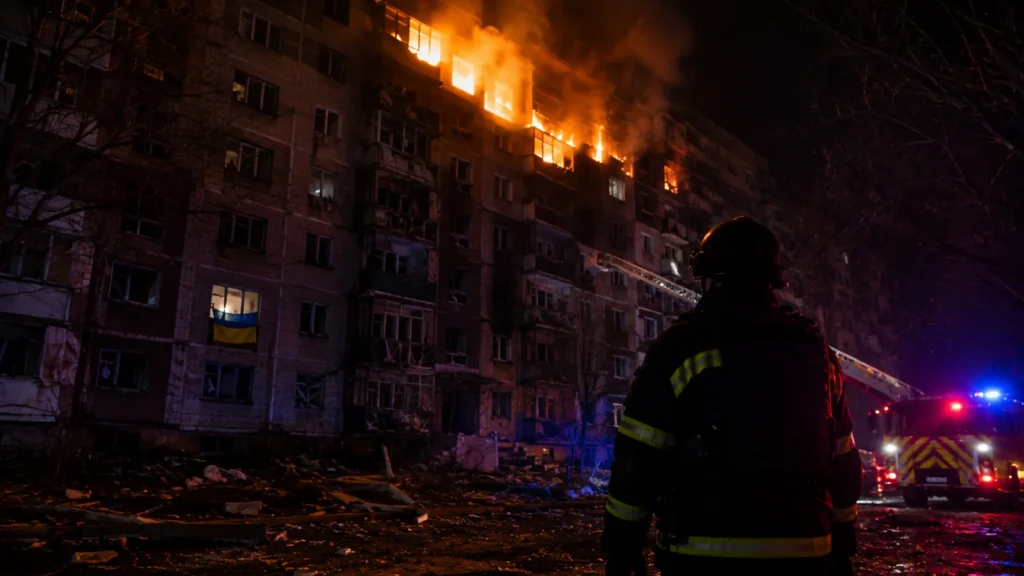
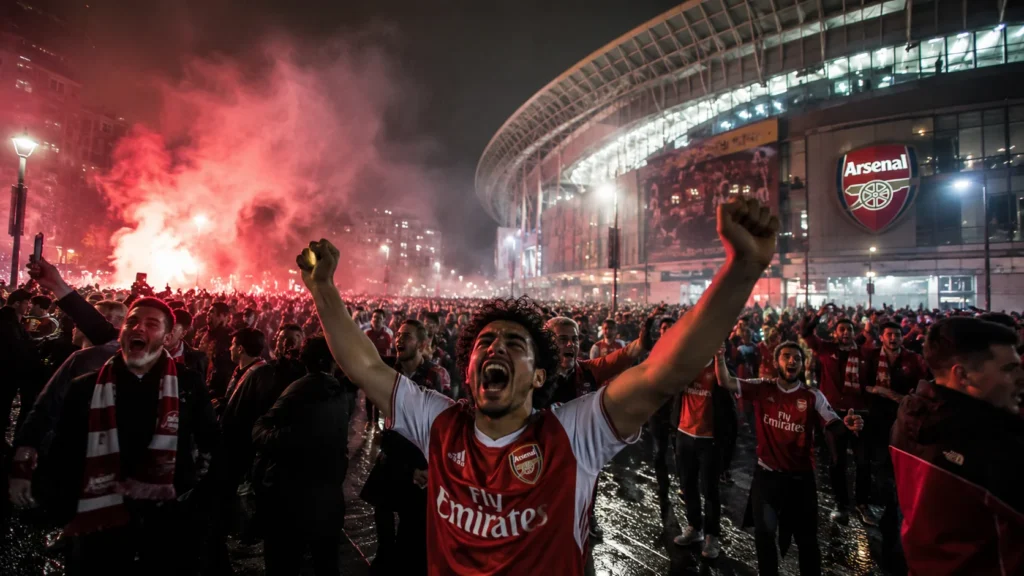
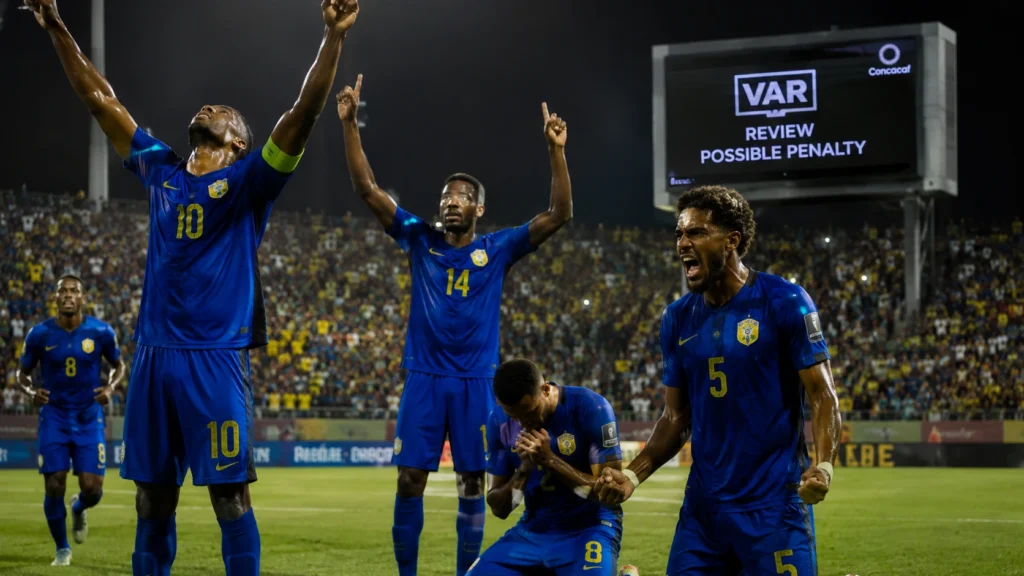
PSG won the final in a penalty shootout. Within hours, the Champs-Elysees was swarmed by fans. Footage showed flares being set off, electric bikes burning on roads, and revellers smashing the glass of at least one shopfront. Police fired tear gas to disperse crowds in the city centre.
Paris police made 480 arrests, with 277 taken into custody, including 82 minors, according to provisional figures from the Paris prosecutor’s office. Offences ranged from attacks on officers to attacks on property, theft, and illegal possession of weapons Paris Prosecutor’s Office statement, 31 May 2026.
The circumstances surrounding the death of the 24-year-old near Porte Maillot remain unclear. Some witnesses said he was riding a motorcycle when he crashed into the concrete blocks. A teenager was also in critical condition following a brawl in another area of Paris, though it was not clear whether that incident was connected to the football-related rioting.
PSG’s Champions League victory the celebrations that turned violent for the second year running
The Official Response
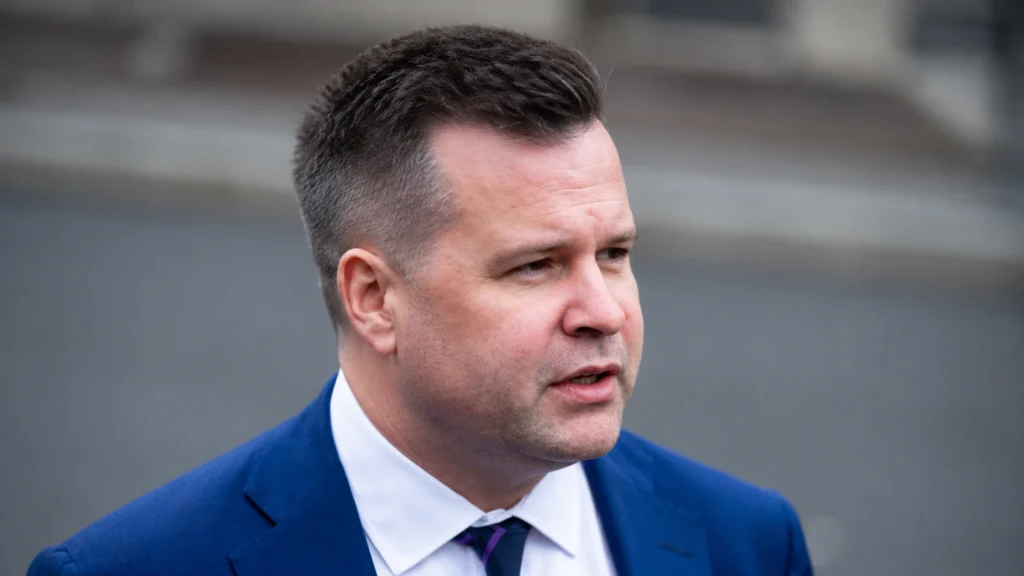
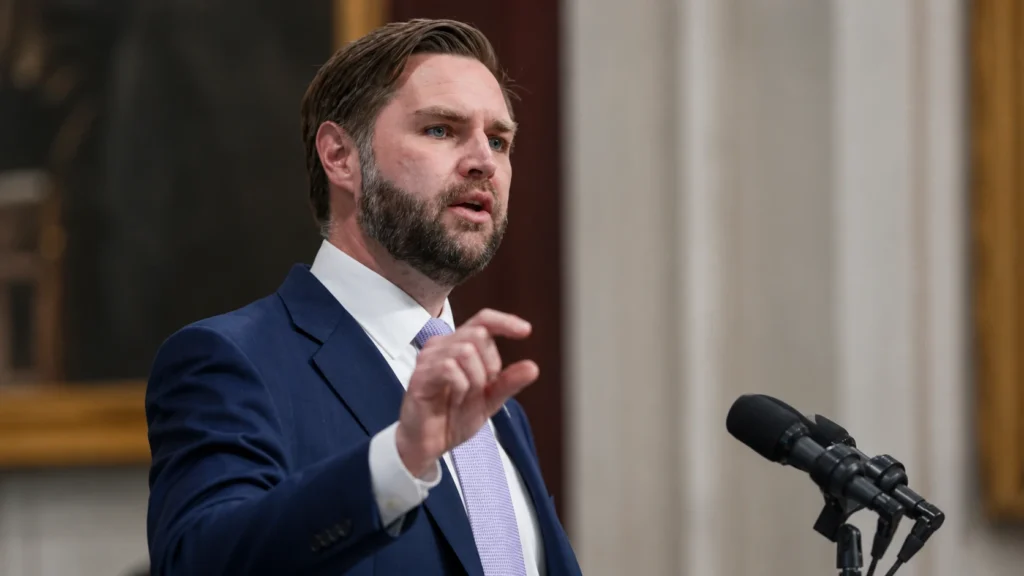
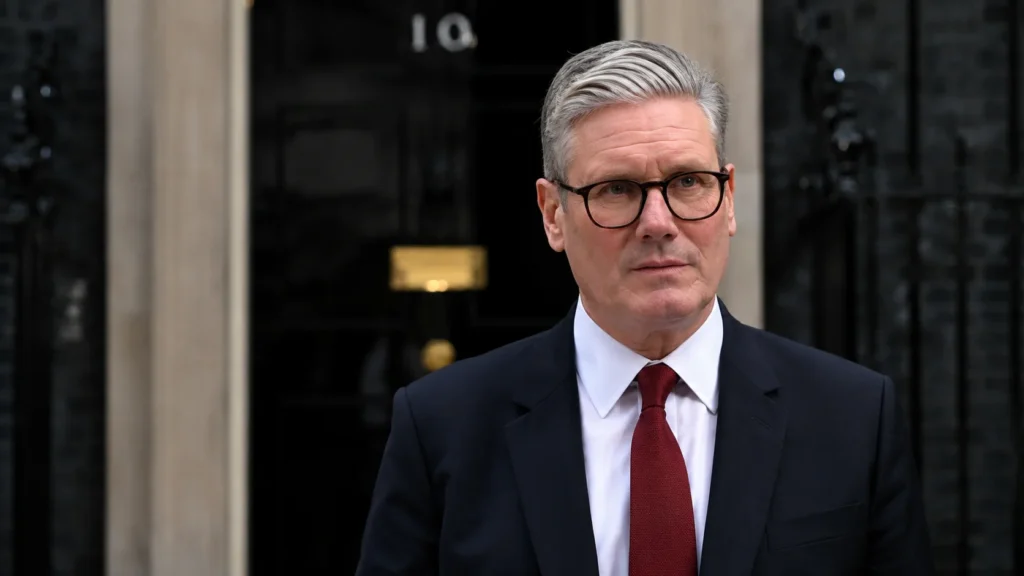
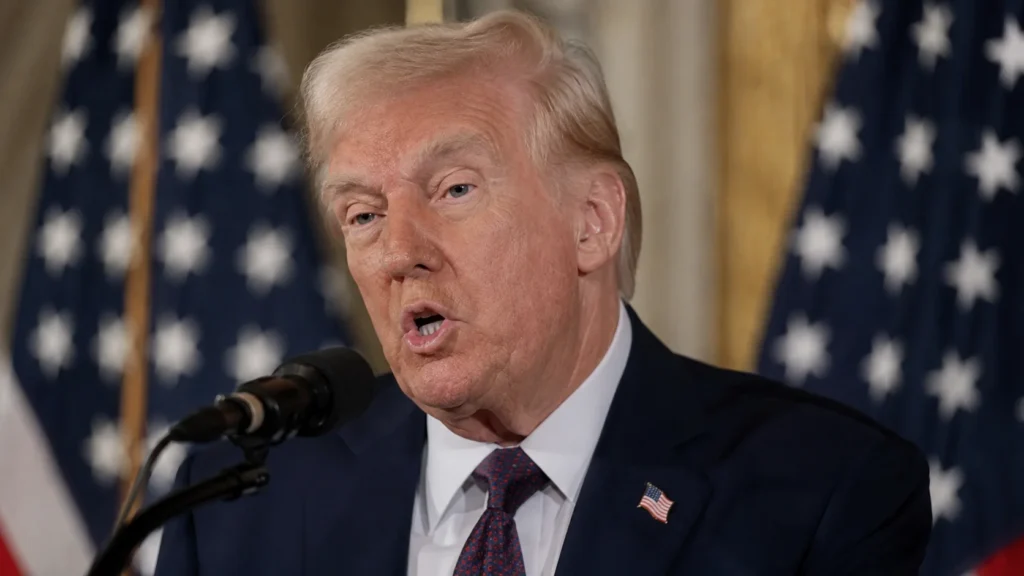
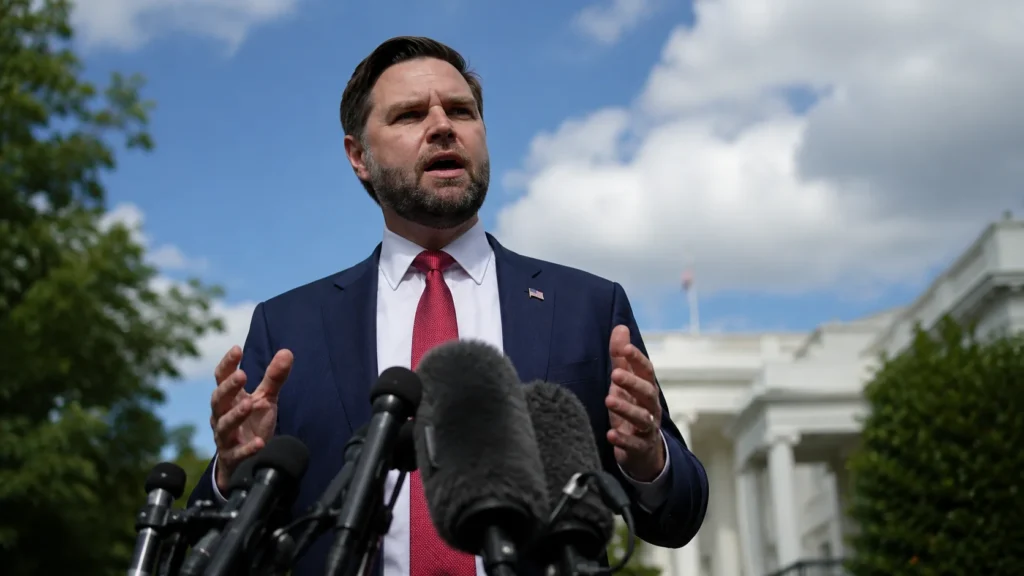
Interior Minister Laurent Nunez said the security forces would be “firm” in their response. “We are a great country for maintaining public order. We allow freedom of assembly, but not excesses,” he said.
Nunez drew a distinction between the majority of fans and those who caused the violence. “The vast majority go out to celebrate, and it goes very well,” he said. “But other individuals, who are not PSG supporters, who don’t even watch the match, come to cause trouble and disturbances. We are here to prevent them from doing so. Our response is very firm” French Interior Ministry press conference, 31 May 2026.
Some 6,000 police were mobilised for Sunday’s victory parade at the site of the Eiffel Tower. Players were due to tour the Champ-de-Mars, and French President Emmanuel Macron was scheduled to host a reception.
The interior minister’s distinction between peaceful fans and violent opportunists is accurate. It is also a structural admission: the state knows who will riot, knows when they will riot, deploys thousands of officers, makes hundreds of arrests, and still cannot prevent the burning vehicles, the smashed shopfronts, or the fatalities.
The French state and public order: why predictable violence remains unpreventable
Political Fallout
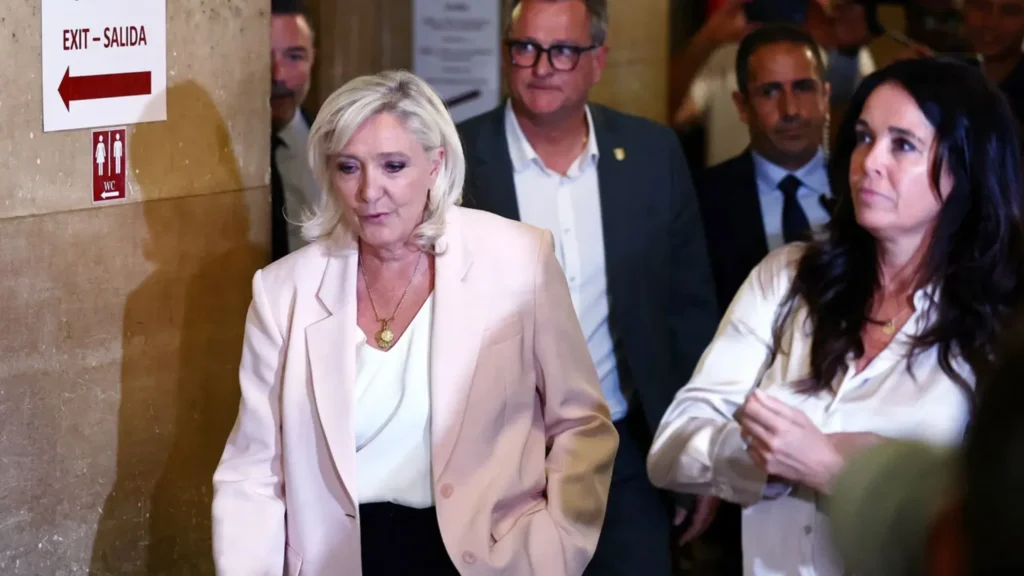
Far-right leader Marine Le Pen posted her response on X within hours. “Only in France does a football club’s victory spark riots,” she wrote. “Only in France does everyone feel compelled to lock themselves in their homes on the evening of a victory to avoid being confronted with violence” Marine Le Pen statement on X, 31 May 2026.
The statement is a political instrument. Le Pen used the riots to argue that the French state has lost control of public space and that the governing class cannot protect ordinary citizens. The argument is not true in every particular; the vast majority of celebrations were peaceful, but it is politically potent.
The image of burning cars on the Champs-Elysees travels faster than the interior minister’s statistics. The dead motorcyclist is not a data point. He is a headline. The headline feeds the narrative. The narrative feeds the political movement that has made the failure of public order its central theme.
The government’s response, 6,000 police, a “firm” posture, 780 arrests, is a demonstration of capacity and an admission of vulnerability. The state can secure the Eiffel Tower for the parade. It cannot secure every neighbourhood. The gap between the secured perimeter and the unsecured city is where the riots happen.
FAQ: Champions League Riots France 2026
How many people were arrested?
A total of 780 people were arrested across France, with more than 450 in custody. Paris police made 480 arrests, with 277 taken into custody, including 82 minors.
How many people were injured?
A total of 219 people were injured, eight seriously. Fifty-seven police officers were among the injured.
Was anyone killed?
A 24-year-old man died after his motorcycle struck concrete blocks that rioters had used to barricade the Paris ring road near Porte Maillot. A teenager was also in critical condition after a brawl elsewhere in the city.
Has this happened before?
Yes. Similar violence occurred when PSG won the Champions League last year, with celebrations also turning deadly.
What security is in place for the victory parade?
Some 6,000 police have been mobilised for Sunday’s victory parade at the Eiffel Tower. Players will tour the Champ-de-Mars, and President Macron will host a reception.
Written by the Foreign Desk, drawing on French Interior Ministry press conferences, Paris Prosecutor’s Office statements, AFP reporting, and official social media statements. The desk has covered French politics and public order for over a decade.
Source: French Interior Ministry, Paris Prosecutor’s Office, AFP