

 English










































































































































































































































































































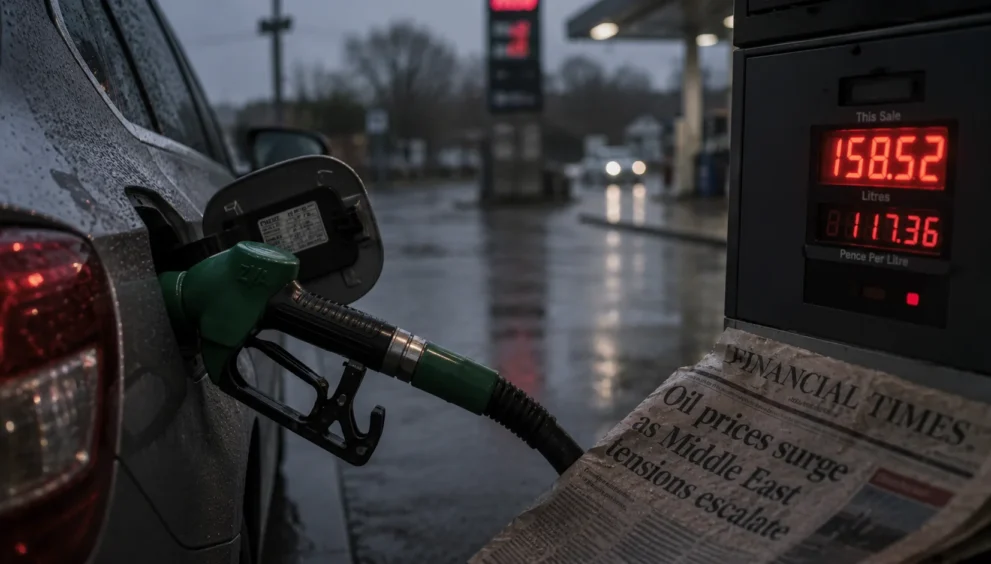
Petrol Hits Highest Price Since Start of Iran War at 158.52p
Published: 19 May 2026 | Source: RAC Fuel Watch, Brent Crude Pricing
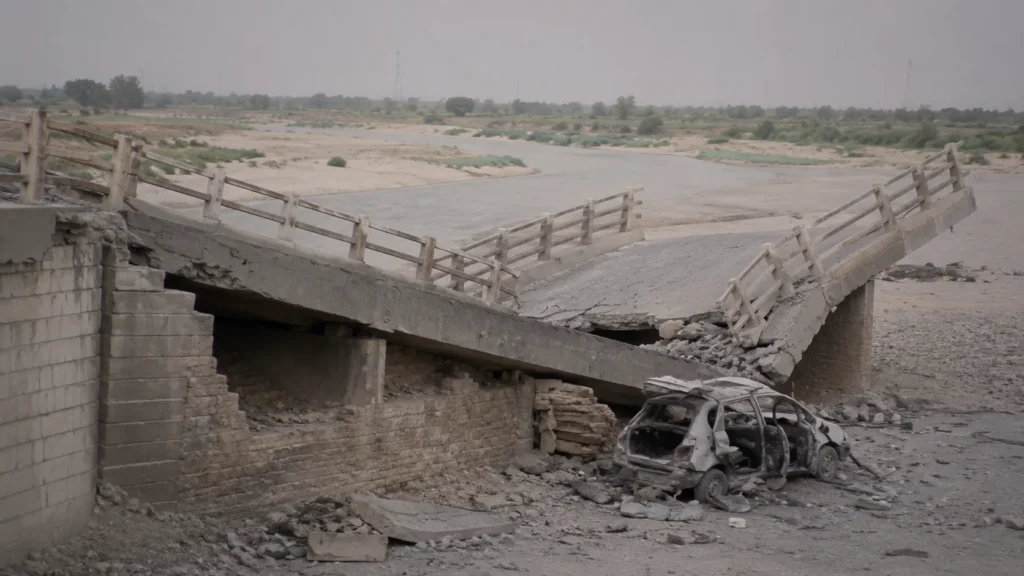
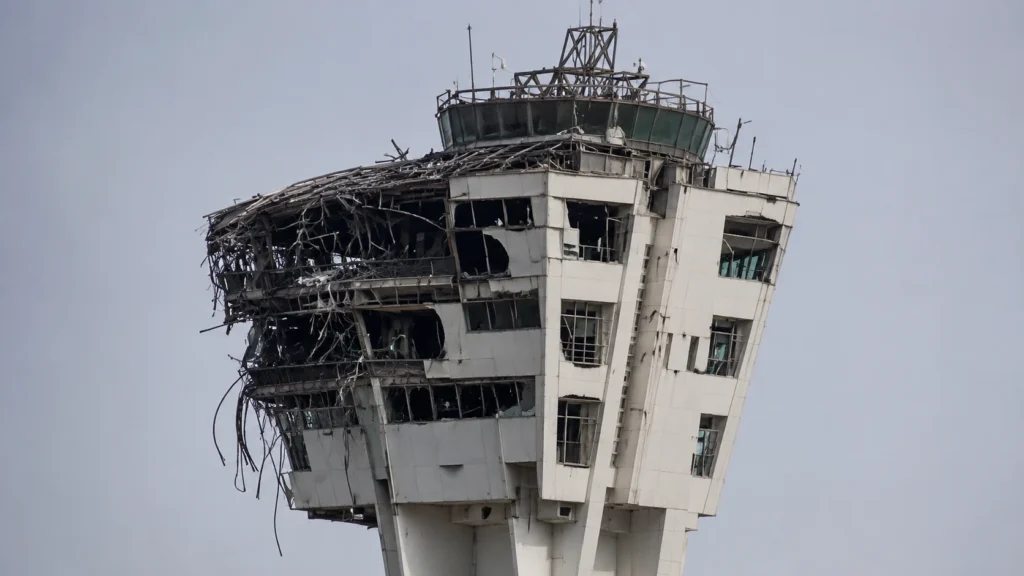
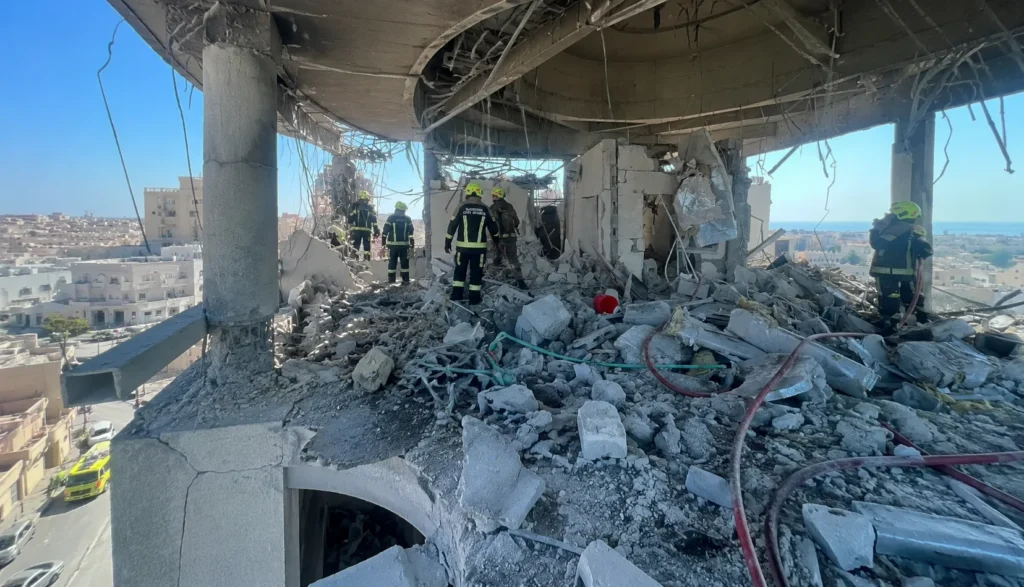
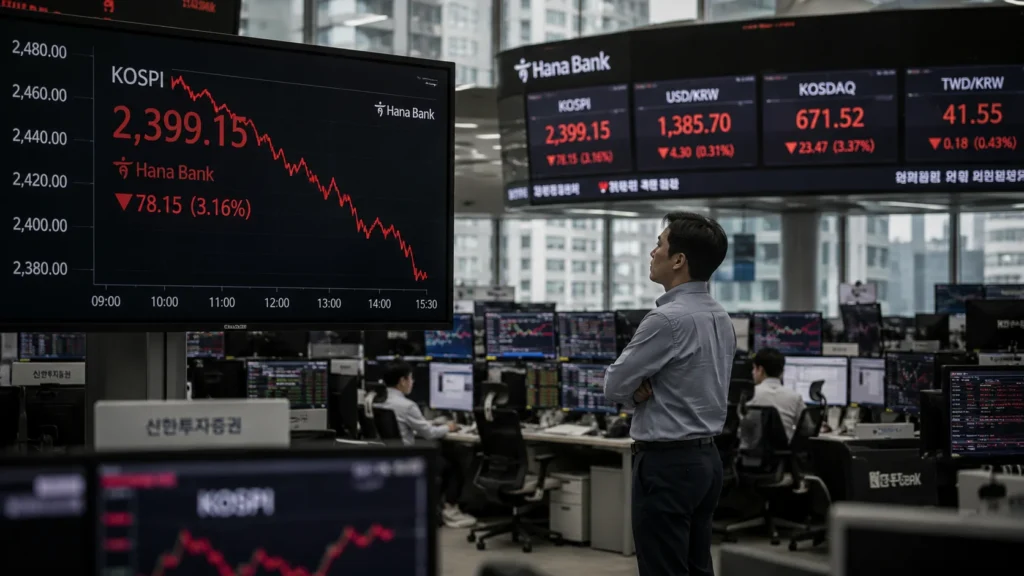
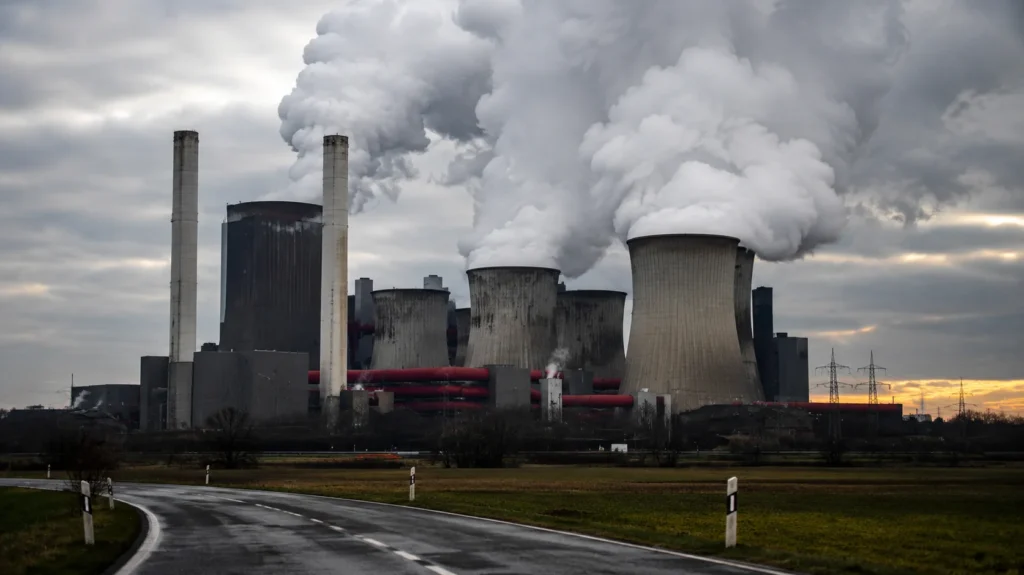
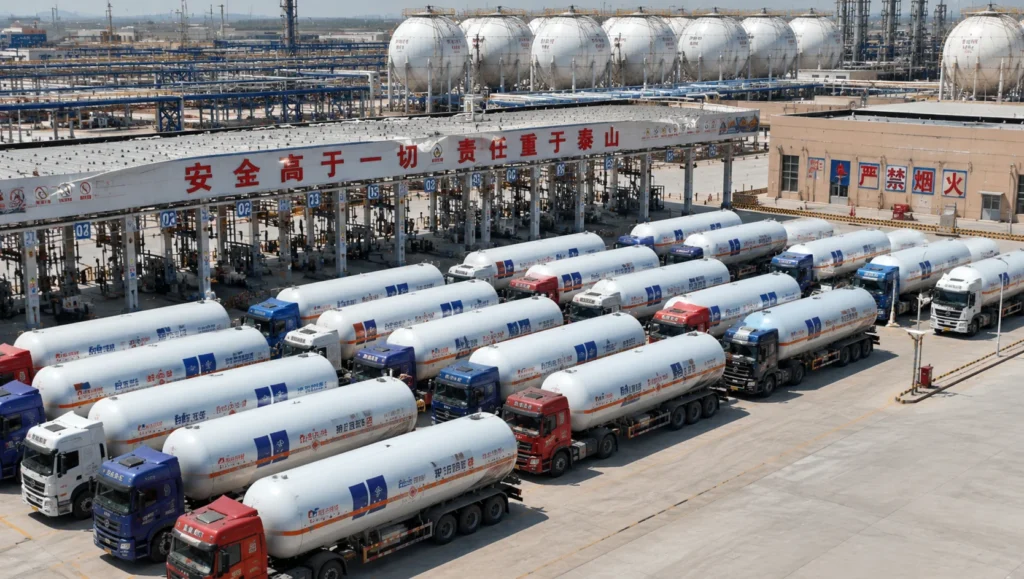
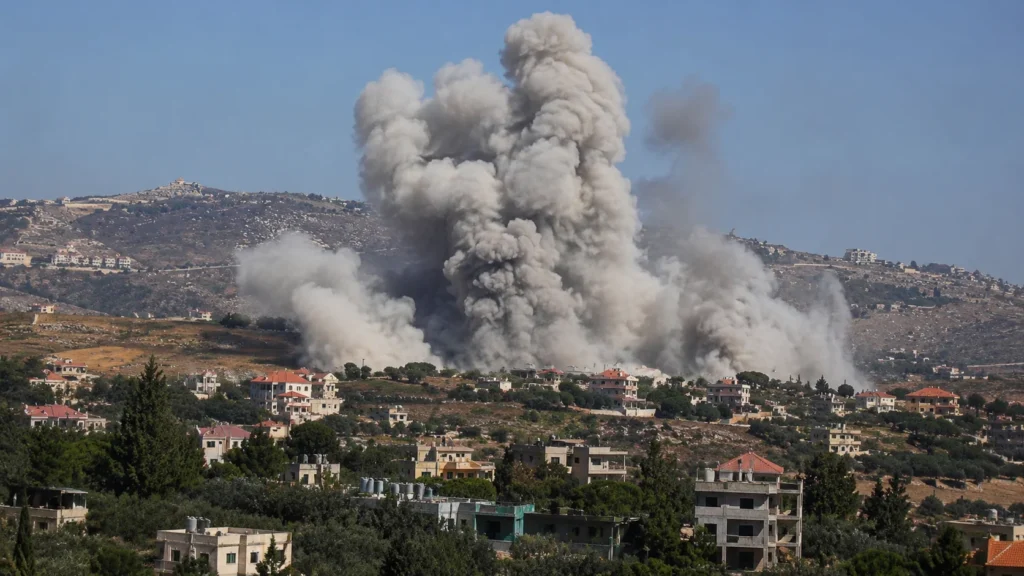
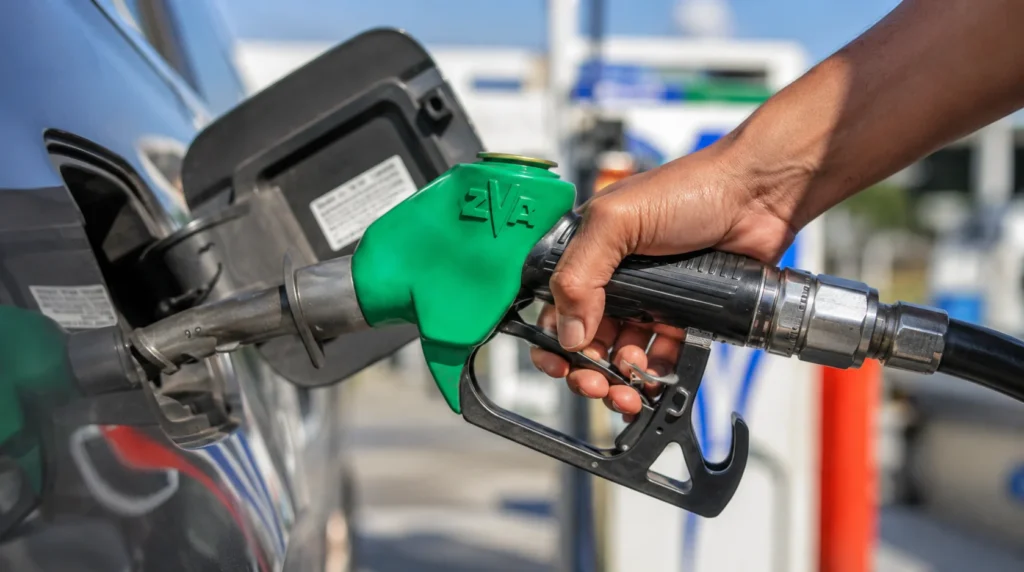
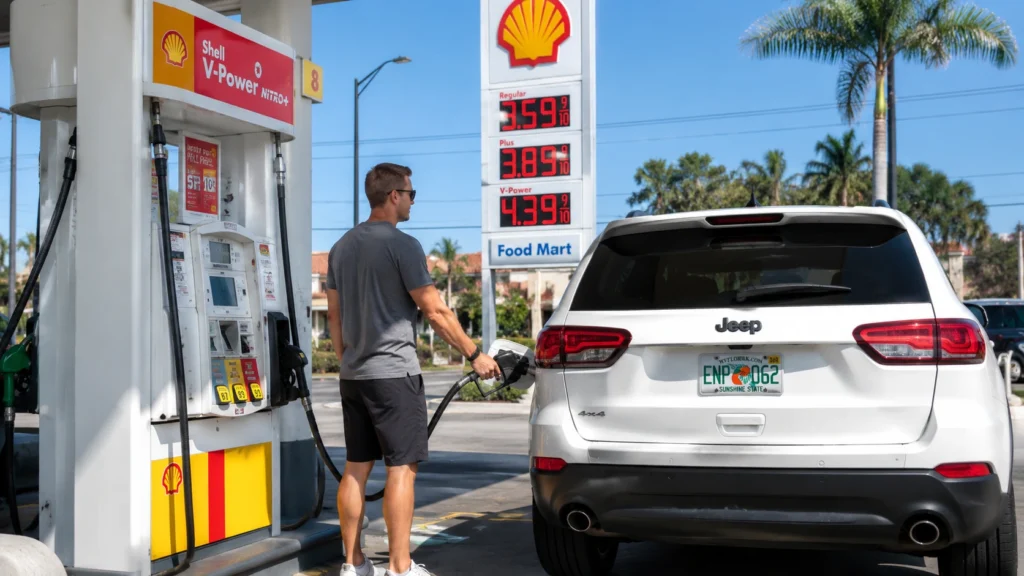
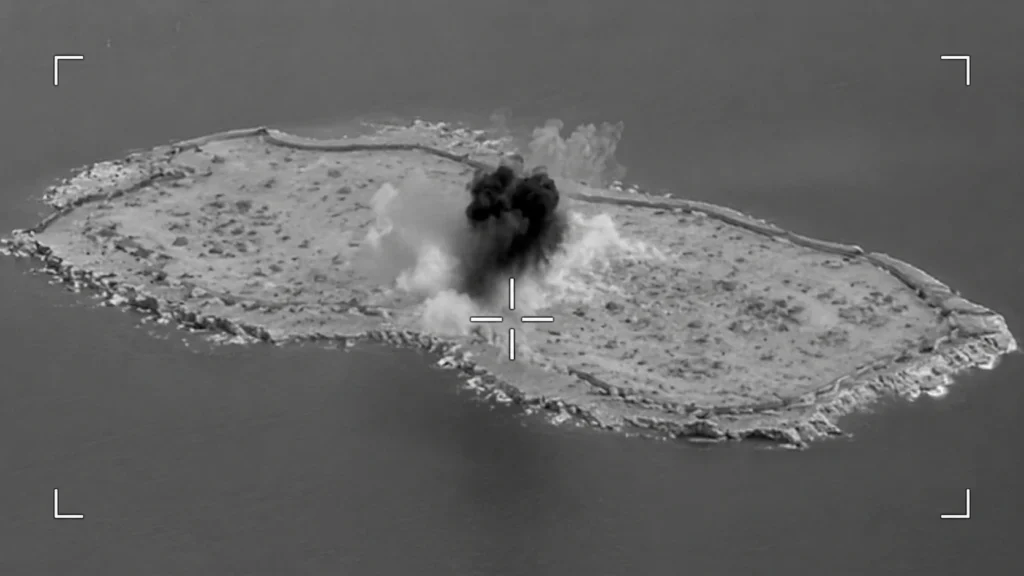
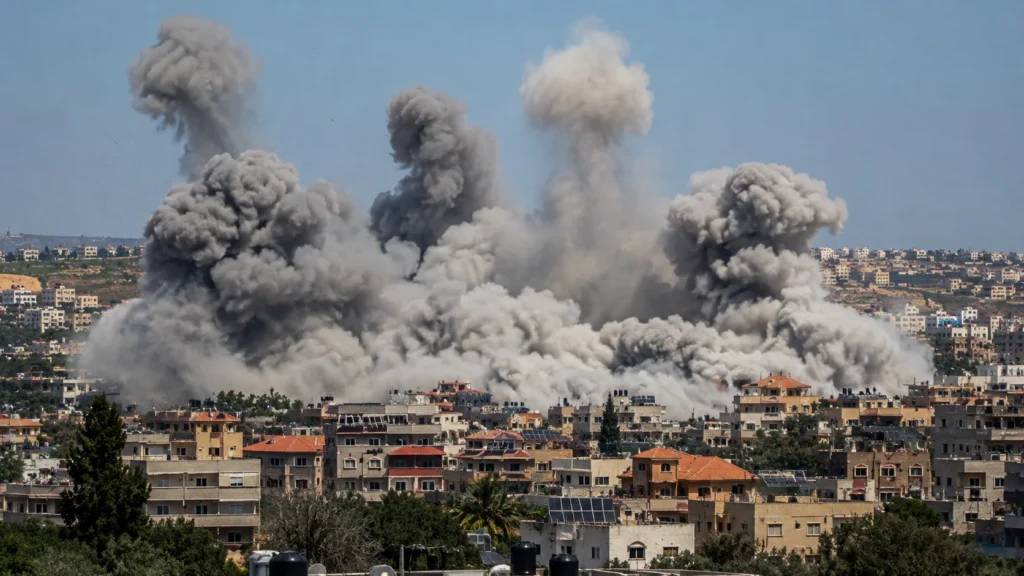
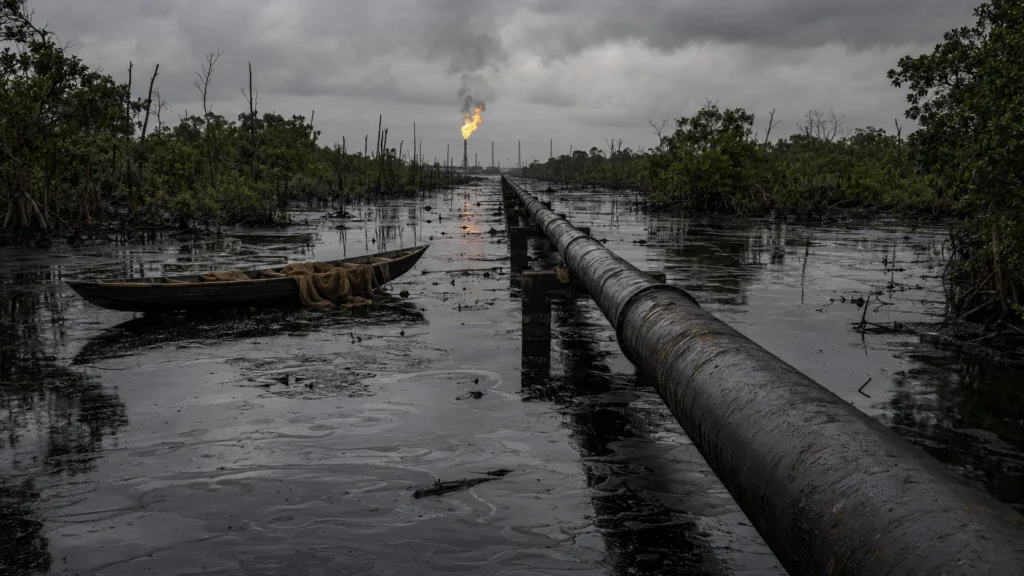
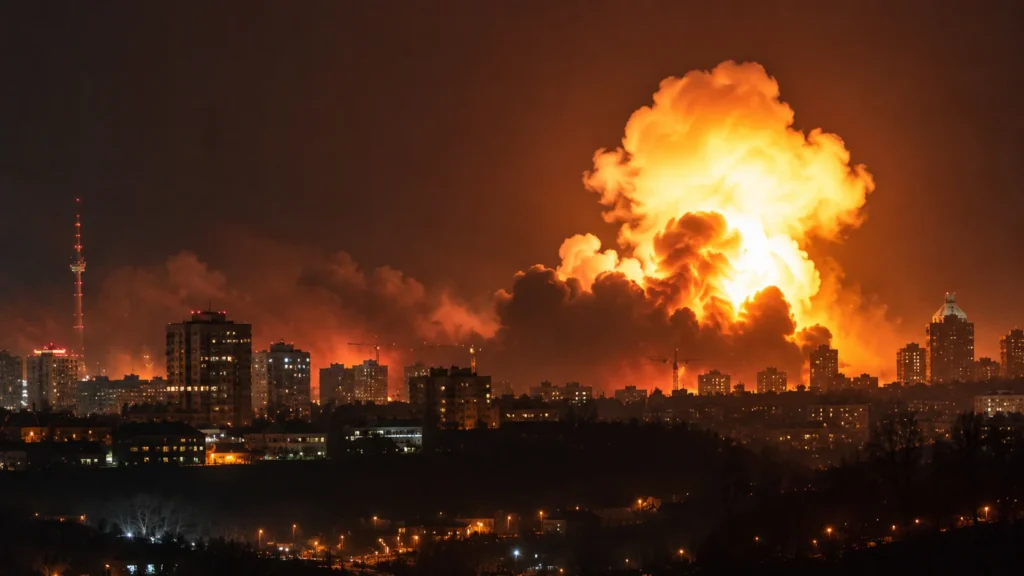
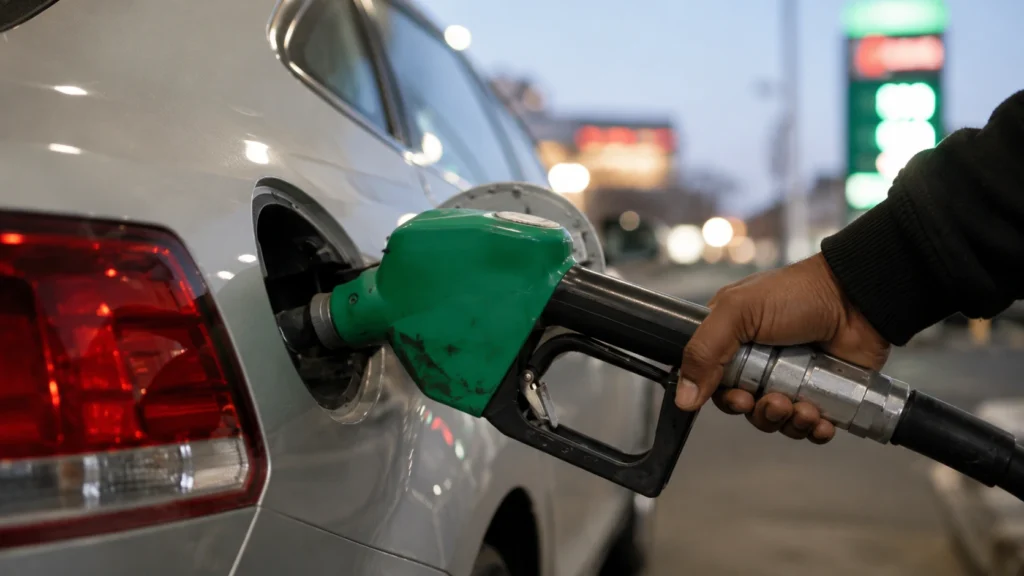
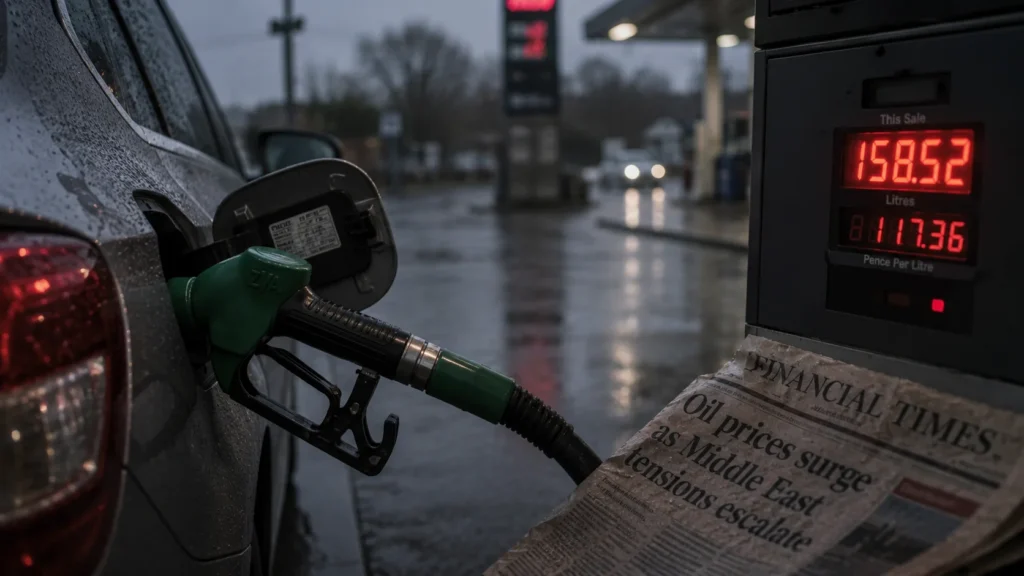
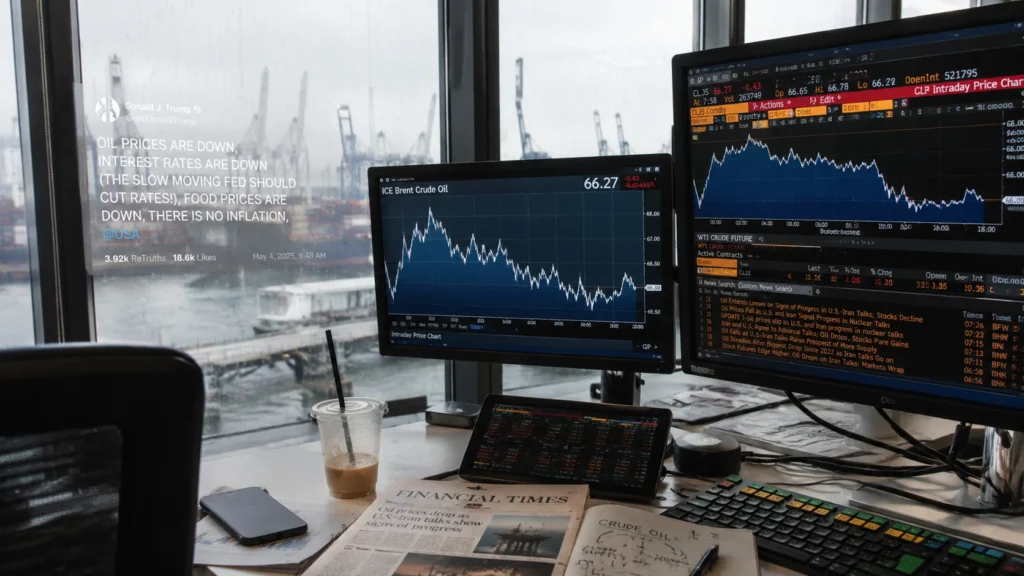
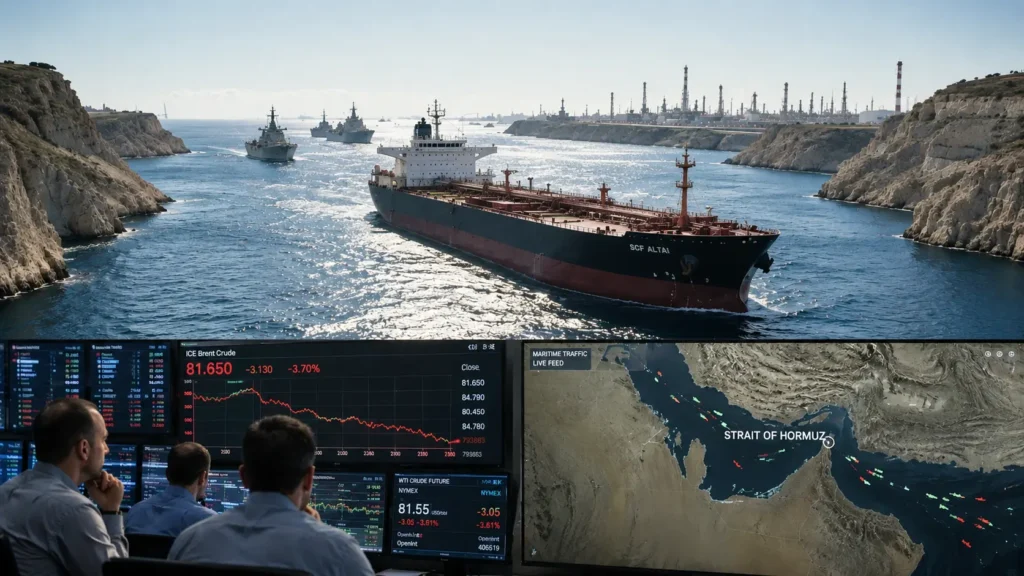
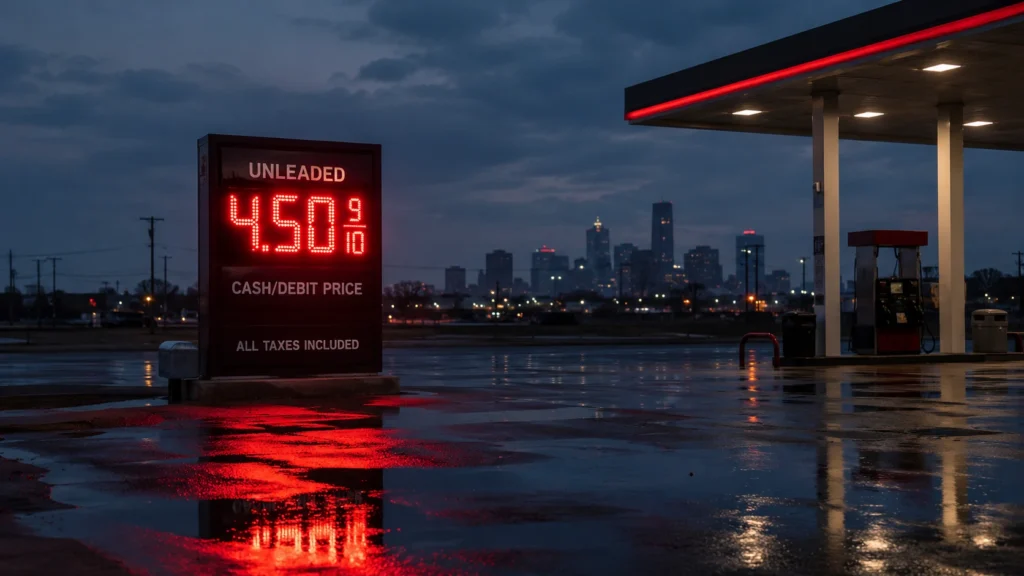
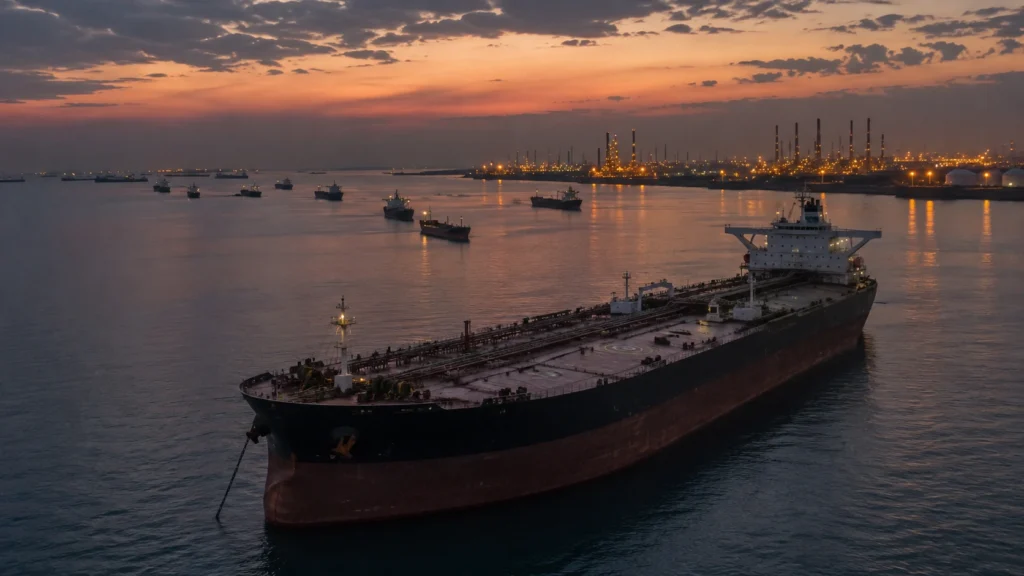
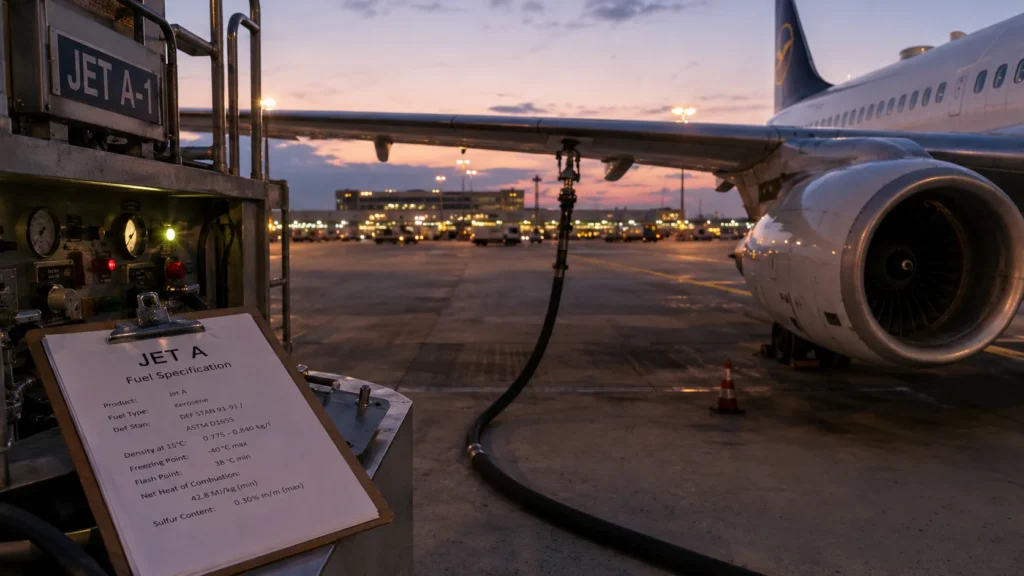
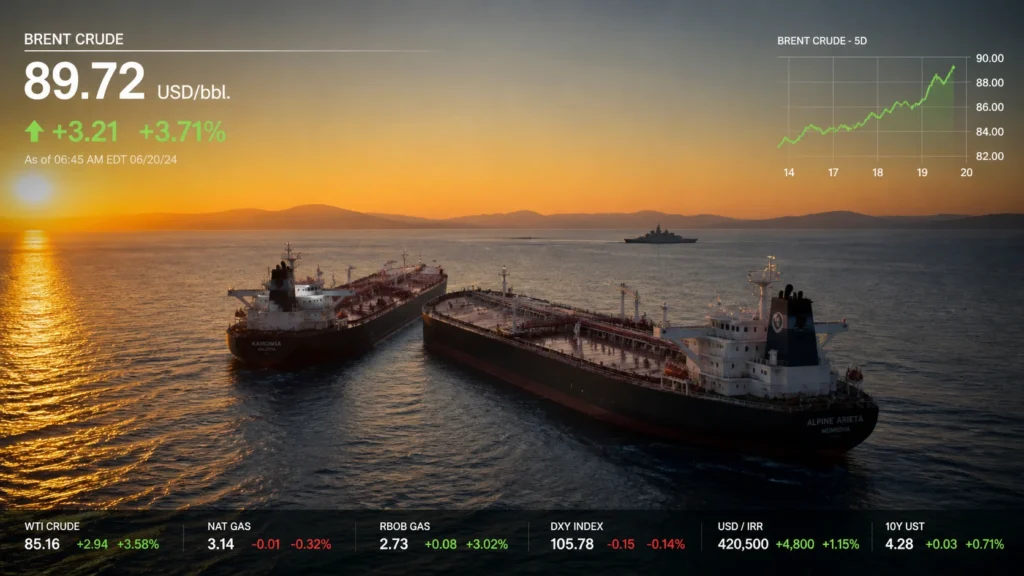
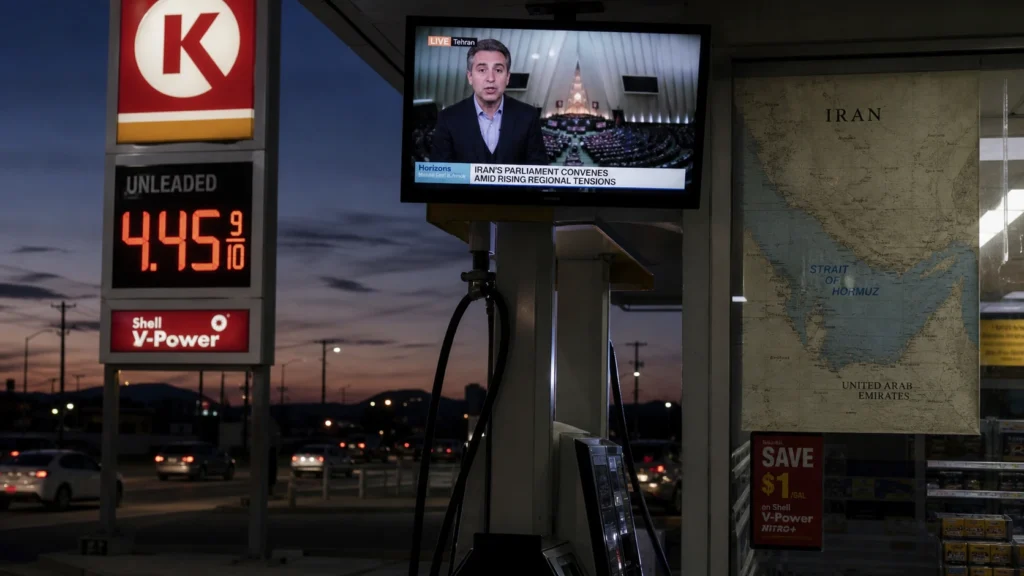
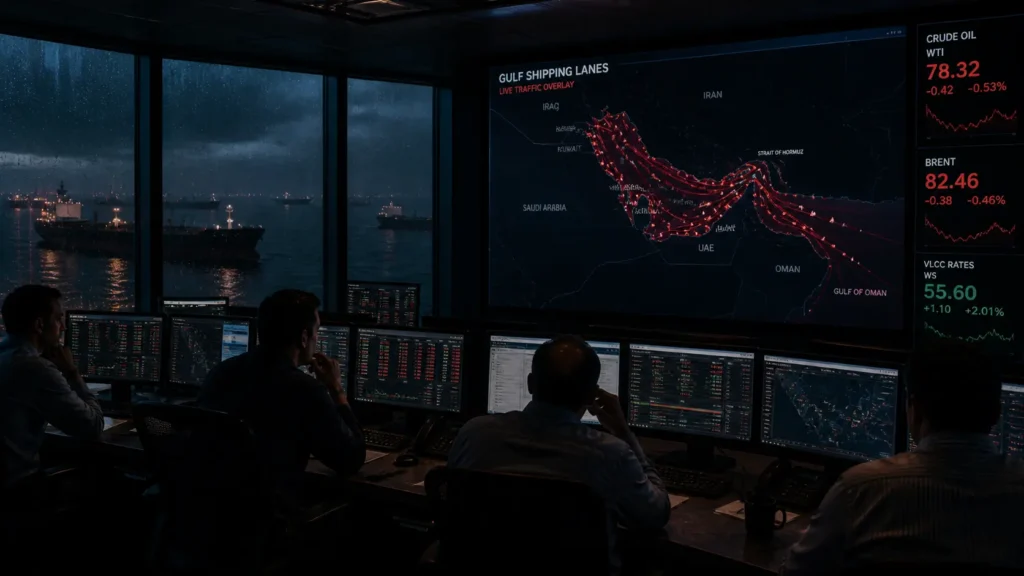
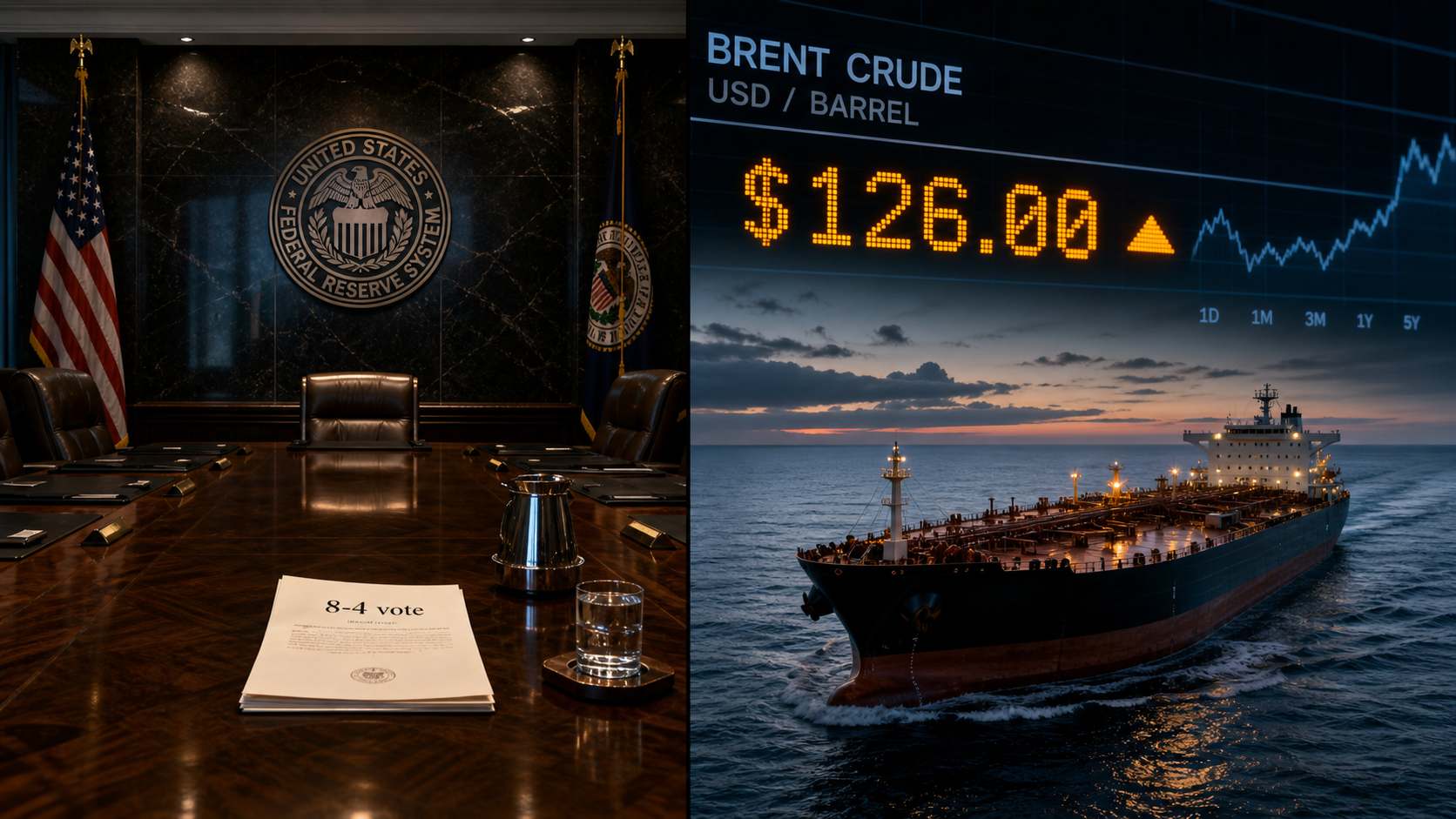
LONDON — Petrol hits highest price since start of Iran war at 158.52p a litre, the RAC reported on Tuesday, surpassing the previous wartime peak of 158.31p set on 15 April. Unleaded petrol has risen nearly 26p from 132.83p since the conflict began with US-Israeli airstrikes on 28 February. Diesel now costs 185.92p a litre, up from 142.38p before the war. Brent crude, the global benchmark, trades at approximately 111abarrel—upfrom111abarrel—upfrom73 in February — as the Strait of Hormuz remains conditionally closed and refineries source alternative cargoes at higher cost.
How the War Drove Prices to a New Peak
The RAC’s weekly fuel watch data shows petrol prices eased slightly after the 15 April peak before resuming their climb at the start of May. Simon Williams, RAC head of policy, said unleaded was likely to reach at least 160p a litre in the coming weeks unless there was a “dramatic and sustained drop” in the price of oil RAC Fuel Watch report, 19 May 2026.
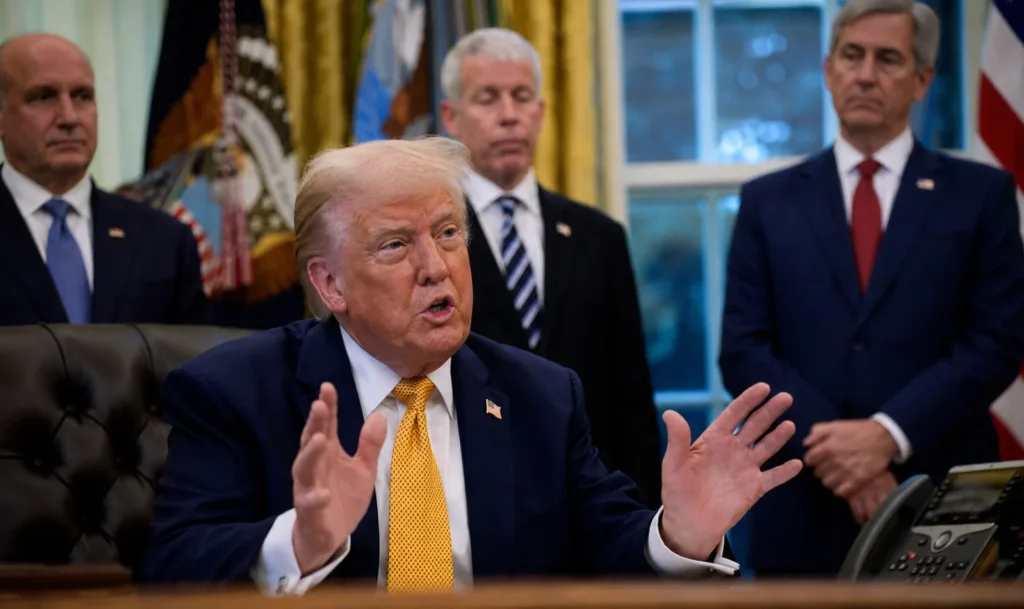
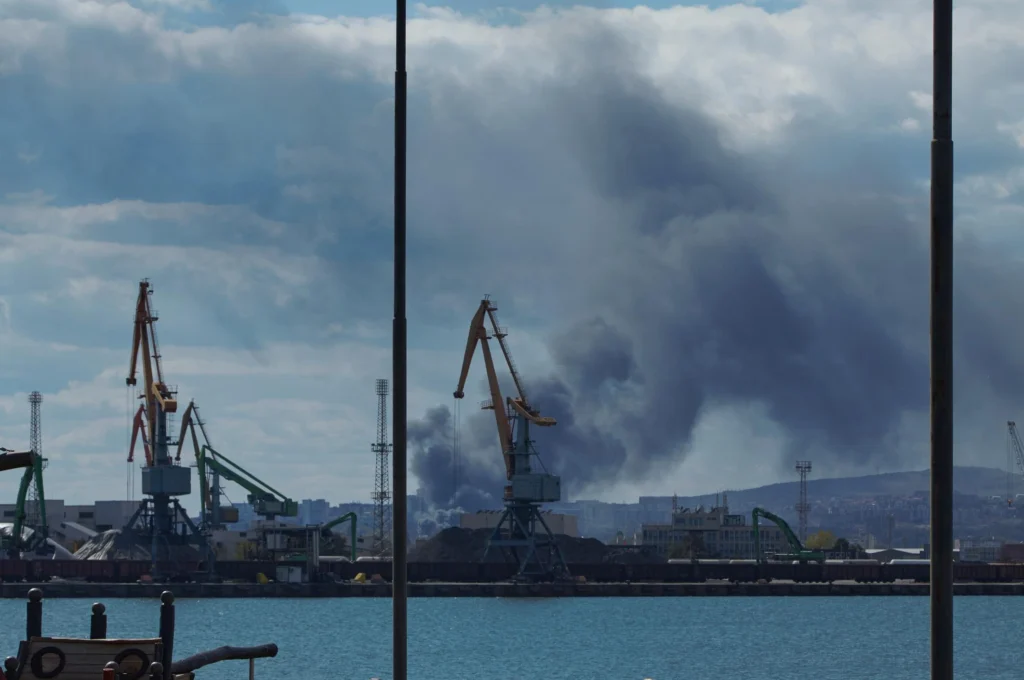
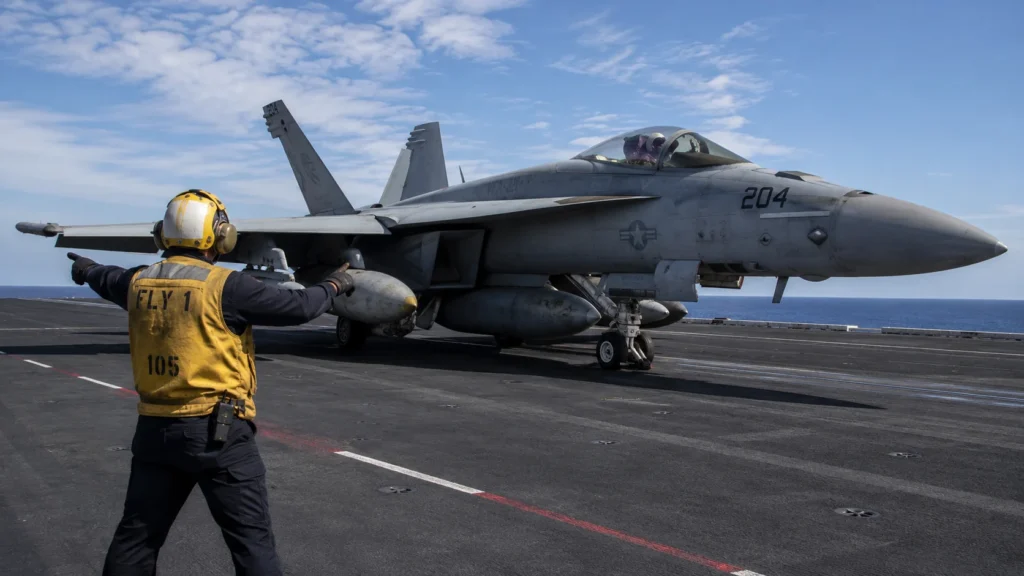
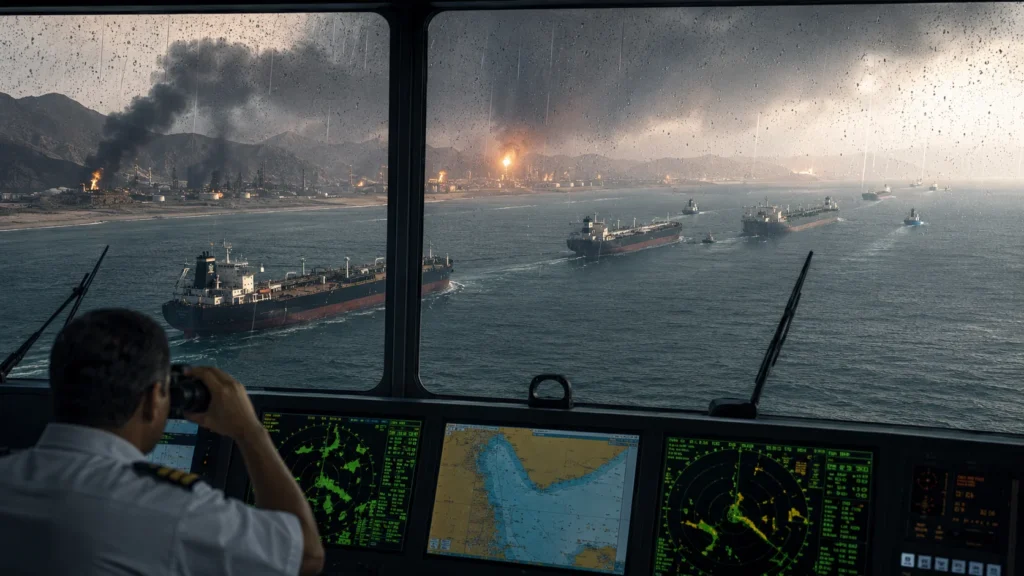
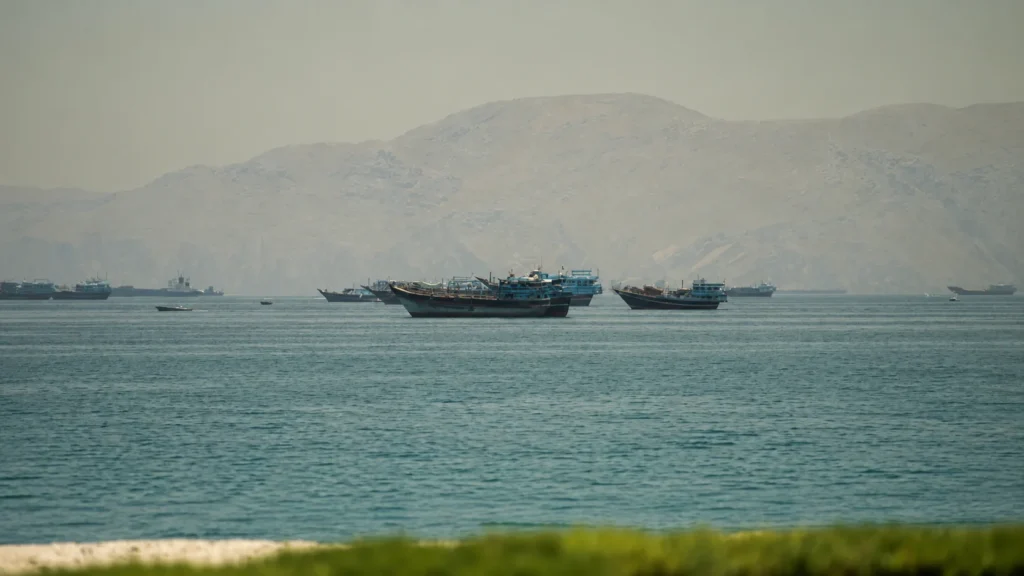
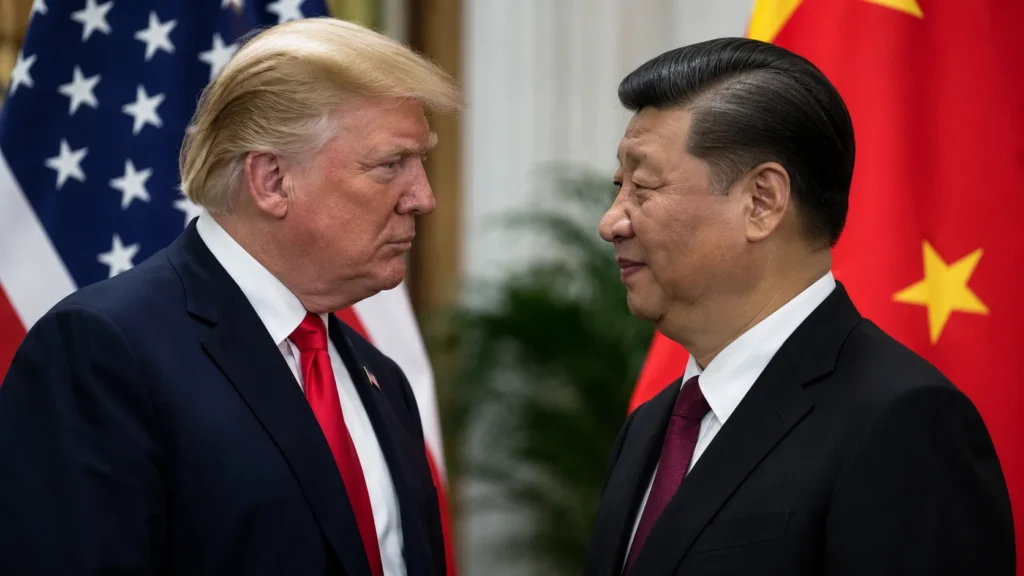
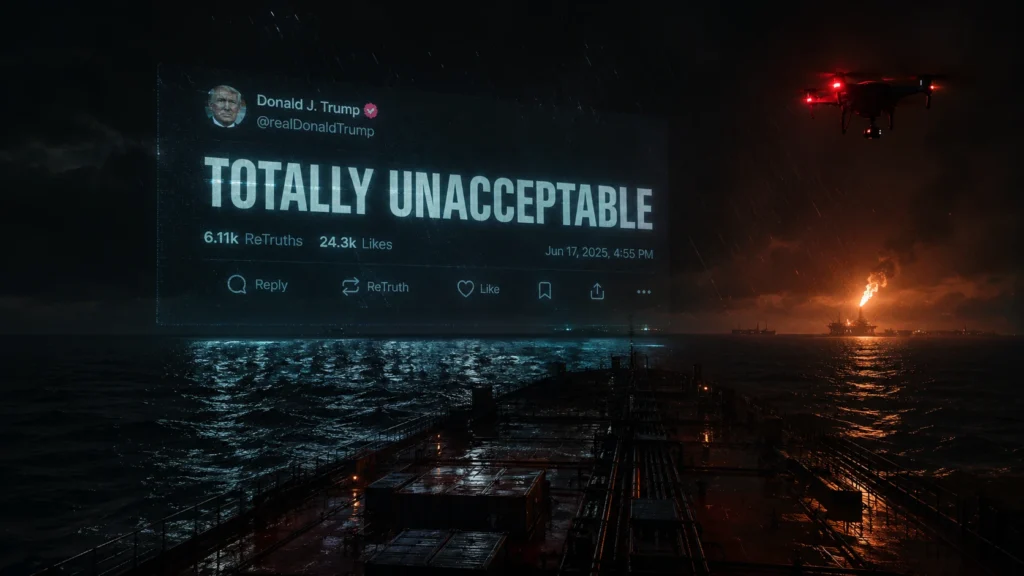
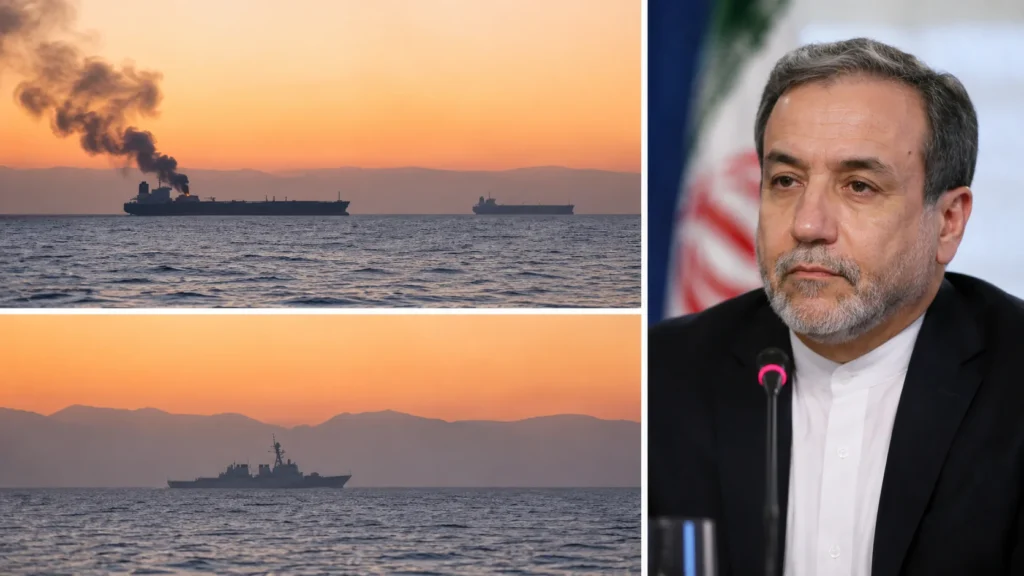
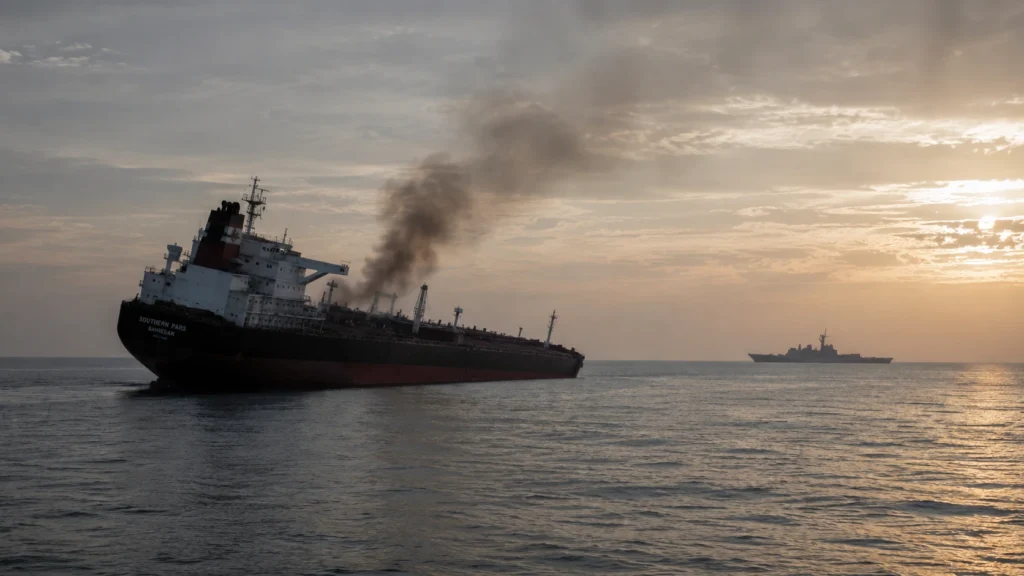
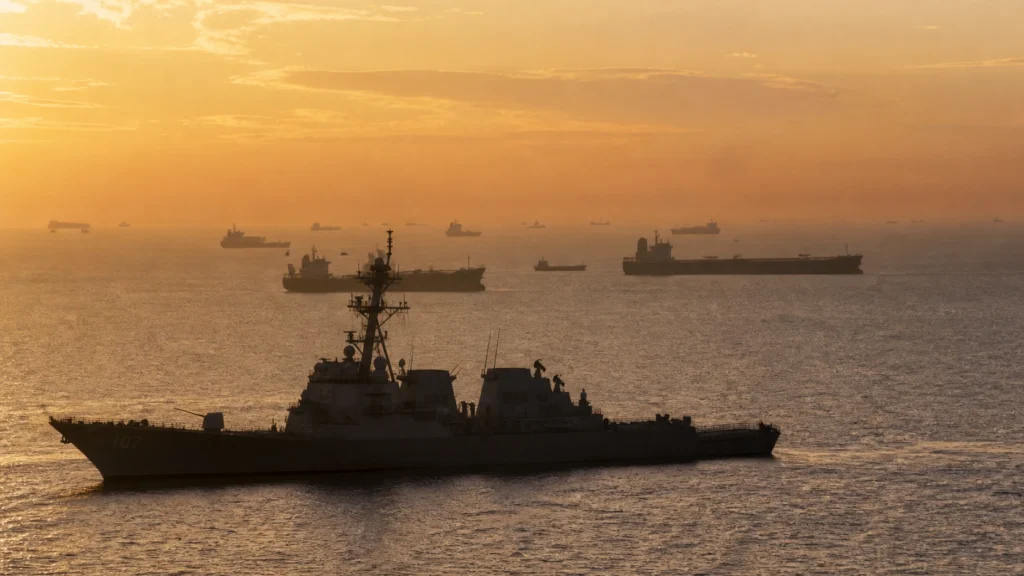
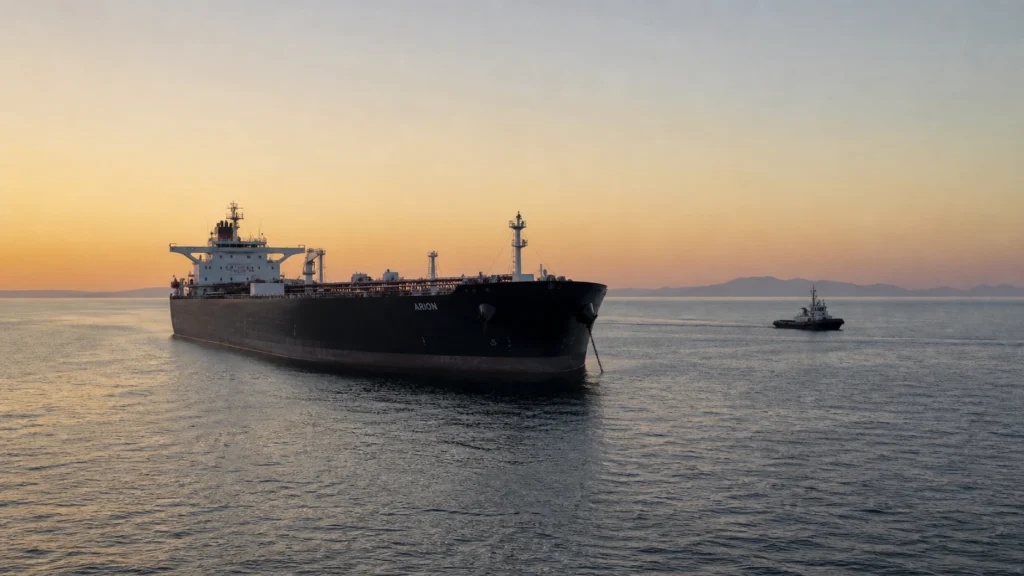
No such drop appears imminent. President Donald Trump’s Truth Social post on Sunday temporarily paused a planned military strike on Iran at the request of Gulf states, but the Strait of Hormuz — through which roughly one-fifth of global oil and LNG normally transits — remains under Iranian conditional control. Refineries continue sourcing alternative crude from Angola, the North Sea, and US shale basins, adding freight costs that reach the forecourt.
How the Strait of Hormuz closure rewired global fuel supply chains
The Diesel Disconnect
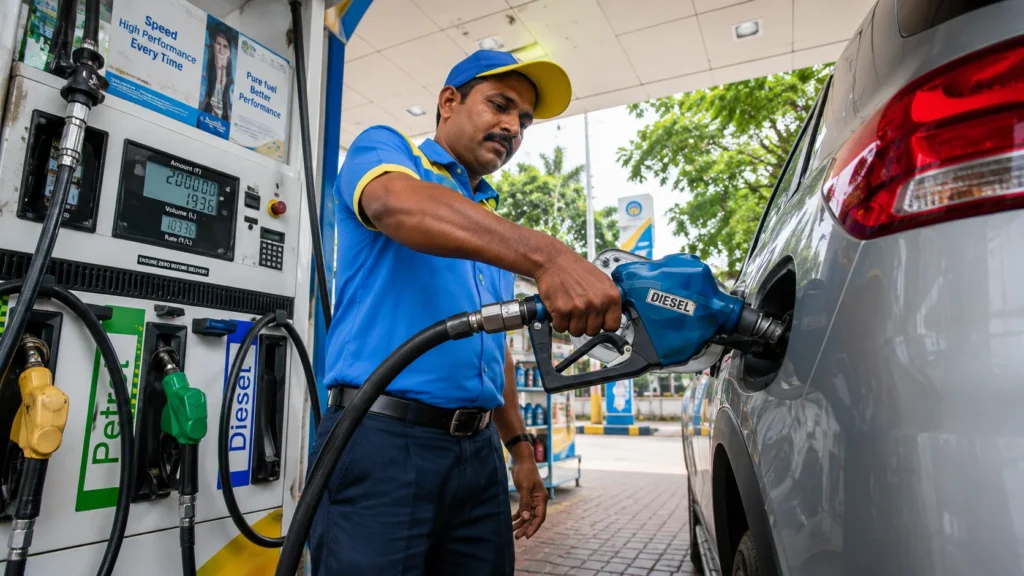
The wholesale price of diesel has fallen significantly since its early April peak, according to the RAC. Yet pump prices remain at 185.92p — more than 43p above pre-war levels.
Williams said diesel prices “should really be much lower than it is” and urged retailers to “reflect the savings they’re benefiting from when buying new supply on the forecourt.” The statement exposes what economists call the rocket-and-feather effect: pump prices rise rapidly when wholesale costs increase, but fall slowly — and incompletely — when costs decline.
The Competition and Markets Authority investigated UK fuel retailing in 2023 and found evidence of “weakened competition” CMA fuel market study, 2023. That finding acquires renewed relevance as the wholesale-to-pump spread on diesel widens during a supply crisis.
The rocket-and-feather dynamic — why pump prices rise faster than they fall
The Treasury’s Fuel Duty Calculation
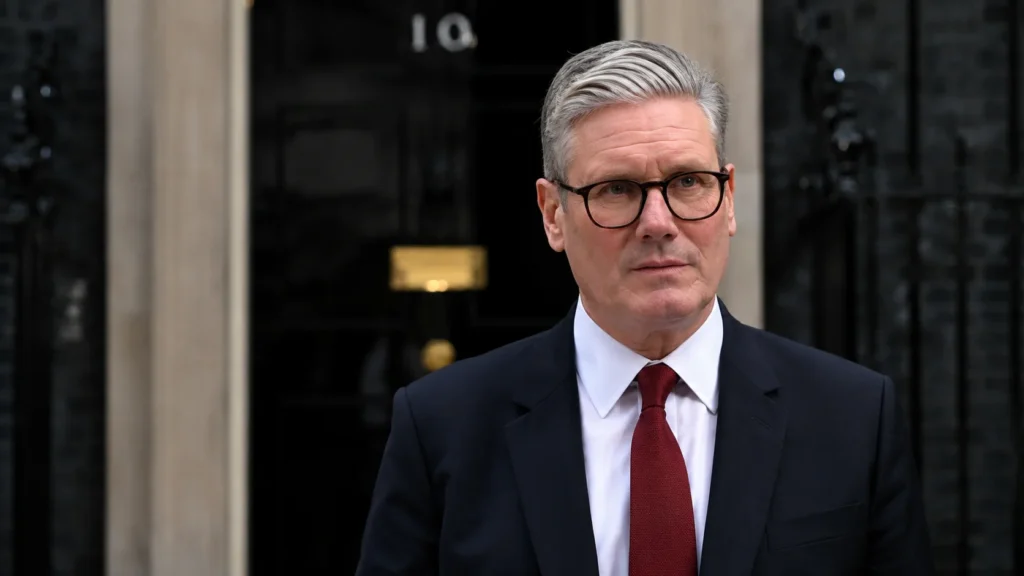
The Chancellor is reportedly considering scrapping a planned 1p per litre fuel duty increase scheduled for September. The current duty rate of 52.95p per litre includes a 5p cut introduced during the Ukraine war that has been extended repeatedly. The Treasury said it does not comment on tax speculation.
Williams called the potential scrapping “a relief for drivers,” noting RAC research shows motorists are “struggling with the higher cost of filling up.”
The strategic logic is circular: the government taxes fuel, the war increases fuel prices, and the government considers not increasing fuel taxes to offset the war-driven increase. The tax base shrinks relative to projections. The fiscal headroom narrows. The Strait of Hormuz, 4,500 miles from Westminster, becomes a factor in the autumn fiscal arithmetic.
FAQ: UK Petrol Prices and the Iran War 2026
Why have UK petrol prices reached a new high?
Petrol hit 158.52p a litre because the Iran war has disrupted oil production and transportation across the Middle East. The Strait of Hormuz remains conditionally closed, forcing refineries to source more expensive alternative crude. Brent crude has risen from 73 to 73 to 111 per barrel.
How much have petrol and diesel risen since the war began?
Unleaded petrol has risen from 132.83p to 158.52p — an increase of nearly 26p per litre. Diesel has risen from 142.38p to 185.92p — an increase of more than 43p per litre.
Why aren’t diesel prices falling with wholesale costs?
The RAC says retailers are not passing on wholesale price reductions quickly enough. This reflects the rocket-and-feather pricing dynamic, where pump prices rise fast but fall slowly, and weakened competition in the fuel retailing sector.
What is happening to fuel duty?
The Chancellor is reportedly considering scrapping a planned 1p per litre fuel duty increase scheduled for September. The current duty rate of 52.95p per litre includes a 5p cut introduced during the Ukraine war.
Will petrol prices rise further?
The RAC expects unleaded to reach at least 160p a litre in the coming weeks unless there is a sustained drop in oil prices. With the Strait of Hormuz remaining closed and diplomatic talks stalled, no significant price relief is expected.
Written by the Business Desk, drawing on RAC Fuel Watch data, Brent crude pricing, and CMA fuel market analysis. The desk has covered UK energy markets and consumer pricing for over 15 years.